
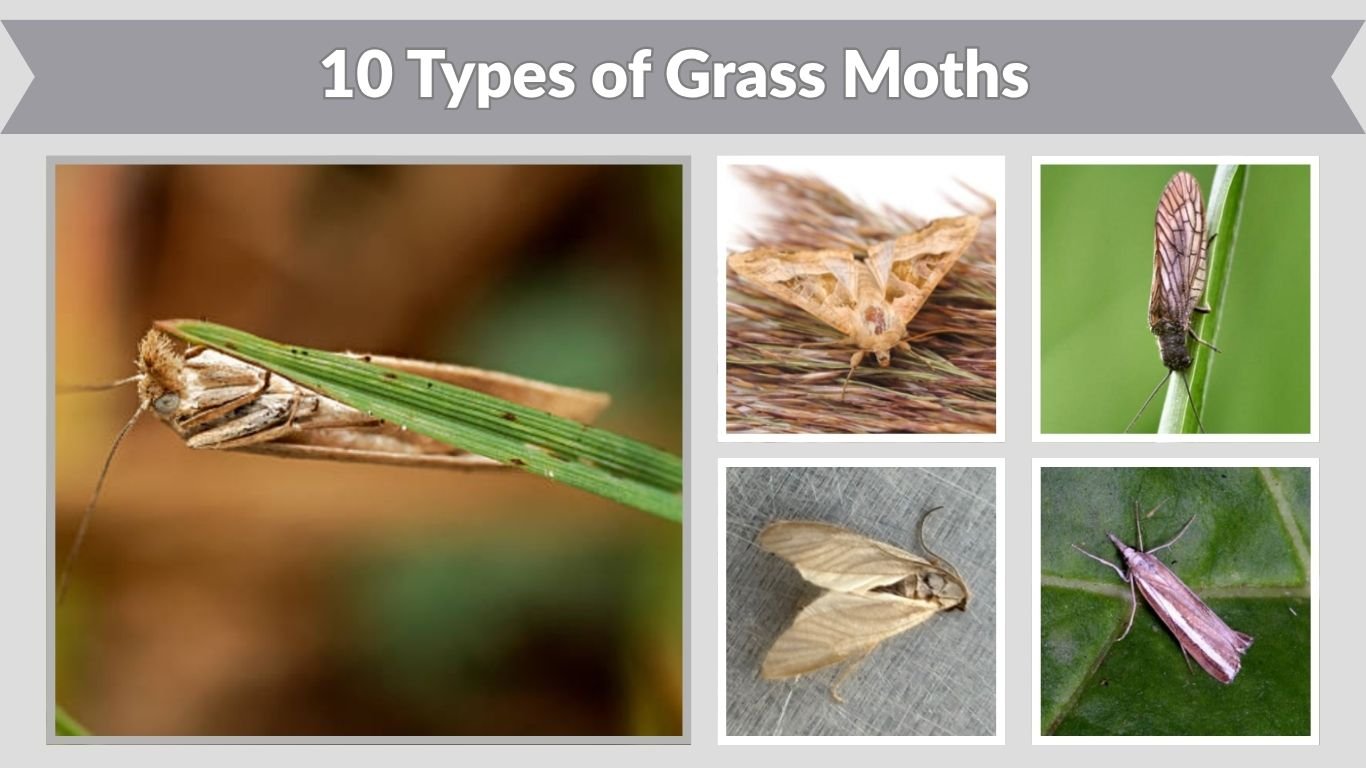
Grass moths are small, slender insects commonly found in grassy environments around the world. Most belong to the family Crambidae and are easily recognized by their narrow wings and unique resting posture, where they wrap their wings tightly around their bodies like a blade of grass. This natural camouflage helps them stay hidden from predators during the day.
These moths play an important role in ecosystems, especially in grasslands, meadows, and wetlands. Their caterpillars feed mainly on grasses and other low-growing plants, making them part of the natural food chain. While often overlooked due to their size, grass moths are diverse and widespread. In this list, you’ll explore 10 common types of grass moths, each with distinct features, habitats, and behaviors.
1. Garden Grass-veneer
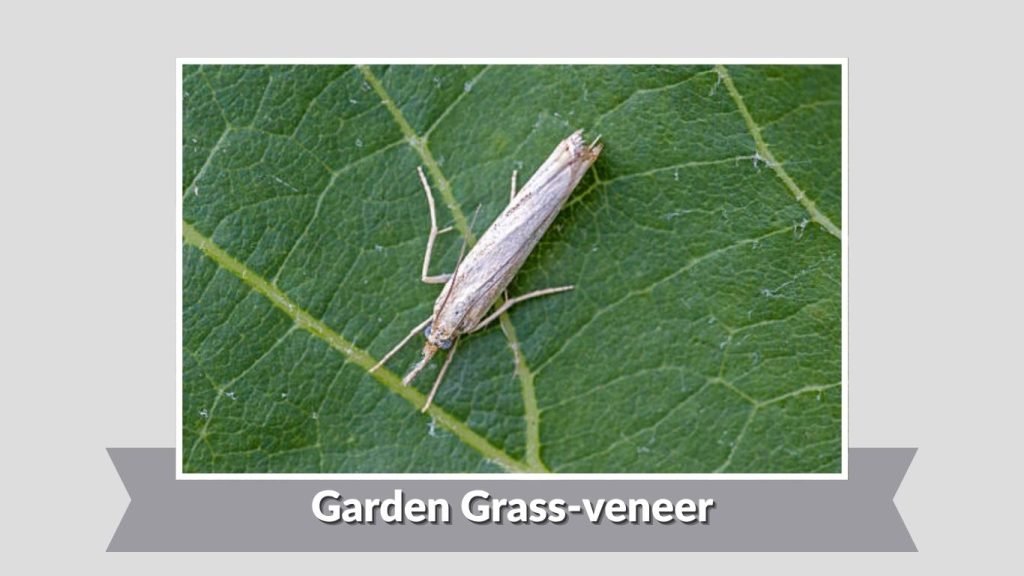
The Garden Grass-veneer is a small and slender grass moth commonly found in grassy areas and gardens. It belongs to a group of moths known for their narrow wings and resting posture, often appearing like dried grass stems. This species is widely distributed and frequently seen during warmer months.
Identification
- Small moth with a wingspan of about 18–26 mm
- Narrow, elongated wings held tightly along the body
- Pale brown, golden, or straw-colored wings
- Subtle longitudinal streaks running along the wings
- Slender body that blends with grass stems
- Characteristic “snout-like” appearance due to forward-projecting palps
Habitat
The Garden Grass-veneer is commonly found in lawns, meadows, grasslands, gardens, and agricultural fields. It prefers areas with abundant grasses, which serve as both shelter and food for its larvae. This moth adapts well to human environments and is often seen in suburban gardens and parks. During the day, it rests low among grass blades, making it difficult to spot. Its presence is closely tied to grassy vegetation and open habitats.
Behaviors
This moth is mainly nocturnal and becomes active at night, flying low over grassy areas. It is attracted to artificial lights and may be seen around outdoor lamps. During the day, it remains still among grass, using its narrow shape and coloration for camouflage. When disturbed, it quickly flies a short distance before settling again. Its flight is weak and fluttering, usually staying close to the ground.
Diet and Lifecycle
The lifecycle includes egg, larva, pupa, and adult stages. Females lay eggs on grass blades. The caterpillars feed on grasses, sometimes living near the base of plants or in the soil. They may create silk-lined tunnels or shelters while feeding. After completing their growth, larvae pupate in the ground or within grass. Adults emerge in warm months, and there may be multiple generations per year depending on the climate.
2. Common Grass-veneer
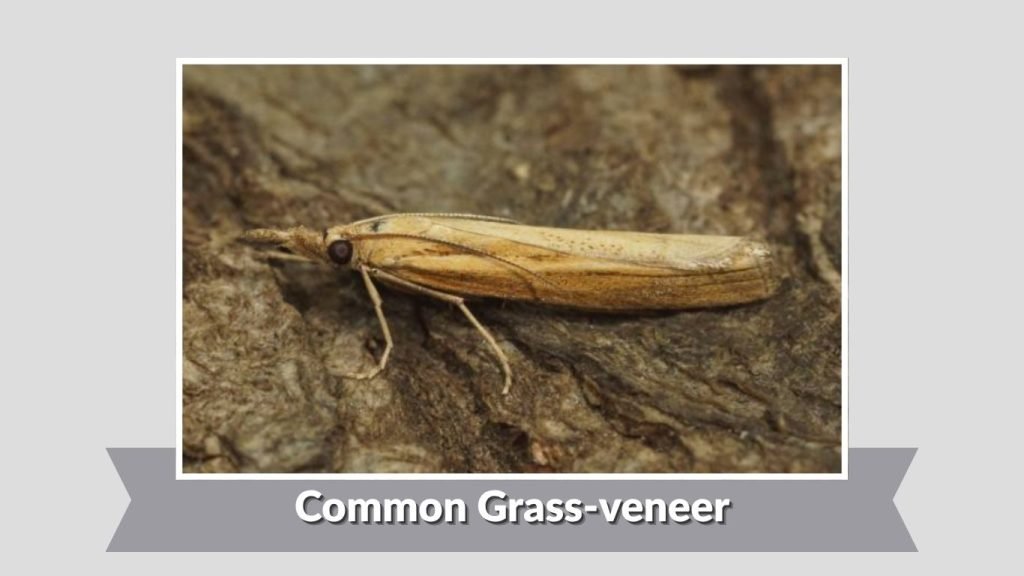
The Common Grass-veneer is a widespread and frequently seen grass moth, known for its slim shape and subtle coloration. It is commonly found in grassy habitats and is often noticed when it flies up from lawns or fields. Despite its plain appearance, it plays an important role in grassland ecosystems.
Identification
- Small moth with a wingspan of about 20–30 mm
- Narrow, elongated wings held close to the body
- Pale brown, gray, or straw-colored wings
- Fine streaks or faint lines running lengthwise on the wings
- Slender body that resembles a grass stem
- Prominent forward-pointing palps giving a “snout-like” look
Habitat
The Common Grass-veneer is typically found in grasslands, meadows, lawns, agricultural fields, and roadside vegetation. It prefers areas with dense grass cover, which provides both food and shelter for its larvae. This species is highly adaptable and can thrive in both natural and human-managed environments. During the day, it rests among grass blades, blending in perfectly with its surroundings. It is especially common in open, sunny habitats.
Behaviors
This moth is mainly nocturnal and becomes active at night, flying low over grassy areas. It is often attracted to artificial lights. During the day, it stays hidden among grass, relying on its camouflage to avoid predators. When disturbed, it quickly flies a short distance before dropping back into vegetation. Its flight is light and fluttering, usually close to the ground.
Diet and Lifecycle
The lifecycle includes egg, larva, pupa, and adult stages. Females lay eggs on grasses, and the caterpillars feed on grass blades and stems. Larvae often live near the base of plants or within silk-lined tunnels for protection. After feeding and growing, they pupate in the soil or within grass. Adults emerge during warmer months, and there may be multiple generations each year depending on environmental conditions.
3. White-lined Grass-veneer
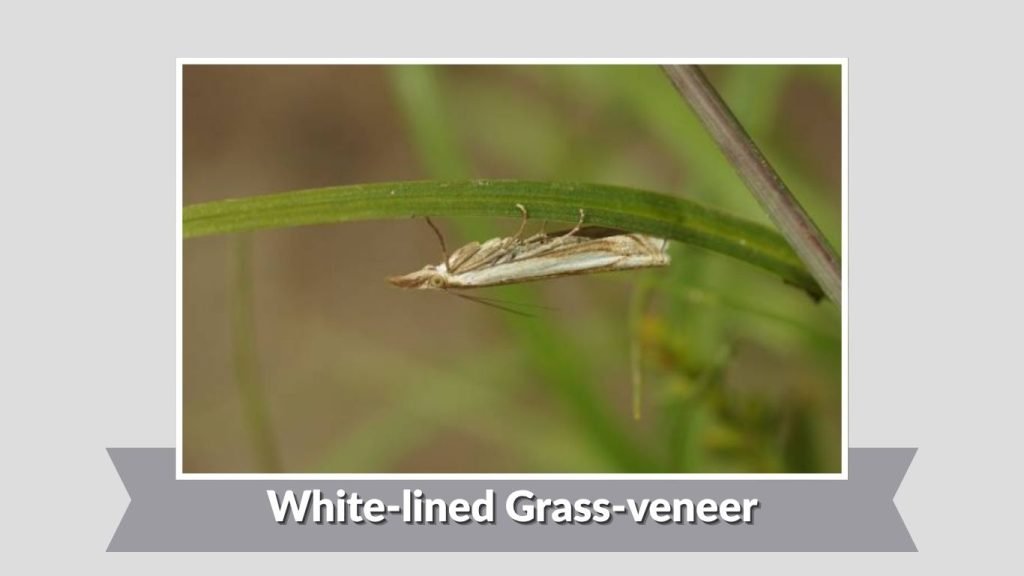
The White-lined Grass-veneer is a distinctive grass moth known for its clean, pale markings and slender shape. It is commonly found in grassy habitats and is often noticed when it takes short flights close to the ground. Its subtle but clear pattern makes it easier to recognize than many other grass moths.
Identification
- Small moth with a wingspan of about 22–30 mm
- Narrow wings with a noticeable white or pale stripe running lengthwise
- Background color ranges from light brown to grayish
- Wings held tightly along the body when at rest
- Slender, elongated body resembling a grass stem
- Prominent snout-like palps extending forward
Habitat
The White-lined Grass-veneer is typically found in meadows, grasslands, lawns, and roadside vegetation. It prefers areas with dense grasses, which provide food for its larvae and shelter for adults. This species is also common in gardens and agricultural fields. During the day, it rests low among grass blades, where its coloration helps it blend into dry or sunlit vegetation. Its presence is closely linked to open grassy environments.
Behaviors
This moth is mainly nocturnal and becomes active at night, flying low over grassy areas. It is attracted to artificial lights and may be seen around outdoor lamps. During the day, it remains hidden among grass, relying on camouflage. When disturbed, it quickly flies a short distance before settling again. Its flight is light, quick, and close to the ground.
Diet and Lifecycle
The lifecycle includes egg, larva, pupa, and adult stages. Females lay eggs on grasses. The caterpillars feed on grass blades and stems, often staying near the base of plants or in sheltered areas. They may create silk-lined tunnels for protection. After completing development, larvae pupate in the soil or within grass. Adults emerge during warmer months, and multiple generations may occur each year depending on climate.
4. Rush Veneer
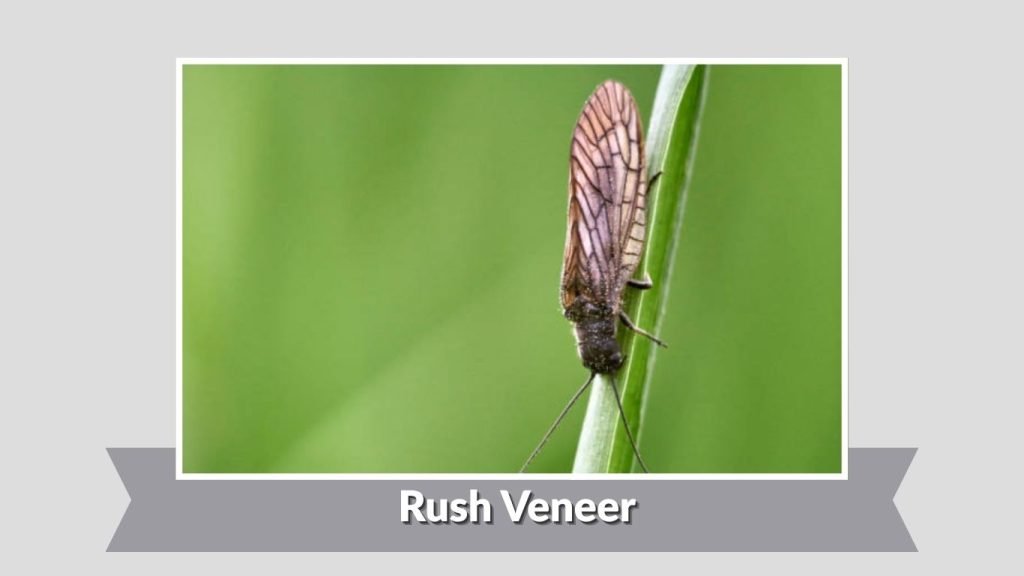
The Rush Veneer is a small and slender grass moth often associated with damp habitats and grassy vegetation. It is known for its subtle coloration and narrow wings, which help it blend into reeds and grasses. This species is commonly seen in open landscapes, especially near wetlands.
Identification
- Small moth with a wingspan of about 18–26 mm
- Narrow, elongated wings held tightly along the body
- Pale brown to grayish wings with faint streaks
- Slightly glossy or smooth wing surface
- Slender body resembling a grass or reed stem
- Distinct snout-like palps projecting forward
Habitat
The Rush Veneer is typically found in wetlands, marshes, damp meadows, and grassy areas near water. It prefers habitats with rushes, reeds, and tall grasses that provide food and shelter. This moth can also be found in drier grasslands and fields, but it is more commonly associated with moist environments. During the day, it rests among vegetation, blending in with stems and leaves.
Behaviors
This moth is mainly nocturnal and becomes active at night, flying low over grasses and reeds. It is attracted to artificial lights and may occasionally be seen near lamps. During the day, it remains still among vegetation, relying on camouflage. When disturbed, it flies a short distance before settling again. Its flight is quick and close to the ground or water surface.
Diet and Lifecycle
The lifecycle includes egg, larva, pupa, and adult stages. Females lay eggs on grasses or rushes. The caterpillars feed on these plants, often living near the base or within sheltered areas. They may create silk-lined tunnels for protection. After feeding and growing, larvae pupate in the soil or plant debris. Adults emerge in warmer months, and there may be multiple generations per year depending on environmental conditions.
5. Silver-barred Grass-veneer
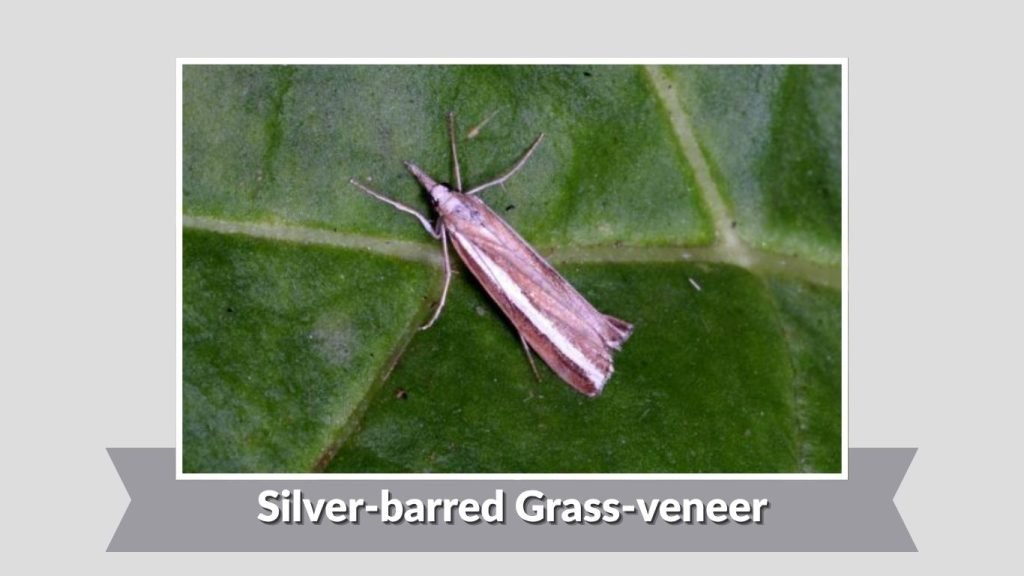
The Silver-barred Grass-veneer is a small but attractive grass moth known for its shiny markings and slender shape. It is commonly found in grassy habitats and is often noticed due to the silvery streaks on its wings, which stand out against its otherwise muted coloration.
Identification
- Small moth with a wingspan of about 20–28 mm
- Narrow wings with distinct silvery or whitish longitudinal streaks
- Background color ranges from golden-brown to gray
- Wings held tightly along the body at rest
- Slender, elongated body resembling a grass stem
- Prominent snout-like palps extending forward
Habitat
The Silver-barred Grass-veneer is typically found in meadows, grasslands, gardens, and agricultural fields. It prefers open areas with abundant grasses, which provide food for its larvae. This species adapts well to both natural and human-managed environments, including lawns and roadside vegetation. During the day, it rests among grass blades, where its coloration helps it blend in, despite the subtle shine of its markings.
Behaviors
This moth is mainly nocturnal and becomes active at night, flying low over grassy areas. It is attracted to artificial lights and may often be seen around outdoor lamps. During the day, it remains hidden among grass, relying on camouflage. When disturbed, it quickly flies a short distance before settling again. Its flight is light and fluttering, staying close to the ground.
Diet and Lifecycle
The lifecycle includes egg, larva, pupa, and adult stages. Females lay eggs on grasses. The caterpillars feed on grass blades and stems, often living near the base of plants or within silk-lined tunnels. After completing development, they pupate in the soil or plant debris. Adults emerge during warmer months, and there may be multiple generations per year depending on climate.
6. Large Grass-veneer
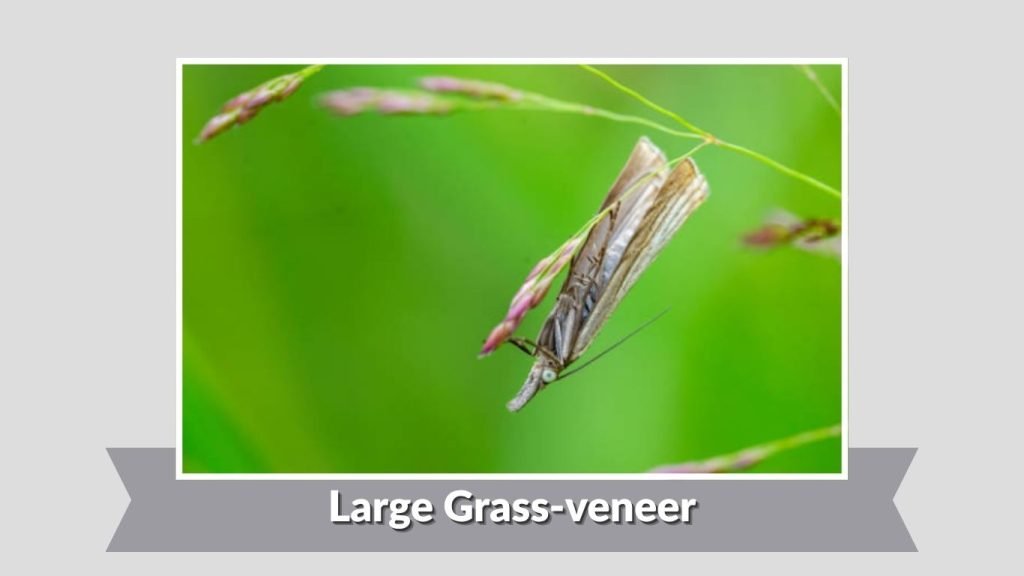
The Large Grass-veneer is a relatively bigger species among grass moths, known for its elongated body and subtle wing patterns. It is commonly found in grassy landscapes and is often seen when disturbed from vegetation. Despite its size, it remains well-camouflaged among grasses.
Identification
- Medium-sized grass moth with a wingspan of about 25–35 mm
- Long, narrow wings held tightly along the body
- Pale brown, straw-colored, or grayish wings
- Fine longitudinal streaks along the wings
- Slender, elongated body resembling a dry grass stem
- Prominent snout-like palps projecting forward
Habitat
The Large Grass-veneer is typically found in grasslands, meadows, agricultural fields, and roadside vegetation. It prefers open areas with dense grass cover, which provides both shelter and food for its larvae. This species is also common in gardens and parks where grasses are abundant. During the day, it rests among tall grass, blending in effectively with its surroundings.
Behaviors
This moth is mainly nocturnal and becomes active at night, flying low over grassy areas. It is attracted to artificial lights and may be seen near lamps. During the day, it stays hidden among grass blades, relying on camouflage. When disturbed, it flies a short distance before settling again. Its flight is steady but close to the ground.
Diet and Lifecycle
The lifecycle includes egg, larva, pupa, and adult stages. Females lay eggs on grasses. The caterpillars feed on grass blades and stems, often staying near the base of plants or within silk-lined shelters. After feeding and growing, they pupate in the soil or among plant debris. Adults emerge in warmer months, and there may be multiple generations per year depending on environmental conditions.
7. Small Grass-veneer
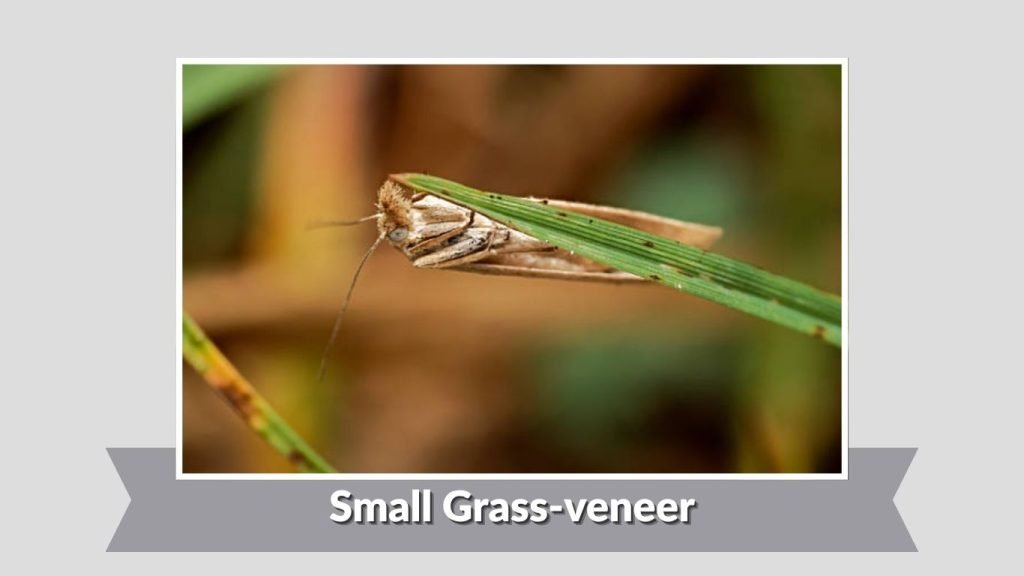
The Small Grass-veneer is a delicate and slender grass moth, smaller than many related species but equally well-adapted to grassy environments. It is commonly found in open habitats and is often overlooked due to its excellent camouflage and subtle coloration.
Identification
- Small moth with a wingspan of about 16–24 mm
- Very narrow, elongated wings held tightly along the body
- Pale straw-colored, light brown, or grayish wings
- Faint longitudinal streaks along the wings
- Slender body that closely resembles a thin grass stem
- Prominent snout-like palps projecting forward
Habitat
The Small Grass-veneer is typically found in meadows, lawns, grasslands, and roadside vegetation. It prefers areas with short to medium grasses, which provide both food and shelter. This species adapts well to gardens and urban green spaces, making it quite widespread. During the day, it rests low among grass blades, where its small size and coloration make it almost invisible.
Behaviors
This moth is mainly nocturnal and becomes active at night, flying low over grassy areas. It is attracted to artificial lights and may occasionally be seen near lamps. During the day, it remains hidden among grass, relying on camouflage to avoid predators. When disturbed, it flies a short distance before settling again. Its flight is quick, light, and close to the ground.
Diet and Lifecycle
The lifecycle includes egg, larva, pupa, and adult stages. Females lay eggs on grasses, and the caterpillars feed on grass blades and stems. Larvae often stay near the base of plants or in protected areas. After feeding and growing, they pupate in the soil or within plant debris. Adults emerge during warmer months, and there may be multiple generations per year depending on climate.
8. Brown China-mark
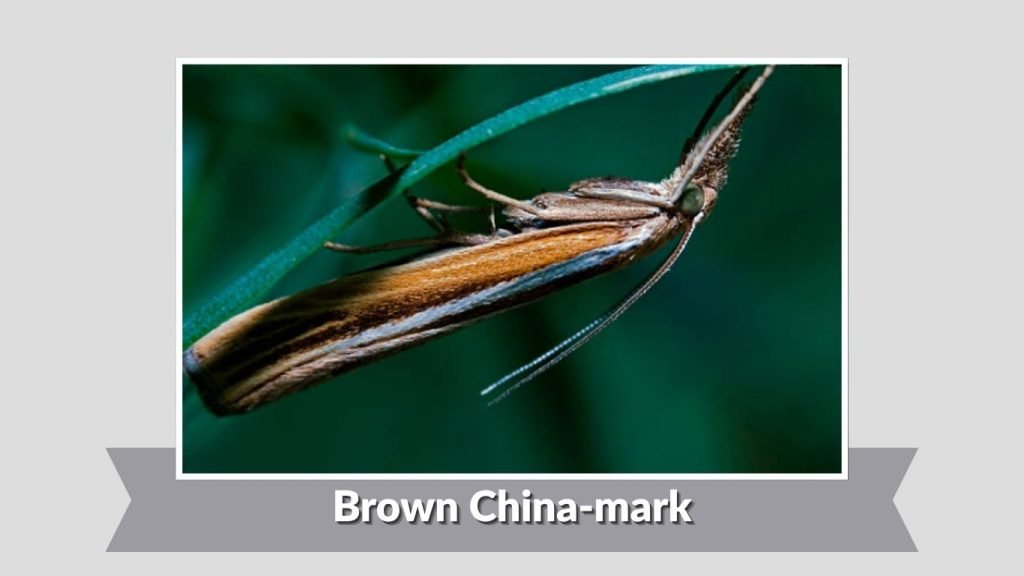
The Brown China-mark is a small moth often associated with aquatic or semi-aquatic environments, unlike most grass moths. It is known for its distinctive wing patterns and preference for areas near water. This species is commonly found in wetlands and ponds.
Identification
- Small moth with a wingspan of about 18–25 mm
- Brown wings with pale or whitish markings forming irregular patterns
- Wings are broader compared to typical grass-veneers
- Subtle contrast between dark and light areas on wings
- Body is slender but slightly thicker than grass-veneer species
- Palps extend forward, giving a slight snout-like appearance
Habitat
The Brown China-mark is typically found near ponds, lakes, marshes, and slow-moving streams. It prefers habitats with aquatic plants such as reeds and water weeds, which are essential for its larvae. This moth is rarely found far from water and is often seen resting on vegetation near the edges of wetlands. Its presence is strongly tied to clean, plant-rich aquatic environments.
Behaviors
This moth is mainly nocturnal and becomes active at night, flying low over water or nearby vegetation. It may be attracted to artificial lights but is more commonly seen in natural wetland areas. During the day, it rests on plants close to water, relying on its coloration for camouflage. Its flight is light and often stays close to the water surface.
Diet and Lifecycle
The lifecycle includes egg, larva, pupa, and adult stages. Females lay eggs on aquatic plants. The caterpillars are semi-aquatic and feed on water plants, sometimes living in protective cases made from plant material. After feeding and growing, they pupate near or within their aquatic habitat. Adults emerge in warmer months, and there may be more than one generation per year depending on conditions.
9. Water Veneer
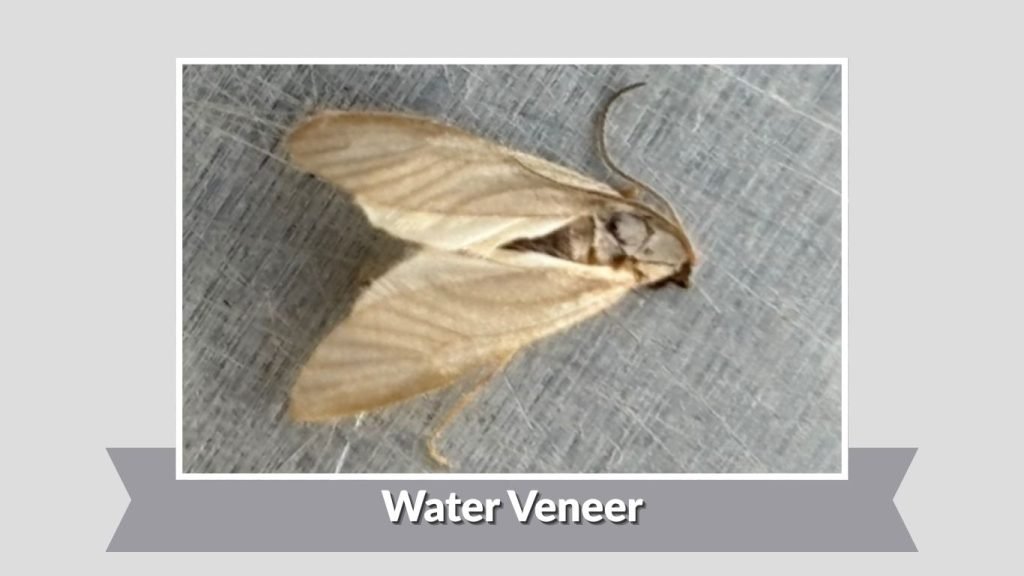
The Water Veneer is a small and delicate moth closely associated with aquatic environments. It is often seen near ponds, lakes, and slow-moving water, where it plays a role in wetland ecosystems. Its subtle appearance allows it to blend easily with surrounding vegetation.
Identification
- Small moth with a wingspan of about 18–24 mm
- Narrow wings with a pale brown, gray, or creamy coloration
- Faint lines or subtle patterns across the wings
- Wings held flat or slightly roof-like when at rest
- Slender body adapted for light flight
- Slight snout-like appearance due to forward-pointing palps
Habitat
The Water Veneer is commonly found near ponds, lakes, marshes, and slow-flowing streams. It prefers habitats rich in aquatic plants, which provide food and shelter for its larvae. This moth is rarely seen far from water and is often observed resting on reeds, grasses, or vegetation near the water’s edge. Its distribution depends heavily on the availability of suitable wetland environments.
Behaviors
This moth is mainly nocturnal and becomes active at night, flying low over water or nearby vegetation. It may be attracted to artificial lights but is more frequently seen in natural settings. During the day, it rests quietly on plants near water, using its subtle coloration for camouflage. Its flight is gentle and usually stays close to the surface of the water.
Diet and Lifecycle
The lifecycle includes egg, larva, pupa, and adult stages. Females lay eggs on aquatic plants. The caterpillars are adapted to aquatic or semi-aquatic life and feed on water vegetation. They may create protective shelters using plant material. After completing development, they pupate near the water. Adults emerge in warm months, and there may be multiple generations per year depending on environmental conditions.
10. Pearl Grass-veneer
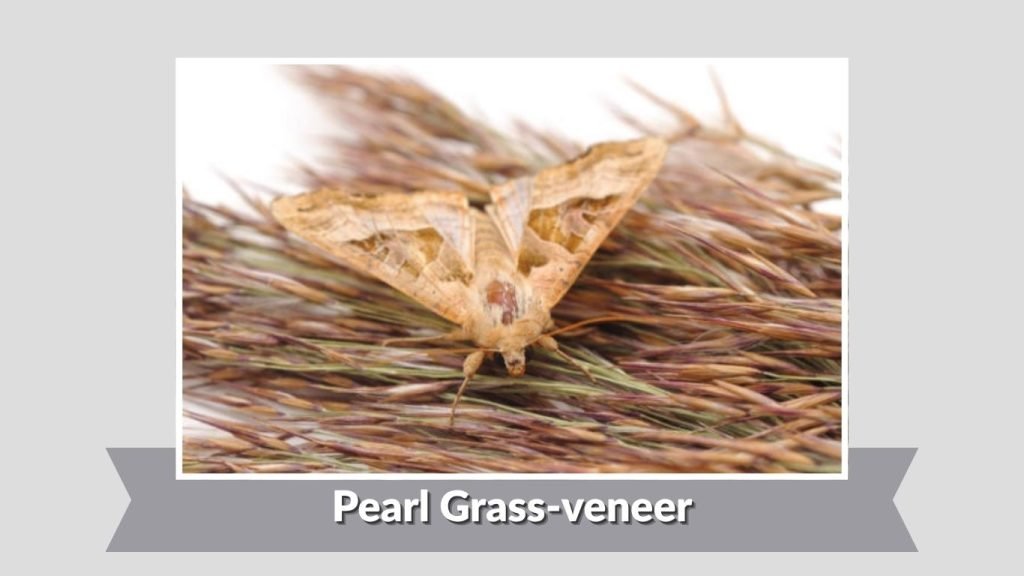
The Pearl Grass-veneer is a small and attractive grass moth known for its slightly glossy, pale appearance. It is commonly found in grassy habitats and is often noticed due to its subtle shine when light reflects off its wings. Like other grass moths, it blends well with its surroundings.
Identification
- Small moth with a wingspan of about 18–26 mm
- Narrow wings with a pale, pearly or slightly glossy sheen
- Color ranges from creamy white to light brown
- Fine, faint streaks may be visible along the wings
- Wings held tightly along the body at rest
- Slender body with a noticeable snout-like projection
Habitat
The Pearl Grass-veneer is typically found in grasslands, meadows, gardens, and agricultural areas. It prefers habitats with abundant grasses, which serve as food for its larvae. This species adapts well to both natural and human-managed environments, including lawns and roadside vegetation. During the day, it rests among grass blades, where its pale color helps it blend into dry or sunlit vegetation.
Behaviors
This moth is mainly nocturnal and becomes active at night, flying low over grassy areas. It is attracted to artificial lights and may be seen around outdoor lamps. During the day, it remains hidden among grass, relying on camouflage. When disturbed, it flies a short distance before settling again. Its flight is light and fluttering, usually close to the ground.
Diet and Lifecycle
The lifecycle includes egg, larva, pupa, and adult stages. Females lay eggs on grasses. The caterpillars feed on grass blades and stems, often living near the base of plants or within silk-lined shelters. After feeding and growing, they pupate in the soil or among plant debris. Adults emerge in warmer months, and there may be multiple generations per year depending on climate.
FAQs
What are grass moths?
Grass moths are small moths that belong mainly to the family Crambidae. They are commonly found in grassy areas and are known for their narrow wings and slender bodies. Their larvae usually feed on grasses, making them an important part of grassland ecosystems.
Why are grass moths called “veneers”?
Grass moths are often called “veneers” because of their smooth, narrow wings that resemble thin layers or strips. When they rest, they fold their wings tightly along their bodies, giving them a sleek, stick-like appearance similar to grass stems.
Are grass moths harmful to lawns?
In small numbers, grass moths are not harmful. However, their caterpillars can sometimes feed on grass roots and blades, which may cause damage to lawns or crops if populations become large. Most of the time, they do not cause serious problems.
When are grass moths most active?
Most grass moths are nocturnal and become active at night. They often fly low over grass and are attracted to artificial lights. During the day, they rest quietly among grass blades, where they are difficult to see due to their camouflage.
How can you identify a grass moth?
Grass moths can be identified by their narrow wings, slender bodies, and “snout-like” front caused by extended palps. They usually rest with wings wrapped tightly around their bodies, making them look like small pieces of dry grass.
