
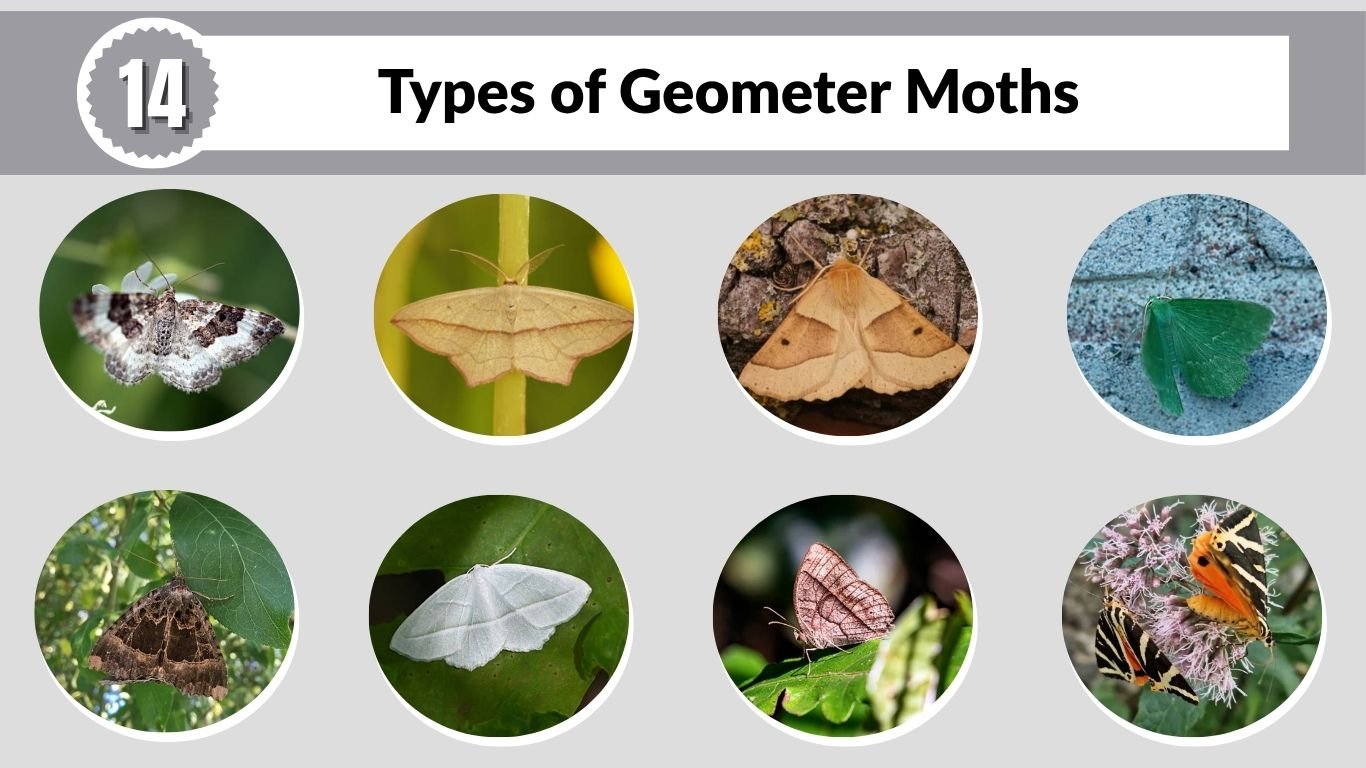
Geometer moths are a diverse group of insects known for their delicate appearance and remarkable camouflage. Belonging to the family Geometridae, these moths are found across the world in a wide range of habitats, from forests and grasslands to urban gardens. Their name comes from the Greek words meaning “earth measurer,” referring to the unique looping movement of their caterpillars, commonly called inchworms.
These moths play an important role in ecosystems as both pollinators and a food source for other animals. While many species appear subtle with muted colors and patterns, others stand out with striking markings or bright hues. In this list, you’ll discover 14 common types of geometer moths, each with its own distinct features, behaviors, and habitats.
1. Peppered Moth
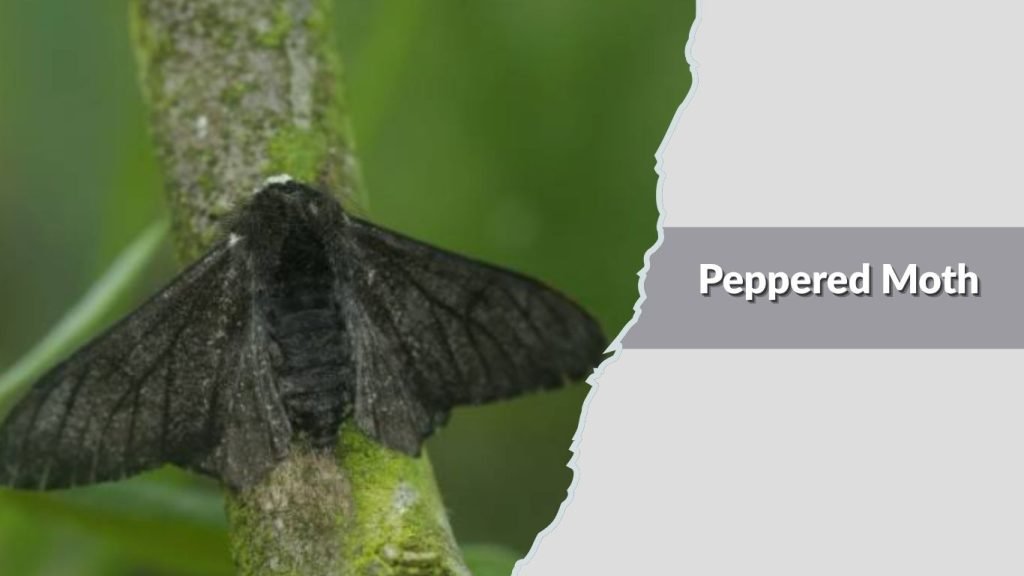
The Peppered Moth is one of the most well-known geometer moths, often highlighted in biology due to its connection with natural selection and environmental adaptation. Its ability to change appearance across populations has made it a classic example in evolutionary studies. Found across Europe, Asia, and North America, this moth adapts well to both natural forests and human-influenced environments. Its subtle yet effective camouflage allows it to blend seamlessly into its surroundings, making it difficult for predators to detect during the day.
Identification
- Typically pale gray or white wings with dense black speckling, giving a “peppered” appearance
- Melanic (dark) form appears almost entirely black, more common in polluted or urban regions
- Wings are broad and held flat when resting, creating a triangular shape
- Wingspan usually ranges between 45–62 mm
- Body is relatively stout compared to other geometer moths
- Excellent camouflage when resting on lichen-covered or darkened tree bark
Habitat
The Peppered Moth is highly adaptable and can be found in a wide range of environments, including deciduous and mixed woodlands, suburban gardens, parks, and even industrial areas. It prefers places with abundant trees such as birch, oak, and willow, which serve both as resting sites and food sources for larvae. In rural settings, it is commonly associated with lichen-covered tree trunks, while in urban areas, it adjusts to darker surfaces like polluted bark, walls, and fences. This flexibility in habitat selection has allowed the species to thrive even as environments change due to human activity. Seasonal presence varies by region, but adults are generally active from late spring to early summer.
Behaviors
The Peppered Moth is primarily nocturnal, becoming active after dusk when it flies in search of mates. During the day, it remains motionless on tree trunks or other surfaces, relying on its camouflage to avoid detection by predators such as birds. Its resting posture, with wings spread flat, enhances its ability to blend into textured backgrounds. When disturbed, it may flutter briefly before settling again in a concealed spot. This moth is also attracted to artificial lights, making it commonly observed around streetlights and outdoor lamps at night. Mating typically occurs shortly after emergence, and females release pheromones to attract males from a distance.
Diet and Lifecycle
The lifecycle of the Peppered Moth consists of four stages: egg, larva, pupa, and adult. Females lay eggs on the bark or leaves of host trees. The larvae, commonly called inchworms, feed on the leaves of various deciduous trees including birch, oak, willow, and hawthorn. These caterpillars have elongated bodies and move in a looping motion, a characteristic trait of geometer moth larvae. As they grow, they undergo several molts before pupating, usually in the soil or leaf litter. The pupal stage allows the moth to transform into its adult form. Depending on the climate, there may be one or two generations per year, with adults emerging in warmer months to repeat the cycle.
2. Winter Moth
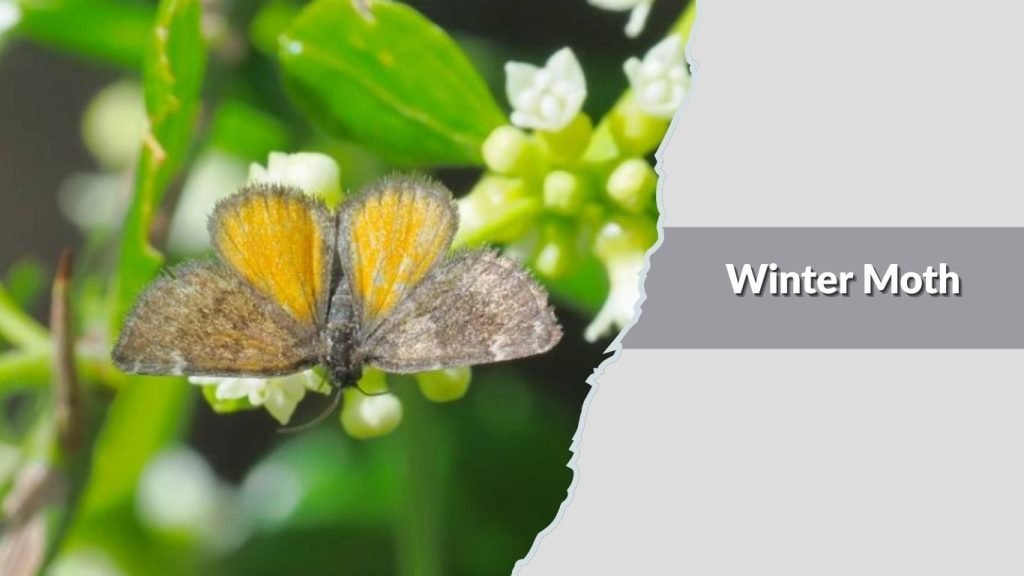
The Winter Moth is a unique geometer moth known for its unusual activity during colder months, often flying in late autumn and early winter. It is widely distributed across Europe and North America and is especially notable for the flightless females, which contrasts with the winged males. This species is also considered a pest in some regions due to the feeding habits of its caterpillars.
Identification
- Males have pale brown or grayish wings with faint wavy lines
- Females are almost wingless, appearing as small, brown, spider-like insects
- Wingspan of males ranges from 20–25 mm
- Males have slender bodies and noticeable antennae
- Females climb tree trunks instead of flying
- Overall appearance is modest and less patterned compared to many moths
Habitat
Winter Moths are commonly found in woodlands, orchards, gardens, and urban areas where deciduous trees grow. They prefer environments with oak, apple, maple, and other broadleaf trees that support larval feeding. Because females cannot fly, populations are often concentrated around suitable host trees. This species adapts well to both rural and suburban landscapes, especially where trees are dense. During the colder months, adults can be seen resting on tree bark, walls, and fences. Their presence is often more noticeable in areas where artificial lighting attracts the flying males at night.
Behaviors
Unlike most moths, the Winter Moth is active in cold weather, with adults emerging from late autumn to early winter. Males fly at night in search of females, often drawn to lights. Females, lacking functional wings, climb tree trunks to release pheromones that attract males. After mating, females lay eggs in bark crevices. The species relies more on chemical communication than movement for reproduction. Their cold-season activity helps reduce competition with other moth species and avoids many predators that are less active during this time.
Diet and Lifecycle
The Winter Moth undergoes a complete metamorphosis: egg, larva, pupa, and adult. Eggs are laid in winter and hatch in early spring as buds begin to open. The caterpillars feed on young leaves, buds, and flowers of trees such as oak, apple, and cherry, sometimes causing significant defoliation. After several weeks of feeding, larvae drop to the ground to pupate in the soil. The pupal stage lasts through summer and early autumn, with adults emerging when temperatures drop. Typically, there is one generation per year, closely synchronized with seasonal changes.
3. Spring Usher
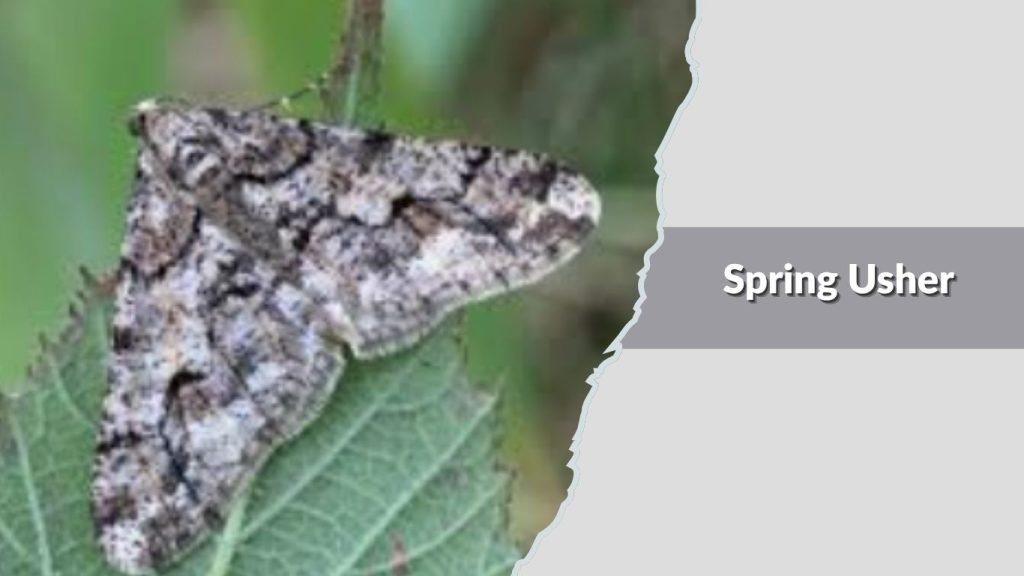
The Spring Usher is an early-season geometer moth that appears in late winter to early spring, often before many other insects become active. It is widely distributed across Europe and parts of Asia, favoring woodland habitats. This moth is relatively understated in appearance but plays an important role in forest ecosystems, particularly during the early growing season.
Identification
- Pale brown to grayish wings with faint cross-lines
- Males are fully winged, while females are wingless or have very reduced wings
- Wingspan of males typically ranges from 18–25 mm
- Body is slim, with a slightly rough texture
- Females resemble small, brown insects without noticeable wings
- Camouflages well against tree bark and branches
Habitat
The Spring Usher is commonly found in deciduous woodlands, hedgerows, parks, and gardens where host trees are available. It is especially associated with trees like oak, birch, and hawthorn, which provide food for its larvae. Because females cannot fly, populations are usually concentrated around suitable host trees. This species prefers cooler environments and is often among the first moths to appear as winter ends. It may also be found resting on tree trunks, fences, and nearby structures during the day, blending in with its surroundings.
Behaviors
The Spring Usher is active during late winter and early spring, with males flying at dusk and night in search of females. Like other similar species, females climb tree trunks to release pheromones rather than flying. Males are attracted to light and can sometimes be seen near outdoor lamps. During the day, both sexes remain still to avoid predators. Its early emergence allows it to take advantage of fresh plant growth and reduces competition with later-emerging insects.
Diet and Lifecycle
The lifecycle of the Spring Usher includes egg, larva, pupa, and adult stages. After mating, females lay eggs on tree bark or near buds. The larvae hatch in spring and feed on young leaves and buds of deciduous trees such as oak and hawthorn. These caterpillars move in the typical looping fashion of geometer larvae. After feeding for several weeks, they drop to the ground to pupate in the soil. The pupal stage lasts through the warmer months, with adults emerging the following late winter or early spring. Usually, there is one generation per year.
4. Brimstone Moth
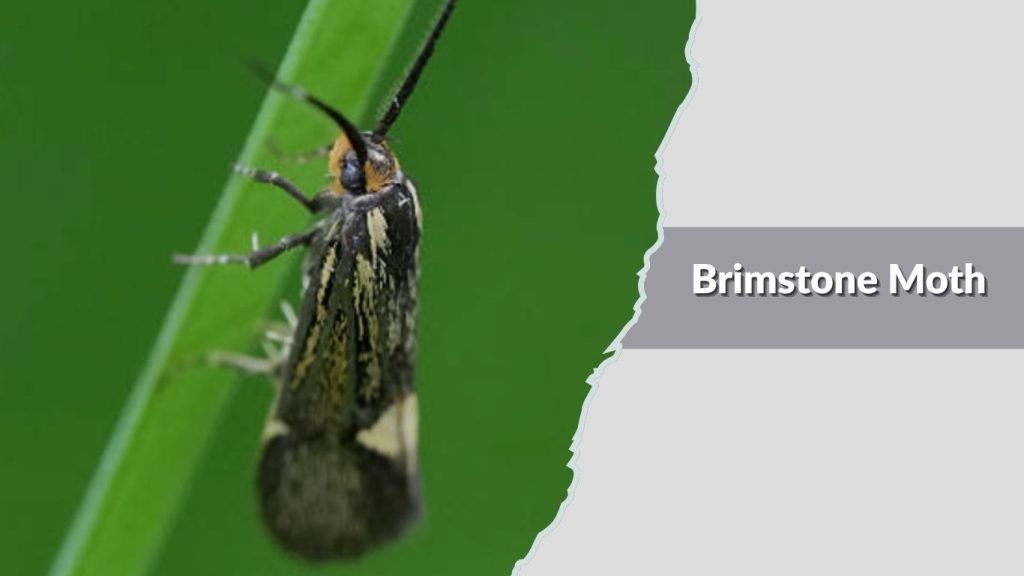
The Brimstone Moth is a striking and easily recognizable geometer moth known for its bright yellow coloration. It is commonly found across Europe and parts of Asia, especially in wooded and shrubby areas. Its vivid color helps distinguish it from many other moths, although it still uses camouflage by resembling yellowing leaves.
Identification
- Bright lemon-yellow wings with scattered brown or reddish speckles
- Distinctive leaf-like appearance when at rest
- Wingspan typically ranges from 45–55 mm
- Wings are broad and slightly scalloped at the edges
- Body is stout and matches the yellow tone of the wings
- Rests flat with wings spread, enhancing camouflage among foliage
Habitat
The Brimstone Moth prefers deciduous woodlands, hedgerows, gardens, and scrubby areas where shrubs and trees are abundant. It is often associated with plants like buckthorn, hawthorn, and other shrubs that support its larvae. This species thrives in both rural and semi-urban environments, as long as there is sufficient vegetation. During the day, it can be found resting on leaves, branches, or even walls where its yellow color blends with dry or sunlit foliage. Its distribution is fairly widespread, and it adapts well to different habitats within its range.
Behaviors
The Brimstone Moth is primarily nocturnal and becomes active at night, flying in search of mates and food sources. It is attracted to artificial lights and may be seen around outdoor lamps. During the day, it remains still, relying on its leaf-like appearance to avoid predators. When disturbed, it flies in a slow and fluttering manner before settling again. This species uses visual camouflage rather than hiding in dark crevices, often resting in exposed but well-matched locations.
Diet and Lifecycle
The lifecycle includes egg, larva, pupa, and adult stages. Females lay eggs on the leaves of host plants such as buckthorn and hawthorn. The caterpillars are green and well-camouflaged, feeding on leaves and growing through several stages. After completing development, they pupate either on the plant or nearby vegetation. Adults typically emerge in late spring to summer. There is usually one generation per year, although timing may vary depending on climate. The species plays a role in maintaining plant-insect ecological balance.
5. Pale Brindled Beauty
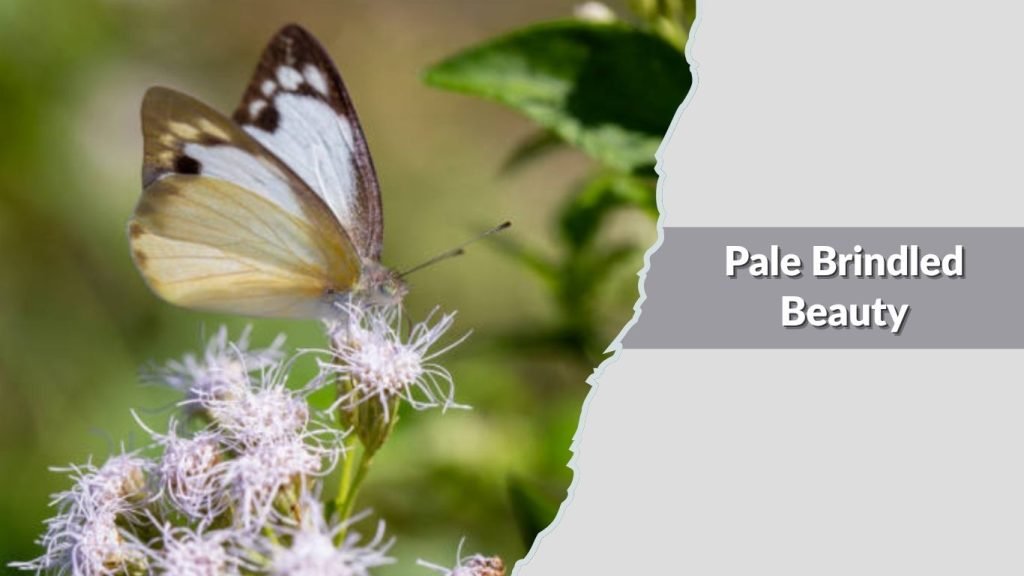
The Pale Brindled Beauty is a subtle yet well-adapted geometer moth, commonly seen in late winter and early spring. It is widely distributed across Europe and parts of Asia, often blending seamlessly into its surroundings. Like several early-season moths, it shows strong adaptation to cooler conditions and has flightless females, making it an interesting species in terms of behavior and survival strategy.
Identification
- Pale gray or whitish wings with fine brown or black mottled (brindled) markings
- Males are fully winged, while females are wingless or have very reduced wings
- Wingspan of males typically ranges from 30–40 mm
- Wings appear slightly rough or textured, aiding camouflage
- Females have a compact, brownish body and resemble small crawling insects
- Excellent camouflage against lichen-covered bark and stone surfaces
Habitat
The Pale Brindled Beauty is commonly found in woodlands, hedgerows, gardens, and urban areas with plenty of trees and shrubs. It favors habitats with deciduous trees such as oak, birch, and hawthorn, which provide food for its larvae. Because females cannot fly, populations tend to remain localized around suitable host plants. This moth is often seen resting on tree trunks, walls, and fences during the day, where its pale, mottled coloration blends with lichen and rough surfaces. It is especially active in areas with minimal disturbance and good vegetation cover.
Behaviors
This moth is active during late winter and early spring, with males flying at night in search of females. Females climb tree trunks to release pheromones rather than flying. Males are attracted to light and can often be seen around lamps during their active period. During daylight, both sexes remain still and rely on camouflage for protection. Their early seasonal activity helps them avoid competition with other insects and reduces exposure to predators that are less active in colder weather.
Diet and Lifecycle
The Pale Brindled Beauty undergoes complete metamorphosis: egg, larva, pupa, and adult. Eggs are laid on tree bark or near buds, and larvae hatch in spring to feed on young leaves of deciduous trees such as oak and birch. The caterpillars move in a looping motion typical of geometer larvae. After several weeks of feeding, they drop to the ground and pupate in the soil. The pupal stage lasts through the warmer months, with adults emerging in late winter or early spring. Usually, there is one generation per year, closely tied to seasonal cycles.
6. Large Emerald
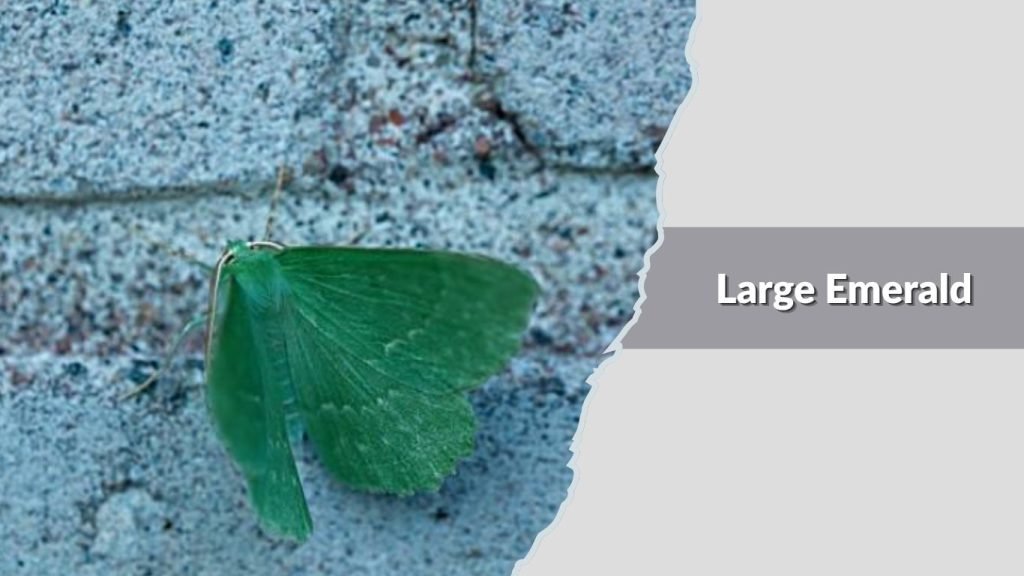
The Large Emerald is a beautiful and distinctive geometer moth known for its soft green coloration and elegant appearance. It is widely distributed across Europe and parts of Asia, typically found in woodland and shrub-rich environments. Its color helps it blend perfectly with leaves, making it both attractive and well-camouflaged in its natural habitat.
Identification
- Pale green wings with fine white cross-lines
- Wings fade to a yellowish tone as the moth ages
- Wingspan typically ranges from 45–55 mm
- Wings are broad and slightly rounded
- Body is slender and matches the green wing color
- Rests flat with wings spread, resembling a leaf
Habitat
The Large Emerald is commonly found in deciduous woodlands, hedgerows, gardens, and areas with dense shrubs. It prefers habitats where host plants such as birch, alder, and hazel are abundant. This moth is often seen resting on leaves, branches, or nearby vegetation during the day, where its green color provides excellent camouflage. It can also adapt to suburban areas as long as suitable vegetation is present. Its presence is generally linked to healthy plant growth and relatively undisturbed environments.
Behaviors
The Large Emerald is nocturnal and becomes active after dusk. It flies in search of mates and is often attracted to artificial lights. During the day, it remains motionless on foliage, relying on its leaf-like appearance to avoid predators. When disturbed, it may fly briefly before settling again in a concealed position. Its gentle flight and calm behavior make it less noticeable despite its size. This species depends heavily on camouflage rather than hiding in dark spaces.
Diet and Lifecycle
The lifecycle of the Large Emerald includes egg, larva, pupa, and adult stages. Females lay eggs on the leaves of host plants such as birch and hazel. The caterpillars are green and well-camouflaged, feeding on leaves and growing through several stages. After completing development, they pupate on or near the host plant, often attached to stems or hidden in foliage. Adults typically emerge in summer. There is usually one generation per year, depending on environmental conditions.
7. Small Emerald
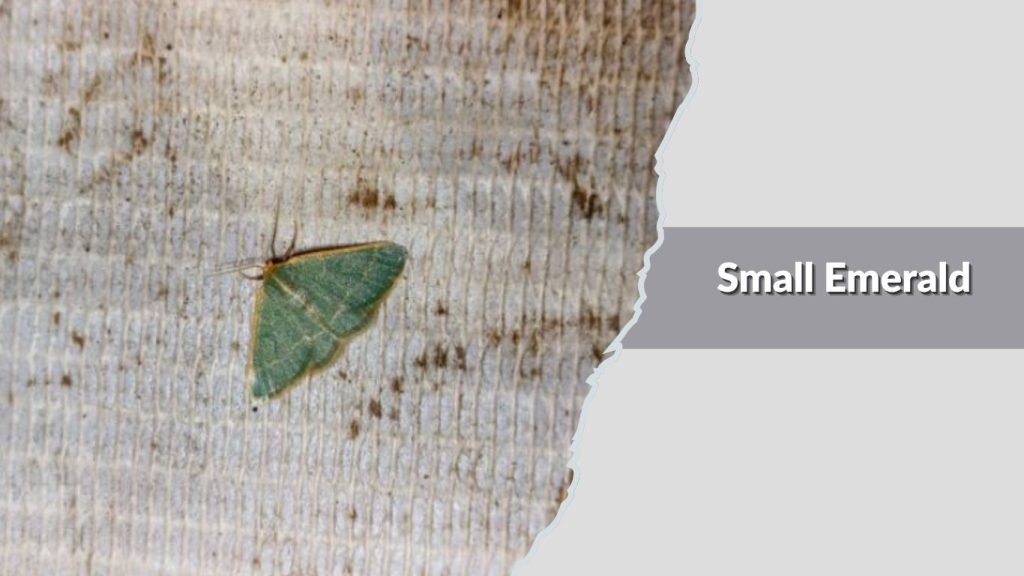
The Small Emerald is a delicate and attractive geometer moth, recognized for its soft green coloration and smaller size compared to related species. It is found across parts of Europe and Asia, typically inhabiting grassy areas, wetlands, and open landscapes. Its subtle appearance allows it to blend easily into its environment.
Identification
- Light green wings with faint whitish cross-lines
- Smaller than the Large Emerald, with a wingspan of about 25–35 mm
- Wings are thin and slightly translucent
- Color may fade to pale yellow over time
- Slender body that matches the wing color
- Rests flat with wings spread, resembling a small leaf
Habitat
The Small Emerald prefers open habitats such as grasslands, marshes, meadows, and coastal areas. It is often associated with low vegetation rather than dense forests. This moth thrives in places where grasses and herbaceous plants grow abundantly, providing both shelter and food for larvae. It can also be found along field edges and in lightly vegetated rural areas. During the day, it rests on grass stems or leaves, where its green color offers excellent camouflage. Its distribution depends largely on the availability of suitable low-growing plants.
Behaviors
The Small Emerald is primarily nocturnal and becomes active at night, flying low over vegetation in search of mates. It is attracted to light and may occasionally be seen around outdoor lamps. During the day, it remains still and hidden among grasses, relying on camouflage to avoid predators. Its flight is usually gentle and close to the ground. When disturbed, it quickly settles back into vegetation rather than flying long distances.
Diet and Lifecycle
The lifecycle includes egg, larva, pupa, and adult stages. Females lay eggs on low-growing plants. The caterpillars feed on various herbaceous plants and grasses, remaining well-camouflaged due to their green coloration. After feeding and growing through several stages, larvae pupate either on the plant or in nearby debris. Adults typically emerge in summer, and there is usually one generation per year, although this can vary depending on climate and environmental conditions.
8. Lime-speck Pug
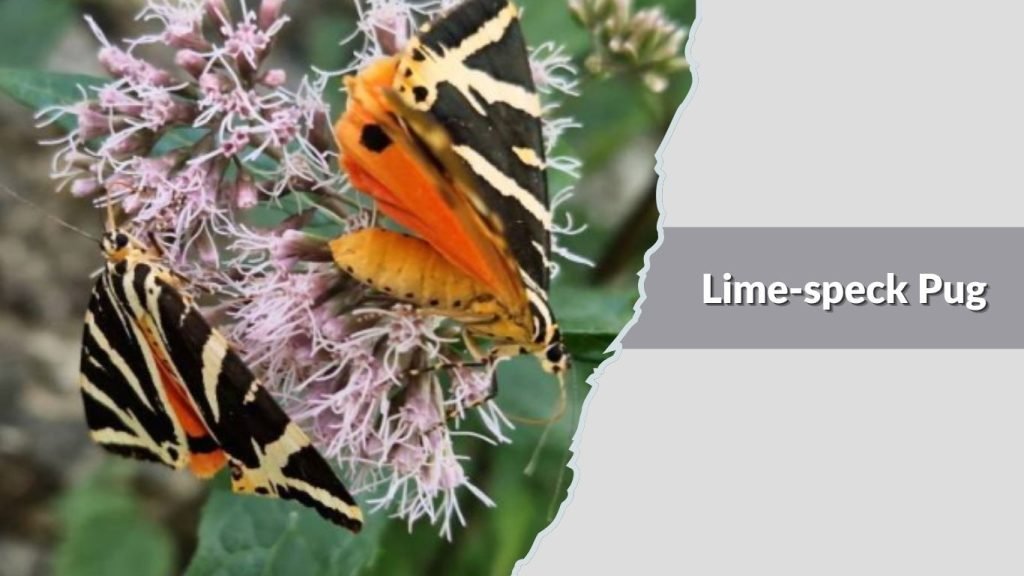
The Lime-speck Pug is a small and variable geometer moth, well known for its adaptability and wide distribution. It is found across Europe, Asia, and North America, occupying a variety of habitats. Despite its small size, it is one of the more commonly encountered pug moths, often seen resting on vegetation or attracted to light at night.
Identification
- Small moth with a wingspan of about 18–22 mm
- Forewings are grayish-brown with darker bands and a pale central area
- Distinctive dark central spot (disc spot) on each forewing
- Wing patterns can vary, sometimes appearing more mottled or faint
- Body is slender and proportionate to wing size
- Rests flat with wings spread, typical of geometer moths
Habitat
The Lime-speck Pug is highly adaptable and can be found in gardens, hedgerows, woodlands, grasslands, and urban areas. It thrives in environments where flowering plants are abundant, as these provide food for its larvae. Common habitats include areas with herbaceous plants, shrubs, and cultivated flowers. This species is frequently encountered in both rural and suburban settings, often resting on leaves, stems, or walls during the day. Its ability to live in diverse habitats makes it one of the most widespread pug moths.
Behaviors
This moth is mainly nocturnal and becomes active after dusk. It is strongly attracted to artificial light and can often be seen around lamps and windows at night. During the day, it rests quietly on vegetation, relying on its muted coloration for camouflage. Its flight is relatively weak and fluttering, usually staying close to plants. The Lime-speck Pug may have multiple generations in a year, especially in warmer climates, which increases its chances of being observed over a long season.
Diet and Lifecycle
The lifecycle includes egg, larva, pupa, and adult stages. Females lay eggs on a wide range of flowering plants. The caterpillars feed on flowers and developing seeds of plants such as ragwort, yarrow, and various garden species. After feeding, larvae pupate either on the plant or in nearby soil or debris. Adults emerge in spring and can continue appearing through summer and early autumn. In favorable conditions, there may be two or more generations per year, making this species particularly common.
9. Mottled Umber
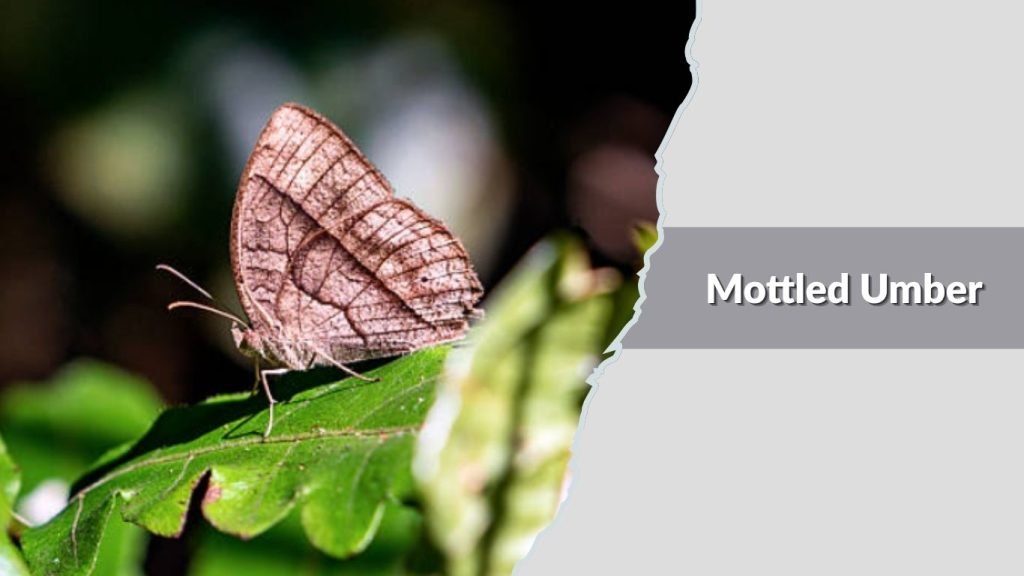
The Mottled Umber is a hardy geometer moth known for its winter activity and strong camouflage. It is commonly found across Europe and parts of Asia, especially in woodland and suburban environments. Like several cold-season moths, it features wingless females and plays an important role in early-season ecosystems.
Identification
- Males have mottled brown, gray, and black wings with wavy cross-lines
- Females are wingless or have very reduced wings, appearing insect-like
- Wingspan of males typically ranges from 30–40 mm
- Wings have a rough, bark-like pattern for camouflage
- Body is sturdy, especially in males
- Females climb tree trunks instead of flying
Habitat
The Mottled Umber is commonly found in deciduous woodlands, hedgerows, gardens, and parks. It prefers areas with trees such as oak, birch, and hawthorn, which serve as food sources for larvae. Because females cannot fly, populations are usually concentrated near host trees. This moth adapts well to both rural and urban environments, often resting on tree bark, fences, and walls during the day. It is especially noticeable in late autumn and winter when fewer insects are active.
Behaviors
The Mottled Umber is active during late autumn and winter, with males flying at night even in cold conditions. They are attracted to light and can often be seen around lamps. Females climb tree trunks and release pheromones to attract males. During the day, both sexes remain still and rely on camouflage to avoid predators. Their cold-season activity reduces competition and helps them avoid many predators that are less active in winter.
Diet and Lifecycle
The lifecycle consists of egg, larva, pupa, and adult stages. After mating, females lay eggs on tree bark. The eggs hatch in spring, and the caterpillars feed on young leaves of deciduous trees such as oak and hawthorn. The larvae move in the typical looping motion of geometer caterpillars. After feeding, they drop to the ground and pupate in the soil. The pupal stage lasts through summer, with adults emerging in late autumn or winter. Usually, there is one generation per year.
10. Oak Beauty
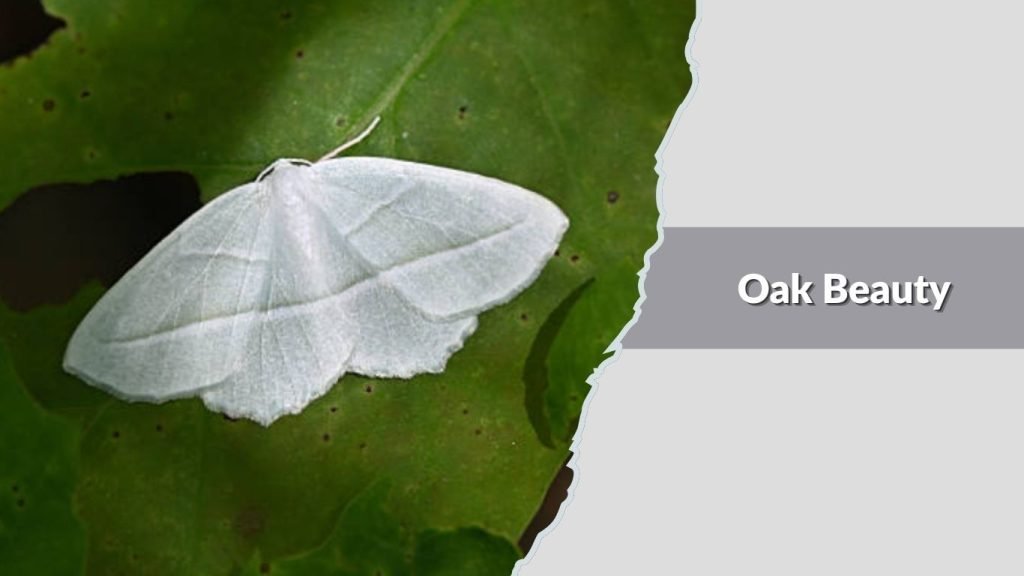
The Oak Beauty is a striking geometer moth admired for its intricate patterns and excellent camouflage. It is commonly found across Europe and parts of Asia, especially in woodland environments. Its bark-like appearance allows it to blend seamlessly with tree trunks, making it difficult for predators to detect during the day.
Identification
- Gray, brown, and white patterned wings resembling tree bark
- Distinct dark cross-lines and patches across the wings
- Wingspan typically ranges from 40–50 mm
- Wings are broad and held flat when resting
- Body is robust and matches the wing coloration
- Excellent camouflage against lichen-covered bark
Habitat
The Oak Beauty is primarily found in deciduous and mixed woodlands, particularly where oak trees are abundant. It can also be seen in parks, hedgerows, and mature gardens with suitable trees. This species prefers habitats with well-established trees that provide both resting surfaces and food for larvae. During the day, it rests on tree trunks or branches, blending in with bark and lichen. Its distribution is closely tied to the presence of oak and other deciduous trees.
Behaviors
The Oak Beauty is nocturnal and becomes active at night, flying in search of mates. It is often attracted to artificial light and may be seen near outdoor lamps. During daylight hours, it remains motionless on tree bark, relying on its camouflage to avoid detection. When disturbed, it may fly briefly before settling again in a concealed location. Its behavior is typical of many geometer moths, emphasizing stillness and blending into the environment.
Diet and Lifecycle
The lifecycle includes egg, larva, pupa, and adult stages. Females lay eggs on the bark or leaves of host trees such as oak. The caterpillars feed on leaves and grow through several stages, using their looping movement typical of geometer larvae. After feeding, they pupate in the soil or leaf litter. Adults usually emerge in spring, and there is typically one generation per year. The species contributes to the natural balance of woodland ecosystems.
11. Willow Beauty
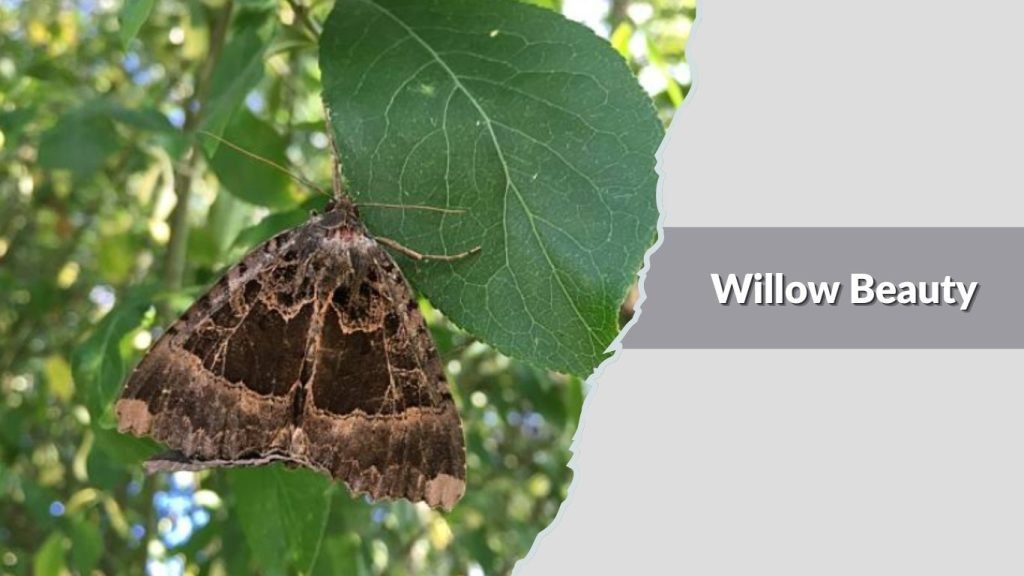
The Willow Beauty is a common and widespread geometer moth known for its subtle coloration and adaptability. It is found across Europe, Asia, and North America, thriving in a variety of environments. Its neutral tones help it blend into many surfaces, making it one of the more frequently encountered moths in both natural and urban settings.
Identification
- Gray to brown wings with fine, wavy cross-lines
- Slightly mottled appearance that aids camouflage
- Wingspan typically ranges from 35–45 mm
- Wings are broad and held flat when at rest
- Body is slender and matches wing coloration
- Often appears plain compared to more vividly patterned moths
Habitat
The Willow Beauty is highly adaptable and can be found in woodlands, hedgerows, gardens, parks, and urban areas. It is commonly associated with deciduous trees such as willow, birch, and oak, which provide food for its larvae. This moth thrives in both rural and suburban environments, often resting on tree trunks, fences, walls, and other surfaces during the day. Its ability to live in a wide range of habitats has contributed to its large distribution and frequent sightings.
Behaviors
This moth is nocturnal and becomes active at night, flying in search of mates. It is attracted to artificial lights and is often seen around lamps and windows. During the day, it remains still and relies on its muted coloration to blend into its surroundings. When disturbed, it may take short flights before settling again. The Willow Beauty is active during warmer months and may have more than one generation per year in suitable climates.
Diet and Lifecycle
The lifecycle includes egg, larva, pupa, and adult stages. Females lay eggs on a variety of deciduous trees. The caterpillars feed on leaves of trees such as willow, birch, and oak, growing through several stages while using their characteristic looping movement. After feeding, they pupate in the soil or leaf litter. Adults typically emerge in late spring and summer. Depending on environmental conditions, there may be one or two generations per year.
12. Scalloped Oak
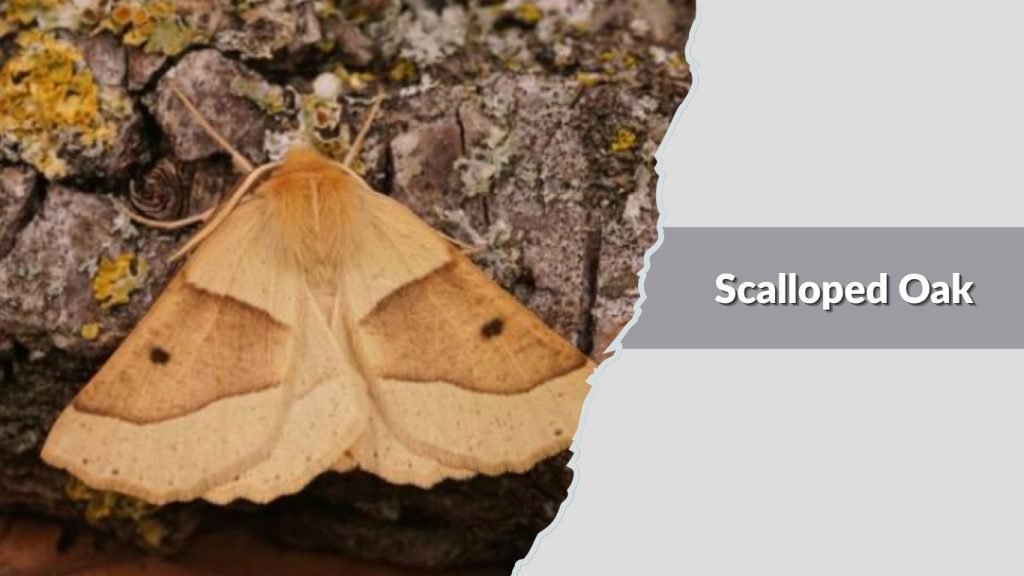
The Scalloped Oak is a well-camouflaged geometer moth known for its variable appearance and bark-like patterns. It is widely distributed across Europe and parts of Asia, commonly found in woodland and suburban environments. Its name comes from the scalloped edges of its wings, which help it resemble dead leaves or rough bark.
Identification
- Brown, gray, or sometimes greenish wings with scalloped (wavy) edges
- Wing patterns are highly variable, often resembling bark or dried leaves
- Wingspan typically ranges from 30–40 mm
- Wings are broad and held flat when resting
- Body is moderately stout and matches wing coloration
- Excellent camouflage on tree trunks and branches
Habitat
The Scalloped Oak is commonly found in deciduous woodlands, hedgerows, gardens, and parks. It prefers areas with trees such as oak, birch, and hawthorn, which support its larvae. This moth adapts well to both rural and suburban environments and is often seen resting on tree bark, fences, or walls during the day. Its ability to blend into different surfaces allows it to survive in a wide range of habitats. It is most frequently encountered in areas with mature vegetation and good plant diversity.
Behaviors
The Scalloped Oak is nocturnal and becomes active at night, flying in search of mates. It is attracted to artificial lights and can often be seen near lamps and windows. During the day, it remains motionless on tree bark or other surfaces, relying on its camouflage to avoid predators. When disturbed, it may fly a short distance before settling again. Its variable coloration helps it adapt to different backgrounds, enhancing its survival.
Diet and Lifecycle
The lifecycle includes egg, larva, pupa, and adult stages. Females lay eggs on the leaves or bark of host trees. The caterpillars feed on a variety of deciduous trees such as oak, birch, and hawthorn. They grow through several stages, moving in the typical looping motion of geometer larvae. After feeding, they pupate in the soil or leaf litter. Adults usually emerge in spring or early summer, and there is typically one generation per year, though this can vary with climate.
13. Blood-vein
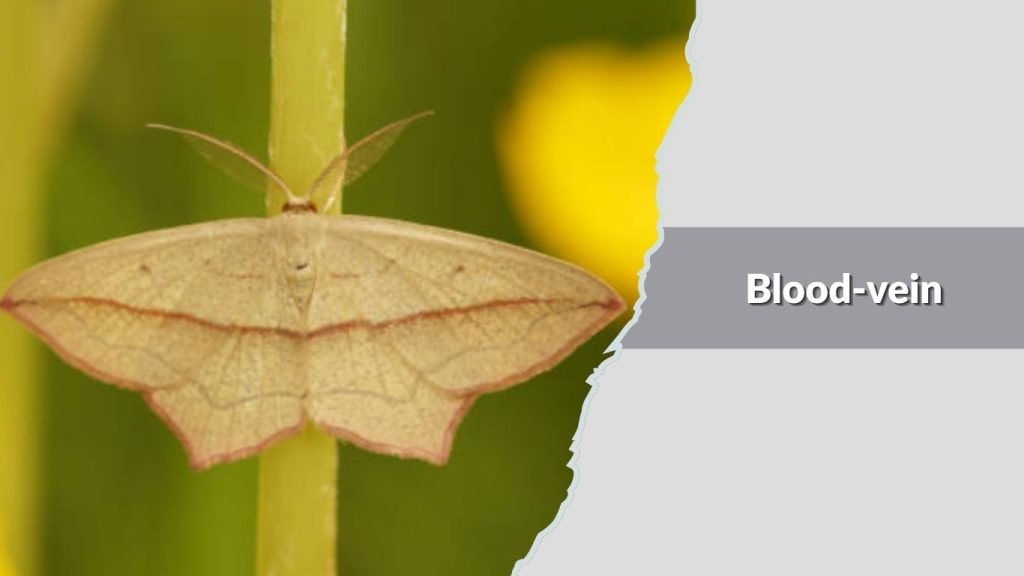
The Blood-vein is a delicate and easily recognizable geometer moth, named for the thin red line that runs across its wings. It is widely found across Europe, Asia, and parts of North America, typically inhabiting open and grassy environments. Its light coloration and distinctive marking make it stand out among similar moths.
Identification
- Pale white or creamy wings with a thin red line running diagonally across each wing
- Small to medium size with a wingspan of about 25–30 mm
- Wings are smooth and slightly rounded
- Body is slender and light-colored
- Rests flat with wings spread, showing the red “vein” clearly
- Simple yet distinctive appearance compared to other geometer moths
Habitat
The Blood-vein is commonly found in grasslands, meadows, coastal areas, and open countryside. It prefers habitats with low-growing vegetation, especially where grasses and herbaceous plants are abundant. This moth is often seen resting on grass stems or leaves during the day. It can also be found along field edges, roadsides, and in lightly vegetated rural areas. Its distribution is closely linked to open landscapes rather than dense forests, making it more visible in sunny, grassy habitats.
Behaviors
The Blood-vein is mainly nocturnal and becomes active at night, flying low over grassy areas. It is attracted to artificial lights and may occasionally be seen around lamps. During the day, it rests quietly on vegetation, relying on its pale color to blend with its surroundings. Its flight is light and fluttering, often close to the ground. When disturbed, it quickly settles back into nearby grass rather than flying far.
Diet and Lifecycle
The lifecycle includes egg, larva, pupa, and adult stages. Females lay eggs on low-growing plants. The caterpillars feed on grasses and various herbaceous plants, remaining well-camouflaged. After completing development, larvae pupate in the soil or among plant debris. Adults typically emerge in summer, and in warmer regions, there may be more than one generation per year. This species plays a role in maintaining grassland ecosystems.
14. Common Carpet
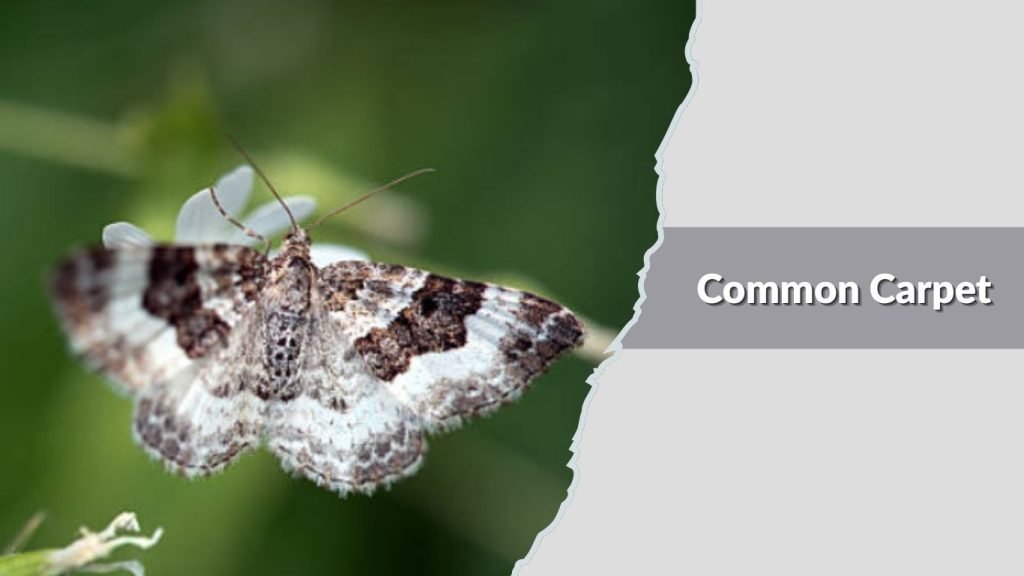
The Common Carpet is a small and widespread geometer moth known for its patterned wings and adaptability to different environments. It is found across Europe, Asia, and North America, often appearing in gardens and urban areas. Despite its modest size, it is frequently encountered due to its wide distribution and multiple generations per year.
Identification
- Brownish or gray wings with darker cross-bands and wavy lines
- Small wingspan, typically around 18–22 mm
- Distinct patterned appearance resembling woven fabric
- Wings are held flat when resting
- Body is slender and proportionate to wing size
- Patterns can vary slightly depending on region and individual
Habitat
The Common Carpet is highly adaptable and can be found in a wide range of habitats, including gardens, woodlands, hedgerows, parks, and urban areas. It thrives in places where low-growing plants and shrubs are abundant. This moth is often seen resting on walls, fences, tree bark, or vegetation during the day. Its ability to live in both natural and human-altered environments makes it one of the most commonly observed geometer moths. It is especially prevalent in areas with diverse plant life.
Behaviors
The Common Carpet is primarily nocturnal and becomes active at night. It is strongly attracted to artificial lights and is often seen around windows and outdoor lamps. During the day, it remains still, using its patterned wings to blend into surfaces. Its flight is quick and fluttering, usually close to vegetation. This species may have multiple generations in a year, particularly in warmer climates, increasing its visibility over a long season.
Diet and Lifecycle
The lifecycle includes egg, larva, pupa, and adult stages. Females lay eggs on a variety of herbaceous plants. The caterpillars feed on low-growing plants such as bedstraw and other garden species. They grow through several stages, moving in the typical looping fashion of geometer larvae. After feeding, they pupate in the soil or plant debris. Adults can be seen from spring through autumn, often in multiple generations depending on environmental conditions.
FAQs
What are geometer moths known for?
Geometer moths are best known for their larvae, called inchworms, which move in a looping motion. This unique movement comes from the lack of middle prolegs. Adults are often excellent at camouflage, blending into bark, leaves, or surroundings to avoid predators.
Why are some female geometer moths wingless?
In several species, females have reduced or no wings to conserve energy. Instead of flying, they climb surfaces like tree trunks and release pheromones to attract males. This adaptation is especially common in species active during colder seasons.
Are geometer moths harmful to plants?
Most geometer moths are not seriously harmful, but their caterpillars can feed on leaves and occasionally cause defoliation. In large numbers, species like the Winter Moth may become pests, especially in orchards or forests.
When are geometer moths most active?
Most geometer moths are nocturnal and active during warmer months like spring and summer. However, some species, such as the Winter Moth and Mottled Umber, are active in late autumn or winter, which is unusual for moths.
How can you identify a geometer moth?
Geometer moths are usually identified by their slender bodies, broad wings held flat at rest, and subtle patterns. Their caterpillars are easier to recognize due to their looping “inchworm” movement, which is a key characteristic of this family.
