
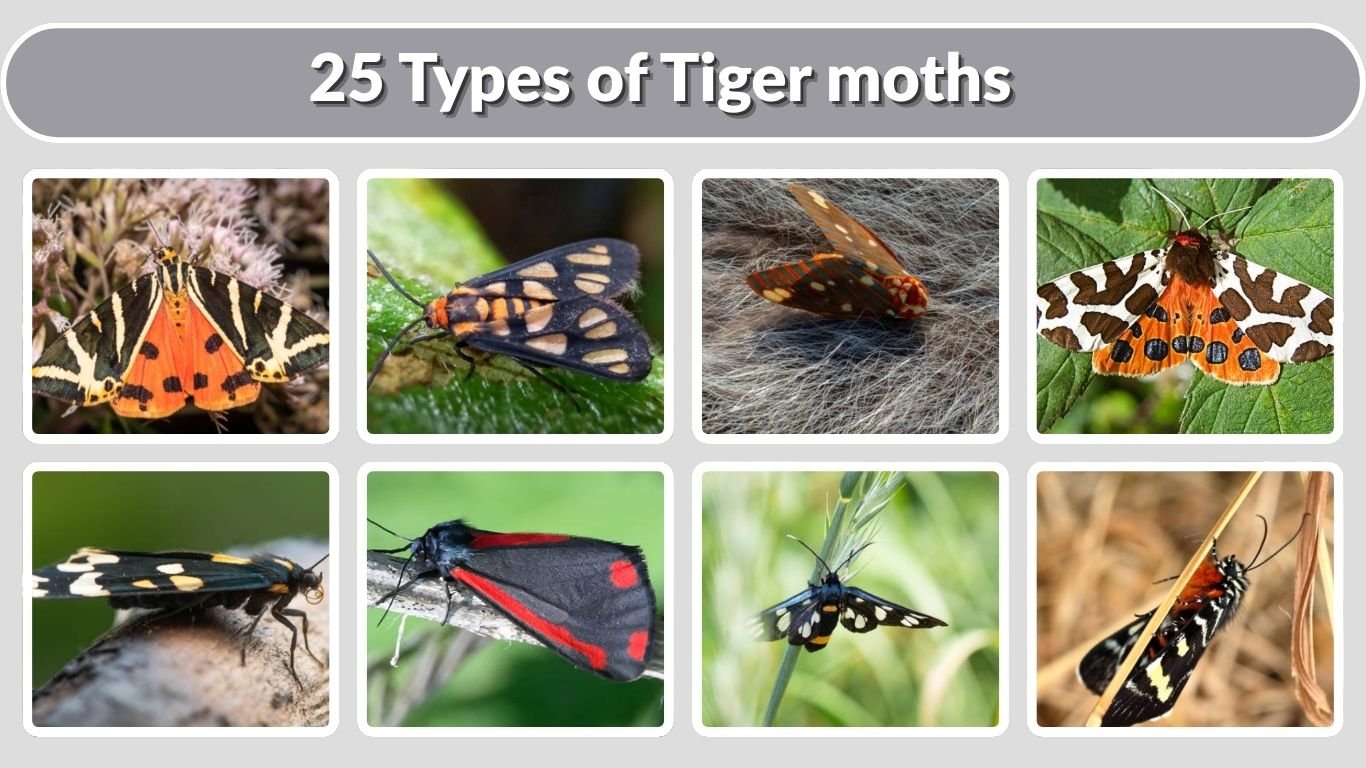
Tiger moths are a fascinating group of insects known for their striking colors, unique patterns, and diverse behaviors. Found across many regions of the world, these moths range from boldly patterned species to more subtly colored ones that blend into their surroundings. Many are also recognized for their hairy caterpillars, often called woolly bears. In this guide, you’ll explore 25 types of tiger moths, each with distinct characteristics, habitats, and life cycles that make them interesting and important in nature.
1. Garden Tiger Moth
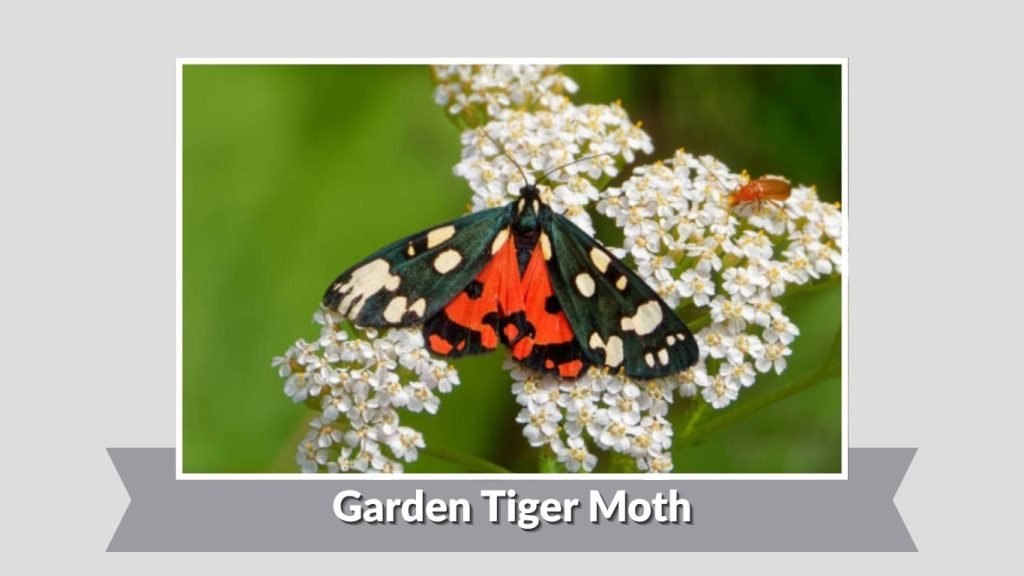
The Garden Tiger Moth is a striking and widely recognized species known for its bold coloration and fuzzy body. It belongs to a group of moths admired for their vivid patterns and defensive displays. Common across many regions, this moth is especially notable for its adaptability and seasonal life cycle. Its caterpillar, often called a “woolly bear,” is just as recognizable as the adult form.
Identification
- Medium to large-sized moth with a wingspan of about 50–65 mm
- Forewings are brown with irregular white patches and streaks
- Hindwings are bright orange or reddish with distinct black spots
- Body is thick and covered in dense, woolly hairs
- Antennae are feathery in males and less pronounced in females
Habitat
The Garden Tiger Moth thrives in a wide range of environments, making it one of the more commonly encountered tiger moths. It is frequently found in gardens, meadows, hedgerows, woodlands, and even urban green spaces. This species prefers areas rich in vegetation, which provide both shelter and a steady food supply for its larvae. It can tolerate different climates but is most active in temperate regions. The caterpillars are often seen in grassy or weedy areas where host plants grow abundantly. During colder months, they seek sheltered spots such as leaf litter or soil to survive.
Behaviors
This moth is primarily nocturnal and becomes active during the evening and night. It is strongly attracted to artificial lights, which often brings it into human surroundings. One of its most notable behaviors is its defense mechanism—when disturbed, it suddenly flashes its bright hindwings to startle predators, a tactic known as a “startle display.” The caterpillars are slow-moving and rely on their hairy bodies for protection, which can deter predators. Adults are relatively short-lived and focus mainly on reproduction.
Diet and Lifecycle
The Garden Tiger Moth has a diverse diet during its larval stage. The caterpillars feed on a variety of low-growing plants, including nettles, dock, dandelions, and grasses. This broad diet helps them survive in different habitats. They overwinter as caterpillars, often remaining inactive during the cold season. In spring, they resume feeding and eventually pupate in a cocoon made of silk and body hairs. Adults emerge in early to mid-summer. Once matured, they do not feed much and instead focus on mating and laying eggs, continuing the cycle.
2. Isabella Tiger Moth
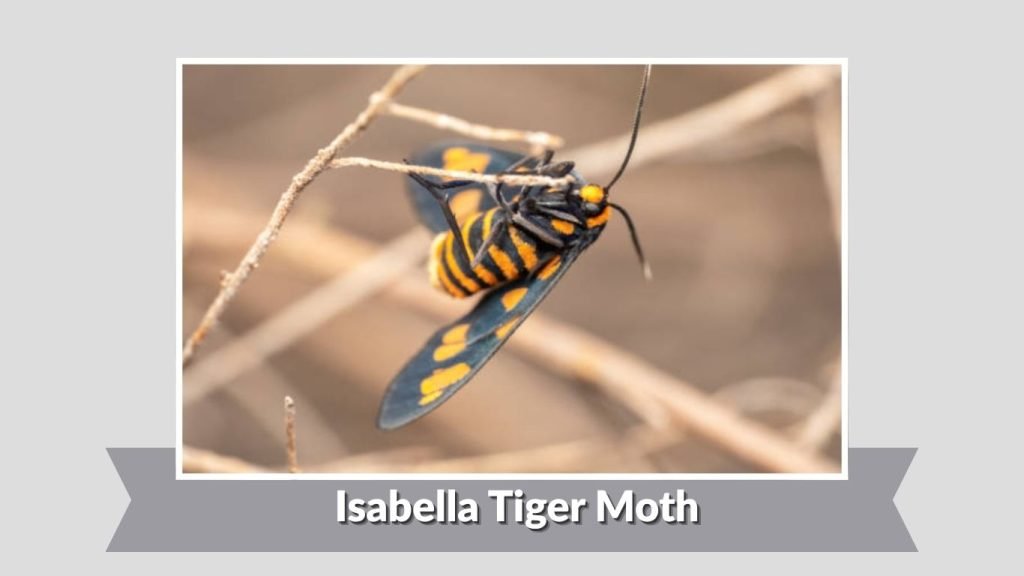
The Isabella Tiger Moth is best known for its larval stage, commonly called the “banded woolly bear.” This species is widely recognized across North America and is often associated with seasonal folklore. Its simple appearance as an adult contrasts with its famous caterpillar form.
Identification
- Medium-sized moth with a wingspan of about 35–50 mm
- Forewings are yellowish to orange-brown with minimal or no markings
- Hindwings are lighter in color, often pale yellow or cream
- Body is covered with fine hairs, less dense than some other tiger moths
- Antennae are slightly feathery, especially in males
Habitat
The Isabella Tiger Moth is highly adaptable and can be found in a wide variety of habitats. It commonly lives in fields, gardens, roadsides, meadows, and open woodlands. This species thrives in areas where low-growing plants are abundant, as these provide essential food sources for its caterpillars. It is especially common in temperate regions and can tolerate both rural and suburban environments. During colder months, the caterpillar seeks shelter under rocks, logs, or leaf litter to survive freezing conditions.
Behaviors
This moth is nocturnal and is frequently attracted to lights at night. The caterpillar, however, is active during the day and is often seen crawling across paths or roads. A unique behavior of the woolly bear is its ability to survive freezing temperatures by producing natural antifreeze compounds in its body. When threatened, the caterpillar curls into a tight ball to protect its softer underside. Adult moths are less active and primarily focus on reproduction.
Diet and Lifecycle
The caterpillars of the Isabella Tiger Moth feed on a wide range of plants, including grasses, clover, dandelions, and plantain. This generalist diet helps them survive in diverse environments. They overwinter as caterpillars, freezing during winter and thawing in spring to resume feeding. After continued growth, they pupate in a cocoon made of silk and body hairs. Adults emerge in late spring or early summer. Unlike the larvae, adult moths do not feed extensively and mainly reproduce, completing their life cycle.
3. Giant Leopard Moth
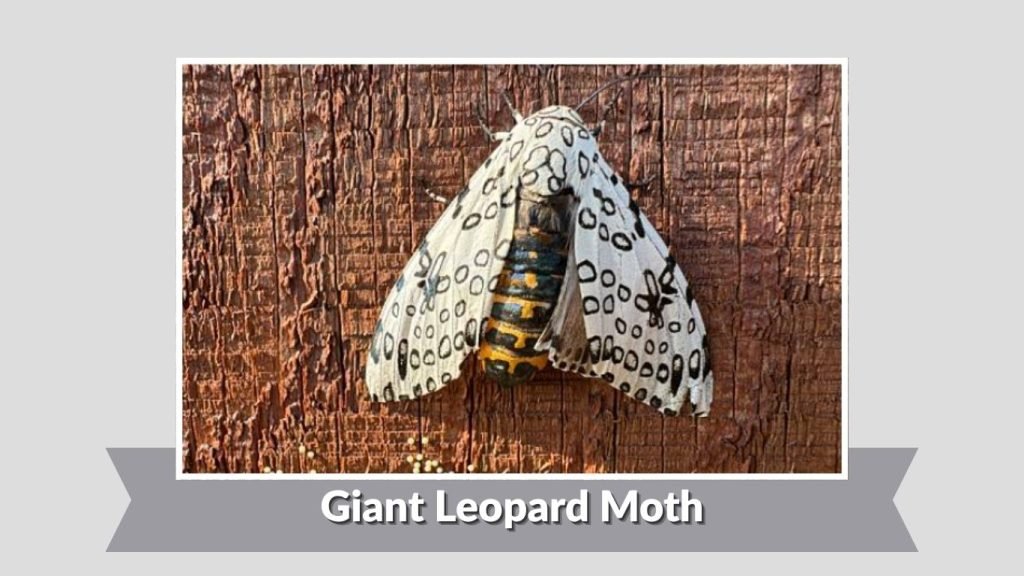
The Giant Leopard Moth is one of the most visually striking tiger moths, easily recognized by its bold black-and-white spotted pattern. It is native to North America and is admired for both its dramatic appearance and its large size compared to other moths in the same group.
Identification
- Large moth with a wingspan of about 75–90 mm
- Forewings are white with numerous bold black ring-like spots
- Hindwings are white with black spots, sometimes with a bluish or iridescent sheen
- Abdomen is dark with bright orange or blue markings visible when in flight
- Body is thick and covered with soft, white hairs
Habitat
The Giant Leopard Moth is commonly found in a variety of habitats, including forests, gardens, fields, and suburban areas. It prefers environments with plenty of vegetation, especially where host plants for its caterpillars are abundant. This species is quite adaptable and can thrive in both natural and human-altered landscapes. During the day, adults often rest on tree trunks, walls, or other surfaces where their spotted pattern provides camouflage. The caterpillars are usually found in low vegetation or hiding under debris during inactive periods.
Behaviors
This moth is nocturnal and is frequently attracted to lights at night. When disturbed, it may drop to the ground or remain still to avoid detection. The caterpillar, often called a “woolly bear,” is black and covered in stiff hairs, which help protect it from predators. When threatened, it curls into a ball, exposing its spines as a defense. Adult moths are relatively calm and slow-moving, focusing most of their energy on mating and reproduction rather than long-distance flight.
Diet and Lifecycle
The caterpillars feed on a wide range of plants, including dandelions, violets, and various broadleaf weeds. This flexible diet allows them to survive in many environments. They overwinter as caterpillars and resume feeding when temperatures rise. Pupation occurs in a loose cocoon made of silk and body hairs. Adults typically emerge in mid to late summer. Once they reach adulthood, their primary goal is reproduction, and they live for a relatively short period before completing their life cycle.
4. Virgin Tiger Moth
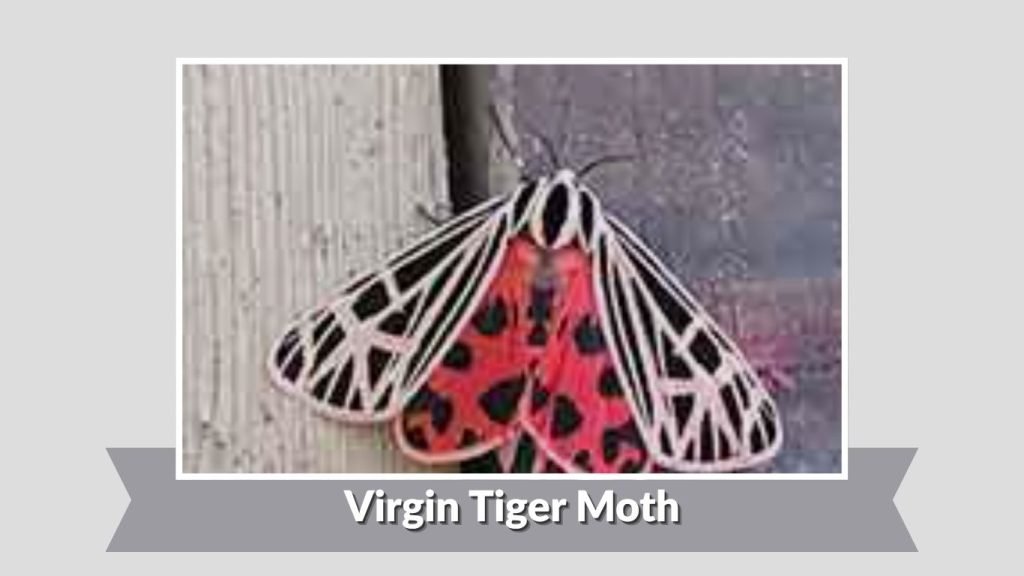
The Virgin Tiger Moth is a pale and elegant species known for its soft coloration and gentle appearance. Despite its delicate look, it is quite hardy and widely distributed, especially in North America. Its larvae are also distinctive and commonly observed in various environments.
Identification
- Medium-sized moth with a wingspan of about 40–55 mm
- Forewings are creamy white with small black spots
- Hindwings are white, sometimes with faint markings
- Body is light-colored and covered with fine hairs
- Antennae are feathery in males and simpler in females
Habitat
The Virgin Tiger Moth can be found in a broad range of habitats, including forests, meadows, gardens, and urban areas. It prefers locations with abundant vegetation, especially where low-growing plants are available for its larvae. This species is highly adaptable and can thrive in both natural and human-modified environments. During the day, adults often rest on leaves, tree bark, or walls, blending into their surroundings due to their pale coloration. The caterpillars are commonly found on the ground or on host plants in open, grassy areas.
Behaviors
This moth is primarily nocturnal and is frequently attracted to artificial lights. During the day, it remains inactive, relying on camouflage to avoid predators. The caterpillars are more active and can be seen moving in search of food. When threatened, they may curl up or remain still to reduce the chance of detection. Adult moths are not strong fliers and tend to stay close to their habitat. Their main activity revolves around reproduction rather than long-distance movement.
Diet and Lifecycle
The larvae of the Virgin Tiger Moth feed on a wide variety of plants, including clover, dandelions, and other low-growing vegetation. This generalist feeding habit helps them survive in diverse habitats. They overwinter as caterpillars, remaining dormant during cold conditions. In spring, they resume feeding before pupating in a cocoon made from silk and body hairs. Adults emerge in early to mid-summer. Like many tiger moths, the adults have a short lifespan focused on mating and laying eggs to continue the cycle.
5. Salt Marsh Moth
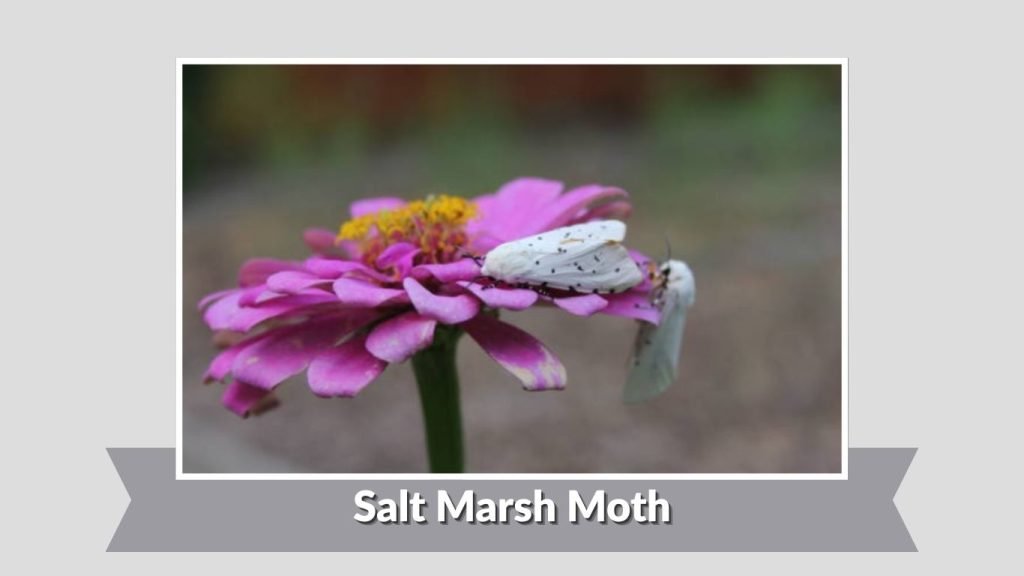
The Salt Marsh Moth is a well-known species recognized for its adaptability and widespread presence. It is especially notable for its larval stage, often called the “salt marsh caterpillar,” which can sometimes be seen in large numbers. This moth plays an important role in various ecosystems.
Identification
- Medium-sized moth with a wingspan of about 45–60 mm
- Forewings are white with small black spots, though some individuals may appear plain
- Hindwings are yellow to orange with black spots
- Abdomen is often brightly colored, usually orange or yellow
- Body is moderately hairy, giving it a soft appearance
Habitat
The Salt Marsh Moth is found in a wide range of habitats, including coastal salt marshes, fields, gardens, and agricultural areas. Despite its name, it is not limited to marshes and can thrive in inland environments as well. It prefers open areas with plenty of low-growing plants, which provide food for its caterpillars. This species is highly adaptable and can survive in both natural and disturbed habitats. The caterpillars are often seen in grassy fields or crop areas, especially where vegetation is dense.
Behaviors
This moth is nocturnal and is strongly attracted to lights at night. Adults are active fliers and can disperse over relatively large areas. The caterpillars are more active during the day and may travel in search of food, sometimes appearing in noticeable numbers. When threatened, the larvae may curl up or remain still to avoid predators. In some cases, large populations of caterpillars can be seen moving together, which can draw attention.
Diet and Lifecycle
The larvae of the Salt Marsh Moth feed on a wide variety of plants, including grasses, vegetables, and weeds. This broad diet makes them highly adaptable but can also make them agricultural pests in some regions. They do not always overwinter in extremely cold areas but can complete multiple generations per year in warmer climates. Pupation occurs in a cocoon made of silk and body hairs. Adults emerge after a short period and focus on reproduction, continuing the life cycle.
6. Harnessed Tiger Moth
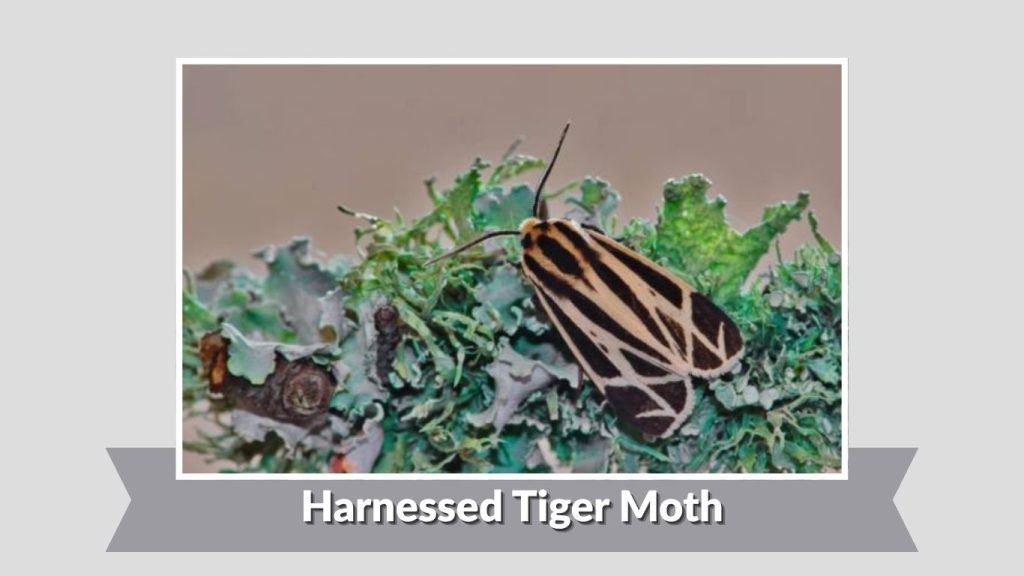
The Harnessed Tiger Moth is a distinctive species known for its unique banded wing pattern that resembles a harness, giving it its common name. It is commonly found in parts of North America and is appreciated for its subtle yet striking appearance.
Identification
- Medium-sized moth with a wingspan of about 35–50 mm
- Forewings are dark brown or black with pale yellow or cream bands forming a “harness-like” pattern
- Hindwings are lighter, often pale yellow or cream with minimal markings
- Body is slender and covered with fine hairs
- Antennae are slightly feathery, more prominent in males
Habitat
The Harnessed Tiger Moth is typically found in woodlands, meadows, gardens, and forest edges. It prefers habitats with a mix of trees and open spaces where host plants are readily available. This species is adaptable and can also be seen in suburban areas with sufficient vegetation. During the day, adults often rest on tree bark or leaves, where their patterned wings help them blend into the surroundings. The caterpillars are usually found on low plants or hidden among leaf litter, where they remain protected from predators.
Behaviors
This moth is primarily nocturnal and is attracted to artificial lights during the night. It tends to be a relatively quiet and less active flier compared to some other tiger moths. When disturbed, it may quickly fly away or remain still to avoid detection. The caterpillars are more active feeders and can sometimes be seen moving slowly across vegetation. Like many tiger moth larvae, they rely on their hairy bodies for protection against predators.
Diet and Lifecycle
The larvae of the Harnessed Tiger Moth feed on a variety of plants, including grasses and herbaceous vegetation. This flexible diet allows them to survive in different environments. They overwinter as caterpillars, remaining inactive during colder months. In spring, they resume feeding and eventually pupate in a cocoon made of silk and body hairs. Adults emerge in late spring or summer and focus mainly on mating and reproduction, completing their life cycle.
7. Ruby Tiger Moth
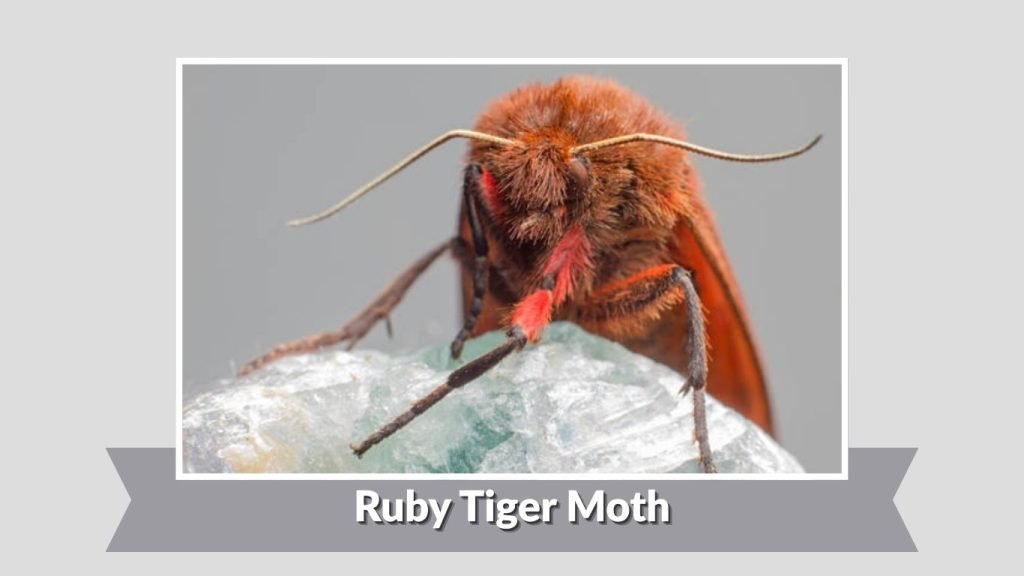
The Ruby Tiger Moth is a small but eye-catching species known for its warm, reddish coloration. It is commonly found across parts of Europe and Asia and is admired for its soft hues and seasonal activity. Despite its modest size, it stands out due to its rich color tones.
Identification
- Small to medium-sized moth with a wingspan of about 30–40 mm
- Forewings are reddish-brown to deep ruby in color
- Hindwings are brighter orange or pinkish with small black spots
- Body is slender and covered with fine hairs
- Antennae are slightly feathery, more noticeable in males
Habitat
The Ruby Tiger Moth prefers open habitats such as grasslands, meadows, coastal areas, and heathlands. It is often found in environments with sandy or well-drained soil where low-growing vegetation thrives. This species can also be seen in gardens and rural landscapes where suitable host plants are available. During the day, adults usually rest among grasses or low plants, blending well with their surroundings. The caterpillars are typically found close to the ground, hidden within vegetation or leaf litter.
Behaviors
This moth is mainly nocturnal and is attracted to light sources at night. However, it can sometimes be seen flying during the day, especially in warm weather. It has a relatively quick and light flight pattern. When disturbed, it may fly short distances before settling again. The caterpillars are slow-moving and rely on their coloration and hairs for protection. Adults are most active during the summer months when temperatures are higher.
Diet and Lifecycle
The larvae of the Ruby Tiger Moth feed on a variety of low-growing plants, including grasses, dandelions, and other herbaceous species. They have a flexible diet that supports survival in different habitats. The caterpillars overwinter and resume feeding in spring. Pupation occurs in a cocoon made from silk and body hairs. Adults typically emerge in early to mid-summer. Like many tiger moths, the adult stage is short-lived and focused on reproduction.
8. Scarlet Tiger Moth
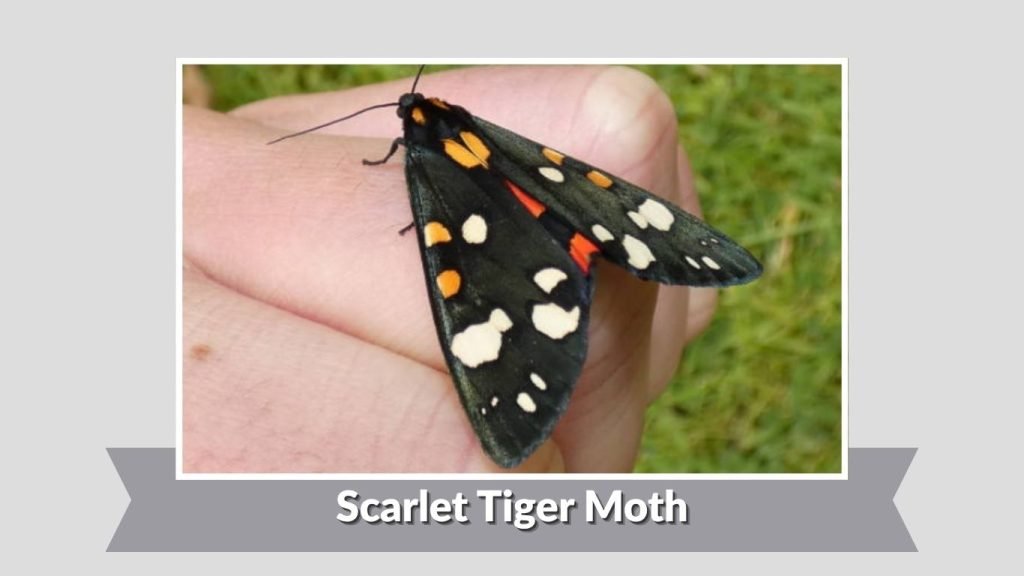
The Scarlet Tiger Moth is a vividly colored and highly recognizable species, known for its bold contrast of dark forewings and bright red hindwings. It is often seen during the daytime, making it one of the more noticeable tiger moths in its range.
Identification
- Medium-sized moth with a wingspan of about 45–55 mm
- Forewings are dark greenish-black with creamy white or yellow streaks
- Hindwings are bright red with bold black spots
- Body is dark with red markings near the abdomen
- Antennae are slender, slightly feathery in males
Habitat
The Scarlet Tiger Moth is typically found in damp environments such as riverbanks, woodland edges, meadows, and marshy areas. It prefers habitats with lush vegetation, especially where its larval food plants grow in abundance. This species is often associated with shaded areas that provide both moisture and shelter. It can also be seen in gardens located near suitable natural habitats. During resting periods, adults are usually found on leaves or low vegetation where their dark forewings help them blend in.
Behaviors
Unlike many other tiger moths, the Scarlet Tiger Moth is active during the day as well as at night. Its bright red hindwings serve as a warning display to predators, signaling that it may be unpalatable. When disturbed, it quickly flashes its hindwings before flying away. It has a strong and steady flight, often seen gliding in sunlight. This species is less attracted to artificial lights compared to strictly nocturnal moths.
Diet and Lifecycle
The caterpillars feed mainly on plants such as comfrey, nettles, and other leafy vegetation. They are active feeders and grow steadily before entering the pupal stage. Pupation takes place in a cocoon among leaf litter or low vegetation. Adults usually emerge in late spring or early summer. The adult moths focus primarily on reproduction and may feed lightly on nectar. The life cycle continues as eggs are laid on suitable host plants for the next generation.
9. Cream-spot Tiger Moth
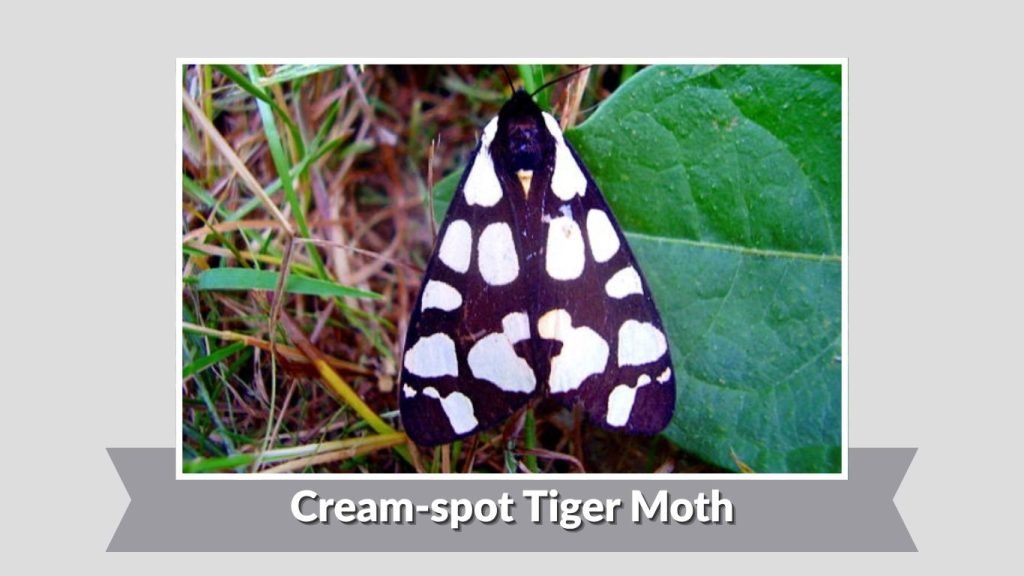
The Cream-spot Tiger Moth is a dark and striking species known for its bold contrast between deep-colored wings and pale cream markings. It is often seen in open landscapes and is one of the more easily recognizable tiger moths due to its distinct pattern.
Identification
- Medium-sized moth with a wingspan of about 35–45 mm
- Forewings are dark brown or black with several cream or pale yellow spots
- Hindwings are bright orange or yellow with black spots
- Abdomen is orange with black markings
- Body is moderately hairy with a robust structure
Habitat
The Cream-spot Tiger Moth is commonly found in open habitats such as grasslands, heathlands, coastal areas, and sand dunes. It prefers environments with low vegetation and well-drained soil. This species is often associated with rural landscapes but can also appear in gardens near suitable habitats. During the day, adults rest on the ground or among plants, where their dark forewings help them blend into the surroundings. The caterpillars are usually found in grassy areas or among low-growing plants.
Behaviors
This moth is mainly nocturnal and is attracted to light sources at night. However, it can sometimes be active during the day, especially in warm and sunny conditions. When disturbed, it may quickly take flight or drop to the ground to avoid predators. The bright hindwings act as a warning signal when exposed. Caterpillars are slow-moving and rely on their hairy bodies for protection. Adults are relatively active during their flight period.
Diet and Lifecycle
The larvae feed on a variety of plants, including grasses, dandelions, and other herbaceous vegetation. This flexible diet allows them to thrive in different environments. They overwinter as caterpillars and resume feeding in spring. Pupation occurs in a cocoon made from silk and body hairs, usually hidden among vegetation or soil. Adults emerge in early to mid-summer and focus primarily on reproduction, continuing the species lifecycle.
10. White Ermine Moth
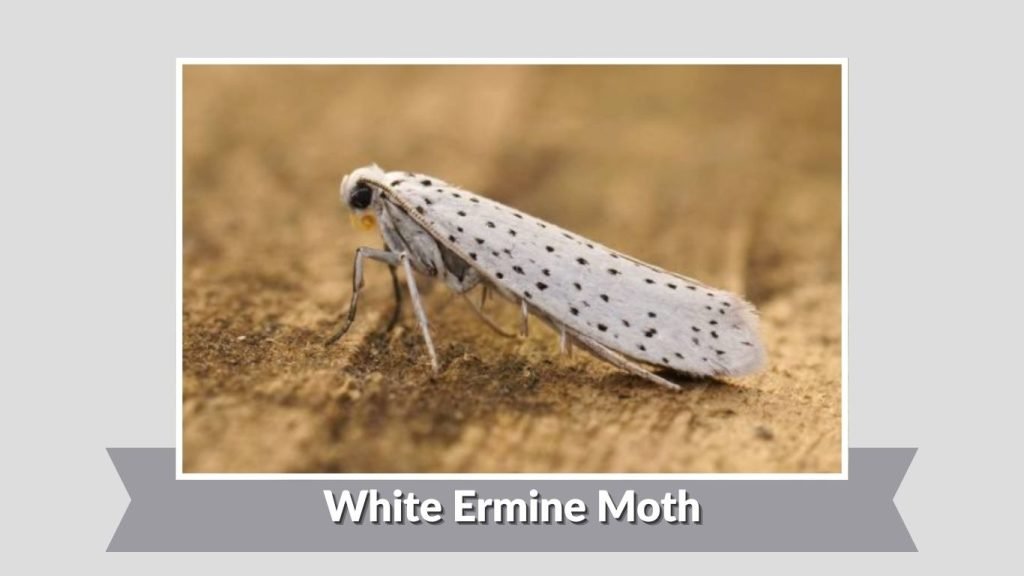
The White Ermine Moth is a delicate and attractive species known for its soft white coloration and scattered black spots. It is commonly found across Europe and parts of Asia and is often seen resting on vegetation during the day.
Identification
- Medium-sized moth with a wingspan of about 40–50 mm
- Forewings are white with small black dots scattered across the surface
- Hindwings are plain white or lightly marked
- Body is white with rows of black spots along the abdomen
- Covered in fine, soft hairs giving it a fluffy appearance
Habitat
The White Ermine Moth inhabits a wide range of environments, including gardens, meadows, woodland edges, and hedgerows. It prefers areas with dense vegetation where its caterpillars can find plenty of food. This species is highly adaptable and can thrive in both rural and urban settings. During the day, adults often rest on leaves, walls, or tree trunks, where their pale color helps them blend into light backgrounds. The caterpillars are usually found on low plants and shrubs in areas with abundant greenery.
Behaviors
This moth is primarily nocturnal and is strongly attracted to artificial lights at night. It is a gentle flier and does not travel long distances. When disturbed during the day, it may flutter briefly before settling again. The caterpillars are more active feeders and can often be seen moving across plants. Their hairy bodies provide protection against predators. Adults are generally calm and spend most of their time resting or searching for mates.
Diet and Lifecycle
The larvae of the White Ermine Moth feed on a variety of plants, including nettles, dandelions, and other herbaceous vegetation. This broad diet helps them survive in diverse habitats. They overwinter as caterpillars and resume feeding in spring. Pupation occurs in a cocoon made of silk and body hairs, usually hidden among leaves or debris. Adults emerge in early summer and focus mainly on reproduction, completing their life cycle.
11. Buff Ermine Moth
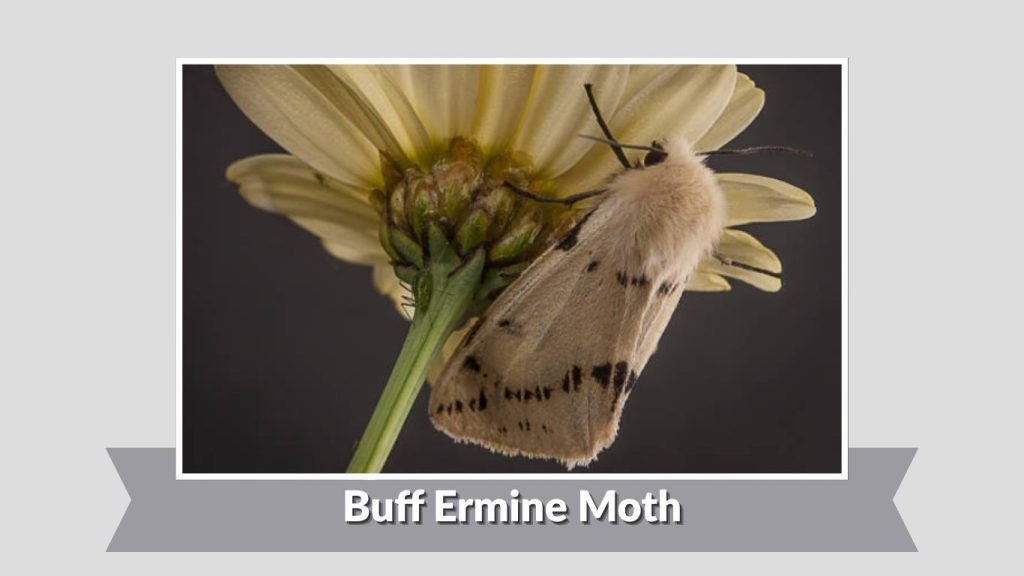
The Buff Ermine Moth is a soft-colored species known for its pale, buff or creamy appearance. It is commonly found in various parts of Europe and Asia and is appreciated for its subtle beauty and gentle coloration compared to more vividly marked tiger moths.
Identification
- Medium-sized moth with a wingspan of about 35–45 mm
- Forewings are pale buff or creamy yellow with faint darker speckling
- Hindwings are lighter, often off-white or pale cream
- Body is light-colored and covered with fine hairs
- Overall appearance is soft and less contrasted than other ermine moths
Habitat
The Buff Ermine Moth is typically found in woodlands, hedgerows, gardens, and grassy areas. It prefers habitats with plenty of low-growing plants and shrubs, which provide food for its larvae. This species is adaptable and can live in both natural and human-influenced environments. During the day, adults often rest on leaves or tree bark, blending well due to their muted coloration. The caterpillars are usually found on host plants in sheltered, vegetated areas where they can remain hidden from predators.
Behaviors
This moth is mainly nocturnal and is attracted to light during the night. It has a gentle and slow flight pattern compared to more active species. When disturbed, it may flutter briefly before settling again. The caterpillars are active feeders and are often more noticeable than the adults. Like many tiger moth larvae, they rely on their hairy bodies as a form of defense against predators. Adults are generally short-lived and focus on reproduction.
Diet and Lifecycle
The larvae of the Buff Ermine Moth feed on a variety of plants, including nettles, dock, and other herbaceous vegetation. This flexible diet supports survival in different habitats. They overwinter as caterpillars and resume feeding when temperatures rise in spring. Pupation takes place in a cocoon made of silk and body hairs, usually hidden among vegetation. Adults emerge in early summer and primarily focus on mating and laying eggs, continuing the life cycle.
12. Yellow Tiger Moth
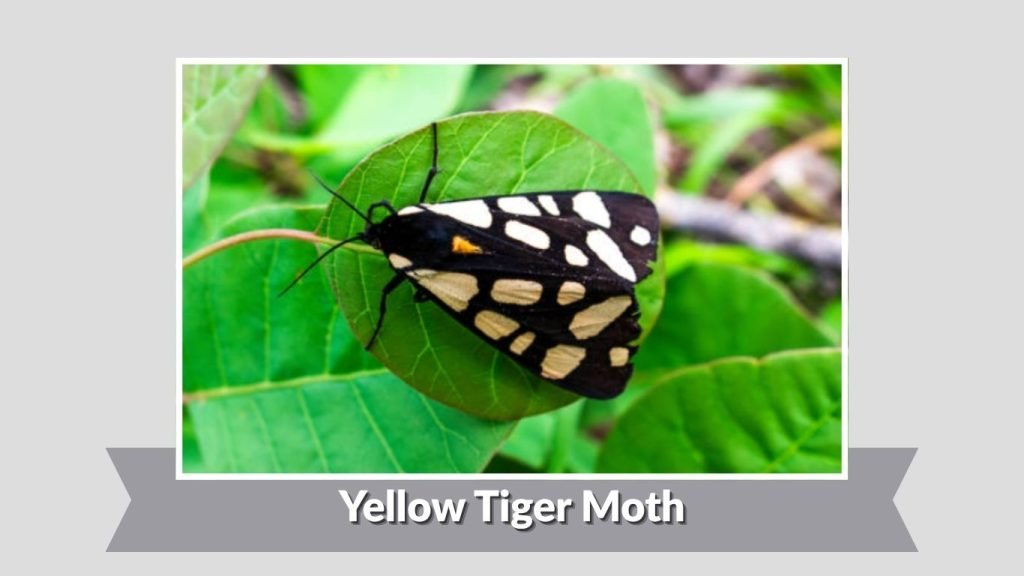
The Yellow Tiger Moth is a brightly colored species known for its warm yellow tones and contrasting markings. It is less commonly discussed than other tiger moths but still stands out due to its vivid appearance and active seasonal presence.
Identification
- Medium-sized moth with a wingspan of about 40–55 mm
- Forewings are yellow to golden with faint darker markings or spots
- Hindwings are brighter yellow or orange, sometimes with small black spots
- Body is robust and covered with soft hairs
- Antennae are slightly feathery, more developed in males
Habitat
The Yellow Tiger Moth is typically found in open environments such as grasslands, meadows, and agricultural fields. It prefers areas with abundant low-growing vegetation that supports its larval stage. This species can also be seen in gardens and rural landscapes where suitable host plants are present. During the day, adults rest among grasses or on leaves, where their yellow coloration blends with dry vegetation. The caterpillars are usually found close to the ground, hidden among plants or debris for protection.
Behaviors
This moth is primarily nocturnal and is attracted to artificial lights at night. It has a steady and moderate flight pattern and tends to remain within its preferred habitat. When disturbed, it may quickly fly away or remain still to avoid detection. The caterpillars are slow-moving and rely on their hairy bodies for defense against predators. Adults are most active during warm months and are mainly focused on reproduction.
Diet and Lifecycle
The larvae of the Yellow Tiger Moth feed on a variety of herbaceous plants, including grasses, clover, and other low-growing vegetation. This flexible diet helps them survive in different environments. They typically overwinter as caterpillars, remaining inactive during cold conditions. In spring, they resume feeding and eventually pupate in a cocoon made of silk and body hairs. Adults emerge in early to mid-summer and live for a short period, focusing on mating and egg-laying to continue the cycle.
13. Spotted Tiger Moth
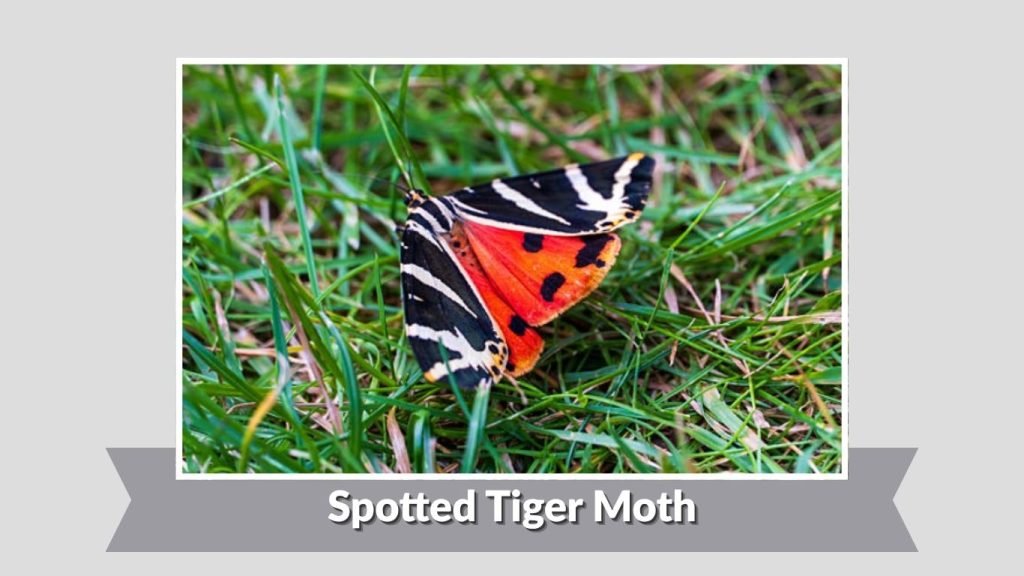
The Spotted Tiger Moth is a visually appealing species known for its patterned wings and contrasting colors. Its spotted appearance helps it stand out while also providing some camouflage in natural surroundings. It is found in various regions and adapts well to different environments.
Identification
- Medium-sized moth with a wingspan of about 40–55 mm
- Forewings are light-colored with scattered dark spots
- Hindwings are brighter, often orange or yellow with black markings
- Body is moderately hairy with a sturdy build
- Overall pattern gives a distinctly “spotted” appearance
Habitat
The Spotted Tiger Moth can be found in a variety of habitats, including meadows, grasslands, forest edges, and gardens. It prefers areas with abundant vegetation, especially where host plants for its caterpillars are available. This species is adaptable and can thrive in both rural and suburban environments. During the day, adults often rest on leaves, bark, or ground surfaces where their spotted wings help them blend in. The caterpillars are usually found in low vegetation or hidden among leaf litter.
Behaviors
This moth is primarily nocturnal and is commonly attracted to artificial lights. It has a moderate flight pattern and tends to stay within its habitat. When disturbed, it may fly a short distance or remain still to avoid detection. The bright hindwings can act as a defensive display when suddenly revealed. Caterpillars are slow-moving and depend on their hairy bodies for protection. Adults are most active during warmer months.
Diet and Lifecycle
The larvae feed on a wide range of plants, including grasses, weeds, and herbaceous vegetation. This broad diet allows them to survive in diverse habitats. They overwinter as caterpillars and become active again in spring. Pupation occurs in a cocoon made of silk and body hairs, usually concealed among vegetation. Adults emerge in summer and live briefly, focusing mainly on reproduction and continuing the life cycle.
14. Banded Tiger Moth
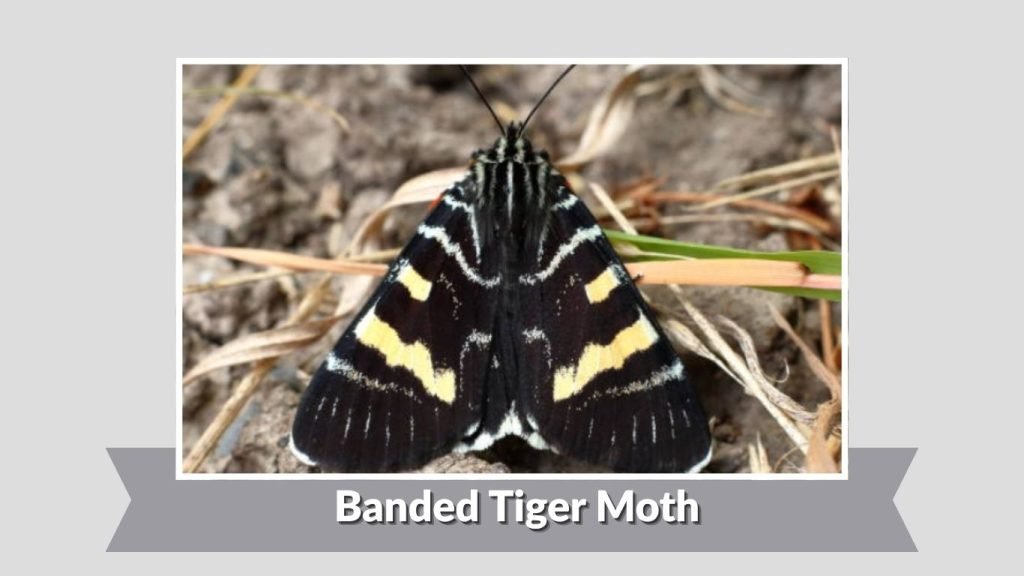
The Banded Tiger Moth is known for its distinct striped or banded wing patterns, which give it a unique and recognizable appearance. Though not as famous as some other tiger moths, it is still a visually interesting species found in various regions.
Identification
- Medium-sized moth with a wingspan of about 40–55 mm
- Forewings display clear bands or stripes in contrasting colors
- Hindwings are often brighter, usually orange or yellow with darker markings
- Body is moderately hairy and sturdy
- Patterned wings create a noticeable banded look
Habitat
The Banded Tiger Moth is commonly found in open habitats such as grasslands, meadows, and woodland edges. It prefers areas with a mix of vegetation where its caterpillars can find food. This species can also adapt to gardens and rural environments where host plants are present. During the day, adults typically rest on leaves or tree bark, where their banded patterns help provide camouflage. The caterpillars are usually found near the ground, hiding among plants or leaf litter.
Behaviors
This moth is mainly nocturnal and is attracted to light sources during the night. It has a steady flight and tends to stay within its habitat rather than traveling long distances. When disturbed, it may quickly take flight or remain still to avoid predators. The bright hindwings can be flashed as a defense mechanism. Caterpillars are slow-moving and rely on their hairy bodies for protection.
Diet and Lifecycle
The larvae of the Banded Tiger Moth feed on various low-growing plants, including grasses and herbaceous vegetation. Their flexible diet allows them to survive in different environments. They overwinter as caterpillars and resume feeding in spring. Pupation occurs in a cocoon made of silk and body hairs, usually hidden in vegetation or soil. Adults emerge in summer and live for a short period, focusing mainly on reproduction.
15. Red Tiger Moth
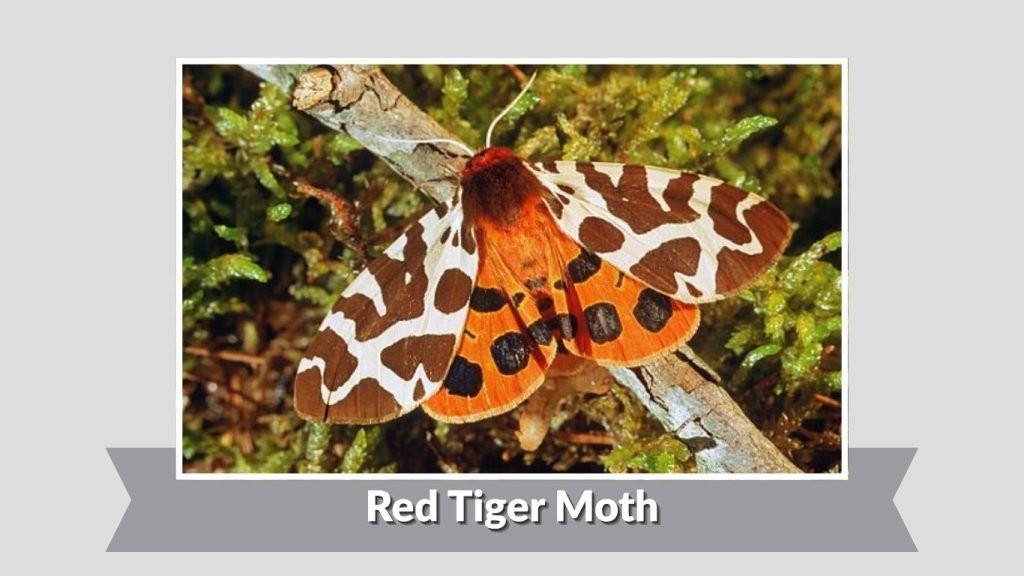
The Red Tiger Moth is a bold and colorful species recognized for its deep red tones and contrasting dark patterns. It is less commonly seen than some other tiger moths but stands out due to its vivid coloration and striking wing design.
Identification
- Medium-sized moth with a wingspan of about 45–60 mm
- Forewings are dark with red or reddish-orange markings
- Hindwings are bright red with black spots or patches
- Body is robust and covered with fine hairs
- Overall appearance is vivid with strong color contrast
Habitat
The Red Tiger Moth is typically found in woodlands, meadows, and forest edges where vegetation is dense. It prefers areas with a good supply of host plants for its caterpillars. This species may also appear in gardens and rural landscapes if suitable conditions are present. During the day, adults often rest on tree bark or among leaves, where their darker forewings help them remain less visible. The caterpillars are usually found close to the ground, hidden in vegetation or leaf litter.
Behaviors
This moth is primarily nocturnal and is attracted to artificial lights at night. It has a moderate flight and tends to stay within its local habitat. When threatened, it may reveal its bright hindwings as a warning display to startle predators. The caterpillars are slow-moving and rely on their hairy bodies for defense. Adults are generally active during warmer months and focus mainly on reproduction.
Diet and Lifecycle
The larvae of the Red Tiger Moth feed on a variety of herbaceous plants, including grasses and low-growing vegetation. This broad diet allows them to adapt to different environments. They overwinter as caterpillars and resume feeding in spring. Pupation occurs in a cocoon made of silk and body hairs, usually hidden among vegetation. Adults emerge in summer and have a short lifespan, focusing on mating and laying eggs to continue the species cycle.
16. Painted Tiger Moth
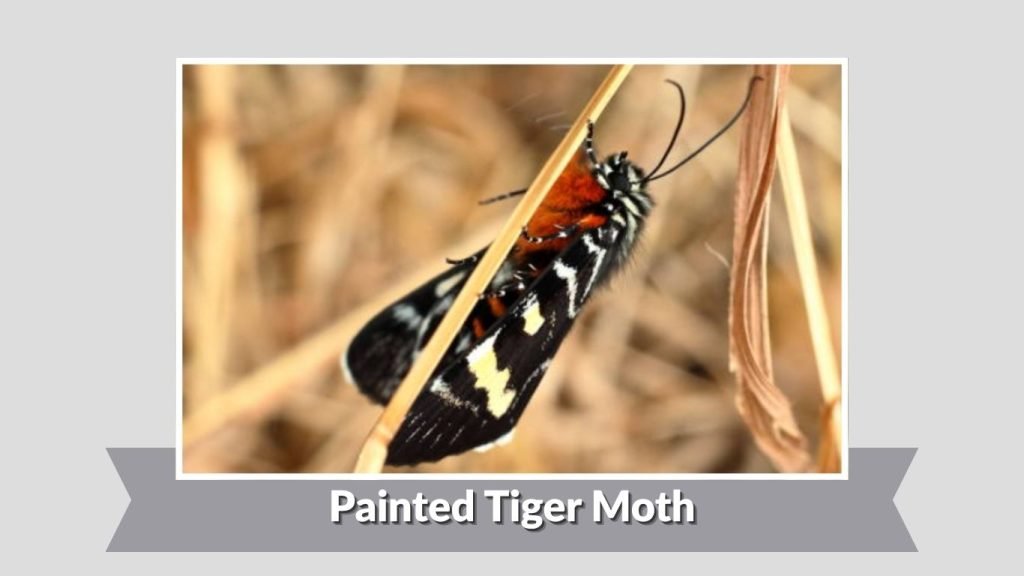
The Painted Tiger Moth is a visually appealing species known for its artistic mix of colors and patterns across its wings. Its name comes from the “painted” appearance created by contrasting shades and markings, making it stand out among other tiger moths.
Identification
- Medium-sized moth with a wingspan of about 40–55 mm
- Forewings display a mix of light and dark patches, often appearing “painted”
- Hindwings are brighter, usually orange, yellow, or red with dark spots
- Body is moderately hairy and robust
- Wing patterns vary slightly between individuals
Habitat
The Painted Tiger Moth is typically found in open landscapes such as meadows, grasslands, and woodland edges. It prefers areas with diverse vegetation, which provide both shelter and food for its larvae. This species can also adapt to gardens and agricultural fields where host plants are available. During the day, adults often rest on vegetation or the ground, where their patterned wings help them blend into their surroundings. The caterpillars are usually found in low-growing plants or hidden among leaf litter.
Behaviors
This moth is mainly nocturnal and is attracted to artificial lights. It has a steady flight and tends to remain within its preferred habitat. When disturbed, it may quickly take flight or stay still to avoid detection. The bright hindwings can be flashed suddenly to startle predators. Caterpillars are slow-moving and rely on their hairy covering for protection. Adults are most active during warm seasons.
Diet and Lifecycle
The larvae feed on a variety of herbaceous plants, including grasses and common weeds. This flexible diet allows them to survive in different environments. They overwinter as caterpillars and resume feeding in spring. Pupation takes place in a cocoon made of silk and body hairs, usually hidden among vegetation or soil. Adults emerge in summer and live briefly, focusing mainly on reproduction and continuing the life cycle.
17. Ornate Tiger Moth
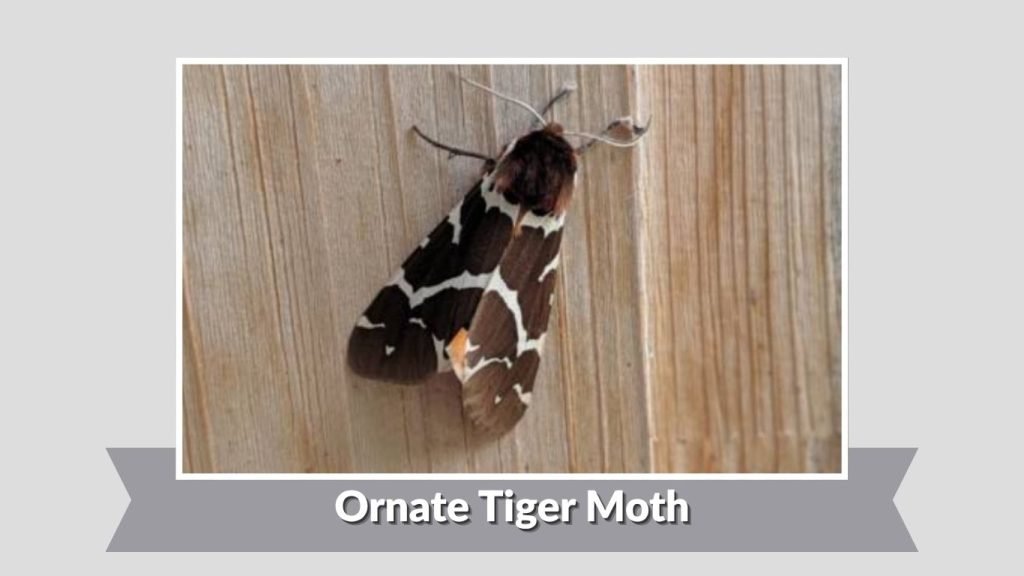
The Ornate Tiger Moth is a beautifully patterned species known for its intricate wing designs and soft coloration. Its “ornate” appearance comes from the delicate mix of lines, spots, and shades that create a detailed and elegant look.
Identification
- Medium-sized moth with a wingspan of about 35–50 mm
- Forewings feature a complex mix of lines, spots, and patches
- Colors range from light brown and cream to darker shades
- Hindwings are usually lighter, sometimes with subtle markings
- Body is moderately hairy with a balanced, sturdy shape
Habitat
The Ornate Tiger Moth is typically found in grasslands, meadows, woodland edges, and open countryside. It prefers areas with diverse vegetation where its caterpillars can find food. This species can also be seen in gardens and rural areas with suitable plant life. During the day, adults rest on leaves, bark, or the ground, where their detailed patterns help them blend into natural textures. The caterpillars are usually found among low plants or hidden in leaf litter.
Behaviors
This moth is primarily nocturnal and is attracted to artificial lights at night. It has a calm and steady flight pattern and usually remains within its habitat. When disturbed, it may either fly a short distance or stay still to avoid detection. The patterned wings provide camouflage, while the hindwings may act as a subtle defense display. Caterpillars are slow-moving and rely on their hairy bodies for protection.
Diet and Lifecycle
The larvae of the Ornate Tiger Moth feed on a variety of low-growing plants, including grasses and herbaceous vegetation. Their flexible diet allows them to survive in different environments. They overwinter as caterpillars and resume feeding in spring. Pupation occurs in a cocoon made of silk and body hairs, usually hidden among vegetation or soil. Adults emerge in summer and live briefly, focusing mainly on reproduction.
18. Speckled Tiger Moth
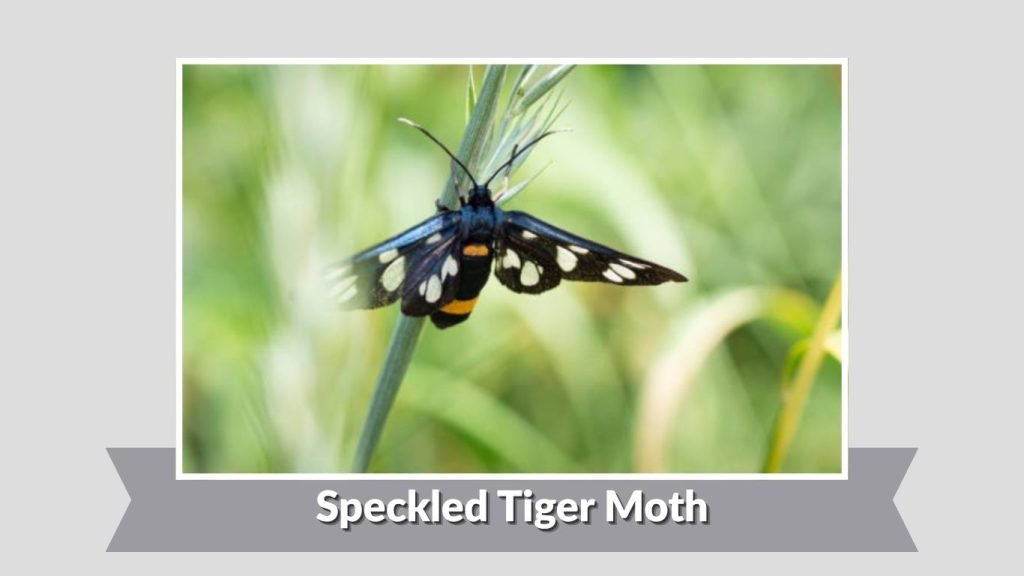
The Speckled Tiger Moth is known for its finely dotted wing pattern, giving it a textured and subtle appearance. While not as bold as some tiger moths, its speckled design provides effective camouflage and a unique visual appeal.
Identification
- Medium-sized moth with a wingspan of about 35–50 mm
- Forewings are light-colored with numerous small dark speckles
- Hindwings are usually lighter, sometimes with faint markings
- Body is moderately hairy with a soft appearance
- Overall look is finely patterned rather than boldly marked
Habitat
The Speckled Tiger Moth is commonly found in meadows, grasslands, woodland edges, and gardens. It prefers habitats with dense vegetation where its larvae can easily find food. This species is adaptable and can live in both natural and human-influenced environments. During the day, adults rest on leaves, bark, or the ground, where their speckled wings help them blend into textured surfaces. The caterpillars are usually found among low plants or hidden in leaf litter for protection.
Behaviors
This moth is primarily nocturnal and is attracted to artificial lights at night. It has a gentle and steady flight pattern and usually stays within its habitat. When disturbed, it may either fly a short distance or remain still to avoid detection. Its subtle wing pattern provides camouflage, helping it escape predators. Caterpillars are slow-moving and rely on their hairy bodies as a defense mechanism.
Diet and Lifecycle
The larvae of the Speckled Tiger Moth feed on a variety of plants, including grasses and other herbaceous vegetation. This flexible diet allows them to survive in different environments. They overwinter as caterpillars and resume feeding in spring. Pupation occurs in a cocoon made of silk and body hairs, usually hidden among vegetation or soil. Adults emerge in summer and live for a short period, focusing mainly on reproduction.
19. Cinnabar Moth
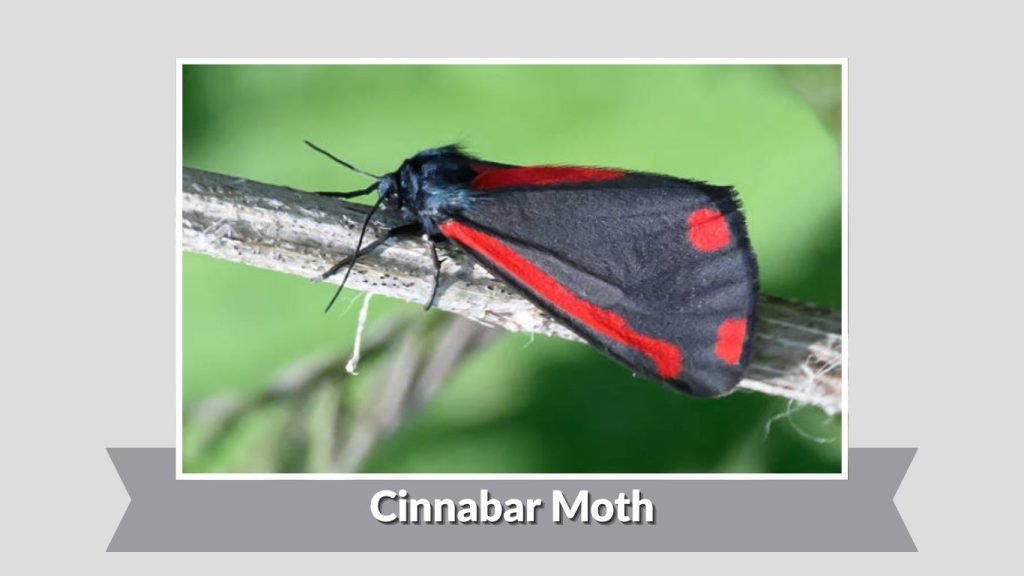
The Cinnabar Moth is a striking and easily recognizable species, famous for its bold black and red coloration. It is often associated with wildflower habitats and is well known for its role in controlling certain invasive plants.
Identification
- Medium-sized moth with a wingspan of about 32–42 mm
- Forewings are dark gray or black with bright red streaks
- Hindwings are vivid red with a dark border
- Body is dark with red markings
- Color contrast is bold and highly noticeable
Habitat
The Cinnabar Moth is commonly found in open habitats such as grasslands, meadows, roadsides, and coastal areas. It prefers environments where its primary host plant grows abundantly. This species is often seen in sunny, open spaces with low vegetation. It can also appear in gardens and disturbed areas where suitable plants are present. During the day, adults rest on vegetation or fly actively in warm conditions. The caterpillars are usually found on or near their host plants.
Behaviors
Unlike many tiger moths, the Cinnabar Moth is active during the day and is often seen flying in sunlight. Its bright coloration acts as a warning to predators that it may be toxic. When disturbed, it flies quickly but remains within its habitat. The caterpillars are also brightly colored with black and yellow/orange stripes, signaling their unpalatability. Both larvae and adults rely on warning coloration rather than camouflage for protection.
Diet and Lifecycle
The larvae primarily feed on ragwort plants, which contain toxic compounds. These toxins are stored in their bodies, making both caterpillars and adults unpalatable to predators. The caterpillars feed in groups and can sometimes defoliate host plants. Pupation occurs in the soil or among vegetation. Adults emerge in early summer and may feed lightly on nectar. Their lifecycle is closely tied to the availability of their host plant, continuing the cycle each year.
20. Wood Tiger Moth
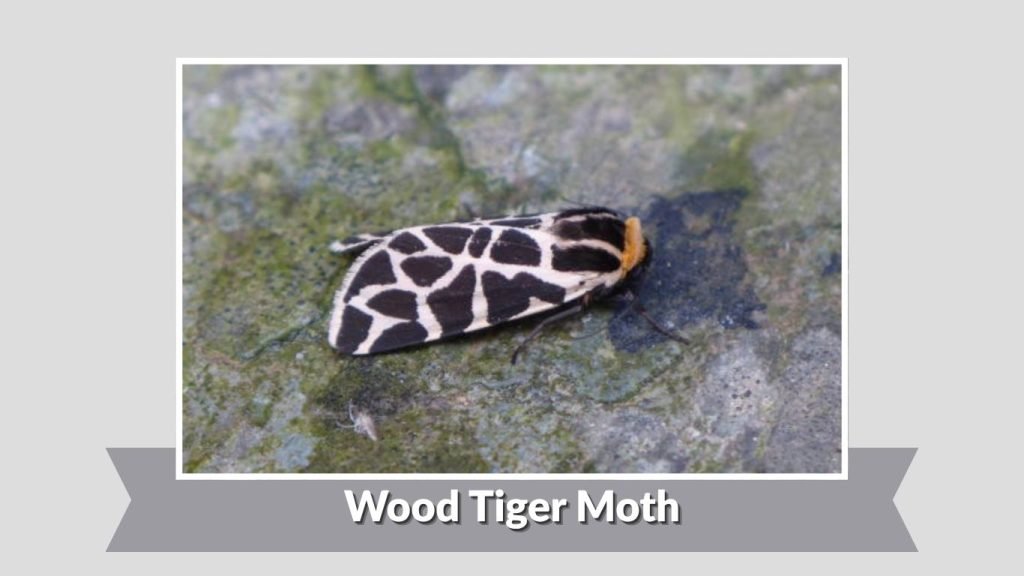
The Wood Tiger Moth is a well-studied and visually striking species known for its variable wing colors and bold patterns. It is commonly found across Europe, Asia, and parts of North America, and is notable for its role in scientific studies on warning coloration and predator behavior.
Identification
- Medium-sized moth with a wingspan of about 35–60 mm
- Forewings are dark (brown or black) with white or cream patches
- Hindwings vary in color—yellow, orange, or white—with black spots
- Body is dark and moderately hairy
- Color variation is common, especially in hindwings
Habitat
The Wood Tiger Moth prefers open habitats such as meadows, grasslands, forest edges, and mountainous areas. It thrives in environments with abundant low-growing vegetation that supports its larvae. This species is often found in cooler climates and can adapt to a range of altitudes. During the day, adults may rest on vegetation or be seen flying in open spaces. The caterpillars are usually found close to the ground, feeding on plants in grassy or shrubby areas.
Behaviors
Unlike many moths, the Wood Tiger Moth is active during the day. It uses its bright hindwings as a warning signal to predators, indicating that it may be unpalatable. When threatened, it may display these colors or fly away quickly. This species has been widely studied for its defensive strategies and color variation. Caterpillars are slow-moving and rely on their hairy bodies for protection. Adults are active fliers and are often seen in sunlight.
Diet and Lifecycle
The larvae feed on a variety of herbaceous plants, including dandelions, plantain, and other low-growing vegetation. This flexible diet helps them survive in diverse habitats. They overwinter as caterpillars and resume feeding in spring. Pupation occurs in a cocoon made of silk and body hairs, usually hidden among vegetation. Adults emerge in late spring or summer and focus mainly on reproduction, completing their life cycle.
21. Large Tiger Moth
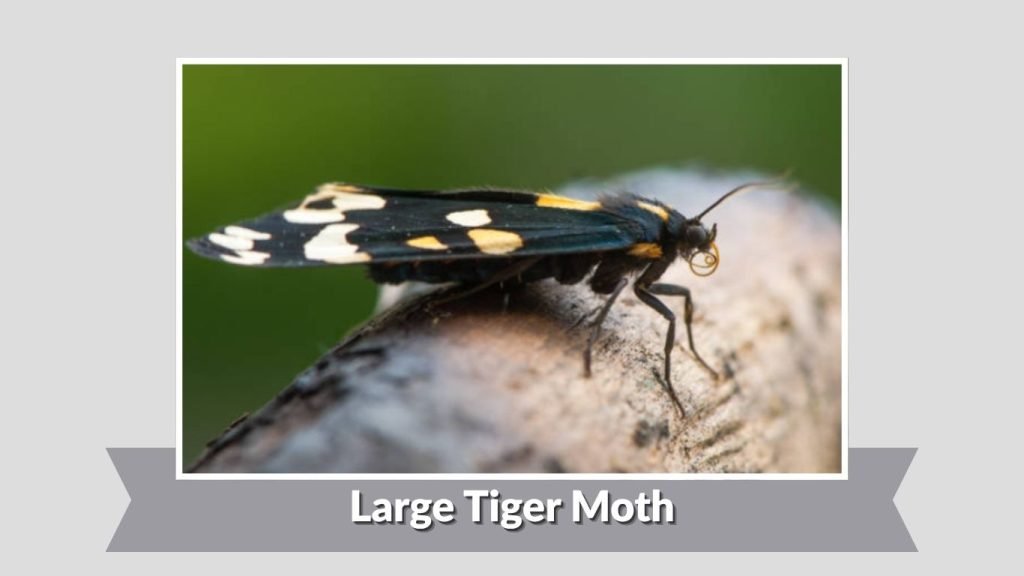
The Large Tiger Moth is known for its relatively bigger size and bold wing patterns compared to other similar species. Its strong contrast of colors and markings makes it noticeable, especially when it reveals its brighter hindwings.
Identification
- Large moth with a wingspan of about 60–75 mm
- Forewings are dark with pale or white irregular markings
- Hindwings are bright, often orange or yellow with black spots
- Body is thick and covered with dense hairs
- Overall appearance is bold and strongly patterned
Habitat
The Large Tiger Moth is typically found in open habitats such as meadows, grasslands, woodland edges, and rural landscapes. It prefers areas with abundant vegetation that can support its larval stage. This species can also adapt to gardens and semi-urban areas where suitable plants are available. During the day, adults usually rest on tree trunks, leaves, or ground surfaces, where their darker forewings help them blend into the environment. The caterpillars are commonly found among low plants or hidden in leaf litter.
Behaviors
This moth is primarily nocturnal and is attracted to artificial lights at night. It has a steady and moderately strong flight. When disturbed, it may suddenly reveal its bright hindwings to startle predators before flying away. The caterpillars are slow-moving and rely on their hairy bodies for defense. Adults are generally active during warmer months and focus mainly on reproduction.
Diet and Lifecycle
The larvae of the Large Tiger Moth feed on a variety of plants, including grasses and herbaceous vegetation. This broad diet allows them to survive in different habitats. They overwinter as caterpillars and resume feeding in spring. Pupation occurs in a cocoon made of silk and body hairs, usually hidden among vegetation or soil. Adults emerge in summer and live for a short period, focusing on mating and laying eggs to continue the species cycle.
22. Small Tiger Moth
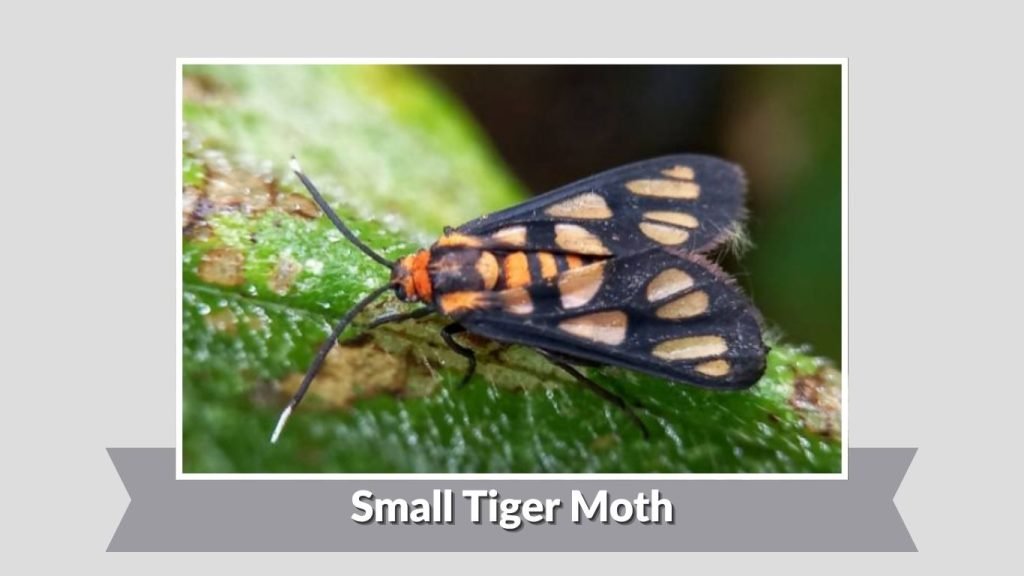
The Small Tiger Moth is a more modest-sized member of the tiger moth group, known for its subtle patterns and compact form. While less flashy than larger species, it still displays the characteristic markings and behaviors typical of tiger moths.
Identification
- Small to medium-sized moth with a wingspan of about 30–45 mm
- Forewings are brown or gray with lighter markings or faint patterns
- Hindwings are often brighter, usually yellow or orange with small dark spots
- Body is moderately hairy and compact
- Overall appearance is less bold but clearly patterned
Habitat
The Small Tiger Moth is commonly found in grasslands, meadows, woodland edges, and gardens. It prefers areas with plenty of low-growing vegetation that supports its larval food sources. This species is adaptable and can thrive in both rural and semi-urban environments. During the day, adults typically rest on leaves, bark, or ground surfaces where their muted colors help them blend in. The caterpillars are usually found among grasses or hidden in leaf litter, staying close to the ground for protection.
Behaviors
This moth is mainly nocturnal and is attracted to artificial lights at night. It has a gentle and short-range flight pattern, often staying close to its habitat. When disturbed, it may either fly briefly or remain still to avoid detection. The hindwings may be flashed as a mild defense display. Caterpillars are slow-moving and rely on their hairy bodies for protection against predators.
Diet and Lifecycle
The larvae of the Small Tiger Moth feed on a variety of low-growing plants, including grasses and herbaceous vegetation. This flexible diet allows them to survive in different environments. They overwinter as caterpillars and resume feeding in spring. Pupation occurs in a cocoon made of silk and body hairs, usually hidden among vegetation or soil. Adults emerge in summer and live for a short time, focusing mainly on reproduction.
23. Desert Tiger Moth
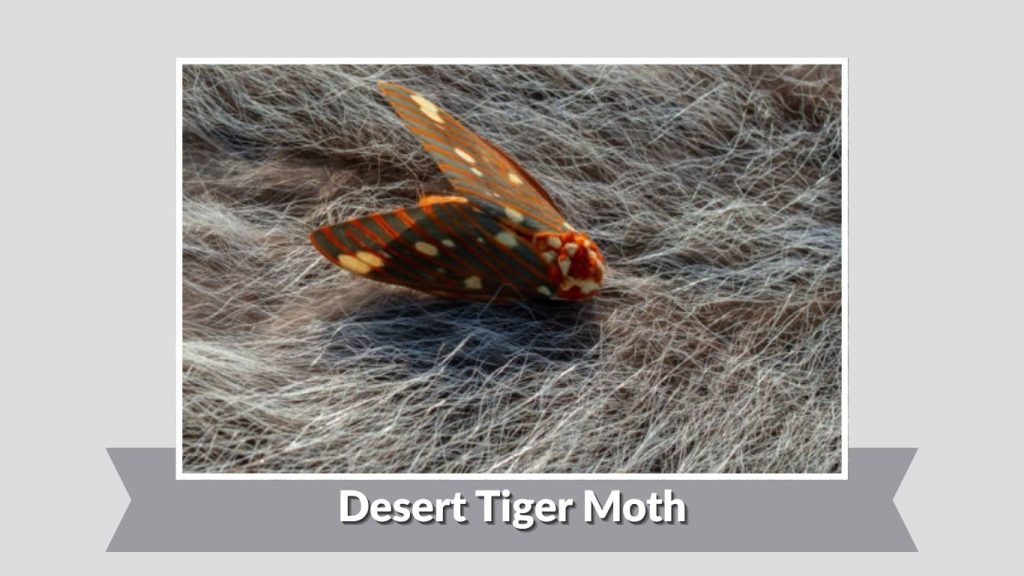
The Desert Tiger Moth is adapted to dry and arid environments, making it unique among tiger moths. Its coloration and behavior help it survive in harsh conditions where vegetation is sparse and temperatures can be extreme.
Identification
- Medium-sized moth with a wingspan of about 35–50 mm
- Forewings are sandy brown or pale tan, often with faint markings
- Hindwings are lighter, sometimes yellowish or cream with subtle spots
- Body is moderately hairy and adapted to dry climates
- Overall coloration helps it blend into desert surroundings
Habitat
The Desert Tiger Moth is primarily found in arid and semi-arid regions such as deserts, scrublands, and dry grasslands. It prefers sandy or rocky environments where vegetation is limited but still sufficient for its larvae. This species is well adapted to extreme temperatures and low moisture conditions. During the day, adults often rest on the ground or rocks, where their coloration provides excellent camouflage. The caterpillars are usually found near hardy desert plants that can survive in these conditions.
Behaviors
This moth is mostly nocturnal, becoming active during cooler nighttime temperatures to avoid daytime heat. It is attracted to light but may not travel far from its habitat. When disturbed, it may quickly fly away or remain still to blend into its surroundings. Its subdued coloration helps protect it from predators. The caterpillars are slow-moving and rely on their hairy bodies for defense, as well as staying hidden during the hottest parts of the day.
Diet and Lifecycle
The larvae of the Desert Tiger Moth feed on drought-resistant plants, including hardy shrubs and desert grasses. This specialized diet allows them to survive in environments where food is scarce. They may remain inactive during extreme conditions and resume feeding when temperatures are more favorable. Pupation occurs in a cocoon made of silk and body hairs, often hidden in soil or debris. Adults emerge during warmer seasons and focus on reproduction, continuing the life cycle.
24. Black Tiger Moth
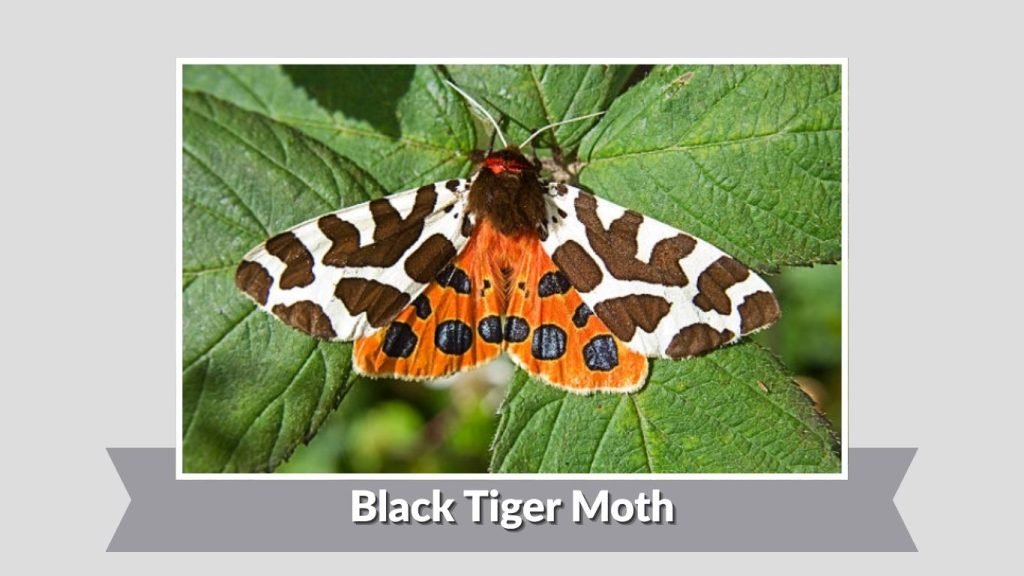
The Black Tiger Moth is a dark-colored species known for its deep tones and contrasting markings. Its appearance is more subdued compared to brighter tiger moths, but it still carries the characteristic patterns and defensive traits of the group.
Identification
- Medium-sized moth with a wingspan of about 40–55 mm
- Forewings are predominantly black or very dark brown
- May have small white or pale markings on the wings
- Hindwings are often lighter, sometimes with faint spots
- Body is dark and covered with fine hairs
Habitat
The Black Tiger Moth is commonly found in woodlands, forest edges, grasslands, and rural areas. It prefers habitats with dense vegetation where its caterpillars can find food and shelter. This species can also adapt to gardens and semi-urban environments if suitable plants are present. During the day, adults usually rest on dark surfaces such as tree bark or soil, where their coloration helps them remain hidden. The caterpillars are typically found close to the ground among plants or leaf litter.
Behaviors
This moth is mainly nocturnal and is attracted to artificial lights at night. It has a calm and steady flight pattern and tends to stay within its habitat. When disturbed, it may either take flight quickly or remain still to avoid detection. Its darker coloration provides effective camouflage in low-light conditions. Caterpillars are slow-moving and rely on their hairy bodies as a defense against predators.
Diet and Lifecycle
The larvae of the Black Tiger Moth feed on a variety of plants, including grasses and other herbaceous vegetation. This flexible diet allows them to survive in different environments. They overwinter as caterpillars and resume feeding in spring. Pupation occurs in a cocoon made of silk and body hairs, usually hidden among vegetation or soil. Adults emerge in summer and live for a short time, focusing mainly on reproduction and continuing the species cycle.
25. Brown Tiger Moth
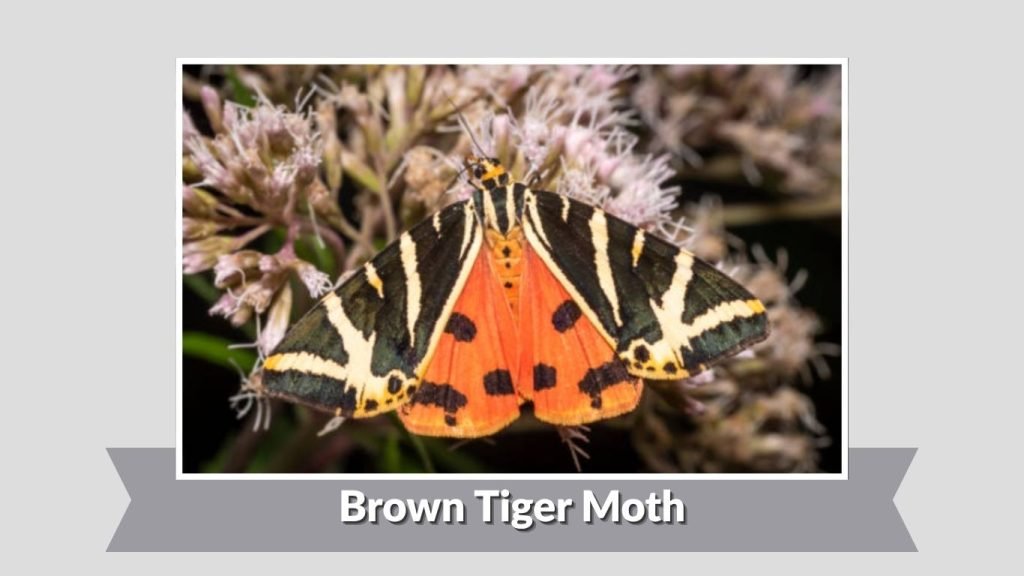
The Brown Tiger Moth is a more subtly colored species, known for its earthy tones and understated patterns. While it may not be as vibrant as other tiger moths, its natural coloration provides excellent camouflage and helps it blend into its surroundings.
Identification
- Medium-sized moth with a wingspan of about 40–55 mm
- Forewings are shades of brown with darker markings or faint patterns
- Hindwings are lighter, sometimes pale yellow or tan with small spots
- Body is moderately hairy and blends with wing coloration
- Overall appearance is earthy and less contrasting
Habitat
The Brown Tiger Moth is commonly found in woodlands, grasslands, forest edges, and rural landscapes. It prefers habitats with plenty of vegetation, especially where its larvae can find food. This species is adaptable and can also be seen in gardens and semi-urban areas. During the day, adults rest on tree bark, soil, or leaves, where their brown coloration provides effective camouflage. The caterpillars are usually found close to the ground, hidden among plants or leaf litter.
Behaviors
This moth is primarily nocturnal and is attracted to artificial lights at night. It has a steady but not very strong flight and tends to remain within its habitat. When disturbed, it may quickly fly away or stay still to avoid detection. Its natural coloration helps it remain unnoticed by predators. The caterpillars are slow-moving and rely on their hairy bodies for protection.
Diet and Lifecycle
The larvae of the Brown Tiger Moth feed on a variety of low-growing plants, including grasses and herbaceous vegetation. This flexible diet allows them to survive in different environments. They overwinter as caterpillars and resume feeding in spring. Pupation occurs in a cocoon made of silk and body hairs, usually hidden among vegetation or soil. Adults emerge in summer and live briefly, focusing mainly on reproduction and laying eggs to complete the life cycle.
FAQs
What is a tiger moth?
Tiger moths are a group of moths known for their bright colors, bold patterns, and often hairy bodies. They belong to the family Erebidae and are widely distributed around the world. Many species use warning colors or camouflage to protect themselves from predators.
Are tiger moths harmful to humans?
Most tiger moths are harmless to humans. However, their caterpillars can have hairy or bristly bodies that may cause mild skin irritation if touched. These hairs act as a defense mechanism against predators rather than posing serious danger to people.
What do tiger moth caterpillars eat?
Tiger moth caterpillars usually feed on a wide variety of plants, including grasses, weeds, and herbaceous plants. Some species have specific host plants, while others are general feeders. Their diet plays an important role in their growth and survival.
Why are tiger moths brightly colored?
Many tiger moths have bright colors to warn predators that they may be toxic or unpalatable. This is known as warning coloration. Some species also use sudden flashes of color from their hindwings to startle predators and escape.
When are tiger moths most active?
Most tiger moths are nocturnal and become active at night, often being attracted to lights. However, some species are active during the day, especially those with bright warning colors. Their activity period usually depends on the species and environmental conditions.
