
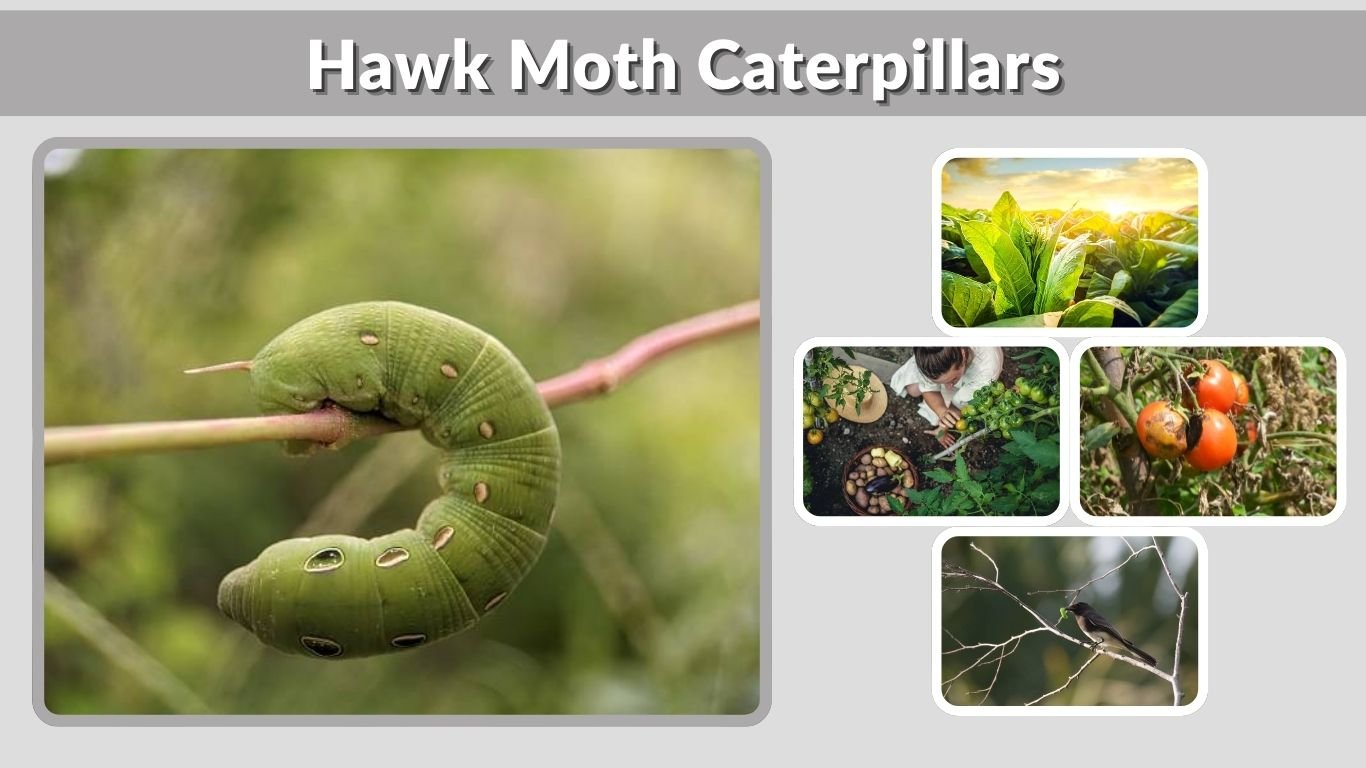
Hawk moth caterpillars, often called hornworms, are large and eye-catching insects that frequently spark concern among gardeners and nature enthusiasts. Their unusual size, bright colors, and distinctive tail horn can make them appear threatening. However, many of these fears are based on appearance rather than fact. This article explores whether hawk moth caterpillars are poisonous, dangerous, or harmful, while also explaining their behavior, habitat, and role in the ecosystem.
What Are Hawk Moth Caterpillars?
Hawk moth caterpillars belong to the Sphingidae family and are found in many parts of the world, including the UK. They are known for their rapid growth and striking appearance. These caterpillars are an important stage in the life cycle of hawk moths, which are strong fliers and often active at dusk or night.
Key Characteristics
- Large, thick-bodied shape that can grow several centimeters long
- A curved horn at the rear, often mistaken for a stinger
- Bright green, brown, or patterned colors for camouflage or warning
Life Cycle Overview
- Begin as eggs laid on host plants
- Grow quickly during the caterpillar stage
- Form a pupa before transforming into a moth
Are Hawk Moth Caterpillars Poisonous?
Many people assume these caterpillars are poisonous because of their bold appearance, but this is usually not the case. Most species are harmless to humans and do not produce venom. Their intimidating look is mainly a defense strategy designed to deter predators rather than harm them directly.
Do They Contain Toxins?
Some caterpillars may absorb small amounts of toxins from the plants they eat, such as tobacco or certain wild species. However, these toxins are not injected or actively used against humans. They mainly serve as a passive defense against predators in the wild.
Are Hawk Moth Caterpillars Dangerous to Humans?
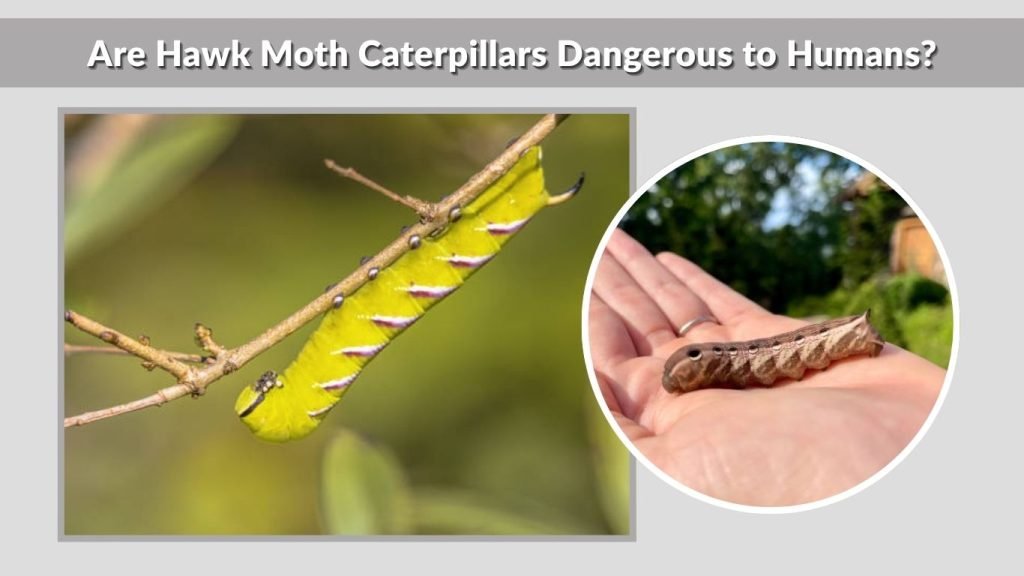
Despite their size and unusual features, hawk moth caterpillars are not dangerous to humans. They lack the physical ability to sting or inject venom. Their primary goal is feeding and growing, not defending themselves aggressively. Most encounters are harmless and safe if the caterpillar is handled gently or simply observed.
Common Misconceptions
- Their tail horn is often mistaken for a stinger
- Sudden movements can appear aggressive
- Bright colors may suggest toxicity
Do Hawk Moth Caterpillars Bite?
This is a common concern, especially among people who encounter them in gardens. Hawk moth caterpillars do not bite humans. Their mouthparts are designed specifically for chewing leaves and plant material, not for defense or attack.
Why They Seem Like They Might Bite
When disturbed, these caterpillars may move suddenly or raise their bodies in a defensive posture. This behavior can look threatening, but it is simply a way to scare off predators. They do not use their mouths to bite people.
Are Hawk Moth Caterpillars Harmful?
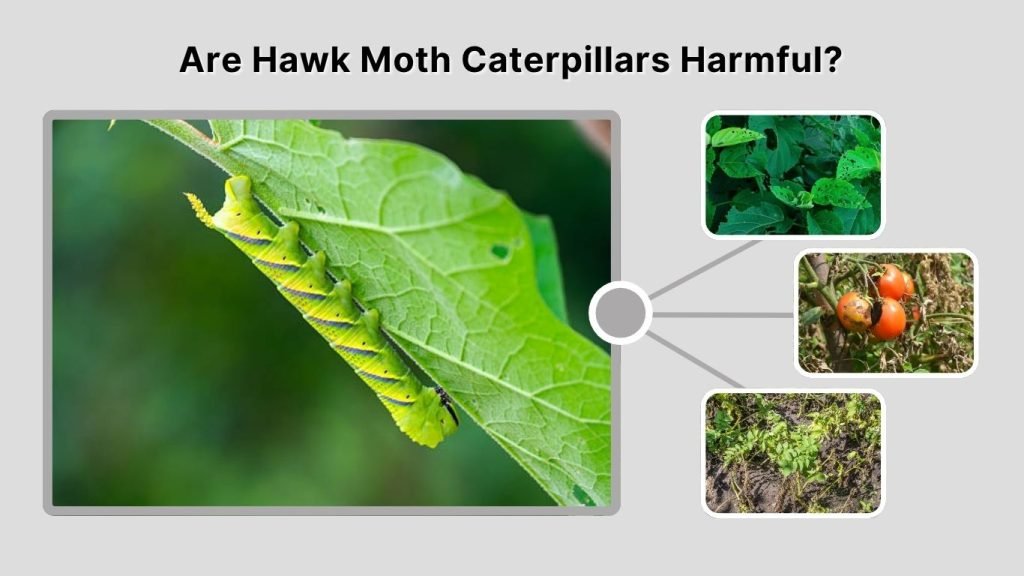
While they are harmless to humans, hawk moth caterpillars can have an impact in other ways. Their feeding habits can affect plants, especially in gardens where they may be present in larger numbers. Understanding this helps balance their role in nature with practical concerns.
Impact on Plants
- Feed heavily on leaves, reducing plant health
- Can damage crops like tomatoes and potatoes
- Large groups may strip plants quickly
Impact on Humans and Pets
Hawk moth caterpillars do not pose a threat to people or pets. They do not bite, sting, or release harmful substances. In rare cases, handling any insect may cause mild skin irritation, but this is uncommon and usually not serious.
Where Do Hawk Moth Caterpillars Live?
Hawk moth caterpillars live in a variety of environments, from home gardens to natural landscapes such as forests and meadows. Their presence depends largely on the availability of suitable host plants, which provide both food and shelter during their growth stage.
Habitat and Distribution
They are commonly found in warm seasons and tend to stay close to the plants they feed on. In regions like the UK, they are often seen during late spring and summer, especially in areas with abundant vegetation and flowering plants.
What Do Hawk Moth Caterpillars Eat?
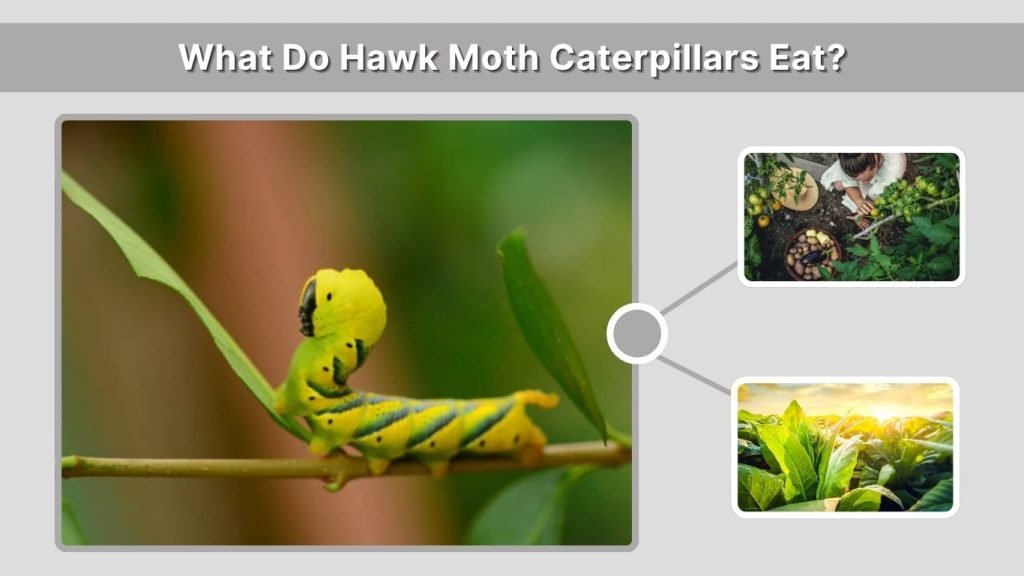
Hawk moth caterpillars are herbivores that rely entirely on plant material for survival. Their diet plays a key role in their rapid growth, as they must consume large amounts of food before entering the pupal stage. The type of plant they feed on often depends on the species and region.
Common Host Plants
- Tomato and potato plants in home gardens
- Tobacco plants and related species
- Fuchsia, willowherb, and bedstraw (common in the UK)
Feeding Behavior
- Eat continuously during their growth phase
- Prefer soft, leafy parts of plants
- Can consume large portions of a plant in a short time
British Hawk Moth Caterpillars
In the UK, several species of hawk moth caterpillars are commonly found in gardens and natural habitats. These species are known for their distinctive colors and patterns, which often help them blend into their surroundings or deter predators.
Common UK Species
- Elephant hawk moth caterpillar, known for its eye-like markings
- Privet hawk moth caterpillar, usually bright green with stripes
- Poplar hawk moth caterpillar, often found on trees and shrubs
Identification Features
- Variation in color from green to brown or even pinkish tones
- Tail horn size and shape differ by species
- Patterns that mimic eyes or camouflage with leaves
Why Do Hawk Moth Caterpillars Have a Horn?
The horn found at the rear of hawk moth caterpillars is one of their most recognizable features. Although it looks sharp and dangerous, it is completely harmless. The horn does not sting, inject venom, or cause injury. Instead, it serves as a visual defense mechanism designed to confuse or intimidate predators.
This feature helps the caterpillar appear larger or more threatening than it really is. In some species, the caterpillar may also raise its body or display eye-like markings to enhance this illusion. These adaptations increase their chances of survival in the wild without the need for actual physical defense.
Should You Touch Hawk Moth Caterpillars?
Hawk moth caterpillars are generally safe to touch, but it is always best to handle them with care and respect. While they are not dangerous, they are delicate creatures that can be easily stressed or injured if handled roughly.
Safety Tips
- Gently pick them up if necessary, avoiding pressure
- Wash hands after handling to prevent irritation
- Avoid handling unknown species as a precaution
Benefits of Hawk Moth Caterpillars
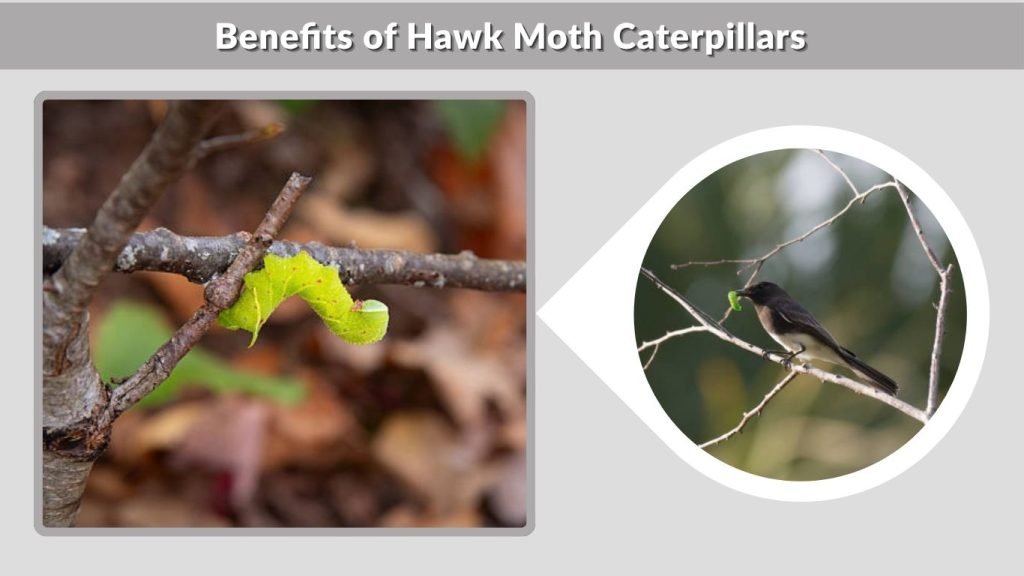
Although they may sometimes be seen as pests, hawk moth caterpillars play an important role in nature. Their presence contributes to the balance of ecosystems and supports other forms of life.
Ecological Importance
- Serve as a food source for birds and small animals
- Help maintain natural plant cycles
- Transform into moths that act as pollinators
FAQs
Are hawk moth caterpillars poisonous?
Most hawk moth caterpillars are not poisonous to humans. They do not produce venom or release harmful substances through their skin. While some may contain mild toxins from the plants they eat, these do not pose a risk to people when touched.
Are hawk moth caterpillars dangerous?
They are not dangerous to humans or pets. Despite their large size and unusual appearance, they lack any mechanism to bite, sting, or inject venom. Their defensive features are purely visual and meant to scare predators.
Do hawk moth caterpillars bite?
No, hawk moth caterpillars do not bite. Their mouthparts are adapted for chewing leaves and plant material. Even when disturbed, they do not use their mouths to attack and remain harmless to people.
Where do hawk moth caterpillars live?
They live in gardens, forests, and areas with plenty of vegetation. They stay close to host plants that provide food and shelter. In many regions, they are most commonly seen during warmer months like spring and summer.
What do hawk moth caterpillars eat?
They feed on plant leaves, including tomatoes, potatoes, tobacco, and ornamental plants. Their diet depends on the species, but all are herbivores that consume large amounts of foliage to support rapid growth.
