
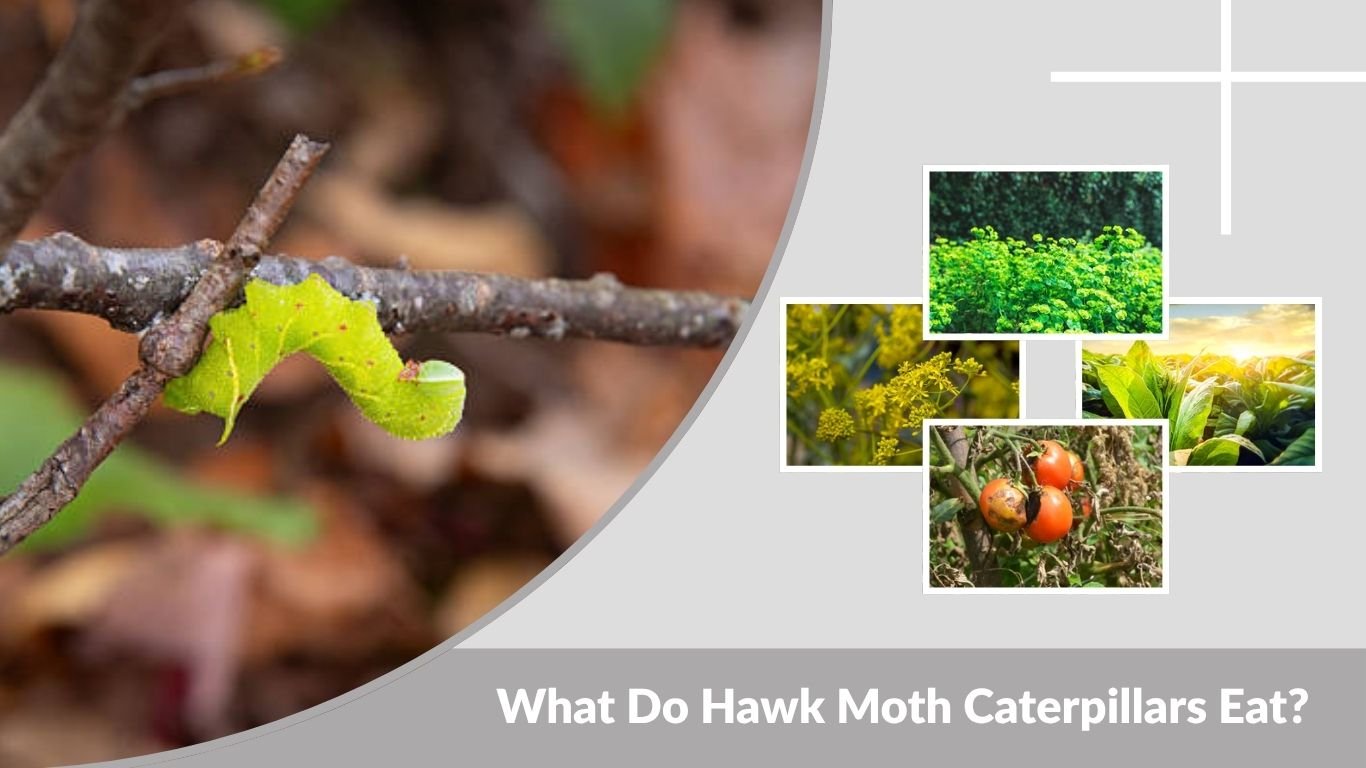
Hawk moth caterpillars, often called hornworms, are well known for their large size and fast growth. A key reason for this rapid development is their constant feeding on plant material. Many people want to know exactly what these caterpillars eat, especially when they appear in gardens or on crops. Their diet is not random—each species prefers specific host plants. Understanding what hawk moth caterpillars eat can help with identification, gardening decisions, and appreciating their role in nature.
What Do Hawk Moth Caterpillars Eat?
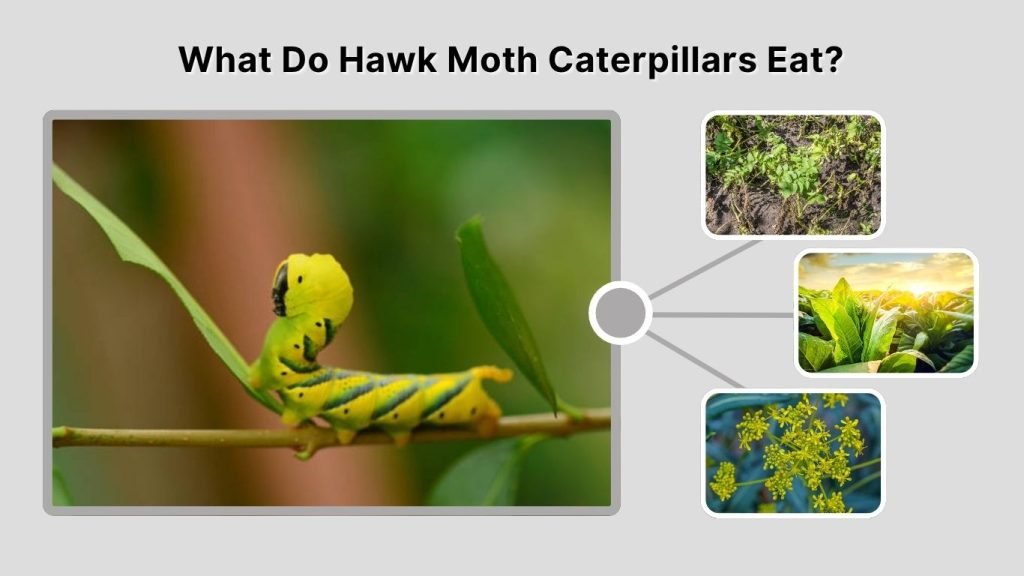
Hawk moth caterpillars are herbivores that rely entirely on plants for food. They mainly consume leaves, which provide the nutrients needed for their quick growth before turning into moths. While the exact diet depends on the species, most caterpillars stick to a limited range of host plants.
Common Plants They Eat
- Tomato and potato plants from the nightshade family
- Tobacco and related species
- Willowherb, bedstraw, and fuchsia
- Trees such as poplar, lime, and privet
Feeding Behavior
- Eat almost constantly during the larval stage
- Prefer soft, young leaves for easier digestion
- Can strip leaves quickly when present in large numbers
Why Do Hawk Moth Caterpillars Choose Specific Plants?
Hawk moth caterpillars do not eat just any plant they encounter. Their feeding habits are highly specialized and closely linked to their survival. Female moths lay eggs only on plants that will support the caterpillars after they hatch. This ensures the larvae have immediate access to suitable food sources.
Role of Host Plants
Host plants provide more than just nutrition. They also offer protection and chemical advantages. Some caterpillars feed on plants that contain natural toxins, which they can tolerate. These toxins may help deter predators, giving the caterpillars a better chance of survival in the wild.
What Plants Do Hawk Moth Caterpillars Eat?
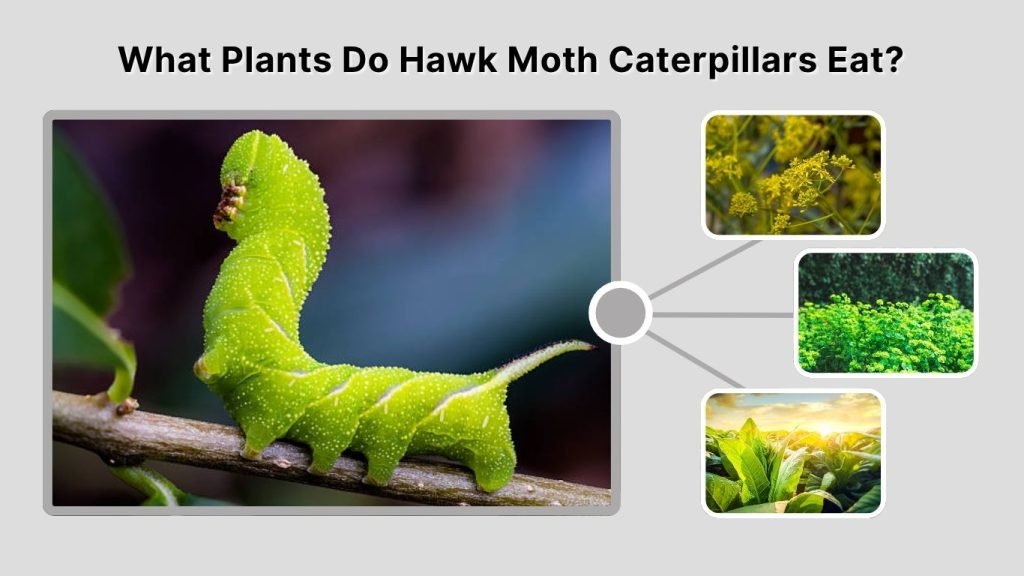
Hawk moth caterpillars feed on a wide variety of plants, but these can be grouped into common categories. This helps explain why they are often found in both wild habitats and cultivated gardens.
Garden Plants
- Tomatoes and potatoes
- Tobacco plants
- Ornamental flowers like fuchsia
Wild Plants
- Bedstraw
- Willowherb
- Spurge species
Trees and Shrubs
- Lime (linden) trees
- Poplar and aspen
- Privet and lilac
What Do Elephant Hawk Moth Caterpillars Eat?
Elephant hawk moth caterpillars are among the most recognizable species due to their unique appearance. Their diet is fairly specific, focusing mainly on certain wild plants, although they may adapt to garden plants when available.
Preferred Host Plants
- Willowherb as their primary food source
- Bedstraw in natural habitats
- Fuchsia in garden environments
Leaf Preferences
- Favor soft leaves and tender stems
- Often feed during the evening or night
- Stay close to their host plant for protection
What Do Death’s Head Hawk Moth Caterpillars Eat?
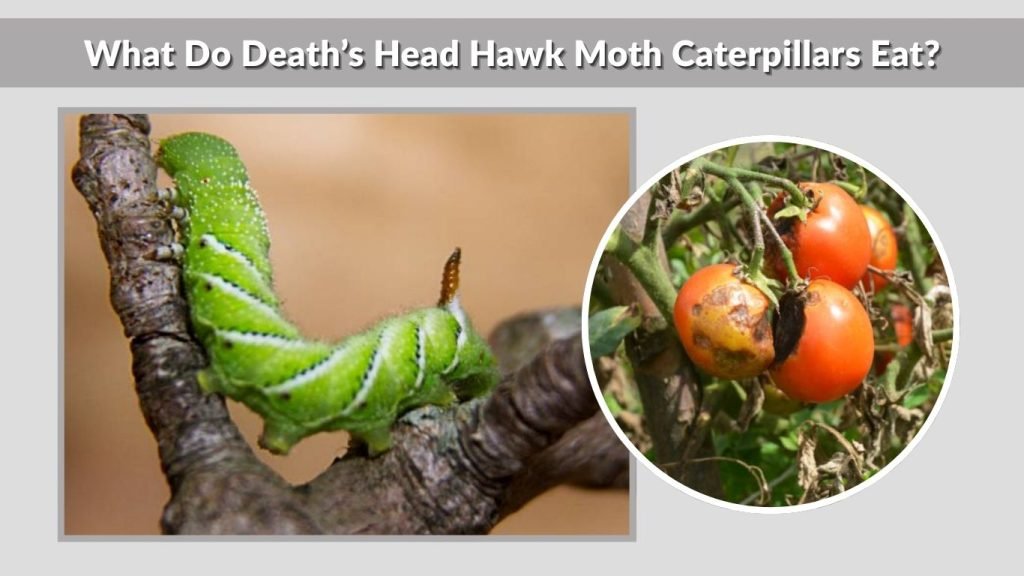
The death’s head hawk moth caterpillar is known for its striking look and ability to feed on plants that other insects avoid. Its diet includes several members of the nightshade family, which are often toxic to other species.
Common Food Sources
- Potato plants
- Tomato plants
- Deadly nightshade and related species
Unique Feeding Traits
- Can tolerate toxic plant chemicals
- Stores compounds that may deter predators
- Feeds heavily to support its large size
What Do Privet Hawk Moth Caterpillars Eat?
Private hawk moth caterpillars are commonly found in areas where their preferred plants grow. They rely on specific shrubs and trees that provide consistent nutrition throughout their development.
Main Host Plants
- Privet as the primary food source
- Ash trees in some regions
- Lilac and related shrubs
Feeding Patterns
- Remain on one plant for long periods
- Consume leaves steadily rather than moving frequently
- Blend in with foliage to avoid predators
What Do Lime and Poplar Hawk Moth Caterpillars Eat?
Lime and poplar hawk moth caterpillars are commonly found on trees rather than low-growing plants. Their diets are closely tied to woodland and park environments where these trees are abundant. These species rely on leaves from specific trees that provide enough nutrients for their rapid development.
Lime Hawk Moth Caterpillar Diet
- Lime (linden) tree leaves as the primary food source
- Occasionally feeds on birch and elm
- Prefers soft, fresh leaves
Poplar Hawk Moth Caterpillar Diet
- Poplar tree leaves
- Aspen and willow species
- Usually stays hidden on the underside of leaves
What Do Other Hawk Moth Caterpillars Eat?
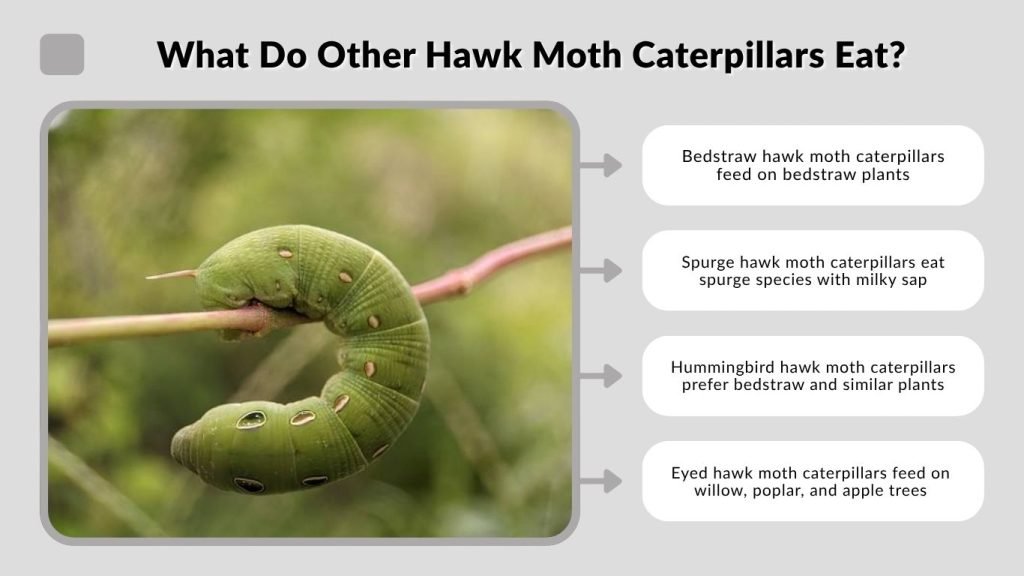
Many other hawk moth species have specialized diets depending on their environment. These caterpillars often rely on a narrow range of plants, which makes them easier to identify if you know what they are feeding on.
Examples of Species and Their Diets
- Bedstraw hawk moth caterpillars feed on bedstraw plants
- Spurge hawk moth caterpillars eat spurge species with milky sap
- Hummingbird hawk moth caterpillars prefer bedstraw and similar plants
- Eyed hawk moth caterpillars feed on willow, poplar, and apple trees
- Pink-spotted hawk moth caterpillars eat tomatoes and tobacco plants
Do Hawk Moth Caterpillars Only Eat Leaves?
Hawk moth caterpillars primarily feed on leaves, which provide the nutrients needed for growth and energy. While leaves are their main food source, they may occasionally consume other soft plant parts such as stems or flower buds. However, their diet remains strictly plant-based, and they do not eat insects or other animals.
Their feeding behavior is focused on efficiency. By staying on a single host plant, they reduce exposure to predators and conserve energy. This is why they are often found in the same location until they are ready to pupate.
How Much Do Hawk Moth Caterpillars Eat?
Hawk moth caterpillars are known for their enormous appetite, which supports their rapid growth. During the larval stage, they eat almost constantly and can increase dramatically in size within a short period.
Feeding Capacity
- Can consume large amounts of leaves daily
- Grow quickly within a few weeks
- Require constant food supply
Impact of Heavy Feeding
- Can strip leaves from plants
- May weaken or damage garden crops
- More noticeable when multiple caterpillars are present
FAQs
What do hawk moth caterpillars eat the most?
They mainly eat leaves from their preferred host plants, such as tomatoes, willowherb, bedstraw, and tree leaves like poplar or lime. The exact diet depends on the species, but all rely heavily on leafy plant material.
What do elephant hawk moth caterpillars eat?
Elephant hawk moth caterpillars mostly feed on willowherb and bedstraw. In gardens, they may also eat fuchsia. These plants provide the nutrients needed for their rapid growth before they become moths.
What do death’s head hawk moth caterpillars eat?
They feed on plants in the nightshade family, including potatoes and tomatoes. They can also eat more toxic plants like deadly nightshade, which many other insects avoid.
Do hawk moth caterpillars eat different plants?
Yes, each species prefers specific host plants. While some plants overlap, many caterpillars specialize in certain types of vegetation depending on their habitat and evolutionary adaptation.
Do hawk moth caterpillars damage plants?
Yes, they can damage plants by eating large amounts of leaves. A single caterpillar may not cause serious harm, but multiple caterpillars can significantly affect plant health in gardens or farms.
