
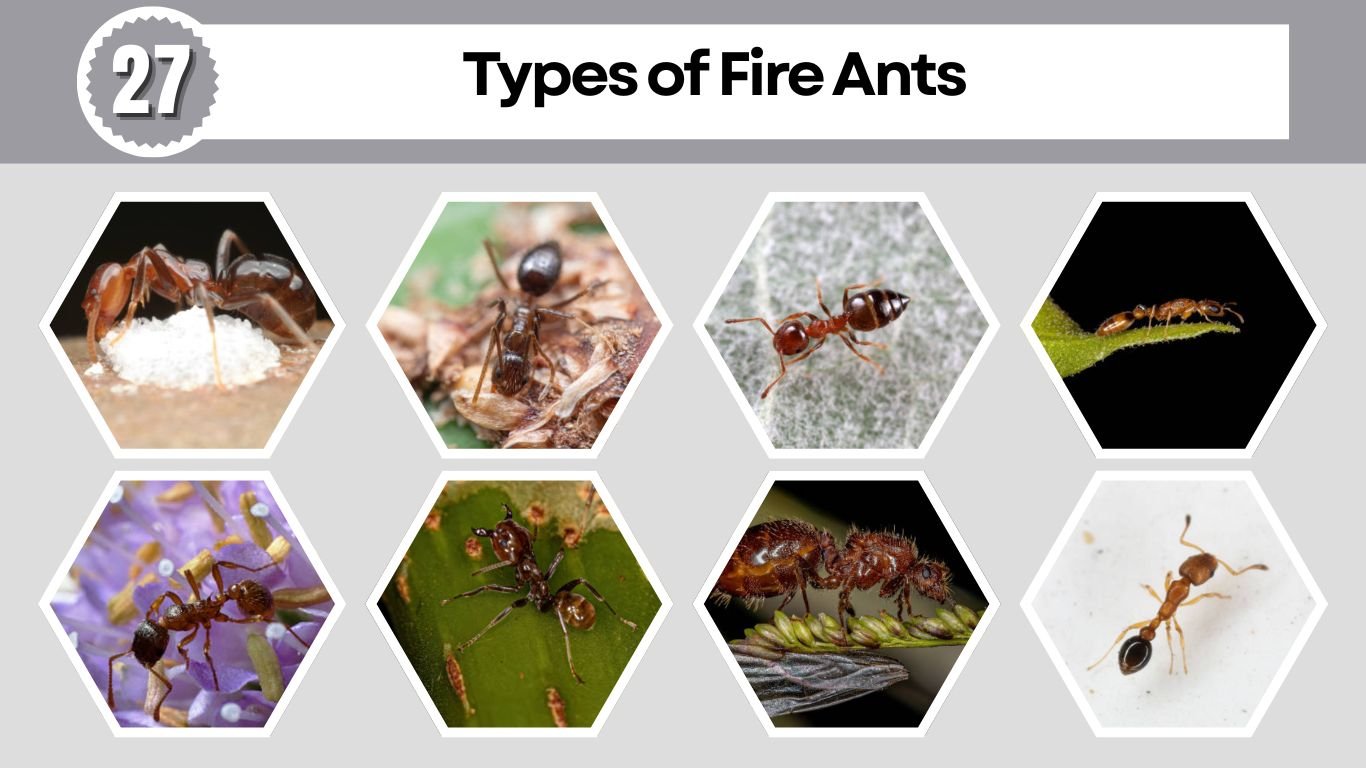
Fire ants are a diverse group of stinging ants known for their aggressive behavior and painful bites. Found in many parts of the world, they vary in size, color, and habitat. This guide covers 27 different types of fire ants, helping you identify each species through its unique characteristics, distribution, and behavior.
1. Solenopsis invicta (Red Imported Fire Ant)
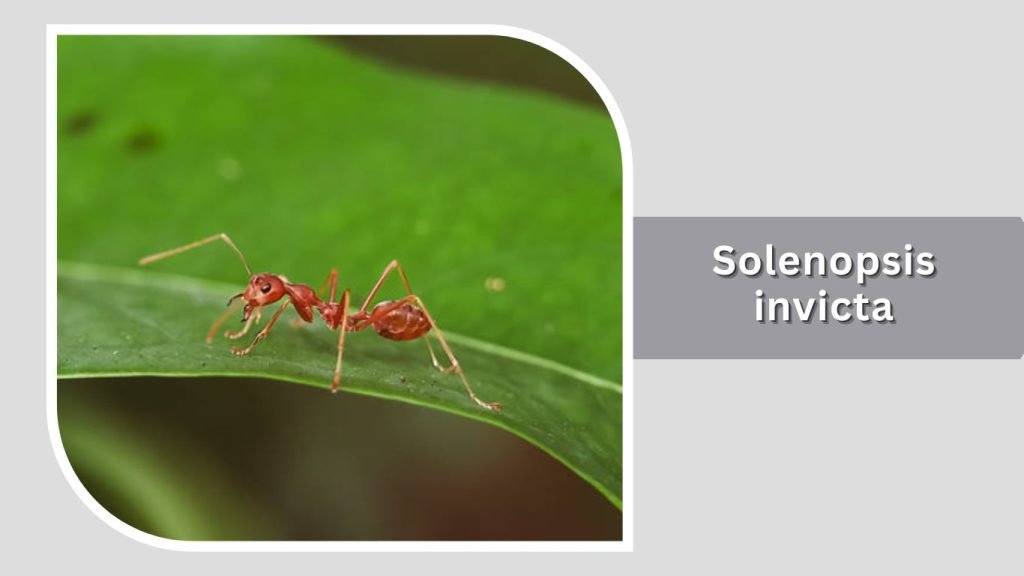
A highly aggressive and invasive fire ant species known for its painful sting and large colony size. It is widely studied due to its impact on ecosystems, agriculture, and human environments.
Characteristics
- Small to medium size, typically 2–6 mm in length
- Reddish-brown body with a darker abdomen
- Workers vary in size within the same colony
- Strong mandibles and a venomous sting
- Antennae with a distinct two-segmented club
Habitat and Distribution
The Red Imported Fire Ant is native to South America but has spread to many parts of the world, including North America, Asia, and Australia. It thrives in warm climates and is commonly found in open areas such as fields, lawns, roadsides, and agricultural lands. It builds large, dome-shaped mounds in soil.
Behavior and Diet
This species is highly aggressive and will defend its nest vigorously. When disturbed, workers swarm out and sting repeatedly. It feeds on a wide range of foods, including insects, seeds, and sugary substances. It is also known to attack small animals and can become a serious pest in human environments.
Life Cycle
A colony begins with a queen that lays eggs after mating. The eggs develop into larvae, then pupae, and finally adult workers. Colonies can grow rapidly and may contain thousands of individuals. Mature colonies produce winged reproductive ants that participate in mating flights to establish new colonies.
2. Solenopsis richteri (Black Imported Fire Ant)
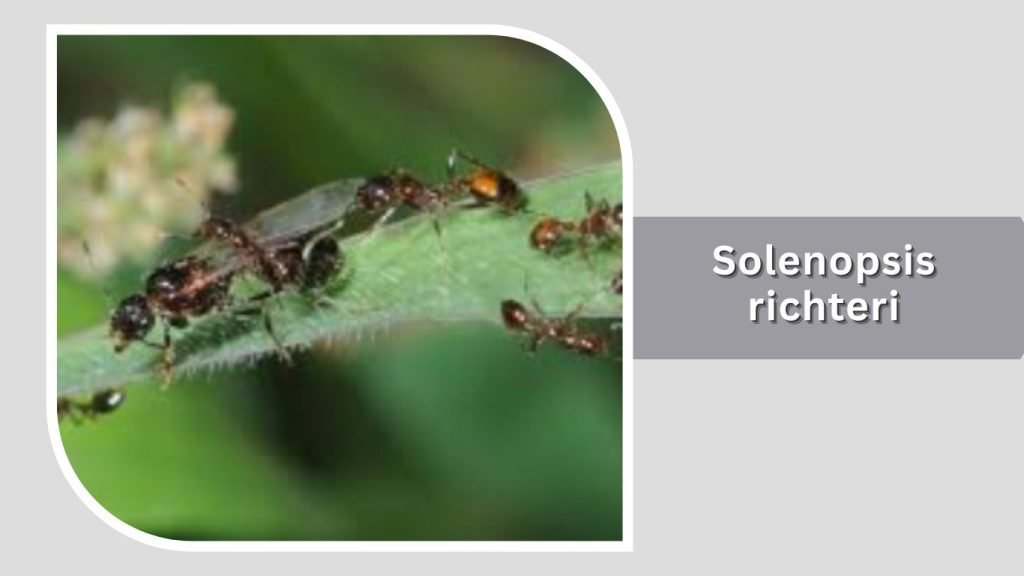
A closely related species to the Red Imported Fire Ant, this fire ant is known for its darker coloration and aggressive behavior. It is considered invasive in some regions and can have significant ecological and economic impacts where it becomes established.
Characteristics
- Small to medium size, typically 2–5 mm in length
- Dark brown to black coloration
- Workers vary in size (polymorphic colony structure)
- Strong mandibles and a painful venomous sting
- Antennae with a two-segmented club
Habitat and Distribution
The Black Imported Fire Ant is native to South America but has spread to parts of North America, particularly the southeastern United States. It prefers warm climates and is commonly found in open, sunny areas such as pastures, lawns, roadsides, and agricultural fields. It builds soil mounds similar to other fire ants, though often slightly less prominent than those of Solenopsis invicta. It thrives in disturbed environments and can quickly establish colonies in newly available habitats.
Behavior and Diet
This species is highly aggressive and defends its nest when disturbed. Workers emerge rapidly and sting intruders repeatedly, injecting venom that causes a burning sensation. It feeds on a wide range of food sources, including insects, seeds, and sugary materials. It also scavenges and may prey on small invertebrates. Foraging is organized and efficient, with workers following chemical trails to locate and transport food back to the colony.
Life Cycle
The colony begins with a fertilized queen after a mating flight. She lays eggs that develop into larvae, then pupae, and finally adult workers. Colonies can grow large, often containing thousands of individuals. As the colony matures, it produces winged males and females that leave the nest during mating flights to establish new colonies. Growth is steady, and colonies can persist for several years.
3. Solenopsis geminata (Tropical Fire Ant)

A widely distributed fire ant species known for its adaptability and strong presence in tropical and subtropical regions. It is considered one of the most widespread native fire ants and is often associated with agricultural and coastal environments.
Characteristics
- Medium size, typically 3–6 mm in length
- Reddish to light brown coloration
- Distinct polymorphic workers with noticeable size variation
- Large-headed major workers (soldiers)
- Strong mandibles and a functional sting
Habitat and Distribution
The Tropical Fire Ant is native to the Americas but has spread widely across tropical regions worldwide, including parts of Asia, Africa, and the Pacific. It prefers warm, sandy, or well-drained soils and is commonly found in coastal areas, farms, gardens, and open lands. It often nests in soil, creating loose mounds that may be less structured than those of invasive species.
Behavior and Diet
This species is aggressive and will sting when its nest is disturbed, though it is generally less aggressive than Solenopsis invicta. It feeds on a variety of food sources, including seeds, insects, nectar, and honeydew. It is known to form large foraging groups and can impact crops by feeding on seeds or protecting sap-sucking insects like aphids.
Life Cycle
The life cycle begins with a queen establishing a colony after mating. Eggs hatch into larvae, which develop into pupae and then adult workers. Colonies can grow rapidly under favorable conditions. Mature colonies produce reproductive ants that participate in mating flights, allowing the species to spread efficiently across suitable habitats.
4. Solenopsis xyloni (Southern Fire Ant)
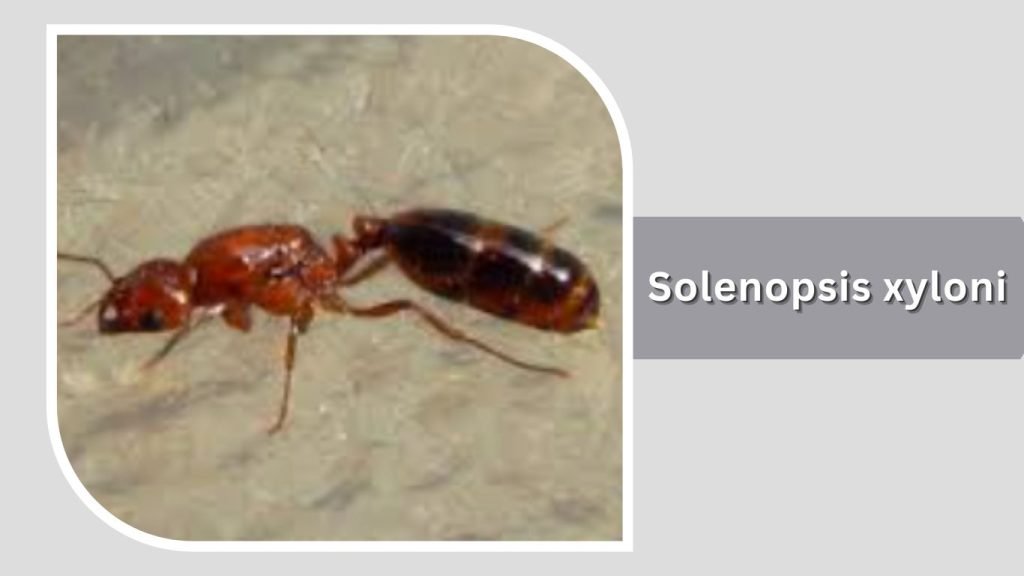
A native North American fire ant species known for its aggressive defense and adaptability. It is commonly found in open and semi-arid environments, where it builds soil nests and actively forages for a wide range of food sources.
Characteristics
- Medium size, typically 3–6 mm in length
- Reddish-brown body with darker abdomen
- Polymorphic workers with size variation
- Strong mandibles and a painful sting
- Antennae ending in a two-segmented club
Habitat and Distribution
The Southern Fire Ant is primarily found in the southwestern United States and parts of Mexico. It prefers dry, open habitats such as deserts, grasslands, and urban areas. Nests are usually built in soil, often forming low, irregular mounds or crater-like openings. It can also nest under rocks, logs, or debris.
Behavior and Diet
This species is aggressive and will quickly defend its nest when disturbed. Workers sting repeatedly, causing a burning sensation. It feeds on insects, seeds, nectar, and other organic materials. It is an opportunistic feeder and may invade homes in search of food, especially in dry conditions.
Life Cycle
A colony begins with a queen after mating. Eggs develop into larvae, then pupae, and finally adult workers. Colonies grow steadily and may contain thousands of individuals. Reproductive ants are produced for mating flights, allowing the species to expand into new areas.
5. Solenopsis aurea (Desert Fire Ant)
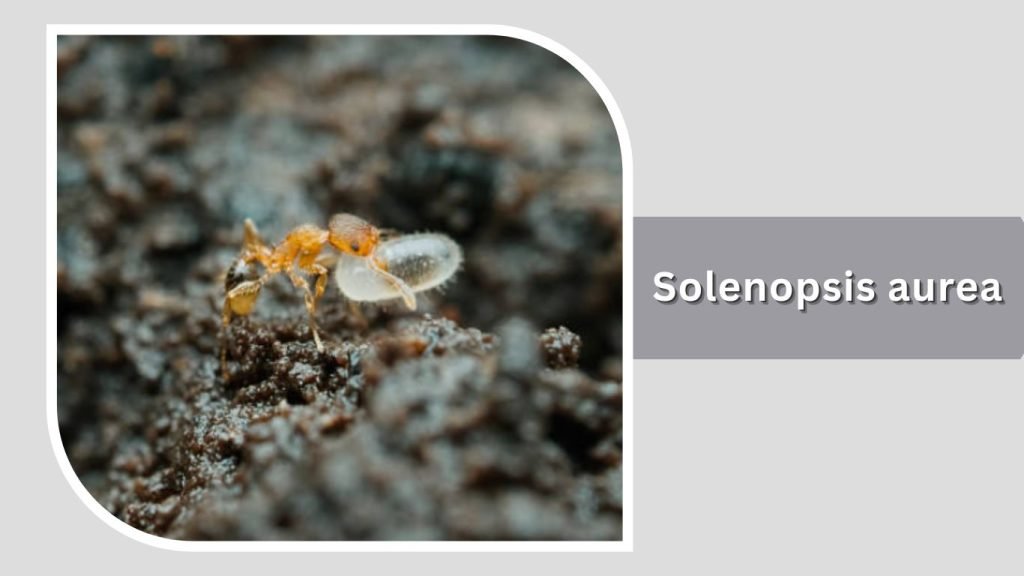
A smaller fire ant species adapted to dry and arid environments. It is less aggressive than some invasive species but still capable of delivering a painful sting when disturbed.
Characteristics
- Small size, usually 2–4 mm in length
- Light golden to yellowish-brown coloration
- Slight size variation among workers
- Smooth body with a subtle shine
- Functional sting used for defense
Habitat and Distribution
The Desert Fire Ant is found in arid regions of the southwestern United States and northern Mexico. It prefers sandy or loose soils in deserts, grasslands, and open scrub areas. Nests are typically shallow and may be hidden under rocks or sparse vegetation.
Behavior and Diet
This species is less aggressive than larger fire ants but will defend its nest if threatened. It feeds on small insects, seeds, and sugary substances such as nectar and honeydew. Foraging usually occurs during cooler parts of the day to avoid extreme heat.
Life Cycle
The life cycle starts with a queen establishing a colony after mating. Eggs hatch into larvae, which develop into pupae and then adult workers. Colonies are generally smaller compared to other fire ants but can grow under favorable conditions. Reproductive ants are produced for mating flights, continuing the life cycle.
6. Solenopsis amblychila (Desert Red Fire Ant)
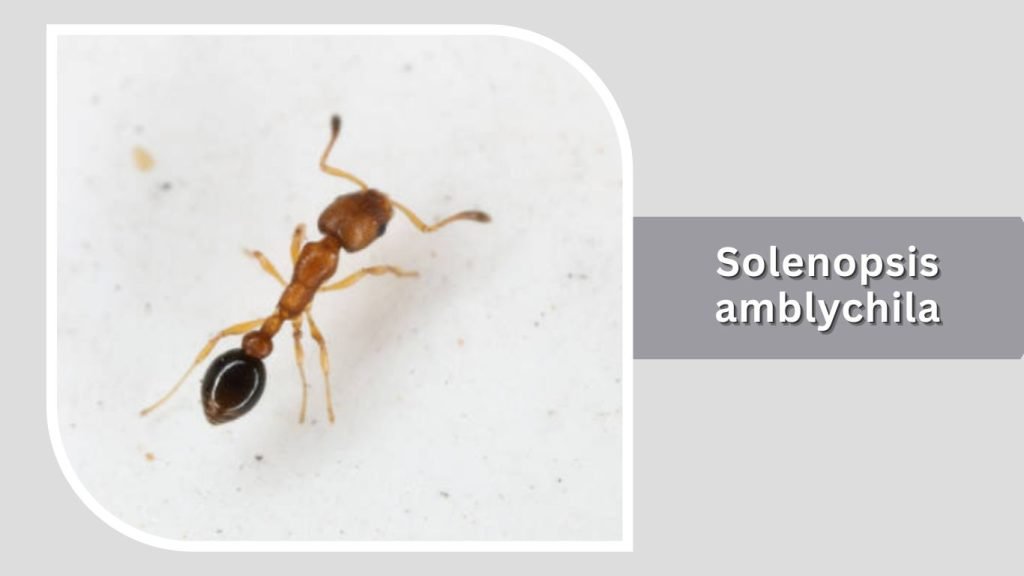
A well-adapted fire ant species commonly found in arid and semi-arid regions. It is known for its reddish coloration and resilience in harsh environments, where it survives extreme temperatures and limited water availability.
Characteristics
- Medium size, typically 3–5 mm in length
- Reddish to dark reddish-brown coloration
- Polymorphic workers with noticeable size variation
- Smooth body with a slightly glossy appearance
- Strong mandibles and a functional sting
Habitat and Distribution
Solenopsis amblychila is primarily found in the southwestern United States and northern Mexico. It thrives in desert and semi-desert environments, including grasslands and scrublands. Nests are usually built in sandy or loose soils, often forming low mounds or hidden entrances beneath rocks and vegetation. This species is well adapted to extreme heat and dry conditions, allowing it to survive where many other ants cannot.
Behavior and Diet
This species is moderately aggressive and will defend its nest when disturbed. Workers use their sting to inject venom, causing irritation and a burning sensation. It feeds on a variety of food sources, including insects, seeds, and sugary substances like nectar and honeydew. Foraging activity is often concentrated during cooler parts of the day, such as early morning or late evening, to avoid high temperatures.
Life Cycle
The life cycle begins when a fertilized queen establishes a colony after a mating flight. She lays eggs that develop into larvae, then pupae, and finally adult workers. As the colony grows, workers take over foraging and nest maintenance. Mature colonies produce winged reproductive ants that participate in mating flights, ensuring the spread of the species. Colonies can persist for several years in stable environments.
7. Solenopsis molesta (Thief Ant)
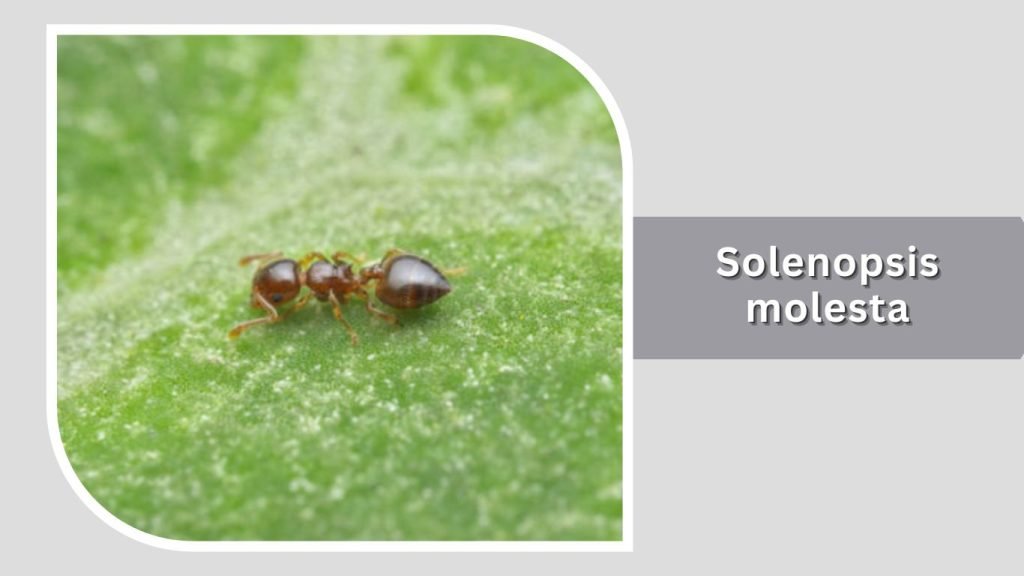
A very small fire ant species known for its secretive behavior and tendency to nest near or inside the colonies of other ants. It is often overlooked due to its tiny size but is widespread and highly adaptable.
Characteristics
- Very small size, typically 1.5–2.5 mm in length
- Yellow to light brown coloration
- Smooth, soft-looking body
- Small eyes and short legs
- Weak sting compared to larger fire ants
Habitat and Distribution
Solenopsis molesta is widely distributed across North America and other parts of the world. It prefers a variety of habitats, including forests, grasslands, and urban environments. Nests are often built in soil, under rocks, or within wall voids. It is frequently found near other ant species, as it often invades their nests.
Behavior and Diet
This species is known as the “thief ant” because it steals food and brood from neighboring ant colonies. It feeds on a wide range of materials, including insect eggs, larvae, and organic debris. It is not highly aggressive toward humans but can become a nuisance when it invades homes in search of food. Foraging is usually done in hidden trails, making it difficult to detect.
Life Cycle
The colony begins with a queen that lays eggs after mating. These develop into larvae, pupae, and eventually adult workers. Colonies are usually small but can expand over time. Reproductive ants are produced for mating flights, allowing new colonies to form in nearby areas.
8. Solenopsis fugax (European Thief Ant)

A very small and secretive fire ant species commonly found in Europe and parts of Asia. It is known for its hidden lifestyle and tendency to live near other ant colonies, often going unnoticed due to its tiny size.
Characteristics
- Very small size, typically 1.5–2.5 mm in length
- Yellow to pale brown coloration
- Soft, smooth body appearance
- Small eyes and short antennae
- Weak sting compared to larger fire ants
Habitat and Distribution
Solenopsis fugax is widely distributed across Europe and parts of Asia. It prefers a variety of habitats, including grasslands, forests, and urban areas. Nests are typically found in soil, under stones, or within cracks in walls. It often lives close to other ant species, taking advantage of their proximity.
Behavior and Diet
This species is known for its “thief” behavior, often stealing food and larvae from nearby ant colonies. It feeds on insect eggs, small invertebrates, and organic material. It is not aggressive toward humans but can become a nuisance indoors. Its foraging trails are usually hidden, making detection difficult.
Life Cycle
The colony begins with a queen that lays eggs after mating. These develop into larvae, pupae, and then adult workers. Colonies are generally small but can grow under favorable conditions. Reproductive ants are produced for mating flights, allowing the species to spread.
9. Solenopsis saevissima (South American Fire Ant)
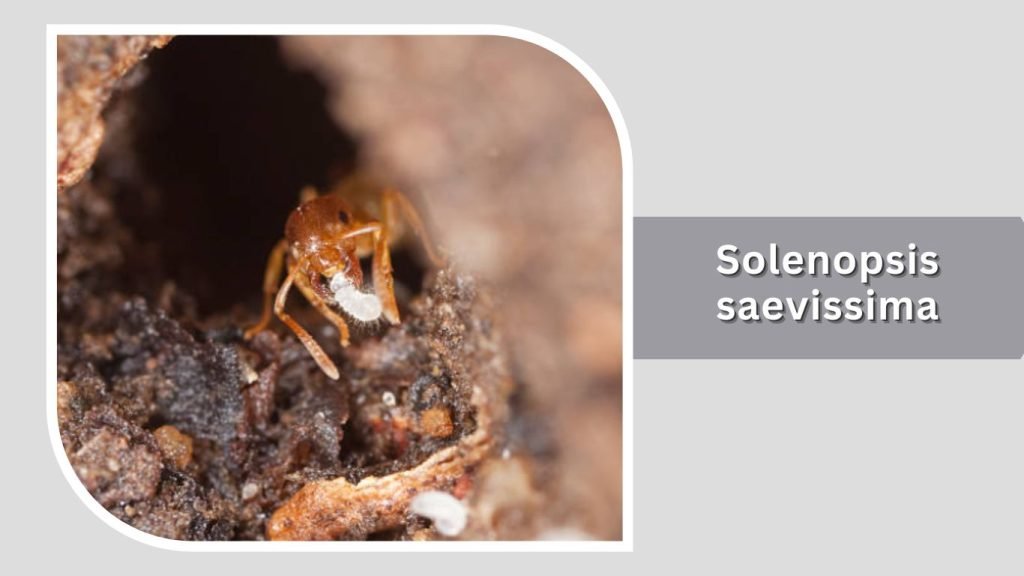
A well-known fire ant species native to South America, recognized for its aggressive nature and strong colony structure. It is closely related to other invasive fire ants and plays a significant role in its native ecosystem.
Characteristics
- Small to medium size, typically 2–6 mm in length
- Reddish-brown coloration
- Polymorphic workers with size variation
- Strong mandibles and a painful sting
- Antennae with a two-segmented club
Habitat and Distribution
Solenopsis saevissima is native to South America and is commonly found in tropical and subtropical regions. It prefers open areas such as grasslands, agricultural fields, and forest edges. Nests are built in soil and often form noticeable mounds, especially in disturbed areas.
Behavior and Diet
This species is highly aggressive and will defend its nest vigorously. Workers swarm and sting repeatedly when threatened. It feeds on insects, seeds, nectar, and other organic materials. It is an opportunistic feeder and plays both predatory and scavenging roles in its ecosystem.
Life Cycle
The life cycle begins with a queen establishing a colony after mating. Eggs develop into larvae, then pupae, and finally adult workers. Colonies can grow large and produce reproductive ants for mating flights. Over time, colonies expand and may dominate local habitats.
10. Solenopsis interrupta (Interrupted Fire Ant)
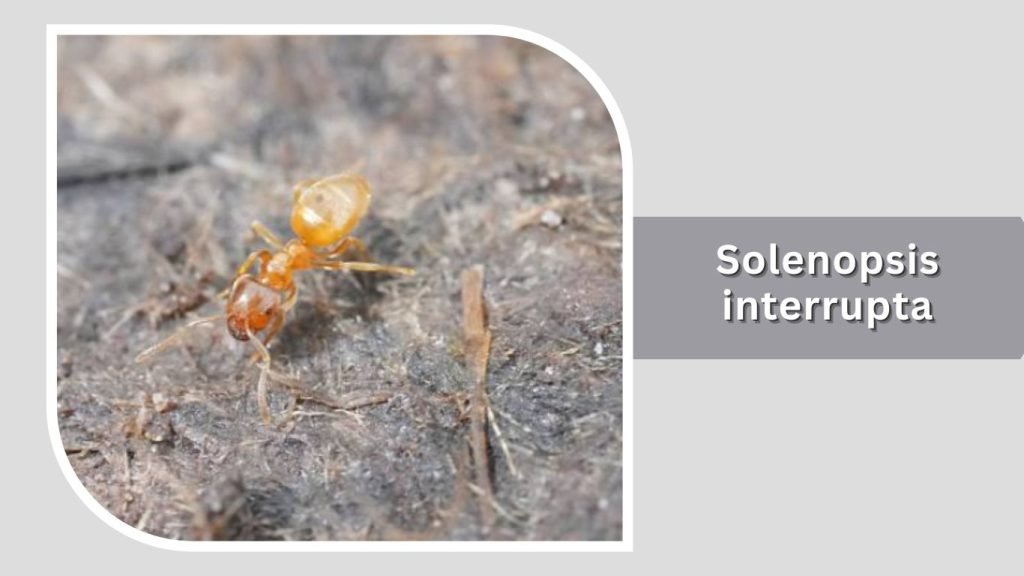
A lesser-known fire ant species found in parts of South America. It shares many characteristics with other fire ants, including its stinging ability and soil-nesting behavior, but is less studied compared to more invasive species.
Characteristics
- Small to medium size, typically 2–5 mm in length
- Reddish-brown coloration
- Polymorphic workers with size variation
- Smooth body with a slight shine
- Functional sting used for defense
Habitat and Distribution
Solenopsis interrupta is primarily found in South America, especially in tropical and subtropical regions. It prefers open habitats such as grasslands, agricultural areas, and forest edges. Nests are usually built in soil, forming small mounds or hidden entrances in loose ground.
Behavior and Diet
This species is moderately aggressive and will defend its nest when disturbed. It feeds on a wide range of food sources, including insects, seeds, and sugary substances like nectar and honeydew. It is an opportunistic feeder and adapts well to available resources in its environment.
Life Cycle
The life cycle begins with a fertilized queen establishing a colony. Eggs develop into larvae, then pupae, and eventually adult workers. As the colony matures, it produces reproductive ants for mating flights. Colonies can grow steadily under favorable conditions.
11. Solenopsis megergates (Meger Gates Fire Ant)
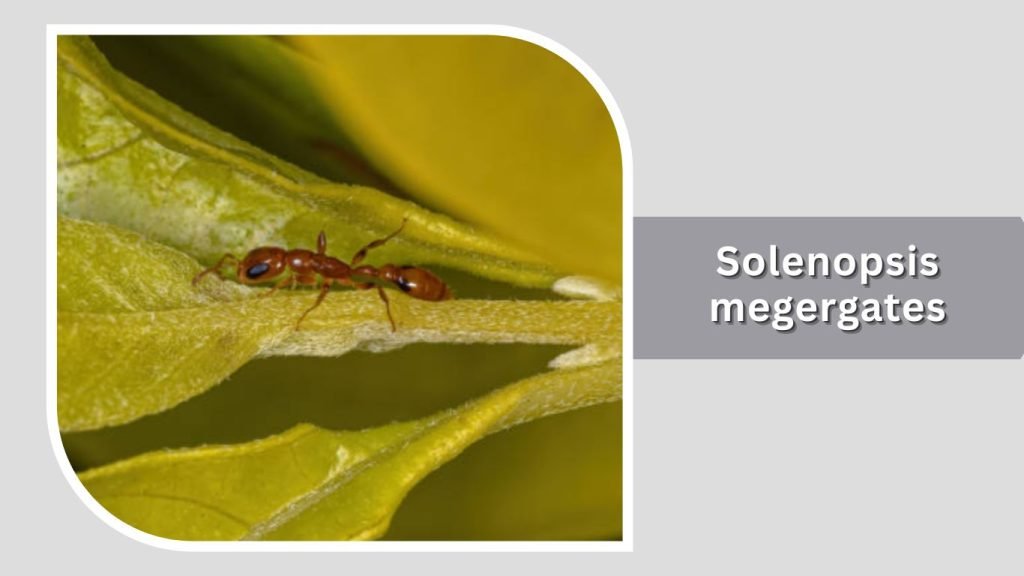
A small fire ant species known for its presence in tropical regions. It is not as widely recognized as major fire ant species but still exhibits typical fire ant behavior, including stinging and colony formation in soil or organic material.
Characteristics
- Small size, typically 2–4 mm in length
- Light brown to reddish coloration
- Slight size variation among workers
- Smooth body with a subtle gloss
- Functional sting, though less intense than larger species
Habitat and Distribution
Solenopsis megergates is found in tropical regions, particularly in parts of South America. It prefers warm, humid environments such as forests, grasslands, and agricultural areas. Nests are usually built in soil, under debris, or within decaying organic matter.
Behavior and Diet
This species is generally less aggressive than major fire ants but will still sting if disturbed. It feeds on small insects, organic debris, seeds, and sugary substances. Foraging behavior is steady, and workers often remain close to the nest compared to more aggressive species.
Life Cycle
A colony starts with a queen laying eggs after mating. These eggs develop into larvae, then pupae, and finally adult workers. Colonies are typically smaller but can expand over time. Reproductive ants are produced for mating flights, allowing the species to spread to new areas.
12. Solenopsis electra (Electra Fire Ant)
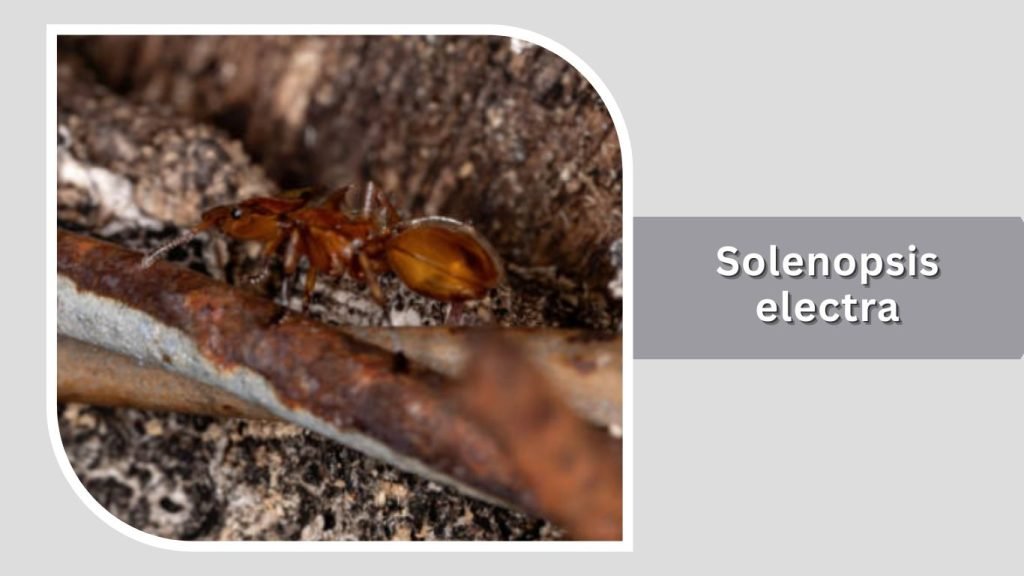
A small fire ant species known for its presence in warm regions and its typical soil-nesting behavior. It shares many traits with other fire ants, including a functional sting and adaptable feeding habits.
Characteristics
- Small size, typically 2–4 mm in length
- Light brown to reddish coloration
- Smooth and slightly shiny body
- Minor size variation among workers
- Functional sting used for defense
Habitat and Distribution
Solenopsis electra is primarily found in tropical and subtropical regions of the Americas. It prefers warm environments such as grasslands, forest edges, and agricultural areas. Nests are usually built in loose soil, often forming small mounds or hidden underground chambers.
Behavior and Diet
This species is moderately aggressive and will defend its nest if disturbed. It feeds on insects, seeds, and sugary substances like nectar and honeydew. It is an opportunistic feeder and adapts well to available food sources in its habitat.
Life Cycle
The life cycle begins with a fertilized queen establishing a colony. Eggs develop into larvae, then pupae, and finally adult workers. Colonies grow gradually and produce reproductive ants for mating flights, allowing expansion into new areas.
13. Solenopsis pergandei (Pergande’s Fire Ant)
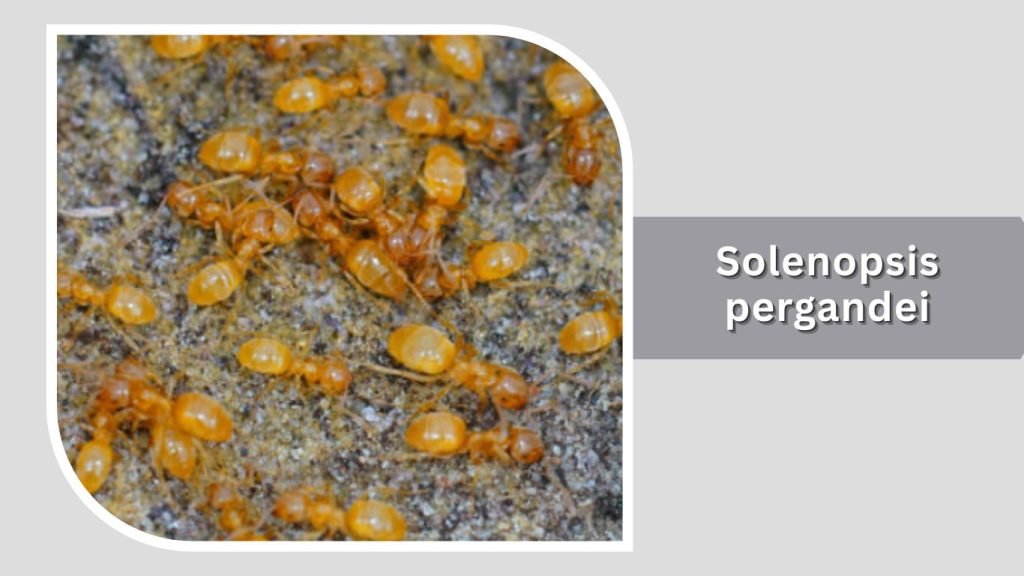
A native North American fire ant species known for its adaptability and presence in sandy environments. It is less aggressive than invasive fire ants but still capable of stinging when threatened.
Characteristics
- Small to medium size, typically 2–5 mm in length
- Reddish-brown coloration
- Polymorphic workers with slight size variation
- Smooth body with a subtle shine
- Functional sting for defense
Habitat and Distribution
Solenopsis pergandei is found in the southern United States, especially in sandy soils. It prefers open habitats such as grasslands, dunes, and coastal areas. Nests are built in loose soil, often forming low, irregular mounds.
Behavior and Diet
This species is less aggressive than major invasive fire ants but will sting if disturbed. It feeds on seeds, insects, and sugary substances. It is well adapted to dry environments and forages actively during suitable conditions.
Life Cycle
A colony begins with a queen laying eggs after mating. These eggs develop into larvae, then pupae, and eventually adult workers. Colonies can grow steadily and produce reproductive ants for mating flights, ensuring the continuation of the species.
14. Solenopsis carolinensis (Carolina Fire Ant)
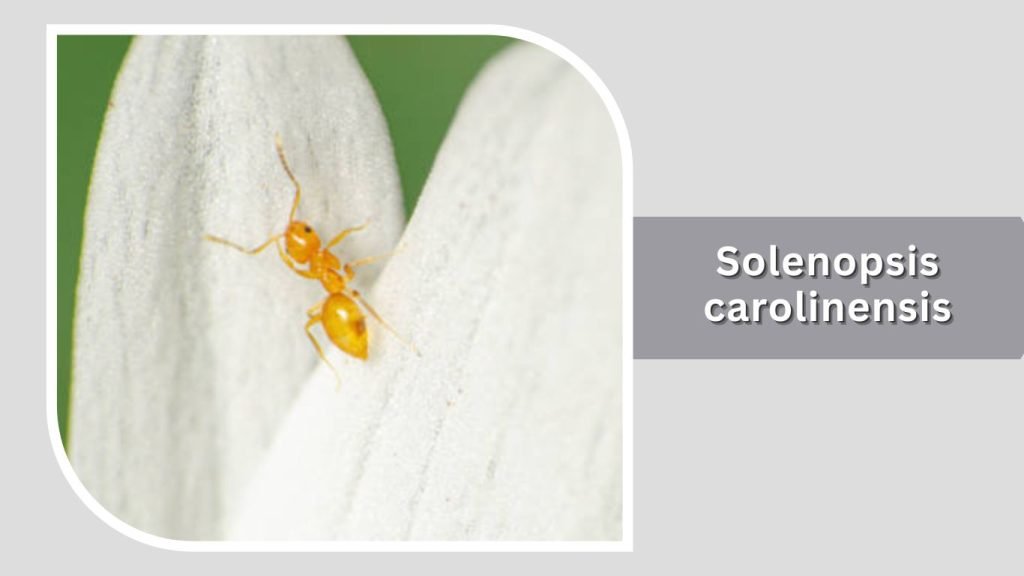
A small native fire ant species found in parts of North America, particularly in the southeastern regions. It is less aggressive than invasive fire ants but still capable of stinging when disturbed, and it plays a role in local ecosystems as both a scavenger and predator.
Characteristics
- Small size, typically 2–4 mm in length
- Light to reddish-brown coloration
- Smooth, slightly glossy body
- Minor variation in worker size
- Functional sting used primarily for defense
Habitat and Distribution
Solenopsis carolinensis is primarily distributed across the southeastern United States. It prefers warm climates and is commonly found in forests, grasslands, and suburban areas. Nests are typically built in soil, often beneath leaf litter, logs, or stones. It may also nest in rotting wood or other organic material, especially in moist environments. This species is well adapted to both natural habitats and lightly disturbed areas.
Behavior and Diet
This species is relatively less aggressive compared to larger invasive fire ants but will still defend its nest when threatened. Workers may sting intruders, though their sting is less intense. It feeds on a variety of food sources, including small insects, seeds, and sugary substances such as nectar and honeydew. Foraging is usually done in small groups, and workers tend to stay close to their nesting area.
Life Cycle
The colony begins with a fertilized queen that establishes a nest after a mating flight. She lays eggs that develop into larvae, then pupae, and finally adult workers. Early colony growth is slow, but once workers emerge, they take over foraging and brood care. Mature colonies produce reproductive ants that participate in mating flights, allowing the species to spread. Colonies are generally smaller than those of invasive fire ants but can persist for several years.
15. Solenopsis nickersoni (Nickerson’s Fire Ant)
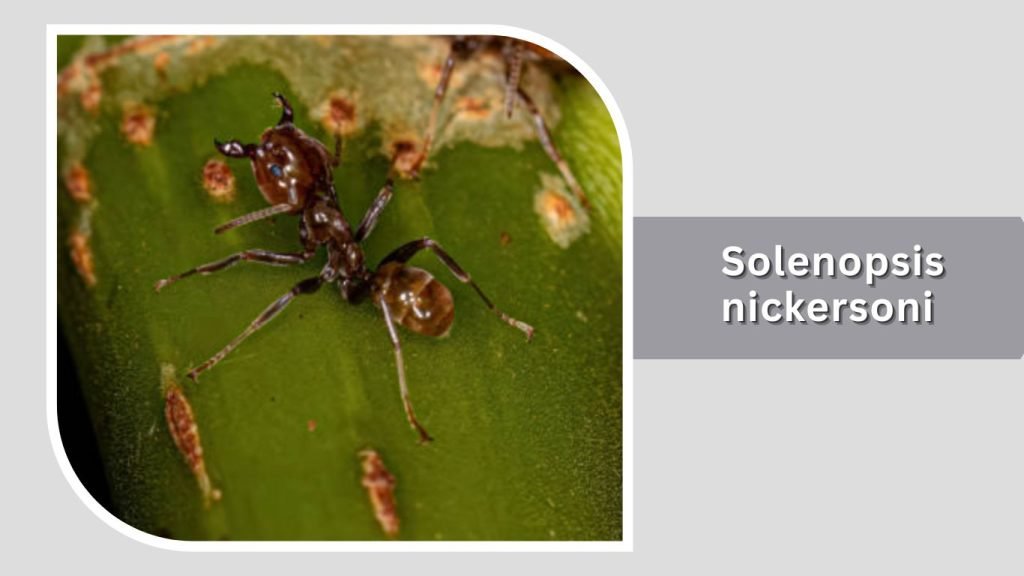
A lesser-known fire ant species found in North America, recognized for its adaptability and typical fire ant behavior. Although not as aggressive as major invasive species, it still exhibits defensive stinging and efficient foraging.
Characteristics
- Small to medium size, typically 2–5 mm in length
- Reddish-brown coloration
- Smooth, slightly shiny exoskeleton
- Polymorphic workers with some size variation
- Functional sting for defense
Habitat and Distribution
Solenopsis nickersoni is found in parts of the southeastern United States. It prefers warm environments such as grasslands, open woodlands, and urban areas. Nests are usually constructed in soil, often forming small, low mounds or hidden entrances. It may also nest under debris, rocks, or within decaying organic matter, depending on environmental conditions.
Behavior and Diet
This species is moderately aggressive and will defend its nest when disturbed. Workers sting intruders and release chemical signals to alert others. It feeds on a wide range of food sources, including insects, seeds, and sugary substances like nectar and honeydew. It is an opportunistic feeder and can adapt to various food availability conditions.
Life Cycle
The life cycle starts with a queen establishing a colony after mating. Eggs develop into larvae, then pupae, and eventually adult workers. As the colony grows, workers take over essential tasks such as foraging and nest expansion. Mature colonies produce reproductive ants for mating flights, ensuring the continuation and spread of the species.
16. Solenopsis tennesseensis (Tennessee Fire Ant)
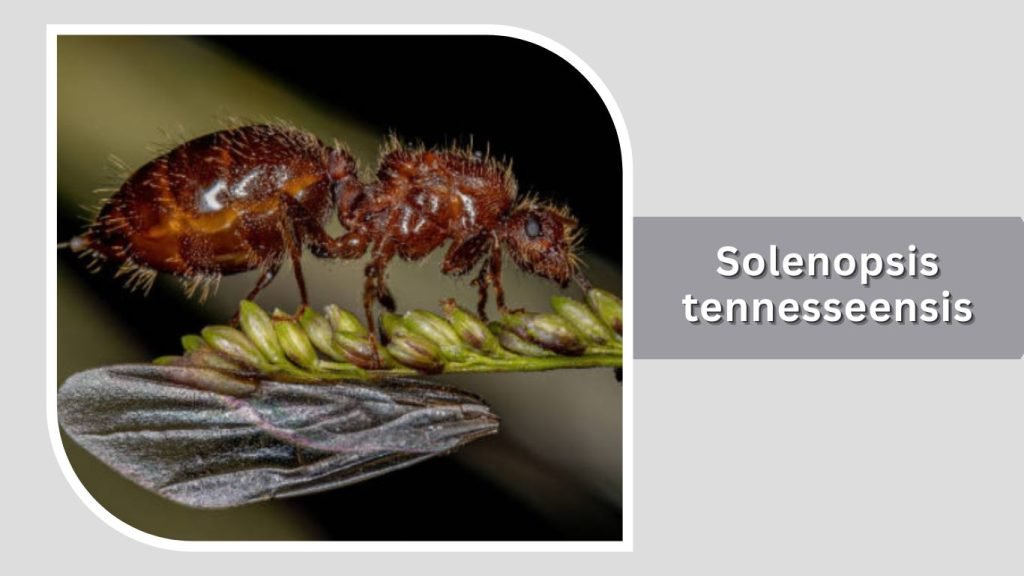
A small native fire ant species found in parts of the United States. It is relatively less aggressive than major invasive fire ants but still capable of stinging when disturbed, and it plays a role in local ecosystems.
Characteristics
- Small size, typically 2–4 mm in length
- Light brown to reddish coloration
- Smooth, slightly glossy body
- Minor variation in worker size
- Functional sting for defense
Habitat and Distribution
Solenopsis tennesseensis is primarily found in the southeastern United States. It prefers wooded areas, grasslands, and suburban environments. Nests are usually built in soil, under logs, stones, or leaf litter. It can also be found in rotting wood or other organic materials in moist environments.
Behavior and Diet
This species is generally less aggressive than invasive fire ants but will defend its nest if disturbed. It feeds on small insects, seeds, and sugary substances like nectar and honeydew. Workers typically forage in small groups and remain close to the nest.
Life Cycle
The colony begins with a queen laying eggs after mating. These develop into larvae, pupae, and eventually adult workers. Colonies grow gradually and produce reproductive ants for mating flights, allowing the species to spread.
17. Solenopsis tonsa (Tonsa Fire Ant)
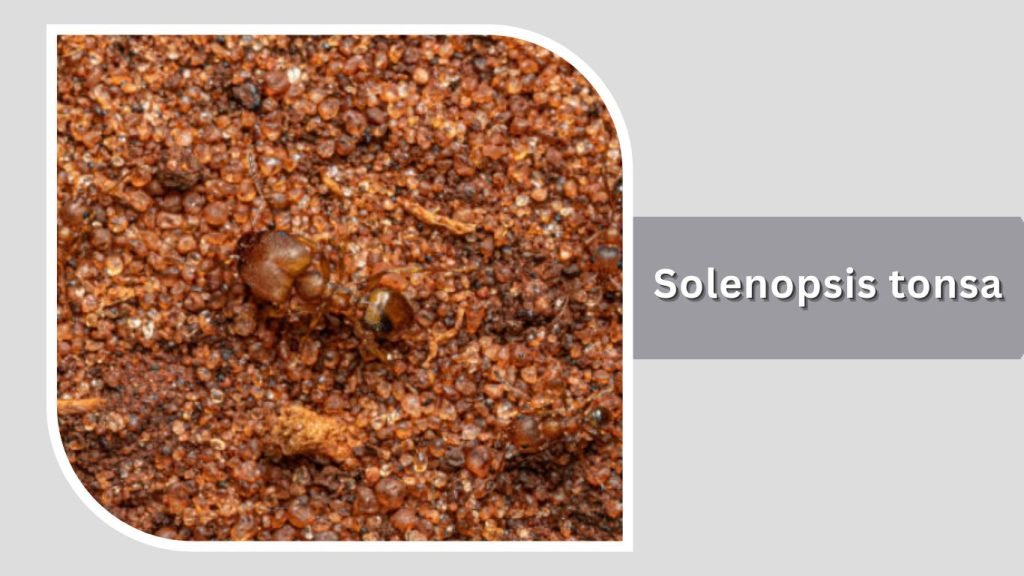
A lesser-known fire ant species found in parts of North America, recognized for its adaptability and typical soil-nesting behavior. It shares many general traits with other fire ants.
Characteristics
- Small to medium size, typically 2–5 mm in length
- Reddish-brown coloration
- Smooth body with a slight shine
- Some variation in worker size
- Functional sting used for defense
Habitat and Distribution
Solenopsis tonsa is found in parts of the southern United States. It prefers warm environments such as grasslands, open woodlands, and disturbed areas. Nests are typically built in soil, forming small mounds or hidden underground chambers. It may also nest under debris or within loose organic material.
Behavior and Diet
This species is moderately aggressive and will defend its nest when disturbed. It feeds on insects, seeds, and sugary substances like nectar and honeydew. It is an opportunistic feeder and adapts well to available food sources in its environment.
Life Cycle
The life cycle begins with a fertilized queen establishing a colony. Eggs develop into larvae, then pupae, and finally adult workers. As the colony matures, it produces reproductive ants that participate in mating flights, ensuring the continuation of the species.
18. Solenopsis daguerrei (Parasitic Fire Ant)
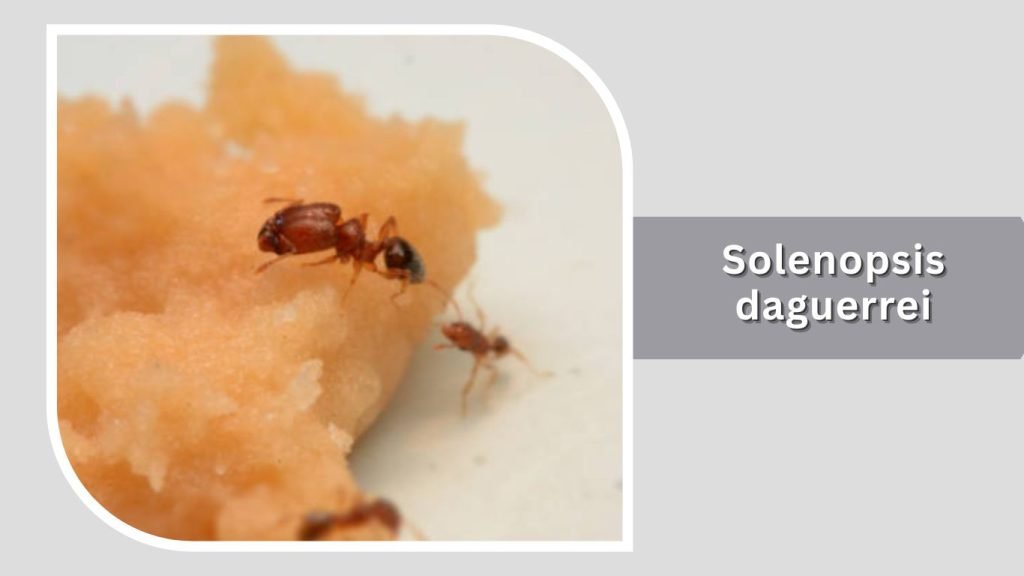
A unique fire ant species known for its parasitic lifestyle. Unlike typical fire ants, it does not build its own worker force but instead relies on invading and exploiting the colonies of other fire ant species.
Characteristics
- Small size, typically 2–4 mm in length
- Light to reddish-brown coloration
- Smooth, delicate body structure
- Reduced worker presence due to parasitic nature
- Functional sting, though less commonly used
Habitat and Distribution
Solenopsis daguerrei is native to South America and is primarily found in tropical and subtropical regions. It inhabits areas where other fire ant species are present, as it depends on them for survival. Instead of building independent nests, it infiltrates host colonies and lives within them.
Behavior and Diet
This species exhibits parasitic behavior by entering the colony of another fire ant species and relying on its workers for food and care. It does not forage independently like most fire ants. Its diet is provided indirectly through the host colony, including regurgitated food and shared resources.
Life Cycle
The life cycle differs from typical fire ants. A queen invades a host colony and begins reproducing using the labor of the host workers. Over time, the host colony supports the growth of the parasitic species. Reproductive ants are eventually produced and leave to infest new host colonies.
19. Solenopsis virulens (Tropical Fire Ant)

A lesser-known fire ant species found in tropical regions, recognized for its adaptability and active foraging behavior. It shares many traits with other fire ants but is less studied in detail.
Characteristics
- Small to medium size, typically 2–5 mm in length
- Reddish to dark brown coloration
- Smooth, slightly glossy body
- Polymorphic workers with size variation
- Functional sting used for defense
Habitat and Distribution
Solenopsis virulens is primarily found in tropical areas of Central and South America. It prefers warm, humid environments such as forests, grasslands, and agricultural regions. Nests are usually built in soil, forming small mounds or underground chambers.
Behavior and Diet
This species is moderately aggressive and will defend its nest when disturbed. It feeds on insects, seeds, nectar, and honeydew. Workers forage actively and can adapt to a variety of food sources, making the species flexible in different environments.
Life Cycle
The colony begins with a fertilized queen establishing a nest after mating. Eggs develop into larvae, then pupae, and eventually adult workers. As the colony matures, it produces reproductive ants that participate in mating flights, allowing the species to spread and establish new colonies.
20. Solenopsis tenuis (Slender Fire Ant)

A small and relatively less-known fire ant species recognized for its slender body and adaptable nature. It is commonly found in warm regions and shares many general traits with other soil-nesting fire ants.
Characteristics
- Small size, typically 2–4 mm in length
- Light brown to reddish coloration
- Slender and narrow body shape
- Smooth, slightly shiny exoskeleton
- Functional sting used for defense
Habitat and Distribution
Solenopsis tenuis is found in tropical and subtropical regions, particularly in parts of Central and South America. It prefers warm environments such as grasslands, forest edges, and agricultural areas. Nests are usually built in loose soil, often forming small mounds or hidden underground chambers. It may also nest under rocks or organic debris.
Behavior and Diet
This species is moderately aggressive and will defend its nest when disturbed. It feeds on a wide range of food sources, including insects, seeds, and sugary substances like nectar and honeydew. Workers are active foragers and can adapt to available resources in their environment.
Life Cycle
The life cycle begins with a fertilized queen establishing a colony. Eggs develop into larvae, then pupae, and eventually adult workers. As the colony grows, workers take over foraging and nest maintenance. Mature colonies produce reproductive ants for mating flights, allowing the species to spread.
21. Solenopsis globularia (Globular Fire Ant)
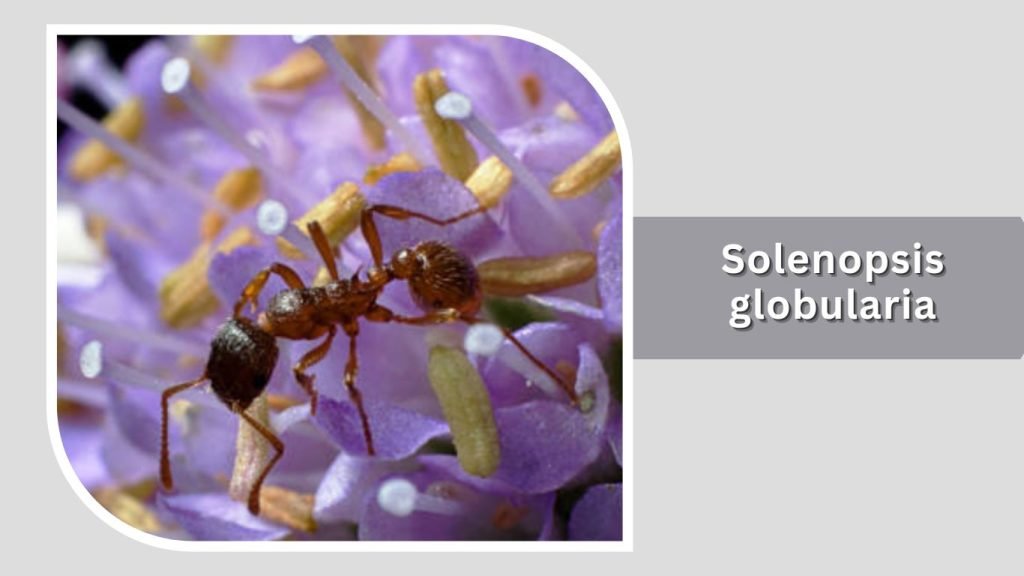
A small fire ant species known for its compact body and widespread distribution in tropical regions. It is commonly found in soil and organic-rich environments.
Characteristics
- Small size, typically 2–4 mm in length
- Brown to reddish-brown coloration
- Compact, rounded body shape
- Smooth and slightly glossy surface
- Functional sting for defense
Habitat and Distribution
Solenopsis globularia is widely distributed across Central and South America. It prefers warm, humid environments such as forests, grasslands, and agricultural lands. Nests are typically built in soil, under leaf litter, or within decaying organic material.
Behavior and Diet
This species is moderately aggressive and will defend its nest when disturbed. It feeds on insects, seeds, and sugary substances. Workers forage actively and may form small trails while searching for food. It plays both a scavenging and predatory role in its ecosystem.
Life Cycle
The colony begins with a queen laying eggs after mating. These develop into larvae, then pupae, and eventually adult workers. As the colony matures, it produces reproductive ants that participate in mating flights, ensuring the continuation of the species.
22. Solenopsis zeteki (Zetek’s Fire Ant)
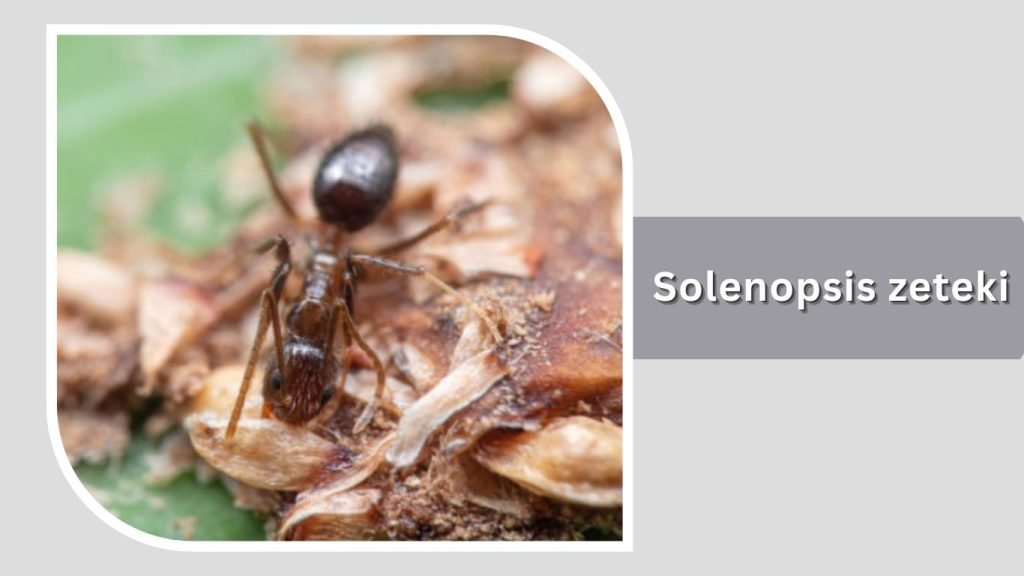
A small tropical fire ant species known for its presence in Central America. It shares many typical fire ant traits, including soil nesting and defensive stinging, but is less widely known compared to major invasive species.
Characteristics
- Small size, typically 2–4 mm in length
- Light to reddish-brown coloration
- Smooth and slightly glossy body
- Minor variation in worker size
- Functional sting used for defense
Habitat and Distribution
Solenopsis zeteki is primarily found in Central America, especially in tropical regions like Panama. It prefers warm, humid environments such as forests, plantations, and gardens. Nests are usually built in soil, often hidden under leaf litter, logs, or organic debris.
Behavior and Diet
This species is moderately aggressive and will defend its nest when disturbed. It feeds on insects, seeds, and sugary substances like nectar and honeydew. Workers are active foragers and adapt easily to available food sources in their environment.
Life Cycle
The colony begins with a queen establishing a nest after mating. Eggs develop into larvae, then pupae, and finally adult workers. As the colony matures, it produces reproductive ants for mating flights, allowing the species to spread to new areas.
23. Solenopsis picta (Painted Fire Ant)
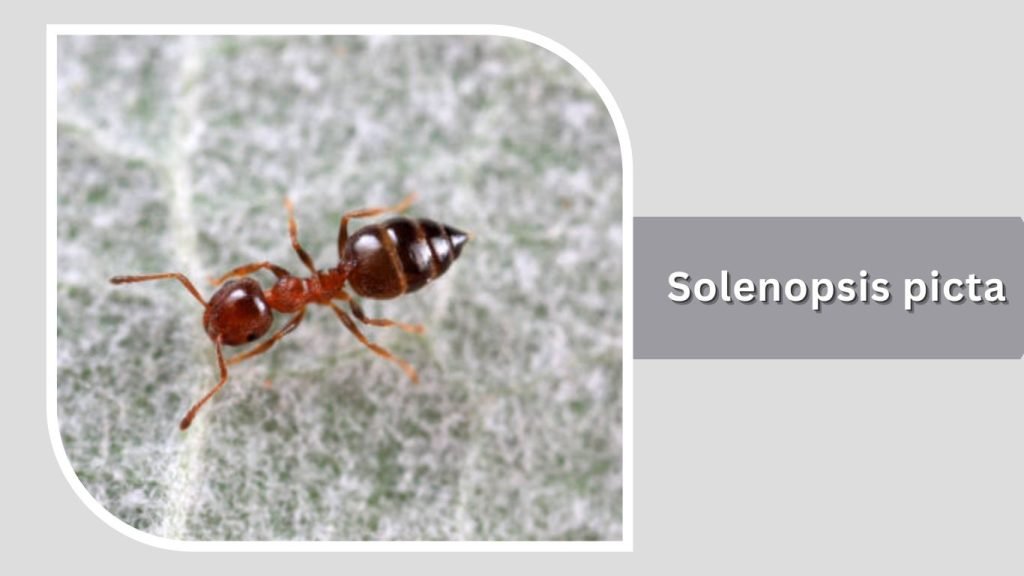
A small fire ant species recognized for its slightly varied coloration and adaptability. It is commonly found in tropical and subtropical environments and plays a role in both predation and scavenging.
Characteristics
- Small size, typically 2–5 mm in length
- Reddish-brown body with slight color variation
- Smooth, slightly shiny exoskeleton
- Some variation in worker size
- Functional sting for defense
Habitat and Distribution
Solenopsis picta is distributed across Central and South America. It prefers warm climates and is commonly found in forests, grasslands, and agricultural areas. Nests are typically built in soil, forming small mounds or hidden underground chambers.
Behavior and Diet
This species is moderately aggressive and will sting when its nest is disturbed. It feeds on insects, seeds, and sugary substances such as nectar and honeydew. Workers forage actively and can adapt to different food sources depending on availability.
Life Cycle
The life cycle begins with a fertilized queen establishing a colony. Eggs develop into larvae, then pupae, and eventually adult workers. As the colony grows, it produces reproductive ants for mating flights, ensuring the continuation of the species.
24. Solenopsis brevicornis (Short-Horned Fire Ant)
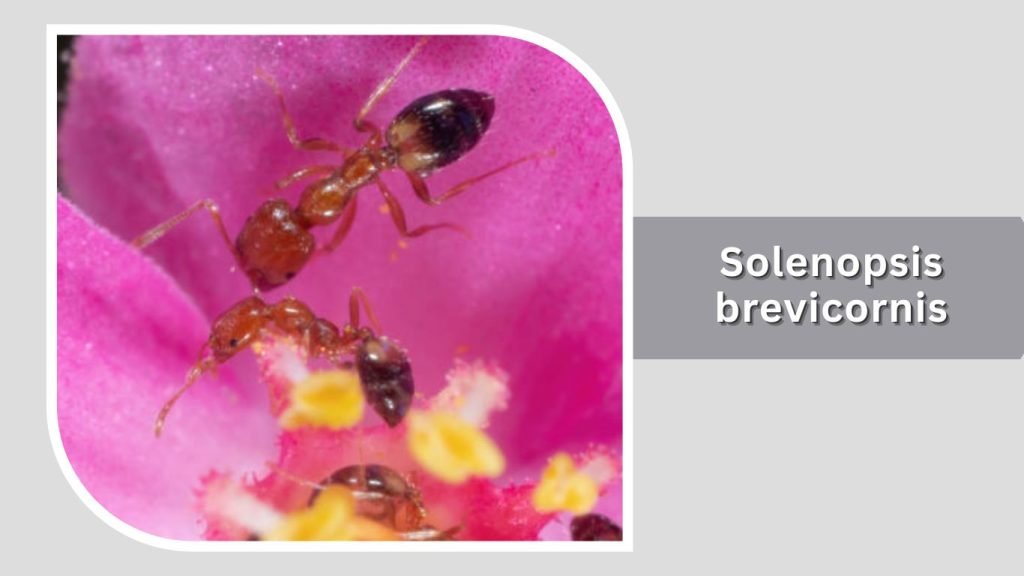
A small fire ant species recognized for its compact size and relatively short antennae segments. It is commonly found in warm regions and shares typical fire ant behaviors such as soil nesting and defensive stinging.
Characteristics
- Small size, typically 2–4 mm in length
- Light brown to reddish coloration
- Compact body with slightly shorter antennae
- Smooth, slightly glossy surface
- Functional sting for defense
Habitat and Distribution
Solenopsis brevicornis is found in parts of Central and South America. It prefers warm, tropical environments such as grasslands, forest edges, and agricultural areas. Nests are usually built in soil, often forming small mounds or hidden chambers beneath the surface. It may also nest under rocks or organic debris.
Behavior and Diet
This species is moderately aggressive and will defend its nest when disturbed. It feeds on a variety of food sources, including insects, seeds, and sugary substances like nectar and honeydew. Workers are active foragers and adapt well to available food in their environment.
Life Cycle
The colony begins with a queen laying eggs after mating. These develop into larvae, then pupae, and finally adult workers. As the colony matures, it produces reproductive ants that participate in mating flights, allowing the species to spread.
25. Solenopsis wasmanni (Wasmann’s Fire Ant)

A lesser-known fire ant species found in tropical regions, known for its adaptability and general fire ant characteristics. It is commonly associated with warm, humid environments and soil-based nesting.
Characteristics
- Small to medium size, typically 2–5 mm in length
- Reddish-brown coloration
- Smooth, slightly shiny exoskeleton
- Some variation in worker size
- Functional sting used for defense
Habitat and Distribution
Solenopsis wasmanni is distributed across parts of Central and South America. It prefers tropical habitats such as forests, plantations, and grasslands. Nests are usually built in soil, under leaf litter, or within decaying organic material. It can also be found in disturbed areas where suitable nesting conditions exist.
Behavior and Diet
This species is moderately aggressive and will sting if its nest is disturbed. It feeds on insects, seeds, and sugary substances like nectar and honeydew. Workers forage actively and can form small trails while searching for food.
Life Cycle
The life cycle begins with a fertilized queen establishing a colony. Eggs develop into larvae, then pupae, and eventually adult workers. As the colony grows, it produces reproductive ants for mating flights, ensuring the continuation of the species.
26. Solenopsis hayemi (Hayem’s Fire Ant)

A small fire ant species found in tropical regions, known for its adaptable nature and typical soil-nesting behavior. It shares many characteristics with other fire ants but is less widely studied.
Characteristics
- Small size, typically 2–4 mm in length
- Light brown to reddish coloration
- Smooth, slightly glossy body
- Minor variation in worker size
- Functional sting for defense
Habitat and Distribution
Solenopsis hayemi is primarily found in tropical regions of Central and South America. It prefers warm, humid environments such as forests, grasslands, and agricultural areas. Nests are usually built in soil, under leaf litter, or within decaying organic material.
Behavior and Diet
This species is moderately aggressive and will defend its nest when disturbed. It feeds on insects, seeds, and sugary substances like nectar and honeydew. Workers are active foragers and can adapt to different food sources in their environment.
Life Cycle
The colony begins with a queen establishing a nest after mating. Eggs develop into larvae, then pupae, and eventually adult workers. As the colony matures, it produces reproductive ants for mating flights, allowing the species to spread.
27. Solenopsis mameti (Mamet’s Fire Ant)
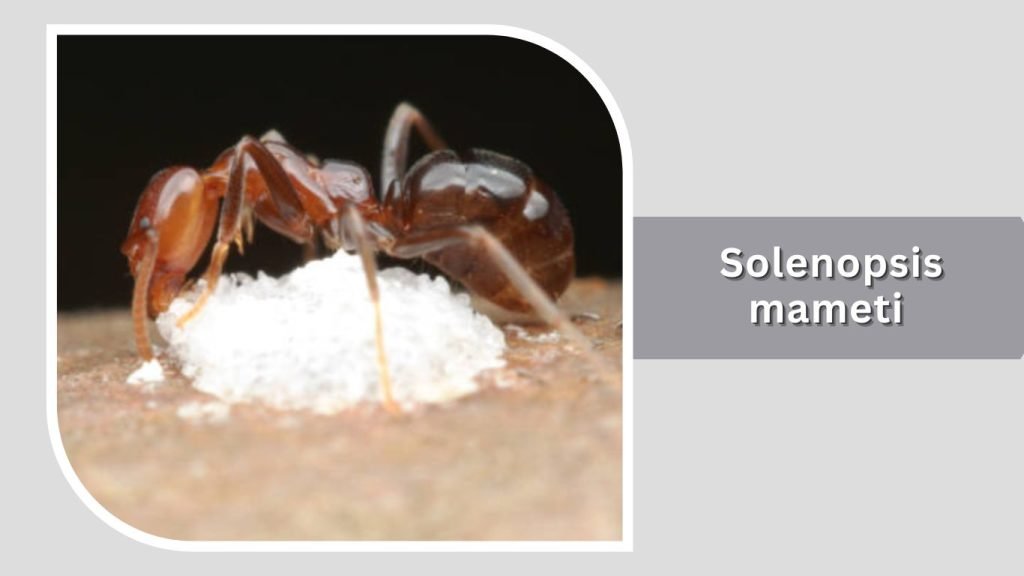
A lesser-known fire ant species found in tropical regions, recognized for its small size and general fire ant behavior. It is typically associated with soil habitats and organic-rich environments.
Characteristics
- Small size, typically 2–4 mm in length
- Reddish-brown coloration
- Smooth and slightly shiny body
- Compact build
- Functional sting used for defense
Habitat and Distribution
Solenopsis mameti is found in tropical regions, particularly in parts of Africa and nearby islands. It prefers warm, humid environments such as forests, coastal areas, and agricultural lands. Nests are usually built in soil, often hidden under debris or within organic material.
Behavior and Diet
This species is moderately aggressive and will sting when disturbed. It feeds on insects, seeds, and sugary substances like nectar and honeydew. Workers forage actively and may form small trails while searching for food.
Life Cycle
The life cycle starts with a fertilized queen establishing a colony. Eggs develop into larvae, then pupae, and finally adult workers. As the colony grows, it produces reproductive ants for mating flights, ensuring the continuation of the species.
