Army ants are a fascinating group of highly social and aggressive ants known for their coordinated group raids and nomadic lifestyle. Found mainly in tropical and subtropical regions, these ants do not build permanent nests and instead move in large colonies. This guide covers 25 different types of army ants, helping you identify them based on their unique characteristics, habitats, and behaviors.
1. Eciton burchellii (Burchell’s Army Ant)
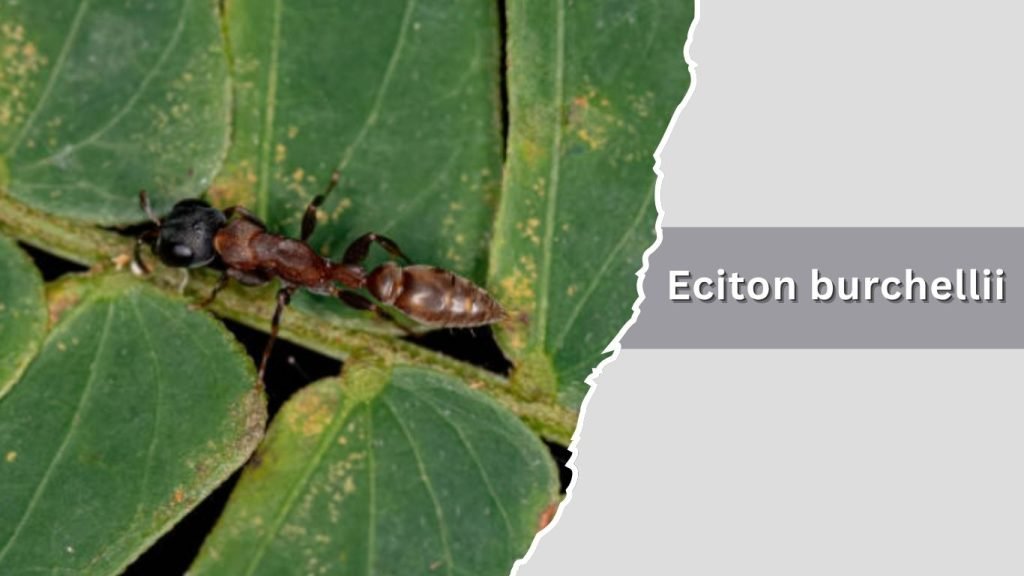
A highly aggressive and well-known army ant species found in tropical forests. It is famous for forming massive raiding columns that sweep through the forest floor, capturing prey and playing a vital role in ecosystem balance.
Characteristics
- Medium-sized workers with strong, elongated bodies
- Reddish-brown coloration with darker heads
- Powerful mandibles designed for gripping and cutting prey
- Blind or nearly blind, relying on chemical signals
- Highly organized caste system with size variation
Habitat and Distribution
Eciton burchellii is widely distributed across Central and South America, especially in tropical rainforests. It prefers dense, humid environments where prey is abundant. Instead of permanent nests, it forms temporary living nests called bivouacs using the bodies of worker ants.
Behavior and Diet
This species is known for its large-scale raids, where thousands of ants move together to hunt insects, spiders, and small vertebrates. It is highly social and coordinated, using pheromones to communicate. These ants are constantly on the move, alternating between nomadic and stationary phases.
Life Cycle
The colony revolves around a single queen that produces large numbers of eggs. The colony undergoes cycles of activity, with periods of intense raiding followed by more stationary phases. New colonies are formed when a group splits off with a queen, continuing the cycle.
2. Eciton hamatum (Hook-Jawed Army Ant)
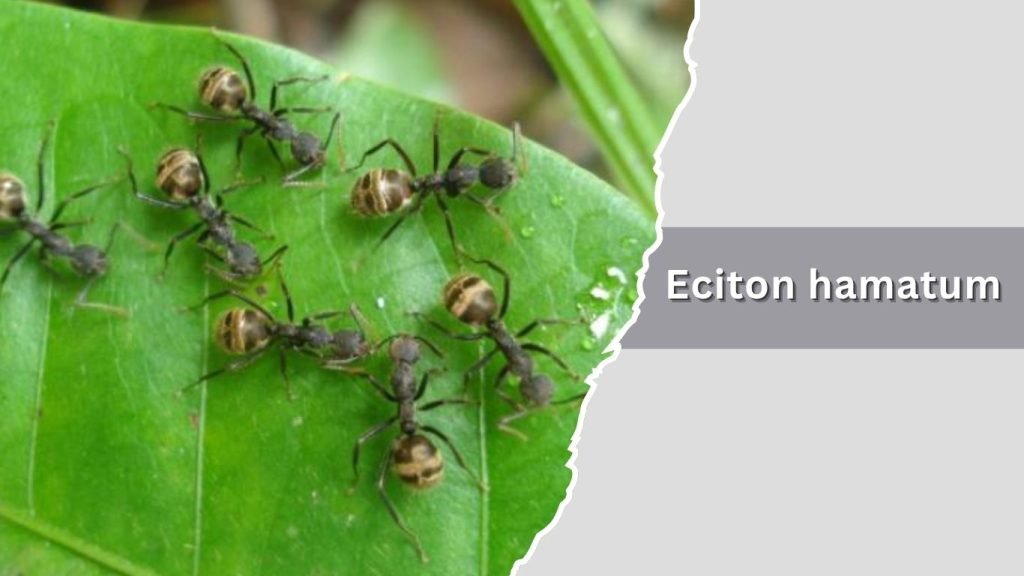
A well-known army ant species recognized for its distinctive hooked mandibles and highly organized group hunting behavior. It is commonly found in tropical forests, where it forms large raiding columns and plays an important role as a top invertebrate predator.
Characteristics
- Medium-sized workers, typically 3–12 mm depending on caste
- Reddish-brown body with darker head
- Strong, curved “hook-like” mandibles used for gripping prey
- Reduced eyesight, relying heavily on chemical communication
- Clear division of labor with different worker sizes
Habitat and Distribution
Eciton hamatum is widely distributed across Central and South America. It thrives in tropical rainforests with high humidity and dense vegetation. Instead of building permanent nests, this species forms temporary bivouacs made from the interlocked bodies of worker ants. These bivouacs are usually located in sheltered forest areas such as tree roots or under fallen logs. The colony frequently relocates depending on its activity cycle.
Behavior and Diet
This species is highly active and known for coordinated swarm raids. Thousands of workers move in organized columns, capturing insects, spiders, and other small animals. The hooked mandibles help them efficiently grasp and dismember prey. They rely on pheromone trails for communication and coordination. The colony follows a cyclical pattern, alternating between nomadic phases, where they move daily, and stationary phases, where they remain in one place while larvae develop.
Life Cycle
The colony is centered around a single queen that produces a large number of eggs. When larvae hatch, the colony enters a stationary phase to allow development. Once the larvae mature, the colony becomes nomadic again, moving frequently in search of food. New colonies are formed through colony division, where a portion of workers and a queen separate to establish a new group.
3. Eciton dulcium (Dulcium Army Ant)
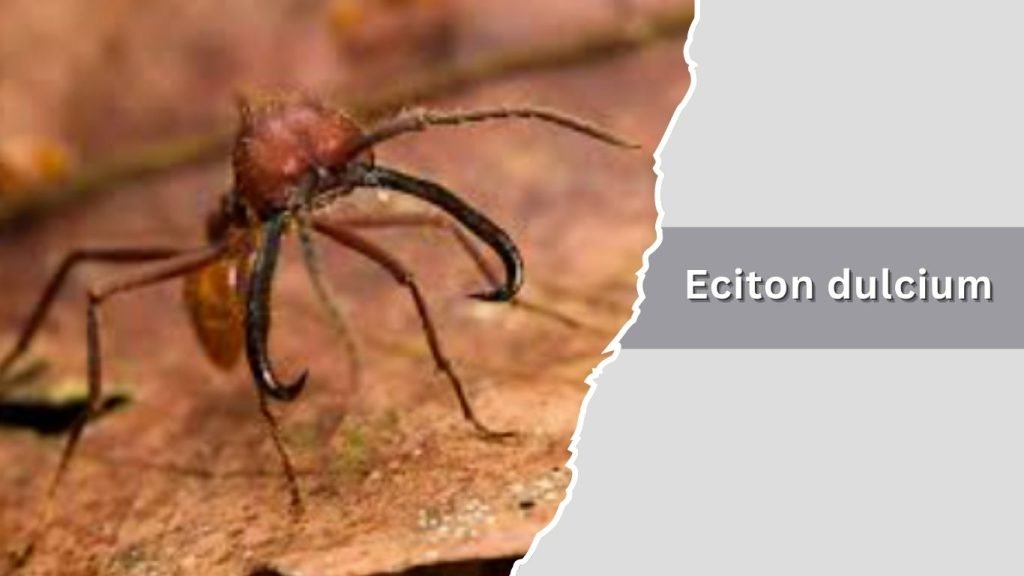
A lesser-known but ecologically important army ant species found in tropical regions. It exhibits typical army ant behavior, including coordinated group hunting and temporary nesting, contributing significantly to controlling insect populations.
Characteristics
- Small to medium-sized workers, generally 2–8 mm long
- Light to reddish-brown coloration
- Slender body structure with strong mandibles
- Limited vision, relying on pheromone trails
- Worker size variation within the colony
Habitat and Distribution
Eciton dulcium is found in Central and South America, particularly in tropical and subtropical forests. It prefers warm, humid environments with dense leaf litter and abundant prey. Like other army ants, it does not construct permanent nests. Instead, it forms temporary bivouacs using the bodies of workers, usually in protected locations such as under logs or within dense vegetation.
Behavior and Diet
This species conducts coordinated raids in large groups, preying on insects, larvae, and other small arthropods. Workers move in organized columns, using chemical signals to maintain direction and cohesion. It follows a nomadic lifestyle, frequently relocating its bivouac. The ants are efficient predators and play a key role in regulating populations of other invertebrates in their ecosystem.
Life Cycle
The life cycle is closely tied to the colony’s activity cycle. A single queen lays eggs in large batches, and the colony alternates between stationary and nomadic phases. During the stationary phase, larvae develop within the bivouac. Once they mature, the colony resumes movement. New colonies are established through splitting, ensuring the continuation of the species.
4. Eciton vagans (Wandering Army Ant)
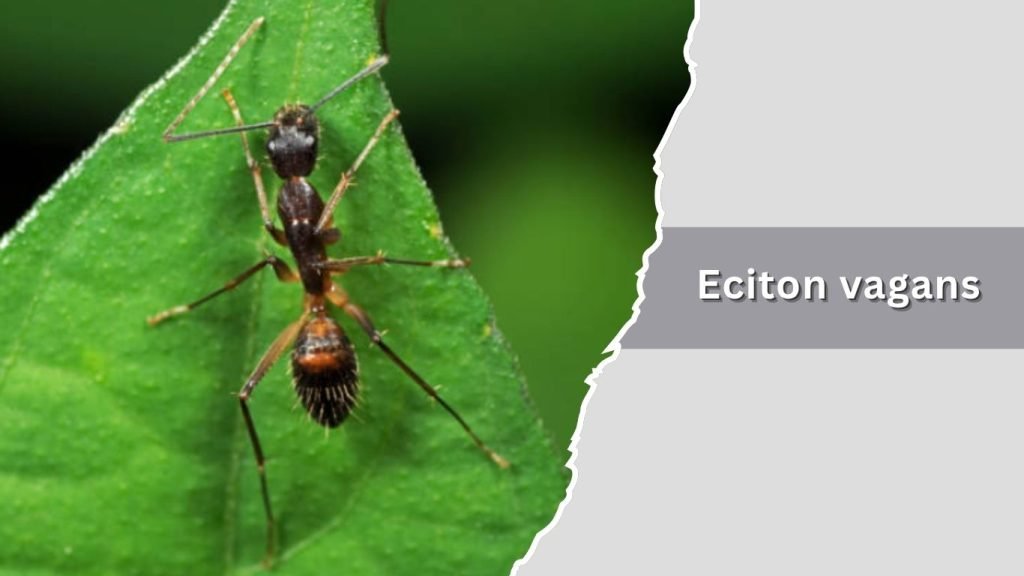
A widely distributed army ant species known for its constant movement and organized group raids. It is commonly found in tropical forests, where it acts as an efficient predator of small invertebrates and contributes to ecosystem balance.
Characteristics
- Medium-sized workers, typically 3–10 mm long
- Reddish-brown to dark brown coloration
- Slender body with strong mandibles
- Very limited eyesight, relying on pheromones
- Distinct worker size variation within colonies
Habitat and Distribution
Eciton vagans is found across Central and South America, especially in tropical and subtropical forests. It thrives in humid environments with dense vegetation and abundant prey. Like other army ants, it does not build permanent nests but forms temporary bivouacs using the bodies of its workers, usually in sheltered locations such as under logs or roots.
Behavior and Diet
This species is highly nomadic and conducts organized raids in large numbers. Workers move in columns to hunt insects, larvae, and other small arthropods. It relies heavily on chemical trails for coordination. The colony alternates between active nomadic phases and more stationary periods when brood development occurs.
Life Cycle
The colony is led by a single queen that produces large batches of eggs. The ants cycle between movement and stationary phases depending on larval development. New colonies form through division, where a portion of workers and a queen separate to establish a new group.
5. Eciton mexicanum (Mexican Army Ant)
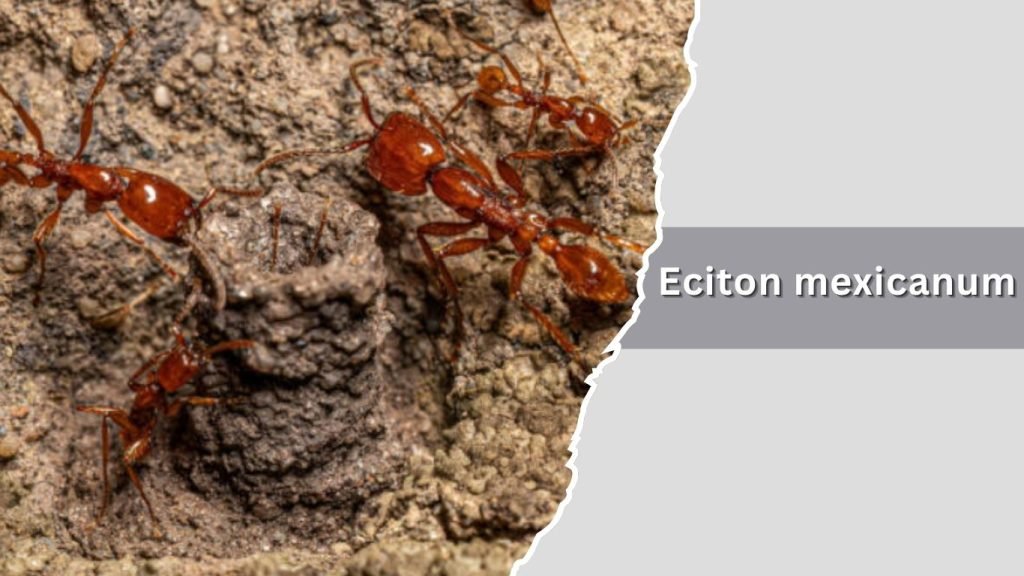
A tropical army ant species known for its strong raiding behavior and adaptability to different forest environments. It plays an important role in controlling insect populations within its habitat.
Characteristics
- Medium-sized workers, about 3–11 mm long
- Reddish-brown body with darker head
- Strong mandibles for capturing and cutting prey
- Reduced eyesight, dependent on chemical signals
- Worker polymorphism with size differences
Habitat and Distribution
Eciton mexicanum is found in Central America and parts of Mexico. It prefers tropical forests with high humidity and dense vegetation. The species forms temporary bivouacs instead of permanent nests, often located in protected forest areas like under logs or in root systems.
Behavior and Diet
This species is an aggressive predator that hunts in coordinated swarm raids. Thousands of workers move together to capture insects, spiders, and other small animals. Communication is maintained through pheromone trails. The colony follows a cyclical pattern of movement and rest, depending on the developmental stage of the brood.
Life Cycle
The life cycle revolves around a single queen that lays large numbers of eggs. The colony alternates between stationary phases for larval growth and nomadic phases for foraging. Reproduction occurs through colony division, ensuring survival and expansion of the species.
6. Eciton rapax (Rapacious Army Ant)
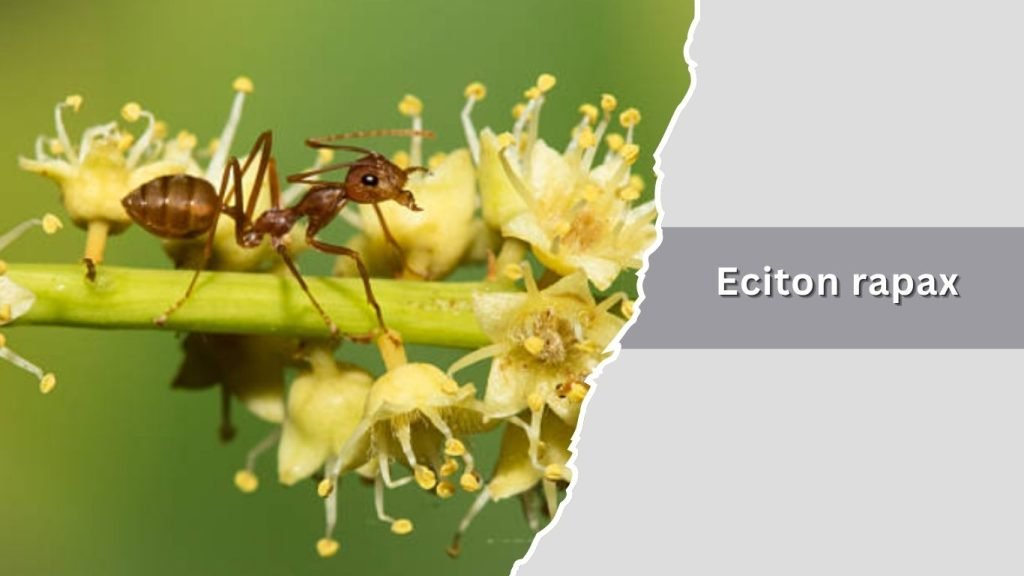
A highly active and aggressive army ant species known for its efficient group hunting and rapid movement. It is commonly found in tropical forests, where it forms large raiding swarms that prey on a wide range of small animals.
Characteristics
- Medium-sized workers, typically 3–10 mm in length
- Reddish-brown coloration with darker head
- Strong, sharp mandibles for cutting prey
- Reduced vision, relying on pheromone communication
- Clear size variation among workers
Habitat and Distribution
Eciton rapax is distributed across Central and South America. It prefers tropical rainforests with dense vegetation and high humidity. Like other army ants, it does not build permanent nests but forms temporary bivouacs made from worker bodies, usually hidden under logs or roots.
Behavior and Diet
This species conducts large-scale swarm raids, where thousands of ants move together to hunt insects, spiders, and other small organisms. It uses chemical trails to coordinate movement and maintain group structure. The colony alternates between nomadic and stationary phases based on brood development.
Life Cycle
The colony is centered around a single queen that lays large batches of eggs. During larval development, the colony remains stationary. Once the larvae mature, the colony becomes nomadic again. New colonies form through splitting, ensuring species continuation.
7. Eciton lucanoides (Lucanoid Army Ant)
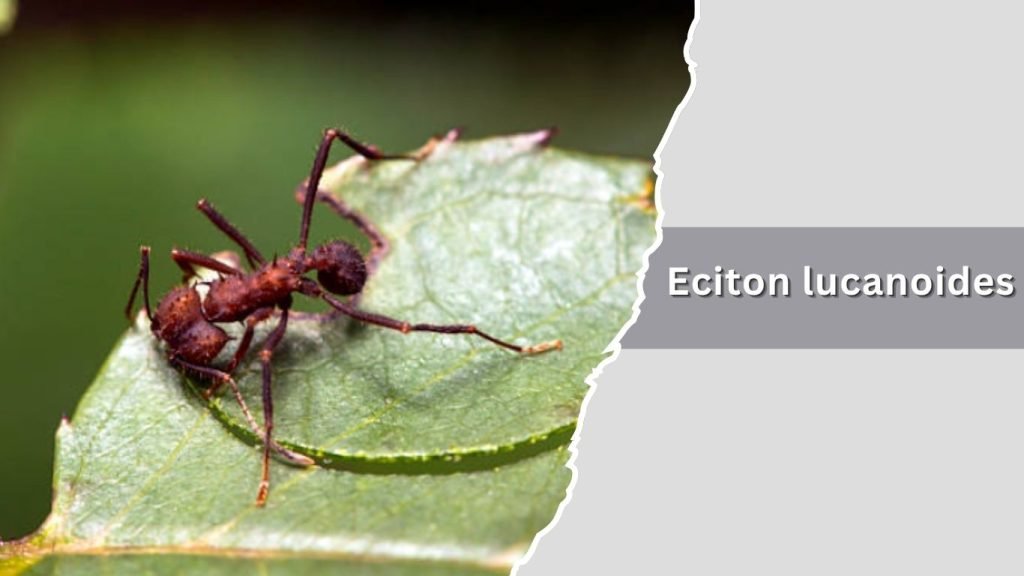
A well-known army ant species recognized for its large workers and powerful mandibles. It is an important predator in tropical ecosystems and is often observed during its organized hunting raids.
Characteristics
- Medium to large workers, around 4–12 mm long
- Dark reddish-brown to black coloration
- Large, strong mandibles resembling stag beetle jaws
- Nearly blind, relying on chemical signals
- Worker size variation with specialized roles
Habitat and Distribution
Eciton lucanoides is widely distributed in Central and South America. It inhabits tropical rainforests, where it prefers humid environments with abundant prey. The species forms temporary bivouacs instead of permanent nests, often located in protected forest areas.
Behavior and Diet
This species is known for its aggressive swarm raids, targeting insects, larvae, and small vertebrates. Workers move in highly organized columns and communicate through pheromones. It follows a nomadic lifestyle, frequently relocating its bivouac as part of its life cycle.
Life Cycle
The life cycle is tied to the colony’s activity phases. A single queen produces large numbers of eggs, and the colony alternates between stationary and nomadic periods. New colonies are formed through division, allowing the species to spread and maintain population stability.
8. Labidus coecus (Blind Army Ant)
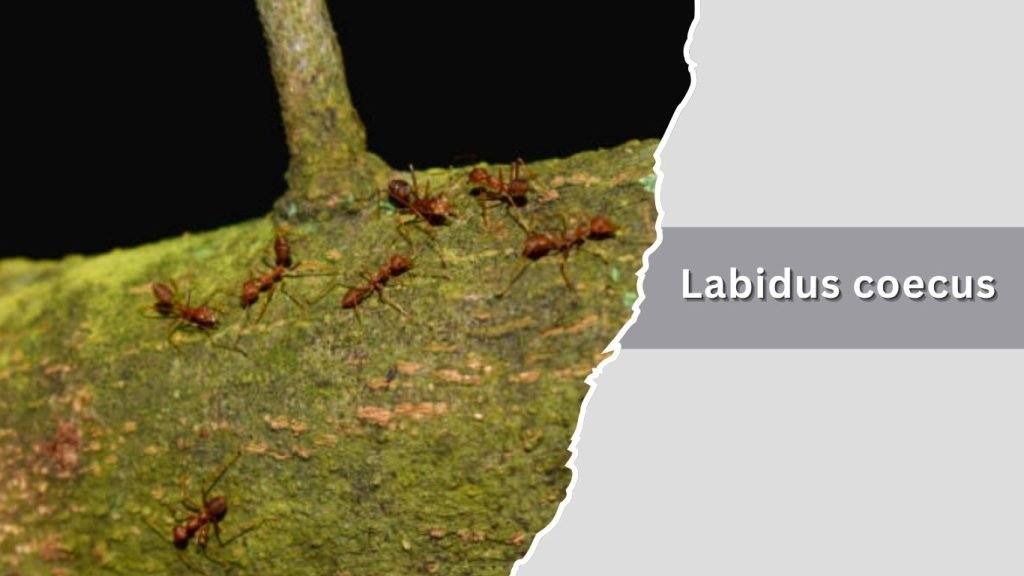
A widespread army ant species known for its underground lifestyle and lack of functional eyes. It is an important predator in tropical ecosystems, often going unnoticed as it conducts raids beneath the soil surface.
Characteristics
- Medium-sized workers, typically 3–10 mm long
- Pale brown to dark brown coloration
- Reduced or absent eyes
- Strong mandibles for capturing prey
- Elongated body adapted for underground movement
Habitat and Distribution
Labidus coecus is widely distributed across Central and South America, and it can also be found in parts of North America. It prefers tropical and subtropical environments, especially forests and moist soils. This species commonly nests and travels underground, although it may occasionally appear on the surface during large raids.
Behavior and Diet
This species is primarily subterranean and conducts raids beneath the soil. It feeds on insects, larvae, and other small invertebrates. Workers use chemical signals to coordinate movement and maintain colony structure. It is less visible than surface-raiding army ants but equally important in controlling pest populations.
Life Cycle
The colony is centered around a queen that produces large numbers of eggs. The life cycle includes alternating phases of activity, similar to other army ants. Colonies reproduce by splitting, with a group of workers and a queen forming a new colony.
9. Labidus praedator (Predatory Army Ant)
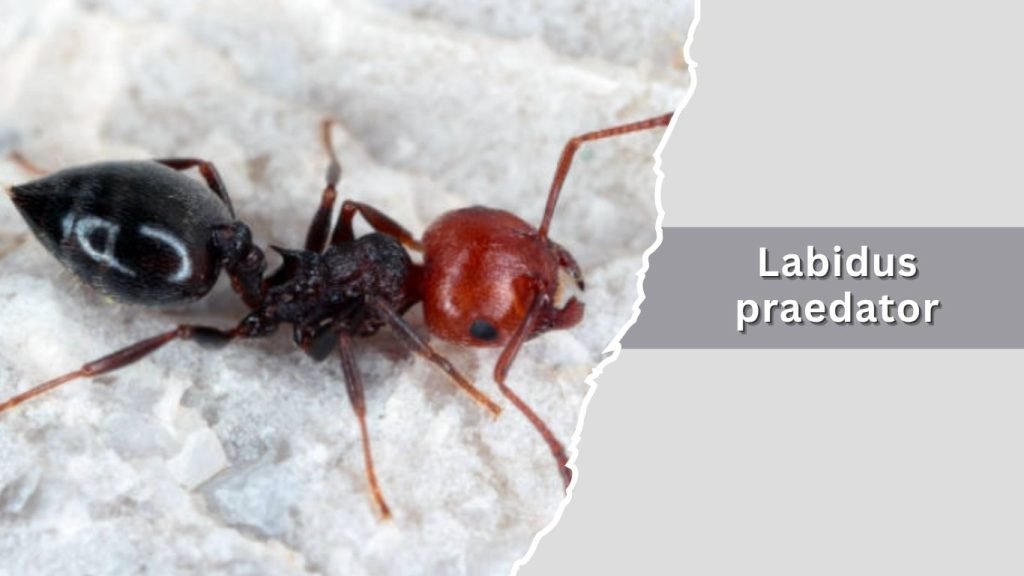
A large and aggressive army ant species known for its powerful raids and wide foraging range. It is commonly found in tropical regions and plays a major role as a top predator among invertebrates.
Characteristics
- Medium to large workers, around 4–12 mm in length
- Dark brown to black coloration
- Strong, well-developed mandibles
- Reduced eyesight, relying on pheromones
- Noticeable variation in worker size
Habitat and Distribution
Labidus praedator is widely distributed across Central and South America. It inhabits tropical forests, grasslands, and even open habitats. Unlike some army ants, it can forage both underground and on the surface. It does not build permanent nests, instead forming temporary bivouacs in protected locations.
Behavior and Diet
This species is highly predatory and conducts large swarm raids. It feeds on insects, spiders, and other small animals. Workers move in organized columns and use chemical trails for coordination. It is an efficient hunter and can dominate local invertebrate communities during raids.
Life Cycle
The colony revolves around a single queen that lays large numbers of eggs. The colony alternates between active foraging phases and more stationary periods for brood development. New colonies form through division, ensuring the continuation of the species.
10. Labidus mars (Mars Army Ant)
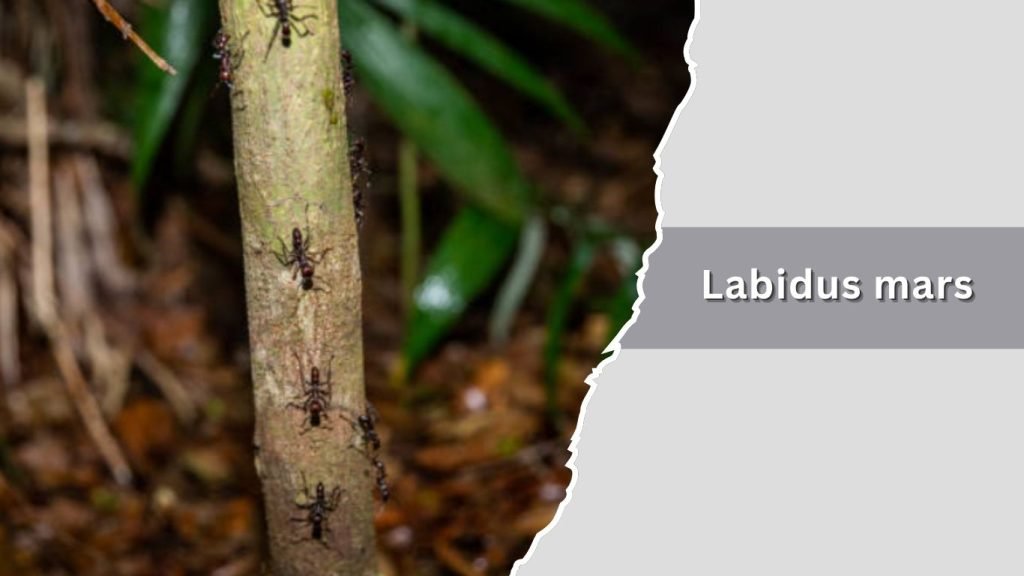
A lesser-known army ant species that exhibits strong predatory behavior and organized group movement. It is typically found in tropical environments, where it contributes to controlling populations of other small invertebrates.
Characteristics
- Medium-sized workers, typically 3–9 mm long
- Dark brown coloration
- Slender body adapted for movement
- Strong mandibles for capturing prey
- Reduced vision, relying on pheromones
Habitat and Distribution
Labidus mars is found in parts of Central and South America. It prefers tropical and subtropical habitats, including forests and open areas with sufficient moisture. Like other army ants, it does not construct permanent nests and instead forms temporary bivouacs in protected locations.
Behavior and Diet
This species is an active predator that conducts coordinated raids in groups. It feeds on insects, larvae, and other small organisms. Workers communicate through chemical signals and move in organized trails. It may forage both underground and on the surface.
Life Cycle
The colony is led by a queen that produces large numbers of eggs. The life cycle includes alternating active and stationary phases depending on larval development. Colonies reproduce through division, with a portion of the group forming a new colony.
11. Labidus spininodis (Spiny-Node Army Ant)
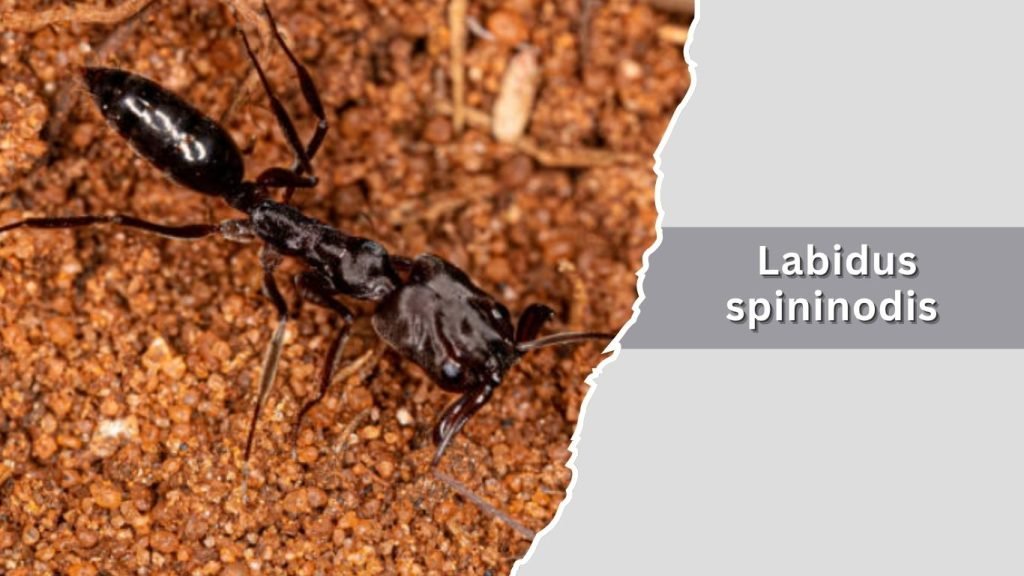
A distinctive army ant species recognized for structural features in its body and its efficient predatory behavior. It is commonly found in tropical regions and contributes to maintaining ecological balance.
Characteristics
- Medium size, around 3–10 mm long
- Dark brown to black coloration
- Slightly more pronounced node structure
- Strong mandibles for cutting and carrying prey
- Reduced eyesight with reliance on chemical trails
Habitat and Distribution
Labidus spininodis is distributed across Central and South America. It inhabits tropical forests, grasslands, and moist environments. It prefers areas with abundant prey and shelter. Like other army ants, it forms temporary bivouacs rather than permanent nests.
Behavior and Diet
This species conducts coordinated swarm raids, targeting insects, larvae, and other small animals. Workers move in organized groups and communicate through pheromones. It may forage both above and below ground, depending on conditions.
Life Cycle
The life cycle revolves around a single queen that lays large numbers of eggs. Colonies alternate between active raiding phases and stationary periods for brood development. Reproduction occurs through colony division, allowing the species to spread and survive in different habitats.
12. Neivamyrmex nigrescens (Dark Army Ant)
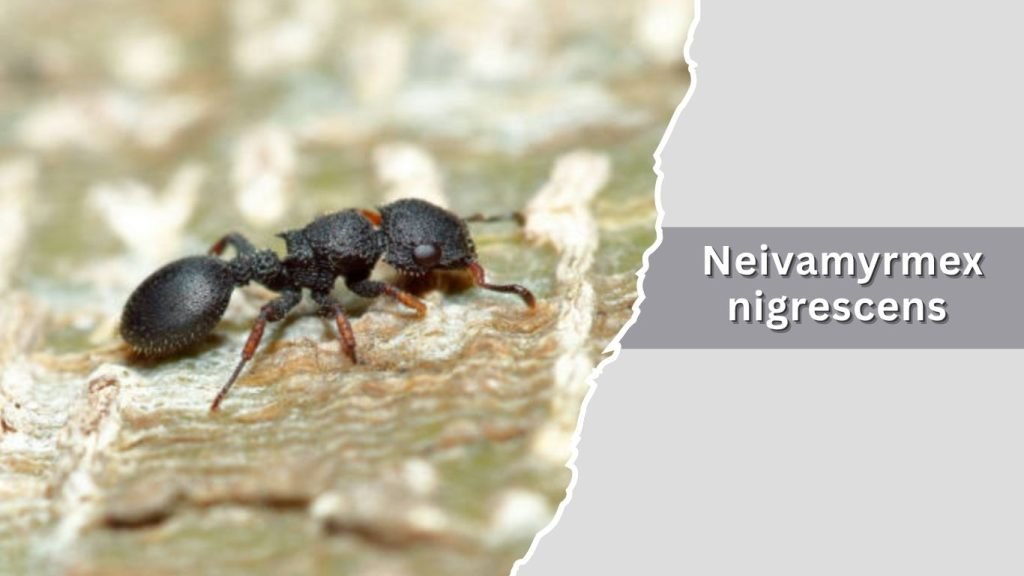
A North American army ant species known for its dark coloration and subterranean lifestyle. It is rarely seen on the surface but plays an important role as a predator of other ant species and small invertebrates.
Characteristics
- Medium-sized workers, typically 3–8 mm long
- Dark brown to nearly black coloration
- Slender body adapted for underground movement
- Strong mandibles for attacking prey
- Reduced or absent eyes
Habitat and Distribution
Neivamyrmex nigrescens is found across parts of North America, especially in warmer regions. It prefers dry or semi-moist soils in forests, grasslands, and desert edges. This species primarily lives underground, forming temporary nests rather than permanent structures.
Behavior and Diet
This ant is a specialized predator that often targets other ant colonies. It conducts raids underground, using pheromone trails to coordinate movement. Workers may occasionally appear on the surface during large raids. Its diet mainly consists of ant brood, larvae, and small insects.
Life Cycle
The colony revolves around a queen that produces eggs in cycles. Like other army ants, it alternates between active and stationary phases. Colonies reproduce by splitting, with a group of workers and a queen forming a new colony.
13. Neivamyrmex texanus (Texas Army Ant)
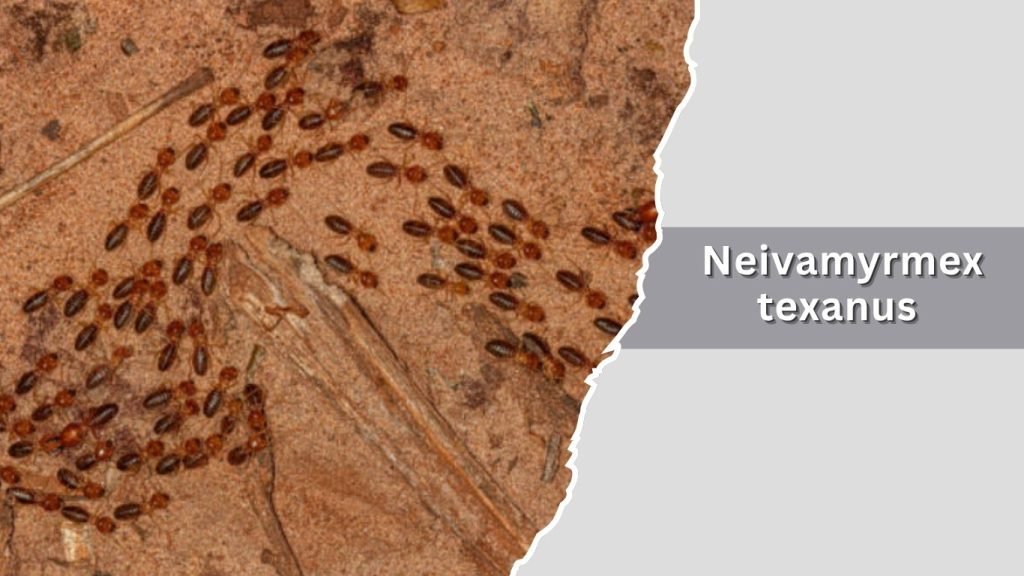
A well-known army ant species in North America, recognized for its underground raiding behavior and efficiency as a predator. It is commonly found in warm regions and contributes to controlling insect populations.
Characteristics
- Small to medium size, around 2–7 mm long
- Light brown to reddish-brown coloration
- Slender body structure
- Strong mandibles for hunting prey
- Reduced eyesight, relying on chemical signals
Habitat and Distribution
Neivamyrmex texanus is widely distributed in the southern United States and parts of Mexico. It prefers dry and semi-arid habitats such as grasslands, deserts, and open woodlands. It lives mostly underground, forming temporary bivouacs in soil.
Behavior and Diet
This species is primarily subterranean and conducts raids beneath the soil surface. It feeds mainly on other ants, their larvae, and small insects. Workers are highly coordinated and follow pheromone trails to locate prey. Surface activity is rare but may occur during large raids.
Life Cycle
The life cycle follows a typical army ant pattern, with a queen producing large numbers of eggs. The colony alternates between active raiding periods and stationary phases for brood development. New colonies form through division, ensuring survival and expansion.
14. Neivamyrmex carolinensis (Carolina Army Ant)
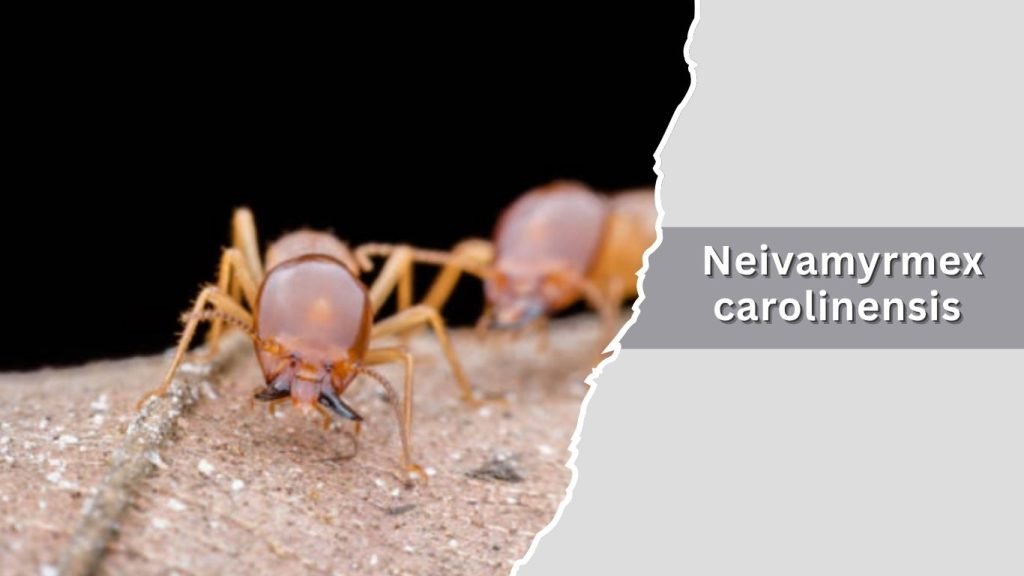
A lesser-known army ant species found in parts of North America, recognized for its underground lifestyle and specialized predation on other ants. It is rarely seen but plays an important ecological role in controlling insect populations.
Characteristics
- Small to medium size, typically 2–6 mm long
- Light brown to reddish coloration
- Slender, flexible body adapted for soil movement
- Strong mandibles for capturing prey
- Reduced or absent eyes
Habitat and Distribution
Neivamyrmex carolinensis is found in the southeastern United States. It prefers warm, moist environments such as forests, grasslands, and sandy soils. This species lives mostly underground, forming temporary nests and rarely appearing on the surface.
Behavior and Diet
This species is a specialized predator, mainly feeding on other ant species and their brood. It conducts raids underground using chemical signals to coordinate movement. Surface activity is limited but may occur during large foraging events.
Life Cycle
The colony is led by a queen that produces eggs in cycles. Like other army ants, it alternates between active and stationary phases. Colonies reproduce through division, allowing new groups to establish in nearby areas.
15. Neivamyrmex opacithorax (Opaque-Thorax Army Ant)
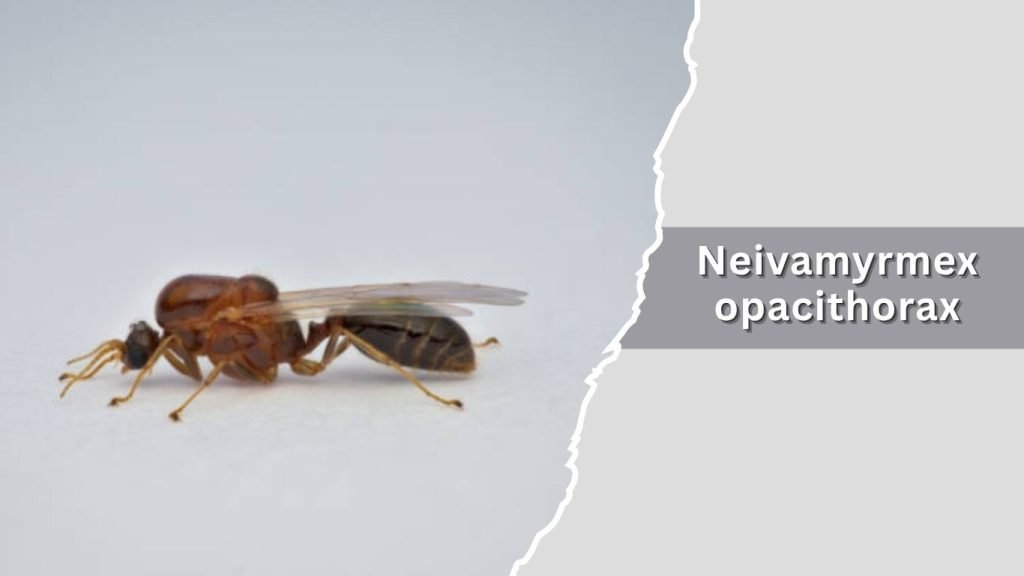
A subterranean army ant species known for its cryptic lifestyle and efficient predation. It is commonly found in warmer regions, where it contributes to maintaining ecological balance by regulating insect populations.
Characteristics
- Small size, typically 2–5 mm in length
- Brown to dark brown coloration
- Slightly opaque thorax appearance
- Slender body with strong mandibles
- Reduced eyesight, relying on pheromone trails
Habitat and Distribution
Neivamyrmex opacithorax is distributed across parts of North America, particularly in warmer climates. It prefers dry to moderately moist soils in grasslands, forests, and desert edges. The species is primarily subterranean and forms temporary bivouacs underground.
Behavior and Diet
This species conducts underground raids, targeting other ants and small invertebrates. Workers move in coordinated groups, guided by chemical signals. It is rarely seen above ground but plays a key role as a predator within soil ecosystems.
Life Cycle
The life cycle follows the typical army ant pattern, with a queen producing large numbers of eggs. The colony alternates between active foraging phases and stationary periods for brood development. Reproduction occurs through colony division, ensuring continuity of the species.
16. Neivamyrmex swainsonii (Swainson’s Army Ant)
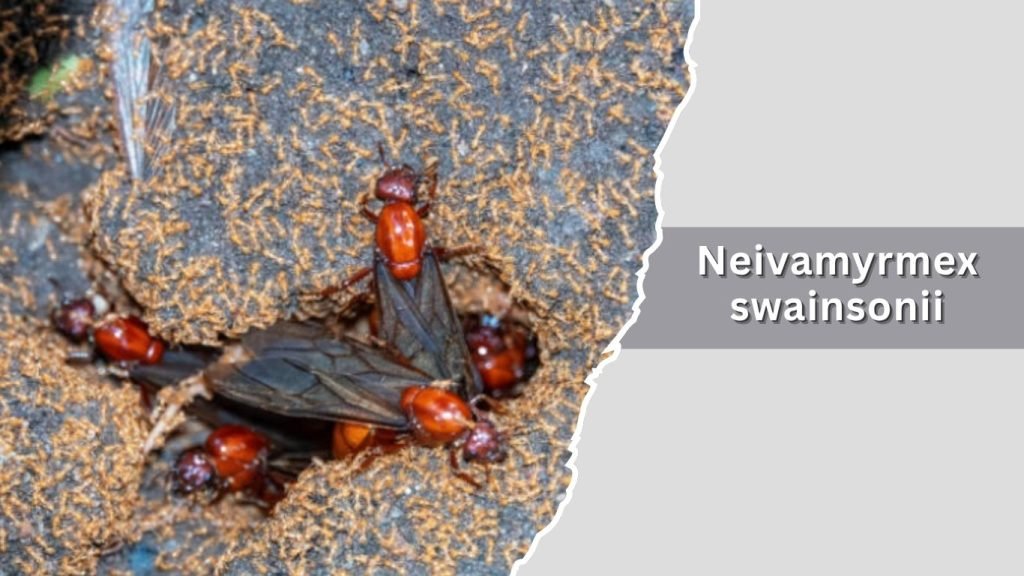
A subterranean army ant species known for its secretive lifestyle and specialized hunting behavior. It is rarely observed above ground but plays a key role in controlling populations of other ants and small soil-dwelling organisms.
Characteristics
- Small to medium size, typically 2–6 mm long
- Brown to dark brown coloration
- Slender body adapted for underground movement
- Strong mandibles for capturing prey
- Reduced or absent eyes
Habitat and Distribution
Neivamyrmex swainsonii is found in parts of North and Central America. It prefers warm environments such as forests, grasslands, and sandy soils. This species lives primarily underground, forming temporary nests and rarely emerging on the surface.
Behavior and Diet
This species is a specialized predator, mainly feeding on other ants and their brood. It conducts raids beneath the soil surface, using pheromone trails to coordinate movement. Surface activity is uncommon but may occur during large-scale raids.
Life Cycle
The colony is centered around a queen that produces eggs in cycles. Like other army ants, it alternates between active and stationary phases. Colonies reproduce by splitting, allowing new groups to form and expand their range.
17. Dorylus wilverthi (Wilverth’s Driver Ant)
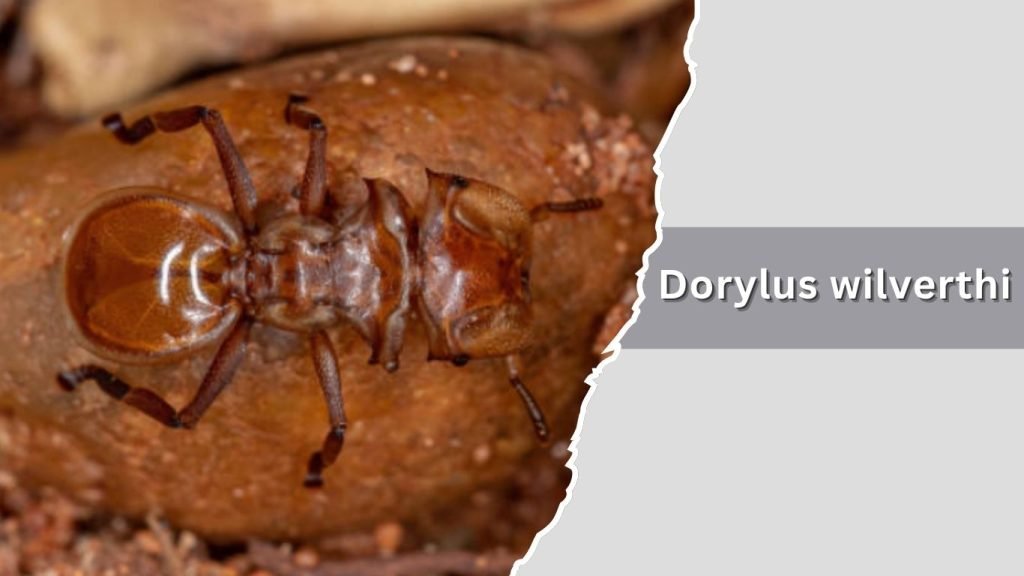
A large and powerful army ant species belonging to the African driver ants. It is known for its massive colonies and highly aggressive swarm raids, making it one of the dominant predators in its ecosystem.
Characteristics
- Medium to very large workers, often 3–12 mm (soldiers larger)
- Dark brown to black coloration
- Strong, robust body with powerful mandibles
- Blind, relying on chemical communication
- Distinct caste system with large soldier ants
Habitat and Distribution
Dorylus wilverthi is found in central and eastern Africa. It inhabits tropical forests, savannas, and grasslands. Unlike some army ants, it often nests underground, creating large, complex colonies that can contain millions of individuals.
Behavior and Diet
This species is highly aggressive and conducts massive swarm raids. It feeds on insects, small animals, and even vertebrates when overwhelmed. Workers move in dense columns, coordinated through pheromones. Their raids can dominate entire areas, forcing other animals to flee.
Life Cycle
The colony revolves around a single queen capable of producing millions of eggs. The colony alternates between stationary and nomadic phases. Reproduction occurs through colony division, ensuring the spread and survival of this powerful species.
18. Dorylus molestus (Molestus Driver Ant)
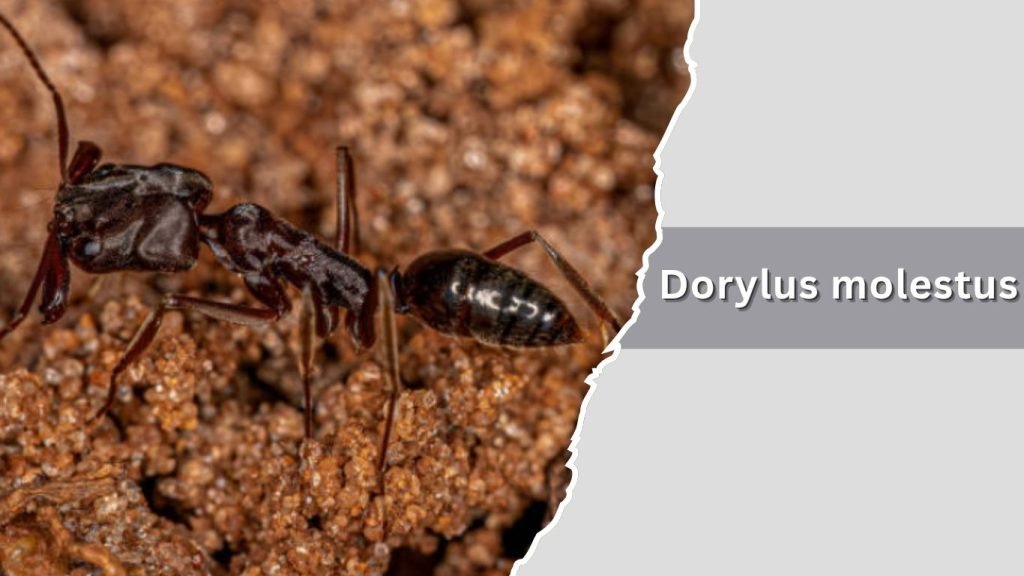
A large African army ant species known for its aggressive swarming behavior and powerful predation. It belongs to the driver ants, which are among the most dominant insect predators in their ecosystems.
Characteristics
- Medium to large workers, typically 3–12 mm long
- Dark brown to black coloration
- Strong, heavily built body
- Large, powerful mandibles for cutting and defense
- Blind, relying on pheromone communication
Habitat and Distribution
Dorylus molestus is found across parts of Africa, particularly in tropical and subtropical regions. It inhabits forests, savannas, and grasslands. This species usually nests underground, forming extensive colonies that can contain millions of individuals.
Behavior and Diet
This species is highly aggressive and conducts massive swarm raids. It feeds on insects, small invertebrates, and occasionally small vertebrates. Workers move in dense, coordinated columns using chemical signals. Their raids can overwhelm prey and force other animals to flee the area.
Life Cycle
The colony is led by a highly fertile queen that produces large numbers of eggs. The colony alternates between active raiding phases and more stationary periods. Reproduction occurs through colony division, allowing the species to expand and maintain large populations.
19. Dorylus nigricans (African Driver Ant)
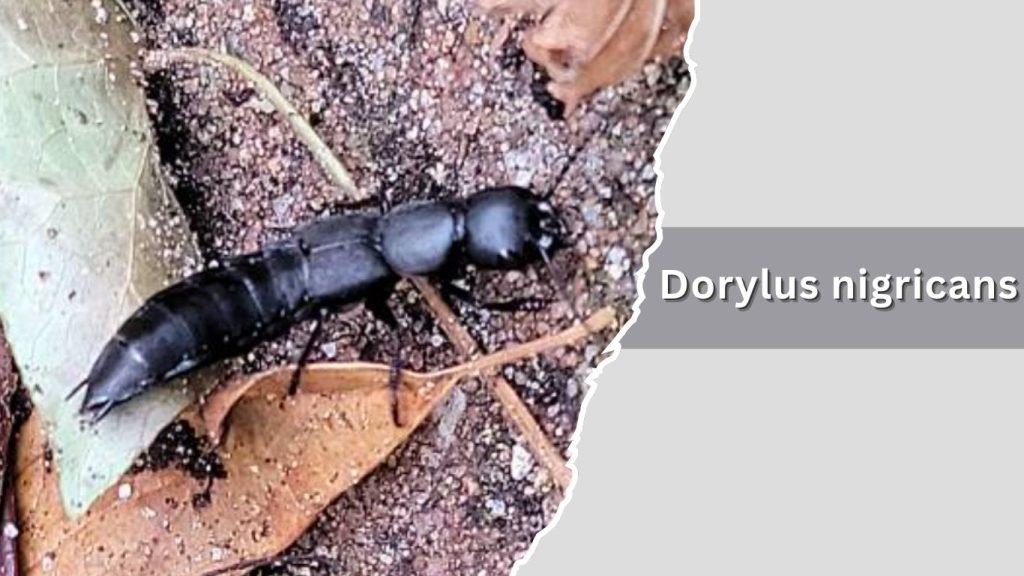
One of the most famous army ant species, known for its enormous colonies and intense swarm raids. It is a dominant predator in African ecosystems and is widely recognized for its coordinated group behavior.
Characteristics
- Medium to large workers, around 3–13 mm long (soldiers larger)
- Dark brown to black coloration
- Robust body with strong mandibles
- Blind or nearly blind
- Distinct caste system with large soldier ants
Habitat and Distribution
Dorylus nigricans is widely distributed across sub-Saharan Africa. It prefers forests, savannas, and grasslands. Colonies are typically located underground but may move frequently depending on environmental conditions and food availability.
Behavior and Diet
This species is known for its massive swarm raids, where millions of ants move together in dense columns. It feeds on insects, small animals, and other invertebrates. The ants rely on pheromone trails for coordination and can dominate large areas during raids.
Life Cycle
The colony revolves around a single queen capable of producing vast numbers of eggs. The life cycle includes alternating nomadic and stationary phases. Colonies reproduce through division, ensuring continued spread and survival across their range.
20. Dorylus laevigatus (Asian Driver Ant)
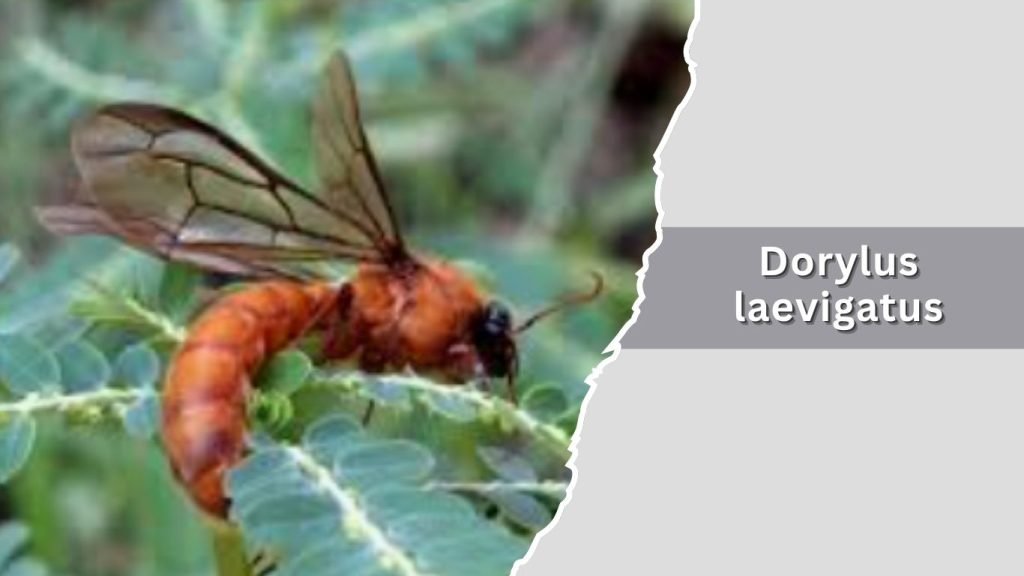
A large and aggressive army ant species found in Southeast Asia. It is known for forming massive colonies and conducting powerful swarm raids, making it one of the dominant predators in its ecosystem.
Characteristics
- Medium to large workers, typically 3–12 mm long
- Dark brown to black coloration
- Strong, robust body structure
- Large mandibles for cutting and carrying prey
- Blind, relying on pheromone communication
Habitat and Distribution
Dorylus laevigatus is widely distributed across Southeast Asia, including countries like Thailand, Malaysia, and Indonesia. It prefers tropical forests with high humidity and dense vegetation. Colonies are usually established underground, though they may move frequently depending on food availability.
Behavior and Diet
This species is highly aggressive and conducts large-scale swarm raids. It feeds on insects, small invertebrates, and occasionally small vertebrates. Workers move in dense, coordinated columns, using chemical trails to communicate. Their raids can overwhelm prey and temporarily dominate local ecosystems.
Life Cycle
The colony is led by a highly fertile queen that produces large numbers of eggs. The colony alternates between active raiding periods and more stationary phases. Reproduction occurs through colony division, allowing the species to expand across suitable habitats.
21. Dorylus helvolus (Helvolus Driver Ant)
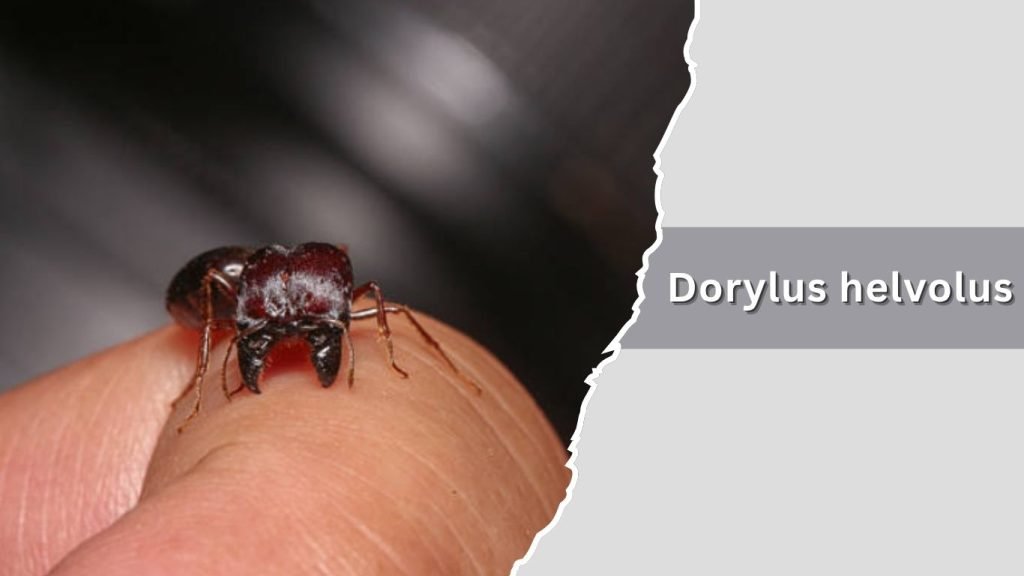
A lesser-known but powerful army ant species within the driver ant group. It shares many characteristics with other Dorylus species, including large colony size and strong predatory behavior.
Characteristics
- Medium to large workers, around 3–11 mm long
- Brown to dark brown coloration
- Strong, bulky body with powerful mandibles
- Blind or nearly blind
- Clear caste system with larger soldier ants
Habitat and Distribution
Dorylus helvolus is found in parts of Africa, particularly in tropical and subtropical regions. It inhabits forests, savannas, and grasslands. Colonies are typically located underground, providing protection and stability for the large population.
Behavior and Diet
This species conducts coordinated swarm raids, preying on insects, larvae, and small animals. Workers move in dense groups and rely on pheromones for communication. Like other driver ants, it can dominate large areas during its raids.
Life Cycle
The colony revolves around a single queen that produces a vast number of eggs. The life cycle includes alternating active and stationary phases. Colonies reproduce through division, ensuring the spread and survival of the species.
22. Aenictus laeviceps (Smooth-Head Army Ant)
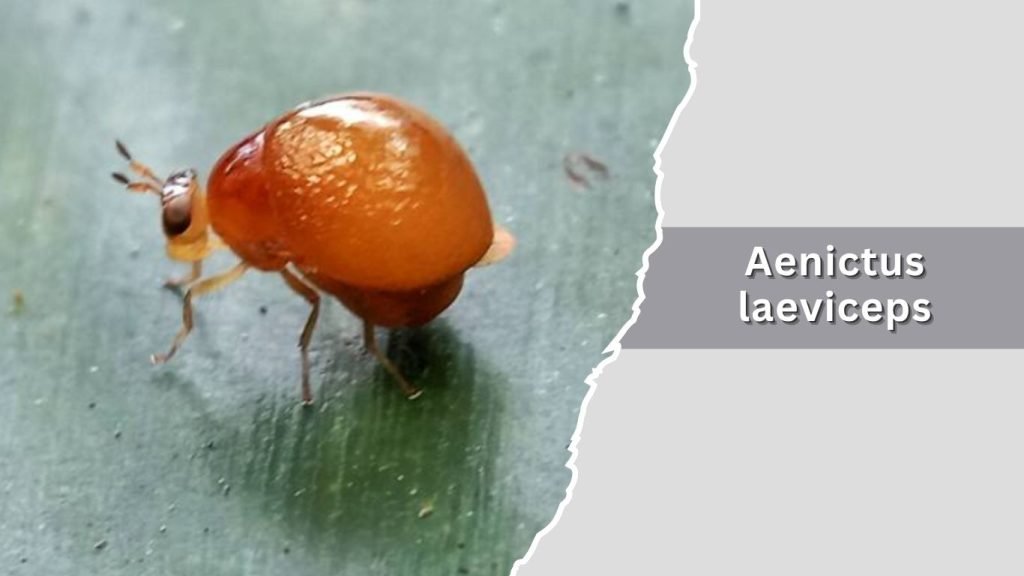
A small but highly efficient army ant species found in tropical Asia. It is known for its fast-moving raids and preference for hunting other ant species, making it an important predator in forest ecosystems.
Characteristics
- Small workers, typically 2–5 mm long
- Light brown to yellowish coloration
- Smooth head and slender body
- Strong mandibles for capturing prey
- Reduced eyesight, relying on pheromones
Habitat and Distribution
Aenictus laeviceps is widely distributed across Southeast Asia. It prefers tropical forests with high humidity and dense leaf litter. Colonies are usually found in soil, under logs, or within leaf litter, forming temporary bivouacs rather than permanent nests.
Behavior and Diet
This species specializes in raiding other ant colonies, targeting their brood and workers. Raids are fast and highly coordinated, often occurring during the day. Workers move in organized columns and rely on chemical signals for communication.
Life Cycle
The colony is led by a queen that produces eggs in cycles. The colony alternates between active raiding phases and stationary periods for brood development. Reproduction occurs through colony division, ensuring the continuation of the species.
23. Aenictus gracilis (Slender Army Ant)
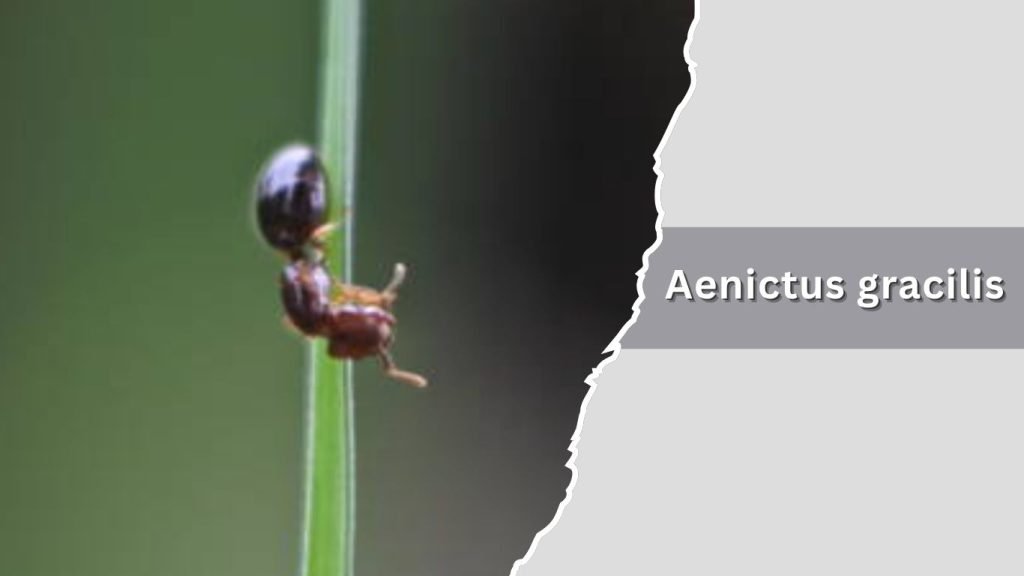
A tropical army ant species recognized for its narrow body and highly mobile behavior. It is commonly found in forest environments, where it plays a role in regulating insect populations.
Characteristics
- Small size, typically 2–4 mm long
- Slender body with light brown coloration
- Smooth exoskeleton
- Strong mandibles for hunting prey
- Reduced vision, dependent on chemical trails
Habitat and Distribution
Aenictus gracilis is found across Southeast Asia, particularly in tropical forests. It prefers warm, humid conditions and is often associated with leaf litter and soil habitats. Colonies are temporary and frequently relocate based on food availability.
Behavior and Diet
This species conducts rapid raids, often targeting other ants and small invertebrates. Workers move quickly in organized groups and rely on pheromones to maintain coordination. It is highly active and adapts well to changing environmental conditions.
Life Cycle
The life cycle follows the typical army ant pattern, with a queen producing eggs in cycles. The colony alternates between nomadic and stationary phases. New colonies form through division, allowing the species to expand within its habitat.
24. Aenictus rotundatus (Rounded Army Ant)
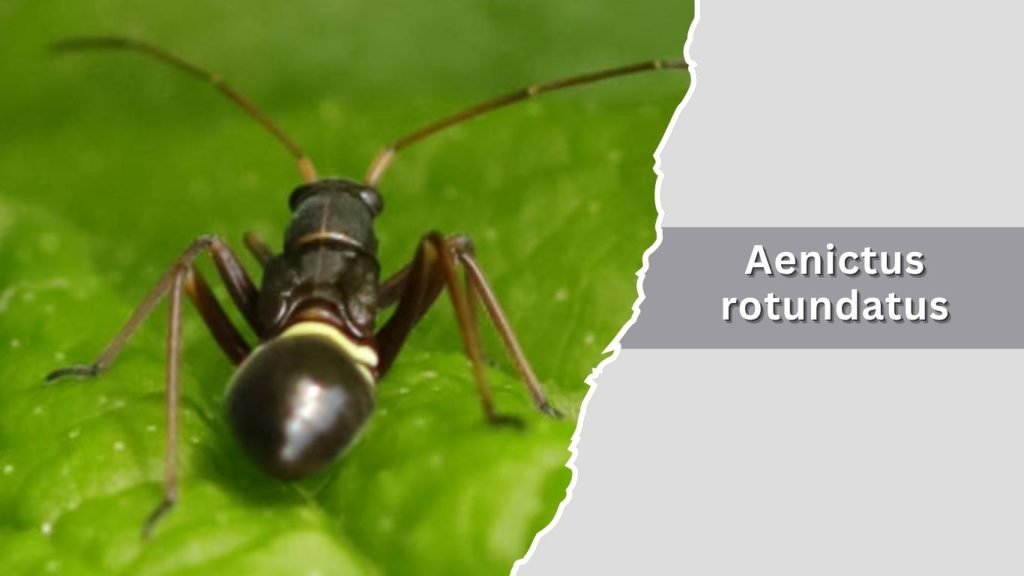
A small army ant species known for its compact body and efficient group hunting behavior. It is commonly found in tropical forests, where it plays an important role in controlling populations of other small insects.
Characteristics
- Small size, typically 2–5 mm in length
- Light to medium brown coloration
- Rounded body shape compared to other species
- Strong mandibles for capturing prey
- Reduced eyesight, relying on pheromones
Habitat and Distribution
Aenictus rotundatus is found in Southeast Asia, particularly in tropical forest regions. It prefers warm, humid environments with dense leaf litter. Colonies are usually located in soil or under logs and are temporary, shifting frequently based on food availability.
Behavior and Diet
This species conducts fast, coordinated raids, often targeting other ants and small invertebrates. Workers move in organized columns and communicate using chemical trails. It is highly active and adapts quickly to changing conditions within its environment.
Life Cycle
The colony is led by a queen that produces eggs in cycles. Like other army ants, it alternates between active and stationary phases. Reproduction occurs through colony division, allowing the species to spread and survive in suitable habitats.
25. Aenictus dentatus (Toothed Army Ant)
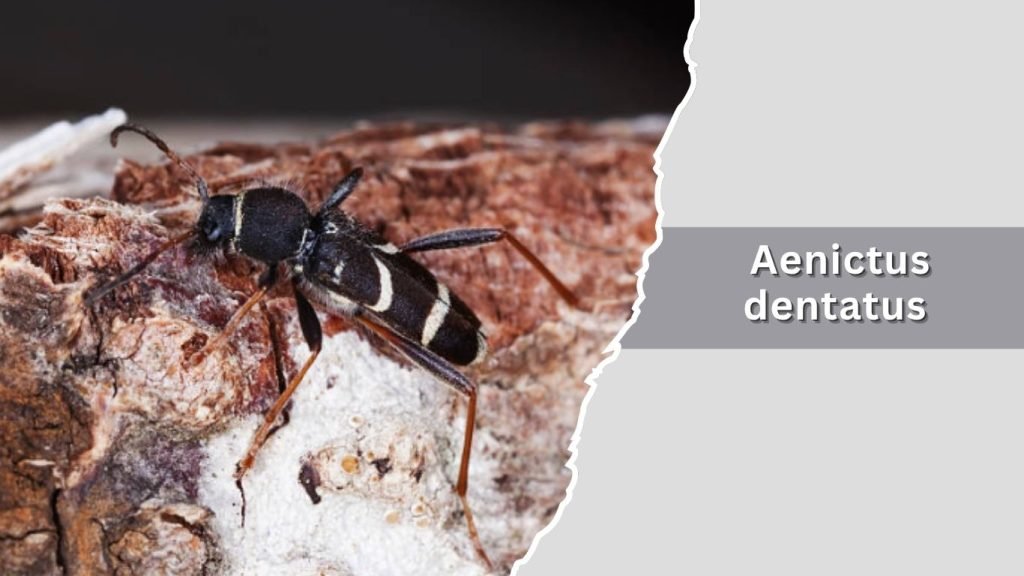
A distinctive army ant species recognized for its slightly modified mandibles. It is a tropical species that plays a key role as a predator of other small arthropods in forest ecosystems.
Characteristics
- Small size, around 2–5 mm long
- Brown to dark brown coloration
- Slightly toothed mandibles
- Slender body structure
- Reduced vision, dependent on chemical signals
Habitat and Distribution
Aenictus dentatus is distributed across parts of Southeast Asia. It inhabits tropical forests with high humidity and dense vegetation. Colonies are typically found in soil, leaf litter, or under logs, forming temporary nests that shift frequently.
Behavior and Diet
This species is an active predator that conducts coordinated raids on other ants and small insects. Workers move quickly in organized groups, using pheromone trails for communication. It is highly efficient at locating and exploiting food sources.
Life Cycle
The life cycle follows the typical army ant pattern, with a queen producing eggs in cycles. The colony alternates between active foraging phases and stationary periods for brood development. New colonies are formed through division, ensuring the continuation of the species.