
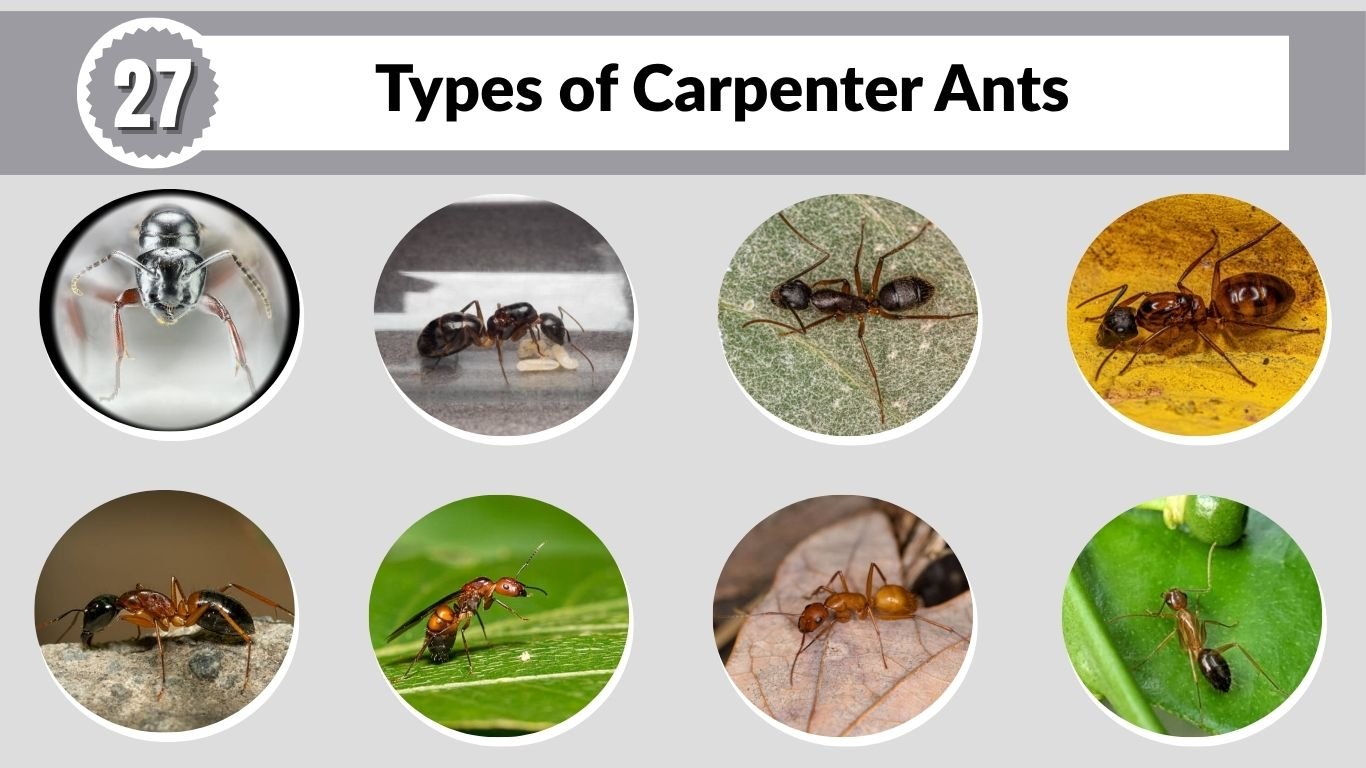
Carpenter ants are one of the most common and diverse ant groups, known for their ability to tunnel through wood to create nests. Found worldwide, these ants vary in size, color, and behavior depending on the species. This guide covers 27 different types of carpenter ants, helping you identify them through their unique characteristics, habitats, and lifestyle patterns.
1. Camponotus pennsylvanicus (Black Carpenter Ant)
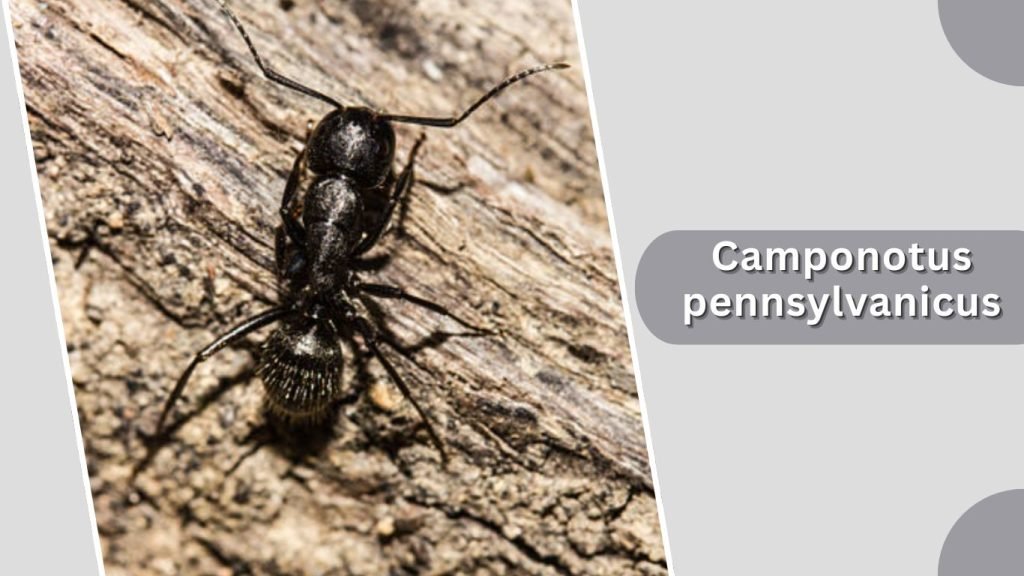
A large and commonly known carpenter ant species found in forests, urban areas, and wooden structures. It is recognized for its ability to tunnel through wood, not for eating it, but to create nesting galleries.
Characteristics
- Large size, typically 6–13 mm in length
- Uniform black or dark brown coloration
- Smooth, rounded thorax with a single node (petiole)
- Strong mandibles used for excavating wood
- Workers vary in size within the same colony
Habitat and Distribution
This species is widely distributed across North America. It prefers moist or decaying wood but can also infest dry wood in homes. Common nesting sites include tree stumps, logs, wooden beams, and wall voids in buildings.
Behavior and Diet
Black carpenter ants are mostly nocturnal and forage at night. They feed on sugary substances like honeydew from aphids, as well as insects and organic materials. While they do not eat wood, they excavate it to build smooth tunnels for their colonies.
Life Cycle
The life cycle begins with a queen establishing a colony after mating. Eggs hatch into larvae, which develop into workers, soldiers, or reproductive ants. Colonies grow slowly at first but can expand significantly over time, sometimes forming satellite nests.
2. Camponotus modoc (Modoc Carpenter Ant)
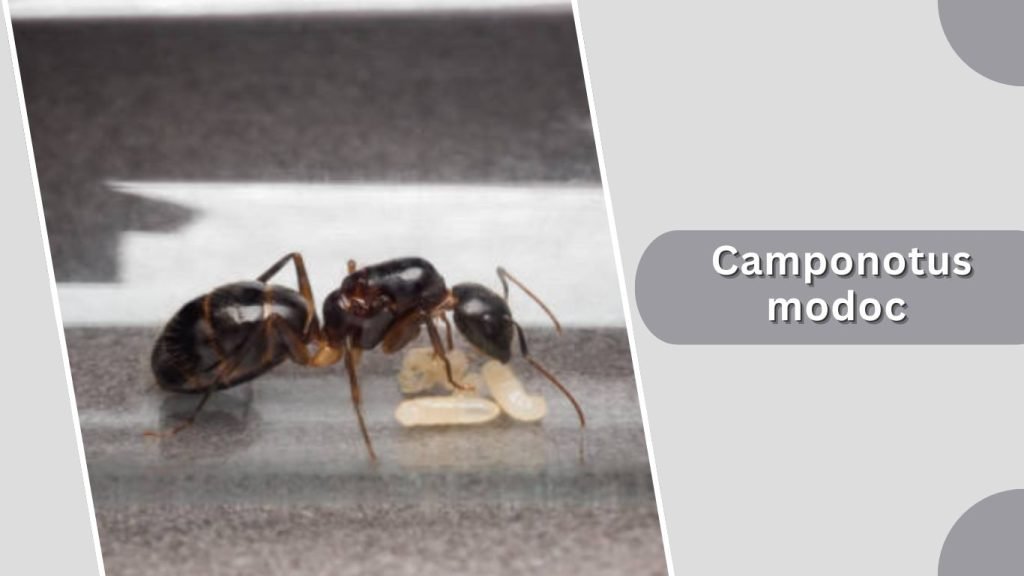
A large and adaptable carpenter ant species commonly found in forested regions. It is known for nesting in wood and forming extensive colonies, both in natural environments and occasionally in human structures.
Characteristics
- Large ant, typically 5–12 mm in length depending on caste
- Color ranges from black to dark reddish-brown
- Smooth, evenly rounded thorax profile
- Strong mandibles for tunneling through wood
- Workers show size variation within the colony
Habitat and Distribution
The Modoc Carpenter Ant is widely distributed across western North America, especially in forested and mountainous regions. It prefers moist, decaying wood such as logs, tree stumps, and fallen branches. However, it can also invade buildings, particularly where wood has been weakened by moisture. Nests are often established in shaded, damp environments, but satellite nests may appear in drier indoor locations. This adaptability allows the species to thrive in both natural and urban settings.
Behavior and Diet
This species is primarily nocturnal and becomes most active after sunset. Workers leave the nest to forage for food, often traveling long distances. Their diet mainly consists of sugary substances like plant nectar and honeydew produced by aphids, along with proteins from dead or living insects. They do not consume wood but excavate it to create smooth galleries for nesting. Communication within the colony is maintained through chemical trails, helping workers locate food and return efficiently.
Life Cycle
The colony begins with a single queen after a nuptial flight. She lays eggs that develop into larvae and eventually pupate into adult ants. The first generation of workers takes over foraging and nest expansion duties. As the colony grows, it may produce reproductive males and females for future mating flights. Mature colonies can form satellite nests connected to the main nest, increasing their survival and expansion potential.
3. Camponotus vicinus (Western Carpenter Ant)
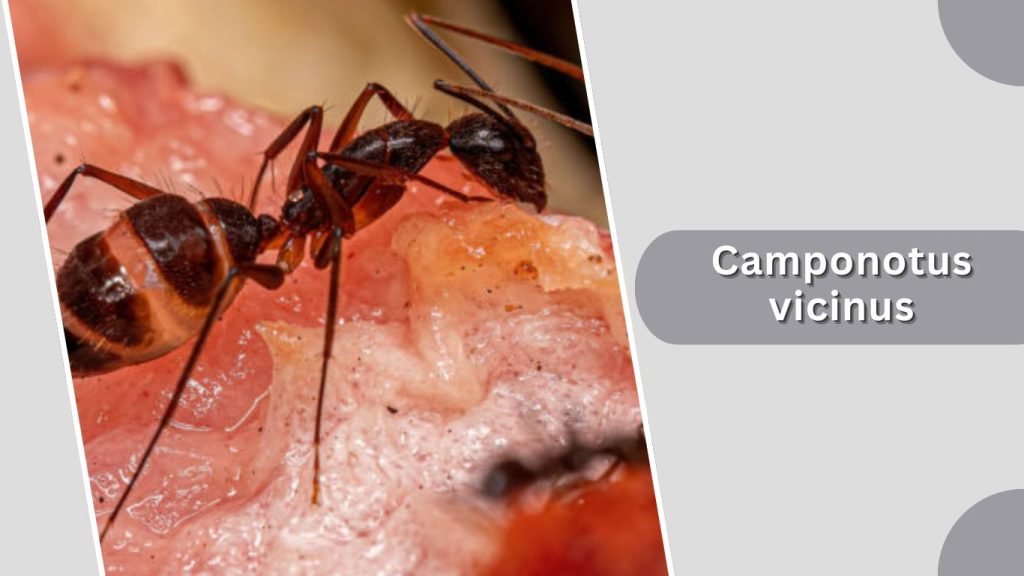
A well-known carpenter ant species recognized for its striking coloration and widespread presence in western regions. It is often found in both natural habitats and residential areas, where it may become a structural pest.
Characteristics
- Medium to large size, usually 6–13 mm in length
- Distinct coloration with black head and abdomen, and reddish thorax
- Smooth, shiny body with a rounded thorax
- Strong mandibles adapted for wood excavation
- Noticeable size variation among worker ants
Habitat and Distribution
The Western Carpenter Ant is common throughout western North America. It prefers dry or moderately moist wood, often nesting in dead trees, logs, fence posts, and wooden structures. In urban environments, it may establish colonies inside wall voids, attics, or wooden frameworks. It is particularly attracted to areas where wood has been softened by moisture or decay, making excavation easier.
Behavior and Diet
This species is mostly active at night, when workers leave the nest in search of food. They are attracted to sweet substances such as nectar, honeydew, and household sugars, as well as protein sources like insects. Unlike termites, they do not eat wood but remove it to create tunnels. They are known for their organized foraging trails and ability to travel significant distances to locate food sources.
Life Cycle
The life cycle starts when a fertilized queen establishes a new colony. She lays eggs that develop into larvae, pupae, and eventually adult workers. As the colony matures, it produces reproductive individuals that participate in seasonal mating flights. Over time, large colonies may split into multiple nesting sites, increasing their spread and resilience.
4. Camponotus herculeanus (Hercules Carpenter Ant)
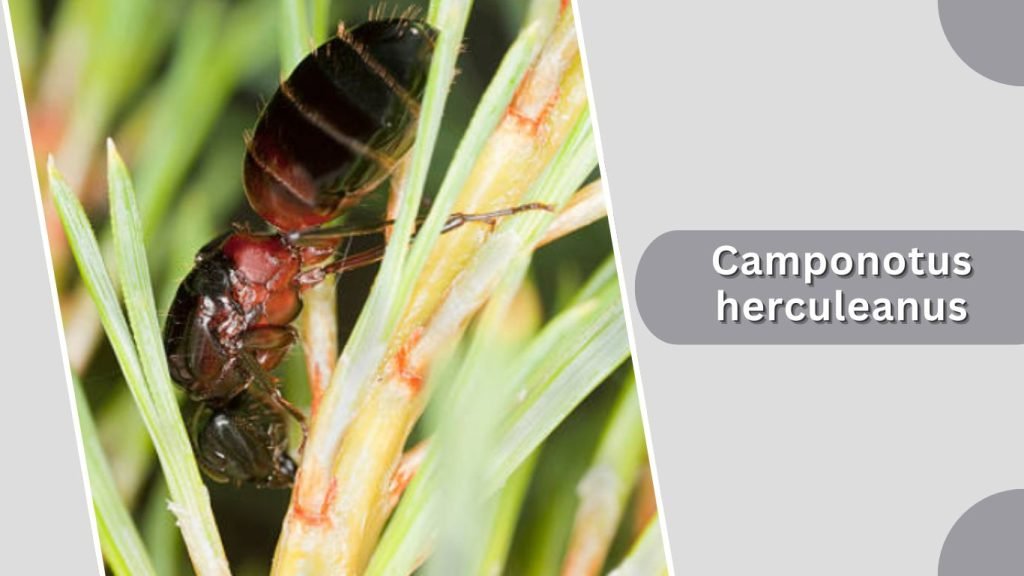
One of the largest carpenter ant species, often found in cooler forest regions. It is known for nesting in wood and forming large colonies, typically in natural environments but sometimes near human structures.
Characteristics
- Large size, usually 6–15 mm in length
- Black body with reddish tones on legs or thorax
- Robust and sturdy build
- Smooth, rounded thorax profile
- Strong mandibles for excavating wood
Habitat and Distribution
The Hercules Carpenter Ant is commonly found in northern regions of North America, Europe, and Asia. It prefers coniferous forests, nesting in dead trees, logs, and stumps. This species thrives in cool, moist environments and is less commonly found indoors compared to other carpenter ants, though it may occasionally enter wooden structures near forested areas.
Behavior and Diet
This ant is primarily nocturnal, with workers becoming active after dark. It feeds on sugary substances like nectar and honeydew, along with insects for protein. It excavates wood to create galleries but does not consume it. Foraging trails are often well-organized and may extend far from the nest.
Life Cycle
Colonies begin with a single queen that lays eggs after mating. The larvae develop into workers, which take over colony duties. As the colony grows, reproductive ants are produced for mating flights. Mature colonies can become quite large and long-lasting.
5. Camponotus chromaiodes (Red Carpenter Ant)
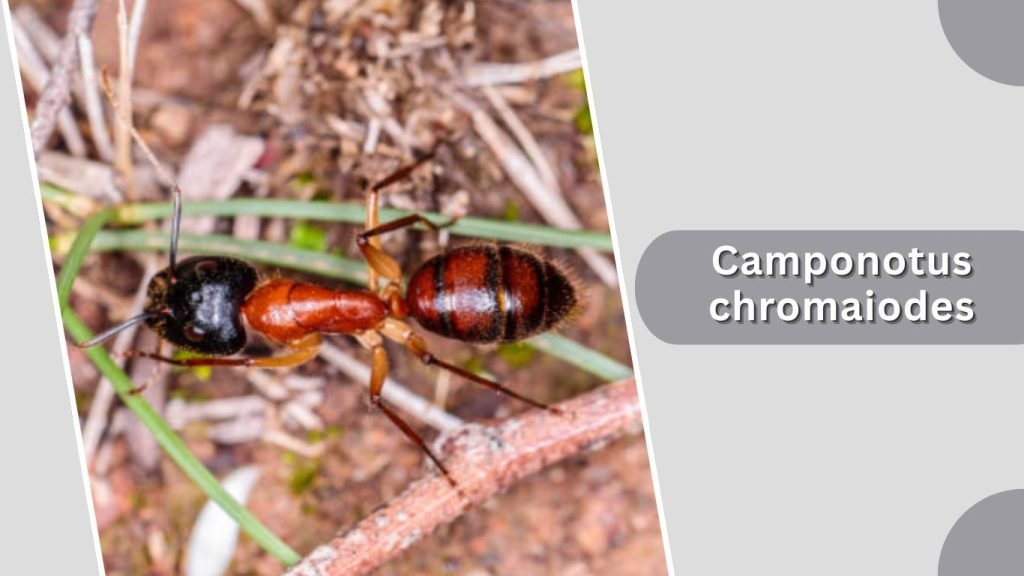
A striking carpenter ant species known for its bright coloration and active behavior. It is commonly found in forested areas and sometimes in residential settings where suitable nesting sites are available.
Characteristics
- Medium to large size, around 6–13 mm long
- Black head and abdomen with a reddish thorax
- Smooth and shiny body surface
- Rounded thorax with no spines
- Strong mandibles for tunneling
Habitat and Distribution
The Red Carpenter Ant is widely distributed across eastern North America. It prefers forests, wooded areas, and places with abundant dead wood. Nests are commonly found in logs, stumps, and tree trunks. It may also infest wooden parts of buildings, especially where moisture has weakened the wood.
Behavior and Diet
This species is mostly active at night and is an efficient forager. It feeds on sugary substances such as nectar and honeydew, as well as insects and other organic materials. Like other carpenter ants, it does not eat wood but excavates it to create nesting galleries.
Life Cycle
The colony starts with a fertilized queen that lays eggs. These develop into larvae, then pupae, and finally adult ants. Workers expand the nest and gather food. Over time, the colony produces reproductive ants that leave during mating flights to start new colonies.
6. Camponotus castaneus (Chestnut Carpenter Ant)
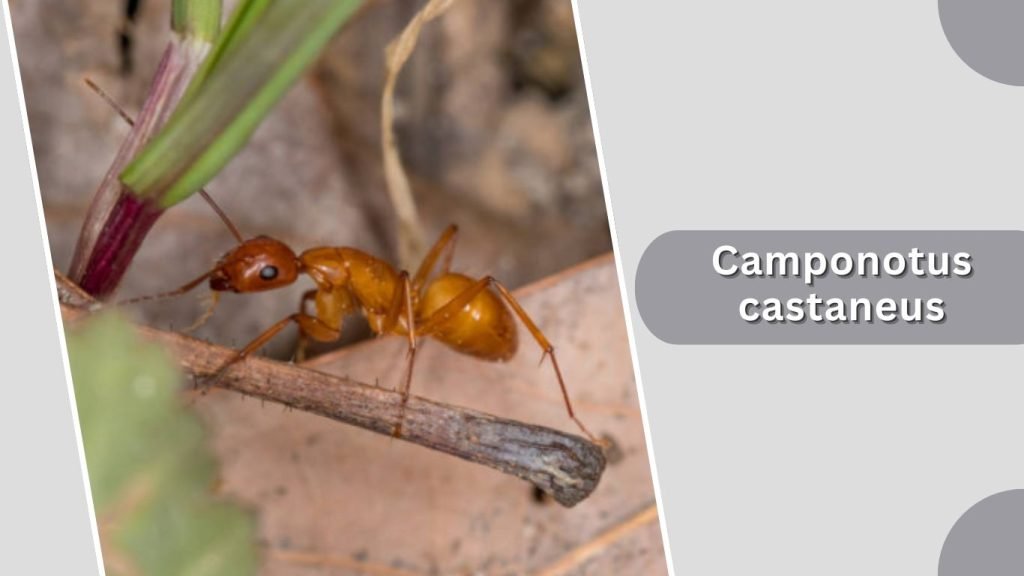
A visually distinctive carpenter ant species known for its reddish-brown coloration. It is commonly found in forested habitats and plays an important role in breaking down decaying wood, although it can occasionally nest near human structures.
Characteristics
- Medium to large size, typically 6–12 mm long
- Uniform reddish-brown or chestnut coloration
- Smooth, slightly glossy body surface
- Evenly rounded thorax without spines
- Strong mandibles for wood excavation
Habitat and Distribution
The Chestnut Carpenter Ant is widely distributed across eastern North America. It prefers dry, open woodlands and forest edges, where it nests in dead trees, logs, and stumps. Unlike some other carpenter ants, it often selects drier wood rather than heavily decayed material. It may also be found in wooden structures, especially in rural or wooded areas.
Behavior and Diet
This species is mainly nocturnal and becomes active after sunset. Workers forage for sugary substances such as nectar and honeydew, as well as protein sources like insects. It excavates wood to create galleries but does not consume it. Foraging trails are often long and well-defined, allowing efficient movement between food sources and the nest.
Life Cycle
A single queen establishes the colony after mating. She lays eggs that develop into larvae, pupae, and then adult workers. As the colony matures, it produces reproductive ants for seasonal mating flights. Established colonies can grow steadily and may form multiple nesting sites over time.
7. Camponotus ligniperda (European Carpenter Ant)
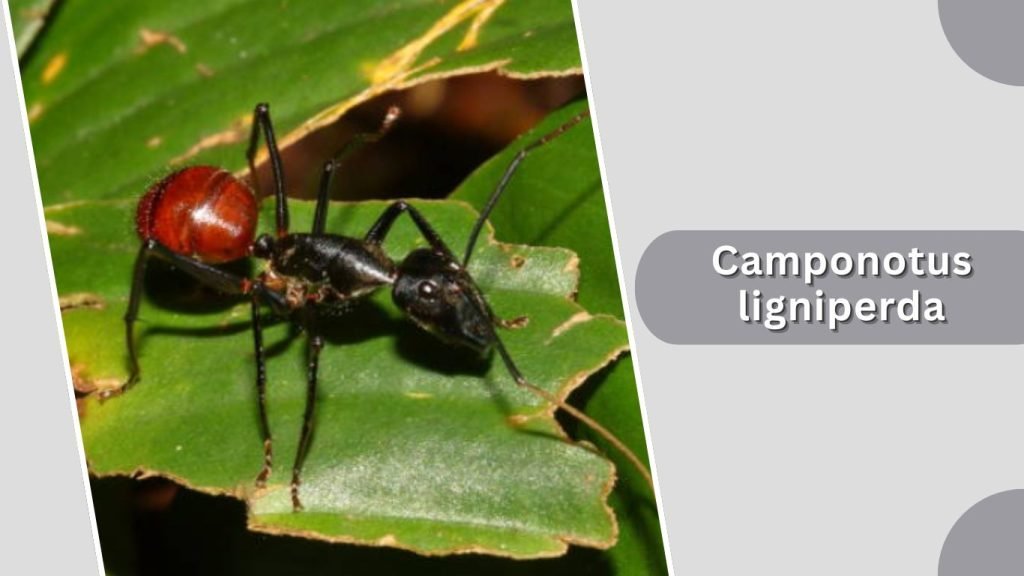
A large and well-known carpenter ant species found in Europe, recognized for its size and ability to nest in wood. It is commonly associated with forest habitats but may also occur near human settlements.
Characteristics
- Large ant, often 6–14 mm in length
- Black body with reddish thorax
- Strong, robust build
- Smooth, rounded thorax profile
- Powerful mandibles for tunneling
Habitat and Distribution
The European Carpenter Ant is widely distributed across Europe and parts of Asia. It prefers forested environments, especially coniferous and mixed forests. Nests are typically located in dead wood, tree trunks, and stumps. It may occasionally invade buildings, particularly in areas close to forests where suitable nesting materials are available.
Behavior and Diet
This species is primarily nocturnal and forages at night. It feeds on sugary substances such as plant nectar and honeydew, as well as insects for protein. Like other carpenter ants, it excavates wood to form smooth galleries but does not eat it. Workers are known for their organized foraging behavior.
Life Cycle
The life cycle begins when a fertilized queen establishes a new colony. Eggs develop into larvae, then pupae, and finally adult workers. As the colony grows, it produces reproductive individuals that participate in mating flights. Mature colonies can become large and persist for many years.
8. Camponotus vagus (Black Forest Carpenter Ant)
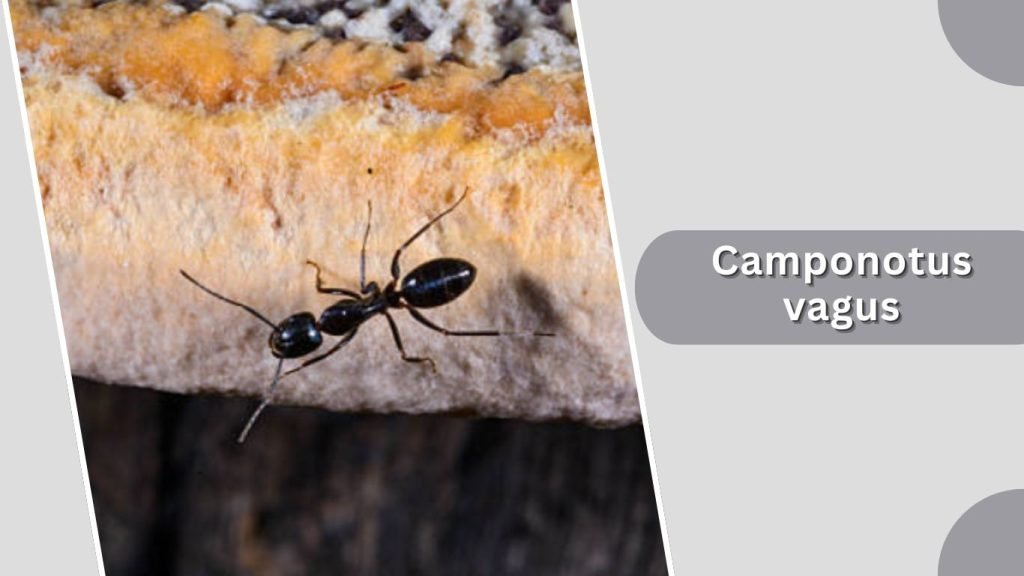
A large and fast-moving carpenter ant species commonly found in forested environments. It is known for its dark coloration and strong nesting behavior in wood, often forming well-established colonies in natural habitats.
Characteristics
- Large size, typically 6–12 mm in length
- Uniform black or very dark brown coloration
- Slender but strong body structure
- Smooth, rounded thorax profile
- Powerful mandibles for wood excavation
Habitat and Distribution
The Black Forest Carpenter Ant is widely distributed across Europe and parts of Asia. It prefers dry, open forests, woodland edges, and areas with plenty of dead wood. Nests are commonly found in logs, stumps, and tree trunks. It may occasionally be found near human settlements, especially in rural or wooded regions.
Behavior and Diet
This species is mostly active during the day, unlike many other carpenter ants. It feeds on sugary substances such as nectar and honeydew, along with insects for protein. It excavates wood to create nesting galleries but does not consume it. Workers are known for their quick movement and efficient foraging patterns.
Life Cycle
A fertilized queen establishes a colony after a mating flight. Eggs develop into larvae, then pupae, and finally adult workers. As the colony matures, it produces reproductive ants for future mating flights. Colonies can grow large and remain active for many years.
9. Camponotus compressus (Black Carpenter Ant of Asia)
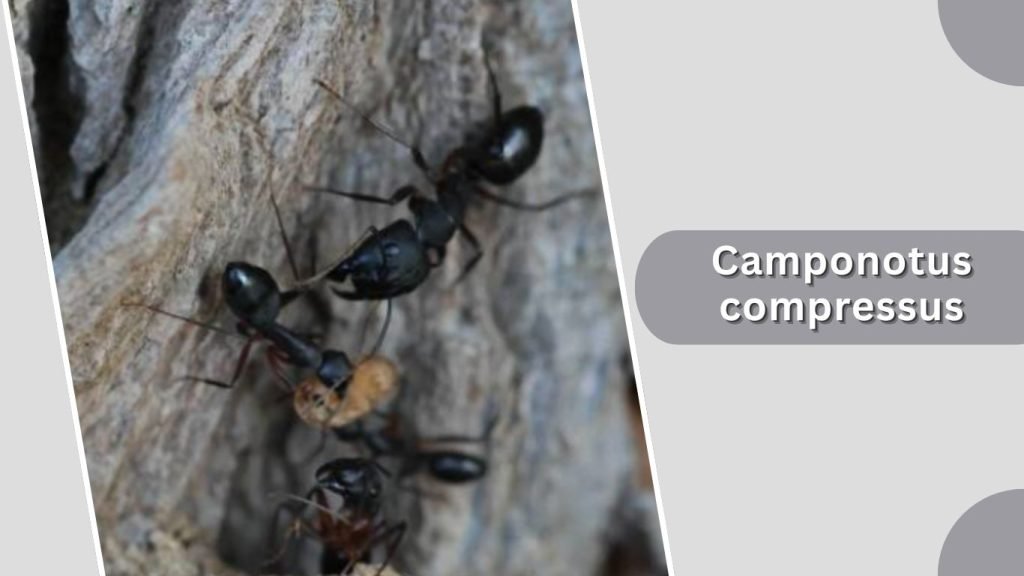
A common carpenter ant species in tropical and subtropical regions, known for its adaptability and presence in both natural and urban environments. It is frequently encountered in gardens, forests, and buildings.
Characteristics
- Medium to large size, around 6–13 mm long
- Shiny black body with a slightly elongated shape
- Smooth exoskeleton with a rounded thorax
- Long legs adapted for active movement
- Strong mandibles used for nesting
Habitat and Distribution
Camponotus compressus is widely distributed across South and Southeast Asia. It thrives in a variety of environments, including forests, agricultural areas, gardens, and urban settings. Nests are often found in soil, tree trunks, wooden structures, and wall crevices, showing high adaptability to different conditions.
Behavior and Diet
This species is active both during the day and night, depending on environmental conditions. It feeds on sugary substances like nectar and honeydew, as well as small insects. It is commonly seen foraging in homes in search of food. Like other carpenter ants, it excavates wood or soil to create nesting spaces.
Life Cycle
The colony begins with a queen that lays eggs after mating. These develop into larvae, pupae, and then adult workers. As the colony expands, it produces reproductive ants that participate in mating flights. Large colonies may establish multiple nesting sites to increase survival and spread.
10. Camponotus consobrinus (Banded Sugar Ant)
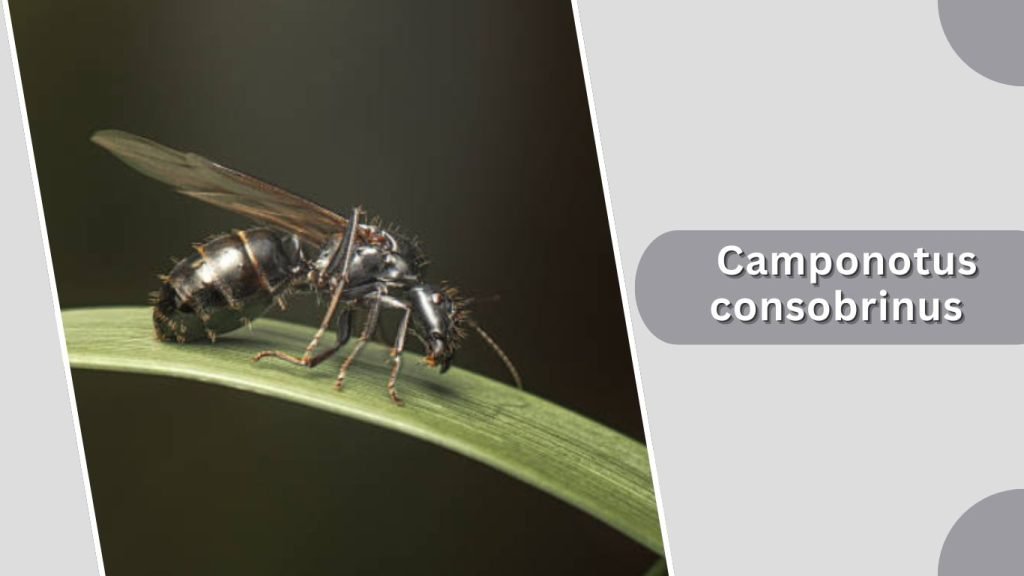
A well-known carpenter ant species recognized for its distinctive banded appearance. It is commonly found in open woodlands and urban areas, where it often interacts with human environments while foraging for food.
Characteristics
- Medium to large size, typically 6–12 mm long
- Orange-brown body with a darker band across the abdomen
- Smooth and slightly glossy surface
- Long legs suited for active movement
- Strong mandibles for excavating nesting sites
Habitat and Distribution
The Banded Sugar Ant is widely distributed across Australia. It prefers open forests, grasslands, and urban gardens. Nests are usually built in soil, under rocks, or within wood, including logs and sometimes structural timber. It adapts well to human environments and is frequently seen around homes.
Behavior and Diet
This species is mainly active during the day and is often seen foraging in large numbers. It feeds on sugary substances such as nectar and honeydew, as well as insects for protein. It is commonly attracted to household food sources, especially sweets, making it a frequent visitor indoors.
Life Cycle
A single queen establishes the colony after mating. Eggs develop into larvae, pupae, and then adult workers. As the colony grows, it produces reproductive ants for mating flights. Colonies can become quite large and may persist for several years.
11. Camponotus sericeus (Golden-tailed Carpenter Ant)
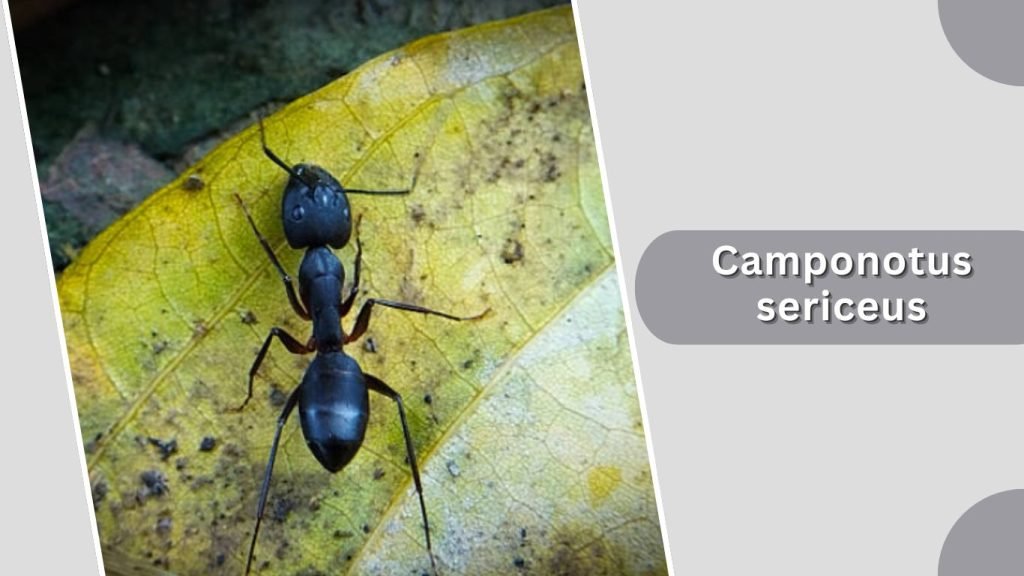
A striking carpenter ant species known for its silky, golden sheen on the abdomen. It is commonly found in tropical regions and is valued for its unique appearance and active foraging behavior.
Characteristics
- Medium-sized ant, usually 5–10 mm long
- Black body with a golden, silky sheen on the abdomen
- Slender and smooth body structure
- Long legs adapted for quick movement
- Mandibles strong enough for wood and soil excavation
Habitat and Distribution
The Golden-tailed Carpenter Ant is widely distributed across South and Southeast Asia. It prefers warm environments such as forests, gardens, and agricultural areas. Nests are often found in soil, under stones, or in decaying wood. It is well adapted to both natural and human-modified habitats.
Behavior and Diet
This species is mostly active during the day and is an efficient forager. It feeds on nectar, honeydew, and small insects. It is often seen tending aphids for honeydew. While it may nest in wood, it also commonly builds nests in soil, showing flexible nesting behavior.
Life Cycle
The colony begins with a fertilized queen that lays eggs. These develop into larvae, pupae, and eventually adult workers. As the colony matures, reproductive ants are produced for mating flights. Colonies can grow steadily and expand into multiple nesting areas over time.
12. Camponotus irritans (Irritant Carpenter Ant)
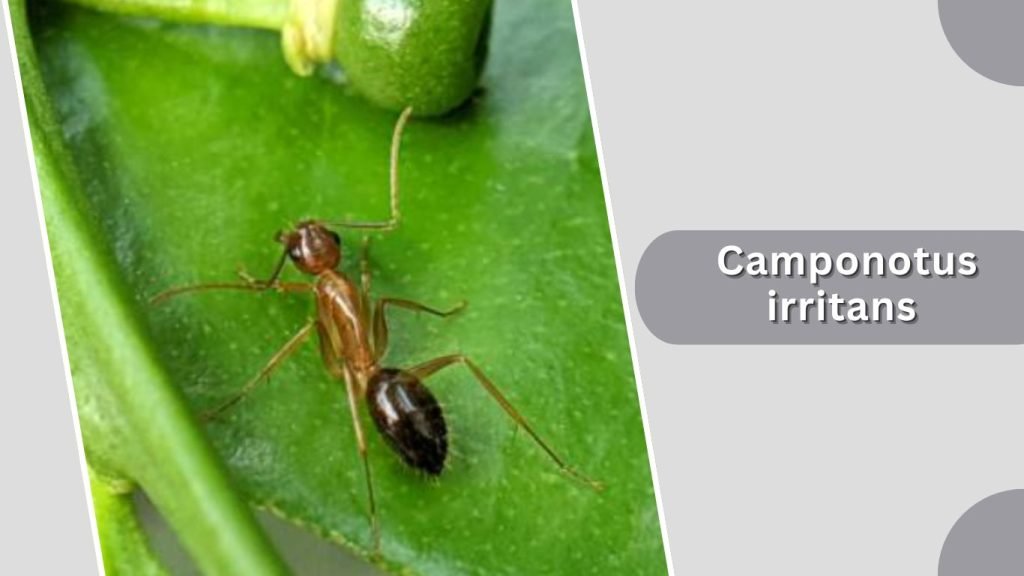
A tropical carpenter ant species known for its active behavior and adaptability. It is commonly found in forested and semi-urban environments, where it nests in wood or soil and plays a role in natural decomposition processes.
Characteristics
- Medium size, typically 5–10 mm in length
- Dark brown to black coloration
- Smooth, slightly glossy body
- Slender build with long legs
- Strong mandibles for excavation
Habitat and Distribution
Camponotus irritans is widely distributed across Southeast Asia and nearby tropical regions. It prefers warm, humid environments such as forests, plantations, and gardens. Nests are commonly found in decaying wood, tree trunks, or even soil, showing flexibility in habitat selection. It is also sometimes seen near human dwellings.
Behavior and Diet
This species is generally active during the day and night. It feeds on sugary substances like nectar and honeydew, as well as small insects for protein. It is known for its aggressive behavior when disturbed. Workers actively forage and may enter homes in search of food.
Life Cycle
A queen starts the colony after mating and lays eggs that develop into larvae and pupae. Workers emerge and take over colony tasks such as foraging and nest expansion. Mature colonies produce reproductive ants that participate in mating flights to form new colonies.
13. Camponotus maculatus (Spotted Carpenter Ant)
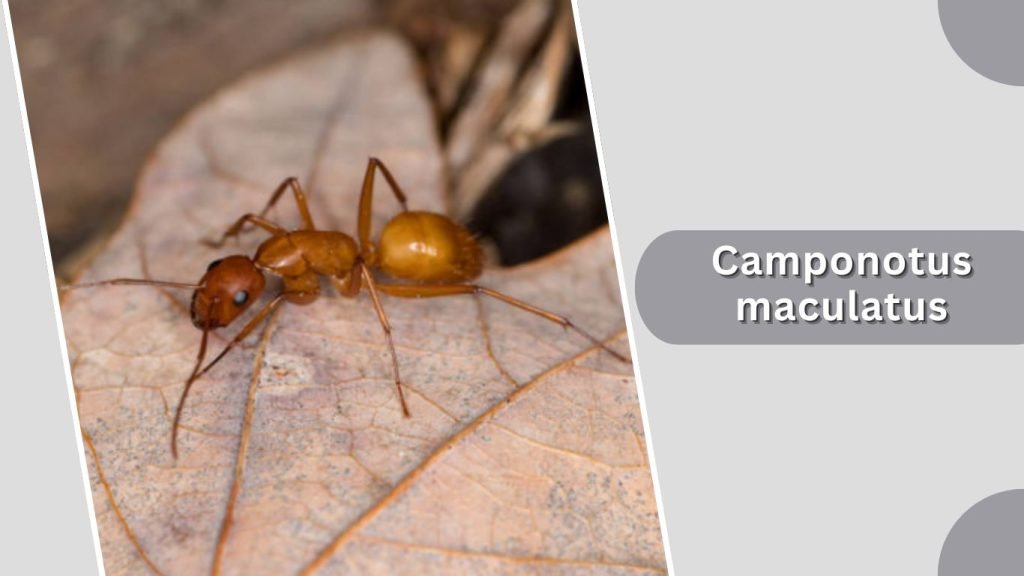
A distinctive carpenter ant species recognized for its spotted or patterned appearance. It is commonly found in warm regions and is known for its adaptability to different nesting environments.
Characteristics
- Medium to large size, around 6–12 mm long
- Brown or black body with lighter markings or spots
- Smooth body with a slightly shiny texture
- Well-developed mandibles for nesting
- Workers vary in size within the colony
Habitat and Distribution
The Spotted Carpenter Ant is widely distributed across Africa and parts of Asia. It prefers warm climates and is commonly found in forests, savannas, and agricultural areas. Nests may be built in wood, soil, or under stones, depending on environmental conditions.
Behavior and Diet
This species is an active forager and may be seen during both day and night. It feeds on nectar, honeydew, and small insects. It often tends sap-sucking insects to collect honeydew. While it may nest in wood, it also uses soil and other materials for nesting.
Life Cycle
The life cycle begins when a fertilized queen establishes a new colony. Eggs develop into larvae, pupae, and then adult ants. As the colony grows, it produces reproductive individuals that leave during mating flights. Colonies can expand and establish multiple nesting sites over time.
14. Camponotus japonicus (Japanese Carpenter Ant)
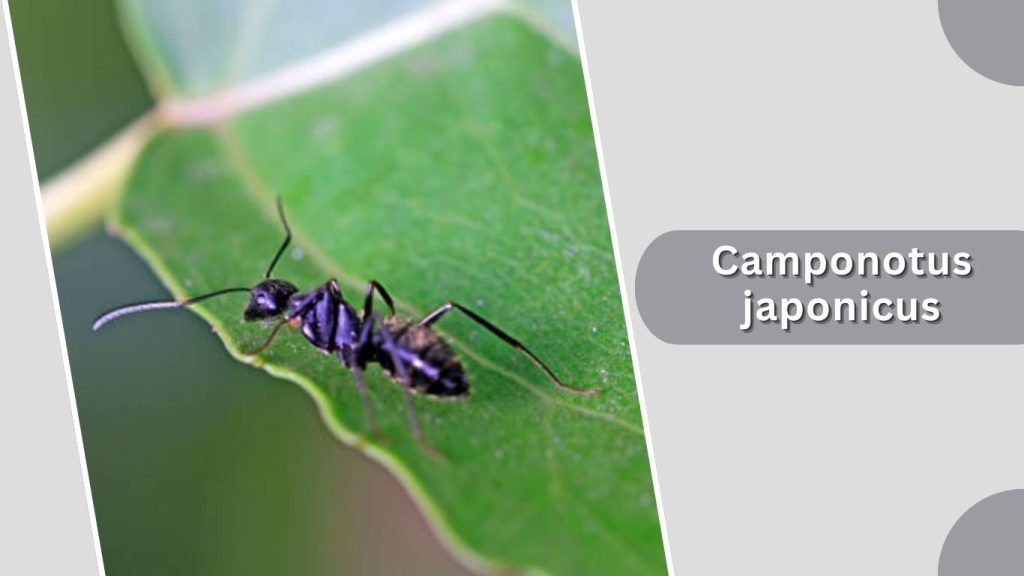
A large and well-known carpenter ant species native to East Asia. It is commonly found in forests and urban areas, where it nests in wood and sometimes in soil, showing strong adaptability to different environments.
Characteristics
- Large size, typically 7–14 mm in length
- Black head and abdomen with reddish-brown thorax
- Smooth and shiny body surface
- Robust build with strong mandibles
- Workers vary in size within the colony
Habitat and Distribution
Camponotus japonicus is widely distributed in East Asia, including Japan, China, and Korea. It prefers forests, grasslands, and urban areas. Nests are often found in dead wood, tree trunks, and sometimes in soil or wall crevices. It adapts well to both natural and human environments.
Behavior and Diet
This species is mainly active during the day but may also forage at night. It feeds on sugary substances such as nectar and honeydew, along with small insects for protein. It is known to form clear foraging trails and can travel long distances in search of food.
Life Cycle
The colony begins with a fertilized queen that lays eggs. These develop into larvae, pupae, and then adult workers. As the colony matures, it produces reproductive ants that participate in mating flights. Colonies can grow large and persist for many years.
15. Camponotus gigas (Giant Forest Carpenter Ant)
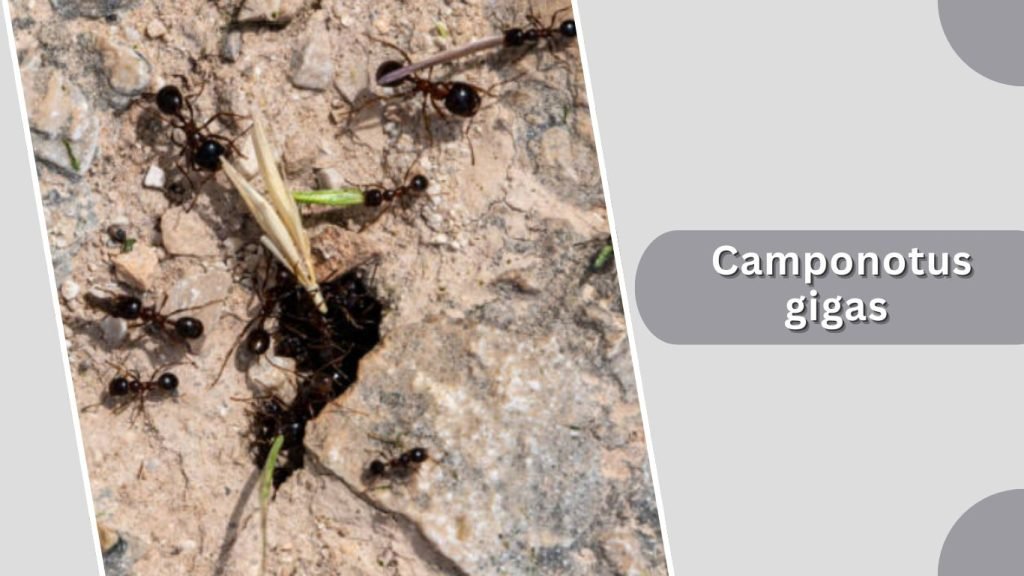
One of the largest ant species in the world, known for its impressive size and strong presence in tropical forests. It is a dominant species in its habitat and plays an important ecological role.
Characteristics
- Very large size, often 10–20 mm in length
- Dark brown to black coloration
- Strong, bulky body structure
- Large mandibles suited for defense and excavation
- Workers show significant size variation
Habitat and Distribution
Camponotus gigas is found in Southeast Asia, particularly in tropical rainforests. It prefers dense forest environments and nests in soil, under logs, or in decaying wood. This species is less commonly found in urban areas compared to other carpenter ants.
Behavior and Diet
This ant is primarily nocturnal and becomes highly active at night. It feeds on nectar, honeydew, and various insects. It is known for its aggressive defense behavior and strong colony organization. Workers are efficient foragers and can cover large areas.
Life Cycle
A colony starts with a queen after a mating flight. Eggs develop into larvae, then pupae, and finally adult workers. As the colony grows, it produces reproductive ants for future mating flights. Colonies can become very large and well-established over time.
16. Camponotus singularis (Shiny Black Carpenter Ant)
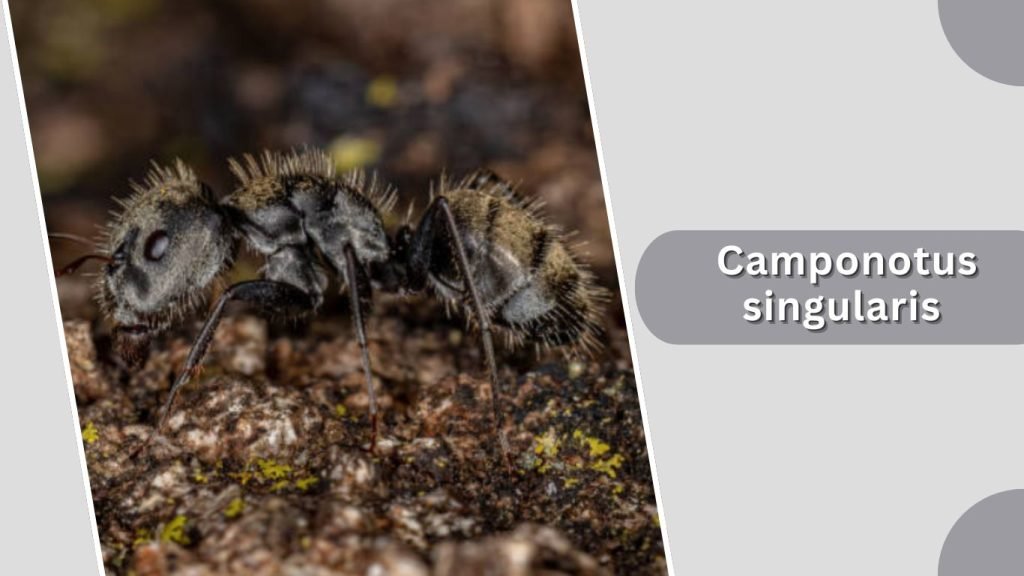
A striking carpenter ant species known for its glossy black appearance and relatively large size. It is commonly found in tropical regions, where it nests in wood and sometimes soil, contributing to natural decomposition and nutrient cycling in forest ecosystems.
Characteristics
- Medium to large size, typically 8–15 mm in length
- Uniform shiny black coloration across the body
- Smooth, polished exoskeleton giving a reflective appearance
- Strong, well-developed mandibles for excavation
- Noticeable size variation among workers within the same colony
Habitat and Distribution
Camponotus singularis is primarily distributed across Southeast Asia, including regions of Indonesia, Malaysia, and surrounding tropical areas. It thrives in warm, humid environments such as rainforests, plantations, and gardens. This species commonly nests in decaying wood, fallen logs, and tree trunks, but it may also establish colonies in soil or under debris. Its adaptability allows it to survive in both dense forests and semi-urban landscapes, although it is more frequently associated with natural habitats.
Behavior and Diet
This species is mainly nocturnal, becoming active during the night when temperatures are cooler. Workers forage for food over considerable distances, following chemical trails laid by other colony members. Their diet consists primarily of sugary substances such as nectar and honeydew, along with protein sources like insects and other small invertebrates. Like other carpenter ants, they do not consume wood but excavate it to create smooth nesting galleries. They are generally non-aggressive unless their nest is disturbed.
Life Cycle
The life cycle begins with a fertilized queen establishing a new colony after a mating flight. She lays eggs that develop into larvae, which are then cared for and fed by the queen until they pupate. The first generation of workers takes over responsibilities such as foraging, brood care, and nest expansion. As the colony grows, it produces reproductive males and females that participate in seasonal mating flights. Mature colonies can become quite large and may form additional satellite nests.
17. Camponotus nicobarensis (Nicobar Carpenter Ant)
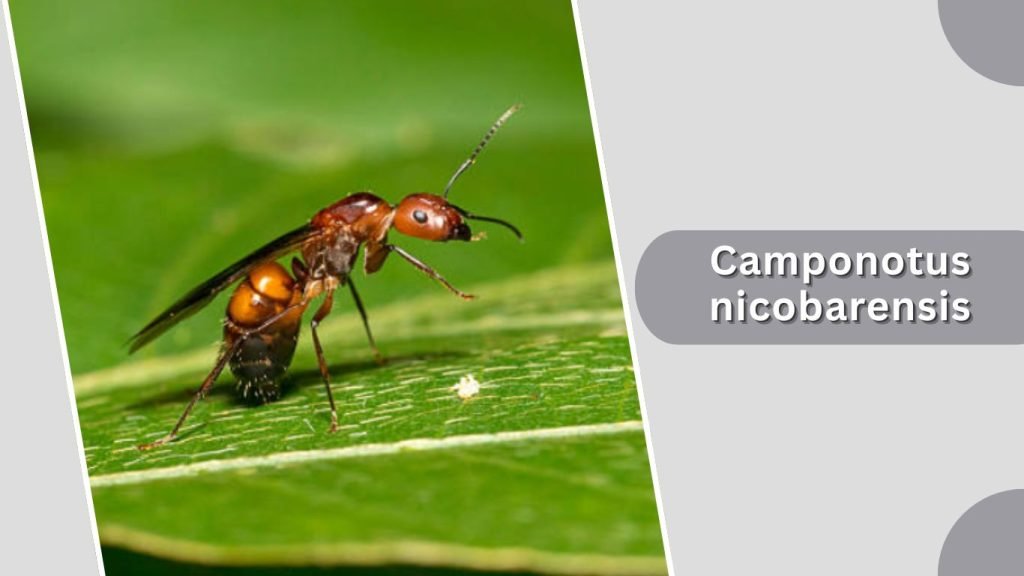
A highly active and fast-growing carpenter ant species widely recognized for its adaptability and popularity in ant-keeping. It is commonly found in tropical environments and is known for its aggressive foraging behavior and rapid colony expansion.
Characteristics
- Medium size, usually 6–10 mm in length
- Dark brown to black body with lighter legs and antennae
- Smooth, slightly glossy exoskeleton
- Slender body with long legs for fast movement
- Strong mandibles suited for nesting and defense
Habitat and Distribution
Camponotus nicobarensis is widely distributed across South and Southeast Asia, including India, Bangladesh, Thailand, and Indonesia. It prefers warm, humid environments such as forests, gardens, and urban areas. Nests are typically found in soil, under rocks, inside rotting wood, or within tree cavities. Its ability to adapt to a wide range of conditions makes it one of the more commonly encountered carpenter ants in tropical regions.
Behavior and Diet
This species is highly active both during the day and at night, making it an aggressive and efficient forager. Workers quickly explore their surroundings and establish strong foraging trails. Their diet includes sugary substances like nectar and honeydew, as well as insects and other protein sources. They are known for tending aphids to collect honeydew. Due to their fast movement and colony coordination, they can dominate food sources when competing with other ants.
Life Cycle
The colony begins with a queen that lays eggs after mating. These eggs develop into larvae, then pupae, and eventually adult workers. Camponotus nicobarensis is known for its relatively fast colony growth compared to other carpenter ants. As the colony matures, it produces reproductive individuals for mating flights. Large colonies may establish multiple nests, increasing their spread and survival in diverse environments.
18. Camponotus aeneopilosus (Golden Hairy Carpenter Ant)
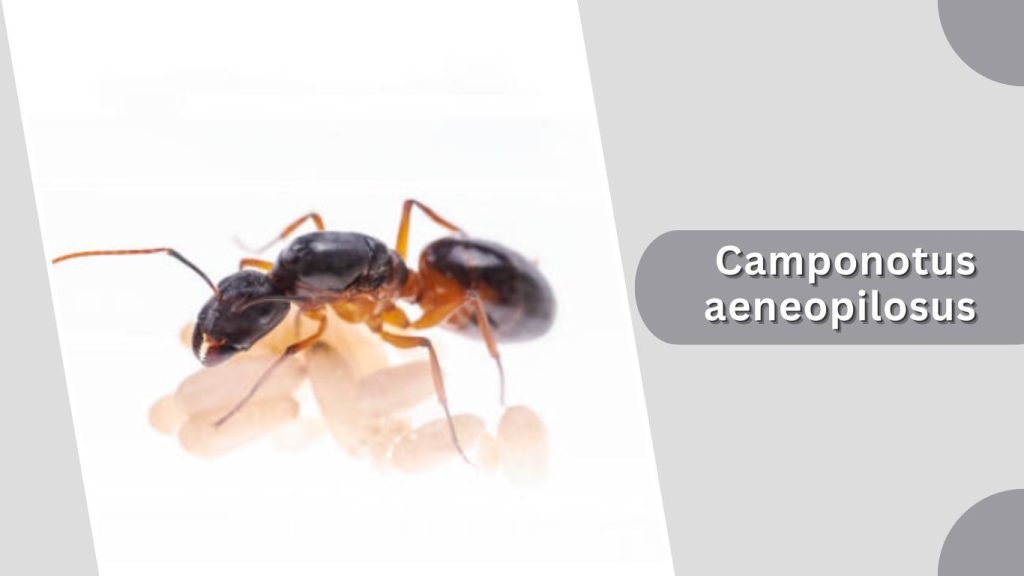
A distinctive carpenter ant species recognized for its dark body covered with fine golden hairs. It is commonly found in open woodlands and dry environments, where it nests in soil or wood and plays a role in ecosystem maintenance.
Characteristics
- Medium size, typically 5–9 mm in length
- Dark brown to black body with golden hairs
- Slightly matte appearance due to hair covering
- Slender build with long legs
- Strong mandibles for nesting and defense
Habitat and Distribution
Camponotus aeneopilosus is widely distributed across Australia. It prefers dry, open habitats such as woodlands, grasslands, and scrub areas. Nests are often found in soil, under rocks, or in decaying wood. This species is well adapted to warmer climates and can thrive in areas with limited moisture.
Behavior and Diet
This species is mostly active during the day and is known for its fast and alert behavior. It feeds on nectar, honeydew, and small insects. Workers are often seen tending aphids for sugary secretions. It is an efficient forager and can travel long distances in search of food.
Life Cycle
The colony begins with a fertilized queen that lays eggs. These develop into larvae, pupae, and then adult workers. As the colony grows, it produces reproductive ants that participate in mating flights. Colonies can expand steadily and may establish multiple nesting sites over time.
19. Camponotus sayi (Sayi Carpenter Ant)
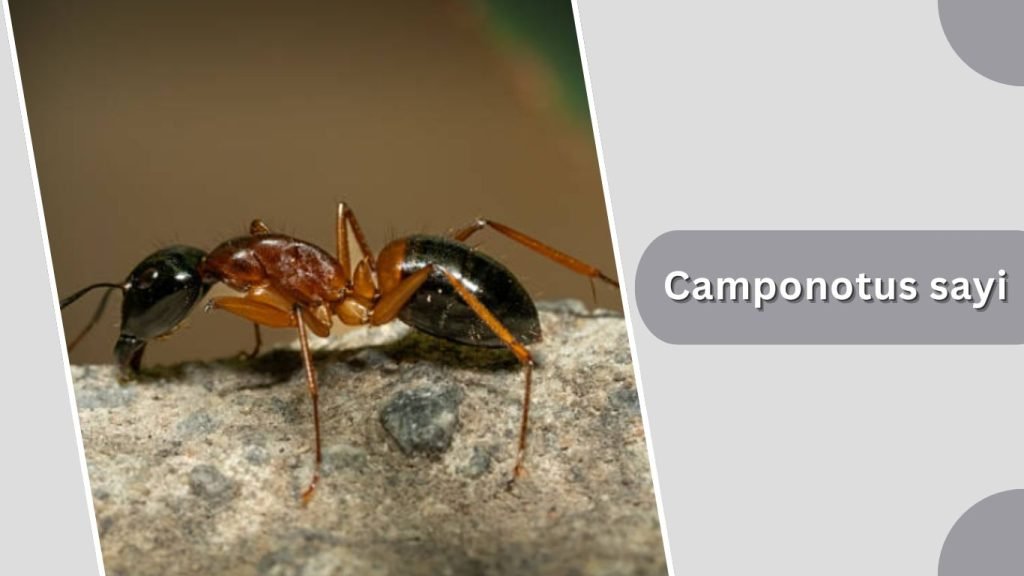
A North American carpenter ant species known for its smaller size and preference for dry wood habitats. It is less commonly encountered than larger species but plays a similar ecological role.
Characteristics
- Small to medium size, around 4–8 mm long
- Brown to dark brown coloration
- Smooth and slightly shiny body
- Compact body structure
- Mandibles adapted for wood excavation
Habitat and Distribution
Camponotus sayi is found across parts of North America, especially in dry, open areas. It prefers nesting in dry wood such as dead branches, fence posts, and wooden structures. It is often associated with warmer and less humid environments compared to other carpenter ants.
Behavior and Diet
This species is primarily nocturnal and forages at night. It feeds on sugary substances like nectar and honeydew, along with small insects. It may occasionally enter homes in search of food. Like other carpenter ants, it excavates wood to create nesting galleries but does not consume it.
Life Cycle
The life cycle starts with a queen establishing a colony after mating. Eggs develop into larvae, then pupae, and finally adult workers. As the colony matures, it produces reproductive ants for mating flights. Colonies remain relatively small compared to other carpenter ant species.
20. Camponotus nearcticus (Nearctic Carpenter Ant)
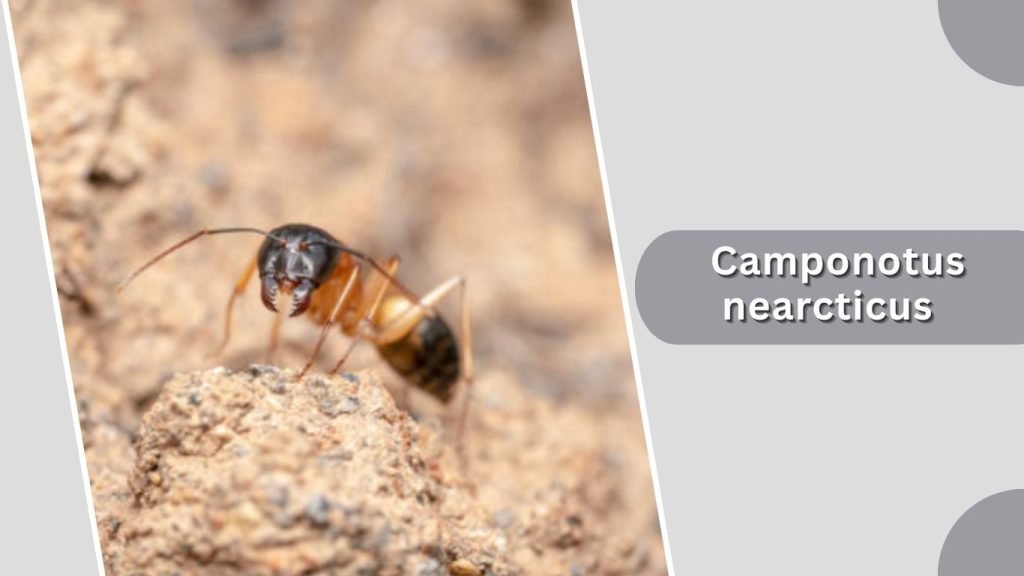
A smaller carpenter ant species commonly found in North America. It is known for its preference for dry wood and is often seen in forest edges and residential areas, where it nests in wooden structures or natural materials.
Characteristics
- Small size, typically 4–7 mm in length
- Dark brown to black coloration
- Smooth and slightly shiny body
- Compact build compared to larger carpenter ants
- Mandibles adapted for wood excavation
Habitat and Distribution
Camponotus nearcticus is widely distributed across North America. It prefers dry, open habitats such as woodlands, forest edges, and suburban areas. Nests are commonly found in dry wood, including dead branches, logs, and wooden structures like fences and buildings. It is well adapted to both natural and human environments.
Behavior and Diet
This species is primarily nocturnal and forages at night. It feeds on sugary substances such as nectar and honeydew, as well as small insects for protein. It may enter homes in search of food, especially sweets. Like other carpenter ants, it does not eat wood but excavates it to form nesting galleries.
Life Cycle
The colony begins with a fertilized queen that lays eggs after mating. These develop into larvae, pupae, and eventually adult workers. As the colony matures, it produces reproductive ants for mating flights. Colonies tend to remain relatively small but can persist for several years.
21. Camponotus discolor (Variegated Carpenter Ant)
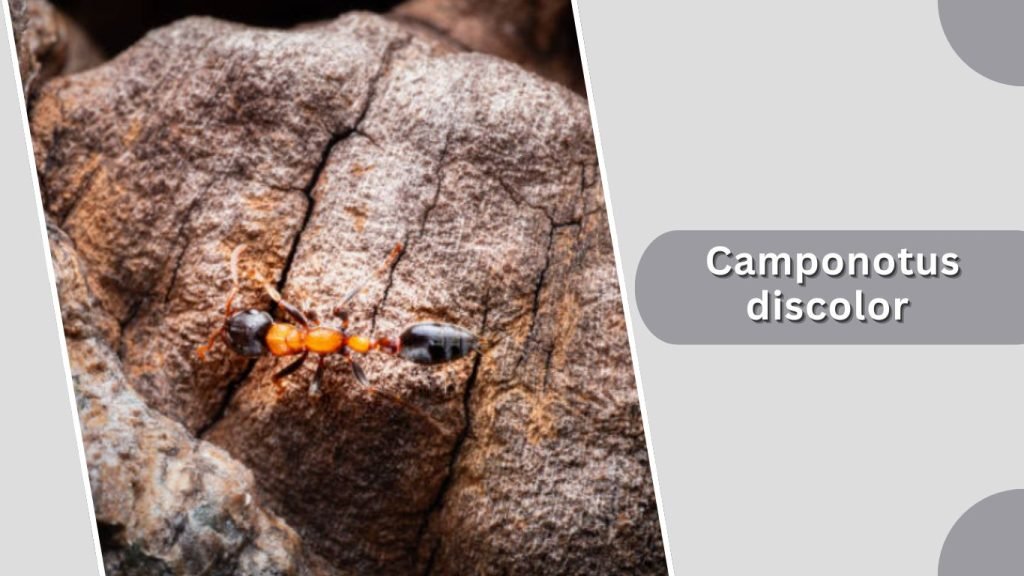
A medium-sized carpenter ant species recognized for its slightly varied coloration. It is commonly found in eastern North America and is known for nesting in wood and occasionally in structural timber.
Characteristics
- Medium size, around 5–10 mm long
- Brown to black coloration with lighter variations
- Smooth, slightly glossy body
- Slender structure with long legs
- Strong mandibles for tunneling
Habitat and Distribution
Camponotus discolor is primarily found in eastern regions of North America. It prefers wooded areas, gardens, and suburban environments. Nests are often located in decaying wood, tree stumps, logs, and sometimes in wooden parts of buildings, especially where moisture is present.
Behavior and Diet
This species is mostly nocturnal and becomes active after dark. It feeds on nectar, honeydew, and small insects. Workers often travel along established trails while foraging. It may occasionally enter homes in search of food, particularly sugary substances.
Life Cycle
The life cycle begins when a queen establishes a colony after mating. Eggs develop into larvae, then pupae, and finally adult workers. As the colony grows, it produces reproductive ants for mating flights. Colonies can expand steadily and may form additional nesting sites over time.
22. Camponotus decipiens (Deceptive Carpenter Ant)
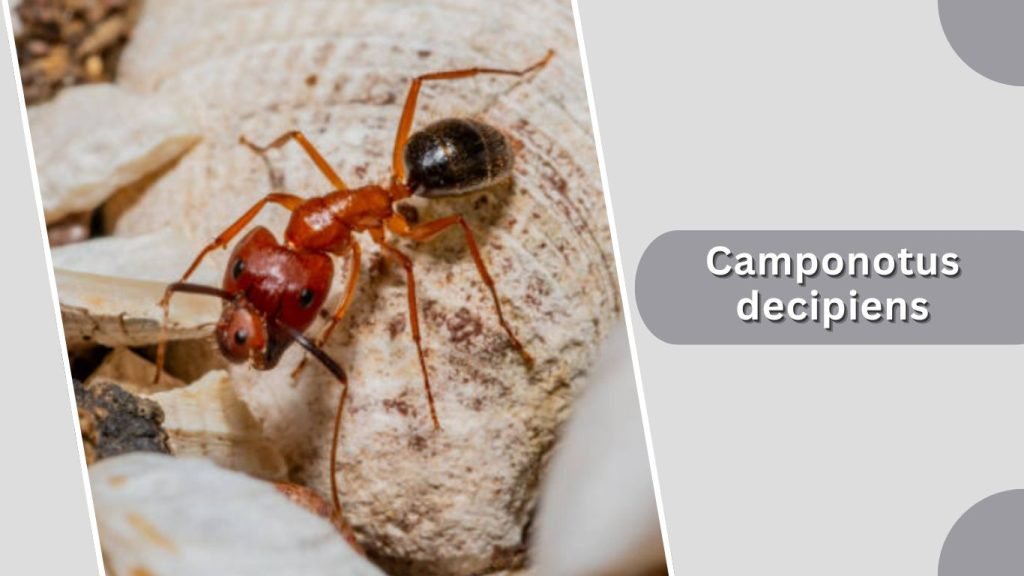
A lesser-known carpenter ant species found in North America, recognized for its adaptability and preference for nesting in wood. It is commonly associated with forested areas but may also appear near human structures.
Characteristics
- Medium size, typically 5–9 mm in length
- Dark brown to black coloration
- Smooth and slightly glossy body
- Slender build with long legs
- Strong mandibles for wood excavation
Habitat and Distribution
Camponotus decipiens is found in parts of North America, particularly in wooded and semi-urban areas. It prefers nesting in decaying wood such as logs, tree stumps, and fallen branches. It may also establish colonies in wooden structures if suitable conditions are available, especially where moisture has weakened the wood.
Behavior and Diet
This species is primarily nocturnal and becomes active at night. It feeds on sugary substances like nectar and honeydew, as well as small insects. Workers are efficient foragers and often follow scent trails to locate food sources. Like other carpenter ants, it excavates wood rather than consuming it.
Life Cycle
The life cycle begins with a fertilized queen establishing a colony. Eggs develop into larvae, then pupae, and eventually adult workers. As the colony matures, it produces reproductive ants that participate in mating flights. Colonies can grow steadily and persist for several years.
23. Camponotus planatus (Flat Carpenter Ant)
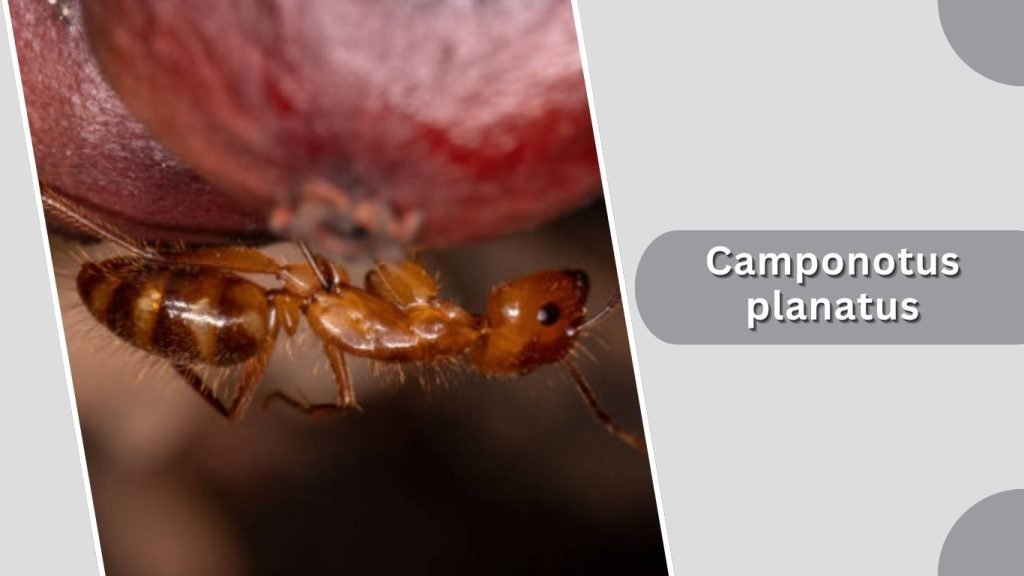
A tropical carpenter ant species known for its relatively flat body shape and adaptability to various environments. It is commonly found in both natural habitats and urban areas.
Characteristics
- Small to medium size, around 4–8 mm long
- Brown to dark brown coloration
- Slightly flattened body structure
- Smooth exoskeleton with a mild shine
- Mandibles suited for excavation
Habitat and Distribution
Camponotus planatus is widely distributed across tropical and subtropical regions, including parts of Central and South America, as well as the Caribbean. It prefers warm environments and nests in wood, under bark, or within structural timber. It is also commonly found in buildings, especially in humid climates.
Behavior and Diet
This species is active both during the day and night. It feeds on nectar, honeydew, and small insects. It is often seen foraging in homes, particularly in search of sugary foods. Workers are active and can quickly establish foraging trails.
Life Cycle
The colony begins with a queen laying eggs after mating. These develop into larvae, pupae, and eventually adult workers. As the colony grows, it produces reproductive ants for mating flights. Colonies can expand rapidly and may form multiple nesting sites.
24. Camponotus atriceps (Neotropical Carpenter Ant)
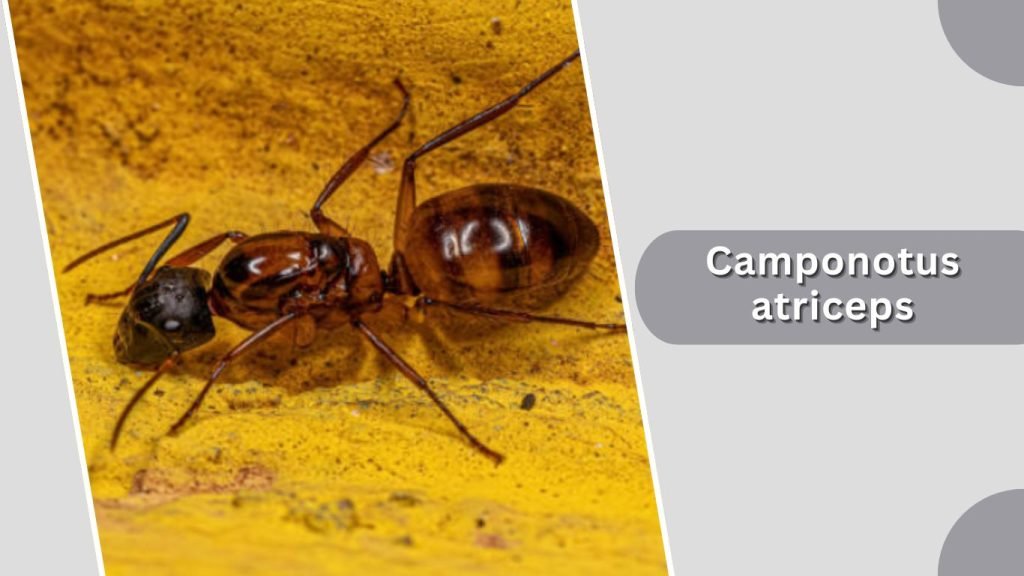
A tropical carpenter ant species known for its adaptability and wide distribution. It is commonly found in forests and urban environments, where it nests in wood and occasionally in soil or structural materials.
Characteristics
- Medium size, typically 5–10 mm in length
- Dark brown to black coloration
- Smooth and slightly glossy body surface
- Slender build with relatively long legs
- Strong mandibles for excavating wood
Habitat and Distribution
Camponotus atriceps is widely distributed across Central and South America. It prefers tropical and subtropical environments such as forests, gardens, and urban areas. Nests are commonly found in decaying wood, tree trunks, and sometimes within buildings, especially in humid conditions.
Behavior and Diet
This species is active both during the day and night. It feeds on sugary substances like nectar and honeydew, along with small insects. It is often seen foraging in large numbers and may enter homes in search of food. Like other carpenter ants, it excavates wood rather than consuming it.
Life Cycle
The colony begins with a fertilized queen that lays eggs. These develop into larvae, pupae, and eventually adult workers. As the colony matures, it produces reproductive ants for mating flights. Colonies can grow steadily and may establish multiple nesting sites.
25. Camponotus rufipes (Red-Legged Carpenter Ant)
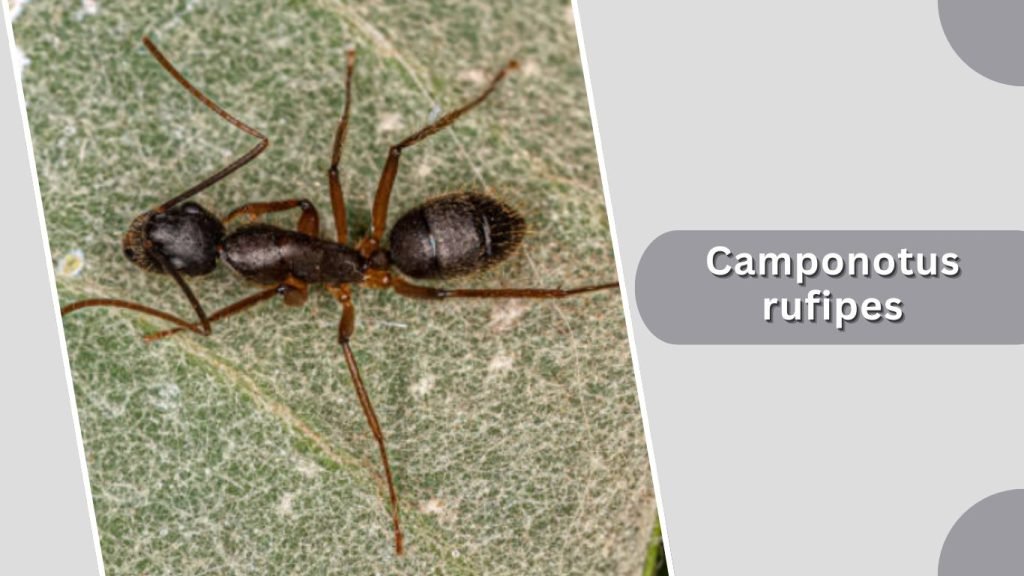
A well-known carpenter ant species recognized for its reddish legs and active behavior. It is commonly found in tropical regions and is often associated with both natural habitats and human environments.
Characteristics
- Medium to large size, around 6–12 mm long
- Dark body with distinctive reddish legs
- Smooth and slightly shiny exoskeleton
- Strong, well-developed mandibles
- Workers vary in size within the colony
Habitat and Distribution
Camponotus rufipes is widely distributed across South America, particularly in Brazil and surrounding regions. It prefers forests, plantations, and urban areas. Nests are typically found in wood, under bark, or within structural timber, especially in humid environments.
Behavior and Diet
This species is highly active and forages both during the day and night. It feeds on nectar, honeydew, and small insects. It is known for forming visible foraging trails and can travel long distances to locate food sources. It may also enter homes in search of sugary materials.
Life Cycle
The life cycle starts with a queen establishing a colony after mating. Eggs develop into larvae, then pupae, and finally adult workers. As the colony grows, it produces reproductive ants for mating flights. Colonies can become large and well-established over time.
26. Camponotus textor (Weaver Carpenter Ant)
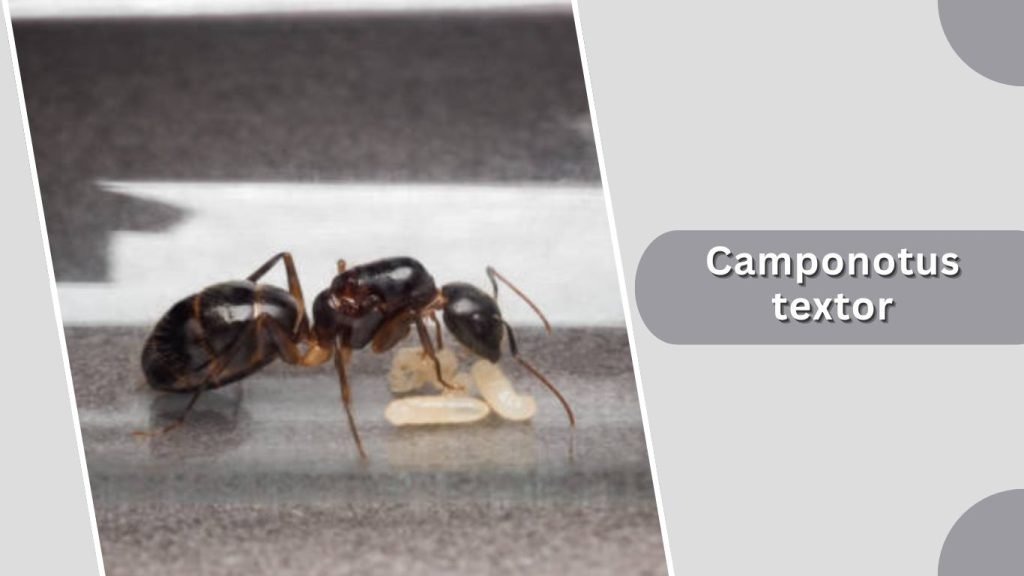
A unique carpenter ant species known for its ability to weave nests using plant fibers and silk produced by its larvae. It is commonly found in trees and shrubs, especially in warm tropical environments.
Characteristics
- Medium size, typically 5–10 mm in length
- Brown to dark brown coloration
- Slender body with long legs
- Smooth exoskeleton with slight shine
- Strong mandibles used for manipulating plant material
Habitat and Distribution
Camponotus textor is widely distributed across South and Southeast Asia. It prefers forested areas, gardens, and plantations where trees and shrubs are abundant. Unlike typical carpenter ants, it often builds nests in foliage by weaving leaves together, although it may also nest in wood.
Behavior and Diet
This species is active during the day and is often seen moving along tree branches. It feeds on nectar, honeydew, and small insects. Workers cooperate to build and maintain woven nests, showing advanced social behavior. It is less likely to infest buildings compared to other carpenter ants.
Life Cycle
The colony begins with a queen that lays eggs after mating. Larvae produce silk, which workers use to construct nests. As the colony grows, workers take over foraging and nest maintenance. Reproductive ants are produced for mating flights, continuing the species cycle.
27. Camponotus parius (Asian Carpenter Ant)
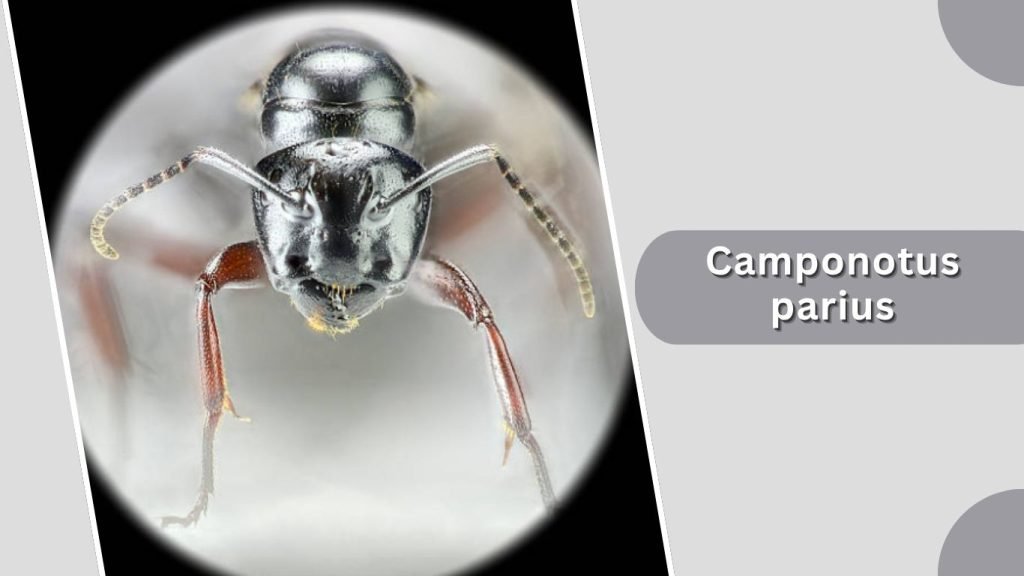
A commonly found carpenter ant species in tropical regions, known for its adaptability and presence in both natural and human-modified environments. It is often seen in forests, gardens, and near homes.
Characteristics
- Medium size, around 5–11 mm long
- Dark brown to black coloration
- Smooth and slightly glossy body
- Slender structure with long legs
- Strong mandibles for nesting
Habitat and Distribution
Camponotus parius is widely distributed across South and Southeast Asia. It prefers warm, humid environments such as forests, agricultural lands, and urban areas. Nests are typically found in wood, under bark, or within soil and structural materials.
Behavior and Diet
This species is active both during the day and night. It feeds on sugary substances like nectar and honeydew, as well as insects. It is often seen foraging in groups and may enter homes in search of food, especially sweets.
Life Cycle
The life cycle starts with a fertilized queen establishing a colony. Eggs develop into larvae, then pupae, and finally adult workers. As the colony matures, it produces reproductive ants for mating flights. Colonies can expand steadily and adapt to various environments.
