
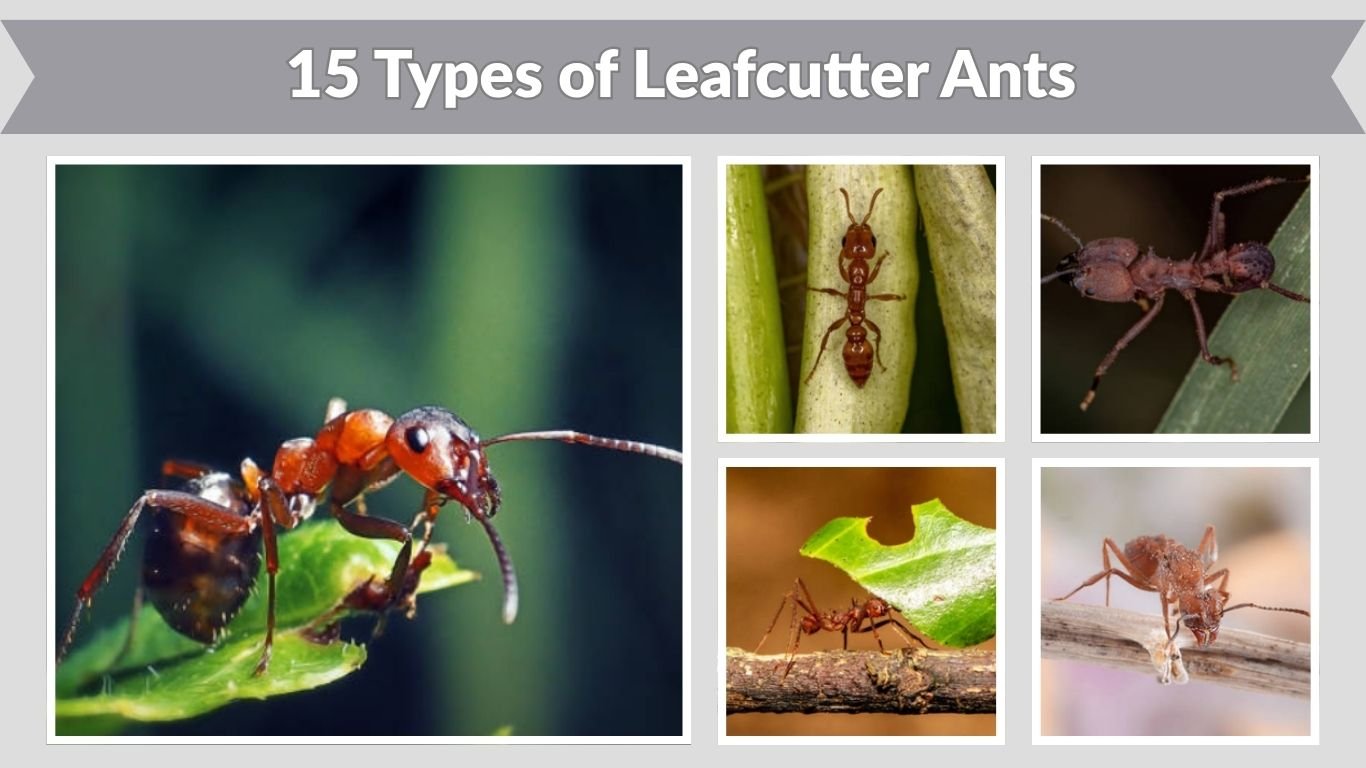
Leafcutter ants are remarkable insects known for their unique farming behavior. Instead of eating leaves directly, they use freshly cut plant material to cultivate fungus, which serves as their primary food source. Found mostly in tropical and subtropical regions, these ants form highly organized colonies with complex social structures. This guide covers 15 different types of leafcutter ants, helping you identify them based on their characteristics, habitats, and behaviors.
1. Atta cephalotes (Leafcutter Ant)

A well-known leafcutter ant species famous for cutting and carrying leaf fragments to cultivate fungus, which serves as their primary food source. It is widely studied due to its complex social structure and agricultural behavior.
Characteristics
- Medium to large ants with strong size variation among workers
- Reddish-brown to dark brown coloration
- Large heads in major workers with powerful mandibles
- Spiny body surface for protection
- Highly organized caste system with specialized roles
Habitat and Distribution
Atta cephalotes is widely distributed across Central and South America. It thrives in tropical rainforests, grasslands, and agricultural areas. Nests are typically large underground colonies with multiple chambers, often visible by large soil mounds on the surface.
Behavior and Diet
This species is famous for its leaf-cutting behavior. Workers cut fresh leaves and carry them back to the nest, not for direct consumption but to cultivate a specific type of fungus. This fungus serves as their main food source. Colonies are highly organized, with different worker castes handling cutting, carrying, and farming tasks.
Life Cycle
The colony begins with a queen that establishes a nest after mating. She carries a small piece of fungus to start the colony. Eggs develop into larvae, then pupae, and finally adult workers. As the colony grows, it becomes highly structured and can contain millions of individuals.
2. Atta colombica (Colombian Leafcutter Ant)

A highly organized leafcutter ant species known for its impressive colony size and efficient farming behavior. It is widely recognized for cutting vegetation and using it to cultivate fungus, which serves as the colony’s main food source.
Characteristics
- Medium to large ants with clear size variation among worker castes
- Reddish-brown coloration with a slightly rough body surface
- Large-headed soldiers with powerful mandibles
- Spiny body that offers protection
- Strong legs adapted for carrying leaf fragments
Habitat and Distribution
Atta colombica is commonly found across Central America and parts of northern South America. It thrives in tropical rainforests, secondary forests, and agricultural areas. Colonies are usually built underground, forming extensive tunnel systems with multiple chambers. Large soil mounds at the surface often indicate active nests. This species prefers warm, humid environments where vegetation is abundant.
Behavior and Diet
This species is well known for its advanced agricultural system. Workers cut fresh leaves and transport them back to the nest, where they are processed and used to grow a specialized fungus. This fungus is the primary food source for the colony. Different worker castes perform specific roles, including cutting, carrying, cleaning, and tending the fungus gardens. Foraging trails can extend long distances and are often highly organized.
Life Cycle
A colony begins when a fertilized queen establishes a new nest, carrying a small piece of fungus from her original colony. She lays eggs that develop into larvae, pupae, and eventually adult workers. As the colony grows, it becomes more complex and can contain thousands to millions of individuals. Mature colonies produce reproductive ants that participate in mating flights.
3. Atta sexdens (Southern Leafcutter Ant)
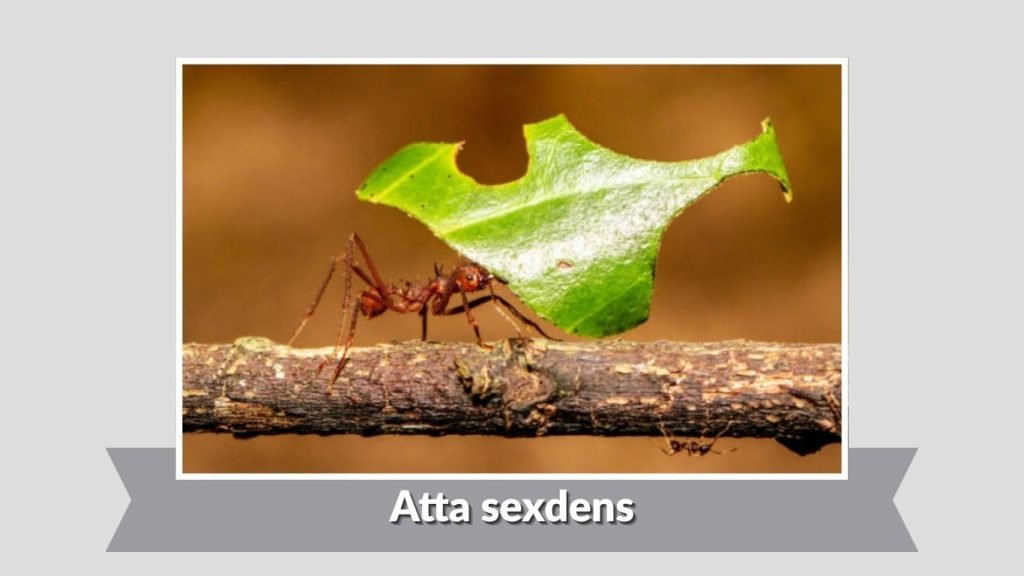
A large and well-studied leafcutter ant species known for its strong impact on vegetation. It is one of the most dominant leafcutter ants in its range, recognized for its powerful workers and extensive underground colonies.
Characteristics
- Medium to large size with distinct worker castes
- Dark brown to reddish coloration
- Large soldiers with oversized heads and strong mandibles
- Spiny and robust body structure
- Highly organized colony with division of labor
Habitat and Distribution
Atta sexdens is widely distributed across South America, particularly in Brazil and surrounding regions. It inhabits tropical forests, grasslands, and agricultural areas. Colonies are typically located underground, with large and complex tunnel systems. Surface soil mounds can be extensive, indicating the size and activity of the colony.
Behavior and Diet
This species is known for its intense leaf-cutting activity. Workers harvest fresh vegetation and bring it back to the nest to cultivate fungus. The fungus serves as the colony’s main food source. Foraging activity is often continuous, and trails can be heavily trafficked. The colony operates with a high level of coordination among worker castes.
Life Cycle
The life cycle begins with a queen establishing a colony after a mating flight. She carries a fungus culture to start the garden. Eggs develop into larvae, then pupae, and finally adult workers. As the colony matures, it grows rapidly and may contain millions of ants. Reproductive ants are produced seasonally to continue the species cycle.
4. Atta laevigata (Smooth Leafcutter Ant)
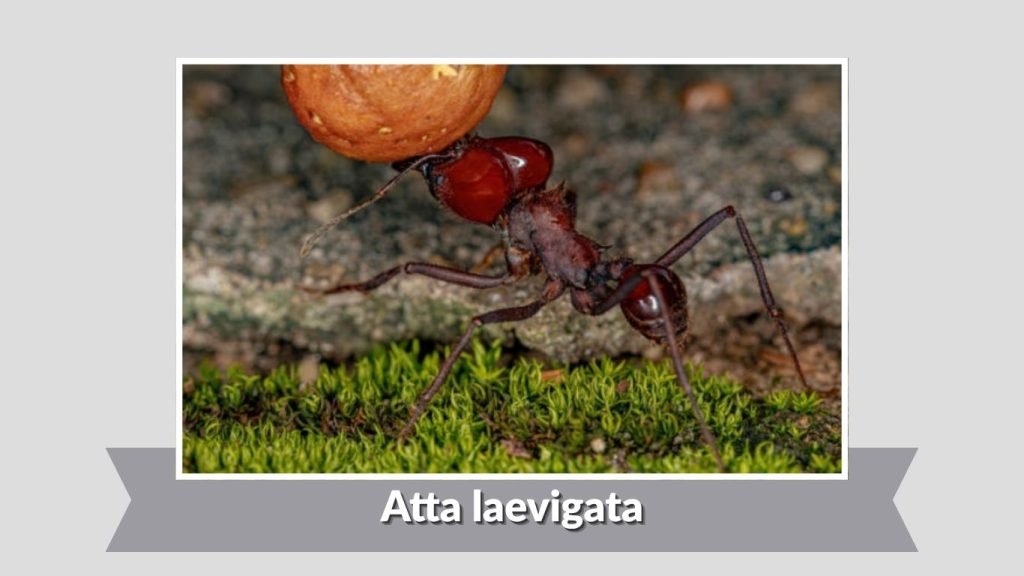
A large and powerful leafcutter ant species known for its smooth, shiny head and strong foraging ability. It is widely recognized in tropical regions for its impact on vegetation and its highly organized colony structure.
Characteristics
- Medium to large size with clear caste differences
- Dark brown to black coloration
- Smooth, shiny head in major workers
- Strong mandibles for cutting tough leaves
- Robust body with a slightly spiny texture
Habitat and Distribution
Atta laevigata is widely distributed across South America, especially in Brazil, Bolivia, and Paraguay. It thrives in tropical forests, savannas, and agricultural lands. Colonies are typically built underground with large and complex tunnel systems. Surface soil mounds can be very prominent, often indicating a large and active colony. This species adapts well to both natural and disturbed environments.
Behavior and Diet
This species is an efficient leaf cutter, harvesting a wide variety of plant material. Workers transport leaf fragments back to the nest, where they are used to cultivate fungus—the colony’s primary food source. Foraging trails are highly organized and can extend long distances. Different worker castes specialize in cutting, carrying, and maintaining the fungus gardens.
Life Cycle
A colony begins when a fertilized queen establishes a nest and starts a fungus garden using a carried fungal fragment. Eggs develop into larvae, pupae, and then adult workers. As the colony grows, it becomes highly structured and can reach very large populations. Reproductive ants are produced for seasonal mating flights.
5. Atta mexicana (Mexican Leafcutter Ant)
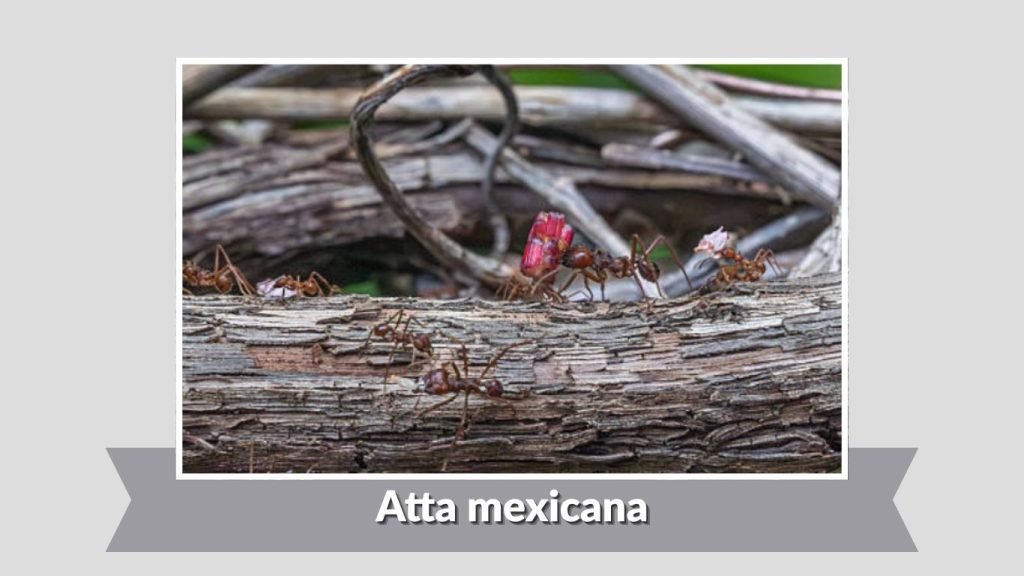
A well-known leafcutter ant species found in Central America, recognized for its agricultural behavior and large, organized colonies. It is often associated with both forested areas and agricultural regions.
Characteristics
- Medium to large ants with noticeable size variation
- Reddish-brown to dark brown coloration
- Large-headed soldiers with strong mandibles
- Spiny body structure for protection
- Efficient worker caste system
Habitat and Distribution
Atta mexicana is commonly found in Mexico and parts of Central America. It prefers tropical and subtropical environments, including forests, grasslands, and farmland. Colonies are built underground, with extensive tunnel networks and multiple chambers. Large soil mounds at the surface are typical signs of active nests.
Behavior and Diet
This species is known for its leaf-cutting and fungus-growing behavior. Workers cut fresh vegetation and transport it back to the nest to cultivate fungus, which serves as their main food source. Foraging is highly organized, with clear trails and division of labor among workers. It can have a significant impact on crops due to its feeding habits.
Life Cycle
The life cycle starts when a queen establishes a colony after mating. She carries a piece of fungus to begin cultivation. Eggs develop into larvae, then pupae, and eventually adult workers. As the colony matures, it grows rapidly and produces reproductive ants for mating flights, ensuring the continuation of the species.
6. Atta capiguara (Grass-Cutting Leafcutter Ant)

A specialized leafcutter ant species known for its preference for grasses rather than broad leaves. It is commonly found in open habitats and is recognized for its efficient foraging behavior and large underground colonies.
Characteristics
- Medium to large ants with clear caste variation
- Brown to dark brown coloration
- Large-headed soldiers with strong mandibles
- Body slightly rough with small spines
- Workers adapted for cutting narrow grass blades
Habitat and Distribution
Atta capiguara is mainly found in South America, particularly in Brazil, Paraguay, and Argentina. It prefers open environments such as grasslands, savannas, and agricultural fields. Colonies are built underground with extensive tunnel systems and large chambers. Surface soil mounds are often visible and can cover wide areas, indicating active nests. This species is well adapted to drier, open landscapes compared to forest-dwelling leafcutter ants.
Behavior and Diet
Unlike many other leafcutter ants, this species primarily cuts grasses instead of broad leaves. Workers collect grass fragments and transport them back to the nest, where they are used to cultivate fungus. This fungus serves as the colony’s main food source. Foraging trails are well-organized and can extend over long distances. Different worker castes handle specific tasks such as cutting, carrying, and maintaining fungus gardens.
Life Cycle
The colony begins when a fertilized queen establishes a nest and starts a fungus garden using a carried fungal fragment. Eggs develop into larvae, pupae, and eventually adult workers. As the colony grows, it becomes highly structured and can reach large population sizes. Reproductive ants are produced for mating flights, ensuring colony expansion.
7. Atta robusta (Robust Leafcutter Ant)
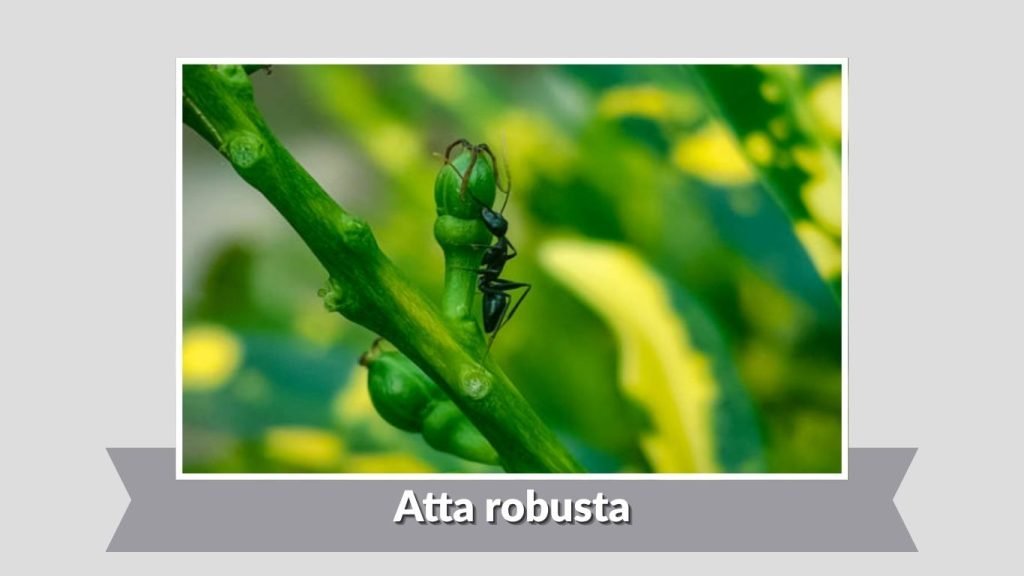
A strong and less commonly discussed leafcutter ant species known for its sturdy build and efficient colony organization. It plays an important ecological role in nutrient recycling within its habitat.
Characteristics
- Medium to large size with strong caste differences
- Dark brown to black coloration
- Robust and bulky body structure
- Large mandibles suited for cutting plant material
- Slightly spiny exoskeleton
Habitat and Distribution
Atta robusta is primarily found in parts of South America, especially in Brazil. It prefers tropical and subtropical environments such as forests and coastal regions. Colonies are usually located underground, with complex tunnel systems and multiple chambers. Surface soil mounds are often visible and indicate an active colony. This species tends to favor areas with abundant vegetation.
Behavior and Diet
This species exhibits typical leafcutter behavior, cutting plant material and transporting it back to the nest to cultivate fungus. The fungus serves as the primary food source. Workers are highly organized, forming clear foraging trails and dividing tasks among different castes. It may cut a variety of plant types depending on availability.
Life Cycle
A colony starts with a queen after a mating flight. She carries a fungal culture to establish the first garden. Eggs develop into larvae, then pupae, and finally adult workers. As the colony matures, it grows in size and complexity. Reproductive ants are produced for seasonal mating flights, continuing the life cycle.
8. Atta bisphaerica (Grass-Cutting Ant)
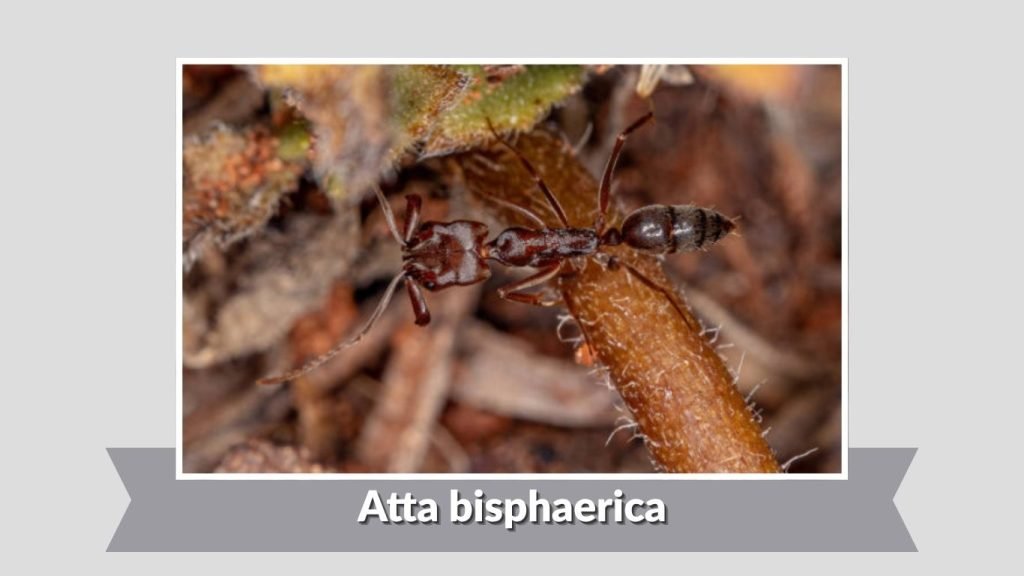
A leafcutter ant species closely associated with grasslands, known for its preference for cutting grasses instead of broad leaves. It is an important species in open ecosystems where it contributes to plant material recycling.
Characteristics
- Medium to large ants with distinct worker castes
- Light to dark brown coloration
- Large-headed soldiers with strong cutting mandibles
- Smooth body with slight texture
- Workers adapted for handling narrow plant material
Habitat and Distribution
Atta bisphaerica is widely distributed across South America, particularly in Brazil and neighboring regions. It thrives in grasslands, pastures, and agricultural fields. Colonies are built underground with extensive tunnel systems and multiple chambers. Large soil mounds on the surface are a common sign of active nests. This species prefers open, sunny environments with abundant grass cover.
Behavior and Diet
This species primarily cuts grasses, which are transported back to the nest for fungus cultivation. The fungus serves as the colony’s main food source. Workers operate in organized trails and show a high level of coordination. Different castes are responsible for cutting, carrying, and maintaining the fungus gardens.
Life Cycle
The life cycle begins when a fertilized queen establishes a colony and starts a fungus garden. Eggs develop into larvae, then pupae, and finally adult workers. As the colony grows, it becomes highly structured and can reach large population sizes. Reproductive ants are produced for mating flights.
9. Atta vollenweideri (South American Leafcutter Ant)

A well-known leafcutter ant species recognized for building some of the largest and most complex underground colonies. It is a dominant species in its habitat and plays a major ecological role.
Characteristics
- Medium to large size with strong caste differences
- Brown to dark brown coloration
- Large soldiers with powerful mandibles
- Robust body with a slightly rough texture
- Highly organized colony structure
Habitat and Distribution
Atta vollenweideri is commonly found in South America, particularly in Argentina, Paraguay, and Bolivia. It prefers open habitats such as grasslands and savannas. Colonies are built underground and can be extremely large, with extensive tunnel networks and chambers. Surface soil mounds may cover large areas, reflecting colony size.
Behavior and Diet
This species cuts a wide variety of plant material, including leaves and grasses. Workers transport these materials back to the nest to cultivate fungus, which is their primary food source. Foraging trails are highly organized and can stretch long distances. Colonies show advanced division of labor among worker castes.
Life Cycle
The colony starts with a queen that carries a fungal culture after mating. Eggs develop into larvae, pupae, and then adult workers. As the colony matures, it grows rapidly and can contain millions of individuals. Reproductive ants are produced for mating flights, ensuring the continuation of the species.
10. Acromyrmex octospinosus (Eight-Spined Leafcutter Ant)
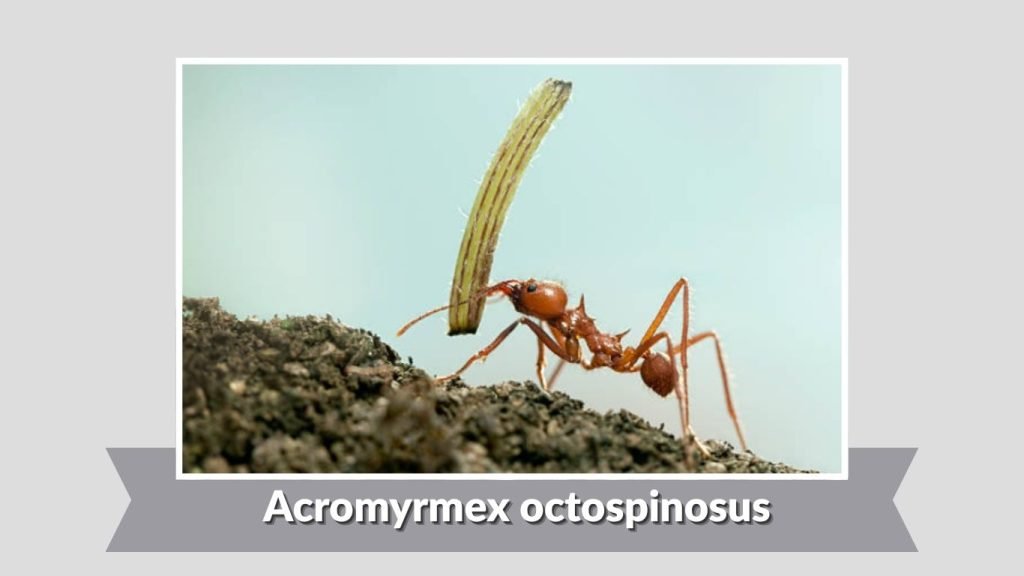
A smaller but highly efficient leafcutter ant species known for the spines on its body. It is widely studied for its fungus-growing behavior and adaptability in both natural and disturbed environments.
Characteristics
- Small to medium size with noticeable worker variation
- Brown to dark brown coloration
- Distinct spines on the thorax and body
- Strong mandibles for cutting plant material
- Compact but well-armored body structure
Habitat and Distribution
Acromyrmex octospinosus is widely distributed across Central America and parts of South America. It prefers tropical forests, gardens, and agricultural areas. Colonies are usually built underground or under logs, with smaller and less extensive tunnel systems compared to Atta species. It adapts well to humid environments.
Behavior and Diet
This species cuts smaller pieces of leaves and plant material compared to larger leafcutter ants. Workers carry these fragments back to the nest to cultivate fungus, which is their primary food source. Foraging trails are organized but typically shorter. Colonies are smaller yet highly efficient in resource use.
Life Cycle
The life cycle begins when a queen establishes a colony after mating and starts a fungus garden. Eggs develop into larvae, then pupae, and finally adult workers. Colonies grow steadily and produce reproductive ants for mating flights once mature.
11. Acromyrmex echinatior (Spiny Leafcutter Ant)
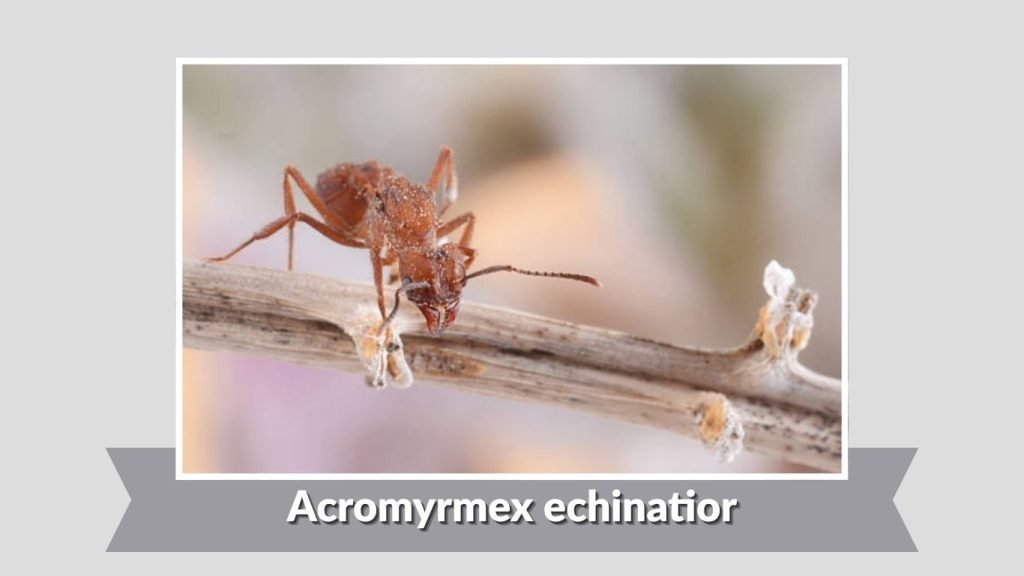
A well-known leafcutter ant species recognized for its spiny body and complex symbiotic relationships with fungus and bacteria. It is widely studied in scientific research.
Characteristics
- Small to medium size with multiple worker castes
- Brown coloration with a rough, spiny body
- Prominent spines covering the thorax
- Strong mandibles for cutting vegetation
- Protective body structure adapted to its environment
Habitat and Distribution
Acromyrmex echinatior is commonly found in Central America, particularly in Panama and nearby regions. It prefers tropical forests and humid environments. Nests are usually built underground or under debris, with smaller colony sizes compared to Atta species.
Behavior and Diet
This species cuts leaves and other plant materials to cultivate fungus, which serves as its main food source. It also maintains a symbiotic relationship with bacteria that help protect the fungus from disease. Workers are highly organized, though colonies are smaller than those of larger leafcutter ants.
Life Cycle
A colony starts with a queen that carries a fungal culture after mating. Eggs develop into larvae, then pupae, and eventually adult workers. As the colony grows, it produces reproductive ants for mating flights. The colony maintains a stable structure with efficient division of labor.
12. Acromyrmex lundi (Lundi Leafcutter Ant)
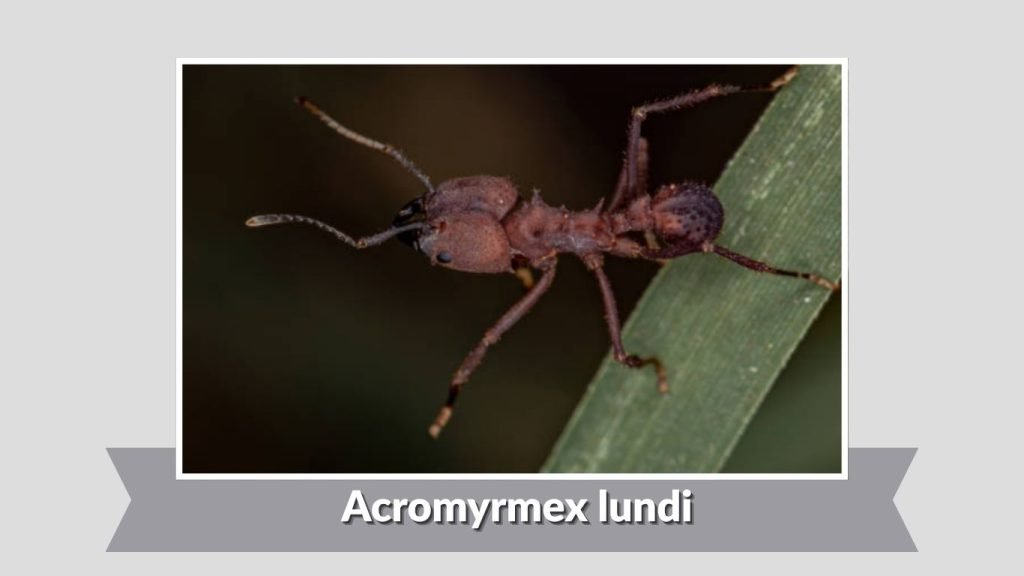
A smaller leafcutter ant species known for its adaptability and efficient fungus-farming behavior. It is commonly found in open and forested environments, where it plays an important role in breaking down plant material.
Characteristics
- Small to medium size with noticeable worker variation
- Brown to dark brown coloration
- Body covered with small spines
- Strong mandibles for cutting plant material
- Compact body adapted for active foraging
Habitat and Distribution
Acromyrmex lundi is widely distributed across South America, particularly in Argentina, Uruguay, and southern Brazil. It prefers grasslands, open woodlands, and agricultural areas. Colonies are usually built underground or under debris such as logs and stones. Compared to Atta species, its nests are smaller and less complex but still well organized.
Behavior and Diet
This species cuts leaves, grass, and other plant material to cultivate fungus, which serves as its primary food source. Workers are efficient and form organized foraging trails, though these are typically shorter than those of larger leafcutter ants. It is adaptable and can thrive in both natural and human-modified environments.
Life Cycle
The colony begins when a fertilized queen establishes a nest and starts a fungus garden. Eggs develop into larvae, then pupae, and finally adult workers. As the colony grows, it becomes structured with division of labor. Reproductive ants are produced for mating flights, ensuring the continuation of the species.
13. Acromyrmex subterraneus (Subterranean Leafcutter Ant)
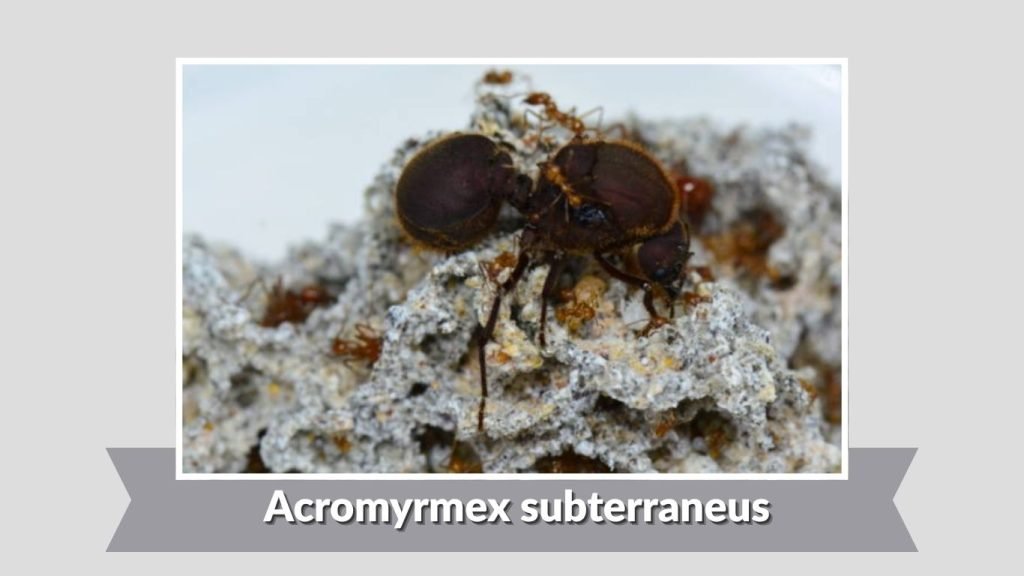
A well-known leafcutter ant species recognized for its underground nesting behavior and efficient fungus cultivation. It is commonly found in tropical and subtropical regions.
Characteristics
- Small to medium size with multiple worker castes
- Brown to dark brown coloration
- Spiny body with a rough texture
- Strong mandibles for cutting vegetation
- Adapted for underground living
Habitat and Distribution
Acromyrmex subterraneus is widely distributed across South America, especially in Brazil and surrounding areas. It prefers forests, grasslands, and agricultural environments. Colonies are typically located underground, with networks of tunnels and chambers used for fungus cultivation and brood care.
Behavior and Diet
This species cuts plant material such as leaves and grass, which is used to grow fungus inside the nest. The fungus serves as the main food source. Workers are organized and efficient, forming trails to transport material. Colonies are smaller than Atta species but still highly structured.
Life Cycle
A colony starts with a queen that carries a fungal culture after mating. Eggs develop into larvae, pupae, and eventually adult workers. As the colony matures, it produces reproductive ants for mating flights. The colony maintains a stable population through efficient resource use and division of labor.
14. Acromyrmex versicolor (Desert Leafcutter Ant)
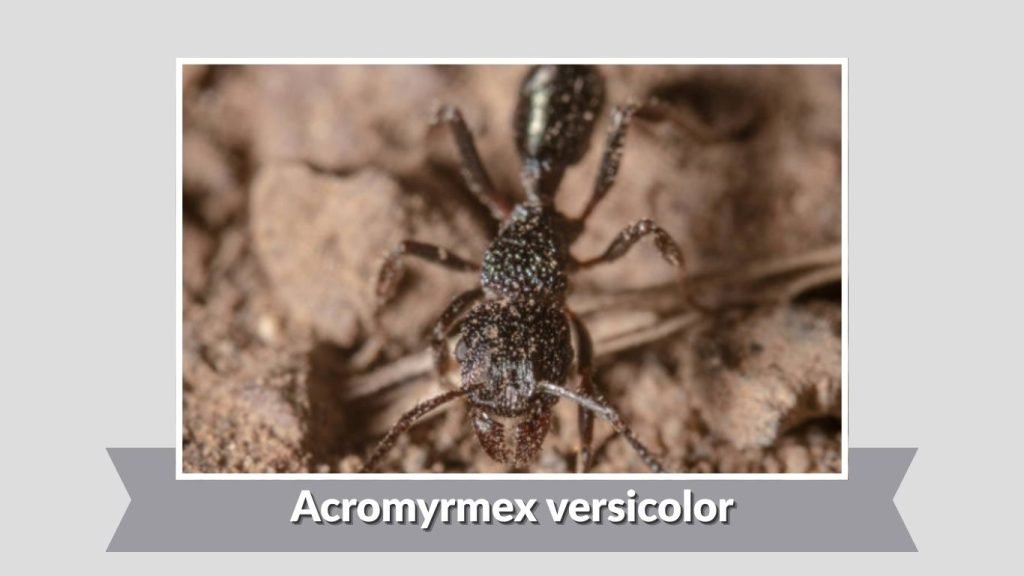
A unique leafcutter ant species adapted to dry and desert environments. Unlike many tropical relatives, it thrives in arid conditions and shows specialized behavior for survival in harsh climates.
Characteristics
- Small to medium size with multiple worker castes
- Light brown to yellowish coloration
- Body covered with fine spines
- Strong mandibles for cutting tough plant material
- Adapted to hot, dry environments
Habitat and Distribution
Acromyrmex versicolor is primarily found in the southwestern United States and parts of northern Mexico. It prefers desert and semi-arid habitats, often nesting in sandy or loose soil. Colonies are typically underground, with entrance holes surrounded by small soil mounds. This species is well adapted to extreme temperatures and low moisture conditions.
Behavior and Diet
This species cuts a variety of plant materials, including dry leaves, flowers, and grasses. These are used to cultivate fungus, which serves as the colony’s main food source. Foraging often occurs during cooler parts of the day or night to avoid heat. Workers are efficient and follow established trails.
Life Cycle
The colony begins with a queen that establishes a nest after mating. She carries a fungal culture to start the garden. Eggs develop into larvae, then pupae, and finally adult workers. As the colony grows, it produces reproductive ants for mating flights, ensuring survival in challenging environments.
15. Acromyrmex rugosus (Rough Leafcutter Ant)
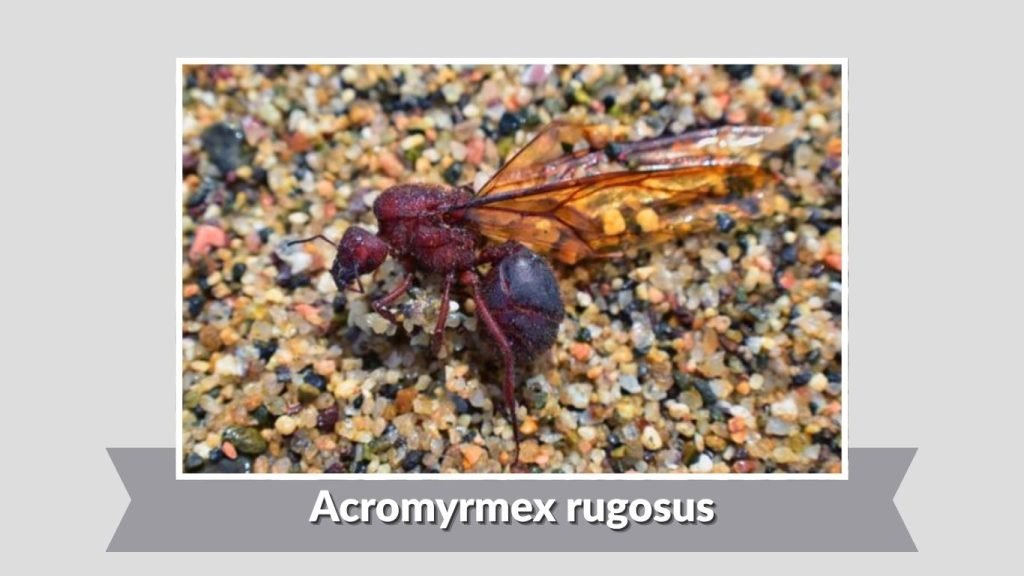
A distinctive leafcutter ant species known for its rough-textured body and strong adaptability. It is commonly found in tropical and subtropical regions where it plays an important ecological role.
Characteristics
- Small to medium size with visible worker variation
- Brown to dark brown coloration
- Rough, spiny body surface
- Strong mandibles for cutting plant material
- Compact and sturdy build
Habitat and Distribution
Acromyrmex rugosus is widely distributed across South America. It prefers warm environments such as forests, grasslands, and agricultural areas. Colonies are usually built underground or under logs and debris. Compared to Atta species, its nests are smaller but still well organized.
Behavior and Diet
This species cuts leaves, grasses, and other plant materials to cultivate fungus, which is its primary food source. Workers are active and organized, forming clear foraging trails. It can adapt to different types of vegetation depending on availability in its environment.
Life Cycle
The life cycle begins when a fertilized queen establishes a colony and starts a fungus garden. Eggs develop into larvae, then pupae, and finally adult workers. As the colony matures, it produces reproductive ants for mating flights. Colonies grow steadily and maintain a structured division of labor.
FAQs
What are leafcutter ants?
Leafcutter ants are a group of ants known for cutting leaves and carrying them back to their nests. Instead of eating the leaves directly, they use them to grow fungus, which becomes their main food source.
Do leafcutter ants eat leaves?
No, leafcutter ants do not eat leaves directly. They use leaf fragments to cultivate a special fungus inside their nests. This fungus breaks down the plant material and provides nutrients for the colony.
Where are leafcutter ants found?
Leafcutter ants are mainly found in Central and South America, especially in tropical and subtropical regions. They live in forests, grasslands, and even agricultural areas where plant material is abundant.
How do leafcutter ants benefit the ecosystem?
Leafcutter ants play an important role in ecosystems by recycling plant material and improving soil quality. Their underground nests help aerate the soil, while their fungus farming contributes to nutrient cycling.
Are leafcutter ants harmful to humans?
Leafcutter ants are not directly harmful to humans, but they can be considered agricultural pests. Their leaf-cutting behavior can damage crops, gardens, and plants, especially when colonies grow large and active.
