
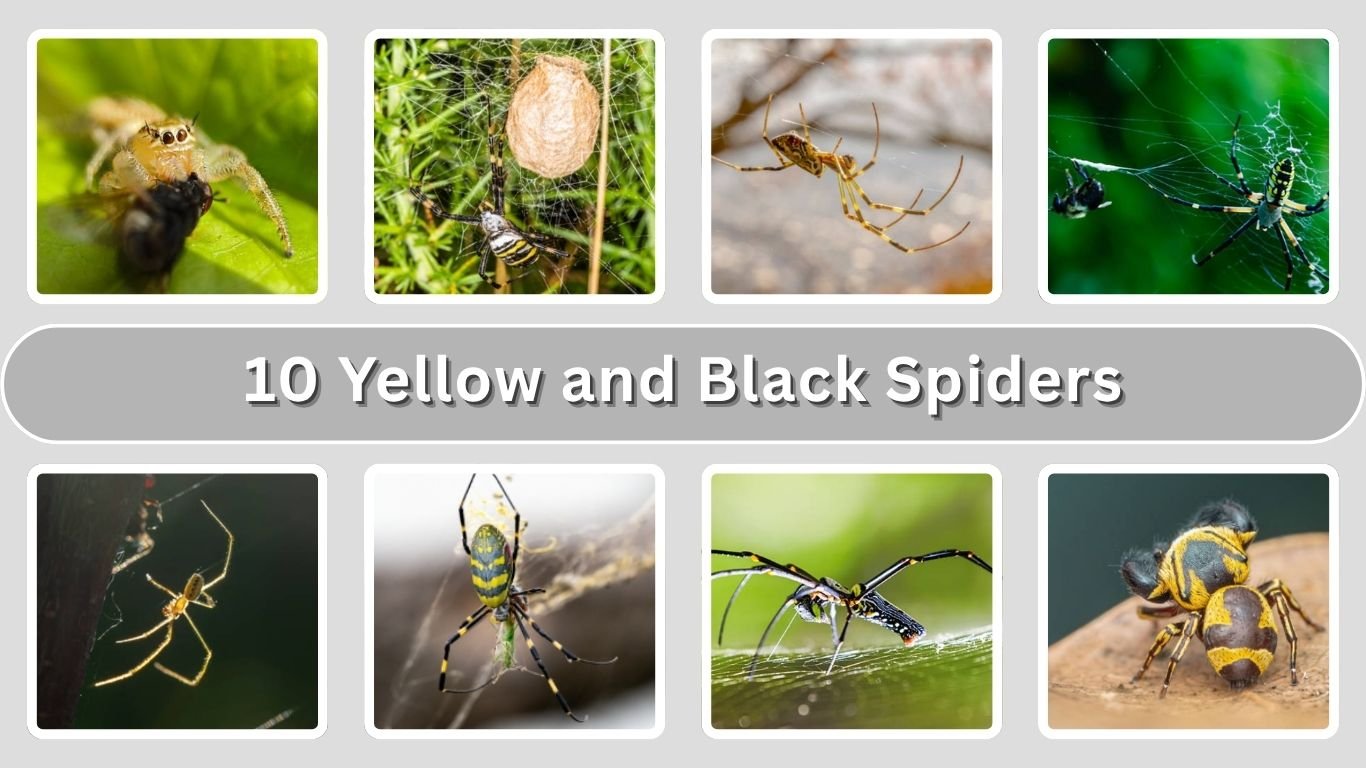
Yellow and black spiders are some of the most eye-catching creatures in the spider world. With their bold colors and striking patterns, they often resemble bees, wasps, or warning signs in nature. While they may look intimidating at first glance, most of these spiders are harmless and play an important role in controlling insect populations.
In this list, you’ll discover ten unique yellow and black spiders, each with its own distinctive markings and behavior. From skilled web weavers to active hunters, these spiders combine beauty, function, and fascinating survival strategies in the natural world.
1. Golden Stripe Weaver
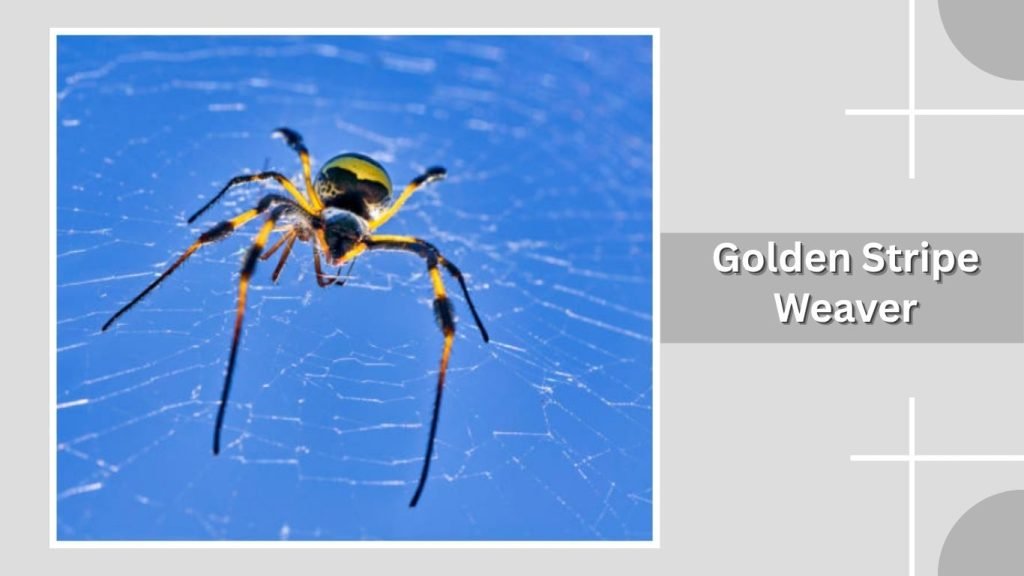
The Golden Stripe Weaver is a striking yellow and black spider known for its bold striped pattern and elegant web-building skills. Its vibrant colors not only make it visually impressive but also help warn predators to stay away. Despite its intimidating look, it is a calm and beneficial spider in many ecosystems.
Identification
- Color: Bright yellow with bold black stripes across the abdomen
- Size: Medium-sized, typically 8–15 mm
- Body Shape: Oval abdomen with a slightly elongated form
- Legs: Long, banded legs with alternating yellow and black segments
- Markings: Distinct stripe patterns that resemble warning signals
- Eyes: Small but well-adapted for sensing movement
Habitat
Golden Stripe Weavers are commonly found in gardens, forests, and open fields where they can build their webs between plants or branches. They prefer sunny areas that attract flying insects, which serve as their main food source. Their webs are often positioned at a height where insects frequently pass, making them efficient hunters.
Behavior
This spider is a classic orb-weaver, spending much of its time building and maintaining circular webs. It remains mostly still at the center, waiting for vibrations that signal trapped prey. When an insect gets caught, it quickly moves to wrap it in silk. The spider is non-aggressive and will usually retreat if disturbed.
Interesting Facts
The Golden Stripe Weaver’s bright colors act as a natural warning to predators, reducing the chances of being attacked. Its web is not only strong but also slightly golden in sunlight, adding to its beauty. These spiders play a helpful role by controlling flying insect populations in their environment.
2. Bumble Orb Spider
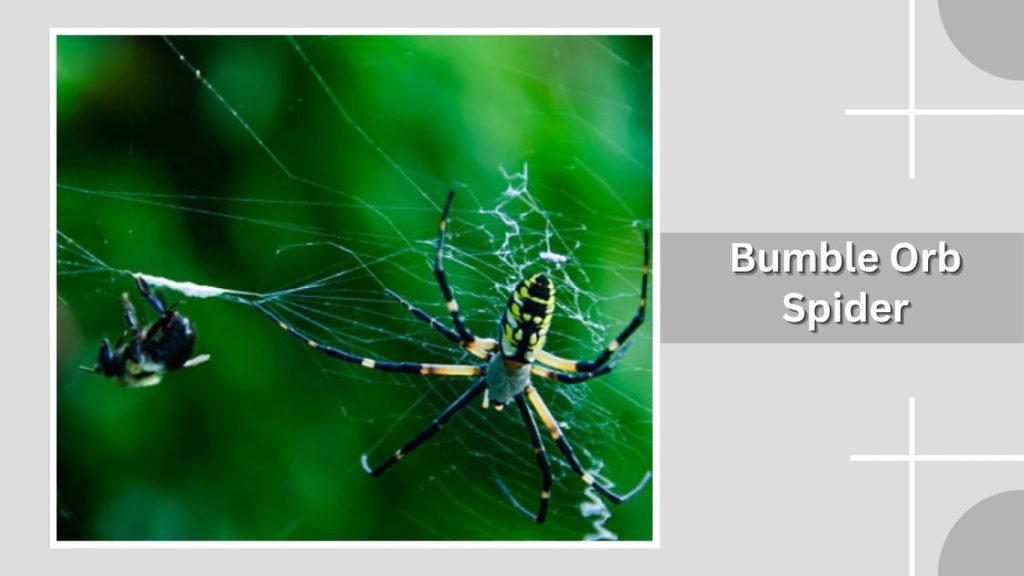
The Bumble Orb Spider is a bold and eye-catching yellow and black spider that resembles the pattern of a bumblebee. Its bright coloration serves as a warning to predators, while its web-building skills make it an efficient hunter. Despite its striking look, it is harmless and plays a helpful role in nature.
Identification
- Color: Bright yellow with thick black bands or patches
- Size: Medium-sized, around 7–14 mm
- Body Shape: Rounded abdomen with a slightly compact body
- Legs: Long, slender legs with dark and light banding
- Markings: Bee-like pattern that stands out clearly
- Eyes: Small, adapted for detecting movement
Habitat
Bumble Orb Spiders are often found in gardens, meadows, and forest edges where flying insects are abundant. They build their webs between plants, branches, or fences in open, sunny areas. These environments provide both good visibility for hunting and enough support for their circular webs.
Behavior
This spider spends most of its time sitting at the center of its orb-shaped web, waiting patiently for prey. It relies on vibrations to detect when an insect gets trapped. Once detected, it quickly approaches and wraps the prey in silk. It is calm in nature and avoids confrontation whenever possible.
Interesting Facts
The Bumble Orb Spider’s resemblance to a bee may help deter predators, a form of natural mimicry. Its web can sometimes reflect light, making it visible in the sun. These spiders are beneficial for controlling insect populations, especially flies and small flying pests.
3. Tiger Back Spinner
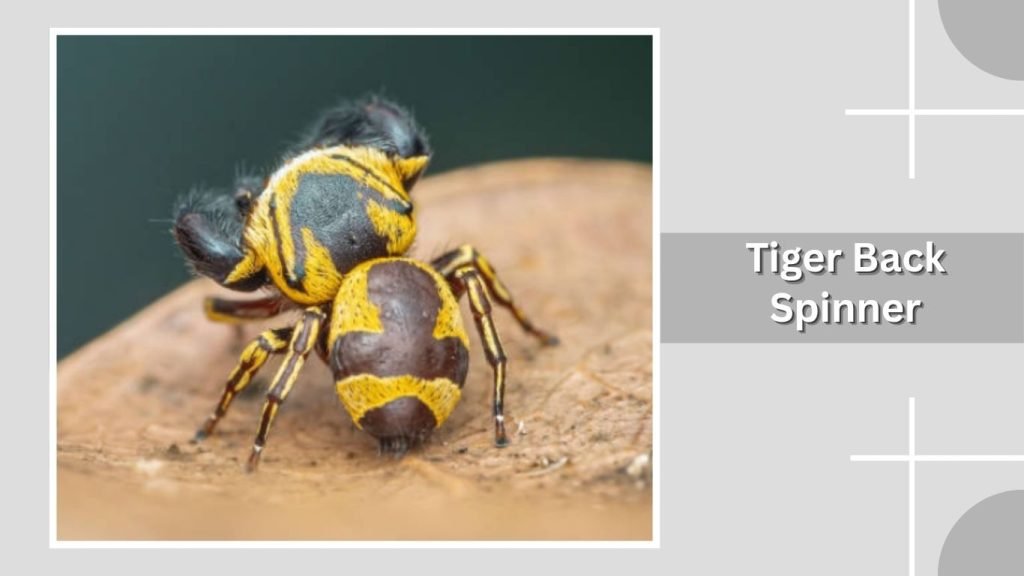
The Tiger Back Spinner is a bold yellow and black spider known for its striking, tiger-like stripes across its body. Its vivid pattern gives it a fierce appearance, but in reality, it is a calm and beneficial species. It stands out easily in nature, especially when resting on its web in sunlight.
Identification
- Color: Bright yellow with dark black, tiger-like stripes
- Size: Medium-sized, typically 8–16 mm
- Body Shape: Broad abdomen with a slightly flattened look
- Legs: Long legs with alternating dark and light bands
- Markings: Distinct striped pattern resembling a tiger’s back
- Eyes: Small and adapted for sensing vibrations
Habitat
Tiger Back Spinners are commonly found in gardens, fields, and woodland edges. They prefer areas with plenty of space to build large orb webs, usually between tall plants or branches. These spiders thrive in sunny environments where flying insects are active and easy to catch.
Behavior
This spider is a skilled web-builder, creating large, circular webs to trap prey. It usually sits quietly at the center, waiting for vibrations that signal a catch. When prey is caught, it reacts quickly and wraps it securely in silk. It is non-aggressive and avoids threats by retreating.
Interesting Facts
The Tiger Back Spinner’s bold stripes help deter predators by making it look more dangerous than it is. Its web can be quite strong and may even have a slight golden shine in sunlight. Like many orb-weavers, it plays an important role in reducing insect populations naturally.
4. Sunband Jumper
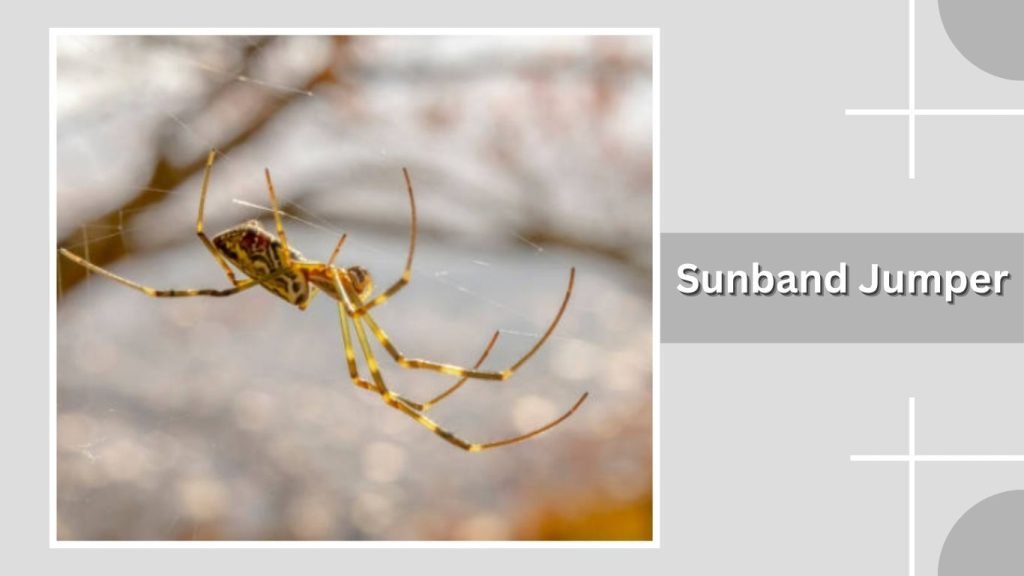
The Sunband Jumper is a lively yellow and black spider known for its bright bands and energetic movements. Its vibrant colors often shine in sunlight, making it easy to spot as it actively explores its surroundings. Unlike web-builders, this spider relies on agility and sharp vision to hunt.
Identification
- Color: Bright yellow with bold black bands across the body
- Size: Small to medium, around 5–10 mm
- Body Shape: Compact body with a slightly raised front
- Legs: Short, strong legs built for jumping
- Markings: Clear banded pattern that stands out in light
- Eyes: Large front-facing eyes typical of jumping spiders
Habitat
Sunband Jumpers are commonly found on walls, tree trunks, fences, and garden plants. They prefer sunny, open spaces where they can easily spot prey. Their bright coloring blends surprisingly well with sunlit surfaces, especially on yellow flowers or warm-toned backgrounds.
Behavior
This spider is active and curious, constantly moving and observing its environment. It does not build webs to catch prey but instead hunts by stalking and jumping with precision. Its excellent vision allows it to track movement accurately. It is harmless and usually avoids humans.
Interesting Facts
The Sunband Jumper can leap several times its body length with great accuracy. Its large eyes provide excellent vision, making it one of the more visually aware spiders. Its bright yellow and black pattern may act as a warning to predators, even though it poses no real threat.
5. Yellow Mask Hunter
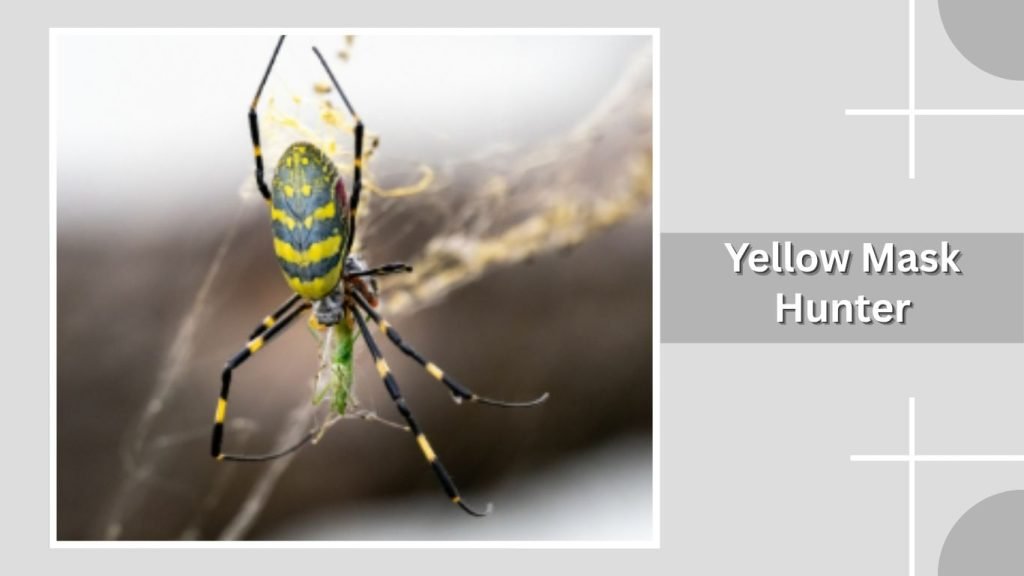
The Yellow Mask Hunter is a distinctive yellow and black spider known for the mask-like pattern on its body. Its bold markings give it a mysterious appearance, as if it’s wearing a tiny face mask. Despite this dramatic look, it is a quiet and efficient predator.
Identification
- Color: Bright yellow with dark black mask-like markings
- Size: Medium-sized, around 6–12 mm
- Body Shape: Slightly elongated abdomen with a defined front section
- Legs: Long, slim legs with subtle dark bands
- Markings: Unique “mask” pattern on the back or head area
- Eyes: Small but effective for detecting movement
Habitat
Yellow Mask Hunters are often found in gardens, shrubs, and forest edges where they can move freely while hunting. They prefer areas with plenty of insects and some cover, such as leaves or branches. Occasionally, they may also appear on walls or near lights where insects gather.
Behavior
This spider is an active hunter rather than a web-builder. It moves carefully across surfaces, scanning for prey before making a quick attack. It relies on stealth and timing rather than webs. Its movements are controlled and deliberate, and it typically avoids any disturbance.
Interesting Facts
The mask-like marking of the Yellow Mask Hunter helps it stand out among other spiders. This pattern may also confuse predators or act as a warning. Despite its bold look, it is harmless to humans and plays an important role in controlling insect populations naturally.
6. Black Dot Weaver
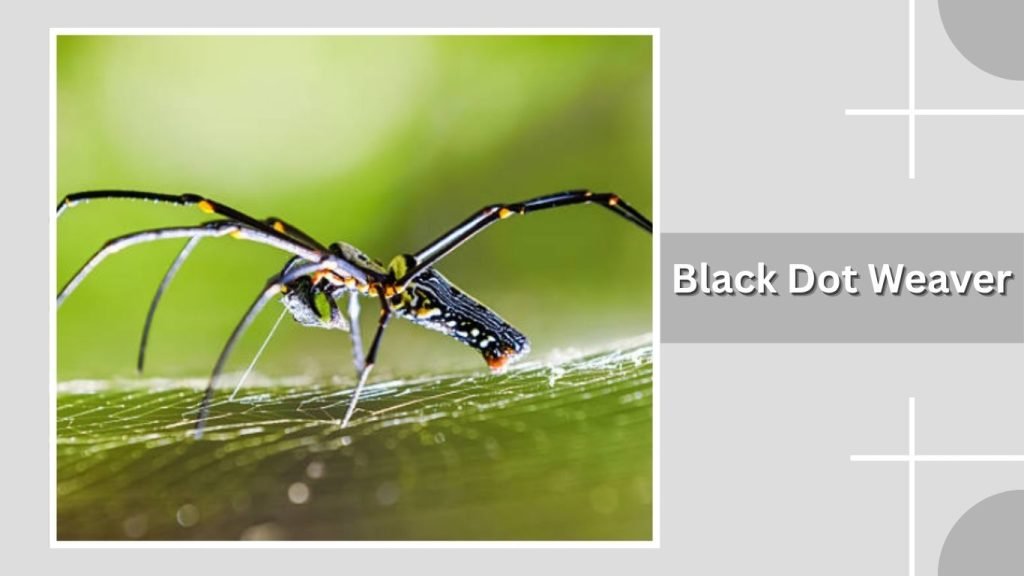
The Black Dot Weaver is a beautifully patterned yellow and black spider known for the small, dark spots scattered across its bright body. These dot-like markings give it a unique and decorative look, making it stand out among other spiders. Despite its bold appearance, it is a calm and helpful garden resident.
Identification
- Color: Bright yellow base with distinct black dots or spots
- Size: Medium-sized, typically 7–13 mm
- Body Shape: Rounded abdomen with a smooth surface
- Legs: Long, thin legs with light and dark banding
- Markings: Multiple black dots arranged across the abdomen
- Eyes: Small and adapted for detecting vibrations
Habitat
Black Dot Weavers are commonly found in gardens, fields, and around shrubs where they can build their webs. They prefer open, sunny areas that attract flying insects. Their webs are usually stretched between plants or branches, positioned to catch passing prey efficiently.
Behavior
This spider is a classic orb-weaver, spending most of its time sitting quietly at the center of its web. It waits patiently for vibrations that signal trapped insects. Once prey is caught, it quickly wraps it in silk. It is non-aggressive and will retreat if disturbed.
Interesting Facts
The dotted pattern of the Black Dot Weaver helps break up its outline, making it harder for predators to spot. Its web is strong and carefully constructed, often rebuilt regularly. Like many orb-weavers, it plays a key role in reducing insect populations naturally.
7. Stripe Guard Spider
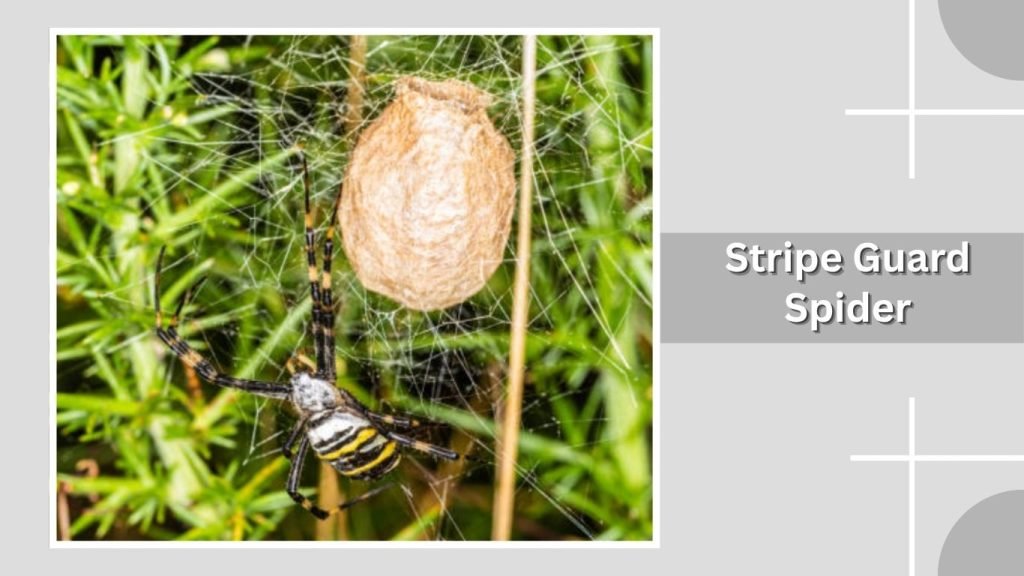
The Stripe Guard Spider is a bold yellow and black spider known for its strong striped pattern and alert nature. Its striking appearance gives it a protective, watchful look, as if it is guarding its web. Despite this fierce appearance, it is calm and plays an important role in controlling insects.
Identification
- Color: Bright yellow with sharp black stripes
- Size: Medium-sized, around 8–14 mm
- Body Shape: Oval abdomen with a slightly firm structure
- Legs: Long legs with clear banded patterns
- Markings: Strong, defined stripes across the body
- Eyes: Small, suited for sensing movement and vibrations
Habitat
Stripe Guard Spiders are often found in gardens, fields, and near fences where they can build stable webs. They prefer open areas with good airflow and sunlight, which attract flying insects. Their webs are usually placed between plants or structures where prey is likely to pass through.
Behavior
This spider is patient and watchful, spending most of its time at the center of its web. It relies on vibrations to detect trapped prey and responds quickly when needed. It rarely leaves its web unless necessary and prefers to retreat if disturbed rather than confront threats.
Interesting Facts
The bold stripes of the Stripe Guard Spider act as a warning signal to predators, helping it avoid danger. Its web is often strong and neatly structured. Like many orb-weavers, it contributes to natural pest control by catching flies and other small insects.
8. Golden Web Sentinel
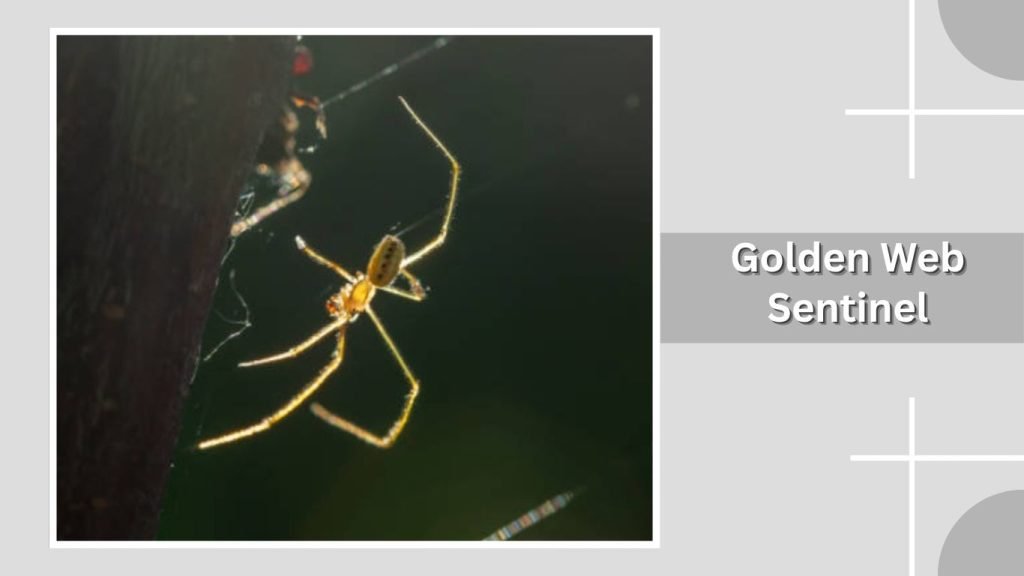
The Golden Web Sentinel is a striking yellow and black spider known for its strong presence and beautifully structured web. Its bold coloration and steady posture give it a watchful, almost guardian-like appearance. It is often seen sitting calmly at the center of its web, monitoring every vibration.
Identification
- Color: Bright yellow with deep black markings
- Size: Medium to large, around 10–18 mm
- Body Shape: Elongated abdomen with a slightly tapered end
- Legs: Long, slender legs with dark bands
- Markings: Bold patterns that stand out clearly
- Eyes: Small, adapted for sensing movement
Habitat
Golden Web Sentinels are commonly found in gardens, forest edges, and open landscapes. They prefer areas where they can build large orb webs between branches or tall plants. These locations provide both strong support for their webs and access to plenty of flying insects.
Behavior
This spider is a patient web-builder, spending most of its time at the center of its web. It relies on vibrations to detect prey and quickly moves to secure it. It rarely leaves its web and avoids unnecessary movement, conserving energy for hunting.
Interesting Facts
The Golden Web Sentinel’s web can sometimes appear slightly golden in sunlight, adding to its name. Its calm and steady behavior makes it look like a silent guardian of its web. Despite its size and bold appearance, it is harmless and highly beneficial for controlling insect populations.
9. Bee Pattern Spider
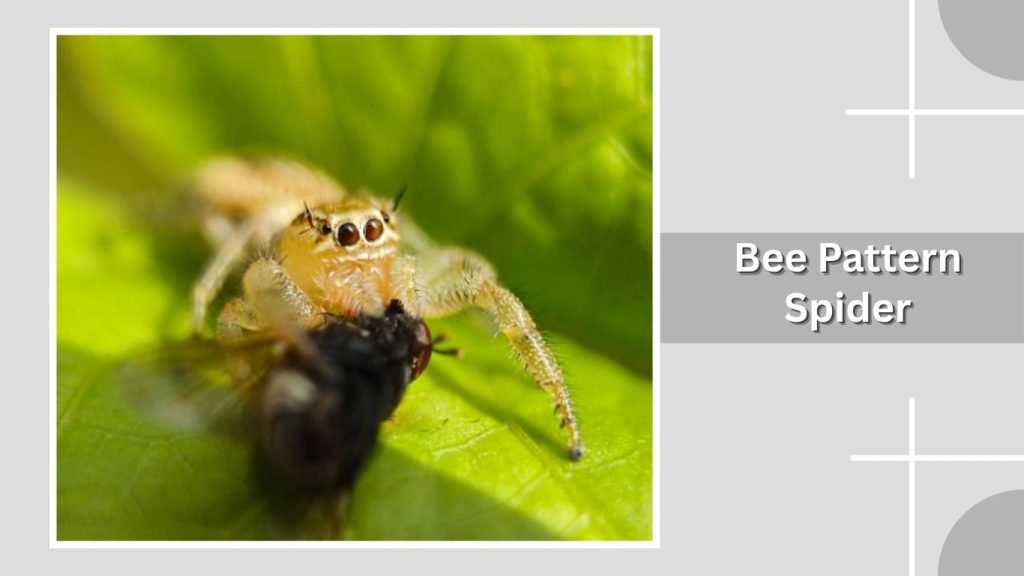
The Bee Pattern Spider is a vibrant yellow and black spider that closely resembles the pattern of a bee. Its bold stripes and contrasting colors make it highly noticeable, yet this resemblance may help protect it from predators. Despite its striking look, it is a calm and beneficial species.
Identification
- Color: Bright yellow with bold black bands, similar to a bee
- Size: Medium-sized, around 7–13 mm
- Body Shape: Rounded abdomen with a compact body
- Legs: Slender legs with light and dark banding
- Markings: Clear bee-like striped pattern
- Eyes: Small and adapted for sensing vibrations
Habitat
Bee Pattern Spiders are commonly found in gardens, meadows, and near flowering plants where insects are abundant. They prefer sunny areas and often build their webs between stems or branches. These environments provide both food and support for their web structures.
Behavior
This spider is a typical orb-weaver, building circular webs and waiting patiently at the center. It relies on vibrations to detect trapped insects and reacts quickly to secure them. It is non-aggressive and will retreat if disturbed.
Interesting Facts
The Bee Pattern Spider’s resemblance to a bee may help deter predators through mimicry. Its web is often strong and well-structured. Like many spiders, it plays an important role in reducing insect populations naturally, making it beneficial for gardens and ecosystems.
10. Shadow Stripe Crawler
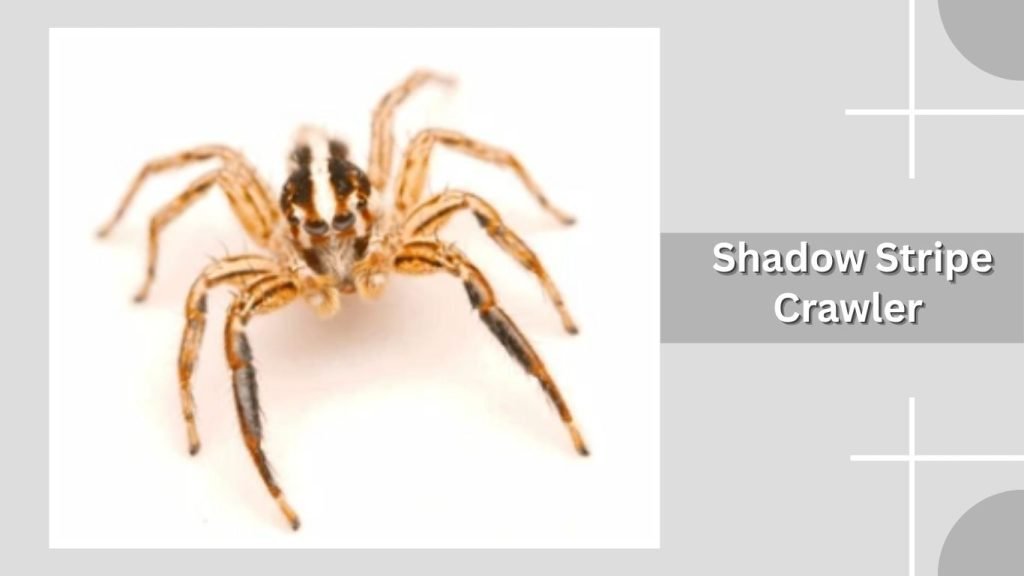
The Shadow Stripe Crawler is a sleek yellow and black spider known for its darker, shadow-like stripes that give it a more subtle yet striking appearance. Its pattern helps it blend into both light and shaded environments, making it a quiet but effective predator.
Identification
- Color: Yellow base with deep black or shadowy stripes
- Size: Medium-sized, around 6–12 mm
- Body Shape: Slightly elongated body with a smooth abdomen
- Legs: Long, thin legs with faint banding
- Markings: Dark, shadow-like stripes that may appear softer than bold bands
- Eyes: Small, suited for detecting movement
Habitat
Shadow Stripe Crawlers are often found in mixed environments such as gardens, forest edges, and shaded corners. They prefer areas with both light and shadow, allowing them to use their coloring for camouflage. They may be seen on plants, walls, or near ground-level surfaces.
Behavior
Unlike web-centered spiders, this species tends to move around more actively. It crawls quietly in search of small insects, relying on stealth and timing. It does not build large webs but may use silk for support or temporary trapping. It avoids danger by staying hidden and still.
Interesting Facts
The Shadow Stripe Crawler’s darker stripes help it stay concealed in dim lighting or shadows. Its balanced coloring allows it to adapt to different environments. Though it looks slightly more serious or intense, it is harmless and contributes to controlling insect populations naturally.
FAQs
Are yellow and black spiders dangerous?
Most yellow and black spiders are harmless to humans. Their bright colors may look intimidating, but they usually use these patterns to warn predators, not to attack. They are generally non-aggressive and will avoid humans unless disturbed.
Why do these spiders have yellow and black colors?
The yellow and black coloration often acts as a warning signal or camouflage. In some cases, it mimics bees or wasps to scare away predators. In other situations, it helps them blend into flowers and sunlight.
Where can I commonly find these spiders?
They are usually found in gardens, fields, forests, and near plants or flowers. Many prefer sunny areas where insects are active, making it easier for them to find food and build webs.
Do all yellow and black spiders build webs?
No, not all of them build webs. Some, like orb-weavers, create large circular webs, while others actively hunt without webs. Their hunting style depends on the species and environment.
What do yellow and black spiders eat?
These spiders mainly feed on small insects such as flies, mosquitoes, and other flying bugs. They help control insect populations naturally, making them beneficial for gardens and ecosystems.
