
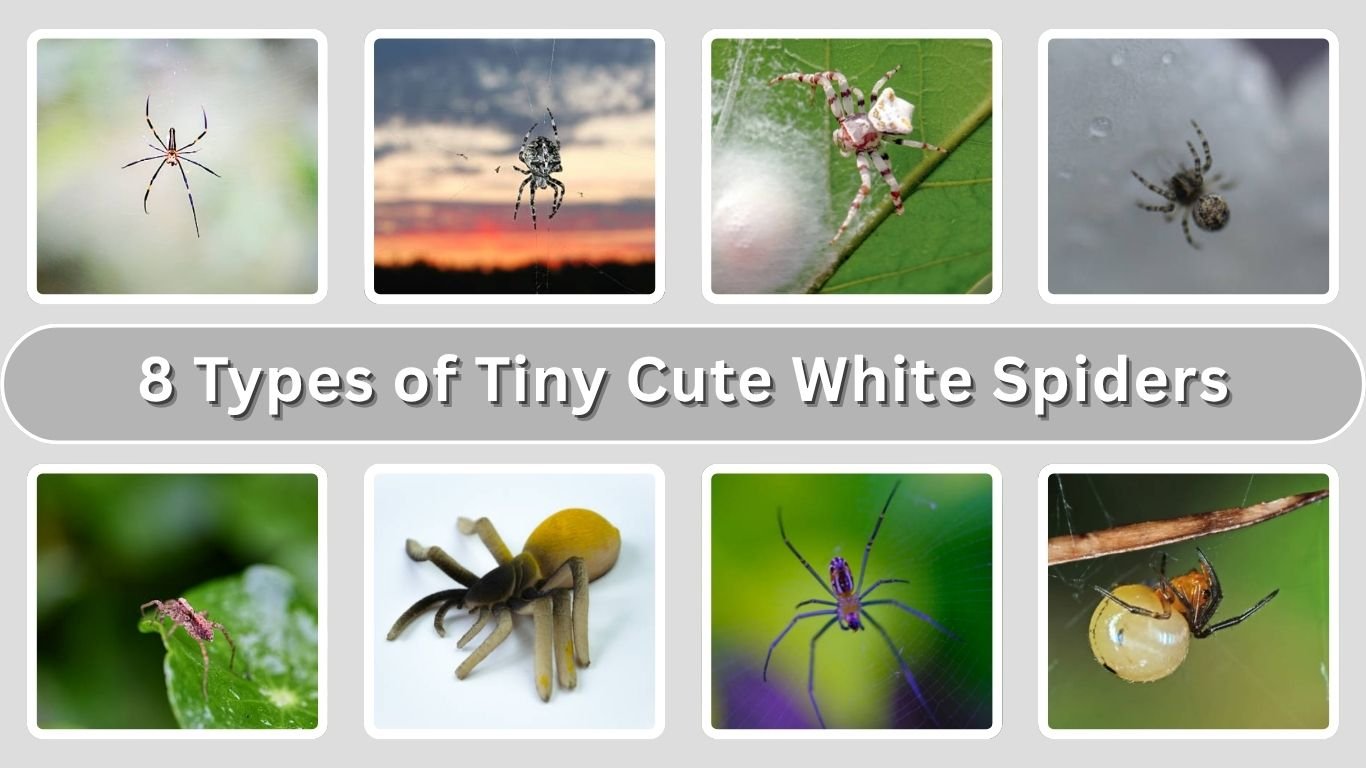
Tiny white spiders may not be the first creatures that come to mind when you think of “cute,” but these delicate little beings can be surprisingly charming. With their soft colors, miniature size, and gentle behavior, they often resemble tiny snowflakes, cotton puffs, or even drops of sugar.
In this list, you’ll discover eight adorable white spiders, each with its own unique look and personality. From calm silk spinners to playful jumpers, these tiny creatures quietly play an important role in nature while adding a touch of beauty to their surroundings.
1. Snowflake Spider
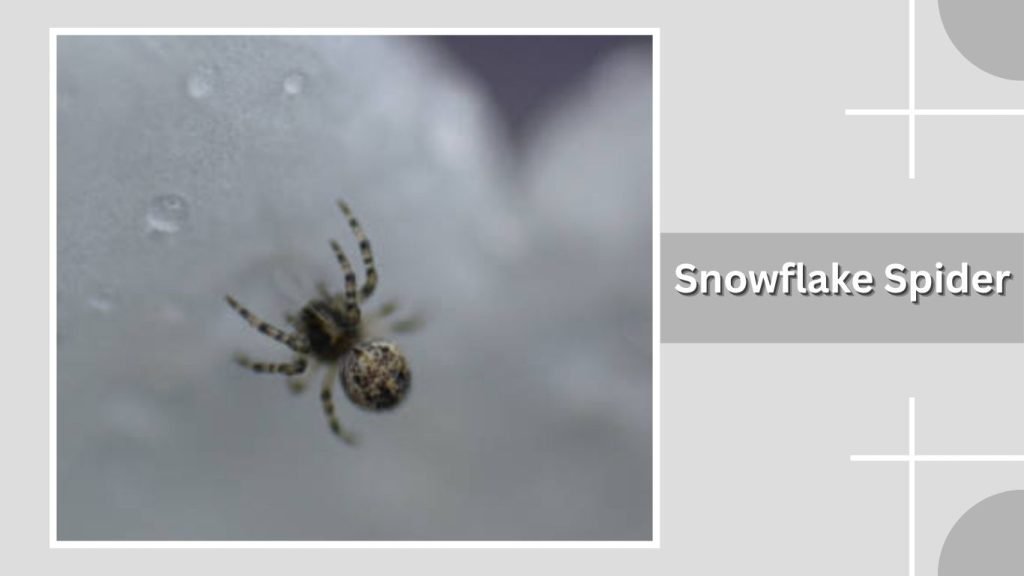
The Snowflake Spider is a tiny, enchanting white spider known for its soft, frost-like appearance and almost weightless presence. Its name comes from its striking resemblance to a delicate snowflake resting on a surface. Often overlooked due to its small size and pale coloration, this spider blends effortlessly into light environments, making it both mysterious and fascinating. Despite its fragile look, it is a capable micro-predator, contributing quietly to the balance of its ecosystem.
Identification
- Color: Bright white, creamy white, or slightly translucent depending on lighting
- Size: Extremely small, typically between 2–5 mm
- Body Shape: Smooth, rounded abdomen with a subtle, compact front section
- Legs: Slender, pale legs that may appear semi-transparent
- Texture: Soft, almost velvety appearance under close observation
- Eyes: Tiny, dark dots that contrast gently with its pale body
Habitat
Snowflake Spiders prefer calm, undisturbed environments where their white coloration offers natural camouflage. They are commonly found on white or light-colored flowers, pale foliage, and occasionally indoor walls or ceilings. Gardens, meadows, and forest edges provide ideal habitats. They are especially noticeable in soft daylight, where their bodies can reflect light and appear almost glowing.
Behavior
This spider is quiet and patient, relying heavily on camouflage rather than aggression. It may either wait for prey to approach or move slowly to capture small insects. Its movements are gentle and precise, rarely drawing attention. It does not create large webs; instead, it may use fine silk strands or hunt directly, conserving energy.
Interesting Facts
The Snowflake Spider’s pale body helps it avoid predators by blending into bright surroundings. In certain lighting, it can appear nearly invisible, like a tiny speck of frost. Its delicate look often leads people to underestimate it, but it plays an important ecological role by feeding on small insects and maintaining natural balance.
2. Pearl Weblet
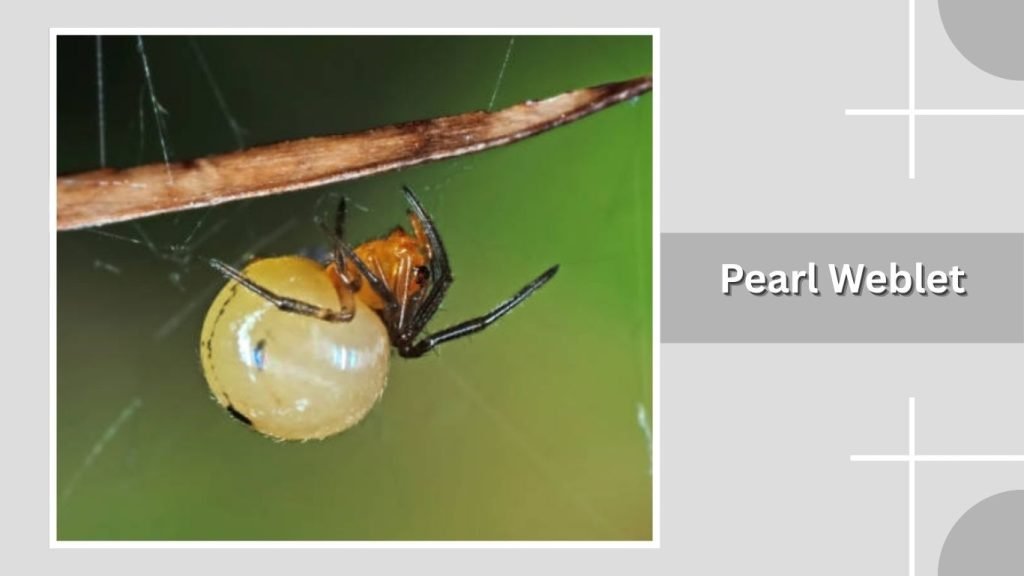
The Pearl Weblet is a tiny, charming white spider named for its smooth, pearl-like body that gently reflects light. Its delicate appearance and subtle shine make it look like a small bead resting quietly on leaves or walls. Though easily missed, this spider is an efficient hunter, using its small size and calm nature to survive in plain sight.
Identification
- Color: Soft white with a slight pearly or glossy sheen
- Size: Very small, around 2–4 mm
- Body Shape: Rounded abdomen resembling a tiny pearl
- Legs: Fine, pale legs that blend with its body
- Surface: Slightly shiny, giving it a polished look
- Eyes: Small and dark, subtly visible
Habitat
Pearl Weblets are commonly found in gardens, shrubs, and near light-colored surfaces where they can blend in easily. They prefer quiet, sheltered spaces such as the undersides of leaves or corners of walls. Their pale coloration helps them stay hidden in bright environments, especially in daylight where their body may reflect surrounding light.
Behavior
This spider is gentle and slow-moving, often relying on stillness to avoid detection. It may spin very fine, nearly invisible silk or choose to hunt small insects directly. Rather than chasing prey, it waits patiently, making quick and precise movements when needed. Its behavior is calm, making it harmless to humans.
Interesting Facts
The Pearl Weblet gets its name from its bead-like appearance, often resembling a tiny drop of white glass. Its reflective body can sometimes make it look like it’s glowing in soft light. Despite its delicate form, it plays an important role in controlling small insect populations in its habitat.
3. Cotton Puff Spider
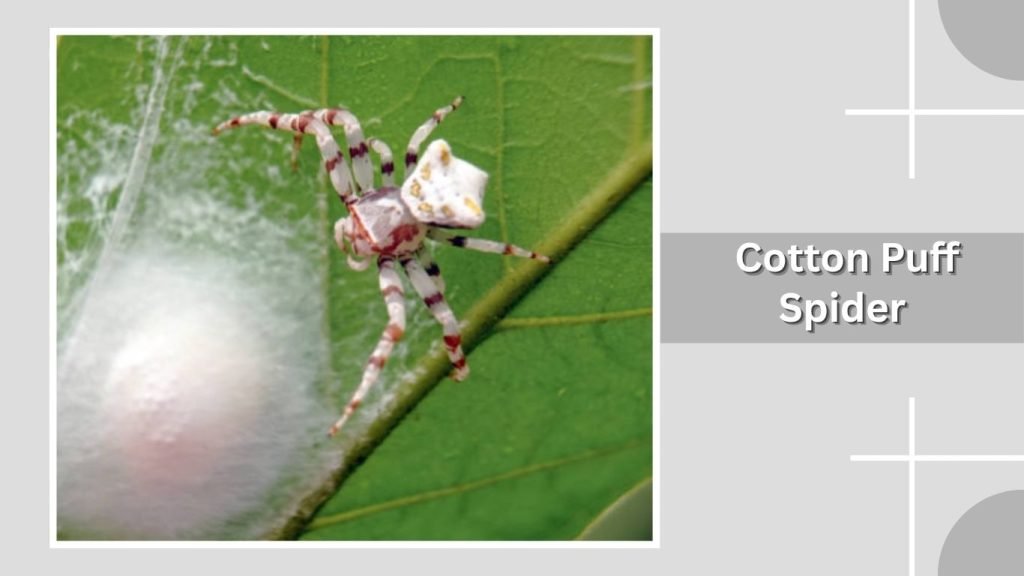
The Cotton Puff Spider is a tiny white spider that looks like a soft piece of floating cotton. Its fluffy appearance and gentle movements give it a harmless, almost decorative presence in nature. Despite its cute and delicate look, it is a skilled micro-hunter that survives quietly in its surroundings.
Identification
- Color: Pure white or slightly off-white, like cotton
- Size: Very small, typically 2–5 mm
- Body Shape: Rounded and slightly puffy abdomen
- Legs: Thin, pale legs that blend with its body
- Texture: Soft-looking, sometimes appearing fuzzy
- Eyes: Small, dark, and barely noticeable
Habitat
Cotton Puff Spiders are often found in gardens, grassy areas, and among light-colored plants. They prefer calm environments where they can remain undisturbed. You may spot them on flowers, leaves, or even indoor walls where their cotton-like color helps them stay hidden. Bright daylight enhances their soft, fluffy appearance.
Behavior
This spider moves slowly and carefully, relying on camouflage rather than speed. It may wait patiently for prey or gently approach small insects. It does not build large webs but may use fine silk threads for support or trapping. Its quiet and non-aggressive nature makes it almost unnoticeable.
Interesting Facts
The Cotton Puff Spider looks so soft that it can be mistaken for a tiny piece of lint or dust. Its fluffy appearance helps it blend into natural surroundings, protecting it from predators. Even though it appears fragile, it plays an important role in keeping insect populations under control.
4. Frosty Jumper
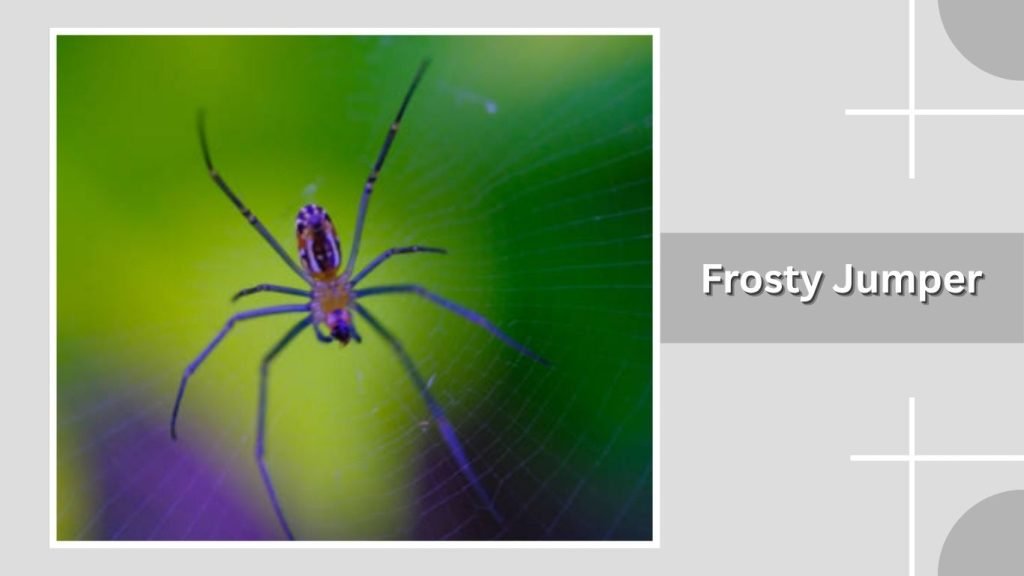
The Frosty Jumper is a tiny white spider known for its quick, light movements and icy appearance. Its body often looks like it’s dusted with frost, giving it a cool and charming look. Unlike slower spiders, this one is active and alert, making it both cute and lively to observe.
Identification
- Color: Bright white or frosty pale with a slight shimmer
- Size: Small, usually around 3–6 mm
- Body Shape: Compact body with a slightly raised front
- Legs: Short, sturdy legs adapted for jumping
- Eyes: Larger front eyes, typical of jumping spiders
- Texture: Smooth with a faint frosted look
Habitat
Frosty Jumpers are often found in sunny gardens, walls, and window areas where they can explore actively. They prefer open spaces with good lighting, which helps them spot prey. Their pale color allows them to blend into light surfaces like painted walls, stones, or pale leaves.
Behavior
This spider is energetic and curious. Instead of building webs, it actively hunts by jumping on its prey with precision. It uses its strong vision to track movement and reacts quickly. Despite its speed, it is harmless and usually avoids contact with humans.
Interesting Facts
The Frosty Jumper’s jumping ability makes it stand out among tiny spiders. It can leap several times its body length with accuracy. Its large eyes give it excellent vision compared to many other spiders. Its frosty appearance combined with its active nature makes it both unique and fascinating.
5. Mini Cloud Spider
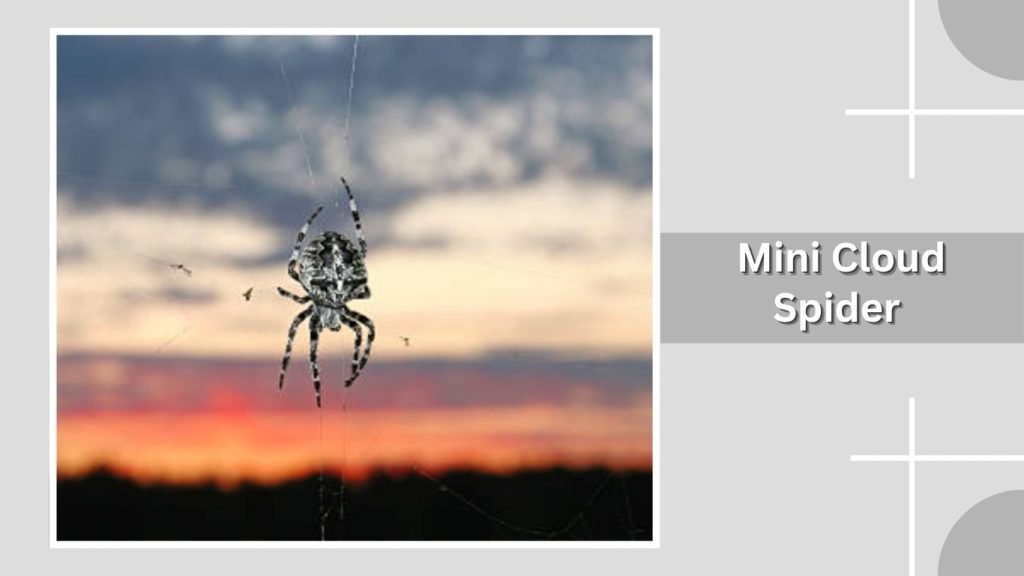
The Mini Cloud Spider is a tiny, soft-looking white spider that resembles a drifting cloud. Its light, airy appearance and gentle presence make it one of the most delicate-looking spiders. Often blending seamlessly into pale backgrounds, it can be easy to miss unless you look closely.
Identification
- Color: Soft white, sometimes slightly translucent like mist
- Size: Very small, around 2–4 mm
- Body Shape: Rounded, light, and slightly fluffy-looking abdomen
- Legs: Fine and pale, giving a floating appearance
- Texture: Smooth with a soft, cloud-like look
- Eyes: Tiny and dark, subtly visible
Habitat
Mini Cloud Spiders prefer quiet, bright environments where their pale color offers natural camouflage. They are often found on white flowers, light-colored leaves, or indoor walls and ceilings. Gardens, balconies, and window corners are common places to spot them, especially during calm weather.
Behavior
This spider is slow and peaceful, relying on stillness to stay hidden. It may spin very fine silk or gently move toward small insects. Rather than chasing prey, it waits patiently and strikes only when necessary. Its calm nature makes it harmless and easy to overlook.
Interesting Facts
The Mini Cloud Spider looks so light that it can appear as if it’s floating in place. Its pale body helps it avoid predators by blending into bright surroundings. Despite its tiny size, it plays a useful role in reducing small insect populations in its environment.
6. Ivory Silkling
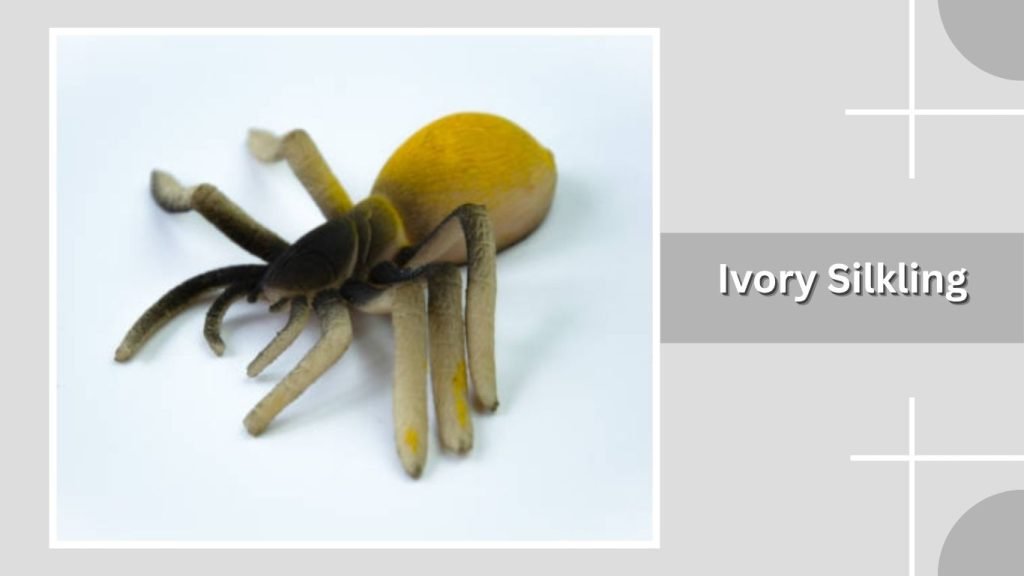
The Ivory Silkling is a tiny, elegant white spider with a smooth, ivory-toned body that gives it a refined and delicate appearance. Its name comes from both its soft color and its ability to produce fine, silky threads. Though small, it is a graceful and efficient presence in its environment.
Identification
- Color: Warm white or ivory with a smooth finish
- Size: Small, typically 2–5 mm
- Body Shape: Slender with a slightly elongated abdomen
- Legs: Thin, pale legs with a gentle curve
- Texture: Smooth and clean, almost polished in look
- Eyes: Small and dark, subtly contrasting
Habitat
Ivory Silklings are commonly found in quiet indoor corners, garden plants, and sheltered outdoor areas. They prefer places where they can spin fine silk without disturbance, such as window edges, leaf undersides, or small crevices. Their ivory color helps them blend into light backgrounds like walls or pale vegetation.
Behavior
This spider is calm and precise, often seen carefully laying down thin silk threads. It may build small, delicate webs or use silk as a support while moving. It relies on patience, waiting for tiny insects to come within reach. Its movements are slow and controlled, avoiding unnecessary attention.
Interesting Facts
Ivory Silkling produces extremely fine silk that can be difficult to see with the naked eye. Its elegant color gives it a clean, almost decorative appearance. Despite its beauty, it plays a practical role by helping control small insect populations in homes and gardens.
7. Tiny Ghost Spinner
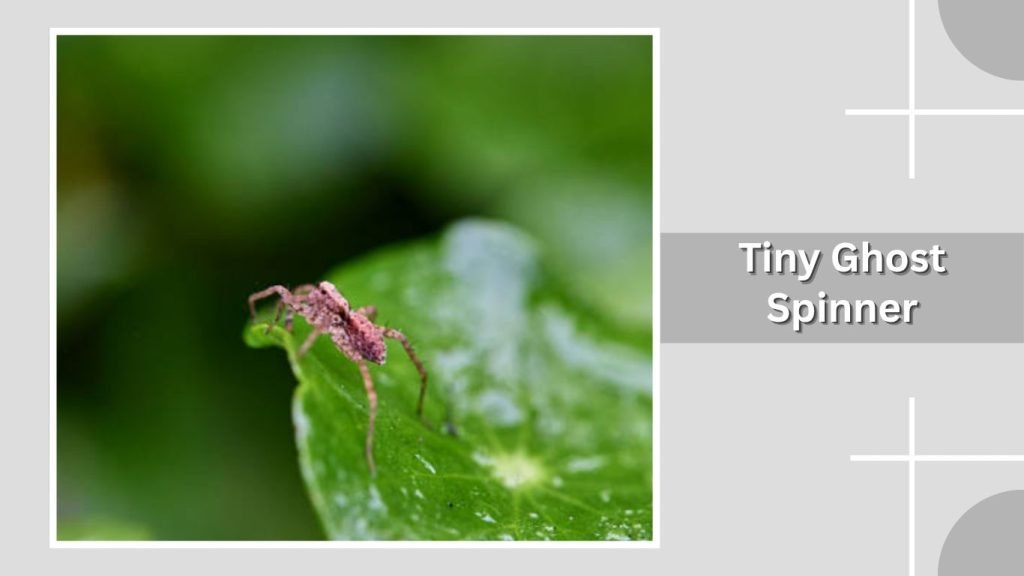
The Tiny Ghost Spinner is a small, pale spider that appears almost invisible, like a drifting ghost. Its faint, translucent body gives it a mysterious and delicate presence. Often unnoticed, it quietly moves through its environment, blending perfectly with light surroundings.
Identification
- Color: Very pale white, sometimes nearly transparent
- Size: Tiny, around 2–4 mm
- Body Shape: Slim and slightly elongated
- Legs: Long, thin, and almost see-through
- Texture: Smooth and faint, ghost-like appearance
- Eyes: Small and lightly visible
Habitat
Tiny Ghost Spinners are found in calm, undisturbed places such as corners of rooms, garden edges, and under leaves. They prefer light-colored or softly lit environments where their translucent body makes them hard to detect. Indoors, they may appear near ceilings or window frames.
Behavior
This spider is extremely quiet and cautious. It moves slowly, often pausing for long periods to avoid detection. It creates fine, nearly invisible silk threads to catch tiny insects. Instead of active hunting, it relies on patience and stealth to survive.
Interesting Facts
The Tiny Ghost Spinner’s nearly transparent body makes it one of the hardest spiders to spot. In certain lighting, it can seem to disappear completely. Its ghost-like look is where it gets its name. Despite its eerie appearance, it is harmless and helps control small insect populations.
8. Sugar Drop Spider
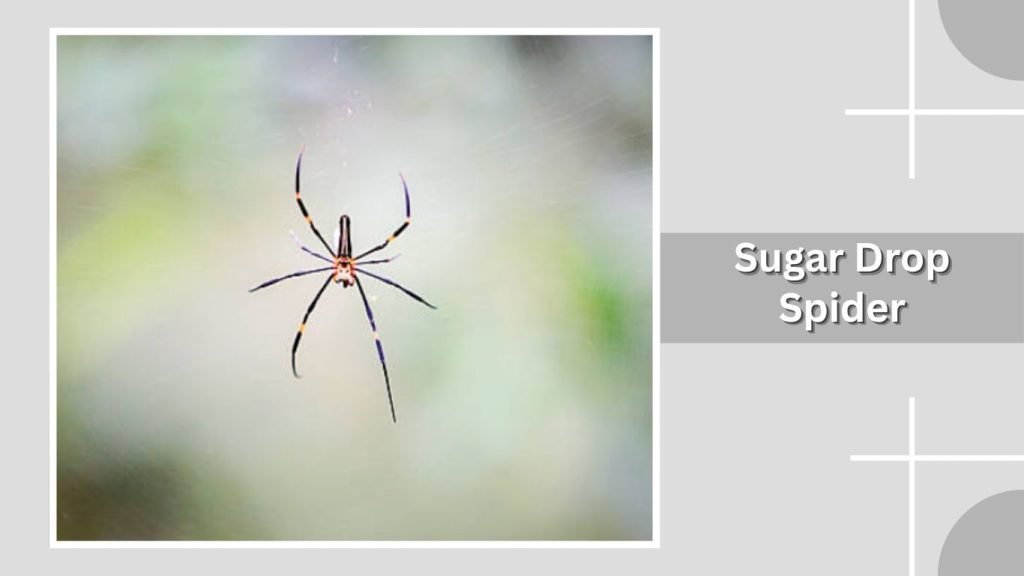
The Sugar Drop Spider is a tiny, bright white spider that looks like a small drop of sugar resting on a surface. Its clean, rounded appearance and soft shine give it a sweet and delicate charm. Though it appears fragile, it is a capable little hunter that quietly thrives in its environment.
Identification
- Color: Pure white, resembling a tiny sugar crystal
- Size: Very small, around 2–4 mm
- Body Shape: Rounded, droplet-like abdomen
- Legs: Short, pale legs that blend with the body
- Texture: Smooth and slightly glossy
- Eyes: Tiny and dark, lightly contrasting
Habitat
Sugar Drop Spiders are commonly found in bright, calm environments such as gardens, window areas, and indoor walls. They prefer light-colored surfaces where their white body provides natural camouflage. You might spot them on flowers, leaves, or ceilings, especially in soft daylight.
Behavior
This spider is gentle and slow-moving, often staying still to avoid attention. It may create fine silk threads or wait quietly for small insects to come close. Rather than chasing prey, it relies on timing and precision. Its calm nature makes it harmless to humans.
Interesting Facts
The Sugar Drop Spider gets its name from its resemblance to a tiny grain of sugar. Its glossy white body can reflect light, making it appear slightly shiny. Despite its sweet appearance, it plays an important role in maintaining balance by feeding on tiny insects.
FAQs
What makes these tiny white spiders look “cute”?
Their small size, soft white coloration, and gentle movements give them a harmless, delicate appearance. Many of them resemble familiar soft objects like cotton, snow, or sugar, which makes people naturally perceive them as cute rather than scary.
Are these tiny white spiders dangerous to humans?
No, these spiders are harmless to humans. They are too small to cause any harm and are non-aggressive by nature. Most of them will avoid contact and focus only on catching tiny insects for food.
Where are these spiders commonly found?
They are usually found in gardens, on light-colored plants, walls, ceilings, and near windows. They prefer calm environments where their pale color helps them blend in and stay hidden from predators.
Do these spiders build webs?
Some may create very fine, nearly invisible silk threads, but most do not build large or noticeable webs. Instead, they rely on camouflage, patience, or active hunting to catch their prey.
Why are they white in color?
Their white or pale color acts as camouflage, helping them blend into flowers, light surfaces, or bright environments. This helps protect them from predators and allows them to catch prey more effectively.
