
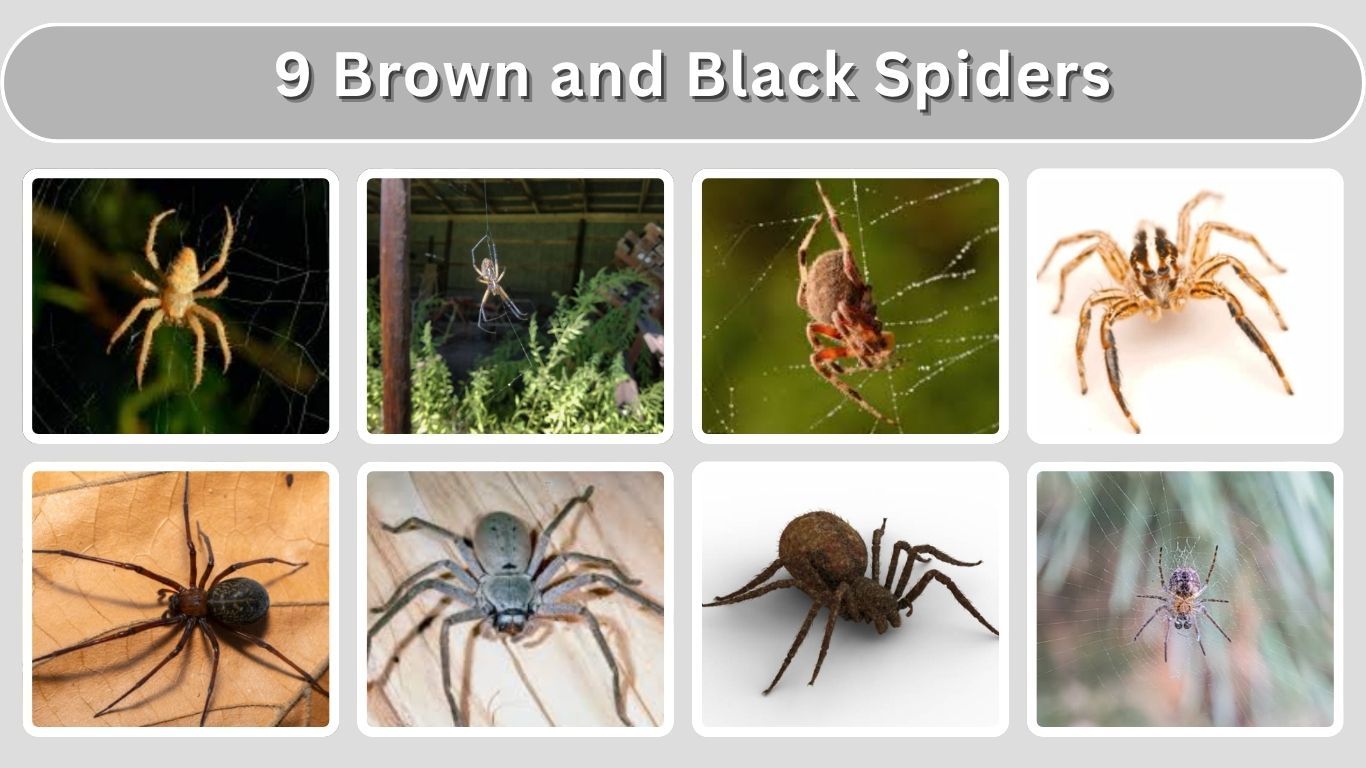
Brown and black spiders are some of the most common yet often overlooked creatures in nature. Their earthy colors help them blend seamlessly into tree bark, soil, and shadows, making them masters of camouflage. While they may not be as bright or eye-catching as other spiders, they play an essential role in maintaining ecological balance.
In this guide, you’ll discover nine unique brown and black spiders, each with its own distinct patterns, habitats, and behaviors. From quiet web-builders to active hunters, these spiders are fascinating examples of how nature combines simplicity with survival.
1. Shadow Bark Spider

The Shadow Bark Spider is a brown and black spider known for its ability to blend perfectly with tree bark and dark wooden surfaces. Its natural camouflage gives it a shadowy appearance, making it difficult to spot in its environment. Though it may look mysterious, it is a harmless and beneficial spider.
Identification
- Color: Dark brown mixed with black patterns
- Size: Medium-sized, typically 7–14 mm
- Body Shape: Flattened body that helps it stay close to surfaces
- Legs: Long, thin legs with subtle dark banding
- Markings: Irregular bark-like patterns for camouflage
- Eyes: Small and adapted for detecting movement
Habitat
Shadow Bark Spiders are commonly found on tree trunks, wooden fences, and forested areas. They prefer environments where their bark-like coloration helps them stay hidden from predators. Gardens with trees, parks, and woodland edges are ideal places to find them. They often remain still against surfaces, making them almost invisible.
Behavior
This spider relies heavily on camouflage and patience rather than speed. It may stay motionless for long periods, waiting for small insects to come close. Instead of building large webs, it may use minimal silk or hunt directly on surfaces. It avoids confrontation and quickly retreats into crevices when disturbed.
Interesting Facts
The Shadow Bark Spider’s natural camouflage is one of its strongest survival tools, allowing it to disappear into its surroundings. Its flattened body helps it stay close to surfaces, reducing shadows and visibility. Despite its dark and stealthy look, it is harmless and plays a useful role in controlling insect populations.
2. Cocoa Stripe Weaver
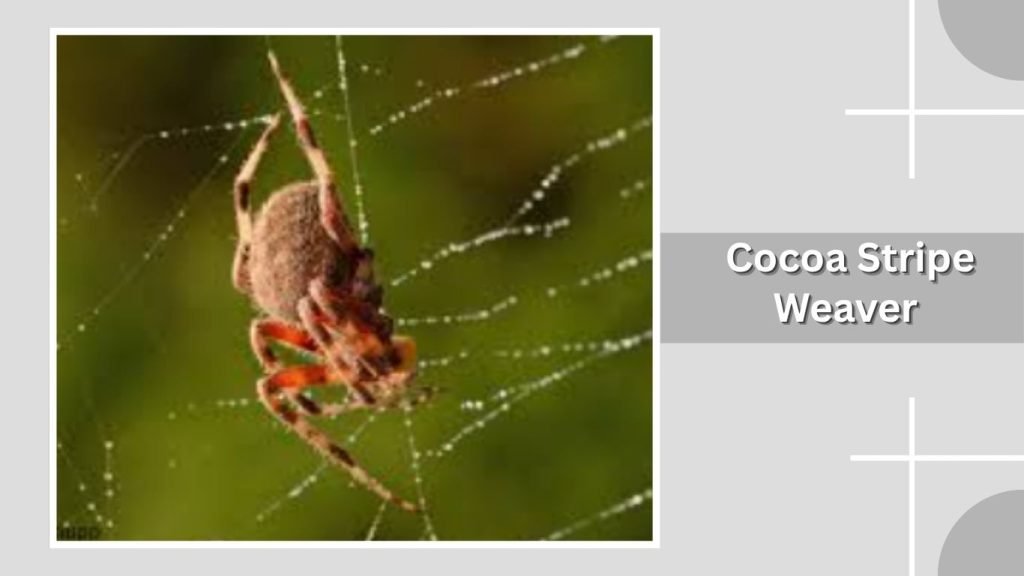
The Cocoa Stripe Weaver is a brown and black spider known for its rich, cocoa-colored body and subtle striped patterns. Its earthy tones help it blend into soil, wood, and dried leaves, making it a quiet but effective presence in nature. Despite its simple look, it is a skilled web-builder and insect catcher.
Identification
- Color: Warm brown with dark black or deep brown stripes
- Size: Medium-sized, around 6–13 mm
- Body Shape: Rounded abdomen with a slightly compact body
- Legs: Long legs with faint banding in brown and black
- Markings: Soft stripe patterns running across the body
- Eyes: Small, adapted for sensing vibrations
Habitat
Cocoa Stripe Weavers are often found in gardens, forest floors, and areas with dried leaves or wooden surfaces. They prefer places where their natural coloring provides camouflage, such as shrubs, low branches, or fences. These spiders usually build their webs in sheltered spots where insects frequently pass.
Behavior
This spider is a typical orb-weaver, building circular webs and waiting patiently at the center. It relies on vibrations to detect when prey is trapped. Once alerted, it quickly moves to secure the insect with silk. It is calm and non-aggressive, usually retreating if disturbed.
Interesting Facts
The Cocoa Stripe Weaver’s earthy colors help it stay hidden from both predators and prey. Its web is often rebuilt regularly to maintain strength and effectiveness. Like many weavers, it plays an important role in controlling insect populations in its environment.
3. Dustback Crawler
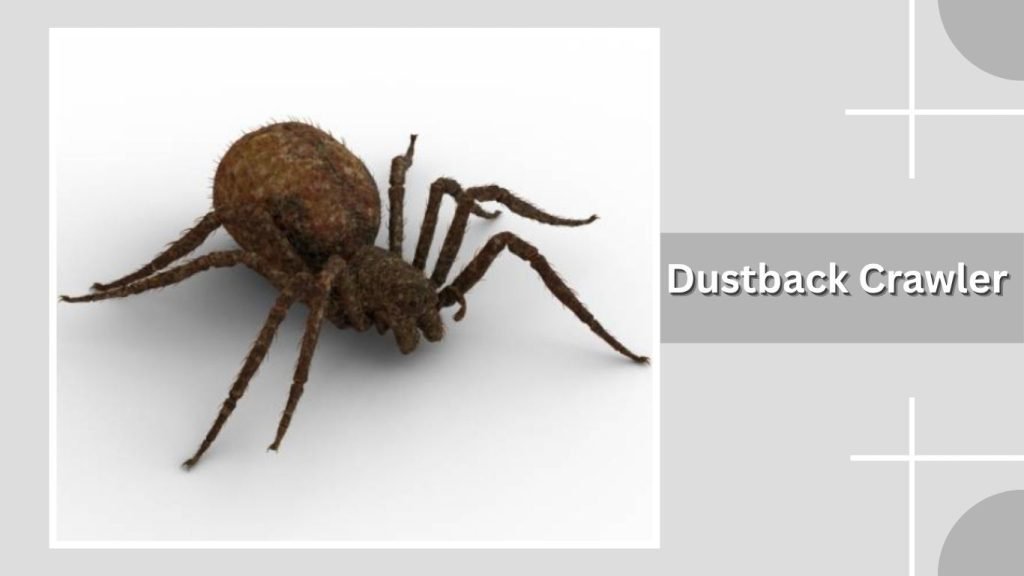
The Dustback Crawler is a small brown and black spider known for its dusty, muted appearance that helps it blend into dry soil and surfaces. Its subtle coloring makes it easy to overlook, giving it a natural advantage in staying hidden from both predators and prey.
Identification
- Color: Light to dark brown with black speckled patterns
- Size: Small to medium, around 5–11 mm
- Body Shape: Slightly flattened with a rounded abdomen
- Legs: Thin legs with faint dark bands
- Markings: Dust-like speckles across the back
- Eyes: Small and adapted for movement detection
Habitat
Dustback Crawlers are commonly found in dry environments such as garden soil, dusty corners, and under rocks or debris. They prefer ground-level habitats where their dusty coloration provides excellent camouflage. You may also spot them near walls or floors where dirt and dust collect.
Behavior
This spider is an active ground crawler, moving quietly in search of small insects. It does not rely on large webs but may use minimal silk for support or trapping. It prefers to stay hidden and will quickly retreat if disturbed, using its camouflage as its main defense.
Interesting Facts
The Dustback Crawler’s dusty appearance allows it to blend perfectly into its surroundings, making it hard to detect. Its ability to move silently helps it catch prey efficiently. Despite its plain look, it plays an important role in controlling small ground-dwelling insects.
4. Timber Pattern Spider
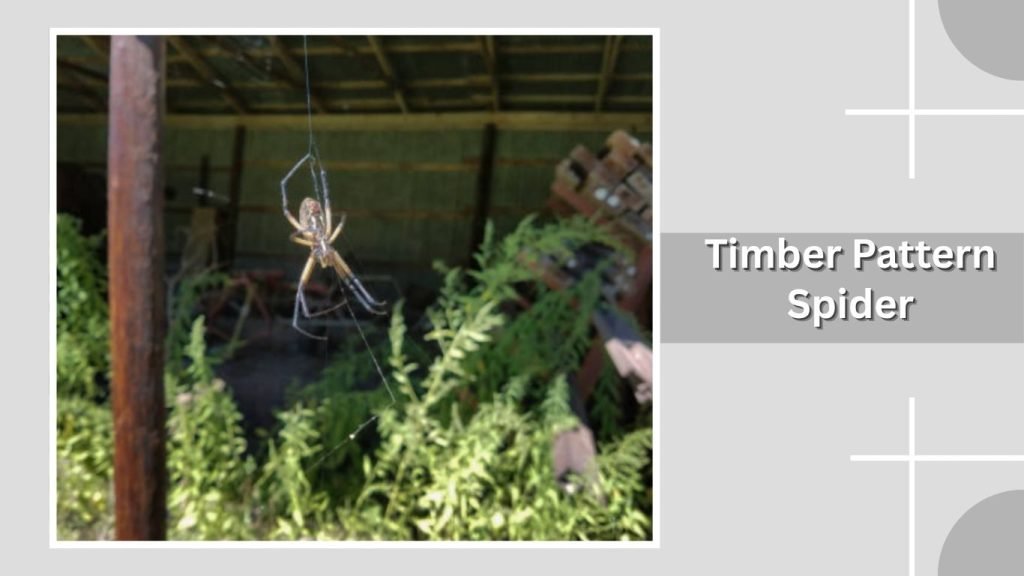
The Timber Pattern Spider is a brown and black spider known for its wood-like patterns that closely resemble natural timber textures. Its earthy coloration allows it to blend seamlessly into wooden surfaces, making it both elusive and fascinating to observe. Despite its rugged look, it is a calm and beneficial species.
Identification
- Color: Medium to dark brown with black streaks or grain-like patterns
- Size: Medium-sized, around 7–13 mm
- Body Shape: Oval abdomen with a slightly firm structure
- Legs: Long legs with subtle dark banding
- Markings: Wood grain-like patterns across the body
- Eyes: Small, adapted for sensing movement
Habitat
Timber Pattern Spiders are often found on tree trunks, wooden fences, logs, and forested areas. They prefer environments where their wood-like patterns provide effective camouflage. Gardens with wooden structures, parks, and woodland edges are ideal habitats for them.
Behavior
This spider relies heavily on stillness and camouflage to survive. It may remain motionless for long periods, waiting for insects to come within reach. It does not typically build large webs, instead choosing to hunt directly or use minimal silk. When disturbed, it quickly retreats into cracks or hidden spaces.
Interesting Facts
The Timber Pattern Spider’s body pattern closely mimics natural wood grain, making it difficult to spot even at close range. This camouflage protects it from predators and helps it catch prey. Though it appears tough and rugged, it is harmless and contributes to natural insect control.
5. Brown Band Hunter
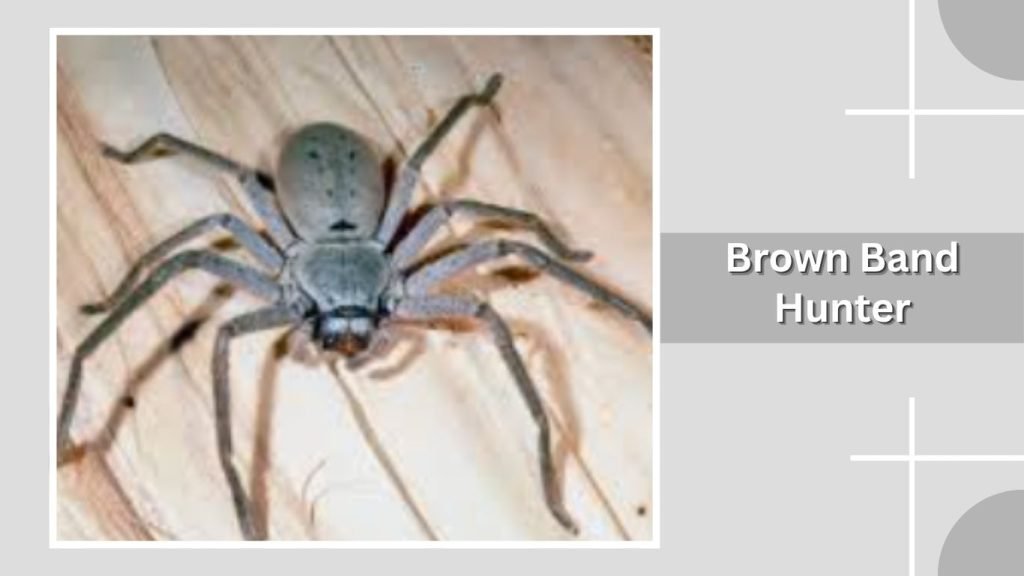
The Brown Band Hunter is a sleek brown and black spider recognized for the dark bands that run across its body and legs. Its balanced coloration allows it to blend into both soil and wooden surfaces, making it a quiet but effective predator in its environment.
Identification
- Color: Medium brown with dark black bands
- Size: Medium-sized, around 6–12 mm
- Body Shape: Slightly elongated with a smooth abdomen
- Legs: Long legs with clear banded patterns
- Markings: Distinct horizontal or angled bands across the body
- Eyes: Small, adapted for detecting movement
Habitat
Brown Band Hunters are commonly found in gardens, under leaves, along fences, and near ground-level surfaces. They prefer areas with natural cover such as shrubs, bark, or debris where their banded pattern helps them stay hidden. They can also appear indoors in quiet corners.
Behavior
This spider is an active hunter rather than a web-builder. It moves carefully across surfaces, scanning for small insects before making a quick capture. It relies on stealth and timing instead of webs. When threatened, it avoids confrontation and retreats quickly.
Interesting Facts
The banded pattern of the Brown Band Hunter helps break up its outline, making it harder for predators to notice. Its adaptable nature allows it to thrive in both indoor and outdoor environments. Though it looks bold, it is harmless and plays a useful role in controlling insect populations.
6. Dark Root Spinner
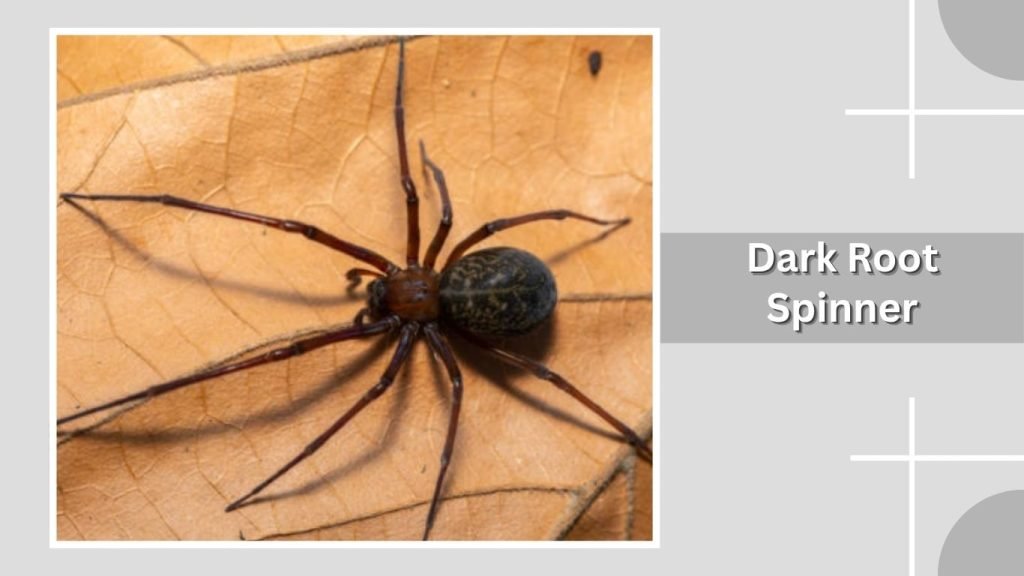
The Dark Root Spinner is a brown and black spider known for its deep, root-like coloring that helps it blend into soil, roots, and dark natural surfaces. Its subtle yet rich tones give it a grounded, earthy appearance, making it well-suited for life close to the ground.
Identification
- Color: Dark brown with black undertones
- Size: Medium-sized, around 7–13 mm
- Body Shape: Rounded abdomen with a slightly low profile
- Legs: Thin, dark legs with faint banding
- Markings: Root-like streaks or irregular dark patterns
- Eyes: Small, adapted for sensing vibrations
Habitat
Dark Root Spinners are typically found near plant roots, under logs, stones, and in moist soil areas. They prefer shaded environments where their dark coloration provides effective camouflage. Gardens, forest floors, and areas with dense vegetation are common habitats.
Behavior
This spider is a quiet web-builder, often creating small, low webs close to the ground. It may also stay hidden near its web, waiting for insects to pass by. It relies on patience and subtle movement rather than speed, and quickly retreats if disturbed.
Interesting Facts
The Dark Root Spinner’s coloring closely resembles tangled roots or damp soil, making it difficult to detect. Its low-placed webs are designed to catch ground-level insects. Though it appears dark and serious, it is harmless and helps maintain ecological balance by reducing pests.
7. Forest Speck Spider
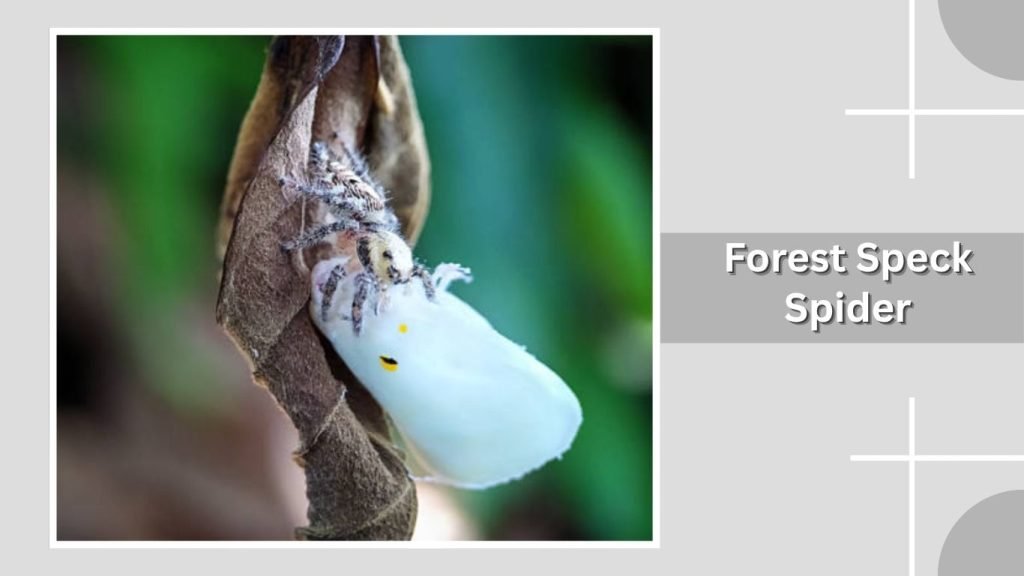
The Forest Speck Spider is a brown and black spider known for its speckled pattern that resembles scattered forest debris. Its dotted appearance helps it blend into leaf litter and natural ground textures, making it a subtle but effective predator in wooded environments.
Identification
- Color: Light to dark brown with black speckles
- Size: Small to medium, around 5–11 mm
- Body Shape: Rounded abdomen with a slightly compact form
- Legs: Thin legs with faint dark markings
- Markings: Speckled pattern resembling dirt or leaf fragments
- Eyes: Small, suited for detecting movement
Habitat
Forest Speck Spiders are commonly found on forest floors, among dry leaves, and in garden soil. They prefer areas rich in natural debris where their speckled pattern provides excellent camouflage. You may also spot them under logs, stones, or near plant bases.
Behavior
This spider is a ground-level hunter that moves quietly through leaf litter in search of prey. It does not rely on large webs but may use minimal silk when needed. It depends on stealth and camouflage, often staying still to avoid detection.
Interesting Facts
The speckled design of the Forest Speck Spider helps it disappear into complex forest textures. It can remain unnoticed even in plain sight. Despite its simple appearance, it plays an important role in controlling small insects within forest ecosystems.
8. Mudline Weaver
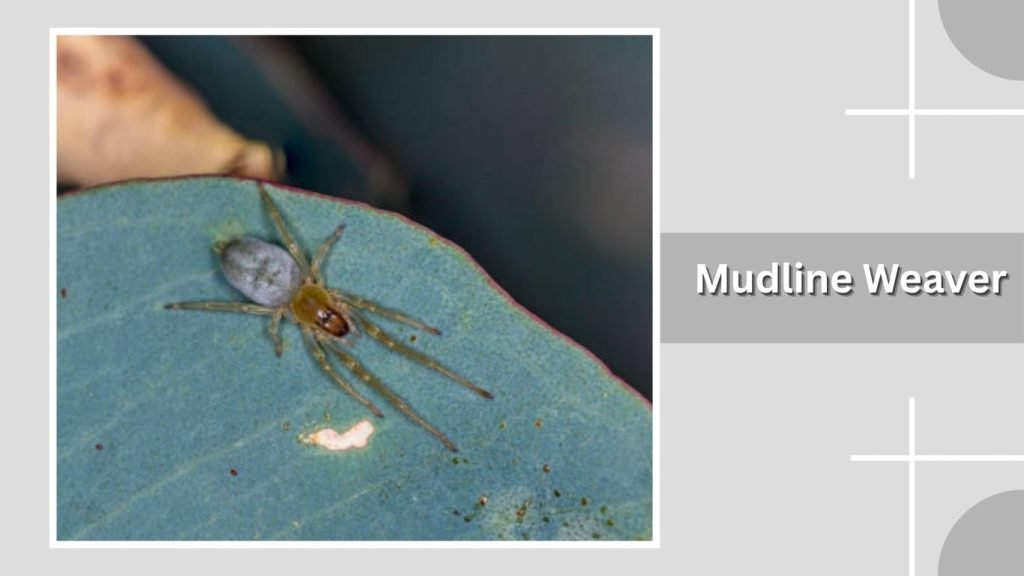
The Mudline Weaver is a brown and black spider recognized for its earthy tones and line-like patterns that resemble dried mud cracks. Its natural coloring allows it to blend seamlessly into soil, walls, and rough surfaces, making it a quiet but effective web-builder.
Identification
- Color: Light to dark brown with black line-like markings
- Size: Medium-sized, around 6–12 mm
- Body Shape: Rounded abdomen with a slightly firm structure
- Legs: Long, thin legs with subtle banding
- Markings: Thin, irregular lines resembling cracked mud
- Eyes: Small, adapted for sensing vibrations
Habitat
Mudline Weavers are commonly found on walls, fences, soil surfaces, and garden areas. They prefer environments where their mud-like patterns provide natural camouflage. These spiders often build webs in corners, between plants, or along rough surfaces where insects frequently pass.
Behavior
This spider is a patient web-builder, creating small to medium webs to catch prey. It stays close to its web, waiting for vibrations that signal trapped insects. When disturbed, it usually retreats quickly rather than confronting threats.
Interesting Facts
The Mudline Weaver’s pattern closely mimics dried mud or cracked earth, making it hard to notice. Its web is often rebuilt to maintain strength and effectiveness. Like many weavers, it plays a useful role in reducing insect populations in its environment.
9. Night Patch Spider
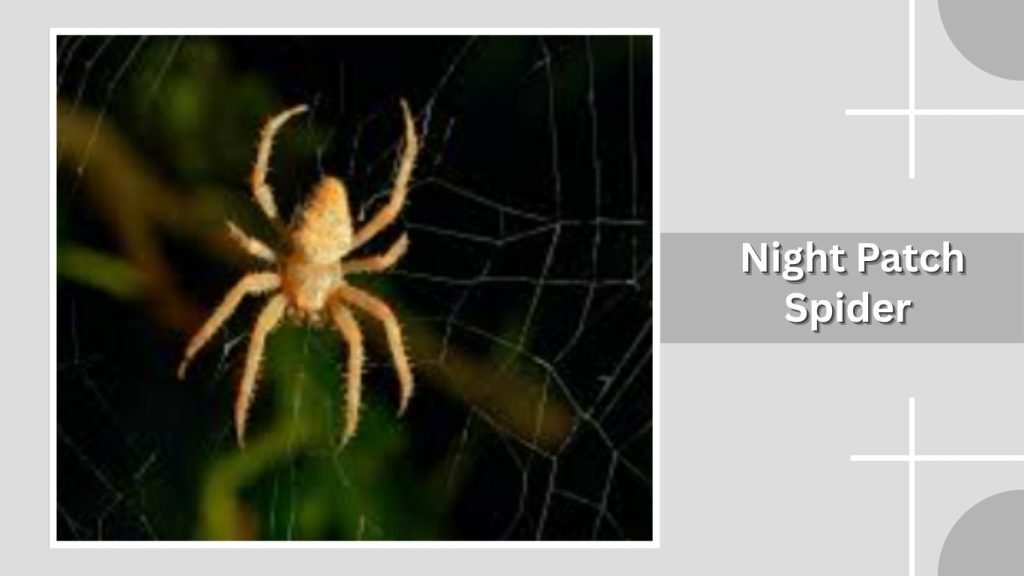
The Night Patch Spider is a dark brown and black spider known for its shadowy patches that resemble spots of darkness. Its deep, blended colors help it stay hidden in low-light environments, giving it a quiet and mysterious presence. Despite its appearance, it is harmless and beneficial.
Identification
- Color: Dark brown with black patch-like markings
- Size: Medium-sized, around 6–12 mm
- Body Shape: Slightly rounded abdomen with a smooth surface
- Legs: Long, thin legs with faint dark bands
- Markings: Irregular dark patches that resemble shadows
- Eyes: Small, adapted for detecting movement
Habitat
Night Patch Spiders are commonly found in dim or shaded areas such as under furniture, in corners, forest floors, and beneath rocks or logs. They prefer environments with low light where their dark coloration provides effective camouflage. They may also appear near walls or quiet indoor spaces.
Behavior
This spider is mostly active in low-light conditions, moving quietly to hunt small insects. It does not rely heavily on large webs but may use minimal silk for support or trapping. It prefers to stay hidden and avoids confrontation, retreating quickly when disturbed.
Interesting Facts
The Night Patch Spider’s dark patches help it blend into shadows, making it nearly invisible at night. Its quiet and cautious behavior adds to its elusive nature. Although it may look intimidating, it is harmless and contributes to natural pest control by feeding on small insects.
FAQs
Are brown and black spiders dangerous?
Most brown and black spiders are harmless to humans. Their darker colors may make them look more intimidating, but they are generally non-aggressive and prefer to avoid contact. They mainly focus on catching small insects.
Why are these spiders brown and black?
Their brown and black coloration helps them blend into natural environments like soil, bark, and shadows. This camouflage protects them from predators and helps them catch prey more effectively.
Where can I usually find these spiders?
They are commonly found in gardens, forests, under rocks, on tree bark, and inside quiet corners of homes. They prefer areas with natural cover where their colors help them stay hidden.
Do these spiders build webs?
Some of them build small or medium webs, while others are active hunters that do not rely on webs. Their behavior depends on the species and the environment they live in.
What do brown and black spiders eat?
They mainly feed on small insects such as ants, flies, and other tiny bugs. By doing so, they help control insect populations and maintain balance in their ecosystems.
