
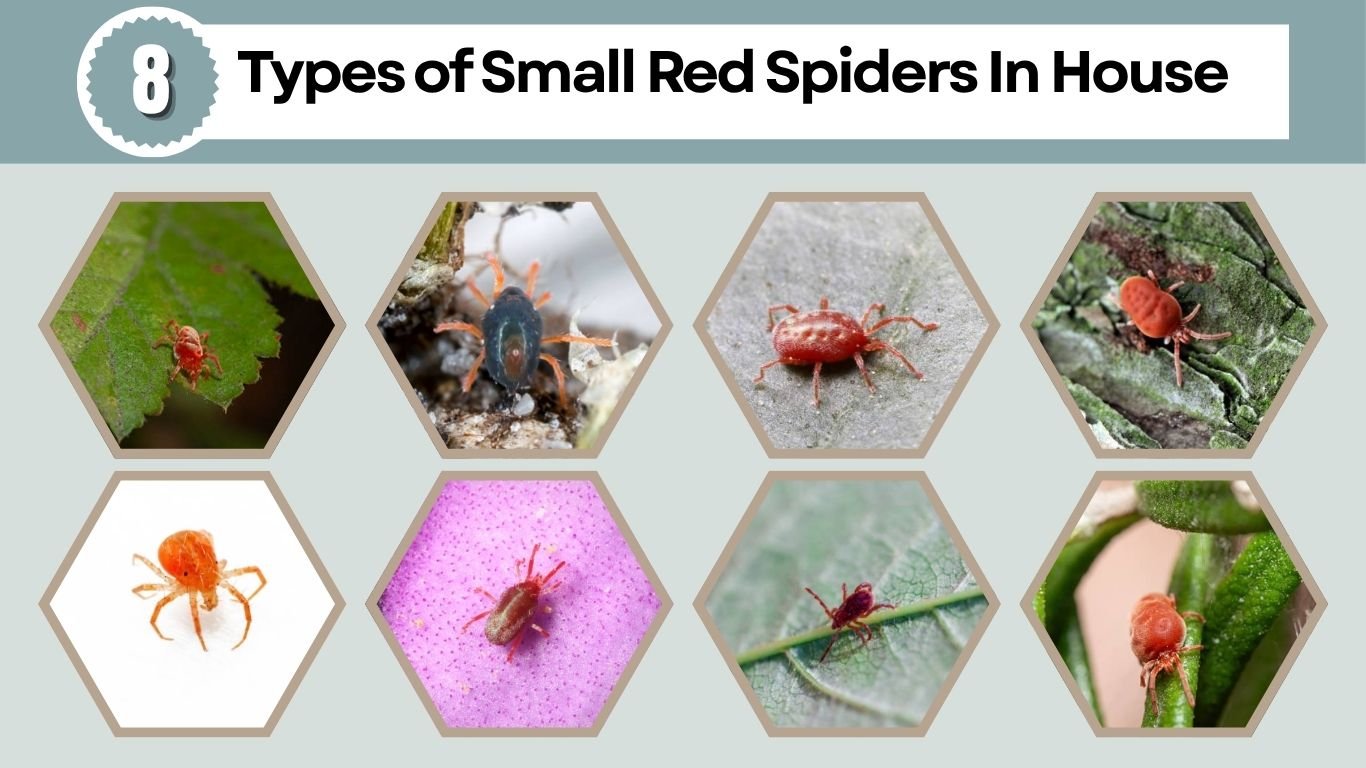
Small red spiders (often actually mites) can sometimes appear inside homes, especially during certain seasons. Their bright red color makes them easy to notice, which can cause concern for many homeowners. However, most of these tiny creatures are harmless and do not pose any serious risk to humans or pets. They usually enter homes accidentally while searching for food, warmth, or shelter.
In this guide, you’ll learn about 8 common types of small red spiders found indoors, along with how to identify them, where they come from, and why they show up in your home.
1. Clover Mite
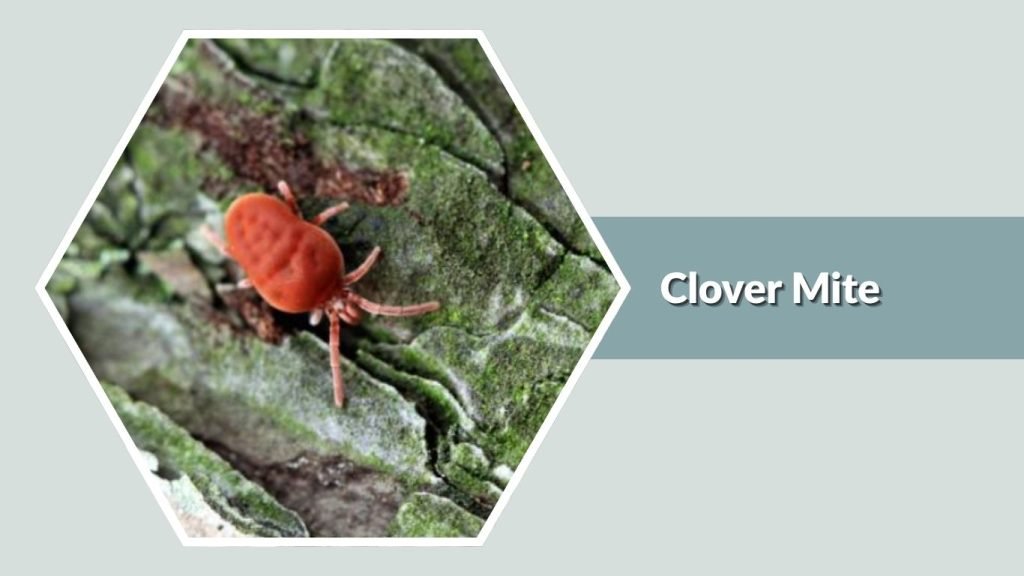
Clover mites are tiny red arachnids commonly noticed crawling on walls, windowsills, and ceilings inside homes. They are especially active during spring and early summer when outdoor vegetation is lush. Although they can appear in large numbers and may be alarming due to their color, they are completely harmless to humans and pets. They do not bite, transmit diseases, or damage household items. Their presence is mostly a nuisance issue rather than a health concern. When crushed, however, they leave behind a reddish stain, which often causes people to mistake them for blood-feeding pests. Understanding their characteristics and behavior helps in identifying and managing them effectively without unnecessary worry.
Identification
- Very small (about 0.75–1 mm long), often appearing as tiny moving dots
- Bright red, rust-colored, or reddish-brown body
- Oval-shaped body with a soft texture
- Front pair of legs are much longer than the others and extend forward, often mistaken for antennae
- Slow-moving compared to many other mites
- Leaves a red stain when crushed
Habitat
Clover mites primarily live outdoors in grassy areas, lawns, gardens, and around the foundations of buildings. They thrive in environments with plenty of vegetation, such as clover, grass, and ornamental plants, which serve as their food source. These mites are especially abundant in well-fertilized lawns. They tend to gather on sunny sides of buildings where warmth and light are available. Cracks in walls, window frames, and doors provide easy entry points into homes. Once inside, they are usually found near windows, curtains, and other sunlit surfaces. Despite entering homes, they do not reproduce indoors and depend on outdoor conditions for survival.
Behavior
Clover mites are plant feeders, meaning they survive by sucking sap from grass and other plants. They are most active during mild weather conditions, particularly in spring and fall. Unlike many other pests, they do not bite humans or animals and are not known to spread diseases. Indoors, they move slowly and are often seen clustering in areas that receive direct sunlight. They do not cause structural damage or infest furniture, fabrics, or food. However, their tendency to appear in large groups can make them seem like an infestation. Crushing them can result in noticeable red stains on walls, floors, or fabrics, which is their most common nuisance behavior.
Reason for Coming Indoors
Clover mites enter homes mainly due to environmental changes and natural movement patterns. When outdoor temperatures become too hot, too cold, or when their population becomes overcrowded, they seek alternative spaces. Homes provide warmth, protection, and stable conditions, especially near sunlit windows and walls. They are also attracted to light-colored surfaces that reflect sunlight. Another common reason is the proximity of vegetation to the house—lawns, plants, or shrubs growing close to walls make it easier for them to migrate indoors through tiny cracks and openings. Seasonal changes, particularly in spring and fall, often trigger their movement into homes as they search for more suitable living conditions.
2. Red Spider Mite
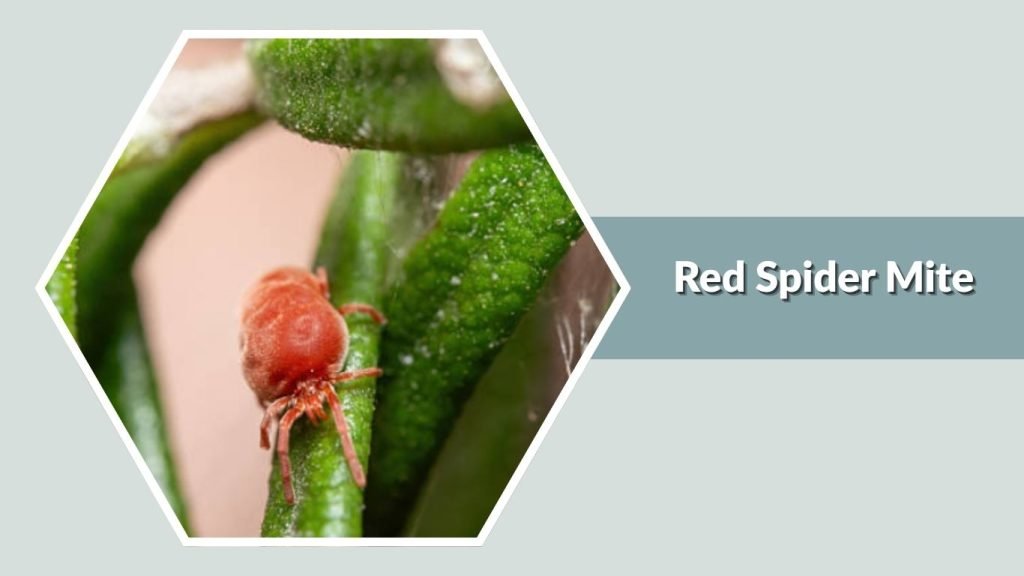
Red spider mites are extremely small plant-feeding arachnids that are often found both outdoors and indoors, especially on houseplants. They are known for their reddish coloration and their ability to reproduce quickly, which can lead to noticeable infestations in a short time. While they are not harmful to humans or pets, they can cause damage to plants by feeding on their sap. These mites are more commonly associated with dry and warm conditions, making indoor environments ideal for their survival. Their presence is usually first noticed through plant damage rather than the mites themselves due to their tiny size.
Identification
- Extremely tiny (about 0.4–0.6 mm long), barely visible to the naked eye
- Reddish, orange, or yellowish color depending on species and age
- Oval-shaped body with eight legs
- Often found on the underside of leaves
- Produces fine silk webbing on plants
- Appears as moving red or brown specks
Habitat
Red spider mites primarily live on plants, both outdoors in gardens and indoors on houseplants. They prefer dry, warm environments and are commonly found in greenhouses, balconies, and indoor plant setups. These mites usually stay on the underside of leaves where they are protected from direct sunlight and predators. Indoors, they thrive in rooms with low humidity and poor air circulation. Houseplants placed near windows or in heated rooms are especially vulnerable. They spread easily from plant to plant, particularly when plants are kept close together, creating ideal conditions for infestation.
Behavior
Red spider mites feed by piercing plant cells and sucking out the contents, which leads to visible damage such as yellowing, speckled, or dried leaves. Over time, heavy infestations can weaken or even kill plants. They are highly active in warm conditions and reproduce rapidly, allowing populations to grow quickly. The fine webbing they produce helps protect them and is often a clear sign of their presence. Despite their destructive impact on plants, they do not bite humans or infest household materials. Their activity is mostly limited to plant surfaces and surrounding areas.
Reason for Coming Indoors
Red spider mites usually come indoors through infested plants that are brought inside or purchased from nurseries. They can also enter through open windows or be carried in on clothing, tools, or pets. Indoor environments often provide ideal conditions for their survival, especially during dry seasons when humidity is low. Heating systems in homes create warm and dry air, which further encourages their growth and reproduction. Once inside, they remain close to plants, where they find food and shelter, making indoor plant collections a common hotspot for their activity.
3. Chigger (Trombiculid Mite)
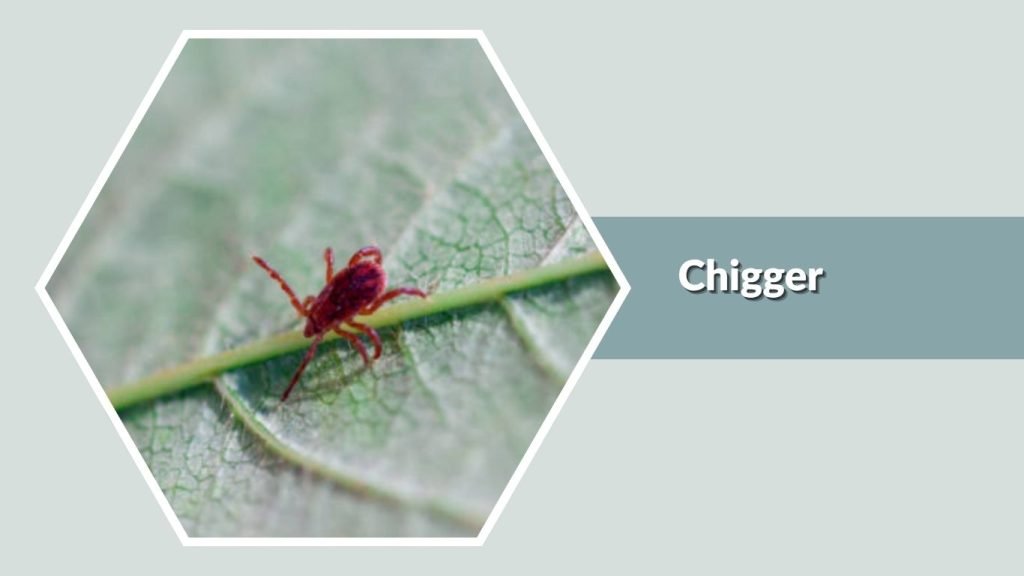
Chiggers, also known as trombiculid mites, are tiny red mites most commonly found outdoors in grassy and wooded areas. While the adult mites are harmless, the larval stage is known for biting humans and causing itchy skin irritation. They are rarely found living inside homes, but they can accidentally be brought indoors on clothing, pets, or skin after outdoor exposure. Their bright red color and extremely small size often make them difficult to detect. Although they do not infest homes like other mites, their bites can cause discomfort, making them a concern when they are encountered.
Identification
- Extremely tiny (about 0.2–0.4 mm long), often barely visible
- Bright red or orange-red color
- Larvae have six legs; adults have eight legs
- Round, soft-bodied appearance
- Often appear as tiny red dots on skin or clothing
- Known for causing itchy bites
Habitat
Chiggers primarily live outdoors in tall grass, weeds, forests, and damp soil areas. They thrive in warm, humid environments and are commonly found in fields, gardens, and near water sources. These mites stay close to the ground, waiting to attach to passing hosts such as humans or animals. They are not adapted to indoor living and do not establish populations inside homes. However, they may temporarily be present indoors if carried in accidentally. Their natural habitat remains outdoors, where they complete their life cycle in soil and vegetation.
Behavior
The larval stage of chiggers attaches to the skin of humans or animals and feeds on skin cells, causing intense itching and irritation. Contrary to common belief, they do not burrow into the skin but inject digestive enzymes that break down tissue. After feeding, they drop off and continue their development in the environment. Adult chiggers do not bite and feed on plant material instead. Indoors, they do not survive long and do not reproduce. Their activity is mostly limited to outdoor environments, especially during warm seasons.
Reason for Coming Indoors
Chiggers come indoors accidentally rather than intentionally. They are usually carried inside on clothing, shoes, pets, or skin after someone spends time outdoors in infested areas. Since they are not suited for indoor conditions, they do not stay long or establish infestations. Their presence inside homes is temporary, and they typically die without access to their natural outdoor habitat.
4. Balaustium Mite
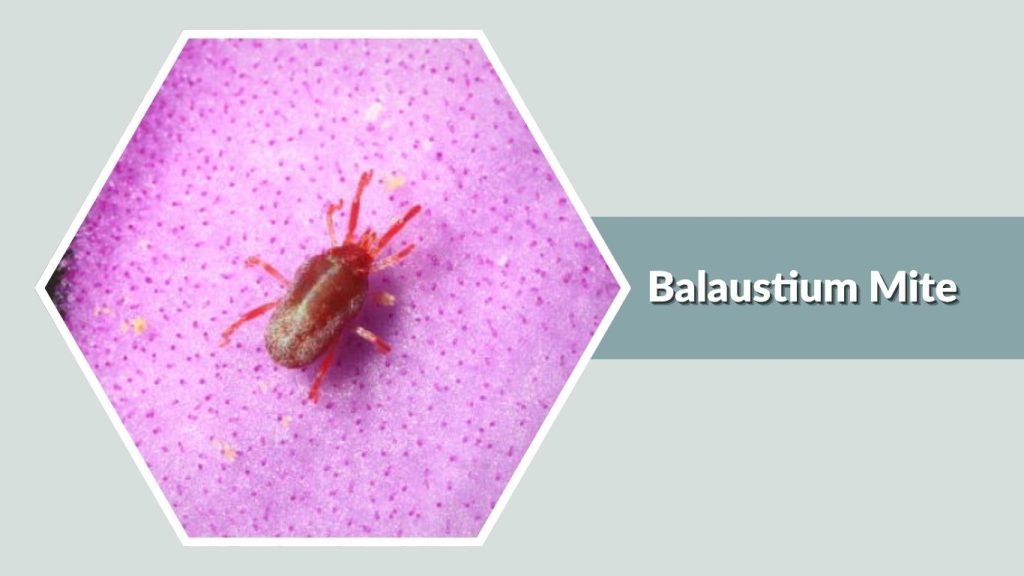
Balaustium mites are bright red, fast-moving mites often seen on walls, patios, and around homes. They are slightly larger than clover mites and are commonly mistaken for them due to their similar color. These mites are harmless to humans and do not bite or transmit diseases. They are considered beneficial in some cases because they feed on other small arthropods and organic matter. However, their sudden appearance in large numbers can be alarming. They are usually noticed during warm weather when they actively move across surfaces in search of food.
Identification
- Small but larger than clover mites (about 1–2 mm long)
- Bright red or orange-red color
- Oval-shaped, slightly fuzzy or velvety body
- Moves quickly compared to other mites
- Eight legs, clearly visible under close observation
- Does not leave a strong stain like clover mites when crushed
Habitat
Balaustium mites are typically found outdoors on walls, tree bark, soil, and garden areas. They prefer sunny, warm environments and are often seen on the exterior surfaces of buildings. These mites thrive in areas with plenty of small insects and organic debris, which serve as their food source. They may gather near foundations, sidewalks, and outdoor structures. Although they primarily live outside, they can wander indoors through cracks, windows, and doors, especially when their population increases or environmental conditions change.
Behavior
Balaustium mites are active predators and scavengers. They feed on small insects, pollen, and organic matter, making them somewhat beneficial in controlling other pests. They are fast-moving and do not form webs like spider mites. These mites do not bite humans or animals and do not damage household items or plants. Indoors, they tend to wander randomly and do not establish colonies. Their presence is usually temporary, and they often die without suitable outdoor conditions.
Reason for Coming Indoors
Balaustium mites typically enter homes accidentally while searching for food or new environments. Changes in weather, such as excessive heat or dryness, can push them to explore cooler or more stable indoor spaces. They may also come inside through small openings around windows, doors, or cracks in walls. Their attraction to light and warmth often leads them toward sunlit indoor areas. Despite entering homes, they cannot survive long indoors and do not reproduce inside.
5. Whirligig Mite
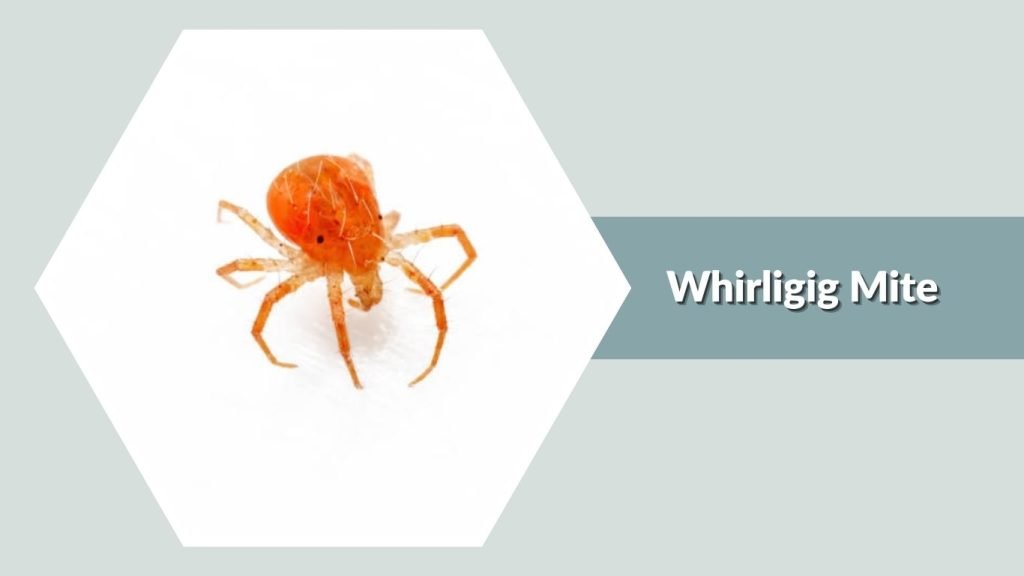
Whirligig mites are tiny red mites known for their rapid, circular, and erratic movements, which give them their name. They are commonly seen on outdoor surfaces such as walls, patios, and window sills, especially during warm weather. Their bright red color and fast motion often make them noticeable and sometimes mistaken for other red mites. These mites are harmless to humans and do not bite, sting, or spread diseases. Although they may occasionally enter homes, they are primarily outdoor dwellers and are not considered household pests in the traditional sense.
Identification
- Very small (around 0.5–1 mm long)
- Bright red or reddish-orange color
- Oval-shaped body
- Moves very quickly in circular or jerky patterns
- Eight legs, though difficult to see without magnification
- Does not create webs
Habitat
Whirligig mites are mainly found outdoors on hard surfaces such as walls, rocks, sidewalks, and tree bark. They prefer warm, sunny environments and are often seen on surfaces exposed to direct sunlight. These mites are commonly present in gardens, near building exteriors, and around foundations. They thrive in areas where they can find small insects, pollen, or organic debris. Occasionally, they may wander indoors through small openings, but they do not adapt well to indoor environments and cannot establish long-term populations inside homes.
Behavior
Whirligig mites are active predators and scavengers. They feed on tiny insects, eggs, and organic matter found on surfaces. Their fast, spinning movements are a distinctive trait and may help them evade predators. They do not bite humans or animals and do not damage plants or household materials. Indoors, they behave similarly—moving quickly across surfaces without settling in one place. Their presence is usually brief, and they do not reproduce indoors or form infestations.
Reason for Coming Indoors
Whirligig mites typically enter homes accidentally while exploring their surroundings. Changes in environmental conditions, such as heat, dryness, or lack of food outdoors, may encourage them to move toward indoor areas. They are also attracted to light and warmth, which draws them toward windows and doors. Entry points like cracks, gaps, and open windows allow them to come inside. However, since indoor conditions are not suitable for their survival, they usually do not remain for long.
6. Sidewalk Mite
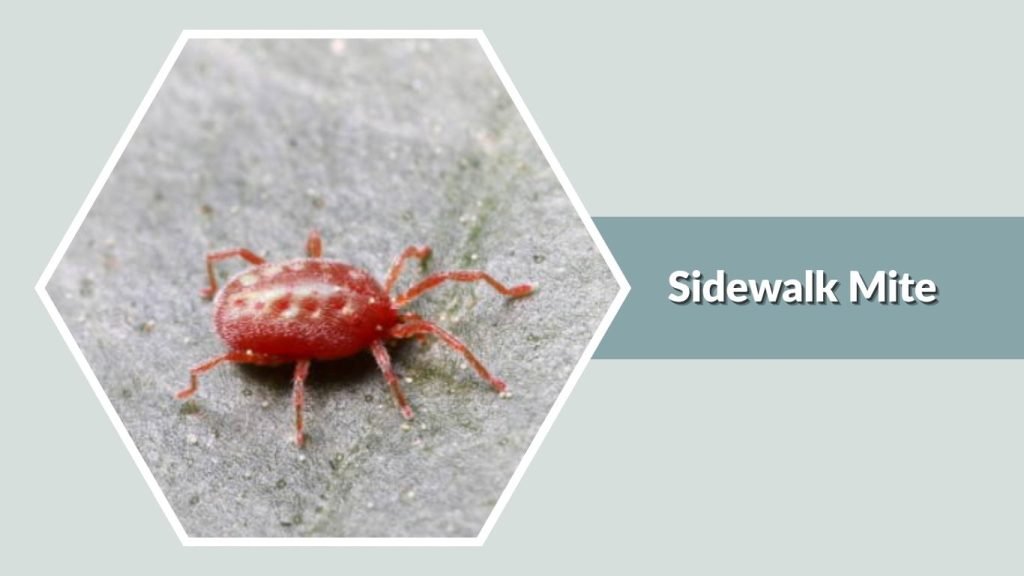
Sidewalk mites are small, bright red mites often seen crawling on sidewalks, walls, and other outdoor surfaces. They are commonly mistaken for clover mites due to their similar appearance, but they tend to move faster and are usually found on hard surfaces rather than vegetation. These mites are harmless to humans and pets and do not bite or cause damage. Their sudden appearance in noticeable numbers can make them seem like a problem, but they are mostly just a temporary nuisance.
Identification
- Small (about 1 mm long)
- Bright red or reddish-orange color
- Oval-shaped body
- Moves quickly across surfaces
- Eight legs, though hard to see without magnification
- Slightly larger and faster than clover mites
Habitat
Sidewalk mites are primarily found outdoors on concrete surfaces, sidewalks, driveways, and building walls. They prefer warm, dry environments and are most active during sunny weather. These mites are commonly seen in urban and residential areas where there are plenty of hard surfaces. They may also be found near gardens, foundations, and outdoor structures. Although they live outside, they can occasionally wander indoors through small cracks, gaps, or open windows, especially when environmental conditions change.
Behavior
Sidewalk mites are active scavengers and predators. They feed on small insects, organic debris, and possibly pollen found on surfaces. They are fast-moving and do not form webs or colonies. These mites do not bite humans or animals and do not damage property or plants. Indoors, they behave similarly by wandering across surfaces without settling. Their presence is usually short-lived, and they do not reproduce or survive long inside homes.
Reason for Coming Indoors
Sidewalk mites typically enter homes accidentally while searching for food or new areas to explore. Environmental changes such as extreme heat, dryness, or overcrowding outdoors can push them indoors. They are also attracted to warmth and light, which often leads them toward windows and doors. Small openings around the home provide easy entry points. However, indoor environments are not suitable for their long-term survival, so they usually disappear quickly.
7. Bryobia Mite
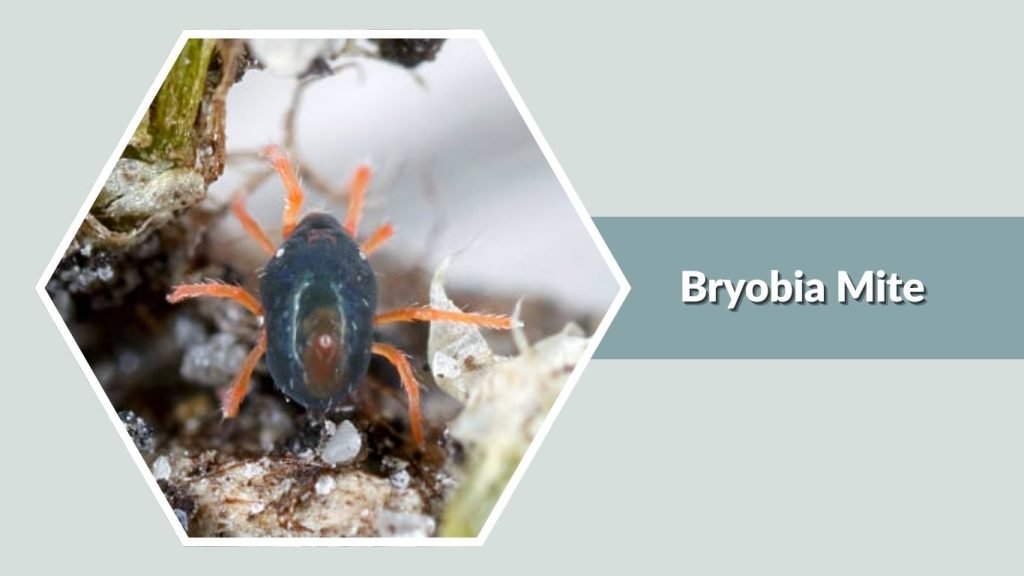
Bryobia mites are small red mites closely related to clover mites and are often found on plants, walls, and around homes. They are plant feeders and are commonly seen in gardens and on vegetation near buildings. Their reddish color and small size make them easy to confuse with other red mites. Although they may occasionally enter homes, they are harmless to humans and do not bite or spread diseases. Their presence indoors is usually temporary and more of a nuisance than a serious issue.
Identification
- Very small (around 0.75–1 mm long)
- Reddish-brown to dark red color
- Oval-shaped body
- Front legs are longer than the others, similar to clover mites
- Slow-moving
- May leave a slight stain when crushed
Habitat
Bryobia mites are primarily found outdoors on plants, especially grasses, shrubs, and ornamental vegetation. They prefer areas with abundant plant life and are commonly seen in gardens, lawns, and near building foundations. These mites thrive in mild weather conditions and are often active during spring and fall. They tend to gather on walls and surfaces close to their food sources. Although they live outside, they can enter homes through small cracks and openings, particularly when vegetation is growing close to the structure.
Behavior
Bryobia mites feed on plant sap, which can cause minor damage such as discoloration or speckling on leaves. They are not aggressive and do not bite humans or animals. These mites move slowly compared to other species and are often seen crawling rather than rapidly moving. Indoors, they do not feed or reproduce and usually wander aimlessly until they die. Their impact is mainly limited to plants outdoors, and they do not cause damage inside homes.
Reason for Coming Indoors
Bryobia mites enter homes mainly due to their proximity to vegetation and environmental changes. When plants are growing close to walls or windows, it becomes easier for them to migrate indoors. Seasonal shifts, such as changes in temperature or moisture levels, can also drive them inside in search of more stable conditions. Additionally, they may be attracted to light-colored surfaces and warmth, leading them toward windows and indoor areas. Despite entering homes, they cannot survive long indoors and do not establish infestations.
8. Velvet Mite
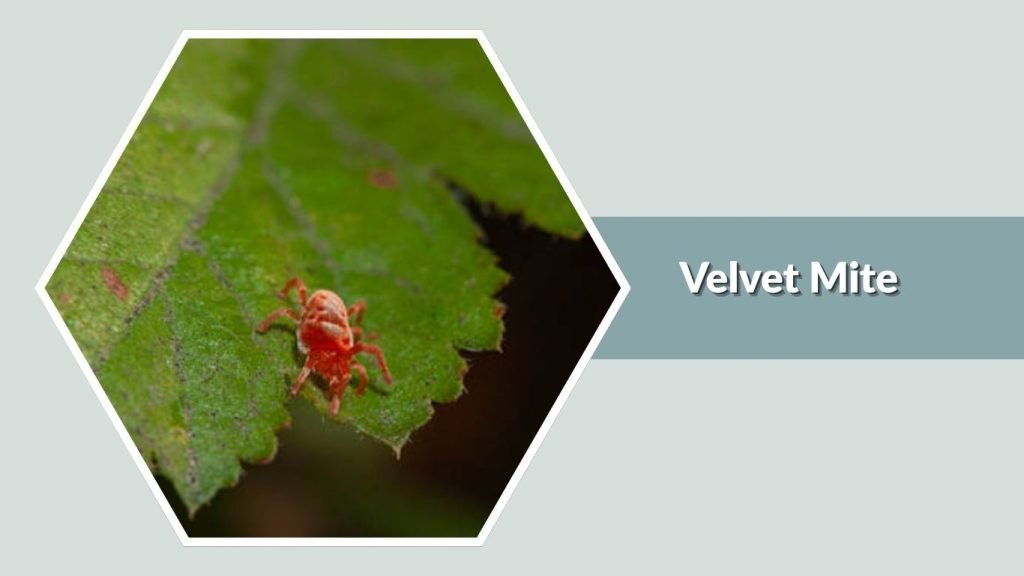
Velvet mites are larger, bright red mites known for their soft, velvety appearance. They are often seen outdoors on soil, rocks, and damp surfaces, especially after rain. Unlike many other small red mites, velvet mites are beneficial because they feed on insect eggs and small arthropods. Their striking color and slightly larger size make them easier to notice. Although they may occasionally be found inside homes, they are not pests and do not harm humans, pets, or property.
Identification
- Larger than most red mites (about 2–5 mm long)
- Bright red, sometimes deep crimson color
- Soft, velvety body texture
- Oval and slightly plump shape
- Slow-moving
- Clearly visible without magnification
Habitat
Velvet mites are typically found outdoors in soil, gardens, forests, and areas with moisture. They are especially common after rainfall when they emerge from the ground. These mites prefer damp environments where they can find food such as insect eggs and organic matter. They are often seen crawling on soil, stones, and low vegetation. While they mainly live outside, they may occasionally wander indoors through cracks or openings, particularly if conditions outside change.
Behavior
Velvet mites are beneficial predators that help control populations of other small insects and pests. They do not bite humans or animals and are completely harmless. Their movement is slow and steady, unlike many other mites. They do not infest homes, reproduce indoors, or cause any structural or plant damage inside. Their presence is usually short-lived when they accidentally enter indoor spaces.
Reason for Coming Indoors
Velvet mites usually come indoors accidentally rather than intentionally. Heavy rain, flooding, or disturbances in the soil can push them out of their natural habitat, causing them to wander into nearby homes. They may also enter through small gaps, cracks, or open doors while moving across surfaces. Since indoor conditions are not suitable for their survival, they do not stay long and eventually die or leave on their own.
FAQs
Are small red mites in the house dangerous?
Most small red mites found indoors, such as clover mites or Balaustium mites, are harmless to humans and pets. They do not bite, sting, or spread diseases. However, a few types like chiggers can cause skin irritation, but they usually don’t survive long indoors. In general, these mites are more of a nuisance than a real threat.
Why do red mites suddenly appear in large numbers?
Red mites often appear in large numbers due to favorable environmental conditions such as warm temperatures, high population growth outdoors, or seasonal changes. When their outdoor habitat becomes overcrowded or conditions change, they migrate in groups, which is why they seem to appear suddenly.
Can red mites infest my home permanently?
Most small red mites cannot survive or reproduce indoors. They usually enter accidentally and die within a short time due to lack of food and suitable conditions. Unlike pests such as ants or cockroaches, they do not establish long-term infestations inside homes.
How do red mites enter the house?
Red mites typically enter through tiny cracks, gaps around windows and doors, or open entry points. They may also be brought inside on plants, clothing, pets, or other items. Homes with vegetation close to walls are more likely to experience these intrusions.
How can I prevent red mites from coming indoors?
To prevent red mites, seal cracks and gaps around windows, doors, and walls. Keep plants and grass trimmed away from the house foundation. Regular cleaning and reducing moisture can also help. Installing screens and maintaining barriers around entry points can significantly reduce their chances of entering.
