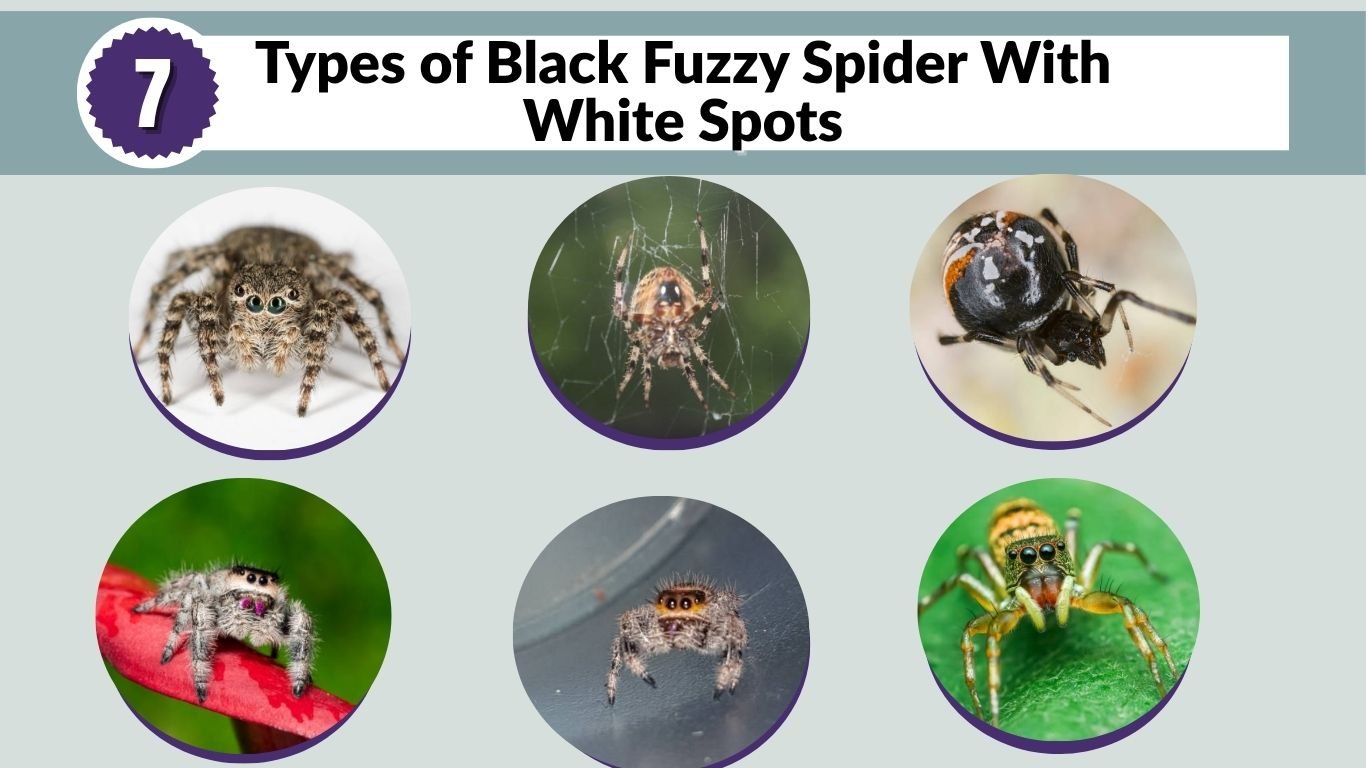
Black fuzzy spiders with white spots can look intimidating at first glance, but most of them are harmless and even beneficial. These spiders are often found in gardens, homes, and natural environments, where they play an important role in controlling insect populations. Their distinctive black bodies combined with white markings make them easier to identify compared to other spiders.
In this guide, you’ll discover seven different types of black fuzzy spiders with white spots, along with simple details to help you recognize each one.
1. Jumping Spider (Salticidae)
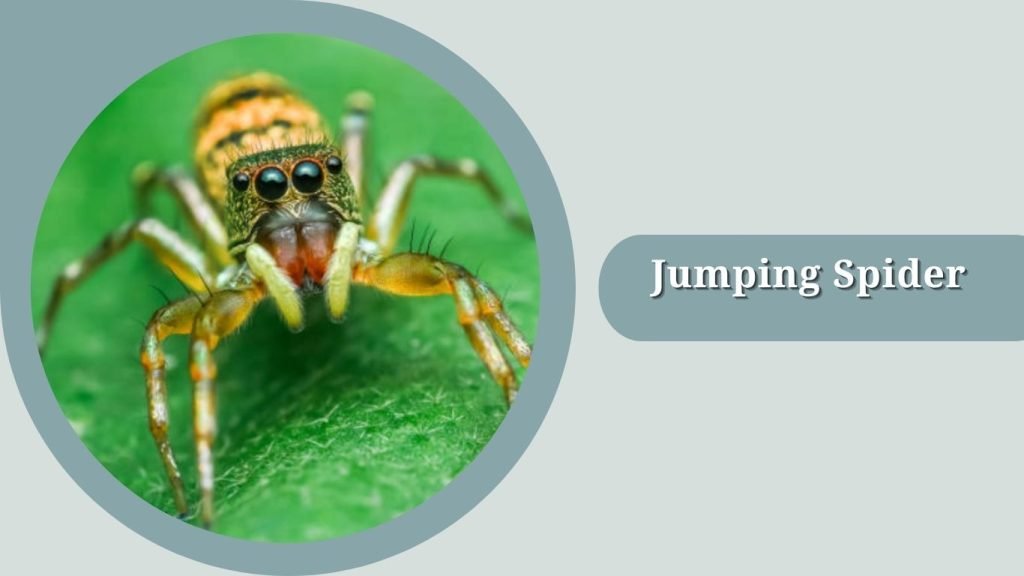
Jumping spiders are small, intelligent hunters known for their excellent eyesight and energetic movements. They do not rely on webs to capture prey; instead, they actively stalk and leap onto their targets. Many species appear black and fuzzy with distinct white spots or markings, making them one of the most recognizable spiders worldwide. Their curious nature and relatively harmless behavior often make them more fascinating than frightening to observe.
Identification
- Size ranges from about 4 to 15 mm in length
- Compact, hairy (fuzzy) body, often black with white spots, stripes, or patches
- Four large front-facing eyes, especially a prominent central pair
- Short, sturdy legs designed for jumping rather than web-building
- Quick, jerky movements and frequent turning to observe surroundings
Habitat
Jumping spiders are found in a wide variety of environments, including forests, gardens, grasslands, and human homes. They prefer bright, warm areas where they can hunt effectively using their vision. You’ll often see them on walls, window frames, leaves, or tree trunks. Instead of building large webs, they create small silk shelters in hidden spots for resting, molting, or protecting their eggs.
Behavior
These spiders are active during the daytime and rely heavily on their vision to navigate and hunt. They carefully stalk their prey before making precise jumps, often several times their body length. Jumping spiders are known for their curious and bold behavior, sometimes appearing to “look” at humans. Despite this, they are non-aggressive and typically avoid confrontation.
Diet
Jumping spiders mainly feed on small insects such as flies, mosquitoes, ants, and other tiny arthropods. Their hunting skills make them highly effective predators, helping naturally control pest populations in both outdoor and indoor environments.
2. Bold Jumping Spider (Phidippus audax)
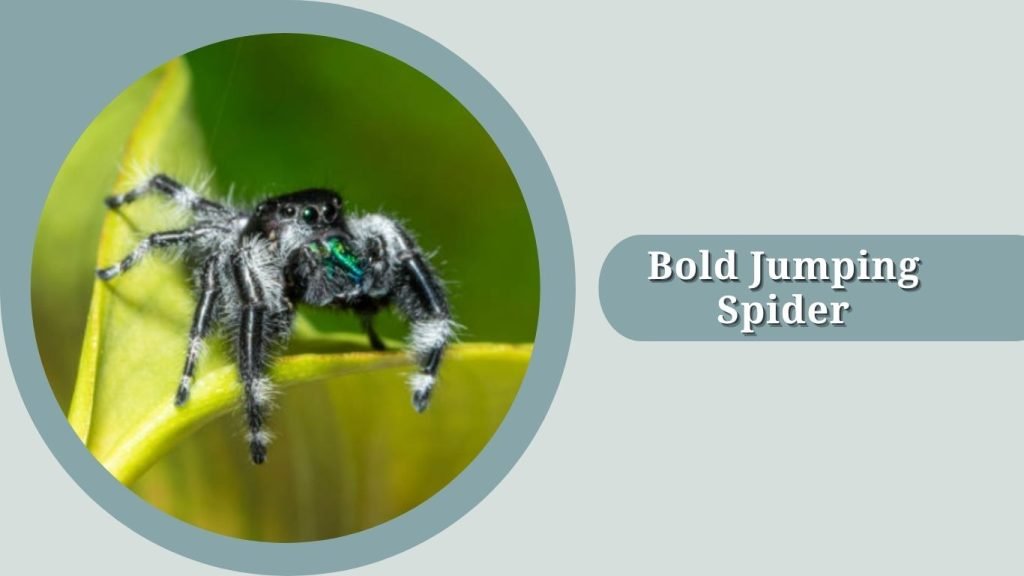
The Bold Jumping Spider is one of the most well-known species of jumping spiders, easily recognized by its black fuzzy body and distinct white spots. It is common in many regions and is often seen in gardens, on walls, or near windows. Despite its somewhat intimidating appearance, it is harmless to humans and plays an important role in controlling insect populations.
Identification
- Medium-sized spider (about 8–15 mm long)
- Black, fuzzy body with three distinct white spots on the abdomen
- Metallic green or blue chelicerae (mouthparts)
- Large forward-facing eyes typical of jumping spiders
- Thick legs with noticeable hair
Habitat
Bold Jumping Spiders are highly adaptable and can be found in both natural and urban environments. They are commonly seen in gardens, fields, fences, walls, and even inside houses. They prefer sunny areas where they can actively hunt during the day. These spiders create small silk retreats under leaves, bark, or in crevices to rest and hide.
Behavior
This species is active during the day and relies on its excellent vision to hunt. It stalks prey carefully before jumping with precision. Bold Jumping Spiders are known for their curious nature and may turn to face movement, including humans. They are not aggressive and will only bite if handled roughly.
Diet
The Bold Jumping Spider feeds on a variety of small insects such as flies, mosquitoes, beetles, and ants. Its strong hunting ability makes it a beneficial predator, helping reduce pest populations naturally.
3. Regal Jumping Spider (Phidippus regius)
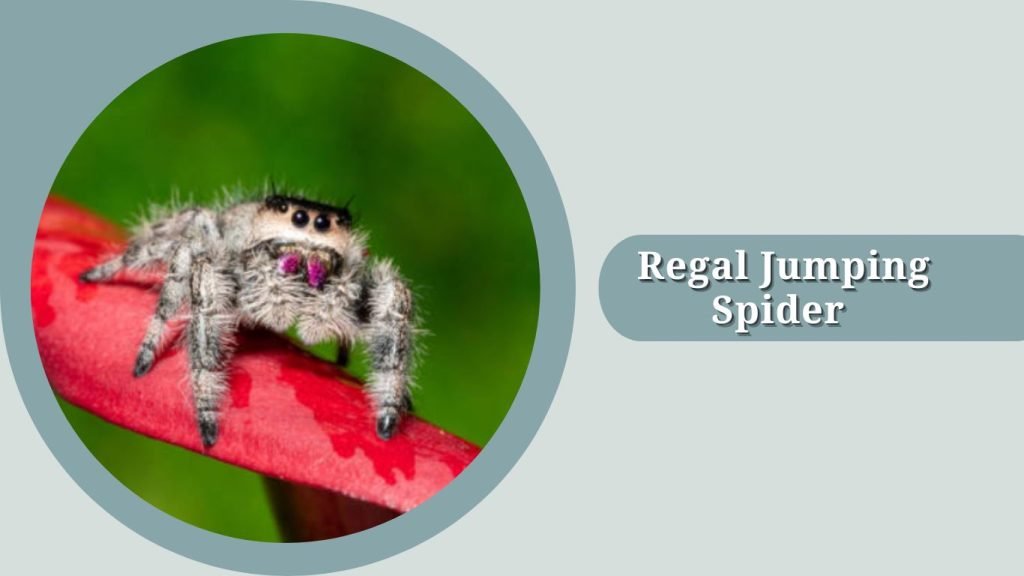
The Regal Jumping Spider is one of the largest and most striking jumping spiders, known for its bold appearance and fuzzy black body with white markings. It is especially popular among spider enthusiasts due to its size, intelligence, and relatively calm nature. Despite its intimidating look, it is harmless and often admired for its unique behavior and vivid features.
Identification
- Larger size (about 10–22 mm)
- Black, fuzzy body with distinct white spots or bands on the abdomen
- Metallic green, blue, or purple chelicerae
- Prominent forward-facing eyes with excellent vision
- Males are usually darker; females may show more color variation
Habitat
Regal Jumping Spiders are commonly found in warm regions, especially in gardens, shrubs, trees, and around buildings. They prefer sunny environments where they can actively hunt during the day. These spiders often stay on leaves, fences, or walls and build small silk retreats in hidden spots for resting and protection.
Behavior
This species is active during daylight and relies heavily on vision to locate prey. It stalks its target carefully before making a powerful and accurate jump. Regal Jumping Spiders are known for their curious and calm behavior, sometimes observing humans rather than fleeing. They are non-aggressive and rarely bite unless threatened.
Diet
Regal Jumping Spiders feed on small insects such as flies, grasshoppers, moths, and other arthropods. Their strong hunting skills make them effective natural pest controllers in gardens and outdoor spaces.
4. Black Lace-Weaver (Amaurobius ferox)
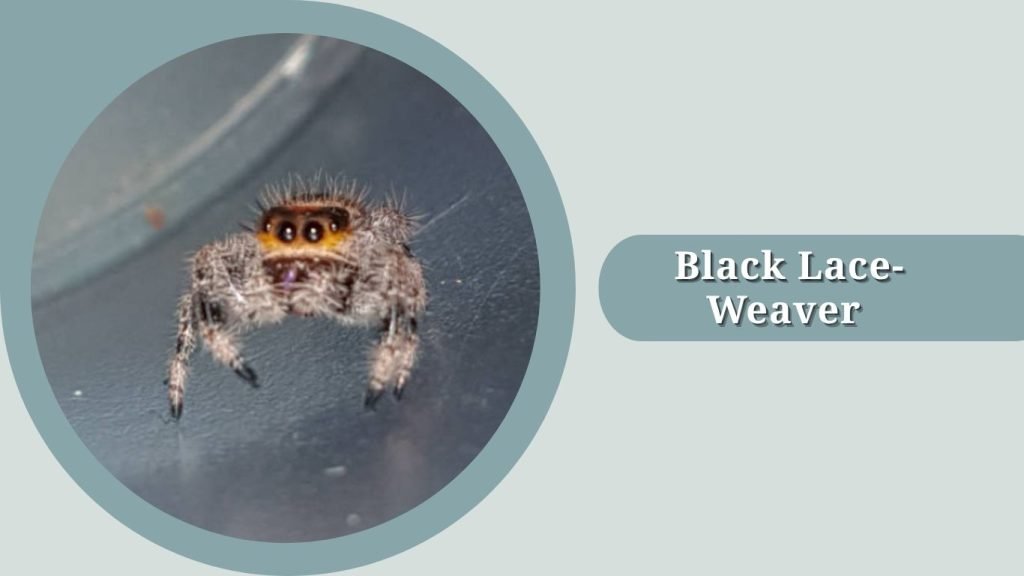
The Black Lace-Weaver is a dark, hairy spider often mistaken for more dangerous species due to its bold appearance. It typically has a black or dark brown body with lighter markings that can sometimes appear as faint white spots. This spider is commonly found around homes and outdoor structures, where it builds dense, woolly webs.
Identification
- Medium size (about 10–18 mm)
- Dark brown to black fuzzy body
- Subtle pale or whitish markings on the abdomen
- Stout legs with noticeable hair
- Less prominent eyes compared to jumping spiders
Habitat
Black Lace-Weavers are usually found in crevices, cracks, walls, fences, and window frames. They prefer sheltered outdoor areas but may also enter homes. Their webs are often built in corners or gaps and have a messy, wool-like appearance. These spiders tend to stay hidden during the day and become more active at night.
Behavior
This species is mostly nocturnal, meaning it hunts and moves around during the night. Unlike jumping spiders, it relies on its web to detect and capture prey. It may appear defensive if disturbed, especially females guarding egg sacs. However, it is generally not aggressive and avoids human interaction.
Diet
The Black Lace-Weaver feeds on insects that become trapped in its web, such as flies, beetles, and other small arthropods. It plays a helpful role in reducing pest populations around homes and gardens.
5. False Widow Spider (Steatoda grossa)
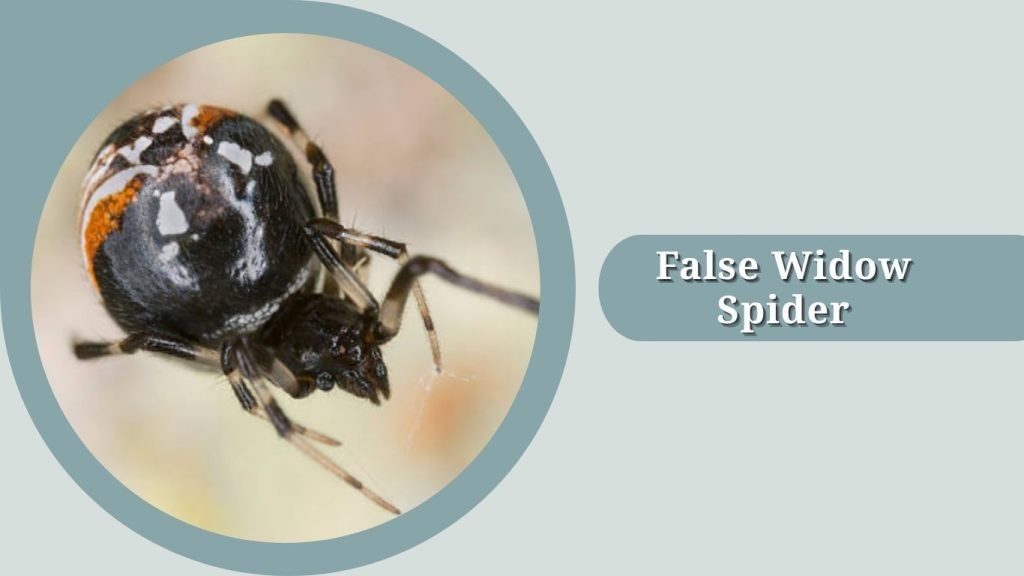
The False Widow Spider is a dark-colored species often confused with the more dangerous black widow due to its similar shape and glossy appearance. While it may sometimes show faint pale or whitish markings, it is generally harmless to humans. It is commonly found in and around buildings, where it quietly controls insect populations.
Identification
- Medium size (about 6–10 mm body length)
- Smooth, dark brown to black body with slight sheen
- Round, bulbous abdomen with faint pale or whitish markings
- Slender legs, less hairy than jumping spiders
- Smaller eyes, not forward-facing like jumping spiders
Habitat
False Widow Spiders prefer sheltered environments such as corners of rooms, ceilings, garages, sheds, and under furniture. Outdoors, they can be found in cracks, crevices, and under rocks or bark. They build irregular, tangled webs in quiet, undisturbed areas and tend to stay hidden most of the time.
Behavior
These spiders are mostly nocturnal and spend much of their time waiting in their webs for prey. They are shy and non-aggressive, usually retreating when disturbed. Although they can bite if provoked, bites are rare and typically mild. Their calm and reclusive nature makes encounters with humans uncommon.
Diet
False Widow Spiders feed on a variety of insects, including flies, ants, beetles, and other small arthropods. They rely on their tangled webs to trap prey and play an important role in controlling indoor and outdoor pest populations.
6. Wolf Spider (Lycosidae)
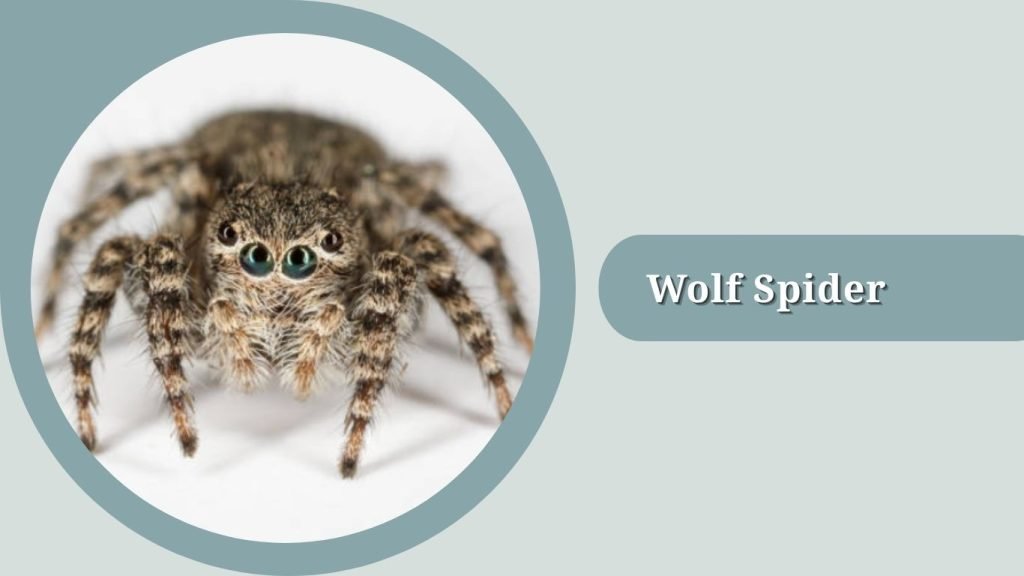
Wolf spiders are robust, fast-moving hunters known for their ground-dwelling lifestyle and excellent hunting skills. Some species have dark, fuzzy bodies with light or whitish markings that may appear as spots or stripes. Unlike web-building spiders, they actively chase down their prey, making them highly effective predators in many environments.
Identification
- Medium to large size (about 10–35 mm)
- Hairy, dark brown to black body with light stripes or spots
- Long, strong legs built for running
- Eyes arranged in three rows, with two large central eyes
- Sturdy, athletic appearance
Habitat
Wolf spiders are commonly found on the ground in gardens, grasslands, forests, and around homes. They prefer leaf litter, soil, rocks, and other ground-level hiding spots. Some species may enter homes, especially during cooler weather. They do not build webs to catch prey but may create burrows or use natural shelters.
Behavior
These spiders are mostly nocturnal hunters, using their speed and eyesight to chase prey rather than trap it. They are solitary and do not rely on webs. Female wolf spiders are known for carrying their egg sacs attached to their abdomen and later carrying spiderlings on their back. They are generally shy and will run away if disturbed.
Diet
Wolf spiders feed on a wide range of insects, including crickets, ants, beetles, and other small invertebrates. Their active hunting makes them important for controlling pest populations in natural and residential areas.
7. Black House Spider (Badumna insignis)
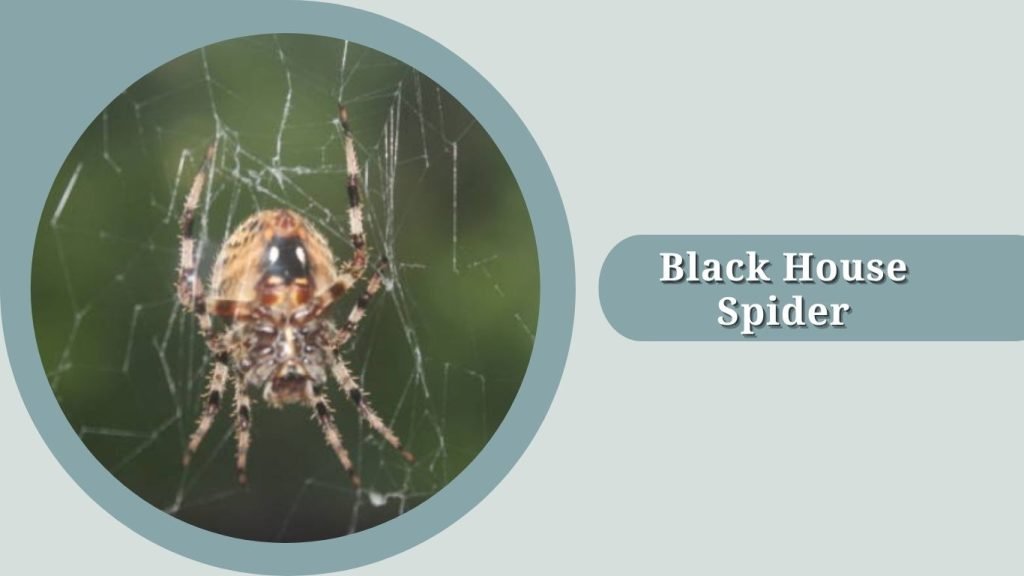
The Black House Spider is a dark, sturdy spider commonly found in and around buildings. It has a generally black or dark brown body, sometimes with faint pale markings that can resemble spots. Although it may look intimidating, it is not dangerous and prefers to stay hidden in its web.
Identification
- Medium size (about 10–18 mm)
- Dark brown to black body with a velvety appearance
- Subtle pale or whitish markings on the abdomen
- Long legs with slight hair
- Builds messy, funnel-shaped webs
Habitat
Black House Spiders are typically found in urban environments, especially around windows, door frames, walls, and outdoor structures. They prefer sheltered, undisturbed areas where they can build their webs. Their funnel-like webs are often located in cracks, crevices, or corners and may remain in the same place for long periods.
Behavior
These spiders are mostly sedentary, spending much of their time in their webs waiting for prey. They are not aggressive and usually remain hidden unless disturbed. If threatened, they may retreat quickly into their funnel-shaped web. Encounters with humans are rare, and they generally avoid interaction.
Diet
Black House Spiders feed on insects that become trapped in their webs, such as flies, mosquitoes, beetles, and other small arthropods. Their presence can be beneficial, as they help reduce common household pests.
FAQs
Are black fuzzy spiders with white spots dangerous?
Most black fuzzy spiders with white spots are harmless to humans. While they can bite if threatened, their bites are usually mild and not medically significant.
Why do some spiders have white spots?
White spots or markings help with camouflage, mating signals, or species identification. These patterns can vary widely between different types of spiders.
Where are these spiders commonly found?
They are commonly found in gardens, forests, walls, windows, and inside homes. Many prefer warm, sunny areas where they can hunt effectively.
Do these spiders build webs?
Some do, like the Black House Spider and False Widow, while others like Jumping Spiders and Wolf Spiders actively hunt instead of using webs.
Should I remove these spiders from my home?
In most cases, it’s not necessary. These spiders help control pests like flies and mosquitoes, making them beneficial to have around.