
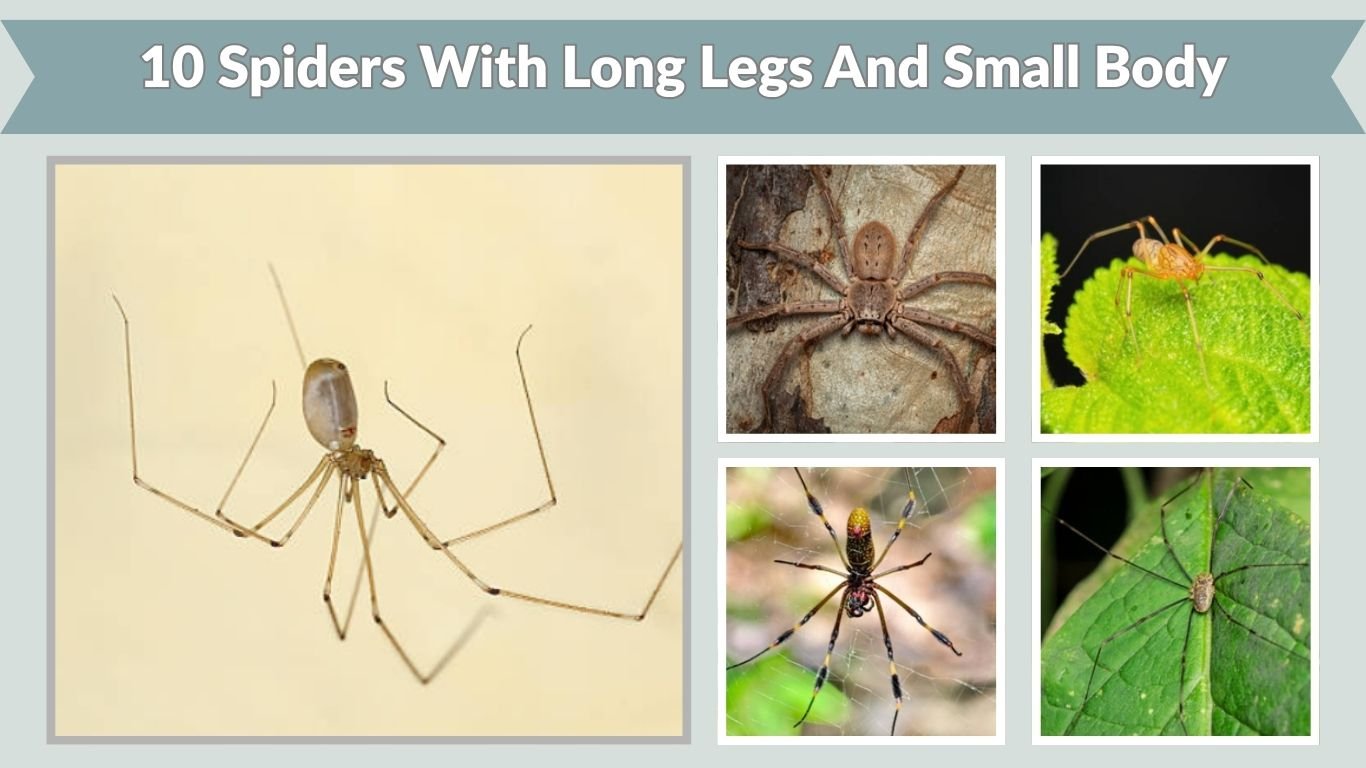
Spiders with long legs and small bodies are fascinating arachnids known for their unique proportions, agility, and adaptability. Found in a wide range of environments—from homes and gardens to forests and wetlands—these spiders often use their long legs for movement, hunting, and camouflage. While some build webs to catch prey, others actively hunt using speed and stealth. Despite their sometimes intimidating appearance, most of these spiders are harmless to humans and play an important role in controlling insect populations. This list highlights 10 notable spiders that stand out for their long legs and relatively small bodies.
1. Daddy Longlegs
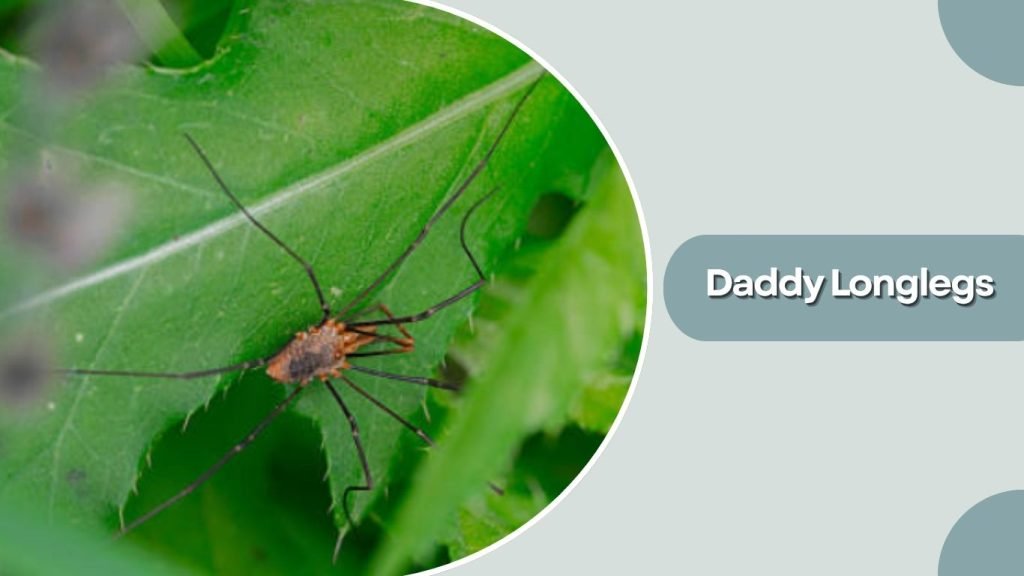
Daddy Longlegs is a common name for a delicate, long-legged arachnid known for its tiny body and extremely elongated legs. Despite its fragile appearance, it is well adapted to both indoor and outdoor environments. These creatures are often mistaken for true spiders, though some belong to a different arachnid group. They are harmless to humans and play a useful role by helping control small insect populations. Their unique body structure and slow, gentle movements make them easy to recognize in quiet corners of homes or shaded natural habitats.
Identification
- Very small, rounded or oval-shaped body
- Extremely long, thin legs (several times longer than the body)
- Pale brown, gray, or slightly translucent coloration
- No clear separation between body segments (in some species)
- Fragile appearance with a soft body structure
Habitat
Daddy Longlegs thrive in moist, shaded environments. Indoors, they are commonly found in basements, ceilings, garages, and corners of rooms where disturbance is minimal. Outdoors, they prefer under rocks, logs, leaf litter, or dense vegetation. They are especially abundant in humid regions where moisture levels remain stable. Their ability to adapt allows them to live close to human settlements without causing harm.
Behavior
These arachnids are generally slow-moving and non-aggressive. When threatened, they often shake or vibrate their bodies rapidly, which can confuse predators. Some species do not build webs, while others may create loose, irregular ones. They tend to remain still for long periods, conserving energy and avoiding attention. Daddy Longlegs are mostly active at night when they search for food.
Diet and Lifecycle
Daddy Longlegs feed on small insects, mites, and other tiny invertebrates. Some species also scavenge dead organisms. Their lifecycle includes egg, juvenile, and adult stages. Females lay eggs in protected areas, sometimes guarding them until they hatch. As they grow, juveniles molt several times before reaching adulthood. Their lifespan varies but is usually around one to two years depending on environmental conditions.
2. Cellar Spider
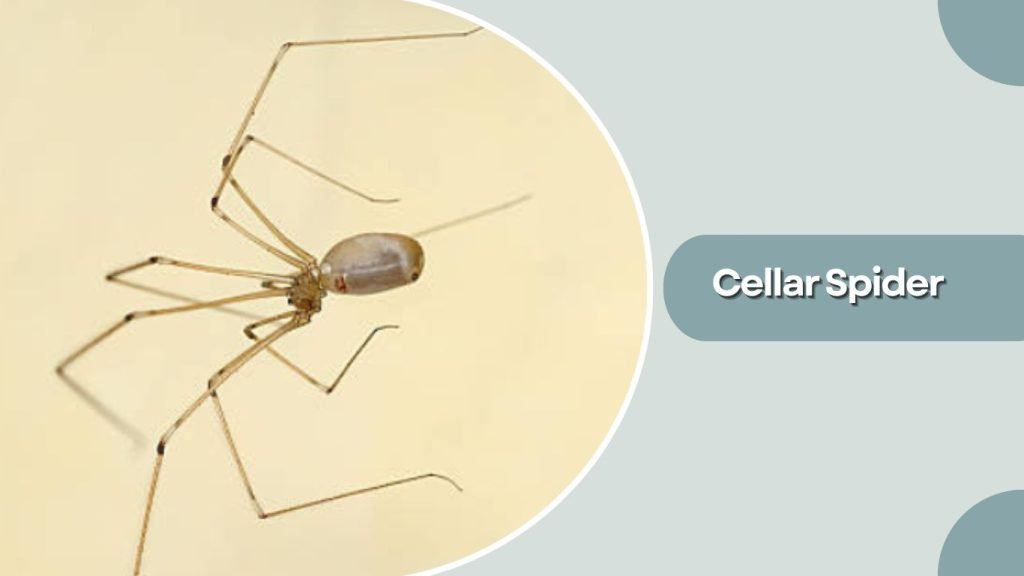
Cellar Spider is a true spider known for its extremely long, thin legs and small, narrow body. It is commonly seen hanging upside down in messy webs inside homes. Often confused with Daddy Longlegs, this spider actually belongs to the Pholcidae family. It is harmless to humans and is even beneficial because it helps control other insects and spiders. Its delicate appearance and quiet behavior make it one of the most familiar indoor spiders around the world.
Identification
- Small, elongated body
- Very long, thin legs compared to body size
- Pale yellow, light brown, or gray coloration
- Two distinct body segments (cephalothorax and abdomen)
- Often seen hanging upside down in webs
Habitat
Cellar Spiders prefer dark, undisturbed indoor environments such as basements, ceilings, attics, garages, and storage rooms. Outdoors, they can be found in caves, under rocks, or in shaded structures. They thrive in areas with low light and stable temperatures, especially where insects are available. Their webs are usually built in corners or hidden spaces where they are less likely to be disturbed.
Behavior
These spiders are known for their unique defense behavior. When threatened, they rapidly shake or vibrate in their webs, making it difficult for predators to see them clearly. They are non-aggressive and rarely leave their webs unless hunting or relocating. Cellar Spiders sometimes invade other spiders’ webs to prey on them, showing surprisingly bold hunting behavior despite their fragile look.
Diet and Lifecycle
Cellar Spiders feed on small insects such as flies, mosquitoes, and even other spiders. They play an important role in natural pest control. Their lifecycle includes egg, spiderling, and adult stages. Females carry their eggs in their mouthparts until they hatch, which is a distinctive trait. The young grow through several molts before reaching adulthood, and their lifespan typically ranges from one to three years.
3. Giant House Spider
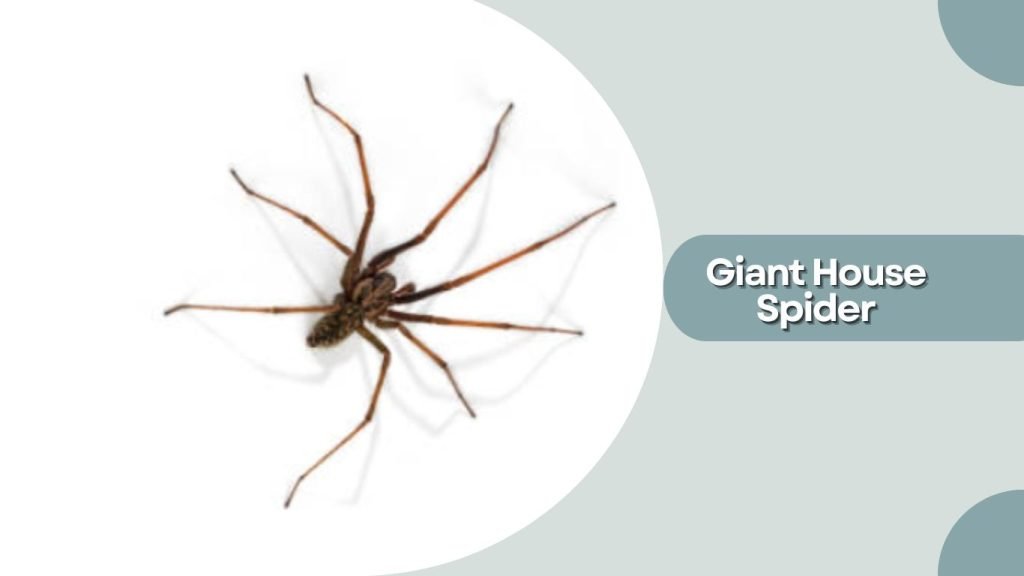
The Giant House Spider is a fast-moving spider known for its long legs and relatively small, elongated body. It is commonly found in homes, especially in cooler regions, and belongs to the Eratigena atrica group. Despite its large leg span, it is not dangerous to humans and usually avoids contact. This spider is often noticed when it quickly runs across floors or walls, especially during certain times of the year when males search for mates.
Identification
- Long legs with a wide leg span
- Small to medium-sized elongated body
- Brown coloration with darker markings
- Fine hairs covering legs and body
- Moves very quickly compared to most spiders
Habitat
Giant House Spiders prefer indoor environments such as basements, garages, and quiet corners of homes. Outdoors, they can be found in sheds, woodpiles, and under rocks or debris. They build funnel-shaped webs in hidden areas where insects are likely to pass. These spiders thrive in cool, damp environments and often enter homes in search of shelter.
Behavior
This spider is known for its speed and agility. It usually stays near its web but may roam, especially during mating season. When disturbed, it prefers to run away rather than confront a threat. It is non-aggressive and rarely bites. The Giant House Spider is mostly active at night, using its web to detect vibrations from prey.
Diet and Lifecycle
Giant House Spiders feed on insects such as flies, beetles, and other small arthropods. They capture prey using their funnel webs and quickly subdue it. Their lifecycle includes egg, spiderling, and adult stages. Females lay eggs in silken sacs, and the young spiders emerge and grow through several molts. Their lifespan can range from one to a few years, depending on environmental conditions.
4. Long-bodied Cellar Spider
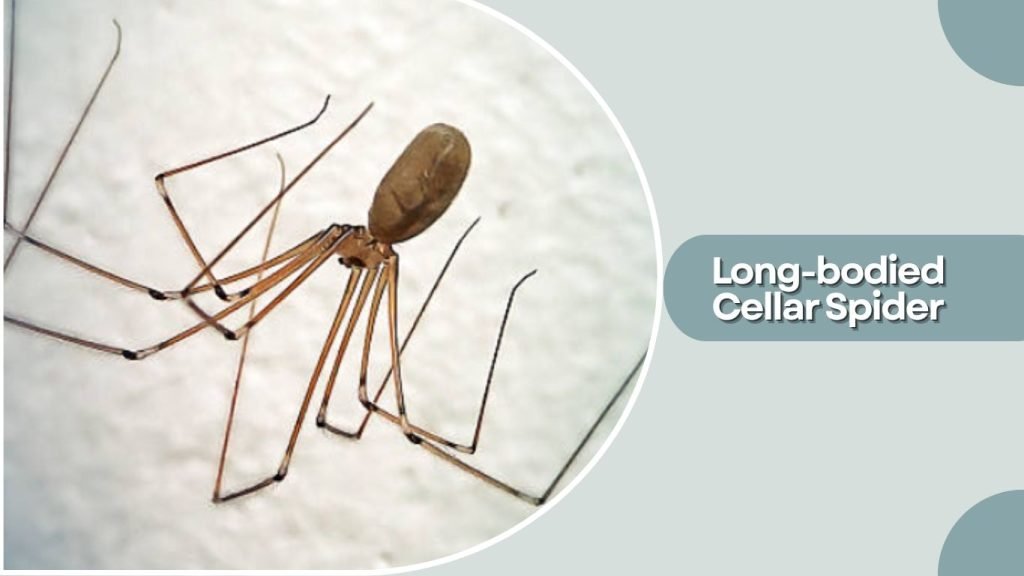
The Long-bodied Cellar Spider is one of the most recognizable spiders due to its extremely thin legs and stretched, narrow abdomen. Scientifically known as Pholcus phalangioides, it is commonly found inside homes and is often seen hanging upside down in loose webs. This spider is harmless to humans and plays a helpful role by feeding on pests, including other spiders. Its delicate structure and slow movements make it easy to overlook despite being very common.
Identification
- Very long, thin legs
- Small cephalothorax with an elongated, cylindrical abdomen
- Pale gray, yellowish, or light brown color
- Fragile body with a translucent appearance
- Often hangs upside down in irregular webs
Habitat
Long-bodied Cellar Spiders prefer dark, quiet indoor areas such as basements, ceilings, corners of rooms, and storage spaces. Outdoors, they may live in caves, under rocks, or in sheltered crevices. They thrive in environments with low disturbance and steady humidity. Their webs are usually built in hidden corners where insects frequently pass by.
Behavior
These spiders are known for their distinctive vibrating behavior. When threatened, they shake their bodies rapidly in the web, making it difficult for predators to target them. They are non-aggressive and rarely leave their webs unless necessary. Interestingly, they sometimes invade other spiders’ webs to capture prey, showing opportunistic hunting behavior.
Diet and Lifecycle
They feed on small insects such as flies, ants, and even other spiders. Long-bodied Cellar Spiders are beneficial in controlling indoor pest populations. Their lifecycle includes egg, spiderling, and adult stages. Females carry their eggs in their mouthparts until they hatch. The young undergo several molts before becoming adults, with a typical lifespan of around one to two years.
5. Harvestman
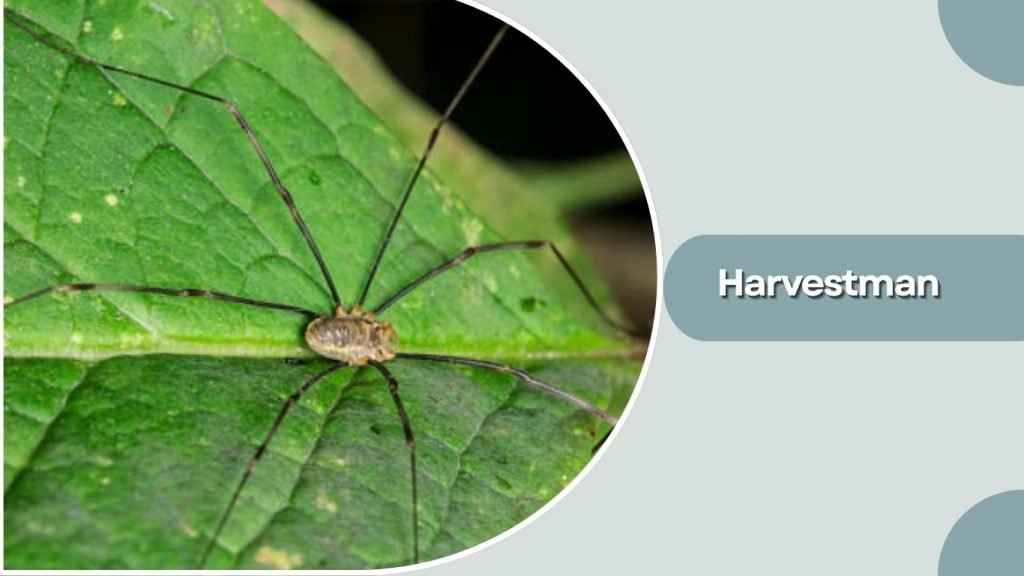
The Harvestman is a long-legged arachnid often mistaken for a spider due to its appearance, but it actually belongs to a different group known as Opiliones. It has a very small, rounded body and extremely long legs, giving it a delicate look. Unlike true spiders, Harvestmen do not produce silk or venom. They are completely harmless to humans and are commonly found outdoors, especially in gardens and forests.
Identification
- Small, single rounded body (no distinct separation)
- Extremely long, thin legs
- Brown, gray, or slightly reddish coloration
- No visible silk glands or spinnerets
- Simple body structure compared to true spiders
Habitat
Harvestmen are mostly found outdoors in moist, shaded environments. Common locations include under rocks, logs, leaf litter, and in dense vegetation. They are also sometimes seen on walls or fences during cooler times of the day. These arachnids prefer humid conditions and often gather in groups in protected areas to conserve moisture.
Behavior
Harvestmen are slow-moving and non-aggressive. When threatened, some species may release a mild odor as a defense mechanism. They do not spin webs and instead wander in search of food. In some cases, they gather in large clusters, which may help reduce water loss and deter predators. They are mostly active at night.
Diet and Lifecycle
Unlike many spiders, Harvestmen are omnivorous. They feed on small insects, plant material, fungi, and even decaying organic matter. Their lifecycle includes egg, juvenile, and adult stages. Females lay eggs in soil or hidden crevices. The young resemble small adults and grow through molting. Their lifespan typically lasts about one year, depending on environmental conditions.
6. Stretch Spider
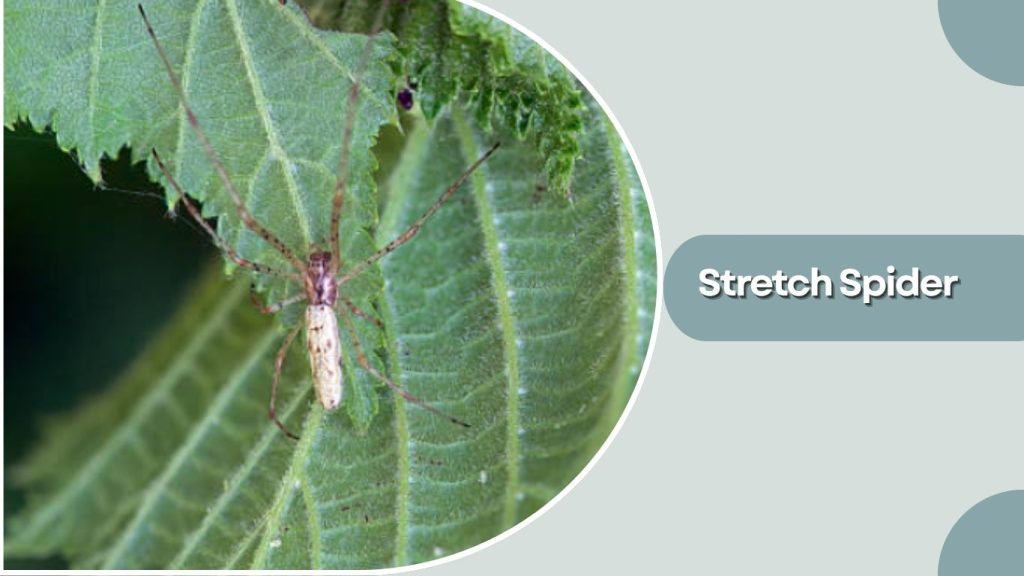
The Stretch Spider is a long-legged spider known for its slender body and ability to extend its legs outward while remaining motionless. It is commonly associated with species in the Tetragnatha group. These spiders are often found near water sources and vegetation, where their elongated bodies and legs help them blend into narrow spaces such as stems and reeds. Despite their unusual appearance, they are harmless to humans and play an important role in controlling insect populations.
Identification
- Very long, narrow body with thin, elongated legs
- Pale green, brown, or yellowish coloration
- Body adapted for stretching along narrow surfaces
- Often rests with legs extended forward and backward
- Slender and almost stick-like appearance
Habitat
Stretch Spiders are typically found in moist environments such as wetlands, ponds, riversides, and areas with dense vegetation. They often rest on grasses, shrubs, or reeds where they can easily camouflage themselves. Some species build orb-shaped webs near water surfaces, while others prefer to remain hidden along plant stems. Their habitats are usually rich in small flying insects, which serve as their primary food source.
Behavior
These spiders are known for their unique resting posture, where they align their body and legs in a straight line to mimic a twig or grass blade. They are generally calm and non-aggressive. When disturbed, they may drop from vegetation or remain still to avoid detection. Stretch Spiders are often solitary and rely on camouflage rather than active defense to stay safe from predators.
Diet and Lifecycle
Stretch Spiders primarily feed on small flying insects such as mosquitoes, gnats, and flies. They capture prey using their webs or by ambush. Their lifecycle includes egg, spiderling, and adult stages. Females lay eggs in protected silk sacs attached to vegetation. The young hatch and gradually develop through multiple molts before reaching adulthood. Their lifespan varies but is generally around one year depending on environmental conditions.
7. Golden Silk Orb-Weaver
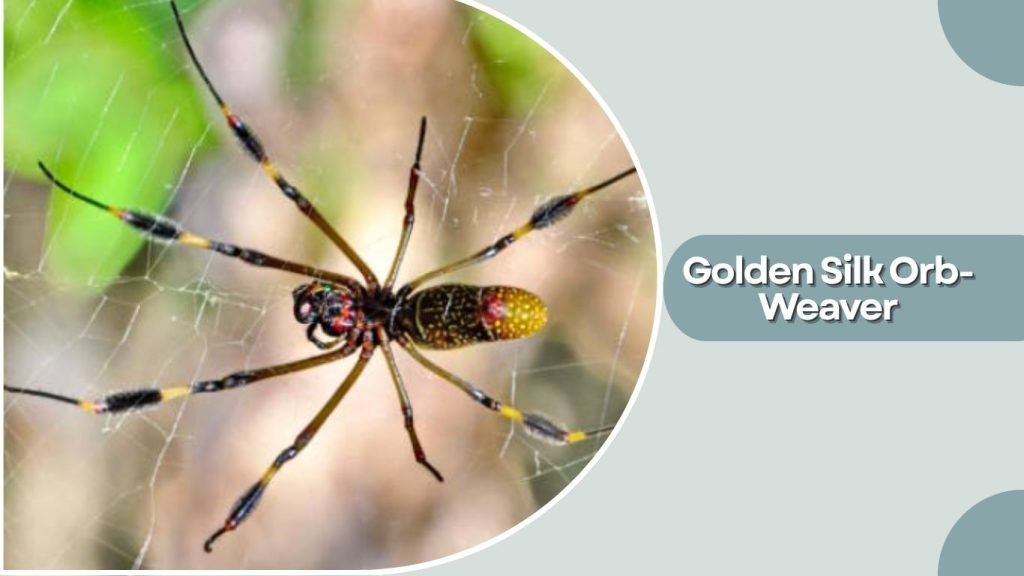
The Golden Silk Orb-Weaver is a large, visually striking spider known for its long legs, relatively small body, and the golden-colored silk it produces. It belongs to the Trichonephila clavipes group. This spider is famous for weaving strong, intricate webs that often appear yellow or gold in sunlight. Despite its somewhat intimidating size, it is not dangerous to humans and is considered beneficial due to its role in controlling flying insect populations.
Identification
- Long, slender legs with a relatively small body
- Distinctive yellow, gold, or orange markings
- Females are much larger than males
- Web silk often appears golden in sunlight
- Long-legged posture when resting on webs
Habitat
Golden Silk Orb-Weavers are typically found in warm, humid environments such as forests, gardens, and wooded areas. They build large orb-shaped webs between trees, shrubs, or man-made structures like fences and buildings. These webs are usually placed in open spaces where flying insects are likely to be caught. The spiders prefer regions with consistent warmth and adequate insect availability.
Behavior
These spiders are mostly passive and remain in their webs waiting for prey to become trapped. They may adjust their position depending on environmental conditions such as sunlight and wind. When threatened, they usually stay still rather than confront predators. Their webs are extremely strong and can withstand repeated use, making them efficient hunters in their environment.
Diet and Lifecycle
Golden Silk Orb-Weavers feed on flying insects such as flies, bees, and moths that get caught in their webs. They immobilize prey quickly using silk and venom. Their lifecycle includes egg, spiderling, and adult stages. Females lay eggs in silk sacs, which are often hidden in vegetation. Spiderlings disperse after hatching and grow through several molts. Females can live for several months to over a year, while males have a shorter lifespan.
8. Spitting Spider
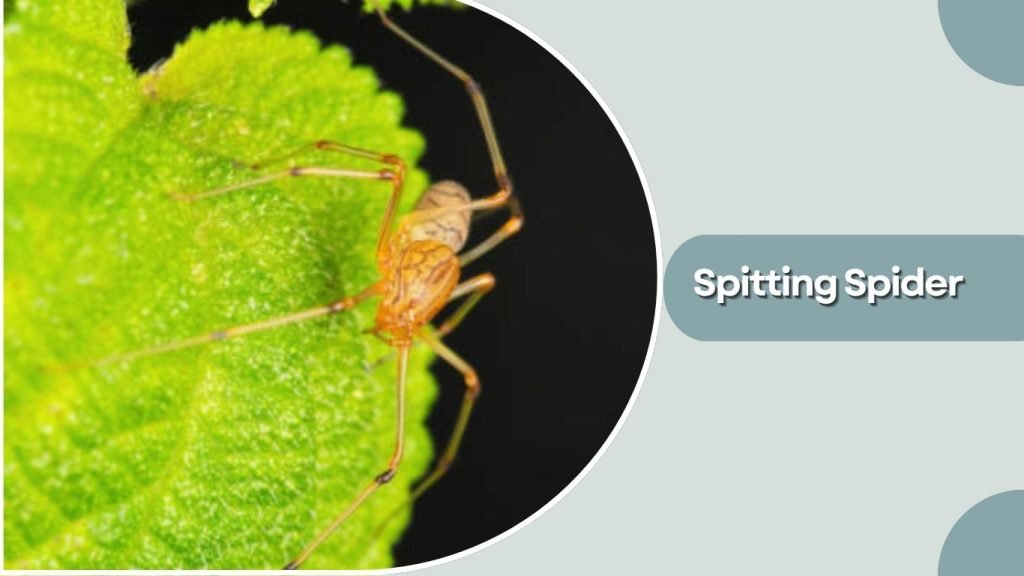
The Spitting Spider is a small spider known for its unique hunting method and relatively long legs compared to its compact body. It belongs to the Scytodidae group. This spider gets its name from its ability to eject a sticky, venom-laced liquid onto its prey, effectively trapping it from a distance. Despite this unusual behavior, it is harmless to humans and is generally shy and reclusive.
Identification
- Small, rounded body with long, thin legs
- Pale yellow, light brown, or gray coloration
- Distinctive dome-shaped head region
- Slow-moving and delicate appearance
- Six or more dark markings on the body in some species
Habitat
Spitting Spiders are commonly found in warm indoor and outdoor environments. Indoors, they may appear in corners, ceilings, basements, and behind furniture. Outdoors, they inhabit leaf litter, under rocks, bark, and other sheltered areas. They prefer dry to moderately humid environments and often remain hidden during the day. Their ability to adapt allows them to live in close proximity to human dwellings.
Behavior
These spiders are nocturnal and rely on their unique hunting technique rather than webs. When prey is detected, they slowly approach and release a sticky, zigzag pattern of silk mixed with venom to immobilize the target. They are not aggressive and tend to avoid confrontation. Their movements are slow and deliberate, helping them remain unnoticed by both prey and predators.
Diet and Lifecycle
Spitting Spiders feed on small insects such as flies, ants, and other tiny arthropods. Their specialized hunting method allows them to capture prey efficiently without needing a web. The lifecycle includes egg, spiderling, and adult stages. Females lay eggs in silk sacs and may guard them until they hatch. The young grow through several molts before reaching adulthood, with a lifespan typically ranging from several months to about a year.
9. Spitting Spider
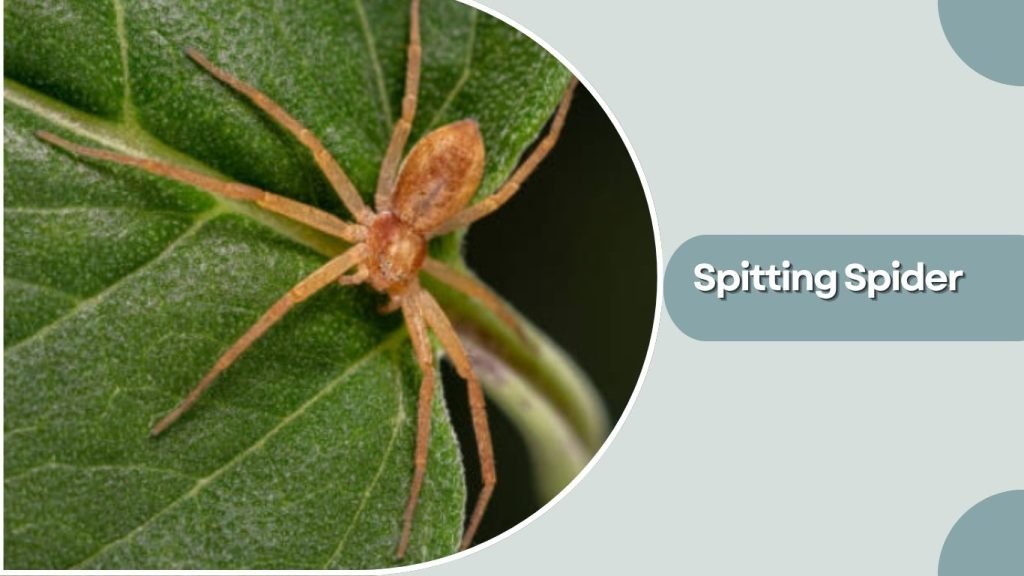
The Running Crab Spider is a fast-moving spider with long legs and a compact body that gives it a crab-like appearance when viewed from above. It belongs to the Philodromidae group. These spiders are known for their speed and agility rather than web-building. They are harmless to humans and are often found on vegetation or surfaces where they actively hunt prey.
Identification
- Flat, small body with long, laterally extended legs
- Legs positioned sideways, similar to a crab stance
- Brown, gray, or pale coloration for camouflage
- No web structure for capturing prey
- Quick and agile movement
Habitat
Running Crab Spiders are commonly found in gardens, forests, grasslands, and on shrubs or tree trunks. They prefer open environments where they can easily move and hunt. Indoors, they may occasionally appear near windows or walls but typically remain outdoors. Their coloration helps them blend into bark, leaves, and soil, providing effective camouflage against predators and prey.
Behavior
These spiders are active hunters that do not rely on webs. They move rapidly across surfaces in search of prey, using their speed and stealth to ambush insects. They can move sideways or forward quickly, enhancing their crab-like motion. Running Crab Spiders are generally solitary and non-aggressive, avoiding confrontation whenever possible. Their agility allows them to escape threats efficiently.
Diet and Lifecycle
They feed on small insects such as flies, mosquitoes, and other arthropods. Instead of trapping prey in webs, they capture it directly using speed and ambush tactics. Their lifecycle includes egg, spiderling, and adult stages. Females lay eggs in silk sacs, often hidden in vegetation. The young emerge and undergo several molts before becoming adults. Their lifespan is typically short to moderate, depending on species and environmental conditions.
10. Huntsman Spider
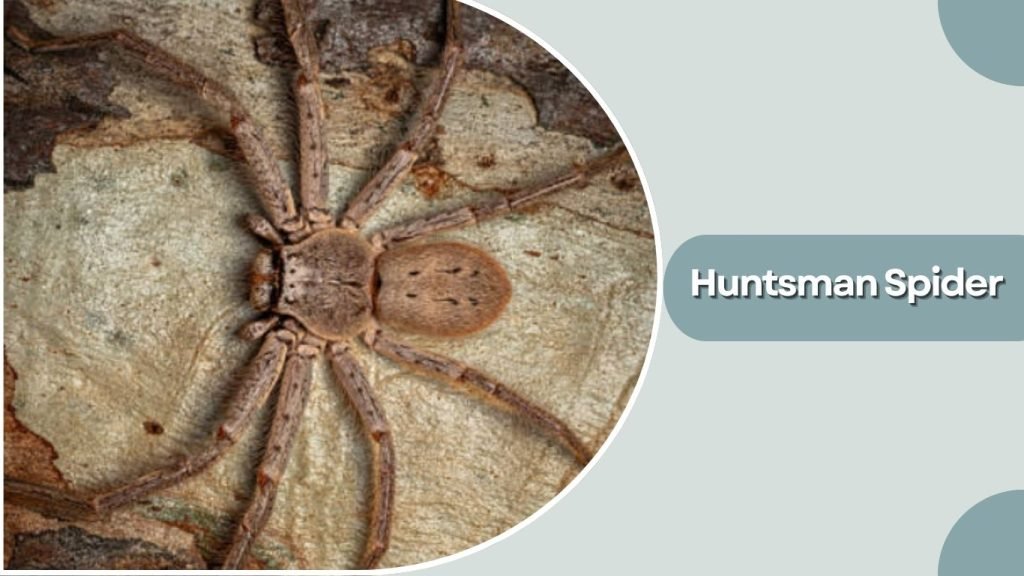
The Huntsman Spider is a large, long-legged spider known for its flattened body and sideways movement. It belongs to the Sparassidae group. Despite its intimidating size and appearance, it is not dangerous to humans. Huntsman spiders are commonly found in warm climates and are known for their speed and agility rather than web-building.
Identification
- Very long, thin legs with a flattened body
- Brown, gray, or tan coloration with patterns
- Legs extend outward in a crab-like stance
- Large leg span but relatively small body
- Hairy legs and body with a smooth, flattened profile
Habitat
Huntsman Spiders prefer warm environments and are commonly found under bark, rocks, and in crevices outdoors. Indoors, they may appear on walls, ceilings, or behind furniture, especially in tropical or subtropical regions. They do not build typical webs for hunting but instead use natural shelters to hide during the day. Their flattened bodies allow them to squeeze into narrow spaces, making them well adapted to tight hiding spots.
Behavior
These spiders are nocturnal hunters and are known for their speed and ability to run sideways. They actively search for prey rather than waiting in webs. When disturbed, they prefer to flee rather than attack. Huntsman spiders are generally solitary and non-aggressive. Their quick reflexes and agility help them avoid predators and capture prey efficiently in the dark.
Diet and Lifecycle
Huntsman Spiders feed on a variety of insects and other small arthropods, including cockroaches and beetles. They hunt by ambushing or chasing prey rather than using webs. Their lifecycle includes egg, spiderling, and adult stages. Females lay eggs in silk sacs and often guard them until they hatch. The spiderlings disperse after emerging and grow through multiple molts. Their lifespan can range from one to two years, depending on environmental conditions.
FAQs
What are spiders with long legs and small bodies called?
Spiders with long legs and small bodies are commonly referred to as long-legged spiders or include groups like cellar spiders, harvestmen, and huntsman spiders. These spiders share a similar body structure but belong to different families and species.
Are long-legged spiders dangerous to humans?
Most long-legged spiders are harmless to humans. While some may bite if provoked, their bites are usually mild and not medically significant. They tend to avoid human interaction and prefer to escape rather than attack.
Why do these spiders have such long legs?
Long legs help these spiders move quickly, detect vibrations, and navigate their environment efficiently. In some species, long legs also aid in camouflage by making them resemble twigs, stems, or debris.
Where are these spiders commonly found?
They are commonly found in homes, gardens, forests, basements, ceilings, and areas with low disturbance. Many prefer dark, moist, or sheltered environments where they can hide and hunt for food.
What do long-legged spiders eat?
These spiders primarily feed on small insects such as flies, mosquitoes, ants, and other arthropods. Some species actively hunt, while others wait in webs to capture prey.
