

Small butterflies may be tiny in size, but they are full of beauty, diversity, and ecological importance. Found in gardens, meadows, forests, and even deserts, these delicate species display a wide range of colors and patterns. Despite their size, they play a key role in pollination and maintaining healthy ecosystems. This guide introduces 14 types of small butterflies, helping you identify them easily while understanding their unique features, habitats, and behaviors in nature.
1. Common Blue

The Common Blue is a small and delicate butterfly widely distributed across Europe, Asia, and parts of North Africa. It is one of the most recognizable small butterflies, often seen fluttering low over grassy areas. Despite its size, it plays an important role in pollination and ecosystem balance.
Identification
- Small wingspan, about 3 to 4 centimeters
- Males have bright blue upper wings with thin black borders
- Females are mostly brown with some blue near the body
- Underside is pale grey with black spots and orange markings
Color Pattern
The Common Blue shows clear differences between males and females. Males display a vibrant blue color that shines in sunlight, while females are more subdued with brown tones and occasional blue patches. The underside pattern helps them blend into grass and soil.
Habitat
This butterfly prefers open habitats such as meadows, grasslands, roadside edges, and coastal dunes. It thrives in sunny environments with low-growing vegetation and an abundance of wildflowers that provide nectar.
Behavior
Common Blues are active during warm, sunny days and typically fly close to the ground. They feed on nectar from small flowers and often rest with wings closed. Males are territorial and patrol areas to find mates, making them frequently visible.
2. Holly Blue
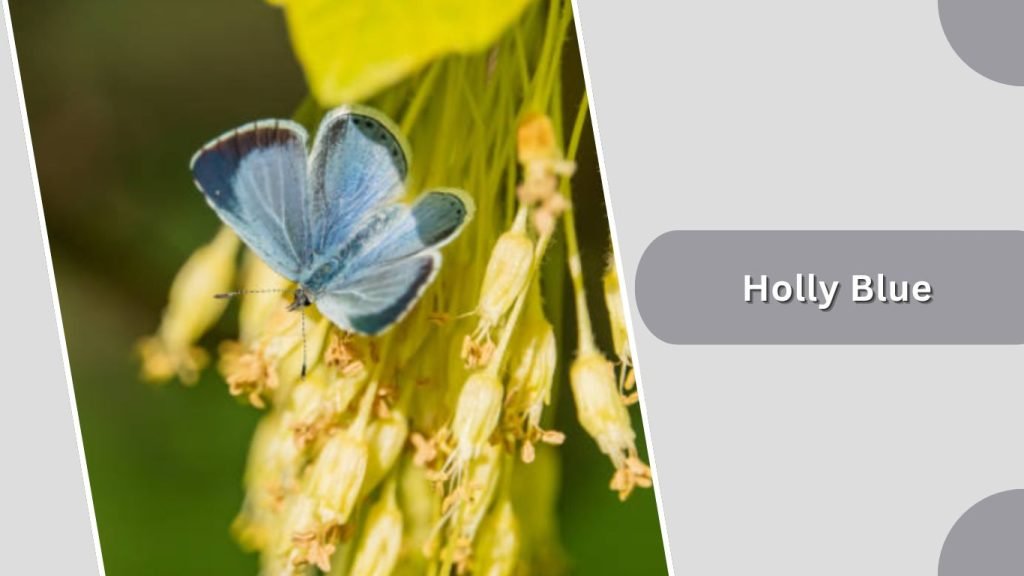
The Holly Blue is a small and graceful butterfly commonly found across Europe, Asia, and North Africa. It is known for its soft blue coloration and gentle flight, often seen around gardens, hedgerows, and woodland edges.
Identification
- Small wingspan, about 3 to 4 centimeters
- Upper wings are pale blue with narrow dark edges
- Females have slightly darker wing borders than males
- Underside is light grey with small black spots
Color Pattern
The Holly Blue has a soft, powdery blue appearance that is lighter than many other blue butterflies. Both sexes look similar, though females show more distinct dark edging. The underside pattern is subtle, helping it stay hidden when resting on leaves or branches.
Habitat
This butterfly thrives in gardens, parks, woodland edges, and hedgerows. It is closely associated with holly and ivy plants, which serve as important host plants for its caterpillars. It adapts well to both urban and rural environments.
Behavior
Holly Blues are active during warm weather and have a gentle, fluttering flight. They are often seen flying around shrubs and trees rather than open ground. Different generations use different host plants—holly in spring and ivy in late summer.
3. Small Copper
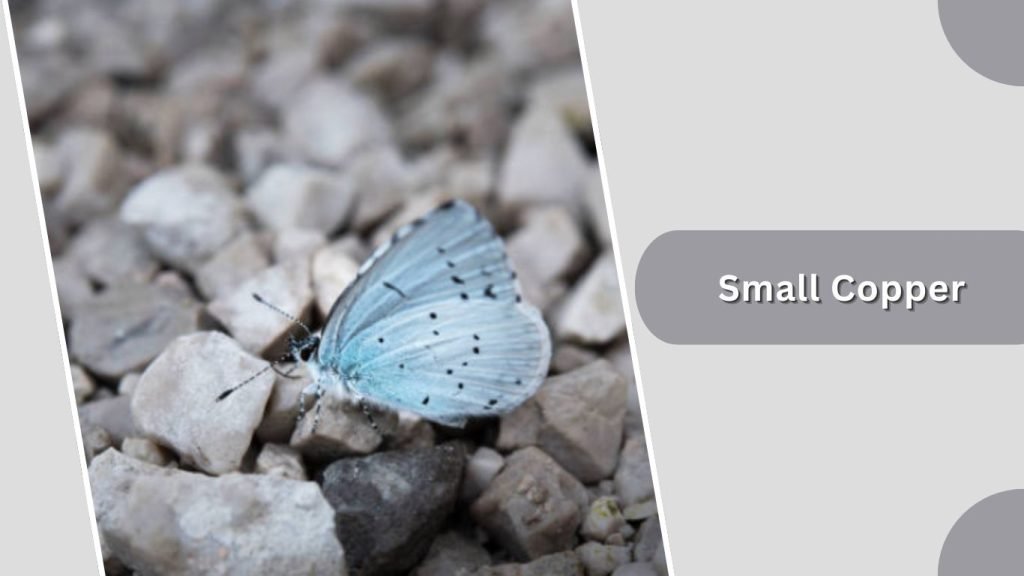
The Small Copper is a tiny but vibrant butterfly known for its bright coloration and energetic flight. Found across Europe, Asia, and North America, it is a common sight in open areas where sunlight and low vegetation are abundant.
Identification
- Small wingspan, about 2.5 to 3.5 centimeters
- Bright orange forewings with dark brown or black spots
- Hindwings are darker brown with an orange border
- Underside is pale with fine markings for camouflage
Color Pattern
The Small Copper stands out with its fiery orange forewings contrasted by dark spots and edges. The hindwings are more subdued, creating a balanced appearance. The underside is lighter and less noticeable, helping it blend into its surroundings when at rest.
Habitat
This butterfly prefers open habitats such as grasslands, meadows, roadsides, and gardens. It thrives in sunny areas with low-growing plants, especially where dock and sorrel plants grow, as these are important for its larvae.
Behavior
Small Coppers are active during warm, sunny days and are known for their quick, darting flight. They often bask in the sun with wings open and are highly territorial, especially males. They feed on nectar from a variety of small flowers.
4. Small Tortoiseshell
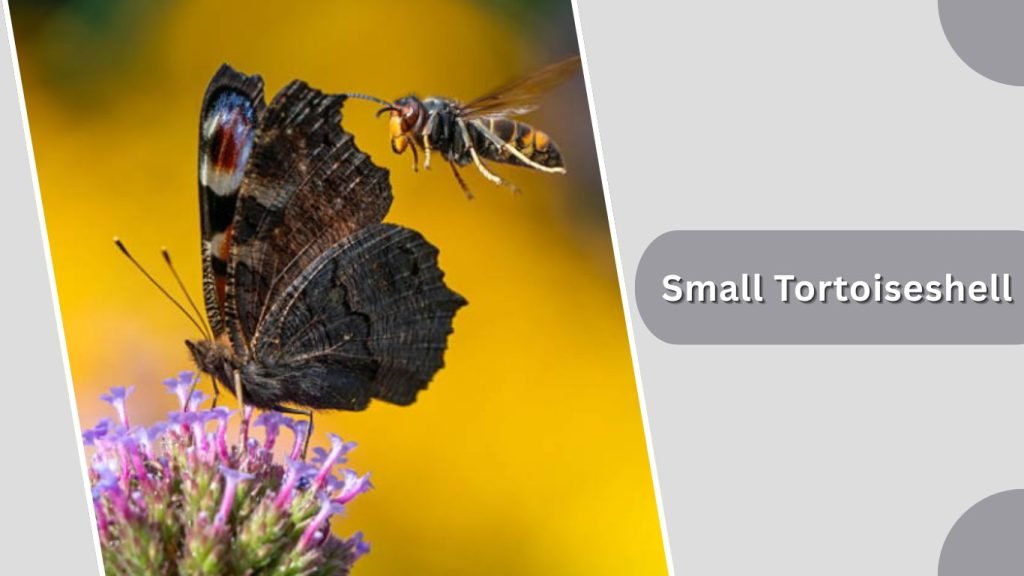
The Small Tortoiseshell is a colorful and easily recognizable small butterfly found across Europe and Asia. It is often seen in gardens and urban areas, especially during warm months, and is known for its bold patterns and adaptability.
Identification
- Small to medium wingspan, about 4 to 5 centimeters
- Bright orange wings with black and yellow markings
- Blue spots along the wing edges
- Underside is dark brown or black for camouflage
Color Pattern
The Small Tortoiseshell features a rich orange base with striking black patches and yellow accents. Along the edges, a row of bright blue spots adds to its beauty. The underside is much darker, allowing it to blend into tree bark or surfaces when resting.
Habitat
This butterfly thrives in gardens, parks, woodlands, and urban areas. It prefers environments with plenty of flowering plants and is commonly found wherever nettles grow, as these are essential host plants for its caterpillars.
Behavior
Small Tortoiseshells are active during sunny days and are often seen basking with wings fully open. They feed on nectar from a variety of flowers and are known to hibernate during winter, reappearing in early spring when temperatures rise.
5. Eastern Tailed-Blue
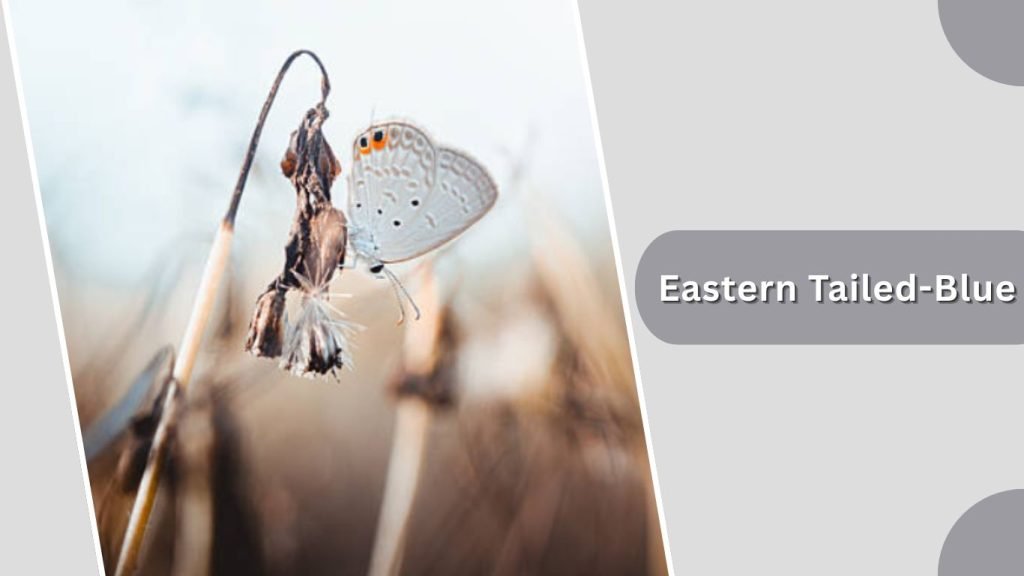
The Eastern Tailed-Blue is a very small and delicate butterfly commonly found across North America. It is easily recognized by its tiny size and the thin tail-like extensions on its hindwings, giving it a unique and charming appearance.
Identification
- Very small wingspan, about 2 to 3 centimeters
- Upper wings are light blue in males and greyish in females
- Hindwings have thin tail-like projections
- Underside is pale grey with small black spots and orange markings
Color Pattern
The Eastern Tailed-Blue has a soft and subtle color scheme. Males show a gentle blue hue, while females are more muted. The underside features fine black spots and a touch of orange near the tails, helping it blend into its surroundings.
Habitat
This butterfly prefers open habitats such as grasslands, meadows, gardens, and roadsides. It thrives in areas with low vegetation and plenty of sunlight. Host plants like clover and legumes are essential for its caterpillars.
Behavior
Eastern Tailed-Blues are active during warm days and fly close to the ground. They have a quick, fluttering flight and often rest with wings closed. They feed on nectar from small flowers and are commonly seen in groups in suitable habitats.
6. Western Pygmy Blue
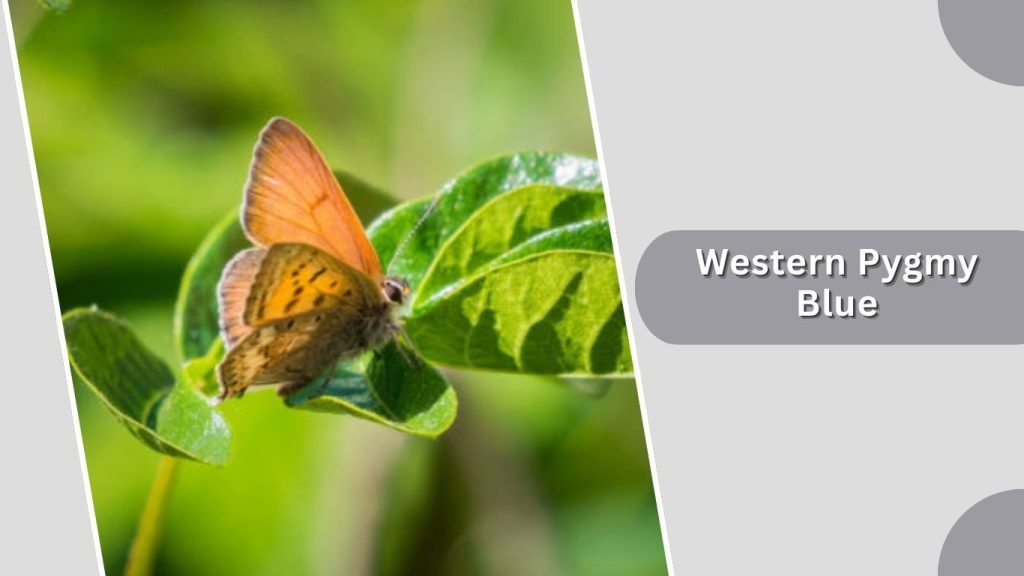
The Western Pygmy Blue is one of the smallest butterflies in the world, known for its tiny size and subtle beauty. Found mainly in North America, it is often overlooked due to its size but is fascinating to observe up close.
Identification
- Extremely small wingspan, about 1 to 1.5 centimeters
- Upper wings are dull brown to greyish-blue
- Hindwings have small tail-like extensions
- Underside is pale with fine dark spots and faint markings
Color Pattern
The Western Pygmy Blue has a soft and muted color palette compared to other butterflies. Its upper side appears brownish or slightly bluish, while the underside shows delicate spotting. The subtle tones help it blend easily into dry, sandy environments.
Habitat
This butterfly prefers dry, open habitats such as deserts, scrublands, and sandy areas. It is often found in regions with saltbush and other low-growing plants, which serve as host plants for its larvae.
Behavior
Western Pygmy Blues are active during warm weather and stay close to the ground. Their flight is weak and fluttery, making them easy to miss. They feed on nectar from tiny flowers and often rest with wings closed, relying on camouflage for protection.
7. Karner Blue
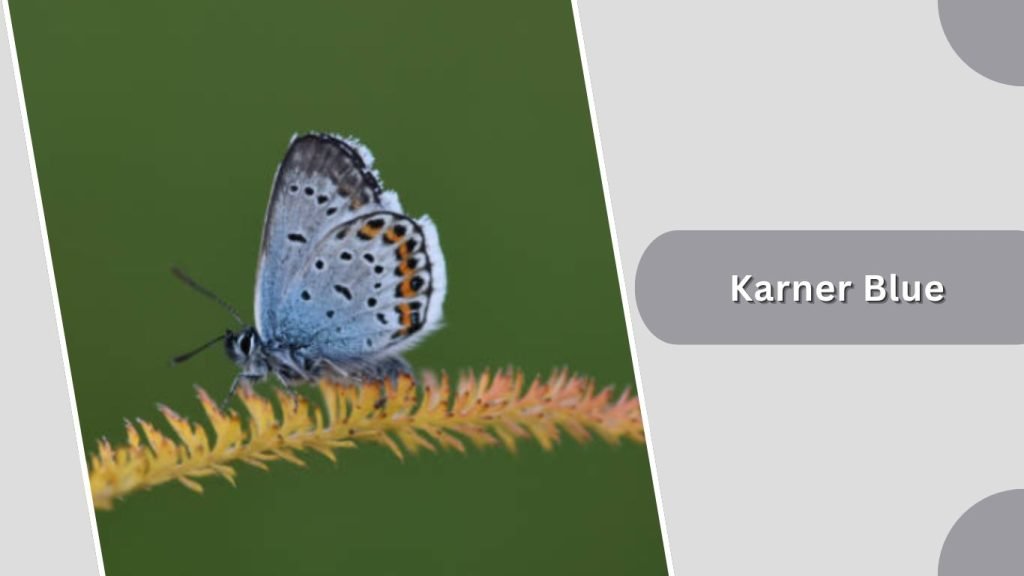
The Karner Blue is a small and rare butterfly known for its delicate appearance and conservation importance. Native to parts of North America, it is closely linked to specific habitats, making it a sensitive indicator of environmental health.
Identification
- Small wingspan, about 2.5 to 3 centimeters
- Males have bright silvery-blue upper wings with thin black borders
- Females are duller with greyish-blue tones and orange spots
- Underside is pale grey with black spots and orange crescents
Color Pattern
The Karner Blue displays soft but attractive coloration. Males are more vibrant with clear blue tones, while females have a mix of blue and brown shades. The underside patterns provide excellent camouflage among dry leaves and low vegetation.
Habitat
This butterfly is found in sandy areas such as pine barrens, oak savannas, and dry open woodlands. It depends heavily on wild lupine plants, which are essential for its caterpillars, limiting its range to areas where these plants grow.
Behavior
Karner Blues are active during warm seasons and usually have two generations each year. They fly low to the ground and stay close to their host plants. Their light, fluttering flight and preference for specific habitats make them both unique and vulnerable.
8. Silver-studded Blue
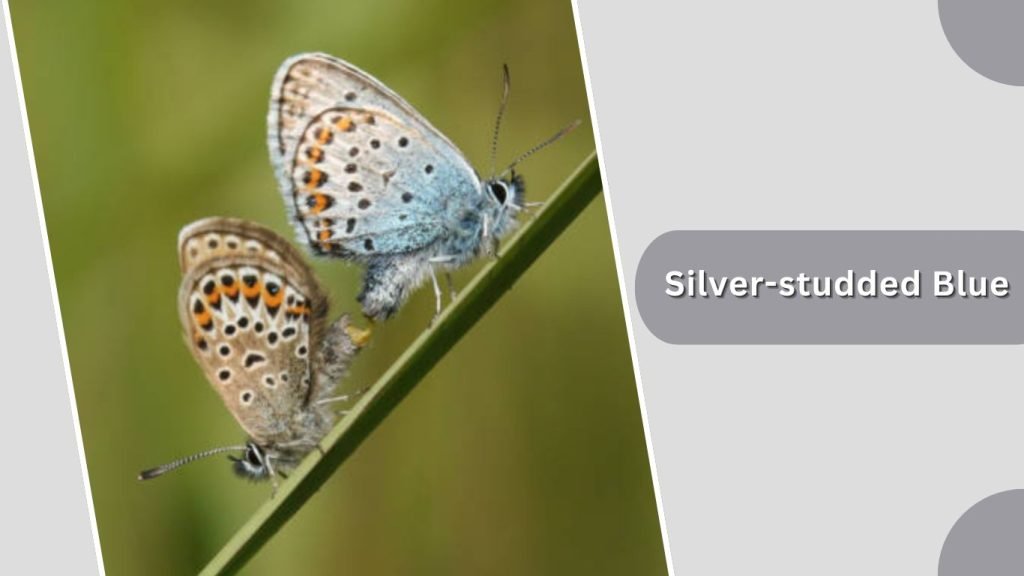
The Silver-studded Blue is a small and attractive butterfly found mainly in parts of Europe. It is known for its subtle blue tones and the tiny metallic spots on the underside of its wings, which give it a distinctive and elegant appearance.
Identification
- Small wingspan, about 2.5 to 3 centimeters
- Males have soft blue upper wings with dark borders
- Females are brown with some blue dusting near the base
- Underside is grey with black spots and small metallic “silver” spots
Color Pattern
The Silver-studded Blue shows gentle coloration, with males displaying a soft blue hue and females appearing more brown. The underside is particularly unique, featuring small metallic spots that reflect light, along with fine black markings for camouflage.
Habitat
This butterfly prefers heathlands, grasslands, dunes, and coastal areas. It thrives in open, sunny habitats with low vegetation. The presence of specific host plants, such as bird’s-foot trefoil, is important for its survival.
Behavior
Silver-studded Blues are active during warm, sunny days and often stay close to the ground. They have a light, fluttering flight and frequently rest on low plants. They feed on nectar from small flowers and often form small groups in suitable habitats.
9. Brown Argus
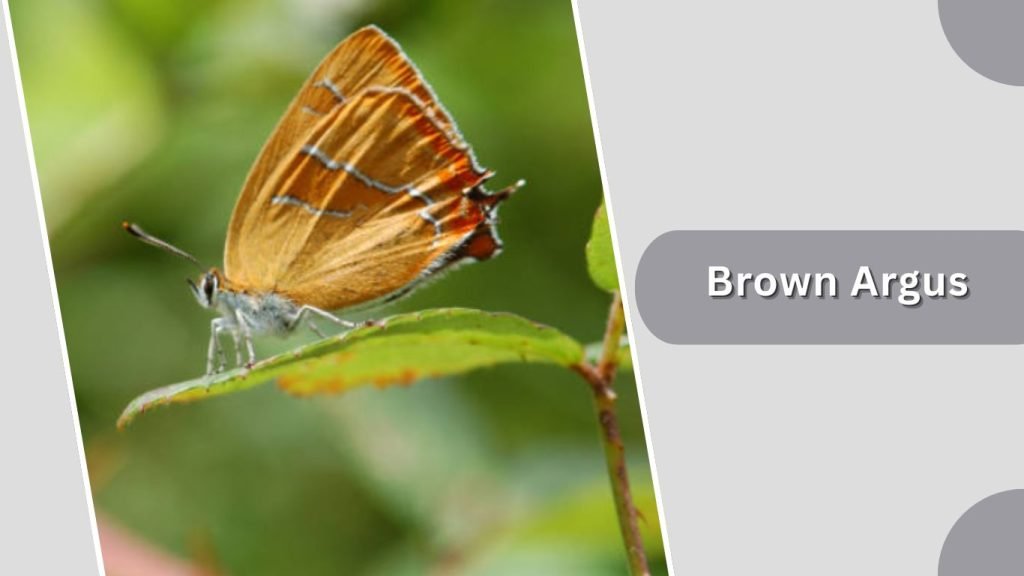
The Brown Argus is a small and subtle butterfly commonly found across Europe, Asia, and parts of North Africa. Despite its name, it is often mistaken for blue butterflies due to its similar patterns, though it lacks true blue coloration.
Identification
- Small wingspan, about 2.5 to 3 centimeters
- Upper wings are dark brown with orange spots along the edges
- No blue coloration, even in males
- Underside is light brown or grey with black spots and orange markings
Color Pattern
The Brown Argus features a rich brown upper side accented with small orange spots near the wing edges. Its underside is lighter with fine black spotting, providing effective camouflage against dry grass and soil.
Habitat
This butterfly prefers open habitats such as grasslands, meadows, heathlands, and coastal areas. It thrives in sunny environments with low-growing plants and is often found where rock-rose and similar host plants grow.
Behavior
Brown Argus butterflies are active during warm, sunny days and typically fly close to the ground. They have a quick, fluttering flight and often rest with wings closed. They feed on nectar from small flowers and are commonly seen in open, dry areas.
10. Small Heath
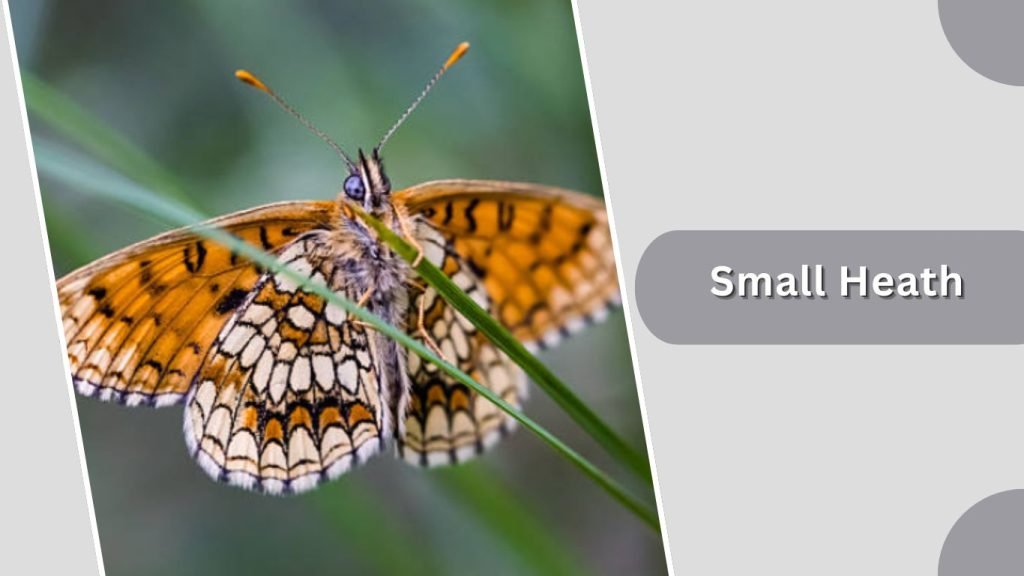
The Small Heath is a tiny and understated butterfly commonly found across Europe, Asia, and parts of North Africa. It is known for its simple coloration and low, fluttering flight, often seen in grassy open areas.
Identification
- Small wingspan, about 3 to 3.5 centimeters
- Upper wings are light brown to orange-brown
- A single small eyespot on the forewing
- Underside is pale with subtle markings
Color Pattern
The Small Heath has a soft brown or orange-brown coloration that blends well with dry grass. Its most noticeable feature is the small eyespot on the forewing, which helps distract predators. The underside is lighter and less distinct, aiding in camouflage.
Habitat
This butterfly prefers grasslands, meadows, heathlands, and roadside areas. It thrives in dry, open environments with plenty of grasses, which serve as host plants for its caterpillars.
Behavior
Small Heaths are active during warm, sunny days and fly very close to the ground. Their flight is gentle and fluttery. They often rest with wings closed and rely on camouflage to stay hidden from predators.
11. Pearl Crescent
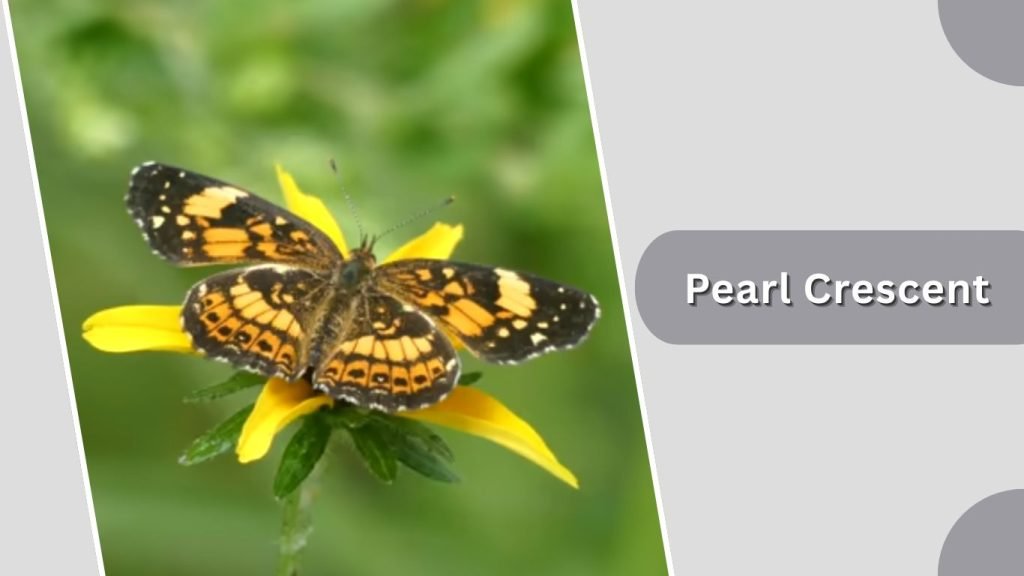
The Pearl Crescent is a small and lively butterfly commonly found across North America. It is easily recognized by its bright orange wings with dark markings and its frequent presence in open, sunny habitats.
Identification
- Small wingspan, about 2.5 to 4 centimeters
- Bright orange wings with black spots and markings
- Wing edges are slightly scalloped
- Underside is lighter with a mix of brown and orange patterns
Color Pattern
The Pearl Crescent features a vivid orange base color with bold black markings that form a distinct pattern. The underside is more muted, with a combination of lighter tones that help it blend into dry vegetation when resting.
Habitat
This butterfly prefers open areas such as meadows, fields, roadsides, and gardens. It thrives in sunny environments with plenty of low-growing plants. Host plants like asters are important for its caterpillars.
Behavior
Pearl Crescents are active during warm days and have a quick, fluttering flight. They are often seen flying low over vegetation and frequently visit flowers for nectar. They may also bask in the sun to regulate their body temperature.
12. American Copper

The American Copper is a small and brightly colored butterfly found across North America. It is known for its striking orange and dark wing contrast, making it easy to spot despite its small size.
Identification
- Small wingspan, about 2.5 to 4 centimeters
- Forewings are bright orange with black spots
- Hindwings are dark brown to black with an orange border
- Underside is pale grey with fine markings
Color Pattern
The American Copper displays a vivid orange color on its forewings, contrasted by darker hindwings. This two-tone appearance makes it stand out among small butterflies. The underside is more muted, helping it blend into its surroundings when resting.
Habitat
This butterfly prefers open habitats such as fields, meadows, gardens, and roadsides. It thrives in sunny areas with low vegetation. Host plants like sorrel and dock are important for its caterpillars.
Behavior
American Coppers are active during sunny days and have a quick, darting flight. They are often seen basking with wings open and feeding on nectar from small flowers. Males are territorial and frequently patrol their area.
13. Reakirt’s Blue
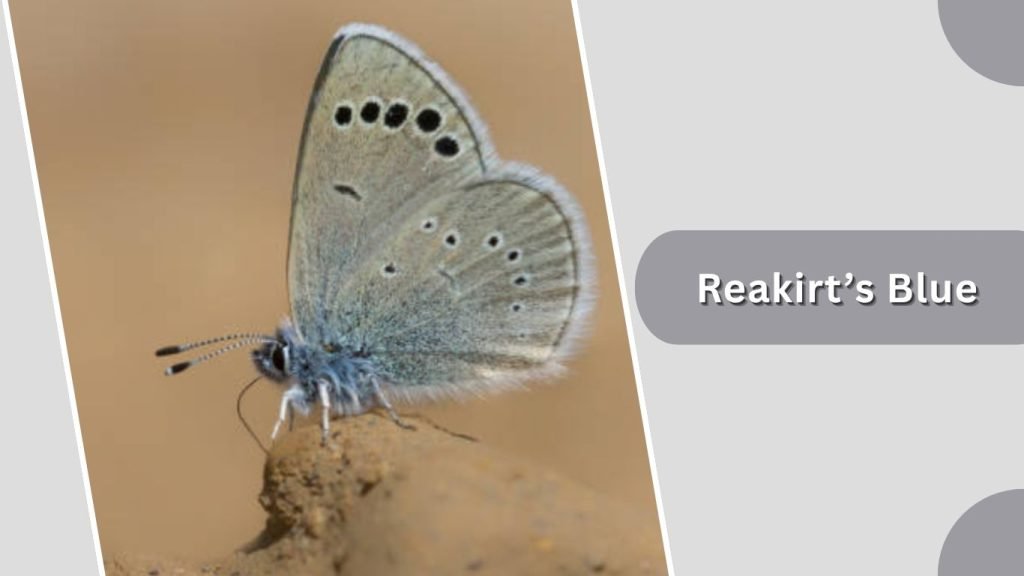
Reakirt’s Blue is a small and delicate butterfly found in parts of North America, especially in warmer regions. It is known for its soft blue tones and subtle markings, making it a charming but often overlooked species.
Identification
- Small wingspan, about 2 to 3 centimeters
- Males have pale blue upper wings with narrow dark borders
- Females are greyish-brown with slight blue near the base
- Underside is light grey with small black spots
Color Pattern
Reakirt’s Blue has a gentle and understated appearance. Males show a soft blue color, while females are more muted. The underside features fine black spotting, helping it blend into dry grass and low vegetation.
Habitat
This butterfly prefers dry, open habitats such as grasslands, desert edges, and scrub areas. It is commonly found in warm climates where low-growing plants are abundant. Its caterpillars depend on specific host plants found in these regions.
Behavior
Reakirt’s Blues are active during warm days and tend to fly close to the ground. Their flight is light and fluttery. They feed on nectar from small flowers and often rest with wings closed, relying on camouflage for protection.
14. Dainty Sulphur
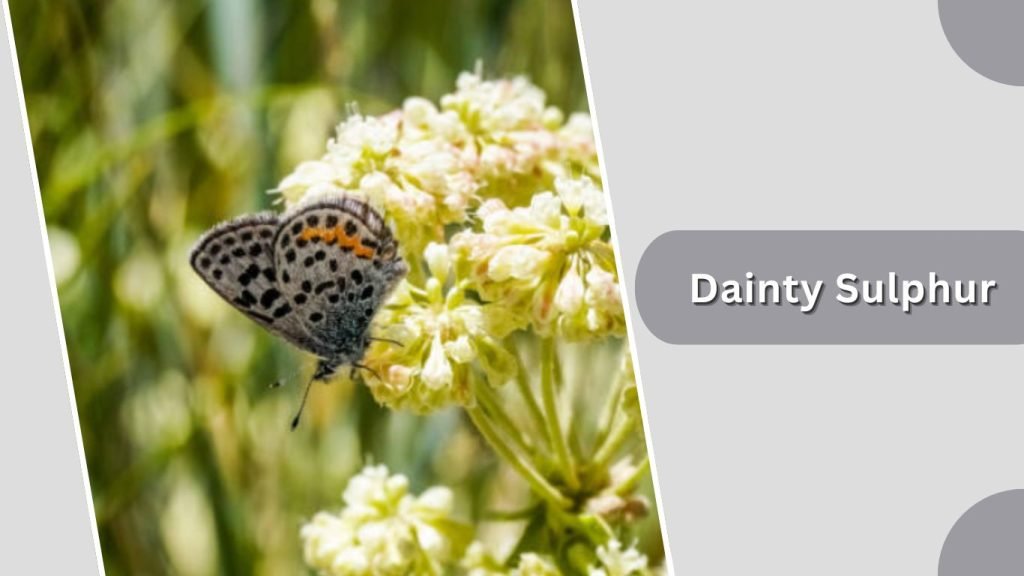
The Dainty Sulphur is one of the smallest butterflies in North America, known for its pale yellow color and delicate appearance. It is often overlooked due to its size but can be seen fluttering in warm, open areas.
Identification
- Very small wingspan, about 2 to 3 centimeters
- Upper wings are pale yellow with minimal markings
- Faint dark edging may be present on the wings
- Underside is slightly lighter with subtle patterns
Color Pattern
The Dainty Sulphur has a soft, pale yellow coloration that appears almost translucent in sunlight. Its markings are very minimal compared to other butterflies, giving it a clean and simple look. This subtle coloring helps it blend into dry grasses and flowers.
Habitat
This butterfly prefers dry, open habitats such as fields, roadsides, grasslands, and desert edges. It thrives in warm climates and is commonly found in areas with low vegetation and plenty of sunlight.
Behavior
Dainty Sulphurs are active during warm, sunny days and have a light, fluttering flight close to the ground. They feed on nectar from small flowers and are often seen moving quickly between plants. Their small size and gentle movement make them harder to spot.
FAQs
What is considered a small butterfly?
A small butterfly typically has a wingspan of about 1 to 4 centimeters. These species are often delicate, with lighter bodies and subtle flight patterns. Despite their size, they are highly diverse and can be found in many habitats around the world.
Are small butterflies common in gardens?
Yes, many small butterflies are commonly found in gardens, especially where nectar-rich flowers and host plants are available. Species like blues and coppers are frequent visitors, making gardens an excellent place to observe them up close.
What do small butterflies eat?
Adult small butterflies mainly feed on nectar from tiny flowers. Some may also feed on moisture from soil or organic matter. Their caterpillars rely on specific host plants, which are essential for their growth and survival.
How can I attract small butterflies?
Planting a variety of small, nectar-rich flowers such as clover, asters, and wildflowers can attract them. Providing host plants, avoiding pesticides, and ensuring a sunny, sheltered environment will make your space more butterfly-friendly.
Are small butterflies important for the environment?
Yes, small butterflies play a vital role in pollination and are indicators of a healthy ecosystem. They help maintain plant diversity and serve as part of the food chain, supporting other wildlife in their habitats.
