
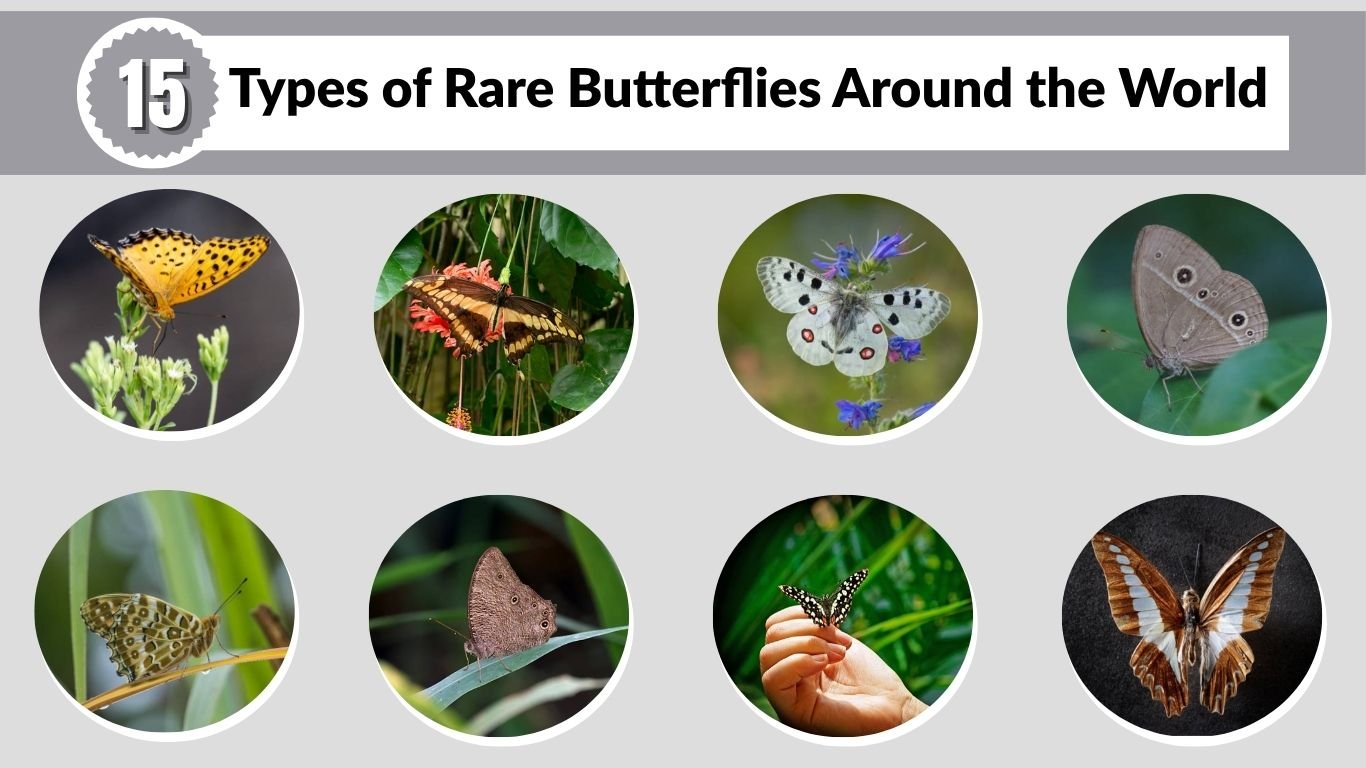
Rare butterflies are among the most fascinating and fragile creatures on Earth, often found in limited habitats and facing serious threats from environmental changes. These unique species display incredible colors, patterns, and life cycles, making them highly valuable for biodiversity and conservation. From the tiny Palos Verdes Blue to the magnificent Queen Alexandra’s Birdwing, each butterfly has its own story. This guide explores 15 rare butterfly types, helping you identify them while understanding their habitats, behaviors, and importance in nature.
1. Palos Verdes Blue
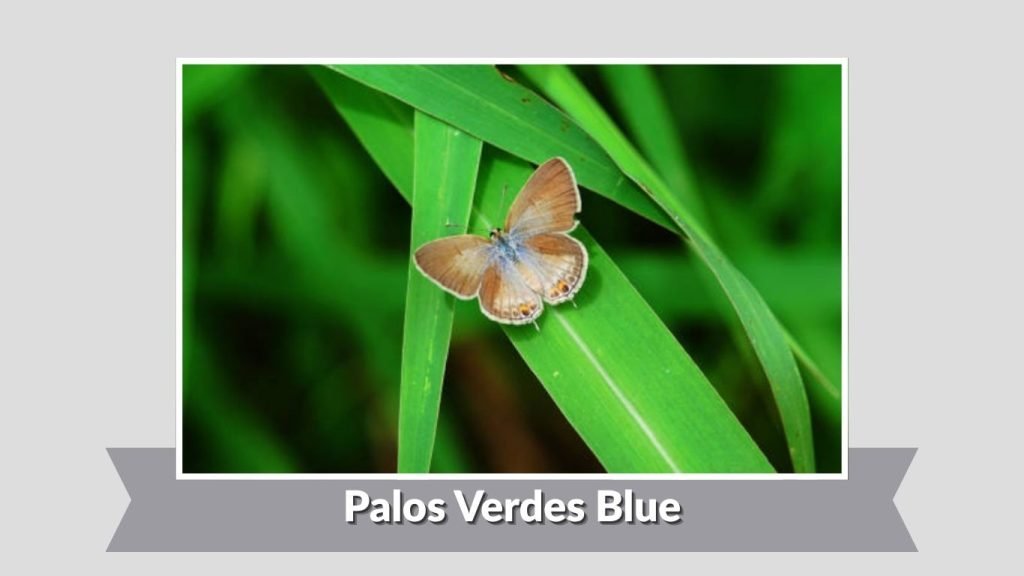
The Palos Verdes Blue is one of the rarest butterflies in the world, once thought to be extinct before being rediscovered in California. This tiny butterfly is highly endangered and exists in a very limited range, making it a significant focus of conservation efforts.
Identification
- Very small wingspan, about 2.5 to 3 centimeters
- Males have bright blue upper wings
- Females are more brown with some blue near the base
- Underside is grey with small black spots
Color Pattern
The Palos Verdes Blue shows subtle but attractive coloration. Males display a soft blue hue, while females appear more muted with brown tones. The underside is pale grey with delicate spotting, helping it blend into its natural surroundings.
Habitat
This butterfly is found in a very limited area in coastal southern California. It prefers open scrub habitats where its host plants, such as certain legumes, grow. Habitat loss has greatly reduced its natural range.
Behavior
Palos Verdes Blues are active during warm days and have a light, fluttering flight. They stay close to their host plants and feed on nectar from small flowers. Due to their rarity, they are carefully monitored and protected by conservation programs.
2. Miami Blue
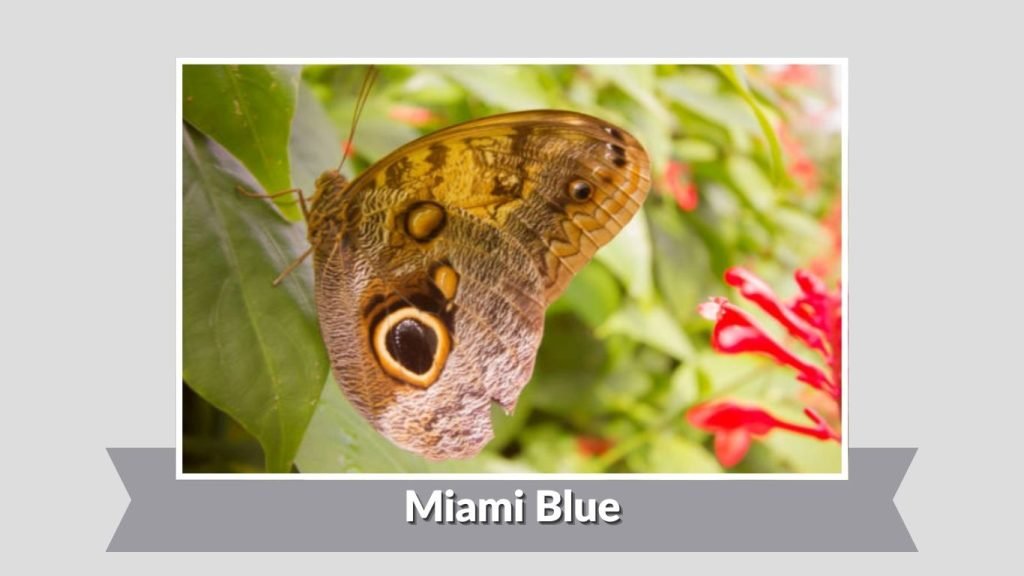
The Miami Blue is a critically endangered butterfly once common in Florida but now restricted to a few small areas. Its decline has been largely due to habitat loss and environmental changes, making it one of the rarest butterflies in North America.
Identification
- Very small wingspan, about 2 to 3 centimeters
- Males have bright blue upper wings
- Females are darker with some blue and a wide dark border
- Underside is grey with black spots and an orange band
Color Pattern
The Miami Blue displays a vivid blue color in males, while females show a mix of blue and dark tones. The underside features a combination of black spots and orange markings, providing both beauty and camouflage.
Habitat
This butterfly is found in coastal areas, particularly in parts of southern Florida and nearby islands. It prefers tropical scrub and beachside environments where its host plants are available.
Behavior
Miami Blues are active during warm, sunny conditions and tend to stay close to their host plants. They have a quick, fluttering flight and feed on nectar from small flowers. Conservation efforts are ongoing to help protect and restore their population.
3. Karner Blue
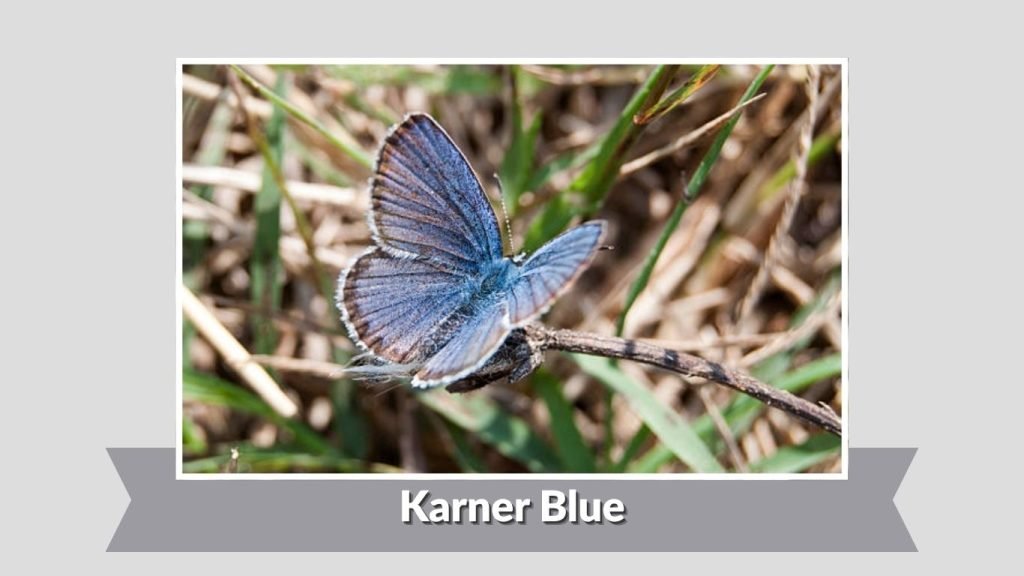
The Karner Blue is a small and endangered butterfly native to parts of North America. It is closely tied to specific habitats, making it vulnerable to environmental changes and habitat loss.
Identification
- Small wingspan, about 2.5 to 3 centimeters
- Males have bright silvery-blue upper wings
- Females are duller with greyish-blue tones and orange spots
- Underside is pale grey with black spots and orange crescents
Color Pattern
The Karner Blue features a gentle blue coloration in males, while females show a mix of blue and brown shades. The underside patterns provide effective camouflage among dry vegetation and leaf litter.
Habitat
This butterfly is found in sandy areas such as pine barrens and oak savannas. It depends heavily on wild lupine plants, which are essential for its caterpillars, limiting its distribution.
Behavior
Karner Blues are active during warm seasons and usually have two generations per year. They fly close to the ground and remain near their host plants. Their delicate flight and limited habitat range make them highly sensitive to environmental changes.
4. Lange’s Metalmark
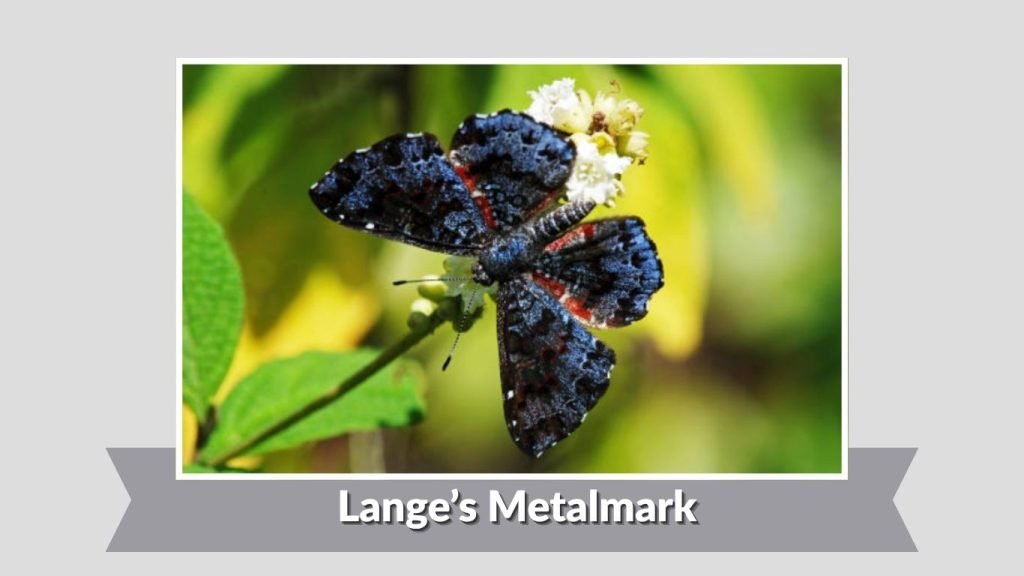
Lange’s Metalmark is a critically endangered butterfly found only in a very small area of California. Its limited range and habitat destruction have made it one of the rarest butterflies in the world, requiring ongoing conservation efforts.
Identification
- Small wingspan, about 2.5 to 3 centimeters
- Wings are orange with black and white spots
- Pattern appears checkered or banded
- Body is dark with fine hairs
Color Pattern
This butterfly has a striking orange base color with bold black and white markings. The pattern creates a checkered appearance, making it stand out despite its small size. The underside is similar but slightly duller.
Habitat
Lange’s Metalmark is found only in sand dune habitats in California. It depends on specific plants like buckwheat for its survival, which limits its distribution to very small areas.
Behavior
These butterflies are active during warm weather and stay close to their host plants. They have a short flight period each year and are closely monitored due to their extremely limited population.
5. Schaus’ Swallowtail
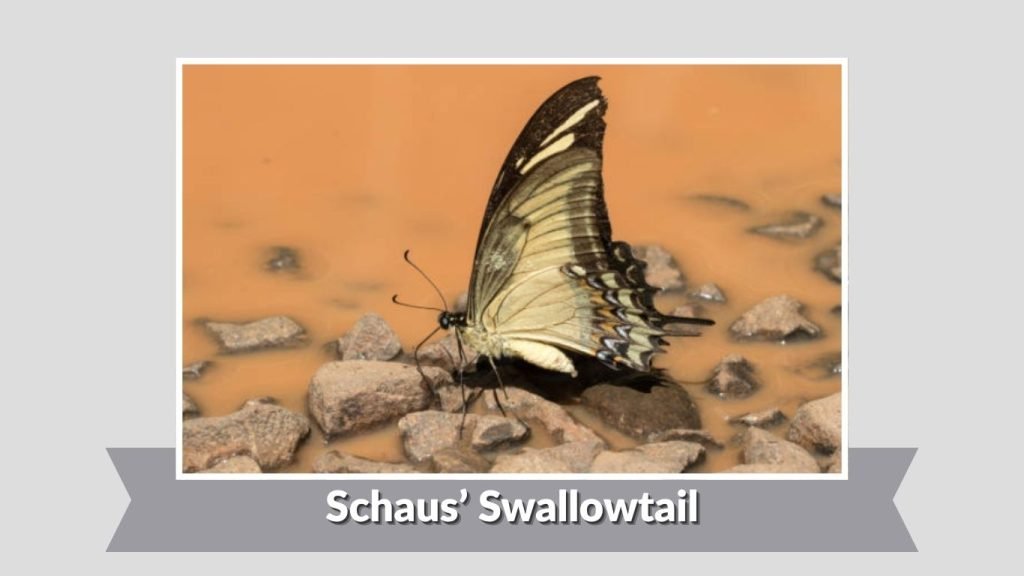
Schaus’ Swallowtail is a rare and endangered butterfly native to southern Florida and nearby islands. Once widespread, its population has declined significantly due to habitat loss and environmental pressures.
Identification
- Medium wingspan, about 8 to 10 centimeters
- Wings are dark brown to black with yellow markings
- Pattern is softer and less bold compared to other swallowtails
- Tails present on hindwings
Color Pattern
The Schaus’ Swallowtail has a muted color palette, with dark wings and pale yellow markings. This softer contrast helps it blend into its natural environment more effectively than brightly colored species.
Habitat
This butterfly is found in tropical hardwood forests and coastal hammocks. It relies on specific host plants such as wild lime, making its habitat range very limited.
Behavior
Schaus’ Swallowtails are active during warm months and have a slow, gliding flight. They feed on nectar from flowers and tend to stay within their habitat range. Conservation programs are in place to help protect and restore their population.
6. Queen Alexandra’s Birdwing
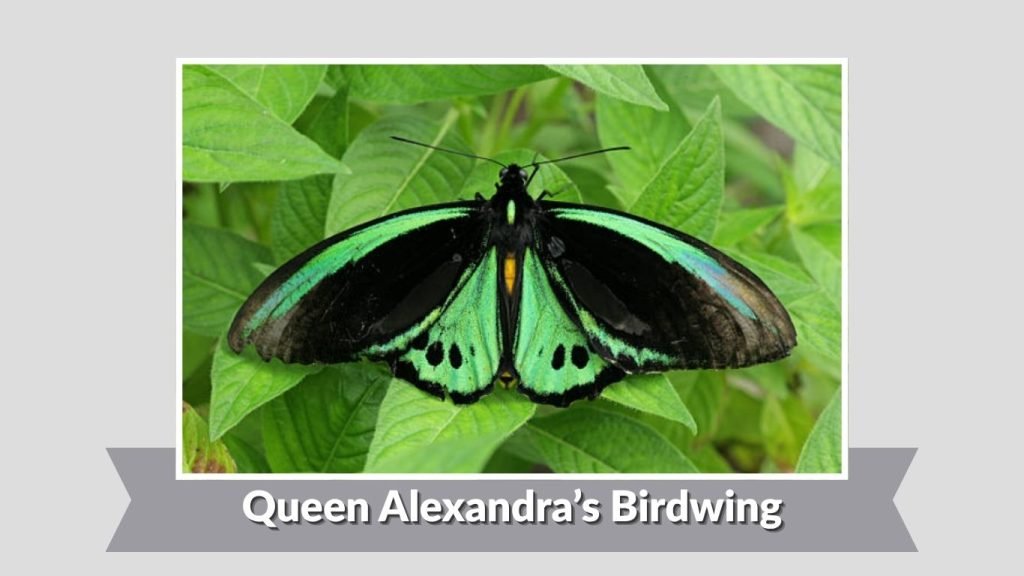
Queen Alexandra’s Birdwing is the largest butterfly in the world and one of the rarest. Native to Papua New Guinea, it is highly endangered due to habitat destruction and its very limited geographic range.
Identification
- Extremely large wingspan, up to 25 to 30 centimeters
- Females are larger than males
- Males have iridescent blue and green markings
- Females are brown with cream or white patterns
Color Pattern
This butterfly displays dramatic sexual dimorphism. Males are vibrant with shimmering blue-green tones, while females are more subdued with brown and cream patterns. The contrast makes both sexes easily distinguishable.
Habitat
Queen Alexandra’s Birdwing is found only in lowland tropical rainforests of Papua New Guinea. It depends on specific host plants from the Aristolochia family, making its habitat extremely restricted.
Behavior
These butterflies are strong fliers despite their large size and are often seen gliding through forest canopies. They feed on nectar from flowers and remain close to their habitat. Due to their rarity, they are strictly protected, and conservation efforts are critical for their survival.
7. Bhutan Glory
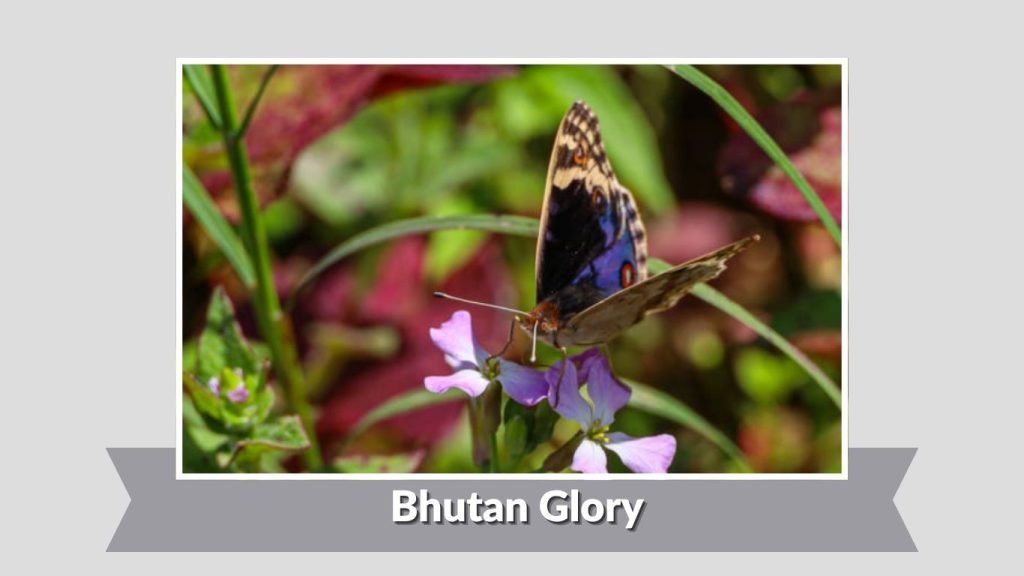
The Bhutan Glory is a rare and beautiful butterfly found in the eastern Himalayas, including Bhutan and parts of India. It is known for its elegant appearance and limited distribution, making it a prized sight for butterfly enthusiasts.
Identification
- Medium to large wingspan, about 9 to 12 centimeters
- Black wings with pale yellow or cream markings
- Long tails on hindwings
- Body is dark with light spots
Color Pattern
The Bhutan Glory features a striking contrast of black wings with soft yellow or cream patterns. The elongated tails add to its graceful look. The underside is similar but slightly lighter, helping it blend into forest surroundings.
Habitat
This butterfly prefers mountainous regions, especially forested slopes and valleys at higher elevations. It thrives in cool, humid environments where its host plants are available, making its range quite limited.
Behavior
Bhutan Glory butterflies are active during sunny conditions and are often seen gliding along forest edges. They have a smooth, elegant flight and feed on nectar from flowers. Due to their rarity, sightings are uncommon and highly valued by observers.
8. Kaiser-i-Hind
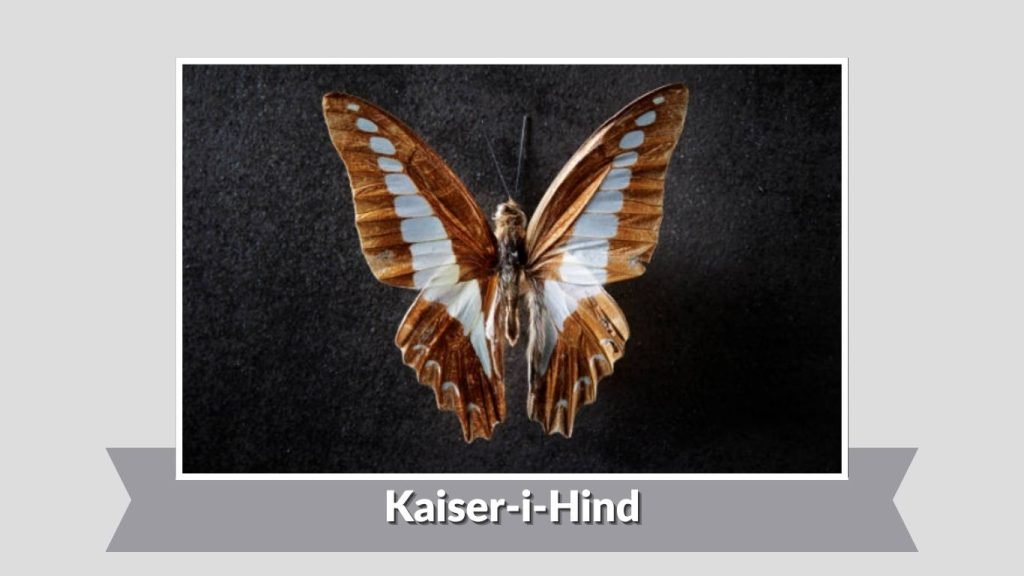
The Kaiser-i-Hind is a rare and highly prized butterfly found in the Himalayan regions. Known for its striking beauty, it is often considered one of the most spectacular butterflies in the world and is rarely seen in the wild.
Identification
- Medium to large wingspan, about 9 to 12 centimeters
- Wings are black with bright emerald-green patches
- Hindwings have tails and white markings
- Body is dark with subtle coloration
Color Pattern
The Kaiser-i-Hind features a dramatic combination of black wings with glowing green patches that shimmer in sunlight. White markings add contrast, making it visually striking and easy to recognize.
Habitat
This butterfly lives in high-altitude forests and mountainous regions of the Himalayas. It prefers cool, moist environments and is usually found in remote areas with dense vegetation.
Behavior
Kaiser-i-Hind butterflies are elusive and not often seen. They have a strong, steady flight and are usually observed near forest clearings. Their rarity and remote habitat make sightings very special.
9. Apollo Butterfly
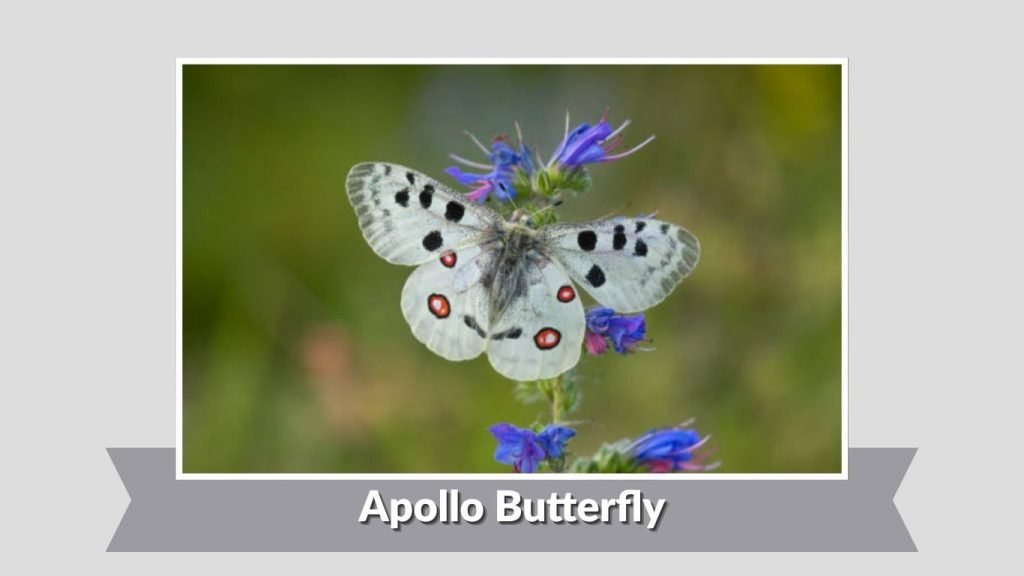
The Apollo Butterfly is a rare and protected species found in mountainous regions across Europe and Asia. It is known for its pale wings and distinctive red eye spots, making it both unique and easily recognizable.
Identification
- Medium wingspan, about 7 to 9 centimeters
- White or pale wings with black spots
- Bright red eye spots on hindwings
- Body is thick and covered with fine hairs
Color Pattern
The Apollo Butterfly has a soft white base color with scattered black spots and bold red eye markings on the hindwings. These eye spots help deter predators, while the pale color blends with rocky mountain environments.
Habitat
This butterfly prefers alpine meadows, rocky slopes, and mountainous regions. It thrives in cool climates and is often found at higher elevations where specific host plants grow.
Behavior
Apollo Butterflies are active during sunny weather and have a slow, floating flight. They feed on nectar from alpine flowers and tend to stay within their mountainous habitat. Conservation efforts are important for protecting their declining populations.
10. Large Blue

The Large Blue is a rare and fascinating butterfly found in parts of Europe. It is well known not only for its beautiful blue wings but also for its unique and complex life cycle involving ants, making it one of the most unusual butterfly species.
Identification
- Medium wingspan, about 4 to 5 centimeters
- Upper wings are pale to bright blue with dark edges
- Underside is grey with small black spots
- Body is relatively stout compared to other blues
Color Pattern
The Large Blue displays a soft blue coloration on the upper side, bordered with darker edges. The underside is more muted, featuring fine black spots that help with camouflage when resting among grass and soil.
Habitat
This butterfly prefers grasslands, meadows, and areas with specific host plants like thyme. It also depends on certain ant species for its survival, which makes its habitat very specialized and limited.
Behavior
Large Blue butterflies are active during warm, sunny days and have a gentle flight. Their life cycle is unique, as the larvae are taken into ant nests where they develop. This rare relationship makes them highly sensitive to environmental changes.
11. Jamaican Giant Swallowtail
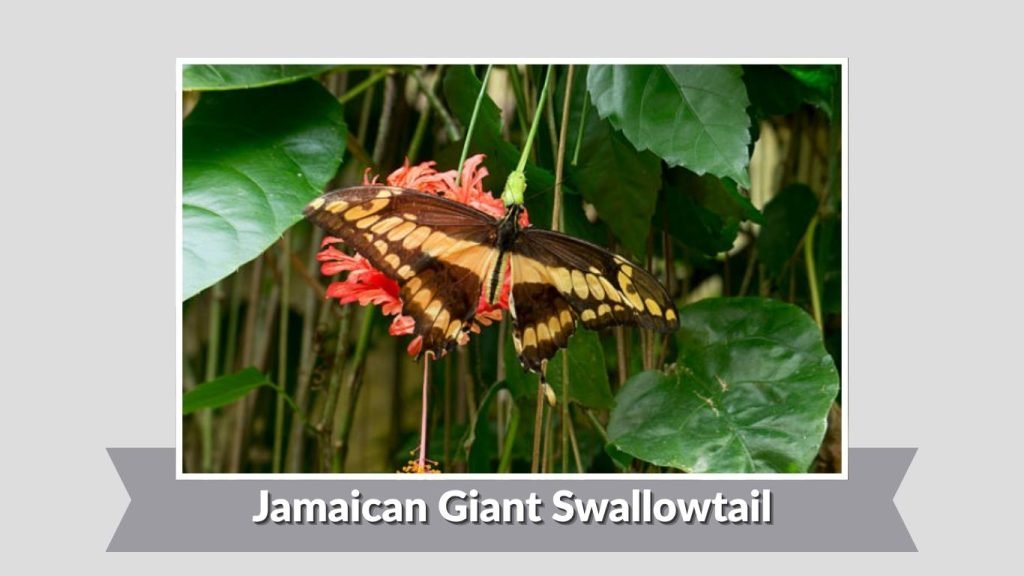
The Jamaican Giant Swallowtail is one of the rarest butterflies in the Western Hemisphere and is found only in Jamaica. Due to habitat loss and environmental pressures, it has become extremely endangered and is now very difficult to spot in the wild.
Identification
- Large wingspan, about 12 to 15 centimeters
- Dark brown to black wings with yellow markings
- Pattern is bold but slightly irregular
- Hindwings have short tails
Color Pattern
This butterfly features a strong contrast of dark brown or black wings with pale yellow markings. The pattern is less uniform than other swallowtails but still striking. The underside is lighter, helping with camouflage when resting.
Habitat
The Jamaican Giant Swallowtail lives in limestone forests and mountainous regions of Jamaica. It depends on specific host plants, which limits its distribution to certain areas.
Behavior
These butterflies are rarely seen and are mostly active during warm daylight hours. They have a strong flight and tend to stay within forested habitats. Due to their rarity, they are the focus of conservation programs aimed at preventing extinction.
12. Saint Francis’ Satyr
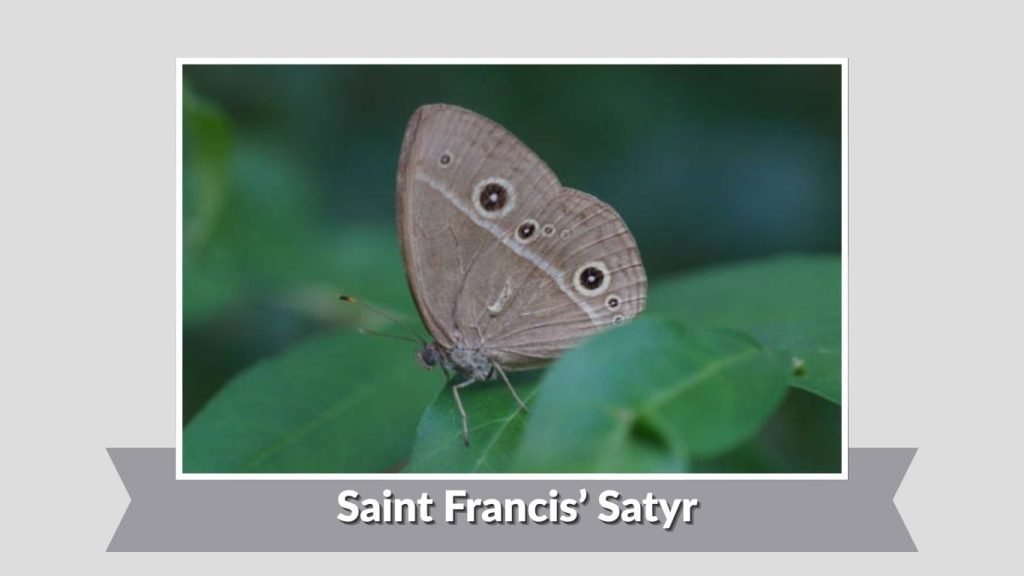
The Saint Francis’ Satyr is one of the rarest butterflies in North America, found only in a very small area of North Carolina, USA. Its extremely limited range and fragile habitat make it critically endangered and a major focus of conservation efforts.
Identification
- Small wingspan, about 3 to 4 centimeters
- Wings are brown with lighter bands
- Several small eyespots on both forewings and hindwings
- Body is slender and dark
Color Pattern
The Saint Francis’ Satyr has a subtle brown coloration with soft, lighter bands across the wings. Small eyespots help deter predators by mimicking larger animals. Its muted tones provide excellent camouflage in grassy and wet environments.
Habitat
This butterfly is found only in wetland habitats such as grassy bogs and stream edges. It depends on specific environmental conditions, including periodic natural disturbances, which makes its habitat extremely limited and sensitive.
Behavior
Saint Francis’ Satyrs are active during warm months and have a weak, fluttering flight close to the ground. They rarely travel far from their habitat and are usually seen near grasses and water. Their survival depends heavily on careful habitat management and protection.
13. Madeira Large White
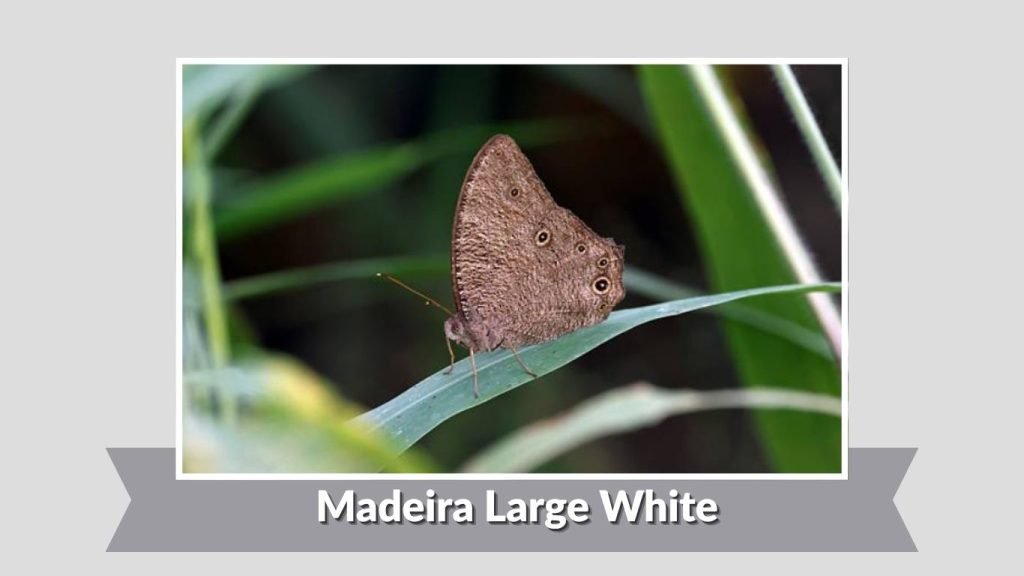
The Madeira Large White is a rare butterfly native to the island of Madeira. Once considered extinct, it has been rediscovered in small numbers, making it one of the most remarkable and endangered butterfly species in the world.
Identification
- Medium to large wingspan, about 6 to 7 centimeters
- Wings are white with black tips and markings
- Females often have more pronounced dark patterns
- Body is pale with fine hairs
Color Pattern
The Madeira Large White has a clean white appearance with contrasting black markings, especially on the tips of the forewings. Females tend to have darker and more noticeable patterns. The underside is paler, helping it blend into its surroundings.
Habitat
This butterfly is found in limited areas of Madeira, particularly in coastal and mountainous regions. It depends on specific host plants in the cabbage family, which restricts its distribution.
Behavior
Madeira Large Whites are active during warm, sunny conditions and have a steady flight. They feed on nectar from flowers and stay close to their habitat. Due to their rarity, they are carefully monitored and protected through conservation efforts.
14. Island Marble
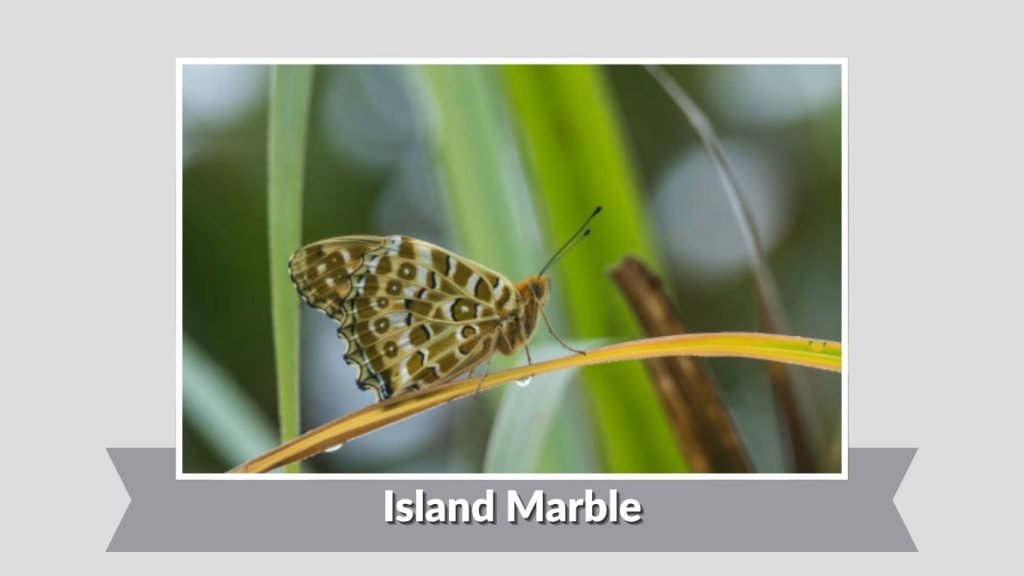
The Island Marble is a rare and once-thought-extinct butterfly rediscovered in the Pacific Northwest of the United States. Its limited population and restricted habitat make it one of the most fragile butterfly species in North America.
Identification
- Small to medium wingspan, about 4 to 5 centimeters
- White wings with green marbled patterns on the underside
- Black markings on the upper side of the forewings
- Body is slender and light-colored
Color Pattern
The Island Marble has a simple white upper side with subtle black markings, while the underside is more distinctive with green marbled patterns. This coloration helps it blend into vegetation and rocky coastal environments.
Habitat
This butterfly is found in coastal areas, particularly on small islands with open grasslands and rocky terrain. It depends on specific host plants like mustard species, which limits its range significantly.
Behavior
Island Marbles are active during sunny days and have a light, fluttering flight. They stay close to their habitat and host plants. Due to their rarity, they are closely monitored, and conservation efforts are in place to protect their population.
15. Australian Fritillary
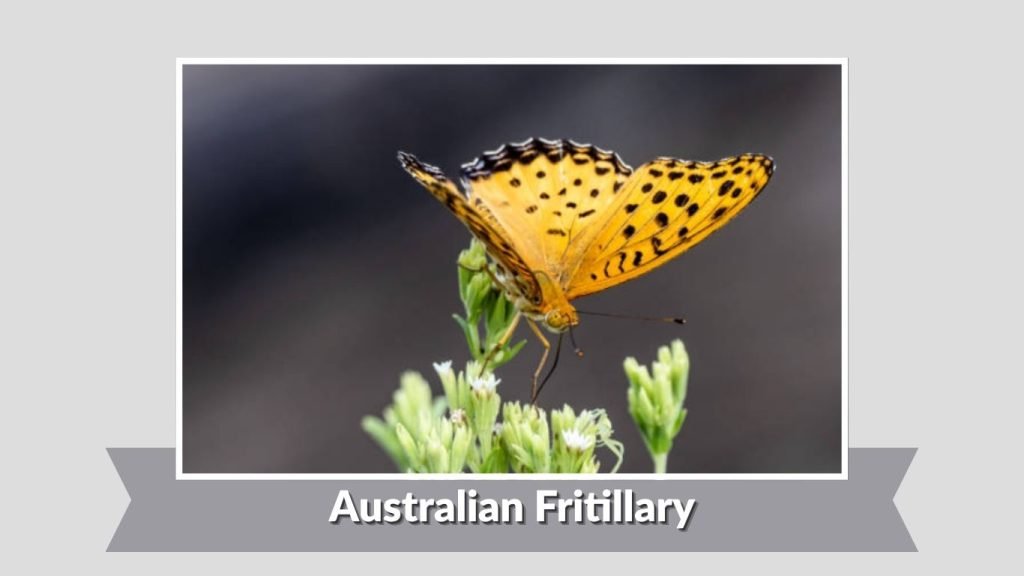
The Australian Fritillary is a rare and possibly extinct butterfly once found in parts of Australia. It is known for its beautiful orange coloration and patterned wings, but its population has declined drastically due to habitat loss and environmental changes.
Identification
- Medium wingspan, about 6 to 8 centimeters
- Bright orange wings with black spots and markings
- Pattern resembles other fritillary species
- Underside is paler with lighter markings
Color Pattern
The Australian Fritillary displays a vibrant orange base with scattered black spots, creating a bold and attractive pattern. The underside is softer in tone, helping it blend into its natural surroundings when at rest.
Habitat
This butterfly was historically found in open woodlands, grasslands, and areas with specific host plants such as native violets. Habitat destruction has greatly reduced its suitable environment.
Behavior
Very little is known about its behavior due to its rarity. It was believed to be active during warm seasons, feeding on nectar from flowers and flying in open areas. Conservationists continue to search for surviving populations.
