
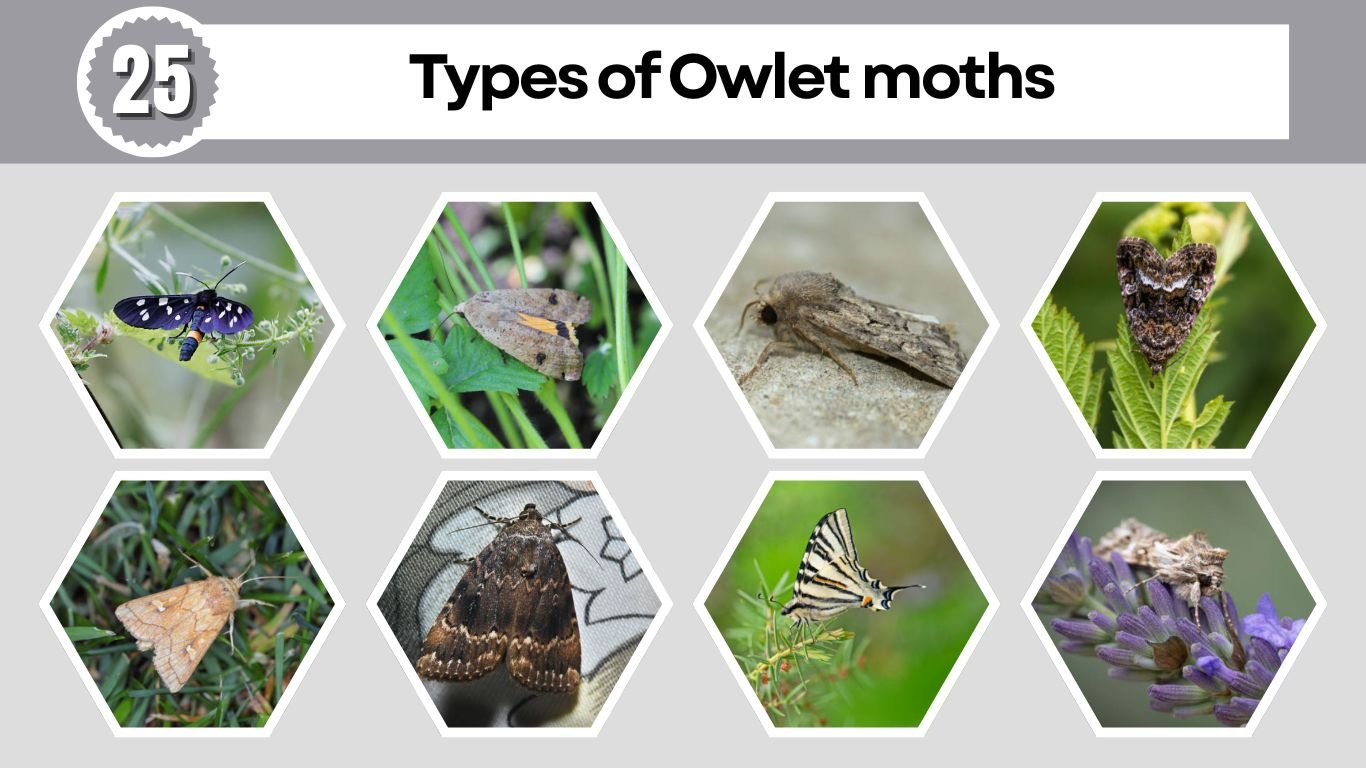
Owlet moths are one of the largest and most diverse groups of moths, found in a wide range of habitats across the world. Known for their mostly nocturnal behavior, these moths often have camouflaged forewings and, in some species, brightly colored hindwings revealed during flight. While many owlet moths play important roles in ecosystems, some are also recognized for their impact on agriculture due to their plant-feeding larvae.
In this guide, you’ll discover 25 types of owlet moths presented by their common names, along with clear identification features, habitats, behaviors, and lifecycle details. This structured list makes it easy to understand their differences and recognize them in nature.
1. Large Yellow Underwing
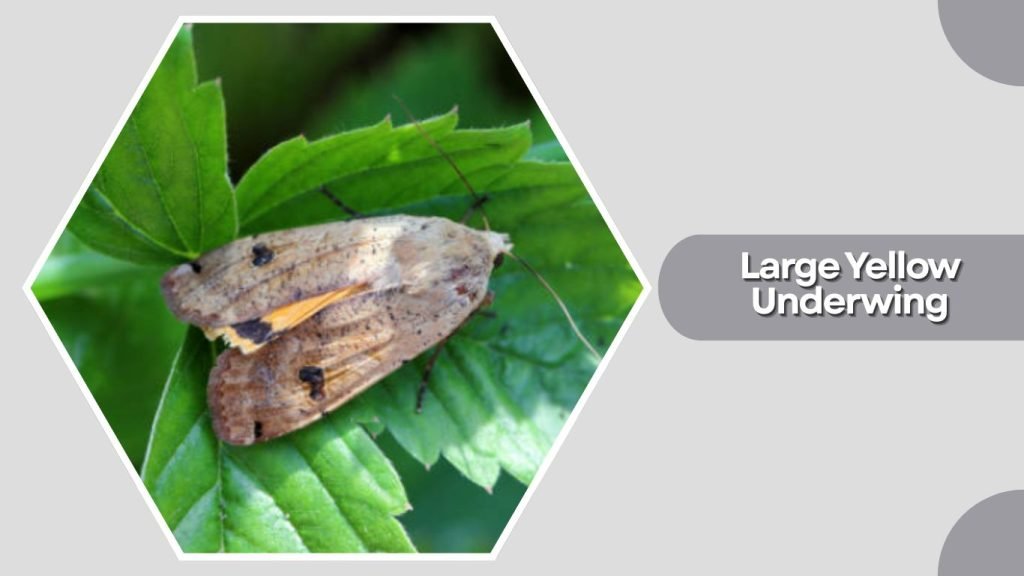
A common and widespread owlet moth known for its dull brown forewings and striking yellow hindwings. It is one of the most frequently encountered moths in many regions and is easily recognized when it takes flight at night. This species is highly adaptable and thrives in a wide variety of environments, making it familiar to both rural and urban observers.
Identification
- Forewings are typically brown, gray, or tan with subtle, wavy markings that help with camouflage
- Hindwings are bright yellow or orange-yellow with a distinct black border
- Wingspan ranges from about 45–55 mm
- Body is stout and slightly hairy, giving it a robust appearance
- When at rest, the moth conceals its bright hindwings beneath the dull forewings
Habitat
The Large Yellow Underwing is highly adaptable and can be found in a wide range of habitats. It commonly occurs in gardens, agricultural fields, meadows, grasslands, and woodland edges. This moth is also frequently seen in urban and suburban environments, especially where there is vegetation. During the day, it tends to hide in low plants, leaf litter, or grassy areas to avoid predators. Its ability to thrive in disturbed habitats makes it one of the most widespread moth species in many regions.
Behaviors
This moth is primarily nocturnal and becomes active after sunset. It is strongly attracted to artificial lights, which is why it is often seen around homes and streetlights at night. When disturbed during the day, it may suddenly take flight, flashing its bright hindwings as a defense mechanism to startle predators. It typically rests on the ground or among vegetation during daylight hours, relying on its camouflaged forewings for protection.
Diet and Lifecycle
The larvae, commonly known as cutworms, are known for feeding on a wide variety of plants, including grasses, vegetables, and crops. They live in the soil and emerge at night to feed, often cutting down young plants at the base. The species usually overwinters as a larva, surviving colder months underground. Pupation occurs in the soil, and adults emerge in summer. The life cycle allows the species to maintain large populations in favorable conditions.
2. Lesser Yellow Underwing
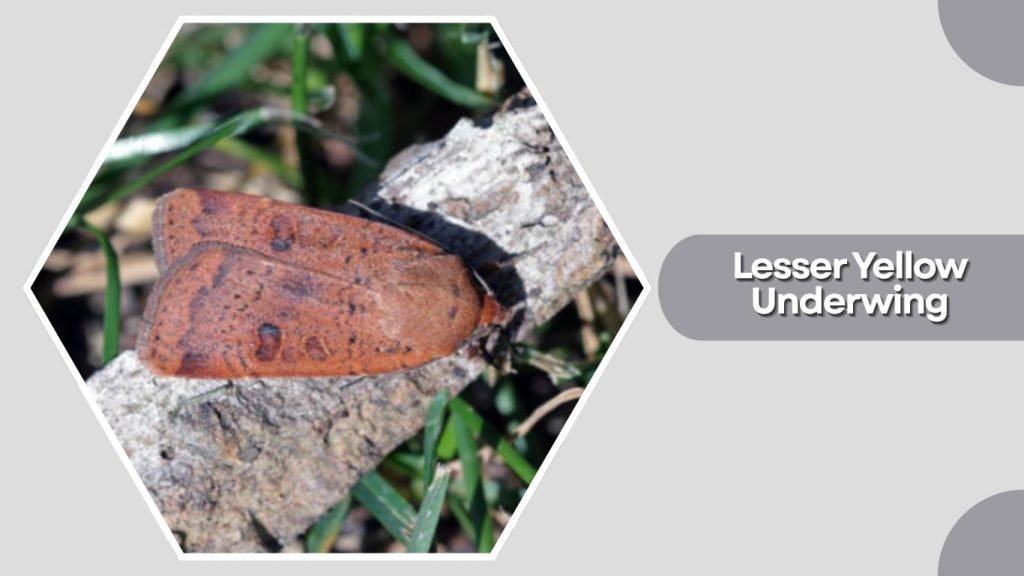
A closely related species to the Large Yellow Underwing, this moth is slightly smaller but shares a similar appearance. It is a common nocturnal moth often seen around lights and is widely distributed across many regions.
Identification
- Forewings are brown or gray with less distinct markings than its larger relative
- Hindwings are yellow with a black border, but usually paler than the Large Yellow Underwing
- Wingspan typically ranges from 35–45 mm
- More slender body compared to the larger species
- Overall appearance is more muted and less bold in pattern
Habitat
The Lesser Yellow Underwing is commonly found in grasslands, meadows, farmland, and gardens. It prefers open habitats with plenty of low vegetation where its larvae can feed. This species is also frequently encountered in suburban and urban areas, especially where there are grassy patches or cultivated plants. During the daytime, it rests hidden among grasses or under leaves, blending well with its surroundings due to its dull forewing coloration.
Behaviors
This moth is nocturnal and becomes active shortly after dusk. It is strongly attracted to artificial lights, making it a regular visitor to homes and outdoor lighting. When disturbed during the day, it may fly short distances before settling again. Its flight reveals the bright hindwings, which may act as a sudden visual signal to confuse predators. Like many owlet moths, it spends daylight hours resting quietly and relies on camouflage for protection.
Diet and Lifecycle
The caterpillars are also known as cutworms and feed on grasses and a variety of low-growing plants. They are mainly active at night, hiding in the soil during the day. The species overwinters as a larva, allowing it to survive colder conditions. Pupation occurs underground, and adults typically emerge in late spring to summer. The lifecycle supports steady population growth in suitable habitats.
3. Black Cutworm Moth
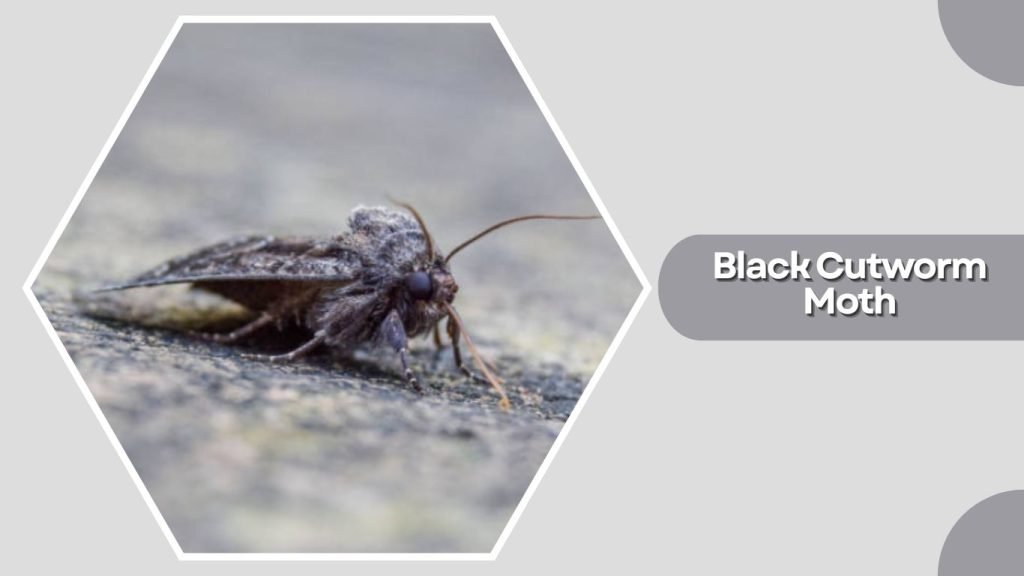
A well-known owlet moth due to its agricultural impact, the Black Cutworm Moth is widely distributed and recognized for its larvae, which can damage crops. The adult moth is fairly plain in appearance but plays an important role in ecosystems.
Identification
- Forewings are dark brown to blackish with subtle markings and a slightly glossy look
- Hindwings are pale gray to whitish with darker veins
- Wingspan typically ranges from 40–50 mm
- Body is smooth and moderately stout
- Overall coloration appears dark and uniform compared to other owlet moths
Habitat
The Black Cutworm Moth is commonly found in agricultural fields, grasslands, gardens, and open areas. It prefers habitats where host plants such as grasses and crops are abundant. This species is highly adaptable and can also occur in urban and suburban environments. During the day, adults rest in concealed places like under leaves or within dense vegetation. Its strong association with farmland makes it particularly common in crop-growing regions.
Behaviors
This moth is nocturnal and becomes active at night, especially after dusk. It is strongly attracted to artificial lights and is often seen around homes and farms. Adults are capable fliers and may migrate over long distances in search of suitable breeding areas. When disturbed, they quickly take flight but usually settle again nearby. Like many owlet moths, they rely on their dark coloration to remain hidden during daylight hours.
Diet and Lifecycle
The larvae, known as black cutworms, are significant agricultural pests. They feed on a wide variety of plants, especially young crops like corn and vegetables, often cutting seedlings at the base. The caterpillars hide in the soil during the day and emerge at night to feed. The species overwinters in warmer regions and migrates to cooler areas. Pupation occurs in the soil, and adults emerge to continue the cycle.
4. Armyworm Moth
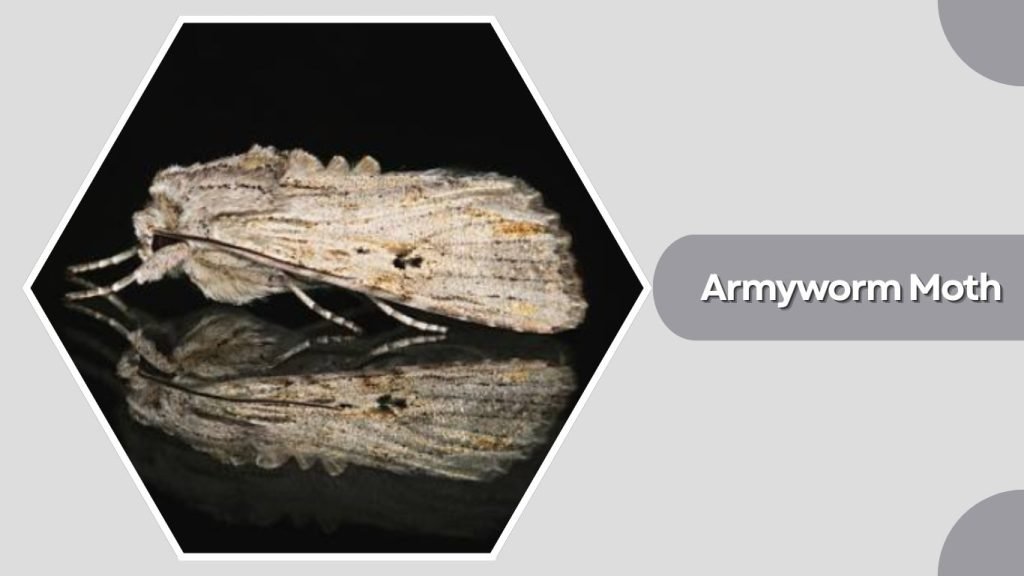
The Armyworm Moth is a widely distributed owlet moth known for its larvae, which can appear in large numbers and move across fields like an “army.” While the adult moth is fairly plain, the species is important due to its impact on crops and natural vegetation.
Identification
- Forewings are light brown to gray with fine, subtle patterns
- Hindwings are pale, often whitish or light gray with faint veins
- Wingspan typically ranges from 35–45 mm
- Body is slender and less bulky than many other owlet moths
- Overall appearance is plain, aiding in camouflage
Habitat
This moth is commonly found in agricultural areas, grasslands, meadows, and open fields. It thrives in environments where grasses and cereal crops are abundant, as these provide ideal food sources for the larvae. The Armyworm Moth is also found in gardens and occasionally in urban green spaces. During the day, adults rest hidden among vegetation, blending in with dry grass or soil due to their muted coloration.
Behaviors
The Armyworm Moth is nocturnal and becomes active after sunset. It is attracted to artificial lights and may be seen around homes and farm buildings at night. Adults are capable of long-distance movement, especially during population outbreaks. When disturbed during the day, they may fly short distances before settling again. Their quiet behavior and dull coloration help them avoid predators during daylight hours.
Diet and Lifecycle
The larvae, known as armyworms, feed primarily on grasses and cereal crops such as wheat, corn, and rice. They can occur in large numbers and move together, consuming vegetation as they go. Caterpillars feed mostly at night and hide in soil or plant debris during the day. Pupation takes place in the soil, and adults emerge to reproduce. Multiple generations may occur in favorable conditions, leading to rapid population increases.
5. Fall Armyworm Moth
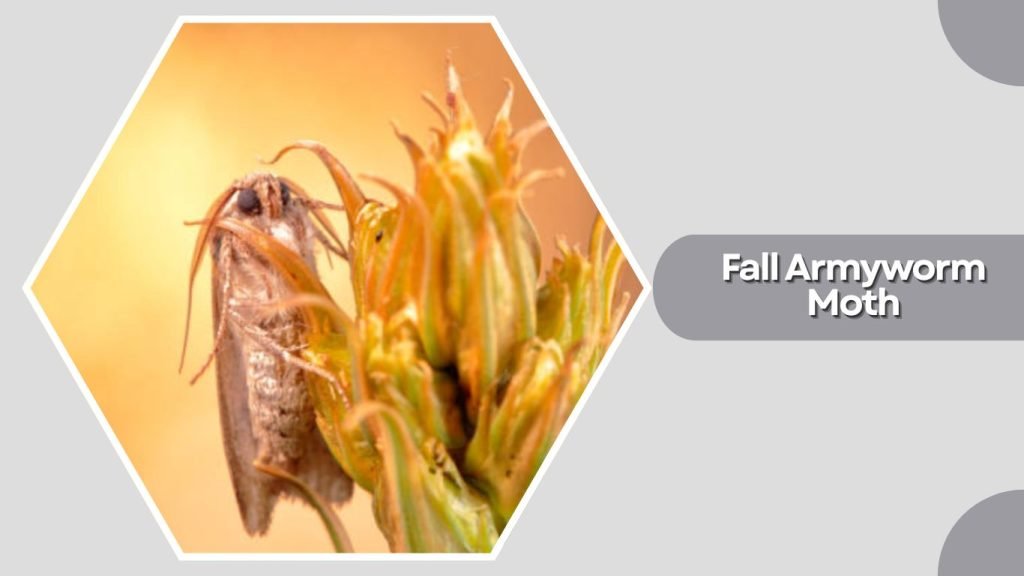
The Fall Armyworm Moth is a highly significant owlet moth known worldwide for its destructive larvae and strong migratory behavior. Native to the Americas but now spread across many regions, it has become a major agricultural concern. Despite its economic impact, the adult moth is relatively plain and often goes unnoticed.
Identification
- Forewings vary from grayish-brown to dark brown with irregular patterns
- Males often show more distinct markings, including pale spots and streaks
- Hindwings are silvery-white with a darker border
- Wingspan typically ranges from 32–40 mm
- Body is streamlined and slightly hairy, suited for long-distance flight
- Females are generally duller in color compared to males
Habitat
The Fall Armyworm Moth thrives in a wide range of habitats, especially agricultural areas where crops are abundant. It is commonly found in cornfields, rice paddies, sorghum fields, and grasslands. This species prefers warm climates but is highly migratory, allowing it to expand into new regions during favorable seasons. In urban areas, it may appear near gardens or grassy spaces. During the day, adults hide in dense vegetation or crop foliage to avoid predators and harsh environmental conditions.
Behaviors
This moth is strongly nocturnal and becomes active soon after dusk. It is highly attracted to artificial lights, making it a common sight around illuminated areas at night. One of its most notable behaviors is long-distance migration, with populations traveling hundreds of kilometers in search of suitable breeding grounds. Adults are fast and capable fliers. When disturbed, they quickly take off and may not settle nearby, unlike many other owlet moths. Their activity peaks in warm, humid conditions.
Diet and Lifecycle
The larvae, known as fall armyworms, are extremely voracious and feed on over 80 plant species, including corn, rice, sorghum, and various grasses. They are most active at night and hide within plant whorls or soil during the day. Early stages feed on leaves, while later stages can cause severe crop damage by burrowing into plant structures. The lifecycle progresses rapidly in warm conditions, with multiple generations per year. Pupation occurs in the soil, and adults emerge within a short period, continuing the cycle.
6. Corn Earworm Moth
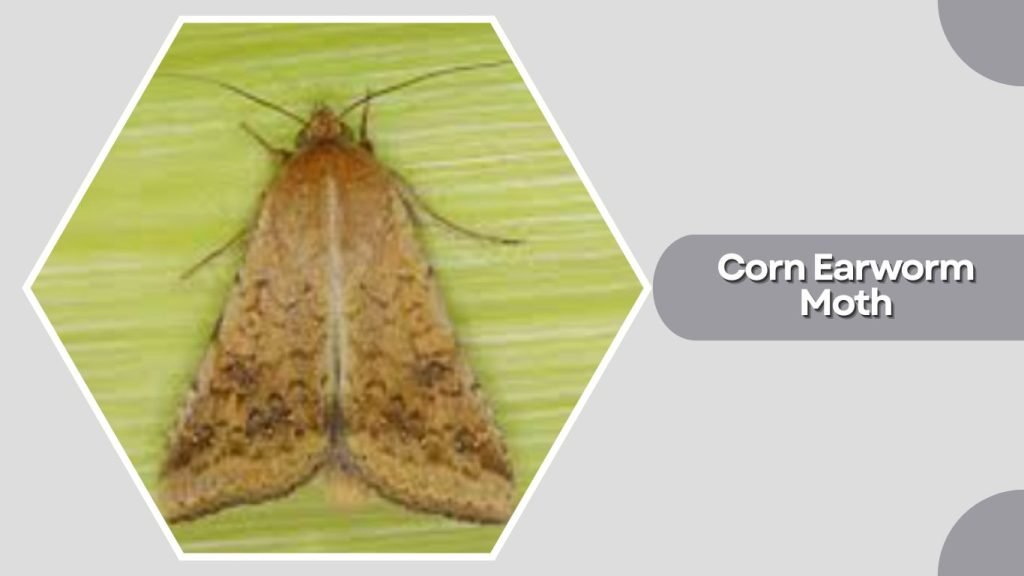
The Corn Earworm Moth is a widely known owlet moth due to its agricultural importance. It is highly adaptable and found across many regions of the world. While the adult moth appears relatively plain, its larvae are notorious for feeding on a variety of crops, especially corn.
Identification
- Forewings are usually light brown, tan, or olive with variable patterns
- A distinct darker spot is often visible near the center of the forewing
- Hindwings are pale with a broad dark band along the outer edge
- Wingspan typically ranges from 30–45 mm
- Body is slender with a smooth texture
- Color variation is common, making individuals look slightly different
Habitat
The Corn Earworm Moth is commonly found in agricultural fields, especially where corn, cotton, tomatoes, and other crops are grown. It also inhabits grasslands, gardens, and open areas with abundant host plants. This species is highly adaptable and can survive in both rural and urban environments. During the daytime, adults rest on plants, soil, or other sheltered surfaces where their coloration helps them blend into the surroundings.
Behaviors
This moth is nocturnal and becomes active during the evening and night. It is strongly attracted to artificial lights and is often seen around illuminated areas. Adults are strong fliers and can migrate long distances, especially in warm climates. Their activity increases in warm, humid conditions. When disturbed, they quickly take flight and may travel considerable distances before settling again.
Diet and Lifecycle
The larvae, often called corn earworms, feed on a wide variety of crops including corn, tomatoes, cotton, and beans. They are particularly known for feeding on the tips (ears) of corn. Caterpillars are active mostly at night and hide within plant structures during the day. The species has multiple generations per year in warm climates. Pupation occurs in the soil, and adults emerge to continue the lifecycle, often leading to rapid population growth.
7. Tobacco Budworm Moth
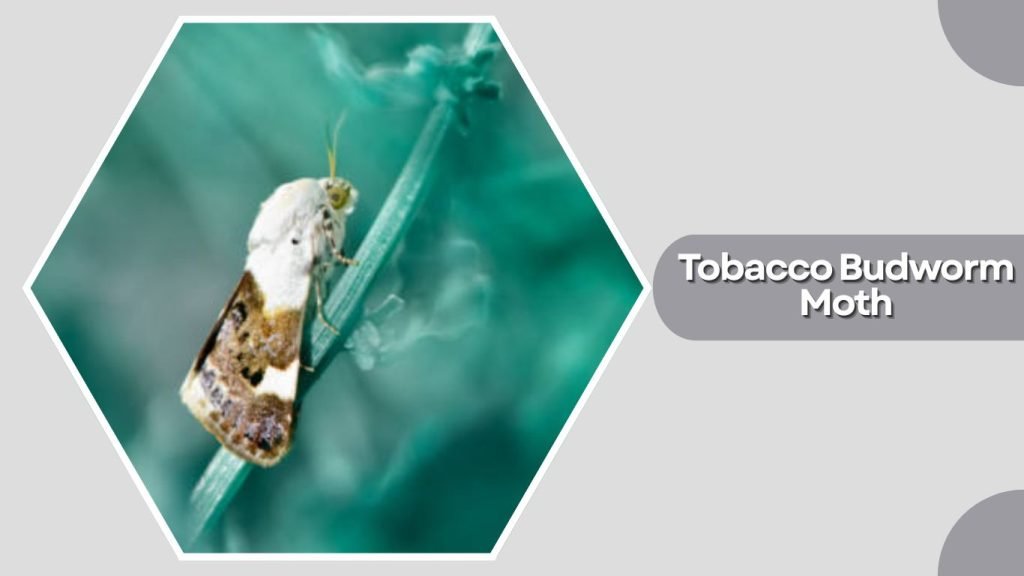
The Tobacco Budworm Moth is a closely related species to the corn earworm and is well known for its impact on agricultural crops. It is widely distributed and particularly common in warm regions. Although the adult moth is not very conspicuous, its larvae can cause serious damage to plants.
Identification
- Forewings are light brown, greenish, or tan with fine, wavy markings
- Often shows 3 faint diagonal bands across the forewings
- Hindwings are pale with a darker outer margin
- Wingspan typically ranges from 28–40 mm
- Body is slender and slightly hairy
- Overall appearance is softer and less bold compared to similar species
Habitat
The Tobacco Budworm Moth is commonly found in agricultural areas, especially in fields growing tobacco, cotton, and various vegetables. It also occurs in gardens, grasslands, and open habitats where host plants are available. This species prefers warm climates but can expand its range during favorable conditions. During the day, adults rest on leaves or low vegetation, using their muted colors to blend into their surroundings.
Behaviors
This moth is nocturnal and becomes active after sunset. It is strongly attracted to artificial lights and is frequently observed around illuminated areas at night. Adults are capable fliers and may disperse over long distances to find suitable breeding sites. They are generally quiet and inactive during the day, relying on camouflage to avoid predators. Their activity levels increase in warm weather.
Diet and Lifecycle
The larvae, known as budworms, feed on flower buds, leaves, and fruits of various plants including tobacco, cotton, and tomatoes. They often burrow into buds and reproductive parts, making them difficult to detect. Caterpillars are most active at night and hide during the day. The species can produce multiple generations per year in warm regions. Pupation occurs in the soil, and adults emerge to continue the cycle.
8. Cabbage Looper Moth
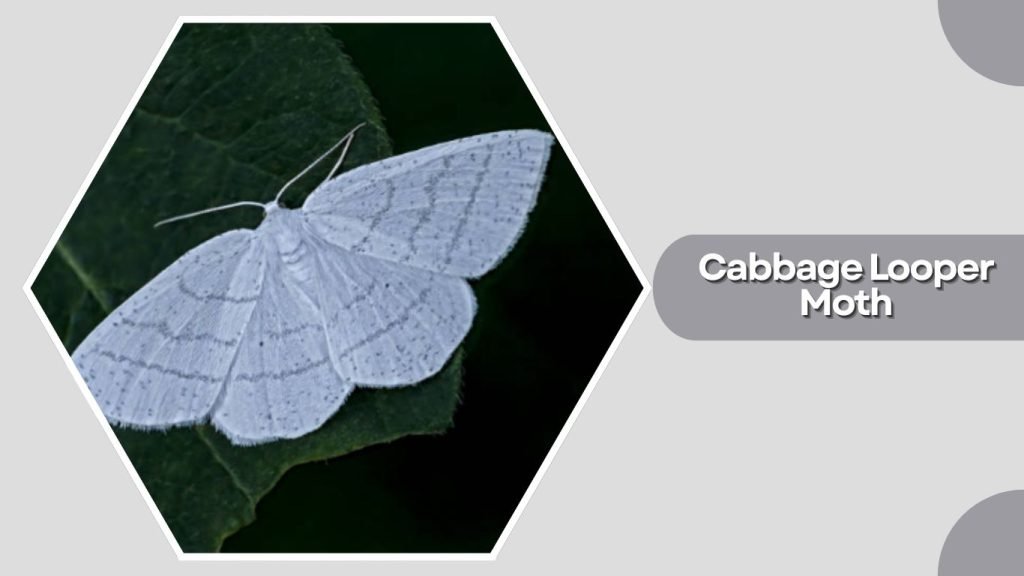
The Cabbage Looper Moth is a familiar owlet moth recognized for its unique caterpillar movement and its impact on vegetable crops. It is widely distributed and commonly found in agricultural and garden environments. The adult moth is modest in appearance but easily identified by its distinct wing markings.
Identification
- Forewings are mottled grayish-brown with a characteristic silver or white “Y” or loop-shaped mark
- Hindwings are pale gray to light brown with darker edges
- Wingspan typically ranges from 30–38 mm
- Body is slender with a slightly tufted thorax
- The metallic marking on the forewing is the most distinguishing feature
Habitat
The Cabbage Looper Moth is commonly found in vegetable fields, gardens, and open areas where host plants are abundant. It prefers habitats with crops like cabbage, broccoli, cauliflower, and other leafy greens. This species is also present in urban and suburban gardens. During the day, adults rest on the undersides of leaves or in dense vegetation, where their coloration helps them remain concealed.
Behaviors
This moth is nocturnal and becomes active during the evening and night. It is strongly attracted to artificial lights and may be seen around homes and farms after dark. Adults are capable fliers and may migrate seasonally to new areas. When disturbed during the day, they may fly short distances before settling again. Their activity is generally higher in warm weather.
Diet and Lifecycle
The larvae, known as cabbage loopers, feed primarily on leafy vegetables and are named for their looping movement caused by the absence of middle prolegs. They chew irregular holes in leaves, often causing significant damage to crops. Caterpillars are active both day and night but tend to feed more during cooler periods. Pupation occurs on plants in a loose cocoon, and multiple generations can occur each year in favorable conditions.
9. Silver Y Moth
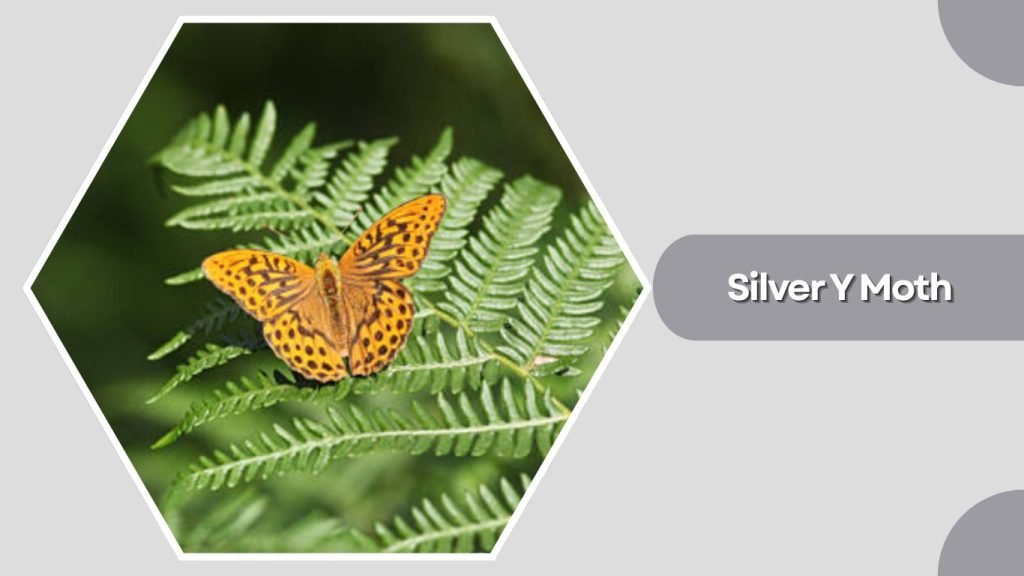
The Silver Y Moth is a well-known migratory owlet moth recognized for the distinctive metallic marking on its wings. It is widely distributed and often seen in gardens and open landscapes. This species is an active flier and can travel long distances, especially during seasonal migrations.
Identification
- Forewings are grayish-brown with a prominent metallic silver mark shaped like the letter “Y”
- Hindwings are pale gray with slightly darker margins
- Wingspan typically ranges from 30–38 mm
- Body is slender and streamlined
- The shiny “Y” marking is the key feature for identification
Habitat
The Silver Y Moth is highly adaptable and found in a wide variety of habitats, including gardens, farmland, meadows, and open countryside. It prefers areas rich in flowering plants, which provide nectar for adults. This moth is also common in urban and suburban environments. During the day, it may rest among vegetation, but it is also sometimes seen flying in daylight, especially in cooler weather or during migration periods.
Behaviors
Unlike many owlet moths, the Silver Y Moth is both nocturnal and partly diurnal, meaning it can be active during the day as well. It is a strong and fast flier, capable of long-distance migration across regions and even continents. It is attracted to lights at night but is also frequently seen visiting flowers during the day. Its hovering flight while feeding resembles that of a hummingbird.
Diet and Lifecycle
The larvae feed on a wide range of herbaceous plants, including clover, nettles, and various crops. They are generally green with faint stripes, helping them blend into foliage. Caterpillars feed on leaves and grow quickly under favorable conditions. The species can produce multiple generations in warm climates. Pupation occurs in a cocoon attached to vegetation, and adults emerge to continue the lifecycle.
10. Angle Shades Moth
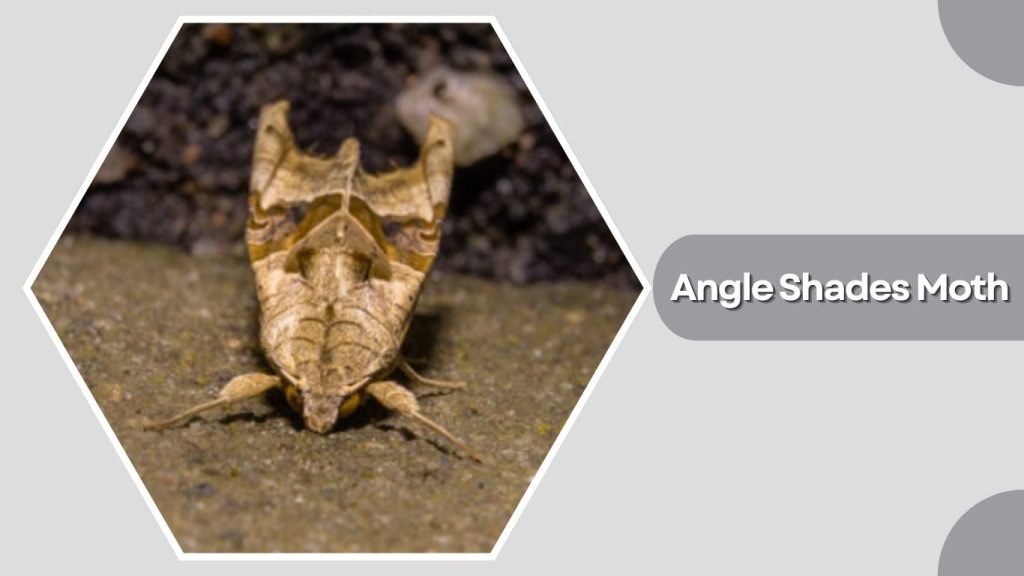
The Angle Shades Moth is a distinctive owlet moth known for its uniquely shaped wings that resemble withered leaves. This camouflage helps it blend perfectly into its surroundings. It is commonly found in gardens and natural habitats and is active for much of the year.
Identification
- Forewings are light brown with darker patches and sharply angled edges
- Wings have a folded, angular appearance resembling a dead leaf
- Hindwings are pale with subtle shading
- Wingspan typically ranges from 45–50 mm
- Body is slightly elongated and blends with wing coloration
- Overall shape is more distinctive than most owlet moths
Habitat
The Angle Shades Moth is found in a variety of habitats including gardens, woodland edges, hedgerows, and grasslands. It is especially common in areas with abundant shrubs and low vegetation. This species adapts well to both rural and urban environments. During the day, it rests among dead leaves or on branches, where its wing shape and color provide excellent camouflage against predators.
Behaviors
This moth is primarily nocturnal but can sometimes be seen resting during the day in exposed positions due to its strong camouflage. It is attracted to artificial lights at night and may enter homes or gardens. The irregular wing shape helps it avoid detection, even in well-lit conditions. Adults are active for long periods throughout the year and may have multiple broods.
Diet and Lifecycle
The larvae feed on a wide variety of plants, including garden flowers, shrubs, and wild vegetation. They are green or brown, helping them blend with their environment. Caterpillars feed mostly at night and hide during the day. The species can produce several generations annually in favorable climates. Pupation occurs in the soil or among leaf litter, and adults emerge to continue the cycle.
11. Dark Sword-grass Moth
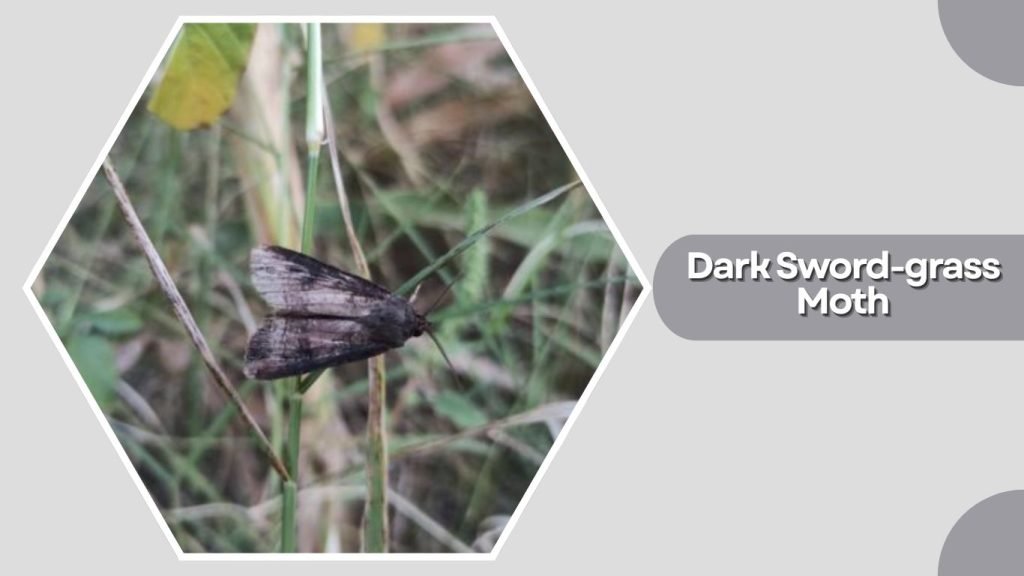
The Dark Sword-grass Moth is a strong-flying owlet moth known for its migratory behavior and seasonal appearances. It is widely distributed and often arrives in large numbers during migration periods. Although the adult is fairly plain, it is an important species in both natural and agricultural ecosystems.
Identification
- Forewings are dark brown or grayish with subtle streaks and shading
- A faint sword-like marking may be visible along the wing
- Hindwings are pale gray or whitish with darker veins
- Wingspan typically ranges from 40–50 mm
- Body is robust and slightly hairy
- Overall appearance is dark and streamlined
Habitat
The Dark Sword-grass Moth is commonly found in open habitats such as grasslands, farmland, meadows, and coastal areas. It prefers regions with abundant low vegetation and crops. This species is also seen in gardens and urban green spaces, especially during migration. During the day, adults rest in sheltered areas like dense grass, under leaves, or near the ground, where their dark coloration helps them remain hidden.
Behaviors
This moth is primarily nocturnal and becomes active after sunset. It is strongly attracted to artificial lights and is often seen around illuminated areas at night. One of its most notable traits is long-distance migration, with individuals traveling across regions in large numbers. Adults are powerful fliers and may appear suddenly in areas where they were previously absent. During the day, they remain inactive and rely on camouflage for protection.
Diet and Lifecycle
The larvae feed mainly on grasses and cereal crops, making them occasionally significant in agriculture. Caterpillars are active at night and hide in soil or vegetation during the day. The species may produce multiple generations depending on climate conditions. Pupation occurs in the soil, and adults emerge to migrate or reproduce. Their lifecycle is closely linked to seasonal environmental changes.
12. Turnip Moth
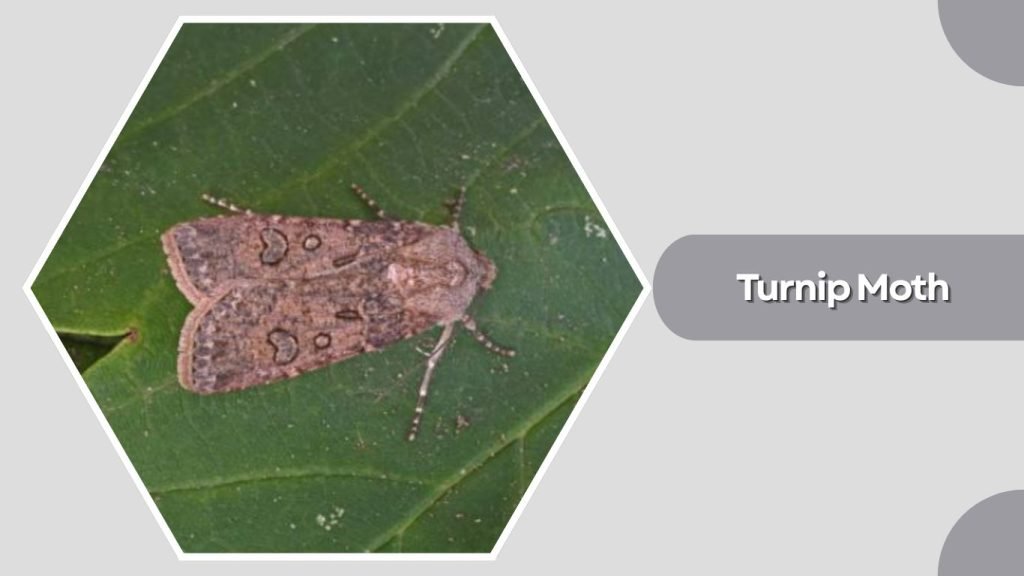
The Turnip Moth is a common owlet moth known for its agricultural significance, particularly in vegetable crops. It is widely distributed and often found in both cultivated and natural environments. While the adult moth is fairly inconspicuous, its larvae can cause noticeable damage to plants.
Identification
- Forewings are brown or gray with darker mottled patterns
- Distinct kidney-shaped (reniform) mark often visible on the forewing
- Hindwings are pale gray with slightly darker edges
- Wingspan typically ranges from 34–45 mm
- Body is stout and covered with fine hairs
- Overall coloration blends well with soil and plant debris
Habitat
The Turnip Moth is commonly found in agricultural fields, gardens, and open countryside. It prefers areas where vegetables like turnips, potatoes, and other root crops are grown. This species is also present in grasslands and disturbed habitats. During the day, adults rest close to the ground, hiding among leaves or soil where their muted colors provide effective camouflage.
Behaviors
This moth is nocturnal and becomes active after dusk. It is attracted to artificial lights and is often seen around farms and residential areas at night. Adults are capable fliers but usually stay near suitable breeding sites. When disturbed during the day, they may fly briefly before settling again. Their behavior is generally quiet, relying on camouflage rather than escape.
Diet and Lifecycle
The larvae, often called cutworms, feed on a wide range of plants including root vegetables and leafy crops. They typically feed at night, cutting young plants at the base and feeding on leaves. During the day, they hide in the soil. The species overwinters as a larva or pupa depending on climate. Pupation occurs underground, and adults emerge in warmer months to reproduce and continue the cycle.
13. Heart and Dart Moth
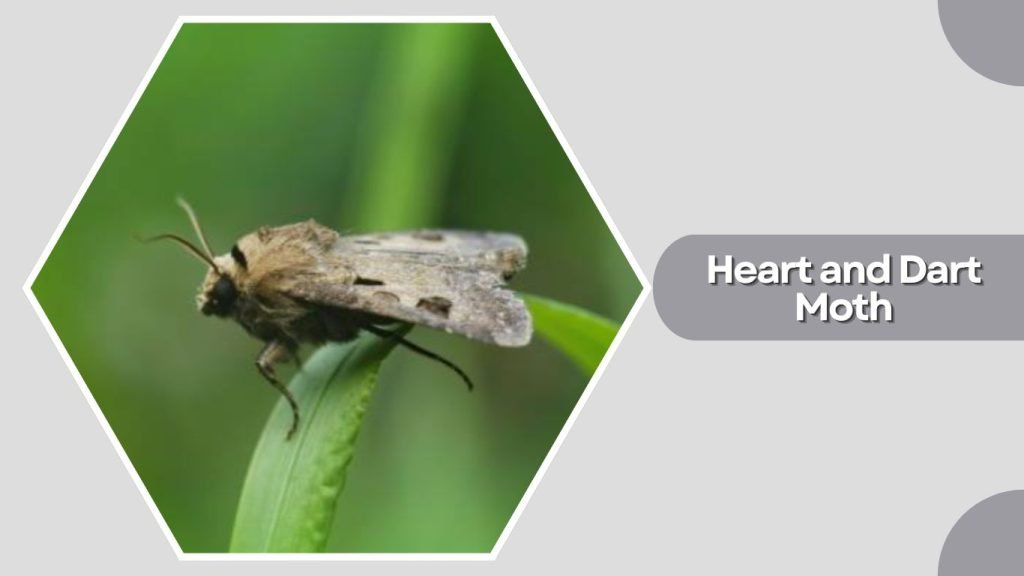
The Heart and Dart Moth is a very common owlet moth, named after the distinctive markings on its forewings. It is widely distributed and frequently found in gardens, farmland, and grassy areas. This species is well adapted to different environments and is often seen during the summer months.
Identification
- Forewings are brown with two key markings: a heart-shaped spot and a dart-shaped mark
- Patterns are usually dark brown against a lighter brown background
- Hindwings are pale gray or whitish
- Wingspan typically ranges from 35–45 mm
- Body is stout and slightly hairy
- Markings can vary slightly but are usually clearly visible
Habitat
The Heart and Dart Moth thrives in a variety of habitats including gardens, agricultural land, meadows, and grasslands. It is particularly common in areas with low-growing plants and grasses. This species is also frequently found in urban and suburban environments. During the day, adults rest on the ground or among vegetation, where their coloration helps them blend into the surroundings and avoid predators.
Behaviors
This moth is nocturnal and becomes active after sunset. It is strongly attracted to artificial lights and is often seen around homes and outdoor lighting. When disturbed during the day, it may fly a short distance before settling again. Like many owlet moths, it relies on camouflage to remain hidden during daylight hours and is generally inactive until nightfall.
Diet and Lifecycle
The larvae are cutworms that feed on a variety of grasses and low-growing plants. They are mainly active at night, feeding on leaves and stems, and hide in the soil during the day. The species usually overwinters as a larva. Pupation occurs underground, and adults emerge in late spring or summer. Multiple generations may occur depending on environmental conditions.
14. Setaceous Hebrew Character Moth
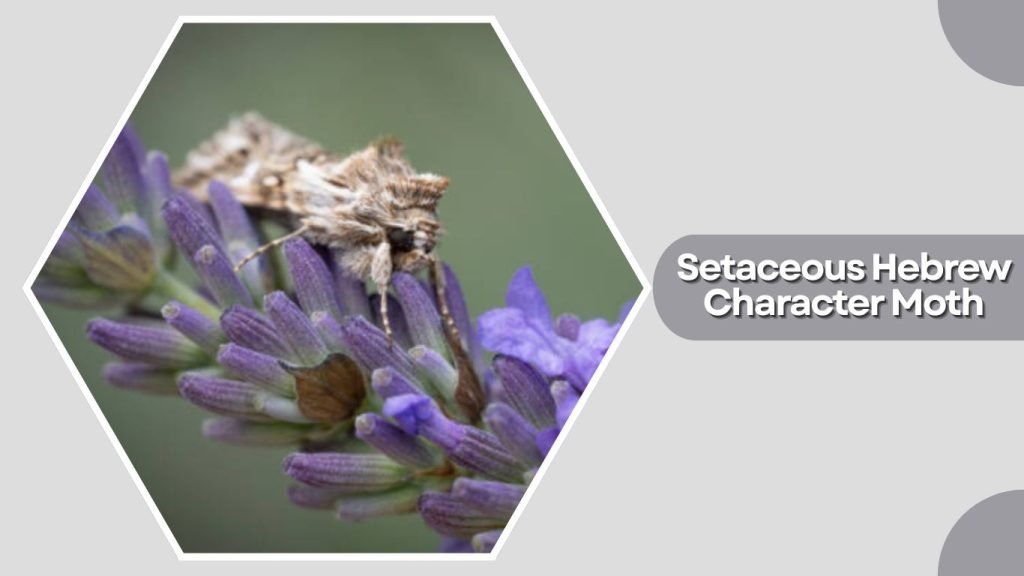
The Setaceous Hebrew Character Moth is a distinctive owlet moth named after the dark marking on its forewings that resembles a Hebrew letter. It is a common species found in many regions and is often seen around lights at night.
Identification
- Forewings are brown or grayish with a prominent dark marking resembling a curved or hook-shaped symbol
- Wing pattern is mottled, providing good camouflage
- Hindwings are pale gray with darker shading near the edges
- Wingspan typically ranges from 38–45 mm
- Body is stout and slightly hairy
- The unique central marking is the key identification feature
Habitat
This moth is commonly found in gardens, farmland, grasslands, and woodland edges. It prefers areas with plenty of low vegetation where its larvae can feed. The species adapts well to both rural and urban environments and is frequently encountered in residential areas. During the day, adults rest on tree bark, walls, or among plant debris, where their mottled coloration helps them blend in effectively.
Behaviors
The Setaceous Hebrew Character Moth is nocturnal and becomes active after dusk. It is strongly attracted to artificial lights and is commonly seen near homes and streetlights. When disturbed during the day, it may take a short flight before settling again. Its camouflage allows it to remain unnoticed while resting, and it relies more on concealment than rapid escape.
Diet and Lifecycle
The larvae feed on a wide range of plants, including grasses and herbaceous vegetation. They are typically active at night and hide in soil or plant debris during the day. The species can produce multiple generations in a year, especially in warmer climates. Pupation occurs in the soil, and adults emerge to continue the lifecycle. The adaptability of its diet helps maintain stable populations.
15. Pale Mottled Willow Moth
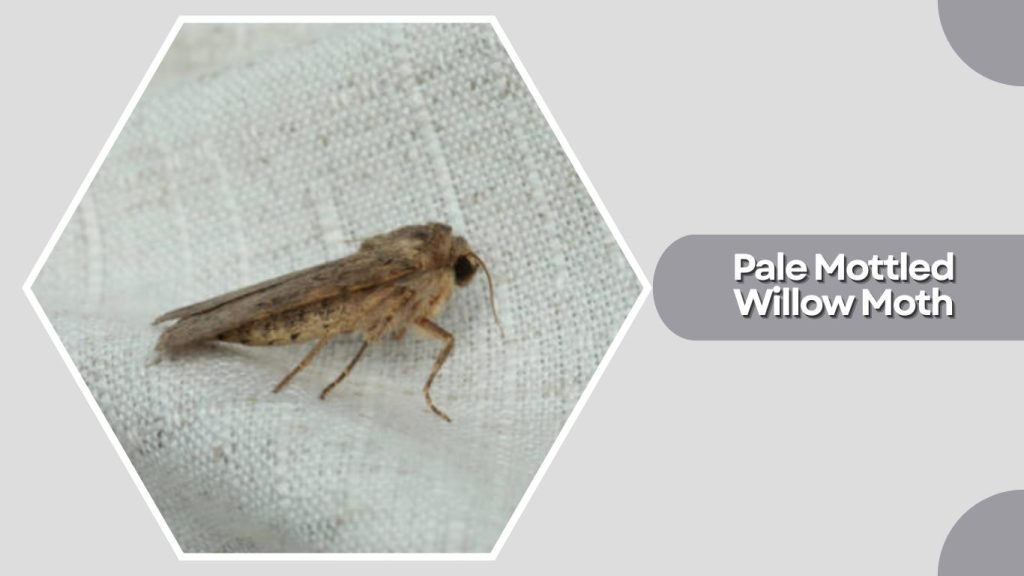
The Pale Mottled Willow Moth is a common and adaptable owlet moth known for its subtle coloration and wide distribution. It is often found in gardens and open habitats, where it blends easily into its surroundings. This species is active during warmer months and is frequently attracted to lights.
Identification
- Forewings are pale brown, gray, or sandy with mottled patterns
- Markings are faint and variable, giving a washed-out appearance
- Hindwings are pale gray with slightly darker edges
- Wingspan typically ranges from 30–38 mm
- Body is slender and lightly hairy
- Overall appearance is soft and less contrasted than many owlet moths
Habitat
The Pale Mottled Willow Moth is found in a wide variety of habitats, including gardens, grasslands, farmland, and coastal areas. It thrives in open environments with low vegetation and is also common in urban and suburban settings. This species prefers warm conditions and can often be seen in dry or sandy habitats. During the day, it rests among vegetation or on the ground, where its pale coloration provides effective camouflage.
Behaviors
This moth is primarily nocturnal and becomes active after sunset. It is strongly attracted to artificial lights and is often observed around homes and outdoor lighting. Adults are capable fliers and may travel short distances in search of suitable habitats. When disturbed during the day, they may take flight briefly before settling again. Their pale coloration helps them remain unnoticed while resting.
Diet and Lifecycle
The larvae feed on a wide range of herbaceous plants, including weeds and grasses. They are generally active at night and hide during the day to avoid predators. The species can produce multiple generations per year in warm climates. Pupation occurs in the soil or among plant debris. Adults emerge relatively quickly, allowing populations to build up during favorable conditions.
16. Beautiful Yellow Underwing
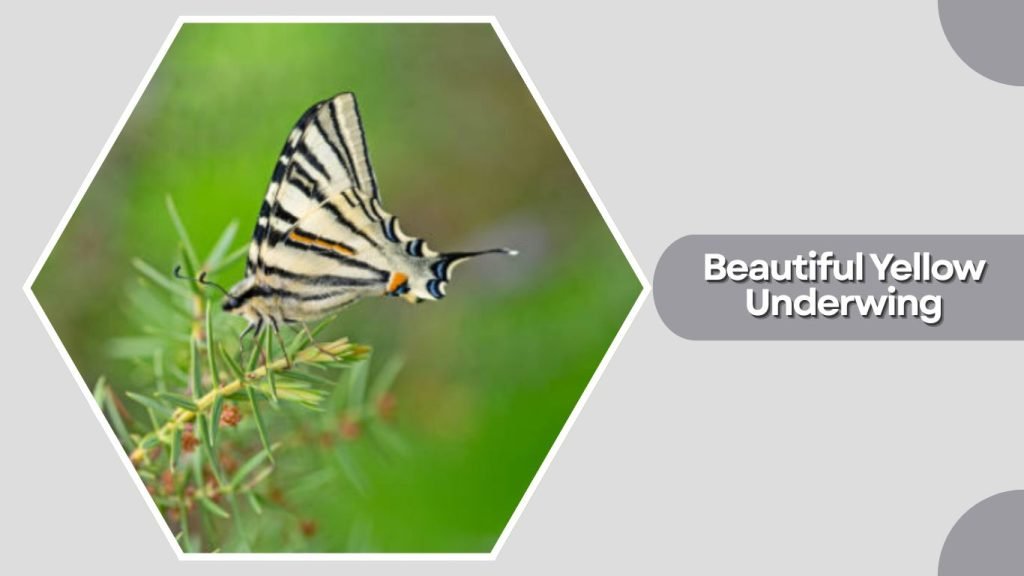
The Beautiful Yellow Underwing is a striking owlet moth known for its contrast between dull forewings and bright yellow hindwings. Although not as common as some related species, it is easily recognized when in flight due to its vivid coloration.
Identification
- Forewings are reddish-brown or chestnut with darker shading
- Hindwings are bright yellow with a bold black border
- Wingspan typically ranges from 40–50 mm
- Body is stout and slightly hairy
- Forewings appear plain compared to the vivid hindwings
- Strong color contrast visible during flight
Habitat
The Beautiful Yellow Underwing is typically found in woodland edges, gardens, hedgerows, and grassy areas. It prefers habitats with a mix of vegetation, including shrubs and low plants. This species is more commonly encountered in rural and semi-natural environments but can also appear in suburban gardens. During the day, adults rest in concealed locations such as among leaves or near the ground, where their forewing coloration helps them blend into their surroundings.
Behaviors
This moth is nocturnal and becomes active after dusk. It is attracted to artificial lights and may be seen around homes and outdoor lighting. When disturbed during the day, it takes flight quickly, flashing its bright hindwings as a defensive display to startle predators. It tends to rest quietly during daylight hours and relies heavily on camouflage for protection.
Diet and Lifecycle
The larvae feed on a variety of grasses and low-growing plants. They are active at night and hide in the soil or vegetation during the day. Like other underwing species, the caterpillars may behave as cutworms, feeding close to the ground. The species overwinters as a larva, pupates in the soil, and emerges as an adult during the warmer months to continue the lifecycle.
17. Copper Underwing Moth
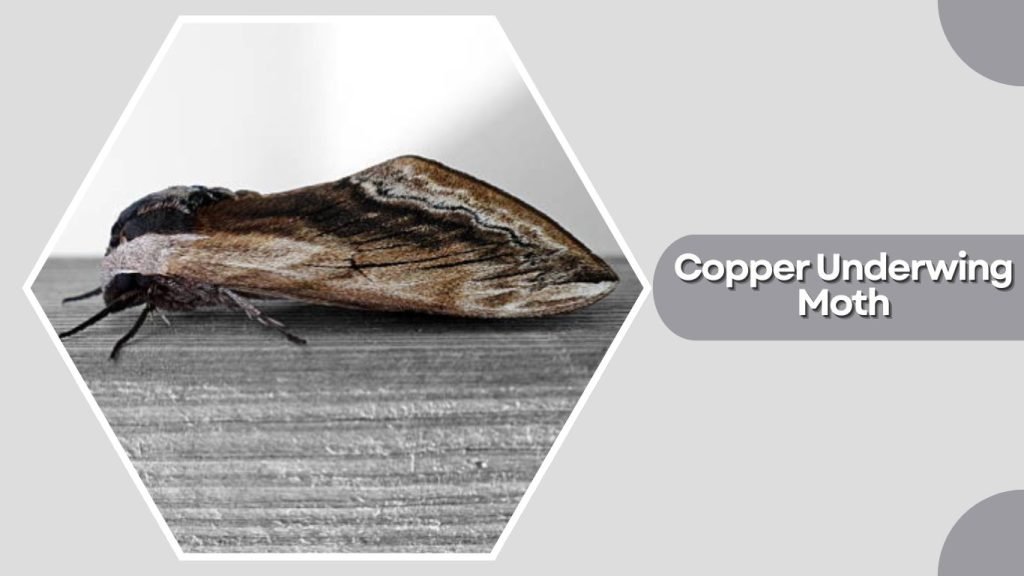
The Copper Underwing Moth is a well-known owlet moth named for the rich coppery color of its hindwings, which are usually hidden beneath dull forewings. It is commonly found in woodland areas and gardens and is especially noticeable when attracted to lights at night.
Identification
- Forewings are dark brown or gray with subtle markings
- Hindwings are bright copper or orange-brown, usually hidden at rest
- Wingspan typically ranges from 40–55 mm
- Body is robust and covered with fine hairs
- Two similar species exist and are difficult to distinguish visually
- Bright hindwings are visible only during flight
Habitat
The Copper Underwing Moth is commonly found in woodlands, parks, gardens, and hedgerows. It prefers areas with mature trees and shrubs, especially where oak and fruit trees are present. This species adapts well to suburban environments and is often seen near houses with gardens. During the day, adults rest in sheltered places such as tree bark, dense foliage, or shaded corners, where their dark forewings provide effective camouflage.
Behaviors
This moth is nocturnal and becomes active after sunset. It is strongly attracted to artificial lights and is frequently observed around illuminated areas at night. Adults are also attracted to sugary substances like overripe fruit and tree sap. When disturbed during the day, they may fly suddenly, revealing their bright copper hindwings. Their behavior is generally quiet and secretive during daylight hours.
Diet and Lifecycle
The larvae feed mainly on the leaves of trees such as oak, as well as fruit trees. They are active at night and hide during the day to avoid predators. The species overwinters as an egg, which hatches in spring. Pupation occurs in the soil or leaf litter, and adults emerge in late summer. The lifecycle is closely tied to the seasonal availability of host plants.
18. Svensson’s Copper Underwing
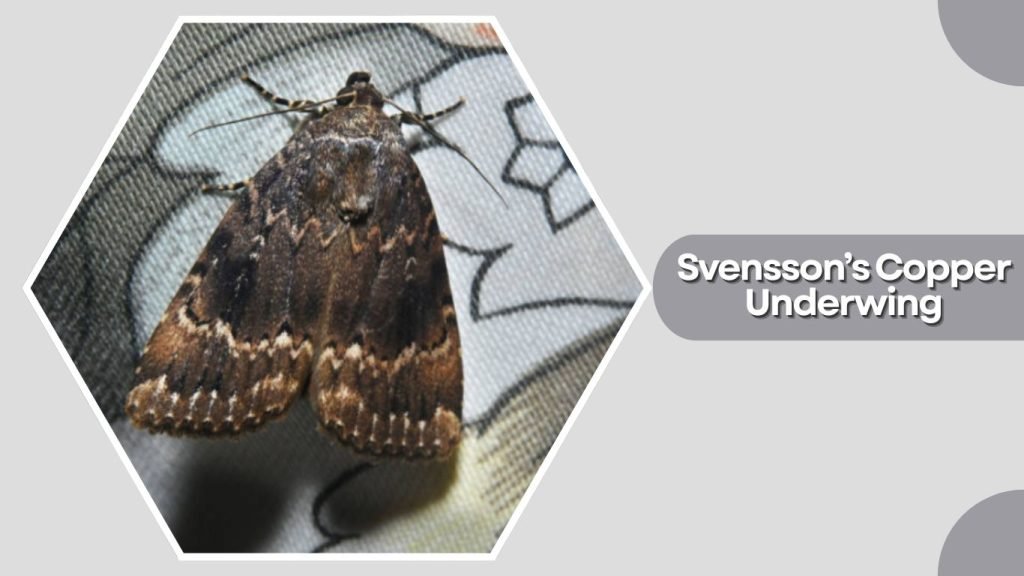
Svensson’s Copper Underwing is a close relative of the Copper Underwing Moth and is very similar in appearance. It is often difficult to distinguish from its counterpart without detailed examination. This moth is commonly found in wooded areas and is active during late summer.
Identification
- Forewings are dark brown or gray with subtle, fine markings
- Hindwings are bright coppery-orange, similar to the Copper Underwing
- Wingspan typically ranges from 40–55 mm
- Body is stout and slightly hairy
- Very similar to Copper Underwing; often requires close inspection to differentiate
- Slight differences may appear in tone and pattern sharpness
Habitat
Svensson’s Copper Underwing is typically found in woodlands, hedgerows, gardens, and areas with mature trees. It prefers habitats rich in deciduous trees such as oak. This species is also present in suburban environments where suitable vegetation exists. During the day, adults rest in hidden locations like tree bark, dense foliage, or shaded areas, using their dark forewings for camouflage.
Behaviors
This moth is nocturnal and becomes active after dusk. It is attracted to artificial lights and is often seen around homes and woodland edges at night. Like its close relative, it is also drawn to sweet substances such as tree sap and ripe fruit. When disturbed, it may suddenly fly, revealing its bright copper hindwings. It remains inactive and well-hidden during daylight hours.
Diet and Lifecycle
The larvae feed mainly on the leaves of deciduous trees, especially oak. They are nocturnal feeders and hide during the day to avoid predators. The species overwinters as eggs, which hatch in spring. Pupation takes place in the soil or leaf litter. Adults emerge in late summer, continuing the lifecycle in synchronization with seasonal plant growth.
19. Green-brindled Crescent Moth
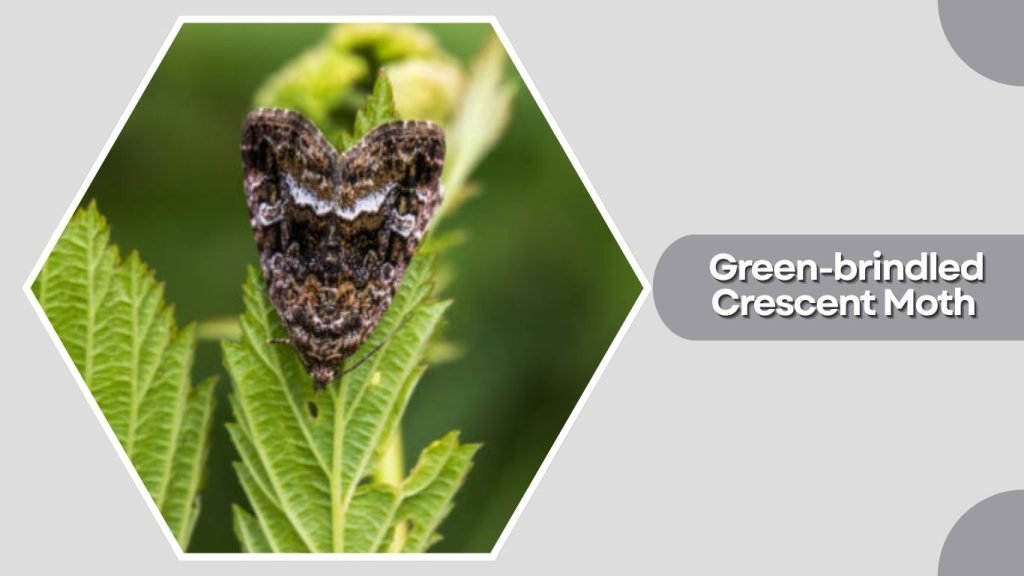
The Green-brindled Crescent Moth is a beautifully patterned owlet moth known for its rich coloration and crescent-shaped markings. It is commonly found in woodland areas and gardens, especially during the autumn months when adults are most active.
Identification
- Forewings are a mix of green, brown, and black with a distinctive crescent-shaped marking
- Pattern is bold and well-defined compared to many owlet moths
- Hindwings are dark brown or gray
- Wingspan typically ranges from 35–45 mm
- Body is stout and slightly hairy
- Overall appearance is colorful and highly patterned
Habitat
The Green-brindled Crescent Moth is typically found in woodlands, gardens, parks, and hedgerows. It prefers habitats with trees and shrubs, especially where ivy and other climbing plants grow. This species is also common in suburban areas with well-established vegetation. During the day, adults rest in concealed spots such as tree bark or dense foliage, where their complex patterns help them blend into the environment.
Behaviors
This moth is nocturnal and becomes active after sunset. It is attracted to artificial lights and is often seen around homes and woodland edges at night. Adults are also known to feed on nectar and may visit flowers in the evening. When disturbed during the day, they may take a short flight before settling again. Their striking patterns serve as camouflage when at rest.
Diet and Lifecycle
The larvae primarily feed on ivy, which is a key host plant for this species. Caterpillars are active at night and remain hidden during the day. The species overwinters as an egg, with larvae emerging in spring to feed and grow. Pupation occurs in the soil or leaf litter. Adults emerge in autumn, completing the lifecycle and preparing for the next generation.
20. Brown-line Bright-eye Moth
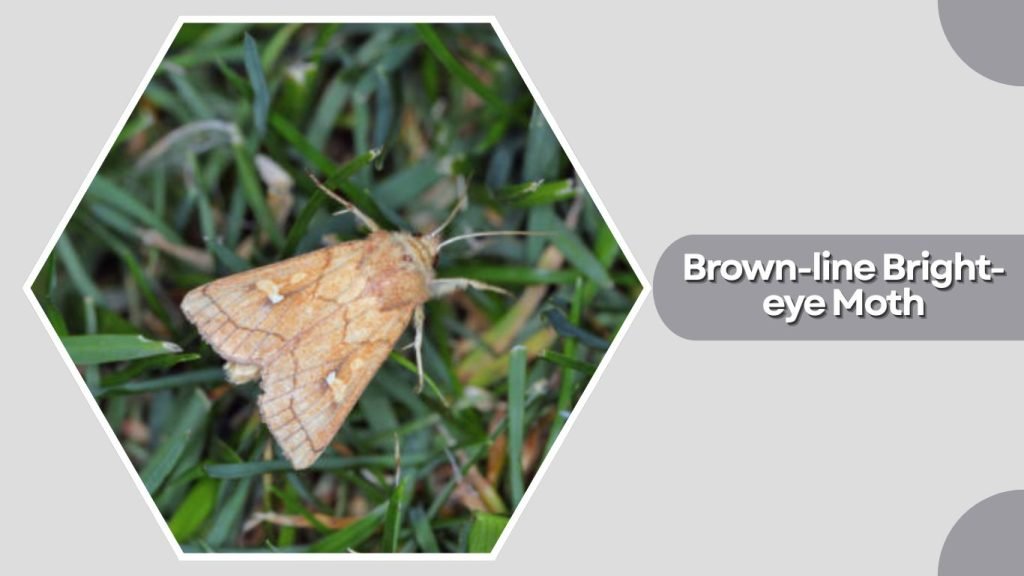
The Brown-line Bright-eye Moth is a distinct owlet moth known for the bright, eye-like markings on its forewings. It is commonly found in grassy habitats and is often noticed due to its contrasting wing patterns. This species is active during the summer months.
Identification
- Forewings are brown with a noticeable pale or white “eye” spot
- A thin brown line runs across the wings, giving the species its name
- Hindwings are pale gray or whitish
- Wingspan typically ranges from 35–45 mm
- Body is moderately stout with fine hairs
- The bright central spot contrasts strongly with the darker wing background
Habitat
The Brown-line Bright-eye Moth is commonly found in grasslands, meadows, farmland, and open countryside. It prefers areas with tall grasses and herbaceous plants. This species can also be seen in gardens and suburban green spaces where suitable vegetation exists. During the day, it rests among grasses or low plants, where its coloration helps it remain concealed from predators.
Behaviors
This moth is nocturnal and becomes active after dusk. It is attracted to artificial lights and may be seen around homes and outdoor lighting at night. When disturbed during the day, it may fly a short distance before settling again. Its flight is relatively quick, and it relies on camouflage when at rest. Adults are generally active during warm summer evenings.
Diet and Lifecycle
The larvae feed mainly on grasses and other low-growing plants. They are nocturnal feeders and hide in vegetation during the day. The species typically has one generation per year. Pupation occurs in the soil or among plant debris. Adults emerge in summer, mate, and lay eggs to continue the lifecycle.
21. Marbled Minor Moth
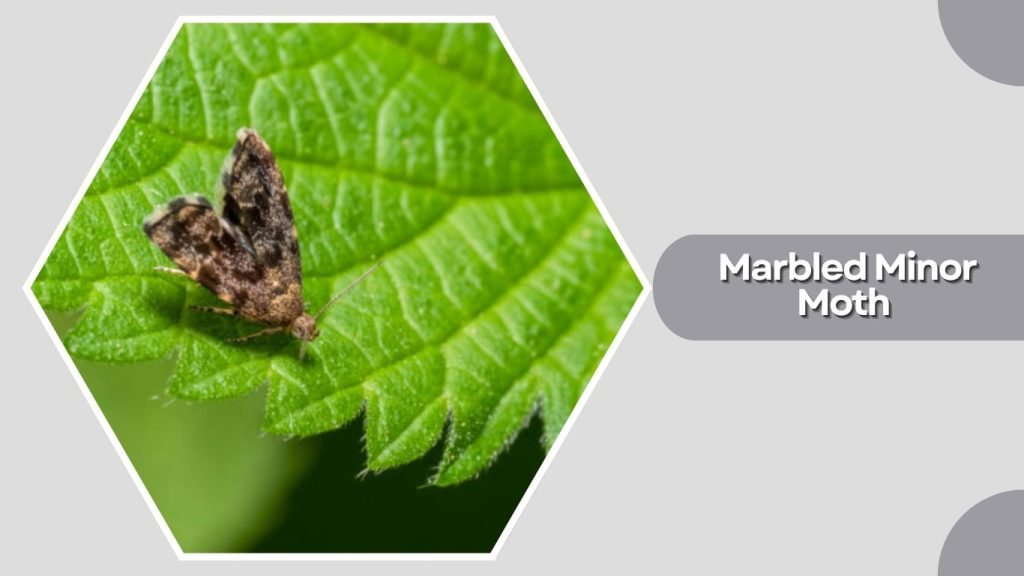
The Marbled Minor Moth is a small and subtly patterned owlet moth often found in grassy habitats. It belongs to a group of similar-looking species, making identification challenging. Despite its modest appearance, it is quite common in suitable environments.
Identification
- Forewings are light brown or gray with a marbled or streaked pattern
- Markings are often faint and variable
- Hindwings are pale gray or whitish
- Wingspan typically ranges from 25–35 mm
- Body is small and slender
- Often confused with other “minor” moth species due to similar appearance
Habitat
The Marbled Minor Moth is commonly found in grasslands, meadows, roadside verges, and open countryside. It prefers habitats with plenty of grasses, which serve as food for its larvae. This species is also present in gardens and urban green spaces where grassy areas are available. During the day, adults rest among grasses, where their muted coloration provides effective camouflage against predators.
Behaviors
This moth is nocturnal and becomes active after sunset. It is attracted to artificial lights and may be seen around homes and outdoor lighting. When disturbed during the day, it may fly a short distance before settling again. Due to its small size and dull coloration, it often goes unnoticed. Its activity is generally higher during warm summer nights.
Diet and Lifecycle
The larvae feed primarily on grasses and related plants. They are active at night and remain hidden during the day. The species usually has one generation per year. Pupation occurs in the soil or among plant debris. Adults emerge in summer, mate, and lay eggs, continuing the lifecycle in grassy habitats.
22. Common Rustic Moth
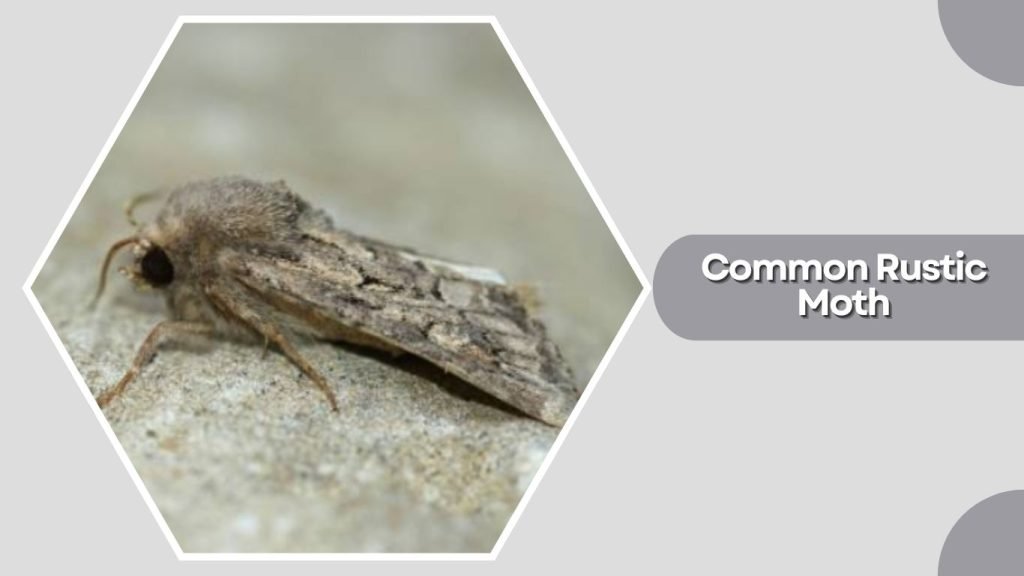
The Common Rustic Moth is a widespread and variable owlet moth known for its adaptability and plain appearance. It is frequently encountered in a variety of habitats and is one of the more commonly recorded moths in many regions.
Identification
- Forewings are brown, gray, or reddish with variable patterns
- Markings are often faint, with a slightly mottled or streaked look
- Hindwings are pale gray or whitish
- Wingspan typically ranges from 30–40 mm
- Body is stout and slightly hairy
- Appearance can vary significantly, making identification sometimes difficult
Habitat
The Common Rustic Moth is found in a wide range of habitats including grasslands, farmland, gardens, woodland edges, and urban areas. It is highly adaptable and can thrive in both natural and disturbed environments. This species is especially common in areas with grasses and low vegetation. During the day, it rests in concealed places such as among grass, leaf litter, or low plants, where its dull coloration helps it remain hidden.
Behaviors
This moth is nocturnal and becomes active after dusk. It is strongly attracted to artificial lights and is often seen around homes and streetlights at night. Adults are active fliers and may move between habitats in search of suitable breeding areas. When disturbed during the day, they may take a short flight before settling again. Their camouflage plays a key role in avoiding predators.
Diet and Lifecycle
The larvae feed mainly on grasses and low-growing plants. They are active at night and hide in vegetation or soil during the day. The species may produce one or more generations per year depending on climate conditions. Pupation occurs in the soil, and adults emerge in late summer or autumn. The lifecycle is well suited to a variety of environmental conditions, contributing to its widespread presence.
23. Lesser Broad-bordered Yellow Underwing
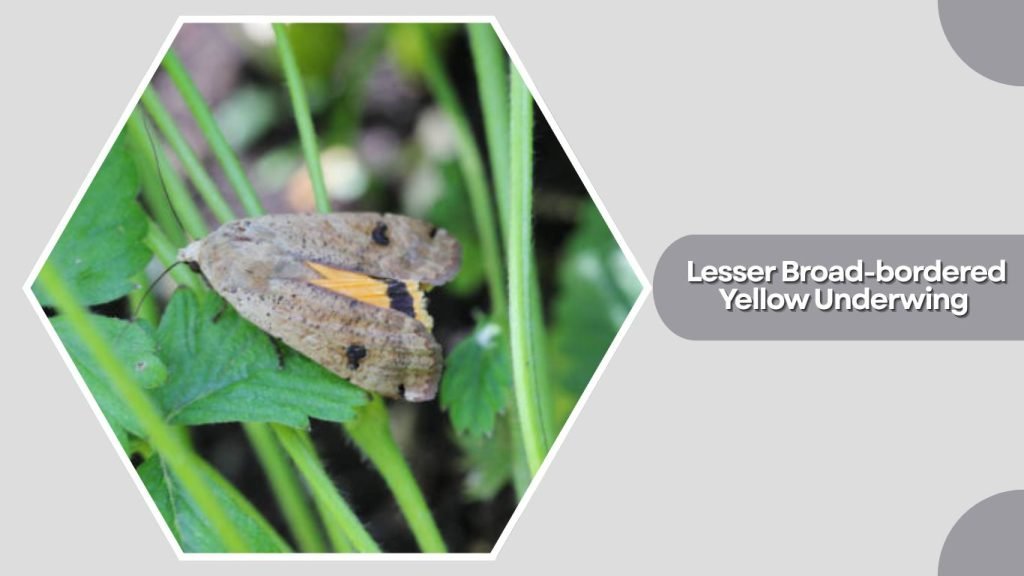
The Lesser Broad-bordered Yellow Underwing is a medium-sized owlet moth known for its bright hindwings and more delicate appearance compared to similar species. It is commonly found in grassy habitats and is active during the summer months.
Identification
- Forewings are grayish-brown with fine, subtle patterns
- Hindwings are bright yellow with a distinct black border
- Wingspan typically ranges from 30–38 mm
- Body is slender compared to larger underwing species
- Forewing markings are less bold and more finely detailed
- Bright hindwings are visible only during flight
Habitat
This species is commonly found in grasslands, meadows, farmland, and open countryside. It prefers habitats with abundant grasses and low vegetation. The Lesser Broad-bordered Yellow Underwing is also present in gardens and suburban green spaces. During the day, adults rest among grasses or close to the ground, where their muted forewing colors help them blend into their surroundings and avoid predators.
Behaviors
The moth is nocturnal and becomes active after sunset. It is attracted to artificial lights and is often seen around homes and outdoor lighting. When disturbed during the day, it may take a short, quick flight, briefly revealing its bright hindwings. Its behavior is generally quiet, relying on camouflage during daylight and activity during nighttime hours.
Diet and Lifecycle
The larvae feed mainly on grasses and other low-growing plants. They are active at night and hide in vegetation or soil during the day. The species typically has one generation per year. Pupation occurs in the soil, and adults emerge in summer. The lifecycle is closely tied to grassy habitats, where both larvae and adults can thrive.
24. Flame Shoulder Moth
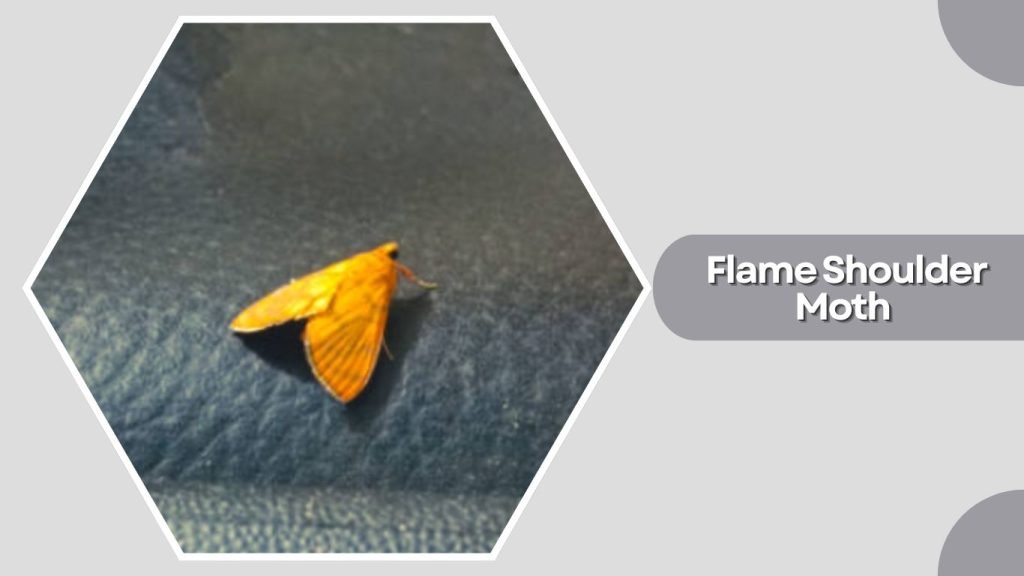
The Flame Shoulder Moth is a distinctive owlet moth named for the bright, flame-like streak along the front edge of its forewings. It is a common species found in various habitats and is often seen during late summer and autumn.
Identification
- Forewings are brown with a prominent pale or golden streak along the leading edge
- The “flame” marking is the key identifying feature
- Hindwings are pale gray or whitish
- Wingspan typically ranges from 30–40 mm
- Body is stout and slightly hairy
- Overall contrast between dark wing and pale streak is noticeable
Habitat
The Flame Shoulder Moth is commonly found in grasslands, farmland, gardens, and woodland edges. It prefers open habitats with grasses and low vegetation but is also well adapted to urban and suburban environments. This species is frequently seen in areas with abundant plant growth. During the day, adults rest among vegetation or on the ground, where their coloration provides effective camouflage.
Behaviors
This moth is nocturnal and becomes active after dusk. It is strongly attracted to artificial lights and is often observed around homes and outdoor lighting. Adults are active fliers and may move between habitats in search of suitable conditions. When disturbed during the day, they may fly a short distance before settling again. Their behavior is generally quiet and relies on camouflage during rest.
Diet and Lifecycle
The larvae feed mainly on grasses and other low-growing plants. They are active at night and hide during the day in soil or vegetation. The species usually has one generation per year. Pupation occurs in the soil, and adults emerge in late summer or autumn. The lifecycle is well suited to open habitats with abundant grass cover.
25. Dot Moth
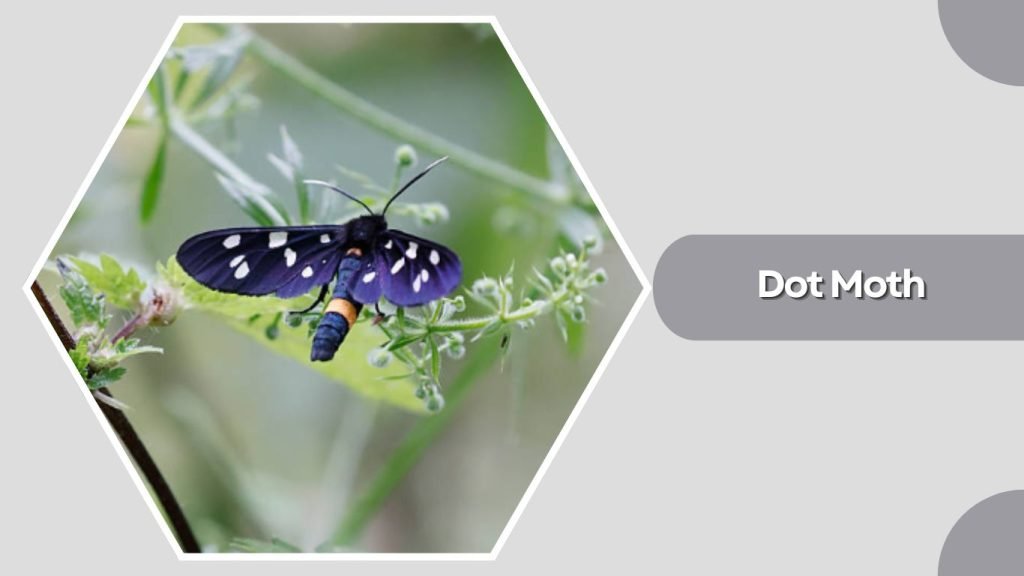
The Dot Moth is a common owlet moth recognized for the small, distinct dot marking on its forewings. It is widely distributed and often found in gardens and natural habitats. Although not brightly colored, its simple pattern makes it relatively easy to identify.
Identification
- Forewings are brown or gray with a single prominent dark dot
- Markings are otherwise subtle and lightly mottled
- Hindwings are pale gray or whitish
- Wingspan typically ranges from 35–45 mm
- Body is stout and slightly hairy
- The single “dot” marking is the key identifying feature
Habitat
The Dot Moth is commonly found in gardens, grasslands, woodland edges, and farmland. It prefers habitats with a mix of vegetation, including shrubs and low-growing plants. This species is also well adapted to urban and suburban environments, where it can often be found resting on walls, fences, or plant surfaces during the day. Its muted coloration helps it blend into a variety of backgrounds.
Behaviors
This moth is nocturnal and becomes active after sunset. It is strongly attracted to artificial lights and is frequently seen around homes and outdoor lighting. When disturbed during the day, it may fly briefly before settling again. Its behavior is generally calm, relying on camouflage rather than rapid escape. Activity levels tend to increase during warm nights.
Diet and Lifecycle
The larvae feed on a variety of herbaceous plants, including vegetables and garden plants. They are active mainly at night and hide during the day to avoid predators. The species usually has one generation per year, though this can vary with climate. Pupation occurs in the soil, and adults emerge in summer to continue the lifecycle.
FAQs
What are owlet moths?
Owlet moths belong to the family Noctuidae, one of the largest moth families in the world. They are mostly nocturnal and known for their dull forewings and often brighter hindwings. Many species are important in ecosystems, though some are also known as agricultural pests.
Are owlet moths harmful to humans?
Owlet moths are not harmful to humans. They do not bite or sting. However, their larvae (caterpillars) can damage crops and garden plants, which may indirectly affect agriculture and food production.
Why are owlet moths attracted to light?
Owlet moths are naturally drawn to artificial light sources at night. This behavior is believed to be related to navigation, as moths use natural light like the moon to orient themselves. Artificial lights can confuse this system, causing them to gather around bulbs.
What do owlet moth caterpillars eat?
Most owlet moth caterpillars feed on plants such as grasses, crops, and garden vegetation. Some species are general feeders, while others prefer specific plants. A few are considered pests because they can damage crops like corn, cabbage, and tomatoes.
When are owlet moths most active?
Owlet moths are mainly active at night, especially from dusk until early morning. They spend the daytime resting in hidden or camouflaged locations like leaves, soil, or tree bark to avoid predators. Activity levels often increase during warm and humid conditions.
