
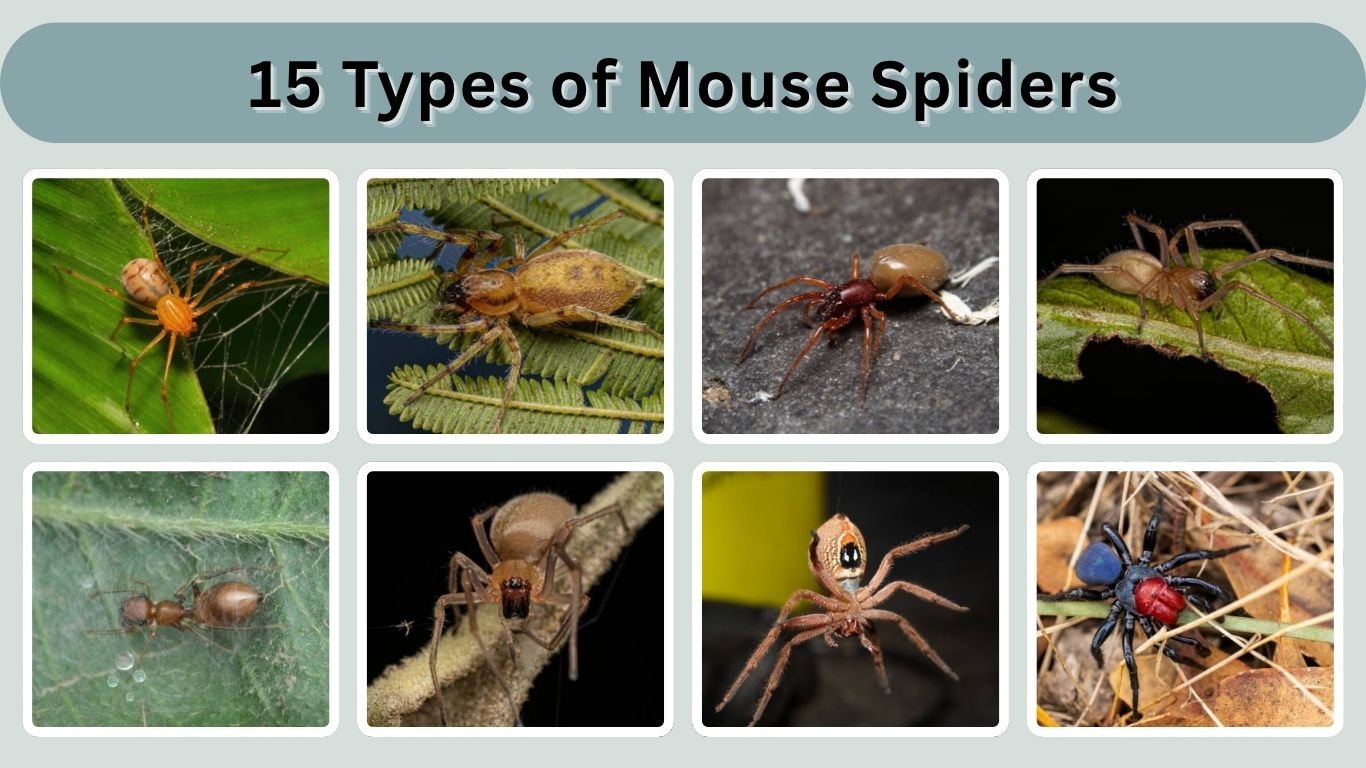
Mouse spiders are a fascinating group of ground-dwelling spiders mainly found in Australia, belonging to the genus Missulena. They are known for their strong bodies, powerful fangs, and burrowing lifestyle. Some species, especially males, display striking colors like bright red heads, while others remain dark and less noticeable.
These spiders typically live in silk-lined burrows in soil, where they spend most of their time waiting for prey. As ambush predators, they play an important role in controlling insect populations. Although they are venomous, most species pose little threat to humans and tend to avoid interaction.
In this list, we explore 15 different types of mouse spiders, highlighting their unique characteristics and habitats.
1. Missulena occatoria
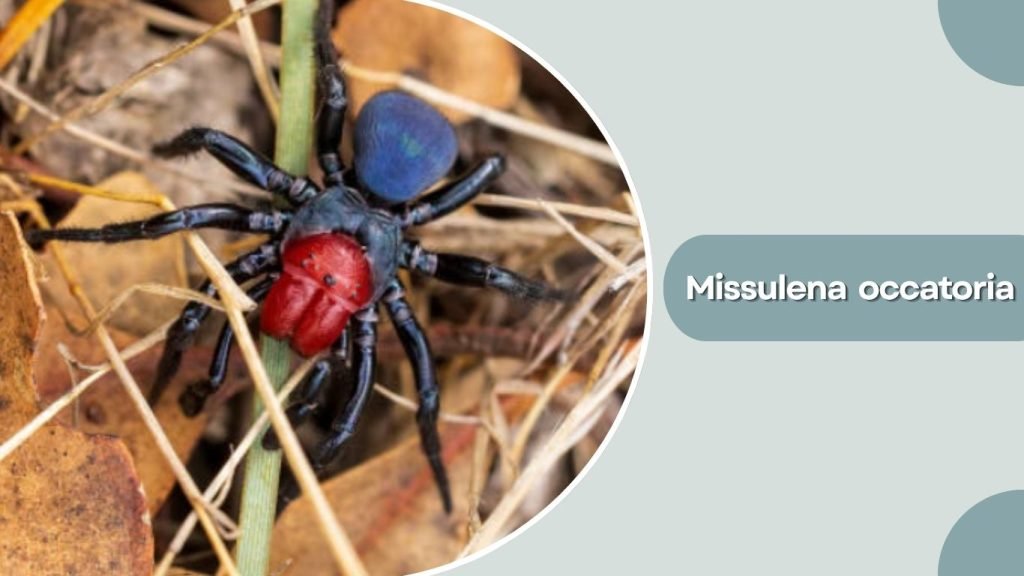
Missulena occatoria, commonly known as the red-headed mouse spider, is a striking species native to Australia. It is easily recognized by the male’s bright red head and jaws, contrasted with a dark, glossy body. Females, on the other hand, are usually all black and less colorful, making them harder to identify.
This spider typically lives in burrows dug into the ground, often in dry, open habitats like forests, shrublands, and even suburban areas. The burrow is lined with silk and may have a small trapdoor or open entrance, where the spider waits patiently for prey to pass by.
Its diet mainly consists of insects and other small arthropods. Missulena occatoria is an ambush predator, relying on its powerful fangs and quick reflexes to capture prey. Despite its somewhat intimidating appearance, it usually avoids human contact.
Although this species is venomous, it is not considered highly dangerous to humans. Bites are rare and typically occur only when the spider is provoked. Like many spiders, it plays an important role in controlling insect populations in its ecosystem.
2. Missulena insignis
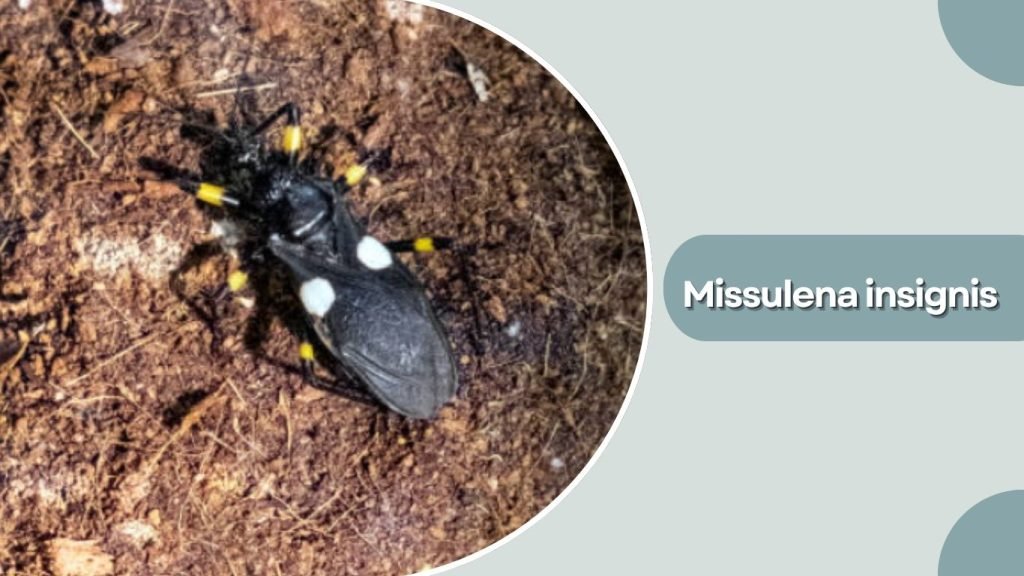
Missulena insignis is a species of mouse spider native to Australia, known for its dark and glossy appearance. Unlike some other mouse spiders, it does not have bright coloration, appearing mostly black or deep brown. Its sturdy body and strong fangs make it well adapted for a life on the ground.
This spider commonly inhabits sandy soils, grasslands, and open woodlands. It constructs silk-lined burrows in the ground, which serve as both shelter and a hunting spot. The entrance is often hidden, allowing the spider to remain concealed from predators and prey alike.
Missulena insignis is an ambush predator that feeds mainly on insects and other small invertebrates. It waits near the burrow entrance and quickly captures prey using its powerful bite. This hunting method helps it conserve energy.
Although it is venomous, this spider is not considered highly dangerous to humans. Bites are rare and usually happen only when the spider is disturbed. It plays an important role in maintaining ecological balance by controlling insect populations.
3. Missulena bradleyi
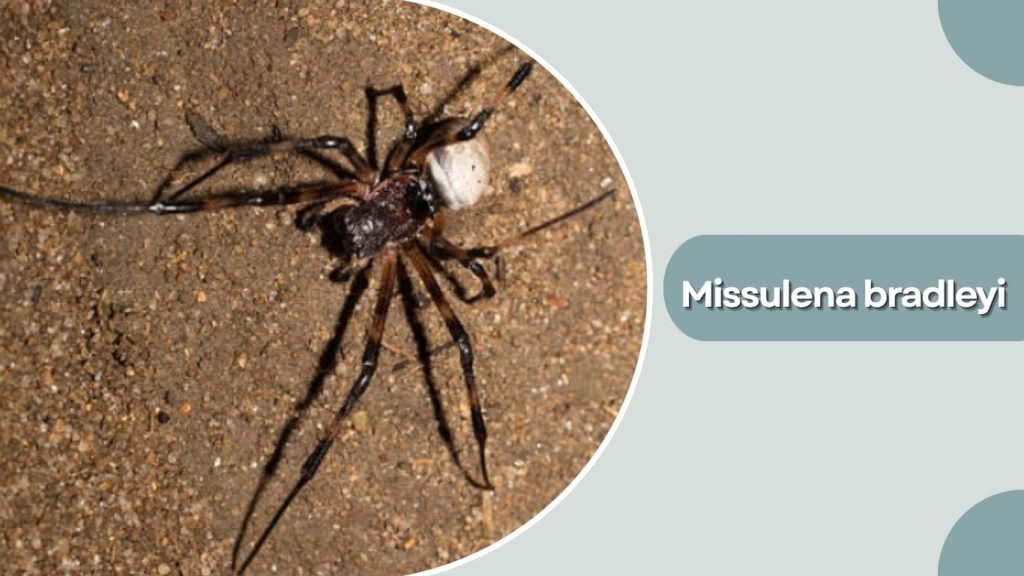
Missulena bradleyi, often called the eastern mouse spider, is one of the more well-known species in this group. Males are especially distinctive, with a bright red head and jaws paired with a dark blue-black body. Females are larger but less colorful, usually appearing dark brown or black.
This species is commonly found in eastern Australia, living in forests, woodlands, and sometimes suburban gardens. It builds deep, silk-lined burrows in the soil, where it spends most of its life hidden. Males wander in search of mates, which is when they are more likely to be seen.
Missulena bradleyi preys on insects and other small animals, using an ambush strategy. It waits at the burrow entrance and strikes quickly when prey comes close. Its strong fangs allow it to subdue prey efficiently.
Although venomous, this species is considered potentially more medically significant than some other mouse spiders. However, serious bites are still rare, and it generally avoids human interaction unless provoked.
4. Missulena pruinosa
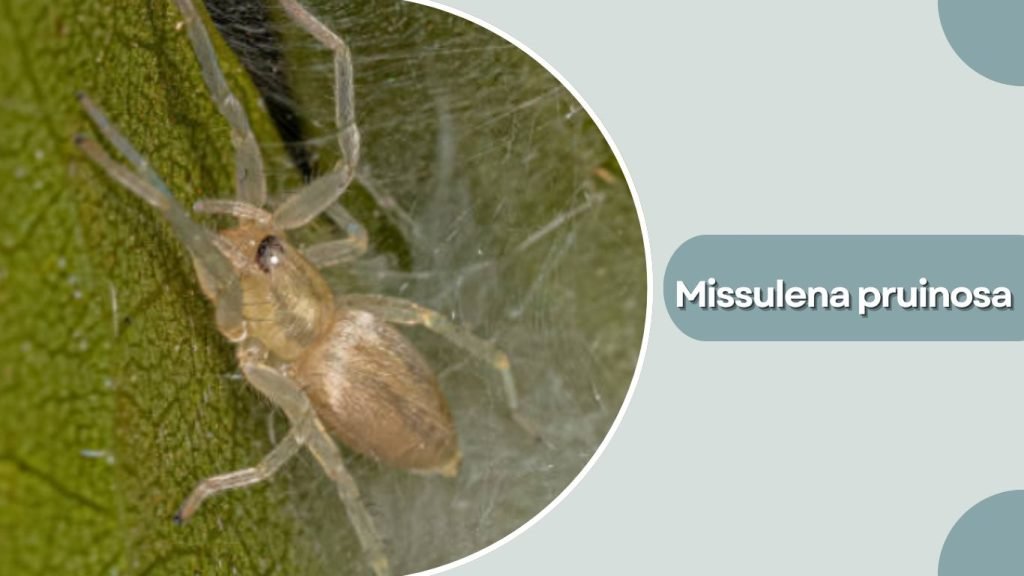
Missulena pruinosa is a lesser-known species of mouse spider found in Australia. It typically has a dark, matte body with subtle variations in color, lacking the bright markings seen in some related species. Its compact and robust build helps it thrive in ground habitats.
This spider prefers dry, open environments such as shrublands and grasslands. It digs burrows in the soil, which are lined with silk for protection and stability. The entrance is often simple and well camouflaged within its surroundings.
Like other mouse spiders, Missulena pruinosa is an ambush predator. It feeds mainly on insects and small invertebrates, capturing them with speed and precision. It spends most of its time inside or near its burrow.
Despite being venomous, it poses little threat to humans. Encounters are uncommon, and bites are rare. Its presence contributes to natural pest control, making it beneficial within its ecosystem.
5. Missulena faulderi
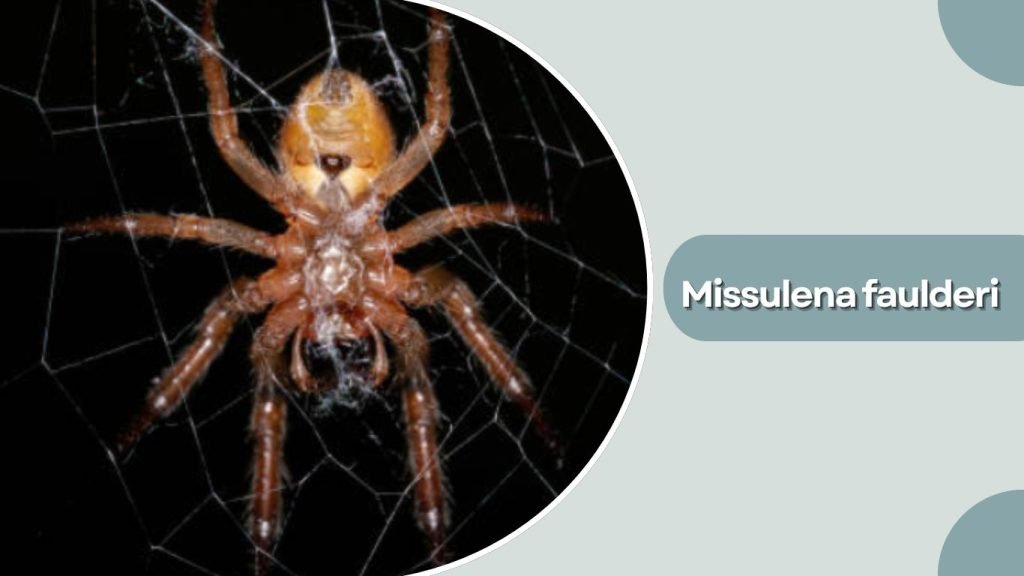
Missulena faulderi is a relatively lesser-known mouse spider species native to Australia. It has a dark, glossy body, typically black or deep brown, with a strong and compact structure. Like other mouse spiders, it possesses large fangs that are well adapted for capturing prey.
This species lives in burrows dug into the ground, often in dry and sandy habitats such as shrublands and open woodlands. The burrow is lined with silk and serves as both a shelter and a hunting site. It usually remains hidden during the day, avoiding exposure.
Missulena faulderi feeds mainly on insects and other small invertebrates. It uses an ambush hunting technique, waiting patiently at the entrance of its burrow before striking quickly at passing prey. This method allows it to conserve energy.
Although venomous, it is not considered dangerous to humans. Bites are extremely rare and typically occur only when the spider is disturbed. It plays a helpful role in controlling insect populations in its habitat.
6. Missulena granulosa
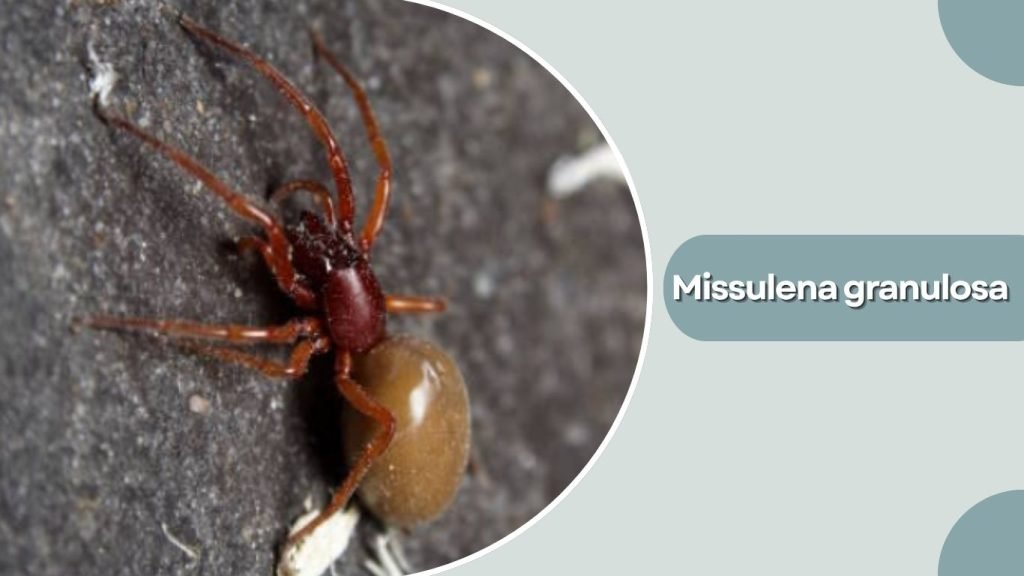
Missulena granulosa is another species of mouse spider found in Australia, recognized by its dark coloration and slightly textured body. Its appearance is generally uniform, lacking bright or striking markings, which helps it blend into its surroundings.
This spider prefers habitats with loose soil, such as grasslands and forest edges, where it can easily construct its burrow. The silk-lined burrow provides protection from predators and harsh environmental conditions. It spends most of its life inside this retreat.
Missulena granulosa is an ambush predator that feeds on insects and small arthropods. It waits near the burrow entrance and captures prey with speed and precision. Its strong fangs ensure effective hunting.
Despite being venomous, it poses little risk to humans. Encounters are uncommon, and the spider is generally shy and non-aggressive. It contributes positively to the ecosystem by helping regulate insect populations.
7. Missulena harewoodi
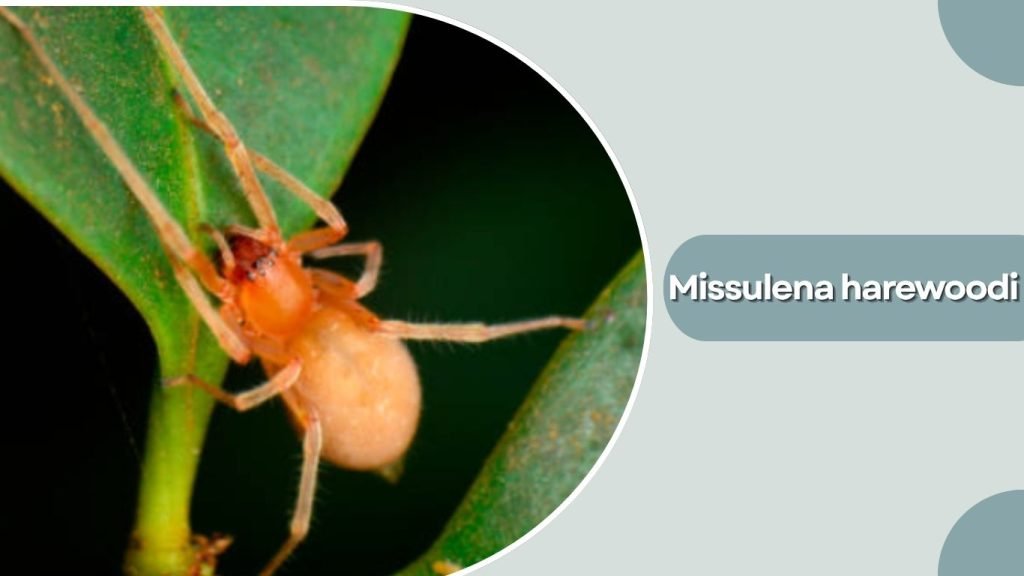
Missulena harewoodi is a ground-dwelling mouse spider species found in Australia. It typically has a dark-colored body, ranging from black to deep brown, with a smooth and sturdy appearance. Like others in its group, it has powerful fangs suited for hunting.
This species lives in silk-lined burrows dug into loose soil, often in woodland or scrubland habitats. The burrow acts as both a safe shelter and a strategic hunting site. It remains hidden for most of the day, reducing the risk of predators.
Missulena harewoodi feeds mainly on insects and small invertebrates. It uses an ambush strategy, waiting at the entrance of its burrow and quickly seizing prey when it comes close. This makes it an efficient and patient hunter.
Although venomous, it is not considered dangerous to humans. It is generally shy and avoids interaction. Its role in controlling insect populations makes it beneficial to the environment.
8. Missulena mainae
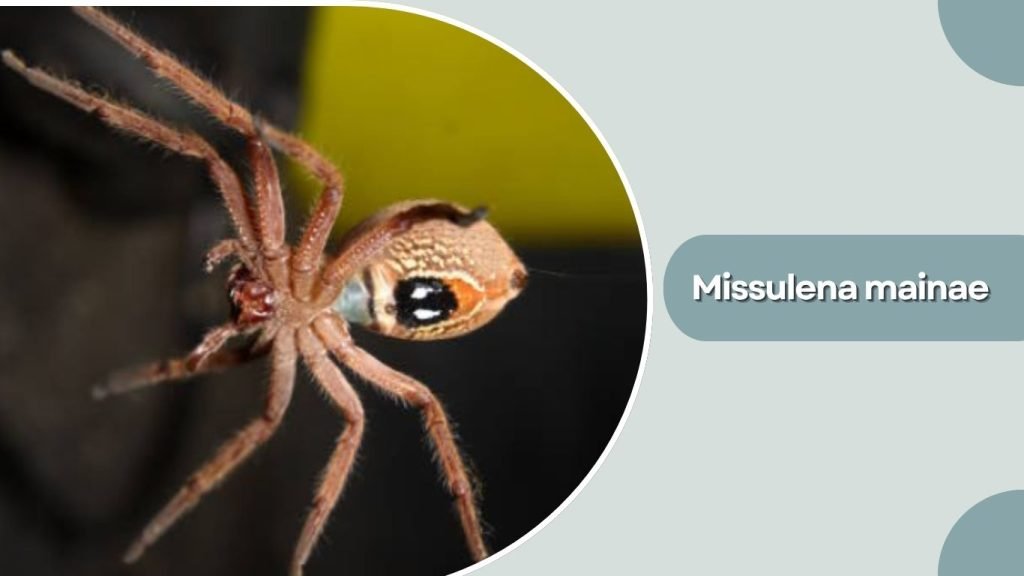
Missulena mainae is another species of mouse spider native to Australia, known for its dark and somewhat glossy body. It has a compact build and strong legs, allowing it to move effectively in and around its burrow.
This spider prefers dry habitats such as grasslands and open forests, where it can easily dig burrows. The burrow is lined with silk and provides protection as well as a place to hunt. It spends most of its life hidden underground.
Missulena mainae is an ambush predator that feeds on insects and other small creatures. It waits near its burrow entrance and strikes quickly when prey approaches. Its hunting style helps it conserve energy.
Despite being venomous, it rarely poses a threat to humans. Bites are uncommon and usually occur only when disturbed. Like other mouse spiders, it plays an important ecological role by keeping insect populations in balance.
9. Missulena melissae
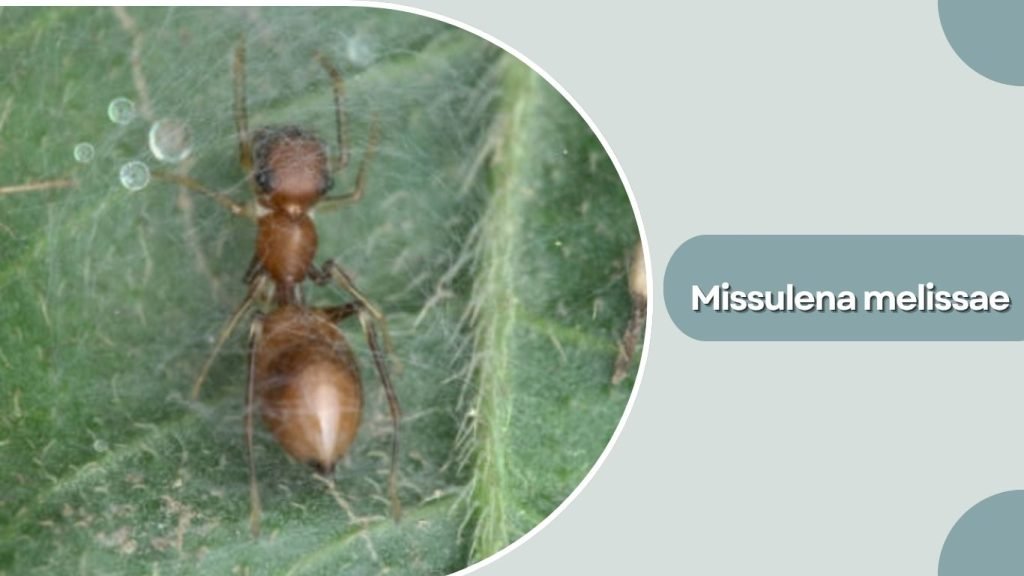
Missulena melissae is a species of mouse spider found in Australia, characterized by its dark and glossy body. It generally appears black or deep brown, with a solid and compact build that suits its ground-dwelling lifestyle. Its strong fangs make it an effective predator.
This spider lives in silk-lined burrows in loose soil, often in dry habitats such as shrublands and open forests. The burrow provides safety from predators and harsh weather, while also serving as a place to hunt. It typically stays hidden during the day.
Missulena melissae feeds mainly on insects and small invertebrates. It uses an ambush technique, waiting at the entrance of its burrow before quickly capturing prey. This method is efficient and conserves energy.
Although venomous, it is not considered dangerous to humans. Encounters are rare, and it usually avoids contact. It plays a useful role in controlling insect populations in its environment.
10. Missulena ramsayi
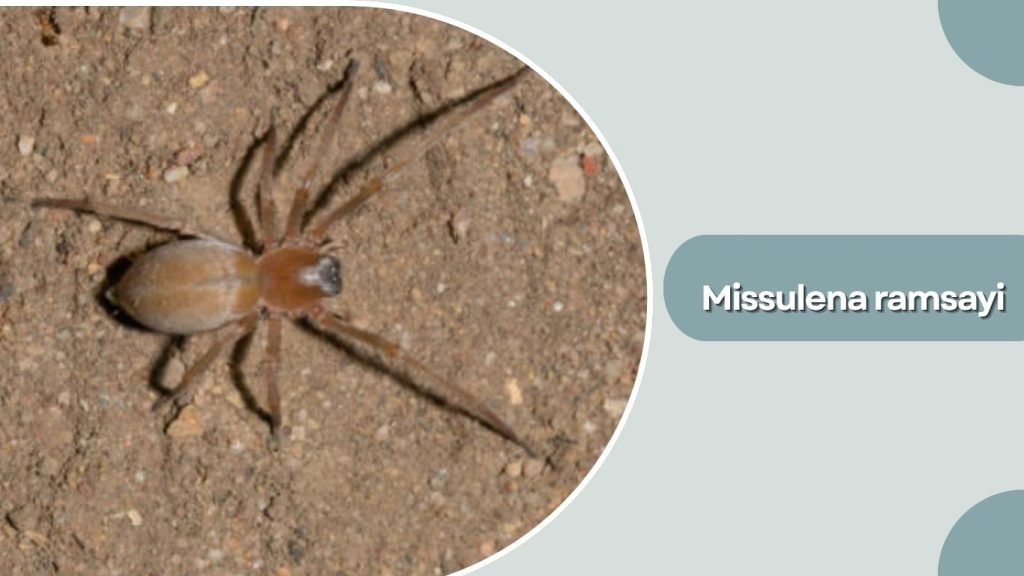
Missulena ramsayi is another Australian mouse spider species, known for its dark coloration and robust body. It lacks bright markings, giving it a more uniform appearance. Its physical strength and large fangs make it a capable hunter.
This species prefers sandy or loose soils in habitats like woodlands and grasslands. It digs silk-lined burrows that act as both shelter and hunting grounds. The spider spends most of its time inside, emerging mainly at night or during mating periods.
Missulena ramsayi preys on insects and small arthropods, using an ambush strategy. It waits patiently and strikes with speed when prey comes near. This hunting style allows it to be highly effective.
Despite being venomous, it is not highly dangerous to humans. Bites are uncommon and usually occur only when the spider is disturbed. It contributes positively to the ecosystem by helping manage insect populations.
11. Missulena rowelli
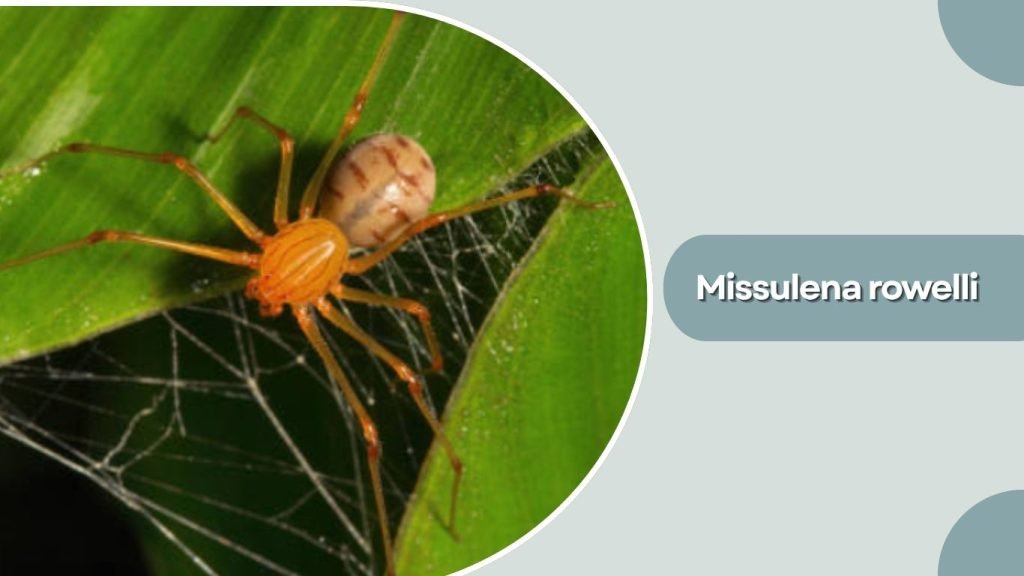
Missulena rowelli is a species of mouse spider native to Australia, known for its dark, smooth body and strong build. Like many in its genus, it lacks bright coloration, appearing mostly black or dark brown. Its powerful fangs and sturdy legs make it well suited for a life spent mostly underground.
This spider inhabits areas with loose soil such as woodlands and grasslands. It digs silk-lined burrows that provide both protection and a place to hunt. The entrance is often well hidden, allowing the spider to remain concealed from predators and prey.
Missulena rowelli feeds primarily on insects and small invertebrates. It uses an ambush hunting strategy, waiting at the burrow entrance and striking quickly when prey comes close. This approach helps it conserve energy while remaining effective.
Although venomous, it is not considered dangerous to humans. It is generally shy and avoids contact. Its presence is beneficial, as it helps control insect populations in its habitat.
12. Missulena rutraspina
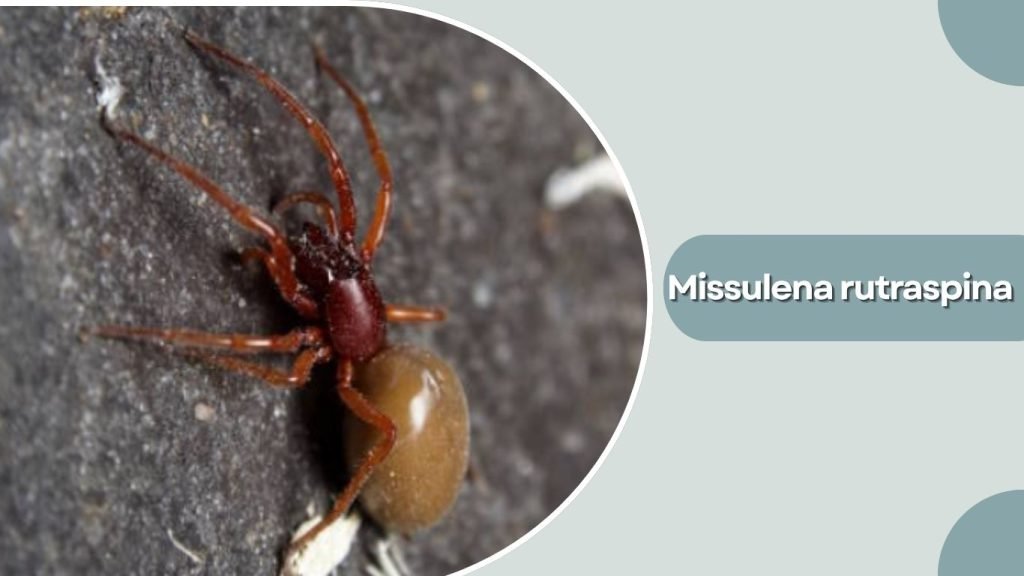
Missulena rutraspina is another mouse spider species found in Australia, characterized by its dark coloration and compact body. It blends well into its environment, which helps it avoid predators and remain undetected while hunting.
This species prefers dry habitats such as shrublands and open forests. It constructs silk-lined burrows in the soil, which serve as both shelter and a hunting site. It spends most of its life hidden inside or near the burrow.
Missulena rutraspina feeds mainly on insects and other small arthropods. It relies on an ambush strategy, waiting patiently before quickly capturing prey that passes nearby. Its strong fangs ensure a successful hunt.
Despite being venomous, it poses little threat to humans. Encounters are rare, and it is not aggressive. Like other mouse spiders, it plays an important ecological role by helping to regulate insect populations.
13. Missulena torresi
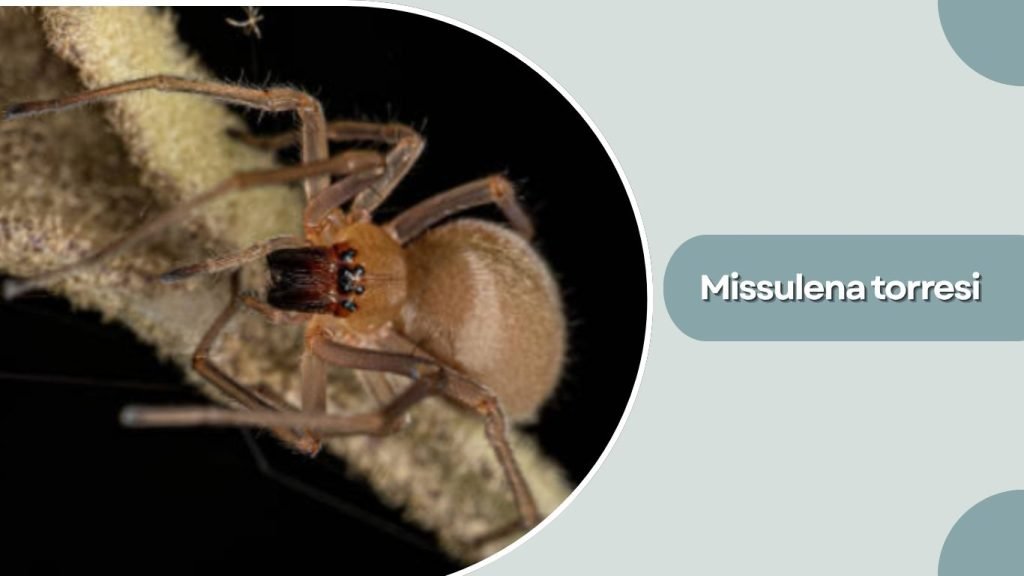
Missulena torresi is a species of mouse spider found in Australia, known for its dark and sturdy appearance. It usually has a black or deep brown body with a smooth texture. Like other mouse spiders, it has strong fangs that make it an effective predator.
This spider lives in silk-lined burrows dug into the ground, often in sandy or loose soils. It prefers habitats such as woodlands and grasslands where it can remain hidden. The burrow provides protection and serves as a base for hunting.
Missulena torresi feeds on insects and small invertebrates. It uses an ambush technique, waiting at the entrance of its burrow and striking quickly when prey comes close. This method allows it to hunt efficiently.
Although venomous, it is not considered dangerous to humans. It is generally shy and avoids contact. It plays a helpful role in maintaining ecological balance by controlling insect populations.
14. Missulena tussulena
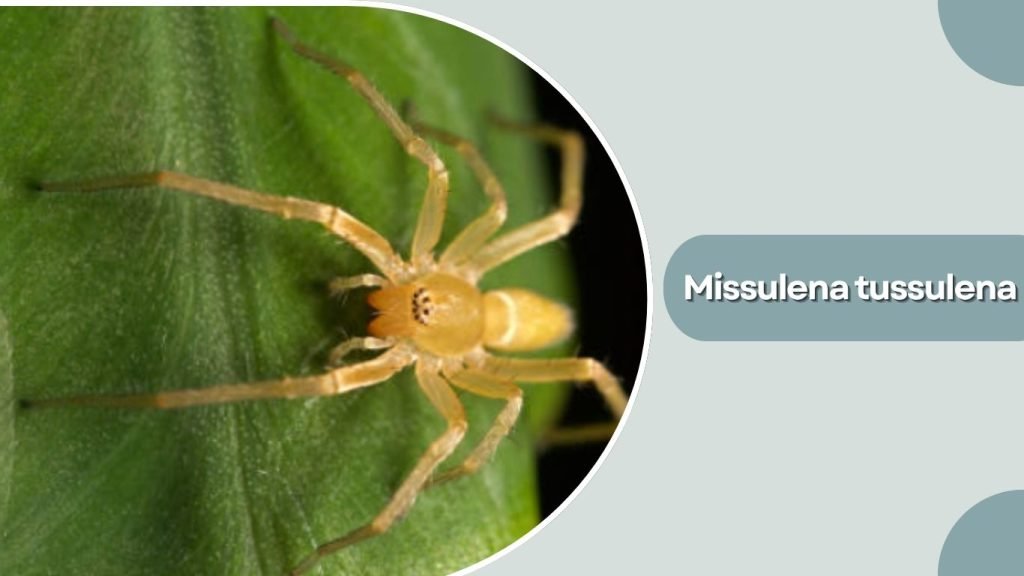
Missulena tussulena is another lesser-known mouse spider species native to Australia. It typically has a dark-colored body, ranging from black to brown, and a compact, strong build suited for burrowing and hunting.
This species prefers dry and open habitats such as shrublands and grasslands. It constructs silk-lined burrows in the soil, which act as both shelter and hunting grounds. The spider remains hidden for most of its life.
Missulena tussulena feeds mainly on insects and small arthropods. It is an ambush predator, waiting patiently near its burrow entrance before capturing prey with speed and precision.
Despite being venomous, it poses little threat to humans. Bites are rare and usually occur only when disturbed. Like other mouse spiders, it contributes to controlling insect populations in its ecosystem.
15. Missulena woollahra
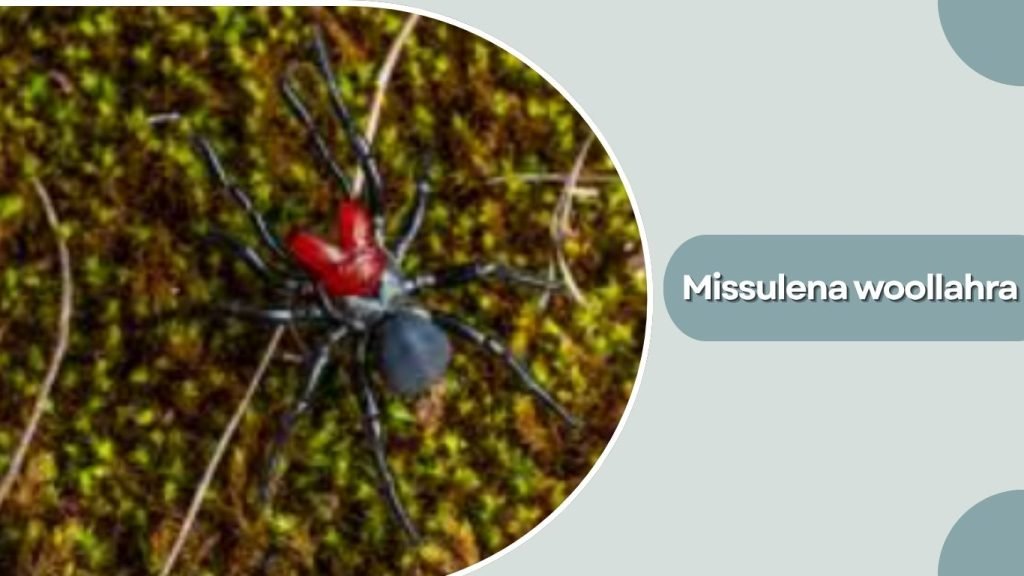
Missulena woollahra is a species of mouse spider found in Australia, known for its dark and glossy body. It typically appears black or deep brown, with a compact and robust build that is well suited for life underground. Its strong fangs make it an efficient predator.
This spider lives in silk-lined burrows dug into loose soil, often in habitats such as woodlands, grasslands, and suburban areas. The burrow provides protection from predators and harsh environmental conditions, while also serving as a place to hunt.
Missulena woollahra feeds mainly on insects and other small invertebrates. It uses an ambush strategy, waiting at the entrance of its burrow before quickly striking at passing prey. This method allows it to conserve energy while hunting effectively.
Although venomous, it is not considered dangerous to humans. Encounters are rare, and it generally avoids contact unless disturbed. Like other mouse spiders, it plays an important role in controlling insect populations and maintaining ecological balance.
