
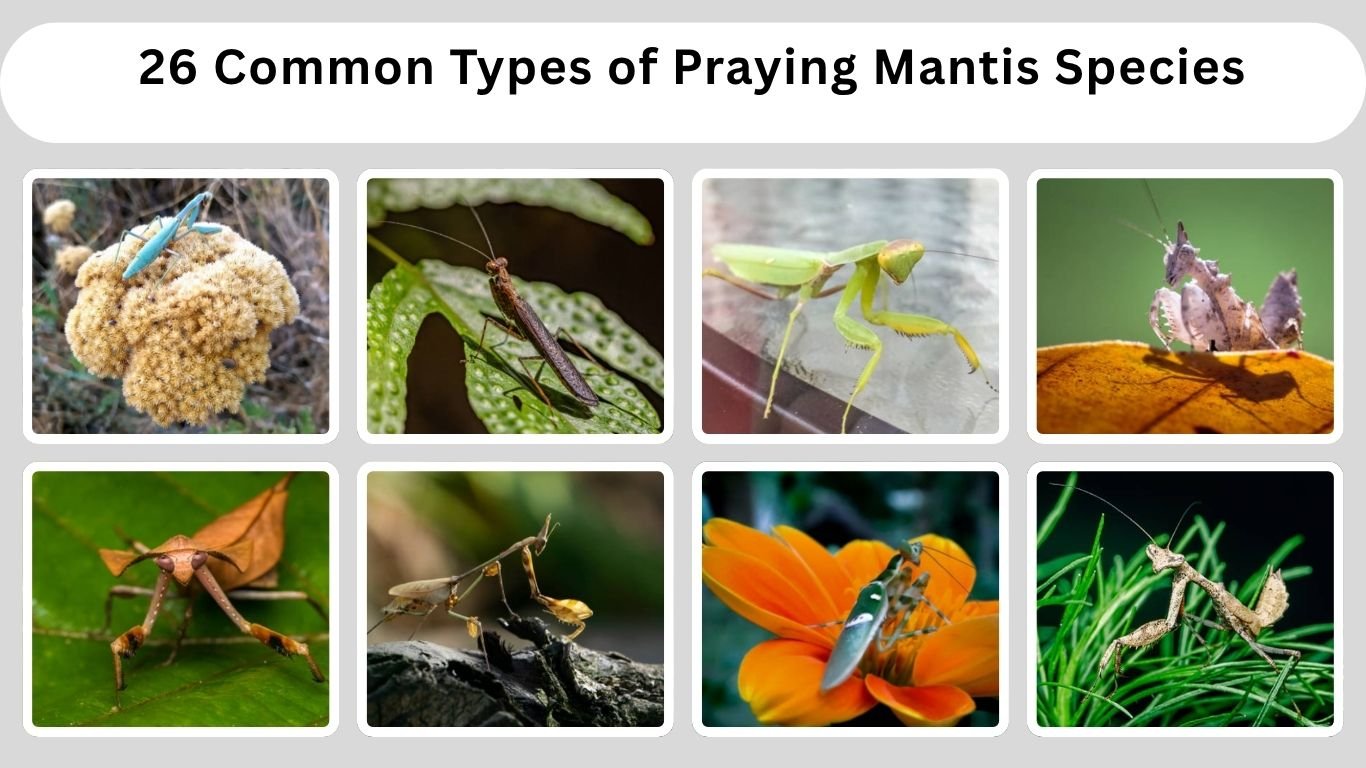
Praying mantises are fascinating insects known for their unique appearance, predatory skills, and characteristic “praying” posture. Found across a wide range of habitats—from tropical rainforests to dry deserts—these insects play an important role in controlling pest populations. With over 2,400 species worldwide, mantises come in a surprising variety of shapes, sizes, and colors.
Some species are masters of camouflage, blending seamlessly into leaves, flowers, or tree bark, while others use bright colors and mimicry to attract prey or deter predators. From the elegant Orchid mantis to the intimidating Devil’s Flower mantis, each species has evolved distinct traits that make it both effective and intriguing.
In this list, you’ll discover 26 common types of praying mantis species, each with unique characteristics, habitats, and behaviors that highlight the incredible diversity of these remarkable insects.
1. Chinese Mantis
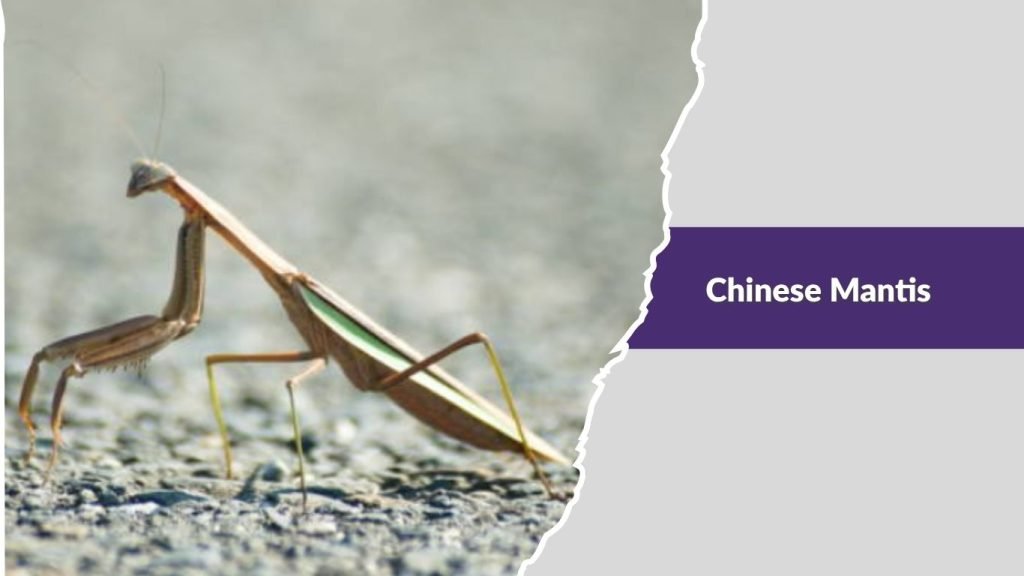
The Chinese mantis (Tenodera sinensis) is one of the most widely recognized and commonly encountered praying mantis species, especially in North America where it was introduced for pest control. Known for its impressive size and adaptability, this species thrives in gardens, fields, and woodland edges. It is a beneficial predator, feeding on a wide variety of insects and occasionally even small vertebrates.
Identification
- Large size, typically 7–11 cm (about 3–4 inches) long
- Slender, elongated body with a light green to brown coloration
- Distinct pale green stripe running along the edge of the forewings
- Triangular head with prominent compound eyes and long antennae
- Raptorial forelegs equipped with sharp spines for catching prey
Habitat and Distribution
The Chinese mantis is native to Asia but has become well established in the United States and parts of Europe. It prefers warm, temperate environments and is commonly found in tall grasses, shrubs, agricultural fields, and home gardens. Its ability to blend into vegetation makes it an effective ambush predator in these habitats.
Behavior and Diet
This species is an opportunistic hunter, relying on camouflage and patience to capture prey. It primarily feeds on insects such as flies, moths, grasshoppers, and beetles, but larger individuals may also consume small frogs, lizards, or even hummingbirds in rare cases. The Chinese mantis is solitary and highly territorial, especially during adulthood.
Reproduction
Mating typically occurs in late summer to early autumn. Females produce a frothy egg case called an ootheca, which hardens and protects dozens to hundreds of eggs through the winter. In spring, nymphs emerge resembling miniature adults and undergo several molts before reaching maturity.
2. European Mantis
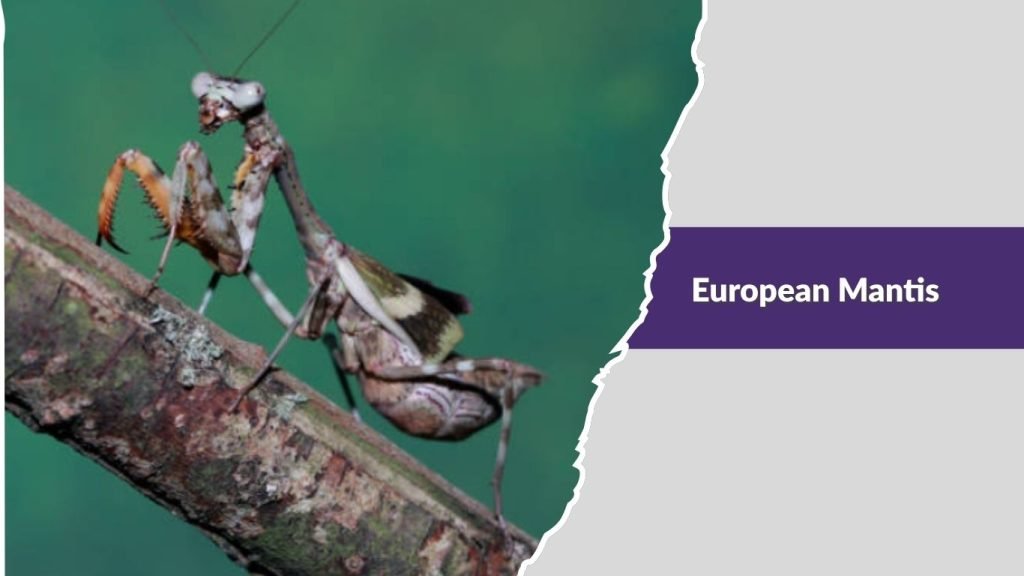
The European mantis (Mantis religiosa) is one of the most well-known and widely distributed mantis species in the world. Native to Europe, Africa, and parts of Asia, it has also been introduced to North America where it adapts well to various environments. This species is often associated with the classic “praying” posture and has cultural significance in many regions. It plays an important ecological role as a natural predator of agricultural pests.
Identification
- Medium-sized body, typically 6–8 cm (2.5–3 inches) long
- Color varies from bright green to brown, depending on environment
- Distinct black spot with a white center on the inner forelegs
- Triangular head with large compound eyes and flexible neck
- Long, narrow wings covering the abdomen
Habitat and Distribution
The European mantis thrives in warm, temperate climates and is commonly found in meadows, grasslands, gardens, and farmland. It prefers areas with plenty of vegetation where it can hide and ambush prey. Due to its adaptability, it has successfully spread beyond its native range and is now established in several parts of North America.
Behavior and Diet
This species is a patient ambush predator, relying on stillness and camouflage to catch prey. It feeds mainly on insects such as flies, crickets, and grasshoppers, but may also capture larger prey when available. The European mantis is generally solitary and may display aggressive behavior toward other mantises, especially during mating season.
Reproduction
Reproduction occurs in late summer and early autumn. Females produce a protective egg case known as an ootheca, which contains numerous eggs and helps them survive harsh winter conditions. The young nymphs hatch in spring and resemble small adults, growing through successive molts until they reach maturity.
3. Carolina Mantis
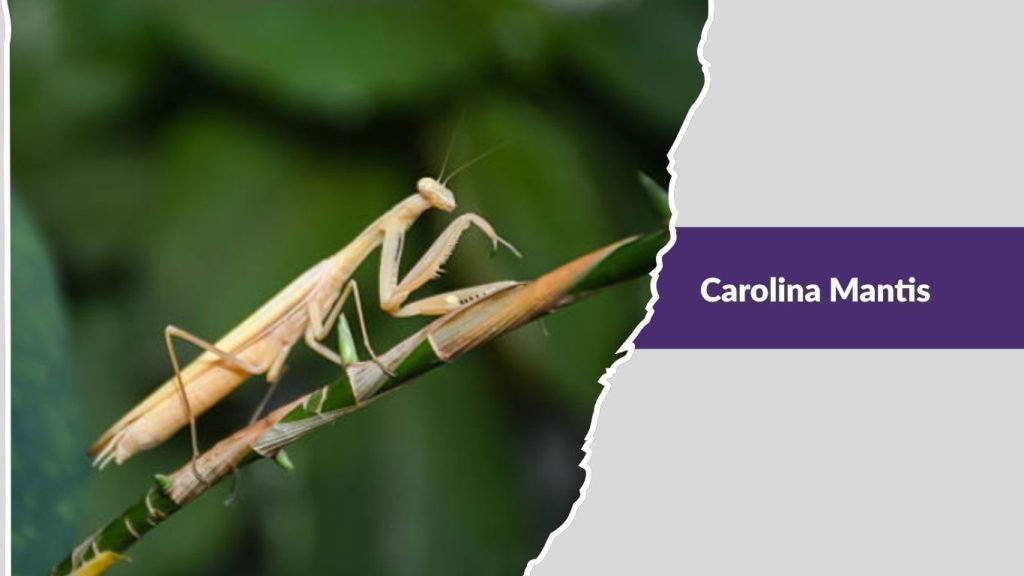
The Carolina mantis (Stagmomantis carolina) is a native North American species commonly found in the southern and eastern United States. Smaller than many other mantises, it is highly adaptable and well-suited to gardens and natural landscapes. This species is beneficial for controlling pest insects and is often welcomed by gardeners.
Identification
- Smaller size, typically 5–6 cm (2–2.5 inches) long
- Color ranges from gray and brown to green for camouflage
- Shorter wings in females, often not covering the full abdomen
- Males have longer wings and are more slender
- Triangular head with noticeable eyes and relatively short antennae
Habitat and Distribution
The Carolina mantis is widespread across the southeastern United States but can also be found in other regions. It prefers gardens, shrubs, forest edges, and grassy areas. Its coloration allows it to blend into bark, leaves, and dry vegetation, making it difficult for predators and prey to detect.
Behavior and Diet
This mantis is an ambush predator that feeds on a variety of insects including flies, moths, and small beetles. It remains still for long periods, striking quickly when prey comes within reach. Despite its smaller size, it is an efficient hunter and plays an important role in maintaining ecological balance.
Reproduction
Mating occurs in late summer, after which the female lays an ootheca attached to twigs or plant stems. The egg case protects the developing embryos through winter. Nymphs hatch in spring and go through several molts before becoming fully grown adults.
4. Giant Asian Mantis
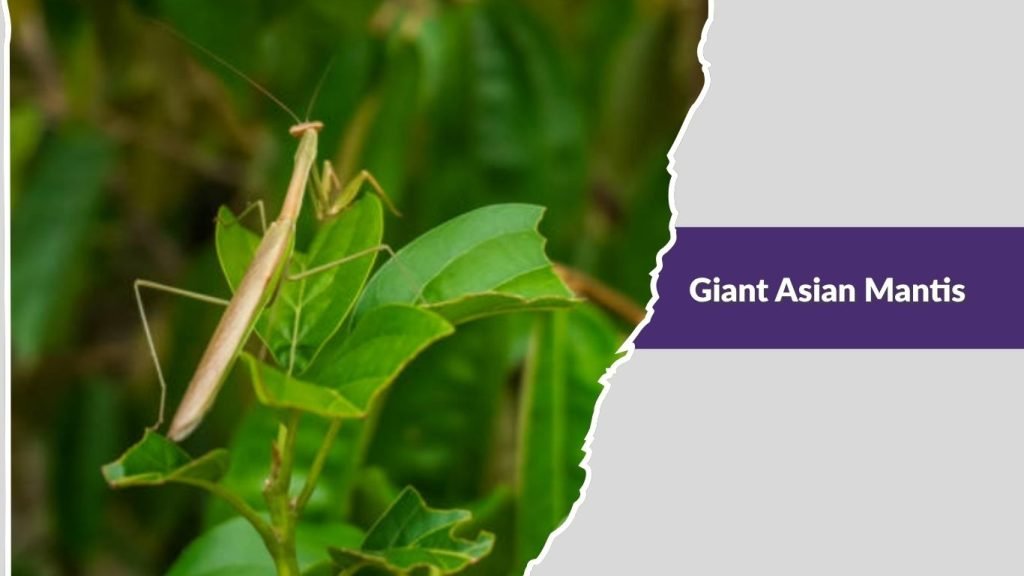
The Giant Asian mantis (Hierodula membranacea) is one of the largest and most impressive mantis species. Native to Southeast Asia, it is popular among insect enthusiasts due to its size, strength, and striking appearance. This species is known for its bold hunting behavior and adaptability in captivity.
Identification
- Large size, often 7–10 cm (3–4 inches) long
- Bright green coloration, sometimes with brown variations
- Broad body with powerful raptorial forelegs
- Prominent wings that extend over the abdomen
- Large triangular head with strong mandibles
Habitat and Distribution
This species is native to tropical and subtropical regions of Asia, including countries like India, Malaysia, and Indonesia. It inhabits forests, gardens, and agricultural areas where vegetation is dense. Warm temperatures and humidity are essential for its survival.
Behavior and Diet
The Giant Asian mantis is an aggressive and active predator. It feeds on insects such as grasshoppers, crickets, and moths, and may also capture larger prey like small reptiles or other mantises. Unlike some species, it may actively pursue prey instead of relying solely on ambush tactics.
Reproduction
After mating, females produce a large ootheca attached to vegetation. The eggs develop inside this protective casing and hatch into nymphs after several weeks or months, depending on environmental conditions. The young resemble adults but grow through multiple molts before reaching full size.
5. Ghost Mantis
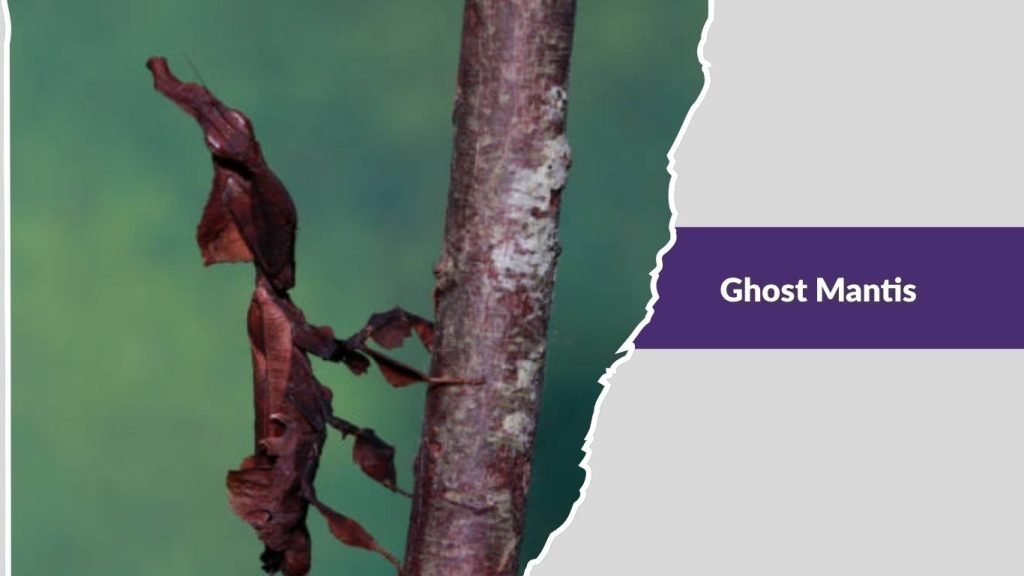
The Ghost mantis (Phyllocrania paradoxa) is a uniquely camouflaged species known for its leaf-like appearance. Native to Africa, it is one of the most popular mantises in the pet trade due to its unusual look and relatively easy care. Its body mimics dried leaves, helping it blend seamlessly into its surroundings.
Identification
- Small to medium size, about 4–6 cm (1.5–2.5 inches) long
- Brown or gray coloration resembling dead leaves
- Flattened body with leaf-like extensions on the head and limbs
- Distinct “hood” or crest on the head
- Wings often appear crumpled like dried foliage
Habitat and Distribution
The Ghost mantis is native to dry regions of Africa, including Madagascar and parts of mainland Africa. It prefers shrubs, bushes, and areas with dry leaves where its camouflage is most effective. Its natural environment often includes warm temperatures and low humidity.
Behavior and Diet
This species relies heavily on camouflage and remains motionless to avoid detection. It feeds on small insects such as flies and moths. Compared to larger mantises, it is less aggressive and tends to be more passive, making it easier to maintain in captivity.
Reproduction
Ghost mantises are known for relatively peaceful breeding compared to other species. Females lay small oothecae, and nymphs hatch after a few weeks. The young resemble miniature versions of adults and gradually develop their leaf-like features through molting.
6. Orchid Mantis
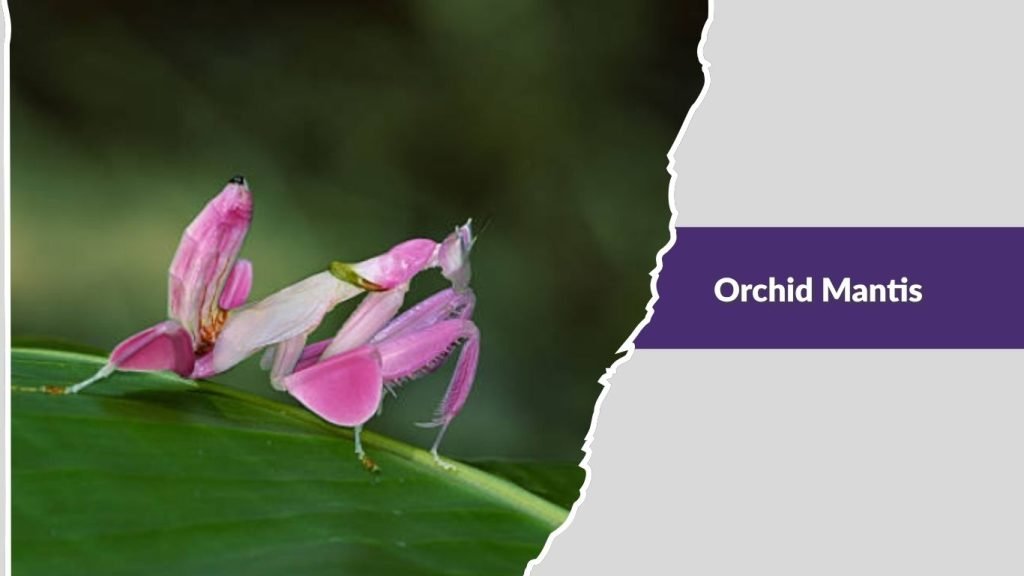
The Orchid mantis (Hymenopus coronatus) is one of the most visually striking mantis species, famous for its resemblance to flower petals. Native to Southeast Asia, it uses its appearance to attract prey rather than just hide from predators. This species is highly prized for its beauty and fascinating hunting strategy.
Identification
- Medium size, typically 5–7 cm (2–3 inches) long
- White and pink coloration resembling orchid petals
- Enlarged, petal-like legs that enhance floral mimicry
- Slender body with delicate appearance
- Large eyes and short antennae
Habitat and Distribution
This mantis is found in tropical rainforests of Southeast Asia, including Malaysia, Thailand, and Indonesia. It typically inhabits flowering plants where it can blend in with blossoms. High humidity and warm temperatures are essential for its survival.
Behavior and Diet
Unlike many mantises that rely purely on camouflage, the Orchid mantis uses aggressive mimicry to lure pollinating insects such as bees and butterflies. It remains still among flowers until prey approaches, then strikes quickly. This strategy makes it a highly effective predator.
Reproduction
After mating, females lay oothecae on plant surfaces. The eggs develop in warm, humid conditions and hatch into tiny nymphs. Interestingly, young nymphs often resemble ants before gradually developing their flower-like appearance as they grow.
7. Dead Leaf Mantis
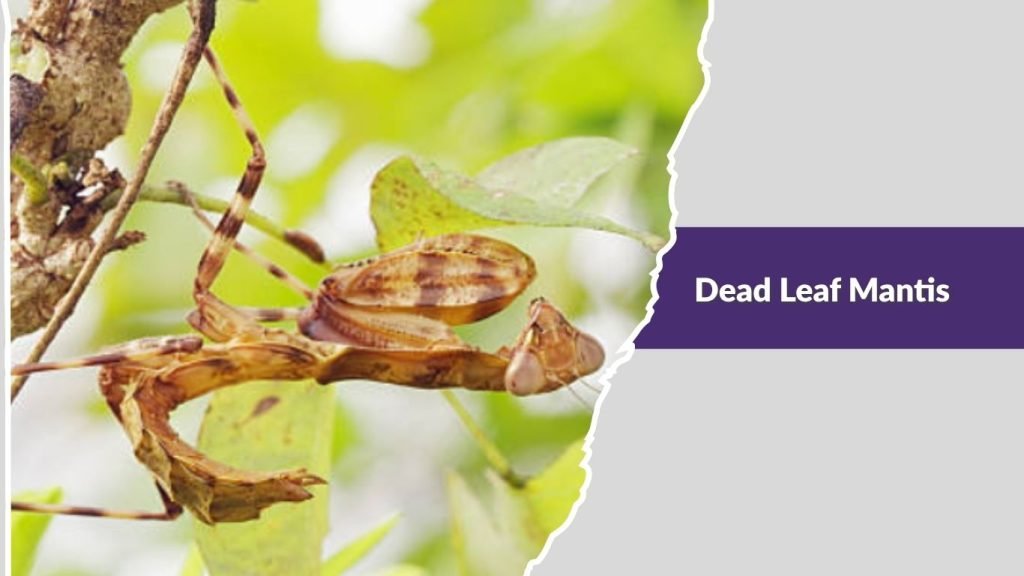
The Dead Leaf mantis (Deroplatys desiccata) is a master of camouflage, perfectly mimicking a dried, curled leaf. Native to Southeast Asia, this species is known for its flattened body and dramatic defensive displays. It is a favorite among insect enthusiasts due to its unique appearance and fascinating behavior.
Identification
- Medium to large size, around 6–9 cm (2.5–3.5 inches) long
- Brown coloration resembling a dried, decaying leaf
- Broad, flattened body with jagged edges
- Wings shaped like curled leaves with visible vein-like patterns
- Females are wider and larger than males
Habitat and Distribution
The Dead Leaf mantis is commonly found in tropical forests of countries like Malaysia and Indonesia. It inhabits leaf litter, shrubs, and low vegetation where its camouflage is most effective. The humid, warm forest environment supports its survival and reproduction.
Behavior and Diet
This mantis is primarily an ambush predator, relying on its leaf-like appearance to remain unnoticed. It feeds on insects such as crickets, moths, and flies. When threatened, it may spread its wings to reveal eye-like patterns, startling predators and giving it a chance to escape.
Reproduction
Females lay oothecae on branches or leaves, where they blend into the surroundings. The eggs hatch into nymphs that already resemble small leaves. As they grow, they molt several times, gradually developing the full leaf-like body structure of adults.
8. Spiny Flower Mantis
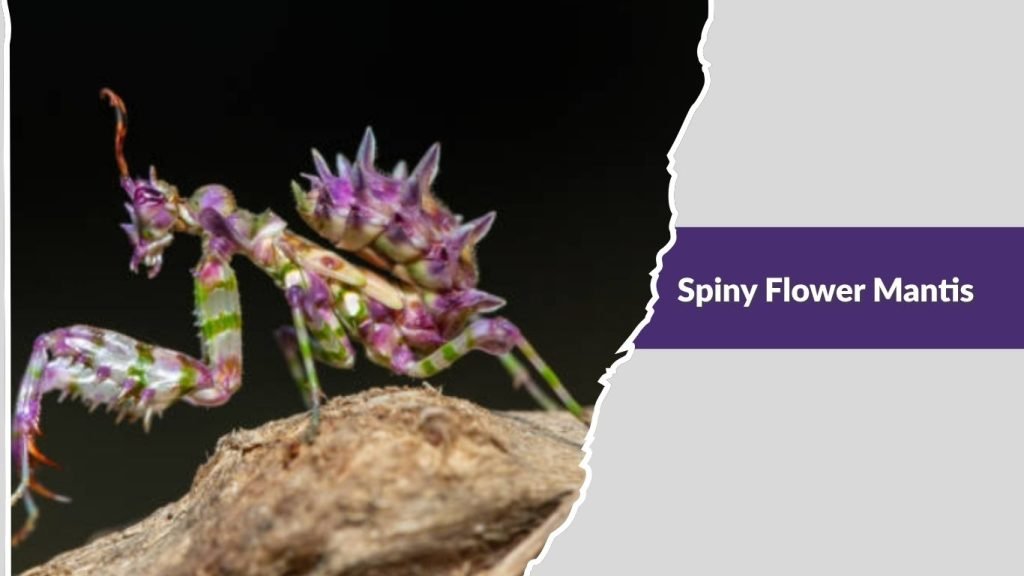
The Spiny Flower mantis (Pseudocreobotra wahlbergii) is a small but highly decorative species known for its bright colors and spiky body features. Native to Africa, it is admired for both its beauty and its bold defensive behavior. Its vivid appearance helps it blend into flowers while also warning potential predators.
Identification
- Small size, typically 3–5 cm (1–2 inches) long
- Bright white, yellow, and green coloration
- Spiky protrusions on legs and body
- Distinct eye-like patterns on the wings
- Compact body with short wings
Habitat and Distribution
This species is native to sub-Saharan Africa and is often found in gardens, shrubs, and flowering plants. It prefers warm environments with abundant insect activity, which provides ample food sources.
Behavior and Diet
The Spiny Flower mantis uses both camouflage and intimidation. It hunts insects such as flies and moths by blending into flowers. When threatened, it raises its forelegs and displays eye-like wing patterns to scare predators. Despite its small size, it is an effective and confident hunter.
Reproduction
Females produce small oothecae attached to plant surfaces. The eggs hatch into tiny nymphs that resemble ants in early stages. As they grow through successive molts, they develop their characteristic bright colors and spiny features.
9. Devil’s Flower Mantis
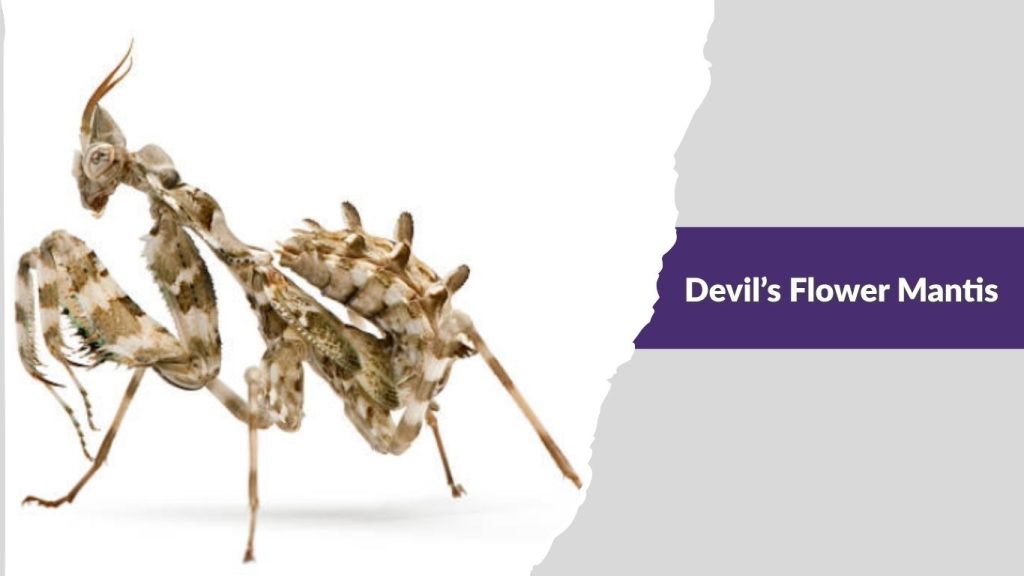
The Devil’s Flower mantis (Idolomantis diabolica) is one of the largest and most spectacular mantis species in the world. Native to Africa, it is famous for its dramatic appearance and intimidating defensive display. Its vibrant colors and unique body shape make it highly recognizable and sought after by enthusiasts.
Identification
- Large size, reaching up to 12–13 cm (5 inches) long
- Bright green, white, and purple coloration
- Petal-like extensions on legs resembling a flower
- Broad thorax with striking patterns
- Large wings used for display rather than frequent flight
Habitat and Distribution
This species is found in East Africa, particularly in countries like Kenya and Tanzania. It inhabits dry savannas, shrubs, and flowering plants where it can blend into vegetation. Warm temperatures and open environments are ideal for its survival.
Behavior and Diet
The Devil’s Flower mantis is both a camouflage expert and an aggressive predator. It feeds on insects such as flies, bees, and other pollinators. When threatened, it performs a dramatic display by spreading its legs and wings to reveal bright warning colors, deterring predators.
Reproduction
Females lay oothecae on vegetation in warm environments. The eggs develop over time and hatch into nymphs that initially look different from adults. As they grow, they molt several times, gradually developing their vivid colors and large size.
10. Shield Mantis
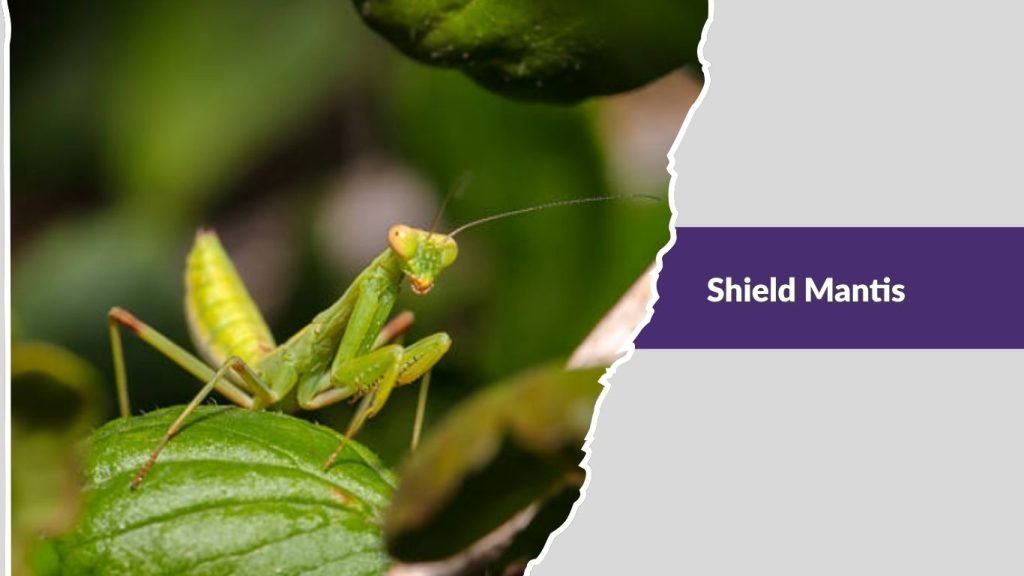
The Shield mantis (Rhombodera spp.) is known for its distinctive, shield-like thorax that gives it a unique appearance. Native to Southeast Asia, it is a large and visually striking species that thrives in humid, tropical environments.
Identification
- Medium to large size, about 7–10 cm (3–4 inches) long
- Bright green coloration, sometimes with slight variations
- Broad, leaf-like thorax resembling a shield
- Strong raptorial forelegs with sharp spines
- Large wings covering the abdomen
Habitat and Distribution
Shield mantises are found in Southeast Asia, including countries like Malaysia, Thailand, and Indonesia. They inhabit forests, gardens, and areas with dense vegetation. High humidity and warm temperatures are essential for their survival.
Behavior and Diet
This species is an ambush predator that relies on camouflage among leaves. It feeds on a variety of insects such as grasshoppers, moths, and flies. Despite its calm appearance, it is a powerful hunter capable of capturing relatively large prey.
Reproduction
Females produce oothecae attached to branches or leaves. The eggs are protected within this casing until they hatch into nymphs. The young resemble small adults and grow through multiple molts before reaching maturity.
11. Conehead Mantis
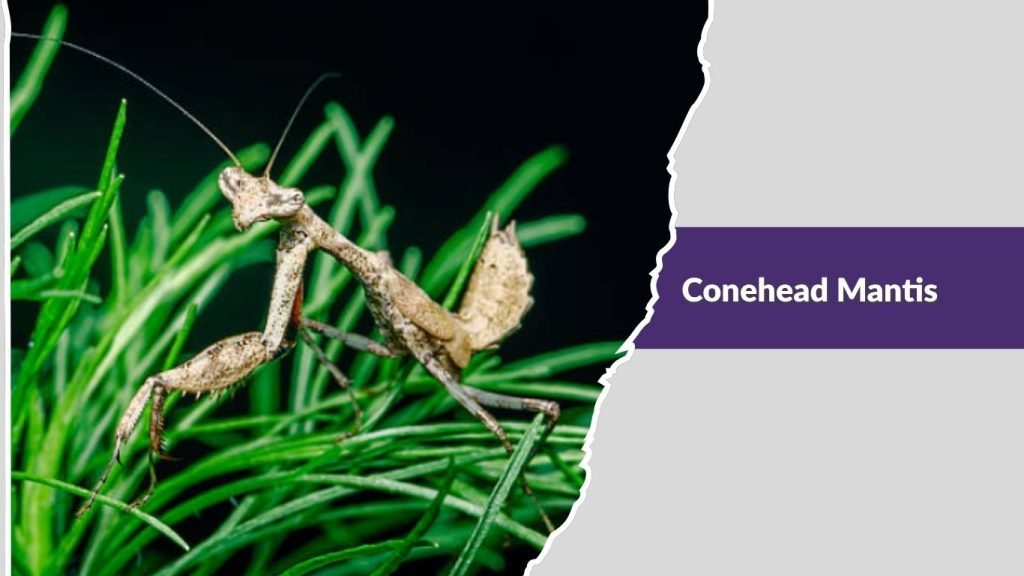
The Conehead mantis (Empusa spp.) is a distinctive species known for the cone-shaped projection on its head. Native to Europe, Africa, and parts of Asia, it has a slender, almost alien-like appearance. Its unique body structure and slow, swaying movements help it blend seamlessly into its surroundings.
Identification
- Medium size, typically 6–8 cm (2.5–3 inches) long
- Slender, elongated body with green or brown coloration
- Prominent cone-shaped extension on top of the head
- Thin, spiny limbs adapted for grasping prey
- Wings that may be fully developed in adults
Habitat and Distribution
Conehead mantises are found in dry, warm regions including Mediterranean areas, North Africa, and parts of the Middle East. They prefer shrubs, grasses, and open woodlands where they can camouflage among vegetation.
Behavior and Diet
This species uses slow, rocking movements to mimic leaves swaying in the wind, enhancing its camouflage. It feeds on insects such as flies, moths, and small grasshoppers. The Conehead mantis is a patient hunter, relying on stealth rather than speed.
Reproduction
After mating, females lay oothecae attached to plants. The eggs develop inside this protective case and hatch into nymphs that resemble miniature adults. These nymphs grow through several molts before reaching full maturity.
12. African Mantis
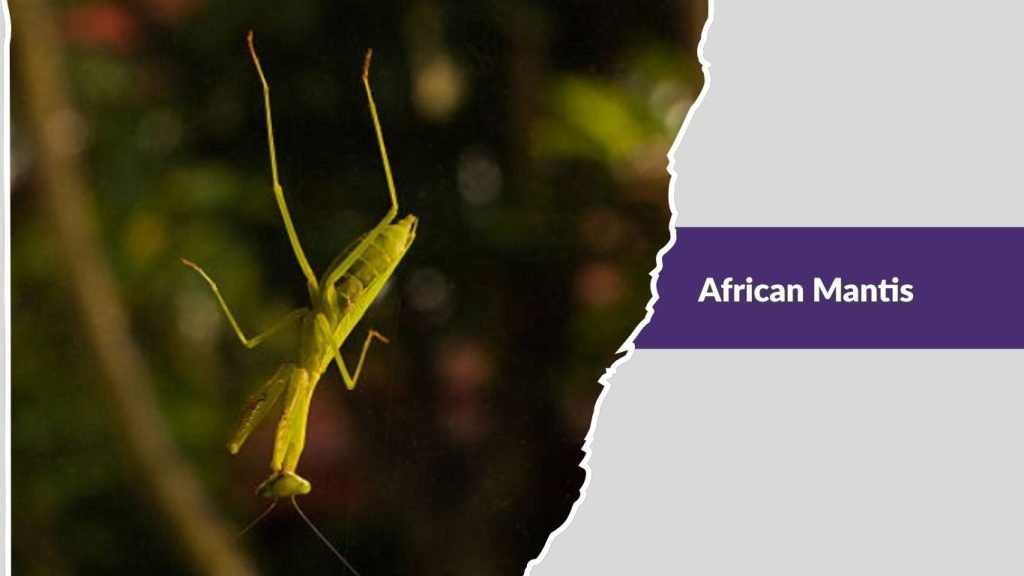
The African mantis (Sphodromantis lineola) is a robust and hardy species commonly found across sub-Saharan Africa. It is popular in captivity due to its adaptability and relatively simple care requirements. This mantis is known for its strong build and active hunting style.
Identification
- Medium to large size, about 6–8 cm (2.5–3 inches) long
- Bright green coloration, sometimes with brown variations
- Thick, sturdy body with powerful forelegs
- Distinct yellow or orange markings on inner forelegs
- Large wings covering the abdomen
Habitat and Distribution
The African mantis inhabits a wide range of environments, including savannas, forests, and gardens. It is well adapted to warm climates and can tolerate varying levels of humidity, making it widespread across sub-Saharan regions.
Behavior and Diet
This species is an aggressive and active predator. It feeds on a variety of insects such as crickets, flies, and grasshoppers. Compared to more passive mantises, the African mantis may actively pursue prey rather than waiting in ambush.
Reproduction
Females lay oothecae on plants or other surfaces, where the eggs are protected until hatching. The nymphs emerge as small versions of adults and undergo multiple molts as they grow. Under favorable conditions, they develop quickly into mature mantises.
13. Indian Flower Mantis
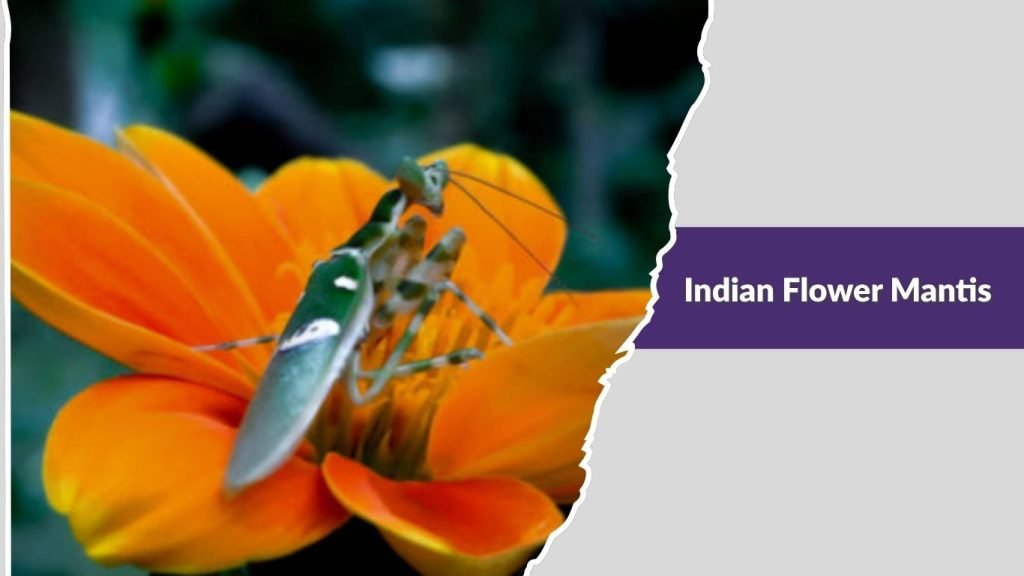
The Indian Flower mantis (Creobroter pictipennis) is a small, brightly colored species known for its striking patterns and flower-like appearance. Native to India and surrounding regions, it is admired for both its beauty and its effective hunting strategy. Its coloration helps it blend into flowers while also serving as a warning to predators.
Identification
- Small size, typically 3–5 cm (1–2 inches) long
- White, green, and yellow coloration with decorative patterns
- Distinct eye-like markings on the wings
- Compact body with petal-like leg structures
- Short wings compared to body size
Habitat and Distribution
This species is commonly found in India and parts of Southeast Asia. It prefers gardens, grasslands, and areas rich in flowering plants. Warm temperatures and moderate humidity support its natural habitat.
Behavior and Diet
The Indian Flower mantis uses both camouflage and mimicry to hunt. It blends into flowers and ambushes insects such as flies, bees, and butterflies. When threatened, it may display its wings to reveal eye-like spots that startle predators.
Reproduction
Females lay small oothecae on plant stems or leaves. The eggs hatch into tiny nymphs that initially resemble ants, helping them avoid predators. As they grow, they molt several times and gradually develop their adult coloration and patterns.
14. Budwing Mantis
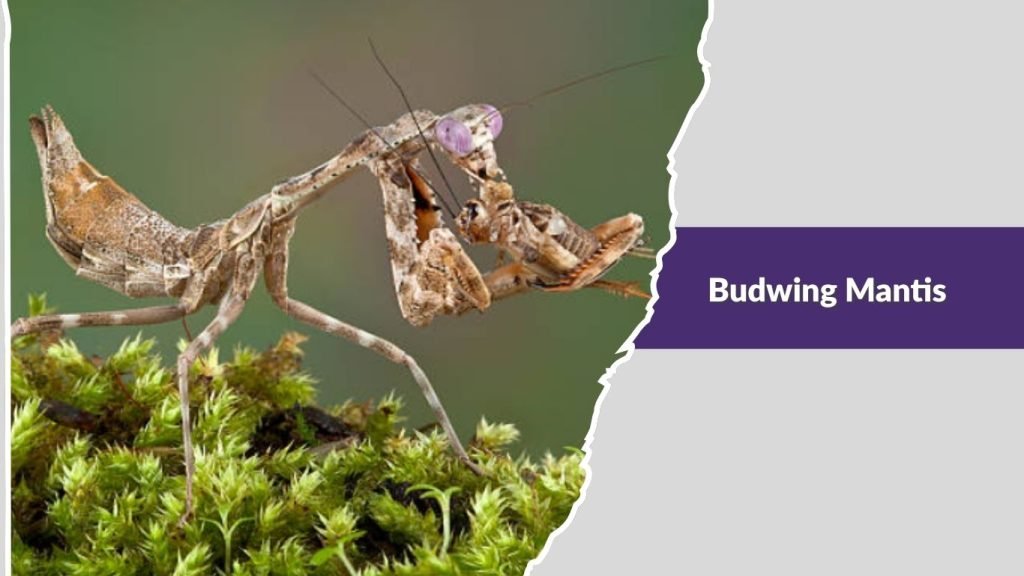
The Budwing mantis (Parasphendale spp.) is a unique species known for its undeveloped wings, especially in females. Native to Africa, it has a robust appearance and is often recognized by its strong, ground-dwelling behavior. Unlike many mantises, it spends more time walking than climbing.
Identification
- Medium size, around 5–7 cm (2–3 inches) long
- Brown or tan coloration suited for dry environments
- Females have very short, bud-like wings
- Males have longer wings and are more slender
- Strong, stocky body with powerful forelegs
Habitat and Distribution
Budwing mantises are native to southern Africa and are typically found in dry, open habitats such as grasslands and scrublands. They prefer areas with sparse vegetation and warm climates.
Behavior and Diet
This species is more active than many mantises and often hunts on the ground. It feeds on insects such as beetles, crickets, and other small invertebrates. Budwing mantises are known for their bold and sometimes aggressive hunting behavior.
Reproduction
Females lay oothecae attached to rocks, sticks, or vegetation. The eggs are protected within this casing until they hatch. Nymphs emerge and begin hunting almost immediately, growing through successive molts until reaching adulthood.
15. Boxer Mantis
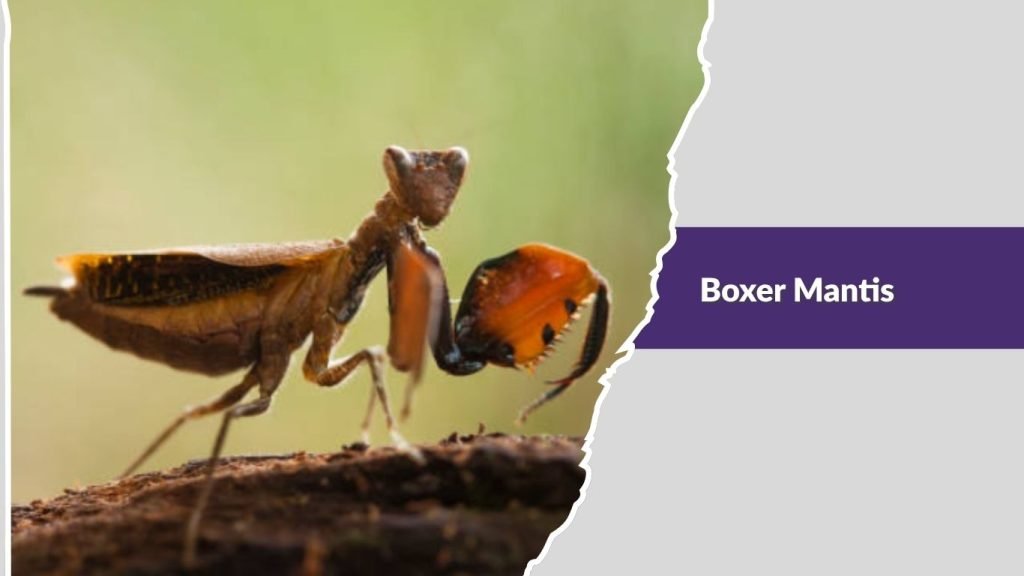
The Boxer mantis (Acromantis spp.) is a small but fascinating species known for its defensive behavior that resembles a boxing stance. Native to Southeast Asia, it is popular among insect enthusiasts for its unique posture and compact size.
Identification
- Small size, typically 3–5 cm (1–2 inches) long
- Brown or green coloration for camouflage
- Forelegs held up in a “boxing” position when threatened
- Slender body with relatively short wings
- Triangular head with prominent eyes
Habitat and Distribution
Boxer mantises are found in Southeast Asia, including countries like Malaysia, Thailand, and Indonesia. They inhabit forests, shrubs, and garden plants where they can hide among leaves and branches.
Behavior and Diet
This species is known for its defensive display, raising its forelegs as if preparing to fight. It feeds on small insects such as flies and moths. Despite its small size, it is an effective ambush predator that relies on quick reflexes.
Reproduction
Females lay small oothecae on plant surfaces. The eggs develop inside and hatch into nymphs that resemble tiny adults. These nymphs grow through several molts before reaching maturity.
16. Violin Mantis
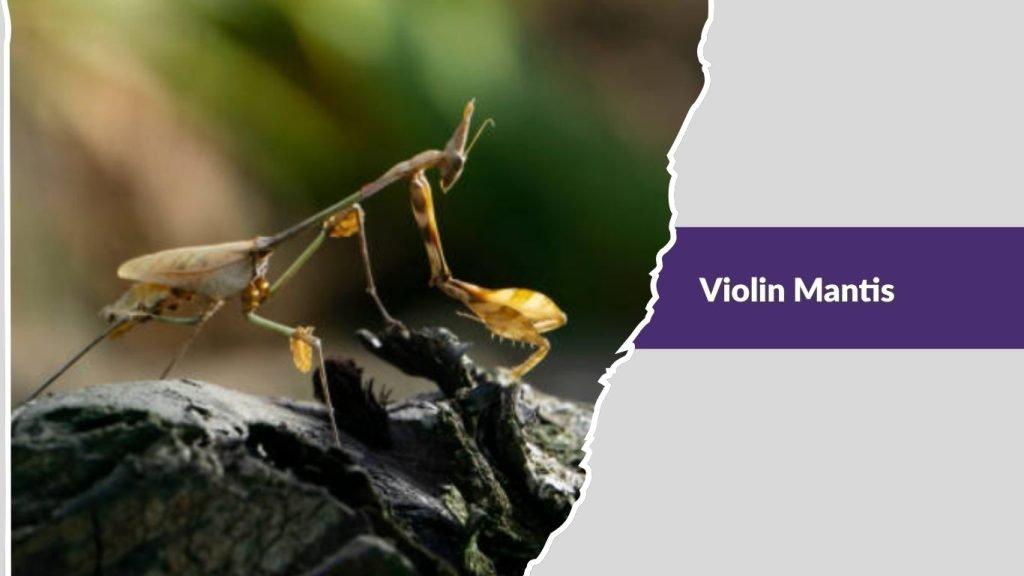
The Violin mantis (Gongylus gongylodes) is a highly distinctive species recognized for its elongated body and ornate leg structures that resemble a violin shape. Native to India and parts of Southeast Asia, it is both elegant and well-camouflaged.
Identification
- Medium size, about 6–8 cm (2.5–3 inches) long
- Slender, elongated body with brown or gray coloration
- Leaf-like expansions on limbs and thorax
- Long legs with decorative lobes
- Small head compared to body size
Habitat and Distribution
This species is found in dry regions of India and Southeast Asia. It prefers shrubs, dry vegetation, and open woodland areas where it can blend into branches and leaves.
Behavior and Diet
The Violin mantis uses camouflage and slow movements to mimic twigs and leaves. It feeds on flying insects such as flies and moths, often catching them mid-air. Its unique body shape helps it remain undetected by both prey and predators.
Reproduction
Females produce oothecae attached to branches or plant stems. The eggs are protected until they hatch into nymphs, which resemble miniature adults. These nymphs grow through multiple molts, gradually developing their characteristic elongated form.
17. Malaysian Dead Leaf Mantis
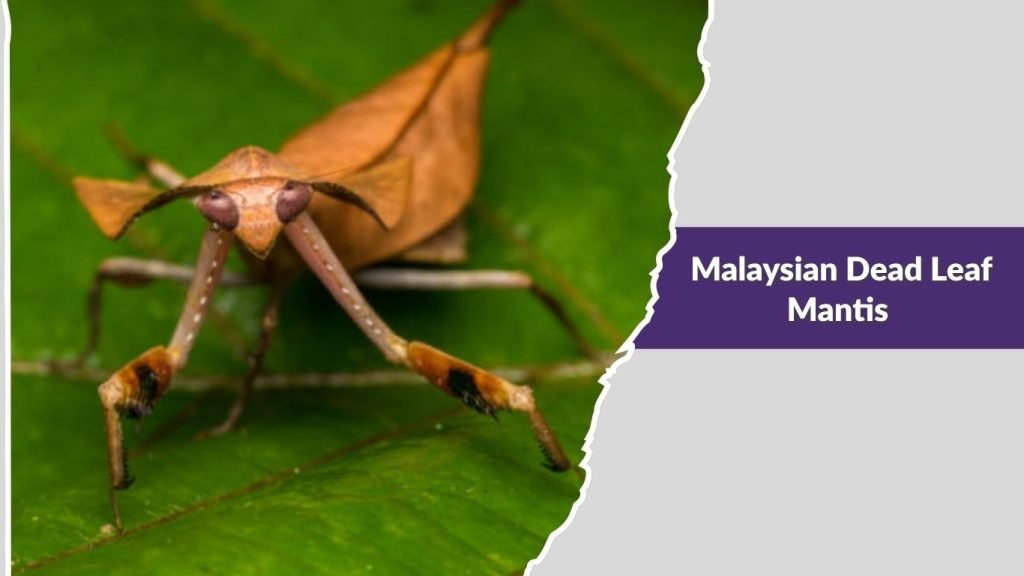
The Malaysian Dead Leaf mantis (Deroplatys lobata) is a remarkable species known for its uncanny resemblance to a dried leaf. Native to Southeast Asia, it is highly valued for its camouflage abilities and unique body shape. This mantis is both an effective predator and a master of disguise.
Identification
- Medium to large size, about 6–8 cm (2.5–3 inches) long
- Brown coloration with patterns resembling leaf veins
- Broad, flattened body shaped like a dried leaf
- Wide abdomen, especially in females
- Wings mimic curled, decaying foliage
Habitat and Distribution
This species is found in Malaysia, Indonesia, and surrounding Southeast Asian regions. It inhabits tropical forests and dense vegetation where fallen leaves are abundant. Its natural camouflage allows it to blend perfectly into forest floors and shrubs.
Behavior and Diet
The Malaysian Dead Leaf mantis relies heavily on camouflage, remaining motionless to avoid detection. It feeds on insects such as crickets, flies, and moths. When threatened, it may sway gently to imitate a leaf moving in the wind.
Reproduction
Females lay oothecae on branches or hidden surfaces. The eggs are protected within this casing until they hatch into nymphs. The young already resemble small leaves and develop further through successive molts.
18. Unicorn Mantis
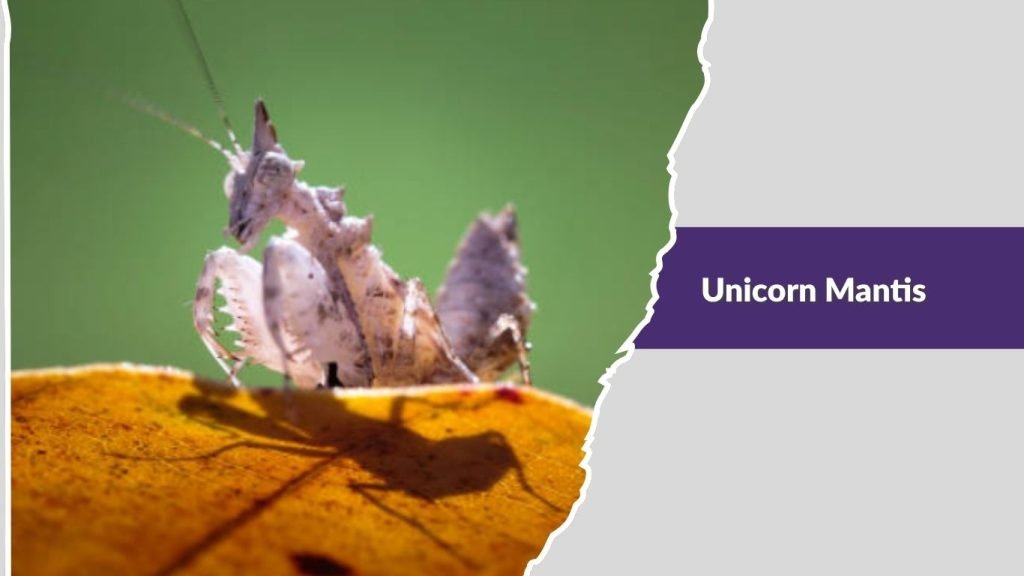
The Unicorn mantis (Phyllovates chlorophaea) is a striking species known for the horn-like projection on its head, giving it a “unicorn” appearance. Native to Central and South America, it is admired for its unusual look and excellent camouflage.
Identification
- Medium size, typically 5–7 cm (2–3 inches) long
- Green or brown coloration for blending into foliage
- Distinct horn-like projection on the head
- Slender body with leaf-like extensions
- Long legs adapted for grasping prey
Habitat and Distribution
This mantis is found in tropical regions of Central and South America. It prefers forests, shrubs, and leafy environments where it can remain hidden among vegetation.
Behavior and Diet
The Unicorn mantis is an ambush predator that uses camouflage to remain undetected. It feeds on small insects such as flies, moths, and beetles. Its stillness and patience make it highly effective at capturing prey.
Reproduction
Females lay oothecae attached to leaves or branches. The eggs develop safely inside until they hatch into nymphs. These nymphs resemble tiny adults and grow through several molts before reaching full maturity.
19. Desert Mantis
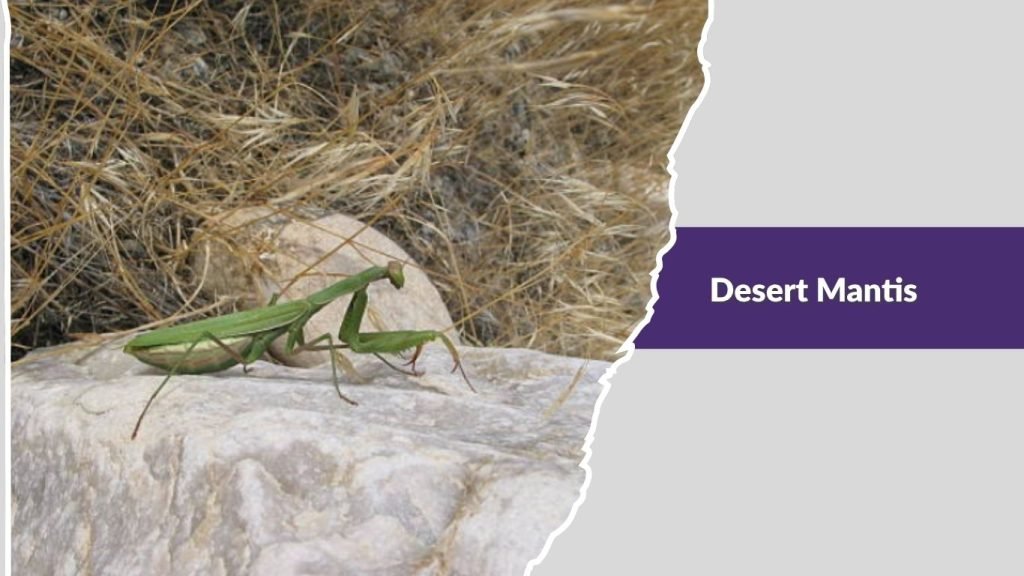
The Desert mantis (Eremiaphila spp.) is a ground-dwelling species specially adapted to life in arid environments. Unlike many mantises that live in vegetation, this species thrives on sandy terrain and is well-camouflaged against the desert landscape.
Identification
- Small to medium size, about 4–7 cm (1.5–3 inches) long
- Sandy brown or pale coloration matching desert surroundings
- Short wings, especially in females
- Flattened body adapted for ground movement
- Large eyes suited for spotting prey in open areas
Habitat and Distribution
Desert mantises are found in North Africa and the Middle East. They inhabit dry, sandy deserts and scrublands where vegetation is sparse. Their coloration allows them to blend perfectly with sand and rocks.
Behavior and Diet
This species is more active than many mantises and often hunts on the ground. It feeds on insects such as ants, beetles, and small grasshoppers. Instead of waiting in ambush, it may actively search for prey, especially at dusk or night.
Reproduction
Females lay oothecae in or on sandy soil, where the eggs are protected from harsh conditions. The nymphs hatch and begin life on the ground, growing through multiple molts until adulthood.
20. Ant Mantis
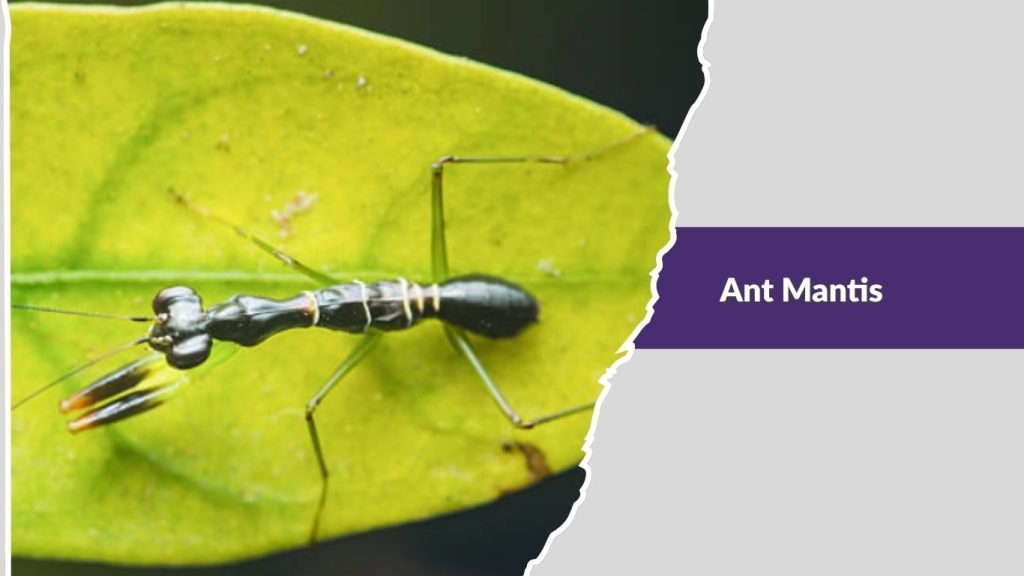
The Ant mantis (Odontomantis spp.) is a small and fascinating species known for its ant-mimicking behavior during early life stages. This adaptation helps protect it from predators by blending in with ant colonies.
Identification
- Very small size, typically 2–4 cm (0.8–1.5 inches) long
- Brown or black coloration, especially in nymph stage
- Nymphs resemble ants in shape and movement
- Slender body with delicate legs
- Adults develop small wings
Habitat and Distribution
Ant mantises are found in Southeast Asia and other tropical regions. They inhabit gardens, shrubs, and forest edges where ants are commonly present, enhancing their mimicry effectiveness.
Behavior and Diet
Young nymphs mimic ants in both appearance and movement to avoid predators. As they mature, they transition into typical mantis hunters. They feed on small insects such as flies and tiny beetles, relying on stealth and quick strikes.
Reproduction
Females lay small oothecae on plant surfaces. The eggs hatch into ant-like nymphs, which gradually lose their ant resemblance as they grow. Through successive molts, they develop into fully formed adult mantises.
21. Grass Mantis
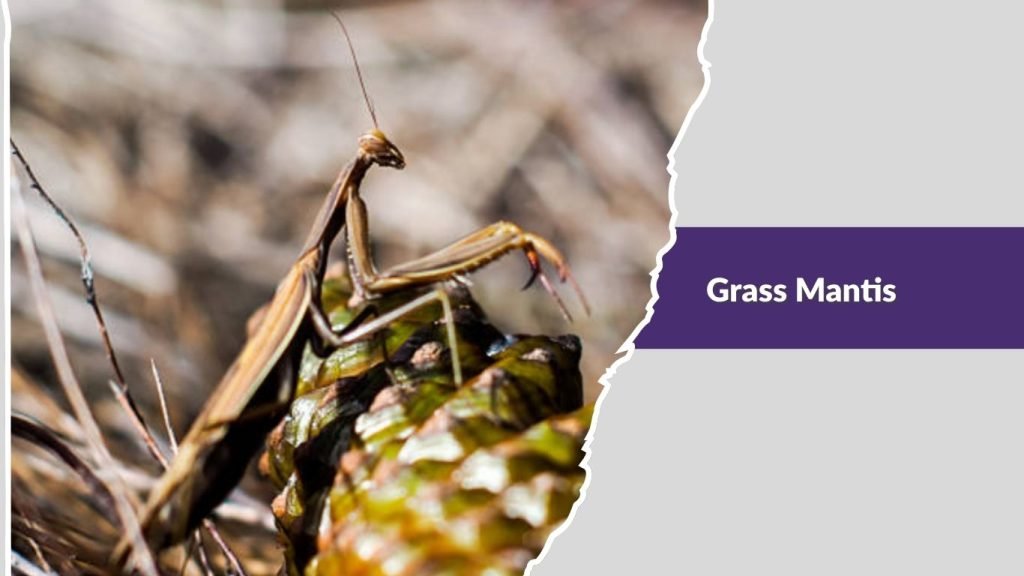
The Grass mantis (Thesprotia spp.) is a slender and highly camouflaged species that closely resembles blades of grass. Native to the Americas, it is well adapted to grassy environments where it can remain almost invisible to both predators and prey.
Identification
- Slender, elongated body, about 5–7 cm (2–3 inches) long
- Green or brown coloration matching grass
- Very thin body resembling a grass blade
- Long legs and narrow wings
- Small head compared to body length
Habitat and Distribution
Grass mantises are commonly found in North and South America. They inhabit grasslands, meadows, and fields where tall grasses provide excellent camouflage. Their body shape allows them to blend seamlessly into their surroundings.
Behavior and Diet
This species relies on camouflage and stillness to ambush prey. It feeds on small insects such as flies, grasshoppers, and moths. Its slow movements mimic swaying grass, making it difficult for predators to detect.
Reproduction
Females lay oothecae attached to grass stems or nearby vegetation. The eggs are protected until they hatch into nymphs, which resemble tiny grass-like mantises. They grow through several molts before reaching adulthood.
22. Bark Mantis
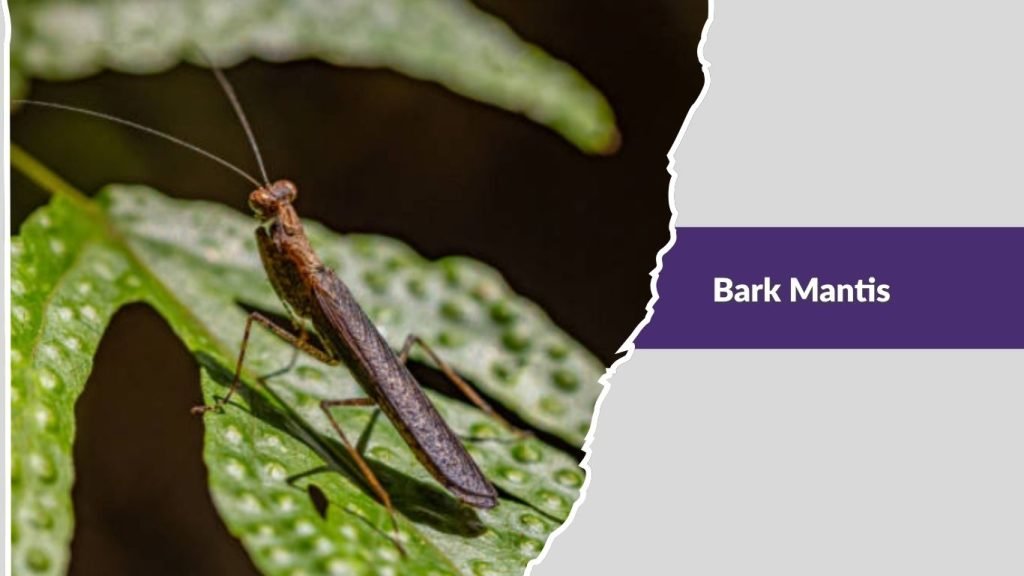
The Bark mantis (Liturgusa spp.) is a fast-moving species known for its ability to blend into tree bark. Unlike many mantises that prefer foliage, this species spends most of its time on tree trunks, where its coloration provides excellent camouflage.
Identification
- Medium size, typically 5–7 cm (2–3 inches) long
- Gray, brown, or mottled coloration resembling tree bark
- Flattened body adapted for clinging to surfaces
- Strong legs designed for quick movement
- Wings that lie flat along the body
Habitat and Distribution
Bark mantises are found in Central and South America. They inhabit forests and wooded areas, especially on tree trunks and branches. Their camouflage allows them to blend perfectly with bark textures.
Behavior and Diet
Unlike typical ambush mantises, Bark mantises are very active hunters. They move quickly across tree surfaces to chase prey. Their diet includes insects such as ants, beetles, and flies. Their speed makes them unique among mantis species.
Reproduction
Females lay oothecae on tree bark, where they remain hidden from predators. The eggs hatch into nymphs that already resemble bark-dwelling mantises. These nymphs grow through multiple molts until they reach maturity.
23. Twig Mantis
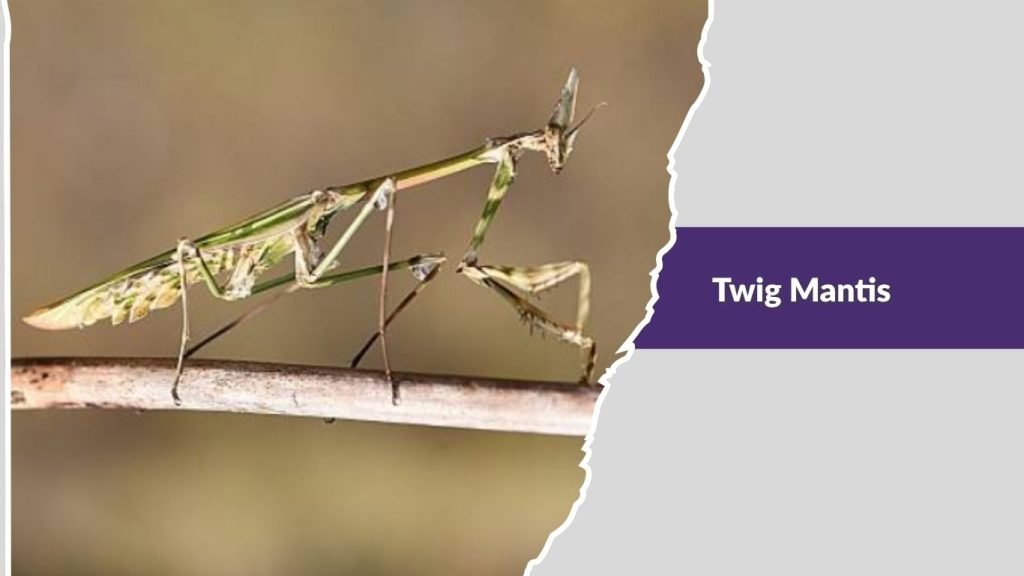
The Twig mantis (Popa spurca) is a master of disguise, closely resembling a thin, dry twig. Native to Africa, this species uses its stick-like appearance to remain hidden from predators and prey alike. Its camouflage is so effective that it is often mistaken for part of the plant it rests on.
Identification
- Medium size, typically 6–8 cm (2.5–3 inches) long
- Brown or gray coloration resembling dry twigs
- Extremely slender, stick-like body
- Long, thin legs that enhance its twig mimicry
- Small head with subtle features
Habitat and Distribution
Twig mantises are found across various parts of Africa. They inhabit shrubs, bushes, and dry vegetation where their twig-like appearance helps them blend in. They are especially common in areas with sparse foliage.
Behavior and Diet
This species relies on stillness and camouflage to hunt. It remains motionless for long periods, waiting for insects such as flies and small beetles to come within reach. Its slow movements further enhance its disguise as a twig.
Reproduction
Females lay oothecae attached to branches or twigs, where they are well hidden. The eggs hatch into nymphs that resemble tiny sticks. These nymphs grow through several molts before reaching adulthood.
24. Rainbow Mantis
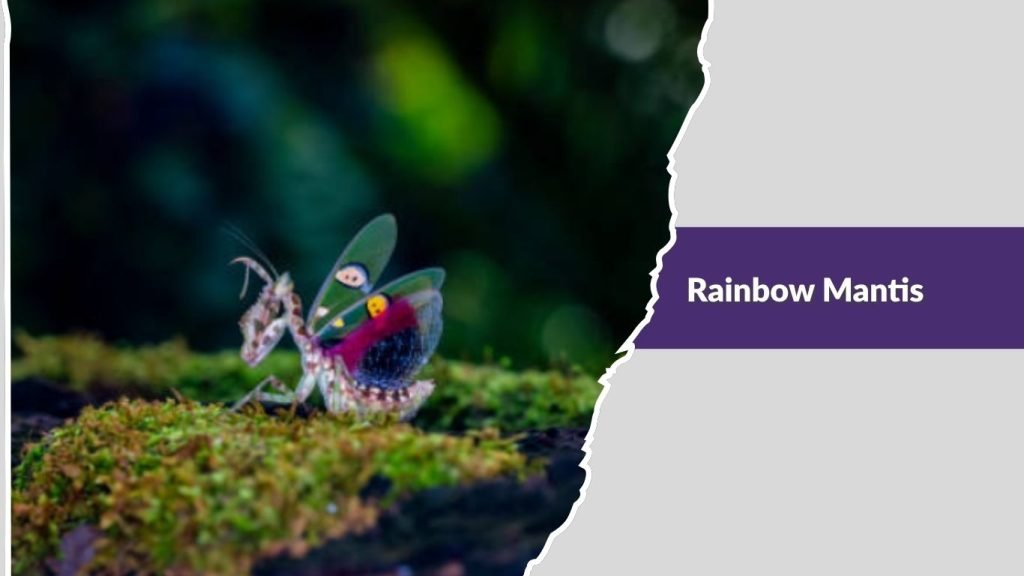
The Rainbow mantis (Chroicoptera spp.) is a colorful and less commonly known species admired for its subtle iridescent tones. Native to parts of Africa, it is a small mantis that combines beauty with effective camouflage.
Identification
- Small size, about 3–5 cm (1–2 inches) long
- Green base color with hints of yellow or iridescent tones
- Slender body with delicate legs
- Smooth wings with slight color variations
- Small triangular head with noticeable eyes
Habitat and Distribution
Rainbow mantises are found in tropical and subtropical regions of Africa. They inhabit grassy areas, shrubs, and low vegetation where their coloration helps them blend into the environment.
Behavior and Diet
This species is an ambush predator, feeding on small insects such as flies and tiny moths. It relies on camouflage and quick reflexes to capture prey. Despite its small size, it is an efficient hunter.
Reproduction
Females produce small oothecae attached to plant stems or leaves. The eggs hatch into nymphs that resemble miniature adults. These nymphs grow through successive molts, gradually developing their full coloration and form.
25. Florida Bark Mantis
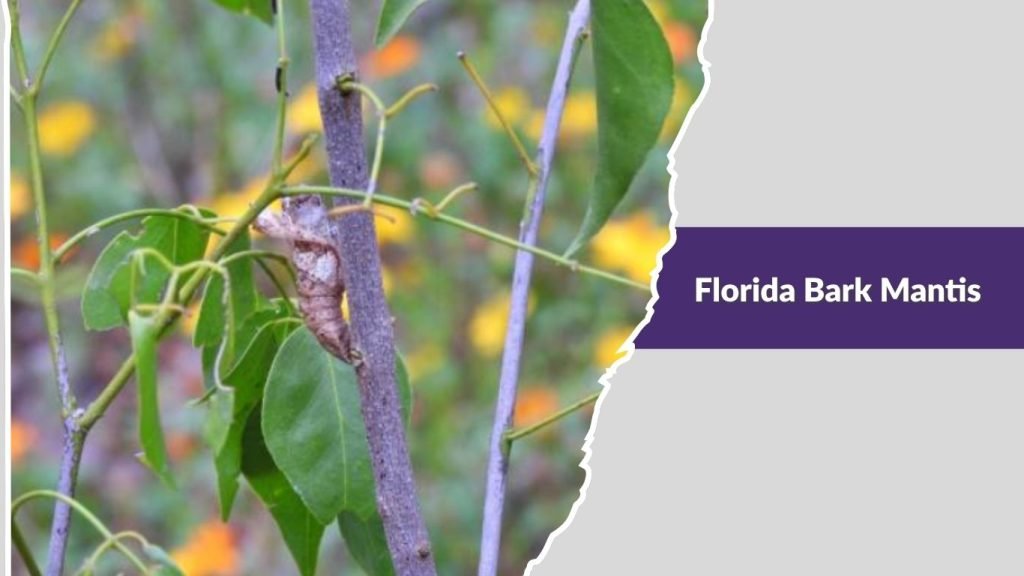
The Florida Bark mantis (Gonatista grisea) is a well-camouflaged species native to the southeastern United States. It is especially known for its ability to blend perfectly with tree bark, making it difficult to detect. This species is commonly found in Florida and nearby regions.
Identification
- Medium size, typically 5–6 cm (2–2.5 inches) long
- Gray, brown, or mottled coloration resembling bark
- Flattened body adapted for clinging to tree surfaces
- Wings that lie flat along the back
- Strong legs designed for gripping bark
Habitat and Distribution
The Florida Bark mantis is primarily found in the southeastern United States, especially Florida. It inhabits tree trunks, fences, and wooden surfaces where its camouflage is most effective. Warm, humid environments support its lifestyle.
Behavior and Diet
This mantis is an active hunter compared to many other species. It moves quickly across surfaces to catch prey such as insects, ants, and small arthropods. Its speed and agility make it a skilled predator despite its reliance on camouflage.
Reproduction
Females lay oothecae on tree bark or similar surfaces. The eggs remain protected within the casing until they hatch. Nymphs emerge resembling small adults and grow through multiple molts before reaching maturity.
26. False Garden Mantis
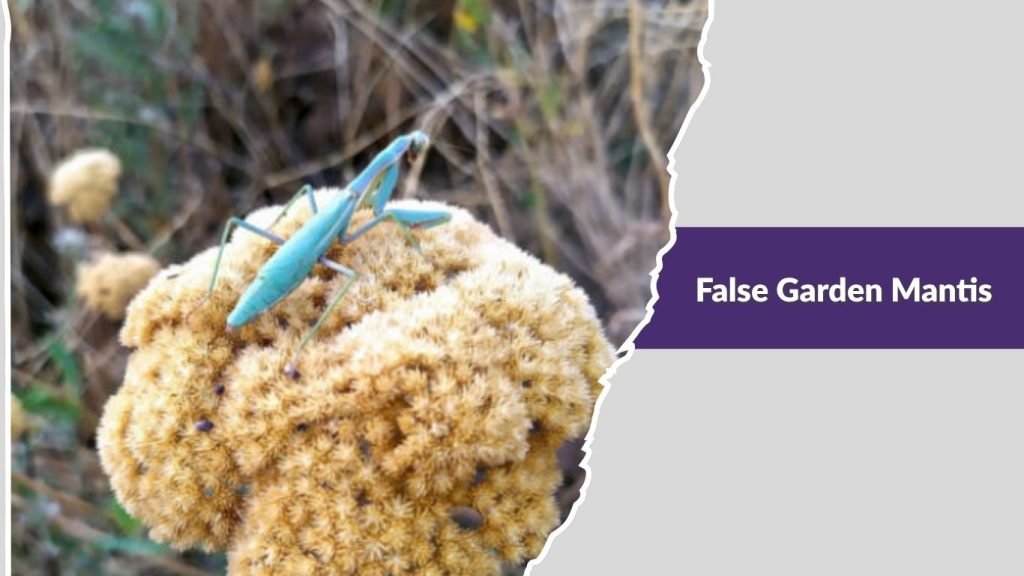
The False Garden mantis (Pseudomantis albofimbriata) is a common species found in Australia. It closely resembles typical garden mantises but has distinct features that set it apart. This species is often seen in gardens and natural vegetation.
Identification
- Medium size, about 5–7 cm (2–3 inches) long
- Green or brown coloration for camouflage
- Slender body with long wings
- Distinct white markings along the edges of wings
- Triangular head with large, alert eyes
Habitat and Distribution
The False Garden mantis is native to Australia and thrives in gardens, forests, and grassy areas. It adapts well to human environments and is commonly seen in backyard vegetation.
Behavior and Diet
This species is an ambush predator that feeds on insects such as flies, moths, and grasshoppers. It relies on camouflage and patience, waiting for prey to come within striking distance.
Reproduction
Females lay oothecae on plant stems, branches, or man-made surfaces. The eggs are protected inside until they hatch into nymphs. These young mantises grow through several molts, eventually becoming fully developed adults.
