
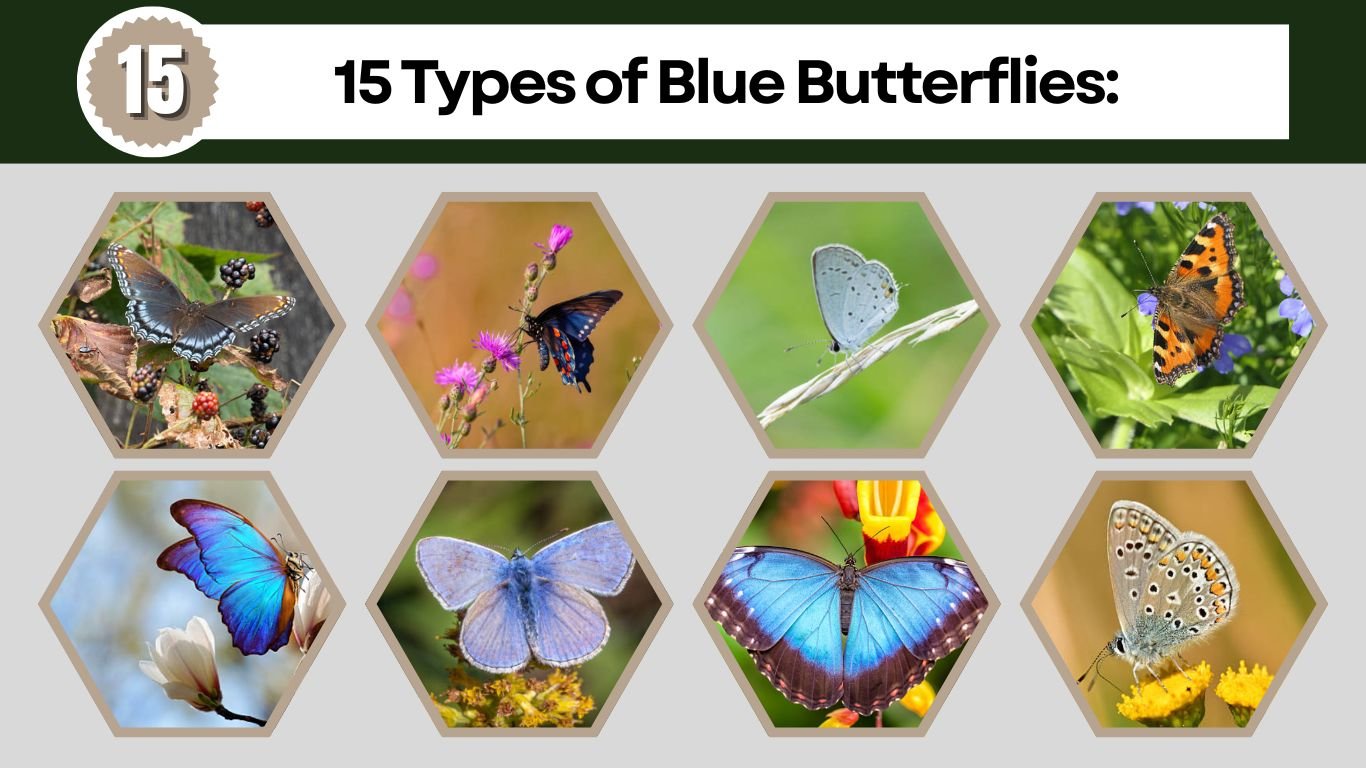
Blue butterflies are among the most captivating and beautiful insects in the world, admired for their vibrant colors and delicate forms. Their shimmering blue hues are not always due to pigments but often result from microscopic structures on their wings that reflect light, creating an iridescent effect. These butterflies can be found across various regions, from tropical rainforests to temperate grasslands and gardens.
In this list, you will discover 15 different types of blue butterflies, each with unique characteristics, habitats, and behaviors. From the dazzling Blue Morpho to the tiny Small Blue, these species showcase the incredible diversity within the butterfly world.
1. Blue Morpho
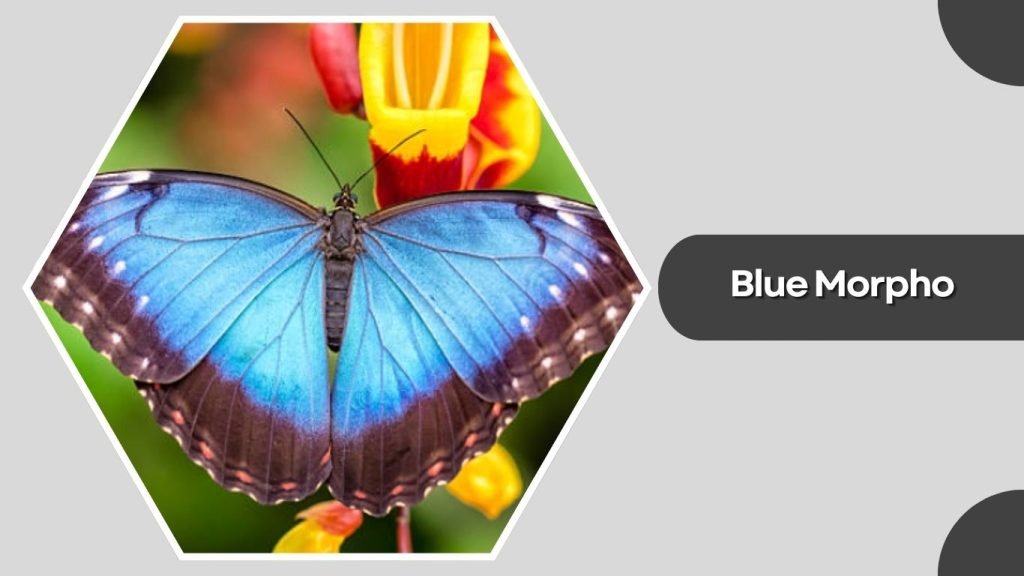
The Blue Morpho is one of the most iconic and visually striking butterflies in the world, known for its brilliant, iridescent blue wings. Found mainly in the tropical forests of Central and South America, it is admired for both its beauty and unique wing structure that reflects light.
Identification
- Bright, shimmering blue upper wings
- Wingspan ranges from 12 to 20 cm
- Underside of wings is brown with multiple eye spots
- Strong, slow, and floating flight pattern
Habitat
Blue Morphos primarily live in tropical rainforests, especially in countries like Brazil, Costa Rica, and Venezuela. They prefer the forest understory but can also be seen flying along rivers, clearings, and forest edges. Their environment is usually humid and rich in vegetation, which supports their lifecycle.
Behavior
These butterflies are known for their distinctive flight, where flashes of blue appear as they flap their wings, then disappear when the wings close. This flashing effect helps confuse predators. Blue Morphos are generally solitary and are most active during the daytime. They often feed on rotting fruit, tree sap, and fungi rather than flower nectar.
Life Cycle
The life cycle of the Blue Morpho includes four stages: egg, larva (caterpillar), pupa (chrysalis), and adult. Caterpillars are reddish-brown with bright green patches and tiny hairs. The chrysalis emits a strong odor to deter predators. Once matured, the adult butterfly emerges with its stunning blue wings, living for about 2 to 3 weeks.
2. Common Blue
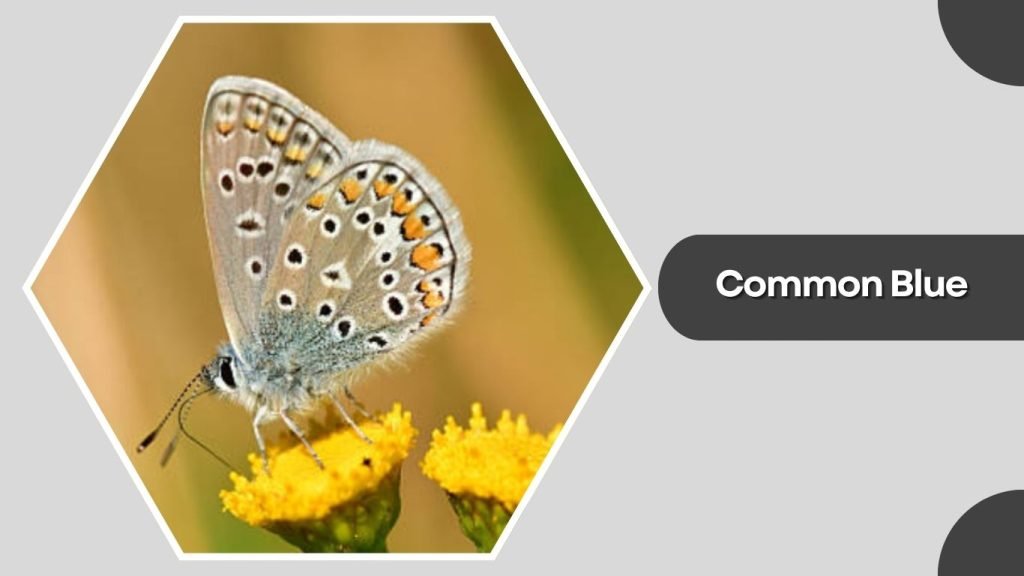
The Common Blue is a small yet beautiful butterfly widely found across Europe, Asia, and parts of North Africa. It is especially popular due to its adaptability and frequent presence in gardens, grasslands, and meadows.
Identification
- Males have bright blue upper wings with black borders
- Females are brown with orange spots and some blue dusting
- Wingspan ranges from 2.5 to 3.5 cm
- Underside is pale gray with black and orange markings
Habitat
Common Blues thrive in a variety of open habitats, including grassy fields, roadside verges, coastal dunes, and gardens. They prefer sunny areas with low vegetation and an abundance of flowering plants. Their ability to adapt makes them one of the most widespread blue butterflies.
Behavior
These butterflies are active during warm, sunny days and are often seen fluttering low over vegetation. Males are territorial and frequently patrol their area in search of females. They feed mainly on nectar from small flowers such as clover and daisies, playing an important role in pollination.
Life Cycle
The Common Blue undergoes a complete metamorphosis with four stages. Eggs are laid on host plants like clover. Caterpillars are green and well-camouflaged. The species can produce multiple generations in a year, especially in warmer climates, allowing their population to grow rapidly.
3. Adonis Blue
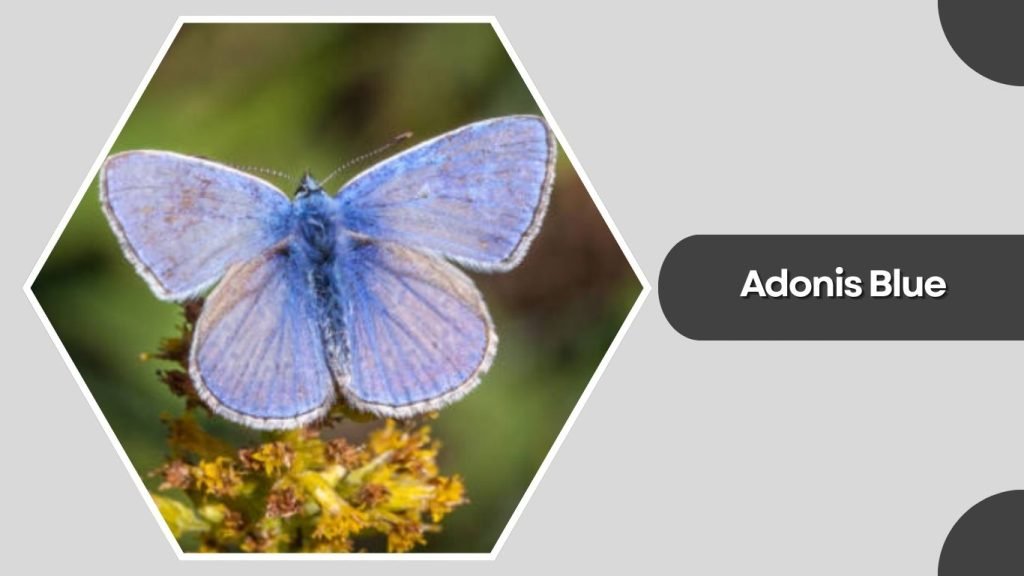
The Adonis Blue is a stunning butterfly known for its intense sky-blue coloration, often considered brighter than many other blue species. It is mainly found in Europe, particularly in chalk grasslands.
Identification
- Males display vivid sky-blue wings with thin black borders
- Females are brown with orange spots near the edges
- Wingspan ranges from 3 to 3.5 cm
- Underside is light gray with distinct black spots
Habitat
Adonis Blues are strongly associated with chalk and limestone grasslands. They prefer short, grazed turf where their larval host plants, especially horseshoe vetch, are abundant. Their habitat is quite specific, making them sensitive to environmental changes.
Behavior
These butterflies are fast flyers and are most active in sunny weather. Males are highly territorial and often perch in sunny spots to watch for females. Their bright coloration makes them easy to spot as they move quickly across open grasslands.
Life Cycle
The Adonis Blue typically has two generations per year. Eggs are laid on host plants, and the caterpillars feed on leaves before pupating. The timing of their life cycle is closely linked to seasonal conditions, ensuring they emerge when food sources are plentiful.
4. Karner Blue
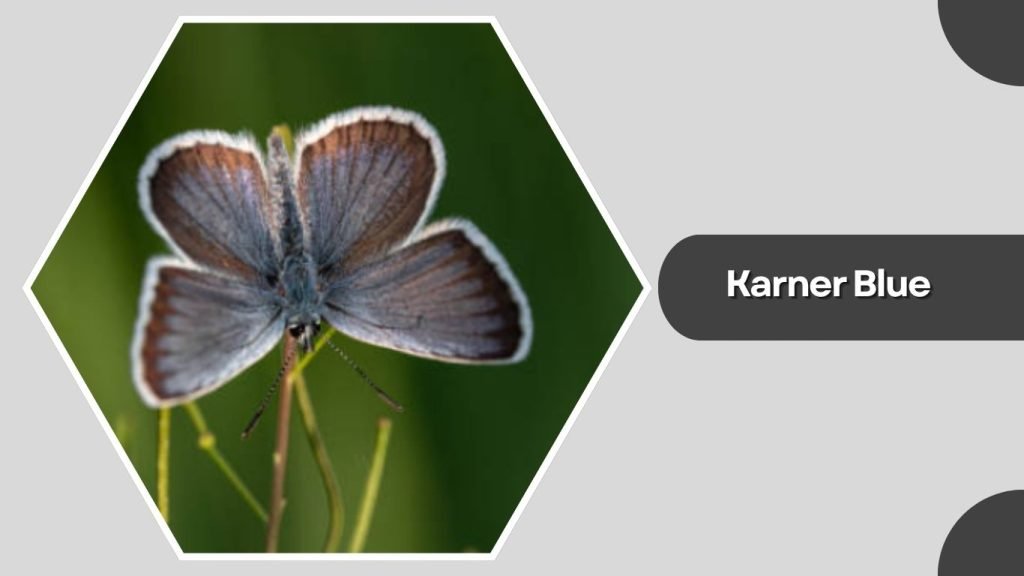
The Karner Blue is a small and delicate butterfly known for its soft blue coloring and ecological importance. It is native to parts of North America and is considered an endangered species due to habitat loss.
Identification
- Males have bright silvery-blue wings with narrow black edges
- Females are grayish-brown with orange crescent spots
- Wingspan ranges from 2.5 to 3 cm
- Underside is light gray with black dots and orange markings
Habitat
Karner Blues are closely tied to sandy pine barrens and oak savannas, where wild lupine plants grow. These plants are essential because they serve as the only food source for their caterpillars. Their habitat is often open, sunny, and dry, with scattered vegetation.
Behavior
These butterflies are active during warm months and are typically seen flying low over vegetation. They are not strong fliers and tend to stay close to their host plants. Males are often seen searching for females, while both sexes feed on nectar from a variety of wildflowers.
Life Cycle
The Karner Blue has two generations each year. Eggs are laid on or near wild lupine plants. Caterpillars feed exclusively on these leaves, making the species highly dependent on this plant. After pupation, adults emerge and live for only a few weeks.
5. Silvery Blue
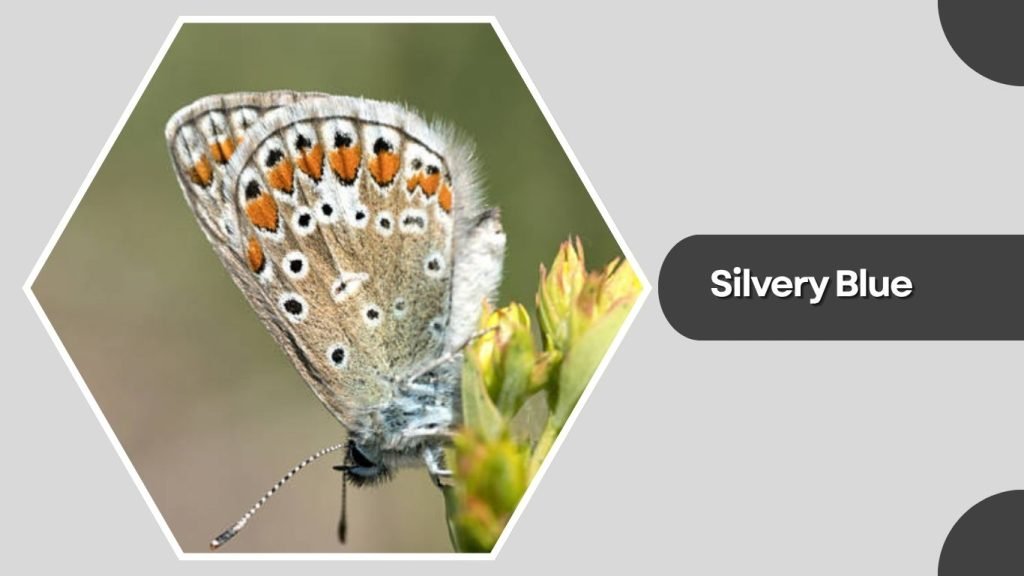
The Silvery Blue is a small, charming butterfly found across western North America. It is known for its subtle blue coloring and silvery-gray underside.
Identification
- Males have pale violet-blue wings with dark borders
- Females are brown with some blue near the base
- Wingspan ranges from 2.2 to 3 cm
- Underside is silvery-gray with black spots
Habitat
Silvery Blues inhabit a wide range of environments, including meadows, forest edges, coastal areas, and even mountainous regions. They are adaptable and can be found from lowlands to higher elevations, as long as suitable host plants are present.
Behavior
These butterflies are usually seen flying close to the ground, often in sunny open areas. They have a gentle and fluttery flight. Silvery Blues feed on nectar from a variety of flowers and are important pollinators in their ecosystems.
Life Cycle
The life cycle includes egg, larva, pupa, and adult stages. Females lay eggs on host plants such as legumes. The caterpillars feed and grow before forming a chrysalis. Depending on the climate, there may be one or more generations per year, with adults appearing in spring and summer.
6. Spring Azure
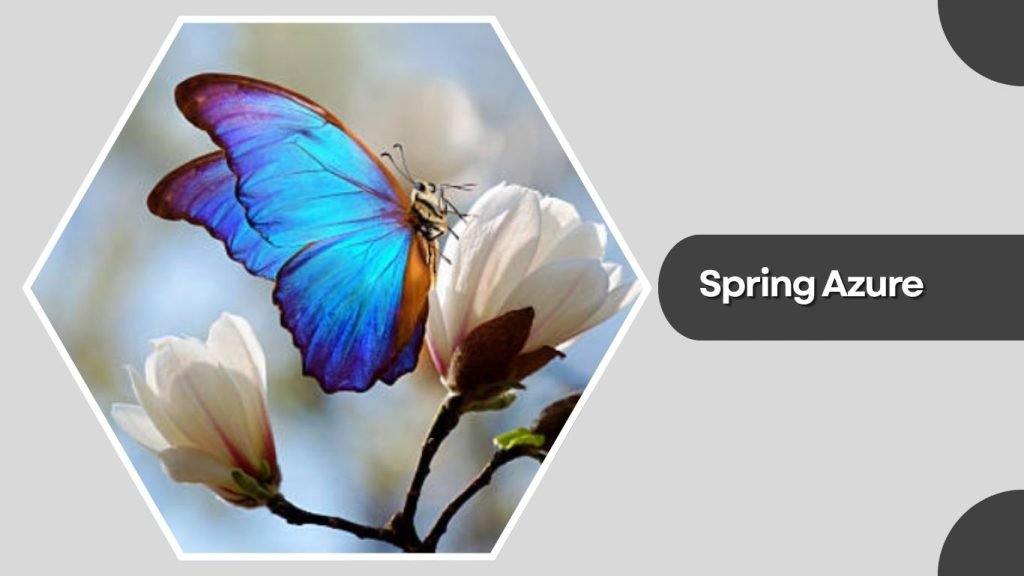
The Spring Azure is a delicate and light-colored butterfly commonly seen in North America during early spring. Its subtle blue hue and early appearance make it a favorite among butterfly watchers.
Identification
- Pale blue upper wings in males
- Females are slightly darker with grayish borders
- Wingspan ranges from 2.5 to 3 cm
- Underside is light gray with small dark spots
Habitat
Spring Azures are found in woodlands, gardens, parks, and along forest edges. They prefer areas with flowering shrubs and trees, especially those that bloom early in the season. Their presence is often associated with fresh spring growth and mild temperatures.
Behavior
These butterflies are active in early spring and are often seen fluttering near flowering plants. They have a quick, erratic flight pattern and tend to stay close to wooded areas. They feed on nectar from a variety of blossoms and are among the first butterflies to appear after winter.
Life Cycle
Spring Azures typically produce multiple generations in a year. Eggs are laid on flower buds, and the caterpillars feed on developing flowers. After pupation, adults emerge quickly, allowing the species to take advantage of seasonal blooms.
7. Summer Azure
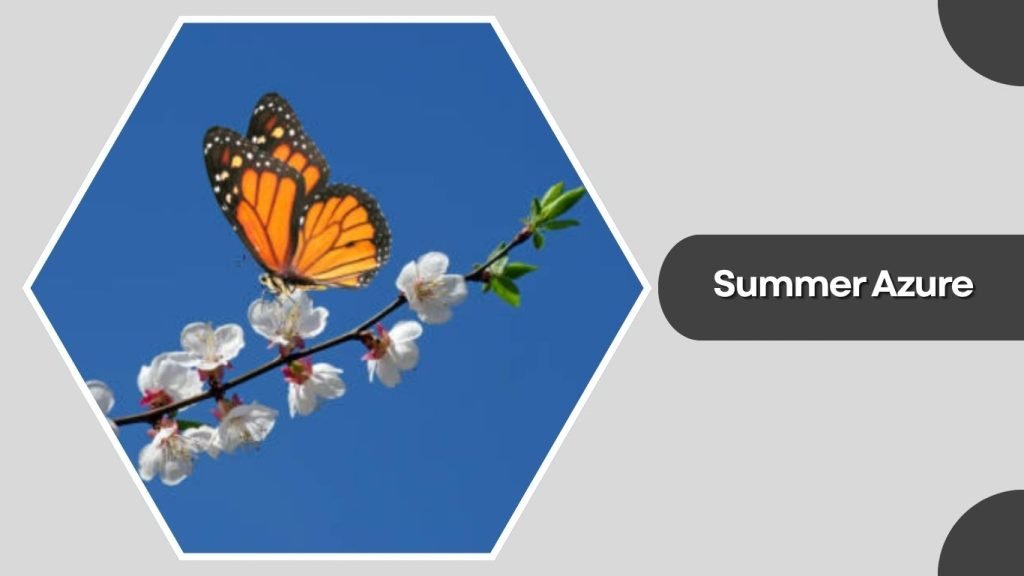
The Summer Azure closely resembles the Spring Azure but appears later in the year. It is widespread across North America and thrives in warm weather conditions.
Identification
- Light blue wings in males with a soft sheen
- Females often have broader grayish margins
- Wingspan ranges from 2.5 to 3 cm
- Underside is pale gray with faint markings
Habitat
Summer Azures inhabit open woodlands, meadows, and suburban areas. They are commonly found in places with abundant flowering plants and shrubs. Their adaptable nature allows them to thrive in both natural and human-altered environments.
Behavior
These butterflies are active during late spring and summer. They are frequently seen flying around flowers, feeding on nectar. Their flight is gentle and slightly more sustained compared to the Spring Azure, and they often rest on leaves between flights.
Life Cycle
The Summer Azure goes through a complete metamorphosis. Eggs are laid on host plants such as shrubs and small trees. Caterpillars feed on flowers and buds before forming a chrysalis. Several generations may occur each year depending on climate conditions.
8. Holly Blue
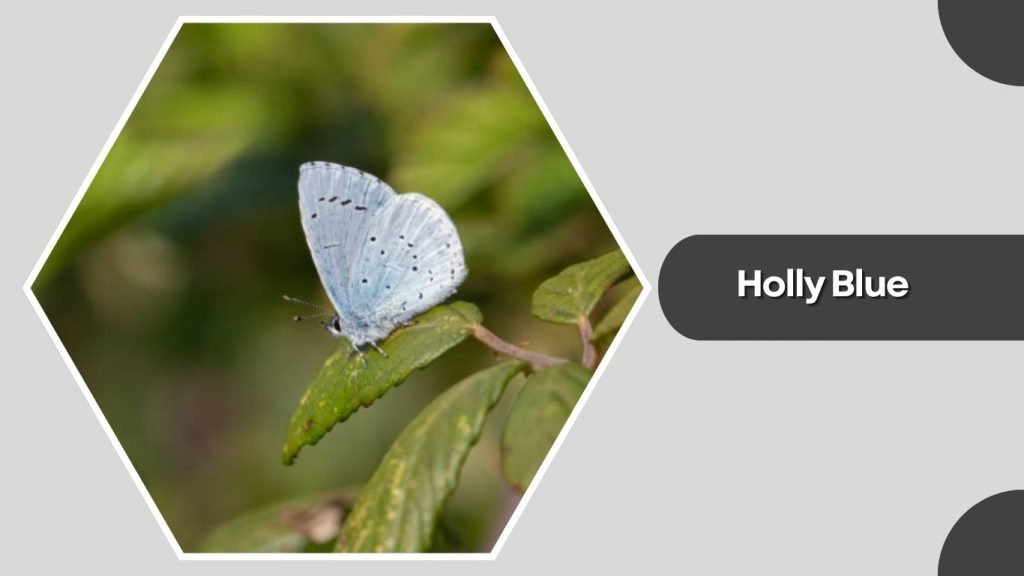
The Holly Blue is a charming butterfly commonly found across Europe, parts of Asia, and North Africa. It is known for its delicate blue coloration and its association with specific host plants like holly and ivy.
Identification
- Males have pale blue upper wings with thin black edges
- Females have darker wing edges, especially on the forewings
- Wingspan ranges from 2.5 to 3.5 cm
- Underside is pale blue-gray with small black spots
Habitat
Holly Blues are typically found in gardens, parks, hedgerows, and woodland edges. They thrive in areas where holly and ivy plants grow, as these are essential for their reproduction. Unlike many other blue butterflies, they are often seen around trees and shrubs rather than open grasslands.
Behavior
These butterflies have a distinctive habit of flying higher than most small blues, often around bushes and trees. They are active during warm, sunny days and feed on nectar from a variety of flowers. Their flight is light and fluttery, and they are less territorial compared to some other species.
Life Cycle
The Holly Blue has two generations per year. In spring, eggs are laid on holly plants, while in late summer, ivy becomes the primary host. Caterpillars feed on flower buds before pupating. The species adapts its life cycle to seasonal plant availability.
9. Chalkhill Blue
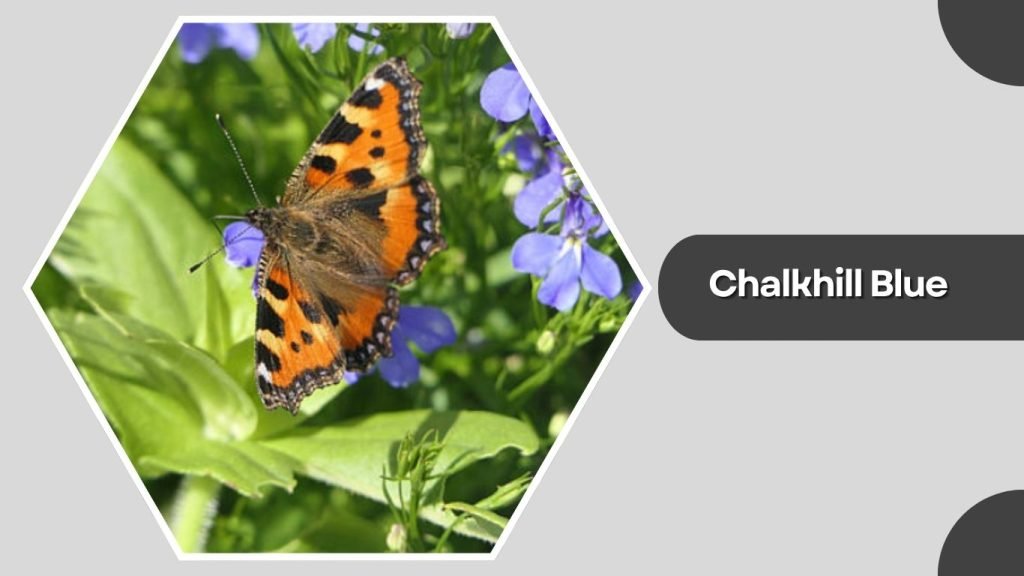
The Chalkhill Blue is a striking butterfly found mainly in Europe, particularly in chalk and limestone grasslands. It is known for its soft blue coloration and preference for specialized habitats.
Identification
- Males have pale silvery-blue wings with dark borders
- Females are brown with orange spots and some blue dusting
- Wingspan ranges from 3 to 4 cm
- Underside is light gray with black spots and orange markings
Habitat
Chalkhill Blues are strongly associated with chalk and limestone hillsides. They prefer dry, sunny grasslands with short vegetation and abundant horseshoe vetch, which is essential for their larvae. Their habitat is quite specific and often limited in distribution.
Behavior
These butterflies are most active during sunny weather and can often be seen in large numbers in suitable habitats. Males are territorial and frequently patrol their area. Their flight is fast and graceful, making them a beautiful sight over open grasslands.
Life Cycle
The Chalkhill Blue typically has one generation per year. Eggs are laid on host plants, and caterpillars feed before overwintering. Pupation occurs in late spring, and adults emerge in summer, coinciding with peak flowering periods.
10. Large Blue
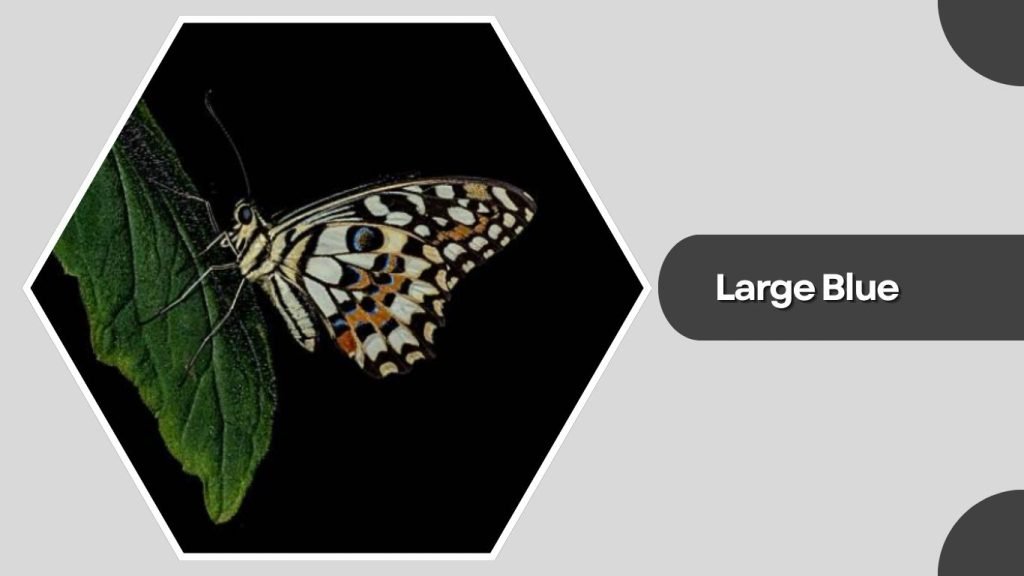
The Large Blue is one of the most fascinating and unusual butterflies due to its unique life cycle involving ants. Found mainly in Europe, it has been the focus of conservation efforts because of its complex ecological needs.
Identification
- Males have deep blue upper wings with dark edges
- Females are darker with less prominent blue coloring
- Wingspan ranges from 4 to 5 cm
- Underside is gray with distinct black spots
Habitat
Large Blues prefer grasslands, especially those with short turf and specific plants like thyme or marjoram. These habitats must also support certain species of ants, which are essential for the butterfly’s development. This specialized requirement makes their habitat very limited.
Behavior
Adults are often seen feeding on flower nectar during warm days. They have a steady flight and tend to stay close to their breeding areas. Their interaction with ants begins early in their lifecycle, making their behavior quite unique among butterflies.
Life Cycle
After feeding on plants, the caterpillars drop to the ground and are adopted by ants, which carry them into their nests. Inside, they feed on ant larvae. This parasitic relationship continues until they pupate and emerge as adults, making their life cycle highly specialized.
11. Small Blue
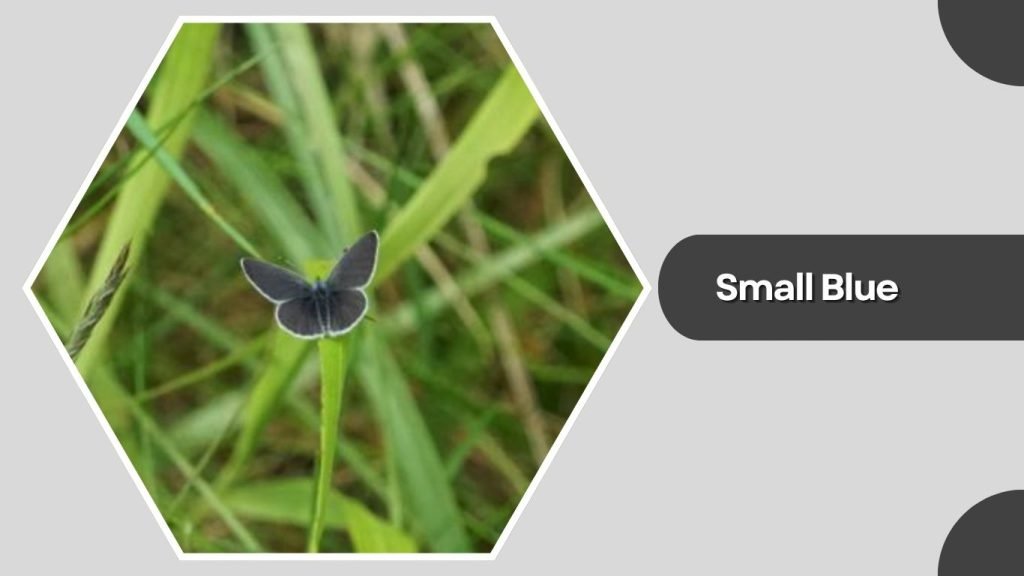
The Small Blue is the smallest blue butterfly in Europe and is easily overlooked due to its size and subtle coloring. Despite this, it is an important species in grassland ecosystems.
Identification
- Upper wings are dark brown with a slight blue dusting in males
- Females are mostly brown
- Wingspan ranges from 2 to 2.5 cm
- Underside is pale gray with small dark spots
Habitat
Small Blues are commonly found in chalk grasslands, coastal cliffs, and open grassy areas. They prefer habitats with kidney vetch, which is the primary host plant for their caterpillars. These environments are usually dry and sunny.
Behavior
These butterflies fly low to the ground and are often seen near their host plants. Their flight is quick but close to vegetation. They are less conspicuous than other blue butterflies and tend to remain in localized areas.
Life Cycle
The Small Blue usually has one or two generations per year. Eggs are laid on flower buds of kidney vetch. Caterpillars feed inside the buds, offering them protection. After pupation, adults emerge and continue the cycle during favorable seasons.
12. Pipevine Swallowtail
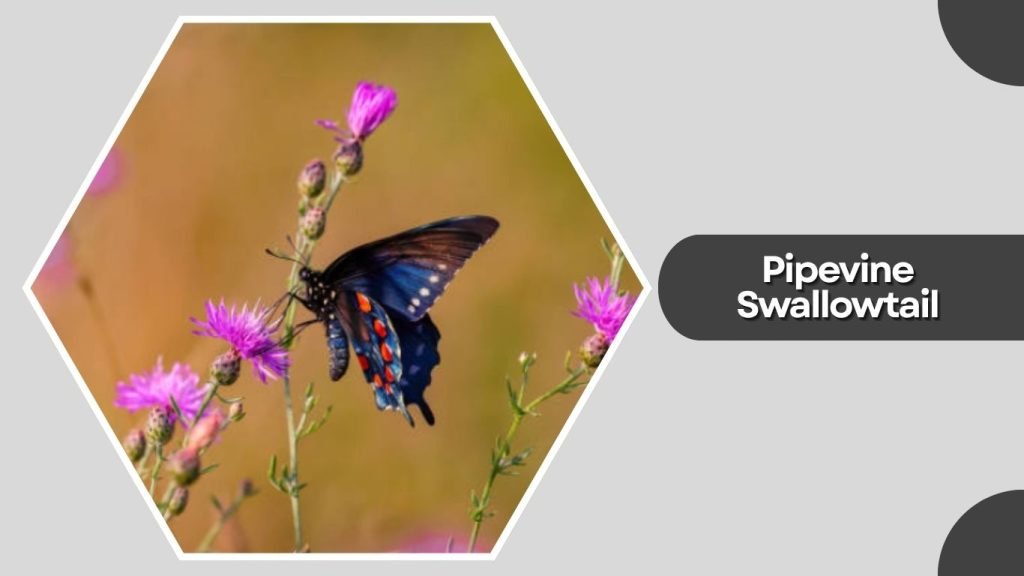
The Pipevine Swallowtail is a striking butterfly known for its iridescent blue hindwings and dark forewings. It is commonly found in North America and is admired for both its beauty and its role in mimicry among butterfly species.
Identification
- Upper wings are black with shimmering blue on hindwings
- Wingspan ranges from 7 to 13 cm
- Underside has bright blue and orange spots
- Distinct tail-like extensions on hindwings
Habitat
Pipevine Swallowtails are found in woodlands, meadows, gardens, and along riverbanks. They prefer areas where pipevine plants grow, as these are essential for their caterpillars. Their habitat is usually warm and filled with flowering plants for nectar.
Behavior
These butterflies are strong fliers and are often seen gliding gracefully. They are active during the day and frequently visit flowers for nectar. Their toxic nature, gained from host plants, helps protect them from predators, and other butterflies often mimic their appearance.
Life Cycle
Females lay eggs on pipevine plants. The caterpillars feed on these toxic leaves, which make them unpalatable to predators. After pupation, adults emerge with their characteristic blue coloration and continue the cycle during warm seasons.
13. Eastern Tailed-Blue
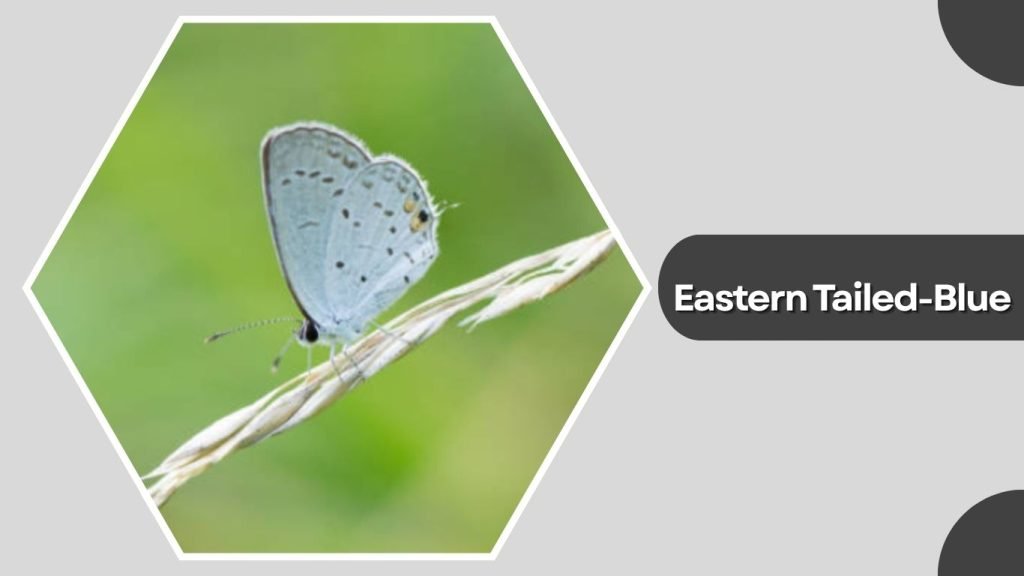
The Eastern Tailed-Blue is a small and delicate butterfly commonly found across North America. It is easily recognized by its tiny tails on the hindwings and soft blue coloration.
Identification
- Males have bright blue upper wings
- Females are grayish with some blue near the base
- Wingspan ranges from 2 to 3 cm
- Hindwings have small tail-like projections and orange spots
Habitat
Eastern Tailed-Blues inhabit open areas such as fields, gardens, roadsides, and meadows. They are highly adaptable and can thrive in both natural and urban environments, as long as host plants are available.
Behavior
These butterflies fly close to the ground and have a quick, fluttery flight. They are active in sunny weather and are often seen feeding on nectar from small flowers. Their tails and wing patterns can help distract predators.
Life Cycle
The Eastern Tailed-Blue can have several generations per year. Eggs are laid on legumes, which serve as food for the caterpillars. After feeding and growing, they pupate and emerge as adults, continuing the cycle throughout warmer months.
14. Western Tailed-Blue
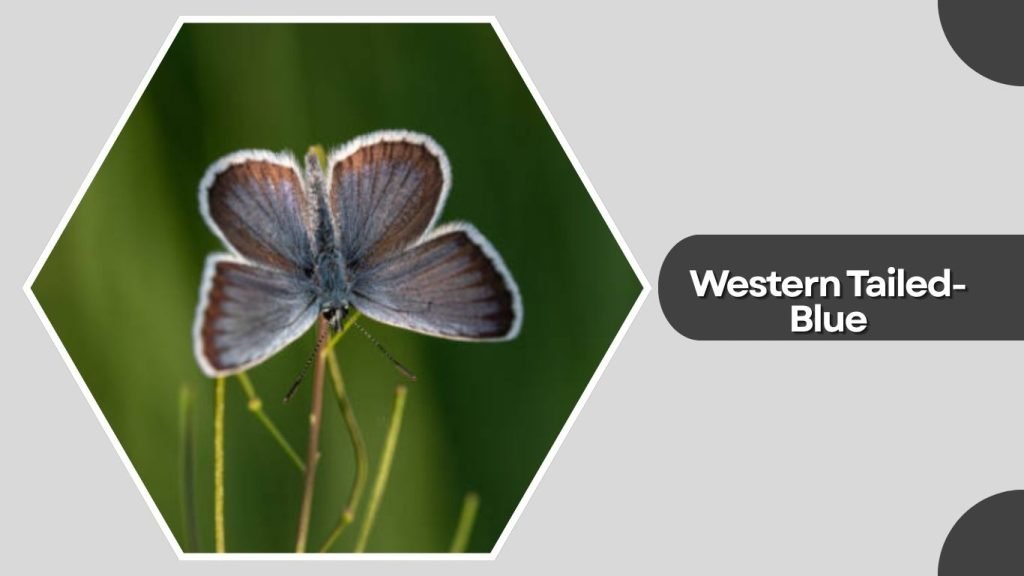
The Western Tailed-Blue is a small butterfly known for its delicate appearance and subtle blue coloration. It is widely distributed across western North America and is often seen in open, sunny areas.
Identification
- Males have pale blue upper wings with thin dark borders
- Females are mostly brown with some blue near the body
- Wingspan ranges from 2 to 3 cm
- Hindwings feature small tails and faint orange spots
Habitat
Western Tailed-Blues are commonly found in meadows, grasslands, gardens, and forest edges. They prefer areas with low vegetation and an abundance of flowering plants. Their adaptability allows them to live in both natural and disturbed habitats.
Behavior
These butterflies are active during warm, sunny days and fly close to the ground. Their flight is quick and erratic, making them harder to follow. They frequently visit small flowers for nectar and are often seen basking in the sun.
Life Cycle
The life cycle includes egg, larva, pupa, and adult stages. Females lay eggs on host plants such as clover and other legumes. Caterpillars feed on these plants before pupating. Multiple generations can occur each year depending on environmental conditions.
15. Red-spotted Purple
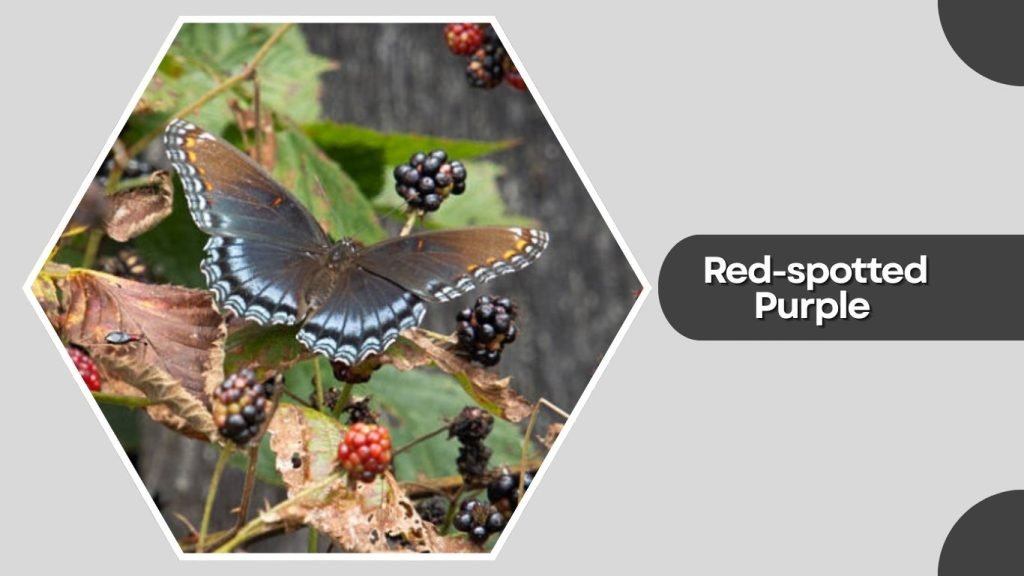
The Red-spotted Purple is a unique butterfly that appears blue in certain lighting due to its iridescent wing coloration. It is found in North America and is often mistaken for other species because of its dark appearance.
Identification
- Wings appear black with iridescent blue or purple sheen
- Wingspan ranges from 7 to 10 cm
- Underside has orange-red spots and markings
- Lacks tails, unlike many similar butterflies
Habitat
This butterfly inhabits deciduous forests, woodland edges, parks, and suburban areas. It prefers environments with plenty of trees, as its caterpillars rely on leaves from species like willow and cherry.
Behavior
Red-spotted Purples are strong fliers and are often seen gliding through wooded areas. Unlike many butterflies, they are more attracted to rotting fruit, tree sap, and animal droppings than to flowers. This feeding behavior provides essential nutrients.
Life Cycle
Females lay eggs on host plants, and caterpillars feed on leaves before forming a chrysalis. The species can have multiple generations per year in warmer regions. Adults emerge with their shimmering coloration, adding to their striking appearance.
