

Blue butterflies are among the most captivating insects in the world, admired for their vibrant shades ranging from soft sky blue to deep iridescent tones. These butterflies can be found in various habitats, from tropical rainforests to open grasslands.
In this guide, you’ll explore 13 different types of blue butterflies, each identified by their unique color patterns, size, diet, and habitat. This helps you better recognize and understand these beautiful species in nature.
1. Blue Morpho
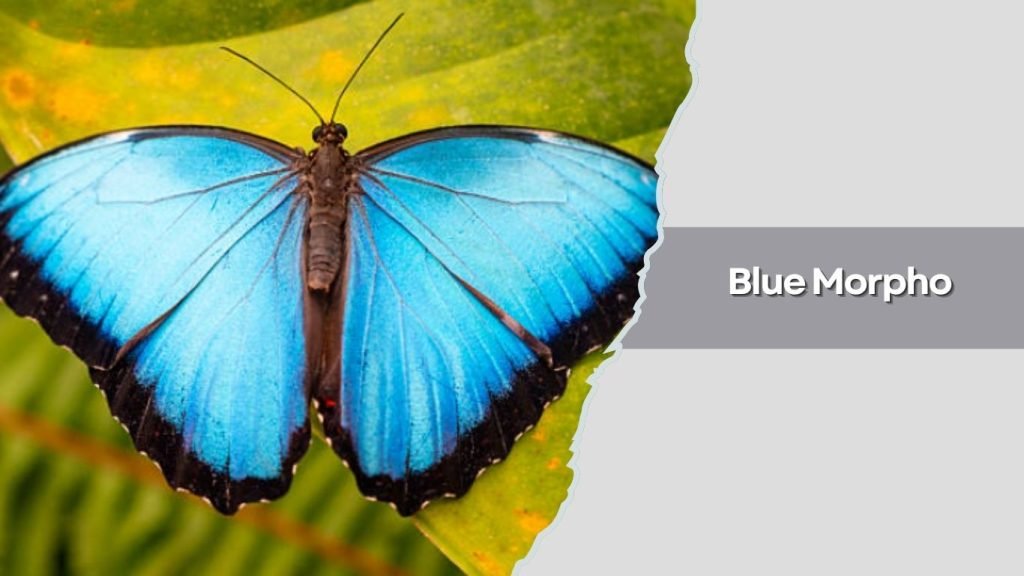
The Blue Morpho is one of the most famous blue butterflies, known for its dazzling iridescent wings. Found in tropical rainforests of Central and South America, it is admired for its large size and shimmering blue color that flashes during flight.
Identification
- Bright iridescent blue upper wings
- Brown underside with multiple eye spots
- Wingspan ranges from 12 to 20 cm
- Large and slow, floating flight
Color Pattern
The Blue Morpho’s upper wings display a vivid metallic blue that appears to glow in sunlight due to microscopic scales. The underside is dull brown with eye spots, providing excellent camouflage when the wings are closed. This contrast helps protect it from predators.
Diet
Caterpillars feed on a variety of plant leaves, especially legumes. Adult butterflies prefer fermenting fruit, tree sap, and organic matter rather than flower nectar, which is common in many rainforest species.
Habitat
Blue Morphos live in tropical rainforests, often near rivers and forest edges. They prefer humid environments with dense vegetation, where they can easily find food and shelter.
2. Common Blue
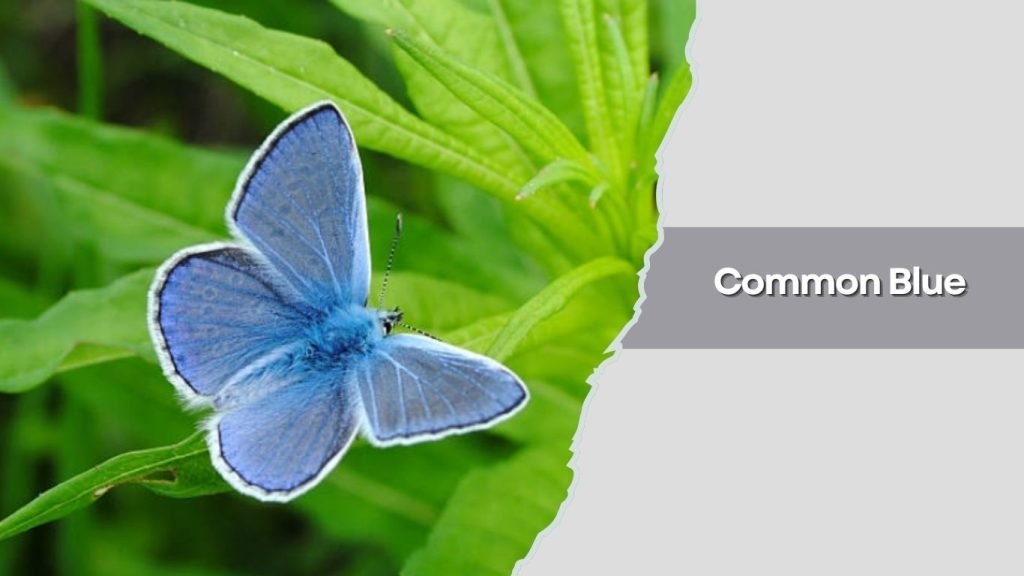
The Common Blue is one of the most widespread blue butterflies, found across Europe and parts of Asia. It is a small but attractive species often seen in grasslands, meadows, and gardens.
Identification
- Males have bright blue upper wings
- Females are brown with orange spots
- Wingspan ranges from 2.5 to 3.5 cm
- Small and delicate body
Color Pattern
The male Common Blue displays vivid blue wings with a thin dark border, while females are usually brown with hints of blue and orange markings. The underside is pale gray with black spots and orange crescents, helping with camouflage.
Diet
Caterpillars feed on plants such as clover and other legumes. Adult butterflies consume nectar from small flowers, especially those found in grasslands and open areas.
Habitat
The Common Blue prefers open habitats like meadows, grasslands, coastal dunes, and gardens. It thrives in sunny areas with low-growing vegetation and abundant nectar sources.
3. Adonis Blue
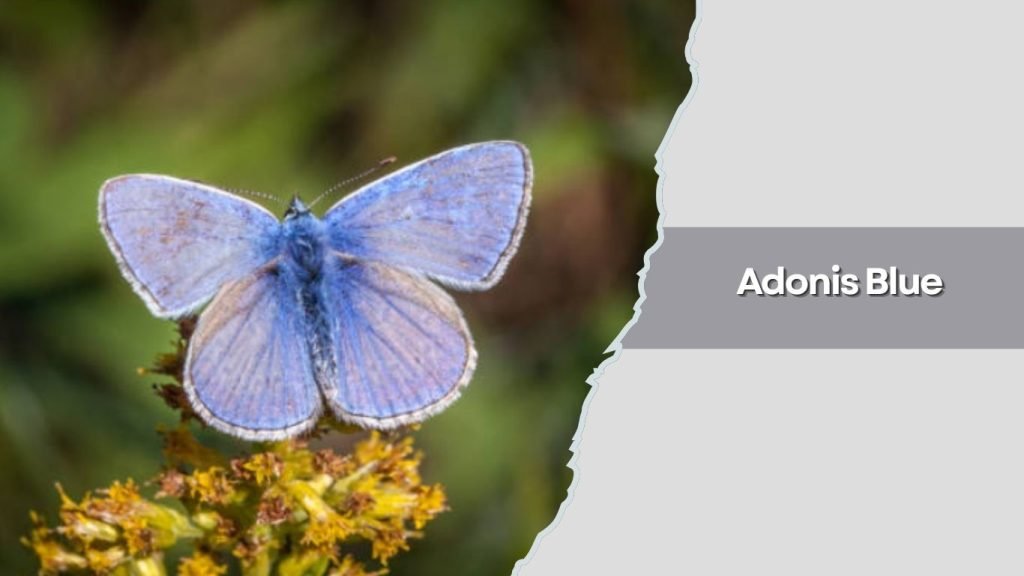
The Adonis Blue is a striking butterfly known for its bright sky-blue color. It is commonly found in chalk grasslands and open sunny habitats, especially in parts of Europe.
Identification
- Males have vivid sky-blue wings
- Females are brown with orange spots
- Wingspan ranges from 3 to 3.5 cm
- Thin dark border around wings
Color Pattern
The male Adonis Blue displays an intense, almost glowing blue color with a fine black edge. Females are more subdued, showing brown wings with orange markings. The underside is pale with black spots, helping with camouflage.
Diet
Caterpillars feed mainly on horseshoe vetch. Adult butterflies consume nectar from a variety of small flowers found in grassland habitats, supporting their active daytime behavior.
Habitat
The Adonis Blue prefers chalk and limestone grasslands with short vegetation. It thrives in warm, sunny environments where its host plants grow abundantly.
4. Karner Blue
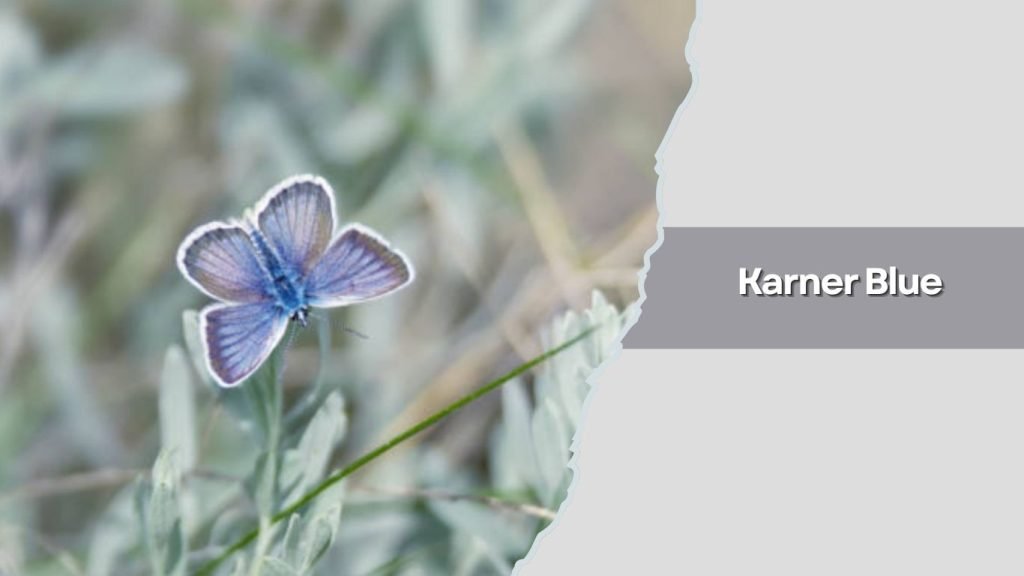
The Karner Blue is a small and rare butterfly known for its delicate blue color and limited distribution. It is mainly found in parts of North America and is considered an endangered species in many areas.
Identification
- Bright blue upper wings in males
- Females are grayish-brown with blue highlights
- Wingspan ranges from 2.5 to 3.5 cm
- Small and fragile appearance
Color Pattern
The male Karner Blue displays soft, bright blue wings with a thin dark border. Females have a more muted color with hints of blue and orange spots. The underside is pale gray with black dots and orange markings, helping with camouflage.
Diet
Caterpillars feed exclusively on wild lupine plants. Adult butterflies consume nectar from flowers such as milkweed, butterfly weed, and other native plants, which provide essential nutrients.
Habitat
The Karner Blue prefers sandy areas, pine barrens, and oak savannas where wild lupine grows. Its habitat is very specific, which contributes to its limited distribution and conservation concerns.
5. Eastern Tailed-Blue
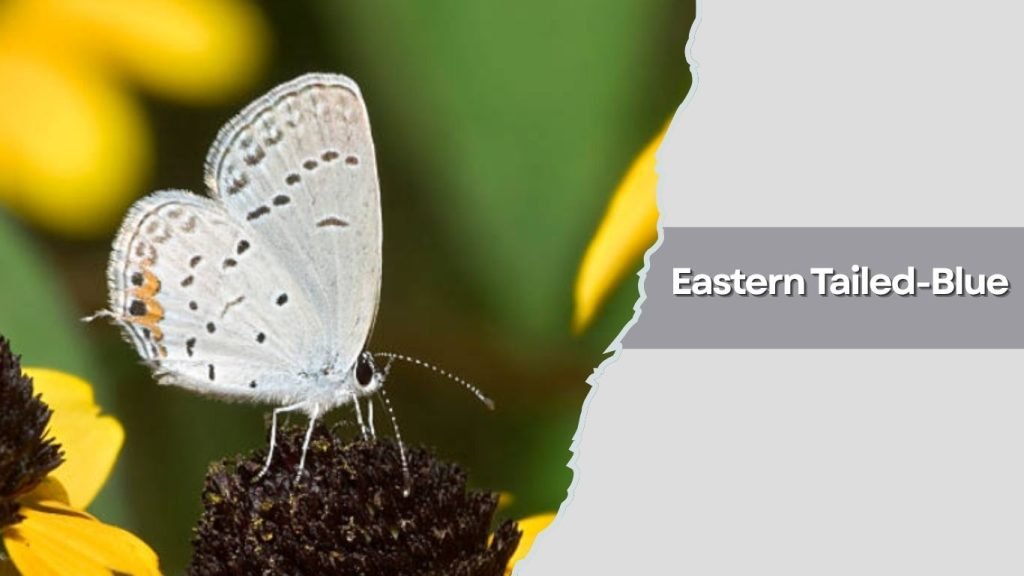
The Eastern Tailed-Blue is a small and delicate butterfly commonly found in North America. It is easily recognized by the tiny tail-like extensions on its hindwings and its soft blue coloration.
Identification
- Pale blue upper wings in males
- Females are grayish with blue shading
- Small tail-like extensions on hindwings
- Wingspan ranges from 2 to 3 cm
Color Pattern
The Eastern Tailed-Blue has soft blue wings in males, while females show a mix of gray and blue. The underside is light gray with small black spots and a few orange markings near the tails, which help distract predators.
Diet
Caterpillars feed on legumes such as clover and beans. Adult butterflies consume nectar from small flowers, especially those found in open fields and gardens.
Habitat
This butterfly thrives in open habitats such as grasslands, gardens, roadsides, and meadows. It prefers sunny areas with low vegetation and abundant flowering plants.
6. Western Tailed-Blue
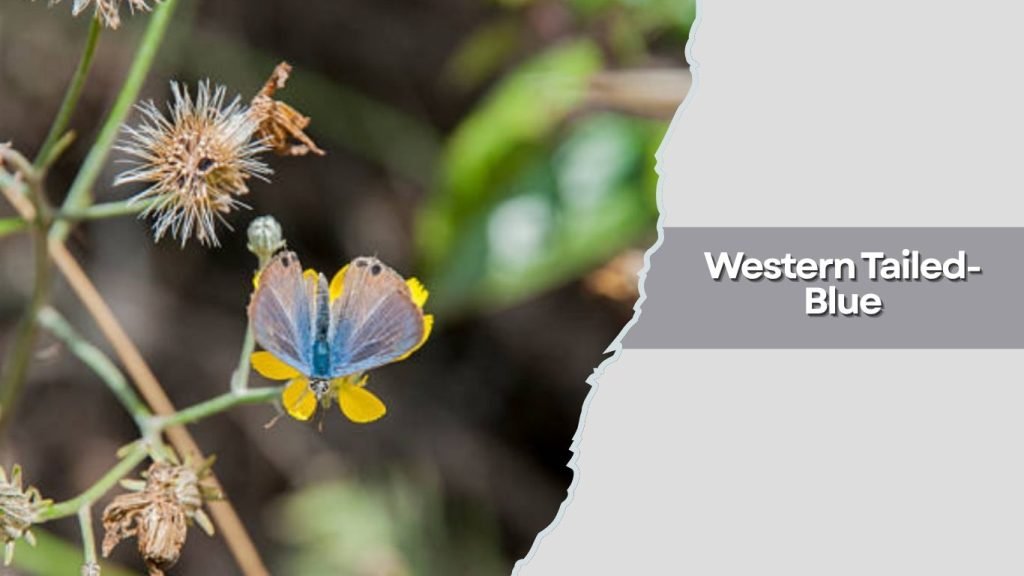
The Western Tailed-Blue is a small butterfly found mainly in western North America. It is closely related to the Eastern Tailed-Blue and is known for its delicate size and subtle blue coloration.
Identification
- Light blue upper wings in males
- Females are grayish with slight blue tint
- Small tail-like extensions on hindwings
- Wingspan ranges from 2 to 3 cm
Color Pattern
The Western Tailed-Blue has pale blue wings in males, while females appear more gray with hints of blue. The underside is light gray with fine black spots and small orange markings near the tails, helping in camouflage and predator distraction.
Diet
Caterpillars feed on legumes such as clover and vetch. Adult butterflies consume nectar from small wildflowers, supporting their energy needs in open habitats.
Habitat
This species prefers grasslands, open fields, coastal areas, and mountain meadows. It thrives in sunny environments with low-growing plants and abundant nectar sources.
7. Holly Blue
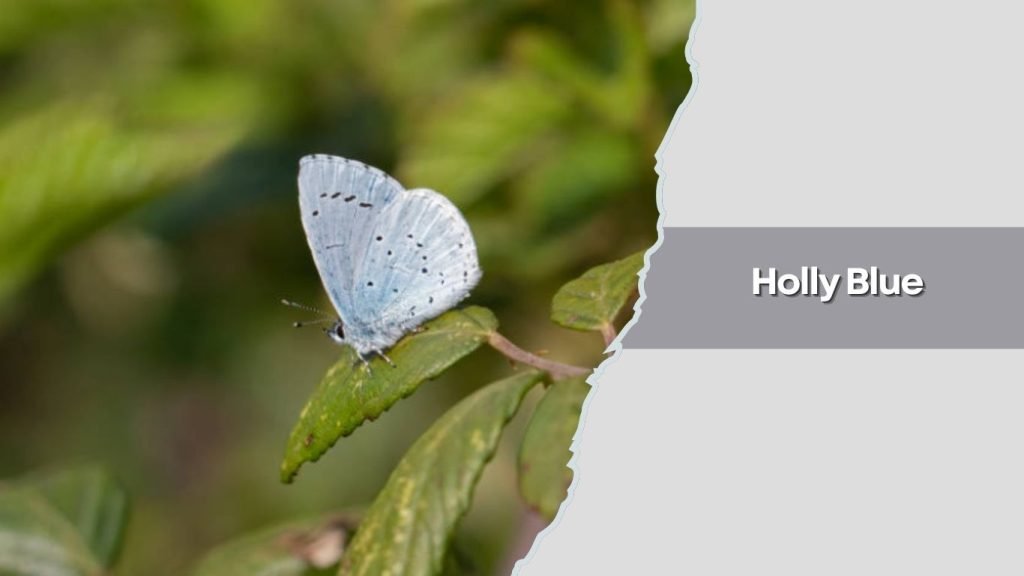
The Holly Blue is a small and attractive butterfly commonly found in Europe and parts of Asia. It is known for its soft blue coloration and preference for shrubs and garden plants.
Identification
- Pale blue upper wings with dark edges
- Females have broader dark borders
- Wingspan ranges from 2.5 to 3.5 cm
- Small and delicate body
Color Pattern
The Holly Blue displays a gentle, light blue color on the upper wings with thin dark margins. The underside is pale gray with small black spots, providing camouflage when the butterfly is at rest.
Diet
Caterpillars feed on plants such as holly and ivy. Adult butterflies consume nectar from a variety of flowers, especially those found in gardens and hedgerows.
Habitat
This butterfly is commonly found in gardens, parks, woodlands, and hedgerows. It prefers areas with shrubs and trees where its host plants grow abundantly.
8. Silver-studded Blue
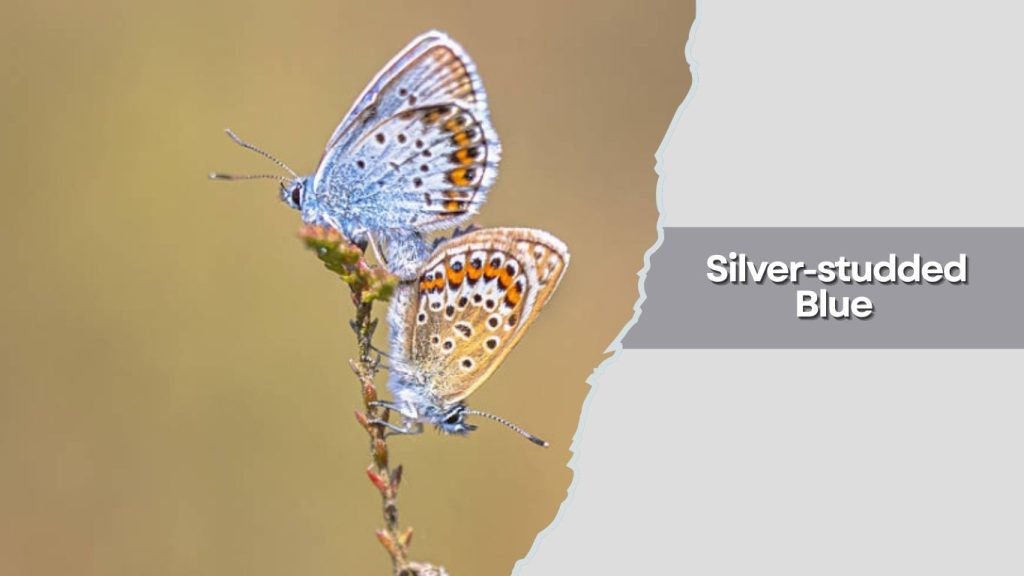
The Silver-studded Blue is a small and distinctive butterfly found mainly in parts of Europe. It is known for the tiny metallic spots on its wings and its close relationship with ants during its life cycle.
Identification
- Males have bright blue upper wings
- Females are brown with some blue dusting
- Small metallic (silver) spots on hindwings
- Wingspan ranges from 2.5 to 3.5 cm
Color Pattern
The male Silver-studded Blue shows a rich blue color with narrow dark edges, while females are more brown with subtle blue tones. The underside is grayish with black spots and a row of orange markings, along with tiny silver spots that give the butterfly its name.
Diet
Caterpillars feed on plants such as heather and gorse. Adult butterflies consume nectar from flowers like heather and other low-growing plants found in their habitat.
Habitat
This species prefers heathlands, coastal dunes, and grasslands. It thrives in warm, open areas with low vegetation, often where ants are present, as they play a role in protecting its larvae.
9. Large Blue
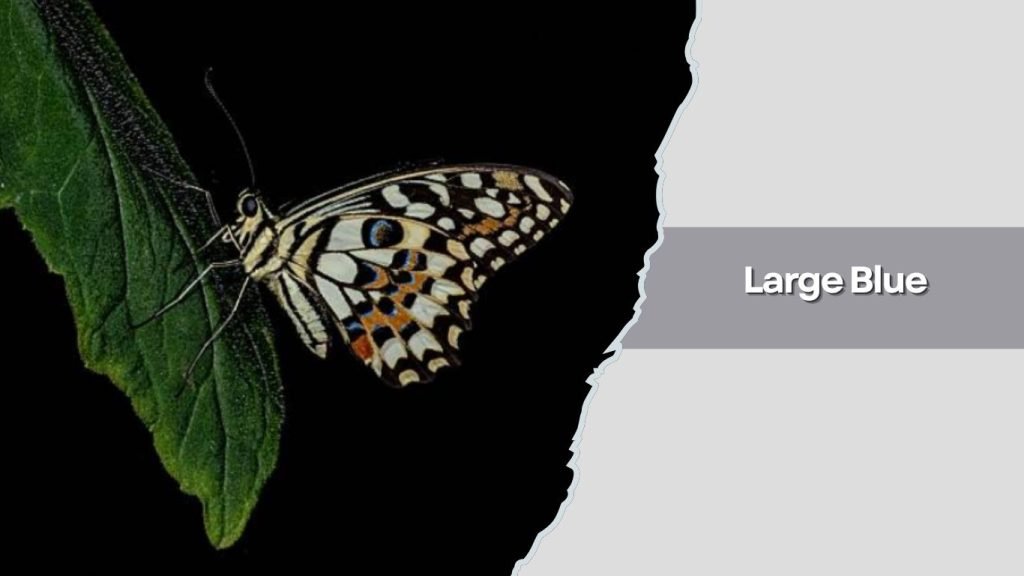
The Large Blue is a rare and fascinating butterfly known for its complex life cycle involving ants. It is found in parts of Europe and has been the focus of major conservation efforts.
Identification
- Bright blue upper wings in males
- Females are darker with blue shading
- Wingspan ranges from 3.5 to 4.5 cm
- Slightly larger than most blue butterflies
Color Pattern
The Large Blue displays a soft blue coloration on the upper wings with a thin dark border. The underside is pale gray with black spots arranged in a neat pattern, helping with camouflage when resting.
Diet
Caterpillars initially feed on thyme or marjoram flowers, then are taken by ants into their nests where they feed on ant larvae. Adults consume nectar from various flowers.
Habitat
This butterfly prefers grasslands and meadows with short vegetation and the presence of specific ant species. Its survival depends heavily on this unique ecological relationship.
10. Small Blue
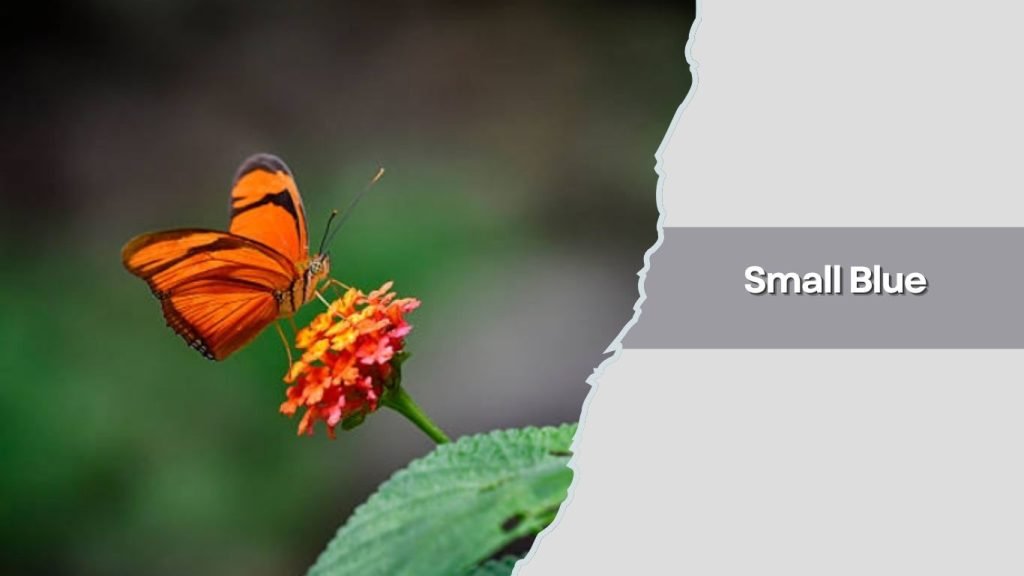
The Small Blue is the smallest blue butterfly in many regions, found mainly in Europe and parts of Asia. Despite its name, it has a subtle appearance and is often overlooked in the wild.
Identification
- Dark brown upper wings with slight blue tint
- Pale underside with small black spots
- Wingspan ranges from 2 to 3 cm
- Very small and delicate size
Color Pattern
Unlike many blue butterflies, the Small Blue does not have bright blue upper wings. Instead, it appears mostly brown with a faint bluish sheen. The underside is light gray with tiny black spots, helping it blend into its surroundings.
Diet
Caterpillars feed mainly on kidney vetch plants. Adult butterflies consume nectar from small flowers, often staying close to their host plants.
Habitat
The Small Blue prefers grasslands, coastal dunes, and limestone areas. It thrives in warm, open habitats where its host plants grow in abundance.
11. Chalkhill Blue

The Chalkhill Blue is a beautiful butterfly commonly found in chalk and limestone grasslands. It is especially known for its soft blue coloration and preference for warm, dry habitats.
Identification
- Males have pale silvery-blue wings
- Females are brown with some orange markings
- Wingspan ranges from 3 to 4 cm
- Fine dark border along wing edges
Color Pattern
The male Chalkhill Blue shows a soft, powdery blue color with a thin dark edge, giving it a delicate appearance. Females are more subdued, with brown wings and small orange spots. The underside is pale gray with black dots, aiding camouflage.
Diet
Caterpillars feed mainly on horseshoe vetch. Adult butterflies consume nectar from flowers such as thistles and other grassland plants, supporting their active daytime behavior.
Habitat
This butterfly prefers chalk and limestone grasslands with short vegetation. It thrives in sunny, open areas where its host plants grow abundantly.
12. Red-spotted Purple (Blue form)
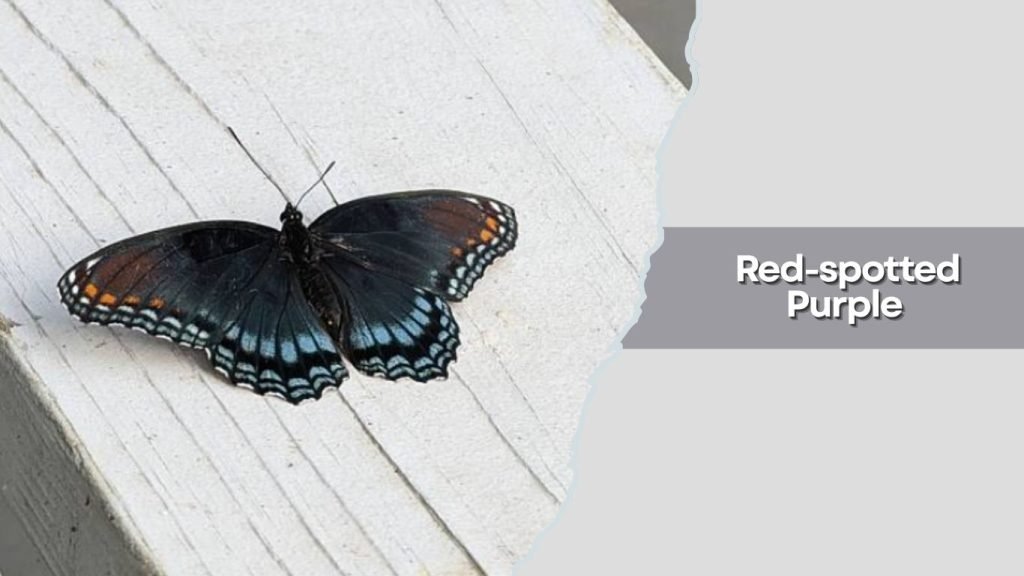
The Red-spotted Purple (Blue form) is a striking butterfly found in North America. Although not a true “blue” species, it displays a beautiful iridescent blue sheen that makes it stand out among butterflies.
Identification
- Dark wings with iridescent blue sheen
- Red-orange spots along the wing edges
- Wingspan ranges from 7 to 9 cm
- No tail extensions
Color Pattern
This butterfly has dark black wings that shimmer with blue in sunlight. The edges feature red-orange spots, creating a strong contrast. The underside is more patterned with lighter tones, helping with camouflage when resting.
Diet
Caterpillars feed on trees such as willow, cherry, and poplar. Adult butterflies prefer tree sap, rotting fruit, and organic matter rather than flower nectar.
Habitat
The Red-spotted Purple (Blue form) is commonly found in forests, woodlands, and near streams. It prefers shaded environments with plenty of host trees and moisture sources.
13. Ulysses Butterfly
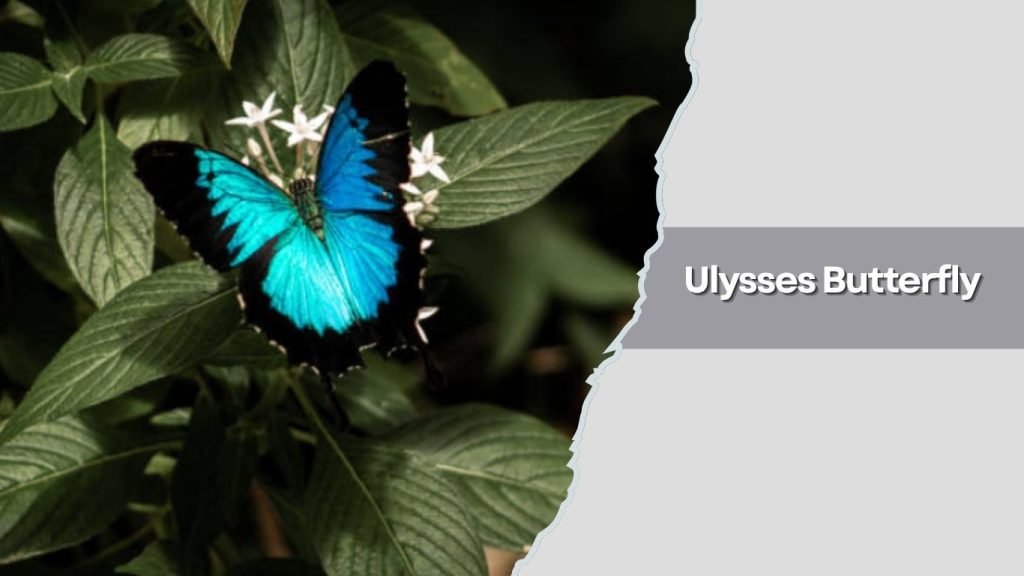
The Ulysses Butterfly is a brilliant blue species native to Australia and nearby tropical regions. It is admired for its vivid coloration and fast, energetic flight through rainforest environments.
Identification
- Bright electric blue upper wings
- Dark brown to black edges
- Wingspan ranges from 10 to 14 cm
- Fast and strong flight
Color Pattern
The Ulysses Butterfly displays an intense, glowing blue color on its upper wings that stands out vividly in sunlight. The underside is more subdued with brown tones, helping it blend into its surroundings when resting.
Diet
Caterpillars feed on plants from the citrus family. Adult butterflies consume nectar from a variety of tropical flowers, supporting their active lifestyle and high energy needs.
Habitat
This butterfly is commonly found in tropical rainforests, coastal areas, and gardens. It prefers warm, humid environments with dense vegetation and abundant flowering plants.
FAQs
What makes blue butterflies unique?
Blue butterflies are unique because of their iridescent wing colors, which are created by microscopic scales that reflect light rather than pigments alone. This gives them a shimmering effect that changes depending on the angle of light, making them especially eye-catching in nature.
How can you identify a blue butterfly?
Blue butterflies are typically identified by their blue upper wings in males, while females are often brown with some blue hints. The underside usually has gray or brown tones with small spots, helping them stay camouflaged when resting.
What do blue butterflies eat?
As caterpillars, they mostly feed on host plants like legumes, clover, or specific herbs. Adult butterflies consume nectar from flowers, while some species also feed on tree sap, rotting fruit, or organic matter for extra nutrients.
Where are blue butterflies commonly found?
Blue butterflies are found worldwide in a variety of habitats, including grasslands, forests, gardens, and tropical regions. Different species prefer different environments, from alpine meadows to humid rainforests.
Are blue butterflies rare?
Some blue butterfly species are common, while others are rare and endangered due to habitat loss and environmental changes. Species like the Karner Blue require specific plants and conditions, making them more vulnerable compared to widespread species like the Common Blue.
