Black butterflies are among the most elegant and mysterious insects in the natural world. Their dark wings often feature subtle iridescent colors, bold patterns, or striking accents that make them stand out in gardens, forests, and tropical landscapes. Found across different regions, these butterflies vary in size, behavior, and habitat, yet all share a captivating beauty that draws attention.
In this list, you will discover 14 types of black butterflies, each with unique characteristics, patterns, and lifestyles that make them fascinating to observe and identify.
1. Eastern Black Swallowtail
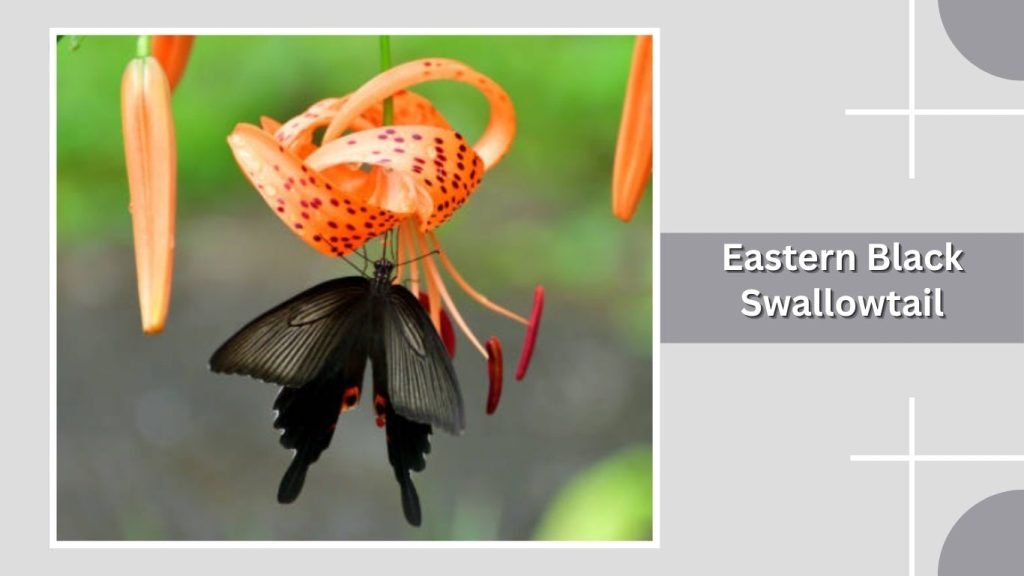
The Eastern Black Swallowtail is a striking butterfly known for its bold dark wings and graceful flight. Common across North America, it is often seen in gardens, meadows, and open fields. Its beauty and adaptability make it one of the most recognizable black butterflies.
Identification
- Large butterfly with a wingspan of about 3 to 4 inches
- Predominantly black wings with rows of yellow spots
- Blue shading on the hindwings, especially in females
- Distinct red-orange spots near the tail edges
- Tail-like extensions on hindwings, typical of swallowtails
Color Pattern
The wings are mostly black, highlighted by bright yellow markings that form bands across the forewings. Females often display more blue iridescence on the hindwings, giving them a slightly more vibrant appearance than males. The combination of yellow, blue, and red accents creates a visually rich pattern.
Habitat
This butterfly prefers open areas such as gardens, fields, roadsides, and wetlands. It is especially attracted to regions where host plants like parsley, dill, fennel, and carrots grow. Because of this, it is frequently found in home gardens and agricultural areas.
Behavior
Eastern Black Swallowtails are active during the day and are strong, steady fliers. They often glide between flowers while feeding on nectar. Males are known to patrol open spaces in search of females, while females focus on laying eggs on suitable host plants for their caterpillars.
2. Pipevine Swallowtail
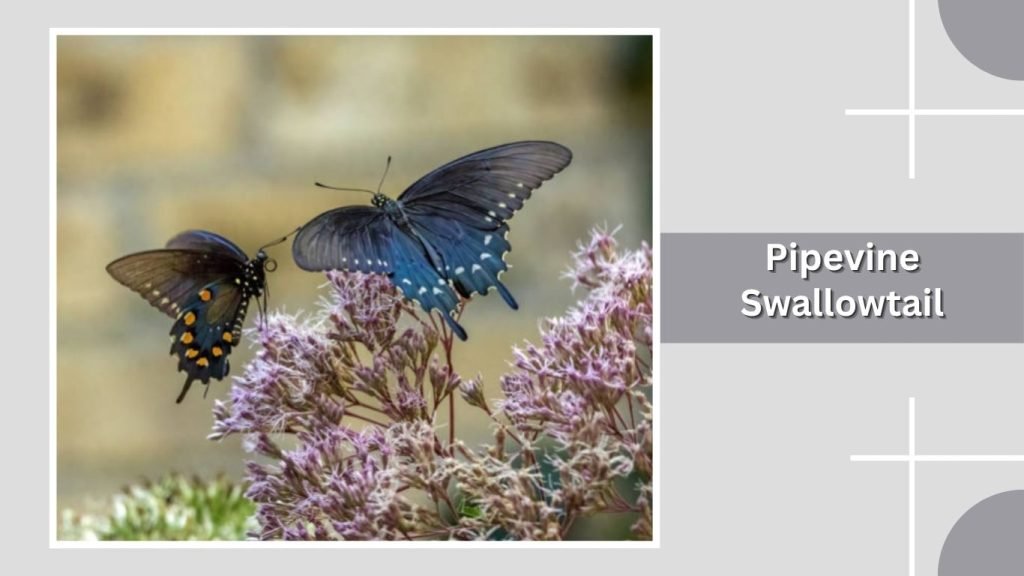
The Pipevine Swallowtail is a dark, elegant butterfly admired for its shimmering blue highlights and smooth flight. It is commonly found in North and Central America, especially in warm regions where its host plants grow. This species is also known for its role in mimicry, influencing other butterflies.
Identification
- Medium to large butterfly with a wingspan of 2.5 to 5 inches
- Velvety black forewings
- Iridescent blue or blue-green hindwings
- Row of bright orange spots along the underside of hindwings
- Long, slender tails on hindwings
Color Pattern
The upper wings appear deep black, but in sunlight, the hindwings reveal a striking metallic blue sheen. The underside features a row of vivid orange spots that contrast sharply with the dark background. This bold combination acts as a warning to predators.
Habitat
Pipevine Swallowtails prefer wooded areas, forest edges, gardens, and near streams. They are closely tied to pipevine plants, which serve as their primary host. Regions with abundant vegetation and moisture are ideal for their survival.
Behavior
These butterflies are slow and graceful fliers, often seen gliding smoothly. They feed on nectar from flowers and are active during the day. Their caterpillars absorb toxins from host plants, making both larvae and adults unpalatable to predators.
3. Spicebush Swallowtail
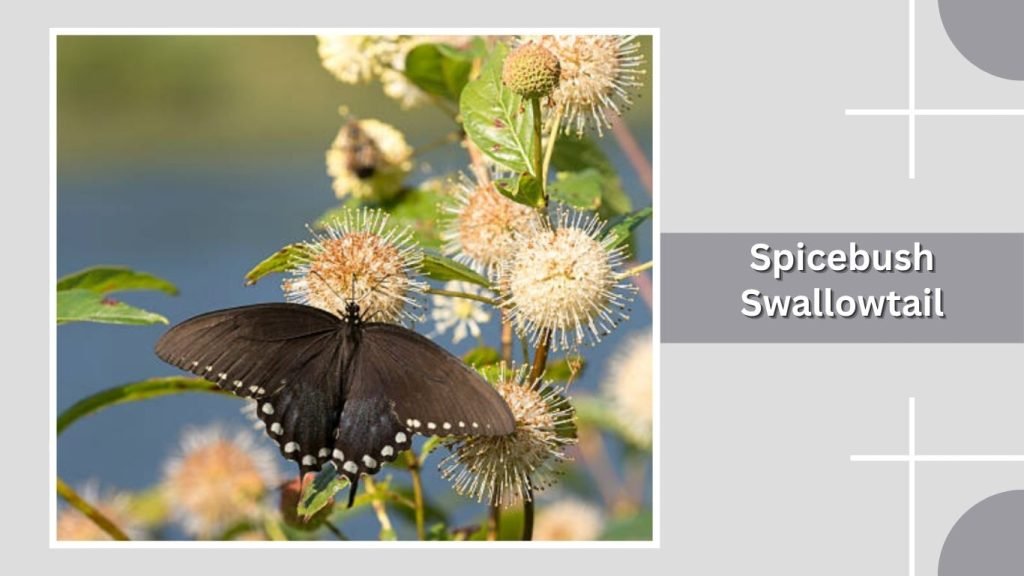
The Spicebush Swallowtail is a beautiful black butterfly known for its unique wing patterns and eye-like markings. It is widely distributed across eastern North America and is often seen in forests and gardens. Its caterpillars are also famous for their snake-like appearance.
Identification
- Wingspan of about 3 to 4 inches
- Dark black wings with pale greenish-blue spots
- Large, rounded hindwings with short tails
- Distinct eye spots on the hindwings
- Females often show more blue coloration than males
Color Pattern
The wings are mostly black with rows of light spots that may appear bluish or greenish. The underside displays orange and cream markings along with prominent eye spots, which help deter predators by mimicking larger animals.
Habitat
This butterfly thrives in deciduous forests, woodland edges, swamps, and suburban gardens. It prefers areas where spicebush and sassafras plants grow, as these are essential for laying eggs and feeding caterpillars.
Behavior
Spicebush Swallowtails are quick and agile fliers. They are active during daylight and frequently visit flowers for nectar. Males often gather near damp areas to absorb minerals, while females search for host plants to lay eggs.
4. Black Witch
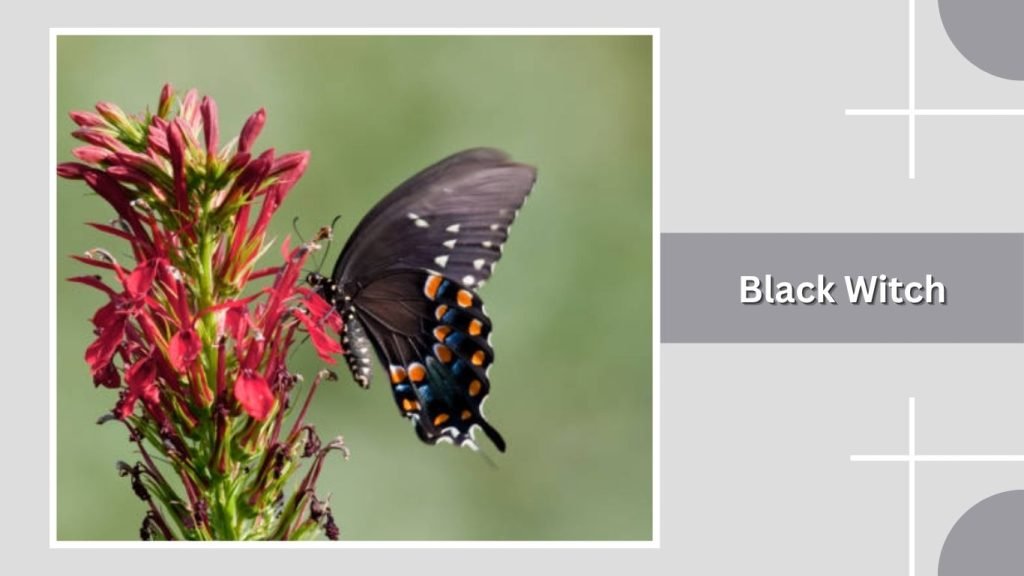
The Black Witch is one of the largest and most mysterious butterflies, often associated with folklore and night activity. Found across the Americas, it is known for its dark appearance and impressive wingspan, making it easy to mistake for a moth at first glance.
Identification
- Very large wingspan, up to 7 inches
- Dark brown to black wings with subtle patterns
- Wavy lines and eye-like markings on wings
- Females often have a pale band across the wings
- Broad, bat-like wing shape
Color Pattern
Its wings appear mostly black or dark brown, but closer inspection reveals intricate patterns of lighter lines and shading. Some individuals show purplish or bluish tones under certain lighting. Females usually have a noticeable pale stripe, adding contrast to the dark wings.
Habitat
Black Witch butterflies prefer tropical and subtropical regions, including forests, woodlands, and even urban areas. They often rest on walls, tree trunks, or shaded surfaces during the day and are more active at dusk or night.
Behavior
Unlike many butterflies, the Black Witch is primarily nocturnal. It flies at night and is attracted to lights. During the day, it remains still and well-camouflaged. It feeds on fermenting fruit, tree sap, and other organic matter rather than typical flower nectar.
5. Common Mormon
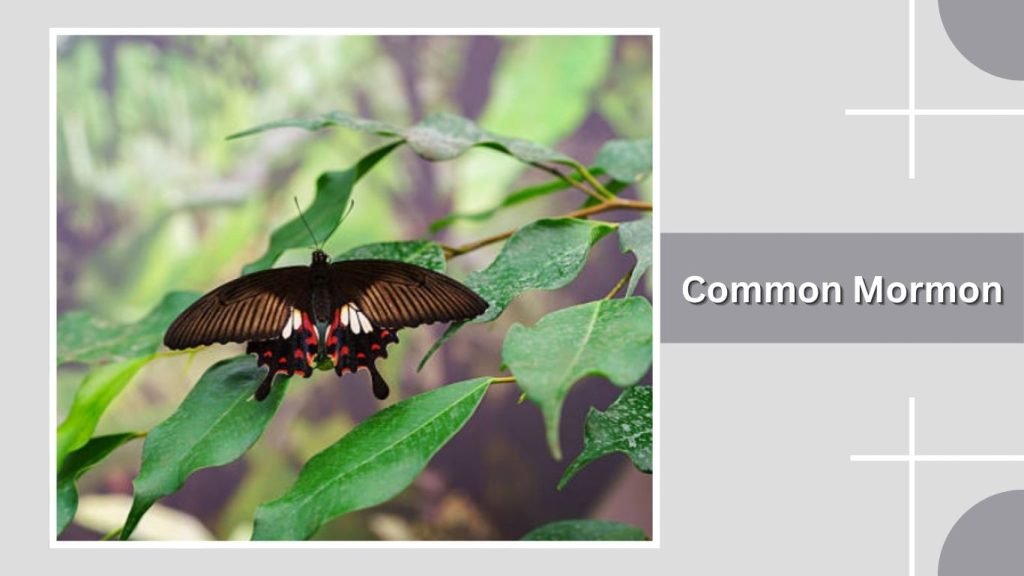
The Common Mormon is a versatile and widespread black butterfly known for its variation in appearance, especially among females. It is commonly found across South and Southeast Asia and is admired for its adaptability and mimicry.
Identification
- Medium to large butterfly with a wingspan of 3 to 4 inches
- Black wings with white or cream spots
- Females may mimic toxic butterfly species
- Red markings near the base of hindwings
- Short tail-like extensions on hindwings
Color Pattern
The wings are primarily black with contrasting white patches. Females show multiple forms, some with additional red or pale markings that mimic other species. This variation helps protect them from predators by resembling unpalatable butterflies.
Habitat
Common Mormons are highly adaptable and can be found in gardens, forests, urban areas, and farmland. They thrive in warm climates and are often seen near citrus plants, which serve as their main host plants.
Behavior
These butterflies are active during the day and are strong fliers. They frequently visit flowers for nectar and are commonly seen in gardens. Females lay eggs on citrus plants, while males actively search for mates in open spaces.
6. Red-Spotted Purple
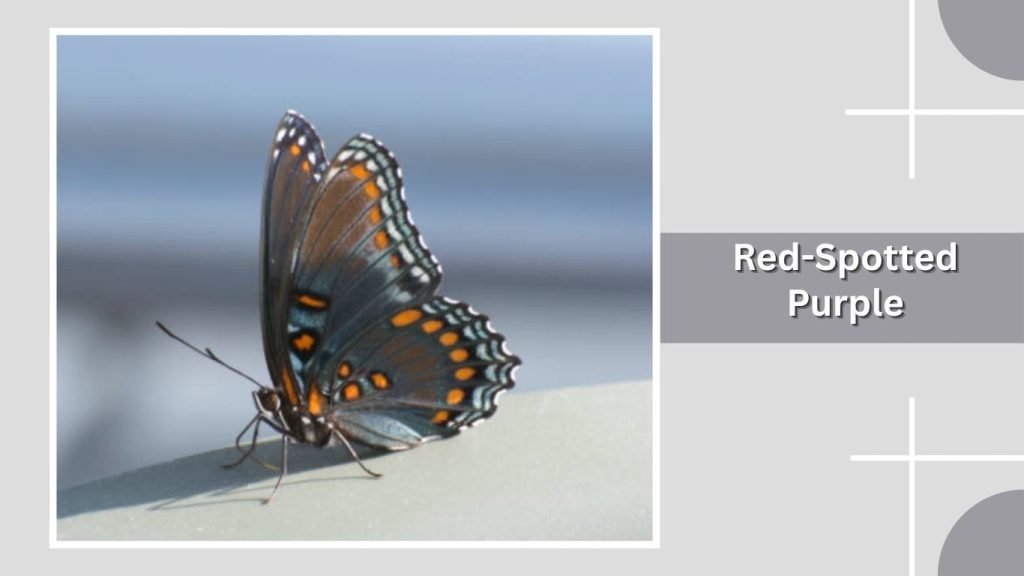
The Red-Spotted Purple is a stunning butterfly that appears almost entirely black at first glance, with hidden iridescent colors that shine in sunlight. It is widely found in North America and is known for mimicking toxic species to avoid predators.
Identification
- Medium-sized butterfly with a wingspan of 3 to 4 inches
- Dark black wings without tails
- Iridescent blue or purple sheen on upper wings
- Rows of small red-orange spots along the edges
- Slightly scalloped wing edges
Color Pattern
Although it looks black from a distance, the wings reveal a deep blue or purple shimmer when light hits them. The edges of the wings are lined with red or orange spots, adding contrast and making the butterfly more visually striking up close.
Habitat
This butterfly prefers woodlands, forest edges, parks, and suburban areas. It is commonly seen near rivers, streams, and damp places where it can find moisture and nutrients.
Behavior
Red-Spotted Purples are active during the day but are less likely to visit flowers than other butterflies. Instead, they often feed on rotting fruit, tree sap, and animal droppings. Their flight is quick and erratic, helping them evade predators.
7. Mourning Cloak
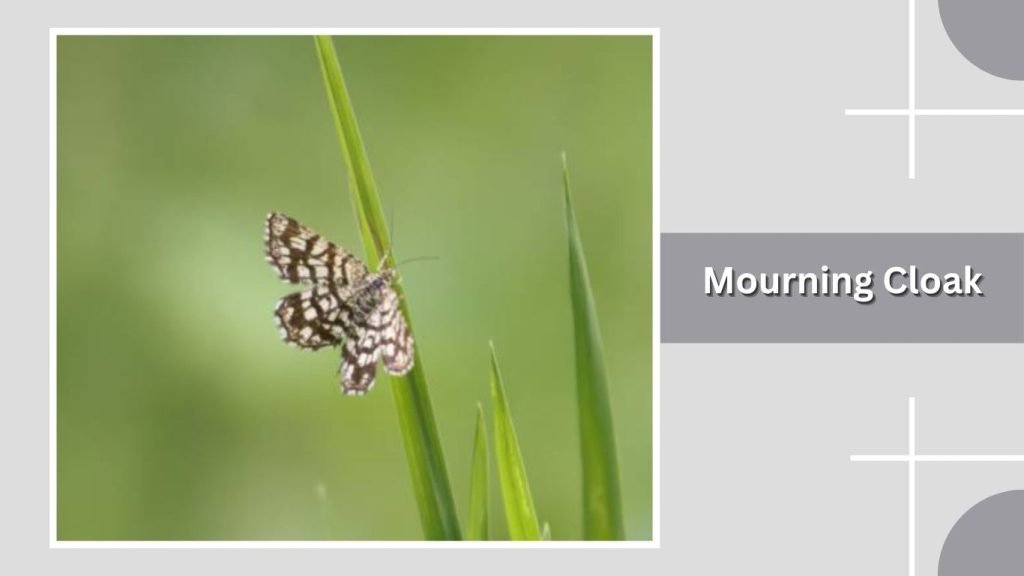
The Mourning Cloak is a unique dark butterfly recognized for its long lifespan and distinctive wing borders. It is found across North America, Europe, and parts of Asia, often appearing early in spring and late in autumn.
Identification
- Medium to large butterfly with a wingspan of 3 to 4 inches
- Dark maroon to black wings
- Pale yellow or cream-colored border along wing edges
- Row of blue spots just inside the border
- Jagged, uneven wing edges
Color Pattern
The wings are deep brownish-black with a striking pale border that contrasts sharply with the dark background. A row of iridescent blue spots adds a decorative touch, making this butterfly easy to recognize despite its overall dark tone.
Habitat
Mourning Cloaks are found in forests, parks, gardens, and near streams. They prefer areas with trees such as willows, elms, and poplars, which provide food for their caterpillars.
Behavior
This butterfly is known for its long life, often surviving through winter as an adult. It is one of the first butterflies to appear in spring. Instead of nectar, it prefers feeding on tree sap, rotting fruit, and other organic materials.
8. Great Mormon
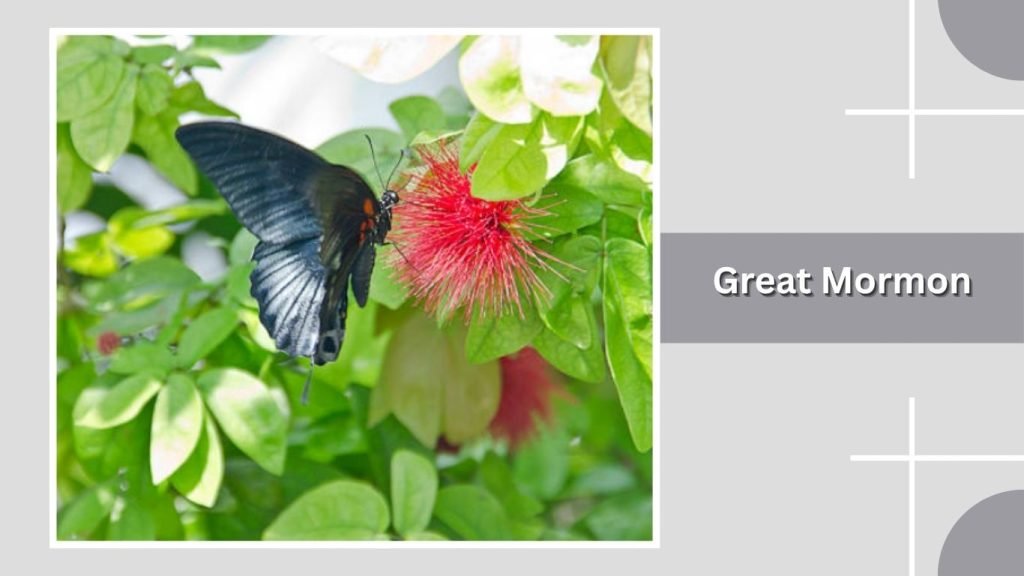
The Great Mormon is a large and eye-catching black butterfly found mainly in South and Southeast Asia. It is well known for its striking wing patterns and the strong mimicry displayed by females, making it one of the most fascinating swallowtails.
Identification
- Large butterfly with a wingspan of 4 to 6 inches
- Predominantly black wings
- Males have pale cream markings on hindwings
- Females show multiple forms with varied patterns
- Short tails on hindwings
Color Pattern
Males display a simple yet elegant pattern with black wings and soft cream patches. Females vary greatly, often showing bold white, red, or orange markings depending on the form. This variation helps them mimic toxic butterflies and avoid predators.
Habitat
Great Mormons are commonly found in forests, gardens, plantations, and urban green spaces. They prefer warm climates and are often seen near citrus plants, which serve as host plants for their larvae.
Behavior
These butterflies are strong and fast fliers, active during the day. They frequently visit flowers for nectar and are often seen gliding gracefully. Females focus on laying eggs on host plants, while males patrol areas in search of mates.
9. Gold Rim Swallowtail
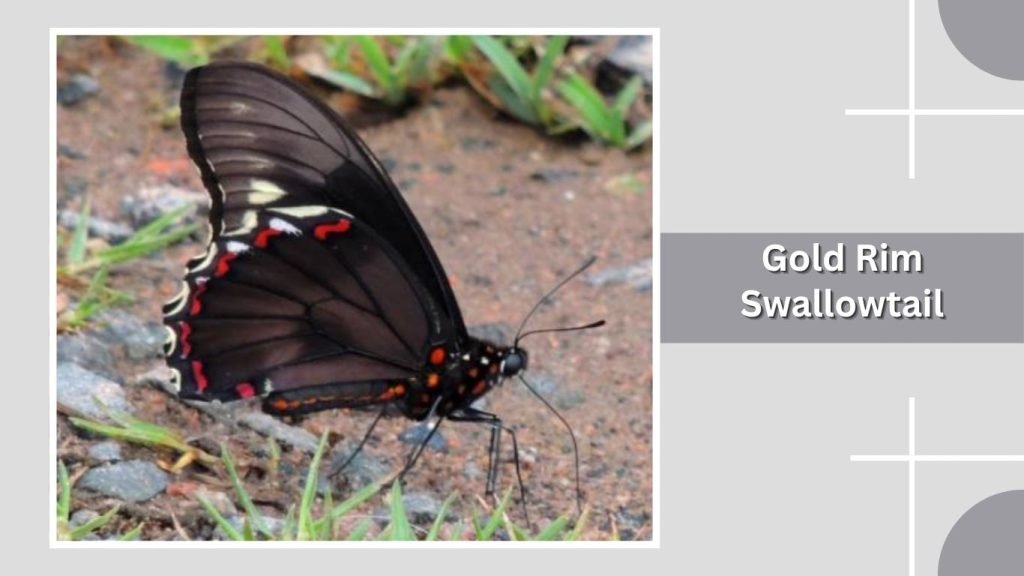
The Gold Rim Swallowtail is a striking black butterfly recognized for its bold yellow borders and elegant flight. It is native to parts of Asia and is commonly seen in tropical and subtropical environments.
Identification
- Large butterfly with a wingspan of 3.5 to 4.5 inches
- Deep black wings with bright yellow margins
- No tails on hindwings
- Smooth, rounded wing shape
- Minimal markings besides the yellow border
Color Pattern
Its wings are jet black with a vivid golden-yellow rim outlining the edges. This clean and bold contrast gives the butterfly a very distinct and elegant appearance, making it easy to identify even from a distance.
Habitat
Gold Rim Swallowtails inhabit forests, hillsides, gardens, and rural areas. They prefer warm regions with plenty of flowering plants and are often found in both natural and cultivated landscapes.
Behavior
These butterflies are active during daylight hours and are strong, steady fliers. They are frequently seen visiting flowers for nectar. Their flight is smooth and controlled, often gliding between plants while feeding or searching for mates.
10. Tailed Jay (Dark Form)
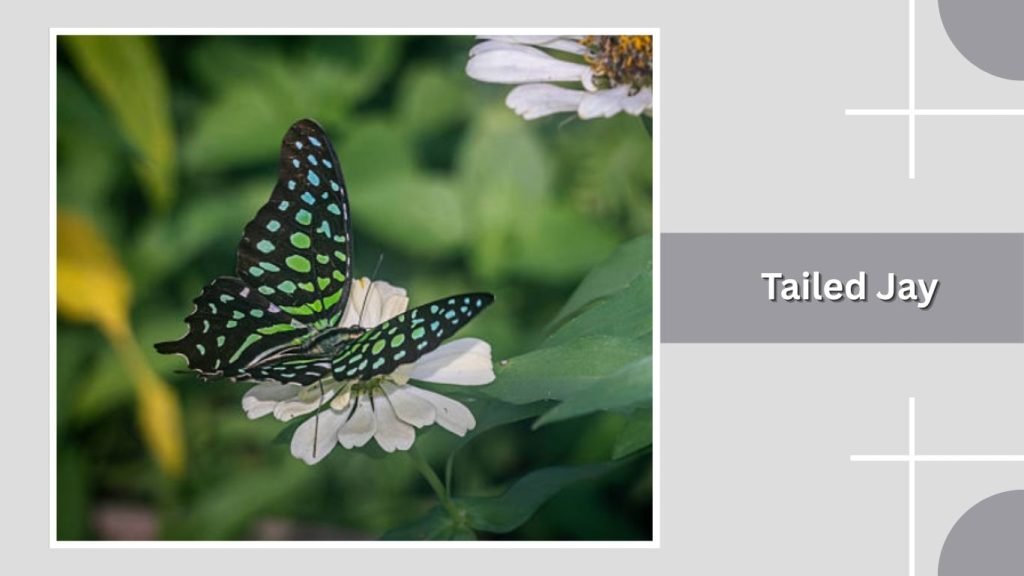
The Tailed Jay (dark form) is a fast-flying butterfly known for its striking contrast of dark wings and bright markings. Found in South and Southeast Asia, this form appears darker than the typical green-spotted variety, giving it a more black-dominant look.
Identification
- Medium-sized butterfly with a wingspan of 3 to 4 inches
- Dark black wings with reduced or faint green spots
- Long, thin tail extensions on hindwings
- Sleek and narrow wing shape
- Rapid, darting flight pattern
Color Pattern
In the dark form, the wings appear mostly black with subtle or muted green spots. The contrast is less vibrant than the typical form, making the butterfly look darker overall. Some individuals may still show faint hints of green under good lighting.
Habitat
This butterfly is commonly found in tropical forests, gardens, and plantations. It prefers areas with dense vegetation and is often seen near citrus plants, which are important for its life cycle.
Behavior
The Tailed Jay is an extremely fast and active flier. It rarely stays still, constantly moving between flowers for nectar. Its quick and erratic flight makes it difficult for predators to catch.
11. Black Swallowtail (European Form)
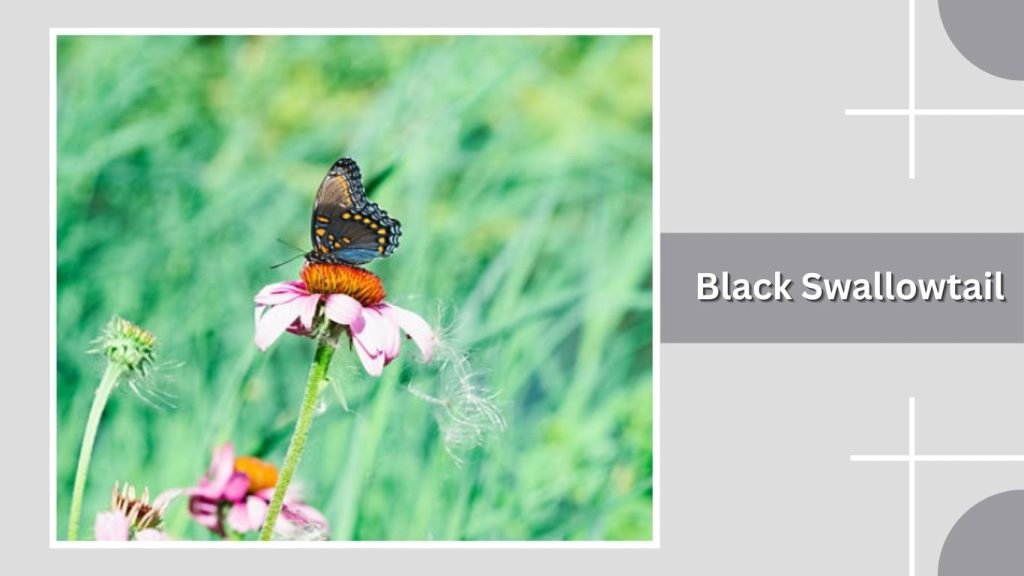
The European form of the Black Swallowtail is a close relative of the Eastern Black Swallowtail, sharing similar features but with slight regional variations. It is widely distributed across Europe and parts of Asia.
Identification
- Medium to large butterfly with a wingspan of 3 to 4 inches
- Black wings with rows of yellow spots
- Blue shading on hindwings, more visible in females
- Red-orange eye spots near the tail area
- Distinct swallowtail extensions
Color Pattern
The wings are primarily black with bright yellow bands forming a spotted pattern. Blue highlights appear on the hindwings, especially in females, while red-orange spots near the tails add a colorful accent.
Habitat
This butterfly prefers open landscapes such as meadows, fields, gardens, and farmland. It is often found in areas where host plants like fennel, parsley, and carrots are available.
Behavior
European Black Swallowtails are active during the day and are strong fliers. They frequently visit flowers for nectar and are commonly seen in sunny, open spaces. Females lay eggs on host plants to support caterpillar development.
12. Archduke Butterfly
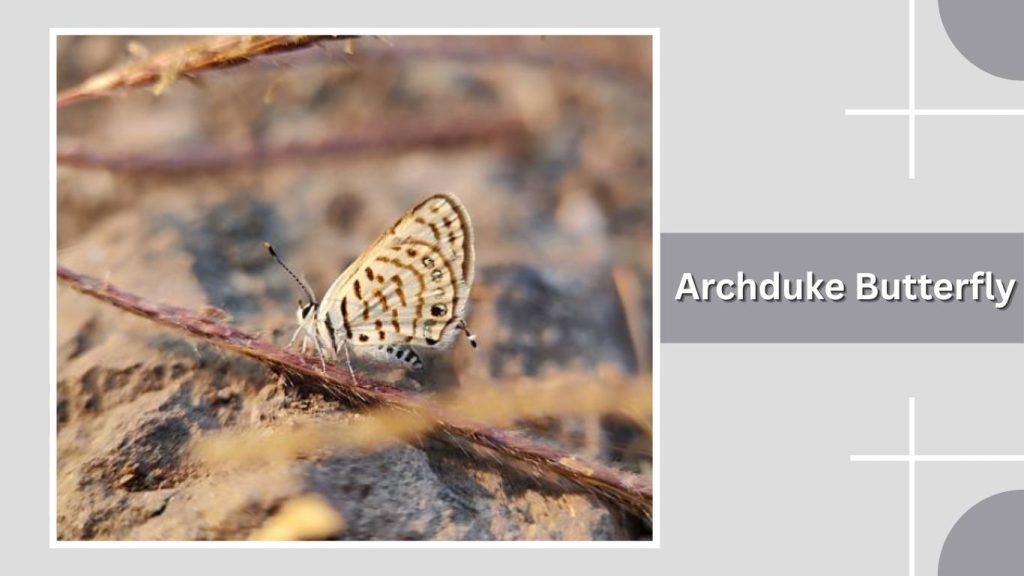
The Archduke Butterfly is a dark and elegant species found mainly in South and Southeast Asia. It is known for its rich, velvety wing tones and subtle markings that give it a refined appearance compared to more brightly colored butterflies.
Identification
- Medium-sized butterfly with a wingspan of 2.5 to 3.5 inches
- Dark brown to black wings
- Broad wings with slightly rounded edges
- Males darker; females may show pale bands
- Smooth, gliding flight style
Color Pattern
The wings appear deep black or dark brown with faint lighter bands or markings. In some lighting, a slight bluish or purplish sheen may be visible. Females often display more noticeable pale patterns, adding contrast.
Habitat
Archduke Butterflies are typically found in forests, woodland edges, and shaded areas. They prefer humid environments and are often seen resting in cool, covered spots rather than open sunny spaces.
Behavior
These butterflies are calm and less active compared to others. They often glide slowly and may rest for long periods. They feed on tree sap, rotting fruit, and other organic materials instead of frequently visiting flowers.
13. Blue Moon Butterfly (Dark Phase)
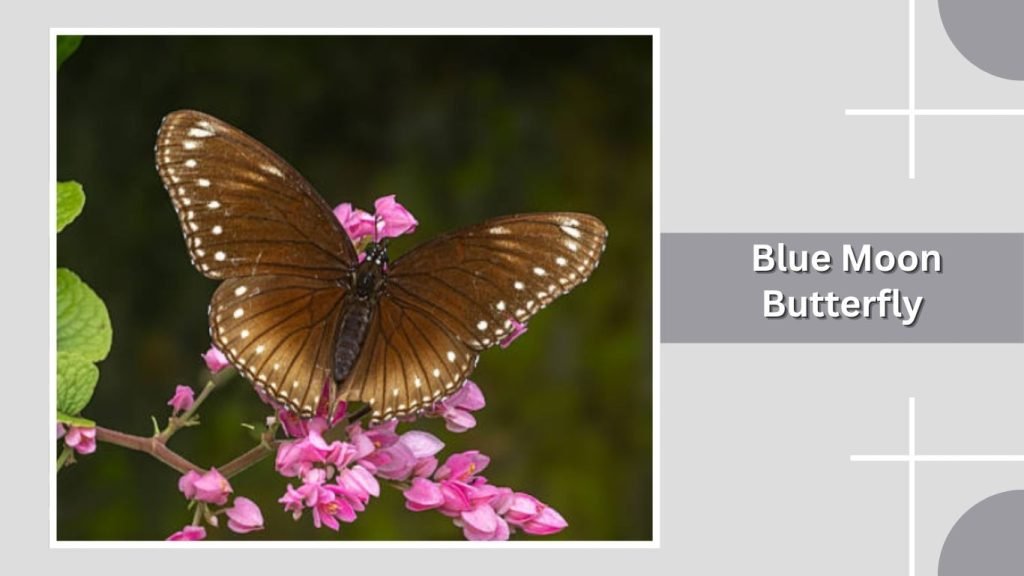
The Blue Moon Butterfly (dark phase) is a visually striking species known for its shimmering blue hues over a dark base. It is commonly found in tropical regions across Asia and Australia.
Identification
- Medium to large butterfly with a wingspan of 3 to 4 inches
- Black wings with bright blue patches or bands
- No tails on hindwings
- Smooth wing edges
- Strong, fast flight
Color Pattern
The wings are primarily black with vivid, iridescent blue markings that can appear almost glowing in sunlight. The intensity of the blue varies, creating a dynamic and eye-catching effect against the dark background.
Habitat
This butterfly thrives in forests, gardens, and coastal areas. It prefers warm climates and is often seen in regions with abundant flowering plants and open spaces.
Behavior
Blue Moon Butterflies are active during the day and are strong fliers. They move quickly between flowers while feeding on nectar. Their fast and direct flight helps them cover large areas in search of food and mates.
14. Common Crow
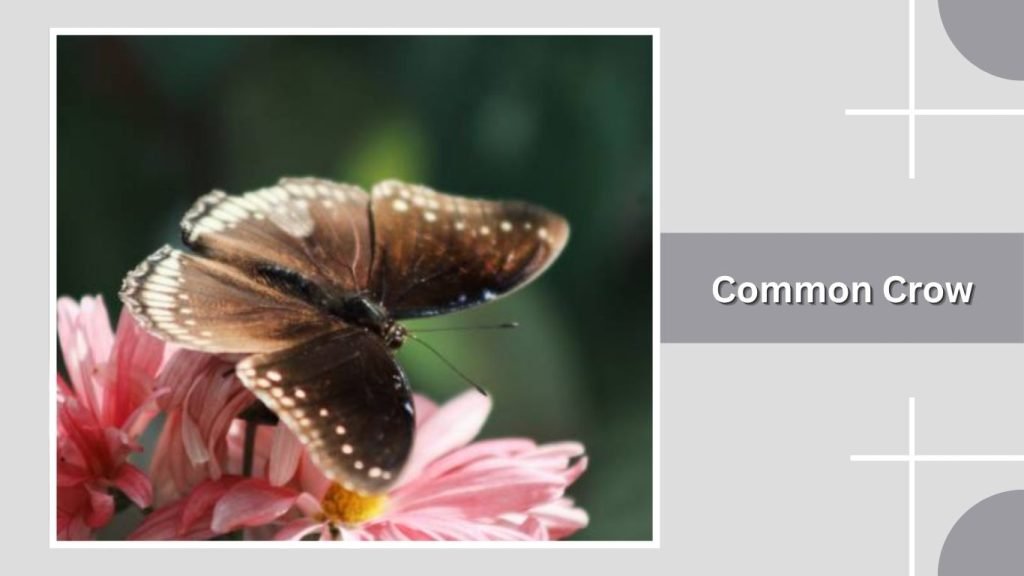
The Common Crow is a well-known black butterfly found throughout South Asia. It belongs to the milkweed butterfly group and is recognized for its slow, steady flight and unpalatable nature to predators.
Identification
- Medium-sized butterfly with a wingspan of 3 to 4 inches
- Dark brown to black wings
- Covered with small white spots
- No tail extensions
- Smooth, rounded wings
Color Pattern
The wings are deep black or dark brown, decorated with evenly spaced white spots. This simple yet bold pattern makes it easy to identify and gives it a distinctive appearance in flight.
Habitat
Common Crows are found in gardens, forests, urban areas, and coastal regions. They adapt well to different environments, especially where host plants like milkweed are present.
Behavior
These butterflies are slow and graceful fliers, often gliding steadily through open spaces. They are active during the day and frequently visit flowers for nectar. Their toxicity makes them less likely to be attacked by predators.
FAQs
What do black butterflies symbolize?
Black butterflies are often associated with transformation, mystery, and change. In some cultures, they represent rebirth or the transition from one phase of life to another. While meanings vary, they are generally seen as powerful symbols of growth and personal evolution.
Are black butterflies rare?
Not all black butterflies are rare. Some species, like the Eastern Black Swallowtail or Common Crow, are quite common in certain regions. However, others may be less frequently seen due to limited habitats or specific environmental conditions.
Where can you usually find black butterflies?
Black butterflies can be found in a wide range of habitats, including gardens, forests, meadows, and tropical areas. Many species prefer places with abundant flowers and host plants, which provide food and suitable spots for laying eggs.
Do black butterflies have special adaptations?
Yes, many black butterflies have unique adaptations such as mimicry and toxicity. Some species mimic poisonous butterflies to avoid predators, while others are genuinely toxic due to chemicals absorbed from their host plants during the caterpillar stage.