

California is home to a wide variety of black and dark-colored spiders, ranging from harmless house dwellers to medically significant species. While many of these spiders may look similar at first glance, they differ in size, behavior, habitat, and level of risk to humans. Most black spiders are beneficial, as they help control insect populations both indoors and outdoors. Understanding how to identify them can help you stay safe while also appreciating their role in the ecosystem.
1. Black Widow Spider
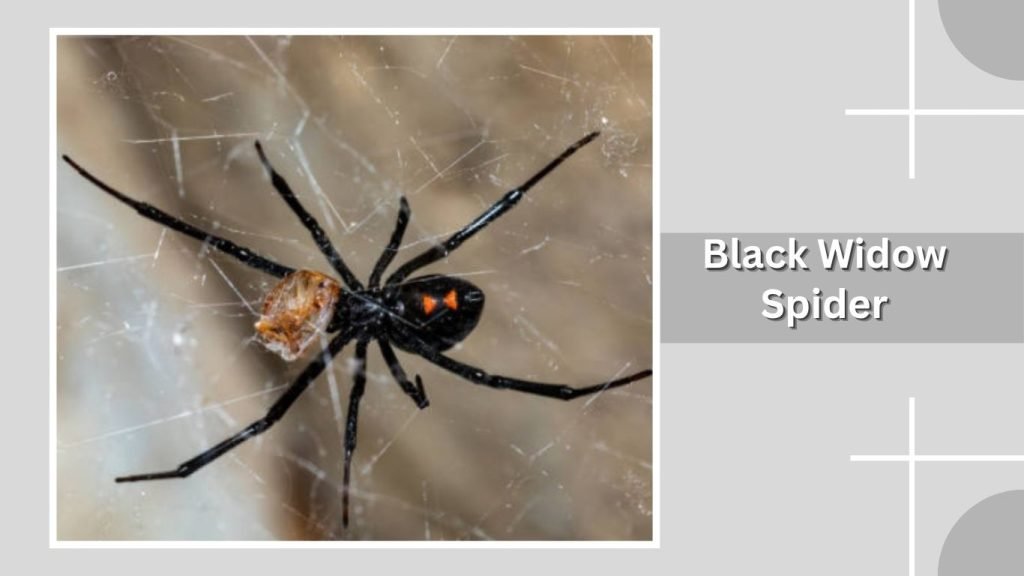
The Black Widow Spider is one of the most well-known venomous spiders found in California. It is recognized by its shiny black body and the distinctive red hourglass marking on the underside of its abdomen. This species prefers dark, quiet, and undisturbed areas such as woodpiles, garages, basements, and outdoor crevices. Although its bite can be medically significant, Black Widow spiders are generally non-aggressive and bite only when threatened.
Identification
- Shiny jet-black body with a smooth, glossy appearance
- Distinct red or orange hourglass marking on the underside of the abdomen
- Females are larger than males, typically about 1.5 inches including legs
- Long, slender legs relative to body size
- Irregular, tangled webs rather than symmetrical orb webs
Habitat
Black Widow spiders are commonly found in sheltered outdoor environments across California. They prefer dry, dark, and low-traffic areas such as under rocks, inside logs, in garden debris, sheds, garages, and storage spaces. Their webs are often built close to the ground and in hidden corners where prey insects are likely to pass by.
Behavior
This spider is mostly nocturnal and tends to remain hidden during the day. It hangs upside down in its web, waiting for prey to become trapped. When disturbed, it may retreat rather than attack. However, if directly threatened, it can bite defensively. Its venom is used primarily to immobilize prey rather than for human encounters.
2.Western Black Widow Spider
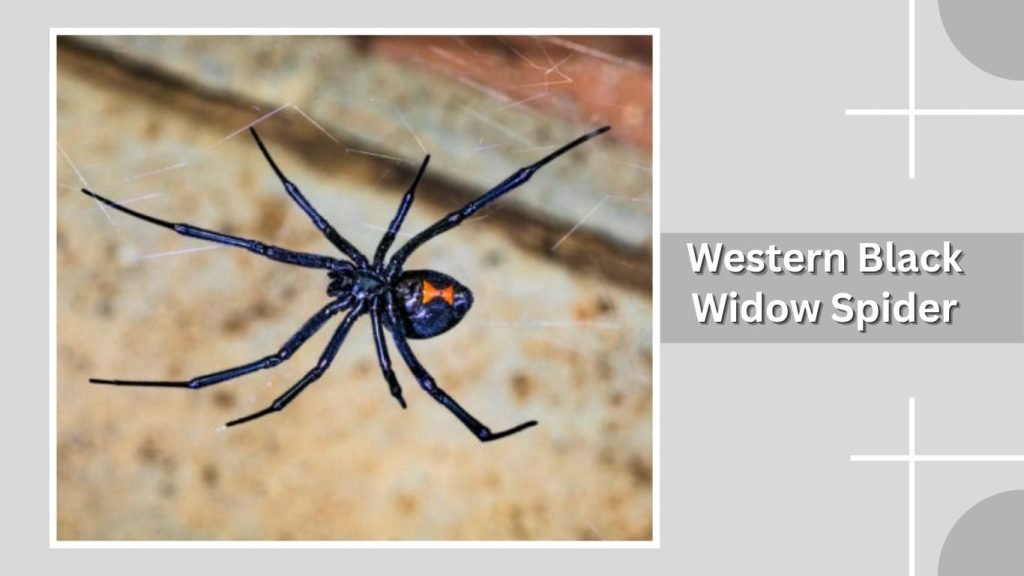
The Western Black Widow Spider is the most common widow species found across California and much of western North America. It closely resembles the Southern Black Widow but is adapted to drier climates. This spider is known for its glossy black body and the iconic red hourglass marking on the underside of the abdomen. It often inhabits human-made environments as well as natural outdoor spaces.
Identification
- Shiny black body with a smooth, polished appearance
- Red hourglass marking on the underside of the abdomen (sometimes broken or separated)
- Females are significantly larger than males
- Long, thin legs compared to body size
- Irregular, messy web structure typically built near ground level
Habitat
The Western Black Widow prefers dry, warm environments such as woodpiles, fences, garages, sheds, and outdoor storage areas. In California, it is frequently found in suburban and rural settings. It builds its web in undisturbed, sheltered locations where insects are likely to pass through. These spiders can also be found in cracks, crevices, and under debris.
Behavior
This species is generally shy and avoids contact with humans. It remains in its web, hanging upside down while waiting for prey. The Western Black Widow uses its venom to quickly subdue insects caught in its web. Bites to humans are rare and usually occur only when the spider is accidentally pressed or threatened.
3. Brown Widow Spider
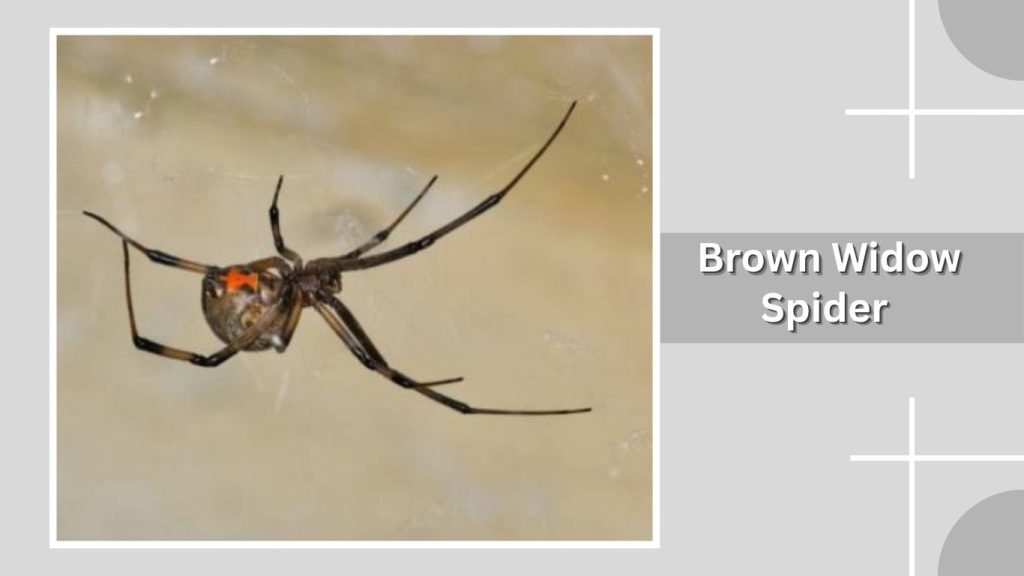
The Brown Widow Spider is an invasive widow species that has spread widely in California. It is closely related to the Black Widow but is lighter in color and easier to distinguish. This spider is often found in urban and suburban areas, where it builds webs on outdoor furniture, fences, walls, and other man-made structures.
Identification
- Light brown to tan body with mottled or patterned markings
- Orange or yellowish hourglass marking on the underside of the abdomen
- Distinct geometric or striped patterns on the abdomen
- Egg sacs are spiky or textured (unlike the smooth sacs of other widows)
- Females are larger than males and more commonly seen
Habitat
Brown Widow Spiders thrive in warm, dry environments and are commonly found in residential areas throughout California. They prefer locations such as outdoor furniture, mailboxes, garden equipment, fences, and building exteriors. Unlike some other widow species, they are often seen in more exposed areas rather than hidden deep in debris.
Behavior
Brown Widow Spiders are generally non-aggressive and tend to retreat when disturbed. They spend most of their time on their web, waiting for prey insects. Their venom is similar to that of other widow spiders but is typically considered less potent due to lower venom injection. Encounters with humans are uncommon and bites are rare, usually occurring only when the spider is handled or trapped.
4. False Black Widow Spider
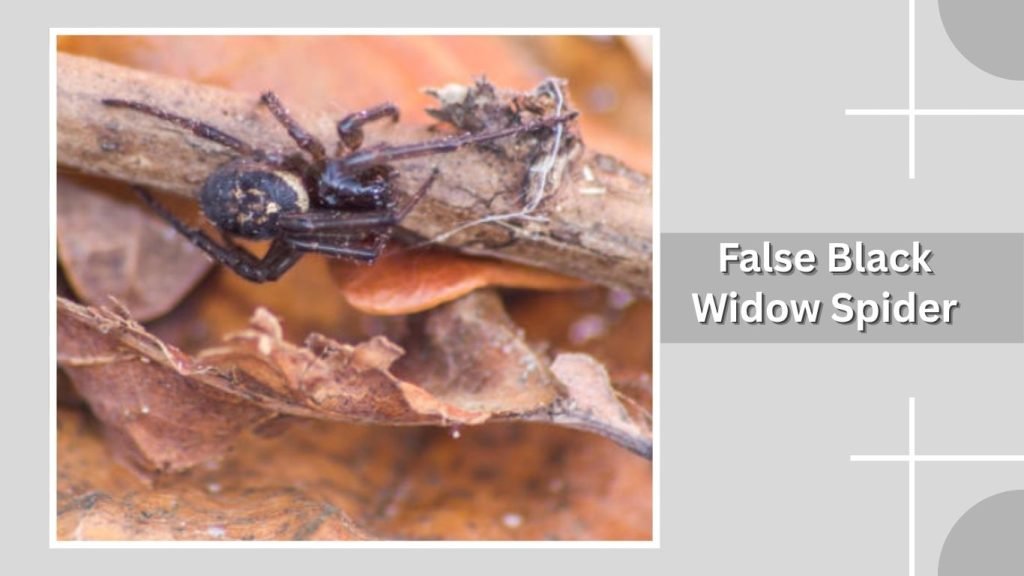
The False Black Widow Spider is a common spider in California that is often mistaken for the true Black Widow due to its dark coloration. However, it lacks the distinctive red hourglass marking. This species is widely distributed and frequently found in and around human dwellings, making it one of the more commonly encountered dark spiders.
Identification
- Dark brown to black body with a smooth, glossy appearance
- No red hourglass marking on the underside of the abdomen
- Rounded abdomen that may appear slightly bulbous
- Long, slender legs relative to body size
- Builds messy, irregular cobwebs in sheltered locations
Habitat
False Black Widow Spiders are typically found in homes, garages, basements, sheds, and other undisturbed indoor or outdoor spaces. In California, they are especially common in urban environments where they can find consistent shelter and prey. They prefer dark corners, cracks, and crevices, often staying hidden within their webs.
Behavior
This spider is generally shy and non-aggressive toward humans. It remains in its web and waits for small insects to become trapped. While it does possess venom to subdue prey, its bite is not considered medically significant for most people. Encounters usually occur when the spider is accidentally disturbed in its hiding place.
5. Noble False Widow Spider
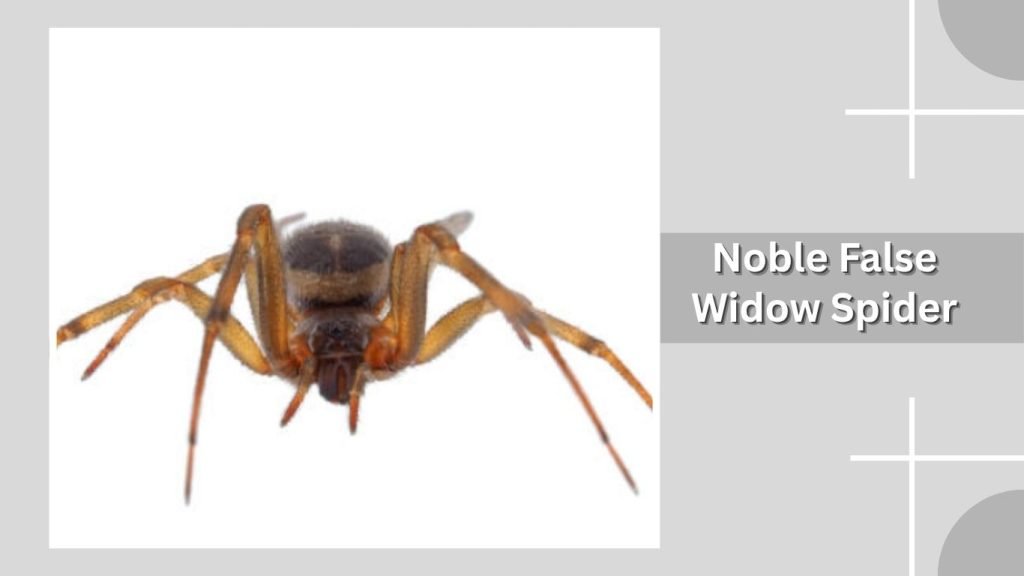
The Noble False Widow Spider is a dark-colored spider that has become established in parts of California after being introduced from Europe. It is often mistaken for a true widow spider due to its similar size and glossy appearance, though it lacks the red hourglass marking. This species is increasingly common in urban environments and is known for adapting well to human surroundings.
Identification
- Dark brown to black body with a shiny, slightly bulbous abdomen
- Pale or cream-colored markings or patterns on the abdomen
- No red hourglass marking underneath
- Legs are moderately long and dark, sometimes with lighter joints
- Builds irregular, tangled webs in sheltered locations
Habitat
Noble False Widow Spiders are typically found in urban and suburban areas, including homes, gardens, walls, fences, and building exteriors. In California, they prefer warm climates and are often seen around outdoor fixtures, cracks in walls, window frames, and other protected spaces where insects are available as prey.
Behavior
This species is generally non-aggressive and tends to avoid human contact. It remains hidden in its web, waiting for prey to pass by. Although it does have venom to immobilize insects, its bite is not considered highly dangerous, though it may cause mild to moderate localized symptoms in some cases. Encounters with humans usually happen when the spider is accidentally disturbed.
6. Common House Spider
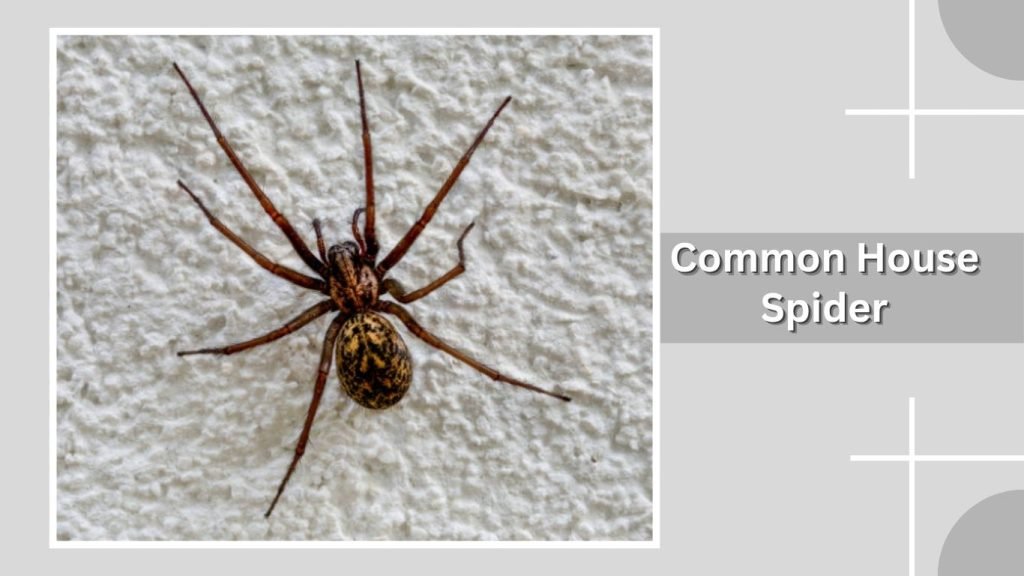
The Common House Spider is one of the most frequently encountered spiders in California homes. It is a small, dark brown to black spider that often builds its messy webs in corners, ceilings, basements, and other quiet indoor or outdoor spaces. Although it may appear similar to widow spiders at a glance, it is harmless to humans and plays an important role in controlling insect populations.
Identification
- Small body, typically light brown to dark brown with darker markings
- Rounded abdomen with subtle patterning rather than a uniform glossy black
- Long, thin legs that may appear banded
- Irregular, tangled cobwebs in corners or undisturbed areas
- Frequently found hanging upside down in its web
Habitat
Common House Spiders prefer sheltered environments such as indoor corners, basements, garages, window frames, and outdoor eaves. In California, they are widespread in both urban and rural settings. They build their webs in areas where insects are likely to be trapped and where there is minimal disturbance.
Behavior
This spider is non-aggressive and avoids contact with humans. It remains in its web and waits for prey to become entangled. When prey is captured, it quickly immobilizes it using silk. The Common House Spider poses no significant threat to humans, and bites are extremely rare and generally harmless. It is considered beneficial due to its role in reducing household insect pests.
7. Southern House Spider
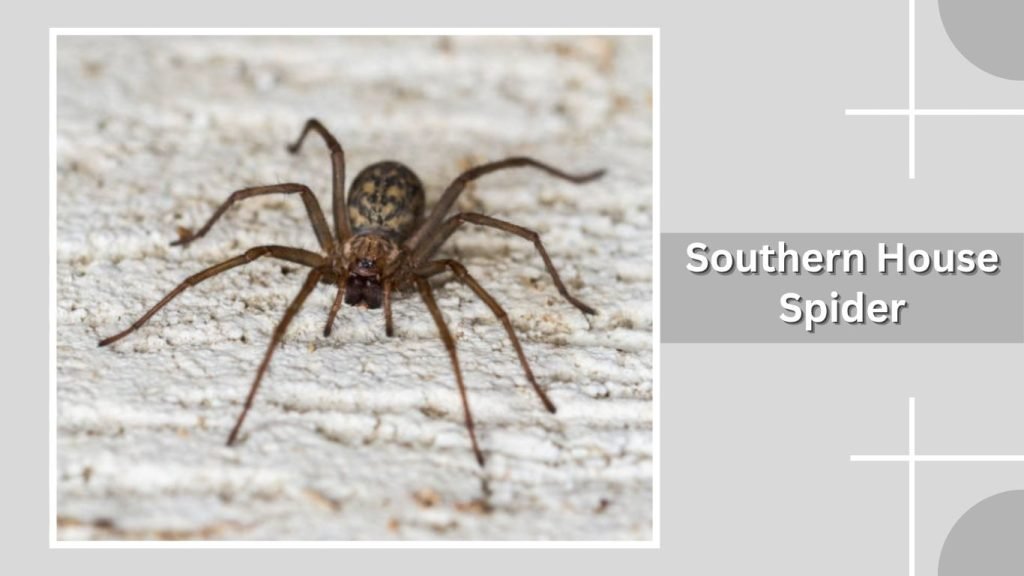
The Southern House Spider is a large, dark spider commonly found in California, especially in warmer regions. It is often mistaken for a Black Widow due to its dark coloration, but it has a different body shape and lacks the characteristic red markings. Males are more commonly seen wandering outside their webs, while females tend to stay hidden in retreats.
Identification
- Dark brown to black body with a matte (non-shiny) appearance
- Males are more slender with longer legs; females are more robust
- No red hourglass marking on the abdomen
- Long, somewhat hairy legs compared to widow spiders
- Females often remain in silken retreats rather than open webs
Habitat
Southern House Spiders prefer cracks, crevices, and sheltered outdoor areas such as walls, window frames, bark, fences, and building exteriors. In California, they are commonly found in warm, dry environments. Females create silk retreats in hidden locations, while males may roam more widely in search of mates.
Behavior
This species is generally shy and non-aggressive toward humans. It spends much of its time hidden, with females rarely leaving their retreats. Males are more visible and may wander into homes. The spider captures prey by sensing vibrations and quickly subdues insects that come into contact with its silk. It poses little to no danger to humans, and bites are very rare.
8. Black Lace-Weaver Spider
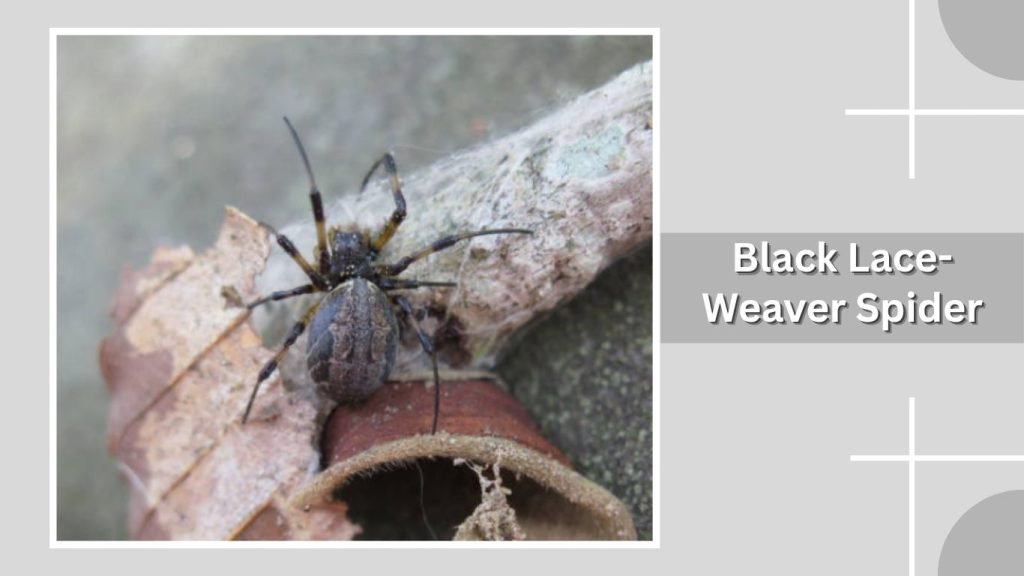
The Black Lace-Weaver Spider is a dark, robust spider found in parts of California, typically in damp and sheltered environments. It is known for its dark coloration and the distinctive, messy lace-like webs it produces. While it may appear intimidating due to its size and color, it is generally harmless to humans.
Identification
- Dark brown to black body with a slightly matte appearance
- Stocky body with relatively thick legs compared to widow spiders
- No red hourglass marking on the abdomen
- Builds dense, woolly, lace-like webs rather than fine, irregular cobwebs
- Often found near ground level in hidden or sheltered spots
Habitat
Black Lace-Weaver Spiders prefer cool, moist, and shaded environments. In California, they are commonly found in gardens, under rocks, in woodpiles, around foundations, and in cracks or crevices of buildings. They are more likely to inhabit outdoor areas where humidity is higher compared to dry open spaces.
Behavior
This spider is nocturnal and tends to remain hidden during the day within its retreat in the web. At night, it becomes active and hunts or waits for prey to become trapped in its sticky web. It is not aggressive and typically avoids human contact. Bites are rare and not considered medically significant, with most interactions occurring only when the spider is accidentally disturbed.
9. Black Jumping Spider
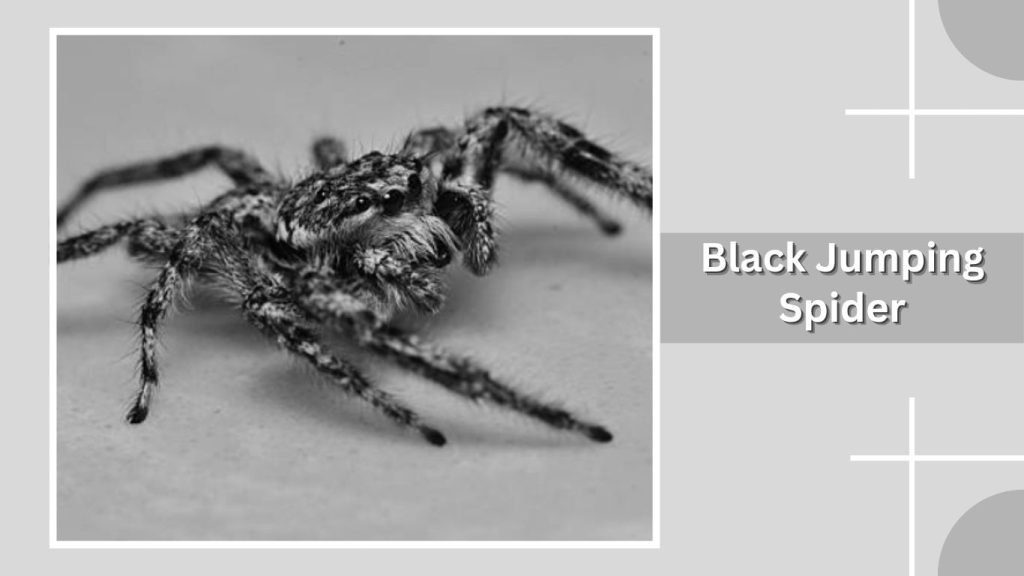
The Black Jumping Spider is a common and visually distinctive spider found in California. Known for its excellent vision and agile movements, this spider is active during the day and does not rely on webs to catch prey. Instead, it stalks and jumps on its targets. Its dark body and compact shape often make it appear bold and alert.
Identification
- Compact, stocky body with a mostly black coloration
- Often features white or orange markings on the abdomen
- Large, forward-facing eyes that are visibly prominent
- Short legs compared to body size, adapted for jumping
- Hairy appearance with a velvety texture
Habitat
Black Jumping Spiders are found in a wide range of environments across California, including gardens, walls, fences, vegetation, and even inside homes near windows or light sources. They prefer sunny areas where they can actively hunt during the day. They do not build typical webs for hunting but may create small silk shelters for resting or molting.
Behavior
This spider is highly active and curious, often turning to face movement due to its strong vision. It hunts by stalking and leaping onto prey rather than trapping it in a web. Black Jumping Spiders are generally harmless to humans and are not aggressive. If handled or threatened, they may bite, but such bites are rare and typically result in mild, short-lived symptoms.
10. Ground Spider
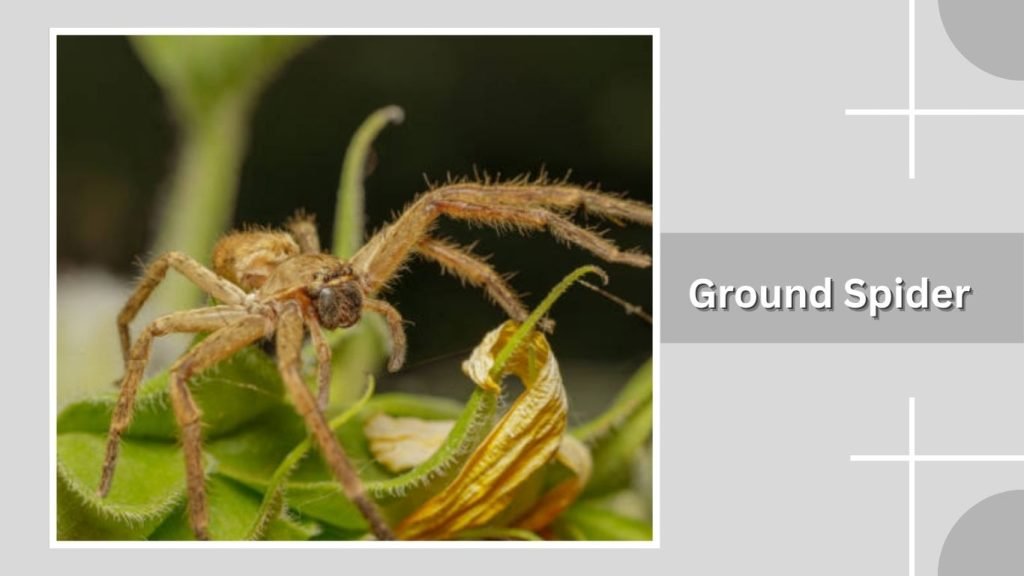
Ground Spiders belong to a large family of dark-colored spiders commonly found in California. They are named for their habit of living and hunting on the ground rather than in webs. These spiders are typically nocturnal and are often seen moving quickly across floors, soil, or outdoor surfaces at night.
Identification
- Dark brown to black body with a somewhat matte appearance
- Flattened body shape adapted for living in narrow spaces
- Long, somewhat robust legs suited for running
- Cylindrical spinnerets that may extend visibly from the rear
- Do not build capture webs; instead, they are active hunters
Habitat
Ground Spiders are found in a variety of habitats across California, including gardens, under rocks, leaf litter, mulch, cracks in pavement, and inside homes. They prefer dry, sheltered ground-level environments where they can hide during the day and emerge at night to hunt. They are often encountered outdoors but may occasionally wander indoors.
Behavior
These spiders are fast-moving nocturnal hunters that actively search for prey rather than waiting in webs. They rely on speed and stealth to capture insects. Ground Spiders are not aggressive toward humans and will usually flee when disturbed. Bites are uncommon and generally not medically significant, with only mild localized effects if they occur.
11. Trapdoor Spider
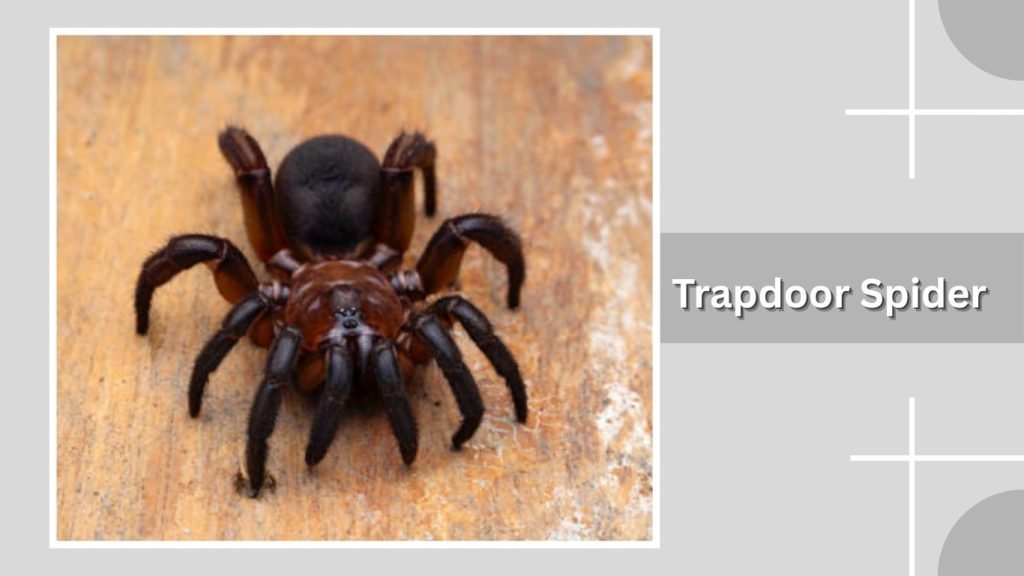
Trapdoor Spiders are dark, ground-dwelling spiders found in parts of California. They are known for creating burrows with a hinged, silk-lined “trapdoor” that blends into the surrounding soil. These spiders are reclusive and spend most of their lives hidden underground, making them rarely seen despite their presence.
Identification
- Dark brown to black body with a stout, compact shape
- Hairy appearance with strong, thick legs adapted for digging
- Large chelicerae (fangs) visible when the spider is observed closely
- Lives in a silk-lined burrow covered by a camouflaged trapdoor
- Typically seen only when emerging from or near its burrow
Habitat
Trapdoor Spiders are found in dry, sandy, or loamy soils across suitable regions of California. They prefer undisturbed ground such as hillsides, gardens, grasslands, and forest edges. Their burrows are often hidden beneath leaves, soil, or vegetation, making them difficult to detect. The trapdoor helps protect the spider from predators and environmental conditions.
Behavior
This spider is a sit-and-wait predator that remains inside its burrow, sensing vibrations from passing prey. When an insect comes close, it quickly opens the trapdoor and ambushes the prey. Trapdoor Spiders are not aggressive and rarely interact with humans. Bites are uncommon and usually occur only if the spider is directly handled or provoked.
12. Wolf Spider (Dark Variant)
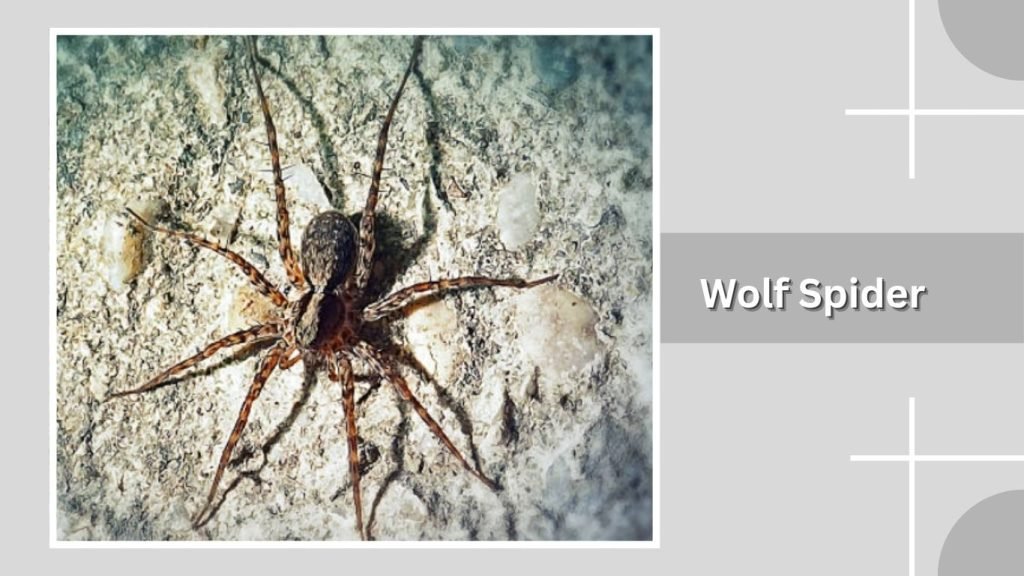
Wolf Spiders are large, fast-moving spiders commonly found throughout California, including in darker color variants that may appear nearly black. Unlike web-building spiders, Wolf Spiders are active hunters that roam on the ground in search of prey. They are often seen in gardens, lawns, and occasionally inside homes.
Identification
- Dark brown to black body, sometimes with faint stripes or patterns
- Stout, hairy body with a robust appearance
- Prominent forward-facing eyes arranged in rows (reflective in light)
- Long, strong legs adapted for running
- No web used for hunting; they roam freely on the ground
Habitat
Wolf Spiders inhabit a wide range of environments across California, including grasslands, gardens, forests, under rocks, leaf litter, and cracks in soil or pavement. They may also wander indoors while searching for prey or shelter. These spiders often create small burrows or use natural ground cover for hiding.
Behavior
Wolf Spiders are solitary hunters that rely on speed and agility rather than webs. They actively chase and ambush their prey, primarily at night. Females are known to carry their egg sacs attached to their spinnerets and later carry spiderlings on their backs. They are not aggressive toward humans, though they may bite if handled or threatened. Bites are uncommon and generally cause mild, short-term effects.
13. Tarantula (Dark Species)
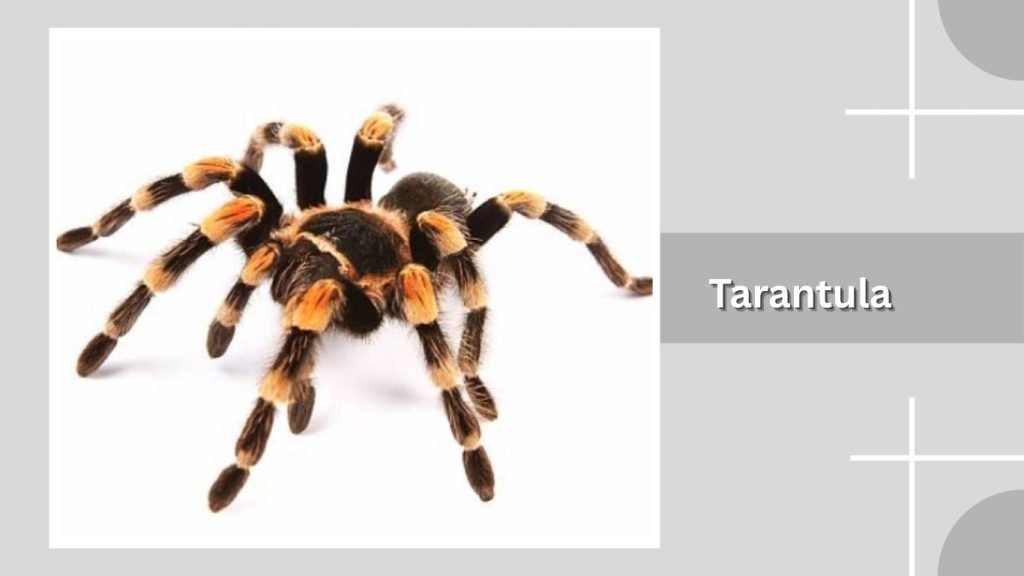
Tarantulas in California, particularly those in the genus Aphonopelma, are large, dark-colored spiders that are often associated with desert and dry grassland regions. While they may appear intimidating due to their size and hairy bodies, they are generally docile and slow-moving, making them one of the least aggressive spiders in the region.
Identification
- Large, robust body with dark brown to black coloration
- Covered in dense hair (setae), giving a fuzzy appearance
- Thick, strong legs adapted for walking and digging
- Slow, deliberate movement compared to smaller spiders
- Visible size can range from several inches including leg span
Habitat
Tarantulas are typically found in dry, arid, and semi-arid regions of California, such as deserts, grasslands, and scrublands. They live in burrows they either dig themselves or take over from other animals. These burrows are often located in undisturbed soil and are used as shelters during the day, with the spider emerging at night to hunt or mate.
Behavior
Tarantulas are nocturnal and solitary hunters that rely on ambush rather than webs to capture prey. They feed on insects and small invertebrates. Despite their intimidating appearance, they are not aggressive and will usually retreat when disturbed. When threatened, they may raise their front legs or release urticating hairs as a defense mechanism. Bites are rare and typically mild, though handling is not recommended.
14. Pirate Spider
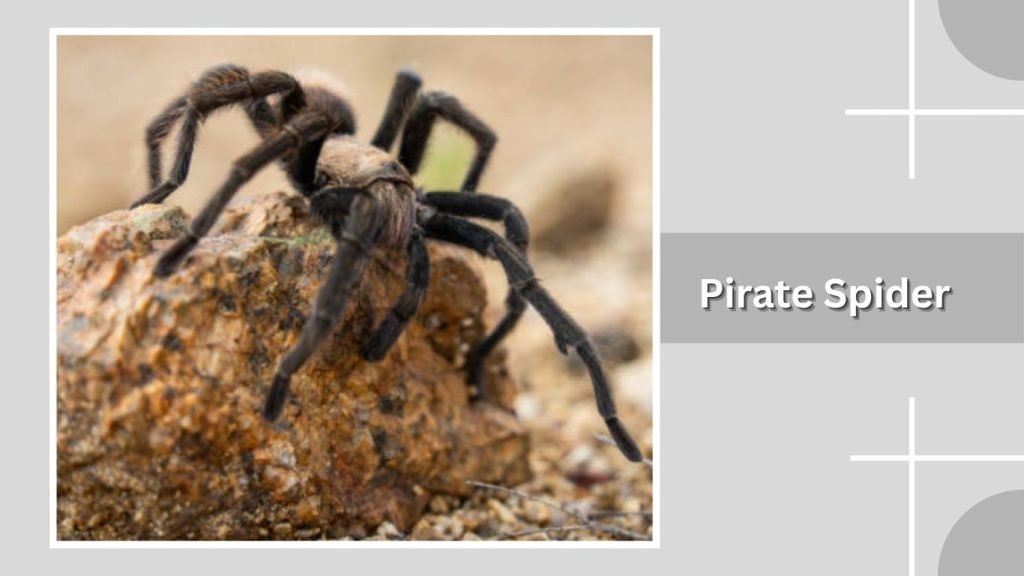
Pirate Spiders are small, dark-colored spiders found in California that are known for their unique predatory behavior. Unlike most spiders that hunt insects, Pirate Spiders specialize in preying on other spiders. Their dark coloration and stealthy habits help them blend into their surroundings while they search for prey.
Identification
- Small body with dark brown to black coloration
- Slender legs and compact abdomen
- No bright markings; overall plain and dark appearance
- Often mistaken for other small house spiders due to similar size
- Does not build typical prey-capture webs; may use minimal silk for movement or shelter
Habitat
Pirate Spiders are commonly found in wooded areas, gardens, leaf litter, under rocks, and occasionally inside homes in California. They prefer environments where other spiders are present, as their survival depends on locating and preying upon them. They often stay hidden in corners, vegetation, or debris where they can ambush other spiders.
Behavior
These spiders are stealthy hunters that invade the webs of other spiders and mimic prey vibrations to lure them closer. Once the target spider approaches, the Pirate Spider quickly attacks and subdues it. They are not aggressive toward humans and are rarely encountered. Bites are extremely uncommon and not considered medically significant, as they typically avoid contact with people.
15. Sac Spider
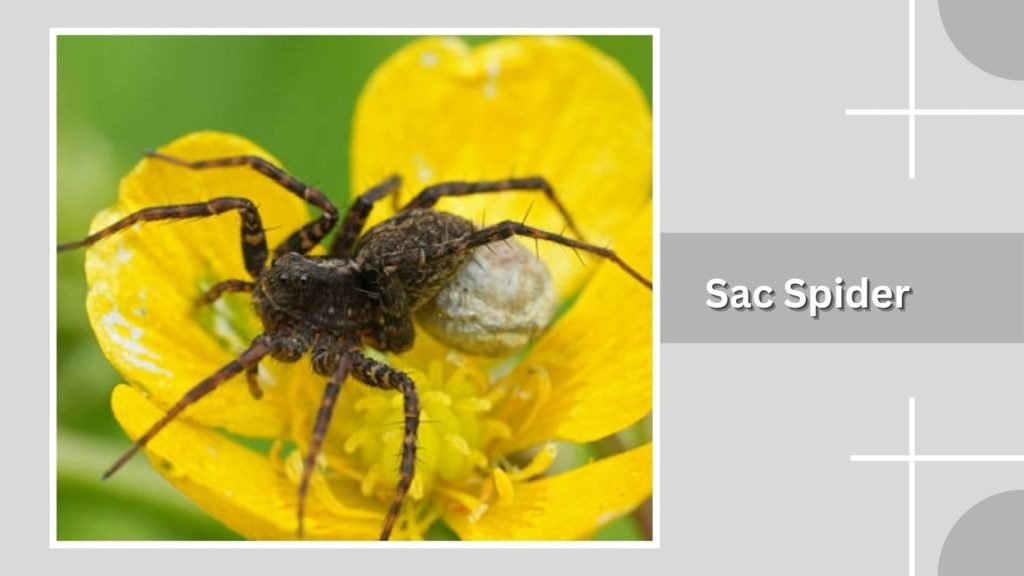
Sac Spiders are small to medium-sized spiders found throughout California, including darker-colored individuals that may appear pale tan to light brown with darker shades. They are named for the silken sacs they create as resting places rather than webs used for hunting. These spiders are active hunters and are often encountered indoors and outdoors.
Identification
- Light tan to pale brown body, sometimes appearing darker in certain lighting
- Slender body with relatively long legs
- Slightly darker cephalothorax compared to the abdomen
- No distinct markings like hourglass patterns
- Creates small, tubular silk sacs in corners or hidden areas rather than webs
Habitat
Sac Spiders are commonly found in homes, gardens, and outdoor vegetation across California. Indoors, they may be seen along walls, ceilings, or corners where they build small silk retreats. Outdoors, they inhabit foliage, under bark, and in leaf litter. They are often more active at night and may wander inside while searching for prey or shelter.
Behavior
Sac Spiders are nocturnal hunters that actively roam in search of insects rather than trapping them in webs. During the day, they rest inside their silk sacs. They are generally non-aggressive but may bite if trapped or pressed against the skin. Bites are uncommon and usually result in mild, temporary symptoms such as redness or irritation.
FAQs
What is the most dangerous black spider in California?
The most well-known dangerous black spider in California is the Black Widow Spider. Its venom is medically significant, though bites are rare and usually occur only when the spider is threatened or accidentally disturbed.
How can I tell if a spider is a widow spider?
Widow spiders, such as the Western Black Widow Spider, are typically shiny black with a distinctive red or orange hourglass marking on the underside of the abdomen. This marking is one of the key identifiers.
Are all black spiders in California dangerous?
No, most black spiders in California are harmless. Species like the Common House Spider or the Black Jumping Spider are not considered dangerous to humans and play beneficial roles by controlling insect populations.
Where are black spiders commonly found in homes?
Black spiders often hide in quiet, undisturbed areas such as basements, garages, closets, corners, and behind furniture. Species like the False Black Widow Spider are commonly found in indoor and sheltered environments.
What should I do if I see a black widow spider?
If you encounter a Brown Widow Spider or a black widow, avoid handling it. Keep a safe distance, remove clutter where it may hide, and consider contacting pest control if there is a significant presence.
