
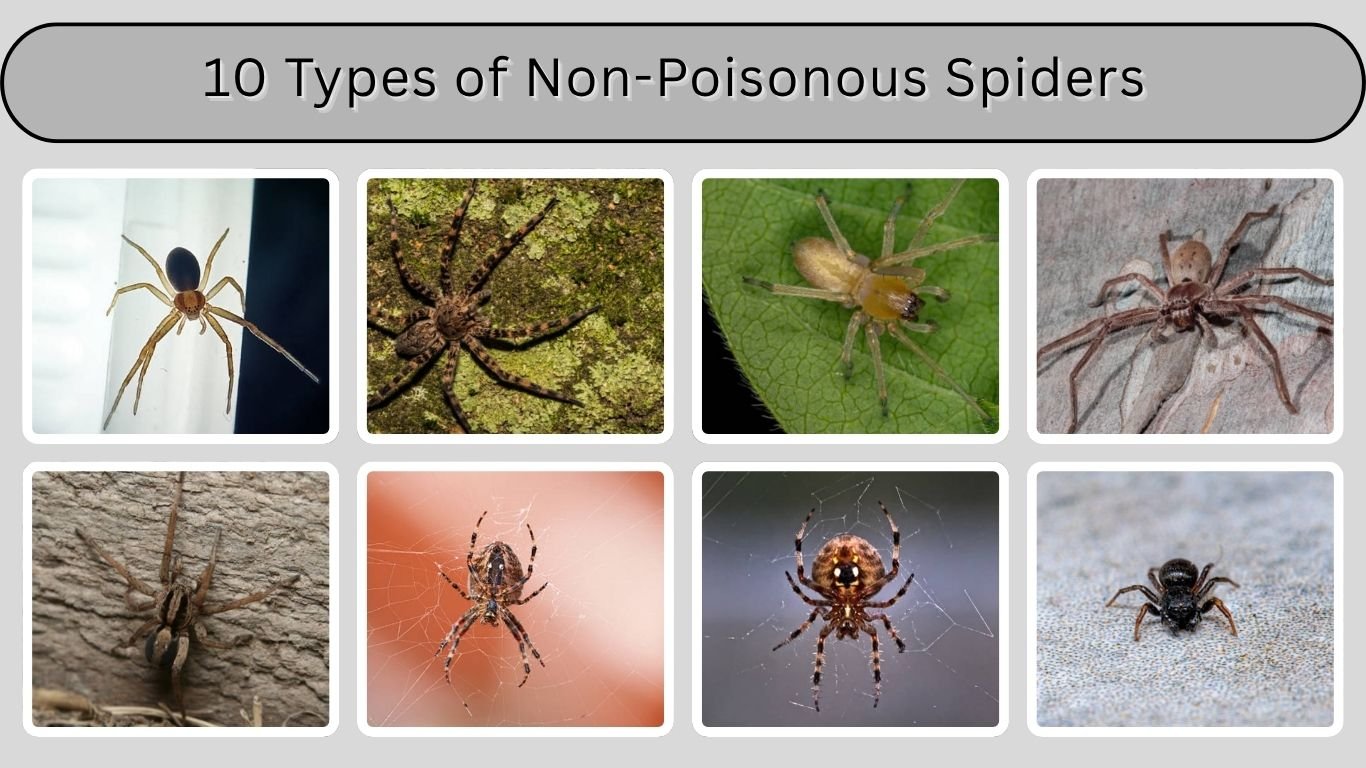
Spiders are often misunderstood, but not all of them pose a threat to humans. In fact, many common spiders found in and around homes are completely harmless and play a beneficial role in the ecosystem by controlling insect populations. Non-poisonous spiders typically avoid human contact and only bite in rare situations when they feel threatened.
This guide explores 10 types of harmless spiders you may encounter, helping you identify them, understand their behavior, and recognize their importance in maintaining a balanced environment.
1. Common house spider
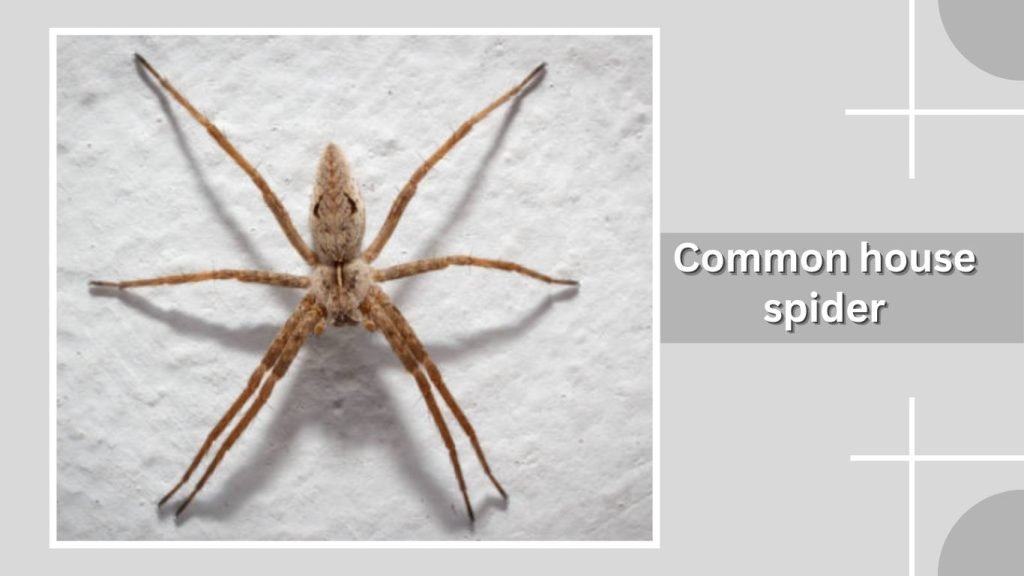
The common house spider is one of the most frequently encountered spiders in human dwellings. It is considered harmless to humans and typically avoids interaction. This spider helps control indoor insect populations by feeding on small pests such as flies, ants, and mosquitoes. It prefers quiet, undisturbed areas and often builds messy, irregular webs in corners, basements, and ceilings.
Identification
- Small to medium-sized body, usually brown or gray
- Rounded abdomen with subtle patterns or markings
- Long, thin legs relative to body size
- Builds tangled, irregular cobwebs
- Often found in corners of rooms, windows, or storage areas
Habitat
Common house spiders are typically found indoors, especially in dark, undisturbed locations. They prefer areas like basements, attics, closets, and behind furniture where they can build webs without disturbance. They thrive in environments where insects are present.
Behavior
These spiders are generally shy and non-aggressive. They remain in their webs waiting for prey rather than actively hunting. When disturbed, they usually retreat rather than defend themselves. They are nocturnal and more active during the night.
Diet
Their diet mainly consists of small flying and crawling insects such as flies, moths, mosquitoes, and ants. By trapping these pests in their webs, they play a beneficial role in maintaining a balanced indoor ecosystem.
Harmless to Humans
The common house spider is harmless to humans. Its venom is not medically significant, and bites are extremely rare. Even when a bite does occur, it typically results in only mild, temporary irritation similar to a minor insect bite. These spiders are not aggressive and prefer to avoid human contact whenever possible.
2. Cellar spider (Daddy longlegs spider)
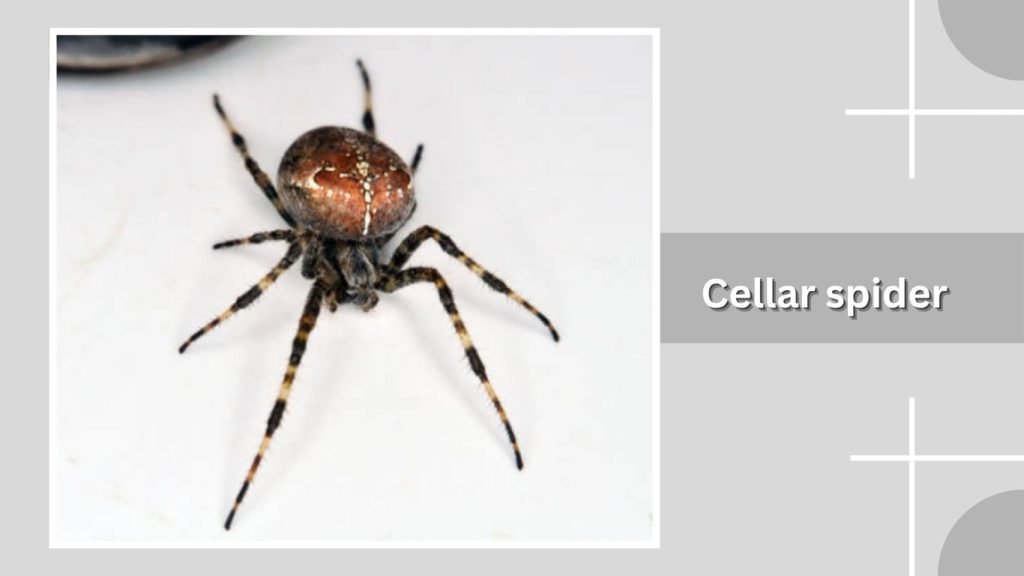
The cellar spider, often called the daddy longlegs spider, is a common household spider known for its extremely long, delicate legs. It is harmless to humans and is often found in basements, ceilings, and other quiet indoor spaces. These spiders are beneficial as they help control populations of small insects and other spiders.
Identification
- Very long, thin legs compared to a small body
- Small, oval-shaped body (light brown to gray)
- Legs are fragile and easily break if disturbed
- Builds loose, irregular, tangled webs in corners and ceilings
- Often hangs upside down in its web
Habitat
Cellar spiders prefer dark, damp, and undisturbed environments. They are commonly found in basements, garages, crawl spaces, and corners of rooms. They can also live outdoors in sheltered areas such as under rocks, tree bark, or in sheds.
Behavior
These spiders are generally calm and non-aggressive. When disturbed, they may vibrate rapidly in their web as a defensive behavior to confuse predators. They rely on their webs to capture prey rather than actively hunting.
Diet
Their diet consists mainly of small insects such as flies, mosquitoes, gnats, and even other spiders. They play a useful ecological role by helping reduce indoor insect populations.
Harmless to Humans
The cellar spider is harmless to humans. It does possess venom, but it is not dangerous to people, and its fangs are too small to penetrate human skin effectively. There is no evidence that its bite causes any medically significant effects, making it safe to coexist with humans.
3. Jumping spider
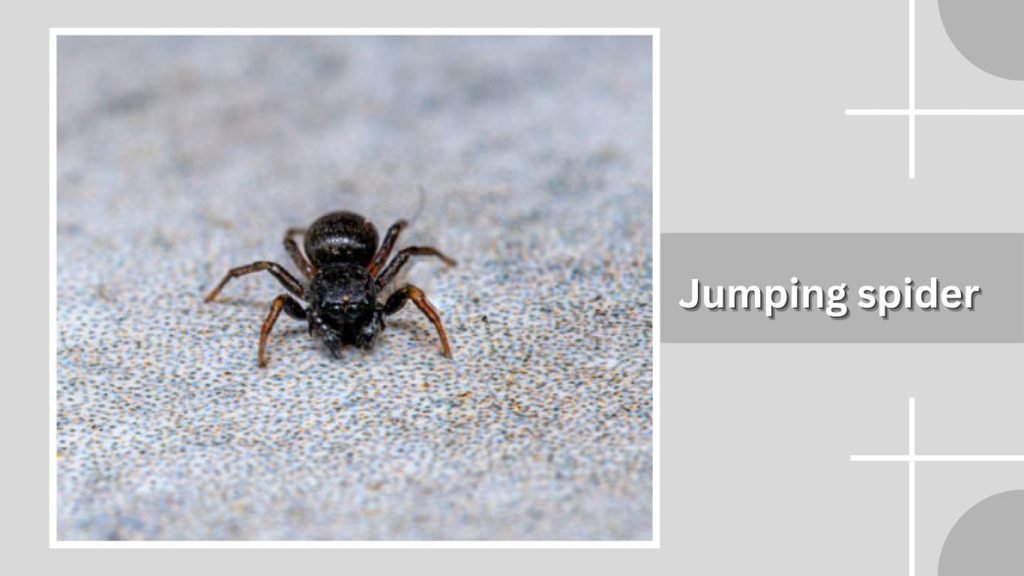
The jumping spider is a small, active spider known for its excellent vision and ability to leap long distances relative to its body size. It is harmless to humans and is often seen in gardens, on walls, and around homes. Unlike web-building spiders, it hunts prey by stalking and pouncing.
Identification
- Compact, small body with short legs
- Large, forward-facing eyes (prominent front pair)
- Often brightly colored or patterned depending on species
- Moves in quick, jerky motions
- Does not build capture webs; may create small silk shelters for resting
Habitat
Jumping spiders are commonly found in outdoor environments such as gardens, plants, fences, and walls. They may also enter homes, especially near windows or well-lit areas where insects are present. They prefer sunny locations and are highly adaptable.
Behavior
These spiders are curious and alert, often turning to look at observers due to their strong vision. They actively hunt rather than relying on webs. Despite their bold movements, they are not aggressive toward humans and typically avoid confrontation.
Diet
Jumping spiders feed on small insects such as flies, mosquitoes, moths, and other tiny arthropods. Their hunting style involves stalking prey and making precise leaps to capture it.
Harmless to Humans
Jumping spiders are harmless to humans. They rarely bite, and when they do, the bite is mild and comparable to a small pinprick or insect bite. Their venom is not dangerous to people, and they pose no medical risk.
4. Orb-weaver spider
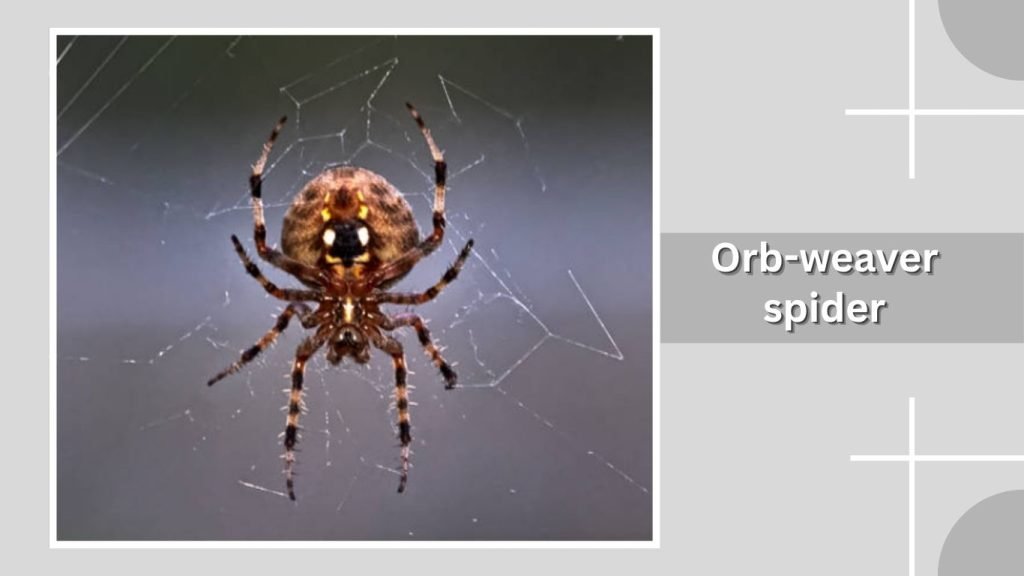
The orb-weaver spider is known for its impressive wheel-shaped webs, which are commonly seen in gardens, forests, and around buildings. These spiders are harmless to humans and play an important role in controlling insect populations. They are generally not aggressive and remain in their webs, waiting for prey to become trapped.
Identification
- Medium to large-sized body with rounded abdomen
- Distinctive circular (orb-shaped) webs
- Often brightly colored or patterned abdomen (varies by species)
- Long legs, sometimes banded or spiny
- Usually found resting at the center or edge of their web
Habitat
Orb-weaver spiders are typically found outdoors in gardens, fields, forests, and near lights where insects gather. They may build webs between trees, shrubs, fences, or around buildings. Their webs are often rebuilt daily, especially in the morning or evening.
Behavior
These spiders are primarily nocturnal and remain hidden during the day. At night, they sit in or near their webs to capture prey. They are not aggressive and will retreat if disturbed rather than attempt to bite.
Diet
Orb-weavers feed on flying insects such as moths, flies, beetles, and mosquitoes that get caught in their webs. Their webs are highly effective traps that help them secure a steady food source.
Harmless to Humans
Orb-weaver spiders are harmless to humans. Although they possess venom to subdue their prey, it is not dangerous to people. Bites are very rare and typically result in only mild, short-lived discomfort similar to a minor insect bite.
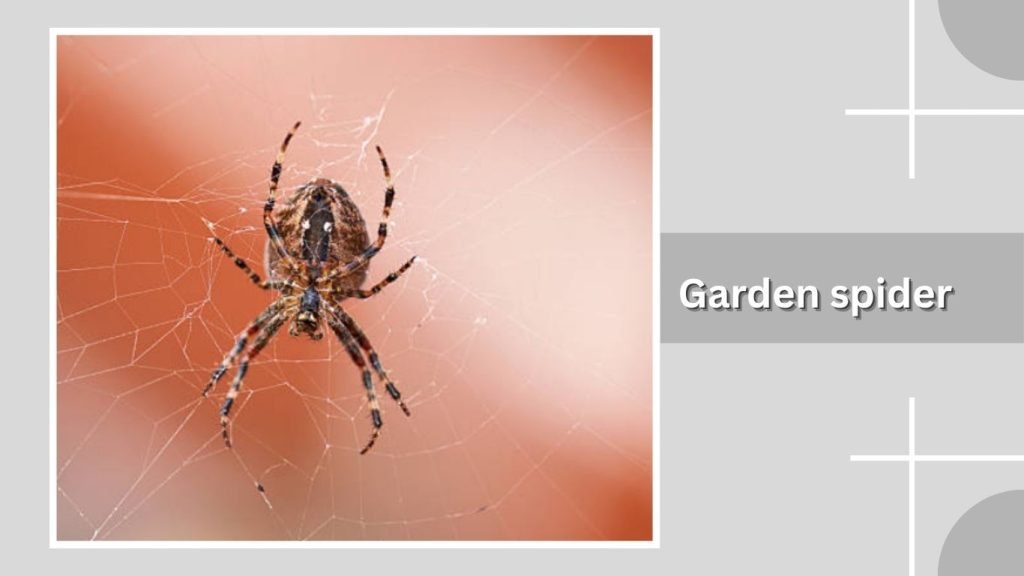
5. Garden spider
The garden spider is a commonly seen outdoor spider known for its large, intricate webs and striking appearance. It is harmless to humans and is often found in gardens, fields, and near vegetation where insects are abundant. These spiders are beneficial as they help reduce pest populations naturally.
Identification
- Large, rounded abdomen, often with yellow, black, or white markings
- Long legs with banded patterns
- Distinctive zigzag pattern (stabilimentum) in the center of its web
- Builds large, circular orb-shaped webs
- Female spiders are typically much larger than males
Habitat
Garden spiders are usually found outdoors in grassy areas, gardens, meadows, and along fences or between plants. They prefer locations where their webs can be anchored between supports and where flying insects are frequent.
Behavior
These spiders remain in or near the center of their webs, waiting for prey. They are not aggressive and will usually stay still or retreat if disturbed. They rebuild their webs regularly, especially if the web becomes damaged.
Diet
Garden spiders primarily feed on flying insects such as flies, bees, wasps, moths, and mosquitoes that get trapped in their webs. Their webs are highly efficient at capturing a wide range of airborne prey.
Harmless to Humans
Garden spiders are harmless to humans. While they do have venom to immobilize prey, it is not medically significant for people. Bites are rare and typically cause only minor, temporary irritation similar to a mild insect bite.
6. Wolf spider
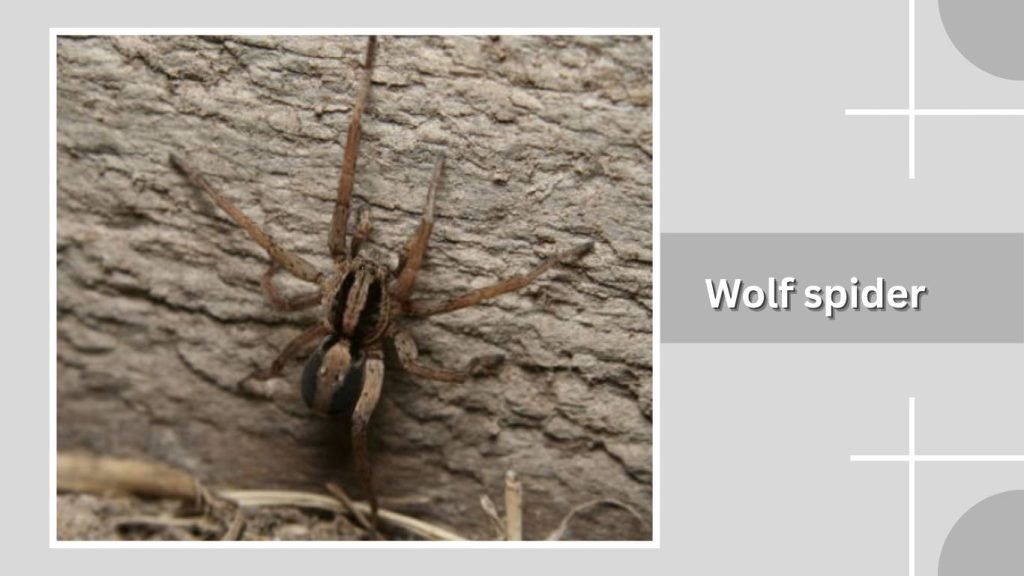
The wolf spider is a fast-moving, ground-dwelling spider known for its hunting abilities rather than web-building. It is harmless to humans and is commonly found in outdoor environments, though it may occasionally enter homes. These spiders are beneficial predators that help control insect populations.
Identification
- Medium to large size with a robust, hairy body
- Brown, gray, or tan coloration with subtle markings
- Eight eyes arranged in three rows, with prominent front eyes
- Long, strong legs adapted for running
- Does not build webs to catch prey
Habitat
Wolf spiders are typically found in grasslands, gardens, forests, and under rocks, logs, or leaf litter. They may also be seen indoors in basements, garages, or near ground-level entry points. They prefer areas where they can hide and actively hunt.
Behavior
These spiders are solitary hunters that rely on speed and agility to capture prey. They do not use webs for hunting but may create small burrows or silk-lined retreats for shelter. They are generally shy and will avoid humans when possible.
Diet
Wolf spiders feed on a variety of insects such as crickets, ants, beetles, and other small arthropods. Their active hunting style allows them to chase down prey rather than waiting for it in a web.
Harmless to Humans
Wolf spiders are harmless to humans. Although they can bite if handled or threatened, their venom is not dangerous and typically causes only mild, localized symptoms similar to a bee sting. They are not aggressive and prefer to flee rather than confront humans.
7. Huntsman spider
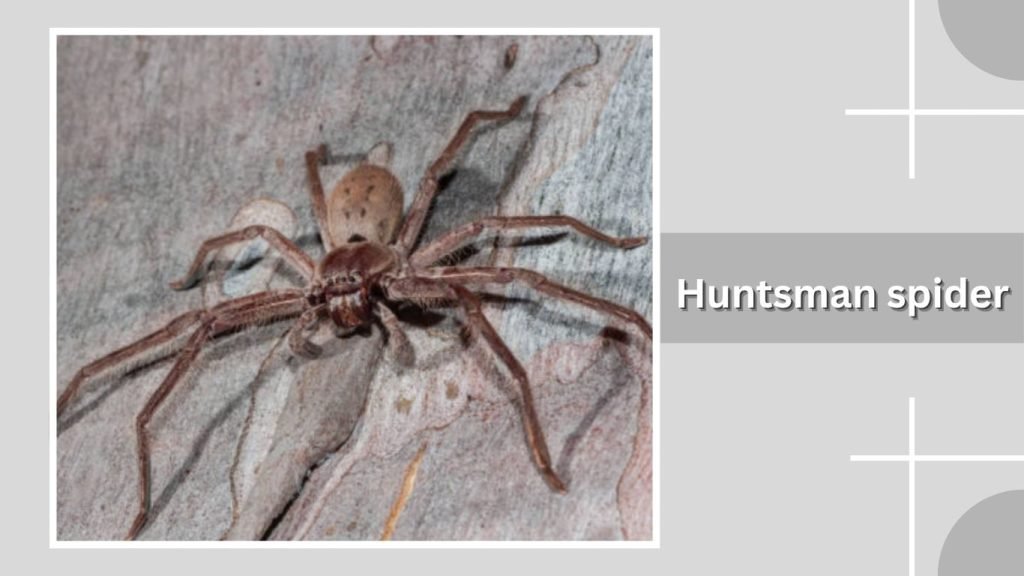
The huntsman spider is a large, fast-moving spider known for its flat body and long legs that extend sideways like a crab. It is harmless to humans and is commonly found in tropical and subtropical regions, including homes, where it helps control insect populations.
Identification
- Large, flattened body with very long legs
- Legs extend outward in a sideways (crab-like) orientation
- Brown or gray coloration, often with subtle markings
- Legs are often banded or slightly hairy
- Moves quickly with a sideways gait
Habitat
Huntsman spiders are typically found under bark, rocks, and foliage outdoors. Indoors, they may hide behind curtains, furniture, wall crevices, or in ceilings and garages. They prefer warm environments and often enter homes in search of prey or shelter.
Behavior
These spiders are nocturnal hunters that rely on speed rather than webs to catch prey. They are generally shy and non-aggressive. When disturbed, they tend to flee quickly rather than defend themselves.
Diet
Huntsman spiders feed on a variety of insects such as cockroaches, crickets, moths, and flies. Their role as natural pest controllers makes them beneficial in both outdoor and indoor environments.
Harmless to Humans
Huntsman spiders are harmless to humans. While they may bite if provoked or handled, their venom is not medically significant and usually results in only mild, short-lived pain or irritation. They do not pose a serious threat and typically avoid human interaction.
8. Sac spider
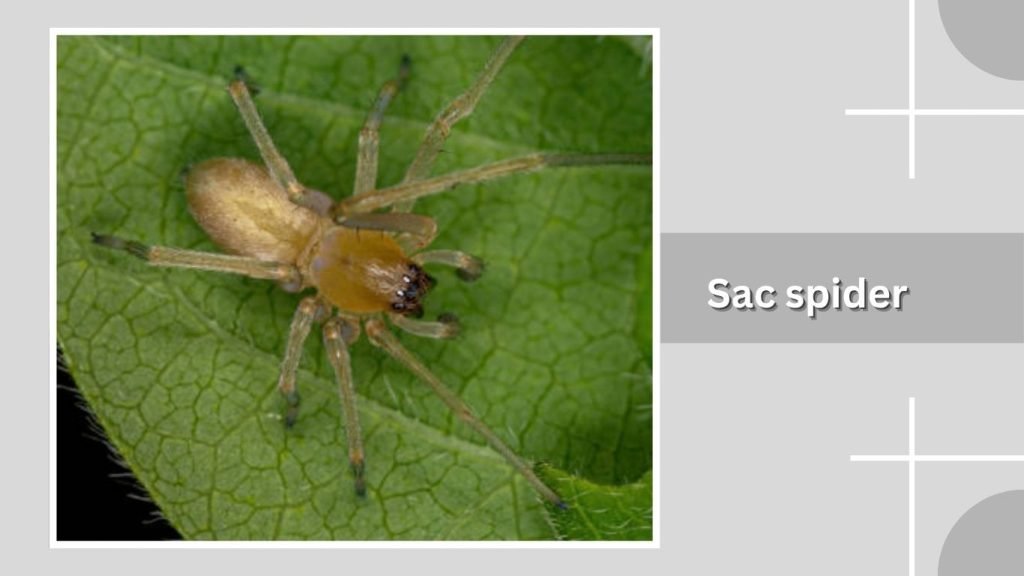
The sac spider is a small, wandering spider commonly found both indoors and outdoors. It is harmless to humans and is known for creating small silk sacs where it rests during the day. These spiders are active hunters and are often encountered at night when they search for food.
Identification
- Small body, usually pale yellow, beige, or light brown
- Slender legs with a slightly elongated body shape
- Does not build webs for catching prey
- Creates small silk sacs or retreats in corners, walls, or leaves
- Moves quickly and actively explores surfaces
Habitat
Sac spiders are commonly found in gardens, under leaves, in shrubs, and sometimes inside homes along walls, ceilings, and corners. They prefer hidden, sheltered areas where they can rest during the day and hunt at night.
Behavior
These spiders are nocturnal hunters that roam in search of prey rather than using webs. They are generally shy but may wander indoors accidentally. If disturbed, they may run away rather than defend themselves.
Diet
Sac spiders feed on small insects such as flies, ants, moths, and other soft-bodied arthropods. They actively hunt and capture prey using speed rather than webs.
Harmless to Humans
Sac spiders are harmless to humans. Although bites can occur if the spider is accidentally pressed against the skin, the effects are typically mild, causing slight redness or irritation that resolves quickly. They are not aggressive and do not pose a serious medical risk.
9. Fishing spider
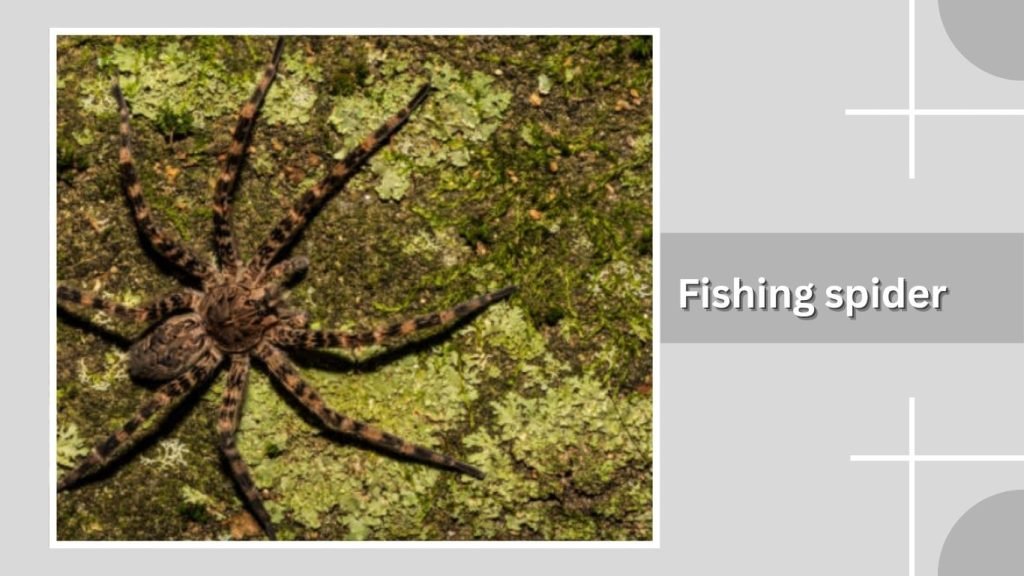
The fishing spider is a large, semi-aquatic spider often found near water sources such as ponds, streams, and lakes. It is harmless to humans and is known for its ability to walk on water surfaces and hunt aquatic and terrestrial prey. These spiders are excellent hunters and play a role in maintaining ecological balance around water habitats.
Identification
- Large body with long legs, often spanning several inches
- Brown or gray coloration with patterned markings
- Legs may have faint banding and are adapted for gripping surfaces
- Often seen resting on rocks, tree trunks, or near water edges
- Can run across water surfaces without sinking
Habitat
Fishing spiders are typically found near freshwater environments such as ponds, rivers, marshes, and wetlands. They may rest on vegetation, rocks, docks, or tree bark close to water. They prefer moist environments and are rarely found far from water.
Behavior
These spiders are active hunters that rely on speed and agility rather than webs. They can capture prey on land and in water, sometimes even diving briefly to catch aquatic insects or small fish. They are generally non-aggressive and will retreat when disturbed.
Diet
Fishing spiders feed on insects, tadpoles, small fish, and other aquatic or semi-aquatic organisms. Their versatile hunting ability allows them to exploit both land and water prey sources.
Harmless to Humans
Fishing spiders are harmless to humans. While they may bite if handled or threatened, their venom is not medically significant and typically causes only mild, temporary discomfort similar to a minor insect bite. They are not aggressive and usually avoid human contact.
10. Crab spider
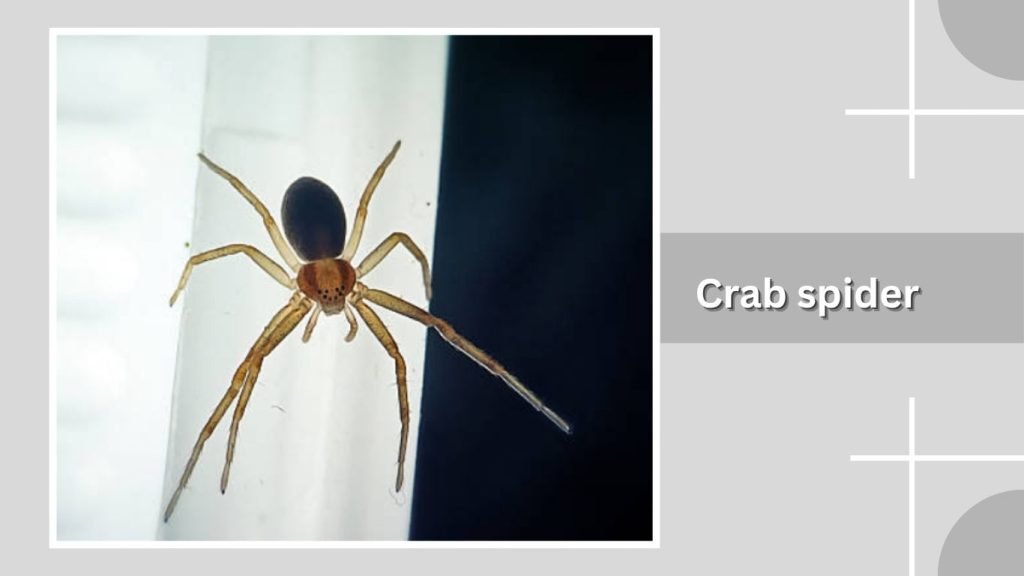
The crab spider is a small, ambush-hunting spider named for its crab-like appearance and sideways movement. It is harmless to humans and is commonly found on flowers, plants, and vegetation where it waits to capture visiting insects. These spiders are beneficial for natural pest control in gardens.
Identification
- Small, compact body with a flattened shape
- Legs extend sideways, similar to a crab
- Color varies (white, yellow, green, or brown) and can blend with surroundings
- Front two pairs of legs are longer and stronger than the back legs
- Often found sitting motionless on flowers or leaves
Habitat
Crab spiders are commonly found outdoors in gardens, meadows, and areas with flowering plants. They often position themselves on petals, leaves, or stems where pollinating insects are likely to visit. Some species can even change color to match their environment.
Behavior
These spiders are ambush predators that remain still and wait for prey to come close rather than building webs. They rely on camouflage and patience to capture insects. They are generally non-aggressive and avoid interaction with humans.
Diet
Crab spiders feed on insects such as bees, flies, butterflies, and other small pollinators that visit flowers. They strike quickly when prey comes within reach.
Harmless to Humans
Crab spiders are harmless to humans. They rarely bite, and when they do, the bite is not medically significant, causing only mild, short-lived irritation similar to a minor insect bite. They pose no danger and are not aggressive toward people.
FAQs
What are non-poisonous spiders?
Non-poisonous spiders are species that are harmless to humans because their venom is either very weak or not medically significant. Examples include spiders like the Common house spider and Jumping spider, which may bite only in rare cases and typically cause no serious effects.
Can non-poisonous spiders bite humans?
Yes, most spiders can bite if they feel threatened, but non-poisonous spiders such as the Wolf spider rarely bite humans. Even if a bite occurs, it usually results in mild, temporary irritation similar to an insect bite.
Are non-poisonous spiders dangerous to keep at home?
No, they are not dangerous. Many harmless spiders like the Orb-weaver spider and Cellar spider (Daddy longlegs spider) actually help control pests by feeding on insects such as flies and mosquitoes.
How can I identify a harmless spider?
Harmless spiders often have small bodies, non-threatening behavior, and avoid human contact. Species like the Crab spider or Sac spider are usually slow to react and prefer hiding or fleeing rather than attacking.
What should I do if I find a non-poisonous spider indoors?
If you find a harmless spider like the Huntsman spider or Fishing spider, you can safely leave it alone or gently relocate it outside. These spiders are beneficial and help reduce insect populations naturally.
