
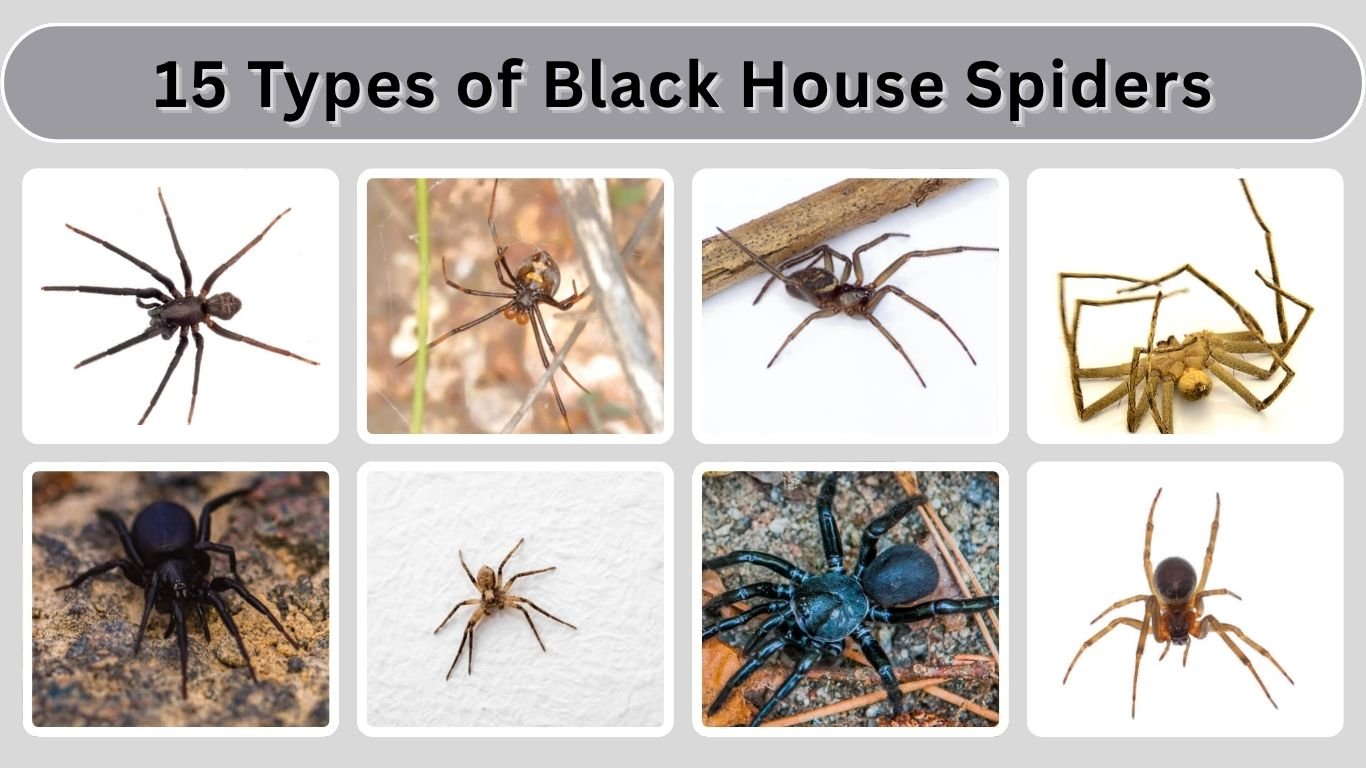
Black house spiders are a common sight in many homes around the world. They vary in size, shape, and behavior, but most share a dark appearance that often causes concern. While some species are harmless and even beneficial, others may require caution due to their venom. Understanding different types of black house spiders can help you identify them correctly and reduce unnecessary fear. In this guide, you’ll discover 15 types of black house spiders, along with key details about their appearance, habitat, behavior, and safety.
1. Black House Spider

The Black House Spider is a common, non-aggressive spider frequently found in and around homes. It is known for its dark coloration and messy, funnel-shaped webs that are usually built in corners, window frames, and wall crevices. This species prefers to stay hidden and rarely ventures far from its web, making it less noticeable despite being widespread. It plays a helpful role in controlling household insect populations.
Identification
- Dark brown to black body
- Velvety or slightly hairy appearance
- Oval-shaped, sturdy abdomen
- Females are larger than males (can reach about 18 mm in body length)
- Legs are thick and relatively short compared to other spiders
- Web is irregular with a funnel-like retreat
Habitat
Black House Spiders thrive in sheltered, undisturbed areas such as cracks in walls, window sills, under roofs, and around door frames. Outdoors, they may also inhabit tree bark or rock crevices. Indoors, they prefer quiet corners where vibrations from their web can easily alert them to prey. Their ability to adapt to human environments makes them very common in residential areas.
Behavior
This spider is generally shy and non-aggressive. It spends most of its time inside its web, waiting for vibrations that signal trapped prey. Unlike wandering spiders, it rarely moves far from its chosen spot and may remain in the same web for months.
Diet
The Black House Spider feeds on various insects such as flies, ants, beetles, and small moths. Its web is designed to trap prey efficiently, making it a beneficial species for natural pest control in homes.
Bite and Safety
Bites from this spider are rare and usually occur only if it is disturbed or handled. The bite may cause mild pain, redness, and swelling, but it is not considered medically dangerous to humans.
2. Black Lace-Weaver
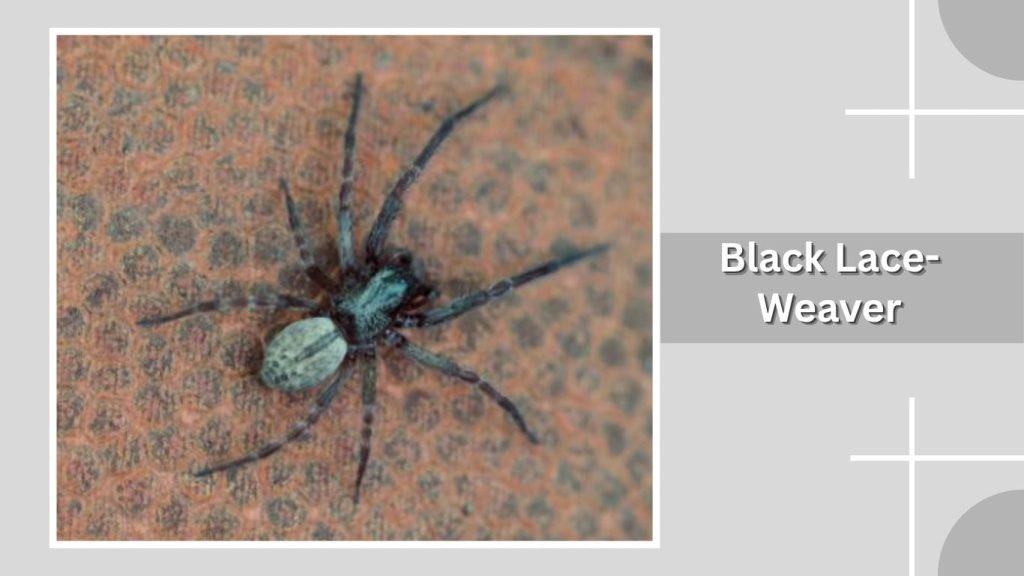
The Black Lace-Weaver is a dark-colored spider commonly found in and around buildings, especially in Europe and parts of Asia. It is known for creating dense, lace-like webs in cracks, walls, and window frames. Although its appearance may seem intimidating due to its size and dark coloration, it is generally harmless and plays a useful role in controlling insects.
Identification
- Dark brown to black body
- Glossy, slightly hairy appearance
- Large, rounded abdomen
- Males often have a slimmer body and longer legs
- Females can grow up to 20 mm in body length
- Prominent jaws (chelicerae), especially in males
Habitat
Black Lace-Weavers prefer sheltered environments such as wall crevices, brickwork, fences, and window frames. They are often found in urban and suburban areas, particularly around older buildings with plenty of cracks and hiding spaces. Their webs are usually built in fixed locations where they can remain undisturbed.
Behavior
These spiders are mostly nocturnal and tend to stay hidden during the day. At night, they become more active and may wander near their webs. They are not aggressive but may defend themselves if provoked. Males are more likely to roam in search of females, especially during mating seasons.
Diet
The Black Lace-Weaver feeds on a variety of insects, including flies, ants, and other small arthropods. Its dense web structure helps trap prey efficiently, allowing the spider to quickly subdue and consume it.
Bite and Safety
Bites are uncommon but can occur if the spider feels threatened. A bite may cause localized pain and swelling, sometimes described as similar to a bee sting. However, it is not considered dangerous, and symptoms usually resolve without serious complications.
3. Black Widow Spider
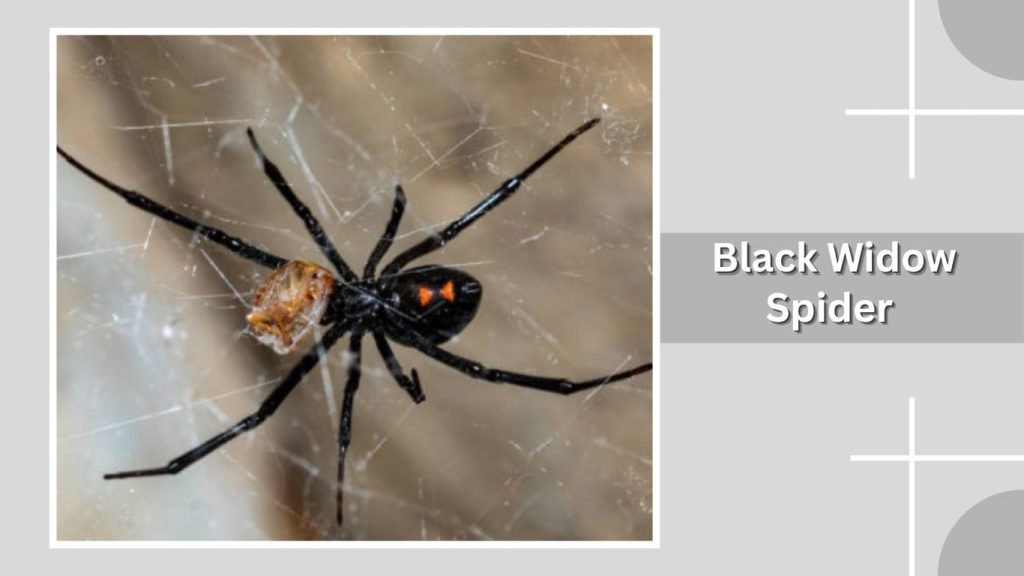
The Black Widow Spider is one of the most well-known black spiders, recognized for its glossy appearance and potent venom. It is commonly found in dark, sheltered areas around homes, such as garages, woodpiles, and sheds. Despite its dangerous reputation, it is not aggressive and typically bites only when threatened.
Identification
- Shiny black body
- Distinct red hourglass marking on the underside of the abdomen
- Smooth, round abdomen
- Females are significantly larger than males (up to 13 mm body length)
- Long, slender legs
- Web is irregular and tangled
Habitat
Black Widow Spiders prefer quiet, undisturbed locations such as woodpiles, basements, garages, and outdoor structures. They often build webs close to the ground in dark corners where they are less likely to be disturbed. Their adaptability allows them to live in both rural and urban environments.
Behavior
These spiders are reclusive and spend most of their time hanging upside down in their webs. They are not aggressive and will usually retreat if disturbed. Females are more stationary, while males tend to wander in search of mates. The name “widow” comes from the rare behavior of females consuming males after mating.
Diet
Black Widow Spiders feed on insects such as flies, mosquitoes, beetles, and caterpillars. Occasionally, they may capture larger prey like small lizards. Their strong venom helps immobilize prey quickly.
Bite and Safety
The bite of a Black Widow can be medically significant due to its neurotoxic venom. Symptoms may include muscle pain, cramps, sweating, and nausea. While bites are rarely fatal, medical attention is recommended, especially for children, elderly individuals, or those with health conditions.
4. Southern Black Widow
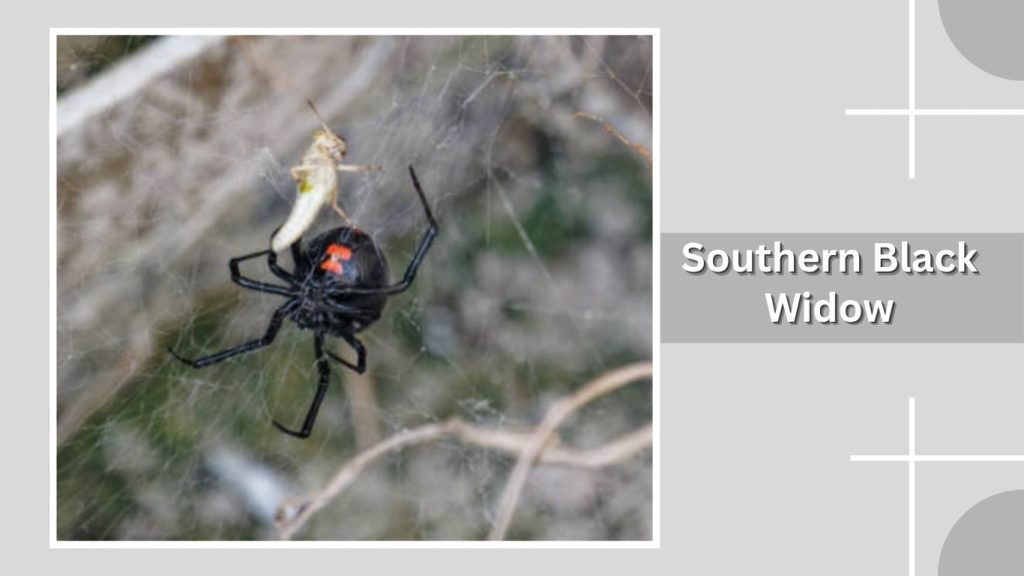
The Southern Black Widow is a highly recognizable spider found mainly in warmer regions. It closely resembles the common Black Widow but is specifically native to southern areas. Known for its shiny black body and striking red marking, it often lives in quiet, hidden spots around homes. Despite its reputation, it is shy and avoids human contact whenever possible.
Identification
- Glossy black body
- Bright red or orange hourglass marking on the underside
- Rounded, bulbous abdomen
- Females larger than males (around 8–13 mm body length)
- Long, thin legs
- Web is messy and irregular
Habitat
Southern Black Widows prefer warm, sheltered environments such as garages, sheds, woodpiles, and under outdoor furniture. They are often found in dark corners where there is little disturbance. Their webs are usually close to the ground and hidden from direct sunlight.
Behavior
This spider is reclusive and spends most of its time hanging upside down in its web. It rarely leaves its web unless necessary. When disturbed, it typically retreats rather than attacks. Males wander more frequently, especially during mating periods, while females remain in one location.
Diet
Southern Black Widows feed on a variety of insects, including flies, beetles, grasshoppers, and mosquitoes. Their strong venom allows them to quickly immobilize prey caught in their webs.
Bite and Safety
Although venomous, bites are uncommon and usually occur only when the spider is pressed or disturbed. Symptoms can include pain, muscle cramps, and sweating. Medical attention is recommended if a bite is suspected, but fatalities are extremely rare.
5. Northern Black Widow
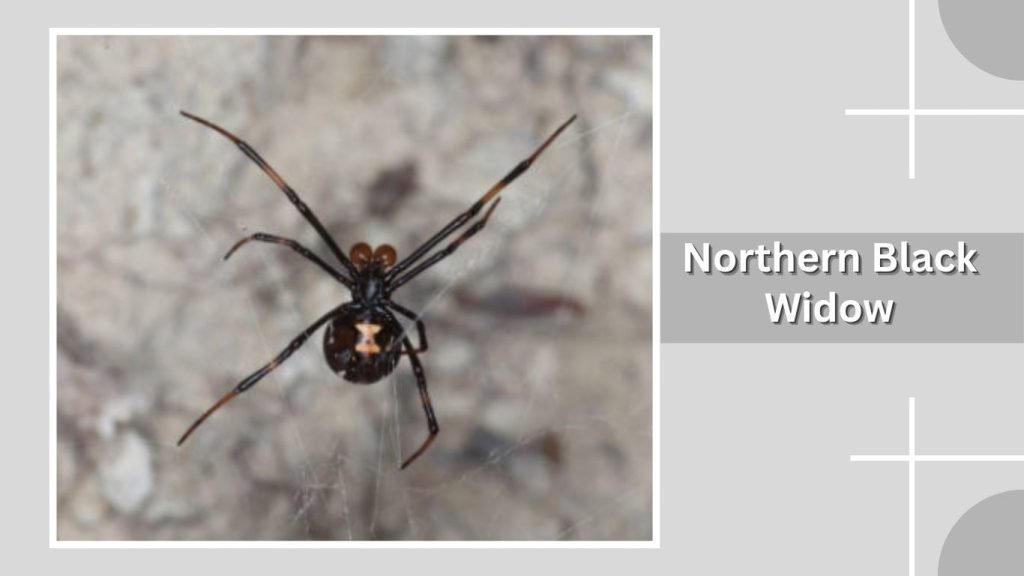
The Northern Black Widow is a venomous spider commonly found in cooler regions compared to its southern counterpart. It shares many similarities with other Black Widow species, including its dark coloration and distinctive markings. This spider prefers secluded outdoor environments and is rarely encountered indoors. Despite its potent venom, it is not aggressive and usually avoids human interaction.
Identification
- Shiny black body
- Red or orange hourglass marking (often split or less distinct) on the underside
- May have additional red spots along the top of the abdomen
- Rounded abdomen
- Females larger than males (about 9–11 mm body length)
- Long, slender legs
Habitat
Northern Black Widows are typically found in outdoor locations such as woodpiles, tree stumps, stone walls, and under rocks. They prefer cool, shaded, and undisturbed areas. Occasionally, they may enter garages or sheds but are less common inside homes.
Behavior
These spiders are shy and reclusive, spending most of their time in their webs. They hang upside down and wait for prey to become trapped. When disturbed, they tend to retreat rather than bite. Males roam more frequently, especially during mating season.
Diet
The Northern Black Widow feeds primarily on insects such as beetles, flies, ants, and caterpillars. Its web is designed to capture crawling and flying prey efficiently, and its venom quickly immobilizes captured insects.
Bite and Safety
The bite of a Northern Black Widow can cause symptoms similar to other widow species, including muscle pain, cramps, and discomfort. While bites are rare, medical attention is advised if one occurs. Serious complications are uncommon with proper care.
6. Western Black Widow
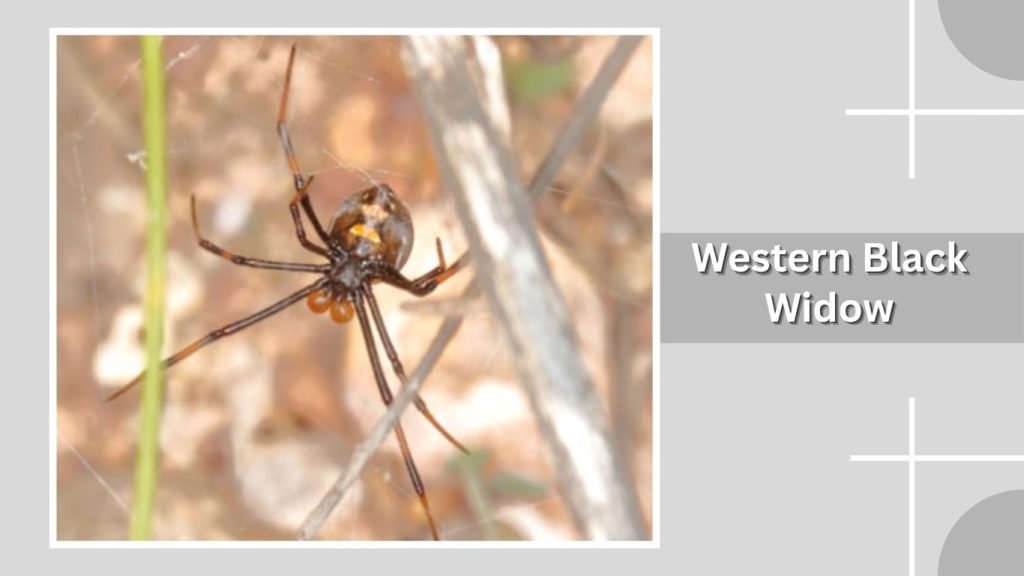
The Western Black Widow is a venomous spider found primarily in the western regions of North America. It is very similar in appearance and behavior to other Black Widow species, with a glossy black body and a distinctive red marking. This spider prefers quiet, hidden environments and is most active during warmer months. Despite its dangerous reputation, it is generally non-aggressive and avoids human contact.
Identification
- Shiny jet-black body
- Bright red hourglass marking on the underside of the abdomen
- Large, rounded abdomen
- Females larger than males (up to about 14 mm body length)
- Long, slender legs
- Smooth and glossy appearance
Habitat
Western Black Widows are commonly found in dry, sheltered areas such as woodpiles, garages, sheds, and under rocks. They often build their webs close to the ground in dark, undisturbed spaces. They can also be found around outdoor structures and garden areas.
Behavior
This spider is reclusive and spends most of its time hanging upside down in its web. It rarely leaves its web unless necessary. When threatened, it usually retreats rather than attacks. Males are more mobile and may wander in search of females during mating periods.
Diet
Western Black Widows feed on a variety of insects, including flies, beetles, grasshoppers, and caterpillars. Their strong venom helps quickly immobilize prey caught in their irregular webs.
Bite and Safety
The bite of a Western Black Widow is venomous and can cause symptoms such as muscle pain, cramps, and sweating. While bites are not common, medical attention is recommended if one occurs. Fatalities are extremely rare with modern treatment.
7. False Black Widow
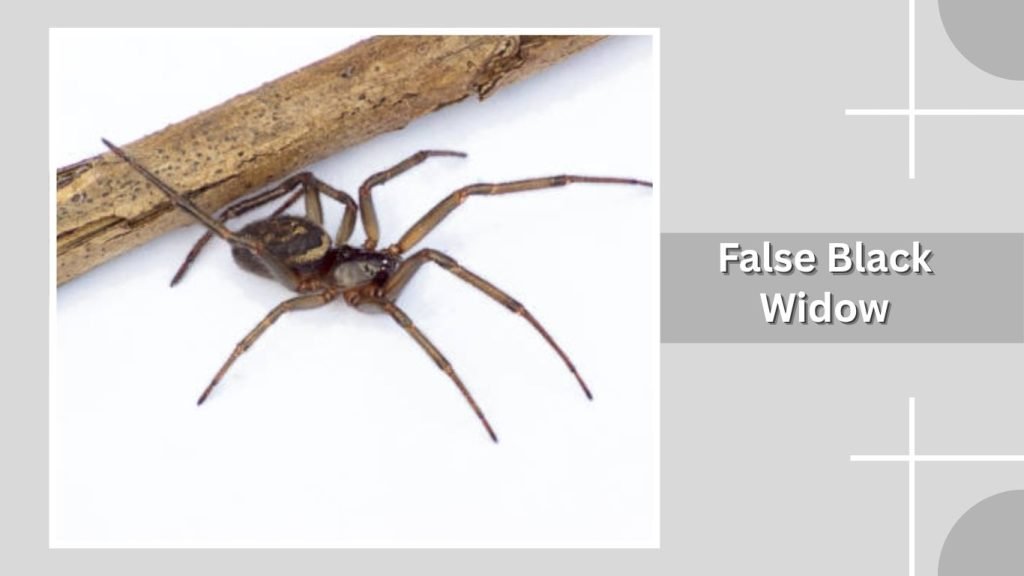
The False Black Widow is often mistaken for the true Black Widow due to its dark color and similar shape. However, it is less dangerous and more commonly found in homes and buildings. This spider has adapted well to human environments and is frequently seen in corners, ceilings, and behind furniture. While it may look intimidating, it is generally harmless and avoids confrontation.
Identification
- Dark brown to black body
- Bulbous, rounded abdomen
- May have lighter markings or patterns on the abdomen
- Glossy appearance but less shiny than true Black Widows
- Females larger than males (up to about 10 mm body length)
- Legs are long and slender
Habitat
False Black Widows prefer indoor environments such as houses, offices, and storage areas. They are often found in corners of ceilings, behind cabinets, and around window frames. Outdoors, they may live under rocks, fences, or garden structures. Their adaptability makes them common in urban areas.
Behavior
These spiders are generally calm and non-aggressive. They spend most of their time in their webs, waiting for prey. Unlike some spiders, they can tolerate living close to humans and often remain unnoticed. They will only bite if directly handled or threatened.
Diet
False Black Widows feed on a wide range of insects, including flies, mosquitoes, ants, and other small arthropods. Their webs are effective at trapping prey, helping reduce household pests.
Bite and Safety
A bite from a False Black Widow is rare and usually mild. It may cause slight pain, redness, and swelling, but serious reactions are uncommon. Medical attention is typically not necessary unless symptoms worsen.
8. Noble False Widow
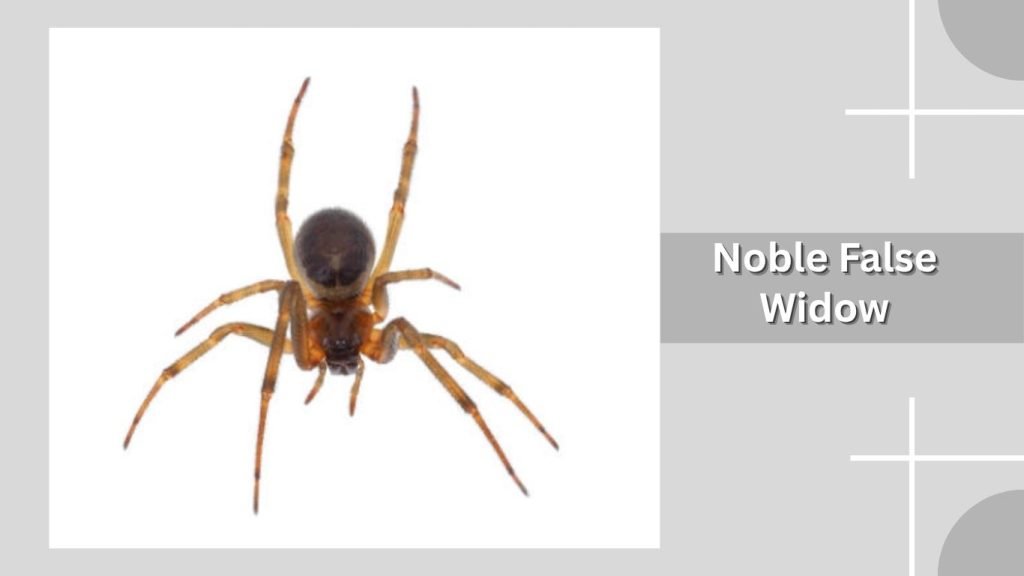
The Noble False Widow is one of the most well-known species within the False Widow group. It has gained attention due to its resemblance to the Black Widow and its increasing presence in homes and buildings. Despite concerns, it is generally not dangerous and prefers to remain undisturbed. It is commonly found in warmer regions and urban environments.
Identification
- Dark brown to black body
- Cream-colored or light pattern on the abdomen (often skull-like marking)
- Rounded, bulbous abdomen
- Glossy appearance
- Females larger than males (up to about 14 mm body length)
- Long, slender legs
Habitat
Noble False Widows are often found in and around buildings, especially in warm, sheltered areas. Common locations include window frames, walls, fences, and outdoor furniture. Indoors, they may hide in corners, behind objects, or near ceilings. They prefer places where they can remain undisturbed.
Behavior
These spiders are generally shy and not aggressive. They spend most of their time in their webs and rarely move unless disturbed. When threatened, they usually retreat rather than bite. They have adapted well to living near humans and can often go unnoticed.
Diet
The Noble False Widow feeds on a variety of insects such as flies, ants, and small beetles. It may also capture other spiders. Its web is strong and effective, allowing it to subdue prey quickly.
Bite and Safety
Bites are rare but can occur if the spider is handled or trapped against the skin. Symptoms may include mild to moderate pain, redness, and swelling. In some cases, discomfort can last longer, but serious effects are uncommon.
9. Cupboard Spider
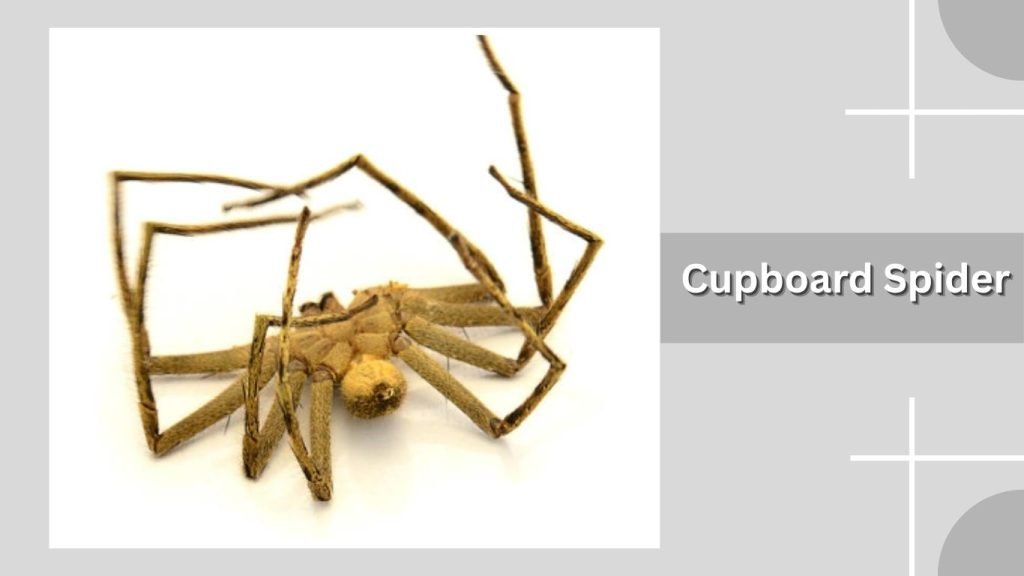
The Cupboard Spider is a small, dark-colored spider commonly found inside homes, especially in cupboards, corners, and storage areas. It belongs to the cobweb spider family and is known for building irregular, tangled webs. Although it may resemble more dangerous species, it is harmless and plays a useful role in controlling small indoor insects.
Identification
- Dark brown to black body
- Small size (typically 3–6 mm body length)
- Rounded abdomen
- Slightly glossy appearance
- Thin, delicate legs
- Builds messy, irregular cobwebs
Habitat
Cupboard Spiders prefer indoor environments where there is little disturbance. They are often found in cupboards, closets, behind furniture, and in ceiling corners. Outdoors, they may inhabit sheds, garages, and other sheltered areas. They thrive in places where insects are likely to gather.
Behavior
These spiders are quiet and non-aggressive. They spend most of their time in their webs, waiting for prey to become trapped. They rarely leave their web unless necessary and tend to stay hidden from view. Their presence often goes unnoticed due to their small size.
Diet
Cupboard Spiders feed on small insects such as flies, ants, and tiny beetles. Their tangled webs are effective at catching prey, making them beneficial for reducing household pests.
Bite and Safety
Bites from Cupboard Spiders are extremely rare and not considered dangerous. If a bite does occur, it may cause mild irritation, but serious symptoms are unlikely.
10. Black Tunnelweb Spider
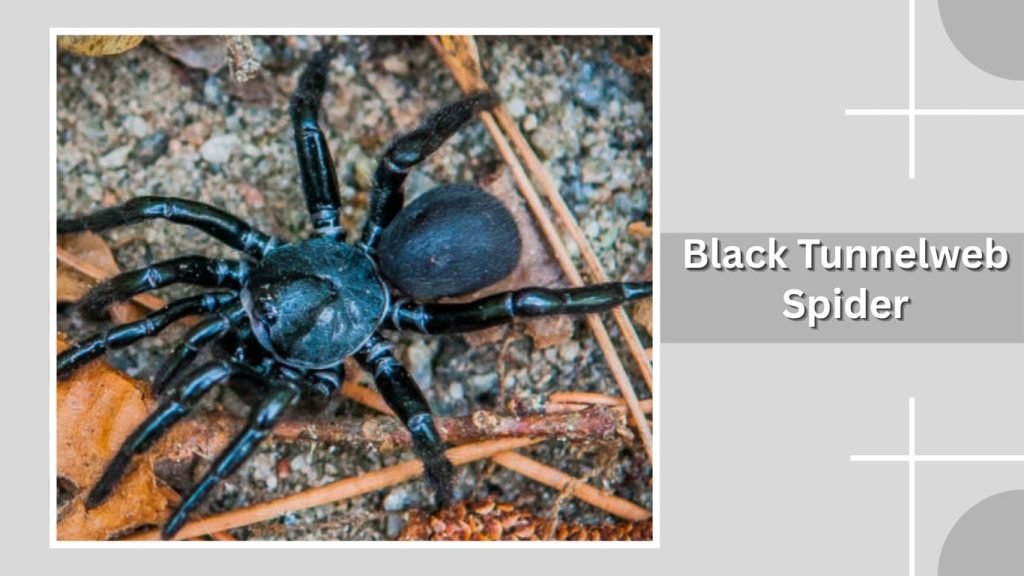
The Black Tunnelweb Spider is a ground-dwelling species known for its distinctive silk-lined tunnels. It is often found in soil, gardens, and sometimes near buildings. This spider spends most of its life inside its burrow, emerging mainly to catch prey. Although its appearance may seem intimidating, it typically avoids human contact.
Identification
- Dark brown to black body
- Stout, robust build
- Smooth or slightly hairy appearance
- Medium to large size depending on species
- Strong legs adapted for digging
- Spinnerets may be visible at the rear
Habitat
Black Tunnelweb Spiders prefer moist environments such as gardens, lawns, forest floors, and under rocks or logs. They create silk-lined burrows in the ground, often with a funnel-like entrance. Sometimes, they may be found near the foundations of homes or in outdoor structures.
Behavior
These spiders are mostly nocturnal and spend the majority of their time inside their burrows. They wait at the entrance of their tunnel for vibrations that signal prey. When prey approaches, they quickly rush out to capture it. They are generally shy and retreat into their burrow when disturbed.
Diet
The Black Tunnelweb Spider feeds on insects and other small invertebrates, including beetles, ants, and small spiders. Its ambush hunting style allows it to efficiently capture prey that passes near its burrow.
Bite and Safety
Some species of tunnelweb spiders can deliver a painful bite, but most are not considered highly dangerous. Symptoms may include local pain and swelling. Serious reactions are rare, but caution is advised when handling or disturbing them.
11. Black Wall Spider
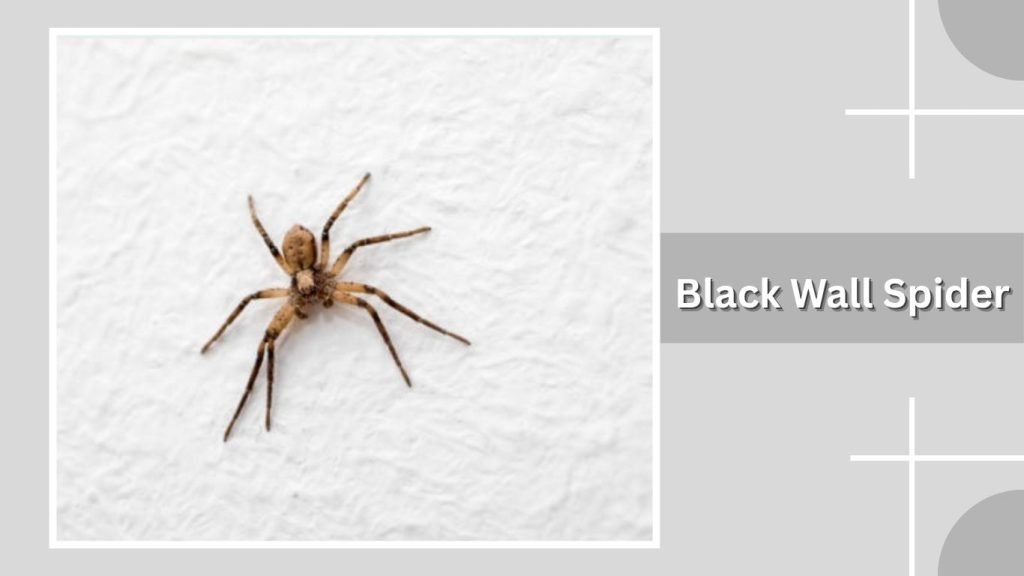
The Black Wall Spider is a dark-colored spider commonly found on walls, fences, and building surfaces. It is known for blending well with its surroundings, making it difficult to spot. This spider is generally harmless and plays an important role in controlling insects around homes and outdoor structures.
Identification
- Dark brown to black body
- Flattened body shape
- Medium size (around 8–15 mm body length)
- Legs spread outward, giving a wide appearance
- Slightly rough or matte texture
- Good camouflage against walls and surfaces
Habitat
Black Wall Spiders are typically found on exterior walls, fences, tree bark, and rocky surfaces. They prefer areas where they can remain hidden during the day and become more active at night. They are commonly seen in both urban and rural environments.
Behavior
These spiders are mostly nocturnal and spend the daytime resting in cracks or hidden spots. At night, they may move across surfaces in search of prey. They are fast-moving but not aggressive, and they usually try to escape when disturbed.
Diet
Black Wall Spiders feed on small insects such as flies, ants, and moths. Instead of relying heavily on webs, they may actively hunt or ambush prey on surfaces.
Bite and Safety
Bites are rare and typically occur only if the spider is handled. The bite may cause mild irritation or redness but is not considered dangerous to humans.
12. Black Crevice Weaver
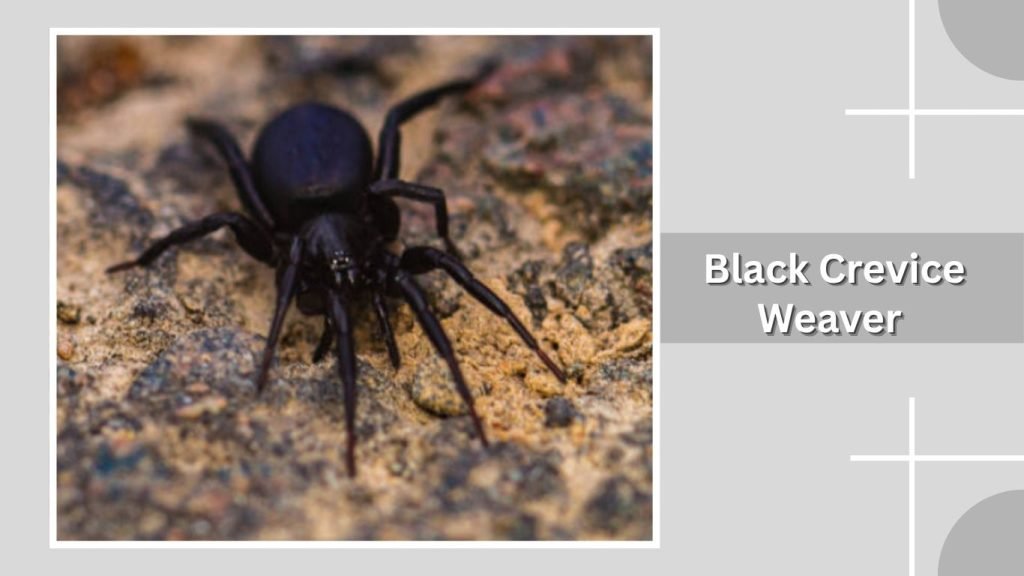
The Black Crevice Weaver is a dark-colored spider that prefers tight spaces such as cracks and gaps in walls, rocks, and structures. It is known for building silk retreats within crevices, where it hides and waits for prey. This spider is generally harmless and stays out of sight, making it less noticeable in both natural and urban environments.
Identification
- Dark brown to black body
- Flattened shape adapted for narrow spaces
- Medium size (around 8–12 mm body length)
- Long legs that help it move within crevices
- Slightly hairy or matte appearance
- Often associated with silk-lined cracks
Habitat
Black Crevice Weavers are commonly found in cracks of walls, under stones, tree bark, and building structures. They prefer dry, sheltered areas where they can remain hidden. Around homes, they may inhabit small gaps in bricks, window frames, and foundations.
Behavior
These spiders are secretive and spend most of their time inside their silk-lined crevices. They rarely wander far and wait for prey to come close to their hiding spot. When disturbed, they quickly retreat deeper into their shelter.
Diet
The Black Crevice Weaver feeds on small insects such as ants, beetles, and flies. It captures prey by quickly emerging from its crevice and pulling it inside to consume.
Bite and Safety
Bites are very rare and usually happen only if the spider is directly handled. Any bite is typically mild, causing slight pain or irritation, and is not considered dangerous.
13. Black Sheetweb Spider
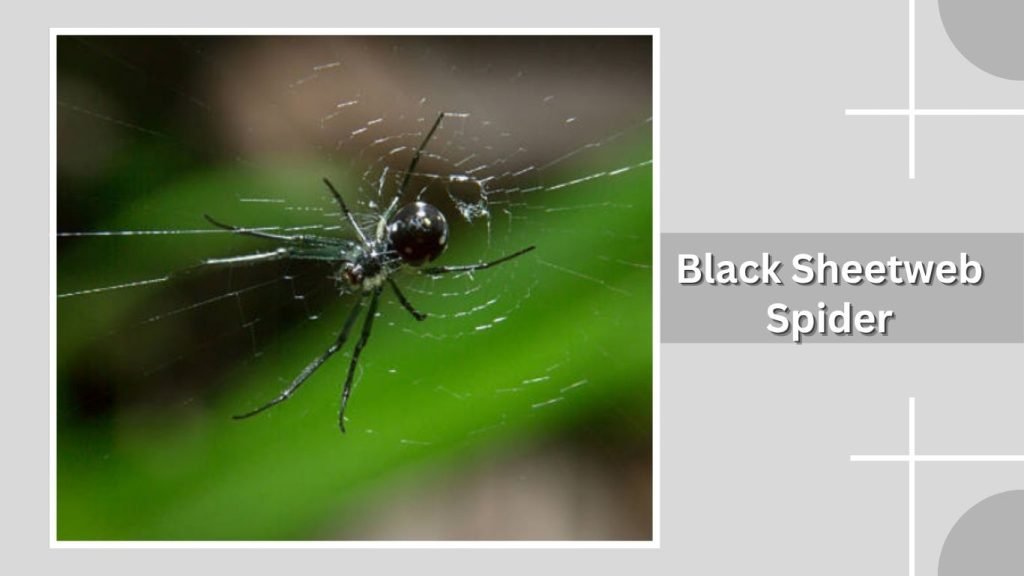
The Black Sheetweb Spider is a small to medium-sized spider known for building flat, sheet-like webs close to the ground or in sheltered areas. It often stays hidden beneath or beside its web, waiting for prey to land on the surface. This spider is harmless and plays a beneficial role in controlling insect populations.
Identification
- Dark brown to black body
- Small to medium size (around 5–10 mm body length)
- Slender legs
- Slightly elongated abdomen
- Matte or slightly glossy appearance
- Builds flat, sheet-like webs
Habitat
Black Sheetweb Spiders are commonly found in grass, bushes, gardens, and low vegetation. They may also inhabit corners of buildings, under furniture, or in basements. They prefer quiet, undisturbed areas where their webs can remain intact.
Behavior
These spiders spend most of their time on or just beneath their sheet web. When an insect lands on the web, the spider quickly rushes out to capture it. They are not aggressive and usually remain hidden unless hunting or disturbed.
Diet
The Black Sheetweb Spider feeds on small insects such as flies, mosquitoes, and tiny beetles. Its web is designed to trap lightweight, flying insects efficiently.
Bite and Safety
Bites are extremely rare and not considered harmful. If a bite does occur, it may cause mild irritation but does not pose any serious risk to humans.
14. Black Cellar Spider
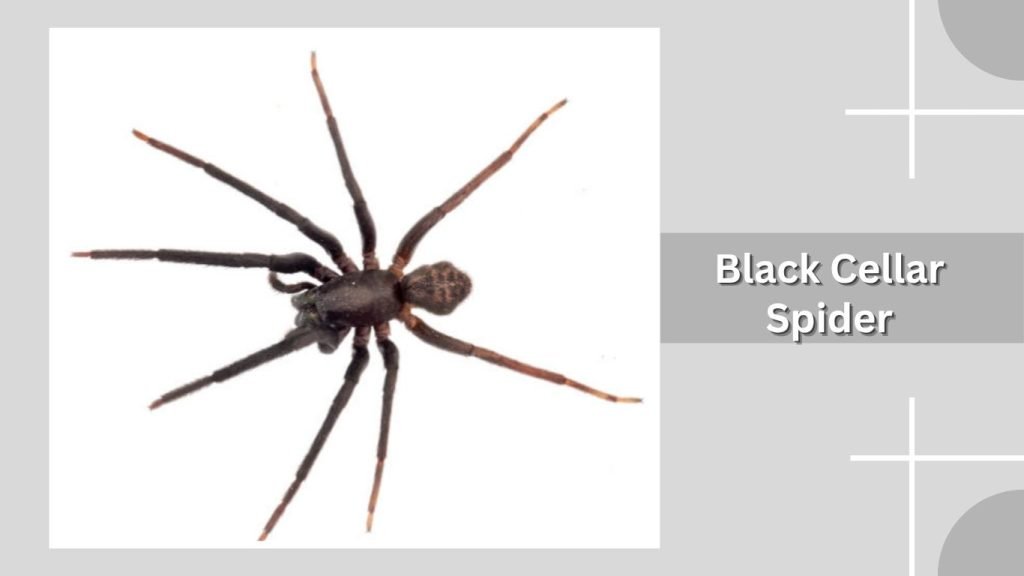
The Black Cellar Spider is a long-legged spider often found in dark, damp indoor spaces such as basements, cellars, and storage rooms. It is known for its delicate appearance and loose, irregular webs. Despite its somewhat eerie look, it is completely harmless and beneficial for controlling other small insects and even other spiders.
Identification
- Dark gray to black body
- Very long, thin legs
- Small body (about 5–8 mm in length)
- Oval or cylindrical abdomen
- Fragile, delicate appearance
- Builds loose, tangled webs
Habitat
Black Cellar Spiders prefer dark, humid environments such as basements, cellars, garages, and under furniture. They are also found in corners of ceilings and behind stored items. Outdoors, they may live in caves, under rocks, or in shaded structures.
Behavior
These spiders are non-aggressive and often remain in their webs. When disturbed, they may vibrate rapidly in their web as a defense mechanism to confuse predators. They rarely leave their web and are generally unnoticed unless their webs become visible.
Diet
Black Cellar Spiders feed on small insects like flies, mosquitoes, and ants. Interestingly, they may also prey on other spiders, including more dangerous species, making them especially useful in homes.
Bite and Safety
Bites are extremely rare and harmless. Even if a bite occurs, it usually results in no significant symptoms. They are considered completely safe for humans.
15. Black Funnel-Web Spider
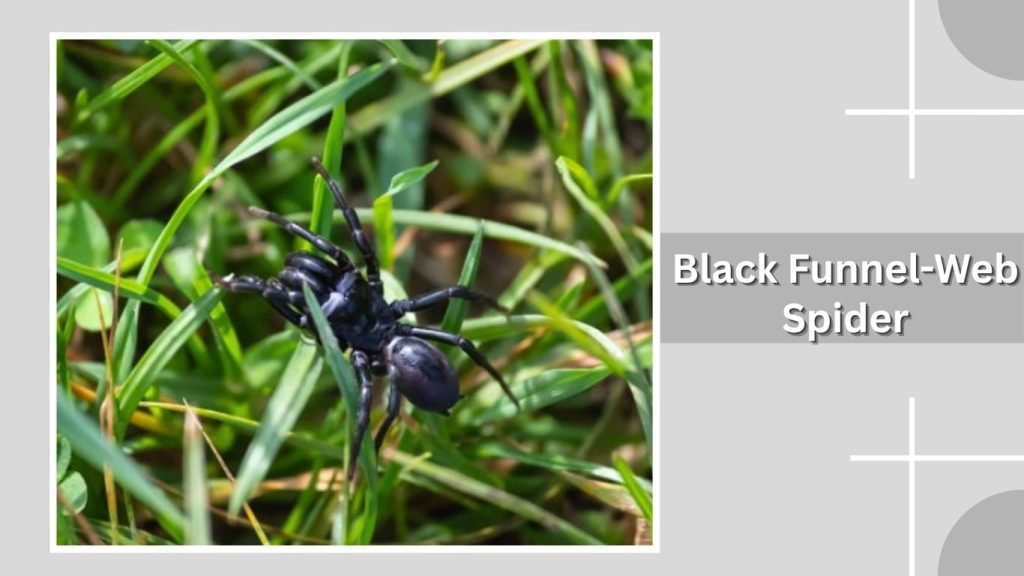
The Black Funnel-Web Spider is a large, dark spider known for its funnel-shaped web and powerful build. It is most commonly found in moist environments and is often associated with burrows or sheltered ground areas. While some species are considered dangerous, they are generally reclusive and avoid human contact.
Identification
- Shiny black or very dark brown body
- Large, robust size (can exceed 20 mm body length)
- Thick legs with a strong, muscular appearance
- Prominent fangs
- Smooth, glossy exoskeleton
- Produces funnel-shaped silk webs
Habitat
Black Funnel-Web Spiders prefer damp, cool environments such as forests, gardens, under rocks, logs, and in soil burrows. They may also be found near homes, especially in gardens or shaded outdoor areas. Their funnel-shaped webs are usually built close to the ground.
Behavior
These spiders are mostly nocturnal and spend much of their time inside their funnel-shaped retreat. They wait for vibrations that signal prey and quickly rush out to capture it. While they may appear aggressive, they typically act defensively and retreat when possible.
Diet
The Black Funnel-Web Spider feeds on insects, small invertebrates, and occasionally small vertebrates like frogs or lizards. Its strong venom allows it to subdue prey quickly and efficiently.
Bite and Safety
Some species of funnel-web spiders possess highly potent venom that can be dangerous to humans. A bite may cause severe symptoms and requires immediate medical attention. However, bites are rare and usually occur only when the spider is provoked or disturbed.
FAQs
Are black house spiders dangerous to humans?
Most black house spiders are not dangerous. While a few species like Black Widows and Funnel-Web Spiders have venom that can affect humans, the majority are harmless and rarely bite.
Why do black spiders enter homes?
Black spiders usually enter homes in search of food, shelter, and warmth. Indoor environments provide protection and a steady supply of insects, making them ideal habitats.
How can I identify a dangerous black spider?
Dangerous black spiders often have distinct markings, such as the red hourglass on Black Widows. Size, body shape, and behavior also help, but proper identification may require expert knowledge.
Do black spiders help control pests?
Yes, most black spiders are beneficial because they feed on insects like flies, mosquitoes, and ants. They naturally help reduce pest populations in and around homes.
How can I prevent black spiders in my house?
You can reduce spider presence by keeping your home clean, sealing cracks and gaps, removing clutter, and reducing insect populations. Regular cleaning of corners and storage areas also helps.
