

Banana spiders are a fascinating group of arachnids known for their large size, striking colors, and unique behaviors. The term “banana spider” doesn’t refer to just one species but includes several different spiders, such as golden orb-weavers and Brazilian wandering spiders. Some are famous for their beautiful golden webs, while others are active hunters with powerful venom. Found mostly in tropical and subtropical regions, these spiders play an important role in controlling insect populations. In this guide, you’ll discover 17 different types of banana spiders and learn what makes each one unique.
1. Golden Silk Orb-Weaver
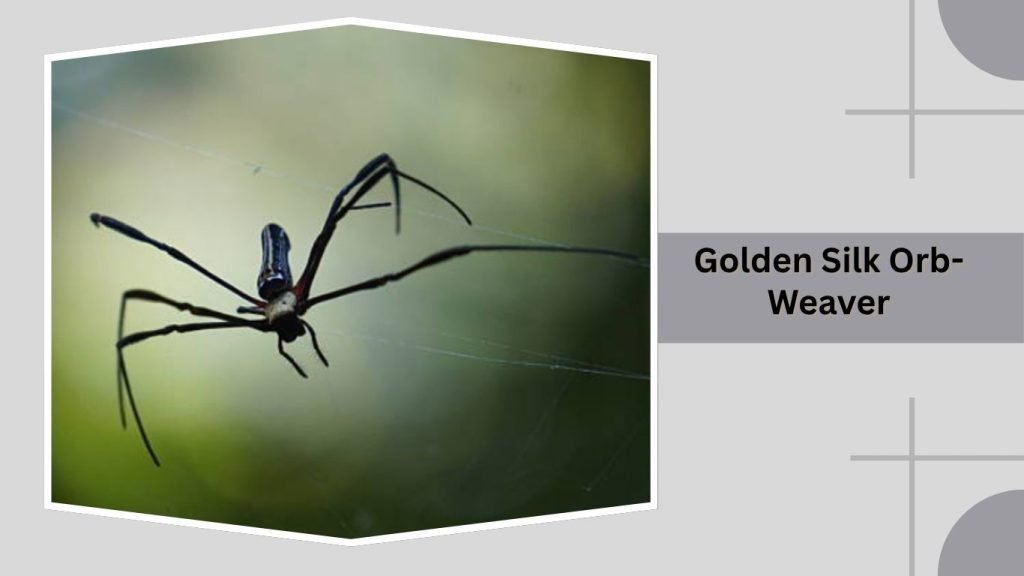
The Golden Silk Orb-Weaver is one of the most recognizable “banana spiders,” known for its impressive size and striking golden webs. These spiders belong to the genus Trichonephila and are commonly found in warm, humid environments. Their webs can span several feet, making them highly effective at catching flying insects. Despite their intimidating appearance, they are generally harmless to humans and are considered beneficial for natural pest control.
Identification
- Large body with long, slender legs
- Females significantly larger than males
- Yellow to golden coloration with possible black or white markings
- Elongated abdomen, sometimes with subtle patterns
- Often seen at the center of large, golden webs
Habitat
Golden Silk Orb-Weavers are typically found in tropical and subtropical regions around the world. They prefer forests, gardens, and areas with dense vegetation. These spiders build their webs between trees, shrubs, or man-made structures where insect activity is high. Their adaptability allows them to thrive in both wild and semi-urban environments.
Behavior
These spiders are non-aggressive and spend most of their time resting in their webs. They rely on vibrations to detect prey, quickly immobilizing insects caught in their silk. Males are much smaller and often live on the edges of the female’s web, sometimes risking being mistaken for prey.
Web Characteristics
Their webs are large, strong, and have a distinctive golden shimmer. The silk is incredibly durable and elastic, capable of trapping even relatively large insects. The golden color may help attract prey or provide camouflage in sunlight.
Bite and Toxicity
Golden Silk Orb-Weavers are not dangerous to humans. Bites are rare and usually occur only when the spider is handled. Symptoms are typically mild, including slight pain or redness, and do not require serious medical treatment.
2. Giant Wood Spider
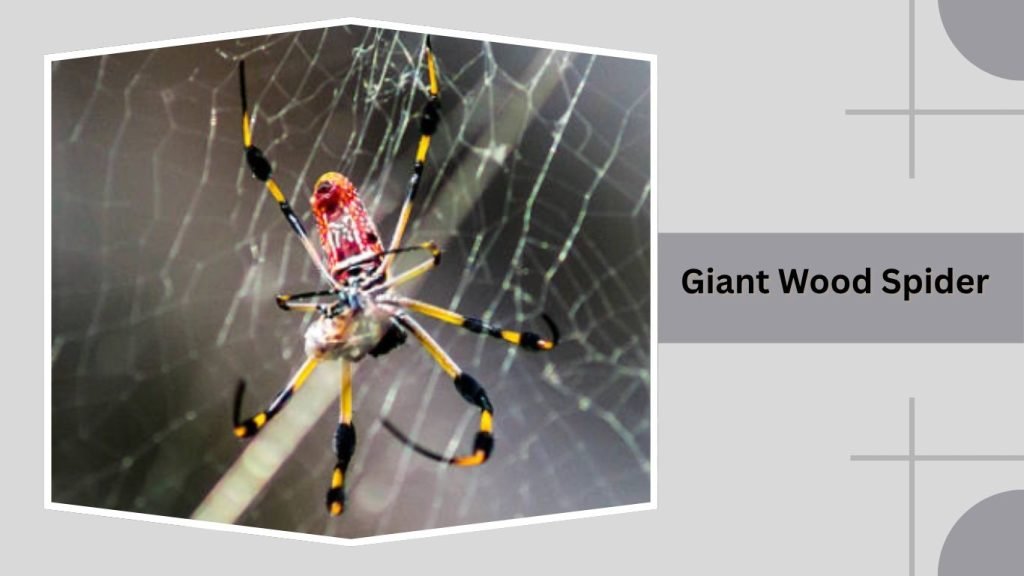
The Giant Wood Spider is another well-known type of banana spider, closely related to the Golden Silk Orb-Weaver. It is famous for its enormous web and long, delicate legs. Found mainly in Asia and parts of Oceania, this spider is easily recognized by its size and the intricate webs it builds in forested areas. Despite its large appearance, it is harmless and plays a valuable role in controlling insect populations.
Identification
- Very large size with extremely long legs
- Females much larger than males
- Yellow, gold, and brown coloration with banded legs
- Elongated abdomen with subtle markings
- Often positioned at the center of a massive web
Habitat
Giant Wood Spiders prefer tropical and subtropical forests, especially areas with high humidity. They are commonly found in woodlands, gardens, and plantations. These spiders build their webs between tall trees or across open forest paths where flying insects are abundant.
Behavior
These spiders are calm and non-aggressive. They remain in their webs most of the time, waiting patiently for prey. When an insect gets trapped, the spider quickly approaches and wraps it in silk. Males are much smaller and often stay near the edges of the female’s web.
Web Characteristics
Their webs are among the largest of any spider species and can stretch several meters across. The silk often has a golden tint and is extremely strong, allowing it to catch a wide range of flying insects. The web is usually rebuilt or repaired regularly.
Bite and Toxicity
The Giant Wood Spider is not dangerous to humans. Bites are very rare and usually only happen if the spider is provoked. Any bite typically results in mild irritation, similar to a bee sting, and does not pose serious health risks.
3. Hawaiian Garden Spider
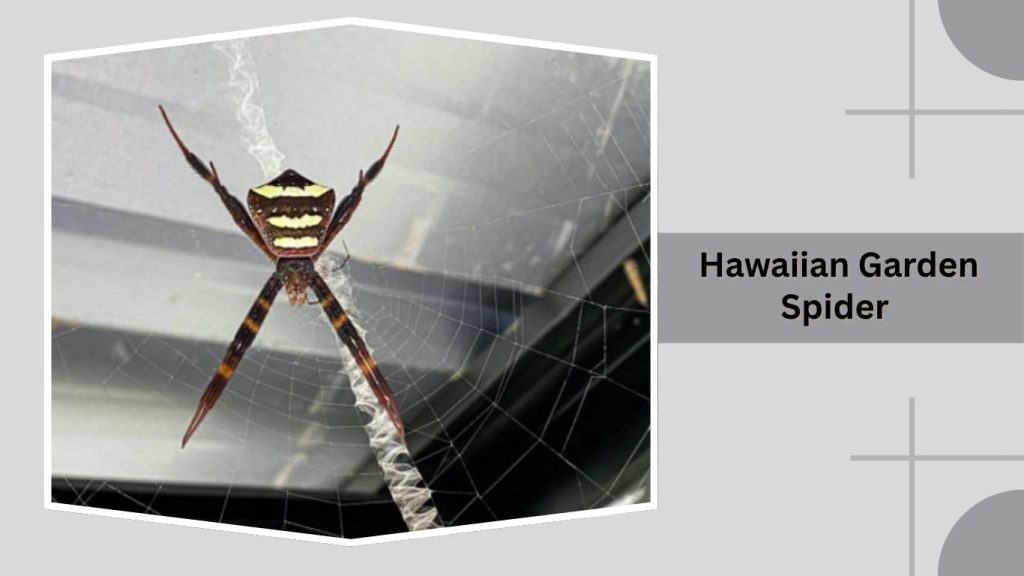
The Hawaiian Garden Spider is a striking species often associated with the “banana spider” name due to its appearance and web-building habits. Native to Hawaii, it is admired for its bold coloration and unique web patterns. This spider plays an important ecological role by controlling insect populations in gardens and natural habitats.
Identification
- Medium to large size with long legs
- Bright yellow and black coloration
- Distinctive patterned abdomen
- Often has a silvery or glossy appearance on parts of the body
- Commonly seen resting in the center of its web
Habitat
Hawaiian Garden Spiders are commonly found in gardens, forests, and shrublands across the Hawaiian Islands. They prefer areas with plenty of vegetation where they can anchor their webs securely. These spiders are often seen in sunny locations where flying insects are active.
Behavior
These spiders are non-aggressive and remain in their webs most of the time. They rely on vibrations to detect prey and quickly immobilize insects caught in their silk. They are active during the day and can often be observed maintaining or repairing their webs.
Web Characteristics
Their webs are large, circular, and often feature a distinctive zigzag pattern known as a stabilimentum. This structure may help attract prey or make the web more visible to larger animals to avoid damage. The silk is strong and effective at trapping flying insects.
Bite and Toxicity
The Hawaiian Garden Spider is not considered dangerous to humans. Bites are uncommon and usually occur only when the spider is disturbed. Symptoms are typically mild, including slight pain or redness, and do not require medical treatment.
4. Red-Legged Golden Orb-Weaver
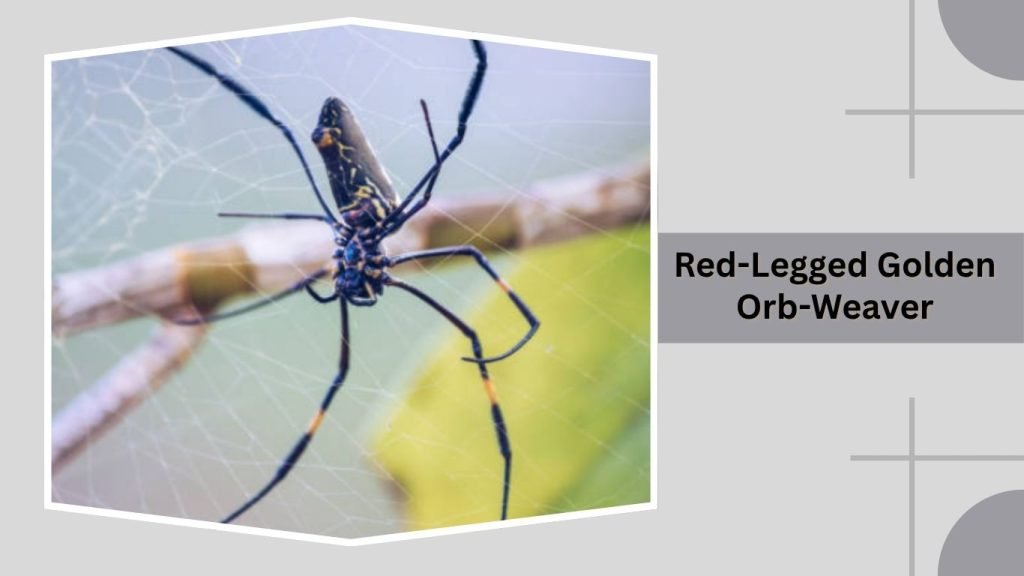
The Red-Legged Golden Orb-Weaver is a visually striking banana spider known for its reddish or orange-colored legs and golden silk webs. It belongs to the Trichonephila group and is commonly found in parts of Asia and Australia. This spider is admired for both its size and the beauty of its web, which glows in sunlight.
Identification
- Large body with long, reddish or orange legs
- Females significantly larger than males
- Golden-yellow to brown abdomen with markings
- Legs often show dark bands along with red coloration
- Typically found sitting in the center of its web
Habitat
This species prefers tropical and subtropical environments such as forests, gardens, and coastal vegetation. It builds its web between trees, shrubs, or even near human dwellings where insects are plentiful. Warm and humid conditions are ideal for its survival.
Behavior
The Red-Legged Golden Orb-Weaver is non-aggressive and spends most of its time waiting in its web. It reacts quickly when prey becomes trapped, wrapping it in silk before feeding. Smaller males often stay near the female’s web, sometimes risking being eaten.
Web Characteristics
Its web is large, strong, and has a golden sheen similar to other orb-weavers in this group. The silk is highly elastic and durable, capable of catching large flying insects. The web is often rebuilt or repaired regularly to maintain its effectiveness.
Bite and Toxicity
This spider is not considered dangerous to humans. Bites are rare and usually happen only when the spider is handled or threatened. The effects are mild, typically causing slight pain or irritation that fades quickly.
5. Black-Legged Golden Orb-Weaver
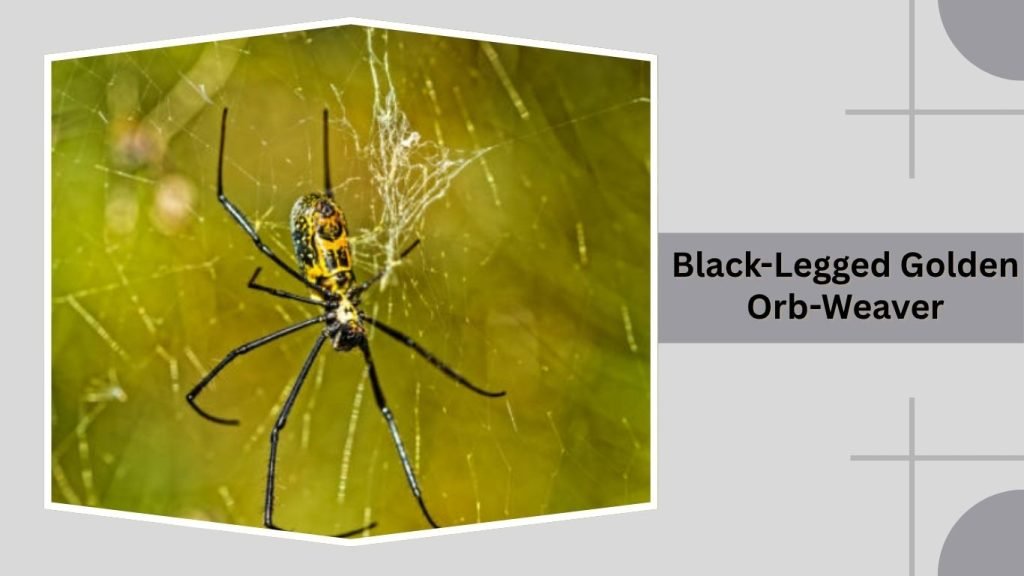
The Black-Legged Golden Orb-Weaver is another fascinating member of the banana spider group, known for its contrasting dark legs and golden web. It is widely distributed in tropical regions and is easily recognized by its bold coloration and large, intricate webs. Like other orb-weavers, it plays an important role in maintaining ecological balance by controlling insect populations.
Identification
- Large spider with long, black or dark-colored legs
- Females much larger than males
- Yellow to golden abdomen with possible white or brown markings
- Legs often glossy with subtle banding
- Commonly seen positioned in the center of its web
Habitat
This species thrives in tropical and subtropical climates, especially in forests, gardens, and areas with dense vegetation. It prefers locations where it can build wide, suspended webs between trees, shrubs, or structures. These spiders are often found in areas with high insect activity.
Behavior
Black-Legged Golden Orb-Weavers are calm and non-aggressive. They spend most of their time in their webs, waiting for prey to become trapped. Once an insect is caught, the spider quickly immobilizes it with silk. Males, being much smaller, typically stay on the outskirts of the female’s web.
Web Characteristics
Their webs are large, circular, and have a distinct golden tint. The silk is incredibly strong and elastic, allowing it to capture a variety of flying insects. The web is usually maintained regularly, with damaged sections repaired quickly.
Bite and Toxicity
These spiders are not dangerous to humans. Bites are uncommon and generally occur only when the spider is provoked. Symptoms are mild, such as slight pain, redness, or irritation, and do not require medical attention.
6. Trichonephila clavipes
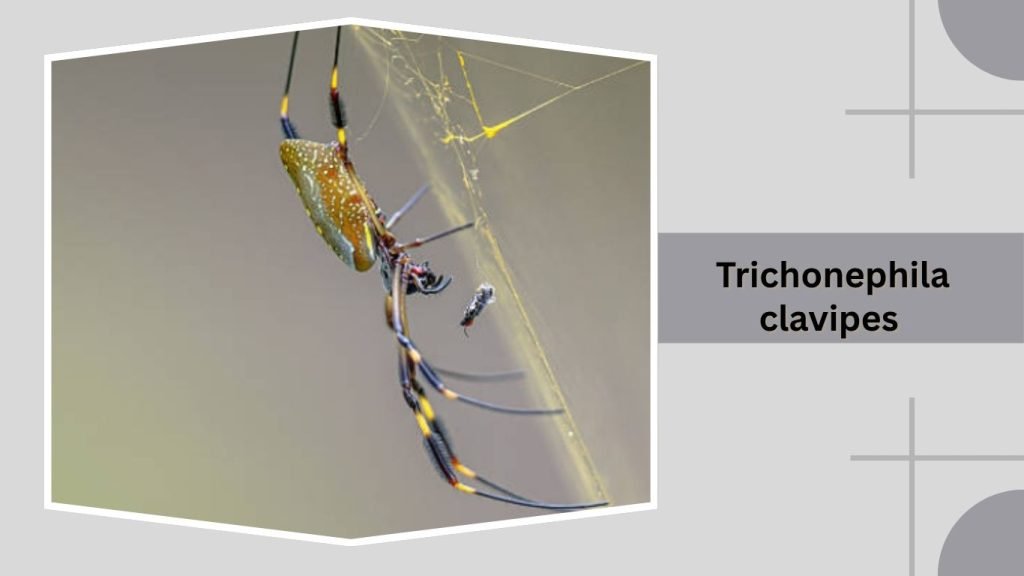
Trichonephila clavipes, commonly known as the Golden Silk Orb-Weaver in the Americas, is one of the most famous banana spiders. It is widely distributed across the southeastern United States, Central America, and South America. This species is known for its large size, striking coloration, and incredibly strong golden webs that can span wide areas.
Identification
- Large body with very long, slender legs
- Females significantly larger than males
- Bright yellow abdomen with black and white markings
- Legs often brown or black with small tufts of hair
- Frequently seen hanging in the center of its web
Habitat
This species prefers warm, humid environments such as forests, swamps, gardens, and coastal areas. It builds webs between trees, shrubs, and even across walking paths. They are especially common in areas with high insect activity and plenty of space for large webs.
Behavior
Trichonephila clavipes is non-aggressive and spends most of its life in its web. It waits patiently for prey to get caught and quickly immobilizes it using silk. Smaller males often live on the edges of the female’s web and may compete for mating opportunities.
Web Characteristics
The web is large, orb-shaped, and has a distinctive golden color. The silk is extremely strong and elastic, capable of trapping large insects like grasshoppers and even small birds in rare cases. The web is often repaired or rebuilt regularly.
Bite and Toxicity
This spider is not dangerous to humans. Bites are rare and usually occur only when the spider is handled. The effects are mild, typically involving slight pain or redness that fades quickly without medical treatment.
7. Trichonephila pilipes
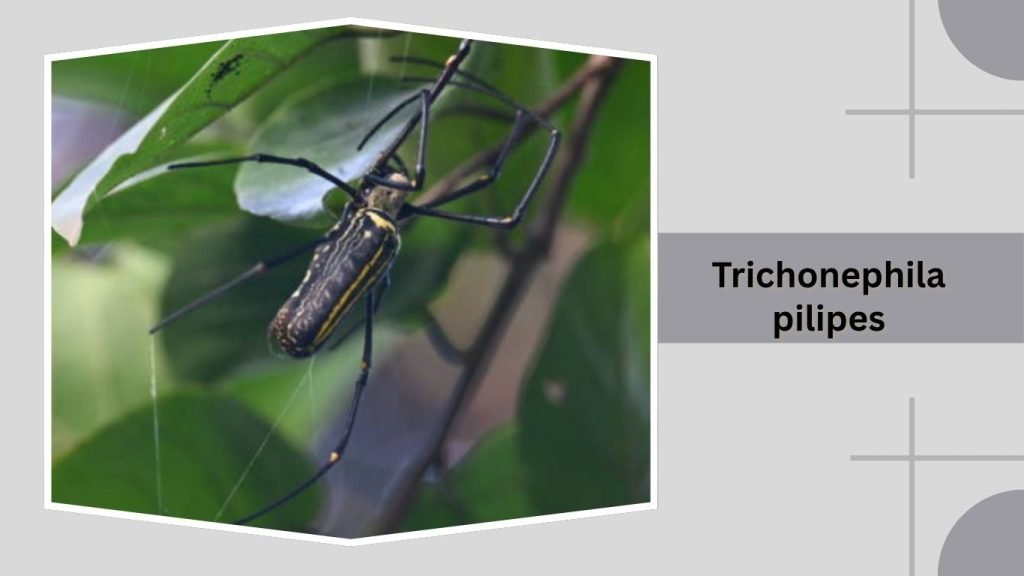
Trichonephila pilipes, often referred to as the Giant Golden Orb-Weaver, is one of the largest web-building spiders in the world. It is commonly found across Asia, Australia, and parts of the Pacific. This species is well known for its enormous size and the impressive golden webs it constructs in forests and open areas.
Identification
- Extremely large size, especially females
- Long, slender legs with black and yellow coloration
- Cylindrical abdomen with yellow, white, or gray patterns
- Noticeable size difference between males and females
- Typically hangs at the center of a large web
Habitat
This species thrives in tropical and subtropical regions, particularly in forests, gardens, and coastal vegetation. It prefers areas with plenty of space to build large webs, often stretching between tall trees or across open clearings. It is also commonly found near human settlements in warm climates.
Behavior
Trichonephila pilipes is non-aggressive and spends most of its time waiting in its web for prey. It feeds mainly on flying insects such as flies, moths, and beetles. Males are much smaller and usually remain near the female’s web, attempting to mate while avoiding being mistaken for prey.
Web Characteristics
The web is massive, often spanning several meters, and has a distinctive golden sheen. The silk is extremely strong and flexible, allowing it to capture a wide variety of prey. The spider regularly maintains and repairs its web to keep it effective.
Bite and Toxicity
This spider is not considered dangerous to humans. Bites are very rare and typically occur only if the spider is disturbed. The symptoms are mild, including slight pain or irritation, and usually do not require medical attention.
8. Trichonephila inaurata
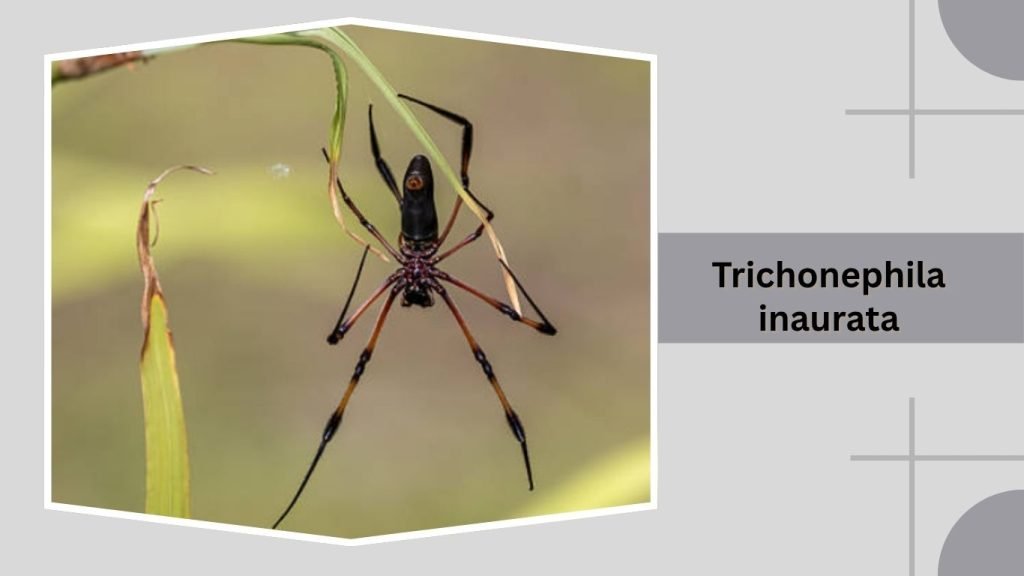
Trichonephila inaurata, commonly known as the Red Golden Orb-Weaver, is a striking banana spider found in parts of Africa and nearby islands such as Madagascar. It is known for its vibrant coloration and strong golden webs. This species is highly adaptable and can often be seen in both wild habitats and near human dwellings.
Identification
- Large body with long, slender legs
- Females much larger than males
- Reddish, orange, or golden coloration on the body
- Abdomen may show bright markings or patterns
- Often positioned in the center of a large web
Habitat
This species is commonly found in tropical and subtropical regions, especially in forests, gardens, and coastal vegetation. It prefers warm climates with abundant plant life where it can build large webs between trees or shrubs. It may also be seen around houses in rural or semi-urban areas.
Behavior
Trichonephila inaurata is non-aggressive and spends most of its time in its web. It waits patiently for prey and quickly wraps insects caught in its silk. Smaller males usually stay at the edges of the female’s web, often attempting to mate while avoiding danger.
Web Characteristics
The web is large, circular, and has a golden shimmer. The silk is strong and elastic, capable of trapping a variety of flying insects. The spider regularly repairs its web to maintain its structure and effectiveness.
Bite and Toxicity
This spider is not dangerous to humans. Bites are rare and usually occur only when the spider is provoked. Symptoms are mild, such as slight pain or redness, and typically do not require medical attention.
9. Nephila edulis
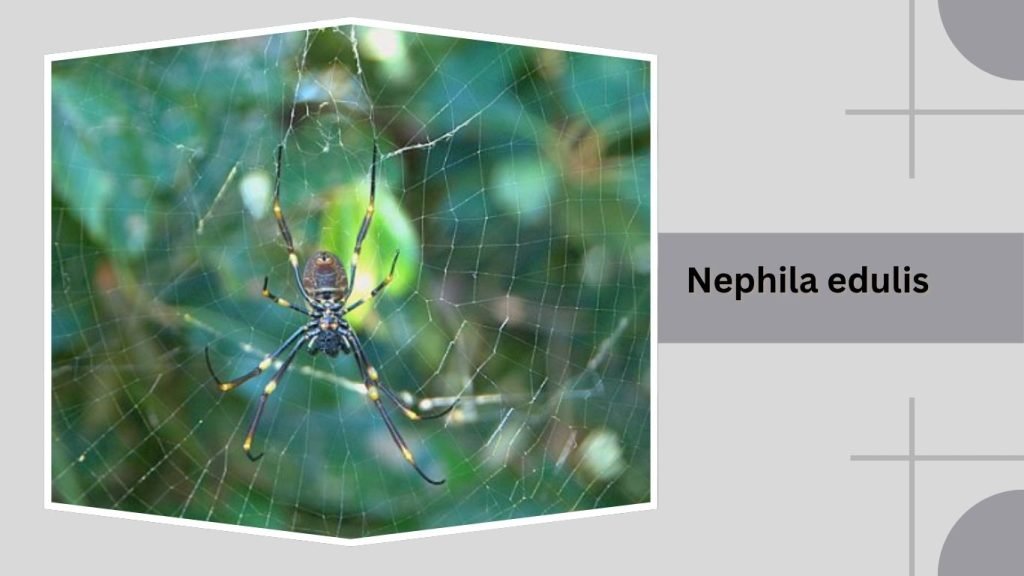
Nephila edulis, often called the Australian Golden Orb-Weaver, is a large and impressive banana spider native to Australia and nearby regions. It is well known for its strong golden silk and large webs, which can be found in forests, gardens, and even urban areas. This species is often studied due to the unique strength and properties of its silk.
Identification
- Large body with very long, slender legs
- Females significantly larger than males
- Yellow to brown abdomen with distinctive patterns
- Legs often dark with lighter joints
- Commonly seen hanging in the center of its web
Habitat
This species is commonly found in warm climates, especially across Australia, New Guinea, and surrounding islands. It prefers forests, woodlands, and gardens where it can build large webs between trees or structures. It is also frequently seen near human habitation in suitable climates.
Behavior
Nephila edulis is non-aggressive and spends most of its time in its web waiting for prey. It feeds on flying insects such as flies, moths, and beetles. Males are much smaller and often live on the edges of the female’s web, sometimes sharing it with multiple males.
Web Characteristics
The web is large, orb-shaped, and has a distinct golden color. The silk is extremely strong and elastic, capable of capturing relatively large insects. The spider regularly repairs or rebuilds its web to keep it functional and effective.
Bite and Toxicity
This spider is not considered dangerous to humans. Bites are rare and usually occur only when the spider is handled or disturbed. The effects are mild, typically involving slight pain, redness, or irritation that fades quickly.
10. Nephila komaci
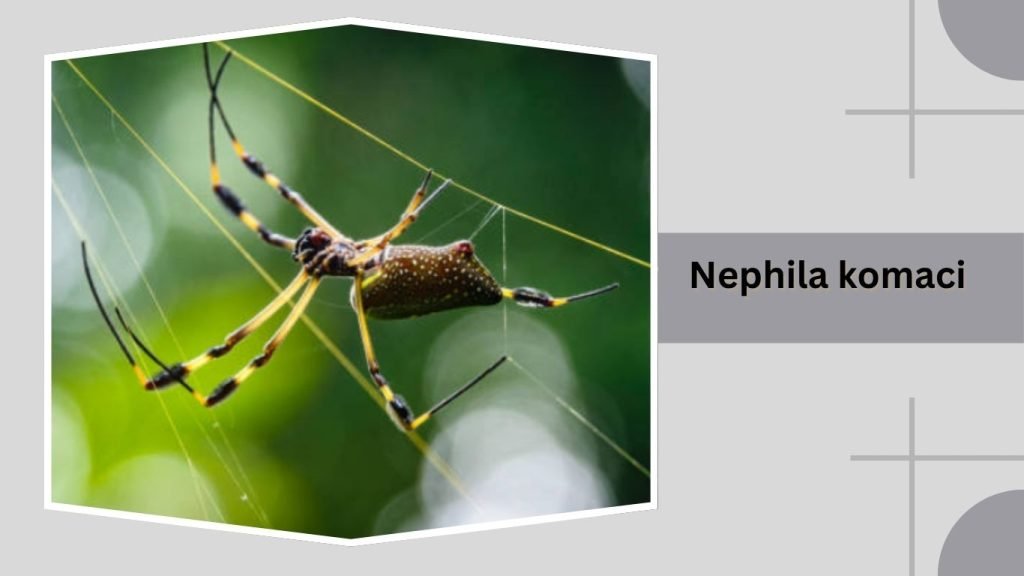
Nephila komaci is one of the rarest and largest orb-weaving spiders in the world, sometimes referred to as a giant golden orb-weaver. It was only relatively recently described and is found in parts of Africa and Madagascar. Due to its size and rarity, it has attracted significant scientific interest.
Identification
- Extremely large body size, especially females
- Long, slender legs with dark coloration
- Abdomen elongated with yellow or pale markings
- Females much larger than males
- Typically seen suspended in the center of a large web
Habitat
This species inhabits tropical and subtropical regions, particularly forests and areas with dense vegetation. It prefers quiet, undisturbed environments where it can construct large webs between trees. Due to its rarity, it is not commonly encountered.
Behavior
Nephila komaci is non-aggressive and spends most of its time in its web. It waits patiently for prey and quickly immobilizes insects that become trapped. Like other orb-weavers, males are much smaller and often stay near the female’s web.
Web Characteristics
The web is large, strong, and may have a slight golden tint. The silk is highly durable and capable of capturing a variety of flying insects. The spider regularly maintains its web to ensure it remains effective.
Bite and Toxicity
This spider is not considered dangerous to humans. Bites are extremely rare and usually only occur if the spider is handled. Any bite typically results in mild symptoms such as slight pain or irritation.
11. Nephila constricta
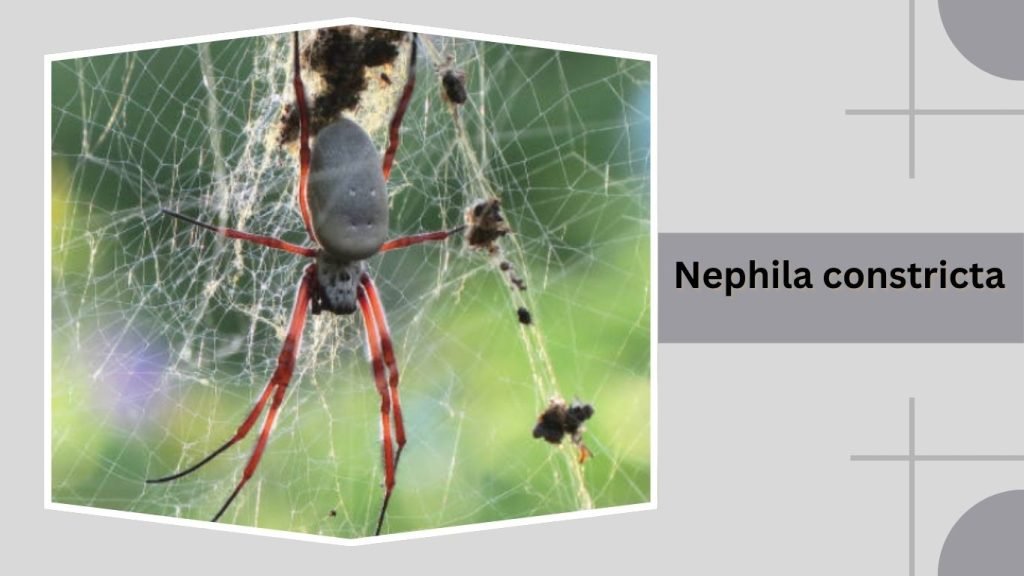
Nephila constricta is a species of golden orb-weaver commonly found in parts of Africa. Like other banana spiders, it is known for its large size and the strong, golden-tinted webs it constructs. This spider plays an important ecological role by helping control populations of flying insects in its habitat.
Identification
- Medium to large size with long, slender legs
- Females significantly larger than males
- Yellow, brown, or golden abdomen with subtle markings
- Legs often dark with lighter bands
- Usually positioned in the center of its web
Habitat
This species is typically found in tropical regions of Africa, especially in forests, savannas, and gardens. It prefers areas with plenty of vegetation where it can build large webs between trees and shrubs. It may also be found near human settlements in suitable climates.
Behavior
Nephila constricta is non-aggressive and spends most of its time resting in its web. It waits for flying insects to become trapped, then quickly immobilizes them with silk. Smaller males are often found on the edges of the female’s web.
Web Characteristics
The web is large, orb-shaped, and may display a golden sheen. The silk is strong and elastic, allowing it to capture a wide variety of flying insects. The spider frequently repairs or rebuilds damaged sections of its web.
Bite and Toxicity
This spider is not dangerous to humans. Bites are rare and usually occur only when the spider is disturbed. Symptoms are mild, typically including slight pain or redness, and do not require medical treatment.
12. Nephila senegalensis
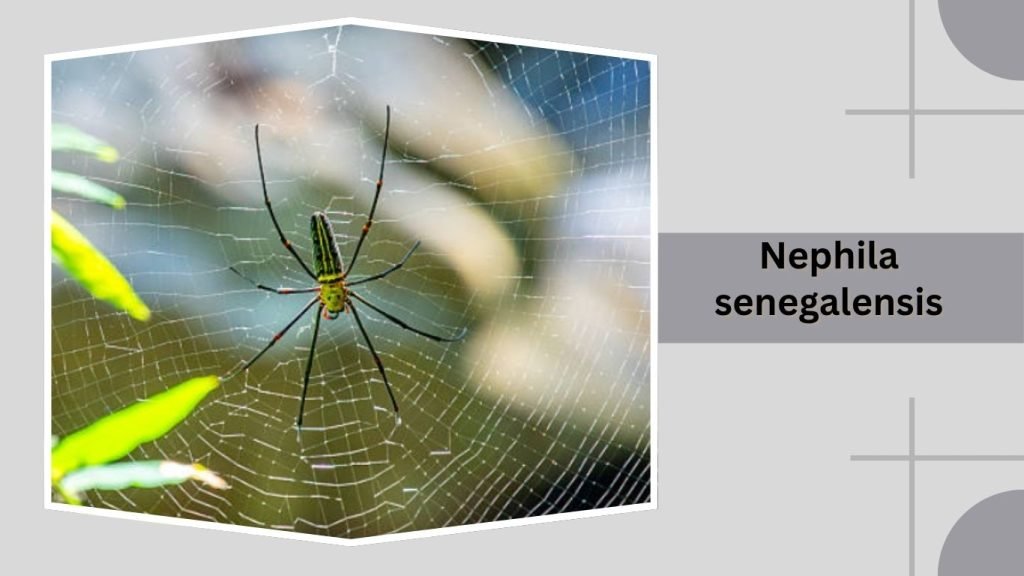
Nephila senegalensis is a widely distributed golden orb-weaver found across Africa. It is known for its elegant body shape and the large, golden webs it builds in open environments. Like other banana spiders, it is beneficial to ecosystems due to its role in controlling insect populations.
Identification
- Medium to large size with long, slender legs
- Females much larger than males
- Yellow to greenish abdomen with dark markings
- Legs often banded with dark and light segments
- Typically seen hanging in the center of its web
Habitat
This species is commonly found in tropical and subtropical regions of Africa. It inhabits forests, grasslands, gardens, and savannas. It prefers open spaces where it can construct large webs between trees, shrubs, or tall grasses.
Behavior
Nephila senegalensis is non-aggressive and spends most of its time in its web waiting for prey. It feeds mainly on flying insects such as flies, moths, and beetles. Males are significantly smaller and usually stay near the edges of the female’s web.
Web Characteristics
The web is large, orb-shaped, and often has a golden tint. The silk is strong and flexible, allowing it to capture a wide range of flying insects. The spider regularly repairs and maintains its web to ensure its effectiveness.
Bite and Toxicity
This spider is not considered dangerous to humans. Bites are rare and usually occur only when the spider is provoked. Symptoms are mild, including slight pain or redness, and typically do not require medical attention.
13. Phoneutria nigriventer
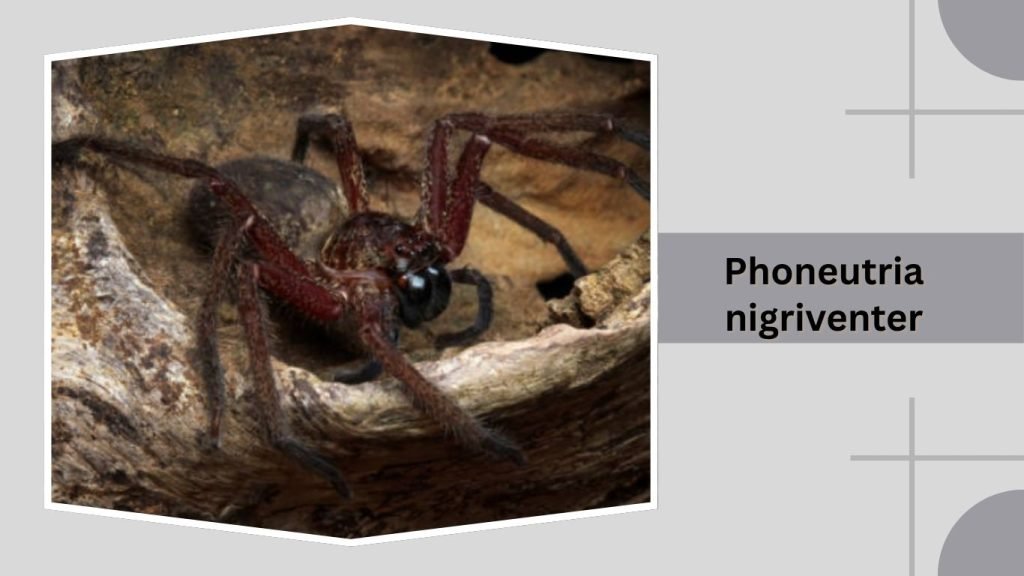
Phoneutria nigriventer, commonly known as the Brazilian Wandering Spider, is one of the most famous spiders sometimes referred to as a “banana spider.” Unlike orb-weavers, this species does not build webs to catch prey. It is highly active and known for its wandering behavior, often hiding in banana shipments, which led to its common name.
Identification
- Large, robust body with long, strong legs
- Brown coloration with darker markings
- Hairy body and legs
- Distinctive defensive posture, raising front legs when threatened
- Red or orange hairs may be visible near the mouthparts
Habitat
This species is native to South America, particularly Brazil. It prefers tropical forests but can also be found in plantations, gardens, and even urban areas. During the day, it hides in dark, sheltered places such as logs, leaf litter, or inside buildings.
Behavior
Unlike orb-weavers, Phoneutria nigriventer is a roaming hunter and does not rely on webs to capture prey. It is mostly nocturnal and actively searches for insects, small animals, and other prey at night. It is known for its defensive nature and will display warning behavior if threatened.
Web Characteristics
This spider does not build prey-catching webs. Instead, it may produce silk for egg sacs or temporary shelters, but it primarily relies on speed and venom to subdue its prey.
Bite and Toxicity
This species is considered medically significant. Its venom is potent and can cause serious symptoms in humans, including intense pain and other systemic effects. Immediate medical attention is required if bitten.
14. Phoneutria fera
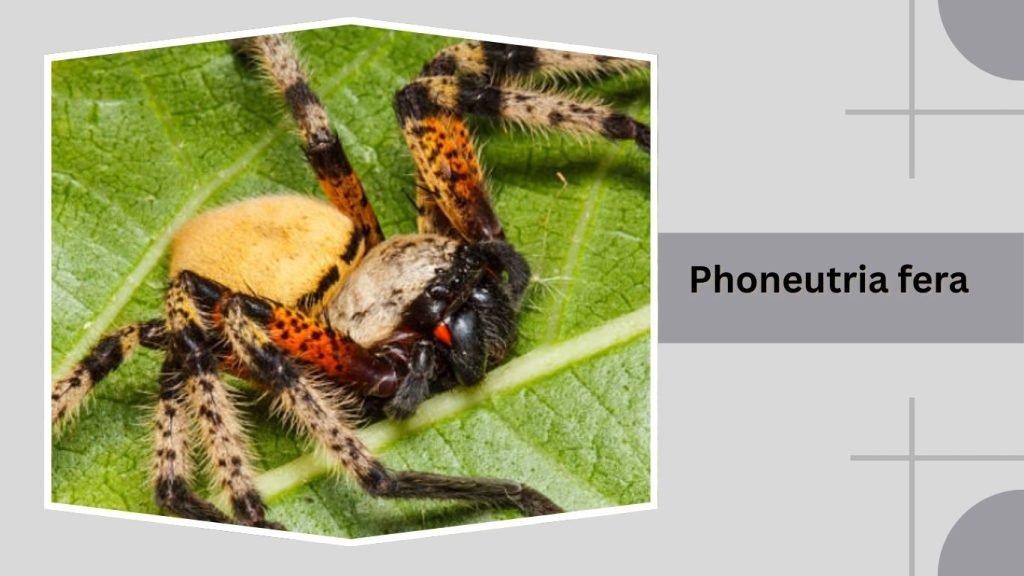
Phoneutria fera is another species of Brazilian Wandering Spider often associated with the term “banana spider.” It is known for its large size, fast movements, and highly potent venom. Native to the Amazon region, this spider is a skilled nocturnal hunter and is considered one of the most dangerous spiders in the world.
Identification
- Large, heavy-bodied spider with long legs
- Brown to dark brown coloration with subtle patterns
- Hairy body and legs
- Strong front legs used in defensive displays
- May show reddish hairs near the fangs
Habitat
This species is primarily found in the Amazon rainforest and other tropical areas of northern South America. It prefers humid environments and is commonly found in forest floors, under logs, and among dense vegetation. It may also occasionally enter human dwellings in search of shelter.
Behavior
Phoneutria fera is a highly active, nocturnal hunter. It does not build webs to catch prey but instead roams at night searching for insects, small vertebrates, and other spiders. When threatened, it raises its front legs in a defensive posture, signaling a warning.
Web Characteristics
This spider does not construct webs for capturing prey. It uses silk mainly for creating egg sacs or temporary hiding spots. Its hunting strategy relies on speed, agility, and powerful venom.
Bite and Toxicity
Phoneutria fera is considered medically significant. Its venom can cause severe pain and serious symptoms in humans. Bites require immediate medical attention, as the venom can affect the nervous system and other bodily functions.
15. Phoneutria keyserlingi
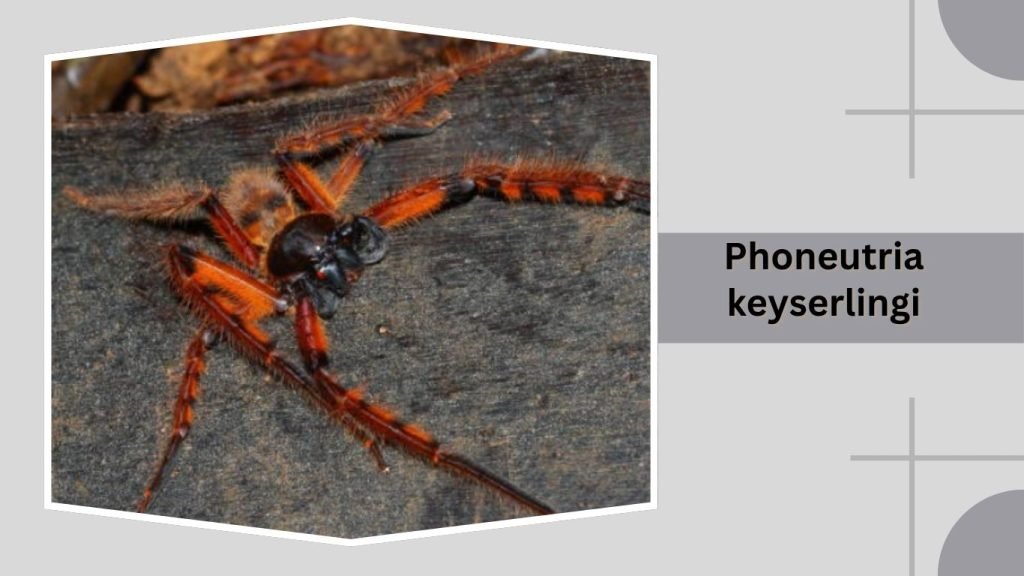
Phoneutria keyserlingi is another member of the Brazilian Wandering Spider group, often included under the “banana spider” name due to its association with banana shipments. Native to South America, this species is known for its agility, defensive behavior, and medically significant venom.
Identification
- Medium to large, robust body
- Brown to gray coloration with darker markings
- Hairy legs and body
- Strong front legs used in defensive posture
- May display reddish hairs near the mouth area
Habitat
This species is found in tropical regions of South America, particularly in forests, plantations, and sometimes urban areas. It prefers dark, sheltered environments such as under logs, leaf litter, or inside crevices. It may occasionally be found in homes or storage areas.
Behavior
Phoneutria keyserlingi is a nocturnal and highly active hunter. Unlike orb-weavers, it does not build webs to catch prey. Instead, it roams in search of insects and small animals. When threatened, it raises its front legs and displays a warning posture.
Web Characteristics
This spider does not spin webs for hunting. It produces silk mainly for egg sacs or temporary retreats. Its hunting relies on speed, strength, and venom rather than web structures.
Bite and Toxicity
This species is considered dangerous to humans. Its venom can cause significant symptoms, including pain and systemic effects. A bite requires prompt medical attention to ensure proper treatment and safety.
16. Phoneutria reidyi
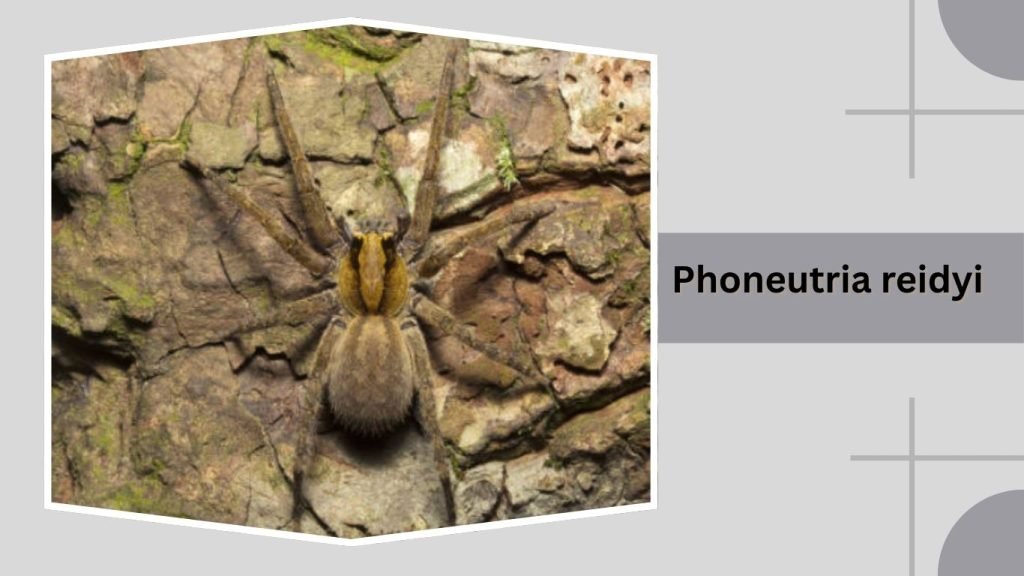
Phoneutria reidyi is a lesser-known species of Brazilian Wandering Spider found in parts of the Amazon region. Like other members of the Phoneutria genus, it is an active hunter and does not rely on webs to capture prey. It is sometimes referred to as a “banana spider” due to its occasional presence in banana shipments.
Identification
- Medium to large body with long, strong legs
- Brown to gray coloration with darker markings
- Hairy body and legs
- Capable of raising front legs in a defensive display
- Subtle reddish hairs may be present near the fangs
Habitat
This species is native to tropical regions of South America, especially the Amazon rainforest. It prefers humid environments and is commonly found on the forest floor, under logs, or among dense vegetation. It may also occasionally enter human structures in search of shelter.
Behavior
Phoneutria reidyi is a nocturnal hunter that actively searches for prey rather than building webs. It feeds on insects and small animals. When threatened, it adopts a defensive posture, raising its front legs as a warning.
Web Characteristics
This spider does not build webs for capturing prey. It uses silk mainly for reproductive purposes, such as creating egg sacs, or for temporary shelter. Its hunting strategy relies on speed and venom.
Bite and Toxicity
This species is considered medically significant. Its venom can cause serious symptoms in humans, including intense pain. Immediate medical attention is recommended if a bite occurs.
17. Phoneutria boliviensis
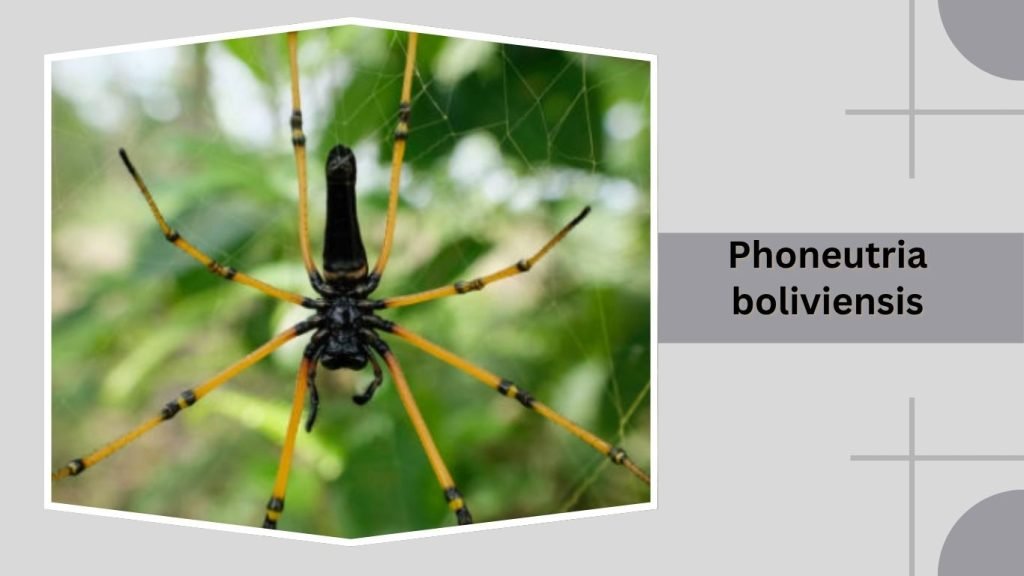
Phoneutria boliviensis is another species of Brazilian Wandering Spider commonly associated with the “banana spider” name. It is found in Central and South America and is known for its active hunting behavior and potent venom. Like others in its genus, it does not build webs to catch prey and is considered medically important.
Identification
- Medium to large, robust body
- Brown to dark brown coloration with subtle patterns
- Hairy legs and body
- Strong front legs used in defensive displays
- May show reddish hairs near the fangs
Habitat
This species is found in tropical regions of Central and South America, including forests, plantations, and sometimes urban environments. It prefers warm, humid conditions and often hides in dark places such as leaf litter, logs, or crevices during the day.
Behavior
Phoneutria boliviensis is a nocturnal and highly active hunter. It roams at night in search of insects and small animals rather than using webs. When threatened, it raises its front legs in a defensive posture as a warning.
Web Characteristics
This spider does not construct webs for catching prey. It uses silk mainly for egg sacs or temporary shelters. Its hunting depends on speed, strength, and venom rather than web-building.
Bite and Toxicity
This species is considered dangerous to humans. Its venom can cause significant pain and other serious symptoms. Immediate medical attention is necessary if a bite occurs.
FAQs
What is a banana spider?
“Banana spider” is a common name used for several different spider species, mainly golden orb-weavers (Trichonephila/Nephila) and wandering spiders (Phoneutria). The name comes from their yellow coloring or their occasional presence in banana shipments.
Are banana spiders dangerous to humans?
Most banana spiders, especially orb-weavers, are harmless to humans. However, some species like Phoneutria (Brazilian wandering spiders) have medically significant venom and can be dangerous.
Where are banana spiders commonly found?
They are mostly found in tropical and subtropical regions, including South America, Africa, Asia, and Australia. Some species also live in parts of North America.
Do banana spiders build webs?
Orb-weaver banana spiders build large, golden webs to catch prey. However, wandering spiders like Phoneutria do not build webs and instead hunt actively.
Why are their webs golden?
The golden color of their silk may help attract prey, provide camouflage in sunlight, and strengthen the web. The exact reason is still studied by scientists.
