
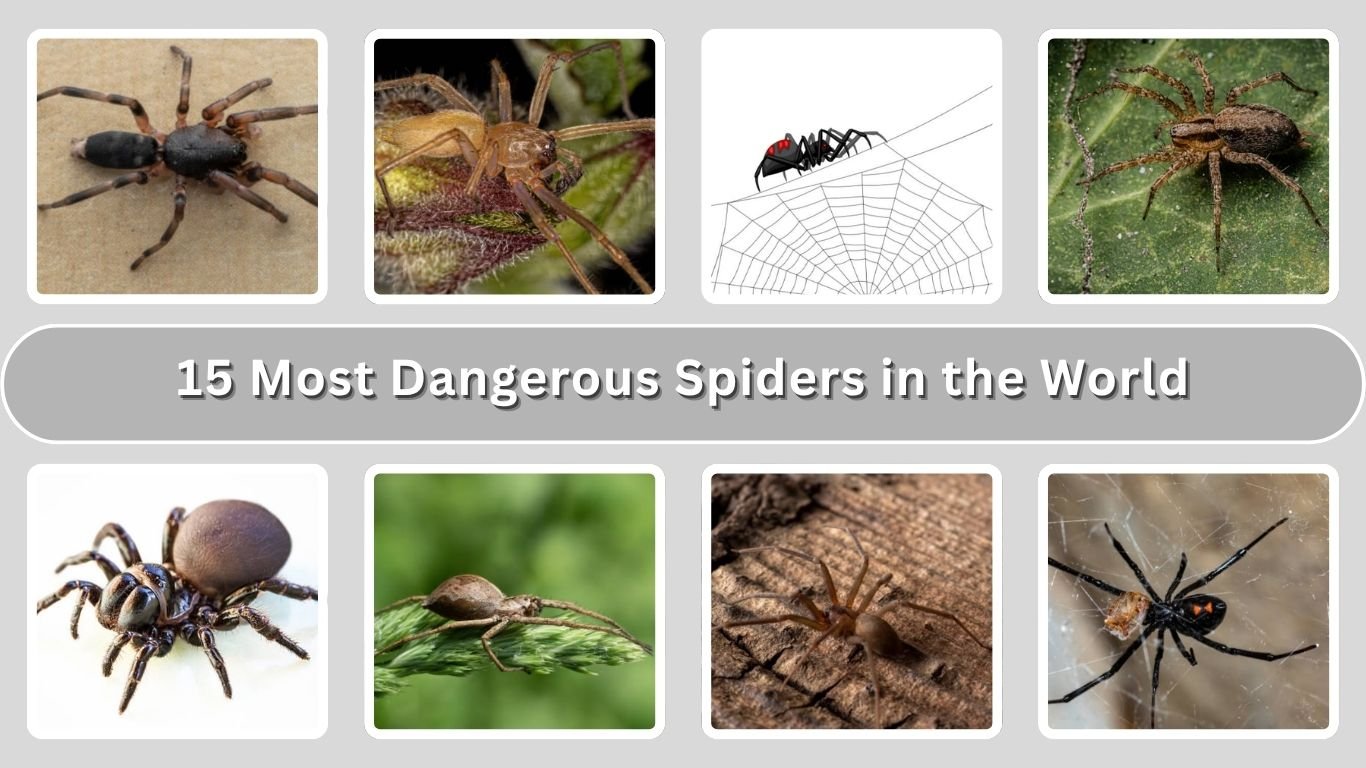
Spiders are among the most fascinating yet feared creatures on Earth. While most species are harmless, a small number possess potent venom and defensive behaviors that can pose risks to humans. These dangerous spiders are found across different parts of the world, often living in forests, deserts, and even inside homes. Understanding their characteristics, habitats, and behavior can help reduce fear and improve safety. In this list, we explore some of the most toxic and aggressive spiders known for their medical significance and unique survival traits.
1. Brazilian Wandering Spider
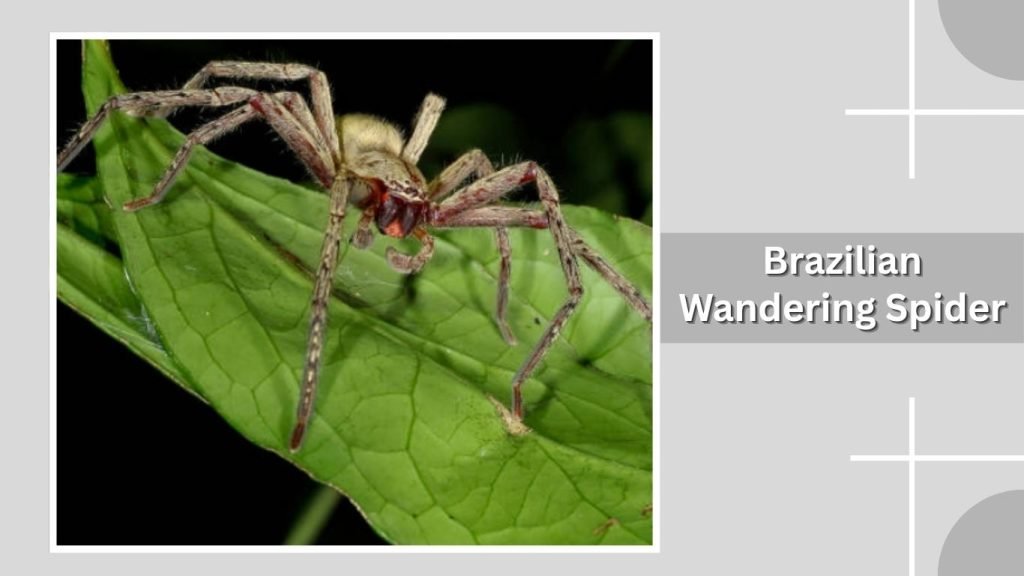
The Brazilian Wandering Spider is widely regarded as one of the most dangerous spiders in the world due to its powerful venom and highly defensive nature. Unlike many spiders that remain in webs, this species actively roams in search of prey, which increases the chances of human contact. Its reputation is further heightened by its tendency to enter homes and hide in everyday objects.
Identification
- Large, robust body with long, hairy legs
- Brown to reddish-brown coloration with darker patterns
- Leg span can reach up to 15 cm (6 inches)
- Notable defensive posture: raises front legs when threatened
- Prominent red hairs near the mouthparts in some species
Habitat
The Brazilian Wandering Spider is mainly found in tropical regions of South and Central America, especially Brazil. It thrives in rainforests but is also commonly found in agricultural areas and human settlements. These spiders often hide during the day in dark, moist places such as under logs, inside shoes, clothing, or banana bunches. Their adaptability allows them to survive both in wild and urban environments, making encounters with humans more frequent.
Behavior
This spider is known for its bold and aggressive defensive behavior. Instead of fleeing, it may confront threats by lifting its front legs and displaying its fangs. It is nocturnal, meaning it hunts at night for insects, small reptiles, and even small mammals. During the day, it seeks shelter to avoid predators and harsh environmental conditions.
Venom
The venom of the Brazilian Wandering Spider is highly toxic and neurotoxic. It can cause intense pain, sweating, muscle paralysis, breathing difficulty, and increased heart rate. In severe cases, especially without treatment, it can be life-threatening. However, fatalities are rare with modern medical care, and antivenom is effective when administered promptly.
2. Sydney Funnel-Web Spider
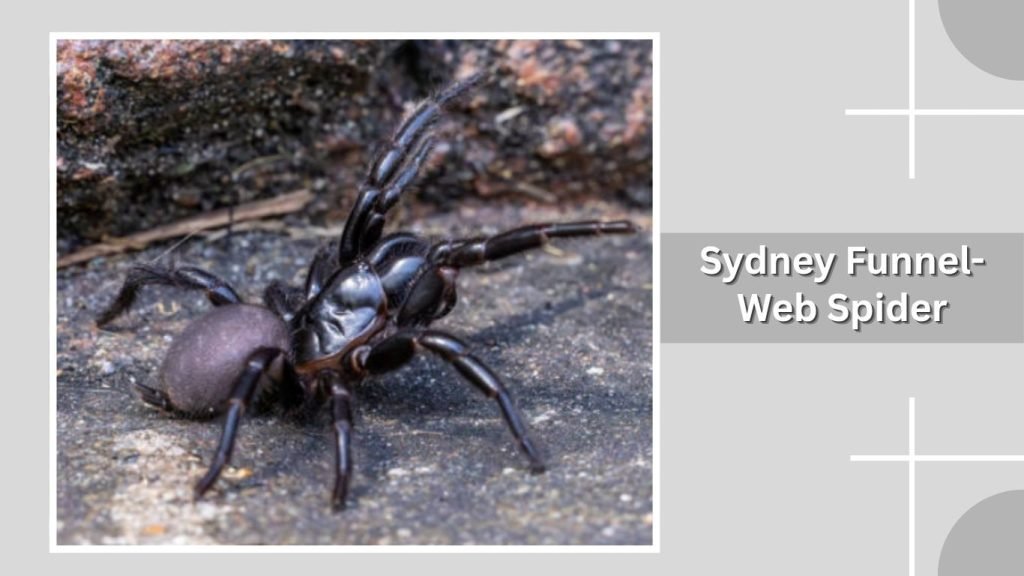
The Sydney Funnel-Web Spider is one of the most dangerous spiders in the world, known for its extremely potent venom and aggressive temperament. Native to Australia, it has gained a fearsome reputation due to several severe envenomation cases in the past. Thanks to modern antivenom, fatalities are now extremely rare, but it remains highly dangerous.
Identification
- Glossy black or dark brown body
- Strong, robust build with thick legs
- Body length around 1–5 cm
- Large, powerful fangs capable of piercing fingernails
- Spinnerets (silk-spinning organs) visible at the rear
Habitat
This spider is commonly found in eastern Australia, particularly around Sydney. It prefers moist, cool environments such as forests, gardens, and suburban areas. It builds silk-lined burrows with funnel-shaped entrances, often under rocks, logs, or in soil. During heavy rain, these spiders may wander into homes, increasing the likelihood of encounters with humans.
Behavior
The Sydney Funnel-Web Spider is highly defensive and can be very aggressive when threatened. It often raises its front legs and exposes its fangs as a warning. Unlike many spiders, it may repeatedly bite if provoked. Males are more dangerous than females, especially during mating season when they wander in search of mates and are more likely to encounter humans.
Venom
Its venom contains powerful neurotoxins that affect the human nervous system. Symptoms can appear rapidly and include severe pain, sweating, muscle spasms, difficulty breathing, and confusion. Without treatment, the bite can be life-threatening, especially in children. However, the availability of effective antivenom has significantly reduced fatalities.
3. Northern Funnel-Web Spider
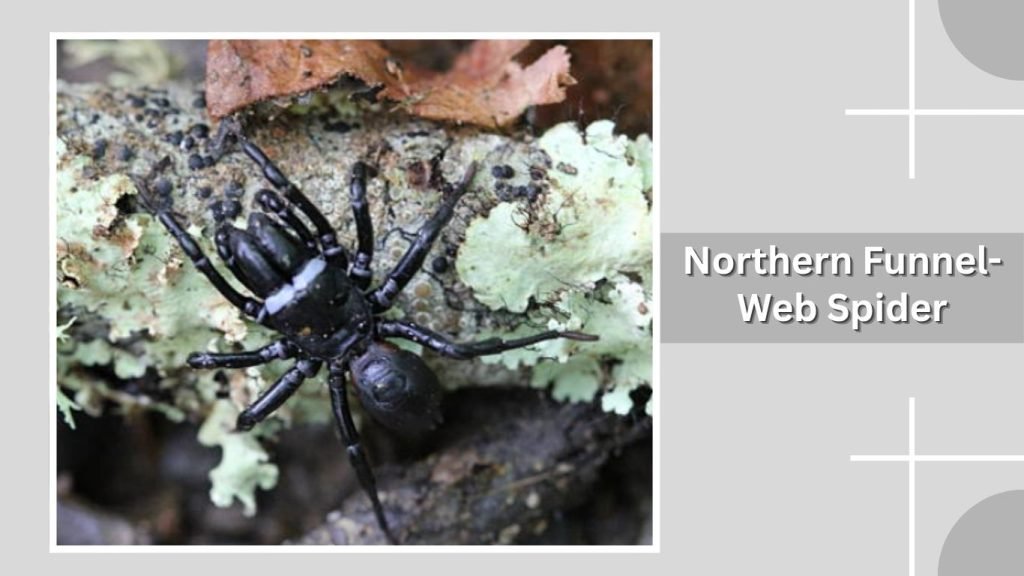
The Northern Funnel-Web Spider is another highly dangerous species from Australia, closely related to the Sydney Funnel-Web Spider. It possesses extremely potent venom and is capable of delivering serious bites. Although less famous, it is equally important due to its medical significance and potential to cause severe symptoms in humans.
Identification
- Dark brown to black body with a glossy appearance
- Medium to large size with a strong, sturdy build
- Thick legs adapted for digging and movement
- Prominent fangs and visible spinnerets
- Body length typically between 1–4 cm
Habitat
The Northern Funnel-Web Spider is found in parts of eastern and northern Australia. It prefers moist environments such as forests, woodlands, and sometimes suburban gardens. Like other funnel-web spiders, it constructs silk-lined burrows in the ground with a funnel-shaped entrance. These burrows are often located under rocks, logs, or dense vegetation, providing protection and easy access to prey.
Behavior
This spider is known for its defensive and sometimes aggressive behavior. When threatened, it raises its front legs and shows its fangs in a warning display. It is primarily nocturnal, spending most of the day inside its burrow and emerging at night to hunt insects and small animals. Males may wander in search of females, increasing the chance of human encounters.
Venom
The venom of the Northern Funnel-Web Spider is highly toxic and similar in effect to that of the Sydney Funnel-Web Spider. It attacks the nervous system and can cause rapid onset of symptoms such as severe pain, muscle twitching, sweating, and breathing difficulties. Immediate medical attention is essential, and antivenom is effective in treating bites.
4. Six-Eyed Sand Spider
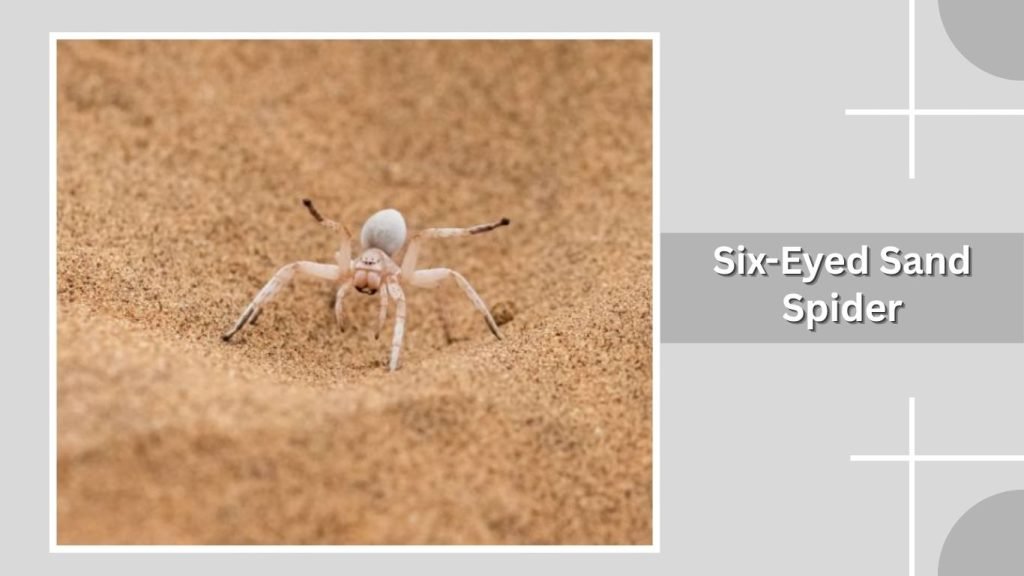
The Six-Eyed Sand Spider is one of the most venomous spiders known, though it is rarely encountered by humans. Its danger lies in its extremely potent venom combined with its ability to remain hidden and strike quickly. Despite its reclusive nature, it is considered highly dangerous due to the severity of its bite.
Identification
- Pale yellow to reddish-brown coloration
- Flattened body adapted for burrowing in sand
- Covered with fine hairs that trap sand particles
- Six eyes arranged in three pairs (unlike most spiders with eight eyes)
- Leg span can reach up to 5 cm
Habitat
This spider is mainly found in desert and sandy regions of southern Africa and parts of South America. It prefers dry, loose sand where it can easily bury itself. The Six-Eyed Sand Spider often hides just beneath the surface, with only its eyes visible, making it extremely difficult to detect in its natural environment.
Behavior
The Six-Eyed Sand Spider is not aggressive and rarely encounters humans. It is an ambush predator, lying buried in sand and waiting for prey to come close. When an insect or small animal approaches, it quickly emerges to capture it. Its excellent camouflage and stillness make it highly effective at hunting while avoiding detection.
Venom
Its venom is extremely potent and contains toxins that can destroy tissue and blood cells. It can cause severe internal bleeding and necrosis. Although human bites are extremely rare, there is no widely available antivenom, making potential envenomation particularly dangerous.
5. Black Widow Spider
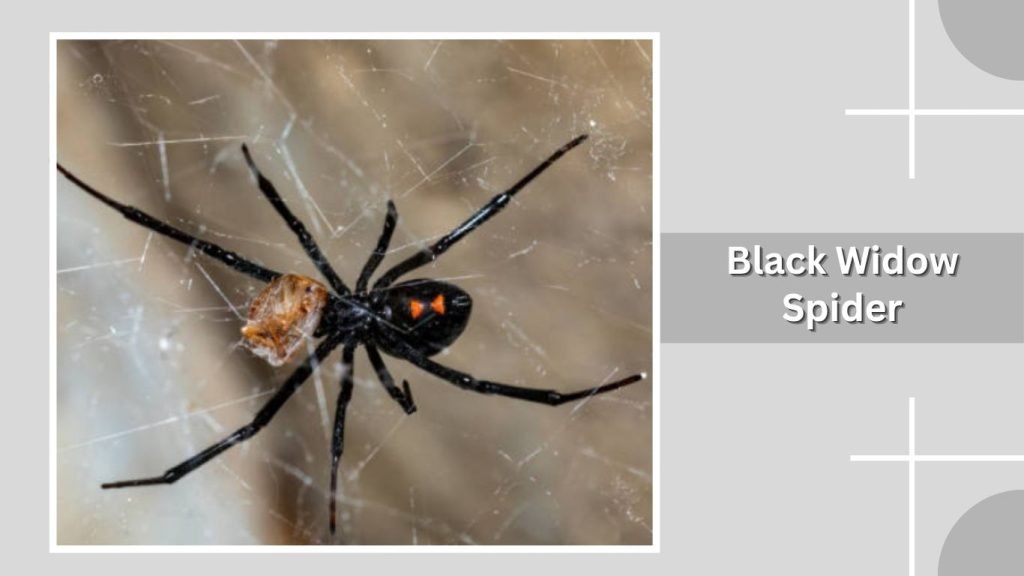
The Black Widow Spider is one of the most well-known dangerous spiders, recognized for its potent venom and distinctive appearance. Although it is not naturally aggressive, it will bite in self-defense when disturbed. Its bite can cause severe symptoms, making it medically significant worldwide.
Identification
- Shiny black body with a distinctive red hourglass marking on the underside of the abdomen
- Females are larger than males
- Body length around 1–1.5 cm (excluding legs)
- Long, slender legs
- Smooth, glossy appearance
Habitat
Black Widow Spiders are found in many parts of the world, including North and South America, Europe, Asia, and Australia. They prefer dark, sheltered areas such as woodpiles, garages, sheds, basements, and outdoor structures. Their webs are irregular and sticky, usually built close to the ground in quiet, undisturbed locations.
Behavior
These spiders are generally shy and avoid human contact. They tend to remain in their webs and only bite when threatened or accidentally touched. Females are more likely to bite than males due to their larger size and stronger venom. They are nocturnal and primarily feed on insects caught in their webs.
Venom
The venom of the Black Widow Spider is highly neurotoxic. A bite can cause intense pain, muscle cramps, abdominal stiffness, sweating, and nausea. While bites can be serious, fatalities are rare with proper medical treatment. Antivenom is available and effective in severe cases.
6. Redback Spider
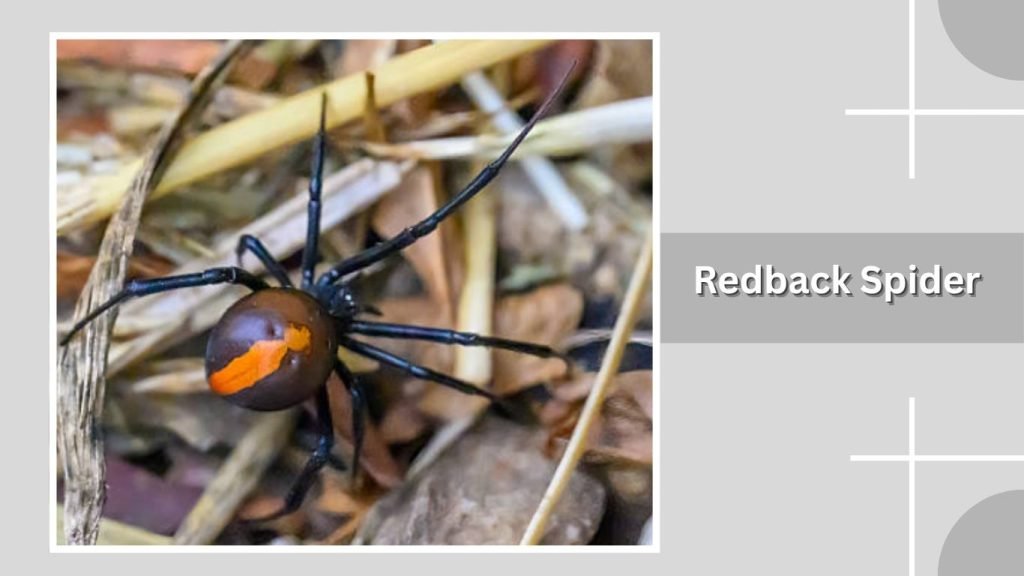
The Redback Spider is a close relative of the Black Widow and is considered one of the most dangerous spiders in Australia. It is well-known for its potent venom and frequent presence in human-inhabited areas. While bites are rarely fatal today, they can cause severe pain and require medical attention.
Identification
- Small black body with a distinctive red or orange stripe on the upper abdomen
- Females are significantly larger than males
- Body length around 1 cm for females
- Long, thin legs
- Rounded abdomen with a glossy appearance
Habitat
The Redback Spider is commonly found throughout Australia and has also spread to parts of New Zealand and Southeast Asia. It prefers dry, sheltered environments such as sheds, garages, outdoor furniture, mailboxes, and under rocks or logs. It often builds messy, irregular webs in quiet areas close to human activity.
Behavior
Redback Spiders are generally not aggressive but will bite if disturbed or trapped against the skin. They spend most of their time in their webs and are more active at night. Females rarely leave their webs, while males wander in search of mates. Their tendency to live near human structures increases the likelihood of accidental encounters.
Venom
The venom of the Redback Spider is a powerful neurotoxin that affects the nervous system. Symptoms of a bite include severe and persistent pain, sweating, nausea, and muscle weakness. In some cases, pain can spread to other parts of the body. Antivenom is available and highly effective, and fatalities are now extremely rare.
7. Brown Recluse Spider
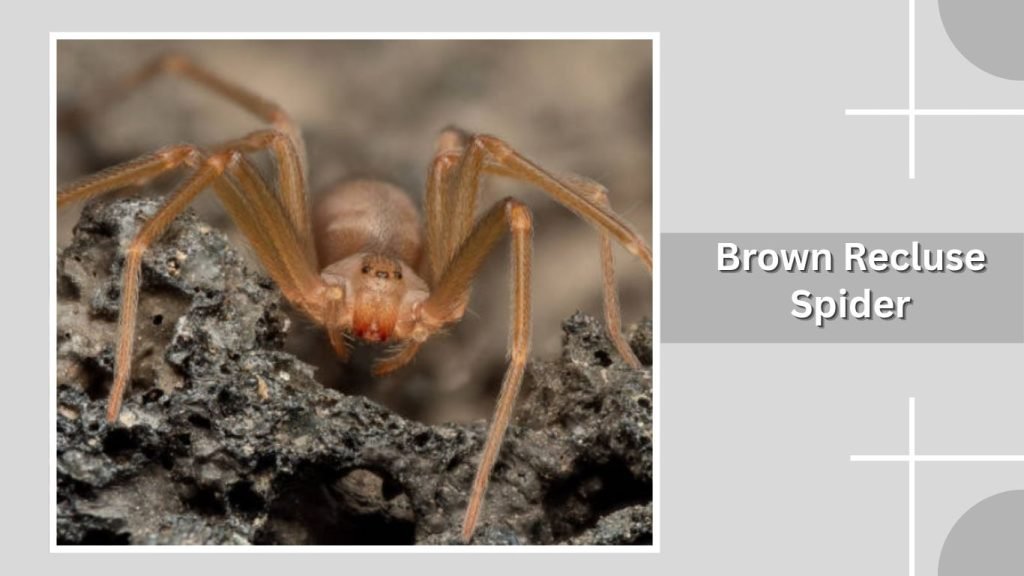
The Brown Recluse Spider is one of the most medically significant spiders in North America, known for its necrotic venom. It is not aggressive and typically avoids humans, but bites can occur when the spider is accidentally disturbed. Its bite can lead to serious skin damage if not treated properly.
Identification
- Light to dark brown coloration
- Distinct violin-shaped marking on the cephalothorax (back)
- Six eyes arranged in pairs (most spiders have eight)
- Small body, حوالي 1–2 cm
- Long, thin legs without noticeable spines
Habitat
The Brown Recluse Spider is mainly found in the central and southern United States. It prefers warm, dry, and undisturbed environments such as basements, attics, closets, woodpiles, and storage boxes. Indoors, it often hides in clothing, shoes, or bedding, which increases the chance of accidental contact.
Behavior
This spider is shy and reclusive, living up to its name. It avoids light and stays hidden during the day, becoming active at night to hunt for small insects. It does not build webs to catch prey but instead roams in search of food. Bites usually happen when the spider is pressed against the skin.
Venom
The venom of the Brown Recluse Spider is cytotoxic, meaning it destroys tissue. A bite may initially go unnoticed but can develop into a painful wound with blistering and skin necrosis. In rare cases, systemic symptoms such as fever and chills may occur. Medical attention is important to prevent complications.
8. Chilean Recluse Spider
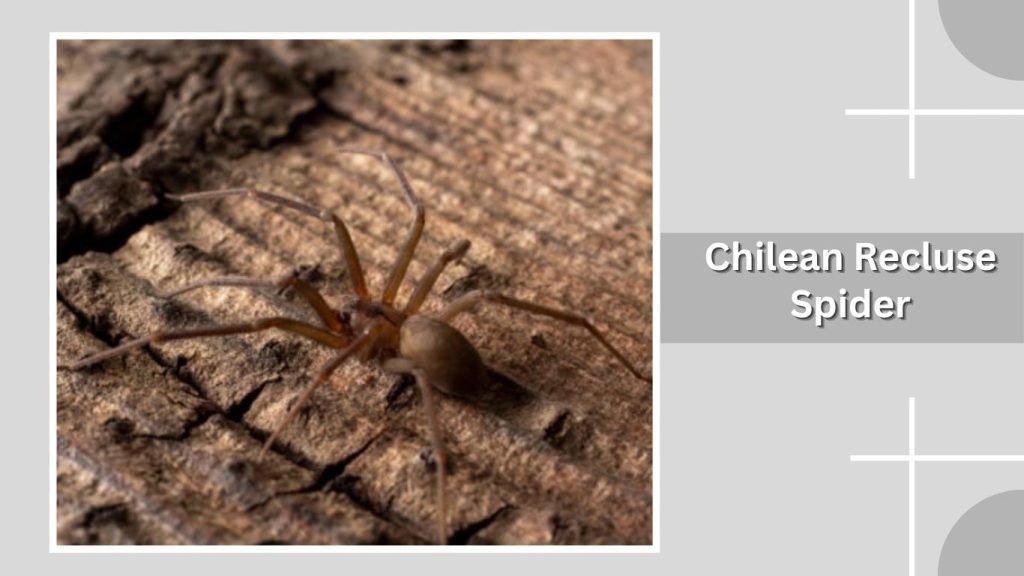
The Chilean Recluse Spider is considered one of the most dangerous recluse spiders due to its highly toxic venom. Native to South America, it is responsible for many serious spider bite cases. Although it is not aggressive, its tendency to live in human homes increases the risk of accidental bites.
Identification
- Light brown to yellowish coloration
- Distinct violin-shaped marking on the back
- Six eyes arranged in three pairs
- Medium-sized body, حوالي 1–2 cm
- Long, slender legs
Habitat
This spider is commonly found in Chile and other parts of South America, but it has also been introduced to some regions outside its native range. It prefers indoor environments such as houses, closets, behind furniture, and inside clothing or bedding. It thrives in dark, quiet, and undisturbed areas.
Behavior
The Chilean Recluse Spider is shy and avoids human interaction. It is mostly nocturnal and comes out at night to hunt small insects. During the day, it hides in secluded spaces. Bites usually occur when the spider is accidentally pressed against the skin, such as when someone puts on clothing or moves stored items.
Venom
Its venom is highly necrotic and more potent than that of many other recluse species. A bite can cause severe skin damage, including large necrotic wounds. In some cases, systemic effects such as fever, nausea, and organ damage may occur. Immediate medical treatment is essential to reduce serious complications.
9. Yellow Sac Spider
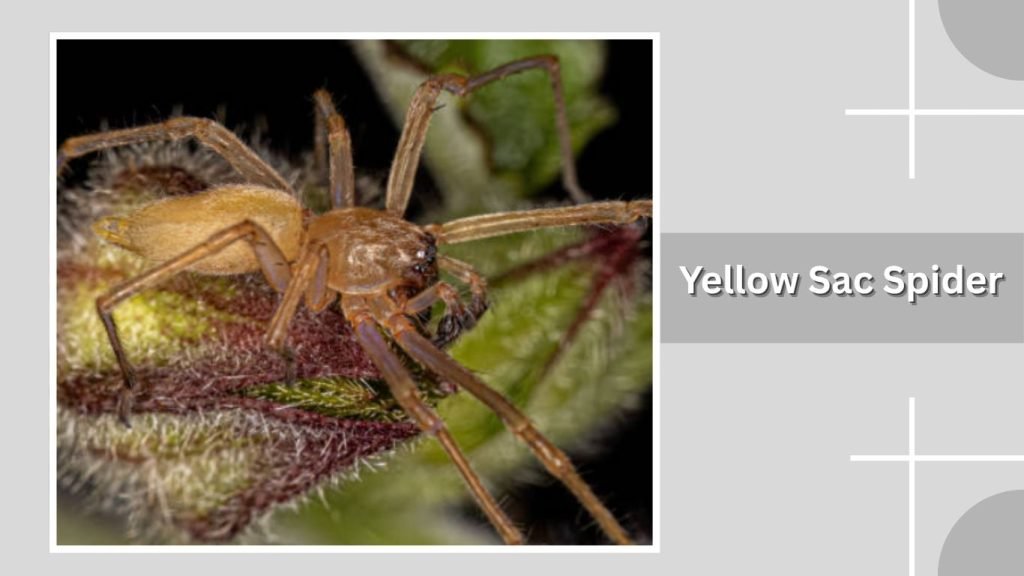
The Yellow Sac Spider is a small but medically significant spider known for its painful bite and widespread presence. Although not typically aggressive, it is responsible for many minor spider bites due to its habit of living inside homes and frequently coming into contact with humans.
Identification
- Pale yellow to light green coloration
- Small body, حوالي 0.5–1 cm
- Long, slender legs
- Slightly darker mouthparts
- Smooth, semi-translucent appearance
Habitat
Yellow Sac Spiders are found in many parts of the world, including North America, Europe, and Asia. They commonly inhabit both indoor and outdoor environments. Indoors, they are often found on walls, ceilings, and corners, where they create small silk sacs for resting. Outdoors, they live in gardens, leaves, and under bark.
Behavior
These spiders are active hunters rather than web-builders for prey capture. They roam at night in search of insects and return to their silk sacs during the day. They are not aggressive but may bite if they feel threatened or are trapped against the skin, such as when a person rolls over in bed.
Venom
The venom of the Yellow Sac Spider is mildly cytotoxic and can cause localized pain, redness, and swelling. In some cases, the bite may develop into a small ulcer or blister. While symptoms are usually not severe, they can be uncomfortable, and medical attention may be needed if the reaction worsens.
10. Mouse Spider
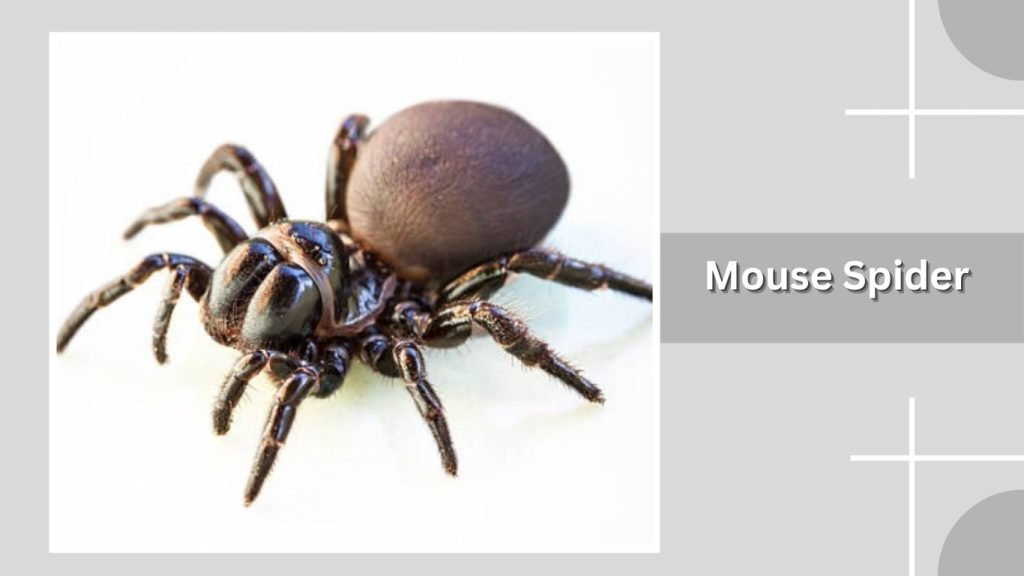
The Mouse Spider is a dangerous species found mainly in Australia and is often compared to funnel-web spiders due to its potent venom. Although it is less aggressive, it is still capable of delivering serious bites and should be treated with caution.
Identification
- Dark brown to black body, sometimes with a bluish tint
- Strong, bulky build with a large head
- Short, thick legs
- Large, powerful fangs
- Body length حوالي 1–3 cm
Habitat
Mouse Spiders are commonly found in Australia, especially in forests, grasslands, and suburban areas. They prefer to live in burrows dug into the ground, often near rivers or moist soil. These burrows may have a simple entrance without the funnel structure seen in funnel-web spiders.
Behavior
These spiders are generally less aggressive than funnel-web spiders but will defend themselves if provoked. They spend most of their time in burrows and emerge mainly at night to hunt insects and small animals. Males may wander during mating season, increasing the chances of encountering humans.
Venom
The venom of the Mouse Spider is highly toxic and similar to that of funnel-web spiders. It can cause serious symptoms such as pain, sweating, muscle spasms, and breathing difficulties. Fortunately, funnel-web antivenom is effective against Mouse Spider bites, and serious cases are rare with prompt medical treatment.
11. Hobo Spider
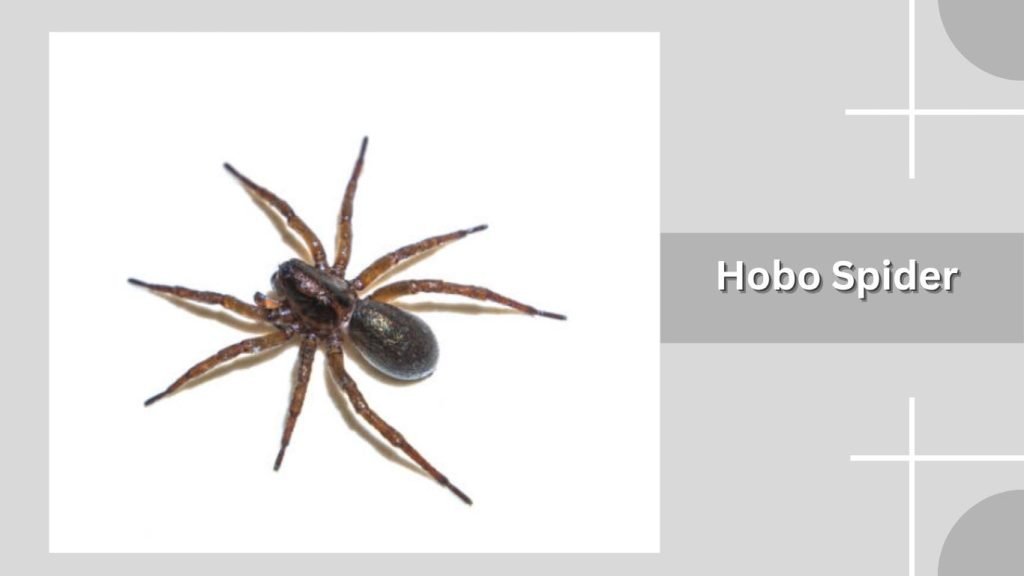
The Hobo Spider is often listed among dangerous spiders due to its potentially harmful bite, although its toxicity is debated. It is commonly found in parts of North America and is known for living close to human environments, which increases the chances of encounters.
Identification
- Brown coloration with darker markings on the abdomen
- Medium-sized body, حوالي 1–1.5 cm
- Long legs with fine hairs
- No distinctive markings like hourglass or violin shape
- Fast-moving spider
Habitat
The Hobo Spider is mainly found in the northwestern United States and parts of Canada. It prefers dry, sheltered environments such as basements, crawl spaces, woodpiles, and cracks in walls or foundations. It builds funnel-shaped webs in hidden areas, often close to the ground.
Behavior
This spider is not aggressive and usually avoids human contact. It spends most of its time in its funnel web, waiting for prey to come close. It may wander indoors, especially during warmer months, leading to accidental encounters. Bites typically occur when the spider is trapped against the skin.
Venom
The venom of the Hobo Spider is considered mildly toxic. Some bites have been associated with skin irritation and, in rare cases, slow-healing wounds. However, serious medical effects are uncommon, and many bites result in minimal symptoms. Proper medical evaluation is recommended if unusual reactions occur.
12. Wolf Spider
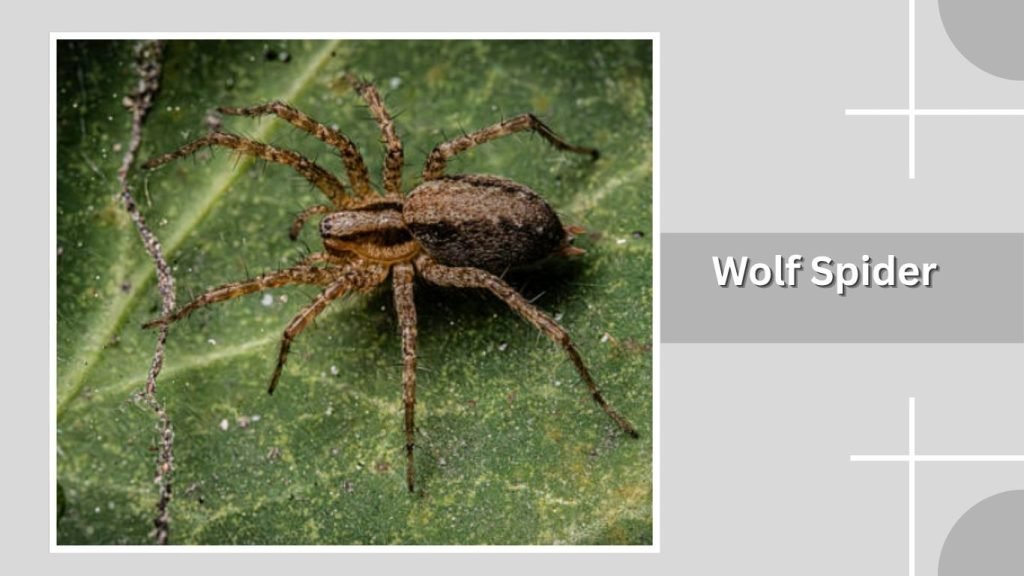
The Wolf Spider is a large and fast-moving spider known for its hunting ability and intimidating appearance. While it is not considered highly dangerous compared to others on this list, its bite can still be painful and cause noticeable symptoms, especially due to its size and strong fangs.
Identification
- Large, robust body with a hairy appearance
- Brown, gray, or black coloration with striped patterns
- Strong legs adapted for running
- Excellent eyesight with eight eyes arranged in three rows
- Body length حوالي 1–3 cm
Habitat
Wolf Spiders are found worldwide in a wide range of environments, including forests, grasslands, deserts, and even urban areas. They do not rely on webs to catch prey but instead live on the ground, under rocks, logs, or in burrows. Some species may also enter homes, especially during colder seasons.
Behavior
These spiders are active hunters and chase down their prey rather than trapping it in webs. They are generally not aggressive toward humans but may bite if handled or threatened. Wolf Spiders are mostly nocturnal and are known for their speed and agility. Females are also notable for carrying their egg sacs and young spiderlings on their backs.
Venom
The venom of the Wolf Spider is not highly toxic to humans but can cause pain, redness, swelling, and mild systemic symptoms in some cases. Bites are usually not dangerous and heal without serious complications. However, medical attention may be needed if symptoms worsen or signs of infection appear.
13. Red Widow Spider
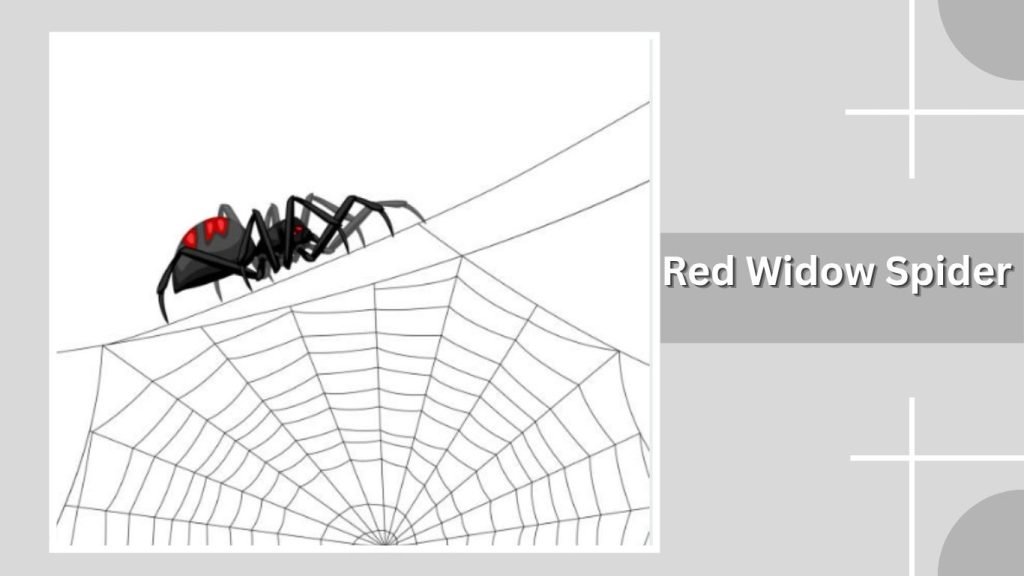
The Red Widow Spider is a rare but highly venomous species found primarily in Florida, USA. It is less commonly encountered than other widow spiders, but its venom is still medically significant. Despite its striking appearance, it tends to avoid human interaction.
Identification
- Reddish-orange head and legs
- Dark abdomen with red spots or markings
- Slender legs and smooth body
- Females are larger than males
- Body length حوالي 1–1.5 cm
Habitat
The Red Widow Spider is mostly found in scrub habitats in central and southern Florida. It prefers sandy areas with low vegetation, where it builds webs in shrubs, palmetto plants, and other natural structures. Unlike other widow spiders, it is less likely to live inside human homes.
Behavior
This spider is generally shy and non-aggressive. It spends most of its time in its web and avoids contact with humans. When disturbed, it may retreat rather than attack. Bites are rare and usually occur only when the spider is accidentally handled or trapped.
Venom
The venom of the Red Widow Spider is neurotoxic, similar to that of other widow species. A bite can cause symptoms such as pain, muscle cramps, sweating, and nausea. While serious effects are possible, fatalities are extremely rare with proper medical care.
14. Brown Widow Spider
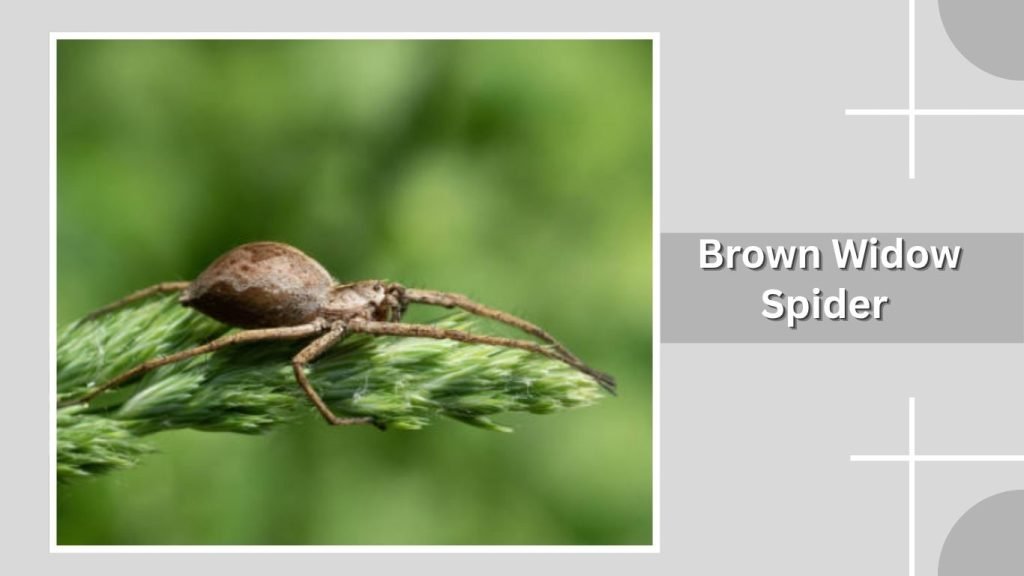
The Brown Widow Spider is closely related to the Black Widow but is generally considered less dangerous. However, it still possesses venom that can cause significant symptoms. It has spread to many parts of the world and is commonly found around human dwellings.
Identification
- Light brown to tan coloration with darker patterns
- Orange or yellow hourglass marking on the underside
- Spiky, irregular egg sacs (a key identifying feature)
- Slender legs with banded markings
- Body length حوالي 1 cm
Habitat
Brown Widow Spiders are found in warm regions worldwide, including North and South America, Africa, and parts of Asia. They prefer man-made structures such as fences, outdoor furniture, garages, and sheds. Their webs are usually built in sheltered locations close to human activity.
Behavior
These spiders are generally non-aggressive and tend to retreat when disturbed. They spend most of their time in their webs and are more active at night. Compared to Black Widows, they are less likely to bite, and many encounters with humans go unnoticed.
Venom
The venom of the Brown Widow Spider is neurotoxic but less potent than that of the Black Widow. Bites can cause pain, muscle cramps, and mild systemic symptoms. In most cases, symptoms are less severe, and recovery occurs without serious complications, though medical attention is still recommended.
15. White-Tailed Spider
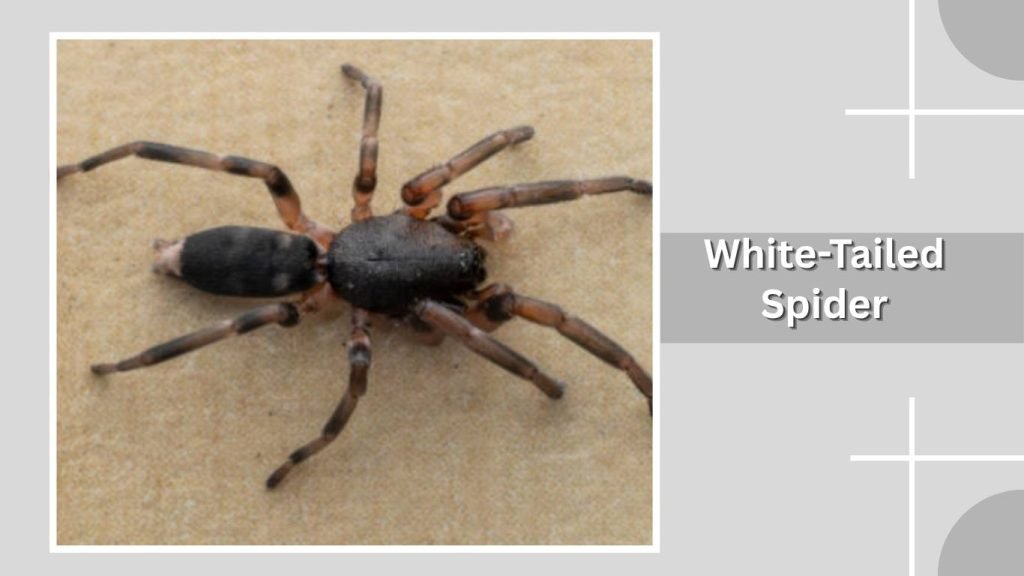
The White-Tailed Spider is often associated with painful bites and has gained a reputation for causing skin irritation. While its danger is sometimes debated, it is still considered medically important due to reported reactions. It is commonly found in homes, increasing the chances of human encounters.
Identification
- Dark gray to black body
- Distinct white tip at the end of the abdomen
- Cylindrical-shaped body
- Long legs adapted for hunting
- Body length حوالي 1–2 cm
Habitat
White-Tailed Spiders are commonly found in Australia and New Zealand. They prefer both indoor and outdoor environments. Indoors, they are often found in bedding, clothing, and curtains, while outdoors they live under bark, rocks, and leaf litter. Their presence inside homes makes them more noticeable to people.
Behavior
These spiders are active hunters and do not build webs to catch prey. They roam at night in search of other spiders, which are their primary food source. They are not aggressive but may bite if disturbed or trapped against the skin, especially in clothing or bedding.
Venom
The venom of the White-Tailed Spider can cause localized pain, redness, and swelling. Some reports have linked bites to skin ulceration, though this is still debated among experts. Most bites are not severe, but medical advice should be sought if symptoms worsen or unusual reactions occur.
FAQs
Are all dangerous spiders aggressive?
No, most dangerous spiders are not naturally aggressive. They usually bite only in self-defense when they feel threatened or are accidentally disturbed. However, some species like the Brazilian Wandering Spider and Funnel-Web Spiders are more defensive and may react aggressively.
Which spider has the most toxic venom?
The Brazilian Wandering Spider and the Sydney Funnel-Web Spider are often considered among the most venomous spiders in the world. Their venom can affect the nervous system and cause severe symptoms if untreated.
Can a spider bite be fatal?
Yes, but fatalities are very rare today due to modern medical treatment and antivenom. Most spider bites result in mild to moderate symptoms and can be treated effectively if medical care is received promptly.
What should you do if bitten by a dangerous spider?
You should stay calm, clean the bite area, and seek medical attention immediately. Avoid applying pressure or trying home remedies, especially for highly venomous species, as proper treatment is crucial.
Where are dangerous spiders most commonly found?
Dangerous spiders are found worldwide, but many of the most venomous species live in warm regions such as Australia, South America, and parts of Africa. Some species also adapt well to human environments and can be found inside homes.
