
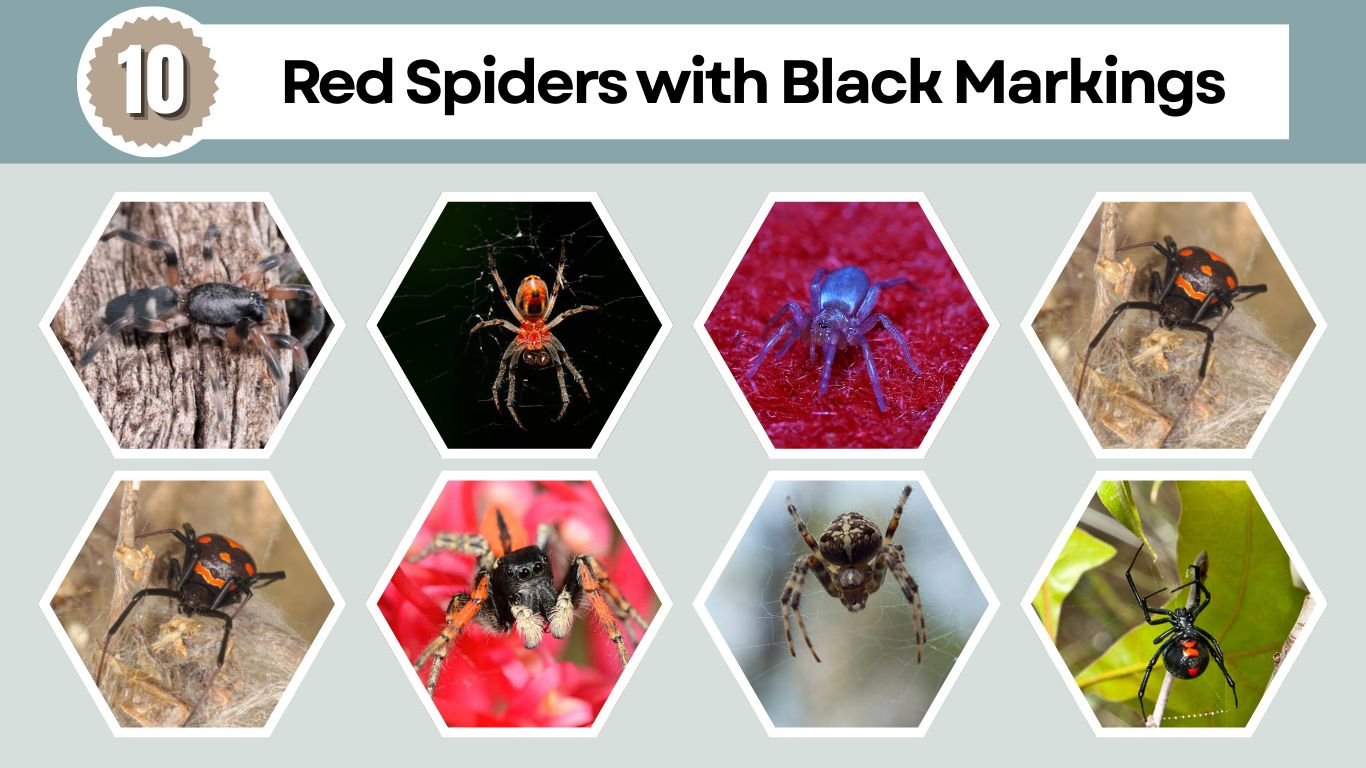
Spiders with red and black coloration are among the most eye-catching arachnids in the world. Their bold colors often serve as warning signals to predators, but not all of them are dangerous to humans. In this list, we explore 10 different red spiders with black markings, ranging from well-known species like the Redback and Black Widow to lesser-known but equally fascinating varieties. Each spider has unique features, habitats, and behaviors, making them both intriguing and important parts of their ecosystems.
1. Redback Spider
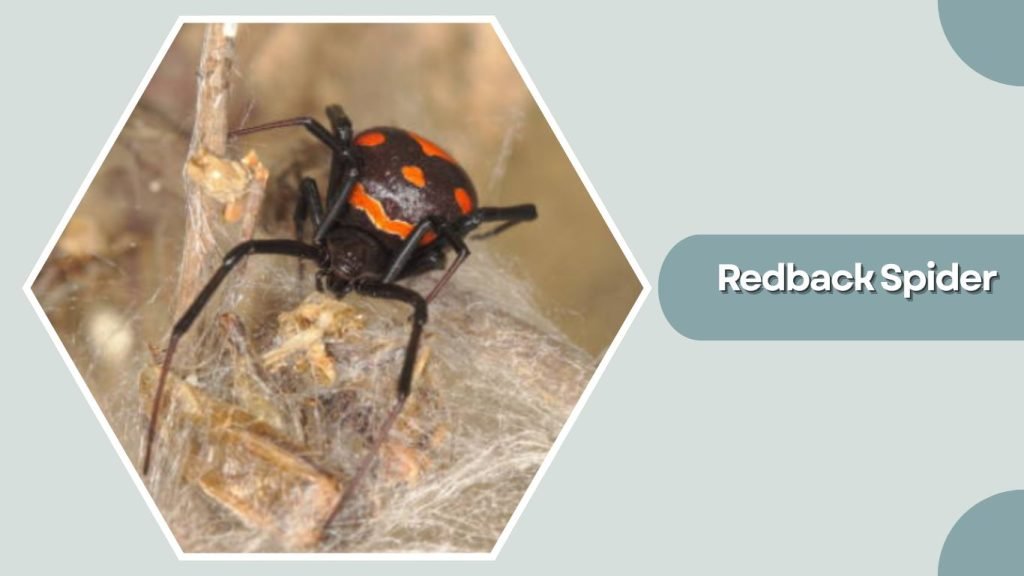
The Redback Spider (Latrodectus hasselti) is a well-known venomous spider native to Australia. It is easily recognized by its striking coloration and is closely related to black widow spiders. Despite its small size, it is considered medically significant due to its potent venom, though fatalities are extremely rare with modern treatment.
Identification
- Small body, usually about 1 cm in length (females larger than males)
- Glossy black color with a distinctive red or orange stripe on the upper abdomen
- Round, bulb-like abdomen
- Long, thin legs
- Males are smaller, lighter in color, and less commonly seen
Habitat and Distribution
The Redback Spider is most commonly found in Australia but has also spread to parts of Southeast Asia and New Zealand. It prefers warm, sheltered environments such as sheds, garages, woodpiles, and under outdoor furniture. These spiders build irregular, tangled webs close to the ground, often in dry and protected areas where prey is likely to wander.
Behavior and Diet
Redback Spiders are generally shy and non-aggressive, biting only when disturbed or threatened. Their diet mainly consists of insects, but they may also capture small vertebrates like lizards. The female is dominant and may sometimes consume the male after mating, a behavior known as sexual cannibalism. They rely on their web to trap prey rather than actively hunting.
Venom and Medical Importance
The venom of the Redback Spider affects the nervous system and can cause a condition known as latrodectism. Symptoms may include pain, sweating, nausea, and muscle weakness. While bites can be serious, antivenom is widely available and highly effective. With prompt medical care, recovery is typically quick, and deaths are extremely rare.
2. Black Widow Spider
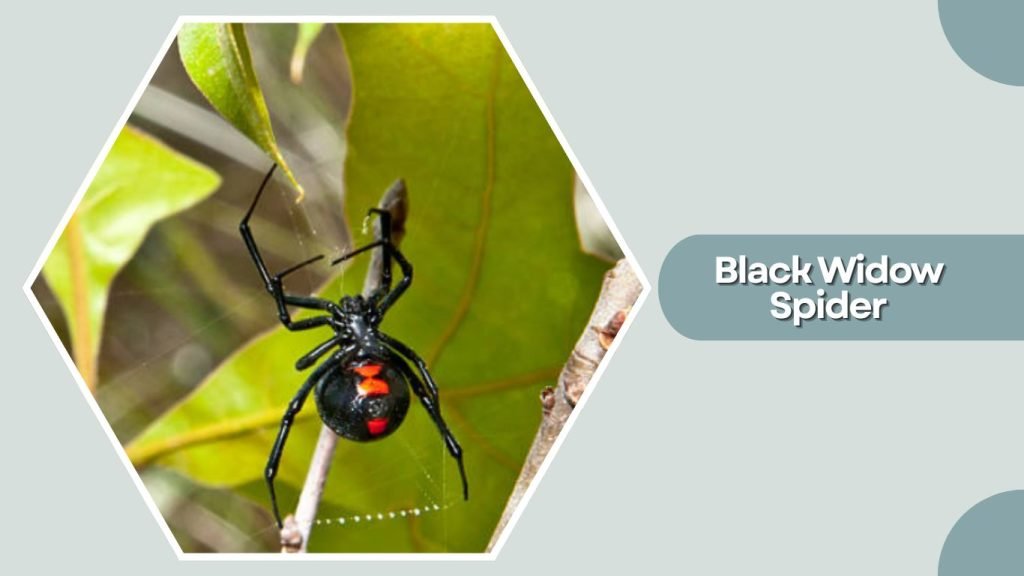
The Black Widow Spider (Latrodectus species) is one of the most infamous spiders in the world, known for its potent venom and distinctive appearance. Found in various regions including North America, it has earned a reputation for danger, although serious harm to humans is uncommon with proper medical care.
Identification
- Shiny black body with a smooth, glossy texture
- Distinctive red hourglass marking on the underside of the abdomen
- Females are larger, typically around 1.5 cm in body length
- Males are smaller, lighter in color, and less noticeable
- Long, slender legs adapted for web-building
Habitat and Distribution
Black Widow Spiders are widely distributed across North and South America, and some species exist in Europe, Africa, and Asia. They prefer dark, sheltered places such as woodpiles, basements, garages, and outdoor structures. Their webs are irregular and strong, usually built close to the ground in undisturbed areas.
Behavior and Diet
These spiders are not aggressive and usually avoid human contact. Bites occur mainly when the spider is accidentally pressed or disturbed. Black Widows feed on insects like flies, beetles, and caterpillars, trapping them in their sticky webs. The female sometimes eats the male after mating, which contributes to their well-known name.
Venom and Medical Importance
The venom of the Black Widow is neurotoxic and can cause symptoms such as intense pain, muscle cramps, sweating, and nausea. This condition is known as latrodectism. While bites can be painful and require medical attention, fatalities are rare, especially with the availability of effective antivenom and modern healthcare.
3. Spiny Orb-Weaver
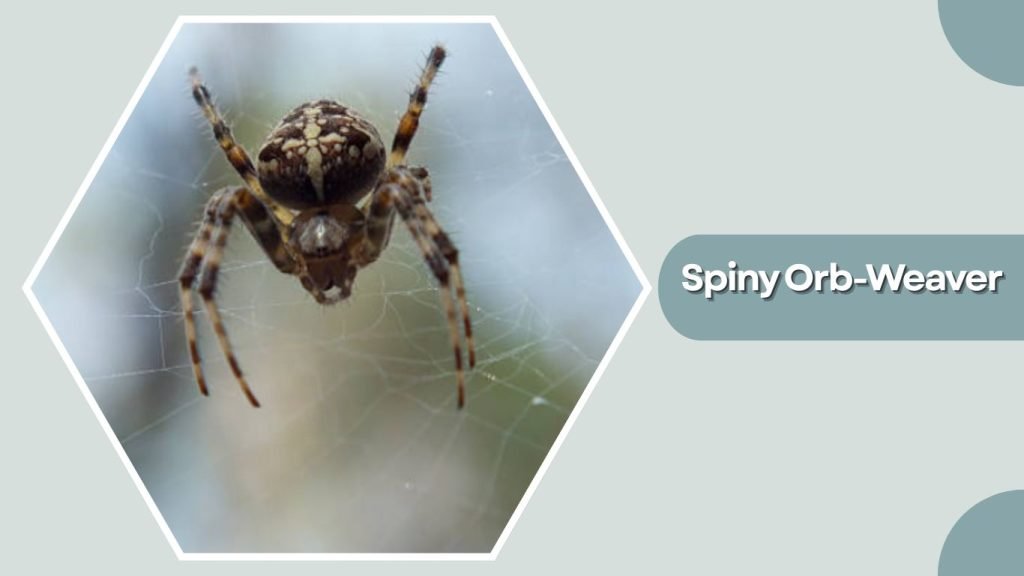
The Spiny Orb-Weaver is a unique and colorful spider known for its striking appearance and unusual body shape. Belonging to the genus Gasteracantha, this spider is commonly found in warm climates and is harmless to humans despite its bold look. Its bright colors and spiked body help deter predators.
Identification
- Small, flattened body with a hard, shell-like appearance
- Bright red, black, yellow, or white coloration
- Distinctive spines or horn-like projections on the abdomen
- Short legs compared to body size
- Females are more colorful and larger than males
Habitat and Distribution
Spiny Orb-Weavers are found in tropical and subtropical regions, including parts of Asia, Australia, Africa, and the Americas. They prefer gardens, forests, and areas with plenty of vegetation. These spiders build classic circular orb webs between branches or shrubs, usually at eye level or slightly above.
Behavior and Diet
These spiders are non-aggressive and rarely interact with humans. They spend most of their time sitting in the center of their web, waiting for prey to become trapped. Their diet mainly includes flying insects such as flies, mosquitoes, and small moths. When prey gets caught, the spider quickly immobilizes it with silk before feeding.
Venom and Medical Importance
The venom of the Spiny Orb-Weaver is mild and not considered dangerous to humans. Bites are extremely rare and typically occur only if the spider is handled roughly. Even then, the effects are usually limited to minor irritation. Due to their harmless nature and beneficial role in controlling insect populations, they are often considered helpful garden spiders.
4. Red and Black Spider (Araneus species)
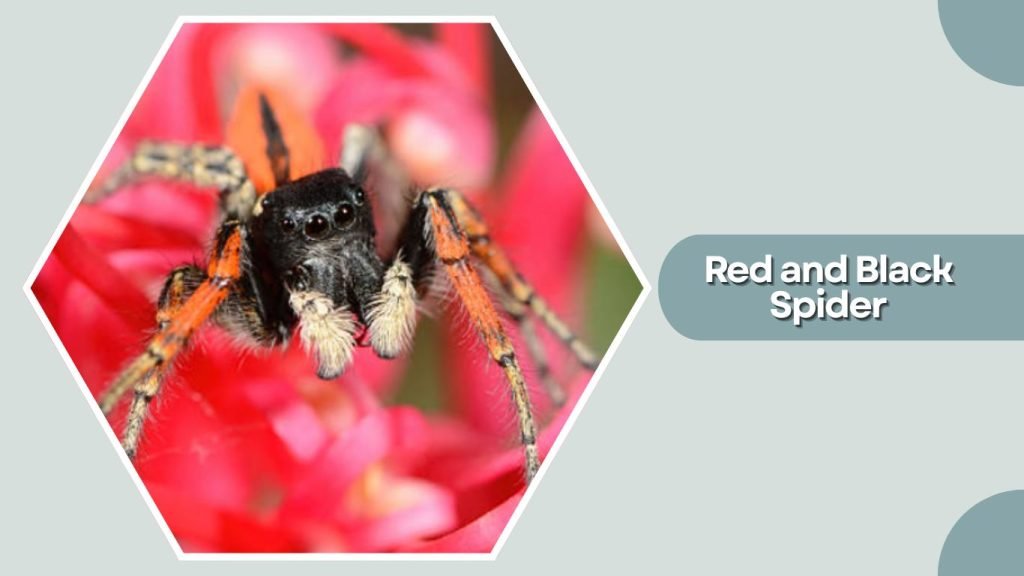
The Red and Black Spider, often referring to certain Araneus species, is a type of orb-weaving spider known for its vivid coloration and intricate web designs. These spiders are commonly found in gardens and natural habitats, where they play an important role in controlling insect populations. Despite their bold appearance, they are generally harmless to humans.
Identification
- Medium-sized body with a rounded abdomen
- Combination of red and black coloration, sometimes with patterns or markings
- Hairy body and legs
- Typically 1–2 cm in body length
- Females are larger and more colorful than males
Habitat and Distribution
These spiders are widely distributed across various regions, including Europe, Asia, and parts of North America. They thrive in gardens, forests, and areas with dense vegetation. Their orb-shaped webs are usually built between plants, tree branches, or near human structures where insects are abundant.
Behavior and Diet
Red and Black Araneus spiders are calm and non-aggressive. They spend most of their time at the center of their web or hidden nearby, waiting for vibrations that signal trapped prey. Their diet mainly consists of flying insects such as flies, moths, and beetles. They rebuild their webs regularly, often consuming the old silk to recycle nutrients.
Venom and Medical Importance
The venom of these spiders is not considered dangerous to humans. Bites are rare and usually occur only when the spider is handled or threatened. Symptoms, if any, are mild and may include slight redness or irritation. Overall, they are beneficial spiders that help maintain ecological balance by reducing pest populations.
5. Ladybird Spider
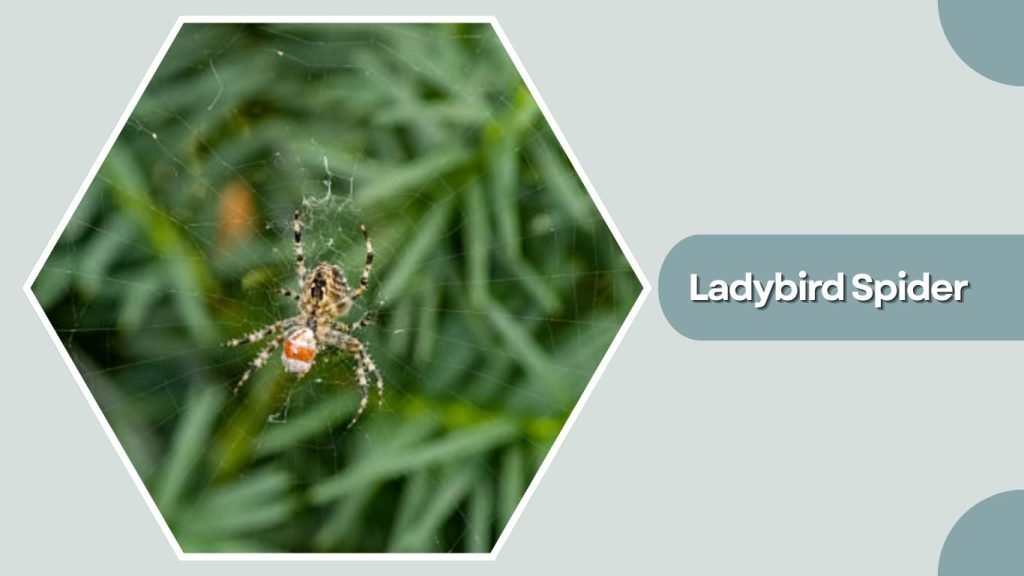
The Ladybird Spider (Eresus species) is a striking and rare spider known for its vivid red and black coloration, resembling a ladybird (ladybug). Found mainly in parts of Europe, this spider is notable for its unique appearance and secretive lifestyle. Despite its bold look, it is harmless to humans and rarely encountered.
Identification
- Bright red abdomen with distinct black spots
- Stocky, compact body shape
- Covered in fine hairs
- Males are more colorful, while females are mostly black
- Body length usually around 1–1.5 cm
Habitat and Distribution
Ladybird Spiders are primarily found in Europe, especially in dry grasslands, heathlands, and sandy areas. They live in burrows underground, often hidden beneath silk-lined tunnels. These spiders prefer undisturbed habitats with loose soil where they can dig and remain concealed for most of their lives.
Behavior and Diet
Unlike many spiders, Ladybird Spiders do not rely on webs to catch prey. Instead, they stay inside their burrows and wait for insects to pass by. When prey approaches, they quickly ambush it. Their diet mainly includes beetles, ants, and other small ground-dwelling insects. Males wander in search of females during mating season, making them more visible.
Venom and Medical Importance
The venom of the Ladybird Spider is mild and not dangerous to humans. Bites are extremely rare due to their shy and reclusive nature. Even if a bite occurs, it typically results in minor irritation only. These spiders are considered beneficial as they help control insect populations and are an important part of their ecosystem.
6. Red-kneed Widow Spider
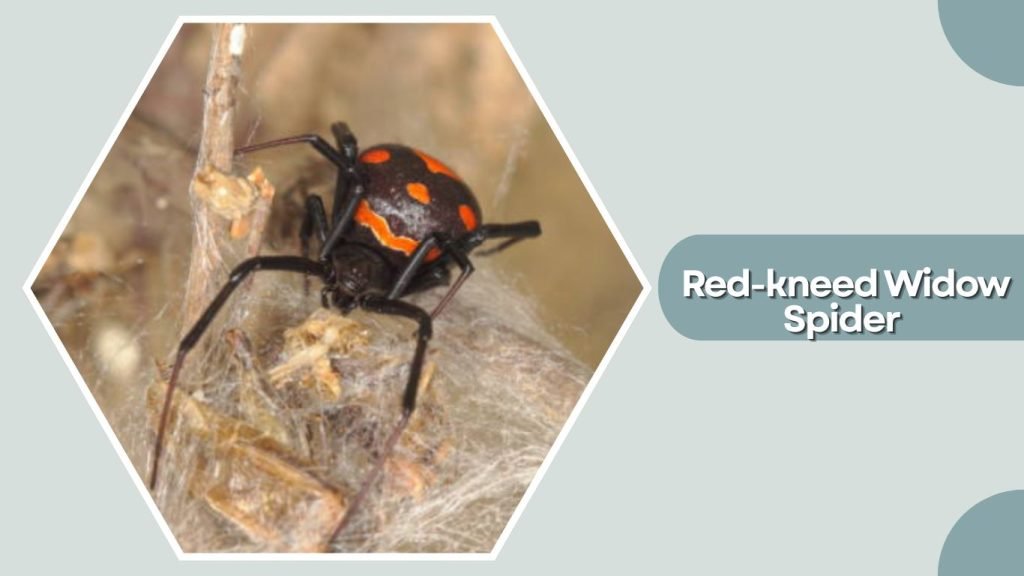
The Red-kneed Widow Spider is a lesser-known relative of widow spiders, recognized for its dark body and reddish markings on its leg joints. Though not as famous as the Black Widow, it shares similar characteristics, including web structure and venom type. It is generally shy and avoids human interaction.
Identification
- Dark, glossy body, usually black or deep brown
- Reddish or orange markings on the leg joints (“knees”)
- Rounded abdomen similar to other widow spiders
- Long, slender legs
- Females are larger and more prominent than males
Habitat and Distribution
This spider is found in warm regions, particularly in parts of Africa and surrounding areas. It prefers quiet, sheltered environments such as under rocks, logs, and in crevices. It may also inhabit human structures like sheds or storage areas where disturbances are minimal.
Behavior and Diet
Red-kneed Widow Spiders are nocturnal and tend to remain hidden during the day. They build irregular, tangled webs close to the ground, which they use to trap prey. Their diet mainly consists of insects such as flies, beetles, and other small arthropods. Like other widow spiders, the female may exhibit cannibalistic behavior after mating.
Venom and Medical Importance
The venom is neurotoxic, similar to other widow spiders, and can cause symptoms such as pain, muscle cramps, and sweating if a bite occurs. However, bites are rare and usually happen only when the spider is provoked. Medical treatment is effective, and serious complications are uncommon with proper care.
7. Red House Spider
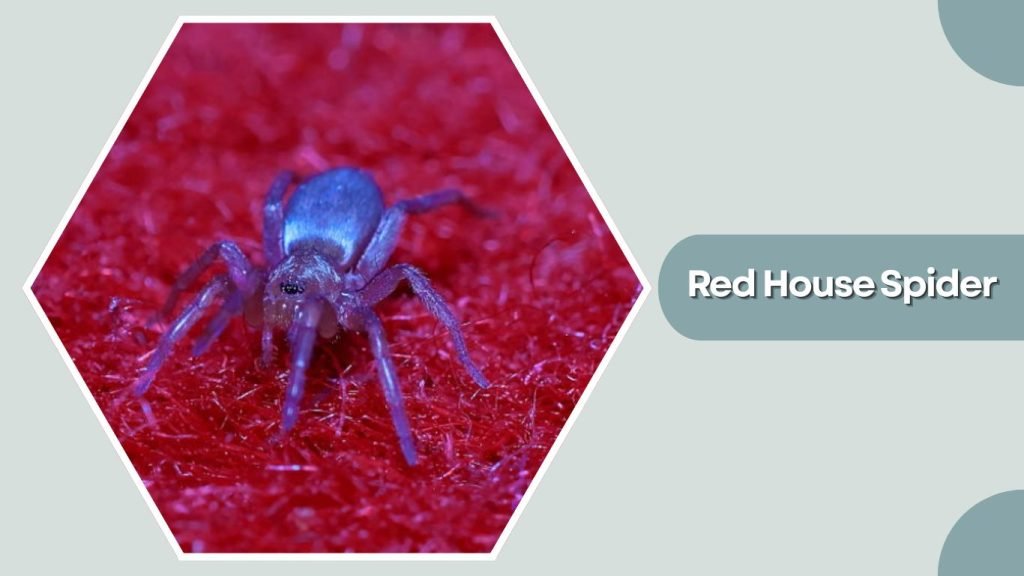
The Red House Spider (Nesticodes rufipes) is a small, reddish-brown spider commonly found around human dwellings in warm regions. It is often mistaken for more dangerous species due to its color, but it is generally harmless. This spider plays a useful role in controlling household insect populations.
Identification
- Reddish-brown body with a slightly darker abdomen
- Small size, usually around 5–7 mm in body length
- Smooth, somewhat shiny appearance
- Long, thin legs
- Females are slightly larger than males
Habitat and Distribution
The Red House Spider is widely distributed in tropical and subtropical regions around the world, including Asia, Africa, and the Americas. It prefers indoor and sheltered outdoor environments such as corners of rooms, ceilings, window frames, and under furniture. It builds irregular, tangled webs in quiet areas where insects are likely to pass.
Behavior and Diet
This spider is non-aggressive and tends to remain in its web rather than wandering. It feeds mainly on small insects like flies, mosquitoes, and ants. When prey becomes trapped in its web, the spider quickly immobilizes it with silk before feeding. It is mostly active at night and avoids human contact whenever possible.
Venom and Medical Importance
The venom of the Red House Spider is mild and not considered dangerous to humans. Bites are very rare and usually occur only if the spider is accidentally pressed. Any symptoms are typically minor, such as slight redness or irritation. Overall, it is a beneficial and harmless spider often found in homes.
8. Red-marked Orb Weaver
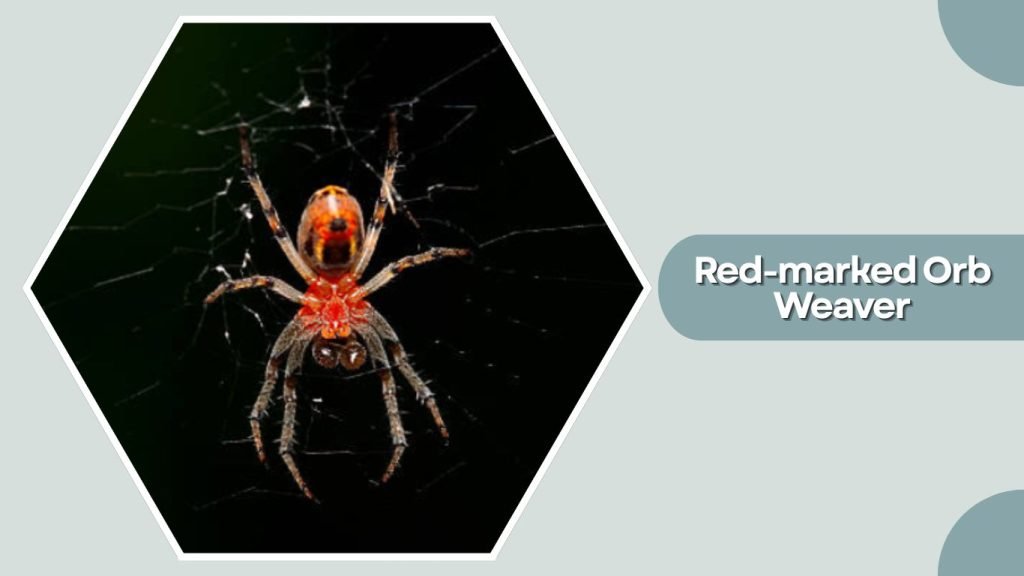
The Red-marked Orb Weaver is a visually striking spider known for its patterned abdomen featuring red and black markings. Belonging to the orb-weaver family (Araneidae), it is a skilled web builder and an important predator of flying insects. Despite its bold coloration, it is harmless and beneficial to humans.
Identification
- Rounded abdomen with red and black markings or patterns
- Medium-sized body, typically 1–2 cm
- Hairy legs with banded coloration
- Web-building spider with strong silk
- Females are larger and more vividly colored
Habitat and Distribution
Red-marked Orb Weavers are found in various regions including Asia, Australia, and parts of the Americas. They prefer gardens, forests, and areas with dense vegetation. Their orb-shaped webs are usually built between branches, shrubs, or near lights where insects gather, often at night.
Behavior and Diet
These spiders are generally calm and non-aggressive. They spend most of their time sitting in the center of their web, waiting for prey to get trapped. Their diet mainly consists of flying insects such as moths, flies, and mosquitoes. They often rebuild their webs daily to maintain strength and efficiency.
Venom and Medical Importance
The venom of the Red-marked Orb Weaver is mild and not dangerous to humans. Bites are rare and usually occur only when the spider is disturbed. Any effects are typically limited to minor irritation or redness. These spiders are considered beneficial because they help reduce insect populations naturally.
9. Red Funnel-Web Spider
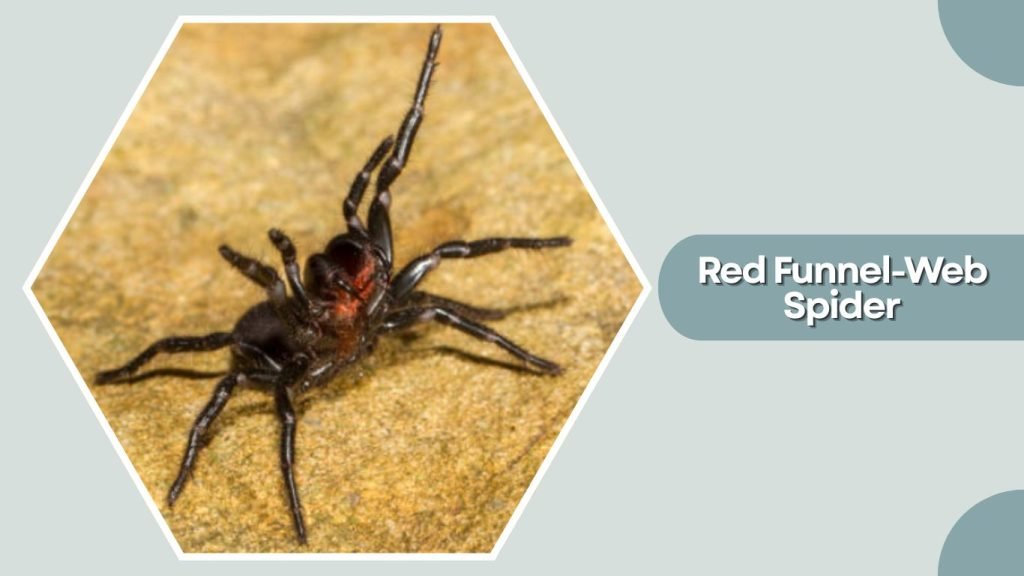
The Red Funnel-Web Spider is a robust and potentially dangerous spider known for its reddish coloration and funnel-shaped web. It belongs to the funnel-web group, some of which are considered medically significant. These spiders are mostly found in specific regions and prefer hidden, moist environments.
Identification
- Dark body with reddish-brown tones
- Strong, glossy appearance
- Large fangs and robust build
- Medium to large size, depending on species
- Long legs adapted for ground movement
Habitat and Distribution
Red Funnel-Web Spiders are mainly found in parts of Australia, especially in moist and sheltered areas. They live in burrows in the ground, often under rocks, logs, or leaf litter. Their funnel-shaped webs extend from the burrow entrance, helping them detect vibrations from potential prey.
Behavior and Diet
These spiders are mostly nocturnal and remain inside their burrows during the day. At night, they wait at the entrance of their funnel web for prey. Their diet includes insects, small frogs, and other arthropods. They are generally defensive rather than aggressive, but may react quickly if disturbed.
Venom and Medical Importance
Some funnel-web spiders have highly toxic venom that affects the nervous system. Bites can be serious and require immediate medical attention. Symptoms may include pain, sweating, muscle spasms, and difficulty breathing. Fortunately, antivenom is available, and with prompt treatment, recovery is very likely.
10. Red-legged Purseweb Spider
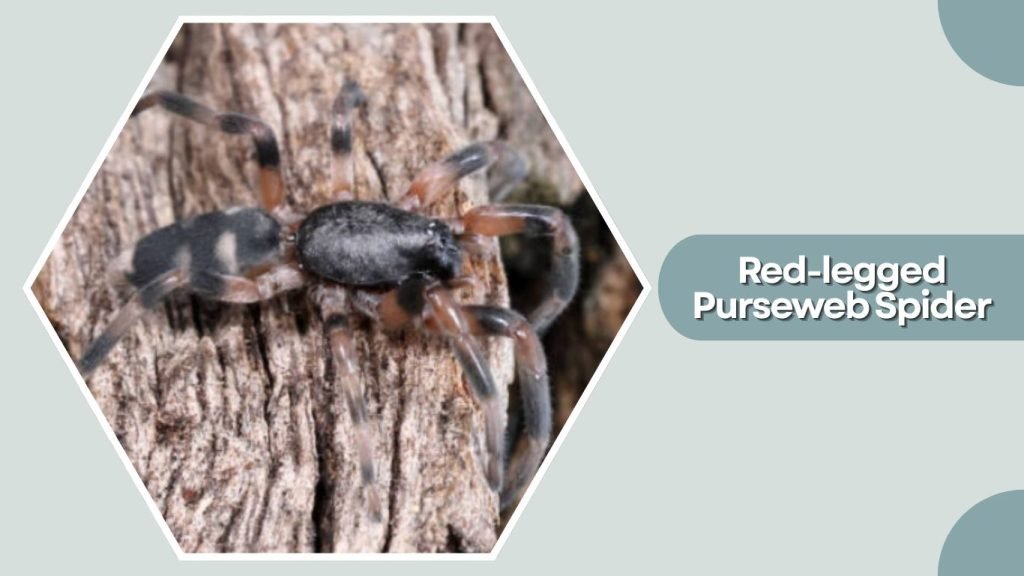
The Red-legged Purseweb Spider (Sphodros species) is a fascinating and unusual spider known for its tube-like web structure and reddish legs. Unlike typical web-building spiders, it creates a silk “purse” or tunnel to trap prey. It is rarely seen and is generally harmless to humans.
Identification
- Dark body with noticeable red or reddish-orange legs
- Cylindrical abdomen adapted for living in silk tubes
- Medium size, usually around 1–2 cm
- Strong, downward-pointing fangs
- Females are larger and spend most of their lives in one place
Habitat and Distribution
This spider is mainly found in parts of North America, particularly in wooded areas and forests. It prefers soil near tree bases, rotting wood, or shaded ground. The spider constructs a vertical silk tube attached to surfaces like tree trunks or embedded in soil, blending well with its surroundings.
Behavior and Diet
The Red-legged Purseweb Spider is an ambush predator. It stays hidden inside its silk tube and waits for insects to walk across it. When prey is detected, it bites through the silk, pulls the prey inside, and feeds. Its diet includes ants, beetles, and other small insects. It is very reclusive and rarely leaves its web.
Venom and Medical Importance
The venom of this spider is not considered dangerous to humans. Bites are extremely rare due to its secretive nature. If a bite does occur, it may cause mild pain or irritation but nothing serious. Overall, it is a harmless and interesting species that contributes to controlling insect populations.
FAQs
1. Are red and black spiders always dangerous?
No, not all red and black spiders are dangerous. While some species like the Redback or Black Widow have medically significant venom, many others are harmless to humans. Their bright coloration often serves as a warning to predators rather than indicating actual danger to people.
2. Why do some spiders have red and black colors?
Red and black coloration in spiders is usually a form of warning signal called aposematism. It helps deter predators by suggesting the spider may be venomous or unpalatable. Even harmless species sometimes mimic these colors to avoid being eaten.
3. Where are red and black spiders commonly found?
These spiders can be found worldwide, especially in warm and temperate regions. They often live in gardens, forests, woodpiles, and even inside homes. Different species prefer different habitats, ranging from ground burrows to webs built between plants or structures.
4. What should I do if I get bitten by a spider?
If bitten, clean the area with soap and water and monitor for symptoms. Apply a cold compress to reduce swelling. Seek medical attention if you experience severe pain, muscle cramps, or unusual symptoms, especially if the spider might be venomous.
5. Do these spiders help the environment?
Yes, most spiders play an important role in controlling insect populations. They help reduce pests like flies, mosquitoes, and beetles, making them beneficial for both natural ecosystems and human environments. Even those that look dangerous are often helpful and should not be harmed unnecessarily.
