
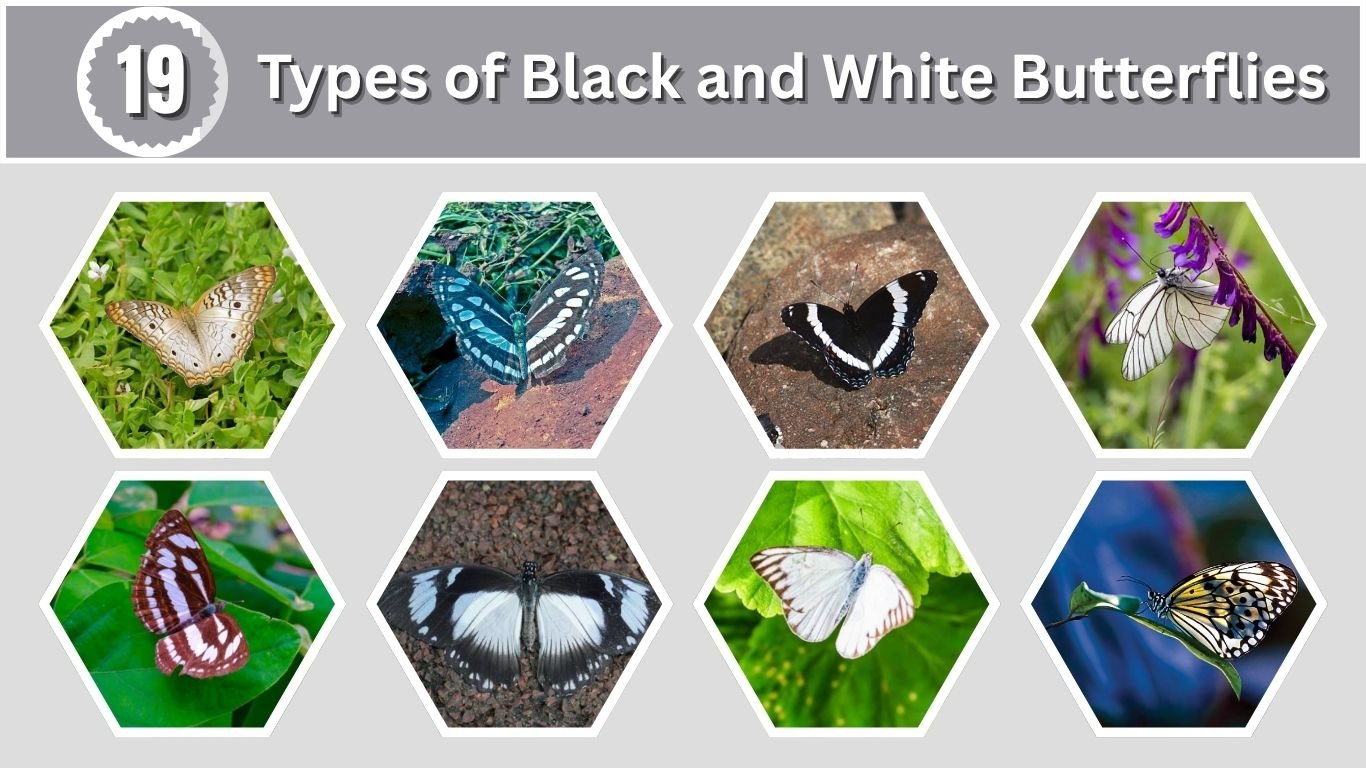
Black and white butterflies are among the most visually striking insects, known for their bold contrast and elegant patterns. From simple white wings with dark tips to intricate stripes and spots, these butterflies showcase a unique blend of simplicity and beauty. They can be found in a wide range of habitats, including forests, gardens, grasslands, and tropical regions around the world.
In this list, you will explore 19 types of black and white butterflies, each with distinctive markings, habitats, and behaviors that make them fascinating to observe and easy to recognize in nature.
1. Zebra Longwing
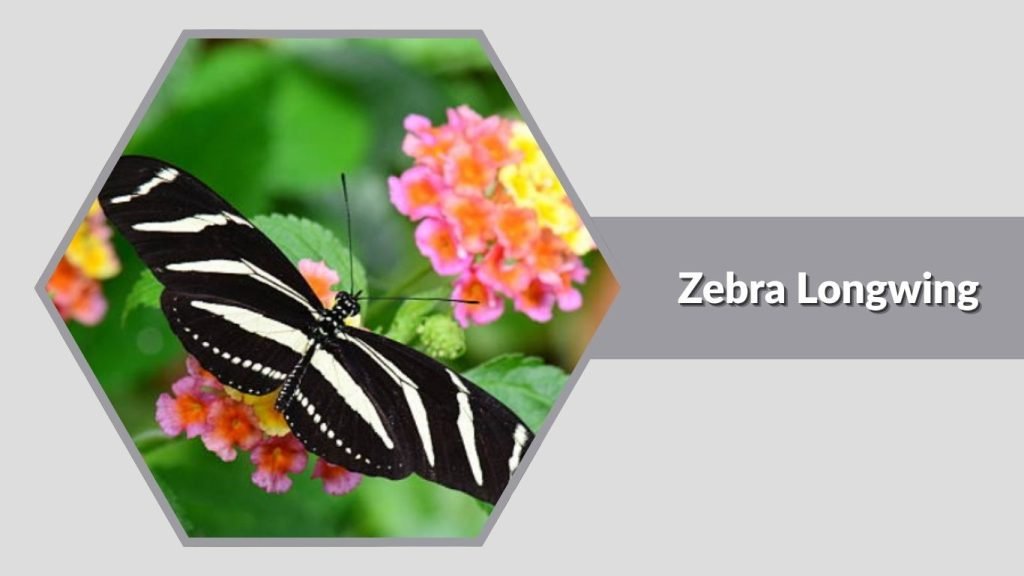
The Zebra Longwing is a striking black and white butterfly known for its bold striped pattern and graceful flight. It is commonly found in Central and South America, as well as parts of the southern United States.
Identification
- Medium-sized butterfly with a wingspan of 2.5 to 3.5 inches
- Long, narrow wings
- Black wings with distinct white or pale yellow stripes
- No tail extensions
- Slow, gliding flight
Color Pattern
The wings feature bold black and white stripes that resemble a zebra pattern. The stripes run lengthwise across the wings, creating a high-contrast and easily recognizable design.
Habitat
Zebra Longwings are typically found in tropical forests, gardens, and open woodlands. They prefer warm climates and are often seen near flowering plants and forest edges.
Behavior
These butterflies are slow and graceful fliers, often gliding smoothly through their habitat. They are unique for feeding on both nectar and pollen, which provides extra nutrients and helps extend their lifespan.
2. Paper Kite Butterfly
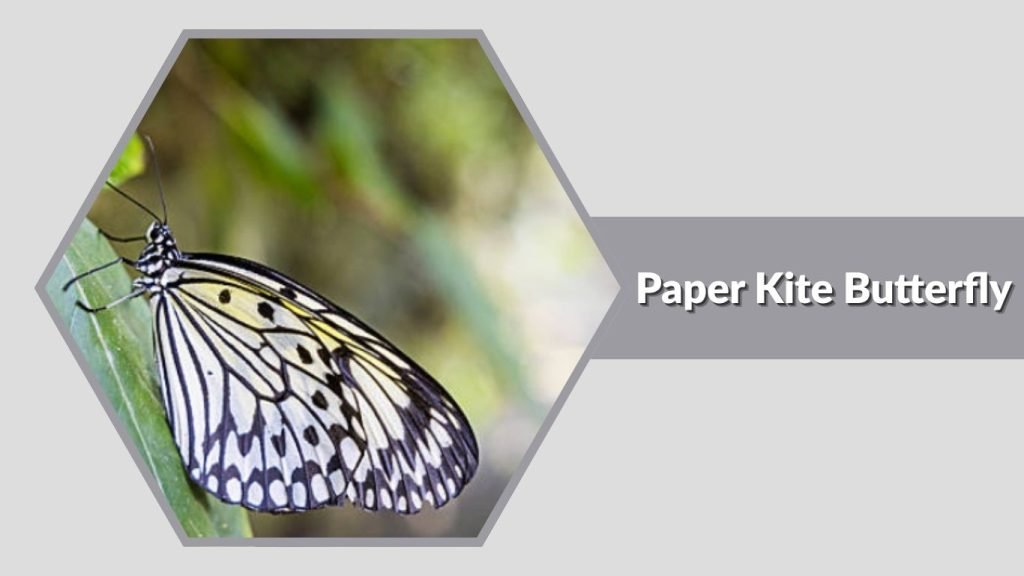
The Paper Kite Butterfly, also known as the Rice Paper or Large Tree Nymph, is a graceful black and white butterfly admired for its soft, floating flight. It is commonly found in South and Southeast Asia, especially in warm, tropical regions where it thrives in open forests and gardens.
Identification
- Large butterfly with a wingspan of 4 to 6 inches
- White wings with bold black veins and spots
- Long, broad wings with rounded edges
- No tail extensions
- Slow, gliding flight
Color Pattern
The wings are predominantly white with a network of black veins and scattered black spots. This delicate pattern gives it a paper-like appearance, which is how it gets its name. The contrast between white and black is clean yet artistic, making it easy to recognize.
Habitat
Paper Kite Butterflies are commonly found in tropical forests, botanical gardens, and open woodlands. They prefer humid environments with plenty of host plants and flowering species. They are also frequently seen in butterfly parks due to their calm nature.
Behavior
These butterflies are known for their slow, floating flight, often gliding gently through the air. They are active during the day and feed mainly on nectar. Due to toxins in their bodies, they are unpalatable to predators, allowing them to fly calmly without much threat.
3. Cabbage White
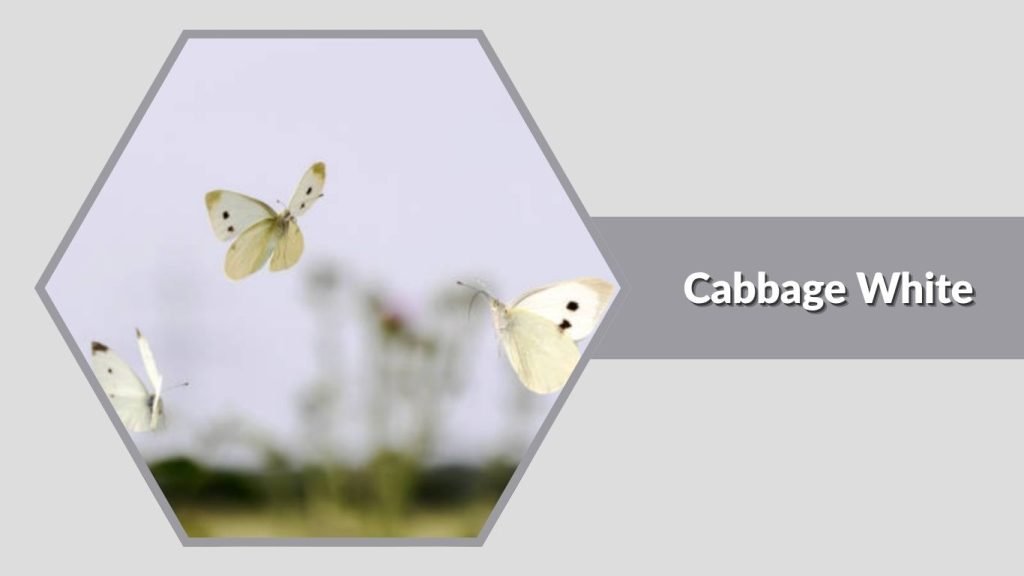
The Cabbage White is one of the most familiar black and white butterflies, widely seen in gardens and farmland. It is native to Europe and Asia but has spread to many parts of the world due to its adaptability.
Identification
- Small to medium butterfly with a wingspan of 1.5 to 2.5 inches
- White wings with black tips on the forewings
- One black spot in males, two in females
- Rounded wing shape
- Light, fluttery flight
Color Pattern
The wings are mostly white with distinct black tips on the forewings. Females have additional black spots, giving them a slightly more patterned look. The underside appears pale with a faint yellowish tint.
Habitat
Cabbage Whites thrive in open areas such as gardens, farmland, meadows, and urban spaces. They are especially common near crops like cabbage and other leafy vegetables.
Behavior
These butterflies are active during the day and are frequently seen fluttering between plants. They feed on nectar and are known for laying eggs on vegetable crops, making them common in agricultural areas.
4. Checkered White
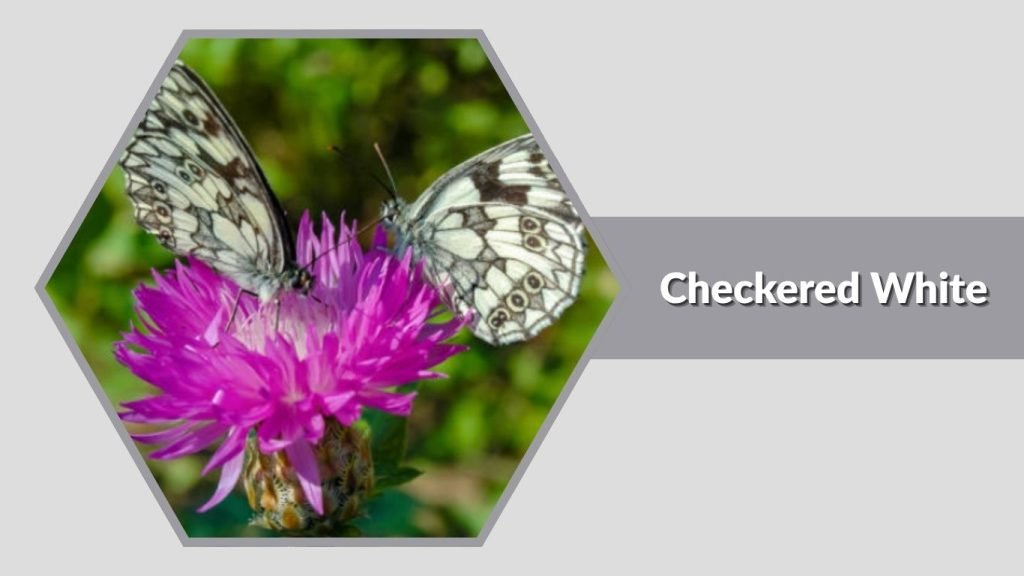
The Checkered White is a distinctive butterfly known for its bold black and white pattern. It is commonly found in North and Central America, especially in dry and open environments.
Identification
- Small to medium butterfly with a wingspan of 1.5 to 2 inches
- White wings with black checkered markings
- Females often have darker patterns
- Rounded wings
- Fast, fluttering flight
Color Pattern
The wings display a striking checkered pattern of black and white markings. This pattern is more pronounced in females, while males tend to have lighter and less dense markings.
Habitat
Checkered Whites prefer dry habitats such as deserts, grasslands, roadsides, and open fields. They are often seen in sunny areas with low vegetation and flowering plants.
Behavior
These butterflies are quick and active fliers. They move rapidly across open spaces and frequently visit flowers for nectar. Their fast and erratic flight helps them avoid predators.
5. Common Mime
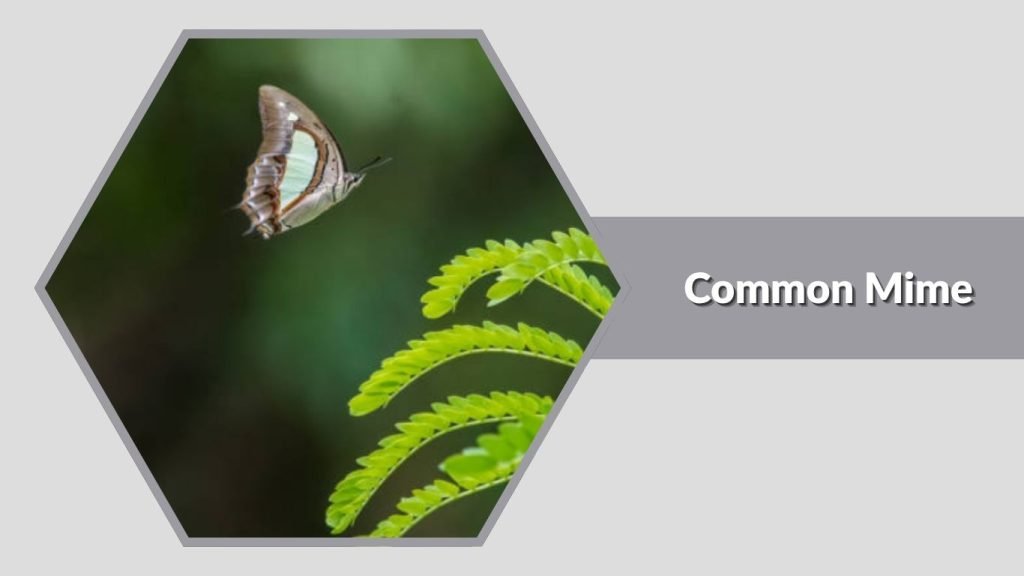
The Common Mime is a fascinating black and white butterfly known for its mimicry and variation in appearance. It is found across South and Southeast Asia and is admired for its smooth flight and subtle beauty.
Identification
- Medium-sized butterfly with a wingspan of 3 to 4 inches
- Black wings with pale white or gray patches
- No tail extensions
- Smooth, rounded wing shape
- Gentle, gliding flight
Color Pattern
The wings are mostly black with soft white or gray patches that vary between individuals. Some forms have more pronounced pale areas, while others appear darker, helping them mimic different butterfly species.
Habitat
Common Mimes are found in forests, gardens, plantations, and woodland edges. They prefer warm, humid regions with plenty of vegetation and flowering plants.
Behavior
These butterflies are calm and graceful fliers, often gliding through shaded areas. They are active during the day and feed on nectar. Their mimicry helps protect them from predators by resembling unpalatable species.
6. Great Mormon (White Form)
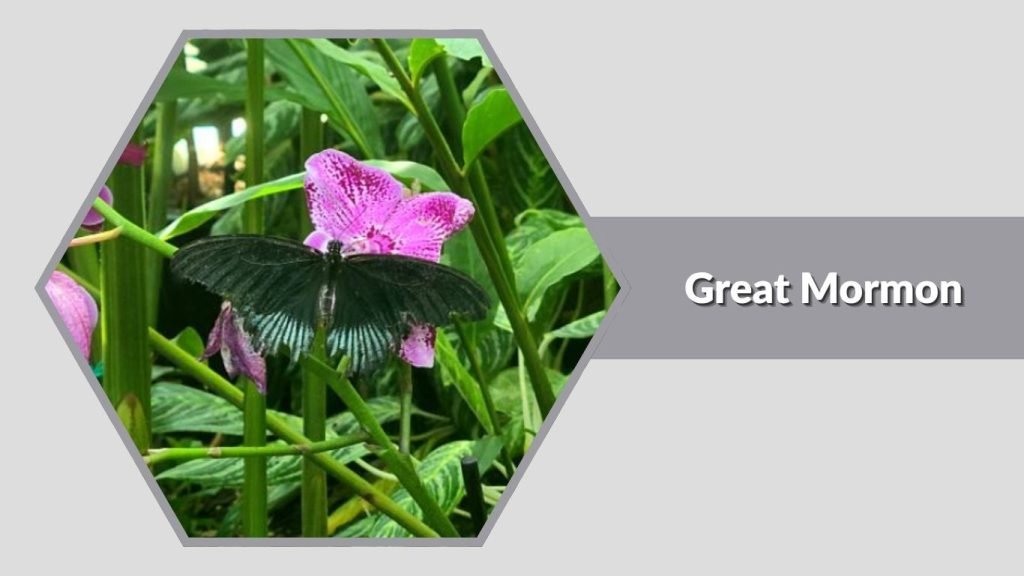
The Great Mormon (white form) is a beautiful variation of the Great Mormon butterfly, where females display striking black and white patterns. It is commonly found in South and Southeast Asia.
Identification
- Large butterfly with a wingspan of 4 to 6 inches
- Black wings with prominent white patches
- Broad wings with smooth edges
- No long tails in some forms
- Strong, steady flight
Color Pattern
The wings are deep black with bold white patches that stand out clearly. This high-contrast pattern makes it easy to identify, especially when in flight.
Habitat
Great Mormons prefer forests, gardens, and urban green spaces. They are often seen near citrus plants, which serve as host plants for their caterpillars.
Behavior
These butterflies are strong fliers and are active during the day. They move steadily between flowers while feeding on nectar. Females use their coloration to mimic toxic species, helping them avoid predators.
7. White Admiral
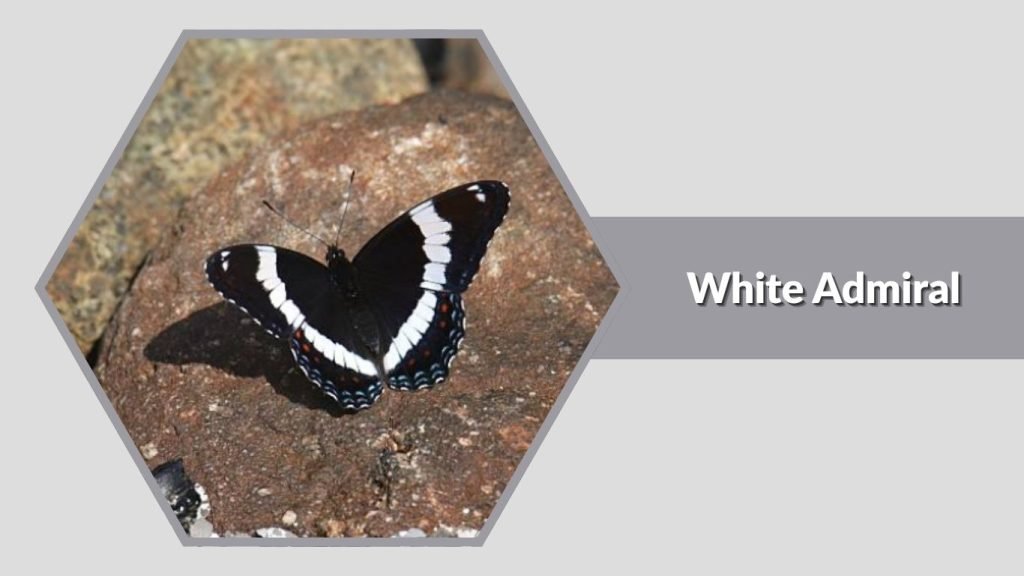
The White Admiral is a striking black and white butterfly known for its bold contrast and elegant flight. It is commonly found across Europe, Asia, and North America, especially in wooded and semi-open landscapes.
Identification
- Medium-sized butterfly with a wingspan of 2.5 to 3.5 inches
- Dark black wings with a broad white band across both wings
- Rounded wing shape with smooth edges
- No tail extensions
- Strong, gliding flight
Color Pattern
The wings are deep black or dark brown, highlighted by a prominent white band that runs across both the forewings and hindwings. This bold stripe creates a clear contrast, making the butterfly easy to recognize even from a distance.
Habitat
White Admirals prefer woodland areas, forest edges, and shaded paths. They are often found in areas with plenty of trees and shrubs, especially where nectar sources and host plants are available.
Behavior
These butterflies are active during the day and are known for their graceful, gliding flight. Instead of visiting flowers frequently, they often feed on tree sap, rotting fruit, and other organic materials. They are also territorial and may return to the same resting spots.
8. Lorquin’s Admiral
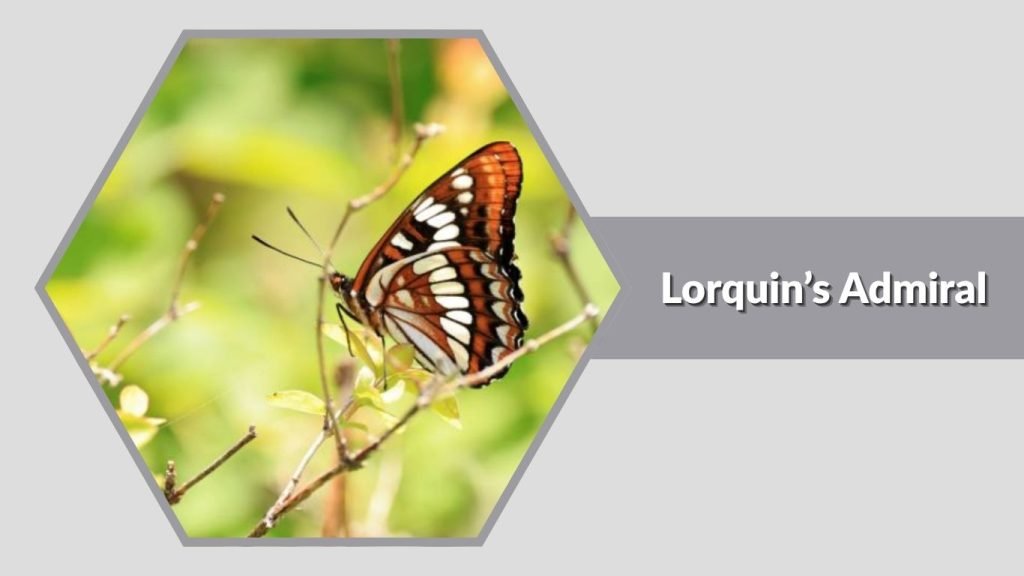
Lorquin’s Admiral is a striking black and white butterfly found in western North America. It is known for its bold wing band and active, graceful flight, often seen along forest edges and near streams.
Identification
- Medium-sized butterfly with a wingspan of 2.5 to 3.5 inches
- Dark black wings with a broad white band
- Small orange patches near the tips of forewings
- Rounded wing edges
- Strong, gliding flight
Color Pattern
The wings are primarily black with a wide white band running across both wings. Small orange spots near the forewing tips add a subtle touch of color, creating a distinctive and attractive contrast.
Habitat
Lorquin’s Admirals are commonly found in woodlands, forest edges, riverbanks, and mountain areas. They prefer regions with plenty of trees, shrubs, and moisture.
Behavior
These butterflies are active during the day and are often seen gliding or flying steadily along paths and streams. They feed on tree sap, rotting fruit, and occasionally nectar, and are known to rest frequently on leaves or branches.
9. Clipper Butterfly
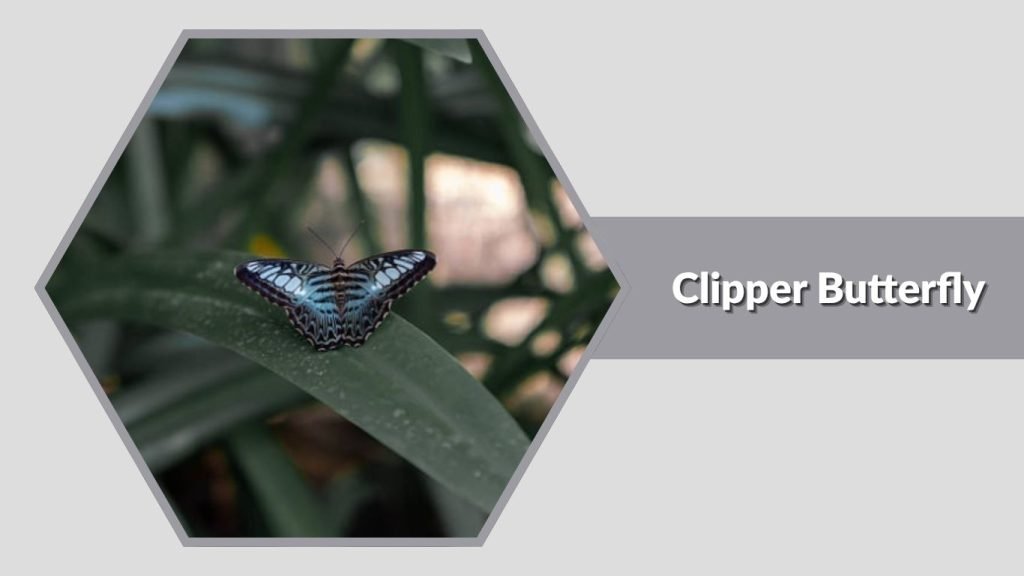
The Clipper Butterfly is a unique black and white species known for its rapid flight and bold striped pattern. It is native to South and Southeast Asia and is often seen in gardens, forests, and butterfly parks.
Identification
- Medium-sized butterfly with a wingspan of 3 to 4 inches
- Black wings with broad white bands
- Long, slightly angular wings
- No tail extensions
- Fast, darting flight
Color Pattern
The wings are deep black with wide white bands running across them, creating a clean and high-contrast look. The underside is lighter, with more detailed striping that enhances its overall pattern.
Habitat
Clipper Butterflies are found in tropical forests, gardens, plantations, and open wooded areas. They prefer warm climates with plenty of vegetation and flowering plants.
Behavior
These butterflies are known for their fast and energetic flight, often darting quickly through their surroundings. They are active during the day and feed on nectar, frequently visiting flowers while rarely staying still for long.
10. Tree Nymph Butterfly
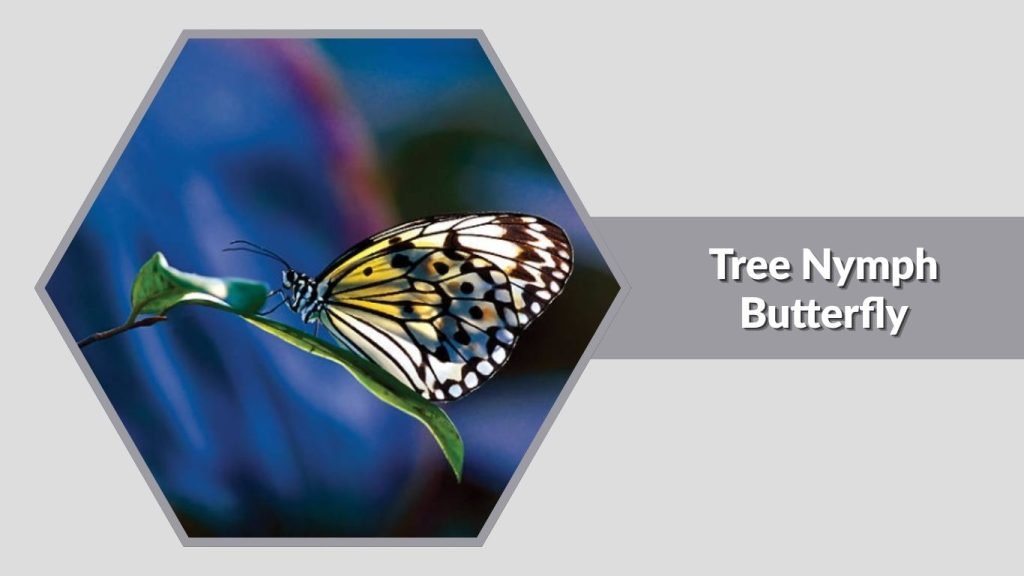
The Tree Nymph Butterfly, also known as the Paper Kite, is a graceful black and white butterfly admired for its delicate appearance and slow, floating flight. It is commonly found in South and Southeast Asia.
Identification
- Large butterfly with a wingspan of 4 to 6 inches
- White wings with black veins and spots
- Broad, rounded wings
- No tail extensions
- Slow, gliding flight
Color Pattern
The wings are predominantly white with bold black veins forming a net-like pattern. Small black spots are scattered across the wings, giving it a soft, paper-like look that stands out beautifully.
Habitat
Tree Nymph Butterflies are typically found in tropical forests, gardens, and open woodlands. They prefer warm, humid environments and are often seen in butterfly parks and nature reserves.
Behavior
These butterflies are known for their calm and slow flight, often gliding gently through the air. They are active during the day and feed on nectar. Their toxic nature helps protect them from predators, allowing them to move without much disturbance.
11. Black-veined White
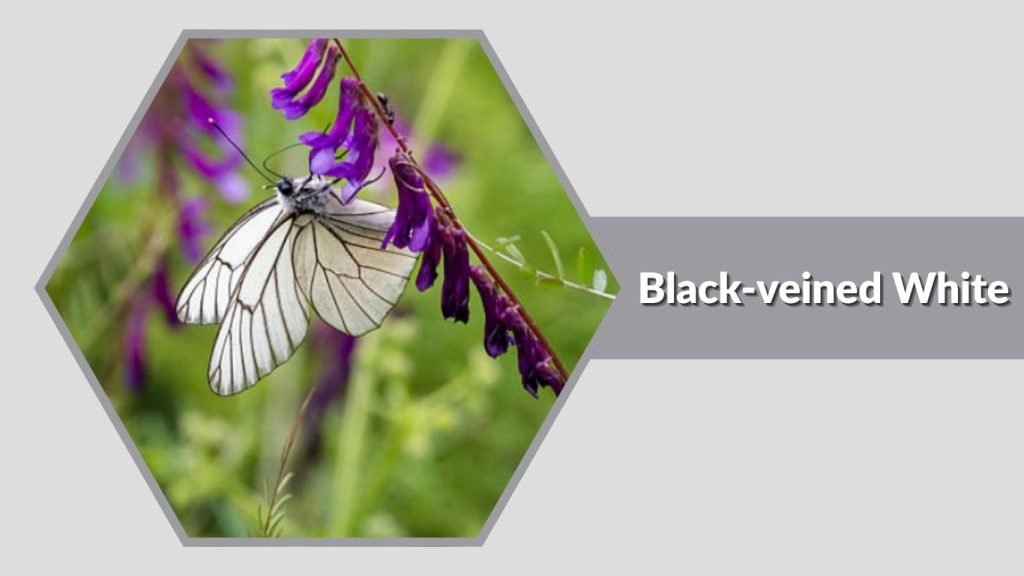
The Black-veined White is a striking butterfly known for its bold vein patterns that stand out against its pale wings. It is found across Europe, Asia, and parts of North Africa, often in open natural landscapes.
Identification
- Medium-sized butterfly with a wingspan of 2 to 3 inches
- White wings with prominent black veins
- Rounded wing shape
- No tail extensions
- Strong, steady flight
Color Pattern
The wings are bright white with clearly defined black veins running throughout, creating a net-like pattern. This high-contrast design makes it one of the most recognizable black and white butterflies.
Habitat
Black-veined Whites prefer meadows, grasslands, forest edges, and mountainous regions. They are often found in areas with plenty of wildflowers and natural vegetation.
Behavior
These butterflies are active during the day and are strong fliers. They frequently visit flowers for nectar and are often seen gliding across open spaces in sunny conditions.
12. Pioneer White
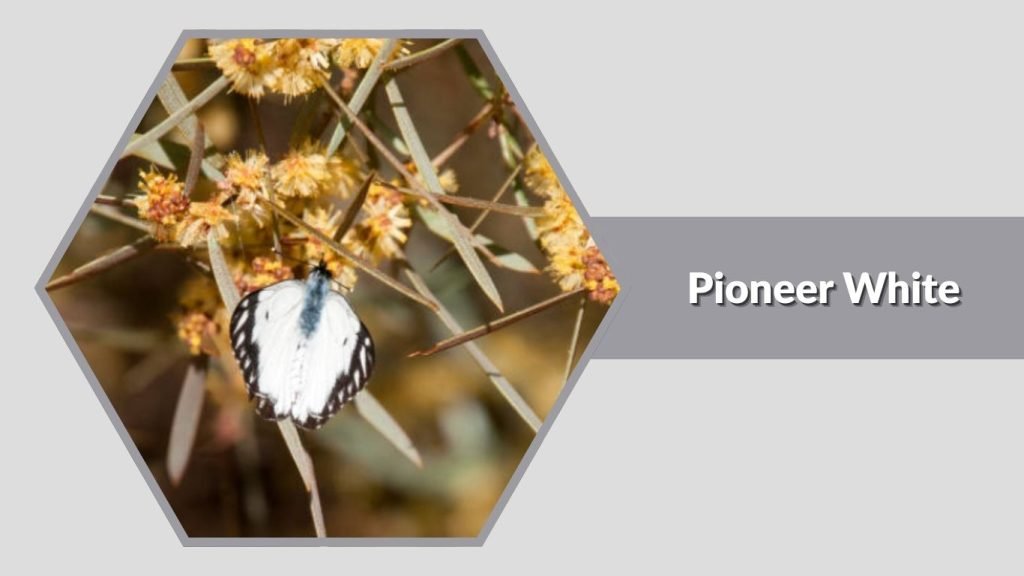
The Pioneer White is a clean and elegant black and white butterfly commonly found in warm regions of the Americas. It is known for its simple yet attractive wing pattern and its ability to adapt to a wide range of open habitats. This butterfly is often seen fluttering in sunny environments where flowering plants are abundant.
Identification
- Medium-sized butterfly with a wingspan of 2 to 2.5 inches
- White wings with dark gray or black markings
- Slightly pointed forewings
- Females usually have more pronounced markings
- Quick, steady flight
Color Pattern
The wings are primarily white, highlighted by subtle black or gray markings near the edges and tips. Compared to more heavily patterned species, the Pioneer White has a cleaner and more minimal look. The underside may show faint yellow or greenish tones, helping it blend into vegetation when resting.
Habitat
Pioneer Whites are commonly found in open areas such as grasslands, gardens, coastal regions, and roadsides. They prefer warm climates and are often seen in sunny locations with plenty of low vegetation and nectar-rich flowers. Their adaptability allows them to thrive in both natural and human-altered environments.
Behavior
These butterflies are active during the day and are strong, consistent fliers. They move steadily between flowers while feeding on nectar and are often seen traveling across open spaces. Females lay eggs on host plants from the mustard family, supporting the development of their caterpillars.
13. Common Sailor
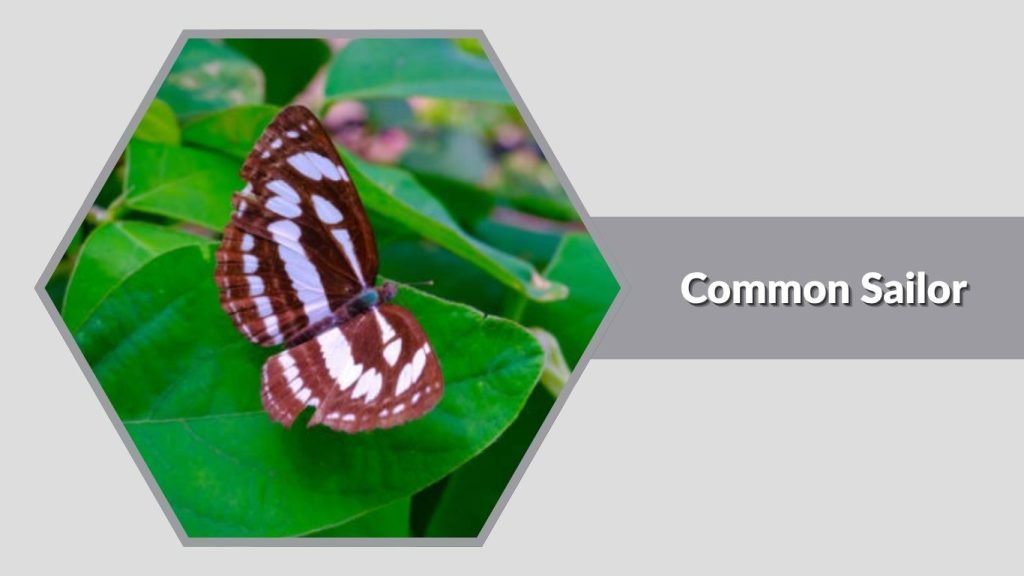
The Common Sailor is a distinctive black and white butterfly known for its striped wing pattern that resembles a sailor’s uniform. It is widely found across South and Southeast Asia, especially in warm, tropical environments.
Identification
- Medium-sized butterfly with a wingspan of 2 to 3 inches
- Black wings with white horizontal bands
- Rounded wings with smooth edges
- No tail extensions
- Quick, gliding flight
Color Pattern
The wings are dark black with multiple white bands running across them. These stripes create a clean, uniform pattern that makes the butterfly easy to recognize even from a distance.
Habitat
Common Sailors are typically found in forests, gardens, parks, and woodland edges. They prefer areas with dense vegetation and access to sunlight, often staying close to shaded pathways.
Behavior
These butterflies are active during the day and have a characteristic gliding flight, often pausing between flaps. They feed on nectar, tree sap, and sometimes rotting fruit, frequently resting on leaves in shaded areas.
14. Dingy White
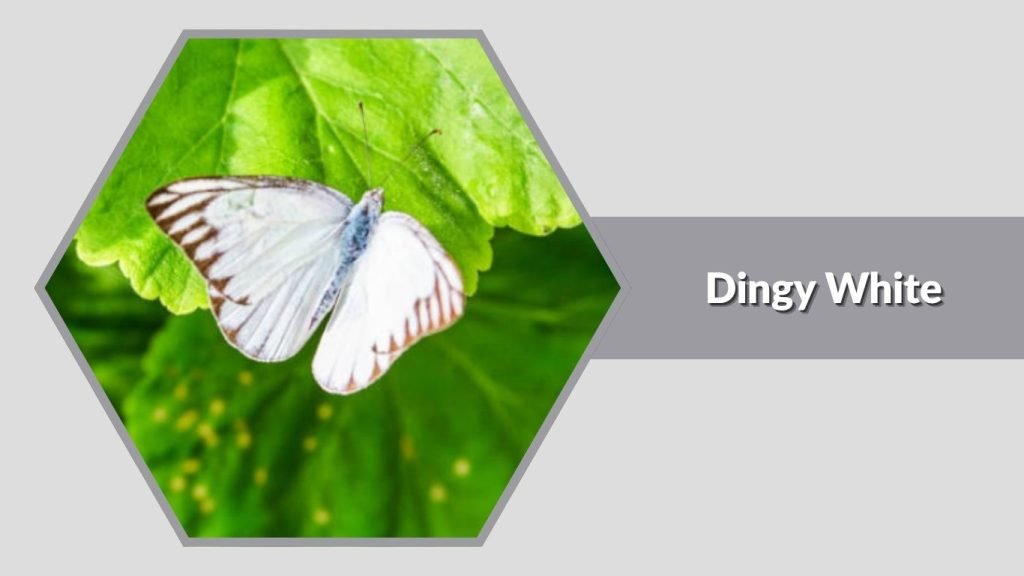
The Dingy White is a subtle and less flashy black and white butterfly, known for its muted coloration and understated beauty. It is commonly found across Europe and parts of Asia, especially in dry, open habitats.
Identification
- Small to medium butterfly with a wingspan of 1.5 to 2 inches
- Off-white wings with gray or brownish markings
- Slightly dusty or “dingy” appearance
- Rounded wings with soft edges
- Fast, low flight
Color Pattern
The wings are not pure white but have a dull, grayish tone with faint darker markings. This muted coloration helps it blend into dry vegetation and rocky environments, making it less noticeable to predators.
Habitat
Dingy Whites prefer dry grasslands, scrublands, coastal areas, and rocky slopes. They are often found in sunny locations with sparse vegetation and wildflowers.
Behavior
These butterflies are active during the day and have a quick, low flight close to the ground. They frequently visit small flowers for nectar and tend to stay within their habitat, making short, fast movements between feeding spots.
15. African White Lady
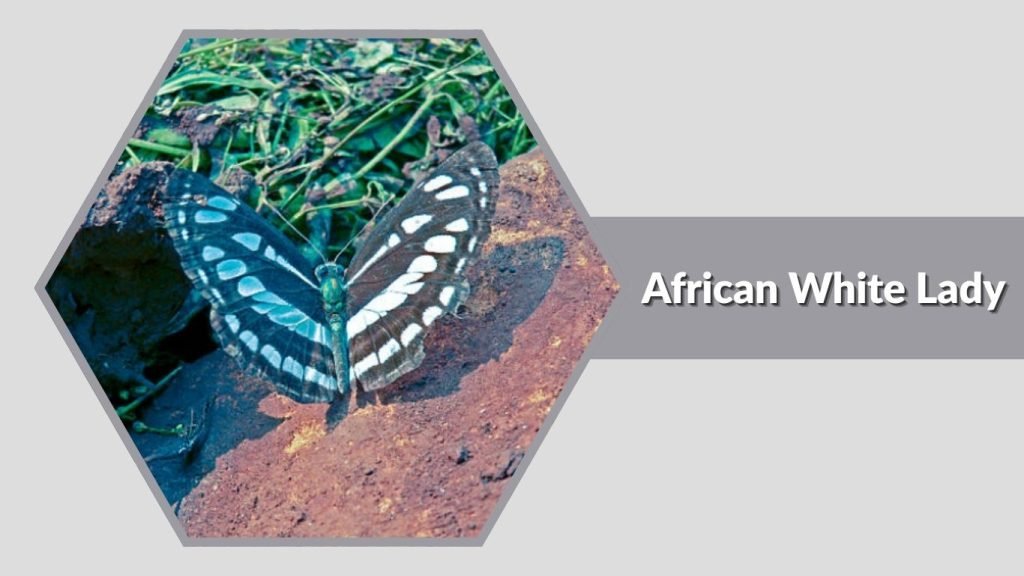
The African White Lady is a graceful black and white butterfly commonly found across Africa and parts of the Middle East. It is known for its soft coloration and gentle, floating flight.
Identification
- Medium-sized butterfly with a wingspan of 2 to 2.5 inches
- White wings with subtle black or gray markings
- Slightly rounded wing shape
- Females often show more distinct patterns
- Light, fluttering flight
Color Pattern
The wings are primarily white with faint black or gray markings along the edges and veins. The overall pattern is soft and less bold compared to other black and white butterflies, giving it a delicate appearance.
Habitat
African White Ladies are found in open habitats such as grasslands, savannas, gardens, and farmland. They prefer warm climates and areas with plenty of flowering plants.
Behavior
These butterflies are active during the day and have a gentle, floating flight. They frequently visit flowers for nectar and are often seen moving calmly through open spaces in search of food.
16. Black-and-White Helen
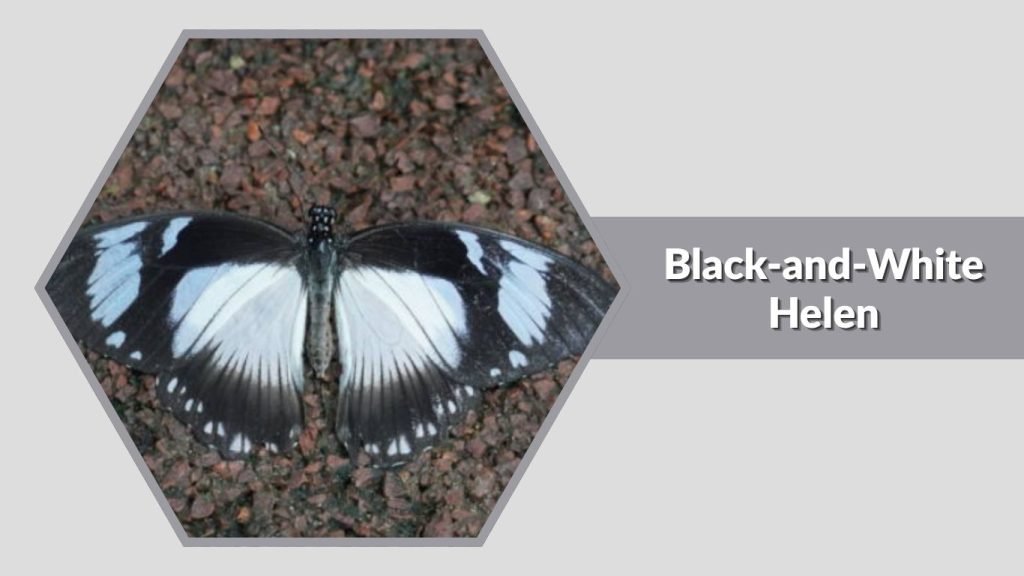
The Black-and-White Helen is a striking butterfly known for its bold contrast and elegant shape. It is commonly found in South and Southeast Asia, especially in forested and hilly regions.
Identification
- Large butterfly with a wingspan of 3.5 to 5 inches
- Black wings with prominent white patches
- Long tail extensions on hindwings
- Strong, broad wings
- Smooth, powerful flight
Color Pattern
The wings are deep black with large white patches that create a dramatic contrast. The clean separation between black and white gives it a bold and eye-catching appearance, especially in flight.
Habitat
Black-and-White Helens prefer forests, woodland edges, and mountainous areas. They are often seen in regions with dense vegetation and access to flowering plants.
Behavior
These butterflies are active during the day and are strong fliers. They glide smoothly through their habitat and frequently visit flowers for nectar. Their large size and bold pattern make them easy to spot in natural settings.
17. Glasswing Butterfly
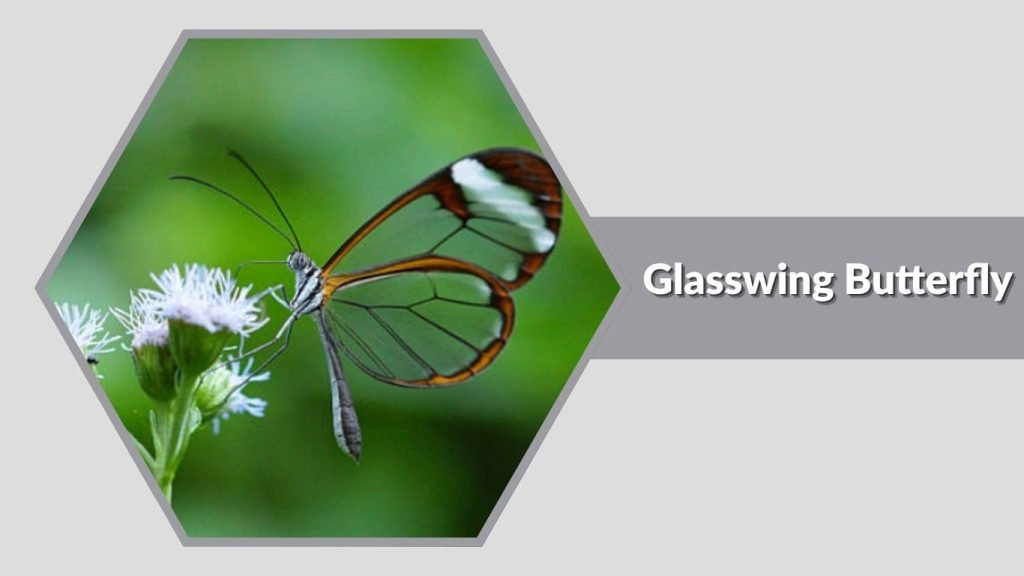
The Glasswing Butterfly is a unique and delicate species known for its transparent wings bordered with black. It is found in Central and South America and is admired for its almost invisible appearance in flight.
Identification
- Medium-sized butterfly with a wingspan of 2 to 3 inches
- Transparent wings with black edges
- Slim body and elongated wings
- No tail extensions
- Gentle, floating flight
Color Pattern
The wings are mostly clear, allowing light to pass through, with thin black borders outlining their shape. Some individuals may have slight white or orange accents along the edges, but the transparency is its most distinctive feature.
Habitat
Glasswing Butterflies are typically found in tropical forests, gardens, and shaded areas. They prefer humid environments with plenty of flowering plants and shelter.
Behavior
These butterflies are slow and graceful fliers, often gliding quietly through their surroundings. Their transparent wings help them avoid predators by making them less visible. They are active during the day and feed on nectar from flowers.
18. White Peacock (Pale Form)
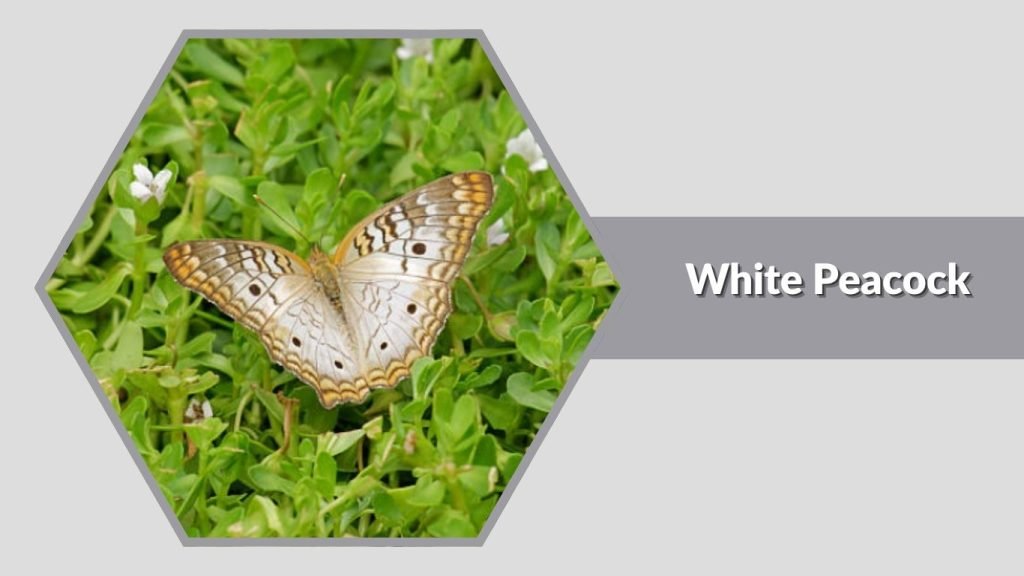
The White Peacock (pale form) is a light-colored variation of the White Peacock butterfly, known for its soft tones and eye-catching wing patterns. It is commonly found in the Americas, especially in warm and open environments.
Identification
- Medium-sized butterfly with a wingspan of 2 to 2.5 inches
- Pale white to light gray wings
- Distinct eye spots on wings
- Slightly scalloped wing edges
- Quick, low flight
Color Pattern
The wings are pale white or light gray with subtle markings and noticeable eye spots. These eye spots help deter predators by mimicking the eyes of larger animals, adding both beauty and function to its appearance.
Habitat
White Peacock butterflies prefer open habitats such as fields, wetlands, roadsides, and gardens. They are often found in sunny areas with low vegetation and access to water sources.
Behavior
These butterflies are active during the day and are fast, low fliers. They often stay close to the ground and frequently visit flowers for nectar. They may also rest with wings open, displaying their eye spots prominently.
19. Common Map Butterfly
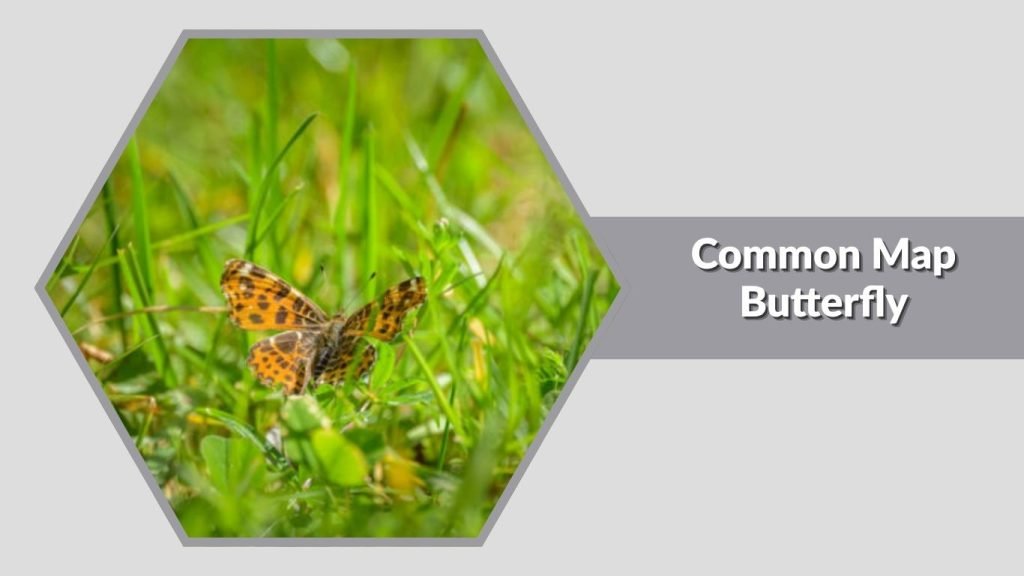
The Common Map Butterfly is a unique black and white butterfly known for its map-like wing patterns. It is widely found across South and Southeast Asia, especially in forested and semi-open areas.
Identification
- Medium-sized butterfly with a wingspan of 2 to 3 inches
- Black wings with white or pale bands
- Seasonal forms with slight variation
- Rounded wings with smooth edges
- Quick, gliding flight
Color Pattern
The wings feature intricate black and white lines and bands that resemble a map, giving the butterfly its name. The pattern can vary slightly depending on the season, but the contrast remains distinct.
Habitat
Common Map Butterflies are typically found in forests, woodland edges, gardens, and parks. They prefer warm climates with plenty of vegetation and access to sunlight.
Behavior
These butterflies are active during the day and are often seen gliding between shaded and sunny areas. They feed on nectar, tree sap, and sometimes rotting fruit, and are known to rest frequently on leaves.
