
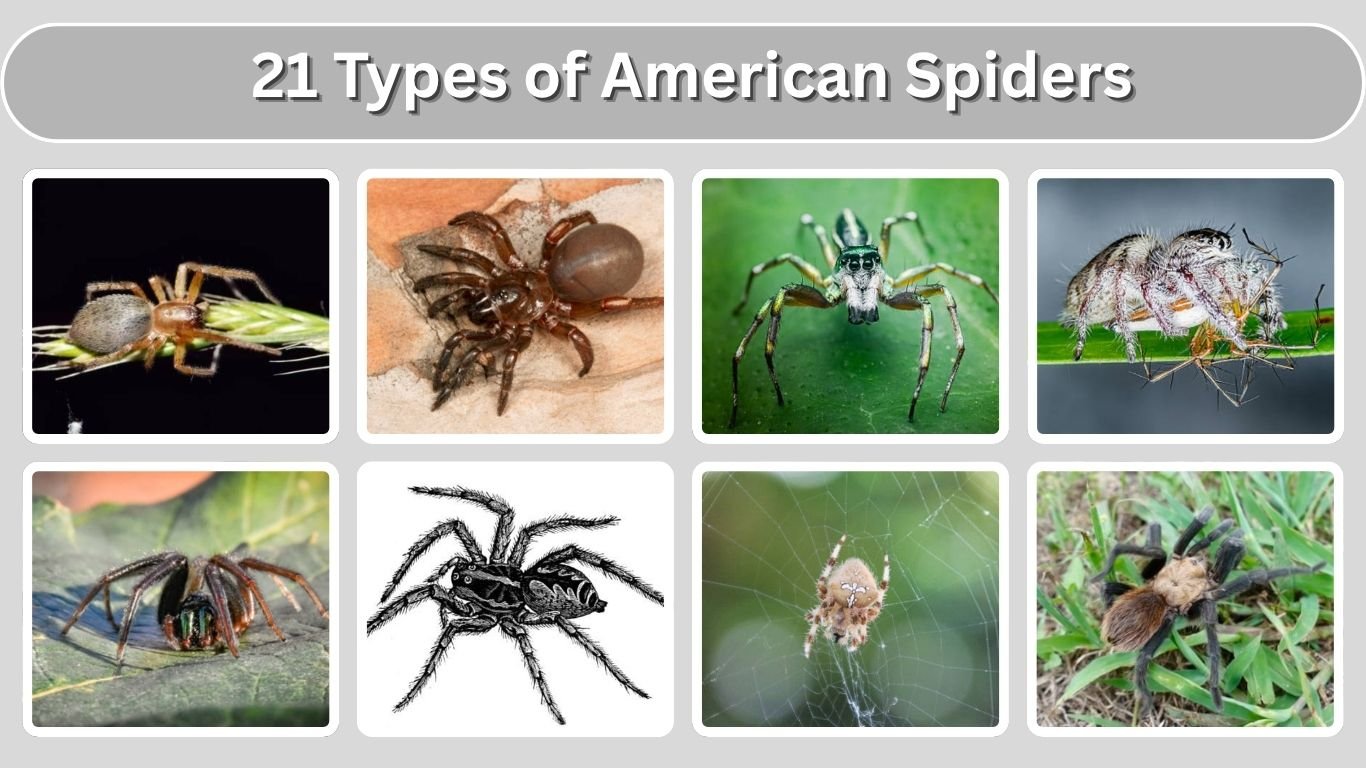
Spiders are an essential part of the ecosystem in the United States, helping to control insect populations and maintain natural balance. While some species may look intimidating, most are harmless and play a beneficial role in both outdoor and indoor environments. From web-building Orb-Weavers to active hunters like Wolf and Jumping Spiders, each type has unique characteristics. This guide highlights 21 common American spiders, making it easier to identify and understand their behavior, habitat, and importance.
1. Black Widow Spider

The Black Widow is one of the most recognizable spiders in the United States, known for its glossy black body and distinctive red hourglass marking. It belongs to the genus Latrodectus and is often associated with danger due to its potent venom. Despite its reputation, the Black Widow is not aggressive and usually bites only when it feels threatened or accidentally pressed against human skin. These spiders play an important ecological role by controlling insect populations. They are more commonly encountered in quiet, undisturbed environments rather than active living spaces. Understanding their appearance and habits can help reduce fear and promote safer coexistence with this misunderstood species.
Identification
- Shiny, jet-black body with a smooth, rounded abdomen
- Prominent red or orange hourglass-shaped marking on the underside
- Adult females measure about 1.5 inches including leg span
- Males are smaller, lighter in color, and less noticeable
- Long, thin legs adapted for web-building
- Web is irregular, tangled, and appears messy compared to other spiders
Habitat
Black Widow spiders are widely distributed across the United States, especially in warmer southern and western regions. They prefer dark, sheltered, and undisturbed locations where they can build their webs safely. Common habitats include woodpiles, basements, garages, crawl spaces, sheds, and under rocks or debris. Outdoors, they may also be found beneath outdoor furniture, fences, or logs. Their webs are typically constructed close to the ground in areas where insects are likely to pass. Because they favor quiet environments, encounters with humans often happen accidentally when people reach into hidden spaces.
Behavior
Black Widows are primarily nocturnal and remain hidden during the day. At night, they become active, maintaining their webs and capturing prey such as insects, beetles, and other small arthropods. They rely on vibrations in their web to detect trapped prey and quickly immobilize it with venom. These spiders are solitary and do not actively seek interaction with humans. The female is known for occasionally consuming the male after mating, although this behavior is not always observed. Overall, they are cautious creatures that prefer to retreat rather than confront threats.
Bite and Safety
The bite of a Black Widow spider contains neurotoxic venom that can affect the nervous system. Symptoms may include localized pain, muscle cramps, abdominal stiffness, sweating, nausea, and in some cases, difficulty breathing. While the bite can be serious, fatalities are extremely rare, especially with modern medical care. Children, elderly individuals, and those with weakened immune systems may experience stronger reactions. Immediate medical attention is recommended if a bite is suspected. To reduce risk, avoid placing hands in dark, undisturbed areas and wear gloves when handling firewood or debris.
2. Brown Recluse Spider
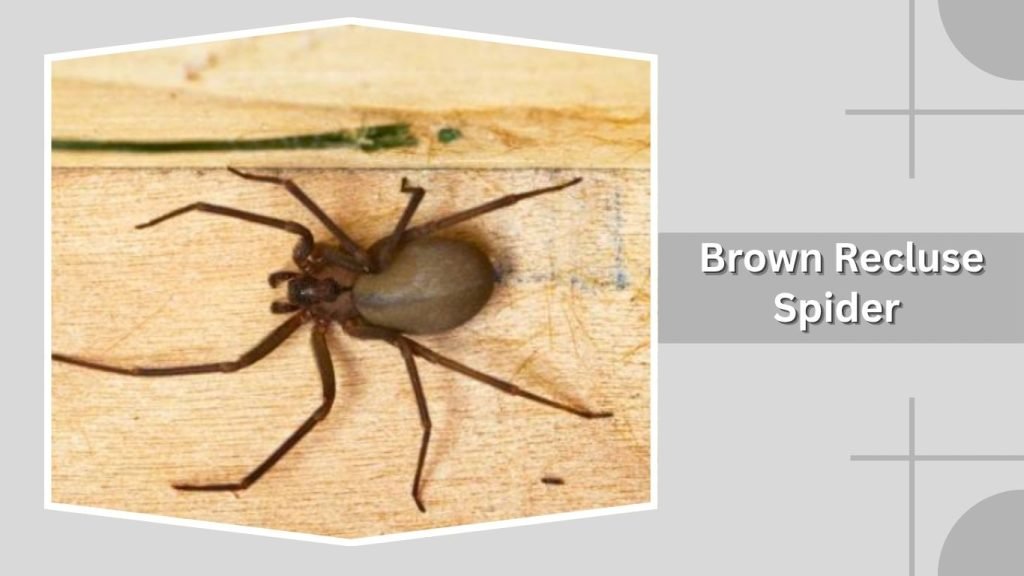
The Brown Recluse is another medically significant spider found in the United States, recognized for its subtle appearance and reclusive nature. Unlike the Black Widow, it does not have bright warning colors, making it harder to identify. It is named for both its brown coloration and its tendency to avoid human contact. Bites are uncommon but can be serious, which contributes to its notoriety. This spider is most commonly found in the central and southern U.S., especially in quiet indoor environments. Despite its reputation, the Brown Recluse is not aggressive and typically bites only when disturbed or trapped against the skin.
Identification
- Light to dark brown body with a smooth texture
- Distinct violin-shaped marking on the back (cephalothorax)
- Six eyes arranged in pairs (unlike most spiders with eight eyes)
- Body length about 6–20 mm (roughly 0.25–0.8 inches)
- Long, thin legs without noticeable spines
- Uniform color without patterns on the abdomen
Habitat
Brown Recluse spiders prefer warm, dry, and undisturbed environments. Indoors, they are commonly found in basements, closets, attics, and storage boxes. They often hide in cardboard, clothing, shoes, and behind furniture. Outdoors, they may live under rocks, logs, or debris. Their ability to adapt to indoor living makes them more likely to come into accidental contact with humans. They are especially common in older buildings with less frequent disturbance.
Behavior
As their name suggests, Brown Recluse spiders are shy and avoid light and movement. They are primarily nocturnal hunters and do not rely on webs to catch prey. Instead, they actively hunt small insects at night. During the day, they remain hidden in secluded spots. They are solitary creatures and rarely interact with other spiders. When threatened, they prefer to retreat rather than defend themselves.
Bite and Safety
A Brown Recluse bite can cause necrotic tissue damage in some cases, although many bites are mild or go unnoticed. Symptoms may include redness, blistering, and, in severe cases, skin ulceration. Systemic reactions like fever or nausea are rare but possible. Immediate cleaning of the bite area and medical evaluation are recommended if symptoms worsen. Preventive measures include shaking out clothing and shoes and reducing clutter in storage areas.
3. Wolf Spider
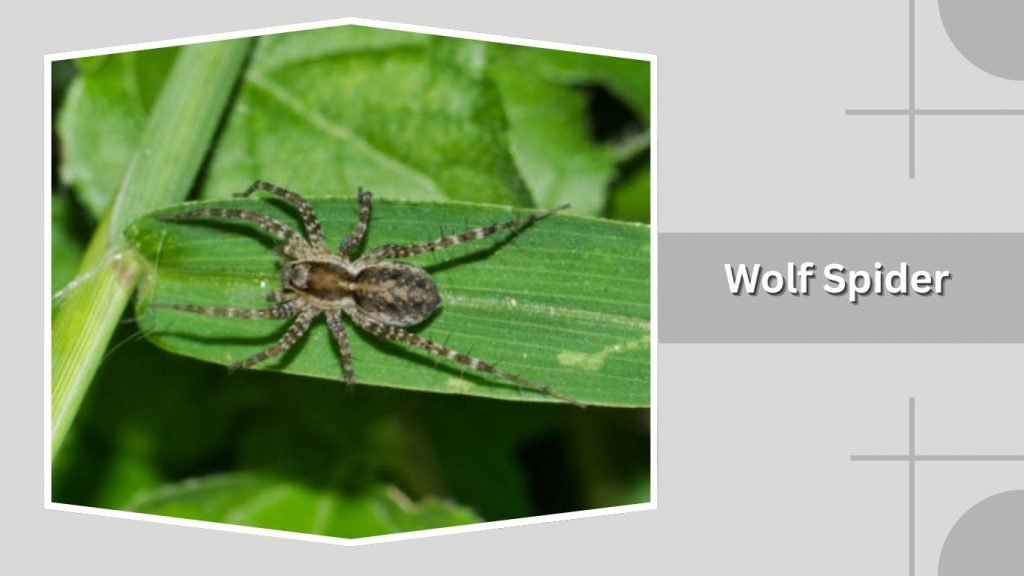
Wolf Spiders are large, fast-moving hunters commonly found throughout the United States. Unlike web-building spiders, they actively chase and capture their prey, which gives them their name. They are often mistaken for more dangerous species due to their size and hairy appearance, but they are generally harmless to humans. Wolf Spiders play a beneficial role in controlling insect populations. They are adaptable and can be found in a wide range of environments, from forests and grasslands to suburban areas. Their keen eyesight and strong hunting ability make them highly effective predators in their ecosystems.
Identification
- Medium to large size with a robust, hairy body
- Brown, gray, or black coloration with stripes or mottled patterns
- Eight eyes arranged in three rows (distinctive feature)
- Body length ranges from 1 to 3.5 cm
- Strong legs built for running rather than web-building
- Females often carry egg sacs attached to their spinnerets
Habitat
Wolf Spiders are highly adaptable and can be found in various habitats across the U.S. They prefer ground-level environments such as grasslands, forests, deserts, and even residential gardens. Indoors, they may wander into homes, especially in basements or near doorways. Outdoors, they live under rocks, logs, leaf litter, and in burrows. Some species dig shallow holes and line them with silk for shelter. Their wide distribution makes them one of the most commonly encountered spiders.
Behavior
Wolf Spiders are active hunters and do not rely on webs to catch prey. They use their speed and excellent vision to chase down insects, especially at night. These spiders are solitary and highly mobile. A unique behavior is that females carry their egg sacs with them and, after hatching, the spiderlings ride on the mother’s back for protection. They are generally non-aggressive and will flee when disturbed.
Bite and Safety
A Wolf Spider bite is rare and usually occurs only if the spider is handled or trapped. Their venom is not considered dangerous to humans. A bite may cause mild pain, redness, or swelling, similar to a bee sting. Basic first aid, such as cleaning the area and applying ice, is typically sufficient. They are beneficial spiders and should not be harmed unnecessarily.
4. Jumping Spider
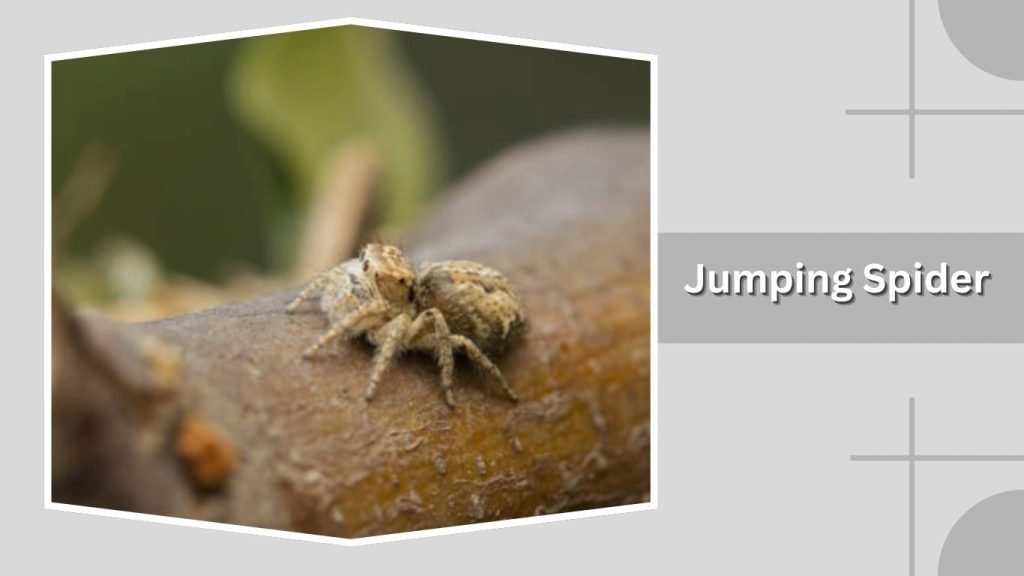
Jumping Spiders are small, active spiders known for their excellent vision and quick, agile movements. They belong to the family Salticidae and are considered one of the most intelligent groups of spiders. Unlike many other spiders, they rely on sight rather than webs to hunt their prey. These spiders are often noticed because of their curious behavior and tendency to “jump” when moving or hunting. They are harmless to humans and are commonly found in both indoor and outdoor environments across the United States.
Identification
- Small, compact body usually measuring 4–10 mm
- Short legs with a stout, fuzzy appearance
- Large front-facing eyes (very distinctive)
- Often black, brown, or gray with white or colorful markings
- Quick, jerky movements instead of smooth crawling
- Does not build large webs for trapping prey
Habitat
Jumping Spiders are highly adaptable and can be found in a wide variety of habitats. Outdoors, they are common on plants, walls, fences, and tree bark where they can easily spot prey. Indoors, they may appear near windows, ceilings, or well-lit areas. They prefer places with plenty of light since they depend heavily on their vision. These spiders do not rely on webs to catch food but may create small silk shelters for resting or molting.
Behavior
Jumping Spiders are diurnal, meaning they are active during the day. They use their excellent eyesight to locate and stalk prey before pouncing with precision. Before jumping, they attach a silk safety line to prevent falling. They are curious and may even turn to observe humans. These spiders are solitary and do not show aggressive behavior, making them one of the more approachable spider species.
Bite and Safety
Jumping Spiders rarely bite humans, and when they do, the effects are minimal. A bite may cause slight irritation, redness, or mild swelling, but it is not medically significant. They are beneficial predators that help control insect populations. There is no need for concern if one is found indoors, as they pose no real threat.
5. Orb-Weaver Spider
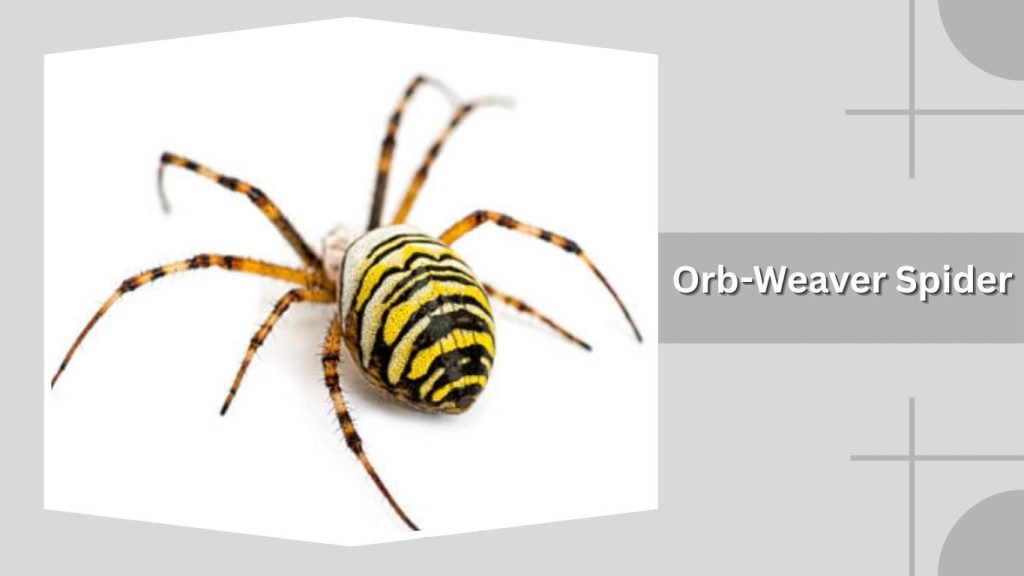
Orb-Weaver spiders are among the most visually striking spiders in the United States, best known for their beautifully structured, circular webs. They belong to the family Araneidae and are commonly seen in gardens, forests, and around homes. These spiders are generally harmless and play an important role in controlling flying insect populations. Their webs, often rebuilt daily, are masterpieces of natural engineering. Despite their sometimes large size and bright colors, Orb-Weavers are non-aggressive and rarely interact with humans unless disturbed.
Identification
- Rounded, often large abdomen with varied colors and patterns
- Colors may include orange, yellow, brown, or black
- Medium to large size depending on species
- Long legs, sometimes banded or hairy
- Builds classic circular “orb” webs
- Often hangs in the center of its web head-down
Habitat
Orb-Weaver spiders are commonly found in outdoor environments across the United States. They prefer areas where they can anchor their large webs, such as gardens, forests, fields, and around buildings. You may find their webs stretched between trees, bushes, fences, or even porch lights where insects gather. They are most active in late summer and early fall. During the day, some species hide nearby, while others remain on their webs.
Behavior
Orb-Weavers are primarily nocturnal and spend much of the night constructing or repairing their webs. They wait patiently at the center or edge of the web for prey to become trapped. Once an insect is caught, they quickly immobilize it with silk and venom. These spiders are solitary and rebuild their webs frequently, often consuming the old silk to recycle nutrients.
Bite and Safety
Orb-Weaver spiders are not dangerous to humans. Bites are extremely rare and usually occur only if the spider is handled. If a bite does happen, it typically results in mild irritation similar to a small insect bite. They are beneficial spiders and should be left undisturbed, especially since they help reduce pest populations naturally.
6. Crab Spider
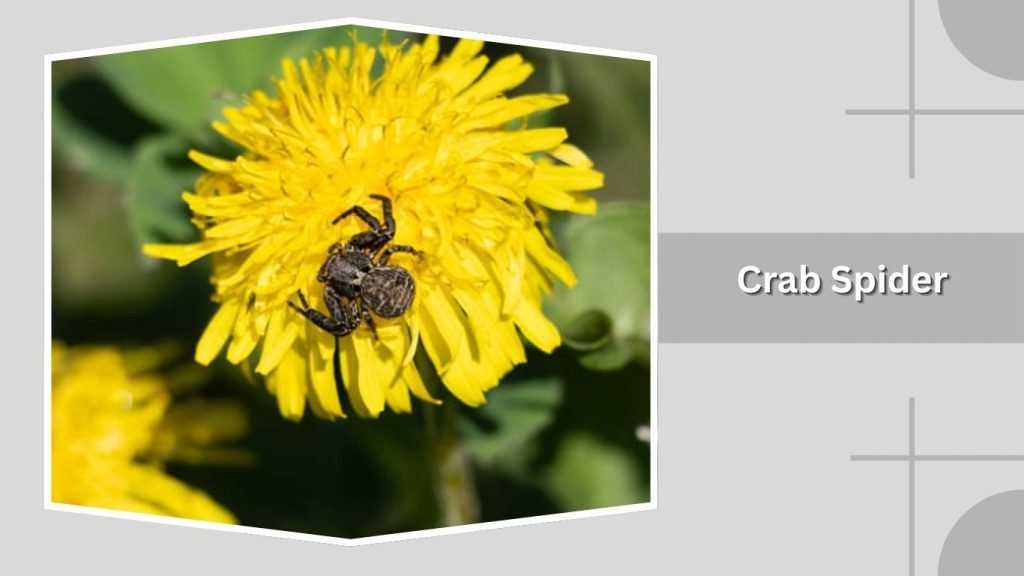
Crab Spiders are unique-looking spiders known for their sideways movement and crab-like stance. They belong to the family Thomisidae and are excellent ambush predators. Rather than building webs to catch prey, they rely on camouflage and patience. Many species can change color to blend into flowers, making them difficult to spot. These spiders are commonly found across the United States and are harmless to humans. Their unusual appearance and hunting style make them one of the more fascinating spider types.
Identification
- Small to medium size with a flattened body
- Front two pairs of legs are longer and held outward like a crab
- Colors vary: white, yellow, green, or pink depending on environment
- Ability to change color (in some species) for camouflage
- Short, wide body shape
- Moves sideways or in a crab-like motion
Habitat
Crab Spiders are most commonly found on flowers, plants, and shrubs where pollinating insects frequently visit. They are widespread across gardens, meadows, forests, and agricultural fields in the United States. Instead of building webs, they remain still on petals or leaves, blending into their surroundings. Their ability to match the color of flowers makes them nearly invisible to both prey and predators.
Behavior
These spiders are ambush hunters, meaning they wait patiently for prey rather than actively chasing it. When an insect such as a bee or butterfly lands nearby, the Crab Spider quickly grabs it with its strong front legs. They rely heavily on camouflage and remain motionless for long periods. They are solitary and do not show aggressive behavior toward humans.
Bite and Safety
Crab Spider bites are extremely rare and not medically significant. Even if a bite occurs, it typically causes only mild irritation, redness, or slight swelling. They pose no real danger to humans and are beneficial in controlling insect populations, especially pollinators and pests.
7. Hobo Spider
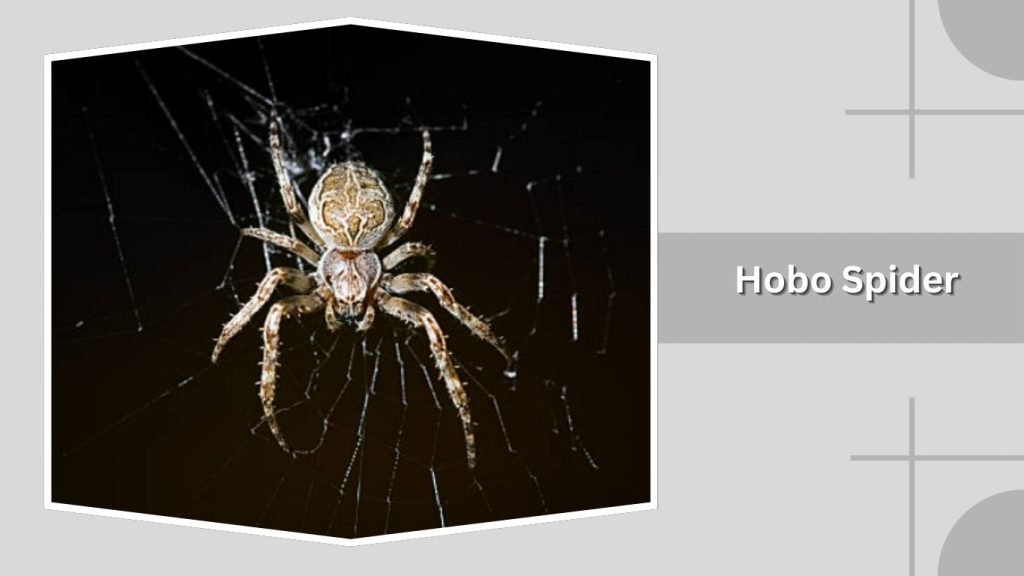
The Hobo Spider is a funnel-weaving spider found primarily in the northwestern United States. It has gained a controversial reputation over the years, but current research suggests it is less dangerous than once believed. These spiders are fast-moving and prefer to stay hidden, avoiding human contact whenever possible. They are commonly found at ground level and are known for building funnel-shaped webs. Despite past fears, the Hobo Spider is not considered highly harmful and plays a role in controlling insect populations.
Identification
- Medium-sized spider with a brown body
- Abdomen has subtle chevron (V-shaped) patterns
- Long legs with fine hairs, but no distinct banding
- Body length about 7–14 mm
- Lacks bright or distinctive markings
- Builds funnel-shaped webs in corners or crevices
Habitat
Hobo Spiders are most commonly found in the Pacific Northwest region of the United States. They prefer ground-level habitats such as basements, crawl spaces, window wells, and foundation cracks. Outdoors, they may live under rocks, woodpiles, or debris. Their funnel webs are often built in corners, cracks, or sheltered areas where insects frequently pass by. Indoors, they may wander, especially during mating season.
Behavior
These spiders are quick runners and rely on their speed rather than webs to capture prey directly. Although they build funnel webs, they use them more as a retreat than a trap. When an insect touches the web, the spider rushes out to capture it. Hobo Spiders are not aggressive and will typically flee when disturbed. Males are more likely to be seen wandering in search of mates.
Bite and Safety
Hobo Spider bites are rare, and modern studies suggest their venom is not as dangerous as previously thought. Most bites result in mild symptoms such as redness or slight pain. Severe reactions are uncommon. As with any spider, it is best to avoid direct contact. Keeping areas clean and sealing cracks can help reduce encounters.
8. Yellow Sac Spider
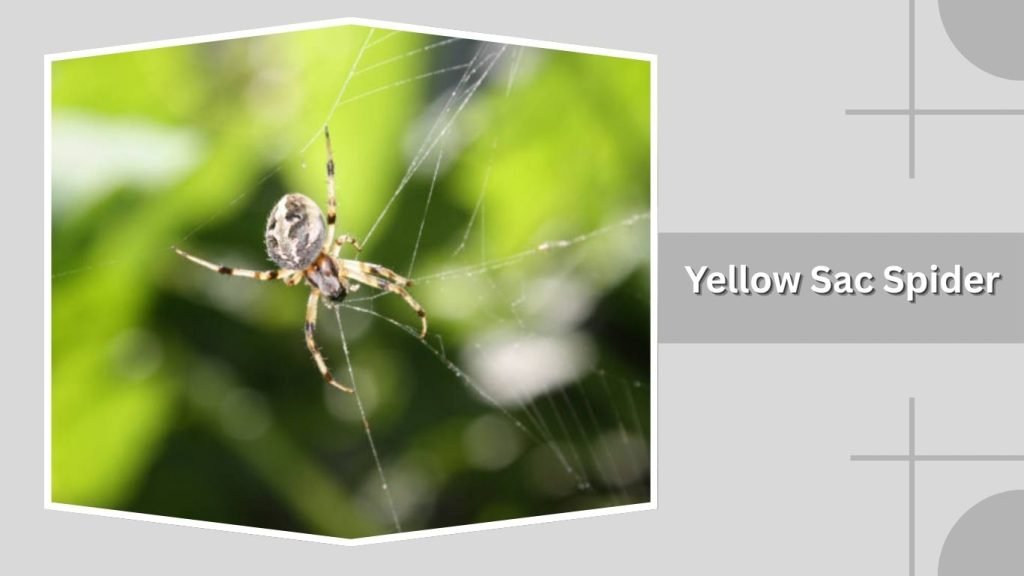
The Yellow Sac Spider is a small but commonly encountered spider in the United States, especially indoors. It belongs to the genus Cheiracanthium and is known for its pale coloration and wandering behavior at night. Unlike many spiders, it does not rely on webs to catch prey but actively hunts insects. It is often found in homes, which leads to more frequent human encounters. Although its bite can cause mild discomfort, it is not considered dangerous. These spiders are beneficial as they help control household insect populations.
Identification
- Small, pale yellow, cream, or light green body
- Slightly translucent appearance
- Long, slender legs with darker tips
- Body length about 5–10 mm
- No distinct markings on the abdomen
- Builds small silk “sacs” for resting
Habitat
Yellow Sac Spiders are found throughout the United States in both indoor and outdoor environments. Indoors, they are commonly seen on walls, ceilings, corners, and around windows. Outdoors, they live on plants, leaves, and under bark. They create small silk sacs in hidden areas where they rest during the day. Their preference for indoor spaces makes them one of the more frequently noticed spiders in homes.
Behavior
These spiders are nocturnal hunters and do not build webs to trap prey. Instead, they roam at night in search of insects such as flies and small bugs. During the day, they remain hidden inside their silk sacs. They are solitary and do not exhibit aggressive behavior. Their wandering nature often brings them into contact with humans.
Bite and Safety
Yellow Sac Spider bites can occur more often than other species because of their indoor presence. The bite may cause mild pain, redness, and sometimes a small blister. Symptoms are usually minor and resolve without serious complications. Basic first aid is typically sufficient. They are not considered medically dangerous but should still be handled with care.
9. Fishing Spider
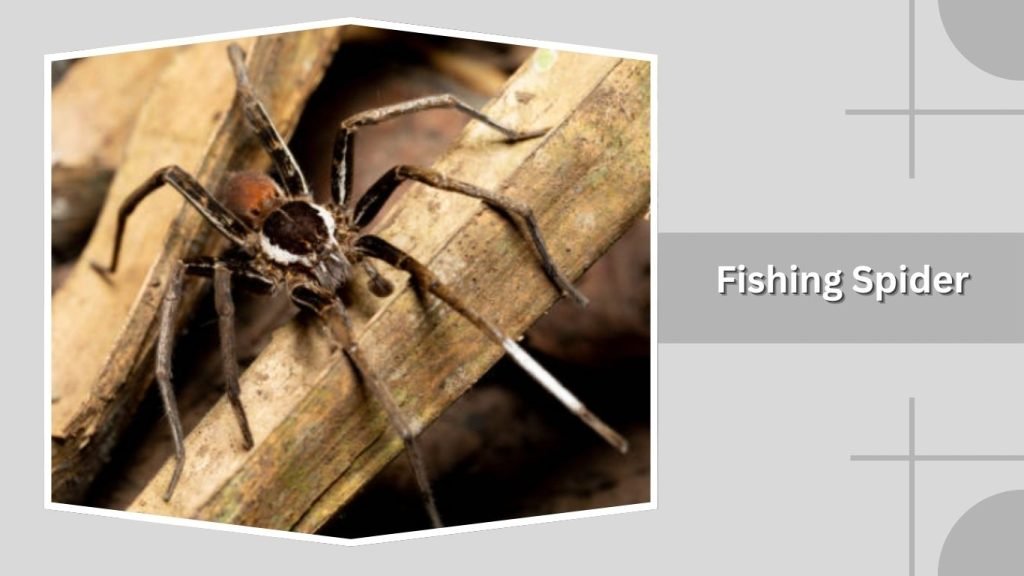
Fishing Spiders are large, semi-aquatic spiders known for their ability to walk on water and hunt near aquatic environments. They belong to the genus Dolomedes and are often mistaken for Wolf Spiders due to their size and appearance. These spiders are impressive hunters, capable of catching insects, small fish, and even tadpoles. Despite their intimidating size, they are not dangerous to humans. Fishing Spiders are commonly found near lakes, ponds, streams, and wetlands across the United States.
Identification
- Large body with a leg span up to 3 inches
- Brown, gray, or tan coloration with light stripes or markings
- Long legs adapted for walking on water surfaces
- Body often appears flattened
- Covered with fine hairs that help repel water
- Eyes arranged similarly to Wolf Spiders
Habitat
Fishing Spiders are typically found near freshwater sources such as ponds, lakes, rivers, and marshes. They prefer areas with vegetation, rocks, or wooden structures close to water. These spiders may also be seen on docks, tree trunks, or shoreline debris. Occasionally, they wander indoors, especially in homes near water bodies, but they primarily remain outdoors in moist environments.
Behavior
Fishing Spiders are active hunters and do not rely on webs to catch prey. They use vibrations on the water’s surface to detect movement and quickly capture prey. They can run across water and even dive below the surface to escape predators or hunt. These spiders are mostly nocturnal but may be active during the day. They are solitary and avoid human interaction.
Bite and Safety
Fishing Spider bites are rare and not medically significant. If a bite occurs, it may cause mild pain, redness, or swelling similar to a bee sting. They are not aggressive and will usually flee when approached. These spiders are beneficial predators and pose no real threat to humans.
10. Cellar Spider
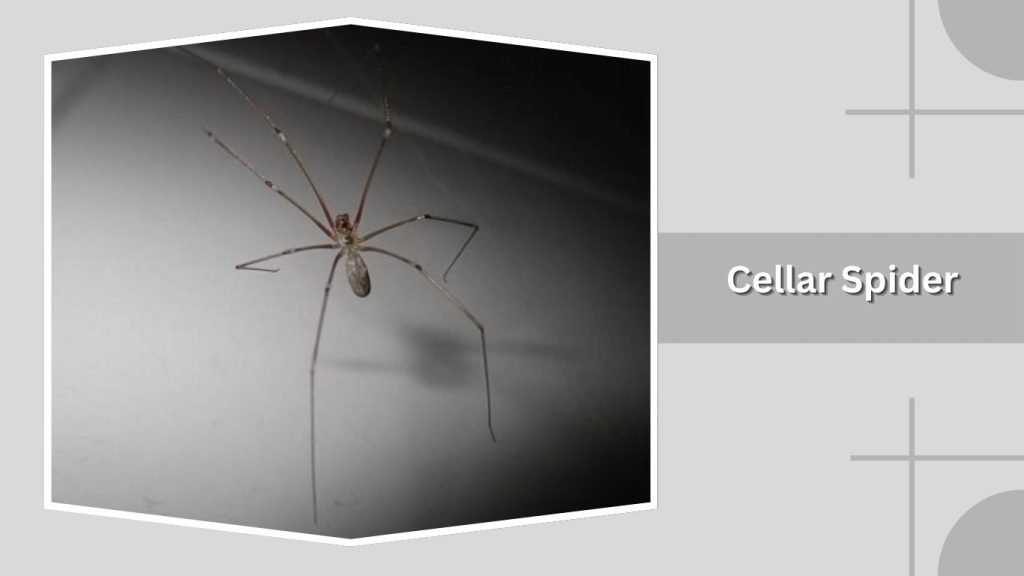
Cellar Spiders, often called “Daddy Longlegs” (though not to be confused with harvestmen), are common indoor spiders known for their long, thin legs and delicate appearance. They belong to the family Pholcidae and are frequently found in homes across the United States. These spiders are harmless and actually beneficial, as they help control other insects and even other spiders. Their loose, irregular webs are often seen in corners of ceilings or basements. Despite myths, they pose no danger to humans.
Identification
- Very long, thin legs compared to a small body
- Pale gray, light brown, or translucent coloration
- Small, oval-shaped body
- Legs may appear fragile and easily detached
- Builds loose, messy webs in corners
- Often hangs upside down in its web
Habitat
Cellar Spiders thrive in indoor environments, especially in dark, damp areas. Common locations include basements, garages, crawl spaces, and ceiling corners. They prefer undisturbed spaces where their webs can remain intact. Outdoors, they may be found under rocks, bridges, or in caves, but they are far more commonly seen inside homes. Their ability to adapt to indoor living makes them widespread.
Behavior
These spiders are known for their unique defensive behavior—when disturbed, they vibrate rapidly in their webs, making them appear blurry and harder for predators to target. They are passive hunters, waiting for insects to become trapped in their webs. Cellar Spiders may also invade the webs of other spiders to capture prey. They are non-aggressive and tend to remain in one place for long periods.
Bite and Safety
Cellar Spiders are harmless to humans. Their fangs are too small to effectively penetrate human skin, and even if they could, their venom is not dangerous. Bites are extremely rare and insignificant. They are beneficial spiders that help reduce indoor pest populations and should generally be left undisturbed.
11. Garden Spider
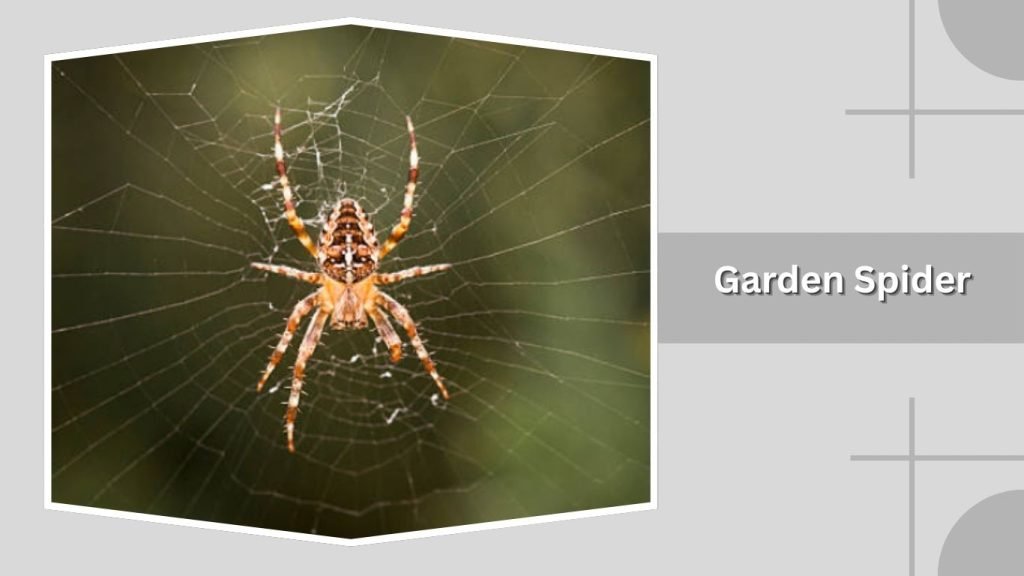
Garden Spiders are large, colorful Orb-Weavers commonly found in yards and gardens across the United States. They are especially known for their striking appearance and the zigzag pattern often seen in the center of their webs. These spiders are harmless to humans and play an important role in controlling insect populations. Their presence is often considered beneficial for gardens, as they help reduce pests naturally. Despite their size, they are non-aggressive and prefer to remain undisturbed in their webs.
Identification
- Large size with a noticeable rounded abdomen
- Bright yellow, black, and sometimes white markings
- Long, banded legs
- Often displays a zigzag pattern (stabilimentum) in the web
- Females are significantly larger than males
- Builds large, circular orb webs
Habitat
Garden Spiders are commonly found in outdoor environments such as gardens, fields, forests, and backyards. They prefer areas with plenty of vegetation where they can anchor their large webs between plants, shrubs, or structures. Their webs are often seen in sunny locations where flying insects are abundant. They are most active during late summer and early fall.
Behavior
These spiders are web-builders and typically remain at the center of their webs, waiting for prey. When an insect becomes trapped, they quickly immobilize it with silk and venom. Garden Spiders are mostly diurnal, meaning they are active during the day. They rebuild or repair their webs regularly and are solitary in nature. They rarely leave their web unless disturbed.
Bite and Safety
Garden Spider bites are extremely rare and not dangerous to humans. If a bite occurs, it may cause mild irritation similar to a bee sting. They are non-aggressive and will usually retreat rather than bite. These spiders are highly beneficial for controlling garden pests and should be left undisturbed whenever possible.
12. Grass Spider
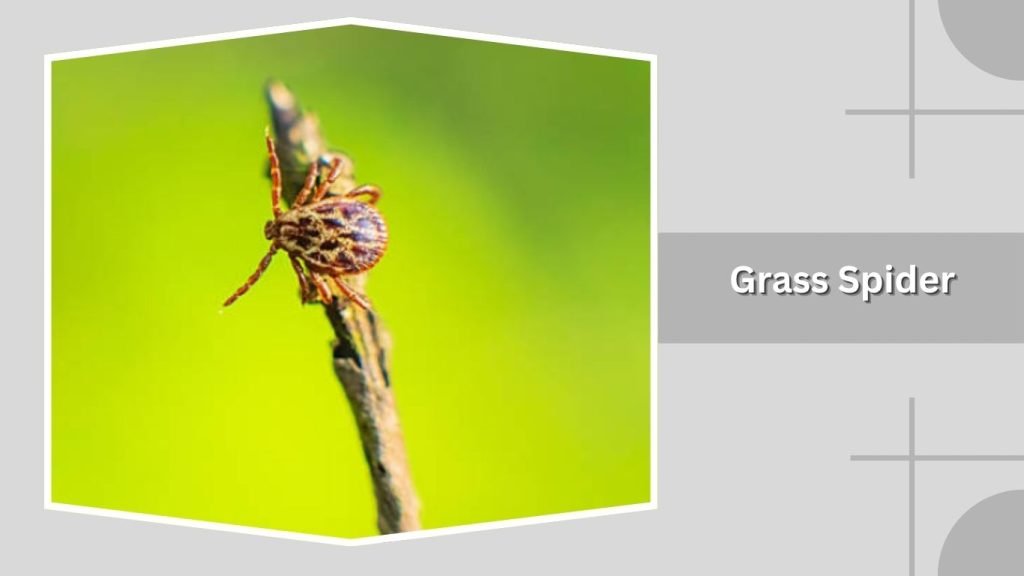
Grass Spiders are fast-moving funnel weavers commonly found in lawns and grassy areas across the United States. They are often mistaken for Wolf Spiders due to their similar appearance, but they are known for building distinctive funnel-shaped webs. These spiders are harmless to humans and play a useful role in controlling insect populations. You’ll often notice their webs early in the morning when dew highlights their structure across grass and shrubs.
Identification
- Medium-sized spider with a slender body
- Brown or gray coloration with darker stripes on the cephalothorax
- Long legs with visible spines
- Abdomen shows subtle patterns or chevrons
- Two long spinnerets visible at the rear (key feature)
- Builds flat sheet webs with a funnel retreat
Habitat
Grass Spiders are commonly found in outdoor environments such as lawns, fields, gardens, and along sidewalks. They prefer areas with tall grass or low vegetation where they can anchor their funnel-shaped webs. These webs are usually built close to the ground and extend into a narrow retreat where the spider hides. Occasionally, they may wander indoors, especially during cooler weather, but they primarily remain outside.
Behavior
Grass Spiders are not active hunters; instead, they rely on their webs to catch prey. When an insect lands on the sheet web, vibrations alert the spider, which quickly rushes out from its funnel to capture it. They are extremely fast and will retreat instantly if disturbed. These spiders are solitary and spend most of their time near their web.
Bite and Safety
Grass Spider bites are very rare and not medically significant. If a bite occurs, it may cause mild redness or irritation but nothing serious. They are non-aggressive and prefer to escape rather than bite. These spiders are beneficial and help reduce insect populations in outdoor spaces.
13. Funnel Weaver Spider
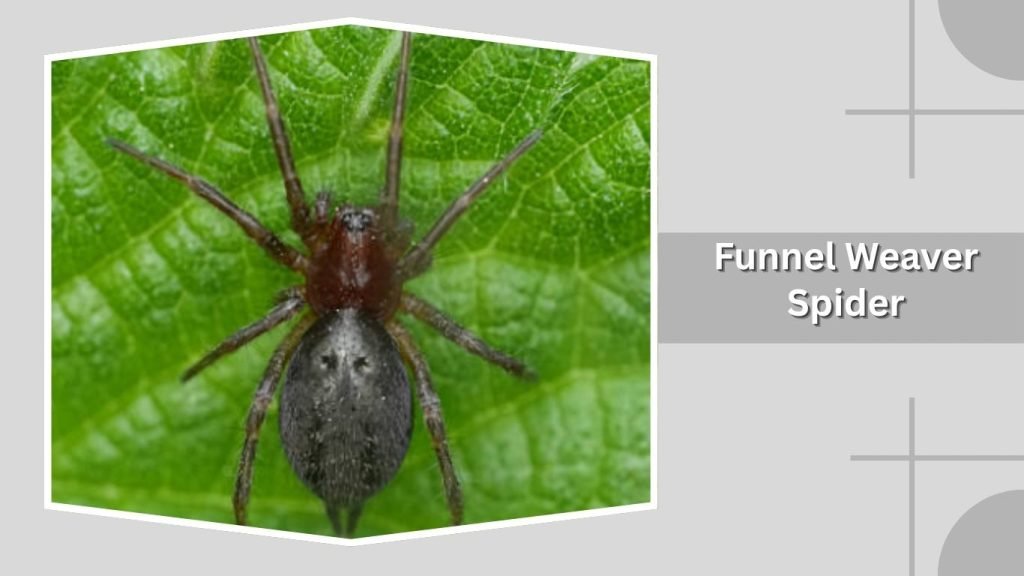
Funnel Weaver Spiders are a group of spiders known for their distinctive funnel-shaped webs and quick movements. They belong to the family Agelenidae and are commonly found across the United States. These spiders are often confused with more dangerous species, but most funnel weavers are harmless. Their webs are easily recognizable and are often seen in grass, shrubs, or corners of structures. They play an important role in controlling insect populations and are generally not aggressive toward humans.
Identification
- Medium-sized spider with a slender body
- Brown or gray coloration with darker markings
- Long legs designed for fast movement
- Abdomen may show subtle patterns
- Two noticeable spinnerets extending from the rear
- Builds flat sheet webs leading into a funnel-shaped retreat
Habitat
Funnel Weaver Spiders are commonly found in gardens, lawns, bushes, and around homes. They prefer areas where they can anchor their webs, such as tall grass, cracks in walls, or corners of windows and foundations. Their webs are usually built close to the ground or in sheltered areas. They are widespread across the United States and adapt well to both natural and urban environments.
Behavior
These spiders rely on their webs to catch prey rather than actively hunting. When an insect lands on the web, vibrations signal the spider, which quickly rushes out from the funnel to capture it. They are extremely fast and retreat instantly if disturbed. Funnel Weavers are solitary and spend most of their time inside or near their funnel retreat.
Bite and Safety
Funnel Weaver Spider bites are rare and generally harmless. While some species in other parts of the world are dangerous, the common U.S. funnel weavers are not medically significant. A bite may cause mild irritation or redness. They are non-aggressive and beneficial for controlling insects, making them helpful to have around.
14. Bold Jumping Spider
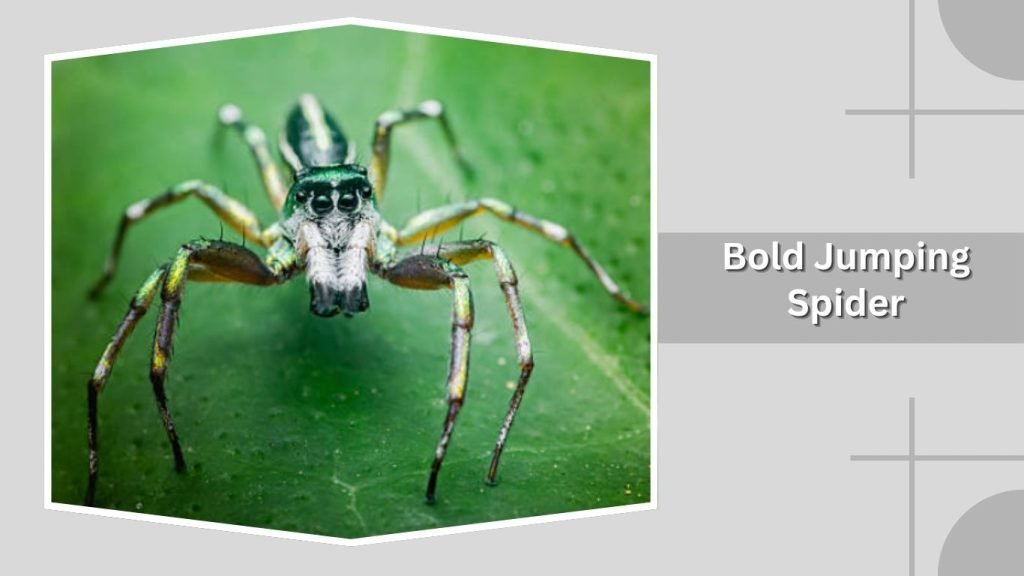
The Bold Jumping Spider, also known as Phidippus audax, is one of the most recognizable jumping spiders in the United States. It is admired for its curious behavior, excellent vision, and striking appearance. Unlike many spiders, it actively hunts during the day and often appears alert and interactive. This spider is harmless to humans and is commonly found in gardens, homes, and outdoor structures. Its bold personality and distinctive markings make it a favorite among spider enthusiasts.
Identification
- Compact, sturdy body covered in fine hairs
- Black coloration with white spots or markings on the abdomen
- Metallic green or blue chelicerae (mouthparts)
- Large front-facing eyes giving a “cute” appearance
- Body length around 8–15 mm
- Strong legs adapted for jumping
Habitat
Bold Jumping Spiders are widely distributed across the United States and can be found in a variety of environments. They are commonly seen on walls, fences, plants, and windowsills. Indoors, they may appear near light sources where insects gather. Outdoors, they prefer sunny areas where they can easily spot prey. They do not build webs for trapping food but may create small silk retreats for resting.
Behavior
These spiders are active during the day and rely heavily on their excellent eyesight to hunt. They stalk their prey carefully before making a precise jump to capture it. Before jumping, they attach a silk safety line for protection. Bold Jumping Spiders are curious and may turn to observe movement, including humans. They are solitary and non-aggressive.
Bite and Safety
Bites from Bold Jumping Spiders are extremely rare and not dangerous. If a bite occurs, it may cause mild irritation similar to a small insect bite. They are beneficial predators that help control insect populations and pose no threat to humans.
15. Trapdoor Spider
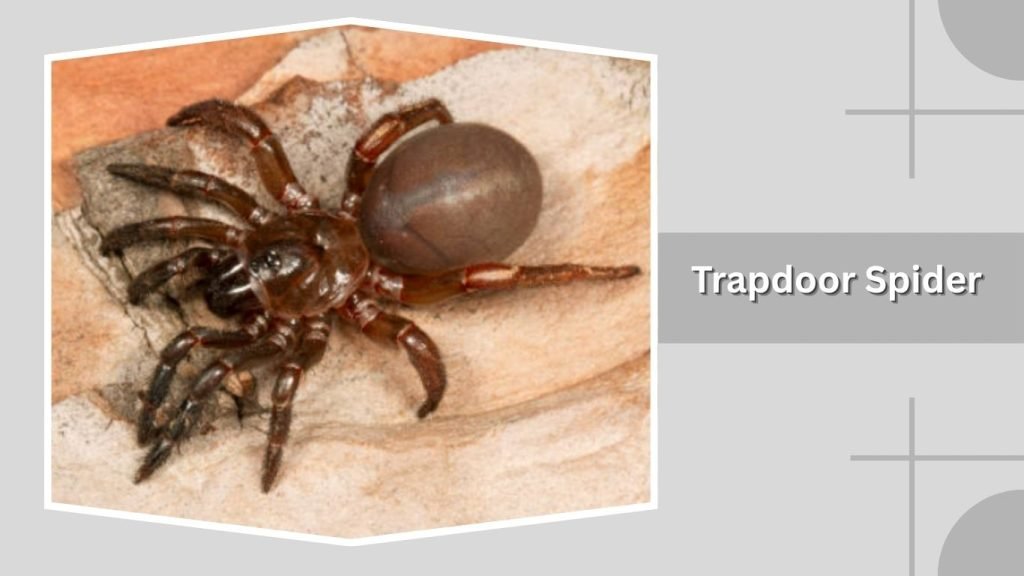
Trapdoor Spiders are fascinating ground-dwelling spiders known for building hidden burrows with a hinged “trapdoor.” They belong to several families, including Ctenizidae, and are mostly found in warm regions of the United States. These spiders are rarely seen because they spend most of their lives underground. Their secretive lifestyle and unique hunting strategy make them one of the most interesting spider types. Despite their intimidating appearance, they are not dangerous to humans.
Identification
- Medium to large, heavy-bodied spider
- Dark brown or black coloration
- Strong, thick legs adapted for digging
- Large fangs pointing downward
- Body appears robust and compact
- Often associated with a silk-lined burrow with a hidden door
Habitat
Trapdoor Spiders live in underground burrows, usually in dry soil, grassy areas, or forest floors. They are commonly found in the southern and southwestern United States. Their burrows are lined with silk and covered with a camouflaged trapdoor made of soil and plant material. This door blends perfectly with the surroundings, making it difficult to detect. They prefer undisturbed environments where they can remain hidden.
Behavior
These spiders are ambush predators and rarely leave their burrows. They wait just inside the trapdoor, sensing vibrations from passing insects. When prey comes close, they quickly open the door, grab the prey, and pull it inside. They are solitary and spend most of their lives in the same burrow. Their movements are quick but limited to short distances.
Bite and Safety
Trapdoor Spider bites are very rare and not considered dangerous to humans. While they have strong fangs, they typically bite only if handled or threatened. A bite may cause mild pain or swelling but no serious medical issues. They are not aggressive and prefer to stay hidden in their burrows.
16. Tarantula (American Species)
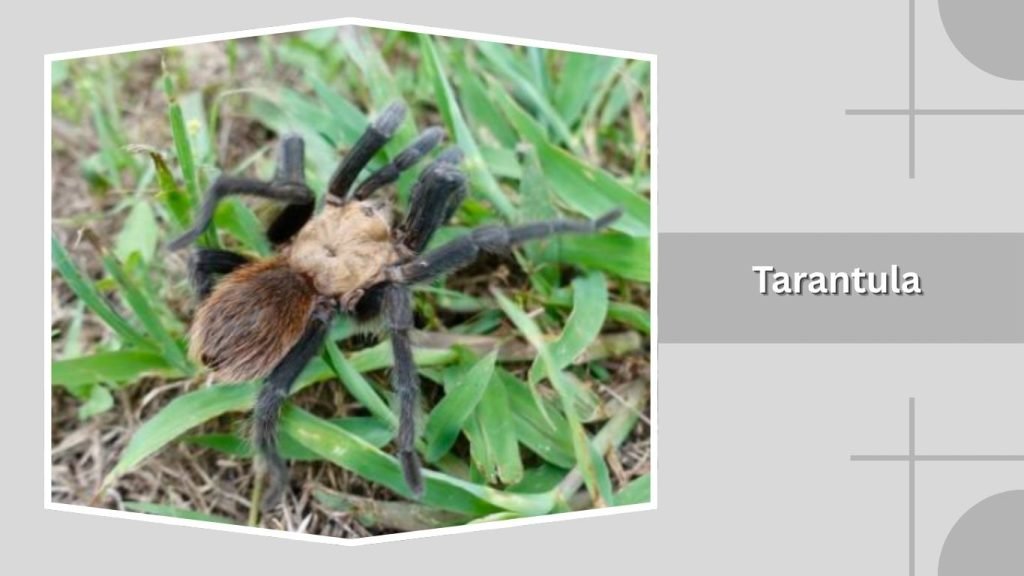
American Tarantulas are large, hairy spiders found בעיקר in the southern and southwestern United States. They belong to the family Theraphosidae and are among the largest spiders in North America. Despite their intimidating size and appearance, they are generally docile and not dangerous to humans. These spiders are slow-moving and spend much of their time in burrows. They are often featured in popular culture but are actually quite calm and rarely aggressive.
Identification
- Large, robust body covered in dense hairs
- Colors range from brown to black, sometimes with lighter tones
- Leg span can reach up to 4–5 inches
- Thick legs and heavy body structure
- Prominent fangs pointing downward
- Slow, deliberate movement
Habitat
American Tarantulas are commonly found in dry, warm regions such as deserts, grasslands, and scrublands, particularly in states like Texas, Arizona, and New Mexico. They live in burrows in the ground, which they may dig themselves or take over from other animals. These burrows provide protection from predators and extreme temperatures. They are rarely found indoors but may occasionally wander.
Behavior
Tarantulas are mostly nocturnal and spend the daytime inside their burrows. At night, they emerge to hunt insects, small reptiles, and other prey. They do not use webs to catch food but rely on ambush and strength. When threatened, some species may flick tiny irritating hairs from their abdomen as a دفاع mechanism. They are solitary and generally calm unless provoked.
Bite and Safety
A Tarantula bite is rare and usually not dangerous to humans. The venom is mild and may cause symptoms similar to a bee sting, such as pain and swelling. The urticating hairs can cause skin irritation if touched. These spiders are not aggressive and will typically retreat when disturbed.
17. Spiny Orb-Weaver
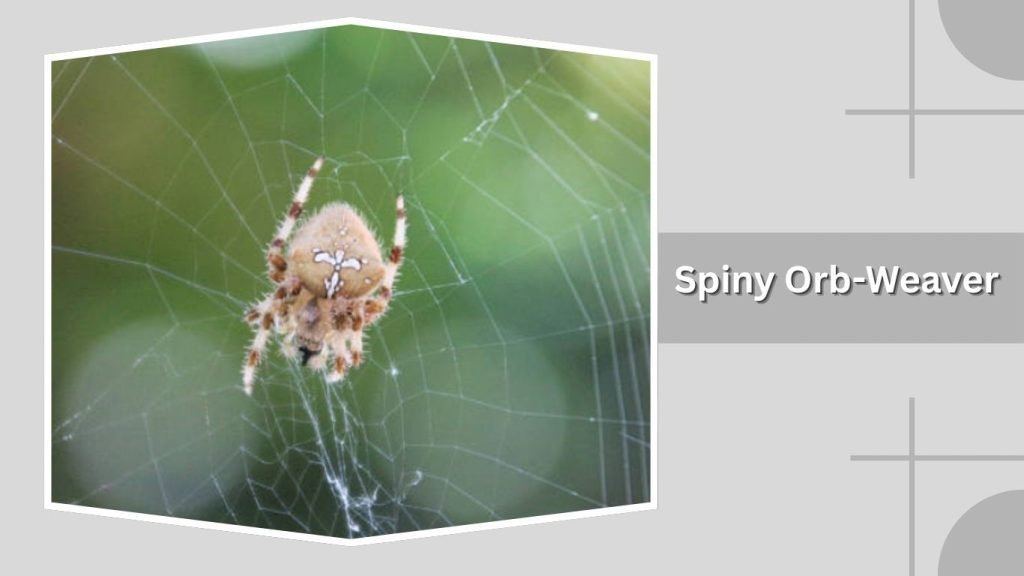
The Spiny Orb-Weaver is a small but striking spider known for its bright colors and spiky, crab-like abdomen. It belongs to the genus Gasteracantha and is commonly found in the southeastern United States. These spiders are harmless and are often noticed because of their unusual shape and vibrant patterns. Despite their intimidating appearance, they are beneficial garden spiders that help control flying insect populations.
Identification
- Small, wide, and flattened body
- Bright colors such as white, yellow, orange, or red
- Distinct spines (spikes) protruding from the abdomen
- Hard, shell-like appearance
- Short legs compared to body width
- Builds circular orb webs
Habitat
Spiny Orb-Weavers are typically found in warm regions, especially in the southeastern United States. They prefer outdoor environments such as gardens, forests, and shrubs. Their webs are usually built between branches, bushes, or small trees at eye level. These spiders thrive in areas with plenty of flying insects and are commonly seen in late summer and fall.
Behavior
These spiders are web-builders and remain in the center of their orb-shaped webs during the day. They wait for flying insects to become trapped before quickly immobilizing them. Unlike many spiders, they are often active during daylight hours. They are solitary and rarely leave their webs unless disturbed.
Bite and Safety
Spiny Orb-Weaver spiders are not dangerous to humans. Bites are extremely rare and usually occur only if the spider is handled. If a bite does happen, it may cause mild irritation but no serious symptoms. They are beneficial spiders and should be left undisturbed in gardens and natural areas.
18. Lynx Spider
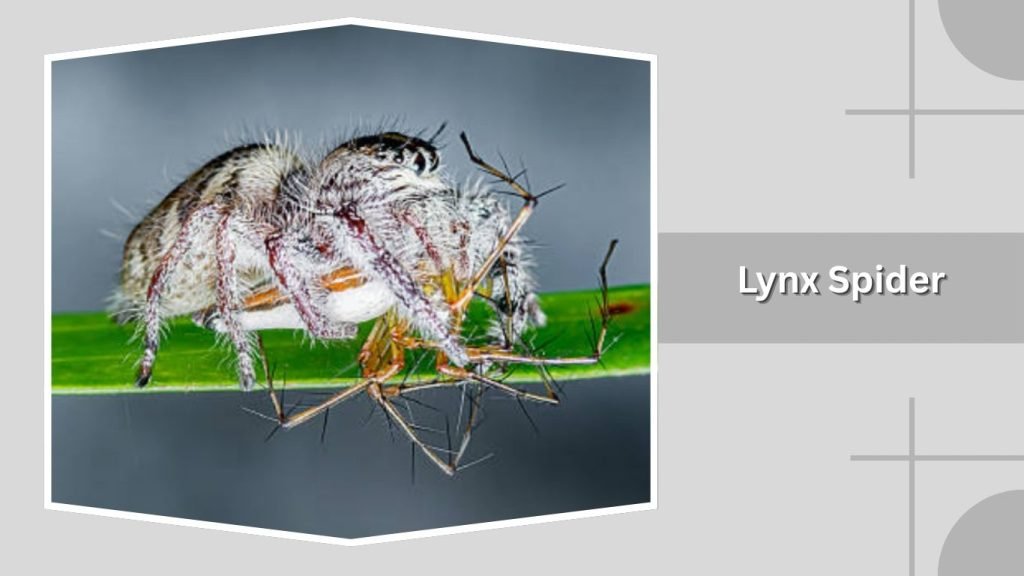
Lynx Spiders are agile, fast-moving hunters known for their sharp eyesight and spiny legs. They belong to the family Oxyopidae and are commonly found in vegetation across the United States. Unlike web-building spiders, they actively hunt their prey during the day. Their alert posture and quick reflexes make them efficient predators. These spiders are harmless to humans and are beneficial in controlling pest insects in gardens and fields.
Identification
- Slender body with long, spiny legs
- Green, brown, or tan coloration depending on species
- Large, well-developed eyes for excellent vision
- Body length around 5–15 mm
- Legs covered with noticeable black spines
- Often seen in an alert, raised stance
Habitat
Lynx Spiders are commonly found in grassy areas, shrubs, crops, and gardens throughout the United States. They prefer environments with plenty of vegetation where they can hunt insects. Unlike many spiders, they do not build webs to capture prey but may use silk for egg sacs. They are often seen on leaves, stems, or flowers, especially in sunny areas.
Behavior
These spiders are active daytime hunters and rely on speed and vision to catch prey. They stalk or ambush insects such as flies, moths, and small bugs. Lynx Spiders are known for their quick movements and ability to leap short distances. They are solitary and do not show aggressive behavior toward humans.
Bite and Safety
Lynx Spider bites are rare and not medically significant. If a bite occurs, it may cause mild pain, redness, or slight swelling. They are non-aggressive and will usually flee if disturbed. These spiders are beneficial predators and pose no threat to humans.
19. Parson Spider
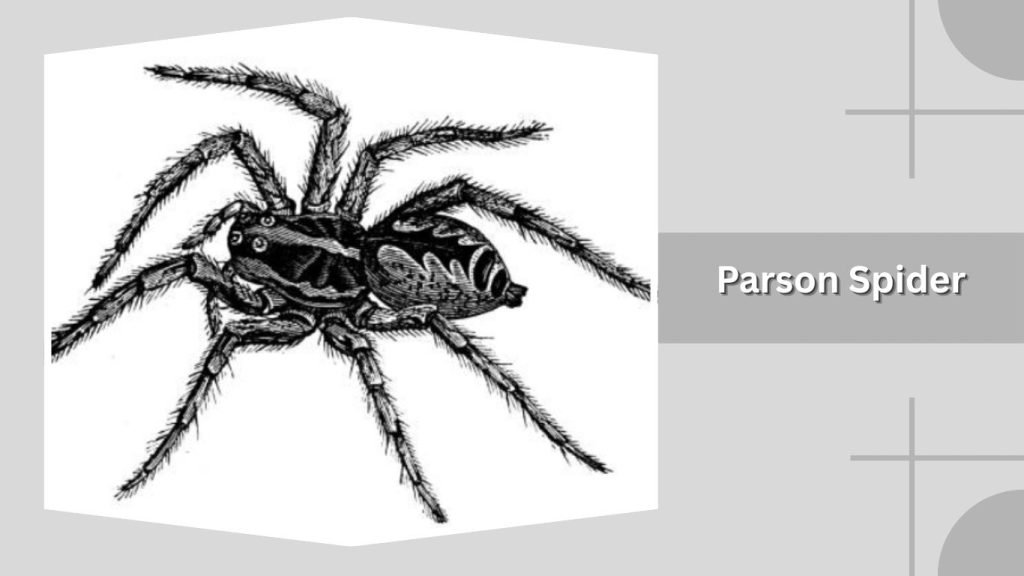
The Parson Spider is a fast-moving ground spider commonly found across the United States. It gets its name from the white marking on its back, which resembles an old-style clerical cravat. These spiders are often seen indoors, especially at night, as they wander in search of prey. Despite their somewhat intimidating speed, they are harmless to humans and play a useful role in controlling insect populations.
Identification
- Dark brown or black body with a distinctive white stripe or marking
- Slender, elongated shape
- Body length around 6–13 mm
- Legs are long and built for running
- Slightly hairy appearance
- Does not build capture webs
Habitat
Parson Spiders are commonly found both indoors and outdoors. Indoors, they may appear in basements, walls, and along floors, especially at night. Outdoors, they live under rocks, logs, and leaf litter. They prefer ground-level habitats and are widely distributed across the United States. Their tendency to wander makes them more noticeable inside homes.
Behavior
These spiders are nocturnal hunters and do not rely on webs to catch prey. Instead, they actively roam at night searching for insects. During the day, they hide in cracks, crevices, or under objects. Parson Spiders are quick and tend to run rapidly when disturbed. They are solitary and avoid human interaction.
Bite and Safety
Parson Spider bites are rare but may cause mild irritation, redness, or slight swelling. In some cases, minor skin reactions can occur, but they are not medically dangerous. These spiders are non-aggressive and will usually flee rather than bite. They are beneficial and help reduce household pests.
20. Pirate Spider
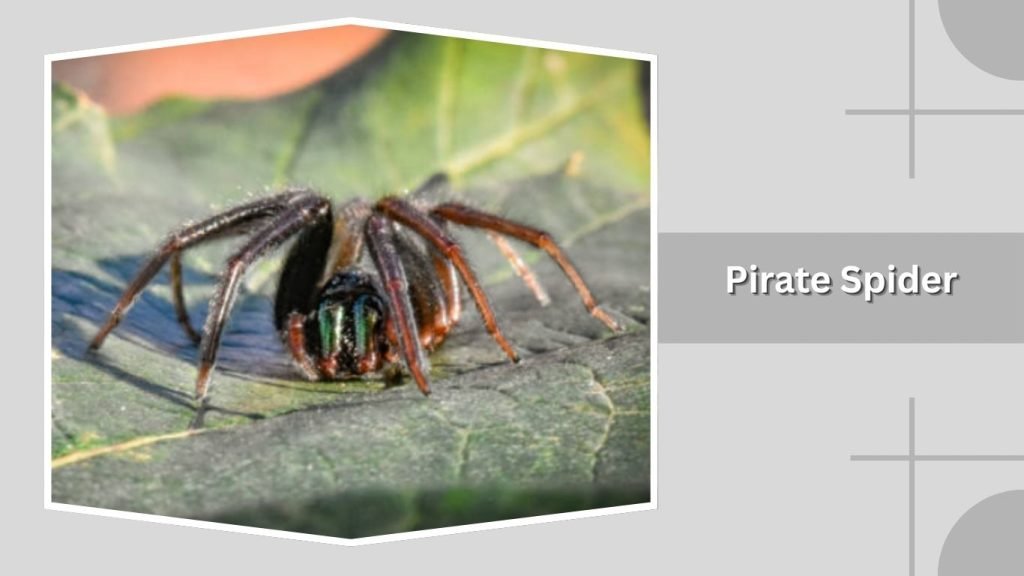
Pirate Spiders are small, lesser-known spiders that specialize in hunting other spiders. They belong to the family Mimetidae and are found in various parts of the United States. Their name comes from their sneaky behavior, as they “invade” other spiders’ webs to capture prey. Although they are not commonly noticed due to their small size, they play a unique role in the ecosystem. These spiders are harmless to humans.
Identification
- Small body, usually less than 5 mm
- Pale yellow, brown, or cream coloration
- Long front legs used for capturing prey
- Body may have subtle patterns or markings
- Slender appearance
- Often found near other spiders’ webs
Habitat
Pirate Spiders are typically found in gardens, forests, and vegetation where other spiders are present. They do not build their own large webs but instead stay near or within the webs of other spiders. Their distribution is widespread, though they are rarely seen due to their small size and secretive habits.
Behavior
These spiders are specialized predators that feed mainly on other spiders. They mimic vibrations in a web to trick the host spider into thinking prey is trapped. When the other spider approaches, the Pirate Spider attacks and captures it. This clever hunting strategy makes them unique among spiders. They are solitary and highly stealthy.
Bite and Safety
Pirate Spiders are not dangerous to humans. Bites are extremely rare due to their small size and secretive nature. Even if a bite occurs, it would likely cause only mild irritation. They pose no threat and are an interesting example of specialized predatory behavior in spiders.
21. Hacklemesh Weaver Spider
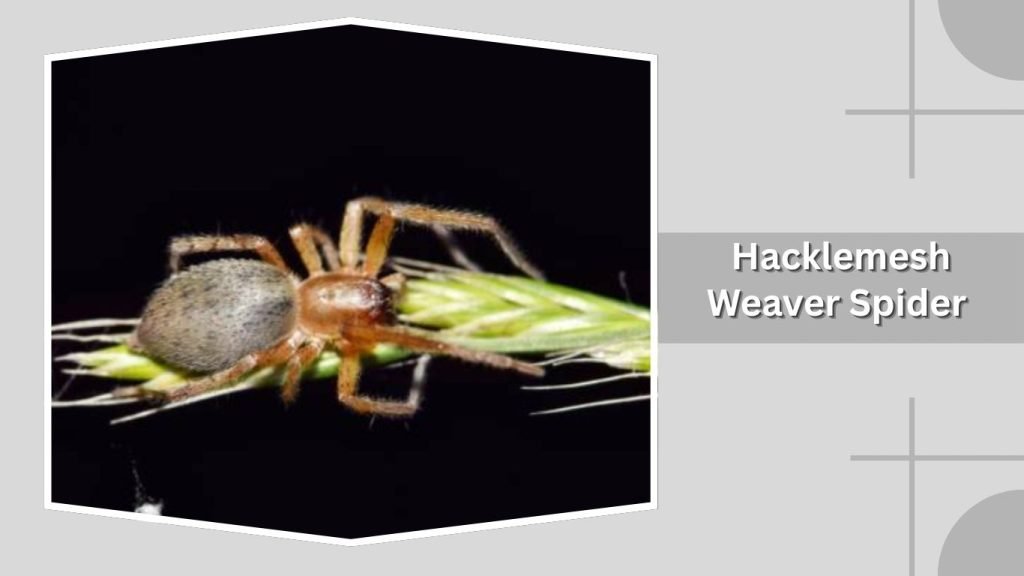
Hacklemesh Weaver Spiders are small to medium-sized spiders known for their irregular, woolly-looking webs. They belong to the family Amaurobiidae and are commonly found in the United States, especially around buildings and natural crevices. These spiders are not well-known but are frequently encountered in quiet, sheltered areas. They are harmless to humans and play a role in controlling insect populations. Their webs have a slightly fuzzy texture, which helps them trap prey effectively.
Identification
- Small to medium-sized spider
- Brown or dark-colored body with subtle patterns
- Slightly hairy appearance
- Legs are moderately long and sturdy
- Builds dense, messy, wool-like webs
- Often hidden near the edges of its web
Habitat
Hacklemesh Weaver Spiders are commonly found in cracks, crevices, window frames, and under stones or logs. They prefer sheltered environments where their webs can remain undisturbed. Around homes, they may build webs near foundations, siding, or corners of structures. Outdoors, they inhabit forests, rocky areas, and woodpiles. Their adaptability allows them to live in both natural and human-made environments.
Behavior
These spiders are web-builders and rely on their unique hackled silk to trap prey. Their webs are not sticky but instead use fine fibers to entangle insects. They remain hidden near their web and quickly respond when prey becomes trapped. Hacklemesh Weavers are mostly nocturnal and are solitary in nature. They prefer to avoid contact and will retreat if disturbed.
Bite and Safety
Hacklemesh Weaver Spider bites are extremely rare and not medically significant. If a bite occurs, it may cause minor irritation or redness. These spiders are non-aggressive and pose no threat to humans. They are beneficial in reducing insect populations and can be safely left undisturbed.
FAQs
Are all American spiders dangerous to humans?
No, the vast majority of American spiders are harmless. Only a few species, like the Black Widow and Brown Recluse, have medically significant venom. Most spiders prefer to avoid humans and will only bite in self-defense. They actually help control insect populations.
Which spider is most commonly found inside homes?
Common indoor spiders include Cellar Spiders, Yellow Sac Spiders, and Parson Spiders. These species adapt well to indoor environments and are often seen in corners, ceilings, or near windows. They are generally harmless and beneficial.
How can I identify a dangerous spider?
Dangerous spiders usually have distinctive markings, such as the red hourglass on a Black Widow or the violin shape on a Brown Recluse. However, proper identification can be difficult, so it’s best to avoid handling any unknown spider.
Do spiders bite humans often?
Spider bites are rare and usually happen only when a spider feels threatened or is accidentally pressed against the skin. Most spiders prefer to escape rather than bite. Even when bites occur, they are often mild and not serious.
How can I prevent spiders in my home?
Keeping your home clean and clutter-free helps reduce spider presence. Seal cracks, reduce moisture, and remove insect prey sources. Regular cleaning of corners, basements, and storage areas can also discourage spiders from settling indoors.
