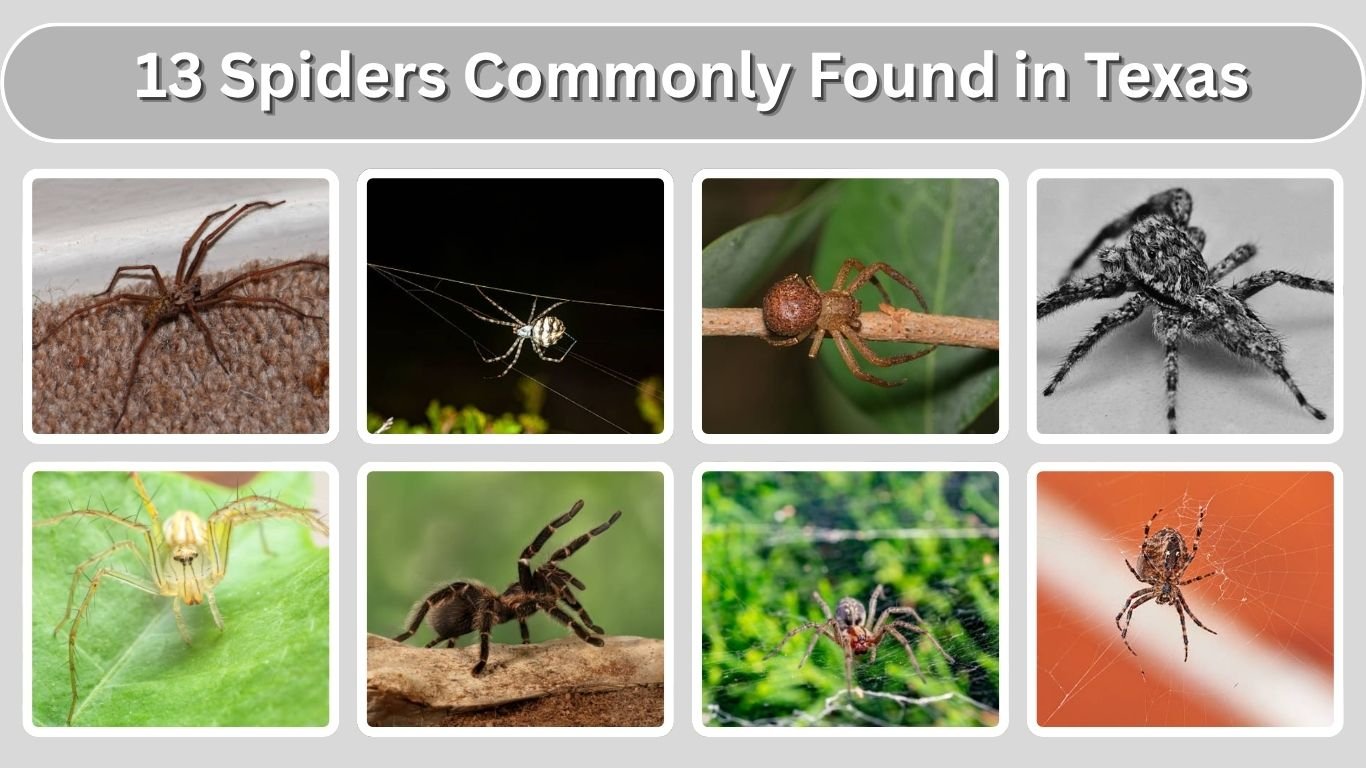
Spiders are a common part of Texas wildlife, with many species living in homes, gardens, and natural environments. While some people find them intimidating, most spiders are harmless and even beneficial. They help control insect populations, making them an important part of the ecosystem. From large, hairy tarantulas to tiny jumping spiders, Texas is home to a wide variety of species. Understanding their identification, behavior, and risks can help reduce fear and prevent unnecessary encounters, allowing you to coexist safely with these fascinating creatures.
1. Brown Recluse
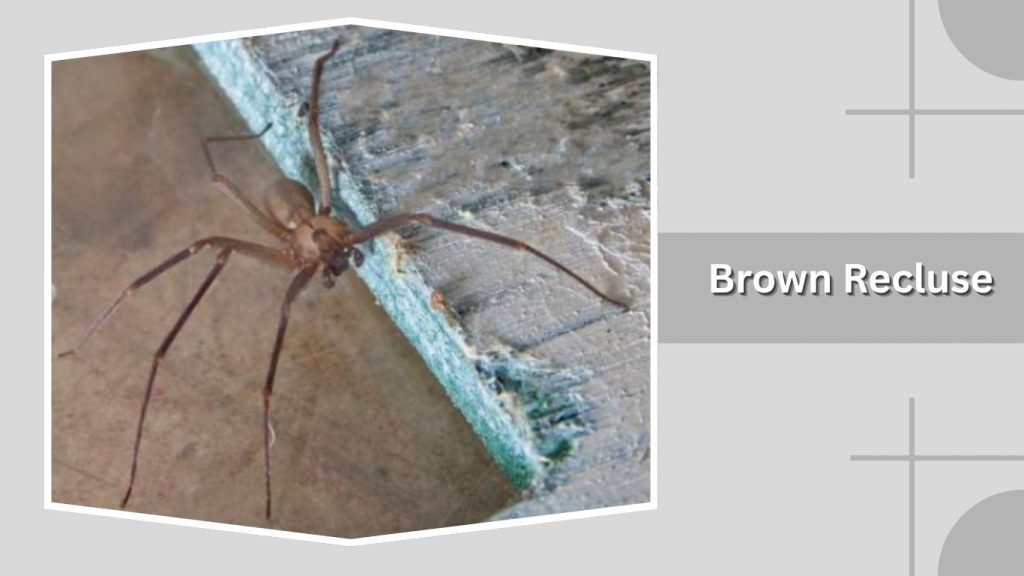
The Brown Recluse is one of the most recognized spiders in Texas, mainly because of its medically significant bite. Despite its reputation, it is not aggressive and prefers to remain hidden from humans. This spider thrives in warm environments and is often found in quiet, undisturbed indoor spaces. Understanding its appearance and habits can help reduce accidental encounters and unnecessary fear.
Identification
- Light to dark brown coloration with a smooth, unpatterned abdomen
- Distinct violin-shaped marking on the cephalothorax, pointing toward the abdomen
- Long, slender legs without noticeable spines or bands
- Six eyes arranged in three pairs (a key identifying feature)
- Small size, typically 6–20 mm in body length
- Fine, short hairs covering the body, giving it a slightly velvety appearance
Habitat
Brown Recluse spiders prefer dry, dark, and undisturbed environments. Indoors, they are often found in closets, attics, basements, storage boxes, and behind furniture. They may also hide in shoes, clothing, or bedding that has not been used for a while. Outdoors, they seek shelter under rocks, logs, woodpiles, and debris. In Texas, their adaptability to warm climates allows them to thrive both inside homes and in natural settings. They tend to remain in secluded areas and avoid open spaces, making them difficult to spot.
Behavior
The Brown Recluse is nocturnal and spends most of the day hiding. At night, it emerges to hunt for small insects and other arthropods. It does not rely on webs to catch prey but instead actively hunts. This spider is shy and avoids confrontation, rarely interacting with humans. Most bites occur accidentally when the spider is pressed against the skin, such as when someone puts on clothing or shoes where it is hiding. It does not chase or attack people intentionally.
Bite and Risk
Although not always dangerous, the bite of a Brown Recluse can sometimes cause serious reactions. Many bites result in mild symptoms like redness and irritation, but in some cases, they can lead to tissue damage or necrotic lesions. Symptoms may develop slowly and include pain, blistering, and skin breakdown. Severe reactions are rare but require medical attention. Prompt cleaning of the bite area and monitoring for changes are important. Wearing gloves when handling stored items and shaking out clothing can help reduce the risk of bites.
2. Black Widow
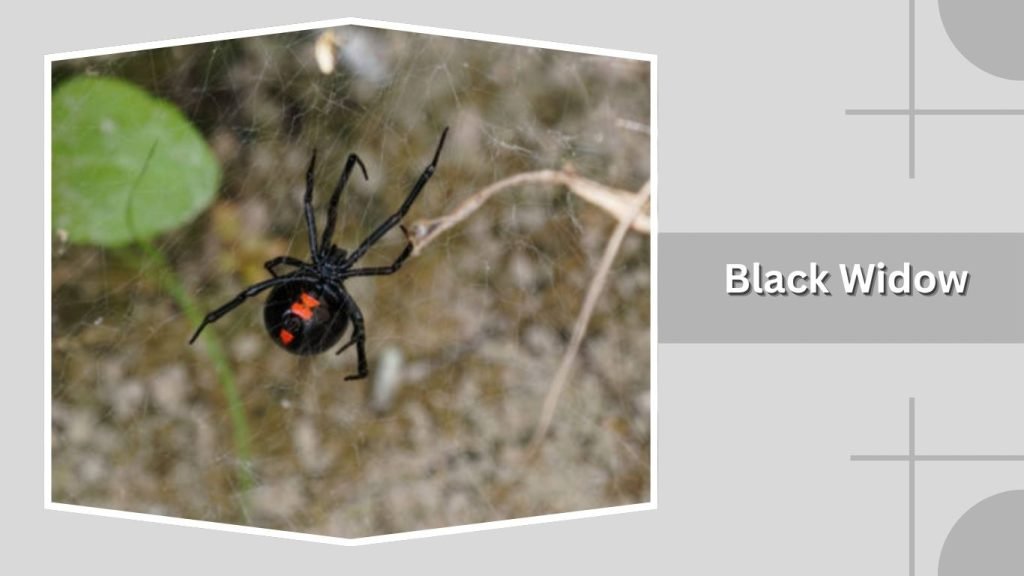
The Black Widow is another well-known spider in Texas, famous for its potent venom and distinctive appearance. Despite its dangerous reputation, it is generally non-aggressive and prefers to stay hidden. Most encounters happen when people accidentally disturb its web.
Identification
- Glossy black body with a smooth, shiny appearance
- Distinct red or orange hourglass marking on the underside of the abdomen
- Females are larger (about 8–13 mm body length), males are smaller and lighter in color
- Long, slender legs
- Round, bulbous abdomen
- Irregular, tangled web structure
Habitat
Black Widow spiders prefer dark, sheltered environments where they can build their messy, irregular webs. In Texas, they are commonly found in garages, sheds, barns, woodpiles, and under outdoor furniture. They may also inhabit cracks, crevices, and unused corners of buildings. Outdoors, they like protected areas such as under rocks, logs, and debris. Their webs are usually close to the ground and in places with little disturbance, allowing them to remain hidden during the day.
Behavior
Black Widows are nocturnal and spend most of their time hanging upside down in their webs. They rely on their sticky, irregular webs to trap insects and other small prey. These spiders are not aggressive and will usually retreat if disturbed. Bites typically occur when a person accidentally touches or presses against the spider. Females are more likely to bite than males, as males rarely pose any threat to humans.
Bite and Risk
The bite of a Black Widow can be serious due to its neurotoxic venom. Symptoms may include muscle pain, cramps, sweating, nausea, and difficulty breathing in severe cases. While bites can be painful, fatalities are extremely rare with modern medical care. Immediate medical attention is recommended if symptoms worsen. Keeping storage areas clean and wearing gloves when handling outdoor items can help reduce the risk of bites.
3. Wolf Spider
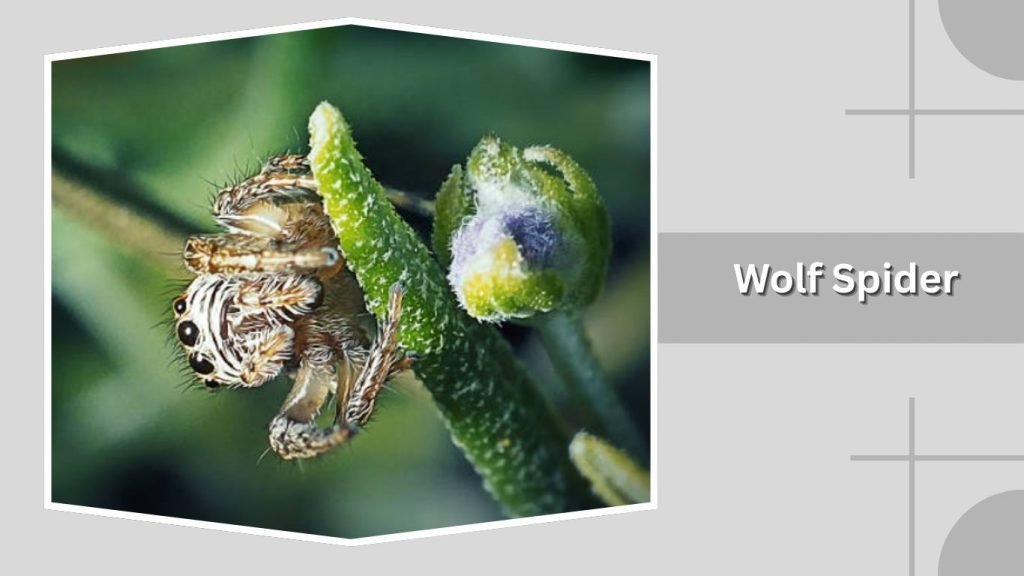
Wolf Spiders are large, fast-moving spiders commonly found throughout Texas. Unlike many other spiders, they do not rely on webs to catch prey. Instead, they actively hunt, which often brings them into contact with humans, especially in and around homes.
Identification
- Brown, gray, or tan coloration with dark stripes or markings
- Hairy, robust body
- Long, strong legs adapted for running
- Eight eyes arranged in three rows (two large eyes in the middle are very noticeable)
- Body length ranges from 10–35 mm
- Often mistaken for tarantulas due to size and hairiness
Habitat
Wolf Spiders prefer a wide range of habitats, making them very common in Texas. Outdoors, they live in grasslands, forests, gardens, and under rocks or logs. Some species dig burrows, while others roam freely. Indoors, they may enter homes through cracks and gaps, especially during cooler weather or when searching for food. They are often found in basements, garages, and along walls or floors where insects are present.
Behavior
These spiders are solitary hunters and do not spin webs to capture prey. They rely on speed and good eyesight to chase and catch insects. Wolf Spiders are mostly active at night but can sometimes be seen during the day. They are generally shy and will run away when disturbed. Female Wolf Spiders are known for carrying their egg sacs attached to their abdomen and later carrying spiderlings on their backs, which is a unique behavior among spiders.
Bite and Risk
Wolf Spider bites are rare and typically occur only when the spider is handled or threatened. Their bite is not considered dangerous to humans, though it may cause mild pain, redness, and swelling. Symptoms usually subside within a short time without medical treatment. Keeping living spaces clean and sealing entry points can help minimize encounters with these fast-moving spiders.
4. Jumping Spider
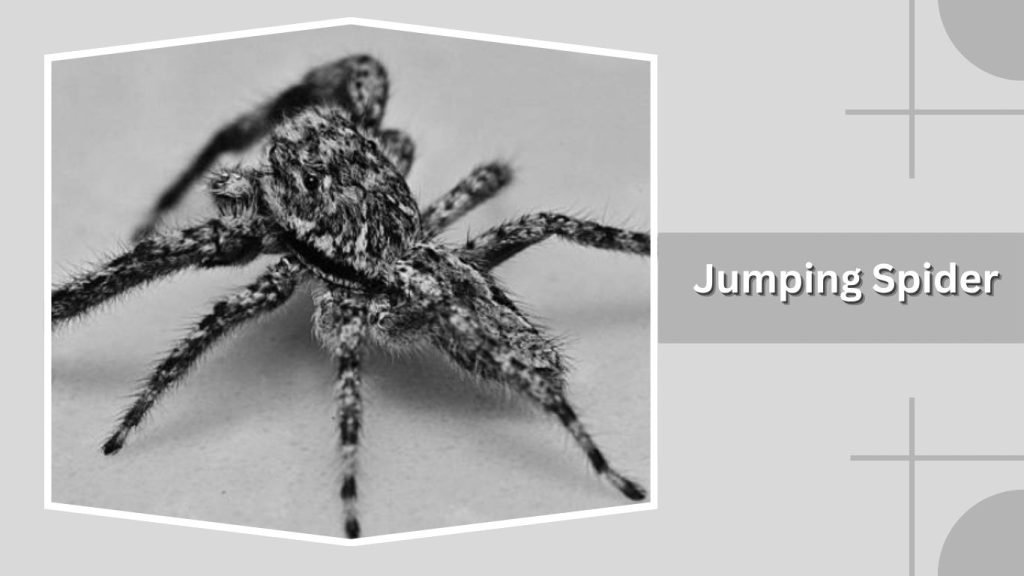
Jumping Spiders are small, active, and highly curious spiders commonly found across Texas. They are known for their excellent vision and unique movement style, often making quick jumps to catch prey or explore their surroundings. Unlike many spiders, they are generally harmless and even considered beneficial.
Identification
- Small size, usually 4–15 mm in body length
- Compact, stocky body with short legs
- Large front-facing eyes, giving a “cute” appearance
- Often brightly colored or patterned (black, gray, tan, or iridescent)
- Covered in fine hairs, sometimes appearing fuzzy
- No web used for catching prey
Habitat
Jumping Spiders are highly adaptable and can be found both indoors and outdoors throughout Texas. Outdoors, they live on plants, fences, walls, and tree trunks where they can hunt insects. Indoors, they are often seen near windows, ceilings, and walls, especially in sunny areas. They prefer places with plenty of light, as their hunting depends heavily on vision rather than webs.
Behavior
These spiders are active during the day and rely on their excellent eyesight to locate and stalk prey. Instead of spinning webs to trap insects, they use their powerful legs to jump and capture food. They are curious and may even turn to look at humans when approached. Jumping Spiders are non-aggressive and typically avoid threats. They also produce silk, but mainly for safety lines when jumping or for building small shelters.
Bite and Risk
Jumping Spider bites are extremely rare and not considered dangerous to humans. If a bite does occur, it usually results in mild symptoms such as slight redness or irritation. These spiders are more beneficial than harmful, as they help control insect populations. Their presence indoors is generally nothing to worry about and can even be helpful.
5. Garden Spider (Argiope)
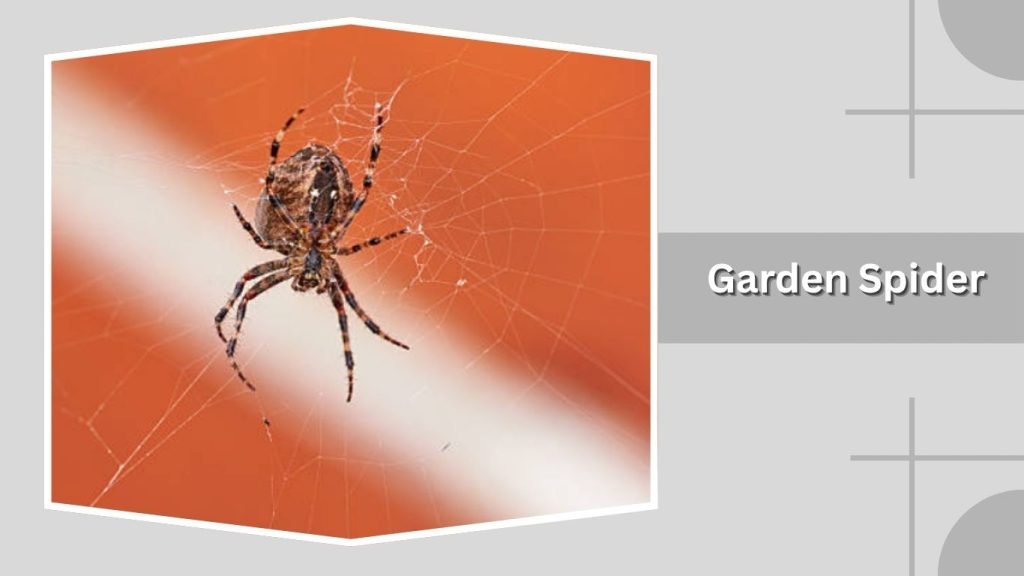
Garden Spiders, often from the Argiope genus, are large and visually striking spiders commonly seen in Texas gardens. They are beneficial predators that help control insect populations and are known for building impressive, symmetrical webs.
Identification
- Large size, females can reach up to 25–30 mm in body length
- Bold black and yellow or black and white patterns on the abdomen
- Long, banded legs
- Distinctive zigzag pattern (stabilimentum) in the center of their web
- Males are much smaller and less noticeable
- Often seen sitting in the center of their web
Habitat
Garden Spiders are typically found outdoors in sunny, open areas. In Texas, they are commonly seen in gardens, yards, fields, and along fences or shrubs. They build large, circular orb webs between plants or structures where flying insects are abundant. These spiders prefer areas with good exposure to sunlight and enough space to construct their webs undisturbed.
Behavior
These spiders are diurnal, meaning they are active during the day. They remain in the center of their web, waiting for prey such as flies, mosquitoes, and grasshoppers to become trapped. When prey is caught, they quickly immobilize it with silk before feeding. Garden Spiders are non-aggressive and will usually remain still or drop from their web if disturbed rather than attack.
Bite and Risk
Garden Spider bites are rare and not dangerous to humans. If a bite does occur, it may feel similar to a mild bee sting, causing slight pain, redness, or swelling. These spiders are highly beneficial because they help reduce pest insects in gardens and outdoor spaces. They are best left undisturbed due to their ecological value.
6. Crab Spider
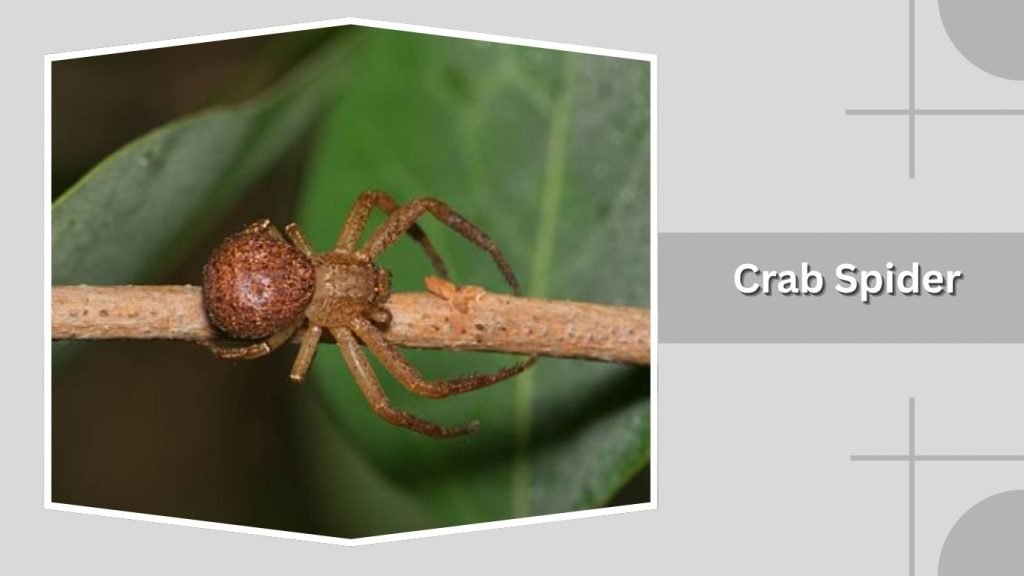
Crab Spiders are unique-looking spiders commonly found in Texas, known for their sideways movement and ability to blend into flowers. They are ambush predators, often waiting patiently for unsuspecting insects rather than actively hunting.
Identification
- Small to medium size, usually 5–10 mm in body length
- Body shape resembles a crab with a wide, flattened appearance
- Front two pairs of legs are longer and held out to the sides
- Colors vary widely: white, yellow, green, or pink, often matching flowers
- Smooth body with minimal markings in some species
- Ability to change color gradually for camouflage (in some species)
Habitat
Crab Spiders are most commonly found outdoors on flowers, plants, and shrubs. In Texas, they are especially abundant in gardens, meadows, and areas with flowering vegetation. They prefer locations where pollinating insects like bees and butterflies frequently visit. Their excellent camouflage allows them to remain nearly invisible while waiting for prey. They are rarely found indoors unless accidentally brought in on plants.
Behavior
Unlike web-building spiders, Crab Spiders do not spin webs to catch prey. Instead, they use an ambush strategy, sitting motionless on flowers and striking quickly when an insect lands nearby. Their sideways movement and ability to stay perfectly still make them highly effective hunters. They are solitary and do not actively seek out humans, relying instead on stealth and patience.
Bite and Risk
Crab Spider bites are very rare and generally harmless to humans. If a bite occurs, it may cause mild irritation, slight pain, or redness, but symptoms usually fade quickly without treatment. These spiders are beneficial because they help control populations of pollinating and pest insects. Their presence in gardens is a natural part of a healthy ecosystem.
7. Cellar Spider (Daddy Longlegs)
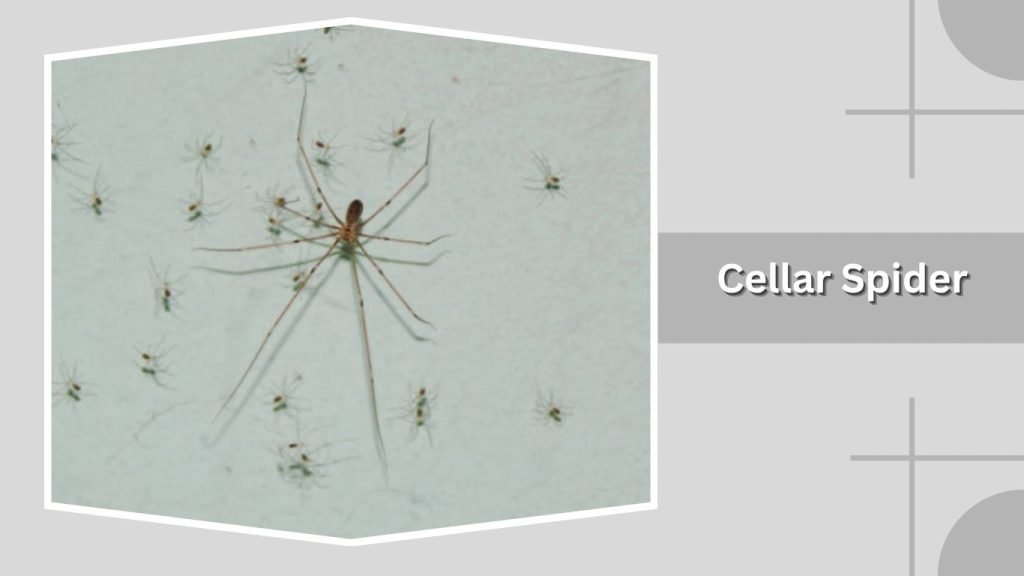
Cellar Spiders, often called “Daddy Longlegs,” are very common in Texas homes. They are harmless spiders known for their extremely long legs and delicate appearance. Despite many myths, they are not dangerous to humans.
Identification
- Small body (about 2–10 mm) with extremely long, thin legs
- Pale gray, light brown, or tan coloration
- Oval or slightly elongated abdomen
- Thin, fragile-looking legs that are much longer than the body
- Often seen hanging upside down in loose webs
- Slow-moving compared to other spiders
Habitat
Cellar Spiders prefer dark, damp, and quiet environments. In Texas, they are commonly found indoors in basements, garages, bathrooms, and corners of ceilings. They may also live in crawl spaces, sheds, and under bridges. Their webs are irregular and messy, usually built in undisturbed areas where insects are likely to pass by.
Behavior
These spiders are known for their unique defense behavior—when disturbed, they rapidly vibrate in their web, making them harder for predators to detect. They feed on small insects and even other spiders, including more dangerous species. Cellar Spiders are non-aggressive and tend to stay in their webs rather than roam around.
Bite and Risk
Cellar Spider bites are extremely rare and harmless. Their fangs are too small to penetrate human skin in most cases. Even if a bite occurs, it typically causes no noticeable symptoms. They are actually beneficial to have around, as they help control other insect and spider populations inside homes.
8. Grass Spider
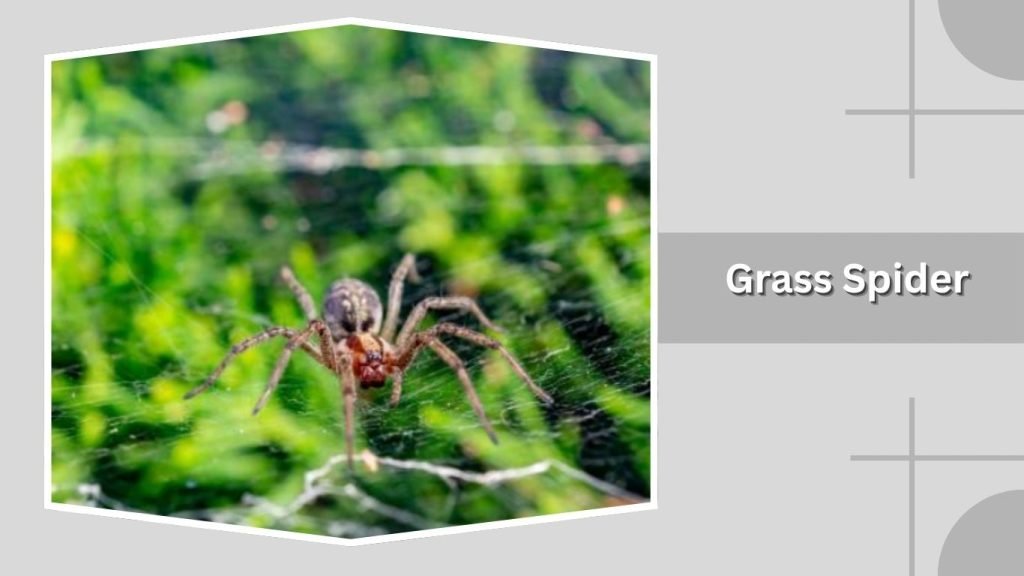
Grass Spiders are fast-moving spiders commonly found throughout Texas, especially in lawns and grassy areas. They are known for building funnel-shaped webs and are often mistaken for more dangerous spiders due to their appearance.
Identification
- Brown or gray body with darker longitudinal stripes
- Slender body with long legs
- Two noticeable spinnerets extending from the rear
- Body length typically 10–20 mm
- Resembles wolf spiders but has a more streamlined shape
- Often seen near funnel-shaped webs
Habitat
Grass Spiders are most commonly found outdoors in lawns, gardens, fields, and along sidewalks. In Texas, they thrive in areas with tall grass or dense vegetation. They build funnel-shaped webs close to the ground, usually hidden among grass or cracks. Occasionally, they may enter homes, especially during cooler months, but they prefer to stay outside where their webs are more effective.
Behavior
These spiders are active hunters that rely on their funnel webs to catch prey. They wait inside the narrow end of the funnel and quickly rush out when an insect touches the web. Grass Spiders are very fast and will usually flee rather than confront a threat. They are mostly active during warmer months and are often seen early in the morning when dew highlights their webs.
Bite and Risk
Grass Spider bites are rare and not considered harmful to humans. If a bite does occur, it may cause mild irritation, redness, or slight swelling, similar to a minor insect bite. These spiders are beneficial because they help control insect populations in lawns and gardens, making them a natural part of a healthy outdoor environment.
9. Orb Weaver Spider
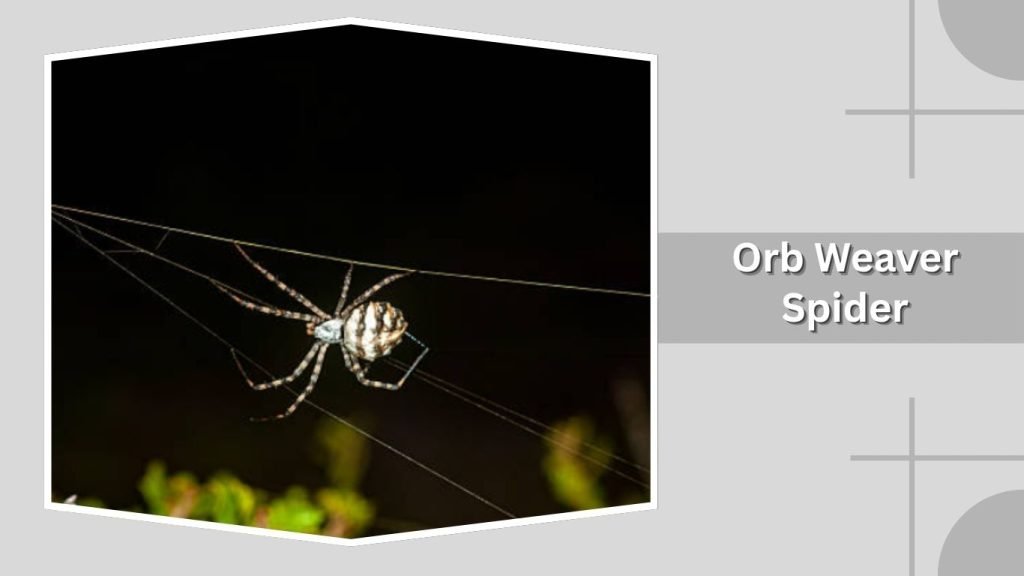
Orb Weaver Spiders are among the most recognizable spiders in Texas due to their large, circular webs. They are generally harmless and play an important role in controlling flying insect populations.
Identification
- Rounded, often bulbous abdomen
- Color varies widely: brown, orange, yellow, or patterned
- Medium to large size, typically 10–25 mm in body length
- Long legs, sometimes banded or spiny
- Often seen sitting in the center of a circular (orb-shaped) web
- Some species have bright or intricate markings
Habitat
Orb Weavers are commonly found outdoors in gardens, forests, fields, and around homes in Texas. They build their large, wheel-shaped webs between trees, shrubs, fences, and even near lights where insects gather. These spiders prefer areas with good airflow and access to flying insects. Their webs are usually rebuilt daily, often in the evening.
Behavior
Orb Weaver Spiders are mostly nocturnal. They typically build or repair their webs at night and rest nearby during the day. When prey becomes trapped, they quickly move to immobilize it with silk before feeding. These spiders are non-aggressive and will usually drop from their web or hide if disturbed rather than defend themselves.
Bite and Risk
Orb Weaver bites are very rare and not dangerous to humans. If a bite does occur, it may cause mild pain, redness, or slight swelling, similar to a bee sting. These spiders are highly beneficial because they help reduce populations of mosquitoes, flies, and other flying insects. Their presence is generally considered helpful rather than harmful.
10. Tarantula
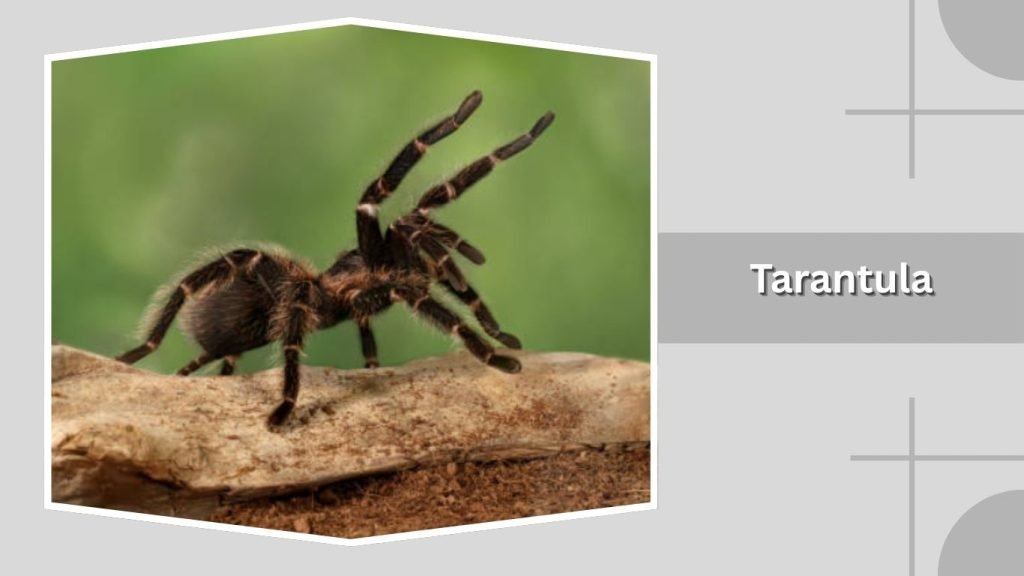
Tarantulas are large, hairy spiders that are commonly found in parts of Texas, especially in dry, open areas. Despite their intimidating size and appearance, they are generally harmless to humans and are known for their slow, calm behavior.
Identification
- Large, robust body covered in dense hairs
- Color ranges from brown to black, sometimes with lighter markings
- Leg span can reach up to 10–12 cm or more
- Thick legs and bulky appearance
- Prominent fangs (though rarely used defensively)
- Males are often slimmer and more mobile than females
Habitat
Tarantulas prefer dry, warm environments such as deserts, grasslands, and scrub areas in Texas. They typically live in burrows they dig themselves or take over from other animals. These burrows provide protection from heat and predators. During certain seasons, especially late summer and fall, males may be seen wandering in search of mates.
Behavior
Tarantulas are mostly nocturnal and spend much of their time inside their burrows. They come out at night to hunt insects and small animals. These spiders are generally slow-moving and non-aggressive. When threatened, they may raise their front legs or flick tiny hairs from their abdomen as a defense mechanism rather than bite.
Bite and Risk
Tarantula bites are rare and not considered dangerous to humans. Their venom is mild and usually causes symptoms similar to a bee sting, such as slight pain and swelling. However, the tiny hairs they release can cause skin irritation or allergic reactions. Overall, they pose little threat and are an important part of the ecosystem.
11. Sac Spider
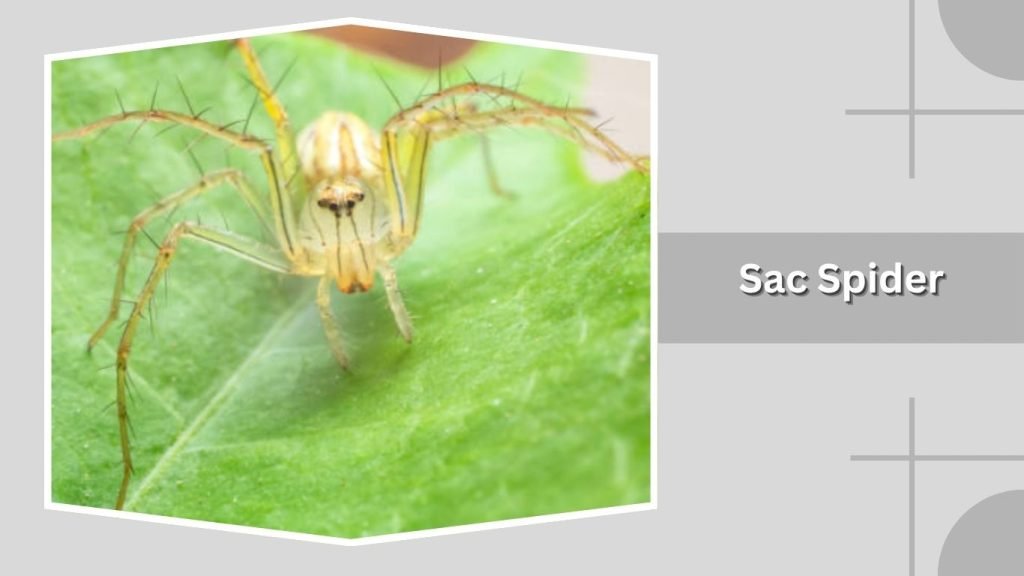
Sac Spiders are small, pale-colored spiders commonly found in Texas homes and gardens. They are known for creating silk “sacs” where they rest during the day and becoming active hunters at night.
Identification
- Small size, typically 5–10 mm in body length
- Pale yellow, light green, or cream-colored body
- Slightly translucent appearance
- Long, slender legs with darker tips (in some species)
- Oval-shaped abdomen
- Does not build large webs; creates small silk sacs
Habitat
Sac Spiders are highly adaptable and can be found both indoors and outdoors in Texas. Indoors, they are often seen on walls, ceilings, and corners, especially near windows. Outdoors, they live on plants, under leaves, bark, or in garden vegetation. They build small silk retreats (sacs) in hidden spots where they rest during daylight hours. These spiders prefer warm environments and are commonly encountered inside homes.
Behavior
These spiders are nocturnal hunters and do not rely on webs to capture prey. Instead, they actively roam at night in search of insects. During the day, they stay inside their silk sacs for protection. Sac Spiders are generally shy but may wander indoors, increasing the chances of accidental contact with humans.
Bite and Risk
Sac Spider bites can occur more frequently than some other spiders because they roam indoors. While not dangerous, their bite may cause moderate pain, redness, itching, or mild swelling. In some cases, symptoms can resemble those of a mild skin irritation or rash. Proper cleaning of the bite area is usually sufficient, and serious reactions are uncommon.
12. House Spider
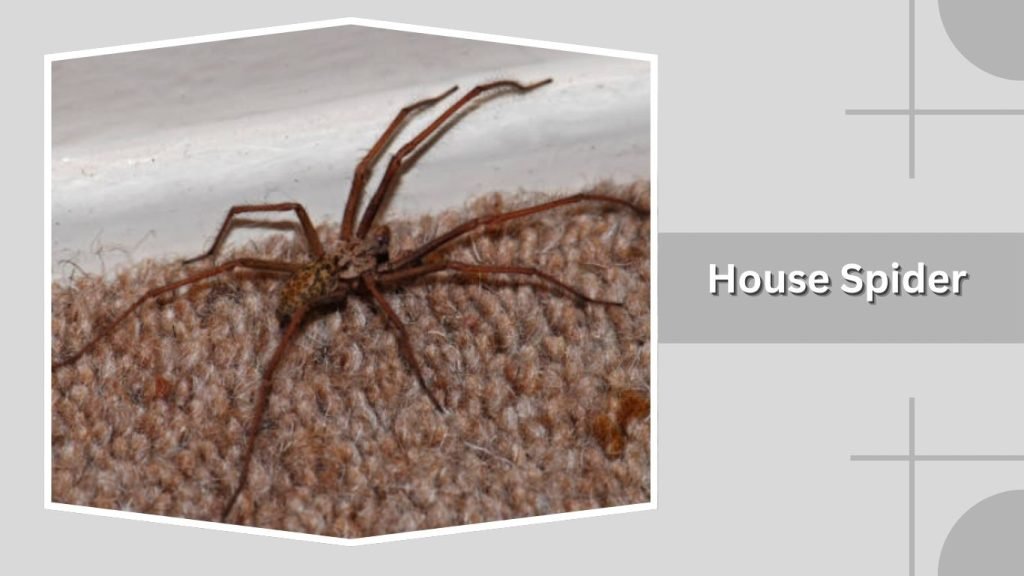
House Spiders are very common in Texas and are frequently found living inside human homes. They are generally harmless and help control indoor insect populations, making them beneficial despite their presence.
Identification
- Small to medium size, typically 5–8 mm in body length
- Brown, tan, or gray coloration with subtle patterns
- Rounded abdomen with faint markings
- Long, thin legs
- Builds irregular, tangled webs
- Often seen in corners or undisturbed indoor areas
Habitat
House Spiders primarily live indoors, especially in quiet and undisturbed areas. In Texas homes, they are commonly found in corners of ceilings, behind furniture, in basements, garages, and storage areas. They may also live outdoors around windows, door frames, and under eaves. Their webs are usually messy and built in places where insects are likely to pass.
Behavior
These spiders are not active hunters and rely on their webs to catch prey. They spend most of their time in or near their webs, waiting for insects to become trapped. House Spiders are non-aggressive and prefer to stay hidden. They rarely move far from their web unless disturbed or searching for a new location.
Bite and Risk
House Spider bites are extremely rare and not considered harmful to humans. If a bite does occur, it typically causes mild irritation, slight redness, or itching. These spiders are beneficial because they help reduce indoor pests such as flies and mosquitoes. In most cases, they can be safely left alone.
13. Funnel Weaver Spider
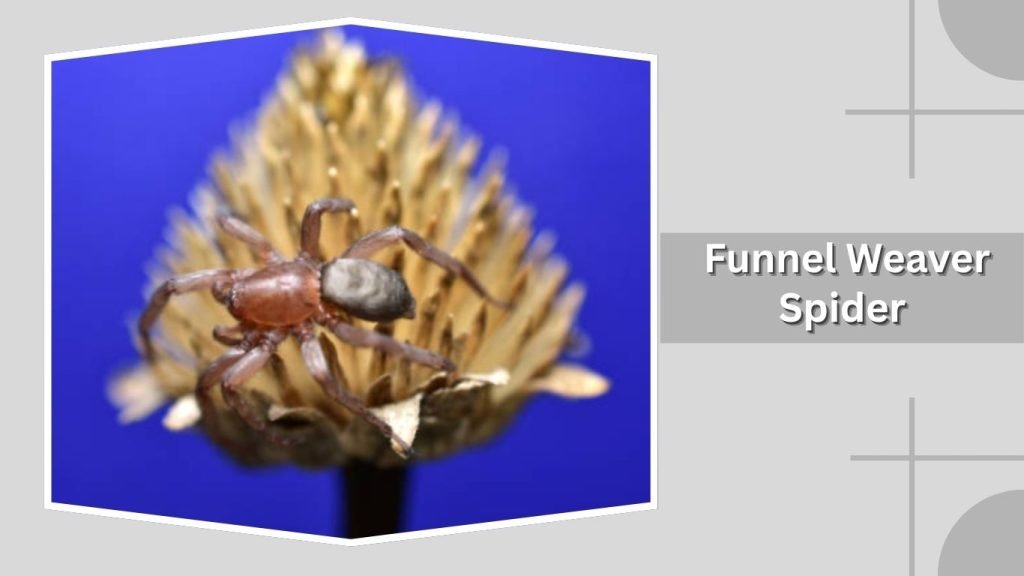
Funnel Weaver Spiders are commonly found in Texas and are known for their distinctive funnel-shaped webs. While they may look intimidating, most species are harmless and play an important role in controlling insect populations.
Identification
- Medium size, typically 10–20 mm in body length
- Brown or gray coloration with darker stripes or patterns
- Long legs designed for quick movement
- Noticeable spinnerets extending from the rear
- Builds a flat web with a funnel-shaped retreat
- Often confused with Grass Spiders due to similar appearance
Habitat
Funnel Weaver Spiders are usually found outdoors in Texas, especially in grassy areas, bushes, and gardens. They build their webs in low vegetation, cracks, or corners where insects frequently pass. Their funnel-shaped retreat provides a safe hiding place. Occasionally, they may enter homes, particularly in basements or garages, but they prefer outdoor environments where prey is abundant.
Behavior
These spiders are fast and rely on their web structure to catch prey. They stay hidden inside the funnel and quickly rush out when vibrations signal trapped insects. Funnel Weavers are generally shy and will retreat into their funnel when disturbed. They are mostly active during the day but may also hunt at night depending on the species.
Bite and Risk
Funnel Weaver bites are rare and typically harmless to humans. If a bite occurs, it may cause mild pain, redness, or slight swelling. These spiders are not aggressive and will avoid contact whenever possible. Their presence is beneficial, as they help control insect populations in outdoor spaces.
FAQs
Are spiders in Texas dangerous to humans?
Most spiders in Texas are harmless and pose little to no threat to humans. Only a few species, like the Brown Recluse and Black Widow, have medically significant venom. Even then, bites are rare and usually occur only when the spider is disturbed or accidentally pressed.
Why do spiders enter homes?
Spiders enter homes mainly in search of food, shelter, or warmth. Indoor environments provide protection and a steady supply of insects. Cracks, gaps, and open doors or windows make it easy for them to get inside, especially during seasonal changes.
How can I prevent spiders in my home?
To reduce spiders, keep your home clean and clutter-free, seal cracks and gaps, and reduce indoor insects. Regularly vacuum corners, remove webs, and keep outdoor areas like woodpiles away from the house to limit entry points.
Do all spiders build webs?
No, not all spiders build webs to catch prey. Some, like Wolf Spiders and Jumping Spiders, actively hunt instead. Others use webs mainly for shelter or protection rather than trapping food, depending on their species and behavior.
Are spiders beneficial?
Yes, spiders are very beneficial as they help control insect populations, including pests like mosquitoes and flies. They play an important role in maintaining ecological balance both indoors and outdoors, making them helpful rather than harmful in most cases.