
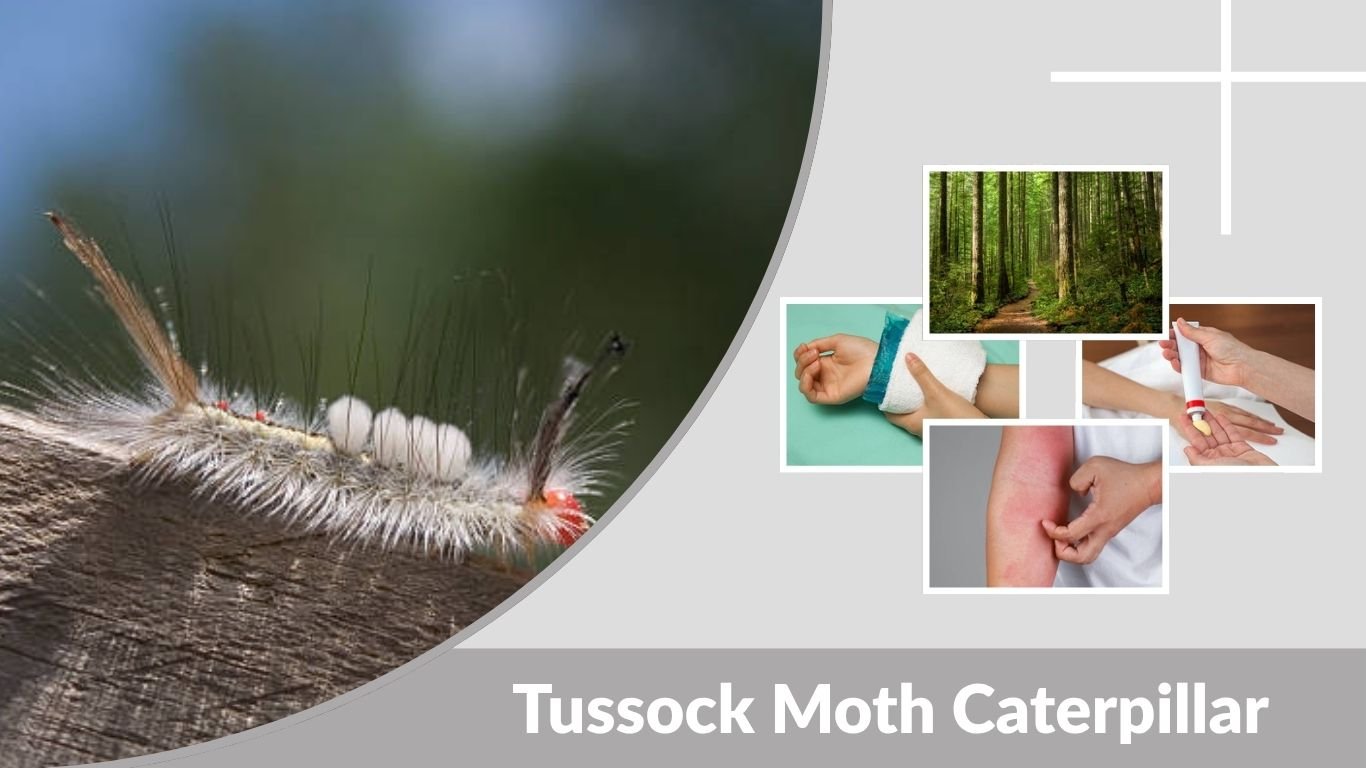
Tussock moth caterpillars are among the most eye-catching insects you may encounter in gardens, forests, or even urban areas. Their bright colors and fuzzy appearance often attract curiosity, but they also raise concerns about stings, rashes, and whether they are poisonous. Many people wonder if touching them is dangerous or if they should be removed immediately. This guide explains what tussock moth caterpillars are, how to identify them, and what to do if you come into contact with one.
What Is a Tussock Moth Caterpillar?
Tussock moth caterpillars are the larval stage of moths belonging to the Lymantriinae subfamily. They are best known for their distinctive hair tufts, often called “tussocks,” which give them a unique and sometimes intimidating appearance. These caterpillars are commonly found on trees, shrubs, and garden plants. While they play a role in the ecosystem, their hairy bodies can cause skin irritation when touched, making them both fascinating and potentially troublesome.
Types of Tussock Moth Caterpillars
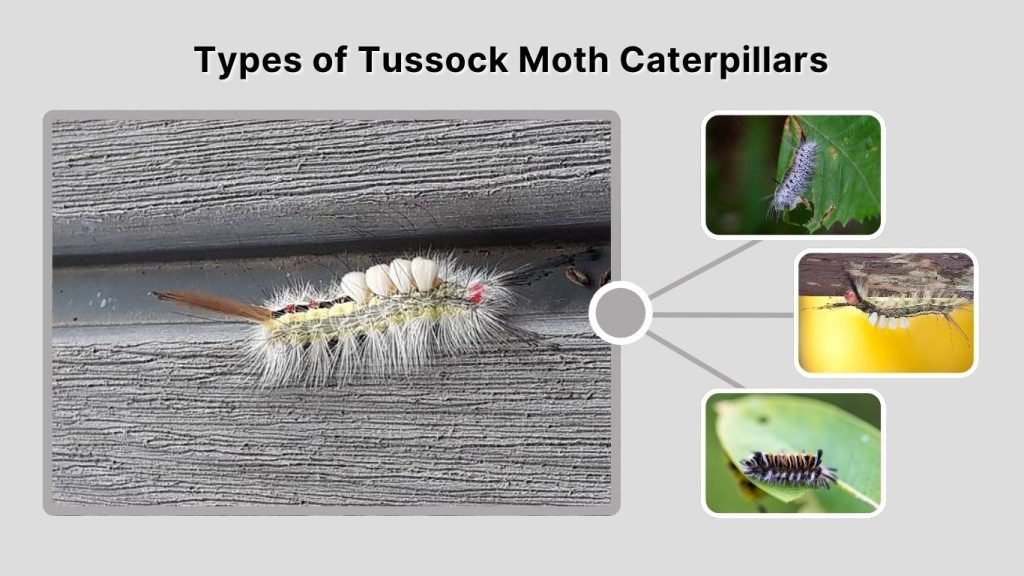
There are many species of tussock moth caterpillars, each with slightly different colors, markings, and behaviors. Knowing the common types can help you identify them and understand their potential impact on humans and plants.
Hickory Tussock Moth Caterpillar
This species is white with black tufts of hair and is often found on hardwood trees. It is one of the more well-known types due to its ability to cause noticeable skin irritation when handled.
White-Marked Tussock Moth Caterpillar
Recognizable by its red head and four white brush-like tufts on its back, this caterpillar is frequently seen in residential areas. Its bold appearance makes it easy to identify.
Milkweed Tussock Moth Caterpillar
This species features a mix of black, white, and orange colors. It feeds mainly on milkweed plants and is generally less irritating compared to other types.
Other Common Varieties
- Banded tussock moth caterpillar with yellow or orange bands
- Sycamore tussock moth caterpillar found near sycamore trees
- Douglas-fir tussock moth caterpillar known as a forest pest
Are Tussock Moth Caterpillars Poisonous?
Many people assume that these caterpillars are poisonous because of their bright colors and fuzzy appearance. In reality, most tussock moth caterpillars are not truly poisonous and do not produce toxins that harm humans when touched or ingested. However, their hair-like structures can still cause irritation, which is often mistaken for poisoning. Understanding this difference helps reduce unnecessary fear while still encouraging caution around these insects.
Do Tussock Moth Caterpillars Sting?
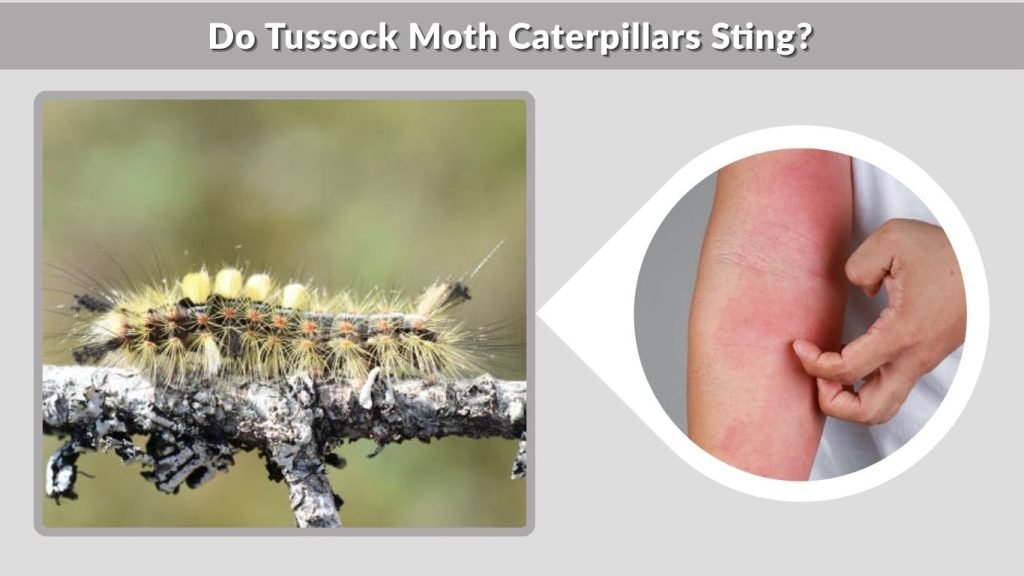
Although people often describe the sensation as a sting, tussock moth caterpillars do not have a stinger like bees or wasps. Instead, their tiny hairs can break off and embed into the skin, leading to irritation that feels similar to a sting. The severity of the reaction varies depending on the species and individual sensitivity.
How the Reaction Happens
When the caterpillar’s hairs come into contact with skin, they can release irritating substances or physically lodge into the skin. This triggers the body’s defense response, resulting in itching, redness, or a burning sensation.
Common Effects After Contact
- Mild to intense itching
- Redness or rash on the skin
- Slight swelling or irritation
- Burning or stinging feeling
Tussock Moth Caterpillar Rash and Symptoms
A rash caused by contact with a tussock moth caterpillar is one of the most common issues people experience. The reaction usually appears shortly after touching the caterpillar and can range from mild discomfort to more noticeable irritation. While most cases are not serious, the symptoms can be unpleasant and may last for several hours or even days depending on the individual’s sensitivity.
In some cases, people with sensitive skin or allergies may experience stronger reactions. This can include more intense itching, swelling, or a widespread rash. Even though these reactions are rarely dangerous, they can be uncomfortable enough to require simple treatment or care.
Treatment for Tussock Moth Caterpillar Rash
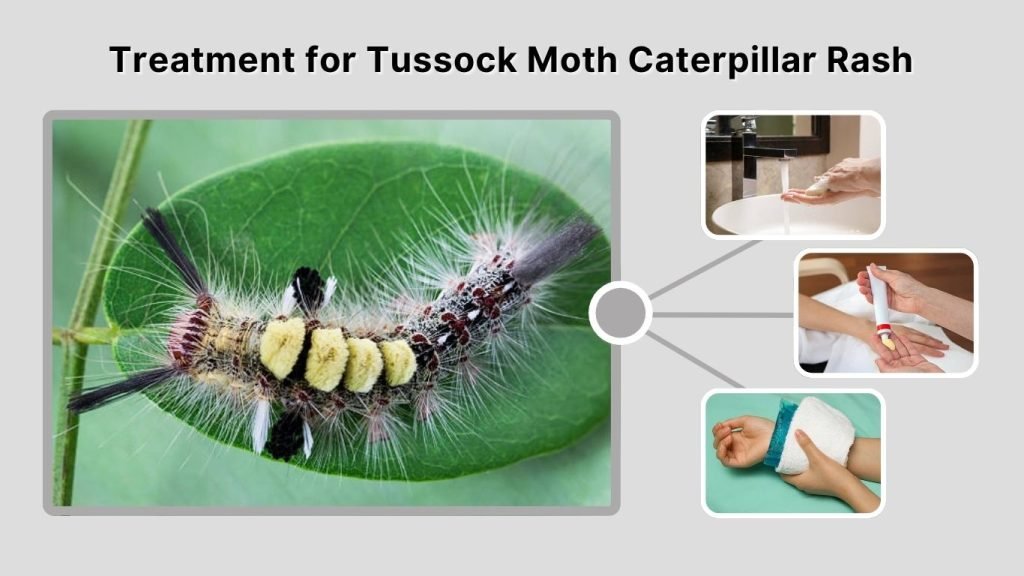
If you come into contact with a tussock moth caterpillar, quick and simple care can help reduce irritation and prevent the rash from worsening. Most reactions are mild and can be treated at home with basic first aid steps. Acting early is important because the tiny hairs can remain on the skin and continue to cause discomfort if not removed properly.
Immediate First Aid Steps
- Wash the affected area with soap and lukewarm water
- Use adhesive tape to gently lift off any remaining hairs
- Avoid rubbing the skin, which can spread irritation
Relief and Care Options
- Apply antihistamine or hydrocortisone cream
- Use a cold compress to reduce swelling and itching
- Keep the area clean and avoid scratching
Are Tussock Moth Caterpillars Dangerous?
While their appearance may seem alarming, tussock moth caterpillars are generally not dangerous to humans. The main concern is skin irritation rather than serious harm. However, certain individuals, especially those with sensitive skin or allergies, may experience stronger reactions. Understanding the level of risk helps you respond appropriately without unnecessary fear.
Who Should Be More Careful
- Children who may touch them out of curiosity
- People with sensitive skin or allergies
- Pet owners, as animals may try to interact with them
When to Seek Medical Attention
- Severe swelling or persistent pain
- Signs of an allergic reaction
- Rash spreading beyond the contact area
Should You Kill Tussock Moth Caterpillars?
Tussock moth caterpillars are a natural part of the ecosystem and play a role in the food chain. Birds and other predators rely on them as a food source, and they contribute to the balance of their environment. For this reason, killing them is usually unnecessary unless they are causing a noticeable problem.
When Removal May Be Needed
- Large infestations damaging trees or plants
- Caterpillars appearing in high numbers around living spaces
Safer Alternatives
- Remove them using gloves
- Relocate them away from high-traffic areas
- Encourage natural predators in your garden
Where Are Tussock Moth Caterpillars Found?

Tussock moth caterpillars are widely distributed and can be found in many regions, especially in areas with abundant trees and vegetation. They thrive in both natural and urban environments, making encounters fairly common during certain seasons.
Common Locations
- Forests and wooded areas
- Parks and gardens
- Residential yards with trees
Preferred Host Trees
- Oak and hickory trees
- Fir and conifer trees
- Sycamore and other shade trees
Tussock Moth Caterpillar Life Cycle
Understanding the life cycle of tussock moth caterpillars helps explain why they appear suddenly and in large numbers. Like other moths, they go through a complete transformation from egg to adult. The caterpillar stage is the most visible and active phase, which is why it draws the most attention.
Stages of Development
- Eggs laid on tree bark or leaves
- Caterpillar stage feeding on foliage
- Cocoon formation, often covered in hairs
- Adult moth emerging to continue the cycle
How to Identify a Tussock Moth Caterpillar
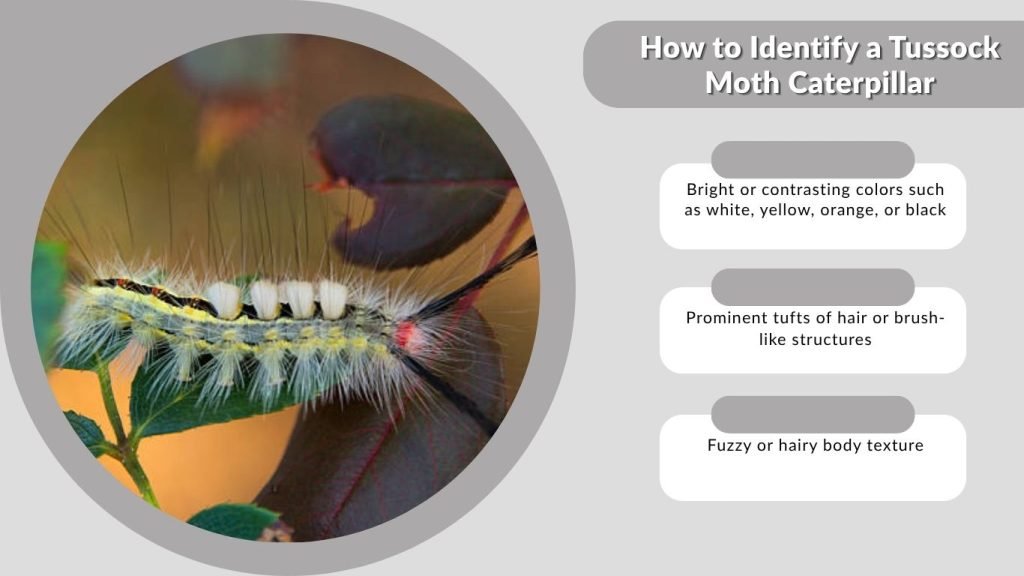
Identifying a tussock moth caterpillar is usually straightforward due to its distinctive appearance. These caterpillars often stand out because of their bright colors and unusual hair patterns. Recognizing these features can help you avoid accidental contact.
Key Identification Features
- Bright or contrasting colors such as white, yellow, orange, or black
- Prominent tufts of hair or brush-like structures
- Fuzzy or hairy body texture
Prevention and Safety Tips
Preventing contact with tussock moth caterpillars is the best way to avoid irritation. Simple precautions can significantly reduce the risk, especially in areas where these caterpillars are common. Awareness and careful behavior are usually enough to stay safe.
Practical Safety Measures
- Avoid touching any hairy caterpillar
- Wear gloves while gardening or handling plants
- Teach children not to pick up unfamiliar insects
- Inspect plants before handling them
FAQs
Are tussock moth caterpillars poisonous?
Most tussock moth caterpillars are not poisonous, but their hairs can cause skin irritation and allergic reactions. The discomfort comes from physical contact rather than toxins.
Can you touch a tussock moth caterpillar?
It is best not to touch them. Their tiny hairs can irritate the skin and lead to itching, redness, or a rash.
What happens if a tussock moth caterpillar stings you?
You may experience itching, redness, or a mild rash. The sensation is caused by irritating hairs rather than an actual sting.
Is the hickory tussock moth caterpillar dangerous?
It is not dangerous in a serious way, but it can cause noticeable skin irritation if touched.
