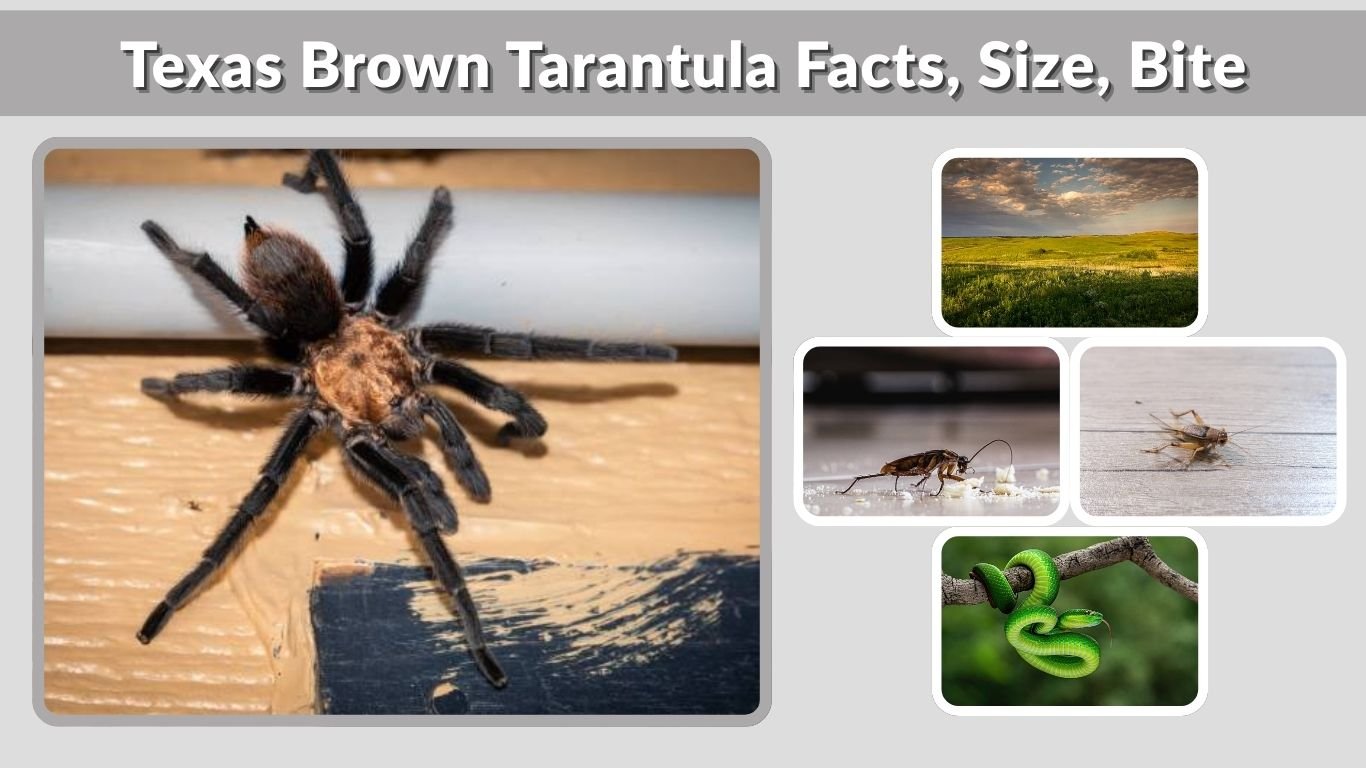
The Texas brown tarantula (Aphonopelma hentzi) is a large, hairy spider commonly found in the southern United States. It is especially widespread in Texas but can also be seen in Kansas, Missouri, and other central regions.
Many people search for this spider out of curiosity or fear, often asking questions like: Are Texas brown tarantulas poisonous? Do they bite? Are they dangerous? Others are interested in keeping them as pets. Understanding this species helps remove common myths and highlights how fascinating and harmless they really are.
What Is a Texas Brown Tarantula?
The Texas brown tarantula belongs to the tarantula family (Theraphosidae) and is one of the most common tarantulas in North America.
It is known by several names:
- Texas brown tarantula
- Brown tarantula Texas
- Black and brown tarantula in Texas
This species typically has a dark brown to black body covered in fine hairs. Its legs are thick and slightly lighter in color, giving it a distinctive appearance. Unlike aggressive spiders, the Texas brown tarantula is calm and prefers to avoid conflict.
Texas Brown Tarantula Size
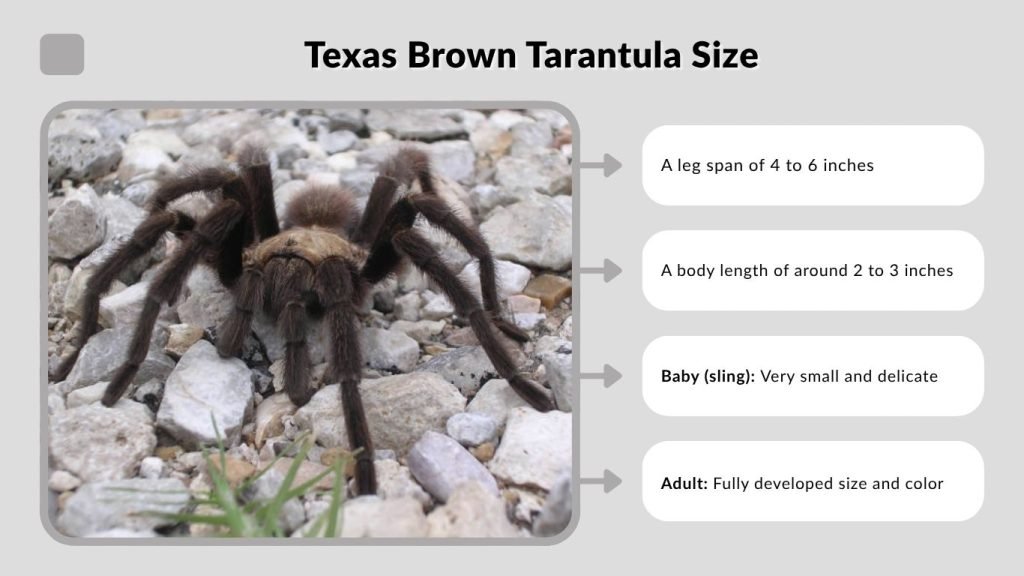
One of the most noticeable features of this spider is its size. While it may look frightening, its size is not unusual for tarantulas.
Adult Texas brown tarantulas usually have:
- A leg span of 4 to 6 inches
- A body length of around 2 to 3 inches
It’s important to understand the difference between body size and leg span. Most of the spider’s “size” comes from its long legs, not its body.
As they grow, they pass through different stages:
- Baby (sling): Very small and delicate
- Juvenile: Growing rapidly with frequent molting
- Adult: Fully developed size and color
Females are generally larger and heavier than males, which becomes more noticeable in adulthood.
Male vs Female Texas Brown Tarantula
There are clear differences between male and female Texas brown tarantulas, both physically and behaviorally.
Physical differences:
- Males are slimmer with longer legs
- Females have a thicker, rounder body
Behavioral differences:
- Males are more active and often wander in search of mates
- Females stay close to their burrows and rarely travel far
Lifespan differences:
- Females live significantly longer than males
- Males mature faster and die shortly after mating
You are most likely to see male Texas brown tarantulas during mating season, when they travel across roads and open land. This movement is often mistaken as a “migration.”
Texas Brown Tarantula Lifespan
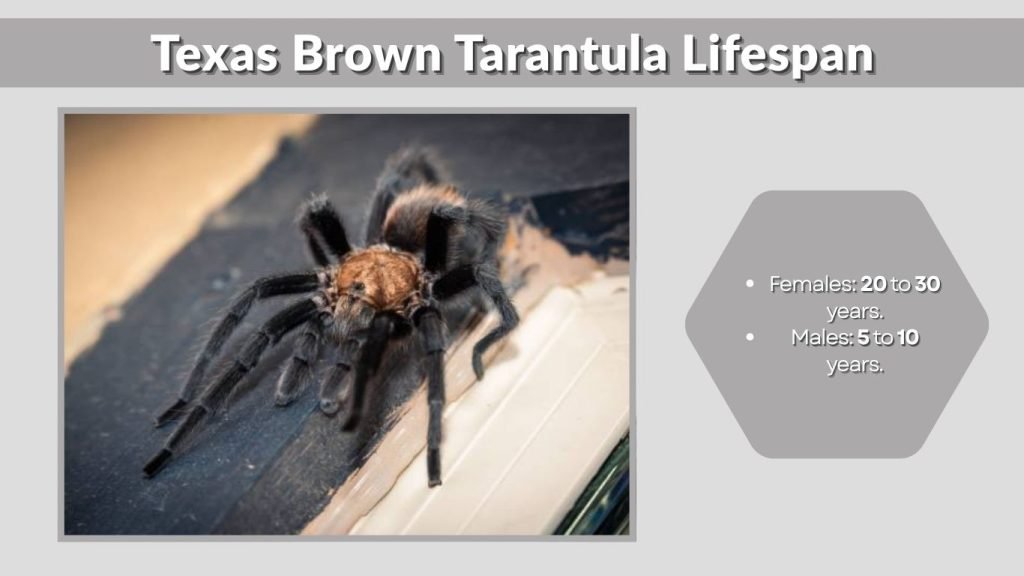
The lifespan of a Texas brown tarantula depends largely on its gender.
- Females: 20 to 30 years
- Males: 5 to 10 years
Females live much longer because they remain in their burrows and avoid risks. Males, on the other hand, leave their shelters to search for mates, which exposes them to predators and environmental dangers.
Factors that influence lifespan include:
- Availability of food
- Habitat conditions
- Predators
- Climate
In captivity, with proper care, females can live for decades, making them a long-term commitment as pets.
Are Texas Brown Tarantulas Poisonous or Venomous?
A common question is whether Texas brown tarantulas are poisonous. The correct term is venomous, not poisonous.
These spiders do produce venom, but:
- It is mild
- It is not dangerous to humans
Their venom is mainly used to subdue prey like insects. For humans, the effect is often compared to a mild bee sting.
There are many myths surrounding tarantulas, but in reality:
- They do not actively seek to harm humans
- Their venom is not medically significant
Texas Brown Tarantula Bite
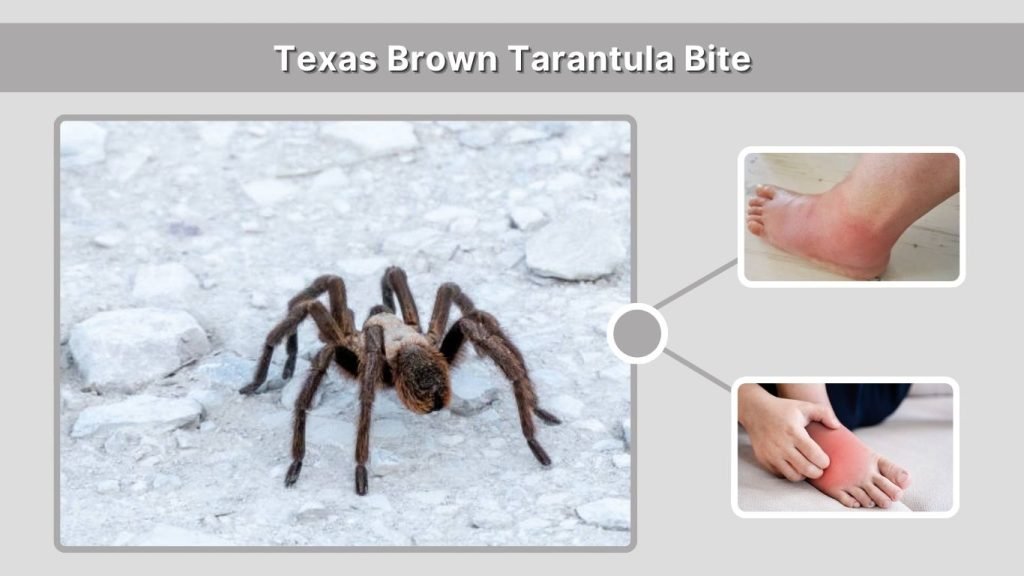
Although Texas brown tarantulas can bite, it is very rare.
They usually show warning behaviors first, such as:
- Flicking irritating hairs
- Raising their front legs
- Attempting to escape
If a bite does occur, symptoms may include:
- Mild pain
- Slight swelling
- Redness
Serious reactions are uncommon. However, individuals with allergies should always be cautious and seek medical advice if unusual symptoms occur.
Are Texas Brown Tarantulas Dangerous?
Despite their large size and scary appearance, Texas brown tarantulas are not dangerous to humans.
In fact:
- They are shy and non-aggressive
- They prefer to avoid confrontation
- They bite only as a last resort
Compared to many other spiders, they are considered harmless. The biggest concern is usually their defensive hairs, which can cause skin irritation if touched.
For most people, encountering a Texas brown tarantula is completely safe as long as it is left undisturbed.
Texas Brown Tarantula Habitat and Range
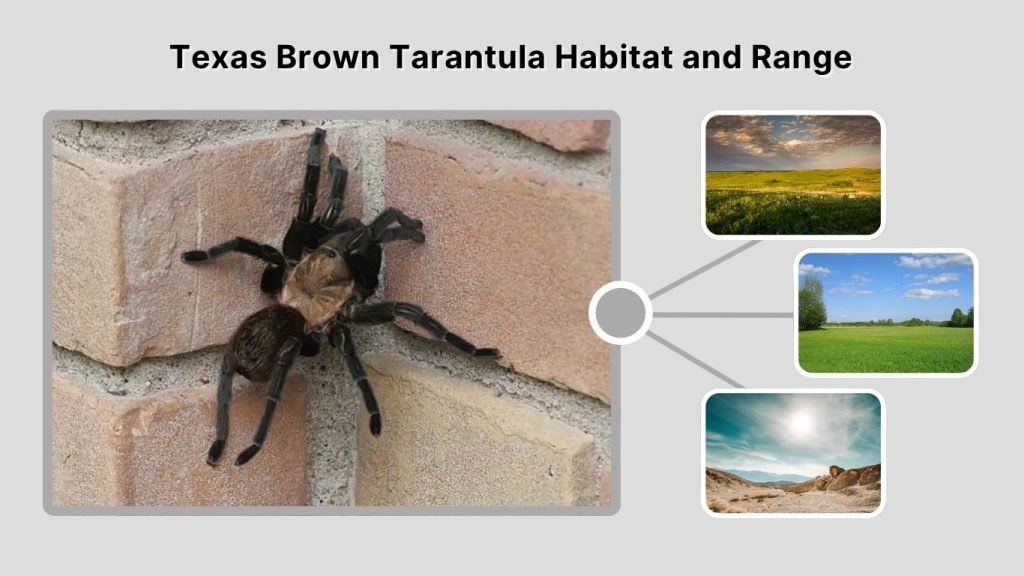
Texas brown tarantulas are native to the central and southern United States.
They are commonly found in:
- Texas
- Kansas
- Missouri
In Missouri, they are typically seen in the southern and central regions.
Their preferred habitats include:
- Grasslands
- Open fields
- Dry, arid environments
These spiders are burrowers, meaning they dig underground tunnels where they spend most of their lives. The burrow provides protection from predators and extreme weather.
You are most likely to spot them outside their burrows during mating season, especially males searching for females.
Texas Brown Tarantula Behavior
Texas brown tarantulas are generally calm and slow-moving spiders. They are nocturnal, meaning they are most active at night when they hunt and explore.
These spiders are also solitary, preferring to live alone in their burrows. They rarely interact with other tarantulas except during mating season.
One interesting behavior is the seasonal movement of males. During late summer and early fall, mature males leave their burrows to search for females. This is often referred to as a “migration,” although it is simply a mating-related movement.
What Do Texas Brown Tarantulas Eat?
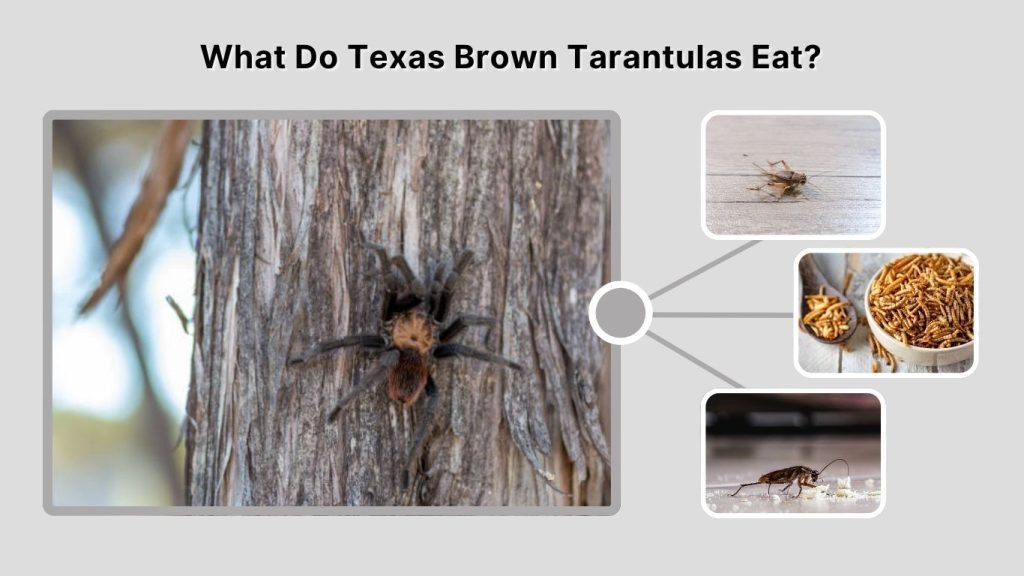
Texas brown tarantulas are carnivorous predators that rely on ambush hunting.
Their diet mainly includes:
- Insects such as crickets, grasshoppers, and beetles
- Small invertebrates
- Occasionally tiny vertebrates like lizards
Instead of spinning webs to catch prey, they wait near their burrow and strike quickly when something comes close. Their venom helps immobilize the prey, making it easier to consume.
In captivity, they are commonly fed:
- Crickets
- Mealworms
- Roaches
Feeding frequency depends on age, but adults usually eat once or twice a week.
Predators of Texas Brown Tarantulas
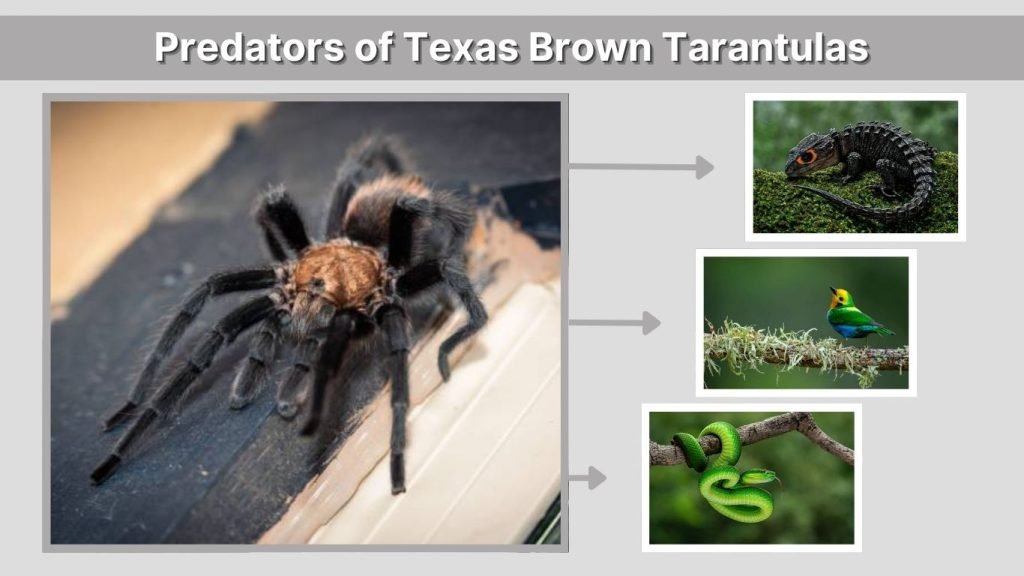
Despite their size, Texas brown tarantulas have several natural predators.
Common predators include:
- Tarantula hawk wasps
- Birds
- Lizards and snakes
The tarantula hawk wasp is their most dangerous enemy. It paralyzes the tarantula and uses it as a host for its larvae.
To defend themselves, tarantulas use:
- Venom
- Urticating hairs (tiny irritating hairs they flick at threats)
These defenses are usually enough to deter most predators.
Texas Brown Tarantula Reproduction and Mating
The reproduction process of Texas brown tarantulas is fascinating and risky, especially for males.
Mating usually occurs in:
- Late summer
- Early fall
During this time, males wander in search of female burrows. Once they find a female, they perform a series of movements to signal that they are not prey.
After mating:
- The female produces an egg sac
- The sac can contain hundreds of eggs
Baby tarantulas, known as slings, hatch and remain with the mother for a short time before dispersing.
Many males die shortly after mating due to exhaustion or predation.
Texas Brown Tarantula as a Pet
Texas brown tarantulas are considered beginner-friendly pets, especially for people interested in exotic animals.
Reasons they make good pets:
- Low maintenance
- Calm temperament
- Long lifespan (especially females)
However, they are not ideal for handling. These spiders are best observed rather than frequently touched, as handling can stress them or lead to defensive behavior.
Before keeping one as a pet, it’s important to check local regulations, as laws can vary depending on location.
Texas Brown Tarantula Care Guide
Proper care is essential for keeping a Texas brown tarantula healthy in captivity.
Basic care requirements include:
- A suitable enclosure with enough space
- Substrate for burrowing (soil or coconut fiber)
- Moderate temperature (around room temperature)
- Low to moderate humidity
Feeding should be consistent, but overfeeding should be avoided. Clean water should always be available in a shallow dish.
Regular maintenance includes removing uneaten food and keeping the enclosure clean to prevent mold or pests.
Texas Brown Tarantula Enclosure Setup
Setting up the right enclosure is important for the spider’s well-being.
Key elements include:
- Tank size: At least 5–10 gallons for an adult
- Substrate: Deep enough for burrowing
- Hiding spots: Such as bark or small shelters
- Water dish: Shallow and clean
The enclosure should be secure to prevent escape and well-ventilated to maintain air quality.
Avoid excessive moisture, as this species prefers relatively dry conditions.
Texas Brown Tarantula for Sale
Texas brown tarantulas are sometimes available for purchase through:
- Reputable breeders
- Specialty pet stores
- Online exotic pet shops
Before buying, consider:
- The health of the tarantula
- Its age and size
- Whether it is male or female
Prices can vary depending on size and gender, with females often costing more due to their longer lifespan.
Always choose ethical sellers who prioritize proper care and breeding practices.
Interesting Facts About Texas Brown Tarantulas
Texas brown tarantulas are full of surprising traits that make them unique.
- They can live for decades, especially females
- They rarely bite and prefer to avoid humans
- They play an important role in controlling insect populations
- Their mating behavior involves complex signaling
Despite their intimidating look, they are one of the most misunderstood spiders in North America.
FAQs
Are Texas brown tarantulas venomous?
Yes, Texas brown tarantulas are venomous, but their venom is mild and not harmful to humans. It is mainly used to subdue prey. For people, the effect is usually similar to a bee sting, with only minor pain or swelling in most cases.
How big do Texas brown tarantulas get?
Texas brown tarantulas typically reach a leg span of about 4 to 6 inches. Their body length is smaller, around 2 to 3 inches. Females are generally larger and heavier than males, making them appear more robust.
Where do Texas brown tarantulas live in Missouri?
In Missouri, Texas brown tarantulas are mostly found in the southern and central parts of the state. They prefer dry, open habitats like grasslands and fields, where they can dig burrows and remain hidden during the day.
Do Texas brown tarantulas bite humans?
They can bite, but it is very rare. These spiders usually try to escape or use defensive hairs instead. Bites typically happen only if the spider feels threatened or is handled improperly.
How long do Texas brown tarantulas live?
Female Texas brown tarantulas can live between 20 and 30 years, while males usually live around 5 to 10 years. The shorter lifespan of males is due to their risky behavior during mating season.
Are Texas brown tarantulas dangerous to humans?
No, they are not dangerous. They are shy, non-aggressive spiders that prefer to avoid humans. Their venom is mild, and serious reactions are extremely rare, making them generally harmless.
Conclusion
The Texas brown tarantula is a fascinating and misunderstood creature. While its size and appearance may seem intimidating, it is actually harmless and plays an important role in the ecosystem.
Whether you encounter one in the wild or consider keeping one as a pet, understanding its behavior, habitat, and care needs can help replace fear with respect.