
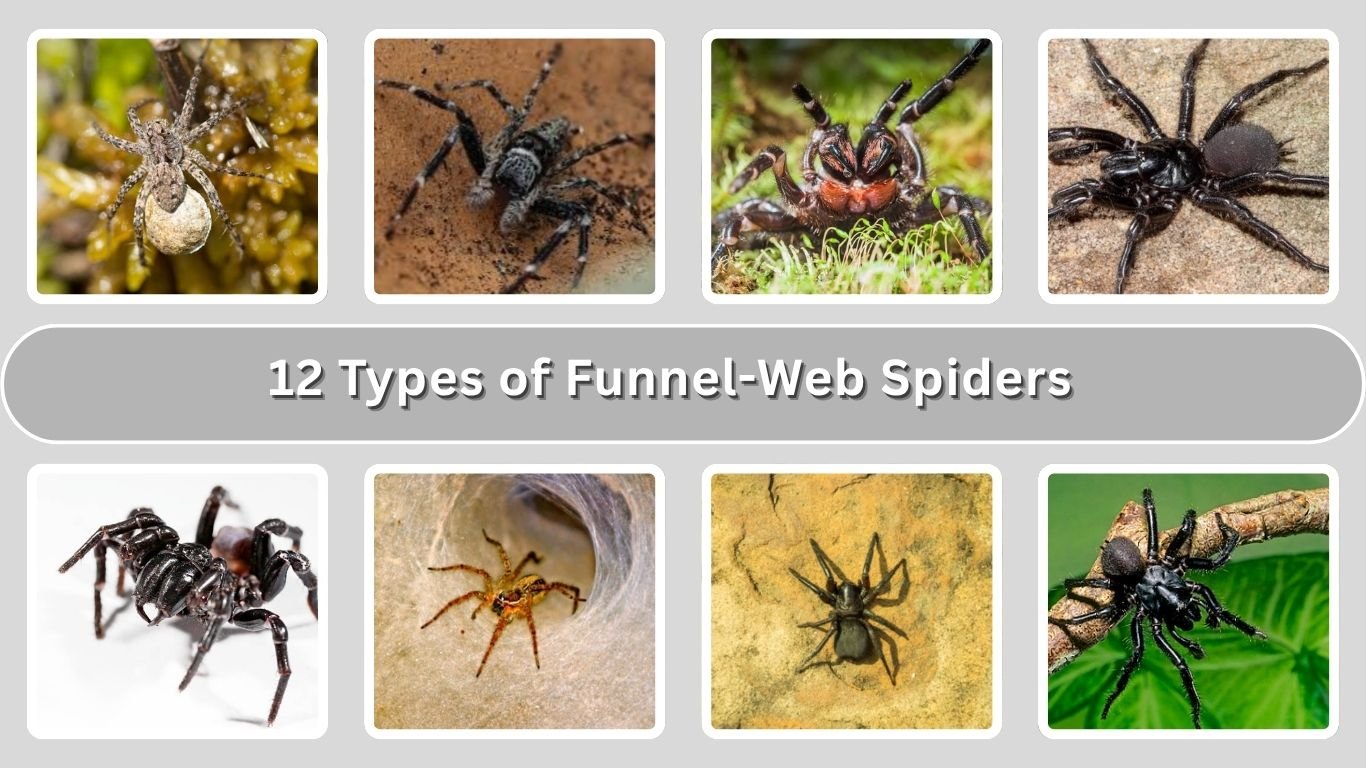
Funnel-web spiders are among the most dangerous spiders in the world, known for their powerful venom and aggressive defensive behavior. Native primarily to Australia, these spiders inhabit a variety of environments ranging from forests to suburban gardens. While many species share similar physical traits, each type has unique characteristics, habitats, and behaviors. Understanding these differences is important for awareness and safety. In this guide, we explore 12 types of funnel-web spiders, highlighting their identification, habitat, behavior, and potential danger to humans in a clear and structured way.
1. Sydney Funnel-Web Spider
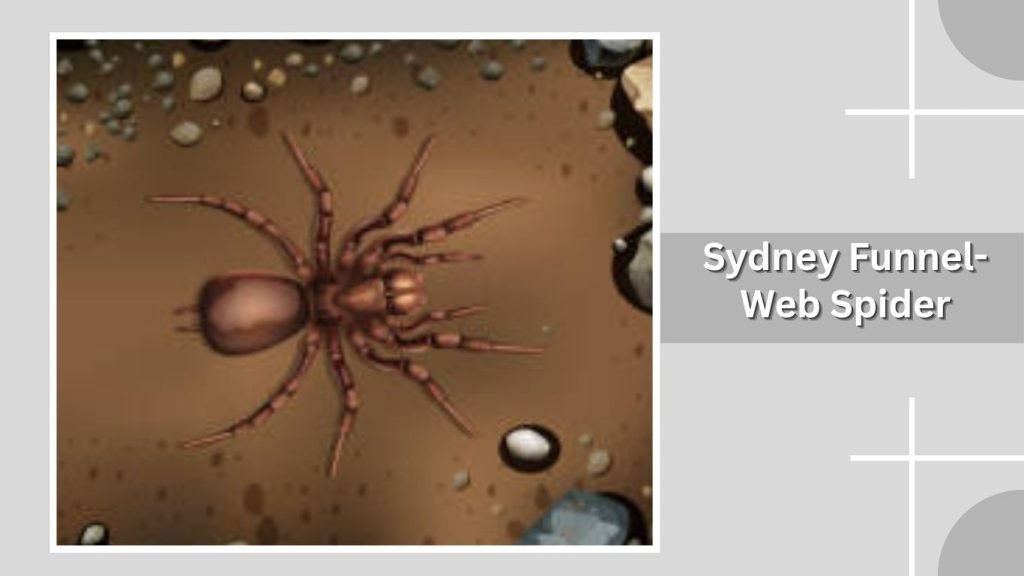
The Sydney Funnel-Web Spider is one of the most well-known and medically significant spiders in the world. Native to eastern Australia, it is especially famous for its potent venom and close proximity to human populations. This species is often found in moist, sheltered environments and is considered highly dangerous.
Identification
- Scientific name: Atrax robustus
- Body length: 1–5 cm
- Color: Glossy black to dark brown
- Carapace: Smooth and shiny
- Fangs: Large, powerful, and downward-pointing
- Legs: Strong, dark, and slightly hairy
- Spinnerets: Prominent and visible at the rear
- Males are smaller but more venomous than females
Habitat
The Sydney Funnel-Web Spider typically inhabits humid environments such as forests, gardens, and suburban areas. It prefers shaded locations like under rocks, logs, or within dense vegetation. These spiders construct silk-lined burrows with a funnel-shaped entrance, often extending into the soil. They are also known to wander into homes, especially during warm or rainy conditions.
Behavior
This species is highly defensive and reacts aggressively when threatened. Unlike many spiders that retreat, the Sydney Funnel-Web Spider may rear up and display its fangs. It is primarily nocturnal, spending most of the day inside its burrow and emerging at night to hunt. Males are more active wanderers, particularly during mating season, increasing the chances of human encounters.
Danger to Humans
The Sydney Funnel-Web Spider is considered one of the most venomous spiders to humans. Its venom contains powerful neurotoxins that can affect the nervous system rapidly. Bites can cause severe symptoms such as pain, sweating, nausea, and muscle spasms. Immediate medical attention is critical, but the development of antivenom has significantly reduced fatalities.
2. Northern Tree-Dwelling Funnel-Web Spider
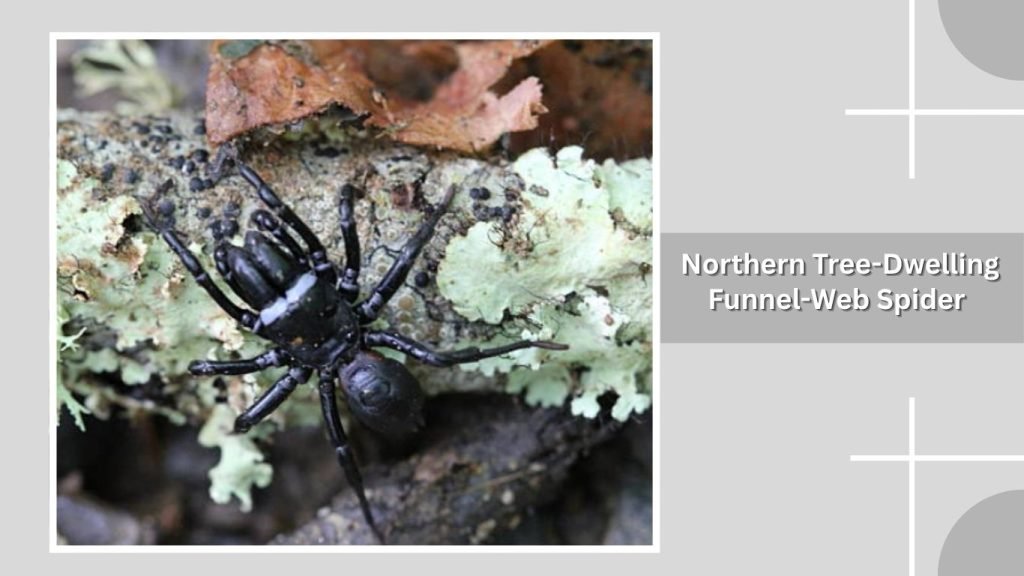
The Northern Tree-Dwelling Funnel-Web Spider is a highly venomous species found in parts of eastern Australia. Unlike ground-dwelling funnel-web spiders, this species prefers elevated habitats such as tree trunks and bark. It is less commonly encountered than the Sydney Funnel-Web but still poses a significant risk due to its potent venom.
Identification
- Scientific name: Hadronyche formidabilis
- Body length: 2–4 cm
- Color: Dark brown to black
- Carapace: Shiny and smooth
- Legs: Long, strong, and slightly glossy
- Fangs: Large and capable of penetrating tough surfaces
- Abdomen: Robust and slightly less shiny than the cephalothorax
- Males are more slender and more dangerous than females
Habitat
This species is typically found in forested and wooded regions of northeastern New South Wales and southeastern Queensland. It prefers living above ground, often hiding in tree hollows, under loose bark, or within decaying wood. The spider constructs silk-lined retreats rather than traditional ground burrows, making it unique among funnel-web species.
Behavior
The Northern Tree-Dwelling Funnel-Web Spider is primarily nocturnal and spends most of its time hidden within its retreat. At night, it emerges to hunt insects and other small prey. It is generally reclusive but will defend itself aggressively if disturbed. Males are known to wander during the breeding season, increasing the likelihood of encounters with humans.
Danger to Humans
This species is considered one of the most dangerous funnel-web spiders due to its highly toxic venom. Bites can cause severe symptoms similar to those of the Sydney Funnel-Web Spider, including intense pain, sweating, and neurological effects. Although bites are rare, immediate medical treatment with antivenom is essential for safety.
3. Southern Tree-Dwelling Funnel-Web Spider
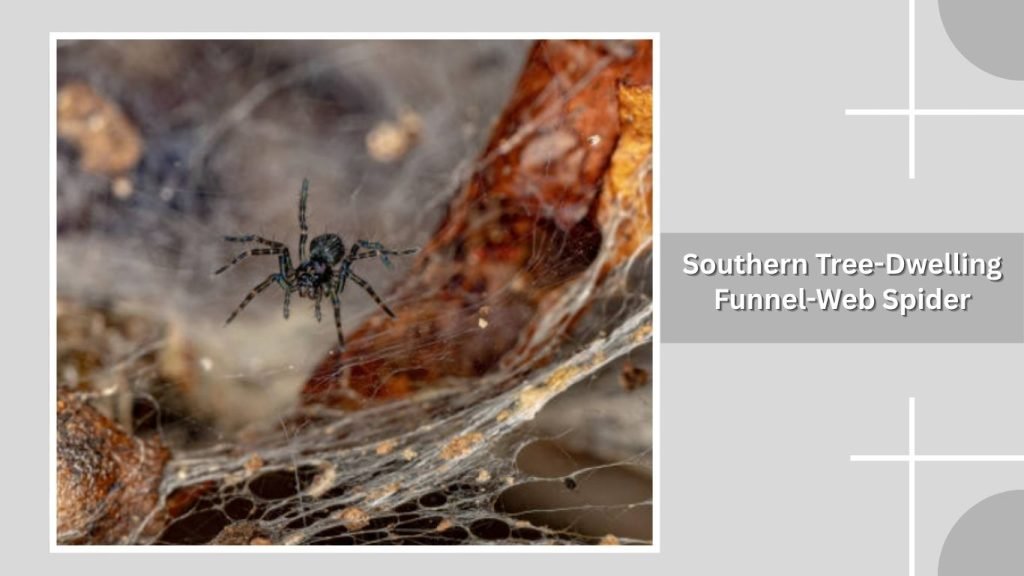
The Southern Tree-Dwelling Funnel-Web Spider is another arboreal species known for its potent venom and secretive lifestyle. Found in eastern Australia, it inhabits elevated environments and is less frequently encountered than ground-dwelling funnel-web spiders. Despite this, it remains a medically important species.
Identification
- Scientific name: Hadronyche cerberea
- Body length: 2–4.5 cm
- Color: Dark brown to almost black
- Carapace: Smooth, glossy, and slightly domed
- Legs: Thick, strong, and dark-colored
- Fangs: Large and powerful
- Abdomen: Dark and somewhat matte compared to the carapace
- Males are smaller but possess more toxic venom
Habitat
This species is commonly found in moist forested regions, particularly in southeastern New South Wales. It prefers tree-based habitats such as hollows, cracks in bark, and rotting logs. Unlike ground species, it rarely builds burrows in soil, instead creating silk-lined retreats in elevated locations where humidity is stable.
Behavior
The Southern Tree-Dwelling Funnel-Web Spider is nocturnal and spends daylight hours hidden within its retreat. At night, it emerges to hunt insects and other small prey. It is generally shy but can become highly defensive if disturbed. Males are more mobile, especially during mating season, which increases the chances of accidental encounters.
Danger to Humans
This spider is considered highly dangerous due to its strong neurotoxic venom. Although bites are uncommon, they can produce serious symptoms such as muscle spasms, sweating, and difficulty breathing. Prompt medical attention and antivenom treatment are essential, and outcomes are usually positive when treated quickly.
4. Blue Mountains Funnel-Web Spider
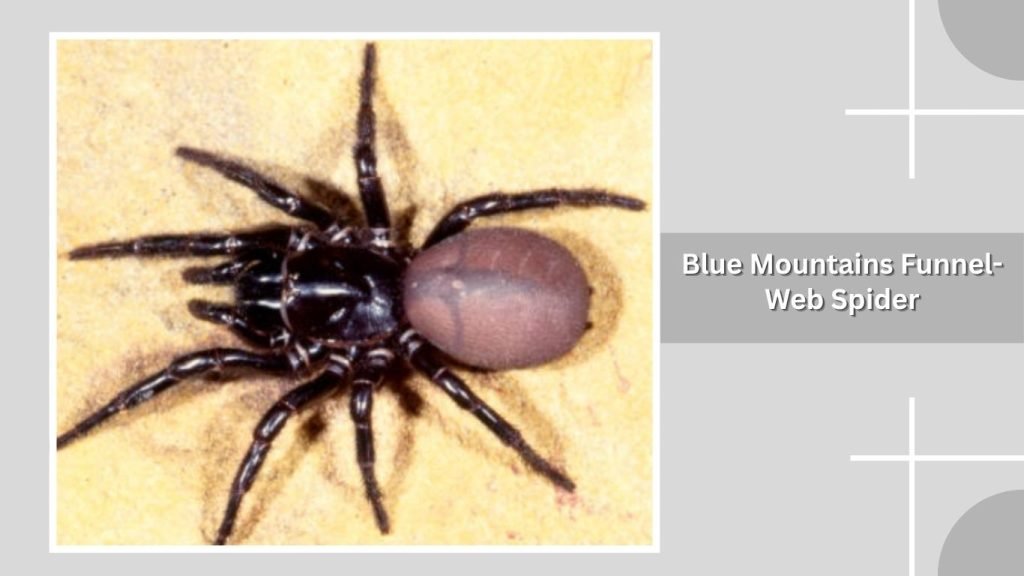
The Blue Mountains Funnel-Web Spider is a lesser-known but still dangerous species found in the mountainous regions of New South Wales, Australia. It shares many characteristics with other funnel-web spiders but is specifically adapted to cooler, forested environments. Its secretive nature means it is not often seen, though it remains medically significant.
Identification
- Scientific name: Hadronyche versuta
- Body length: 2–4 cm
- Color: Dark brown to black
- Carapace: Smooth and glossy
- Legs: Moderately long and strong
- Fangs: Prominent and powerful
- Abdomen: Dark and slightly less shiny
- Males are smaller and more venomous than females
Habitat
This species is primarily found in the Blue Mountains region of New South Wales. It prefers damp, shaded environments such as under rocks, logs, and leaf litter. The spider constructs silk-lined burrows in soil, often with a characteristic funnel-shaped entrance that helps detect prey vibrations.
Behavior
The Blue Mountains Funnel-Web Spider is nocturnal and remains hidden in its burrow during the day. At night, it waits near the entrance to ambush passing prey. It is generally reclusive but will defend itself if disturbed. Males tend to wander during mating season, which increases the likelihood of human contact.
Danger to Humans
Although not as infamous as the Sydney Funnel-Web, this species still possesses strong venom capable of causing serious symptoms. Bites may lead to pain, sweating, nausea, and neurological effects. Immediate medical treatment is important, and antivenom is effective in preventing severe outcomes.
5. Port Macquarie Funnel-Web Spider
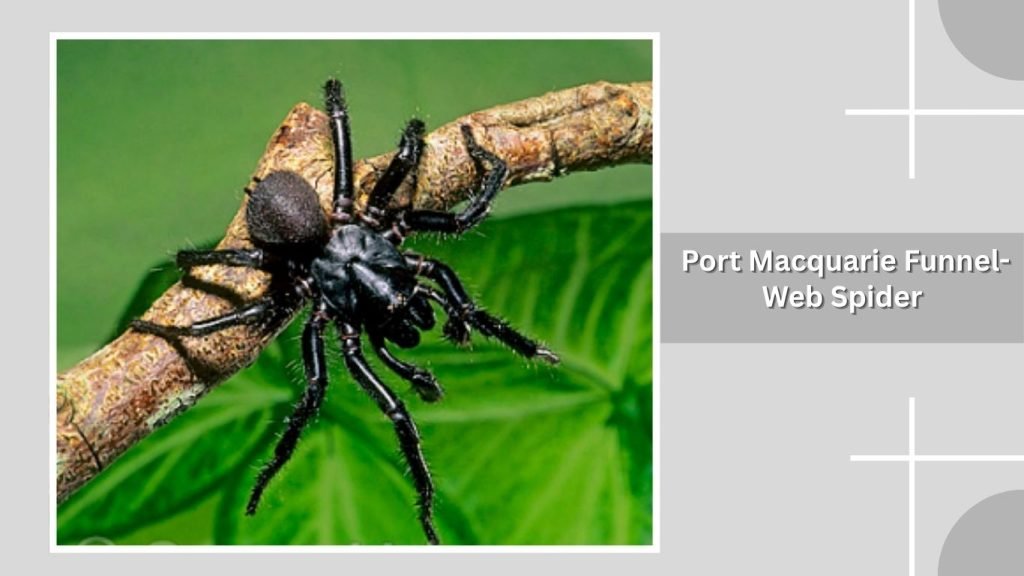
The Port Macquarie Funnel-Web Spider is a regional species found along the mid-north coast of New South Wales, Australia. While not as widely recognized as some other funnel-web spiders, it still carries medically significant venom. Its coastal habitat and burrowing lifestyle make it an important species within its local ecosystem.
Identification
- Scientific name: Hadronyche macquariensis
- Body length: 2–4 cm
- Color: Dark brown to black
- Carapace: Smooth and shiny
- Legs: Sturdy and moderately long
- Fangs: Large and downward-pointing
- Abdomen: Dark and slightly velvety in texture
- Males are smaller but more toxic than females
Habitat
This spider is commonly found in coastal and near-coastal environments around Port Macquarie. It prefers moist, sheltered areas such as under rocks, logs, and dense vegetation. The species constructs silk-lined burrows in the soil, often with a funnel-shaped entrance that helps detect vibrations from prey.
Behavior
The Port Macquarie Funnel-Web Spider is primarily nocturnal and spends most of its time inside its burrow. At night, it waits at the entrance to ambush insects and other small prey. It is generally shy but can become aggressive if disturbed. Males are more active wanderers during the breeding season.
Danger to Humans
This species possesses venom that can be harmful to humans, though serious bites are relatively rare. Symptoms may include pain, sweating, and muscle spasms. As with all funnel-web spiders, immediate medical attention is recommended, and antivenom treatment is highly effective in preventing severe complications.
6. Newcastle Funnel-Web Spider
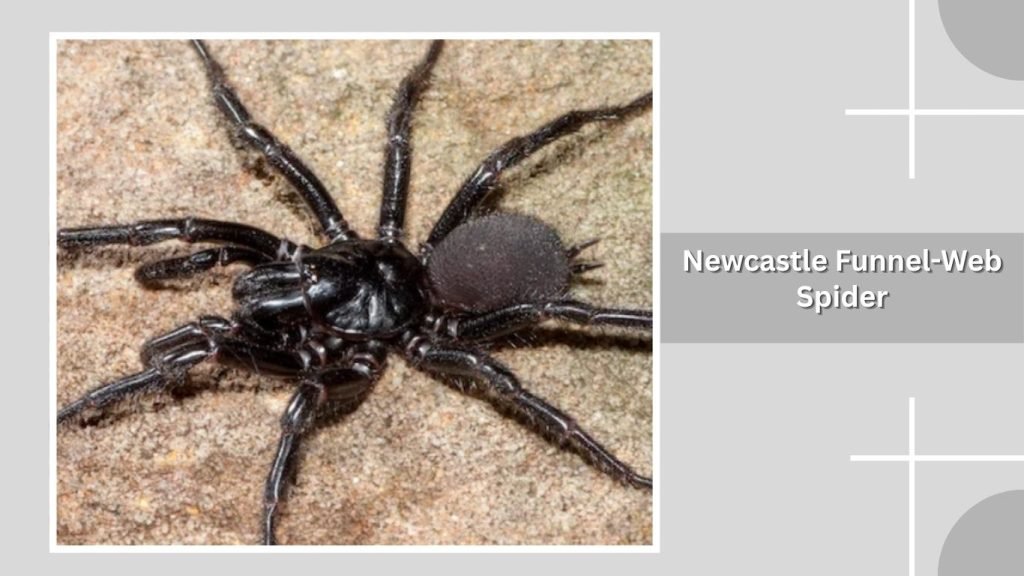
The Newcastle Funnel-Web Spider is a regional species found in parts of eastern New South Wales, particularly around the Newcastle area. It is similar in appearance and behavior to other funnel-web spiders but is adapted to its specific coastal and forested surroundings. Though not as famous, it is still considered potentially dangerous.
Identification
- Scientific name: Hadronyche sp. (Newcastle region)
- Body length: 2–4 cm
- Color: Dark brown to black
- Carapace: Glossy and smooth
- Legs: Strong and dark-colored
- Fangs: Large and capable of deep bites
- Abdomen: Rounded and darker than the carapace
- Males are smaller and more venomous than females
Habitat
This species is typically found in moist, shaded environments around Newcastle. It prefers locations such as under rocks, logs, and dense ground cover. The spider builds silk-lined burrows in the soil, often with a funnel-like entrance. These burrows help detect prey through vibrations and provide protection from predators.
Behavior
The Newcastle Funnel-Web Spider is nocturnal and remains hidden in its burrow during the day. At night, it waits near the entrance to ambush passing insects. It is generally reclusive but can react aggressively if threatened. Males tend to roam during the mating season, increasing the chances of human encounters.
Danger to Humans
Like other funnel-web spiders, this species has venom that can pose a risk to humans. While bites are uncommon, they may cause symptoms such as pain, sweating, and nausea. Prompt medical treatment is important, and the available antivenom is effective in managing serious envenomation cases.
7. Illawarra Funnel-Web Spider
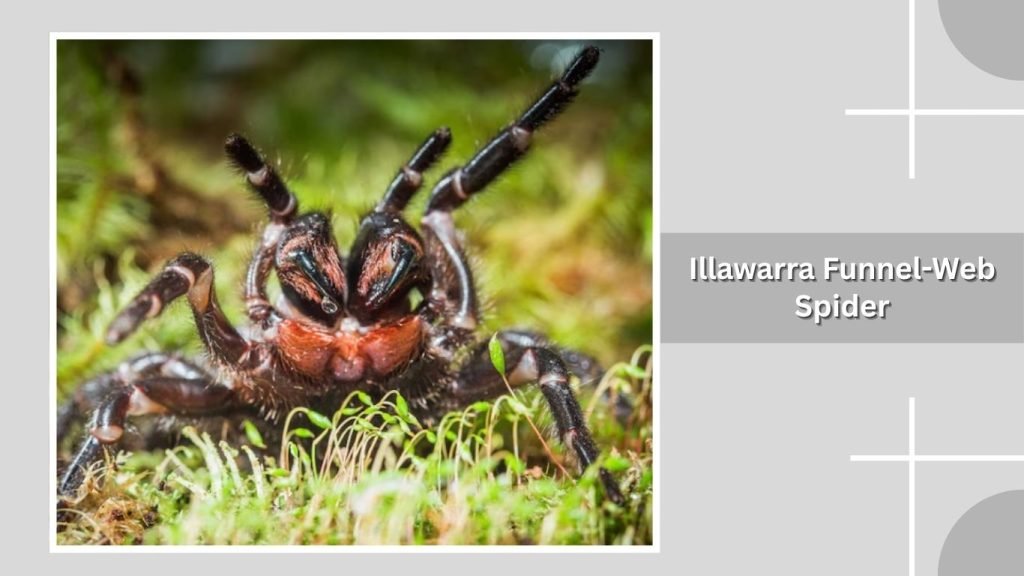
The Illawarra Funnel-Web Spider is a regional species native to the Illawarra region of New South Wales, Australia. It shares many traits with other funnel-web spiders, including strong venom and a burrowing lifestyle. Although not widely known, it is still considered medically important.
Identification
- Scientific name: Hadronyche sp. (Illawarra region)
- Body length: 2–4 cm
- Color: Dark brown to black
- Carapace: Smooth and glossy
- Legs: Thick, strong, and dark
- Fangs: Large and powerful
- Abdomen: Rounded and slightly less shiny
- Males are smaller but more venomous than females
Habitat
This species is commonly found in the Illawarra region, particularly in moist, forested, and suburban environments. It prefers sheltered areas such as under rocks, logs, and leaf litter. The spider constructs silk-lined burrows in soil, often with a funnel-shaped entrance that helps detect prey movements.
Behavior
The Illawarra Funnel-Web Spider is nocturnal and spends most of the day hidden in its burrow. At night, it waits near the entrance to capture passing prey such as insects. It is generally shy but can become aggressive if disturbed. Males are more mobile during mating season, which increases the likelihood of encounters.
Danger to Humans
This species has venom that can be harmful to humans, similar to other funnel-web spiders. Bites may cause symptoms such as pain, sweating, and muscle spasms. Immediate medical attention is advised, and antivenom treatment is effective in preventing severe outcomes.
8. Darling Downs Funnel-Web Spider
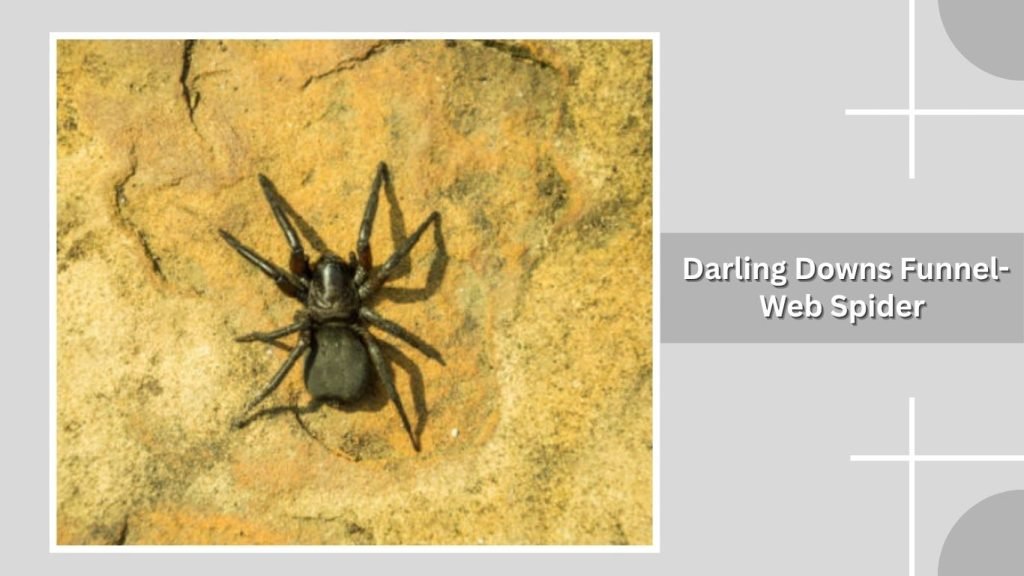
The Darling Downs Funnel-Web Spider is a species found in southeastern Queensland, particularly in the Darling Downs region. It is adapted to inland environments and is less frequently encountered than coastal funnel-web spiders. Despite this, it remains a medically significant species due to its potent venom.
Identification
- Scientific name: Hadronyche infensa
- Body length: 2–5 cm
- Color: Dark brown to black
- Carapace: Smooth and glossy
- Legs: Strong, thick, and dark
- Fangs: Large and robust
- Abdomen: Dark and slightly matte
- Males are smaller but significantly more venomous
Habitat
This species is commonly found in woodland, grassland, and suburban areas of the Darling Downs. It prefers moist, sheltered sites such as under rocks, logs, and dense vegetation. The spider builds silk-lined burrows in the ground, often featuring a funnel-shaped entrance that helps it detect prey.
Behavior
The Darling Downs Funnel-Web Spider is nocturnal and spends most of its time inside its burrow. At night, it positions itself near the entrance to ambush insects and other small prey. It is generally reclusive but will defend itself aggressively if disturbed. Males are more active during the breeding season and may wander in search of females.
Danger to Humans
This species is considered highly dangerous due to its strong neurotoxic venom. Bites can cause severe symptoms such as intense pain, sweating, and nervous system effects. Immediate medical treatment is essential, and antivenom is highly effective when administered promptly.
9. Toowoomba Funnel-Web Spider
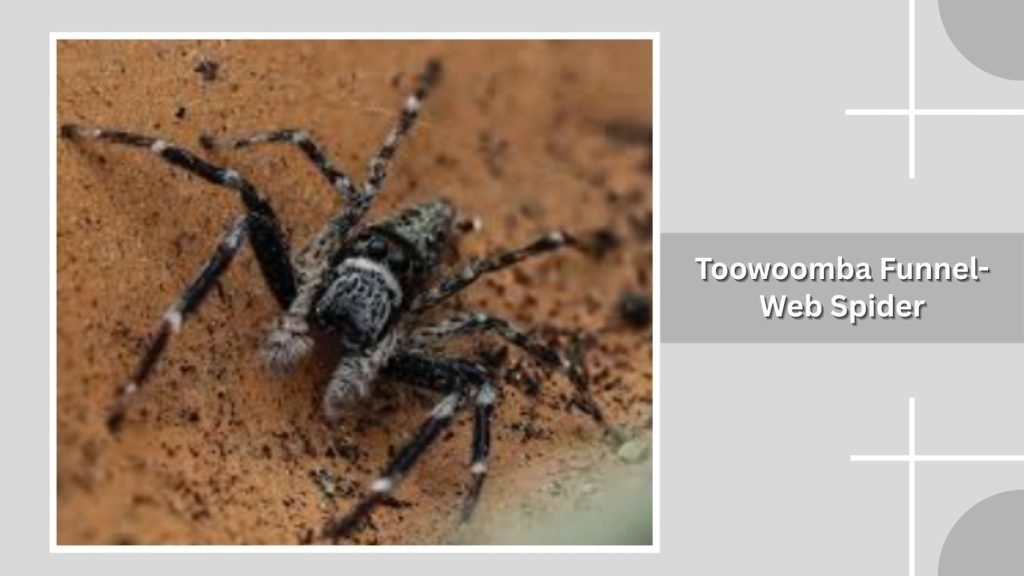
The Toowoomba Funnel-Web Spider is a regional species found in southeastern Queensland, particularly around the Toowoomba area. It is closely related to other inland funnel-web spiders and is adapted to slightly drier environments. Despite being less प्रसिद्ध, it is still considered potentially dangerous.
Identification
- Scientific name: Hadronyche sp. (Toowoomba region)
- Body length: 2–4.5 cm
- Color: Dark brown to black
- Carapace: Smooth and glossy
- Legs: Thick and strong
- Fangs: Large and capable of deep penetration
- Abdomen: Rounded and darker in shade
- Males are smaller but more venomous than females
Habitat
This species is commonly found in woodland and suburban areas around Toowoomba. It prefers sheltered and slightly moist locations such as under rocks, logs, and garden debris. The spider constructs silk-lined burrows in the soil, usually with a funnel-shaped entrance that helps it sense vibrations from nearby prey.
Behavior
The Toowoomba Funnel-Web Spider is nocturnal and remains inside its burrow during the day. At night, it waits at the entrance to ambush insects and other small creatures. It is generally shy but can behave aggressively when threatened. Males tend to wander during the mating season, increasing the chances of human encounters.
Danger to Humans
Like other funnel-web spiders, this species has venom that can be harmful to humans. Bites may result in symptoms such as pain, sweating, and muscle twitching. Although serious incidents are uncommon, immediate medical attention is recommended, and antivenom is effective in treating envenomation.
10. Armidale Funnel-Web Spider
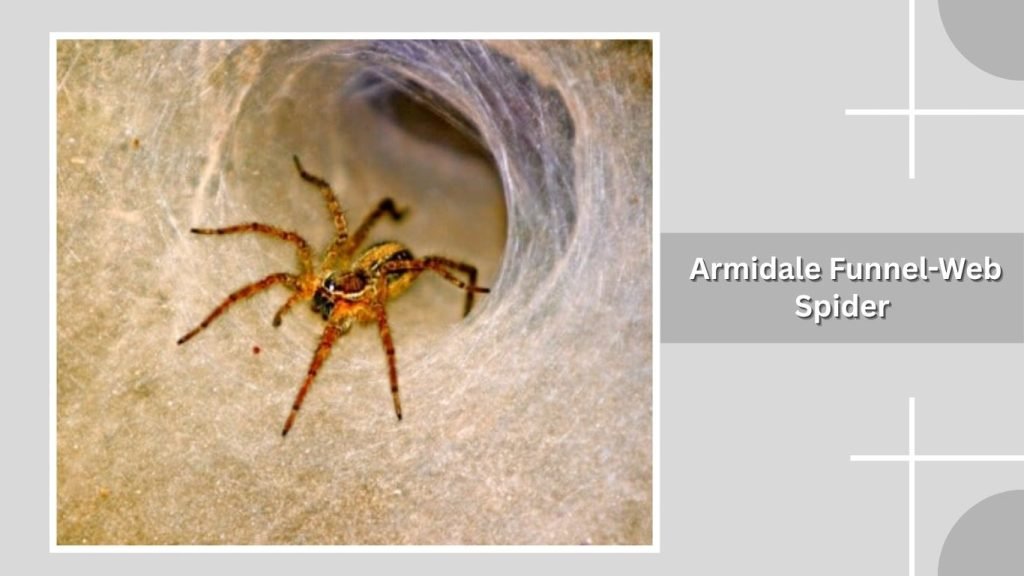
The Armidale Funnel-Web Spider is a regional species found in the New England Tablelands of New South Wales, Australia. It is adapted to cooler, elevated environments and shares many characteristics with other funnel-web spiders. Though not widely known, it is still considered medically important.
Identification
- Scientific name: Hadronyche sp. (Armidale region)
- Body length: 2–4 cm
- Color: Dark brown to black
- Carapace: Smooth and glossy
- Legs: Strong and moderately long
- Fangs: Large and powerful
- Abdomen: Rounded and slightly duller than the carapace
- Males are smaller but more venomous than females
Habitat
This species is typically found in cooler, highland regions around Armidale. It prefers moist and sheltered environments such as under rocks, logs, and dense vegetation. The spider builds silk-lined burrows in soil, often with a funnel-shaped entrance that helps detect prey through vibrations.
Behavior
The Armidale Funnel-Web Spider is nocturnal and remains hidden in its burrow during the day. At night, it waits near the entrance to ambush passing insects and small prey. It is generally reclusive but can become aggressive if disturbed. Males are more active during the breeding season and may wander in search of mates.
Danger to Humans
This species has venom that can pose a risk to humans, similar to other funnel-web spiders. Bites may cause symptoms such as pain, sweating, and nausea. Immediate medical attention is recommended, and antivenom treatment is effective in preventing severe complications.
11. Dorrigo Funnel-Web Spider
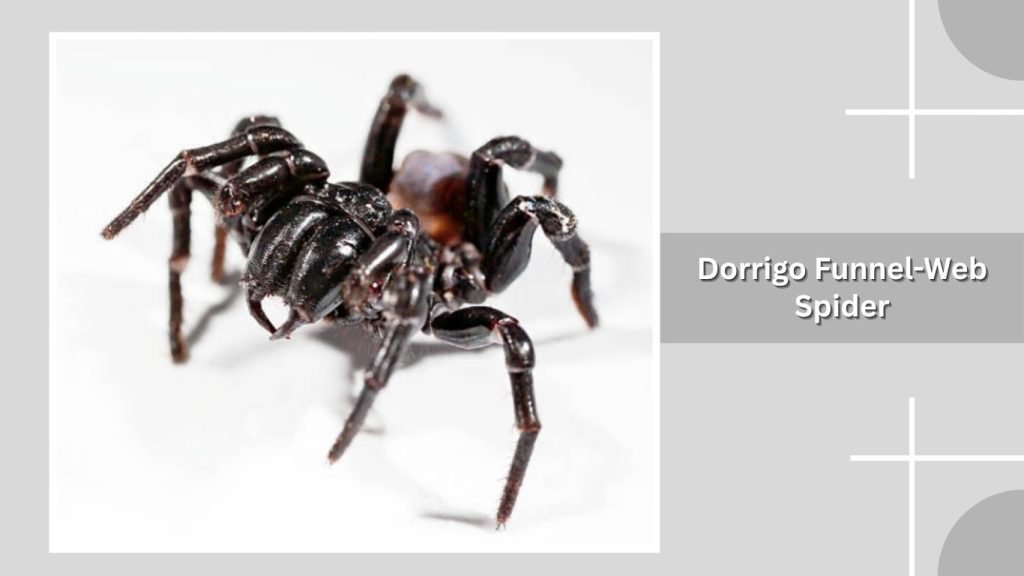
The Dorrigo Funnel-Web Spider is a species found in the subtropical rainforests of northeastern New South Wales, Australia. It thrives in high-humidity environments and is adapted to dense vegetation and cooler forest conditions. Although not commonly encountered, it is still considered a medically significant spider.
Identification
- Scientific name: Hadronyche sp. (Dorrigo region)
- Body length: 2–4.5 cm
- Color: Dark brown to black
- Carapace: Smooth and glossy
- Legs: Strong, dark, and slightly hairy
- Fangs: Large and robust
- Abdomen: Rounded and less shiny than the carapace
- Males are smaller but more venomous than females
Habitat
This species is primarily found in the Dorrigo region, especially in rainforest and moist forest habitats. It prefers shaded, damp environments such as under logs, rocks, and thick leaf litter. The spider constructs silk-lined burrows in soil, often with a funnel-shaped entrance that helps detect prey vibrations.
Behavior
The Dorrigo Funnel-Web Spider is nocturnal and spends most of its time hidden within its burrow. At night, it waits at the entrance to ambush insects and other small prey. It is generally reclusive but can act defensively if disturbed. Males are more active during the mating season and may wander outside their burrows.
Danger to Humans
Like other funnel-web spiders, this species possesses venom that can be harmful to humans. Bites may cause symptoms such as pain, sweating, and muscle spasms. Although encounters are rare, immediate medical attention is essential, and antivenom is effective in treating serious cases.
12. New England Funnel-Web Spider
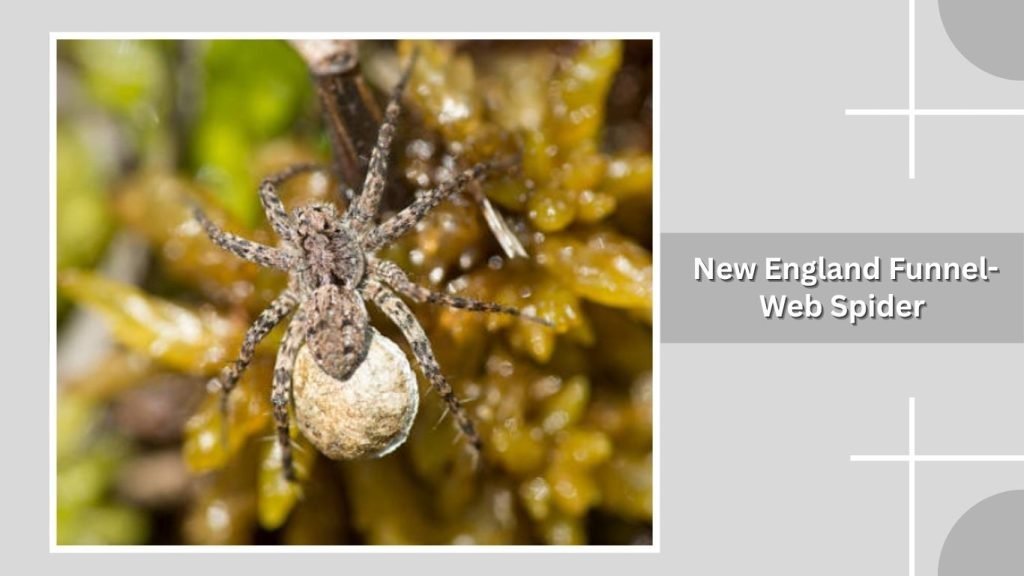
The New England Funnel-Web Spider is a regional species found in the New England region of New South Wales, Australia. It is adapted to cooler, elevated landscapes and shares many traits with other funnel-web spiders. Although not widely recognized, it remains an important species due to its venom.
Identification
- Scientific name: Hadronyche sp. (New England region)
- Body length: 2–4 cm
- Color: Dark brown to black
- Carapace: Smooth and glossy
- Legs: Strong and moderately long
- Fangs: Large and powerful
- Abdomen: Rounded and slightly dull
- Males are smaller but more venomous than females
Habitat
This species is commonly found in highland areas of the New England region. It prefers cool, moist, and sheltered environments such as under rocks, logs, and dense vegetation. The spider constructs silk-lined burrows in soil, often with a funnel-shaped entrance used to detect vibrations from prey.
Behavior
The New England Funnel-Web Spider is nocturnal and spends most of the day hidden inside its burrow. At night, it waits near the entrance to ambush insects and other small prey. It is generally reclusive but can become aggressive if disturbed. Males are more active during mating season and may wander in search of females.
Danger to Humans
This species has venom that can pose a risk to humans, similar to other funnel-web spiders. Bites may lead to symptoms such as pain, sweating, and nausea. Immediate medical attention is recommended, and antivenom treatment is effective in preventing severe outcomes.
FAQs
What makes funnel-web spiders so dangerous?
Funnel-web spiders are dangerous because their venom contains powerful neurotoxins that affect the human nervous system. These toxins can act quickly, causing severe symptoms such as muscle spasms, breathing difficulty, and sweating. Without treatment, bites can be life-threatening, though antivenom has made fatalities extremely rare.
Where are funnel-web spiders commonly found?
Funnel-web spiders are primarily found in eastern Australia, especially in New South Wales and Queensland. They prefer moist, sheltered environments such as forests, gardens, and under rocks or logs. Some species live in trees, while others build burrows in the ground.
Do all funnel-web spiders have the same level of venom?
No, venom potency varies among species and even between males and females. Generally, male funnel-web spiders are more venomous than females. Some species, like the Sydney Funnel-Web, are especially dangerous, while others may cause less severe symptoms but still require medical attention.
What should you do if bitten by a funnel-web spider?
If bitten, apply a pressure immobilization bandage and keep the affected limb still. Seek emergency medical help immediately. Avoid moving too much, as this can spread venom faster. Prompt treatment with antivenom is highly effective and greatly improves survival and recovery outcomes.
Are funnel-web spiders aggressive toward humans?
Funnel-web spiders are not naturally aggressive but can become defensive when threatened. They may rear up and display their fangs instead of retreating. Most bites occur when humans accidentally disturb them, such as while gardening or moving objects where the spider is hiding.
