
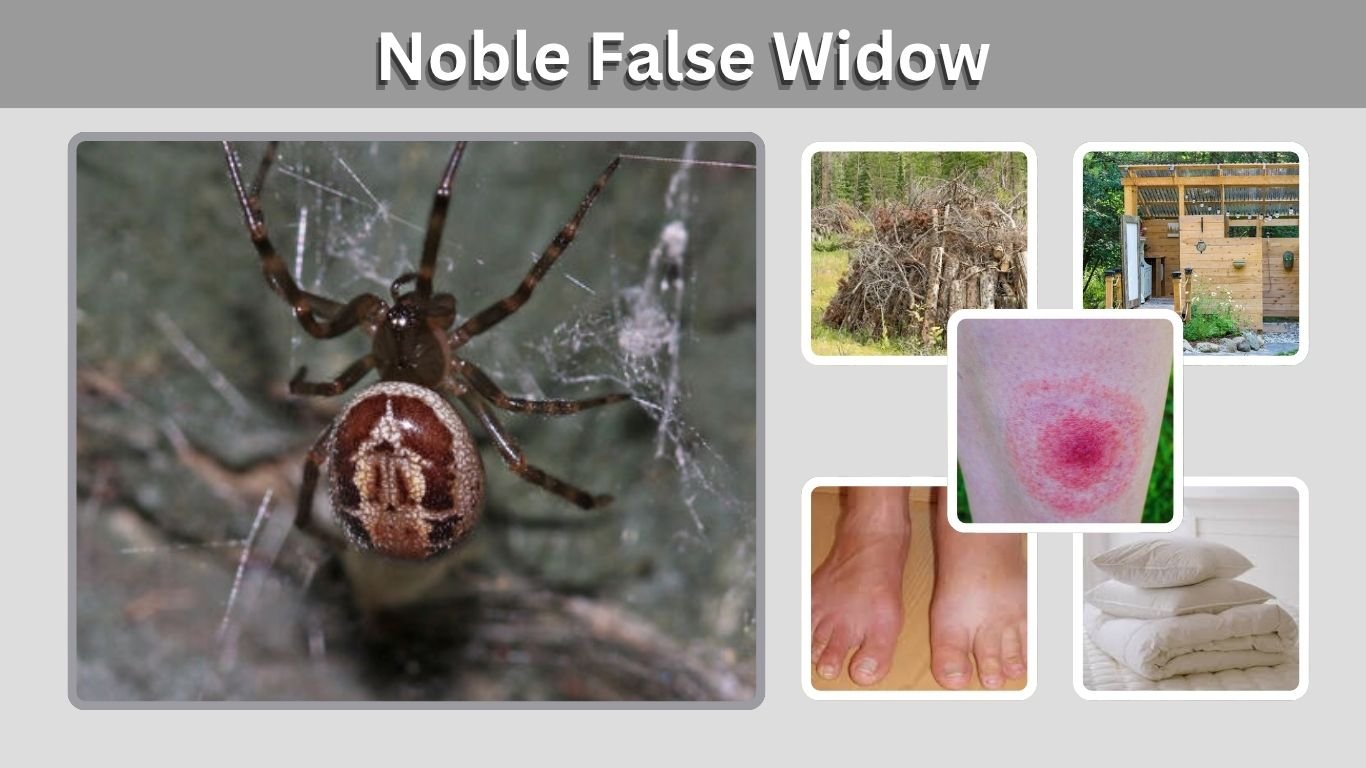
The noble false widow is one of the most talked-about spiders in the UK because it looks similar to true widow spiders and can occasionally bite people. Its scientific name is Steatoda nobilis, and it belongs to a group commonly called false widow spiders. Although it can cause concern, the real risk is usually lower than headlines suggest. Understanding its appearance, behavior, bite symptoms, and differences from black widow spiders helps homeowners respond safely and calmly.
What Is a Noble False Widow Spider?
The noble false widow is a medium-sized cobweb spider from the genus Steatoda. False widow spiders get their name because they resemble true widow spiders from the genus Latrodectus, which includes black widow and brown widow spiders. However, false widows are not the same as black widows, and their venom is generally less medically serious.
The British Arachnological Society explains that “false widow” is most often used for three UK-associated Steatoda species: Steatoda bipunctata, Steatoda grossa, and Steatoda nobilis. The Natural History Museum also notes that false widows are Steatoda spiders and are commonly confused with black widow spiders because of their similar rounded body shape.
Scientific Name and Lower Classification
The noble false widow’s scientific name is Steatoda nobilis. It sits within the spider family Theridiidae, often called cobweb spiders or comb-footed spiders. This is the same broad family that includes true widow spiders, but the noble false widow belongs to a different genus.
Basic classification:
- Kingdom: Animalia
- Phylum: Arthropoda
- Class: Arachnida
- Order: Araneae
- Family: Theridiidae
- Genus: Steatoda
- Species: Steatoda nobilis
Like all spiders, noble false widows have eight limbs, two body sections, and no antennae. Their legs are usually long compared with the body, helping them move through messy cobweb-style webs.
How to Identify a Noble False Widow
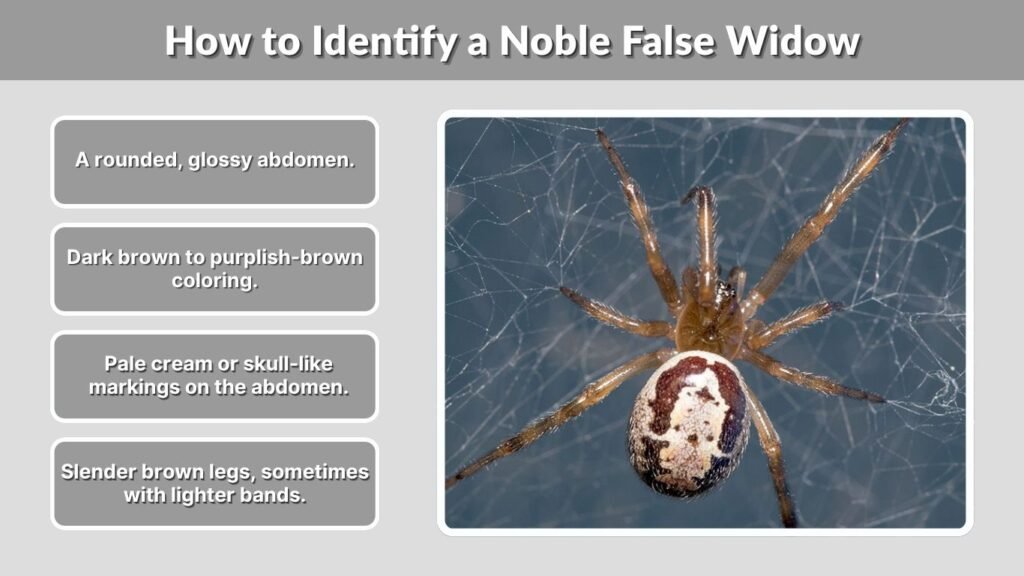
The noble false widow has a shiny, rounded abdomen and a dark brown body. Its markings can vary, which is one reason people often misidentify it. Some individuals have pale cream patterns on the abdomen, while others look darker and plainer.
Key Identification Features
Look for these features when identifying a noble false widow:
- A rounded, glossy abdomen
- Dark brown to purplish-brown coloring
- Pale cream or skull-like markings on the abdomen
- Slender brown legs, sometimes with lighter bands
- A messy cobweb-style web rather than a neat circular web
- A body size usually smaller than many people expect
Female noble false widows are larger than males. The spider is often found in corners, sheds, garages, window frames, conservatories, and wall crevices. It prefers undisturbed areas where insects pass through its web.
Noble False Widow vs False Widow vs Black Widow
Many people search for noble false widow vs false widow because the names are confusing. “False widow” is a general nickname for several Steatoda species. “Noble false widow” refers to one specific species: Steatoda nobilis.
| Spider Type | Scientific Name | Common Locations | Main Risk Level |
|---|---|---|---|
| Noble false widow | Steatoda nobilis | UK, Ireland, parts of Europe, buildings and gardens | Can bite; usually mild to moderate symptoms |
| Other false widows | Steatoda species | UK homes, sheds, walls, gardens | Usually low risk |
| Black widow spider | Latrodectus species | North America and other warm regions | More medically significant venom |
| Brown widow spider | Latrodectus geometricus | Florida, California, warm regions worldwide | Venomous, but often less severe than black widow |
True widow spiders, including black widow and brown widow spiders, belong to Latrodectus. In California, UC IPM notes that there are two widow spiders of concern: the western black widow and the brown widow. In Florida, University of Florida Extension says brown widows occur alongside southern black widows, northern black widows, and red widows.
Are Noble False Widow Spiders Dangerous?
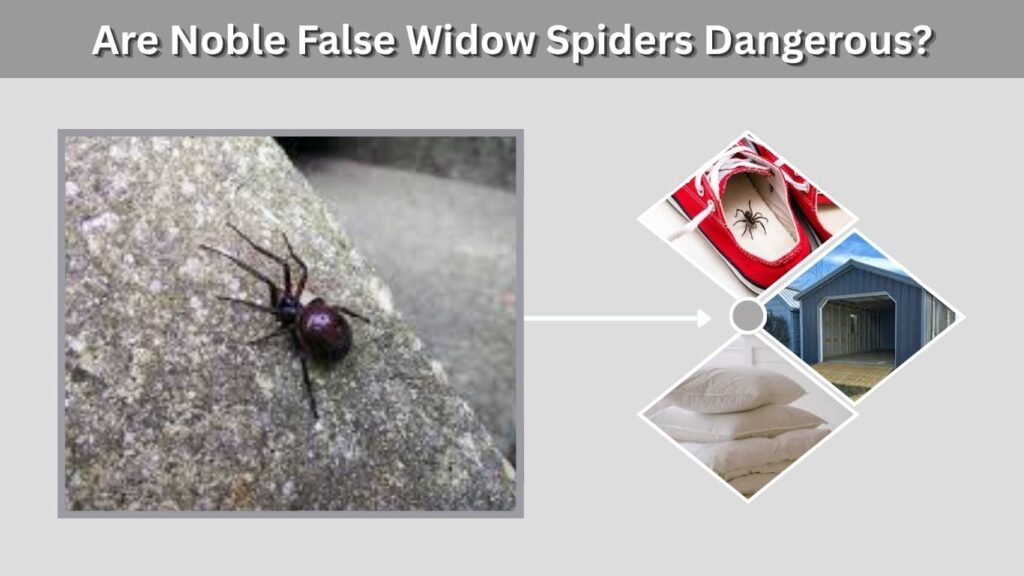
Noble false widows are venomous, but that does not mean they are highly dangerous. Almost all spiders use venom to subdue prey. The important question is whether the venom is medically significant to humans.
The British Arachnological Society states that only a handful of Britain’s spider species can bite through human skin, and that Steatoda nobilis is the only one whose bite can be of medical significance. This means bites deserve attention, but not panic.
Most noble false widow bites are reported as similar to a wasp or bee sting. Symptoms can include pain, redness, swelling, and itching. More serious reactions are uncommon, but possible, especially if the bite becomes infected or the person has a stronger individual reaction.
When Bites Usually Happen
Noble false widows are not aggressive hunters of people. Bites usually happen when the spider is trapped or pressed against skin.
Common situations include:
- Putting on clothing, shoes, or gloves where a spider is hiding
- Reaching into sheds, garages, or storage boxes
- Accidentally pressing against a spider in bedding or furniture
- Handling the spider directly
- Disturbing webs around window frames or dark corners
The safest approach is to avoid touching spiders with bare hands and to move them using a container and card when possible.
Noble False Widow Bite Symptoms
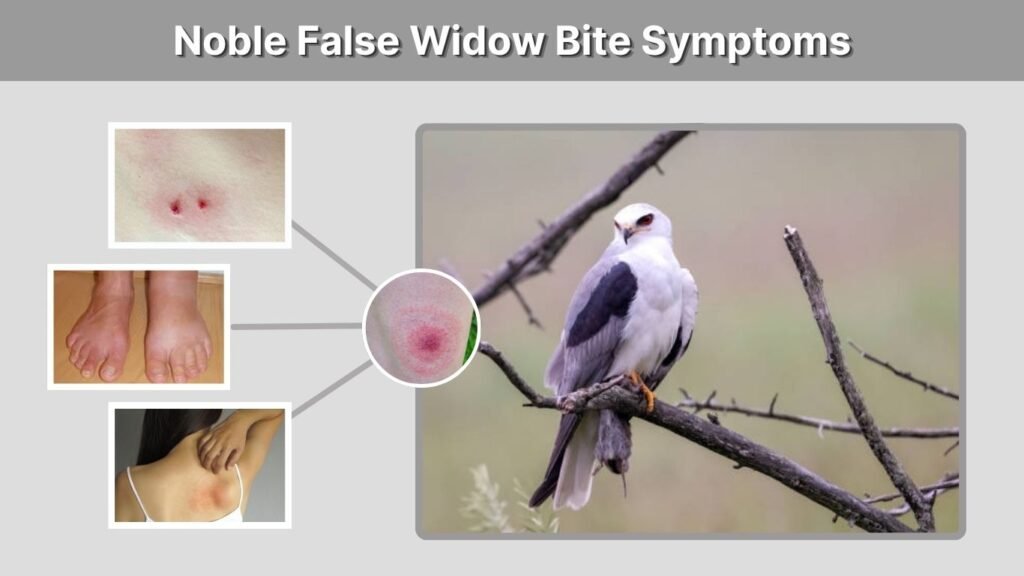
A noble false widow bite may cause local pain soon after the bite. Some people describe it as a sharp pinprick followed by burning or throbbing. The surrounding area may become red, raised, or swollen.
Possible Bite Symptoms
Symptoms can include:
- Immediate sharp pain or stinging
- Redness around the bite site
- Mild to moderate swelling
- Itching or warmth
- A small puncture mark
- Nausea, headache, or tiredness in some cases
- Worsening pain if the area becomes infected
Most symptoms improve with basic first aid. Wash the area with soap and water, apply a cold compress, and keep the bite clean. Seek medical advice if swelling spreads, pain becomes severe, pus develops, you feel unwell, or the bite is near the face, eye, or throat.
Widow Spiders in the UK
The UK does not have native black widow spiders breeding in the same way as warmer regions such as parts of the United States. However, it does have false widow spiders, including the noble false widow. These spiders are now established in many areas, especially around buildings.
The Natural History Museum describes false widows as Steatoda spiders that can cause concern because they resemble black widows, though they are not as dangerous as true black widows. Public health and spider experts have also advised that responses to false widows should remain proportionate to the real risk.
False Widow Spiders UK: Where They Are Found
In the UK, false widows are commonly found in:
- Window frames and door frames
- Conservatories and porches
- Sheds and garages
- Loft spaces and wall gaps
- Garden furniture
- Fences, bins, and outdoor storage areas
They often do well around homes because outdoor lights attract insects, giving the spiders a steady food source.
Widow Spiders in Florida, California, and Australia
Search terms such as widow spiders Florida, widow spiders in California, and widow spiders Australia usually refer to true widow spiders rather than noble false widows.
Widow Spiders in Florida
Florida has several true widow spiders. University of Florida Extension identifies the brown widow, southern black widow, northern black widow, and red widow as venomous widow spiders found in the state. Brown widows are often found around homes, outdoor furniture, mailboxes, fences, and sheltered structures.
Widow Spiders in California
California has the western black widow and the brown widow. UC IPM describes the western black widow as widespread and as the species posing the greatest potential envenomation threat to humans in the western United States. Brown widows are also established in southern California.
Widow Spiders in Australia
Australia is better known for the redback spider, which is also a true widow spider in the genus Latrodectus. Redbacks are related to black widows and can deliver medically significant bites. They are different from the noble false widow, although the rounded body shape can create confusion.
Where Do Black Widow Spiders Live?
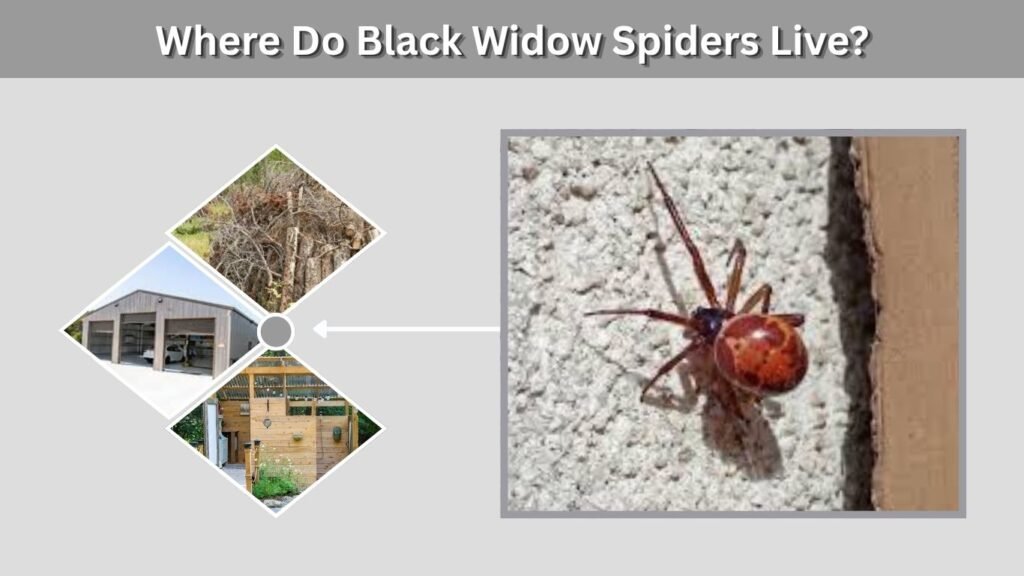
Black widow spiders live in warm, sheltered places where they can build irregular webs and catch insects. They are often found outdoors but may enter structures.
Common black widow hiding places include:
- Wood piles
- Garages and sheds
- Crawl spaces
- Outdoor toilets or storage units
- Under rocks or debris
- Around patio furniture
- In meter boxes and wall voids
Black widows are shy and prefer to avoid people. The main risk comes from accidental contact, especially when someone reaches into a dark space without gloves.
How to Get Rid of Widow Spiders Safely
Whether you are dealing with false widow spiders in the UK or true widow spiders in warmer regions, prevention is usually better than spraying chemicals everywhere. Spiders follow food, shelter, and quiet hiding spaces. Reducing these conditions can make your home less attractive to them.
Practical Spider Control Steps
Use these steps to reduce widow-type spiders around your home:
- Remove clutter from garages, sheds, and storage rooms
- Wear gloves when moving wood, boxes, or garden furniture
- Vacuum webs, egg sacs, and corners regularly
- Seal cracks around doors, windows, pipes, and vents
- Keep outdoor lights off when not needed to reduce insects
- Store shoes, gloves, and clothing in sealed containers
- Move firewood and debris away from the house
- Use a pest professional for repeated black widow or brown widow activity
For noble false widows, you can often remove a single spider using a cup and card. For true black widows, especially in high-risk areas or around children and pets, professional pest control may be safer.
Are Brown Widow Spiders Poisonous?
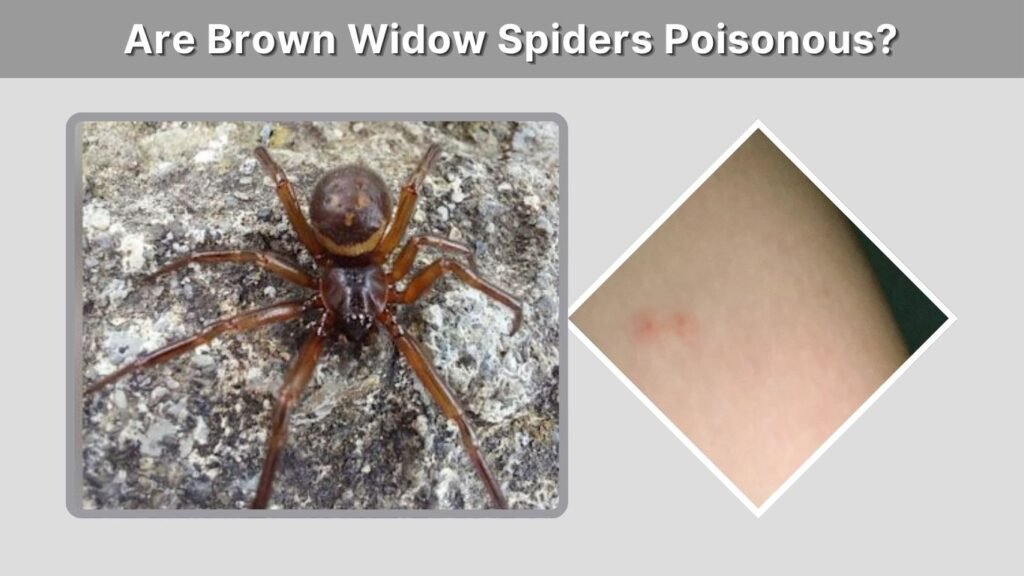
People often say “poisonous,” but the more accurate word is venomous. Poison harms when swallowed or touched; venom is injected through a bite or sting. Brown widow spiders are venomous, but their bites are often less severe than black widow bites.
Brown widows still deserve caution. They may live close to homes, especially in warm climates such as Florida and California. Their egg sacs are often distinctive because they look spiky or tufted, unlike smoother egg sacs made by many other spiders.
FAQs
Are false widow spiders dangerous?
False widow spiders can bite, but most are not highly dangerous. The noble false widow is the UK species most associated with medically noticeable bites. Most bites cause local pain, redness, or swelling, but severe reactions are uncommon. Seek medical help if symptoms worsen or infection appears.
What is the scientific name of the noble false widow?
The scientific name of the noble false widow is Steatoda nobilis. It belongs to the family Theridiidae, the cobweb spider family. It is related to widow spiders at the family level but is not a true black widow or brown widow.
What does a noble false widow bite feel like?
A bite may feel like a sharp sting or pinprick, followed by burning, throbbing, redness, and swelling. Many people compare it to a wasp sting. Symptoms are usually local, but medical advice is recommended if pain spreads, swelling increases, or you feel unwell.
Are there black widow spiders in the UK?
Black widow spiders are not normally established in the UK in the way false widow spiders are. The spiders commonly causing concern in UK homes are usually false widows, especially Steatoda species. They may look similar to black widows but are different spiders.
How can I tell a false widow from a black widow?
False widows are usually brownish with cream markings, while female black widows are often glossy black with a red hourglass marking underneath the abdomen. Location also matters. In the UK, a widow-like spider is much more likely to be a false widow than a true black widow.
