
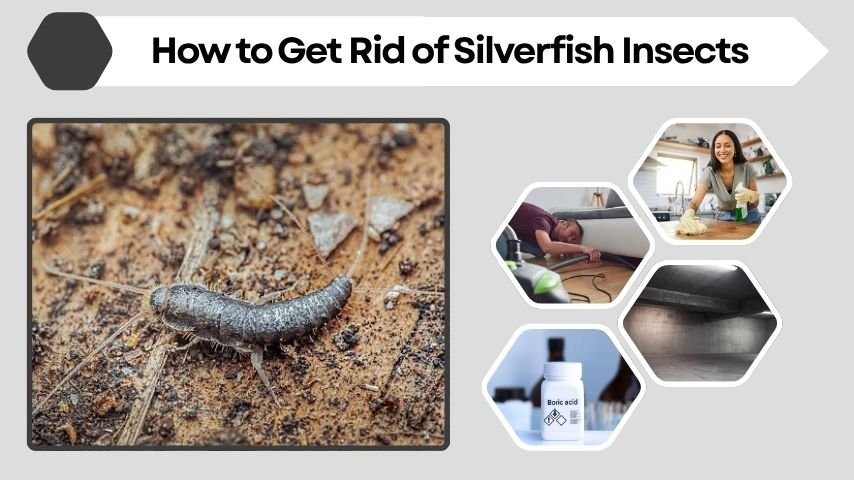
Silverfish insects are small, fast-moving pests that often appear in bathrooms, kitchens, basements, closets, and storage areas. They do not bite humans, but they can damage paper, books, wallpaper, clothing, cardboard, and stored food. Silverfish love moisture, darkness, and clutter, so the best way to remove them is to combine cleaning, moisture control, sealing cracks, and targeted treatment. This step-by-step guide explains how to get rid of silverfish insects and stop them from coming back.
What Are Silverfish Insects?
Silverfish are wingless insects with long, flat bodies and a shiny silver-gray color. Their bodies are shaped like a tiny fish, which is why they are called silverfish. They move quickly and usually hide during the day, coming out at night to search for food.
Silverfish are attracted to starches, sugars, paper, glue, fabric, and damp materials. You may find them near bookshelves, cardboard boxes, laundry piles, bathroom cabinets, kitchen cupboards, or under sinks.
Common Signs of Silverfish
You may have silverfish in your home if you notice:
- Small silver or gray insects running across floors or walls
- Yellowish stains on paper, fabric, or cardboard
- Tiny holes in books, wallpaper, clothing, or documents
- Shed skins in dark corners
- Black pepper-like droppings near hiding places
- Damage around stored food packaging
Silverfish are usually a sign that your home has moisture, clutter, or hidden cracks where they can live.
Step 1: Find Where Silverfish Are Hiding
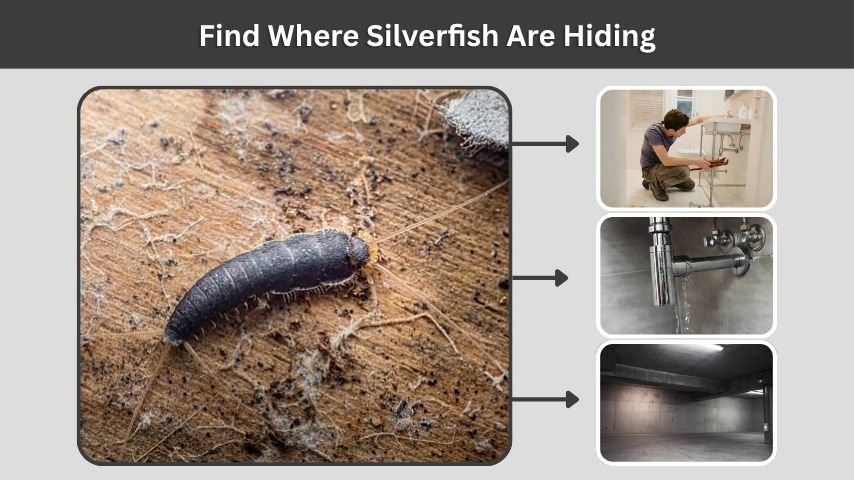
The first step is to inspect your home carefully. Silverfish are nocturnal, so you may not see many during the day. They prefer dark, humid places where they can hide and find food.
Check bathrooms, kitchens, basements, attics, closets, laundry rooms, and storage areas. Look behind baseboards, under sinks, near drains, around bookshelves, inside cardboard boxes, and behind wallpaper.
Best Places to Inspect
Focus on these common hiding spots:
- Under bathroom sinks
- Behind toilets and bathtubs
- Inside kitchen cabinets
- Around leaky pipes
- Behind baseboards
- In basement corners
- Inside cardboard storage boxes
- Around books, papers, and old magazines
- Under piles of laundry
- Behind loose wallpaper
Finding their hiding places helps you treat the right areas instead of wasting time spraying random spots.
Step 2: Reduce Moisture in Your Home
Moisture control is one of the most important steps in getting rid of silverfish. These insects thrive in humid areas. If your home stays damp, silverfish can survive and reproduce even after you kill some of them.
Use a dehumidifier in basements, bathrooms, laundry rooms, or any room that feels damp. Try to keep indoor humidity below 50% when possible. Run bathroom fans after showers and open windows when weather allows.
Fix leaking pipes, dripping faucets, clogged drains, and water-damaged walls. Silverfish often hide near moisture sources, so removing damp conditions makes your home less attractive to them.
Ways to Lower Humidity
- Use a dehumidifier in damp rooms
- Repair plumbing leaks quickly
- Run exhaust fans after bathing or cooking
- Improve airflow in closets and storage areas
- Avoid leaving wet towels or laundry on the floor
- Clean condensation around windows
- Keep basement areas dry and ventilated
When moisture is reduced, silverfish have a harder time surviving.
Step 3: Remove Food Sources
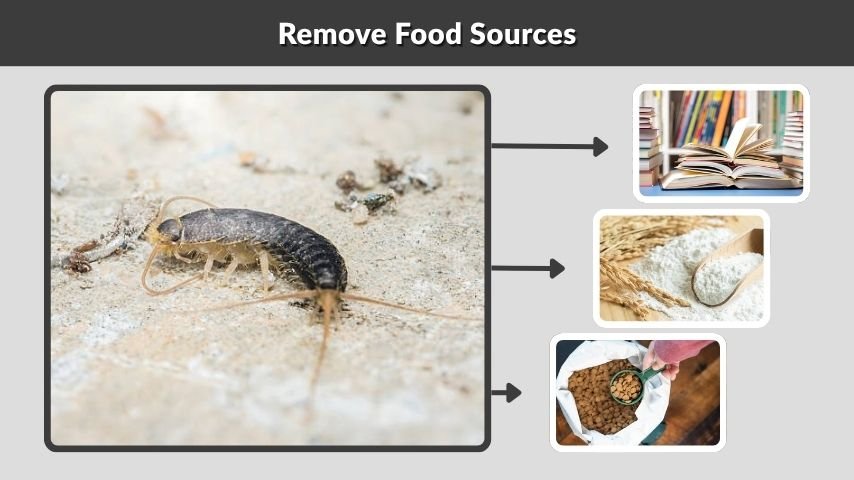
Silverfish eat many common household materials. They are especially attracted to starch, glue, paper, cardboard, cereals, flour, sugar, pet food, and fabric. Removing these food sources can help reduce the infestation.
Store dry foods in sealed containers made of glass, metal, or thick plastic. Do not leave cereal boxes, flour bags, or pet food open. Clean crumbs from kitchen floors, pantry shelves, and cabinet corners.
Also remove old newspapers, magazines, paper piles, and unused cardboard boxes. Cardboard is one of the most common silverfish hiding and feeding materials.
Food Sources Silverfish Like
Silverfish may feed on:
- Paper and books
- Cardboard boxes
- Wallpaper glue
- Flour and cereal
- Sugar and starches
- Pet food
- Cotton, linen, and silk
- Dead insects
- Dust and hair
- Old photographs and documents
A clean, dry, organized home gives silverfish fewer places to hide and less food to eat.
Step 4: Declutter Storage Areas
Clutter gives silverfish safe hiding spots. Basements, attics, closets, and garages often become silverfish-friendly because they contain boxes, paper, fabric, and dark corners.
Start by removing unnecessary items. Throw away old cardboard, damaged papers, unused magazines, and broken items. Keep important documents in sealed plastic containers instead of cardboard boxes.
Move stored items away from walls so you can inspect and clean behind them. Vacuum corners, shelves, and floor edges. If you store clothing, blankets, or books, keep them in airtight bins.
Step 5: Vacuum and Deep Clean
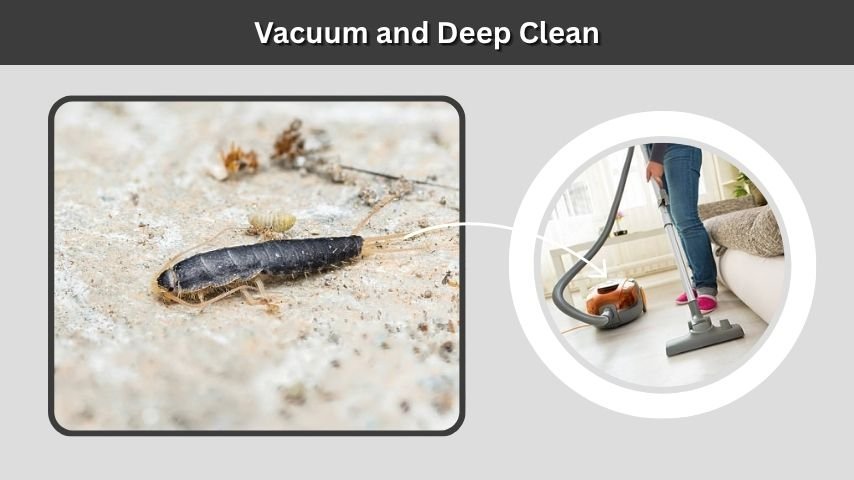
Vacuuming helps remove silverfish, eggs, shed skins, crumbs, and dust. Use a vacuum with a hose attachment to clean cracks, corners, baseboards, closets, and under furniture.
Pay special attention to hidden areas where silverfish may lay eggs. After vacuuming, empty the vacuum bag or canister outside the home to prevent insects from escaping back inside.
Deep cleaning also removes food particles and organic debris. Wipe pantry shelves, mop floors, clean under appliances, and dust bookshelves. Regular cleaning is not enough by itself, but it is an important part of a full control plan.
Areas to Clean Carefully
- Baseboards and floor edges
- Bathroom cabinets
- Kitchen pantry shelves
- Closet corners
- Laundry room floors
- Bookshelves
- Under sinks
- Behind appliances
- Storage boxes
- Basement and attic corners
The goal is to remove both the insects and the conditions that help them survive.
Step 6: Seal Cracks and Entry Points
Silverfish can hide in very small cracks. They may enter through gaps around windows, doors, pipes, vents, and foundations. They also live inside wall voids, baseboard gaps, and flooring cracks.
Use caulk to seal cracks around baseboards, window frames, door frames, and bathroom fixtures. Seal gaps around plumbing pipes under sinks. Repair torn screens and install door sweeps if needed.
This step helps reduce hiding places and prevents new silverfish from entering your living space.
Step 7: Use Silverfish Traps
Traps are useful for monitoring and reducing silverfish activity. Sticky traps can catch silverfish as they move along walls and floors at night. Place traps near baseboards, under sinks, behind toilets, inside closets, and near bookshelves.
You can also use simple homemade traps. A glass jar wrapped with tape on the outside can attract silverfish. They climb the rough tape, fall into the jar, and cannot climb out because the inside glass is slippery.
Best Trap Locations
Place silverfish traps in:
- Bathroom corners
- Under sinks
- Kitchen cabinets
- Basement walls
- Closet floors
- Near bookshelves
- Behind laundry baskets
- Around storage boxes
- Along baseboards
Check traps every few days. If you keep catching silverfish in the same area, that is likely close to their main hiding spot.
Step 8: Try Natural Silverfish Repellents
Natural repellents may help reduce silverfish activity, especially in mild infestations. However, they usually work best when combined with cleaning, moisture control, and sealing cracks.
Cedar, lavender, citrus, cinnamon, and cloves are often used as natural repellents. You can place cedar blocks in closets or use dried lavender sachets near storage areas. Essential oils can be diluted and sprayed lightly around baseboards, but avoid spraying on delicate surfaces, books, or fabrics.
Natural repellents may push silverfish away from certain areas, but they may not kill eggs or remove a large infestation.
Step 9: Use Diatomaceous Earth
Diatomaceous earth is a powder that can help control silverfish by damaging their outer layer, causing them to dry out. Use food-grade diatomaceous earth and apply it lightly in cracks, behind baseboards, under cabinets, and around hidden areas.
Do not pile it heavily. A thin layer works better because insects are more likely to walk through it. Avoid breathing in the dust during application, and keep it away from children and pets.
Diatomaceous earth works slowly, so it may take several days or weeks to notice results. It is most effective in dry areas because moisture reduces its performance.
Step 10: Use Boric Acid Carefully
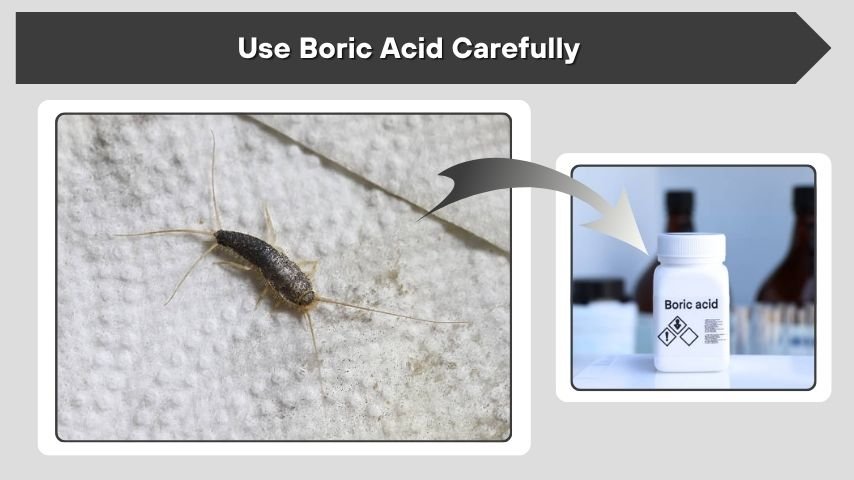
Boric acid can be effective against silverfish, but it must be used with caution. It can be harmful if swallowed or inhaled, so it should not be placed where children or pets can reach it.
Apply small amounts in cracks, wall voids, behind appliances, and other hidden locations. Do not use it on countertops, food areas, bedding, or open floors where people walk often.
Boric acid works when silverfish walk through it or ingest it. Like diatomaceous earth, it is not an instant solution. It works best as part of a complete control plan.
Step 11: Use Insecticide Sprays When Needed
For larger infestations, you may need an insecticide labeled for silverfish. Choose a product designed for indoor crawling insects and follow the label instructions exactly.
Spray only in cracks, crevices, baseboards, and hiding areas. Avoid spraying food surfaces, dishes, clothing, bedding, or areas where pets sleep. More spray does not mean better results. Targeted application is safer and more effective.
If you are unsure which product to use, contact a pest control professional.
Step 12: Protect Books, Clothes, and Paper Items
Silverfish can damage valuable books, important documents, photographs, and clothing. If you have a silverfish problem, protect these items before the infestation spreads.
Store documents, photos, and books in dry areas. Avoid keeping them in damp basements or garages. Use sealed plastic bins instead of cardboard boxes. For clothing, wash and dry items before storage, then keep them in airtight containers or garment bags.
Do not store clothes on the floor, especially in humid closets or laundry rooms.
Step 13: Keep the Kitchen and Pantry Clean
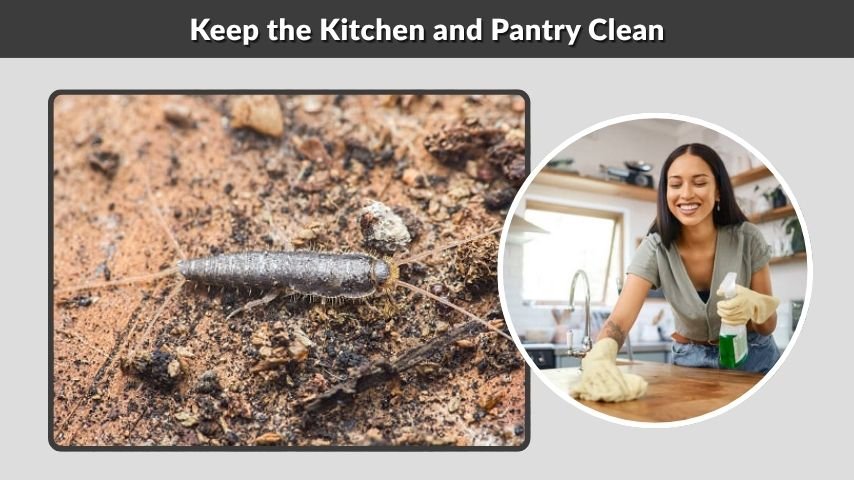
Silverfish may enter pantries to feed on flour, cereal, sugar, rice, pasta, and other dry goods. Even if they do not infest food directly, they can hide in packaging and cabinet cracks.
Remove open or damaged packages. Transfer dry foods into airtight containers. Wipe shelves with soapy water and vacuum corners. Check behind appliances and under cabinets for crumbs.
Pantry Prevention Tips
- Store flour, cereal, and grains in sealed containers
- Clean spills immediately
- Avoid keeping old food packages
- Check pet food storage
- Vacuum pantry corners
- Keep shelves dry
- Remove cardboard packaging when possible
A clean pantry gives silverfish fewer reasons to stay.
Step 14: Monitor the Problem for Several Weeks
Silverfish control takes time. Even after you remove adults, eggs may still hatch. Keep traps in place for several weeks and continue checking high-risk areas.
If you see fewer silverfish over time, your control plan is working. If activity stays the same or gets worse, you may have hidden moisture, wall void infestations, or untreated storage areas.
Keep cleaning, reducing humidity, and sealing cracks until the problem is fully under control.
Step 15: Call a Pest Control Professional for Severe Infestations
If silverfish keep returning despite your efforts, it may be time to call a professional pest control service. Severe infestations can hide inside walls, ceilings, insulation, or large storage areas.
A professional can inspect the home, identify moisture problems, apply targeted treatments, and recommend long-term prevention steps. This is especially helpful if silverfish are damaging books, clothing, wallpaper, or stored items.
How to Prevent Silverfish from Coming Back
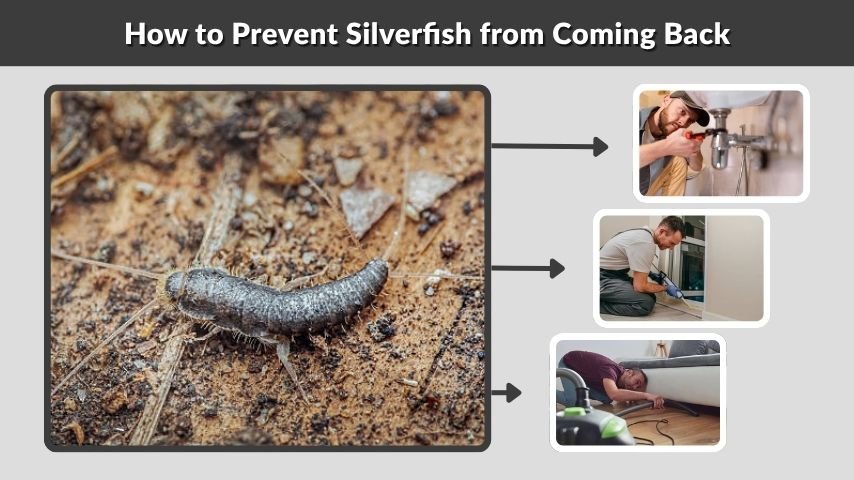
Prevention is easier than dealing with a full infestation. Once you remove silverfish, keep your home dry, clean, and sealed.
Reduce humidity, fix leaks, store food properly, remove clutter, and avoid keeping cardboard boxes in damp rooms. Vacuum often, especially around baseboards and storage areas. Inspect bathrooms, kitchens, basements, and closets regularly.
| Prevention Step | Why It Helps |
|---|---|
| Lower humidity | Makes the home less suitable for silverfish |
| Seal cracks | Removes hiding places and entry points |
| Store food in containers | Reduces feeding sources |
| Remove cardboard | Eliminates hiding and nesting spots |
| Vacuum regularly | Removes eggs, dust, and insects |
| Fix leaks | Removes moisture sources |
Consistent prevention is the best way to keep silverfish insects away for good.
DIY vs Professional Silverfish Control
| Method | Best For | Limitations |
|---|---|---|
| Cleaning and decluttering | Mild infestations | May not remove hidden eggs |
| Dehumidifiers | Moisture-related problems | Takes time to work |
| Sticky traps | Monitoring activity | Does not remove all insects |
| Diatomaceous earth | Dry cracks and hidden areas | Less effective in damp places |
| Boric acid | Targeted crack treatment | Must be used carefully |
| Professional treatment | Severe or recurring infestations | Costs more than DIY methods |
For most homes, the best approach is to start with DIY control and call a professional if the problem does not improve.
FAQs
Are silverfish insects dangerous?
Silverfish are not dangerous to humans. They do not bite, sting, or spread disease in most cases. However, they can damage books, paper, wallpaper, clothing, cardboard, and stored food packaging.
What kills silverfish fast?
Insecticide sprays labeled for silverfish can kill them quickly when applied directly or in hiding areas. However, killing visible silverfish is not enough. You also need to reduce moisture, remove food sources, and seal cracks to stop them from coming back.
Why do I have silverfish in my house?
You may have silverfish because your home has moisture, dark hiding places, paper, cardboard, crumbs, or stored dry foods. Bathrooms, kitchens, basements, closets, and storage rooms are common silverfish areas.
Can silverfish live in beds?
Silverfish can occasionally appear near beds, especially if the room is humid or cluttered. However, they do not usually live in beds like bed bugs. They are more likely to hide in baseboards, closets, books, papers, or fabric storage.
How long does it take to get rid of silverfish?
It can take a few weeks to several months, depending on the size of the infestation. Silverfish eggs may continue to hatch, so it is important to keep traps, cleaning, moisture control, and prevention steps in place.
