
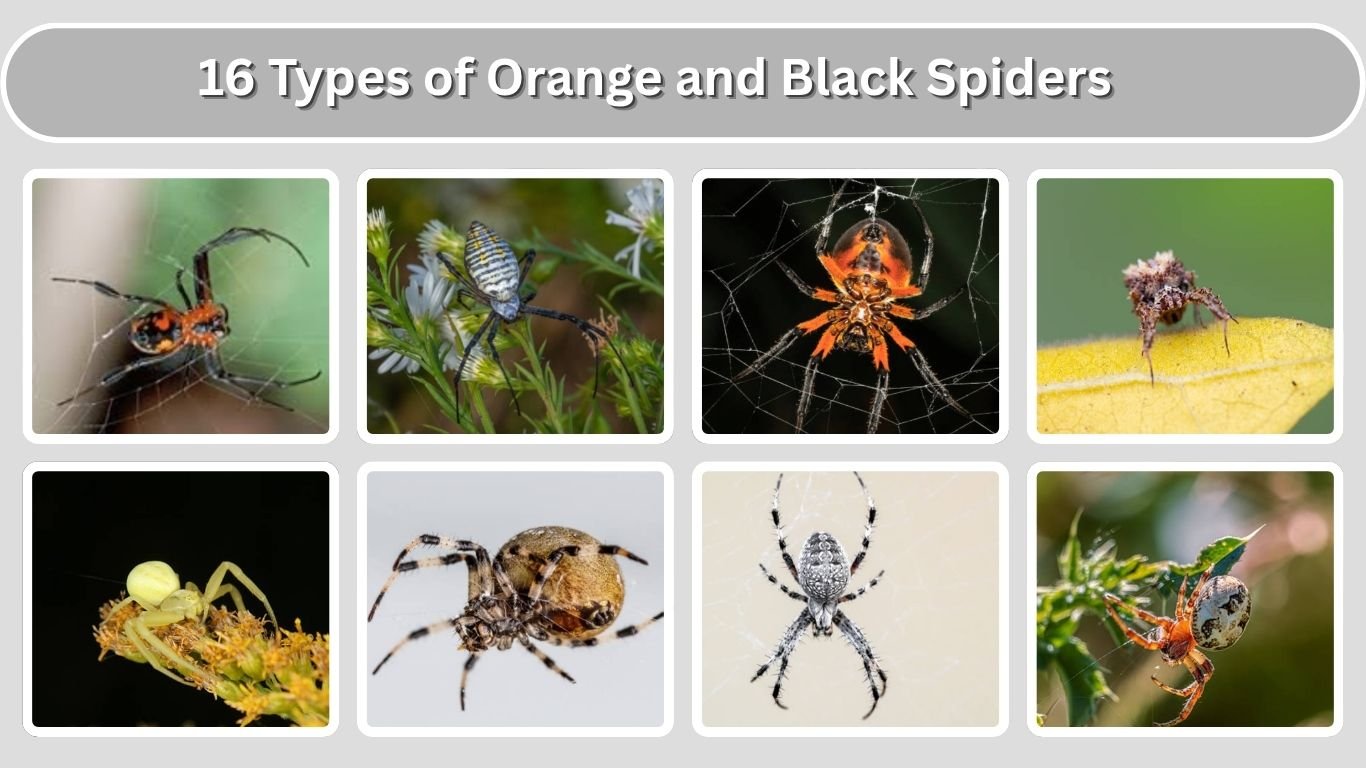
Orange and black spiders are among the most visually striking arachnids, often recognized for their bold patterns and contrasting colors. Found in gardens, forests, and grasslands, these spiders include both web builders and active hunters. Despite their vivid appearance, most are harmless and play a valuable role in controlling insect populations in their natural habitats.
1. Black and Orange Garden Spider
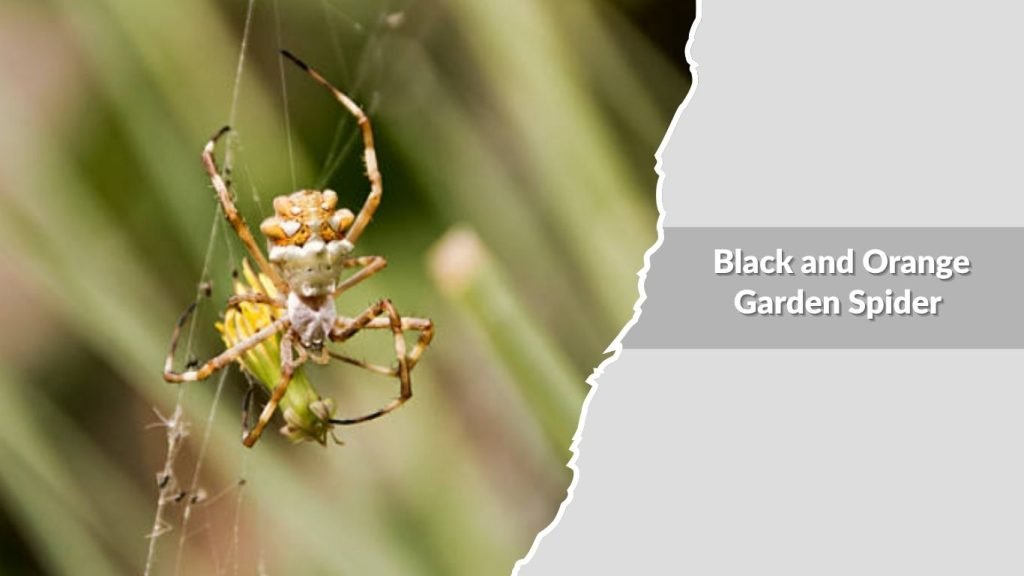
The Black and Orange Garden Spider (Argiope aurantia) is a large, eye-catching spider often found in gardens. Its bold coloration and intricate web make it one of the most recognizable orb-weaving spiders.
Identification
- Black body with bright orange or yellow markings
- Large, rounded abdomen
- Long legs with banded patterns
- Distinctive zigzag pattern in the web (stabilimentum)
- Females significantly larger than males
Habitat
This spider is commonly found in gardens, fields, and open wooded areas. It builds large orb webs between plants, branches, or structures where flying insects are abundant.
Behavior
The Black and Orange Garden Spider spends most of its time sitting in the center of its web. It remains still until vibrations signal trapped prey. It is non-aggressive and rarely leaves its web unless disturbed.
Diet
Its diet mainly consists of flying insects such as flies, grasshoppers, and beetles. By capturing these insects, it plays an important role in natural pest control.
2. Marbled Orb Weaver
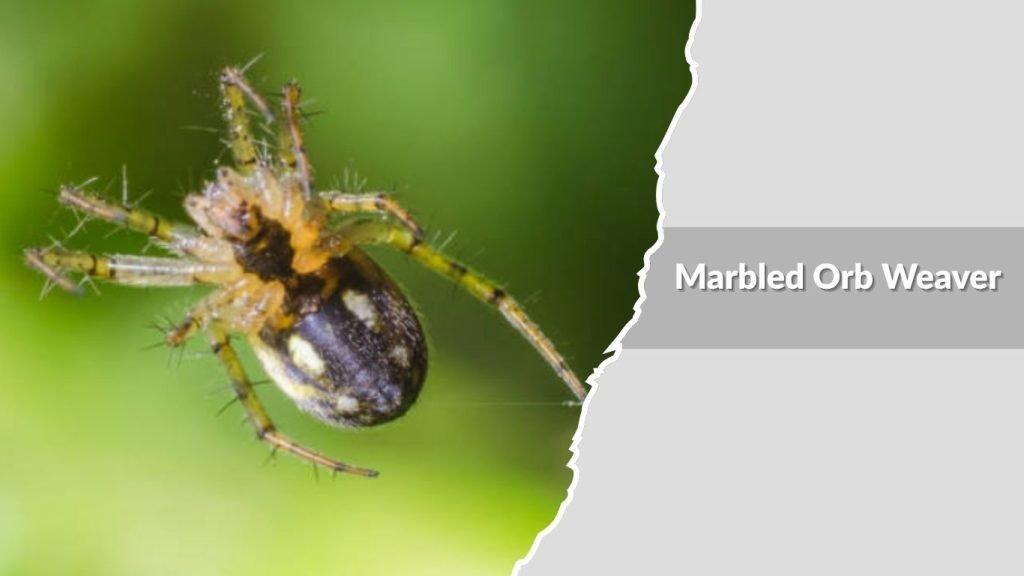
The Marbled Orb Weaver (Araneus marmoreus) is a colorful spider known for its striking orange and black marbled pattern. It is sometimes called the “pumpkin spider” due to its bright appearance.
Identification
- Bright orange body with black marbled markings
- Large, rounded abdomen
- Shorter, sturdy legs
- Distinctive swirling or marbled pattern
- Medium to large size
Habitat
This spider is typically found in forests, gardens, and near shrubs. It builds orb-shaped webs in sheltered areas, often near tree branches or dense vegetation.
Behavior
Marbled Orb Weavers are mostly active in the evening. They construct webs to catch prey and may hide nearby during the day. They are shy and avoid human interaction.
Diet
They feed on flying insects such as moths, flies, and mosquitoes. Their webs are effective at capturing prey, making them beneficial for controlling insect populations.
3. Spiny Orb Weaver
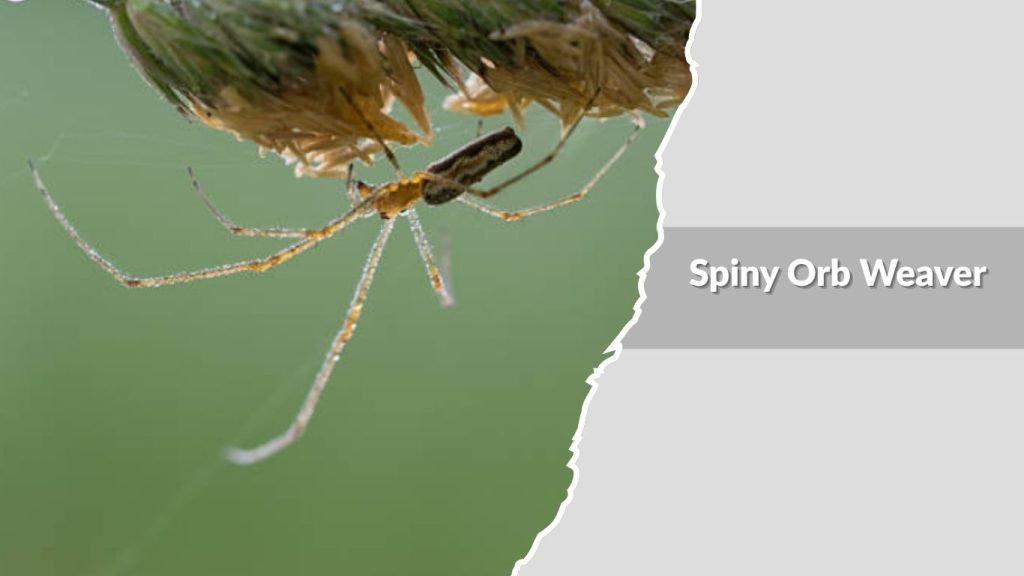
The Spiny Orb Weaver (Gasteracantha species) is a small but striking spider known for its bright orange body with bold black spines. Its unique appearance makes it easy to identify.
Identification
- Bright orange abdomen with black spines
- Flattened, wide body shape
- Small size compared to other orb weavers
- Hard, shell-like appearance
- Short legs with dark coloration
Habitat
This spider is commonly found in gardens, forests, and tropical regions. It builds orb-shaped webs between branches, shrubs, and open spaces where insects are active.
Behavior
Spiny Orb Weavers stay in the center of their web and wait for prey. They rely on their web rather than movement and are non-aggressive toward humans.
Diet
They feed mainly on small flying insects such as flies and mosquitoes, helping to control pest populations in their environment.
4. Pumpkin Spider
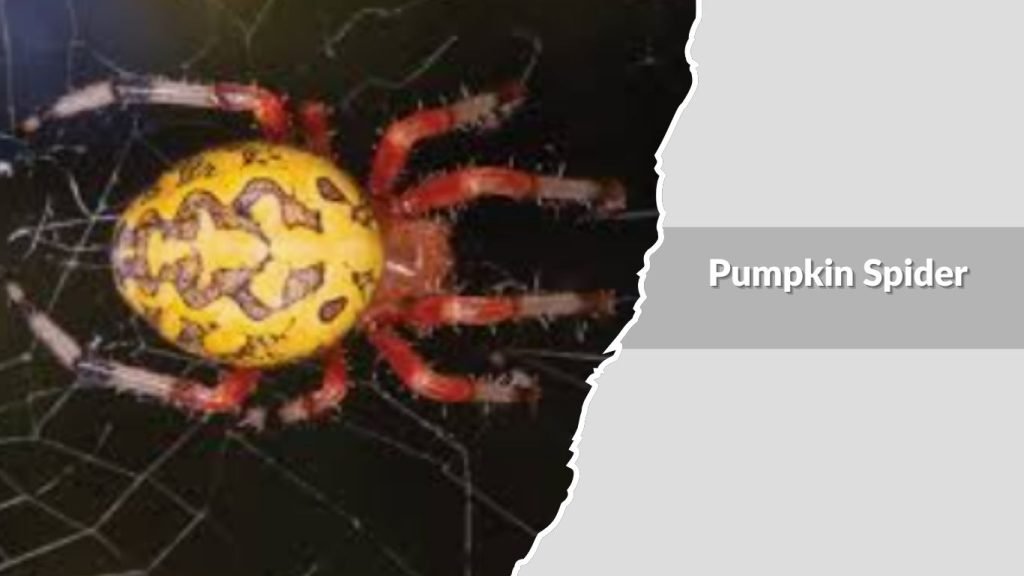
The Pumpkin Spider is a common nickname for bright orange orb-weaving spiders, especially during autumn. Its vivid color resembles a pumpkin, making it easy to spot.
Identification
- Bright orange, round abdomen
- Black or dark markings on the body
- Medium-sized build
- Thick legs with slight banding
- Smooth, glossy appearance
Habitat
Pumpkin Spiders are often found in gardens, fields, and forest edges. They build orb webs in plants, fences, and tree branches, especially in late summer and fall.
Behavior
These spiders build large circular webs and remain either at the center or hidden nearby. They are mostly active in the evening and are harmless to humans.
Diet
Their diet includes moths, flies, beetles, and other flying insects. They are beneficial spiders that help reduce insect numbers naturally.
5. Jewel Spider
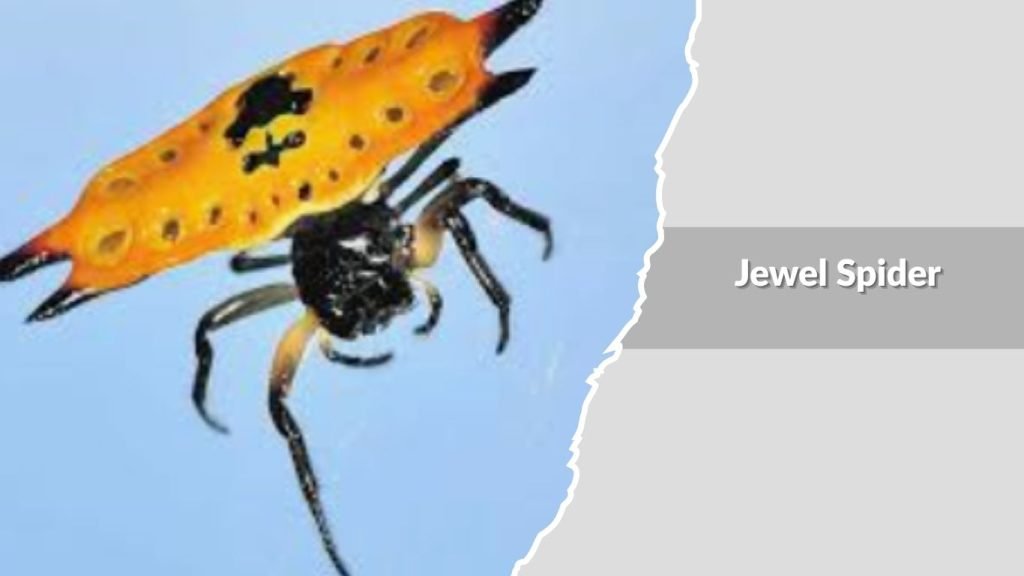
The Jewel Spider (Austracantha minax) is a brightly colored spider known for its striking orange and black pattern. Its bold appearance and spiny body make it stand out in its environment.
Identification
- Bright orange abdomen with black markings
- Distinct spines on the body
- Small to medium size
- Hard, glossy appearance
- Short, dark legs
Habitat
This spider is commonly found in gardens, forests, and shrubs, especially in warm regions. It builds orb-shaped webs between branches and plants where insects are active.
Behavior
Jewel Spiders stay at the center of their webs and wait for prey to get trapped. They are generally stationary and rely on their web rather than movement. They are harmless and avoid humans.
Diet
Their diet consists mainly of small flying insects such as flies and mosquitoes. Their web helps them efficiently capture prey with minimal effort.
6. Orchard Orbweaver
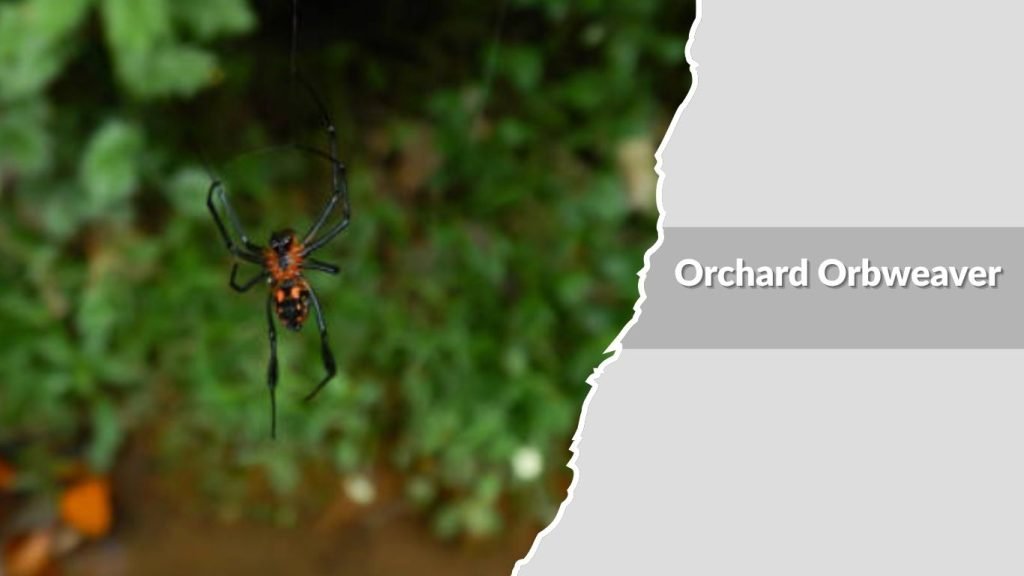
The Orchard Orbweaver (Leucauge venusta) is a slender spider with a mix of green, orange, and black colors. It is often seen in gardens and wooded areas.
Identification
- Slender body with green, orange, and black markings
- Metallic or shiny abdomen
- Long, thin legs
- Small to medium size
- Distinct elongated shape
Habitat
This spider is commonly found in gardens, orchards, and forest edges. It builds orb webs in shrubs, tree branches, and tall plants.
Behavior
Orchard Orbweavers construct neat circular webs and usually stay in the center. They are active during the day and are non-aggressive toward humans.
Diet
They feed on small flying insects such as flies, mosquitoes, and gnats. Their presence helps control insect populations in gardens and natural habitats.
7. Wasp Spider
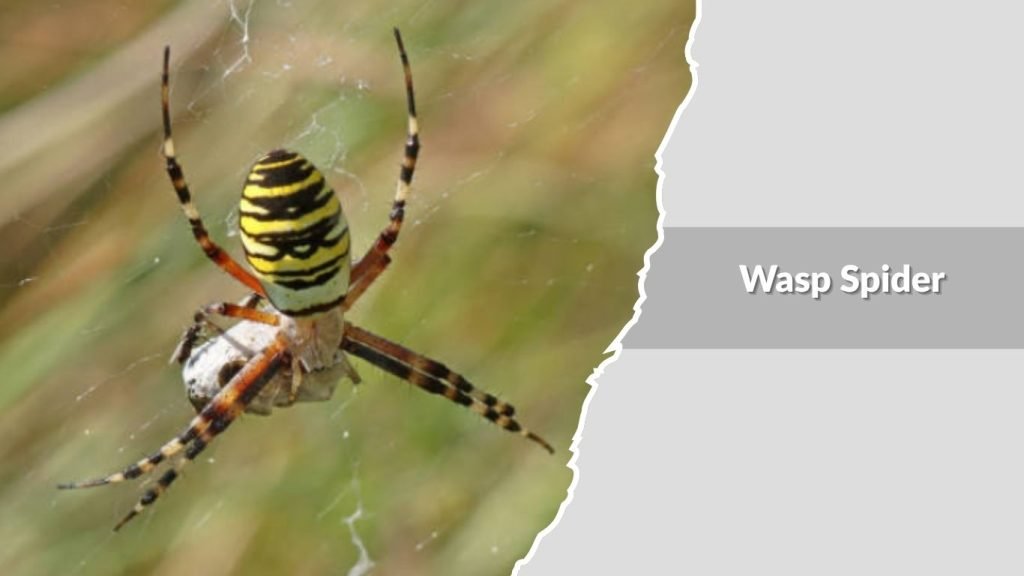
The Wasp Spider (Argiope bruennichi) is a striking spider known for its bold orange and black striped pattern, resembling a wasp. It is commonly seen in grassy areas during warmer months.
Identification
- Bright yellow-orange and black striped abdomen
- Long legs with banded patterns
- Medium to large size
- Distinctive wasp-like coloration
- Often sits in a cross-shaped posture on its web
Habitat
This spider is typically found in tall grass, meadows, and open fields. It builds orb-shaped webs close to the ground where flying insects are common.
Behavior
Wasp Spiders build circular webs and often include a zigzag silk pattern. They remain still at the center, waiting for prey. They are shy and non-aggressive toward humans.
Diet
Their diet mainly includes grasshoppers, flies, and other flying insects. They are beneficial for controlling pest populations in grassy environments.
8. Black and Orange Jumping Spider
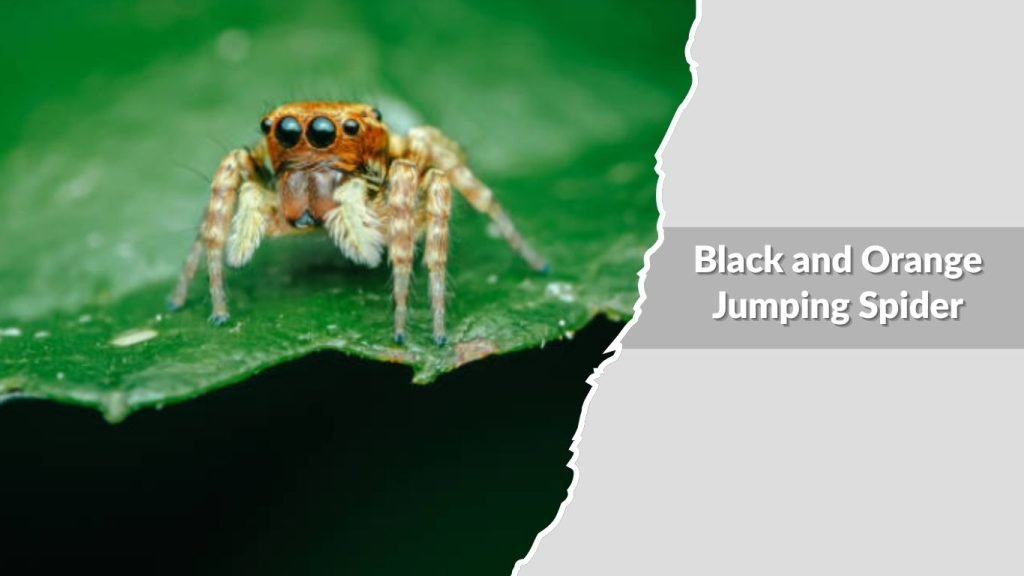
The Black and Orange Jumping Spider refers to several jumping spider species with bold orange and black coloration. They are known for their agility and excellent vision.
Identification
- Compact black body with orange markings
- Large forward-facing eyes
- Short, strong legs adapted for jumping
- Small size with a slightly hairy texture
- Distinct color contrast
Habitat
These spiders are found in gardens, walls, tree bark, and vegetation. They prefer sunny areas where they can actively hunt during the day.
Behavior
Black and Orange Jumping Spiders are active hunters that do not build webs to catch prey. They use their strong legs to leap onto insects and are known for their curious and alert nature.
Diet
They feed on small insects such as flies, ants, and other tiny arthropods. Their hunting skills make them effective predators in controlling small insect populations.
9. Orb-Weaving Spider (Araneus marmoreus)
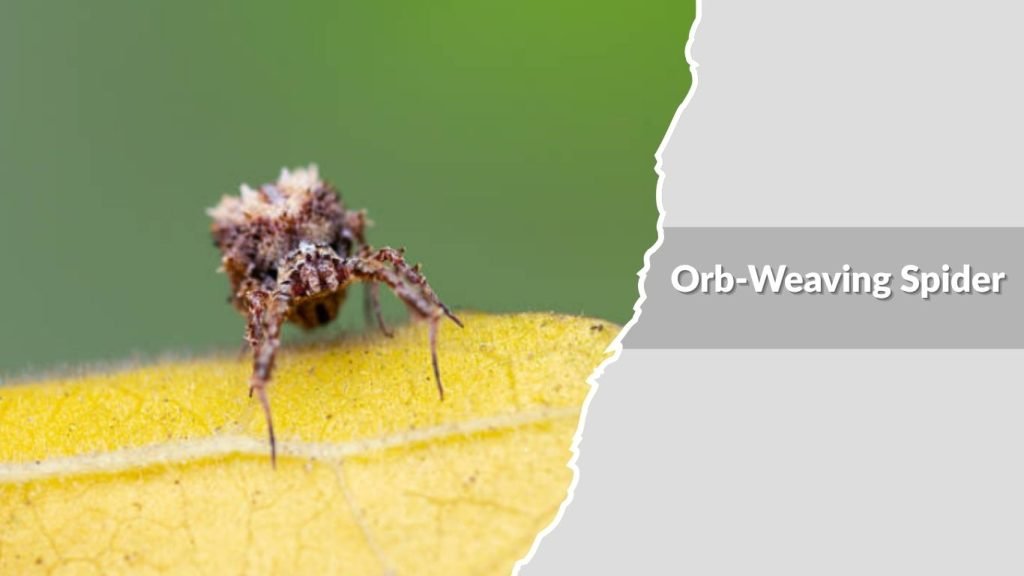
The Orb-Weaving Spider (Araneus marmoreus) is a colorful species often displaying orange and black patterns. It is widely recognized for its rounded body and beautiful web structure.
Identification
- Rounded abdomen with orange and black patterns
- Medium to large size
- Sturdy legs with slight banding
- Marbled or mottled body design
- Classic orb-weaver body shape
Habitat
This spider is commonly found in gardens, forests, and near shrubs. It builds orb-shaped webs in areas with good insect activity, such as between branches or tall plants.
Behavior
It typically builds its web in the evening and may hide nearby during the day. Like other orb weavers, it relies on its web to capture prey and is generally non-aggressive.
Diet
Its diet includes flying insects such as moths, flies, and beetles. It plays a helpful role in reducing insect populations in its habitat.
10. Shamrock Orb Weaver
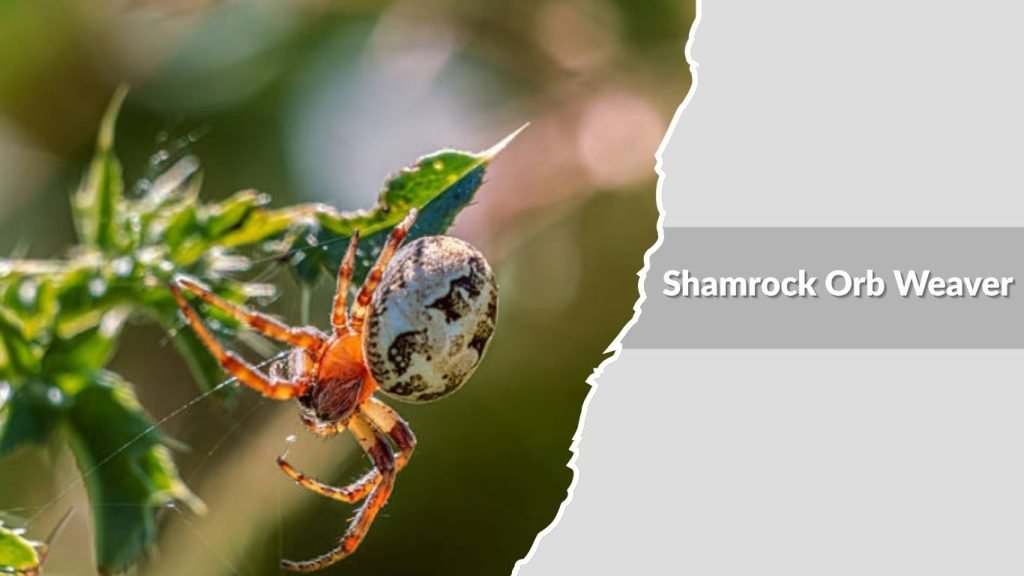
The Shamrock Orb Weaver (Araneus trifolium) is a variable-colored spider that can appear orange with darker markings. It is commonly found in vegetation during late summer and fall.
Identification
- Orange or reddish body with darker markings
- Rounded abdomen with variable patterns
- Medium to large size
- Slightly hairy legs
- Color can vary from pale to bright tones
Habitat
This spider lives in gardens, forests, and shrubs. It builds large orb webs between plants, especially in areas with high insect activity.
Behavior
Shamrock Orb Weavers are mostly active at night. They construct webs to catch prey and often hide during the daytime. They are shy and avoid disturbance.
Diet
They feed on flying insects such as moths, flies, and mosquitoes. Their web-building behavior makes them effective at capturing prey in natural and garden environments.
11. Tropical Orb Weaver
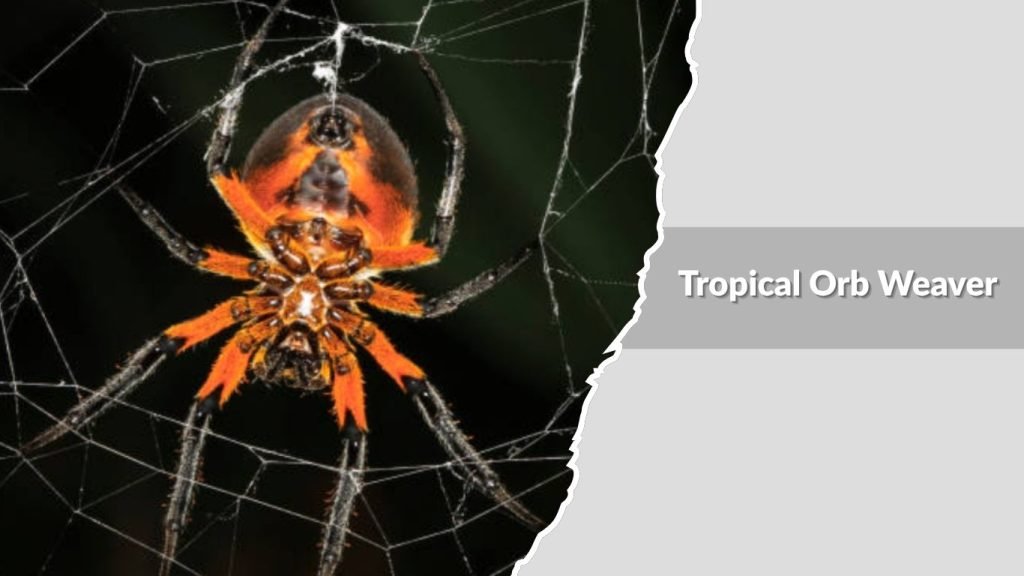
The Tropical Orb Weaver (Eriophora ravilla) is a large and colorful spider often showing orange and black tones. It is commonly seen in warm regions and builds impressive webs.
Identification
- Orange-brown body with black markings
- Large, rounded abdomen
- Long legs with slight banding
- Hairy appearance
- Can vary in color intensity
Habitat
This spider is typically found in gardens, forests, and urban areas in warm climates. It builds large orb webs between trees, buildings, and outdoor structures.
Behavior
Tropical Orb Weavers are mostly nocturnal. They build their webs at night and may take them down in the morning. They are non-aggressive and avoid human contact.
Diet
They feed on flying insects such as moths, beetles, and flies. Their large webs allow them to catch a wide range of prey.
12. Western Spotted Orbweaver
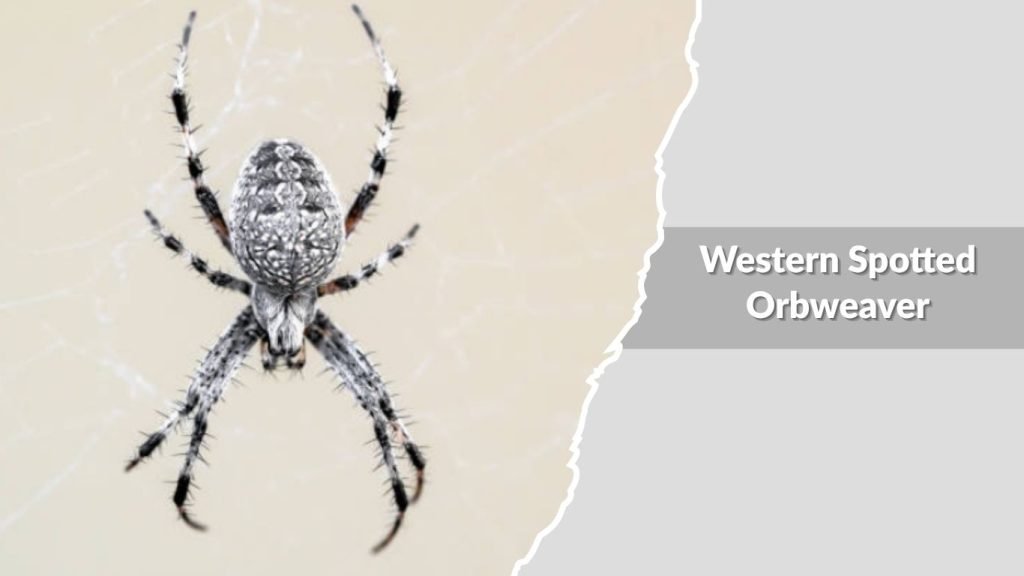
The Western Spotted Orbweaver (Neoscona oaxacensis) is a common spider with orange and black coloration, often found around homes and gardens.
Identification
- Orange, brown, and black patterned abdomen
- Medium to large size
- Long legs with banded markings
- Slightly hairy body
- Distinct spotted or mottled pattern
Habitat
This spider is commonly found in gardens, forests, and near buildings. It builds orb webs in open spaces such as between trees, fences, and structures.
Behavior
Western Spotted Orbweavers are nocturnal web builders. They construct large webs at night and usually hide during the day. They are calm and not dangerous to humans.
Diet
Their diet includes moths, flies, beetles, and other flying insects. They are helpful in controlling insect populations around homes and outdoor areas.
13. Banded Garden Spider
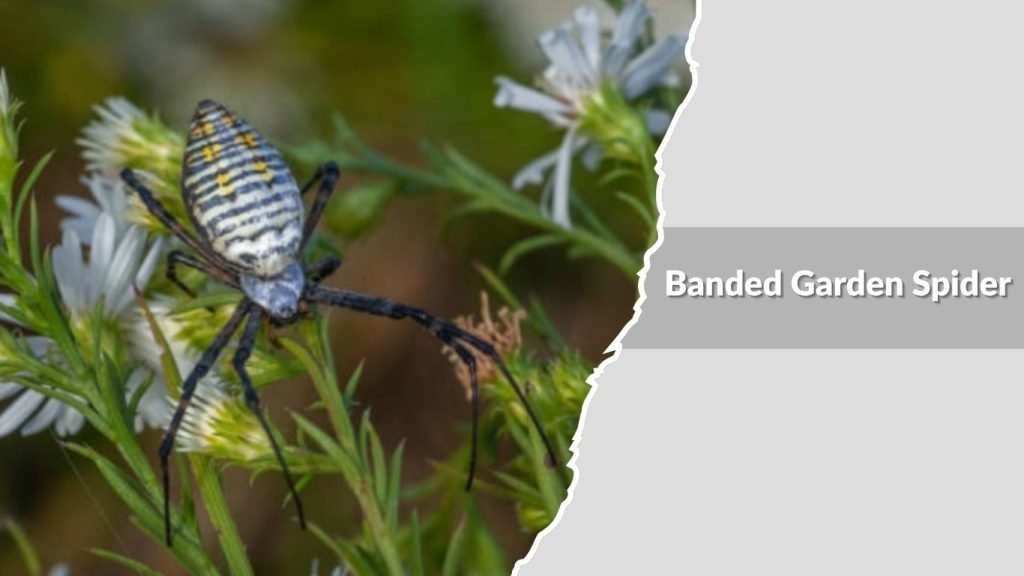
The Banded Garden Spider (Argiope trifasciata) is a large, striking spider known for its orange and black banded appearance. It is commonly found in open fields and gardens.
Identification
- Orange and black banded abdomen
- Long legs with striped patterns
- Large size, especially in females
- Silvery or pale cephalothorax
- Often sits in the center of its web
Habitat
This spider is typically found in gardens, grasslands, and open fields. It builds large orb webs between plants, tall grasses, or structures where insects are abundant.
Behavior
Banded Garden Spiders are web builders that stay at the center of their web, waiting for prey. They may create a zigzag pattern in the web and are generally non-aggressive.
Diet
They feed on flying insects such as grasshoppers, flies, and beetles. Their webs help them capture prey efficiently in open environments.
14. Orange Wolf Spider
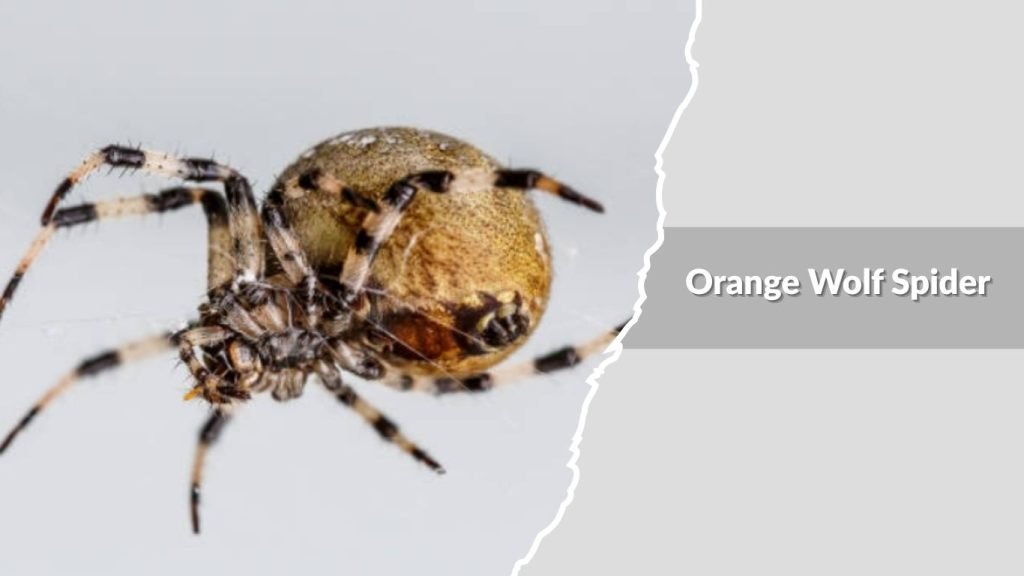
The Orange Wolf Spider is a ground-dwelling hunter that may display orange and black coloration. It is known for its speed and active hunting behavior.
Identification
- Orange-brown body with black markings
- Robust and slightly hairy appearance
- Strong legs built for running
- Medium to large size
- Distinct eye arrangement of wolf spiders
Habitat
This spider is commonly found on the ground in grasslands, forests, and gardens. It prefers areas with leaf litter, soil, and low vegetation.
Behavior
Orange Wolf Spiders do not build webs. They actively hunt prey, especially at night. Females are known to carry egg sacs and young on their backs.
Diet
They feed on insects such as beetles, ants, and other small arthropods. Their hunting style makes them effective predators in controlling ground-level pests.
15. Black and Orange Crab Spider
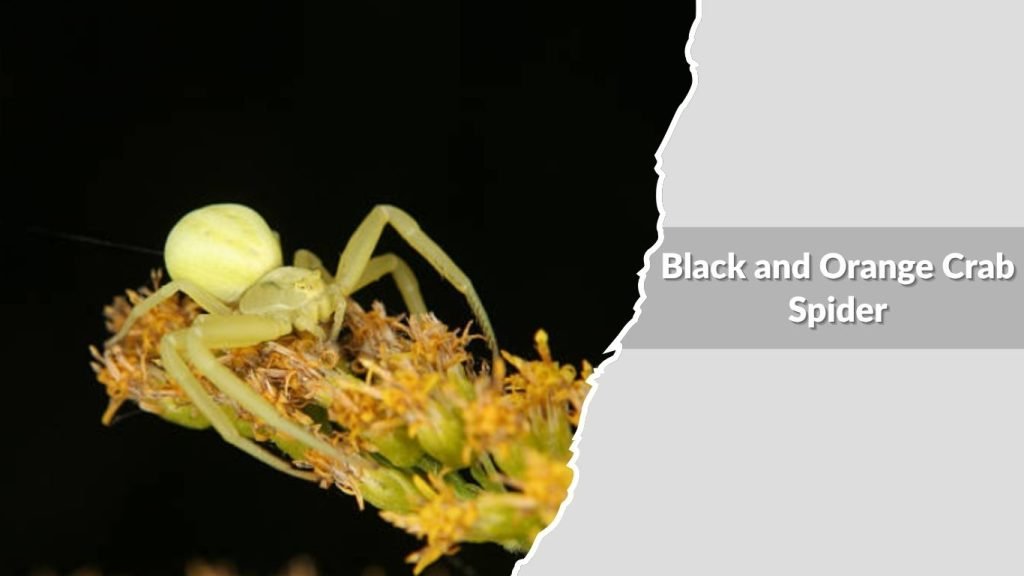
The Black and Orange Crab Spider is a small ambush predator known for its crab-like movement and bold coloration. It often waits on flowers or leaves for prey.
Identification
- Black body with orange or reddish markings
- Flattened, crab-like shape
- Front legs longer and stronger
- Small to medium size
- Sideways movement style
Habitat
This spider is commonly found on flowers, shrubs, and garden plants. It prefers areas with high insect activity where it can easily ambush prey.
Behavior
Black and Orange Crab Spiders do not build webs to catch prey. Instead, they remain still and use camouflage to ambush insects that come close. They are non-aggressive and avoid humans.
Diet
They feed on insects such as bees, flies, and butterflies. Their ambush technique allows them to capture prey quickly and efficiently.
16. Orange and Black Widow Spider
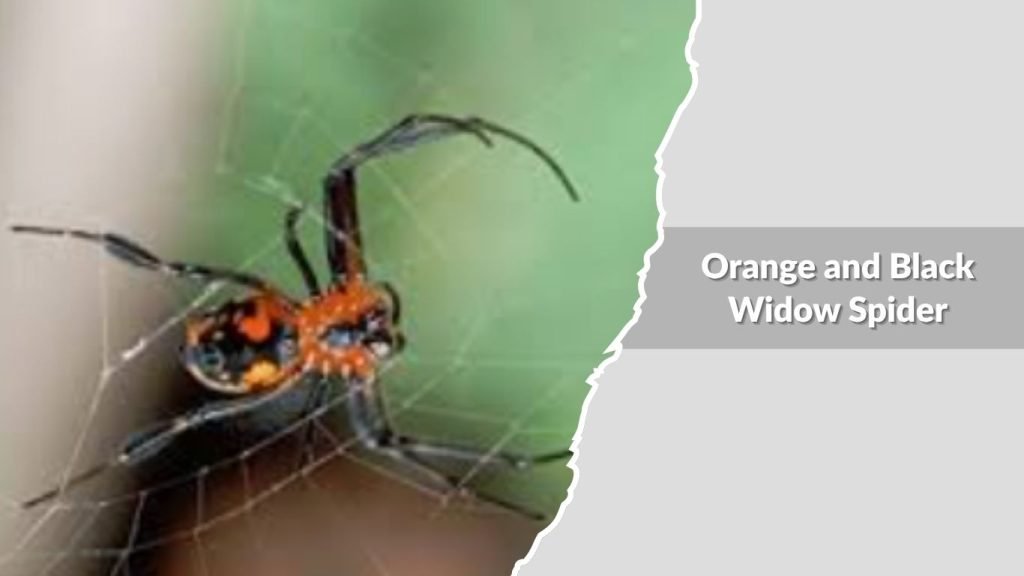
The Orange and Black Widow Spider refers to widow species that show orange and black coloration, especially in immature stages. They are known for their distinctive markings.
Identification
- Glossy black body with orange markings
- Rounded abdomen
- Long, slender legs
- Smooth and shiny texture
- Markings may vary with age
Habitat
These spiders are typically found in dark, sheltered places such as woodpiles, sheds, and corners of buildings. They prefer quiet areas with little disturbance.
Behavior
Widow spiders build irregular, tangled webs and stay hidden most of the time. They are not aggressive but may bite if threatened. Caution is advised around them.
Diet
Their diet includes insects like flies, beetles, and other small arthropods. They rely on their strong silk and venom to subdue prey caught in their web.
