
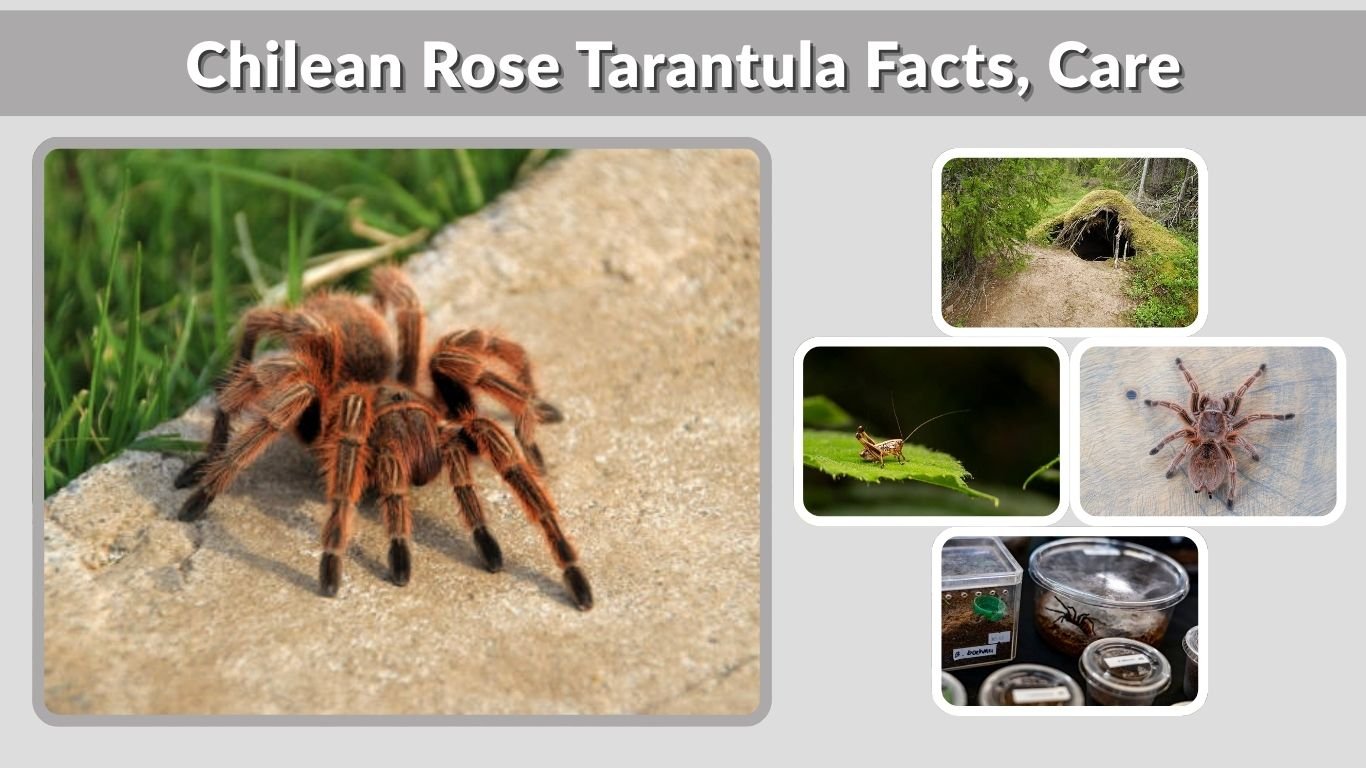
The Chilean rose tarantula is one of the most popular pet spiders in the world, especially for beginners. Known for its calm nature and low maintenance needs, this species is often recommended as the perfect introduction to tarantula keeping.
Scientifically known as Grammostola rosea, the Chilean rose tarantula is admired for its gentle temperament, attractive coloring, and long lifespan. Whether you’re curious about owning one or just want to learn more, this guide covers everything from its appearance to behavior and safety.
What Is a Chilean Rose Tarantula?
The Chilean rose tarantula is a species of spider native to South America, particularly the dry regions of Chile. It belongs to the tarantula family and is widely recognized for being one of the most docile species.
Some key facts about this tarantula include:
- Scientific name: Grammostola rosea
- Common names: Chilean rose, rose hair tarantula
- Origin: Chilean deserts and scrublands
- Type: Ground-dwelling tarantula
Because of its calm behavior and adaptability, it has become a favorite among pet owners worldwide.
Appearance, Size, and Colors
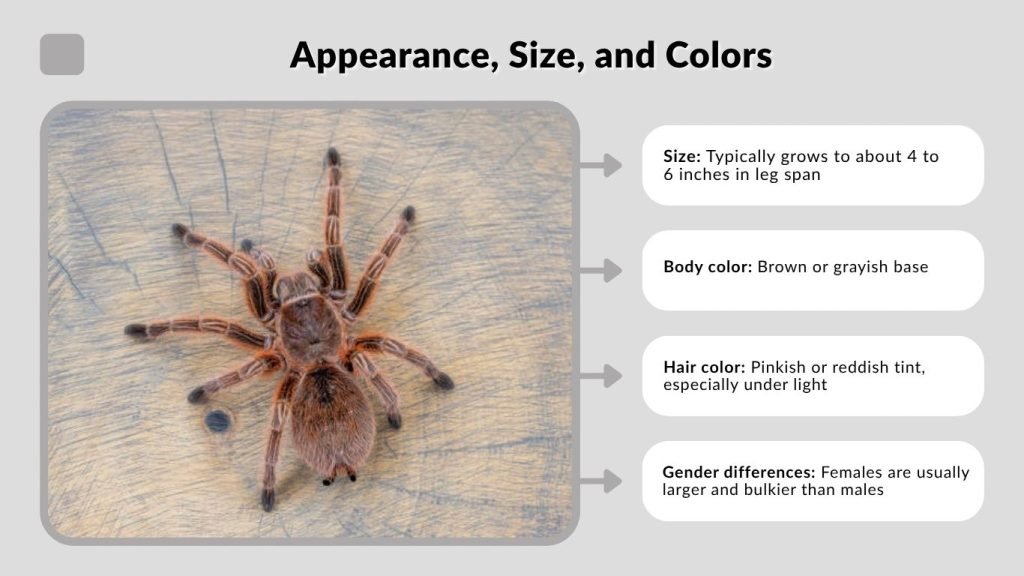
One of the reasons the Chilean rose tarantula is so popular is its unique and attractive appearance. While it may not be as brightly colored as some exotic species, it has a subtle beauty that stands out.
Key characteristics:
- Size: Typically grows to about 4 to 6 inches in leg span
- Body color: Brown or grayish base
- Hair color: Pinkish or reddish tint, especially under light
- Gender differences: Females are usually larger and bulkier than males
The “rose” in its name comes from the soft pink hue that appears on its body hairs, giving it a slightly shimmering look.
Chilean Rose Tarantula Lifespan
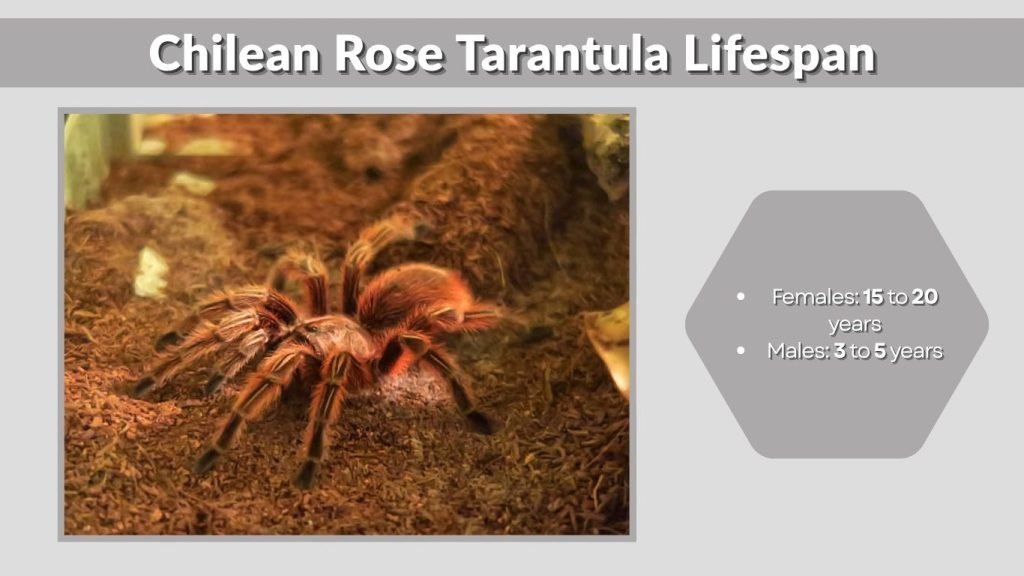
Lifespan is one of the most important factors to consider before getting a tarantula, and this species is known for living a long time—especially females.
Average lifespan:
- Females: 15 to 20 years
- Males: 3 to 5 years
This big difference exists because male tarantulas mature faster and typically die shortly after reaching adulthood.
Factors affecting lifespan:
- Proper diet and feeding schedule
- Correct temperature and environment
- Stress levels and handling frequency
With proper care, a female Chilean rose tarantula can be a long-term companion.
Natural Habitat and Behavior

Understanding the natural habitat of this tarantula helps you provide better care and explains its behavior.
Habitat:
Chilean rose tarantulas come from dry, desert-like environments where temperatures are moderate and humidity is low. They usually live in burrows or hide under rocks to stay safe from predators and extreme conditions.
Behavior:
- Calm and slow-moving
- Rarely aggressive
- Prefers hiding over confrontation
- Mostly active at night
These traits make them easy to manage compared to more aggressive tarantula species.
Are Chilean Rose Tarantulas Good Pets?
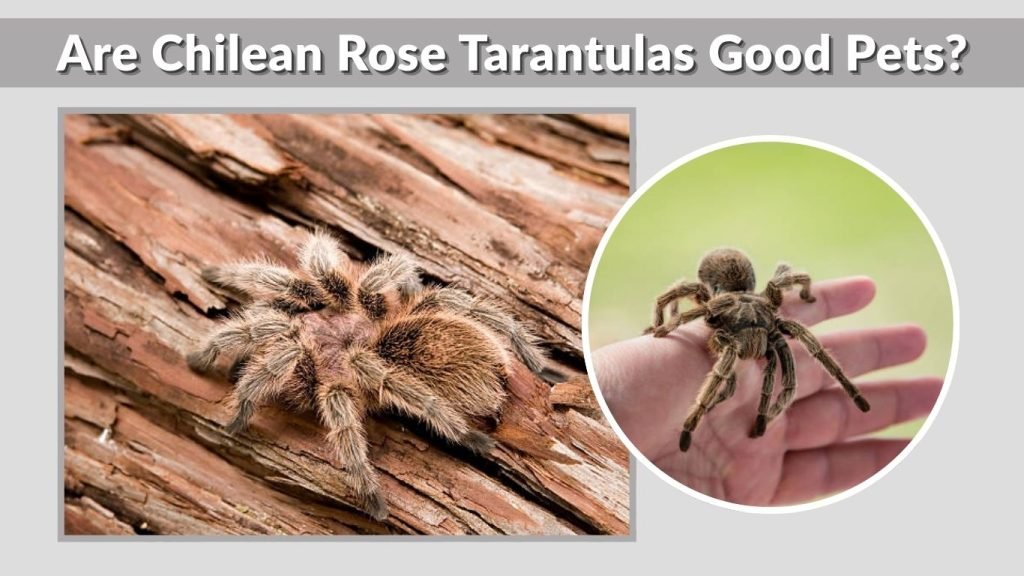
Yes, the Chilean rose tarantula is widely considered one of the best tarantulas for beginners. Its simple care requirements and gentle temperament make it ideal for first-time owners.
Why they make great pets:
- Low maintenance compared to other pets
- Do not require daily attention
- Quiet and space-efficient
- Generally calm and non-aggressive
However, they are not interactive pets. Unlike dogs or cats, tarantulas are best observed rather than handled.
Are Chilean Rose Tarantulas Dangerous?
A common concern for beginners is whether these tarantulas are dangerous. The good news is that they are not considered dangerous to humans.
What you should know:
- They have mild venom, not harmful to most people
- A bite feels similar to a bee sting
- Bites are rare and usually defensive
- Serious reactions are extremely uncommon
Like many New World tarantulas, they also have urticating hairs. These tiny hairs can be flicked into the air when the spider feels threatened.
Possible effects of these hairs:
- Skin irritation
- Itching or rash
- Eye discomfort if exposed
While not dangerous, it’s still important to handle them carefully and avoid unnecessary contact.
Chilean Rose Tarantula Care Guide
Proper care is essential to keep your tarantula healthy and stress-free. Fortunately, this species is known for being easy to care for.
Enclosure Setup
A simple enclosure works well for a Chilean rose tarantula.
- Use a 5–10 gallon tank
- Ensure proper ventilation
- Provide a hiding spot like a log or cave
- Keep the enclosure secure to prevent escape
Since they are ground-dwelling spiders, height is less important than floor space.
Substrate
The substrate forms the base of the enclosure and helps mimic their natural habitat.
- Use coconut fiber, soil, or peat moss
- Provide enough depth for light burrowing
- Keep it mostly dry
Avoid overly damp conditions, as this species prefers a dry environment.
Temperature and Humidity
Maintaining the right climate is important for their health.
- Ideal temperature: 20–25°C (68–77°F)
- Low humidity levels are preferred
- No need for frequent misting
Room temperature is usually sufficient in most homes.
Feeding and Diet
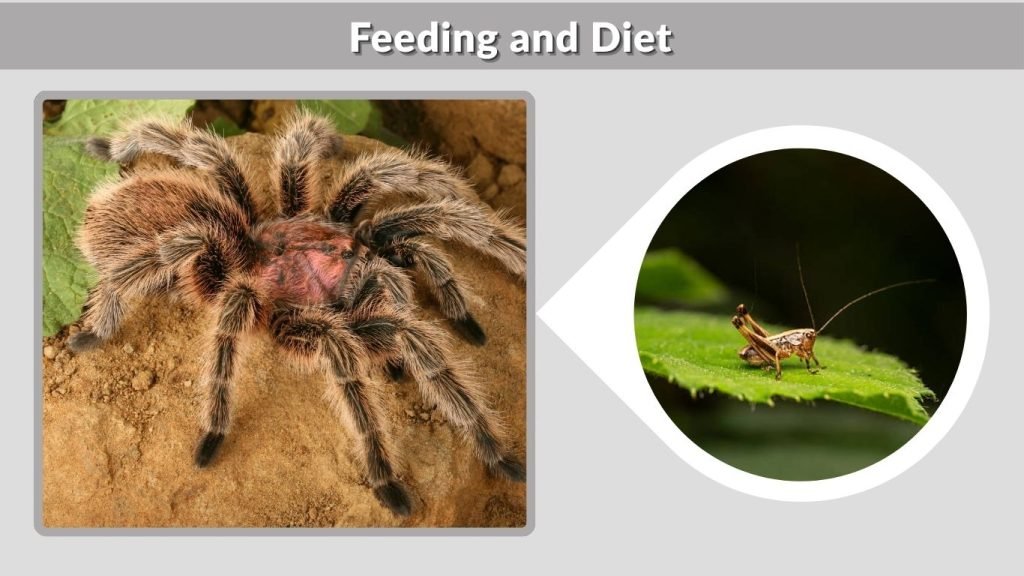
Feeding a Chilean rose tarantula is simple, making it ideal for beginners. These spiders are carnivorous and mainly eat live insects.
What do they eat?
They typically feed on crickets, roaches, and mealworms. Adult tarantulas can eat larger prey, while younger ones need smaller insects.
How often should you feed?
Feeding once or twice a week is usually enough. Overfeeding can lead to health issues, so it’s important to maintain a balanced schedule.
Important feeding tips
Remove uneaten food after 24 hours, especially during molting periods. Live prey can harm a vulnerable tarantula if left unattended.
Molting and Growth
Molting is a natural process where the tarantula sheds its old exoskeleton to grow. This stage is critical and requires extra care.
Before molting, the tarantula may stop eating and become less active. It might also lie on its back, which can look alarming but is completely normal.
During molting, you should avoid disturbing the spider. After shedding, its body will be soft and sensitive. It usually takes a few days for the new exoskeleton to harden.
Proper care during this phase ensures healthy growth and reduces the risk of injury.
Handling and Behavior
Although Chilean rose tarantulas are calm, handling them is not always recommended. They are delicate creatures and can easily be injured if dropped.
Should you handle them?
Occasional handling is possible, but it should be kept minimal. Many owners prefer to observe rather than interact physically.
Defensive behavior
When stressed, they may flick urticating hairs or raise their front legs as a warning. Biting is rare but can happen if they feel threatened.
Best approach
Always move slowly and avoid sudden actions. Respecting their space helps maintain their calm behavior.
Price and Where to Buy

The Chilean rose tarantula is widely available and relatively affordable compared to other exotic pets.
Price range
The cost usually ranges between $20 to $100, depending on size, age, and seller.
Where to buy
They can be purchased from:
- Reputable pet stores
- Online breeders
- Exotic animal expos
Buying tips
Choose a healthy tarantula that is active and free from visible injuries. Avoid sellers who cannot provide basic care information.
Pros and Cons of Keeping a Chilean Rose Tarantula
Before getting one, it’s important to understand both the advantages and limitations of owning this spider.
Pros
- Easy to care for and beginner-friendly
- Long lifespan (especially females)
- Quiet and requires little space
Cons
- Not interactive like traditional pets
- Handling can be risky for the spider
- Slow growth and limited activity
Common Health Issues
Chilean rose tarantulas are generally hardy, but certain problems can occur if care is not proper.
Dehydration
Even though they prefer dry environments, they still need access to clean water. Lack of hydration can lead to weakness.
Molting complications
Improper humidity or stress can cause issues during molting, which may be fatal in severe cases.
Parasites or mites
Poor enclosure hygiene can lead to infestations. Regular cleaning helps prevent this problem.
Keeping their environment clean and stable is the best way to ensure long-term health.
FAQs
Are Chilean rose tarantulas poisonous?
Chilean rose tarantulas are not poisonous but venomous. Their venom is mild and not harmful to most humans. A bite may cause slight pain and swelling, similar to a bee sting, but serious effects are extremely rare.
How big do Chilean rose tarantulas get?
They typically grow to about 4 to 6 inches in leg span. Females are usually larger and heavier than males. Their size makes them manageable as pets while still being impressive in appearance.
What do Chilean rose tarantulas eat?
They mainly eat insects such as crickets, roaches, and mealworms. Feeding once or twice a week is usually enough. It’s important to remove uneaten prey to prevent stress or injury to the tarantula.
How long do Chilean rose tarantulas live?
Females can live up to 15–20 years, while males usually live only 3–5 years. Proper care, including correct feeding and environmental conditions, plays a key role in their lifespan.
Are Chilean rose tarantulas good for beginners?
Yes, they are one of the best tarantulas for beginners. Their calm nature, simple care requirements, and low maintenance needs make them an ideal choice for first-time exotic pet owners.
