

Stag beetles are fascinating insects best known for their large, antler-like mandibles, especially in males. Found mostly in forests and wooded areas, these beetles play an important role in breaking down decaying wood and recycling nutrients. With a wide range of sizes, colors, and shapes, stag beetles are among the most impressive and diverse beetles in the insect world.
1. Giant Stag Beetle
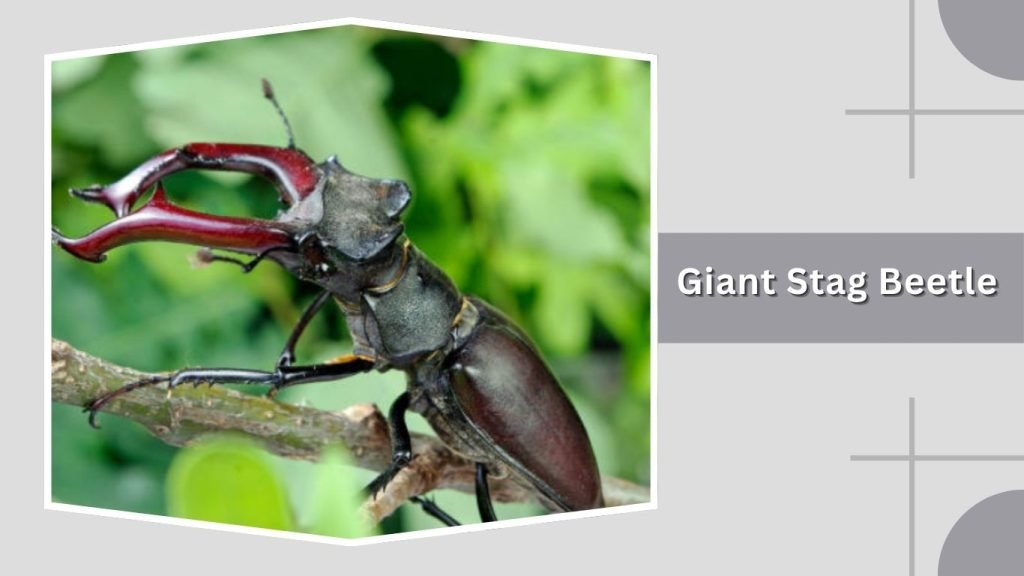
The Giant Stag Beetle is one of the largest and most impressive members of the stag beetle family, known for its massive size and powerful mandibles. These beetles are admired for their strength and striking appearance.
Identification
- Large body size compared to most beetles
- Prominent, antler-like mandibles (especially in males)
- Dark brown to black coloration
- Hard, shiny outer shell
- Strong, thick legs
Habitat
Giant Stag Beetles are typically found in forests and wooded areas. They prefer environments with plenty of decaying wood, as this is essential for their life cycle and larval development.
Behavior
These beetles are mostly active at night. Males use their large mandibles to fight rivals for territory or mates. Despite their intimidating look, they are generally harmless to humans.
Diet
Adult Giant Stag Beetles feed on tree sap, fruits, and plant juices. Their larvae live in rotting wood and feed on decaying organic material, helping recycle nutrients in the ecosystem.
2. European Stag Beetle
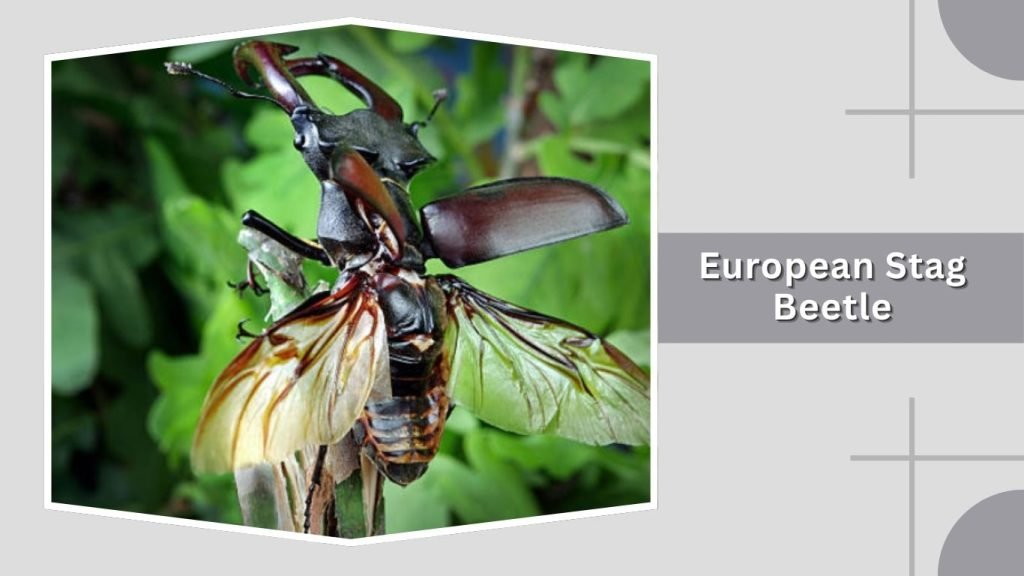
The European Stag Beetle (Lucanus cervus) is one of the most well-known stag beetles, famous for its large size and distinctive antler-like jaws in males. It is commonly found across Europe.
Identification
- Large, robust body
- Dark brown to black coloration
- Males have large, antler-like mandibles
- Females have smaller but stronger jaws
- Shiny, hard outer shell
Habitat
This beetle lives in woodlands, parks, and gardens. It prefers areas with old trees and decaying wood, which are essential for its larvae to develop.
Behavior
European Stag Beetles are mostly active during warm summer evenings. Males often fly in search of mates and may fight using their mandibles. They are harmless and do not pose a threat to humans.
Diet
Adults mainly feed on tree sap and overripe fruits. Larvae live in rotting wood and feed on decaying material, playing an important role in nutrient recycling.
3. Rainbow Stag Beetle
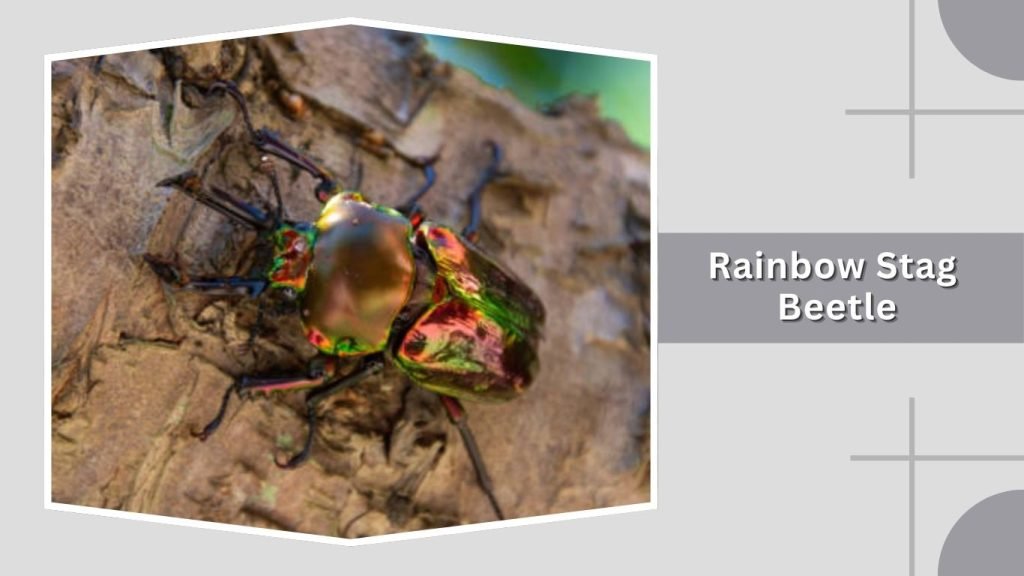
The Rainbow Stag Beetle (Phalacrognathus muelleri) is a colorful species known for its metallic sheen that can display shades of green, gold, and sometimes bluish tones.
Identification
- Metallic body with rainbow-like colors
- Medium-sized compared to other stag beetles
- Males have curved mandibles
- Smooth, shiny exoskeleton
- Color may vary depending on light
Habitat
This species is native to tropical regions, especially rainforests. It prefers humid environments with plenty of decaying wood for breeding.
Behavior
Rainbow Stag Beetles are active during warm and humid conditions. Males may use their mandibles to compete for mates, though they are generally peaceful.
Diet
They feed on tree sap, nectar, and fruit juices. Larvae develop in decaying wood, where they consume organic material and contribute to decomposition.
4. Golden Stag Beetle
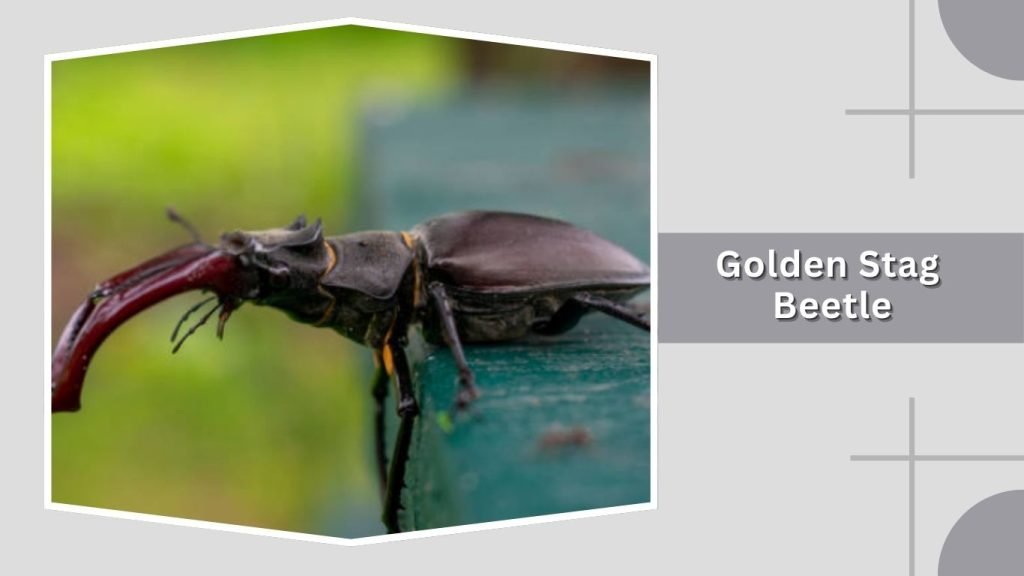
The Golden Stag Beetle is a striking species known for its shiny, golden or metallic-colored body. Its bright appearance makes it one of the most visually attractive stag beetles.
Identification
- Metallic gold or golden-green body
- Medium size
- Smooth, glossy exoskeleton
- Males have curved mandibles
- Bright reflective coloration
Habitat
This beetle is typically found in tropical forests. It prefers humid environments with plenty of decaying wood, which is essential for its life cycle.
Behavior
Golden Stag Beetles are usually active in warm conditions. Males may use their mandibles to compete for mates, but they are generally calm and non-aggressive.
Diet
Adults feed on tree sap, nectar, and fruit juices. Larvae live in rotting wood and consume decaying organic material.
5. Atlas Stag Beetle
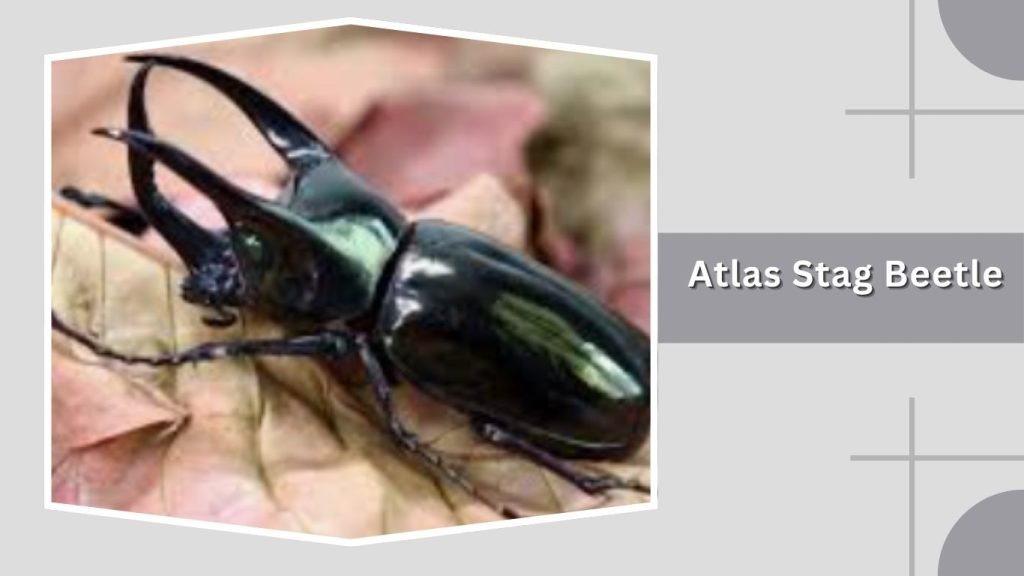
The Atlas Stag Beetle is a large and powerful species, named after the mythological figure Atlas due to its impressive size and strength.
Identification
- Large, heavy body
- Dark brown or black coloration
- Strong, thick mandibles
- Robust and bulky build
- Hard, durable exoskeleton
Habitat
This species is found in tropical and subtropical forests. It prefers areas rich in decaying wood, where larvae can develop safely.
Behavior
Atlas Stag Beetles are mostly nocturnal and remain hidden during the day. Males may engage in fights using their mandibles to establish dominance.
Diet
They feed on tree sap, fruits, and plant juices. Their larvae play an important role in breaking down decaying wood and recycling nutrients.
6. Elephant Stag Beetle
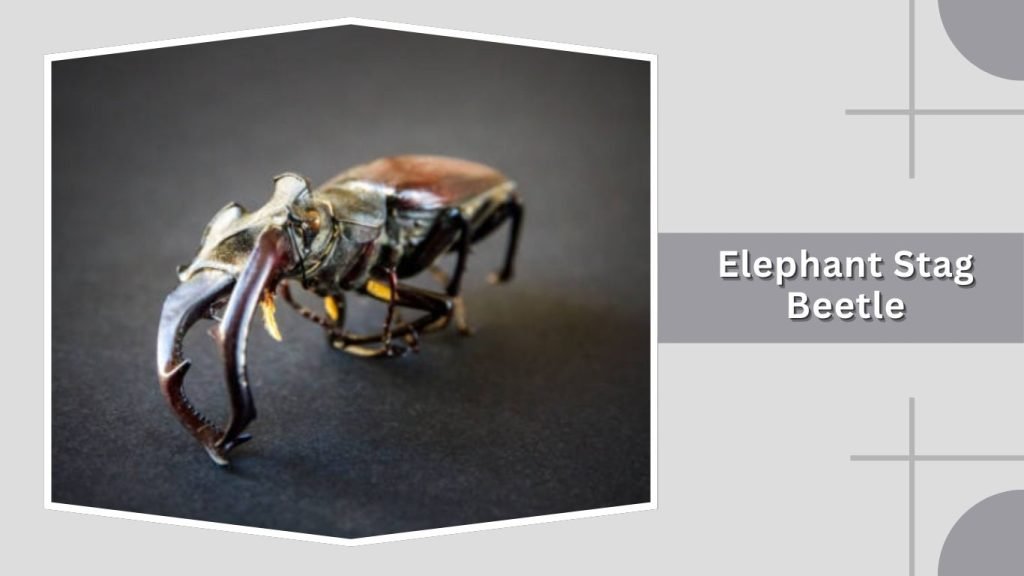
The Elephant Stag Beetle is a large and powerful species named for its strong build and impressive mandibles. It is known for its dominance among stag beetles.
Identification
- Large, bulky body
- Dark brown to black coloration
- Thick, strong mandibles
- Heavy, muscular appearance
- Rough, textured exoskeleton
Habitat
This beetle is typically found in tropical forests. It prefers areas with abundant decaying wood, which is essential for its larval stage.
Behavior
Elephant Stag Beetles are mostly active at night. Males use their powerful mandibles to fight rivals for mates and territory. Despite their strength, they are harmless to humans.
Diet
They feed on tree sap, fruits, and plant juices. The larvae live in rotting wood and help break down organic matter.
7. Lucanus cervus
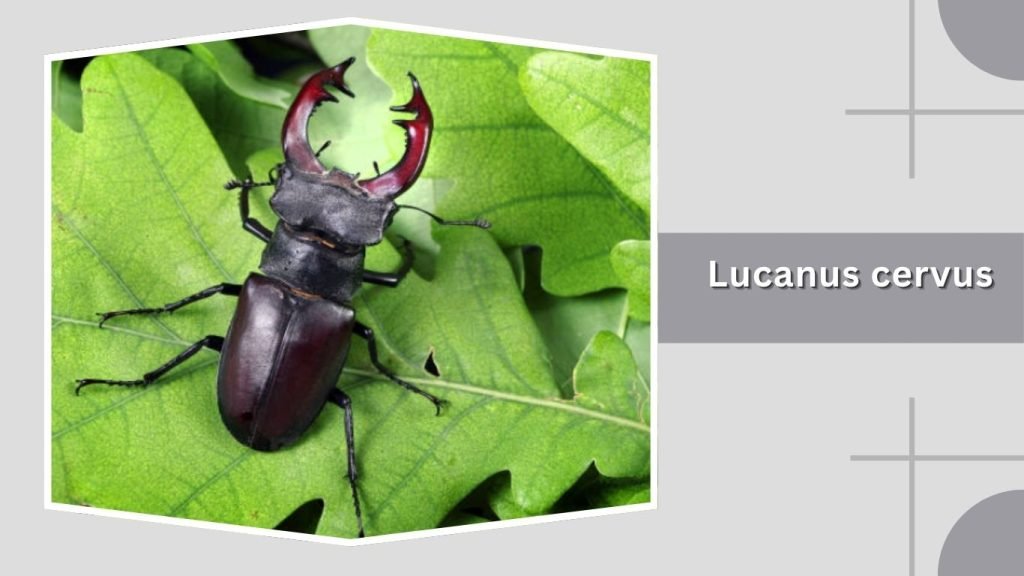
Lucanus cervus, also known as the European Stag Beetle, is one of the largest beetles in Europe and is easily recognized by its impressive mandibles.
Identification
- Large, dark brown body
- Males have long, antler-like mandibles
- Females have smaller but stronger jaws
- Shiny, smooth exoskeleton
- Strong legs for climbing
Habitat
This species is found in woodlands, parks, and gardens across Europe. It prefers areas with old trees and decaying wood.
Behavior
It is most active during warm evenings. Males fly in search of mates and may fight using their mandibles. It is non-aggressive toward humans.
Diet
Adults feed on tree sap and fruit juices. Larvae develop in rotting wood, where they consume decaying material and support ecosystem health.
8. Cyclommatus metallifer
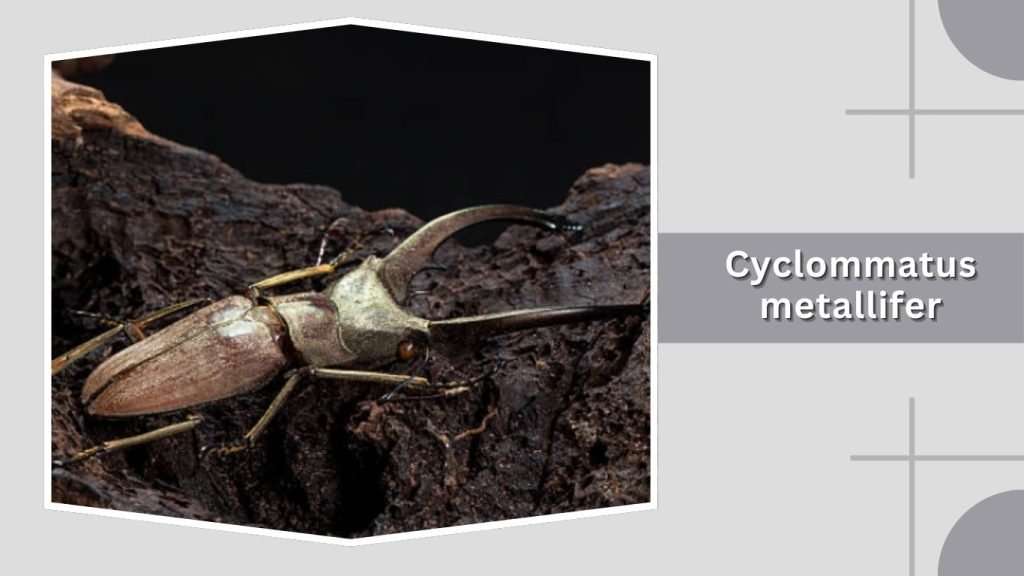
Cyclommatus metallifer is a stunning stag beetle known for its long mandibles and metallic sheen. It is one of the most visually striking species in the stag beetle family.
Identification
- Metallic green, blue, or bronze coloration
- Long, slender mandibles in males
- Medium to large size
- Smooth, shiny body
- Slender legs and elongated shape
Habitat
This species is found in tropical forests, especially in Southeast Asia. It prefers humid environments with plenty of decaying wood for reproduction.
Behavior
Cyclommatus metallifer is mostly active at night. Males use their long mandibles to compete with rivals for mates. It is generally calm and avoids human interaction.
Diet
Adults feed on tree sap, nectar, and fruit juices. Larvae develop in rotting wood, feeding on decomposing organic matter.
9. Prosopocoilus giraffa
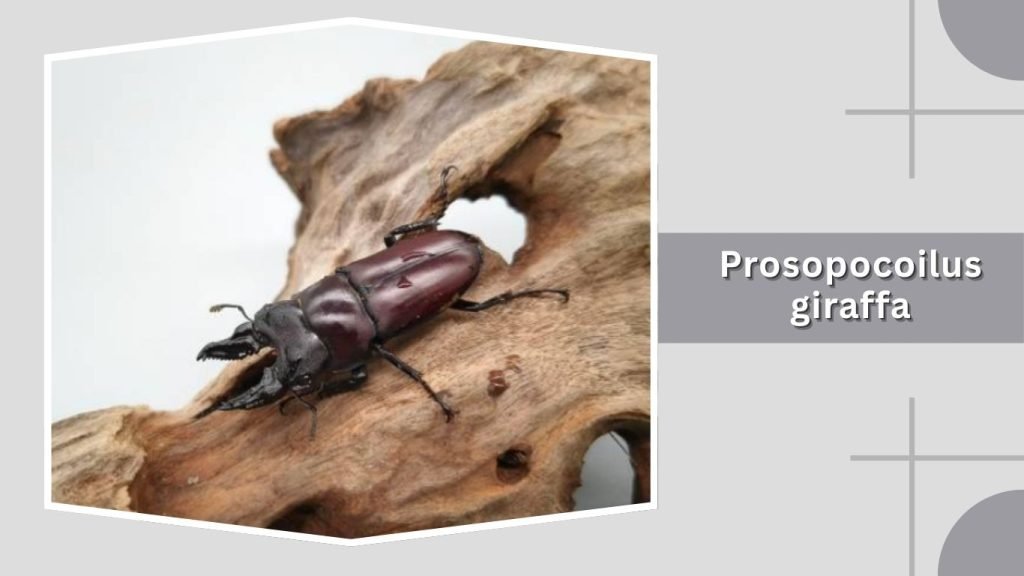
Prosopocoilus giraffa, commonly known as the Giraffe Stag Beetle, is famous for its extremely long mandibles that resemble a giraffe’s neck.
Identification
- Very long, curved mandibles in males
- Dark brown to black coloration
- Medium to large size
- Strong, elongated body
- Shiny exoskeleton
Habitat
This beetle is native to tropical regions of Asia. It lives in forests where decaying wood is available for larval development.
Behavior
Giraffe Stag Beetles are active mainly at night. Males use their long mandibles to wrestle with each other for mating rights. They are not aggressive toward humans.
Diet
They feed on tree sap, fruit juices, and nectar. Larvae live in rotting wood, where they consume decaying material and contribute to nutrient recycling.
10. Odontolabis cuvera
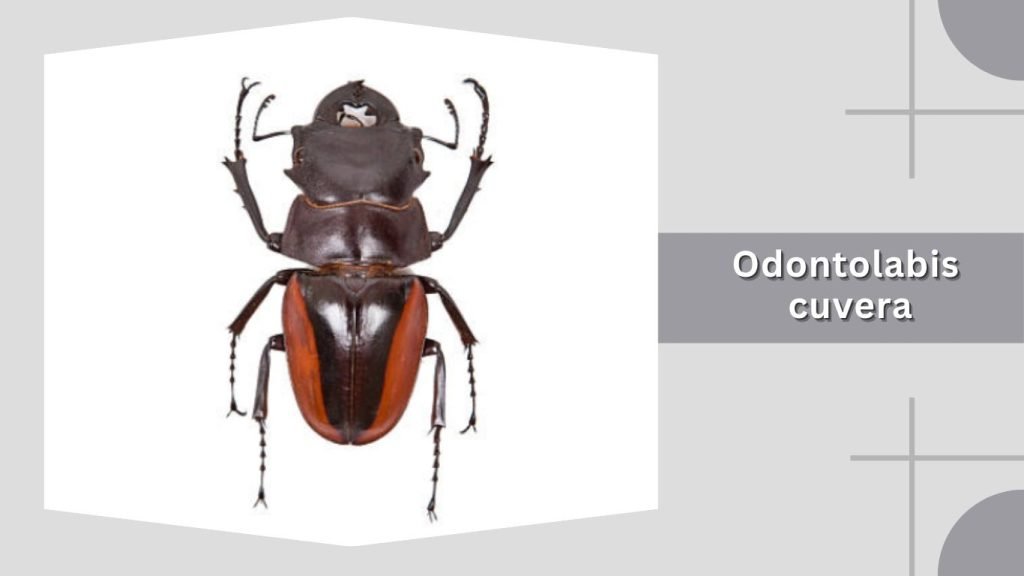
Odontolabis cuvera is a colorful stag beetle known for its contrasting black and orange body. It is commonly found in tropical regions and is admired for its bold appearance.
Identification
- Black body with bright orange or yellow markings
- Medium to large size
- Strong, curved mandibles in males
- Smooth, glossy exoskeleton
- Distinct color contrast
Habitat
This species is found in tropical forests of Southeast Asia. It prefers humid environments with plenty of decaying wood for breeding.
Behavior
Odontolabis cuvera is mostly active at night. Males may compete for mates using their mandibles, but they are generally calm and non-aggressive.
Diet
Adults feed on tree sap, nectar, and fruit juices. Larvae develop in rotting wood, feeding on decomposing organic material.
11. Dorcus titanus
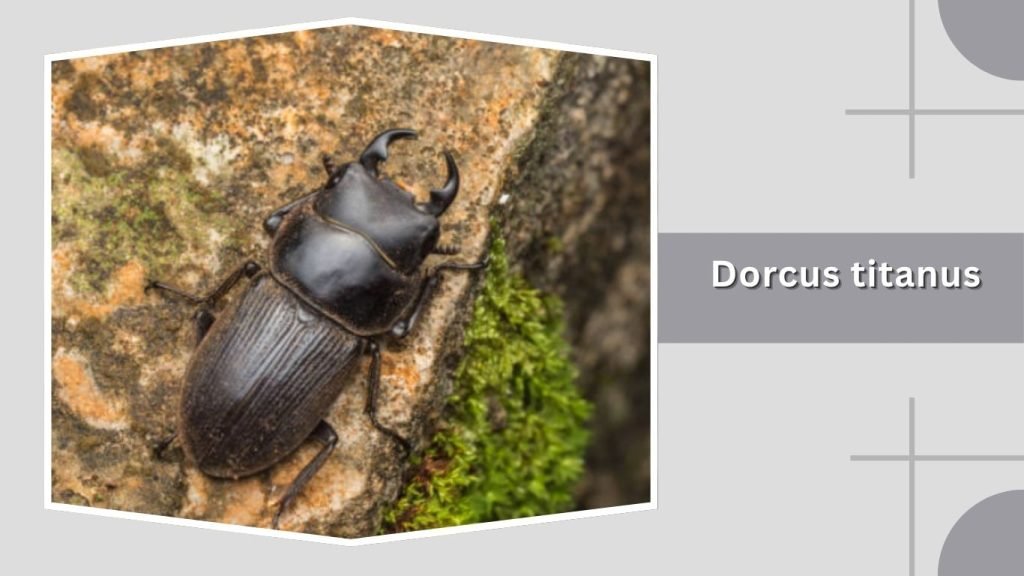
Dorcus titanus is a large and powerful stag beetle known for its strong mandibles and dark coloration. It is widely distributed across Asia.
Identification
- Dark brown to black body
- Large, thick mandibles
- Medium to large size
- Strong, compact build
- Smooth and shiny surface
Habitat
This beetle is commonly found in forests, woodlands, and mountainous regions. It prefers areas with old trees and decaying wood.
Behavior
Dorcus titanus is mostly nocturnal and spends the day hidden. Males may fight using their mandibles to establish dominance.
Diet
They feed on tree sap and fruit juices. Larvae live in rotting wood, where they help break down organic material.
12. Hexarthrius mandibularis
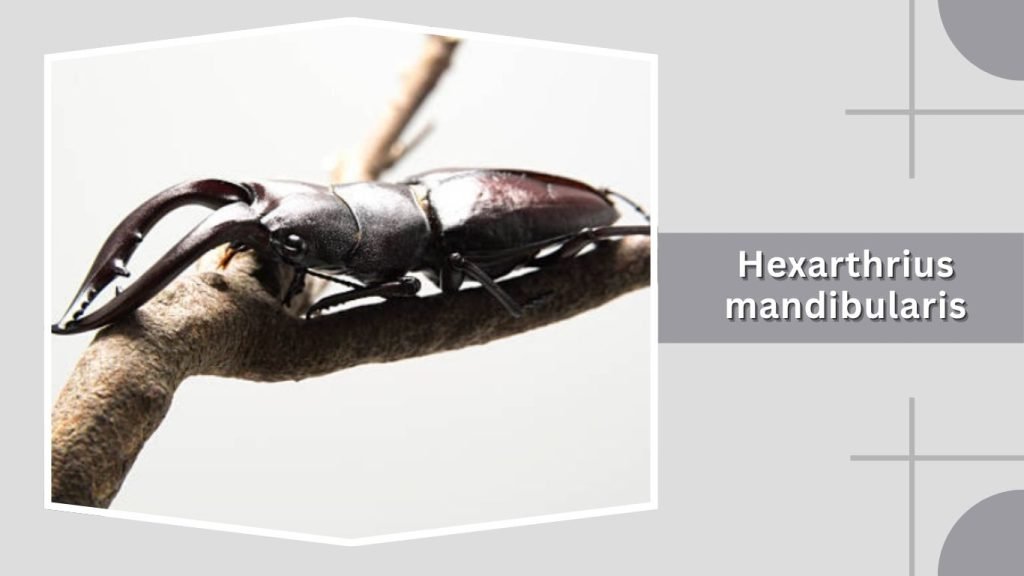
Hexarthrius mandibularis is a large stag beetle known for its long, curved mandibles and strong build. It is a well-known species in Southeast Asia.
Identification
- Dark brown to black body
- Long, curved mandibles in males
- Large, elongated body
- Strong legs for gripping
- Slightly glossy exoskeleton
Habitat
This species is found in tropical forests, especially in Southeast Asia. It prefers humid environments with abundant decaying wood for its life cycle.
Behavior
Hexarthrius mandibularis is mostly active at night. Males use their long mandibles to compete with rivals for mating opportunities. It is generally non-aggressive toward humans.
Diet
Adults feed on tree sap and fruit juices. Larvae develop in rotting wood, feeding on decomposing organic material.
13. Lamprima adolphinae
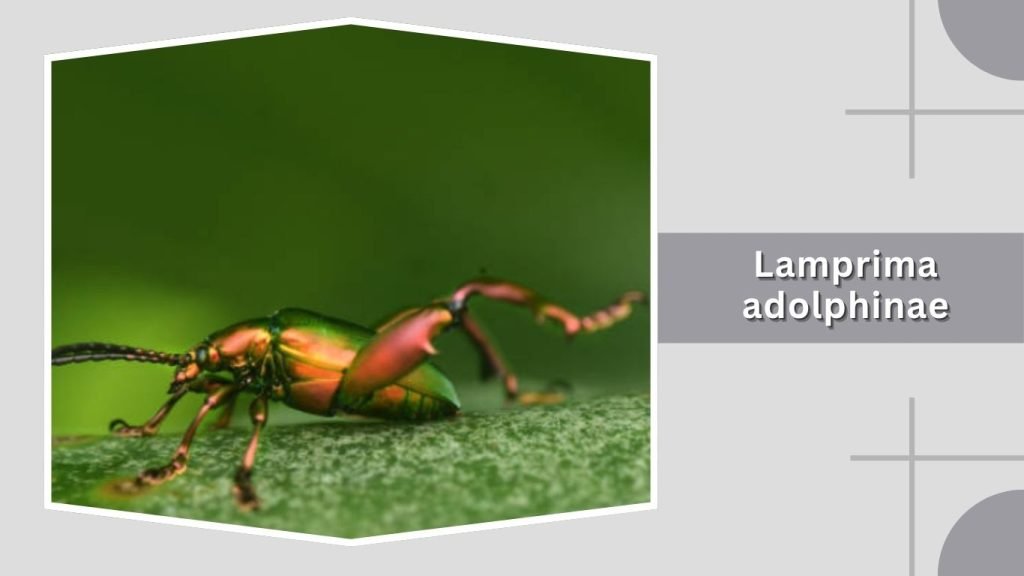
Lamprima adolphinae is a colorful stag beetle known for its metallic sheen and compact body. It is often admired for its attractive appearance.
Identification
- Metallic green, blue, or bronze coloration
- Small to medium size
- Short, curved mandibles
- Smooth, shiny body
- Compact and rounded shape
Habitat
This beetle is found in tropical regions, especially in New Guinea and surrounding areas. It prefers forest habitats with decaying wood.
Behavior
Lamprima adolphinae is active during warm conditions and may be seen feeding on sap. It is generally calm and does not show aggressive behavior.
Diet
It feeds on tree sap, nectar, and fruit juices. The larvae live in rotting wood, where they consume decaying material and contribute to decomposition.
14. Chiasognathus grantii
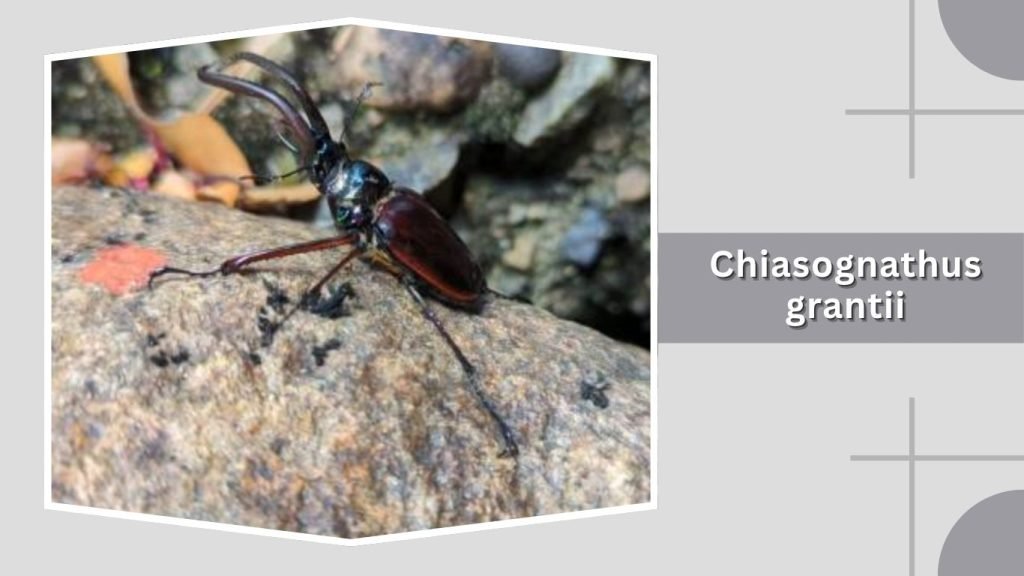
Chiasognathus grantii, commonly known as Darwin’s Stag Beetle, is a large and impressive species found in South America. It is especially known for its oversized mandibles.
Identification
- Reddish-brown body with darker head
- Extremely large, curved mandibles in males
- Medium to large size
- Robust and heavy build
- Slightly rough texture
Habitat
This beetle is native to Chile and Argentina. It lives in temperate forests, especially in areas with decaying wood necessary for larval growth.
Behavior
Males use their large mandibles to fight for mates, often lifting rivals into the air. They are active during warmer months and are generally harmless to humans.
Diet
Adults feed on tree sap and plant juices. Larvae develop in rotting wood, feeding on decomposing material.
15. Homoderus mellyi
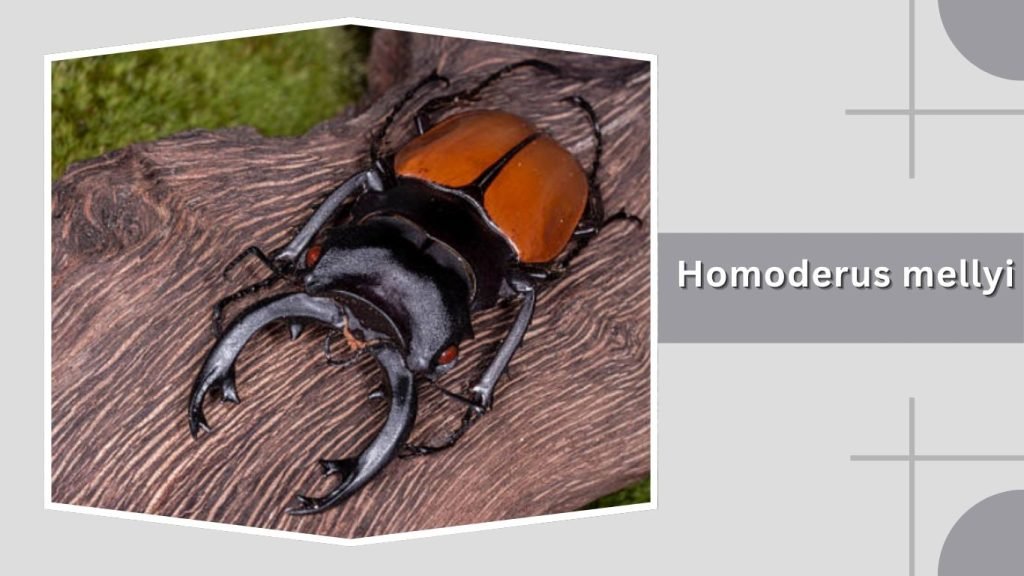
Homoderus mellyi is a distinctive stag beetle known for its glossy black appearance and strong mandibles. It is commonly found in parts of Africa.
Identification
- Shiny black body
- Large, curved mandibles
- Medium to large size
- Thick, sturdy legs
- Smooth, polished exoskeleton
Habitat
This species is found in tropical and subtropical regions of Africa. It prefers forested areas with access to decaying wood.
Behavior
Homoderus mellyi is mostly nocturnal and spends the day hidden. Males may engage in combat using their mandibles to compete for mates.
Diet
Adults feed on tree sap and fruit juices. Larvae live in rotting wood, where they consume organic material and support decomposition.
16. Figulus binodulus
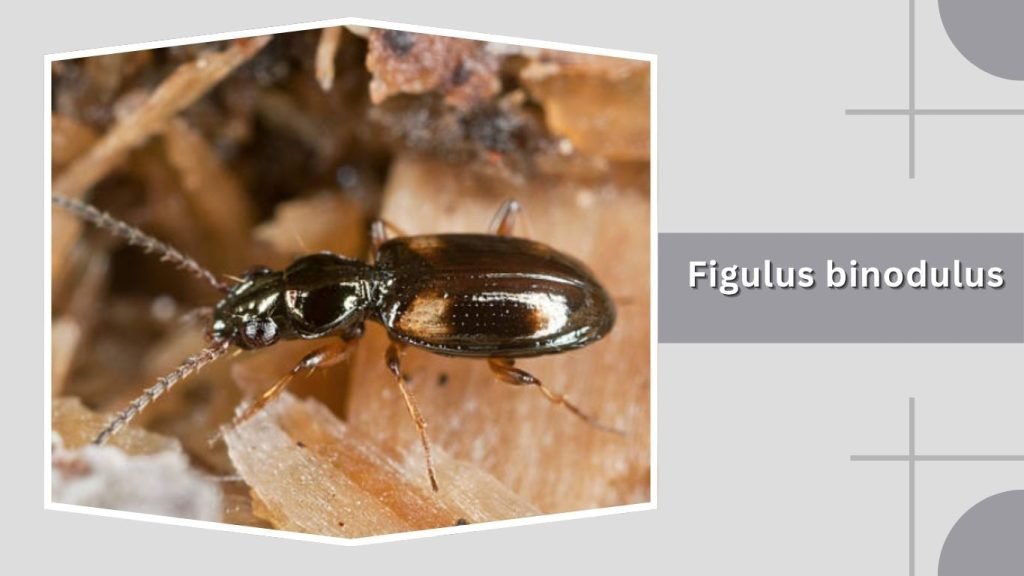
Figulus binodulus is a smaller stag beetle species known for its compact body and less prominent mandibles compared to larger stag beetles.
Identification
- Small, compact body
- Dark brown to black coloration
- Short, less noticeable mandibles
- Smooth and slightly glossy surface
- Sturdy but less bulky build
Habitat
This beetle is commonly found in forests and wooded areas. It prefers environments with decaying wood, where both adults and larvae can thrive.
Behavior
Figulus binodulus is usually active in humid conditions and tends to remain hidden under bark or within wood. It is not aggressive and avoids open exposure.
Diet
Adults feed on decaying organic material and tree sap. Larvae develop in rotting wood, contributing to the breakdown of organic matter.
17. Neolucanus swinhoei
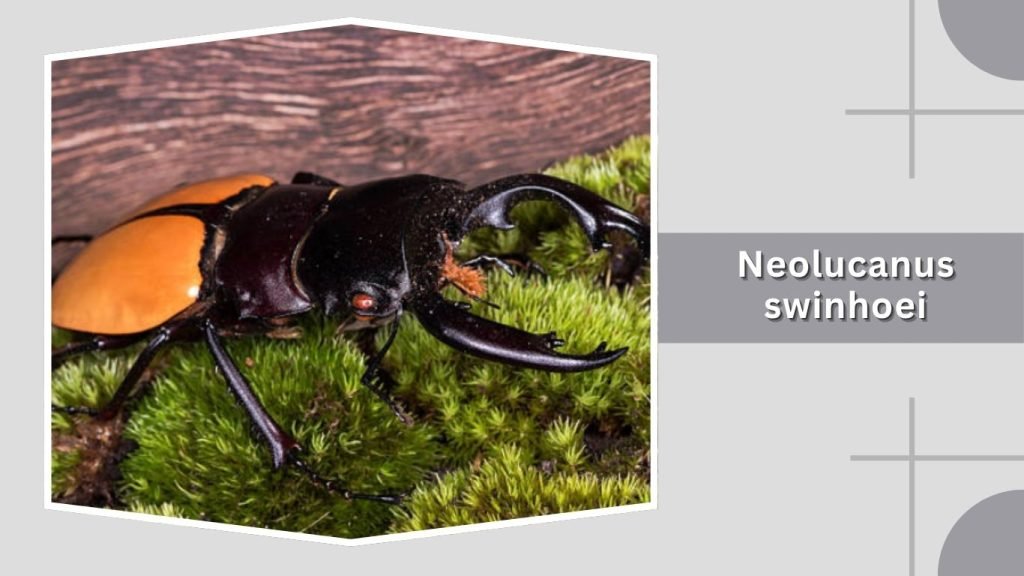
Neolucanus swinhoei is a medium-sized stag beetle recognized for its dark coloration and well-developed mandibles.
Identification
- Dark brown to black body
- Medium size
- Moderately long mandibles
- Strong, solid build
- Slightly textured exoskeleton
Habitat
This species is found in forested regions, particularly in Asia. It prefers areas rich in decaying wood, which supports its life cycle.
Behavior
Neolucanus swinhoei is mostly nocturnal and remains hidden during the day. Males may compete using their mandibles, but they are generally harmless to humans.
Diet
Adults feed on tree sap and fruit juices. Larvae live in rotting wood, where they consume decomposing material and aid in nutrient recycling.
