
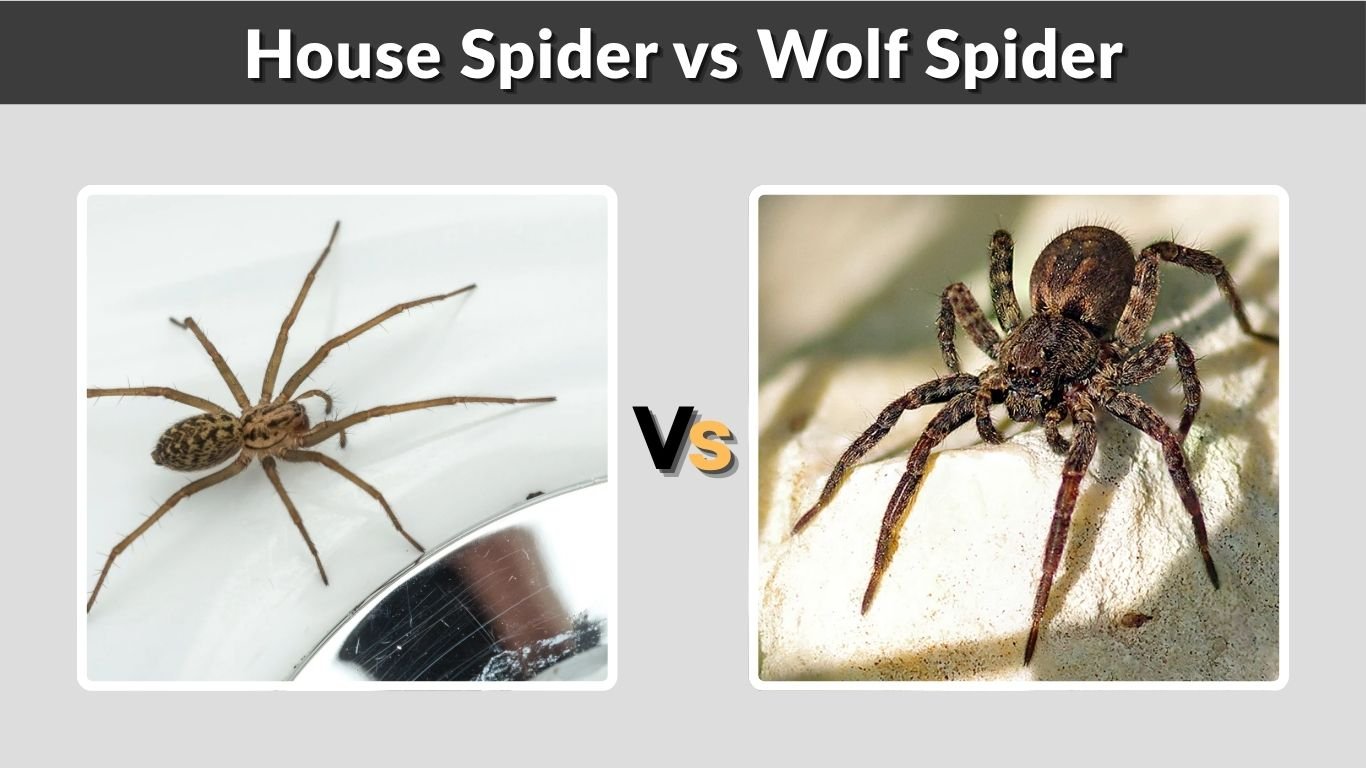
House Spider vs Wolf Spider: Key Differences & Identification
The house spider vs wolf spider comparison can be confusing because both may appear indoors and have brown, gray, or dark bodies. However, their behavior, … Read More
The house spider vs wolf spider comparison can be confusing because both may appear indoors and have brown, gray, or dark bodies. However, their behavior, … Read More
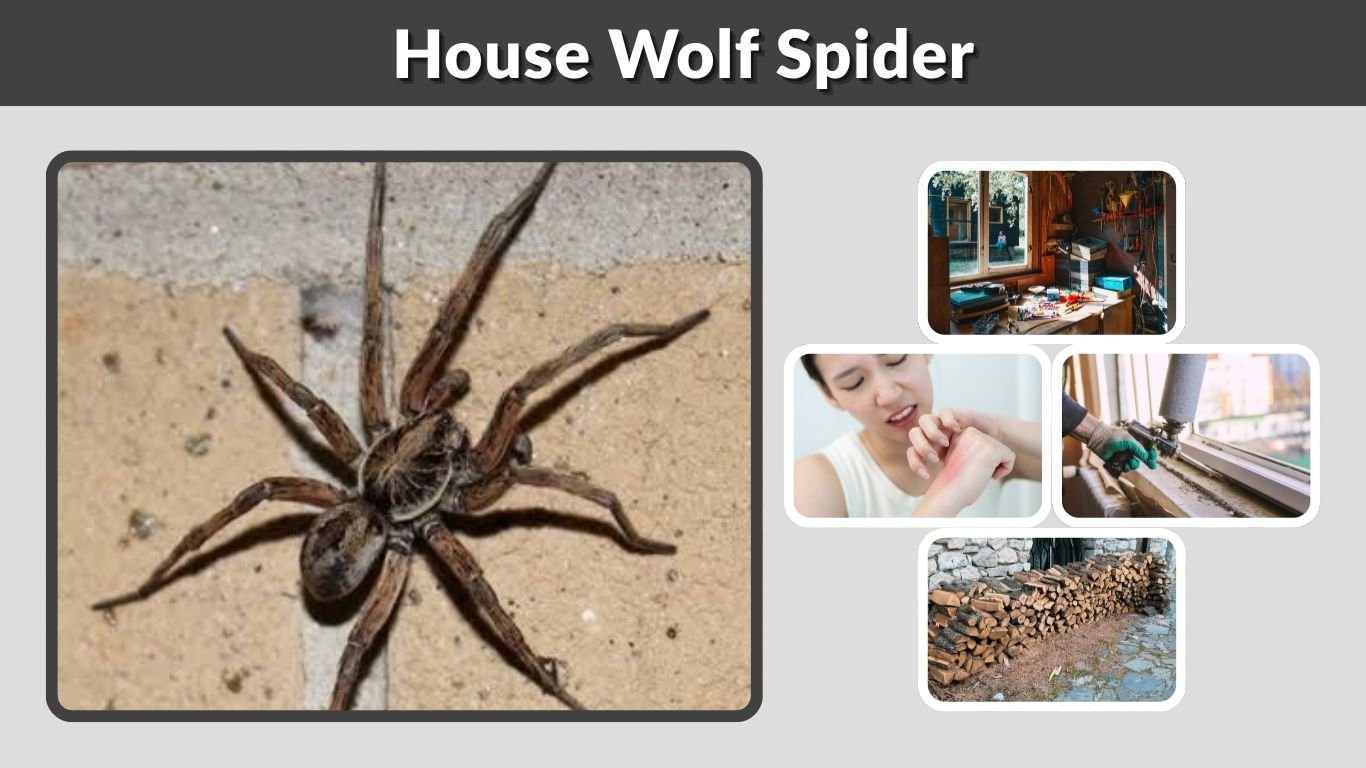
A house wolf spider is not a separate species but usually refers to a wolf spider that has wandered indoors. Wolf spiders belong to the … Read More
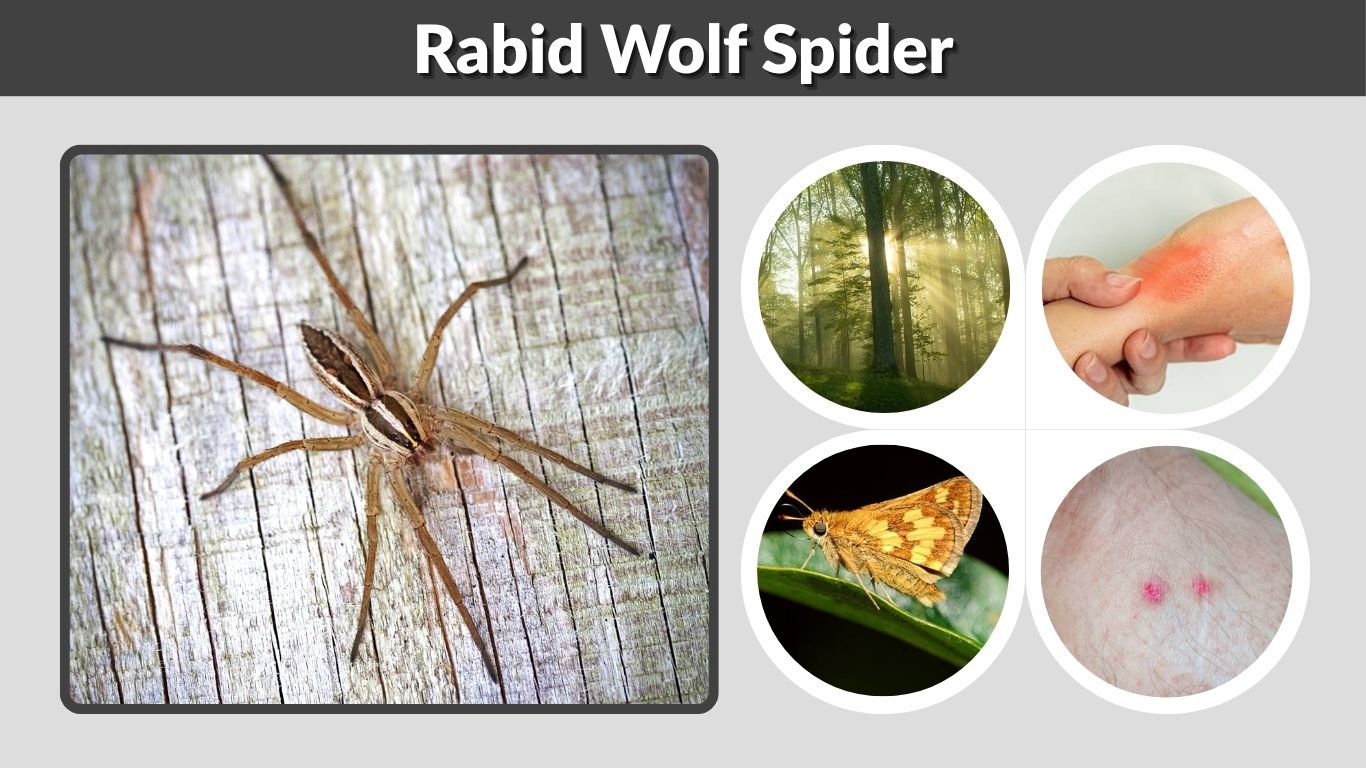
The rabid wolf spider (Rabidosa rabida) is a large, fast-moving wolf spider native to North America. Despite its alarming name, this spider does not have … Read More
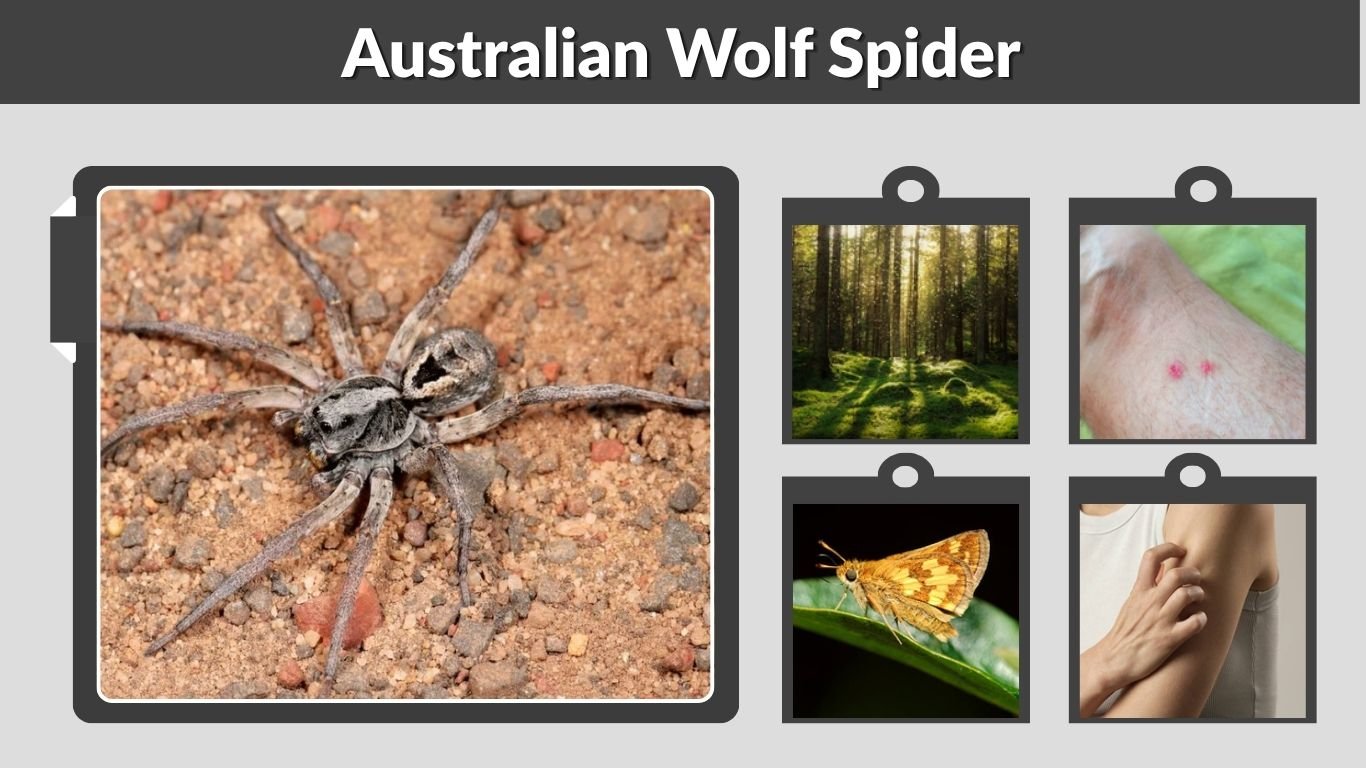
The Australian wolf spider is a fast-moving ground hunter found across much of Australia. Rather than building sticky webs to catch prey, wolf spiders actively … Read More
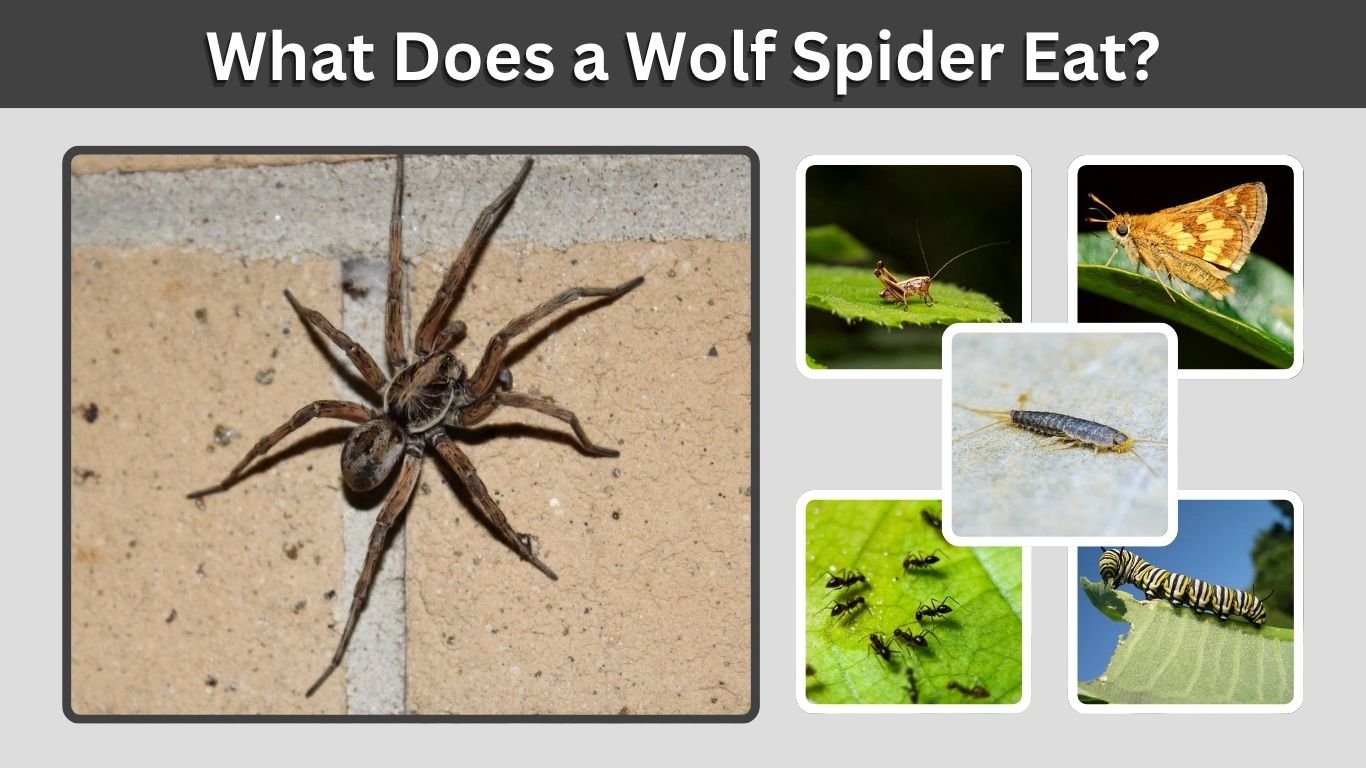
What does a wolf spider eat? Wolf spiders are active predators that mainly feed on insects, spiders, and other small invertebrates. Unlike web-building spiders, they … Read More
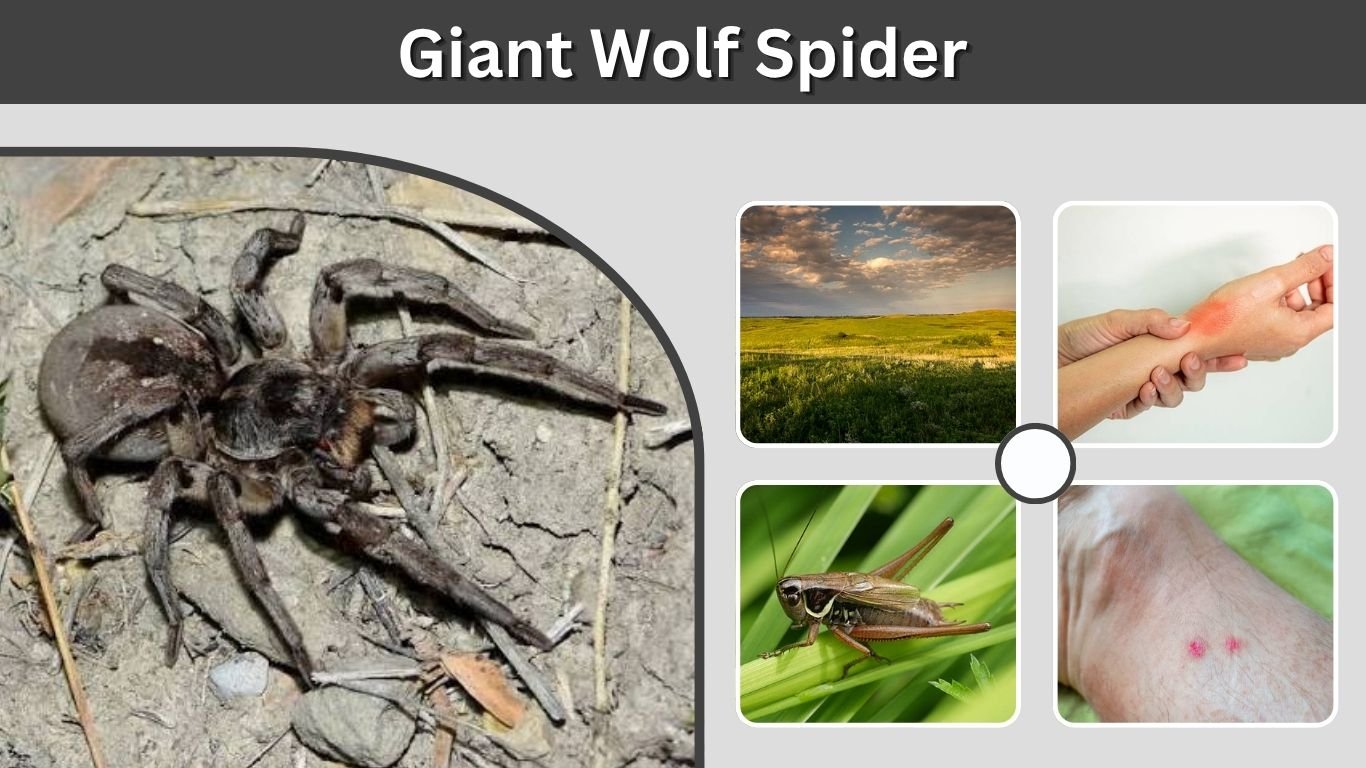
The giant wolf spider is an impressive ground-hunting spider known for its large body, long legs, excellent eyesight, and remarkable speed. Rather than building webs … Read More
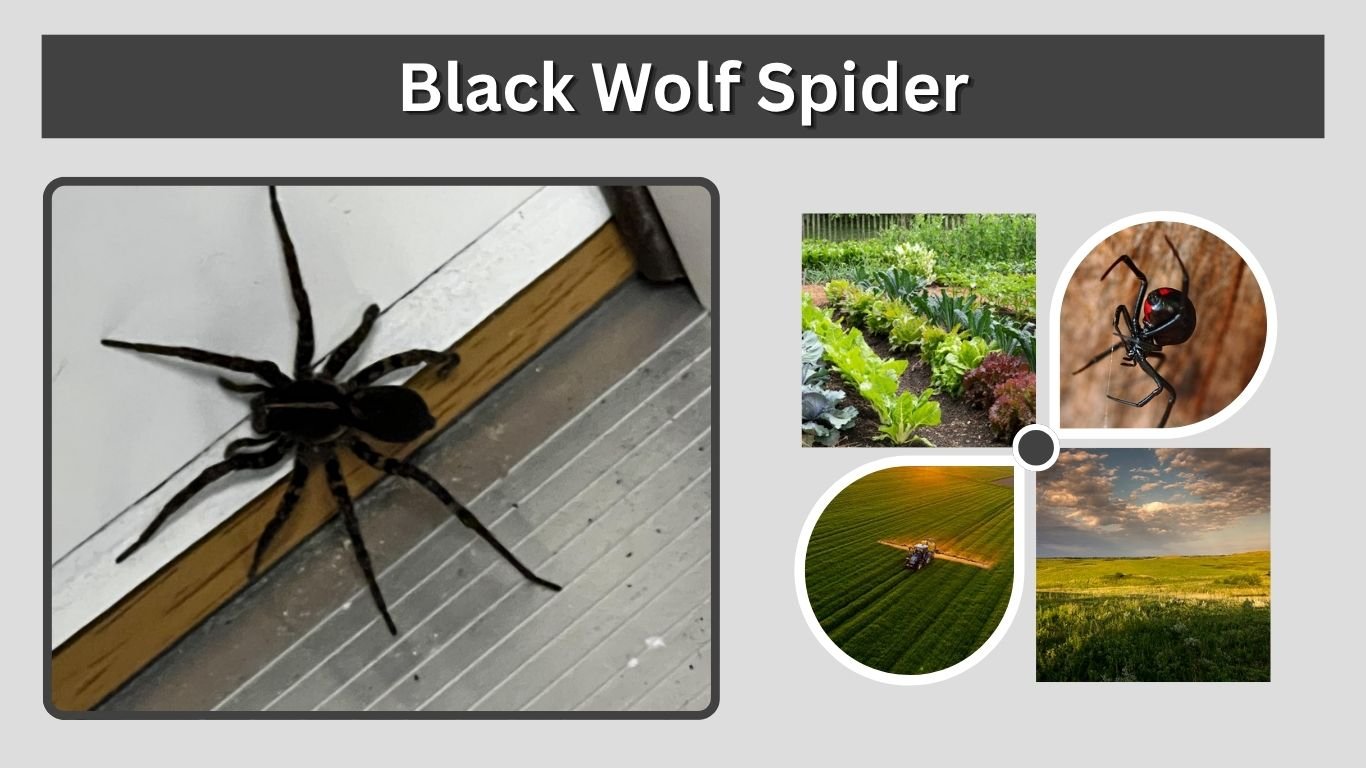
A black wolf spider can look intimidating because of its dark color, sturdy body, long legs, and fast movements. However, “black wolf spider” is not … Read More
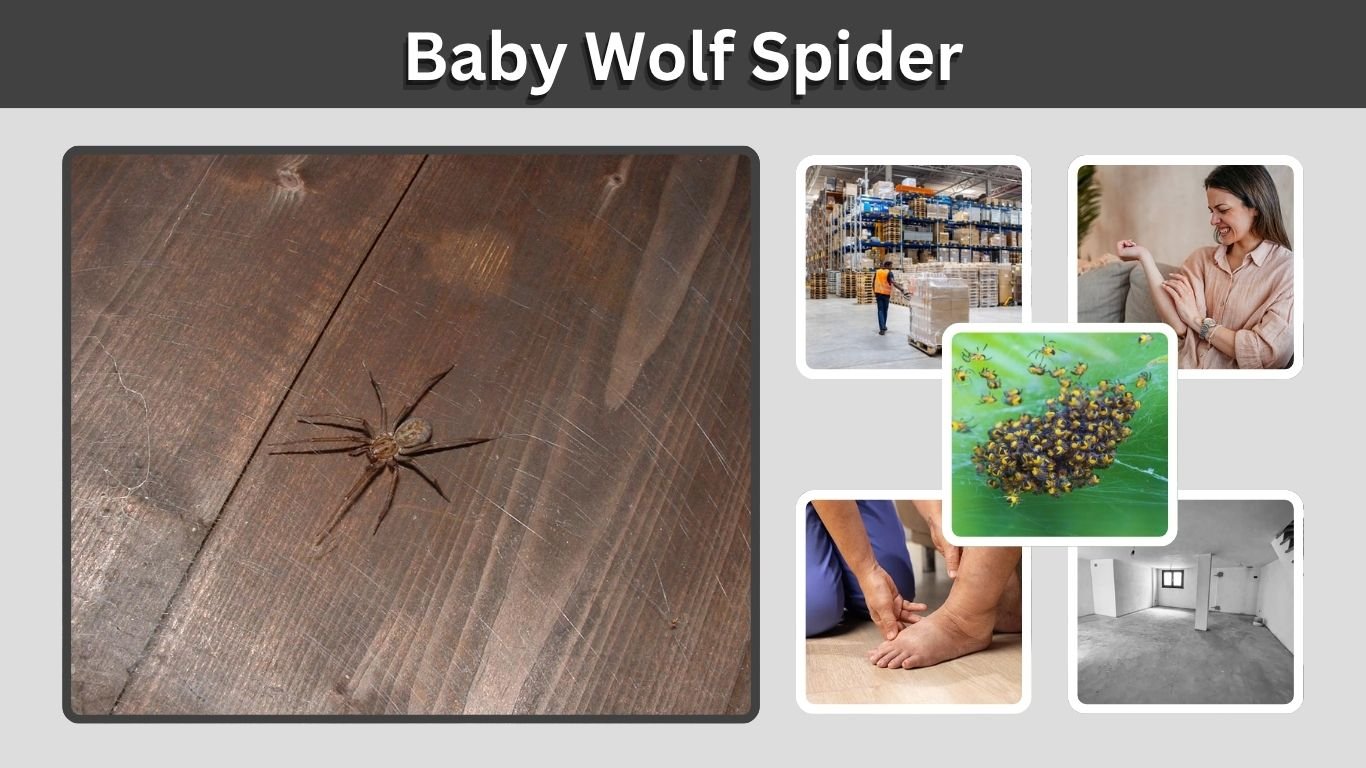
A baby wolf spider, more accurately called a spiderling, looks like a miniature version of an adult wolf spider. These tiny spiders usually have eight … Read More
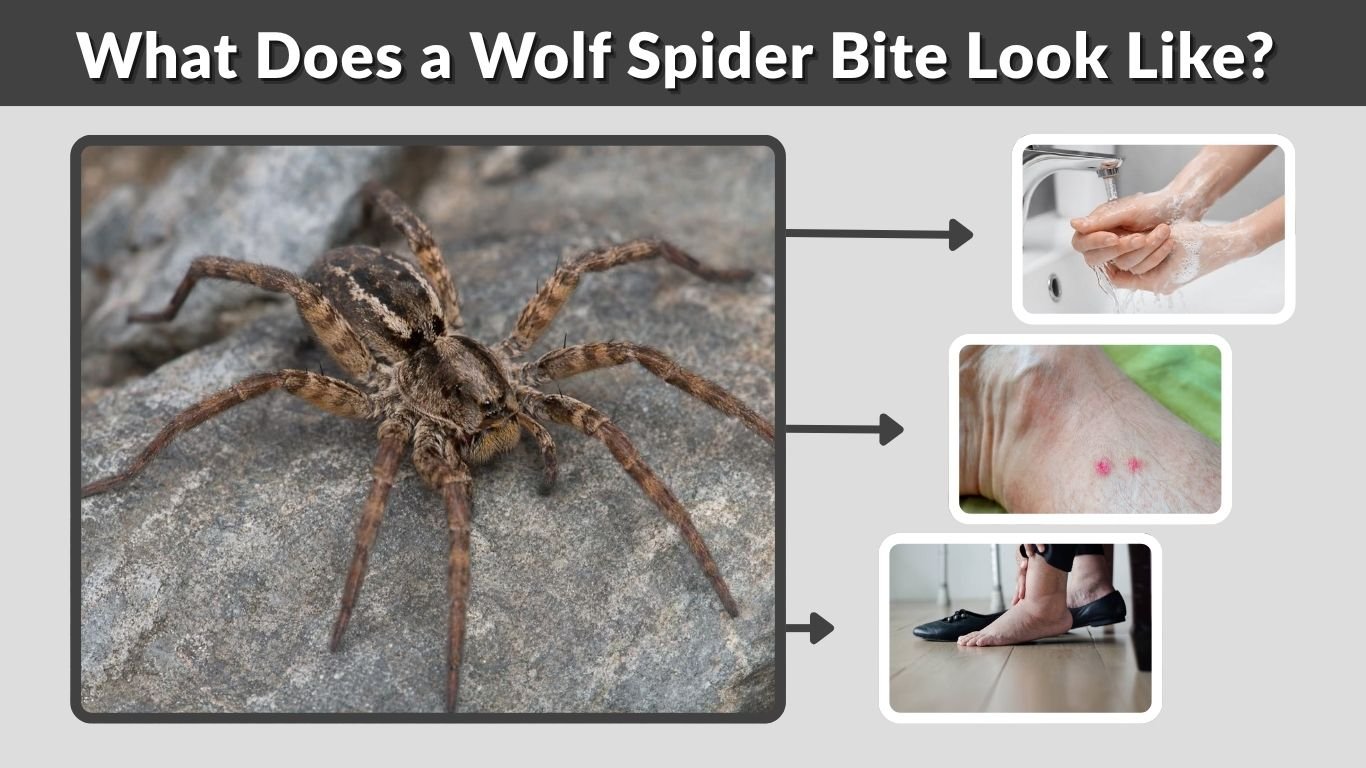
Wolf spiders are fast-moving hunting spiders commonly found in gardens, yards, garages, basements, sheds, and sometimes inside homes. Although their intimidating size and hairy appearance … Read More
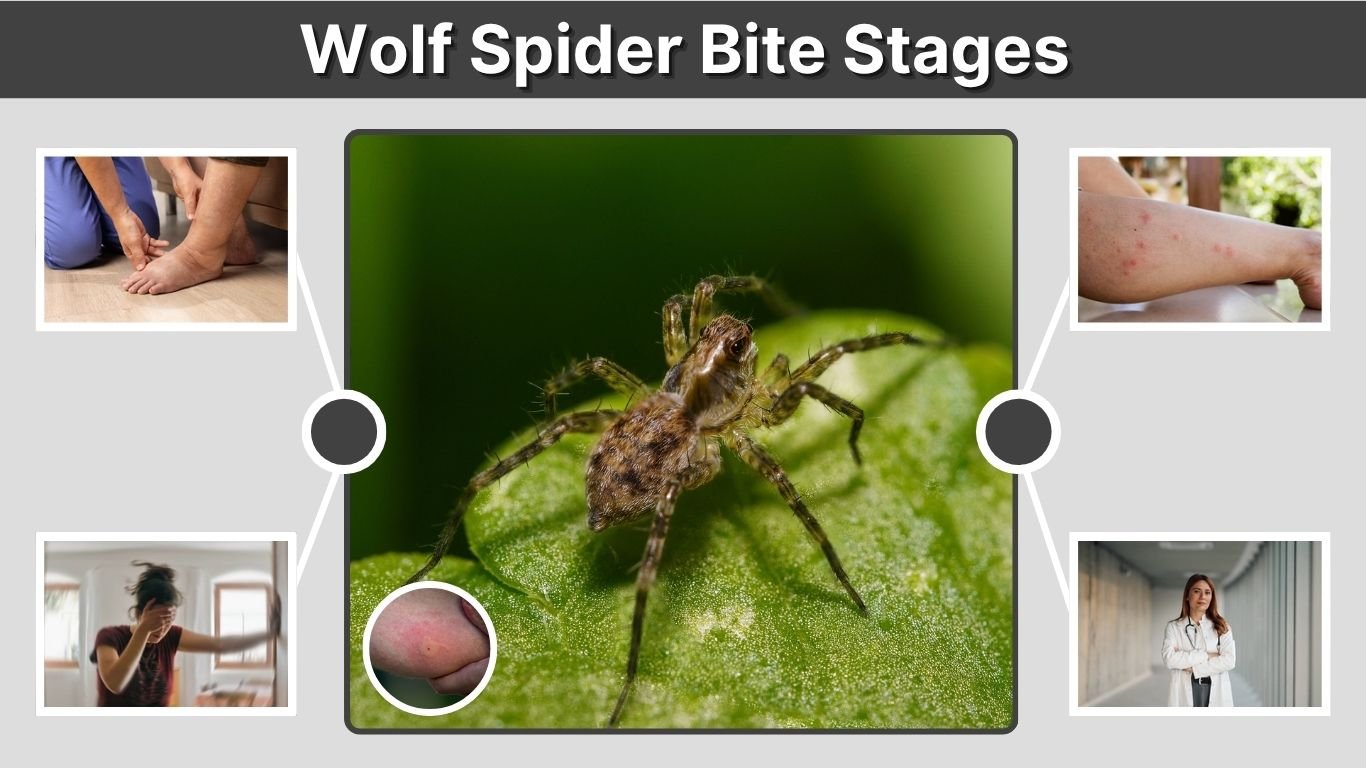
A wolf spider bite can be painful, but most bites cause only mild, localized symptoms such as redness, swelling, pain, itching, and a small raised … Read More