
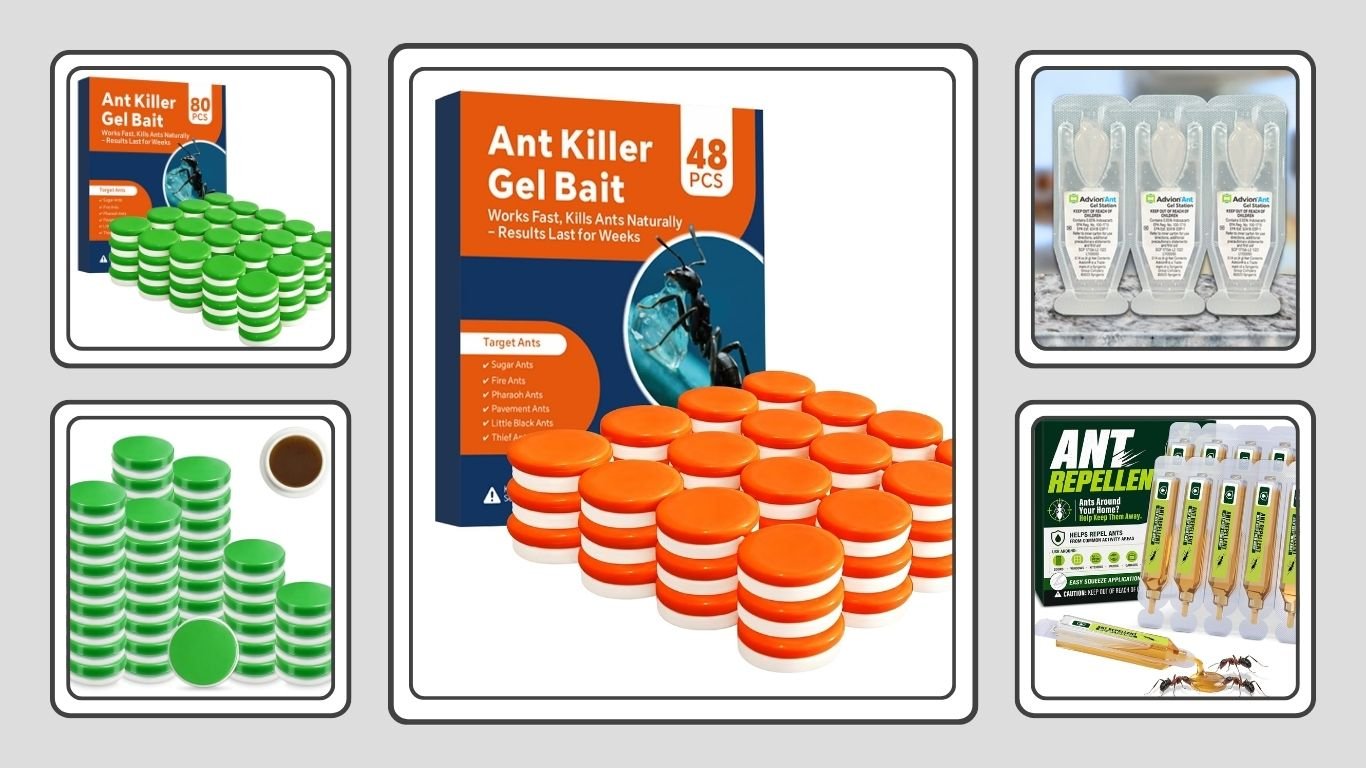
Carpenter ant bait stations can help reduce persistent ant activity by targeting foraging workers and, with the right slow-acting formula, allowing bait to spread deeper into the colony. The best options should be easy to place, attractive to carpenter ants, long-lasting, and suitable for use around common problem areas such as kitchens, foundations, patios, garages, and wall entry points. In this guide, we review eight of the best carpenter ant bait stations based on bait design, convenience, placement flexibility, colony-focused performance, and overall value for ongoing ant management.
1. Slow-Acting Dual-Sided Carpenter Ant Bait Stations
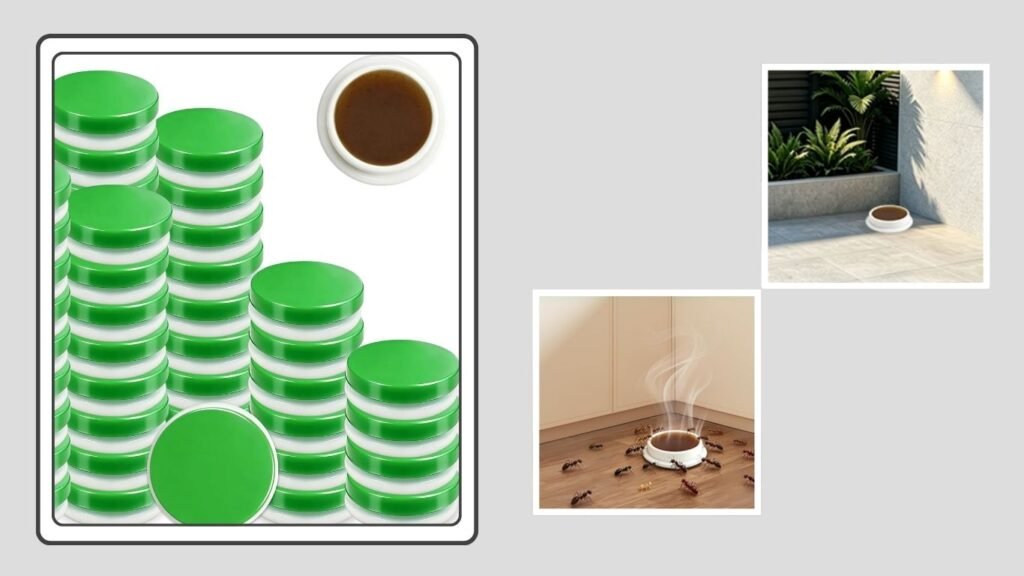
The Slow-Acting Dual-Sided Carpenter Ant Bait Stations are designed for homeowners who want to target carpenter ants beyond the workers that are immediately visible. Their enclosed station format makes placement straightforward around active trails, foundations, kitchens, garages, patios, and other areas where ants repeatedly appear. The slow-acting approach is particularly important for carpenter ant control because workers need time to interact with the bait and return toward the colony before the treatment takes full effect.
Key Features
- Slow-acting bait station design
- Dual-sided access for foraging ants
- Marketed for carpenter ant control
- Enclosed bait delivery system
- Suitable for targeted placement
- Useful along active ant trails
- Compact and easy to position
- Designed for colony-focused treatment
- Can be placed near common ant entry points
- Requires minimal preparation before use
Why It’s Best for Active Carpenter Ant Trails
The dual-sided design is especially useful when bait stations are positioned directly beside a frequently used carpenter ant trail. Multiple access points make it easier for workers approaching from different directions to reach the bait without dramatically changing their natural route.
Slow action is another important advantage. Carpenter ants live in colonies that can contain large numbers of workers, so killing only the ants seen on counters or floors rarely addresses the underlying problem. A delayed-action bait is intended to give foragers more opportunity to return toward nestmates.
Placement & Colony-Control Performance
Performance depends heavily on where the stations are positioned. Areas near foundation edges, wall openings, decks, moisture-damaged wood, and established nighttime trails can be particularly useful locations when allowed by the product label.
Avoid spraying strong repellent insecticides directly beside the bait. Repellents may discourage workers from approaching and reduce bait interaction.
Carpenter ants are often more active after sunset, so observing trails in the evening can help identify stronger placement locations. Results should also be judged over time rather than expecting immediate disappearance.
Overall Value for Carpenter Ant Control
These Dual-Sided Carpenter Ant Bait Stations offer a practical combination of convenient placement and colony-oriented control. Their slow-action concept is technically more useful for persistent carpenter ant problems than treatments focused exclusively on rapid surface knockdown.
For homeowners who have identified consistent carpenter ant trails and want an enclosed, easy-to-position bait format, the dual-access design provides a sensible option as part of a broader management plan that also addresses moisture, damaged wood, and possible nesting areas.
2. Slow-Acting Carpenter Ant Bait Stations
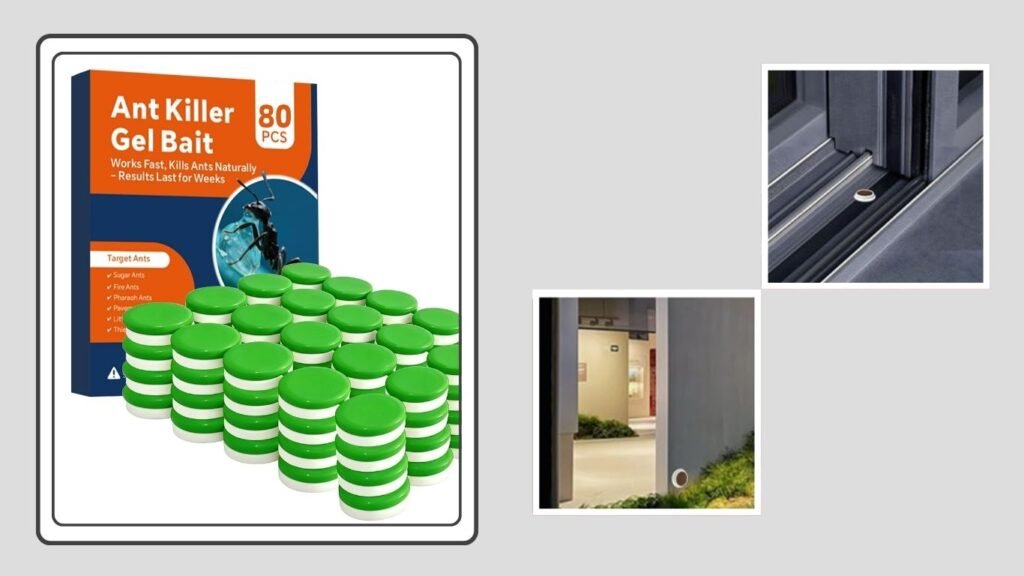
These Slow-Acting Carpenter Ant Bait Stations are designed around one of the most important principles of effective ant baiting: the treatment should not eliminate foraging workers before they have an opportunity to return toward the colony. The enclosed stations offer a convenient way to place bait around active carpenter ant trails, kitchens, garages, patios, foundation edges, and other problem areas without applying loose bait throughout the surrounding space.
Key Features
- Slow-acting bait approach
- Marketed for carpenter ants
- Enclosed bait station design
- Suitable for targeted placement
- Useful around active ant trails
- Designed for colony-oriented control
- Ready-to-position format
- Suitable for common household problem areas
- Compact footprint
- Minimal preparation required
Why It’s Best for Colony-Level Treatment
Carpenter ant colonies may contain far more individuals than homeowners ever see. Eliminating a handful of foraging workers therefore does little if the primary nest or satellite colonies remain active.
A delayed bait provides workers with more opportunity to feed before returning toward nestmates. This makes the approach technically more appropriate for colony management than products designed solely to create immediate contact mortality.
Strategic placement close to active trails can increase the likelihood that workers repeatedly encounter the bait.
Performance & Everyday Placement
Carpenter ants commonly forage after sunset, so observing the property during evening hours can help identify suitable placement locations.
Stations may perform particularly well near foundation edges, plumbing penetrations, decks, garage walls, or places where workers repeatedly enter and leave a structure. Strong repellent sprays should generally not be applied directly around an active bait station because they can interfere with normal foraging behavior.
Results should be evaluated gradually, as slow-action bait is intentionally designed to avoid instant knockdown.
Overall Verdict
These Slow-Acting Carpenter Ant Bait Stations are particularly suitable for homeowners looking for simple, targeted colony control without handling loose gel or granules.
Their enclosed construction makes strategic placement straightforward, while the delayed-action concept aligns well with carpenter ant social behavior. When combined with fixing moisture problems and inspecting wood for nest activity, they can form a practical part of a longer-term carpenter ant management plan.
3. Long-Lasting Carpenter Ant Bait Stations
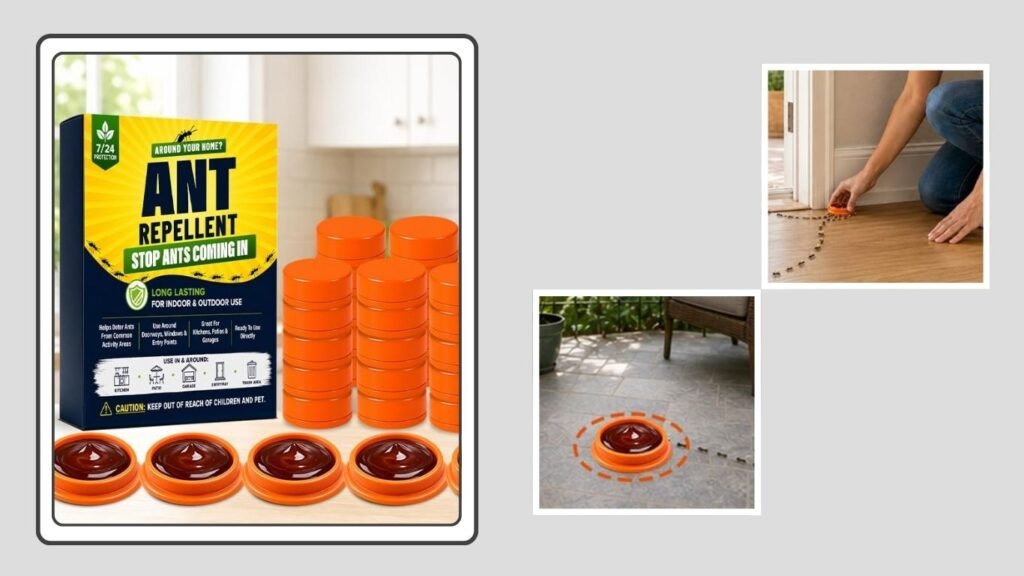
Long-Lasting Carpenter Ant Bait Stations are designed for situations where ant activity persists over an extended period and the bait needs to remain accessible for repeated worker visits. Instead of requiring frequent preparation or individual spot applications, the station format keeps treatment concentrated in selected locations. This can be especially convenient for recurring carpenter ant trails around kitchens, garages, exterior walls, and other frequently used pathways.
Key Features
- Long-lasting bait station concept
- Marketed for carpenter ant control
- Enclosed delivery design
- Suitable for repeated worker feeding
- Compact placement format
- Useful around indoor and outdoor activity zones
- Designed for colony-focused management
- Easy to position beside trails
- Minimal maintenance
- Suitable for persistent infestations
Why It’s Best for Persistent Carpenter Ant Activity
Carpenter ant colonies may continue sending out new foragers even after visible workers have been killed. Maintaining access to bait over a longer period can therefore provide an advantage when the goal is ongoing colony exposure.
Workers may return to the same food source repeatedly, and an established trail can recruit additional ants from nearby nesting areas.
This makes a long-lasting bait format especially useful when activity has continued for weeks rather than appearing as an isolated incident.
Performance & Long-Term Use
Placement should focus on areas where carpenter ants naturally travel instead of random locations throughout the house.
Nighttime inspection can reveal strong trails around baseboards, foundation walls, window areas, plumbing, or moisture-damaged wood. Keeping competing food cleaned up may also make bait more attractive to foraging workers.
Because bait effectiveness can vary with seasonal feeding preferences, monitoring whether ants are actively consuming the bait is important. Stations that remain ignored may need repositioning according to label directions.
Overall Verdict
Long-Lasting Carpenter Ant Bait Stations offer particular value when the problem requires more than a quick one-time treatment.
Their enclosed design keeps bait available where ants are already traveling, making them convenient for continued colony pressure. For homeowners experiencing repeated carpenter ant activity, the combination of longer availability and simple placement can be more practical than constantly reapplying exposed bait.
4. 48-Pack Slow-Acting Carpenter Ant Gel Bait Stations
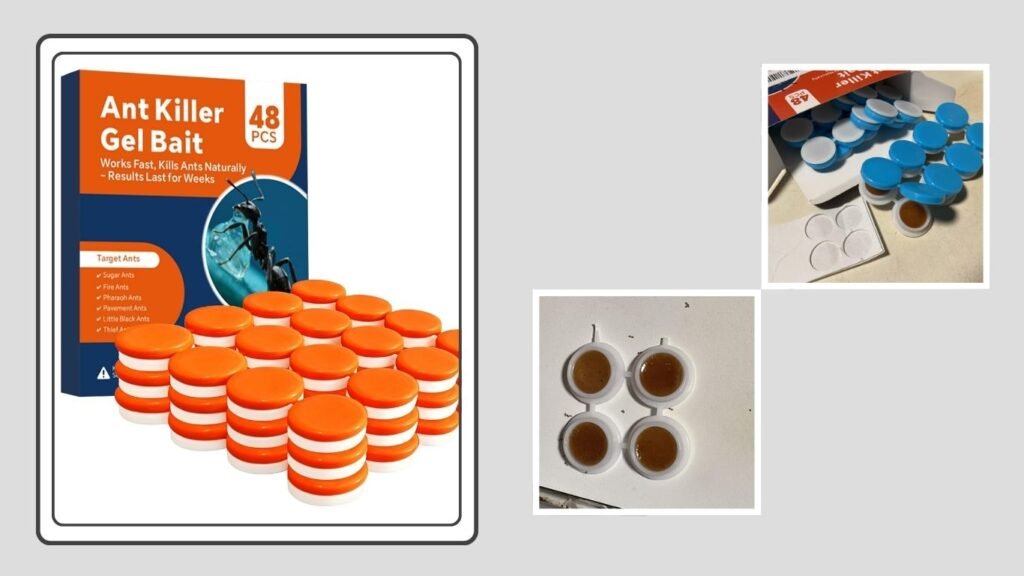
This 48-Pack Slow-Acting Ant Bait Gel Station set provides a larger number of individual treatment points for properties where carpenter ants or other household ants are active in several areas. The stations use an enclosed gel-bait format and are marketed for both indoor and outdoor use. Having 48 individual stations provides considerable flexibility for treating multiple trails, rooms, entry points, and perimeter areas simultaneously.
Key Features
- 48 individual bait stations
- Slow-acting gel bait
- Marketed for carpenter ants
- Indoor and outdoor use
- Ready-to-use station format
- Designed for colony-oriented control
- Multiple placement possibilities
- Suitable for kitchens and bathrooms
- Long-lasting bait concept
- Enclosed gel delivery
Why It’s Best for Large Multi-Area Treatments
The generous station count is the strongest advantage of this option. Carpenter ant infestations can involve multiple travel routes or satellite colonies, meaning one or two bait placements may not adequately cover all activity.
With 48 stations available, users can distribute treatment across several strategic locations instead of concentrating everything in one area.
This is especially practical for larger houses, garages, patios, utility areas, or properties where ants are entering from several directions.
Performance & Coverage
The gel station design keeps the bait contained while allowing foraging ants to access it. Slow action is intended to give workers time to interact with the colony rather than creating immediate mortality near the bait.
Performance improves when stations are positioned directly beside established ant routes.
Homeowners should avoid placing every station at once without first observing activity. Strategic concentration around known trails generally makes more sense than randomly spreading bait throughout unused areas.
The stations should always be used according to the pesticide label and positioned away from locations accessible to children or pets when required.
Overall Verdict
The 48-Pack Slow-Acting Gel Bait Stations stand out primarily for coverage and placement flexibility.
For a property with carpenter ant activity in multiple rooms or around several exterior entry points, the large quantity provides enough stations to establish a broader treatment network. The enclosed gel and slow-action concept also make this configuration more practical for colony-focused management than repeatedly spraying individual ants.
5. Slow-Acting Outdoor Carpenter Ant Bait Stations
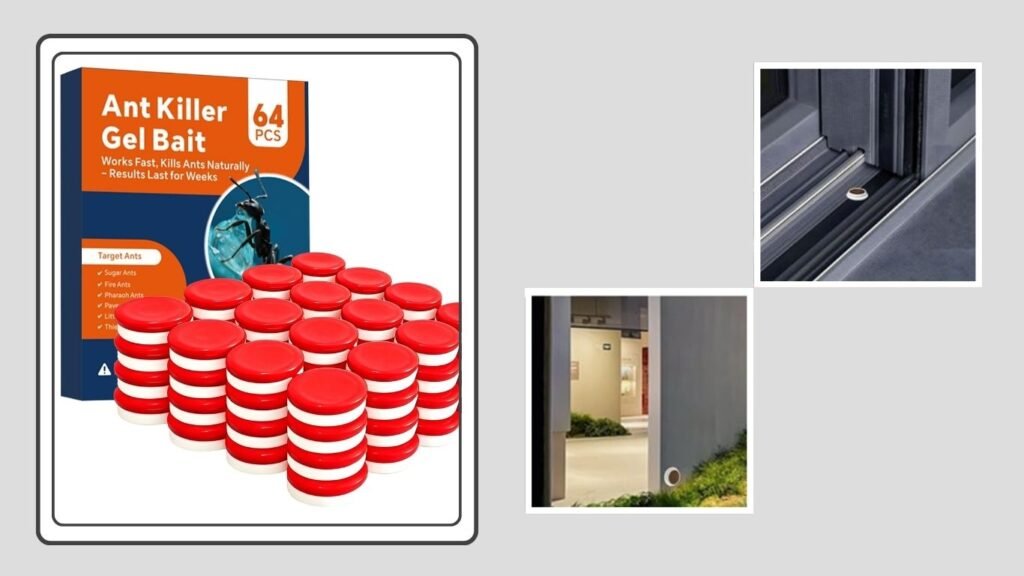
These Slow-Acting Outdoor Carpenter Ant Bait Stations are particularly useful for intercepting ants before outdoor foragers regularly enter living spaces. They can be positioned around foundation edges, decks, patios, garages, sheds, or other exterior areas where carpenter ants travel between natural nests and structures. Their enclosed format makes targeted outdoor placement easier than spreading loose bait across wide portions of a property.
Key Features
- Designed for slow-action baiting
- Marketed for carpenter ants
- Suitable for outdoor placement
- Enclosed bait station
- Useful near foundations
- Appropriate for active ant trails
- Convenient around decks and patios
- Colony-oriented treatment concept
- Easy targeted placement
- Suitable for repeated foraging activity
Why It’s Best for Exterior Carpenter Ant Trails
Carpenter ants frequently nest outdoors in trees, stumps, logs, and decaying wood while sending workers into nearby buildings to forage.
An outdoor bait station can therefore target ants along those travel routes rather than waiting until they appear inside kitchens or living areas.
Watching the exterior of a property after sunset can reveal trails running from vegetation, fences, trees, or wooden structures toward the building. Those routes provide logical locations for bait placement when allowed by the product instructions.
Outdoor Performance & Weather Considerations
Outdoor bait stations should be positioned where they remain accessible to ants while receiving as much protection as practical from heavy rain, irrigation, and physical disturbance.
Moisture entering a bait station can reduce bait quality or attractiveness depending on the formulation.
It is also important to inspect nearby wood. Carpenter ants commonly exploit moisture-damaged material, so correcting leaking gutters, plumbing problems, roof leaks, or decayed wood can remove favorable nesting conditions while bait addresses active workers.
Overall Verdict
These outdoor stations are a practical choice when carpenter ant activity clearly originates around the exterior of a building.
Their targeted format allows treatment near active pathways without automatically applying insecticide across the entire yard. For homeowners who combine strategic bait placement with moisture correction and nest inspection, the station design fits well into an integrated carpenter ant control strategy.
6. Strengthened Long-Lasting Carpenter Ant Bait Stations
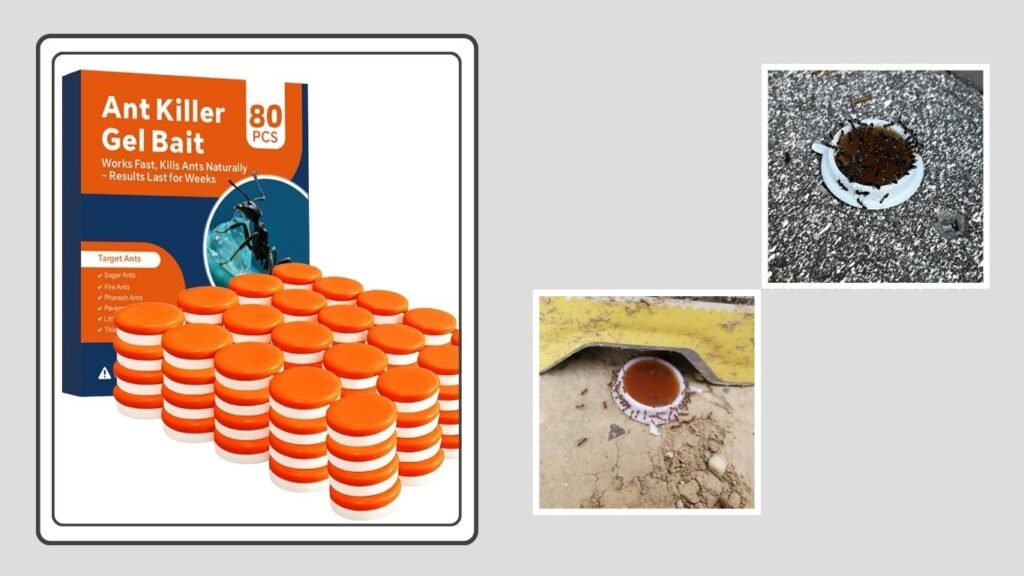
The Strengthened Long-Lasting Carpenter Ant Bait Stations are marketed for homeowners dealing with stubborn ant activity that continues despite basic cleaning or elimination of individual workers. Their enclosed construction is intended to keep bait available along active trails while supporting repeated feeding. This makes the format suitable for kitchens, bathrooms, utility spaces, foundations, and other areas where carpenter ants continually reappear.
Key Features
- Strengthened bait formulation concept
- Long-lasting station design
- Marketed for carpenter ants
- Enclosed bait system
- Suitable for household ant problems
- Designed for repeated feeding
- Useful beside active trails
- Compact placement
- Colony-focused approach
- Minimal setup required
Why It’s Best for Stubborn Infestations
Persistent carpenter ant activity often indicates that the underlying colony has not been affected by treatments directed only at visible workers.
A bait station that remains available gives foragers repeated opportunities to interact with treatment while following established routes.
This is especially useful around satellite nests hidden in walls or structural voids, where direct access can be difficult. The bait approach allows normal ant behavior to assist with distribution rather than requiring homeowners to locate every hidden nesting chamber immediately.
Performance & Long-Lasting Use
Long-term performance depends on maintaining attractive bait close to active trails. If ants change feeding routes, stations may need to be repositioned according to the label.
Food sanitation also matters. Sweet spills, pet food, grease, and other competing foods can reduce interest in a bait station.
Repellent sprays should generally be kept away from baiting locations because they can discourage worker activity.
For severe structural infestations, baiting should be combined with inspection of damp wood and possible professional assessment rather than relying exclusively on stations.
Overall Verdict
Strengthened Long-Lasting Carpenter Ant Bait Stations are best suited to situations where ant activity has become persistent and short-term surface treatments are not providing satisfactory control.
The convenient enclosed format makes extended placement easy, while the colony-oriented approach better matches carpenter ant biology. They are particularly useful as one component of a broader management strategy rather than simply another product for killing visible workers.
7. Syngenta Advion Ant Gel Stations with Indoxacarb
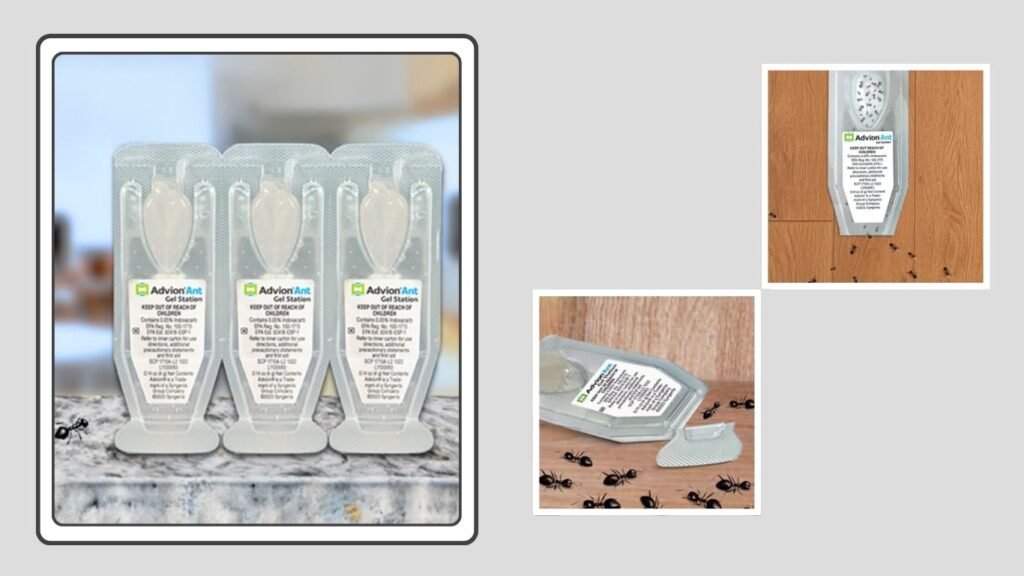
Syngenta Advion Ant Gel Station is the most clearly documented branded option in this roundup. Each ready-to-use station contains gel bait with 0.05% indoxacarb, a Group 22A insecticide. The EPA-approved label specifically includes carpenter ants among its target species. The gel station is designed to delay mortality long enough for workers to participate in horizontal transfer within the colony, making it a technically sophisticated option for carpenter ant management.
Key Features
- Syngenta professional pest-control product
- 0.05% indoxacarb active ingredient
- EPA-registered bait station
- Specifically labeled for carpenter ants
- Ready-to-use gel delivery
- Self-contained, low-mess design
- Suitable for indoor and outdoor use around structures
- Non-repellent bait approach
- Designed for horizontal colony transfer
- Gel remains contained inside the station
Why It’s Best for Proven Carpenter Ant Baiting
The strongest advantage of Advion is the level of product documentation behind it.
Syngenta’s current label specifically lists carpenter ants along with numerous other pest ant species. Indoxacarb works with delayed mortality, allowing worker ants time to feed and participate in transfer through the colony.
That makes it particularly useful for situations where homeowners want a bait station with clearly identified active chemistry instead of a generic product whose formulation is difficult to verify.
Performance & Professional-Grade Design
The station keeps gel enclosed, helping reduce application mess and keeping the bait moist and accessible to feeding ants.
Syngenta states that the product can kill ants within days when used according to label directions. The station is activated before placement and can then be positioned in locations showing infestation or foraging activity.
As with any pesticide, it should not be placed where children or pets can easily access it, and the complete EPA label should be followed.
Overall Verdict
Syngenta Advion Ant Gel Station is arguably the strongest technically documented option among these eight products.
Its carpenter-ant labeling, 0.05% indoxacarb formulation, self-contained station, and horizontal-transfer approach give it a clear advantage for users who want a well-defined bait chemistry.
For established carpenter ant activity, Advion combines professional-grade formulation with the convenience of a ready-to-use household station.
8. Individual Formula Carpenter Ant Bait Stations
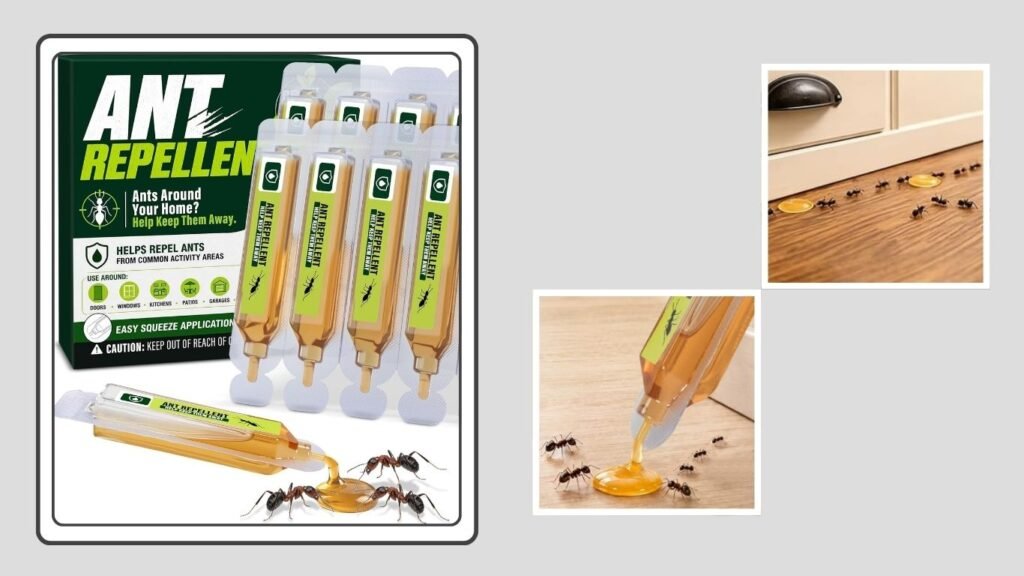
Individual Formula Carpenter Ant Bait Stations provide another enclosed option for targeting ant trails without spreading loose bait throughout the treatment area. Their individually contained design makes it easier to distribute stations according to where ants are actually active. This approach is particularly practical for households experiencing isolated carpenter ant trails in several different rooms or around exterior entry points.
Key Features
- Individual bait station format
- Marketed for carpenter ants
- Designed for targeted application
- Enclosed bait delivery
- Suitable for active ant pathways
- Convenient placement around entry points
- Colony-focused bait concept
- Minimal handling of exposed bait
- Compact design
- Suitable for household ant management
Why It’s Best for Targeted Applications
Individual stations provide flexibility because each unit can be placed independently.
Rather than applying one treatment across an entire room, users can concentrate bait near specific problem areas such as a window frame, garage wall, plumbing penetration, deck entrance, or recurring nighttime trail.
This type of precision can reduce unnecessary treatment in areas where ants are not active while ensuring that bait remains accessible along routes workers already use.
Performance & Placement Flexibility
The stations should be positioned close enough to established trails for workers to discover them easily without blocking or significantly disturbing the pathway.
Carpenter ants can change foraging preferences throughout the season, so bait acceptance should be monitored. If workers repeatedly pass a station without feeding, repositioning or selecting a different bait formulation may be necessary.
The active ingredient and exact approved use sites should always be confirmed from the packaging before application, particularly with generic bait products.
Overall Verdict
Individual Formula Carpenter Ant Bait Stations are best suited to homeowners who value flexible, location-specific treatment.
Their enclosed design makes it easy to create several targeted bait points without applying pesticide broadly across floors or outdoor surfaces.
For moderate carpenter ant activity with identifiable trails, this approach provides convenient placement and colony-focused potential, particularly when combined with sanitation, moisture reduction, and inspection for damaged wood.
FAQs
1. Do Carpenter Ant Bait Stations Really Work?
Yes, properly selected bait stations can help control carpenter ants when workers actively feed on the bait and carry it into the colony. Slow-acting bait is generally preferred because immediate mortality can prevent workers from transferring treatment deeper into the nest. Results depend on bait attractiveness, placement, colony size, and seasonal feeding preferences.
2. Where Should Carpenter Ant Bait Stations Be Placed?
Place stations close to active carpenter ant trails, structural entry points, foundation edges, garages, decks, kitchens, plumbing areas, or locations near moisture-damaged wood when allowed by the product label. Observing ants after sunset can help locate stronger foraging trails because carpenter ants frequently become more active at night.
3. How Long Does Carpenter Ant Bait Take to Work?
Some baits can begin reducing ant activity within several days, but larger or more complex colonies may require longer. A slow response is not necessarily a disadvantage because colony baiting depends on workers remaining alive long enough to interact with nestmates. Avoid removing stations simply because ants remain visible during the first few days.
4. Can I Use Carpenter Ant Spray and Bait Stations Together?
They can sometimes be part of the same overall control program, but avoid spraying repellent insecticide directly around bait stations or active bait trails. Repellents may prevent workers from approaching the bait. Always follow both product labels carefully and keep different treatment methods appropriately separated.
5. Are Carpenter Ant Bait Stations Safe Around Pets and Children?
Bait stations reduce direct exposure by containing pesticide inside an enclosure, but they should never be assumed completely risk-free. Place them only where the product label permits and where children and pets cannot easily reach or play with them. Follow all label instructions for placement, handling, storage, and disposal.
