
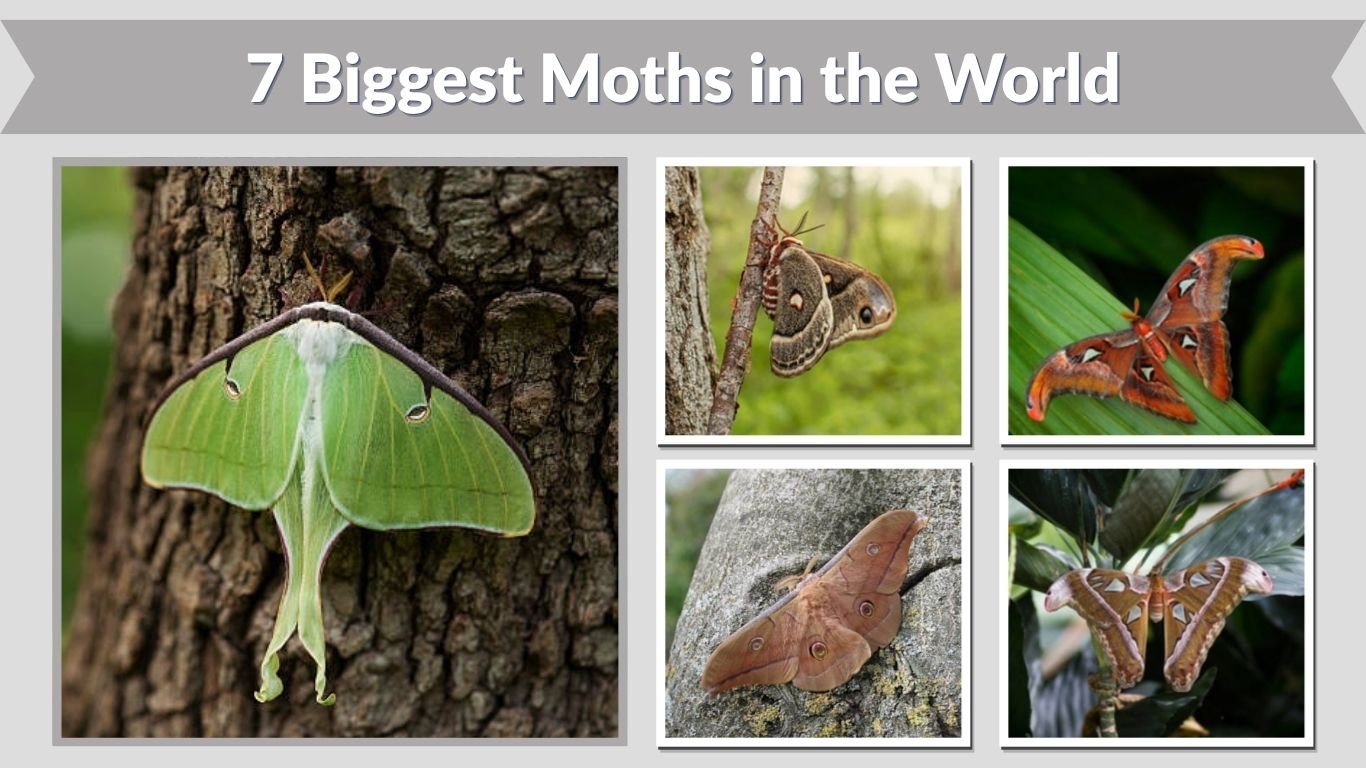
The biggest moths in the world are known for their huge wings, heavy bodies, and striking patterns. Some are famous for their wingspan, while others stand out because of their wing surface area or body weight. From the White Witch Moth to the Giant Peacock Moth, these species show how impressive and beautiful moths can be.
1. White Witch Moth
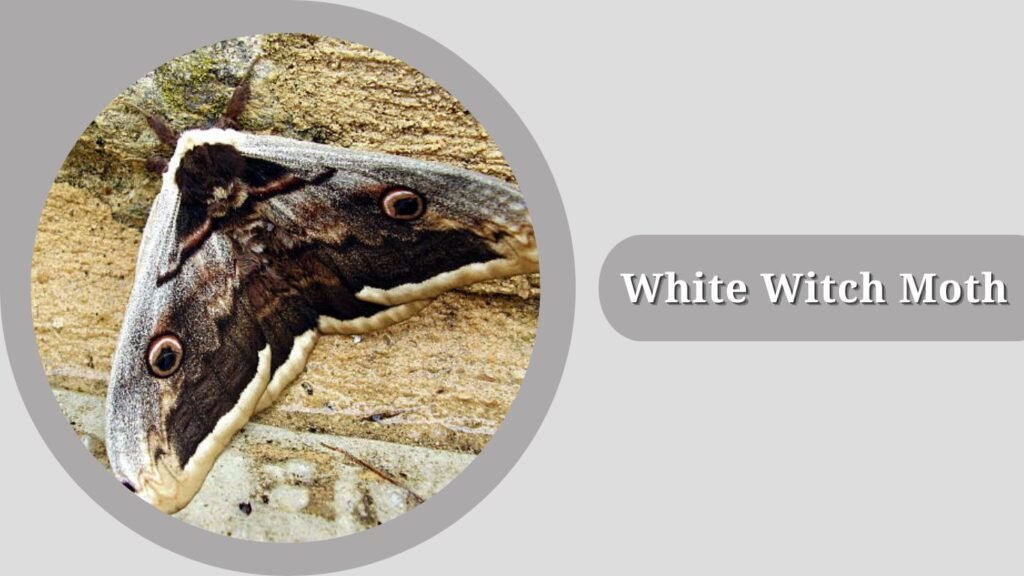
The White Witch Moth is often considered one of the biggest moths in the world by wingspan. This giant moth is famous for its pale, patterned wings that help it blend into tree bark. Although its body is not as bulky as some other giant moths, its wide wings make it one of the most impressive moth species.
Characteristics of the White Witch Moth
- Scientific name: Thysania agrippina
- Known for having one of the largest wingspans of any moth
- Wings can reach up to about 12 inches across
- Pale gray, white, and brown wing patterns
- Long, narrow wings with wavy markings
- Excellent camouflage against tree bark
- Mostly active at night
- Found in tropical regions
- Belongs to the family Erebidae
- Also called the Ghost Moth or Great Owlet Moth
What Does the White Witch Moth Look Like?
The White Witch Moth has a very wide wingspan with long, flat wings that spread out in a broad shape. Its wings are usually pale gray, white, beige, or light brown with darker wavy lines running across them. These patterns make the moth look similar to tree bark, which helps it stay hidden during the day.
Its body is much slimmer compared to some other giant moths. While the Atlas Moth and Hercules Moth look heavier and more colorful, the White Witch Moth looks more delicate and ghostlike. Its calm colors and large wings give it a mysterious appearance, especially when it rests on trees.
Where Is the White Witch Moth Found?
The White Witch Moth is mainly found in Central and South America. It lives in warm tropical forests where there are plenty of trees and hiding places. Countries such as Brazil, Peru, Mexico, and parts of the Amazon region are known habitats for this moth.
Because it is nocturnal, it is usually seen at night or resting quietly during the day. Its natural camouflage makes it difficult to spot on tree trunks, even though it is very large.
Why Is the White Witch Moth So Famous?
The White Witch Moth is famous because of its incredible wingspan. It is often mentioned as one of the largest moths in the world, especially when size is measured from wingtip to wingtip. Its huge wings, soft colors, and ghostlike look make it a fascinating insect for nature lovers.
Even though it is large, it is harmless to humans. It does not bite, sting, or damage homes. Its size and beauty are the main reasons it stands out among the world’s biggest moths.
2. Atlas Moth
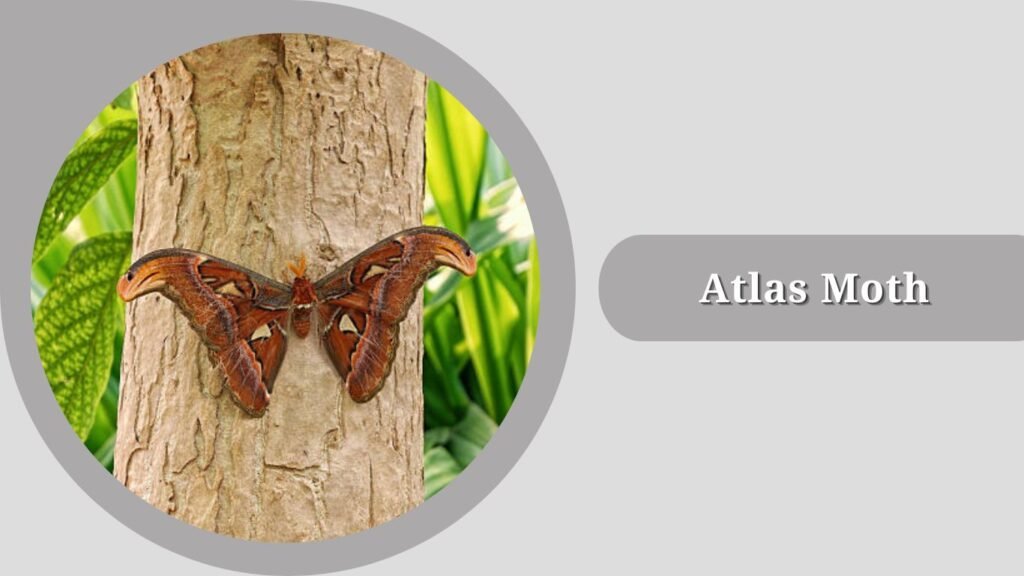
The Atlas Moth is one of the biggest moths in the world and is famous for its huge wings and striking patterns. It has a massive wingspan and colorful markings that make it one of the most recognizable giant moths. This moth is often admired for its beauty, size, and unique wing shape.
Characteristics of the Atlas Moth
- Scientific name: Attacus atlas
- One of the largest moths by wing surface area
- Wingspan can reach about 10 to 12 inches
- Reddish-brown wings with white, black, and yellow markings
- Wing tips resemble snake heads
- Large, broad wings with transparent patches
- Mostly active at night
- Found in tropical and subtropical forests
- Adult moths do not eat
- Lives only a short time as an adult
What Does the Atlas Moth Look Like?
The Atlas Moth has very large, broad wings covered with rich reddish-brown, orange, black, white, and yellow patterns. Its wings are wide and impressive, giving it one of the largest wing surface areas of any moth. The patterns on the wings make it look bold and dramatic compared to many other moth species.
One of the most interesting features of the Atlas Moth is the shape of its wing tips. They are often said to resemble snake heads, which may help scare away predators. The wings also have small transparent patches that look like tiny windows. These markings make the moth even more beautiful and unusual.
The body of the Atlas Moth is thick and furry, matching the warm colors of its wings. Even though it looks powerful because of its size, the adult moth is gentle and harmless. It does not bite or sting humans.
Where Is the Atlas Moth Found?
The Atlas Moth is mainly found in the tropical and subtropical forests of Asia. It lives in countries such as India, China, Malaysia, Indonesia, the Philippines, and other parts of Southeast Asia. These warm and humid forests provide the right environment for its life cycle.
The caterpillars feed on leaves from several types of trees and plants. After becoming adults, Atlas Moths usually rest during the day and become active at night. Their large wings and natural colors help them blend with leaves, bark, and forest surroundings.
Why Is the Atlas Moth So Famous?
The Atlas Moth is famous because of its enormous size and beautiful wing patterns. It is often listed among the largest moths in the world, especially when measured by wing area. Its snake-like wing tips also make it one of the most fascinating moths to study.
Another reason it is well known is that adult Atlas Moths do not eat. They do not have fully developed mouthparts and live only on stored energy from their caterpillar stage. This short adult life makes their appearance even more special.
3. Hercules Moth
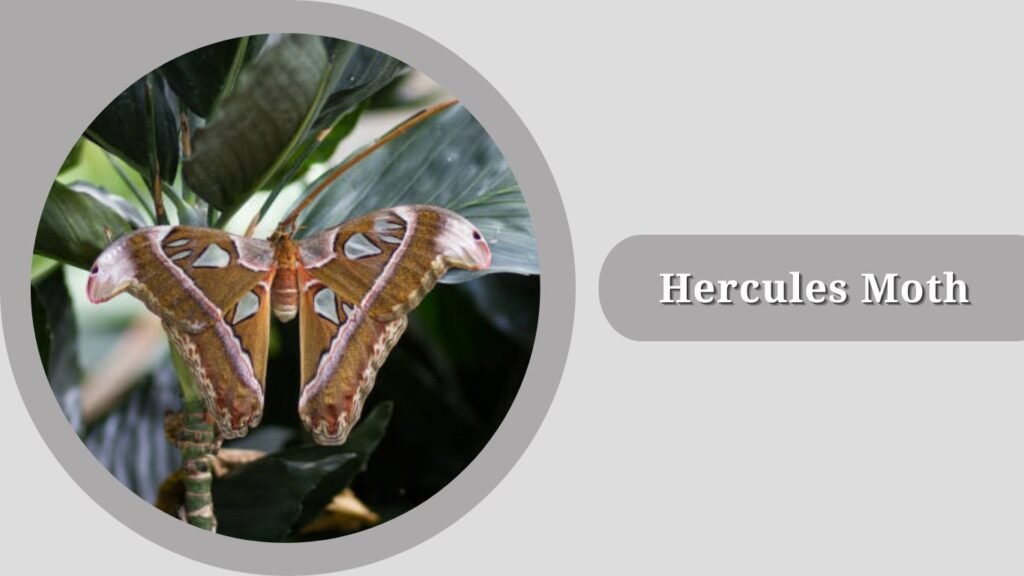
The Hercules Moth is one of the largest moths in the world and is especially known for its huge wing surface area. Native to Australia and nearby regions, this giant moth has a powerful appearance with broad wings, soft colors, and impressive size. It is one of the most remarkable moths found in the rainforest.
Characteristics of the Hercules Moth
- Scientific name: Coscinocera hercules
- One of the largest moths by wing area
- Wingspan can reach about 10 to 11 inches
- Females are usually larger than males
- Males have long tails on the hindwings
- Brown, tan, and cream-colored wing patterns
- Found mainly in Australia and New Guinea
- Mostly active at night
- Belongs to the silk moth family
- Harmless to humans
What Does the Hercules Moth Look Like?
The Hercules Moth has very large wings with soft brown, tan, cream, and reddish markings. Its wings are broad and rounded, giving it a strong and heavy appearance. Female Hercules Moths are usually bigger than males and have wider wings.
Male Hercules Moths are easy to recognize because they have long tail-like extensions on their hindwings. These tails make them look elegant and different from many other giant moths. Their wings also have clear eye-like spots and curved patterns that help them blend into natural surroundings.
The body of the Hercules Moth is thick and furry. Its large body and wide wings make it look powerful, but it is completely harmless to humans. It does not bite, sting, or attack. Like many giant silk moths, the adult Hercules Moth lives for a short time.
Where Is the Hercules Moth Found?
The Hercules Moth is mainly found in the rainforests of northern Australia and New Guinea. It prefers warm, humid forest environments where its caterpillars can find suitable host plants. These forests provide shelter, moisture, and food sources needed for its life cycle.
The caterpillars feed on leaves and grow very large before forming cocoons. Adult moths are usually seen at night because they are nocturnal. During the day, they rest quietly on trees or plants, where their natural colors help them stay hidden from predators.
Why Is the Hercules Moth So Famous?
The Hercules Moth is famous because of its enormous wing area. It is often described as one of the largest moths in the world when size is measured by total wing surface. Its name also adds to its reputation, as “Hercules” suggests great strength and size.
Its dramatic appearance makes it popular among insect lovers and nature enthusiasts. The male’s long wing tails and the female’s massive wings make this species especially impressive. Despite its size, it is a gentle insect that plays a natural role in forest ecosystems.
4. Attacus Caesar
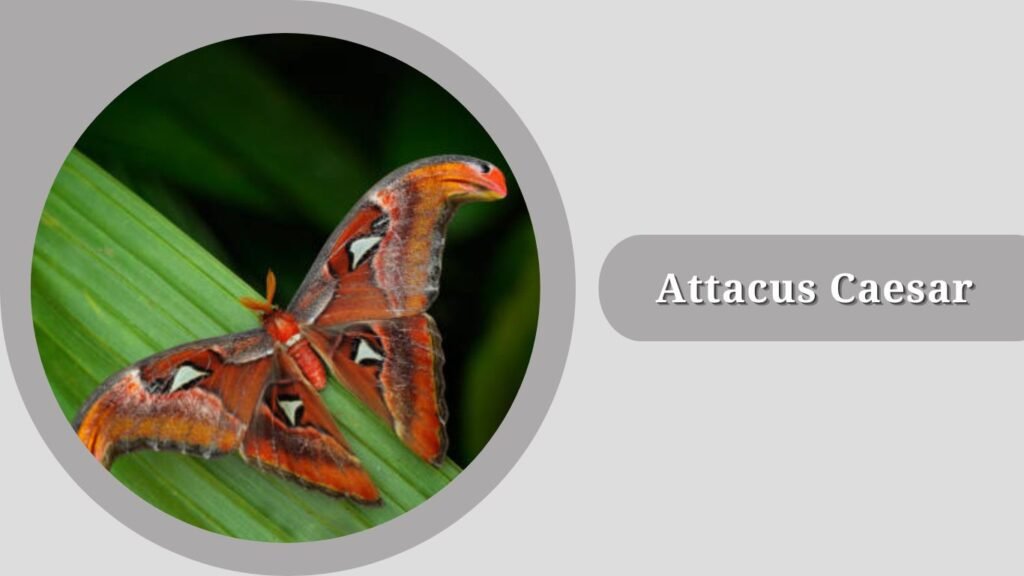
Attacus Caesar is one of the largest moths in the world and is closely related to the famous Atlas Moth. This giant moth is known for its broad wings, rich colors, and impressive wingspan. It is mainly found in the Philippines and is admired for its rare beauty and large size.
Characteristics of Attacus Caesar
- Scientific name: Attacus caesar
- One of the largest moths in the world
- Closely related to the Atlas Moth
- Wingspan can reach around 10 inches or more
- Large reddish-brown wings
- Bold white, black, yellow, and brown patterns
- Found mainly in the Philippines
- Mostly active at night
- Belongs to the Saturniidae family
- Adult moths are harmless to humans
What Does Attacus Caesar Look Like?
Attacus Caesar has large, broad wings with rich reddish-brown and orange-brown coloring. Its wings are decorated with bold lines, pale patches, and darker markings that make it look very similar to the Atlas Moth. Because of this close resemblance, it is sometimes compared with Attacus atlas.
The wings are wide and strong-looking, giving the moth a very impressive appearance when fully spread. Like other giant silk moths, it has a furry body and large patterned wings. The wing markings may help it blend with dry leaves, bark, and forest vegetation.
Its size is one of its most noticeable features. When resting with wings spread, Attacus Caesar can look much larger than an ordinary moth. Even though it appears dramatic, it is harmless and does not bite or sting.
Where Is Attacus Caesar Found?
Attacus Caesar is mainly found in the Philippines, where it lives in warm forest habitats. These tropical environments provide the moisture, trees, and plants needed for its survival. Like many large moths, it depends on healthy natural habitats for its life cycle.
The caterpillars feed on leaves before forming cocoons and changing into adult moths. Adult moths are mostly active at night and are usually attracted to light. During the day, they may rest quietly on trees, leaves, or other natural surfaces.
Why Is Attacus Caesar So Famous?
Attacus Caesar is famous because of its large size and close relationship to the Atlas Moth. It is often included in lists of the world’s biggest moths because of its impressive wingspan and beautiful patterns. Its strong colors and broad wings make it one of the most striking moth species.
It is also special because it is associated mainly with the Philippines. This gives it regional importance and makes it interesting to collectors, researchers, and nature lovers. Its rarity and beauty help it stand out among giant moths.
5. Giant Wood Moth
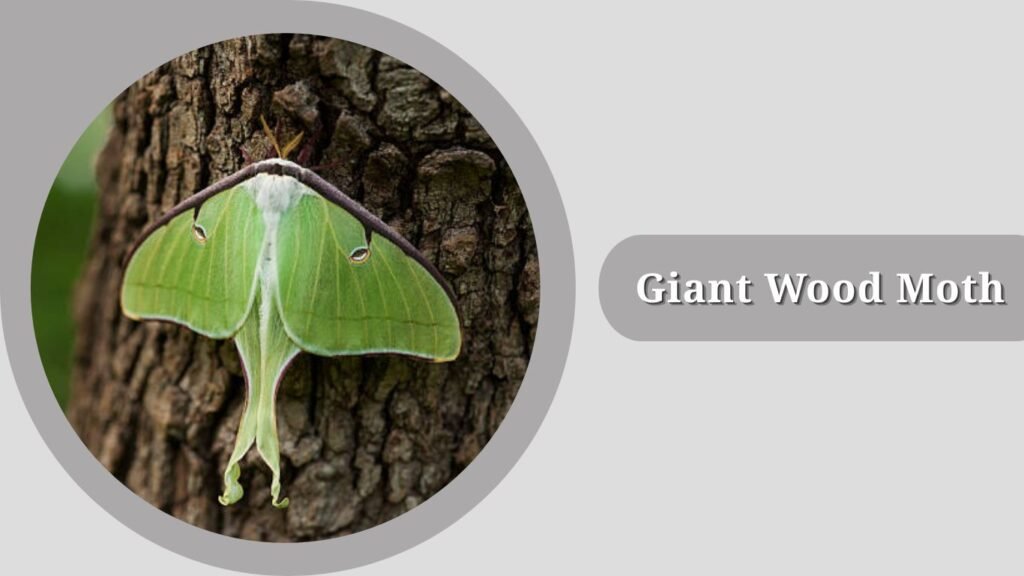
The Giant Wood Moth is one of the biggest moths in the world and is especially famous for its heavy body. Unlike some giant moths that are known mainly for their wingspan, this moth stands out because of its weight and thick body. It is native to Australia and is rarely seen because adults live for a short time.
Characteristics of the Giant Wood Moth
- Scientific name: Endoxyla cinereus
- Known as one of the heaviest moths in the world
- Females can weigh up to about 30 grams
- Wingspan can reach around 9 inches
- Thick, heavy body compared to many other moths
- Gray and brown wing patterns
- Native to Australia
- Larvae bore into eucalyptus trees
- Adults have a short lifespan
- Harmless to humans
What Does the Giant Wood Moth Look Like?
The Giant Wood Moth has a large, heavy body with broad wings that are usually gray, brown, or mottled in color. Its dull coloring helps it blend with tree bark, wood, and natural surfaces. Compared with colorful giant moths like the Atlas Moth, the Giant Wood Moth has a plainer appearance, but its size makes it remarkable.
Female Giant Wood Moths are especially impressive because they are much heavier than many other moth species. Their bodies can look thick, swollen, and powerful. Males are usually smaller and lighter, but they are still large compared with common household moths.
The wings are marked with soft patterns that help the moth stay hidden during the day. Since adults are not often seen, finding one can be surprising. Despite its large size, the Giant Wood Moth is harmless and does not bite or sting people.
Where Is the Giant Wood Moth Found?
The Giant Wood Moth is mainly found in Australia, especially in areas where eucalyptus trees grow. Its larvae live inside tree trunks and feed as wood-boring caterpillars. Because much of its early life happens hidden inside trees, people may not notice the insect until it becomes an adult moth.
Adult moths usually emerge for a short period to reproduce. They are mostly active at night and may be attracted to lights. During the day, they rest quietly on trees, buildings, or other surfaces where their colors help them blend in.
Why Is the Giant Wood Moth So Famous?
The Giant Wood Moth is famous because it is considered one of the heaviest moths in the world. While some moths have wider wings, few can match its body weight. This makes it especially interesting to insect researchers and nature lovers.
It also became widely known because rare sightings often attract attention. Since adults live briefly and are not commonly seen, spotting one can feel unusual. Its size, weight, and secretive life cycle make it one of the most fascinating giant moths in the world.
6. Cecropia Moth
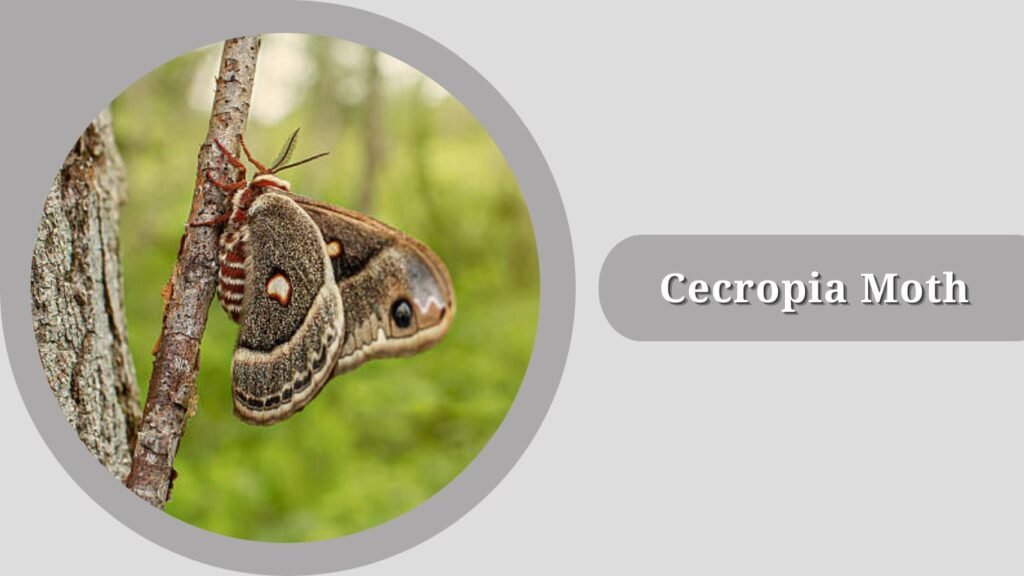
The Cecropia Moth is the largest native moth in North America and is known for its beautiful colors and wide wings. It belongs to the giant silk moth family and is admired for its reddish body, bold wing bands, and impressive size. Although it looks dramatic, it is harmless to humans.
Characteristics of the Cecropia Moth
- Scientific name: Hyalophora cecropia
- Largest native moth in North America
- Wingspan can reach about 5 to 7 inches
- Reddish body with black, brown, white, and tan markings
- Belongs to the giant silk moth family
- Adult moths do not feed
- Mostly active at night
- Caterpillars feed on many trees and shrubs
- Common host plants include maple, cherry, and birch
- Harmless to humans
What Does the Cecropia Moth Look Like?
The Cecropia Moth has large, rounded wings with beautiful patterns of brown, black, white, red, and tan. Its body is usually reddish and furry, giving it a soft and striking appearance. The wings often have curved bands and eye-like markings that make the moth easy to recognize.
Adult Cecropia Moths are much larger than most moths found around homes. Their wide wings and thick bodies make them look powerful, but they are gentle insects. They do not bite, sting, or harm people.
The caterpillars are also noticeable. They are large, green, and covered with colorful bumps or tubercles. Before becoming adults, they feed heavily on leaves and grow quickly. Once they become adult moths, they no longer eat and focus only on reproduction.
Where Is the Cecropia Moth Found?
The Cecropia Moth is found across much of North America, especially in forests, woodlands, gardens, orchards, and areas with suitable host plants. It is commonly associated with trees such as maple, cherry, birch, apple, and willow.
Adults are mostly active at night and may come to porch lights or outdoor lamps. During the day, they rest on trees, shrubs, walls, or other surfaces. Because their adult life is short, they may not be seen often, even in places where they live.
Why Is the Cecropia Moth So Famous?
The Cecropia Moth is famous because it is the largest native moth in North America. Its size alone makes it impressive, but its colorful wings and furry red body make it even more memorable.
It is also well known because adult Cecropia Moths do not eat. They lack fully functional mouthparts and survive on energy stored from the caterpillar stage. This short adult life gives them only a limited time to find mates and reproduce, making each sighting special.
7. Giant Peacock Moth
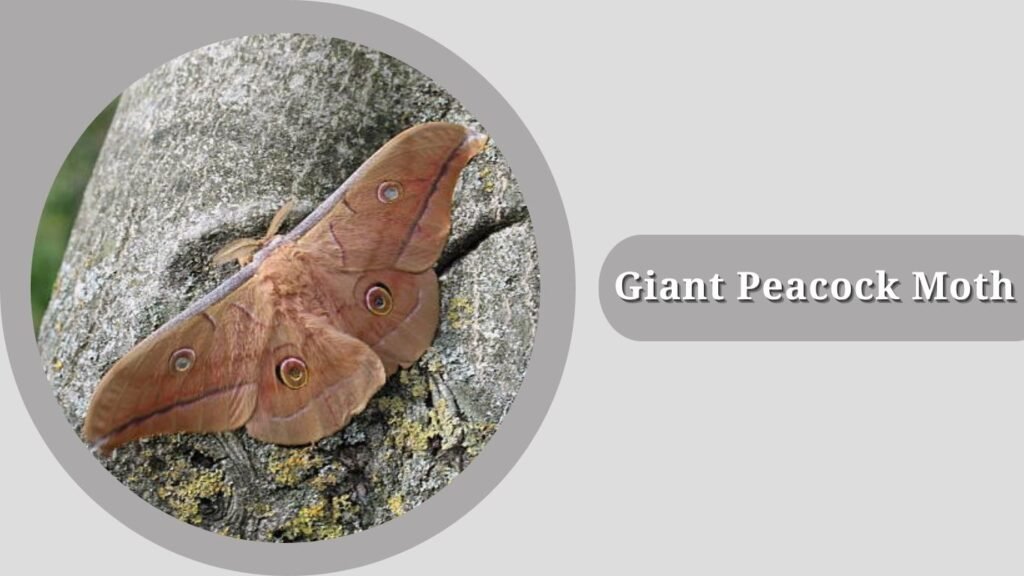
The Giant Peacock Moth is the largest moth in Europe and is admired for its beautiful eye-like wing markings. Its large wings, soft colors, and bold circular patterns make it one of the most attractive giant moths. This species is mostly found in warmer parts of Europe and nearby regions.
Characteristics of the Giant Peacock Moth
- Scientific name: Saturnia pyri
- Largest moth in Europe
- Wingspan can reach about 6 to 8 inches
- Large eye-like spots on all four wings
- Gray, brown, cream, and reddish wing patterns
- Belongs to the Saturniidae family
- Mostly active at night
- Found in southern and central Europe
- Caterpillars feed on trees and shrubs
- Harmless to humans
What Does the Giant Peacock Moth Look Like?
The Giant Peacock Moth has broad wings decorated with large circular eyespots. These eyespots look like the patterns seen on peacock feathers, which is why the moth has this common name. The markings may help scare predators by making the moth appear larger or more dangerous.
Its wings are usually gray, brown, cream, and reddish, with dark borders and soft lines. The body is thick and furry, matching the natural colors of the wings. When the moth rests with its wings spread, it looks wide, elegant, and very noticeable.
Although it is large, the Giant Peacock Moth is harmless. It does not bite or sting. Like many giant moths, its adult stage is short, and its main purpose is reproduction.
Where Is the Giant Peacock Moth Found?
The Giant Peacock Moth is mainly found in Europe, especially in warmer southern and central regions. It may live in orchards, gardens, woodlands, scrublands, and open areas where suitable trees and shrubs grow.
The caterpillars feed on leaves from several plants, including fruit trees and other woody plants. Adult moths are nocturnal and may be seen at night, especially near lights. During the day, they rest quietly in sheltered places.
Why Is the Giant Peacock Moth So Famous?
The Giant Peacock Moth is famous because it is considered the largest moth in Europe. Its impressive wingspan and large eyespots make it one of the most recognizable moths on the continent.
Its beauty also adds to its fame. The eye-like patterns on its wings are both decorative and useful for defense. For many people, seeing a Giant Peacock Moth is memorable because it combines size, elegance, and unusual markings in one insect.
