
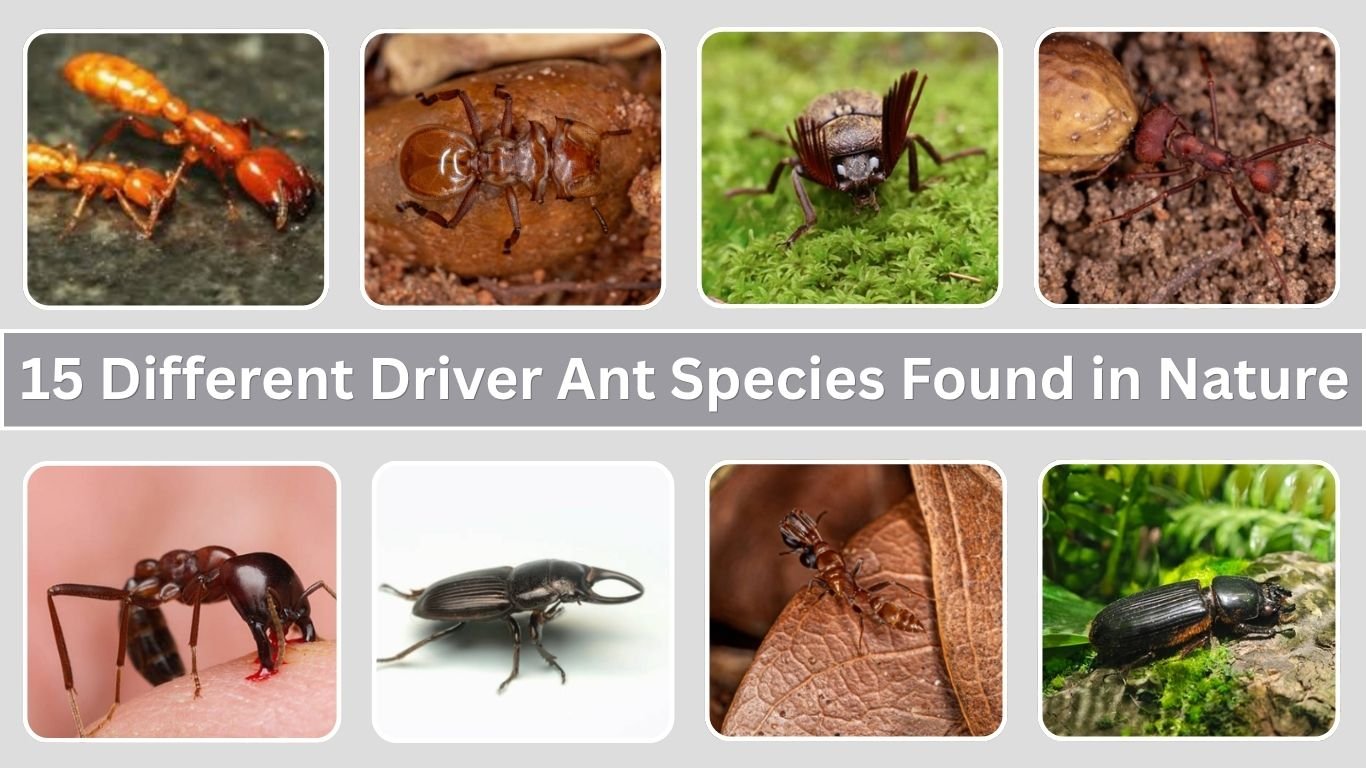
Driver ants are among the most aggressive and organized insects in the animal kingdom. Found mainly in tropical regions of Africa, these ants are famous for their massive colonies, coordinated hunting behavior, and powerful swarming attacks. Many species belong to the Dorylus genus and travel continuously in search of food and safe nesting areas. Their strong mandibles, social structure, and teamwork make them highly effective predators in natural ecosystems. From the African driver ant to Dorylus fulleborni, each species has unique characteristics, habitats, and behaviors that make driver ants both fascinating and important to ecological balance.
1. African Driver Ant
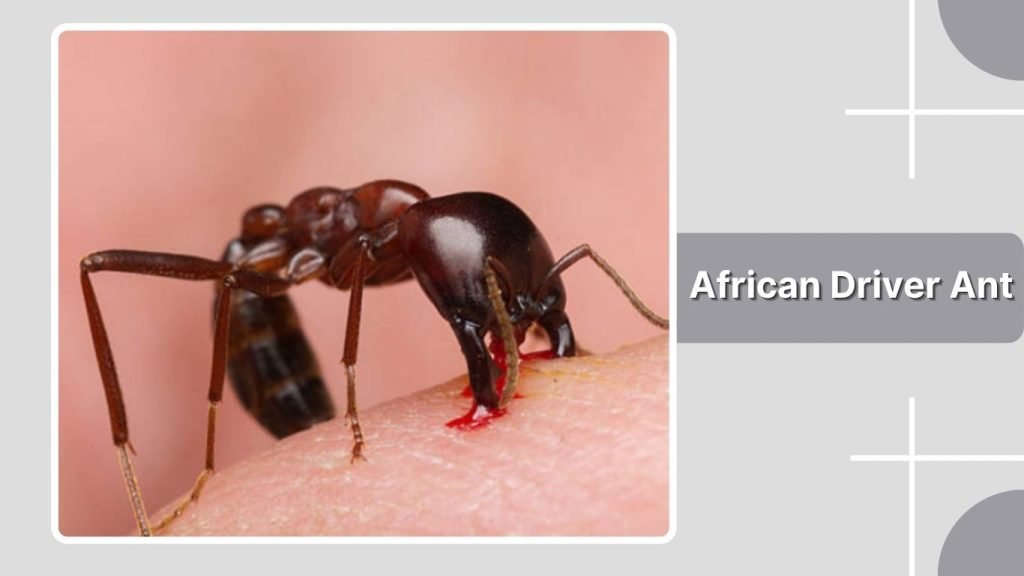
The African driver ant is one of the most powerful and organized ant species found in Africa. Known for its massive swarms and aggressive hunting behavior, this ant travels in large colonies across forests and grasslands searching for food. It belongs to the genus Dorylus and is famous for strong teamwork, sharp mandibles, and the ability to overwhelm prey much larger than individual ants.
Identification
- Dark brown or black body color
- Large curved mandibles
- Workers vary in size
- Wingless worker ants
- Long antennae
- Extremely large queen
Habitat
African driver ants live in tropical forests, savannas, and moist woodland regions. They usually build temporary underground nests or form living shelters using their own bodies. Their colonies constantly move in search of food and better environmental conditions.
Behavior
These ants move in organized swarms that can contain millions of individuals. They attack prey together using coordinated movement and powerful jaws. Their aggressive behavior allows them to capture insects, spiders, and even small vertebrates during raids.
Diet
African driver ants are carnivorous hunters and scavengers. They mainly eat insects, termites, worms, and small animals that become trapped in their swarms. Colonies require huge amounts of food daily to support millions of members.
Colony Structure
The colony contains a single queen, soldier ants, worker ants, and larvae. Soldiers defend the colony with strong jaws, while workers collect food and care for young ants. The queen is responsible for producing millions of eggs.
Interesting Facts
African driver ants are sometimes called safari ants because of their massive traveling columns. Their swarms can force animals and humans to move away temporarily. Despite their dangerous reputation, they help control pest populations in natural ecosystems.
2. Black Driver Ant
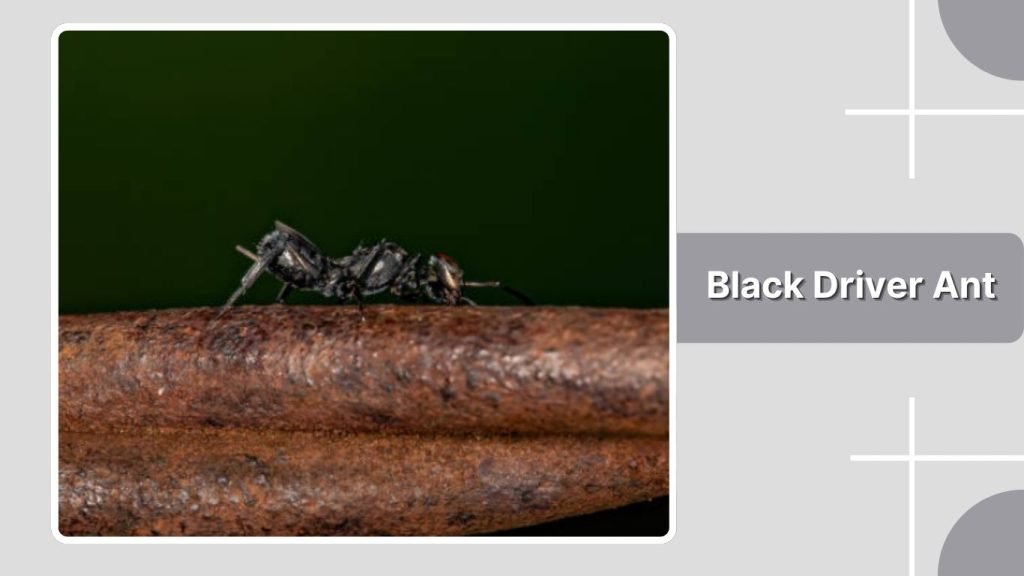
The black driver ant is a fierce and fast-moving ant species known for its dark body color and aggressive swarm behavior. Found mainly in African forests and grasslands, these ants travel in massive colonies while hunting insects and other small creatures. They are highly social insects that depend on teamwork for survival, defense, and food collection, making them one of the most organized ant species in the wild.
Identification
- Shiny black body color
- Strong pincer-like mandibles
- Long segmented antennae
- Worker ants vary in size
- Wingless workers
- Large-headed soldier ants
Habitat
Black driver ants usually inhabit tropical forests, savannas, and humid environments. They prefer moist soil and often create temporary nests underground or within protected natural spaces while moving from one area to another.
Behavior
These ants are extremely aggressive and move in large organized trails. They work together to overpower prey and defend the colony from threats. Their coordinated swarming behavior allows them to attack quickly and efficiently.
Diet
Black driver ants mainly feed on insects, spiders, worms, and other small animals. They are active predators and scavengers that consume both live prey and dead organic matter found during their raids.
Colony Structure
The colony includes a queen, soldiers, workers, and developing larvae. Worker ants handle food collection and nest maintenance, while soldier ants guard the colony using their powerful jaws against predators and intruders.
Interesting Facts
Black driver ants can form colonies containing millions of ants. Their swarms are feared by many small animals because they can strip prey rapidly. These ants also play an important ecological role by helping control insect populations naturally.
3. Red Driver Ant
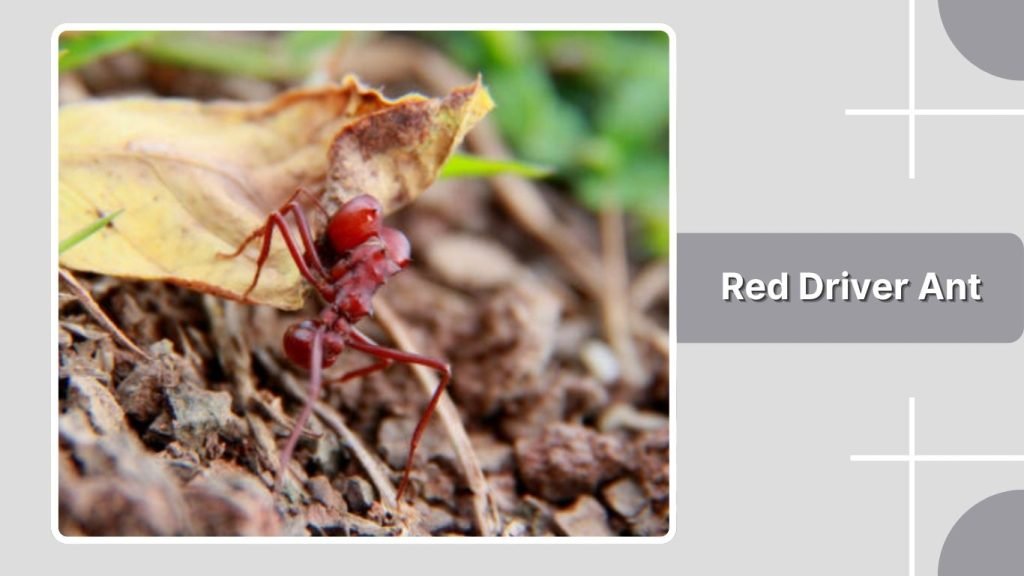
The red driver ant is a highly aggressive ant species recognized for its reddish-brown body and powerful colony behavior. These ants travel in enormous swarms through forests and grasslands searching for food. Like other driver ants, they rely on teamwork and coordinated attacks to capture prey. Their strong jaws, organized movement, and massive colonies make them one of the most feared ant species in their natural habitat.
Identification
- Reddish-brown body color
- Large sharp mandibles
- Long antennae
- Wingless worker ants
- Different worker sizes within the colony
- Strong soldier ants with large heads
Habitat
Red driver ants are commonly found in tropical forests, savannas, and humid grasslands. They prefer warm environments with moist soil and often create temporary nests underground or beneath natural debris during migration.
Behavior
These ants move in large hunting columns and attack prey in groups. Their aggressive swarming behavior helps them overpower insects and small animals quickly. Colonies frequently relocate while searching for food and safe nesting areas.
Diet
Red driver ants mainly feed on insects, termites, spiders, worms, and small vertebrates. They are active hunters but also consume dead animals when available. Their colonies require large amounts of food every day.
Colony Structure
A colony contains one queen, thousands of soldiers, millions of workers, and developing larvae. Worker ants gather food and care for the young, while soldiers defend the colony using powerful mandibles.
Interesting Facts
Red driver ants are known for creating long marching trails that can stretch across large areas. Their swarms often force animals to flee from the surrounding environment. They also help maintain ecological balance by reducing pest populations naturally.
4. Safari Ant
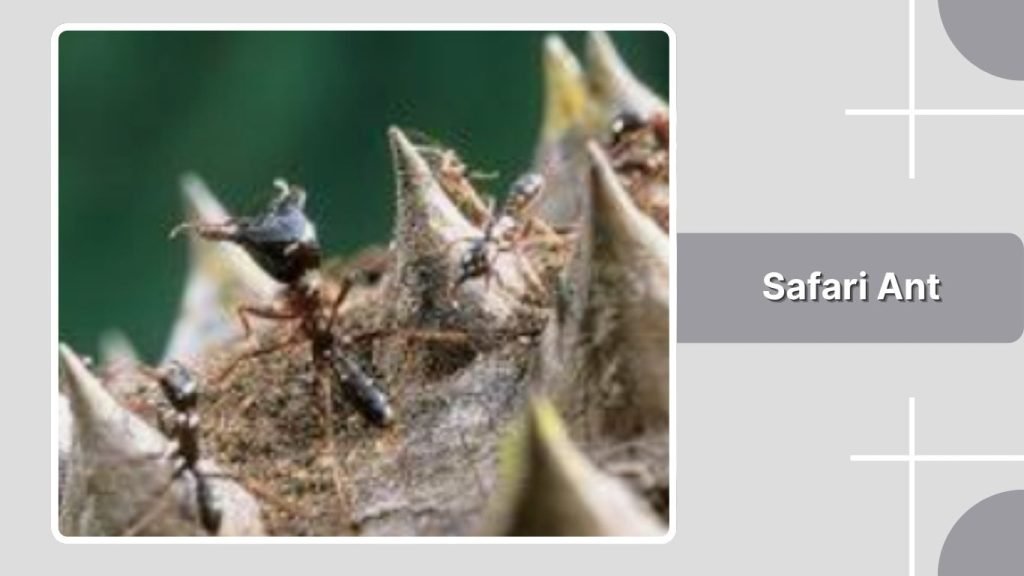
The safari ant is a famous species of driver ant known for its enormous moving colonies and aggressive hunting behavior. Mostly found in Africa, safari ants travel in long swarms across forests and grasslands searching for food. They are highly social insects that work together with remarkable coordination. Their strong jaws, disciplined movement, and ability to overwhelm prey make them one of the most fascinating ant species in nature.
Identification
- Dark brown or black body
- Large curved mandibles
- Long segmented antennae
- Wingless worker ants
- Soldier ants with oversized heads
- Workers vary greatly in size
Habitat
Safari ants live in tropical forests, savannas, and humid woodland regions. They prefer warm climates with moist ground conditions and usually build temporary underground nests while migrating from place to place.
Behavior
These ants are known for forming massive marching columns during hunting raids. They attack prey together using coordinated swarm tactics. Colonies move regularly to search for food and protect developing larvae from environmental threats.
Diet
Safari ants mainly feed on insects, spiders, termites, worms, and small vertebrates. They are skilled predators but also scavenge dead animals. Large colonies consume huge quantities of food every day to survive.
Colony Structure
A safari ant colony includes one queen, worker ants, soldier ants, and larvae. Worker ants gather food and care for the young, while soldiers defend the colony with their strong jaws and aggressive behavior.
Interesting Facts
Safari ants can create swarms containing millions of ants moving together in organized lines. Their raids often clear areas of insects and small animals quickly. They are considered important for maintaining balance within African ecosystems.
5. Army Driver Ant
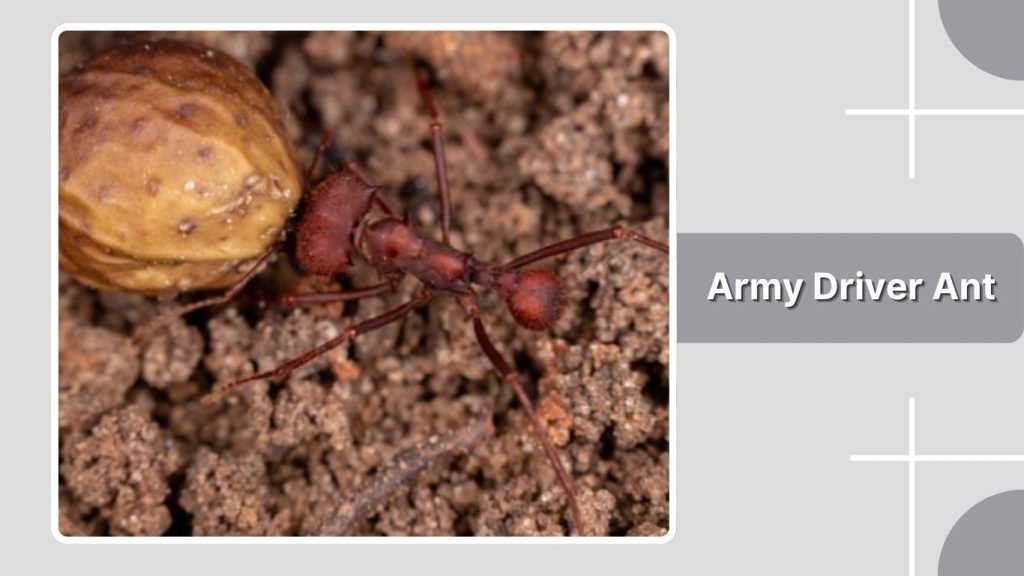
The army driver ant is a powerful ant species famous for its aggressive swarming behavior and highly organized colonies. These ants travel in massive groups through forests and grasslands while searching for food. They rely on teamwork, speed, and strong jaws to capture prey efficiently. Army driver ants are constantly moving, which helps them find resources and avoid danger, making them one of the most active and fascinating ant species.
Identification
- Dark brown or black body
- Large powerful mandibles
- Long antennae
- Wingless worker ants
- Soldier ants with larger heads
- Workers differ in size
Habitat
Army driver ants are commonly found in tropical forests, savannas, and moist environments. They usually build temporary nests underground or in protected natural areas while moving frequently in search of food.
Behavior
These ants move in huge coordinated swarms and attack prey together. Their colonies are highly organized, allowing them to overpower insects and small animals quickly. They rarely stay in one place for long periods.
Diet
Army driver ants feed mainly on insects, termites, spiders, worms, and small vertebrates. They are active hunters that also scavenge dead animals when available. Large colonies require continuous food supplies to survive.
Colony Structure
The colony includes a queen, soldiers, workers, and larvae. Worker ants gather food and maintain the nest, while soldier ants defend the colony with strong jaws against predators and intruders.
Interesting Facts
Army driver ants are capable of forming living bridges and protective shelters using their own bodies. Their giant swarms can force animals to leave an area temporarily. They also help control insect populations in natural ecosystems.
6. Dorylus Wilverthi
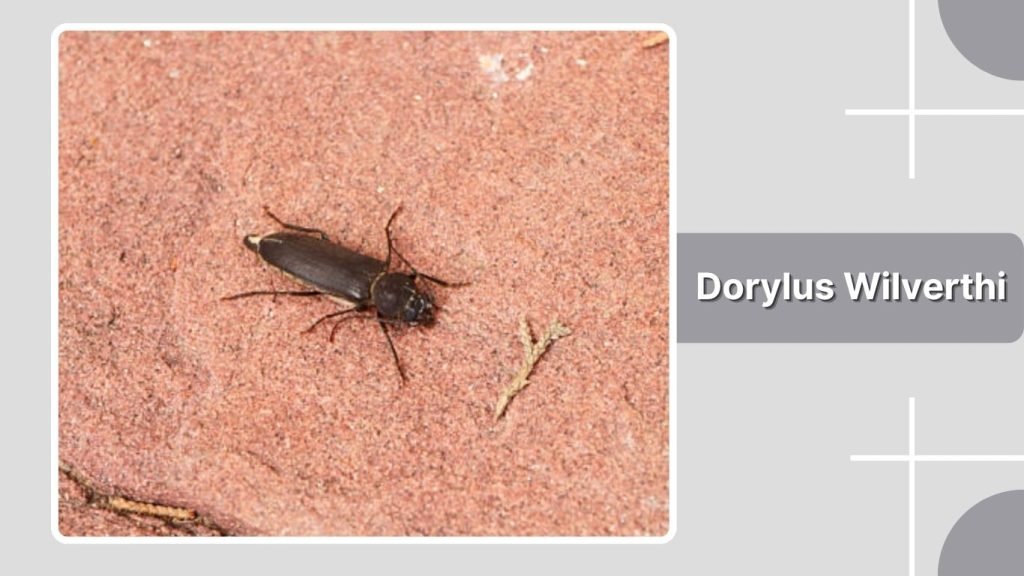
Dorylus wilverthi is a species of driver ant known for its aggressive colony behavior and efficient hunting abilities. Native to parts of Africa, this ant belongs to the Dorylus genus, which contains some of the world’s largest ant colonies. These ants travel in organized swarms while searching for food and defending their territory. Their teamwork, strong jaws, and coordinated movement make them highly successful predators in natural ecosystems.
Identification
- Dark brown or black body
- Strong curved mandibles
- Long segmented antennae
- Wingless worker ants
- Large-headed soldier ants
- Workers vary in body size
Habitat
Dorylus wilverthi commonly lives in tropical forests, moist grasslands, and woodland regions. These ants prefer warm climates with soft soil where they can create temporary underground nests during migration.
Behavior
This species moves in large swarms while hunting for prey. Worker ants cooperate closely during raids, allowing the colony to capture insects and defend itself effectively. Colonies frequently relocate to find food and safer nesting locations.
Diet
Dorylus wilverthi mainly feeds on insects, spiders, termites, worms, and other small invertebrates. The ants also scavenge dead animals when food is available. Their large colonies require constant feeding activity.
Colony Structure
The colony includes one queen, many soldier ants, worker ants, and larvae. Workers gather food and care for young ants, while soldiers protect the colony using powerful jaws and aggressive defense tactics.
Interesting Facts
Dorylus wilverthi is part of one of the most feared ant groups in Africa because of its massive swarms. These ants play an important ecological role by controlling populations of insects and other small animals in their environment.
7. Dorylus Nigricans
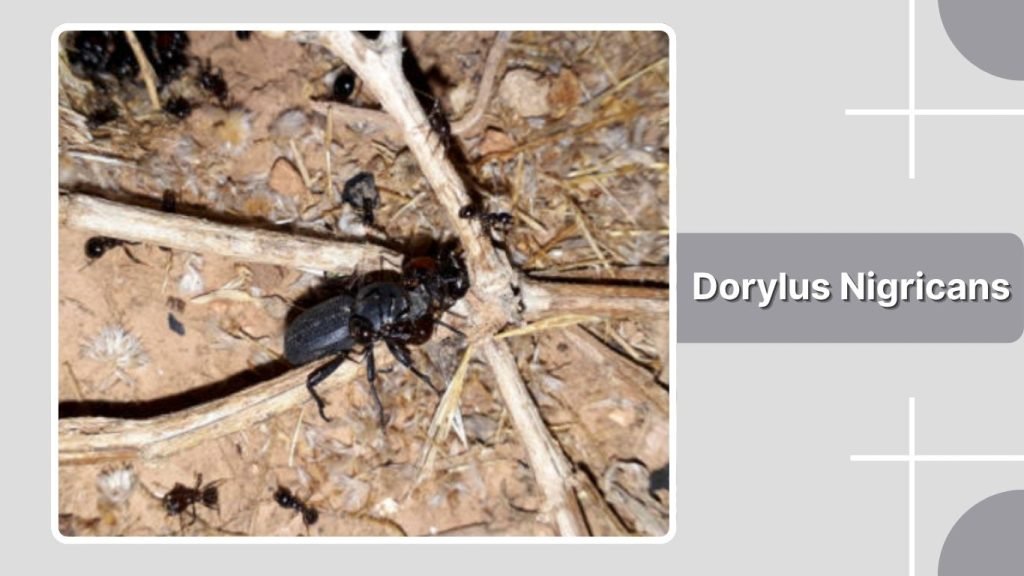
Dorylus nigricans is a well-known species of driver ant recognized for its dark appearance, aggressive swarming behavior, and highly organized colonies. Found mainly in Africa, these ants travel in massive groups while searching for food across forests and grasslands. Like other members of the Dorylus genus, they depend on teamwork and coordinated movement for survival. Their powerful jaws and efficient hunting skills make them dominant predators in their ecosystem.
Identification
- Black or dark brown body
- Large sharp mandibles
- Long segmented antennae
- Wingless worker ants
- Large soldier ants with strong heads
- Workers differ in size
Habitat
Dorylus nigricans commonly inhabit tropical forests, savannas, and moist woodland areas. These ants prefer warm climates and soft soil where temporary underground nests can be created during migration periods.
Behavior
This species moves in large organized swarms while hunting. Colonies cooperate closely to attack prey and defend themselves from threats. They are highly active ants that frequently relocate in search of food and suitable shelter.
Diet
Dorylus nigricans feeds mainly on insects, termites, spiders, worms, and other small animals. They are both predators and scavengers, consuming live prey as well as dead organic material found during raids.
Colony Structure
The colony consists of one queen, worker ants, soldier ants, and larvae. Worker ants gather food and care for the young, while soldiers protect the colony with their strong mandibles and aggressive behavior.
Interesting Facts
Dorylus nigricans colonies can contain millions of ants moving together in long hunting trails. Their swarms are capable of clearing large areas of insects quickly. These ants also help maintain ecological balance by naturally controlling pest populations.
8. Dorylus Molestus
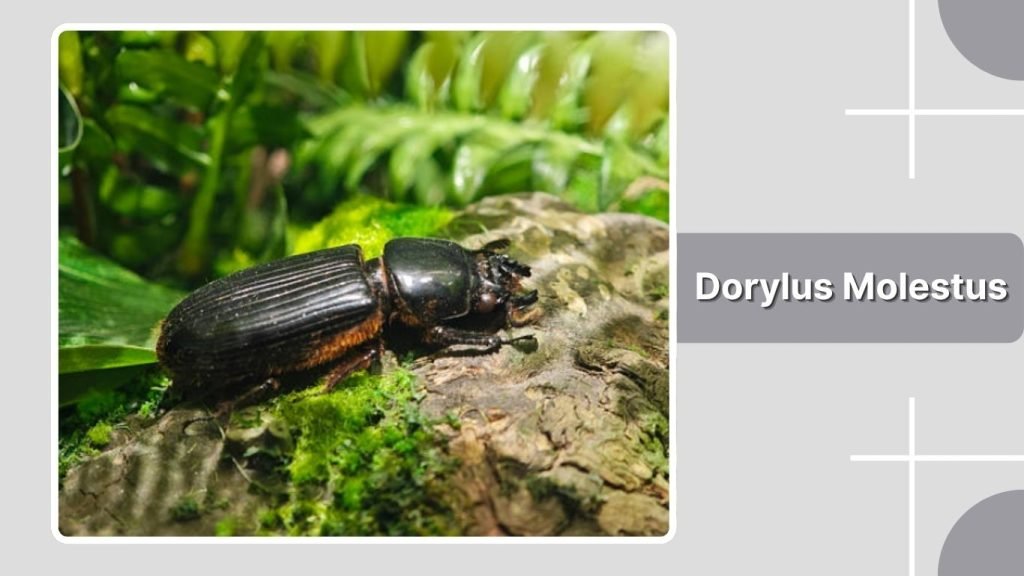
Dorylus molestus is a species of driver ant known for its aggressive hunting behavior and large social colonies. Native to African regions, these ants travel in organized swarms while searching for food across forests and grasslands. They belong to the powerful Dorylus genus, which is famous for teamwork and coordinated attacks. Their strong jaws, disciplined movement, and active lifestyle make them highly effective predators within their ecosystem.
Identification
- Dark brown or black body
- Strong curved mandibles
- Long segmented antennae
- Wingless worker ants
- Soldier ants with large heads
- Workers vary in size
Habitat
Dorylus molestus commonly lives in tropical forests, savannas, and humid woodland environments. These ants prefer warm climates with soft soil where they can create temporary underground nests during migration.
Behavior
This species moves in large hunting swarms and attacks prey together. Colonies are highly organized, allowing the ants to overpower insects and other small animals efficiently. They frequently relocate to search for food and suitable nesting areas.
Diet
Dorylus molestus mainly feeds on insects, spiders, termites, worms, and other small invertebrates. They also scavenge dead animals when food is available. Large colonies require constant feeding activity for survival.
Colony Structure
The colony contains one queen, worker ants, soldier ants, and larvae. Workers collect food and care for the young, while soldiers defend the colony with powerful jaws and aggressive behavior against predators.
Interesting Facts
Dorylus molestus is part of a group of ants known for forming enormous marching columns during hunting raids. Their swarms can rapidly clear areas of insects and help maintain ecological balance by naturally reducing pest populations.
9. Dorylus Affinis
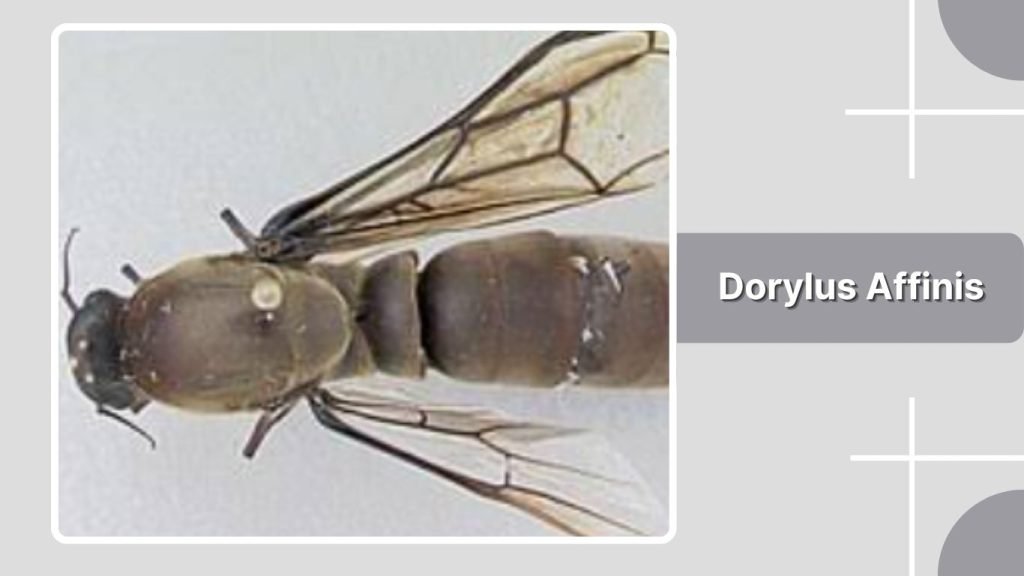
Dorylus affinis is a species of driver ant famous for its organized colonies and aggressive swarm hunting behavior. Found mainly in African tropical regions, these ants travel in large groups while searching for food. They are part of the Dorylus genus, which includes some of the most powerful social ants in the world. Their teamwork, powerful mandibles, and constant movement help them survive successfully in challenging natural environments.
Identification
- Dark brown or black body
- Large curved mandibles
- Long segmented antennae
- Wingless worker ants
- Large soldier ants with strong heads
- Workers vary greatly in size
Habitat
Dorylus affinis commonly inhabits tropical forests, humid grasslands, and woodland regions. These ants prefer warm environments with moist soil where they can establish temporary underground nests during migration.
Behavior
This species moves in large coordinated swarms while hunting for prey. Worker ants cooperate closely during raids, allowing the colony to attack efficiently and defend itself from threats. Colonies frequently relocate to find food and safe shelter.
Diet
Dorylus affinis mainly feeds on insects, termites, spiders, worms, and small animals. They are active predators but also consume dead organic matter when available. Large colonies require constant food supplies to survive.
Colony Structure
The colony includes one queen, many worker ants, soldier ants, and larvae. Worker ants gather food and care for the young, while soldiers protect the colony with strong jaws and aggressive defensive behavior.
Interesting Facts
Dorylus affinis colonies can contain millions of ants moving together in long hunting trails. Their swarms are capable of quickly overwhelming prey and clearing areas of insects, helping maintain ecological balance in their habitat.
10. Dorylus Helvolus
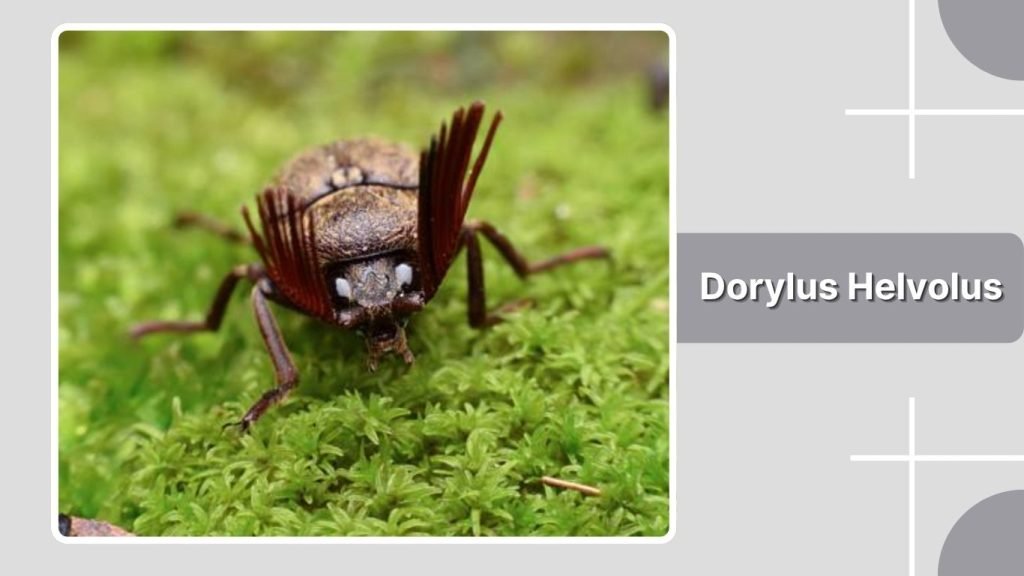
Dorylus helvolus is a species of driver ant recognized for its strong colony structure and aggressive hunting behavior. These ants are native to African regions and travel in massive swarms while searching for food. As members of the Dorylus genus, they rely heavily on teamwork and coordinated movement. Their powerful mandibles, organized raids, and large populations make them highly successful predators in tropical ecosystems.
Identification
- Dark brown body color
- Strong sharp mandibles
- Long segmented antennae
- Wingless worker ants
- Large-headed soldier ants
- Workers vary in body size
Habitat
Dorylus helvolus commonly lives in tropical forests, humid grasslands, and woodland environments. These ants prefer warm climates with moist soil where they can create temporary underground nests while migrating.
Behavior
This species moves in organized swarms during hunting raids. Worker ants cooperate closely to attack prey and defend the colony. Colonies frequently relocate in search of food and safer nesting conditions.
Diet
Dorylus helvolus mainly feeds on insects, spiders, termites, worms, and other small animals. They are active predators but also scavenge dead organisms when food is available in their surroundings.
Colony Structure
The colony includes one queen, worker ants, soldier ants, and larvae. Worker ants gather food and care for young ants, while soldiers defend the colony using powerful jaws and aggressive tactics.
Interesting Facts
Dorylus helvolus can form enormous swarms containing millions of ants moving together in long columns. Their hunting raids help control insect populations naturally and contribute to ecological balance within their habitat.
11. Dorylus Laevigatus
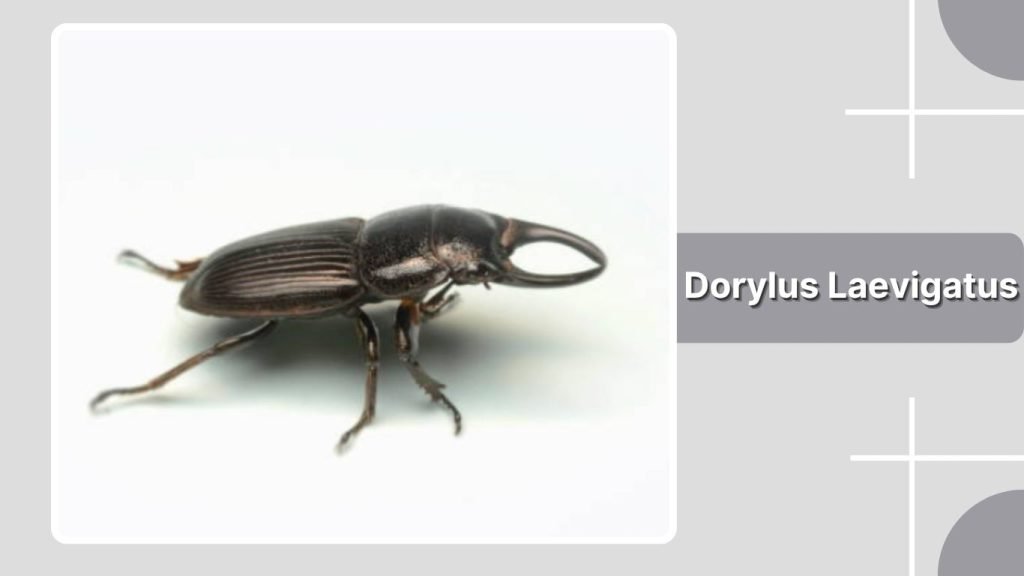
Dorylus laevigatus is a species of driver ant known for its aggressive swarm behavior and highly organized colonies. These ants are commonly found in tropical regions where they move in massive groups while searching for food. As part of the Dorylus genus, they depend on teamwork, communication, and coordinated attacks for survival. Their strong mandibles and disciplined colony structure make them effective hunters in their natural environment.
Identification
- Dark brown or black body
- Smooth shiny outer surface
- Large curved mandibles
- Long segmented antennae
- Wingless worker ants
- Soldier ants with large heads
Habitat
Dorylus laevigatus usually inhabits tropical forests, humid woodlands, and grassland regions. These ants prefer warm environments with moist soil where they can build temporary underground nests during migration.
Behavior
This species travels in organized swarms while hunting for prey. Worker ants cooperate closely during raids, allowing the colony to capture food efficiently and defend itself from danger. Colonies often relocate to find better feeding areas.
Diet
Dorylus laevigatus mainly feeds on insects, termites, spiders, worms, and small invertebrates. They are both predators and scavengers, consuming live prey as well as dead organic material found during raids.
Colony Structure
The colony contains one queen, worker ants, soldier ants, and larvae. Workers gather food and care for young ants, while soldiers protect the colony with strong jaws and aggressive defensive behavior.
Interesting Facts
Dorylus laevigatus colonies can contain millions of ants moving together in long hunting trails. Their coordinated swarms are capable of clearing areas of insects quickly, helping maintain ecological balance within tropical ecosystems.
12. Dorylus Brevipennis
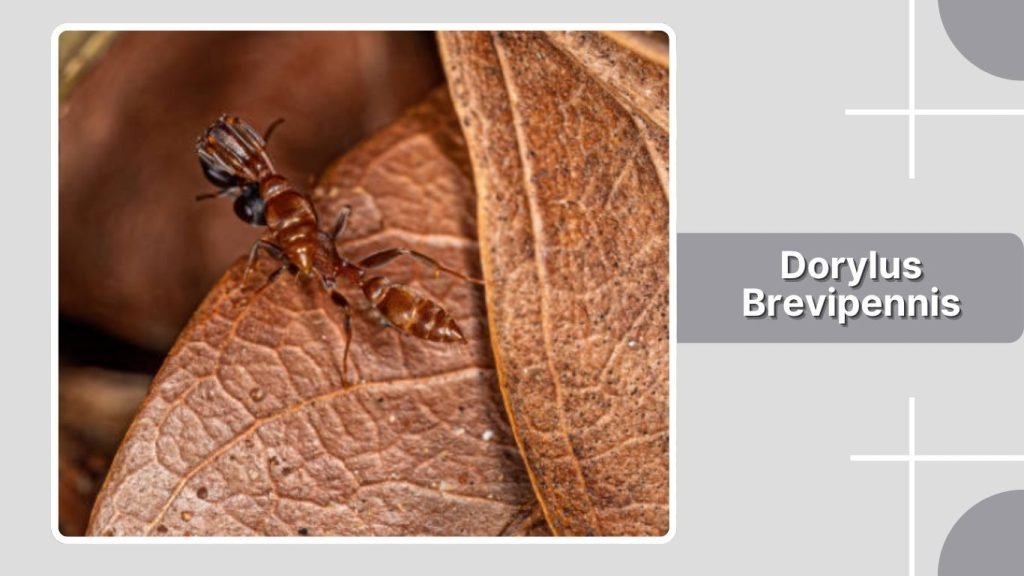
Dorylus brevipennis is a species of driver ant famous for its strong social structure and aggressive hunting behavior. Native to African tropical regions, these ants move in large swarms while searching for food across forests and grasslands. Like other members of the Dorylus genus, they rely on teamwork and coordinated attacks for survival. Their powerful jaws and organized colonies make them highly efficient predators within their ecosystem.
Identification
- Dark brown or black body
- Strong curved mandibles
- Short wing structure in reproductive ants
- Long segmented antennae
- Wingless worker ants
- Large-headed soldier ants
Habitat
Dorylus brevipennis commonly lives in tropical forests, humid savannas, and woodland areas. These ants prefer warm environments with moist soil where temporary underground nests can be formed during migration.
Behavior
This species moves in large organized swarms while hunting for prey. Worker ants cooperate closely during raids, allowing the colony to overpower insects and defend itself efficiently. Colonies frequently relocate to search for food and safe nesting sites.
Diet
Dorylus brevipennis mainly feeds on insects, termites, spiders, worms, and other small invertebrates. They also scavenge dead animals when food is available, helping support the nutritional needs of the colony.
Colony Structure
The colony includes one queen, worker ants, soldier ants, and larvae. Worker ants collect food and care for young ants, while soldiers defend the colony using strong mandibles and aggressive tactics against threats.
Interesting Facts
Dorylus brevipennis colonies can contain millions of ants moving together in long hunting columns. Their swarming behavior helps control insect populations naturally and contributes to maintaining ecological balance in tropical habitats.
13. Dorylus Gribodoi
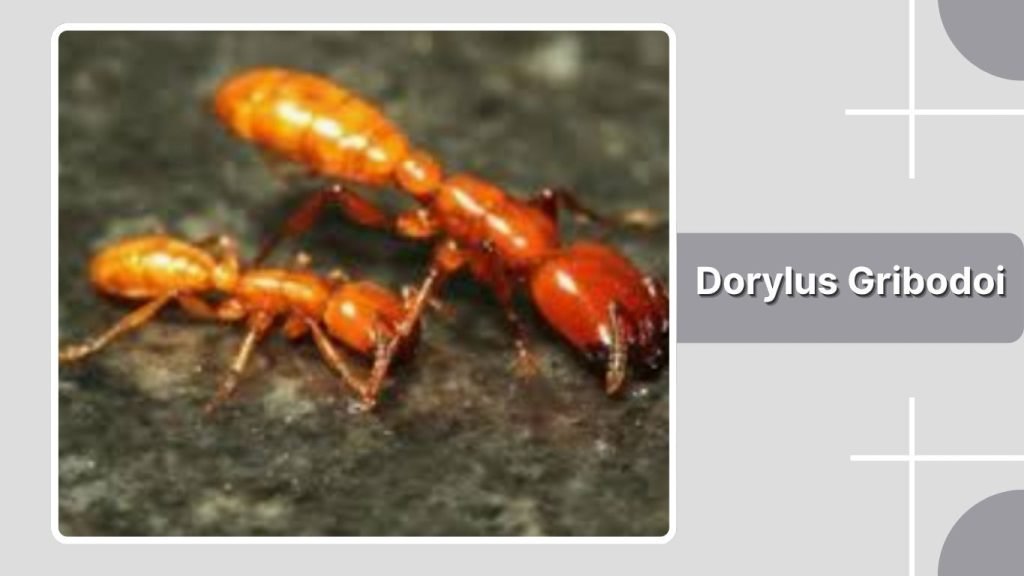
Dorylus gribodoi is a species of driver ant recognized for its large colonies, aggressive hunting methods, and highly organized social behavior. These ants are commonly found in African tropical environments where they travel in massive swarms searching for food. As members of the Dorylus genus, they depend on teamwork and communication for survival. Their coordinated movement and strong jaws make them successful predators within their natural habitat.
Identification
- Dark brown or black body
- Large sharp mandibles
- Long segmented antennae
- Wingless worker ants
- Soldier ants with enlarged heads
- Workers vary greatly in size
Habitat
Dorylus gribodoi commonly inhabits tropical forests, moist grasslands, and woodland regions. These ants prefer warm climates with soft, damp soil where temporary underground nests can be created during migration.
Behavior
This species moves in organized swarms during hunting raids. Worker ants cooperate closely to capture prey and defend the colony from threats. Colonies regularly relocate while searching for food and better nesting conditions.
Diet
Dorylus gribodoi mainly feeds on insects, termites, spiders, worms, and other small animals. They are active predators but also scavenge dead organisms when available in their environment.
Colony Structure
The colony contains one queen, worker ants, soldier ants, and larvae. Worker ants gather food and care for developing young, while soldiers defend the colony using strong jaws and aggressive defensive behavior.
Interesting Facts
Dorylus gribodoi colonies can include millions of ants moving together in long hunting trails. Their swarms help reduce insect populations naturally and play an important role in maintaining ecological balance in tropical ecosystems.
14. Dorylus Emeryi
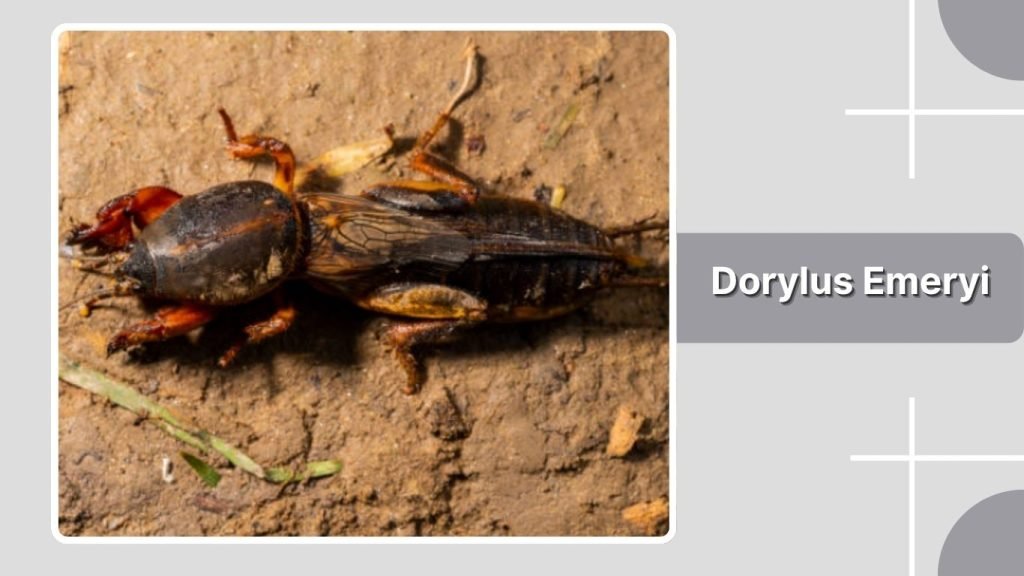
Dorylus emeryi is a species of driver ant known for its aggressive swarming behavior and highly organized colony system. Found in tropical African regions, these ants move in massive groups while searching for food across forests and grasslands. Like other members of the Dorylus genus, they rely on teamwork and coordinated attacks to survive. Their strong mandibles, disciplined movement, and large colonies make them effective predators in nature.
Identification
- Dark brown or black body
- Strong curved mandibles
- Long segmented antennae
- Wingless worker ants
- Large-headed soldier ants
- Workers differ in body size
Habitat
Dorylus emeryi commonly inhabits tropical forests, humid woodlands, and savanna regions. These ants prefer warm environments with moist soil where they can create temporary underground nests during migration.
Behavior
This species travels in large hunting swarms while searching for prey. Worker ants cooperate closely during raids, helping the colony overpower insects and defend itself from threats. Colonies often relocate to find food and safer nesting areas.
Diet
Dorylus emeryi mainly feeds on insects, termites, spiders, worms, and other small invertebrates. They are both predators and scavengers, consuming live prey as well as dead organic material when available.
Colony Structure
The colony consists of one queen, worker ants, soldier ants, and larvae. Worker ants gather food and care for young ants, while soldiers protect the colony with strong jaws and aggressive defensive behavior.
Interesting Facts
Dorylus emeryi colonies can contain millions of ants moving together in organized trails. Their swarms help control insect populations naturally and contribute to ecological balance within tropical ecosystems.
15. Dorylus Fulleborni
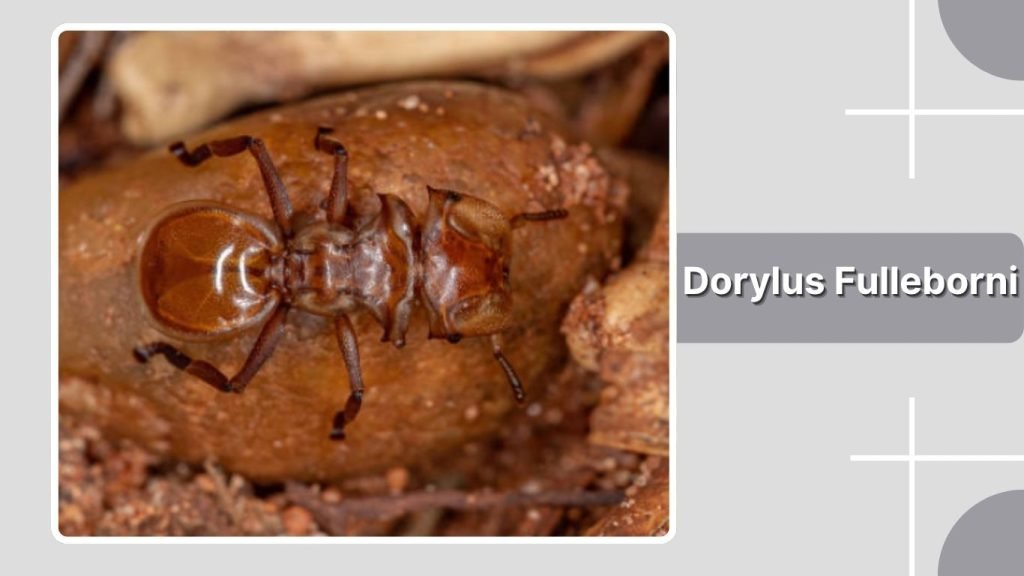
Dorylus fulleborni is a species of driver ant famous for its massive colonies and aggressive hunting behavior. Native to African tropical regions, these ants travel in organized swarms while searching for food across forests and grasslands. They belong to the powerful Dorylus genus, which is known for teamwork and coordinated attacks. Their strong mandibles, disciplined movement, and social organization make them highly successful predators in natural ecosystems.
Identification
- Dark brown or black body
- Large powerful mandibles
- Long segmented antennae
- Wingless worker ants
- Soldier ants with enlarged heads
- Workers vary greatly in size
Habitat
Dorylus fulleborni commonly lives in tropical forests, humid savannas, and woodland environments. These ants prefer warm climates with moist soil where they can establish temporary underground nests during migration.
Behavior
This species moves in large organized swarms during hunting raids. Worker ants cooperate closely to attack prey and defend the colony effectively. Colonies frequently relocate while searching for food and safer nesting conditions.
Diet
Dorylus fulleborni mainly feeds on insects, termites, spiders, worms, and small animals. They are active predators but also scavenge dead organisms when food is available within their environment.
Colony Structure
The colony contains one queen, worker ants, soldier ants, and larvae. Worker ants gather food and care for developing young, while soldiers protect the colony with powerful jaws and aggressive defensive tactics.
Interesting Facts
Dorylus fulleborni colonies can include millions of ants moving together in long hunting trails. Their swarms rapidly clear areas of insects and help maintain ecological balance by naturally controlling pest populations.
FAQs
What are driver ants?
Driver ants are aggressive social ants that travel in large swarms while searching for food. They belong mainly to the Dorylus genus and are commonly found in Africa. These ants are known for teamwork, organized hunting behavior, and massive colonies containing millions of individuals.
Where do driver ants live?
Driver ants usually live in tropical forests, savannas, grasslands, and humid woodland areas. They prefer warm climates with moist soil and often build temporary underground nests while moving from one location to another in search of food.
Are driver ants dangerous to humans?
Driver ants can bite painfully with their strong mandibles, especially when disturbed. Large swarms may force people and animals to move away temporarily. However, they generally attack only when defending themselves or searching for food.
What do driver ants eat?
Driver ants mainly feed on insects, spiders, termites, worms, and small animals. They are active predators that hunt in coordinated swarms, but they also scavenge dead organisms when food is available in their environment.
Why are driver ants important to ecosystems?
Driver ants help maintain ecological balance by naturally controlling insect populations. Their hunting activity reduces pests and removes weak or dead animals from the environment, which supports healthier ecosystems in tropical regions.
