
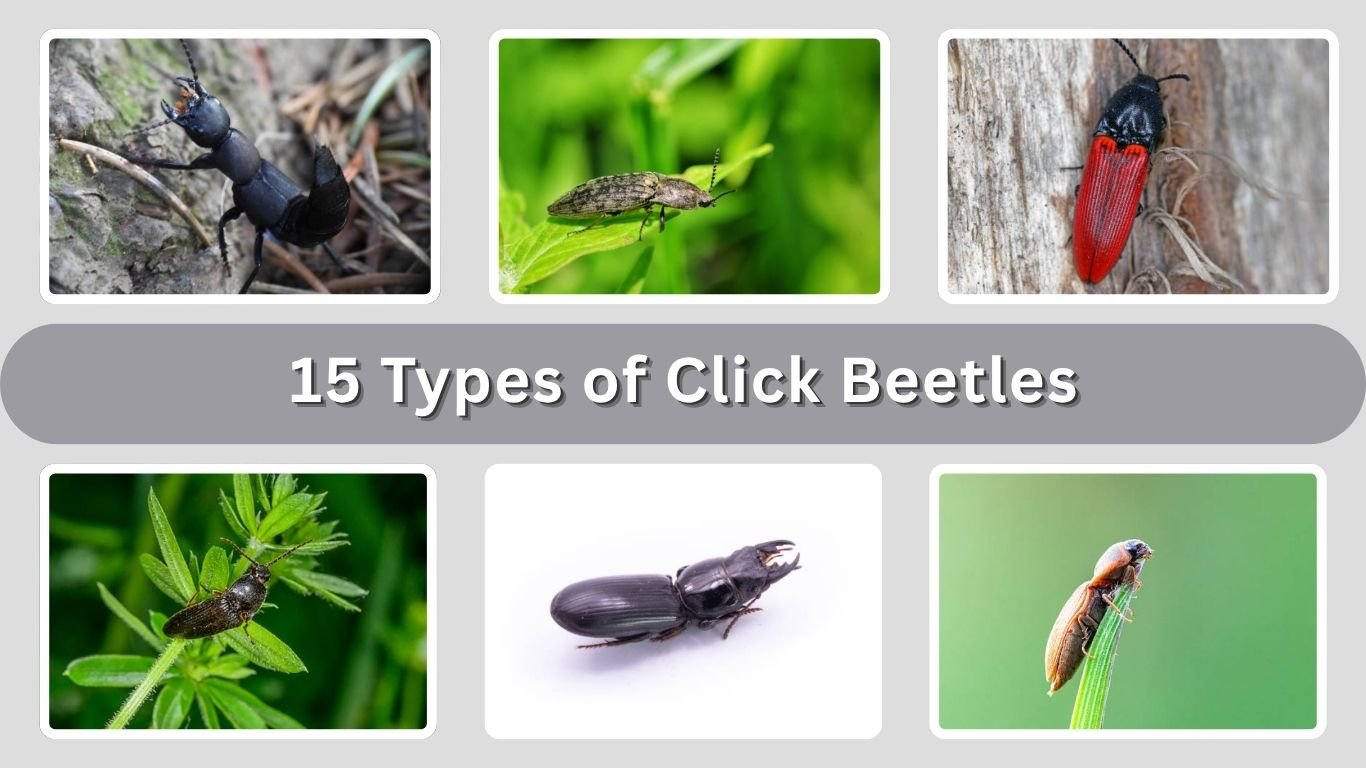
Click beetles are a fascinating group of insects known for their unique ability to “click” and flip into the air when disturbed. Belonging to the family Elateridae, these beetles vary widely in size, color, and habitat. Some species are beneficial predators in their larval stage, while others are known agricultural pests due to root-feeding larvae called wireworms.
This guide covers 15 different types of click beetles, helping you identify each species based on key features, habitat, behavior, and life cycle. Whether you are a student, researcher, or nature enthusiast, understanding these beetles can give you deeper insight into their ecological roles and how they impact both natural environments and agriculture.
1. Eastern Eyed Click Beetle
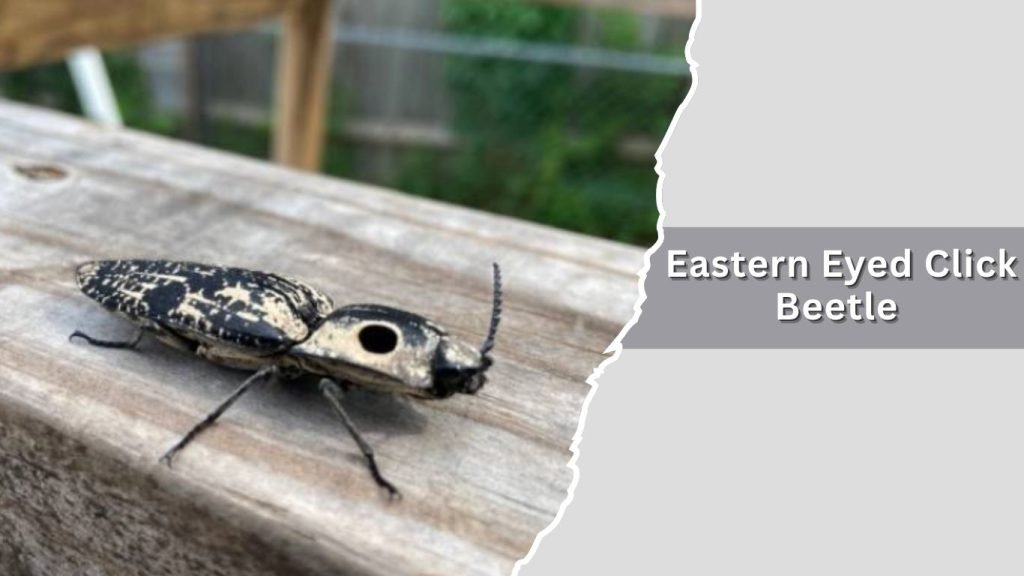
The Eastern Eyed Click Beetle is one of the most recognizable click beetles in North America, known for its large size and distinctive eye-like markings on its thorax. These markings serve as a defense mechanism to startle predators. It belongs to the family Elateridae and is commonly found in forests, woodlands, and suburban areas.
Identification
- Large beetle, typically 25–45 mm long
- Black or dark brown elongated body
- Two large oval “eye spots” on the pronotum
- Underside has a clicking mechanism used to flip into the air
- Antennae are moderately serrated
Habitat and Distribution
This species is widely distributed across the eastern United States and parts of Canada. It prefers wooded habitats, especially areas with decaying logs and tree stumps. Adults are often attracted to lights at night, making them commonly seen around homes during warmer months.
Behavior and Diet
Eastern Eyed Click Beetles are mostly nocturnal and are known for their unique clicking ability, which helps them escape predators. When flipped onto their back, they snap their body to launch into the air. Larvae, known as wireworms, live in soil or rotting wood and feed on other insect larvae, making them beneficial for controlling pests.
Life Cycle
The life cycle includes egg, larva, pupa, and adult stages. Females lay eggs in soil or decaying wood. Larvae develop over several years, feeding and growing before pupating. Adults emerge mainly in spring and summer, living only a few months primarily for reproduction.
2. Eyed Elater
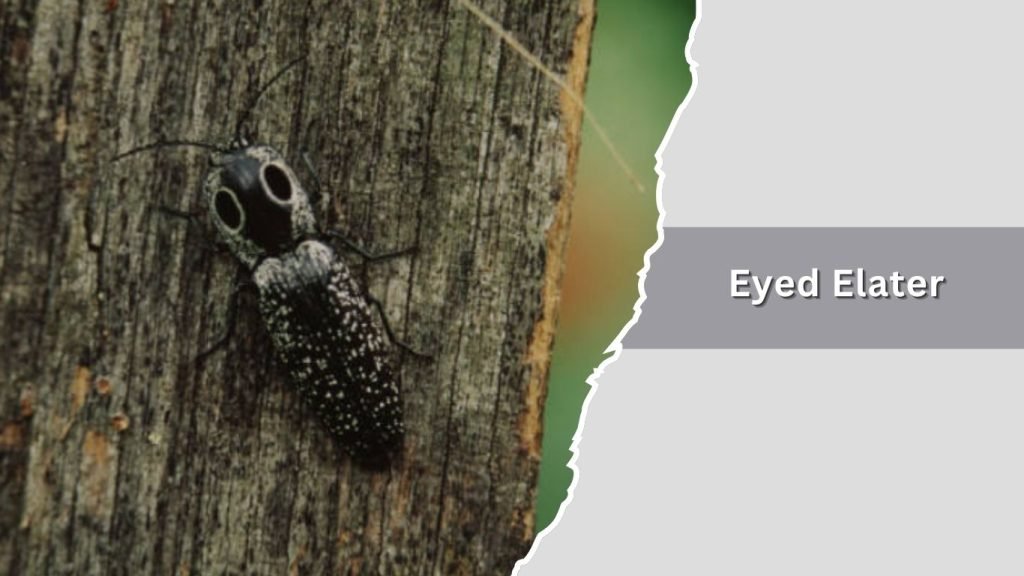
The Eyed Elater is a striking click beetle species closely related to the Eastern Eyed Click Beetle, often admired for its bold markings and impressive size. It belongs to the Elateridae family and uses visual deception as a defense, with eye-like spots that confuse predators. This species is commonly encountered in warm, forested environments.
Identification
- Elongated, flattened body measuring around 30–50 mm
- Dark brown to black coloration
- Prominent false “eye spots” on the pronotum
- Hard, smooth exoskeleton with a slightly glossy finish
- Strong clicking mechanism on the underside
Habitat and Distribution
Eyed Elaters are primarily found in tropical and subtropical regions, especially in Central and South America. They thrive in dense forests, where decaying wood and leaf litter provide ideal conditions. Occasionally, they may be spotted near human settlements, particularly where outdoor lights attract them at night.
Behavior and Diet
This beetle is mostly nocturnal and spends much of its time hiding under bark or within rotting logs during the day. Its clicking ability helps it escape when threatened. Adult Eyed Elaters feed minimally, while larvae are predatory, consuming small insects and larvae found in decaying wood.
Life Cycle
The life cycle follows complete metamorphosis: egg, larva, pupa, and adult. Eggs are laid in moist, organic material. Larvae develop over an extended period, sometimes several years, before pupating. Adults emerge during warmer seasons and focus mainly on mating and reproduction before completing their relatively short lifespan.
3. Conoderus vespertinus
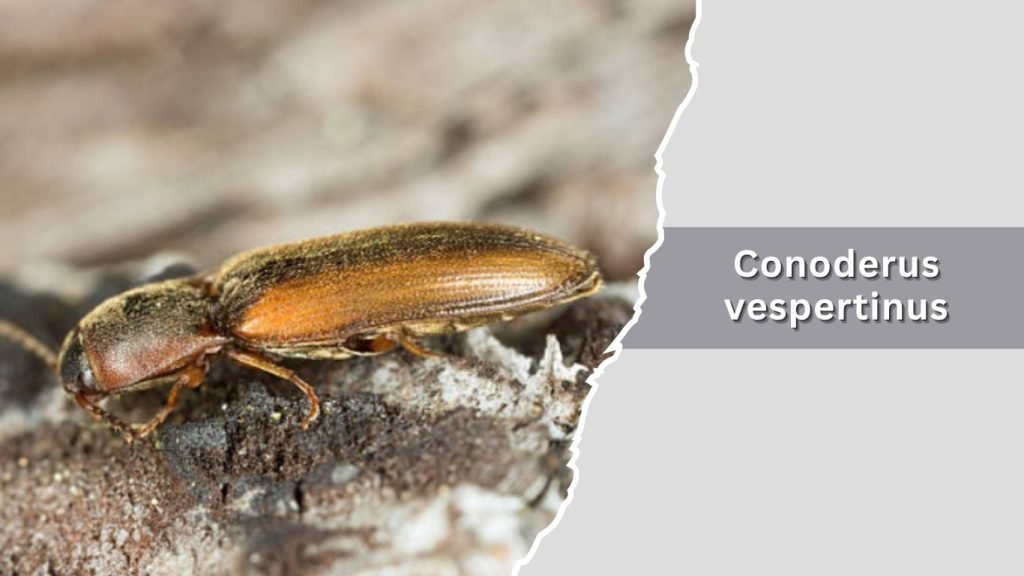
Conoderus vespertinus is a smaller species of click beetle commonly found in agricultural and grassy environments. Unlike larger, more decorative species, it is known for its subtle appearance and its importance in soil ecosystems. This species is often associated with crops due to its larval stage, which can impact plant roots.
Identification
- Small to medium size, usually 8–15 mm long
- Light brown to yellowish-brown body
- Slender, elongated shape
- Fine hairs covering the body surface
- Less prominent clicking spine compared to larger species
Habitat and Distribution
This species is widely distributed in warmer regions, particularly in North and Central America. It prefers open habitats such as fields, grasslands, and agricultural lands. Larvae are commonly found in soil, especially in areas with abundant organic matter or crop roots.
Behavior and Diet
Adults are mostly active during the evening, which is reflected in the name “vespertinus.” They may be attracted to lights at night. Larvae, known as wireworms, live underground and feed on plant roots and seeds. Because of this, they are sometimes considered agricultural pests, especially in crops like corn and vegetables.
Life Cycle
The life cycle includes egg, larva, pupa, and adult stages. Females lay eggs in soil, where larvae develop over several months to a few years depending on environmental conditions. After pupation in the soil, adults emerge and continue the cycle, typically during warm seasons when food and conditions are favorable.
4. Conoderus bellus
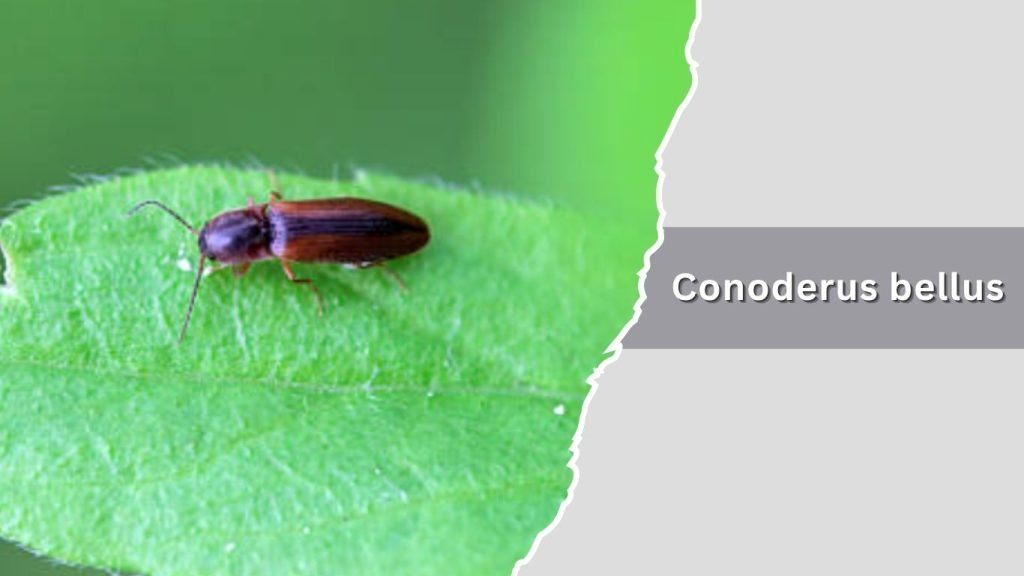
Conoderus bellus is another small click beetle species often found in warm regions, particularly in agricultural and grassy habitats. It is less visually striking than larger click beetles but plays an important role in soil ecosystems. Like other members of its genus, it is commonly associated with crop fields and can sometimes be considered a minor pest.
Identification
- Small body, typically 7–14 mm long
- Yellowish-brown to light tan coloration
- Narrow, elongated shape
- Fine, short hairs on the body surface
- Subtle clicking mechanism, less forceful than larger species
Habitat and Distribution
This species is commonly found in southern parts of North America, especially in the United States and Mexico. It prefers open areas such as grasslands, crop fields, and gardens. The larvae live in soil, particularly in areas with moisture and plant roots.
Behavior and Diet
Adults are usually active during warmer months and may be seen resting on vegetation or attracted to lights at night. Larvae, or wireworms, live underground and feed on seeds, roots, and young plants. This feeding habit can sometimes lead to damage in agricultural crops, especially in large populations.
Life Cycle
The life cycle follows complete metamorphosis: egg, larva, pupa, and adult. Eggs are laid in soil, where larvae develop over time. The larval stage can last several months or longer depending on conditions. Pupation occurs in the soil, and adults emerge during warm seasons to reproduce and continue the cycle.
5. Agriotes lineatus
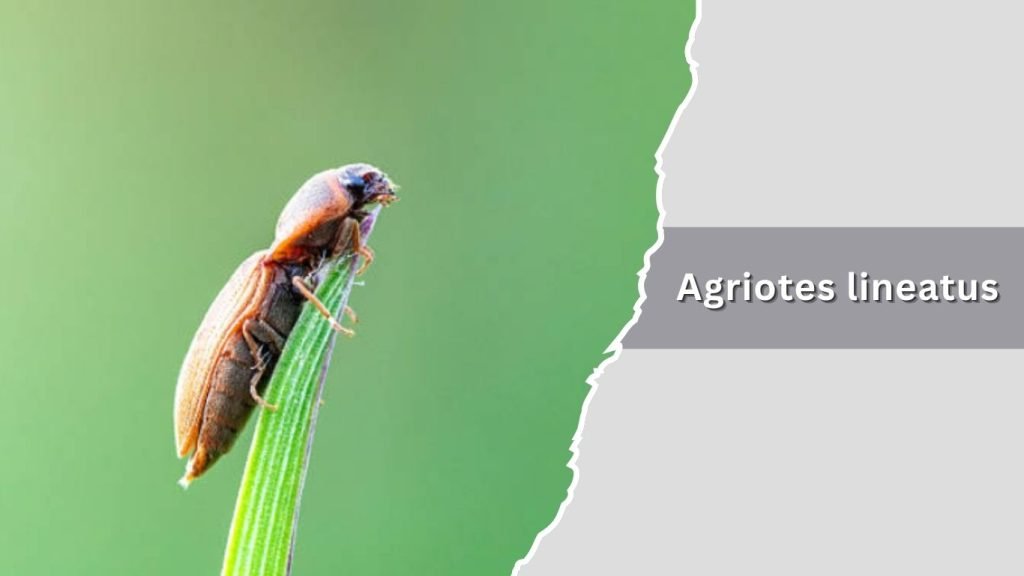
Agriotes lineatus, commonly known as the lined click beetle, is a well-known species due to its impact on agriculture. It is especially recognized for its larval stage (wireworms), which can damage crops. This species is widespread and plays both ecological and economic roles in the regions where it occurs.
Identification
- Medium-sized beetle, about 7–10 mm long
- Brown to dark brown body with a slightly glossy appearance
- Slender and elongated shape
- Fine longitudinal lines or grooves on the wing covers
- Antennae short and slightly serrated
Habitat and Distribution
Agriotes lineatus is widely distributed across Europe and parts of Asia. It is commonly found in grasslands, farmlands, and meadows. The species prefers moist soils rich in organic matter, which provide ideal conditions for larval development.
Behavior and Diet
Adults are generally active in spring and early summer and are often seen on low vegetation. They do not cause significant damage, feeding minimally on plant material. However, larvae (wireworms) live in soil and feed on seeds, roots, and underground plant parts, making them serious pests in crops like potatoes, cereals, and vegetables.
Life Cycle
The life cycle is relatively long and can take 3–5 years to complete. Females lay eggs in soil, and larvae develop slowly, feeding underground. After reaching maturity, they pupate in the soil. Adults emerge mainly in warmer months, focusing on reproduction before the cycle begins again.
6. Agriotes obscurus
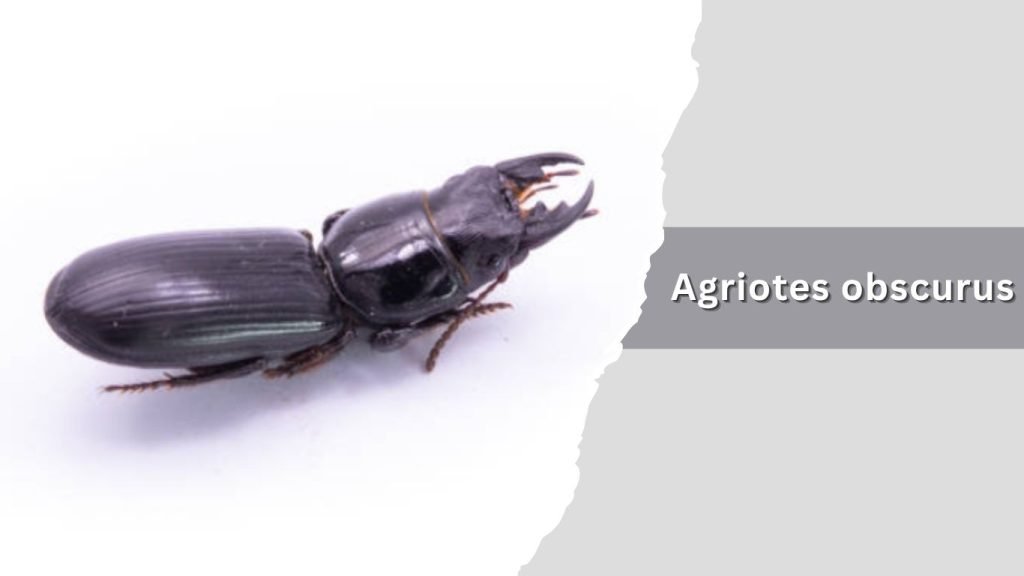
Agriotes obscurus, often called the dusky click beetle, is a common species known for its agricultural significance, particularly in its larval stage. While the adult beetle is relatively inconspicuous, the larvae (wireworms) are well known for damaging a variety of crops. This species is widely studied due to its impact on farming systems.
Identification
- Small to medium size, typically 6–10 mm long
- Dark brown to nearly black coloration
- Slender, cylindrical body shape
- Smooth wing covers with faint grooves
- Short, slightly serrated antennae
Habitat and Distribution
This species is widely distributed across Europe and has also been introduced to parts of North America. It thrives in grasslands, pastures, and agricultural fields. Agriotes obscurus prefers moist, well-drained soils, especially areas that have been undisturbed for long periods, such as permanent pastures.
Behavior and Diet
Adult beetles are most active in late spring and early summer, often seen on grasses and low vegetation. They are not considered harmful as they feed very little. However, the larvae live in soil and feed on seeds, roots, and underground plant tissues. This feeding behavior can cause serious damage to crops like potatoes, carrots, and cereals, making them significant agricultural pests.
Life Cycle
The life cycle of Agriotes obscurus typically lasts 3–5 years. Females lay eggs in soil during late spring. The larvae develop slowly, passing through multiple stages while feeding underground. Once fully grown, they pupate in the soil. Adults emerge in warmer months and live for a short period, mainly focused on reproduction before completing the cycle.
7. Athous haemorrhoidalis
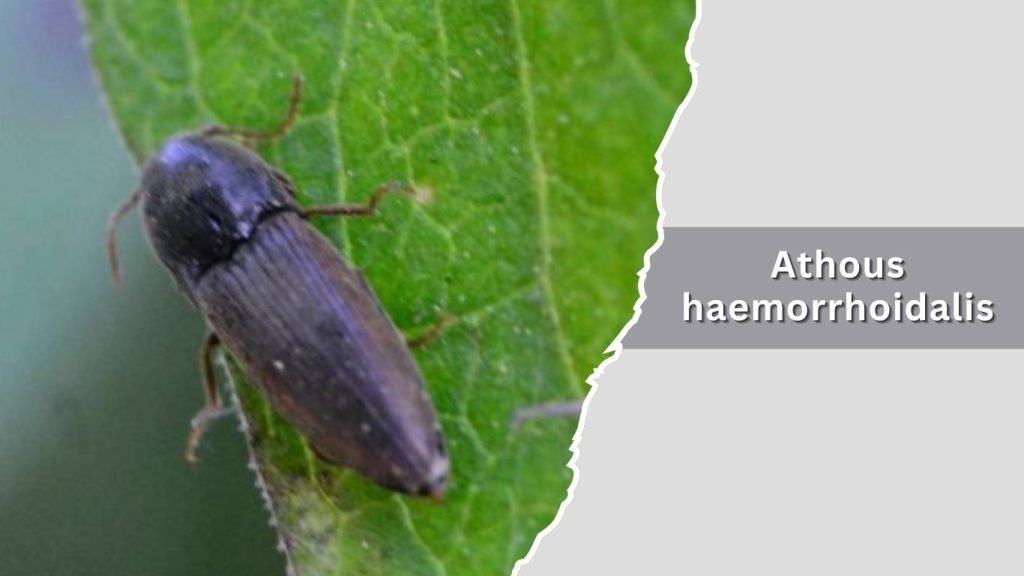
Athous haemorrhoidalis is a medium-sized click beetle commonly found in Europe. It is known for its subtle coloration and relatively harmless nature compared to some agricultural pest species. This beetle plays a beneficial role in ecosystems, particularly during its larval stage, where it helps control other soil-dwelling insects.
Identification
- Medium-sized beetle, about 10–15 mm long
- Dark brown to black body with a matte finish
- Reddish or lighter coloration near the rear (abdomen tip)
- Slender, elongated body shape
- Fine hairs giving a slightly velvety appearance
Habitat and Distribution
This species is widely distributed across Europe and parts of Asia. It is commonly found in forests, grasslands, and gardens. Athous haemorrhoidalis prefers moist environments, especially areas with leaf litter, decaying wood, or rich soil that supports insect life.
Behavior and Diet
Adults are typically active in late spring and summer and are often seen on vegetation during the day. They feed minimally, sometimes on nectar or plant material. The larvae, however, are predatory and live in soil or decaying organic matter, feeding on small insects and larvae, which makes them beneficial for natural pest control.
Life Cycle
The life cycle includes egg, larva, pupa, and adult stages. Females lay eggs in soil or organic debris. Larvae develop over several months to a few years, depending on environmental conditions. After pupation in the soil, adults emerge during warmer months, focusing on reproduction before completing their relatively short adult lifespan.
8. Limonius californicus
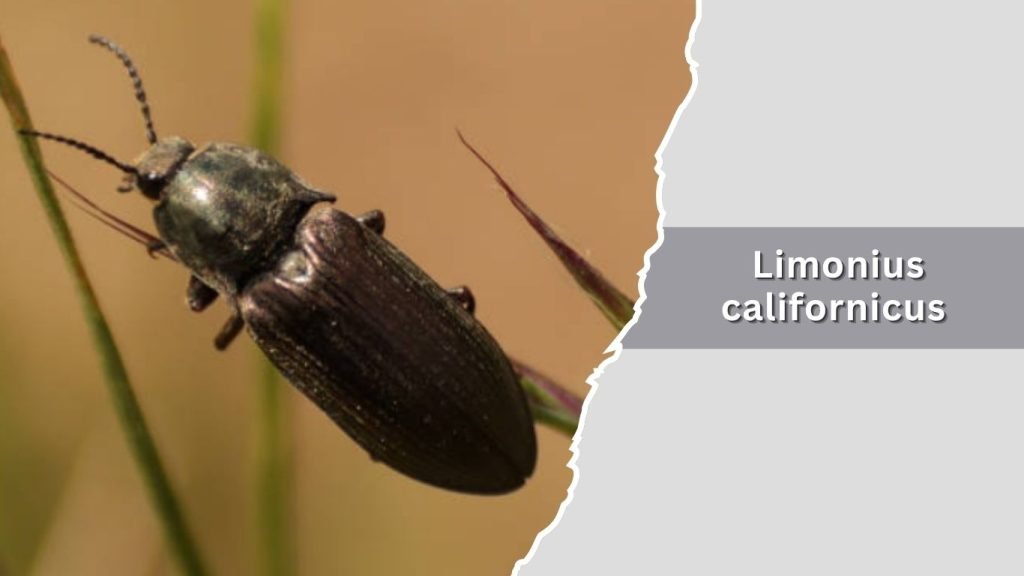
Limonius californicus, commonly known as the sugar beet wireworm beetle, is an important agricultural species due to its larval impact on crops. While the adult beetle is relatively unnoticed, its larvae are well known for causing damage to root crops and seeds. This species is widely studied in pest management programs.
Identification
- Medium-sized beetle, typically 8–12 mm long
- Brown to dark reddish-brown coloration
- Slender, elongated body with a smooth surface
- Wing covers with fine, shallow grooves
- Antennae short and slightly serrated
Habitat and Distribution
This species is primarily found in western North America, especially in the United States and parts of Canada. It prefers agricultural lands, grasslands, and areas with loose, well-drained soil. Fields used for crops like sugar beets, potatoes, and grains often provide ideal conditions.
Behavior and Diet
Adults are active during spring and early summer and are usually found on low vegetation. They feed very little and are not considered harmful. However, larvae (wireworms) live in the soil and feed on seeds, roots, and underground stems. This feeding behavior can severely affect crop yields, making them significant agricultural pests.
Life Cycle
The life cycle typically takes 2–4 years to complete. Females lay eggs in soil, where larvae hatch and begin feeding. The larval stage is the longest and most damaging phase. After reaching maturity, they pupate in the soil. Adults emerge in warmer months, reproduce, and continue the cycle.
9. Melanotus communis
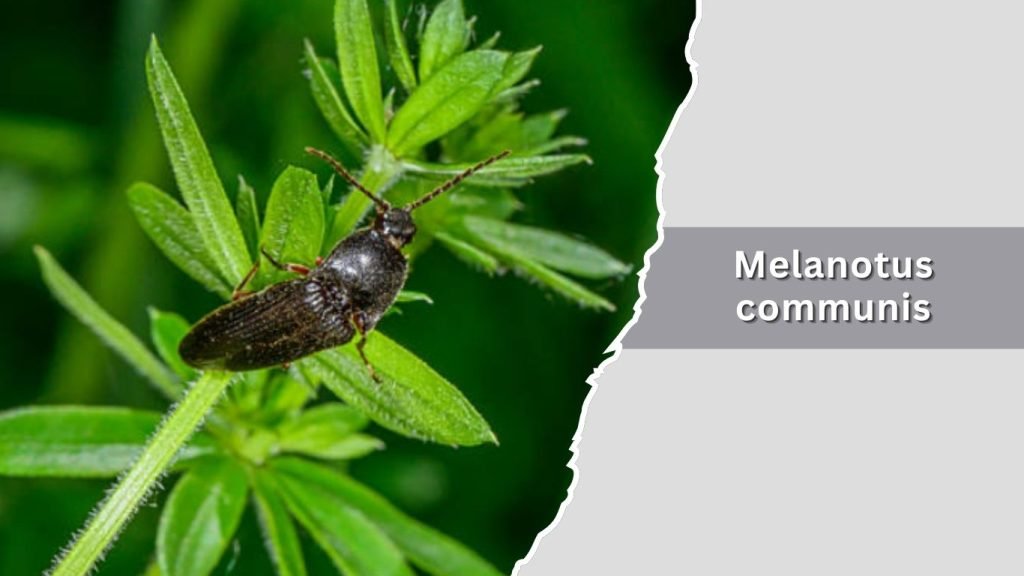
Melanotus communis, commonly known as the corn wireworm click beetle, is a widespread species recognized for its impact on agriculture. While the adult beetle is relatively unobtrusive, its larvae are known to damage crops by feeding on underground plant parts. This species is especially important in farming regions where corn and other grains are cultivated.
Identification
- Medium-sized beetle, typically 9–14 mm long
- Dark brown to black coloration
- Elongated, cylindrical body shape
- Smooth wing covers with fine lines
- Antennae short and slightly serrated
Habitat and Distribution
Melanotus communis is commonly found across North America, particularly in the eastern and central regions. It thrives in agricultural fields, grasslands, and open habitats. The species prefers moist soils rich in organic matter, which are ideal for larval development.
Behavior and Diet
Adults are active during late spring and summer and are often seen on vegetation or near lights at night. They feed very little and are not considered harmful. However, larvae (wireworms) live in the soil and feed on seeds, roots, and underground stems of crops such as corn, wheat, and potatoes, making them significant agricultural pests.
Life Cycle
The life cycle typically spans 2–4 years. Females lay eggs in soil, where larvae hatch and begin feeding underground. The larval stage is long-lasting and responsible for most of the damage. After maturing, larvae pupate in the soil. Adults emerge during warm months, reproduce, and continue the life cycle.
10. Selatosomus aeneus
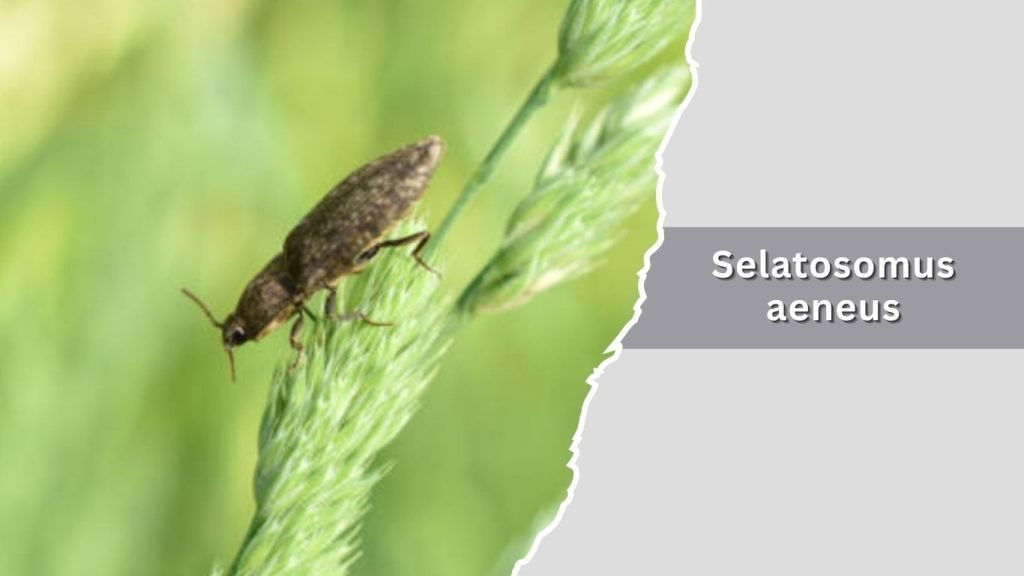
Selatosomus aeneus is a lesser-known click beetle species recognized for its metallic sheen and adaptability to cooler environments. Although not as economically significant as some agricultural species, it plays a role in natural ecosystems, particularly through its larval activity in soil and decaying organic matter.
Identification
- Medium-sized beetle, დაახლოებით 10–15 mm long
- Metallic bronze or greenish-bronze coloration
- Elongated and slightly flattened body
- Smooth, shiny wing covers
- Antennae moderately long and serrated
Habitat and Distribution
This species is primarily found in Europe and parts of northern Asia. It prefers cooler climates and is commonly seen in meadows, forest edges, and grasslands. Selatosomus aeneus is often associated with areas that have rich soil and organic debris.
Behavior and Diet
Adults are typically active during late spring and summer, often found resting on vegetation or flying short distances. They are not considered harmful and may feed lightly on plant material or nectar. The larvae live in soil and are believed to feed on small invertebrates and organic matter, contributing to soil health.
Life Cycle
The life cycle includes egg, larva, pupa, and adult stages. Eggs are laid in soil, where larvae develop over an extended period. After reaching maturity, larvae pupate underground. Adults emerge during warmer months and live for a relatively short time, focusing mainly on reproduction before completing their life cycle.
11. Ampedus sanguineus
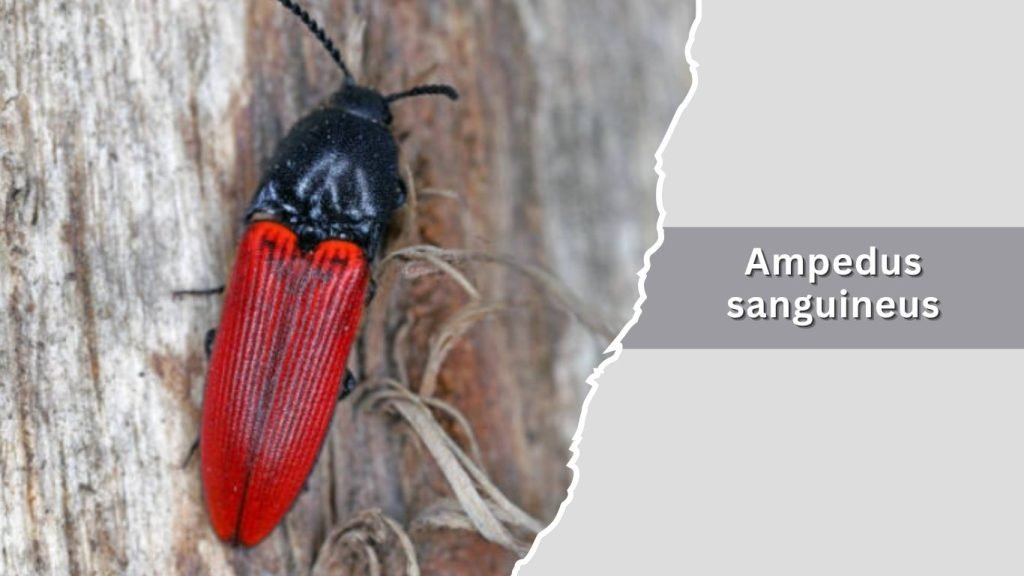
Ampedus sanguineus is a visually striking click beetle species known for its bright coloration, which distinguishes it from many other darker members of the Elateridae family. It is commonly found in wooded environments and plays a beneficial ecological role, especially during its larval stage.
Identification
- Medium-sized beetle, typically 8–12 mm long
- Bright red or reddish-orange wing covers (elytra)
- Head and pronotum are black
- Slender, elongated body shape
- Fine hairs covering the body surface
Habitat and Distribution
This species is widely distributed across Europe and parts of Asia. It is most commonly found in forests, especially in areas with decaying wood such as fallen logs and tree stumps. Ampedus sanguineus prefers moist, shaded habitats where organic material is abundant.
Behavior and Diet
Adults are active during spring and summer and are often seen on vegetation or resting on dead wood. They are not harmful and may feed lightly on nectar or plant materials. The larvae live inside decaying wood and are predatory, feeding on other insect larvae, which helps maintain ecological balance.
Life Cycle
The life cycle includes egg, larva, pupa, and adult stages. Females lay eggs in decaying wood or nearby soil. Larvae develop over a period of several months to a few years, depending on environmental conditions. After pupating within the wood, adults emerge during warm seasons and focus on reproduction before completing their lifecycle.
12. Ampedus nigricollis
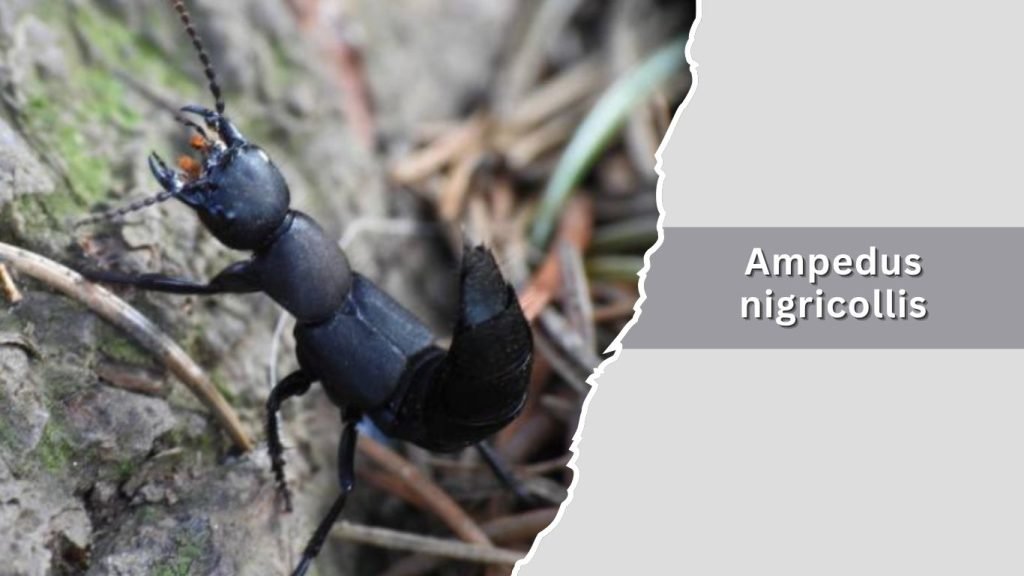
Ampedus nigricollis is a small but distinctive click beetle species, often recognized by its contrasting coloration. Like other members of the genus Ampedus, it is commonly associated with decaying wood and plays a useful role in forest ecosystems by contributing to natural pest control.
Identification
- Small to medium size, about 7–11 mm long
- Bright red or orange wing covers (elytra)
- Black head and pronotum (“nigricollis” means black-necked)
- Slender, elongated body
- Fine surface hairs giving a slightly soft appearance
Habitat and Distribution
This species is widely distributed across Europe and parts of Asia. It is typically found in forests, woodlands, and areas with abundant dead or decaying wood. Ampedus nigricollis prefers moist environments where fallen logs and tree bark provide suitable shelter and breeding grounds.
Behavior and Diet
Adults are active during late spring and summer and are often seen resting on logs or tree trunks. They are generally harmless and may feed lightly on nectar or plant materials. The larvae live within decaying wood and are predatory, feeding on other insect larvae and small invertebrates.
Life Cycle
The life cycle follows complete metamorphosis: egg, larva, pupa, and adult. Eggs are laid in or near decaying wood. Larvae develop over an extended period, sometimes taking a few years to mature. After pupation within the wood, adults emerge during warm months, reproduce, and continue the cycle.
13. Alaus oculatus
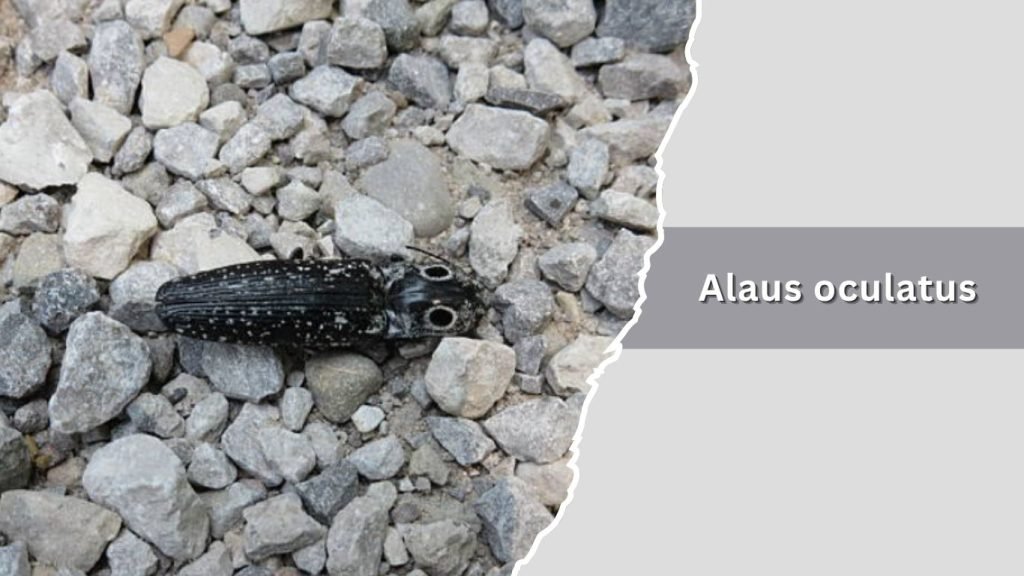
Alaus oculatus, commonly known as the Eastern Eyed Click Beetle, is one of the largest and most distinctive click beetles. It is especially known for its dramatic eye-like spots that help deter predators. This species is beneficial in many ecosystems due to its predatory larval stage.
Identification
- Large size, typically 25–45 mm long
- Black body with two large oval “eye spots” on the pronotum
- Elongated and somewhat flattened shape
- Fine white speckling across the body
- Strong clicking mechanism for flipping into the air
Habitat and Distribution
This species is widely distributed across the eastern United States and parts of Canada. It prefers forests, wooded areas, and places with abundant decaying wood. It is also occasionally found near homes, especially where outdoor lighting attracts it at night.
Behavior and Diet
Adults are mostly nocturnal and are often drawn to lights. They are harmless and feed very little. The larvae live in decaying wood and are predatory, feeding on other insect larvae, including wood-boring pests, making them beneficial to forest health.
Life Cycle
The life cycle includes egg, larva, pupa, and adult stages. Females lay eggs in decaying wood. Larvae develop over several years, feeding and growing before pupating. Adults emerge during warmer months and live for a relatively short time, primarily focused on reproduction.
14. Alaus myops
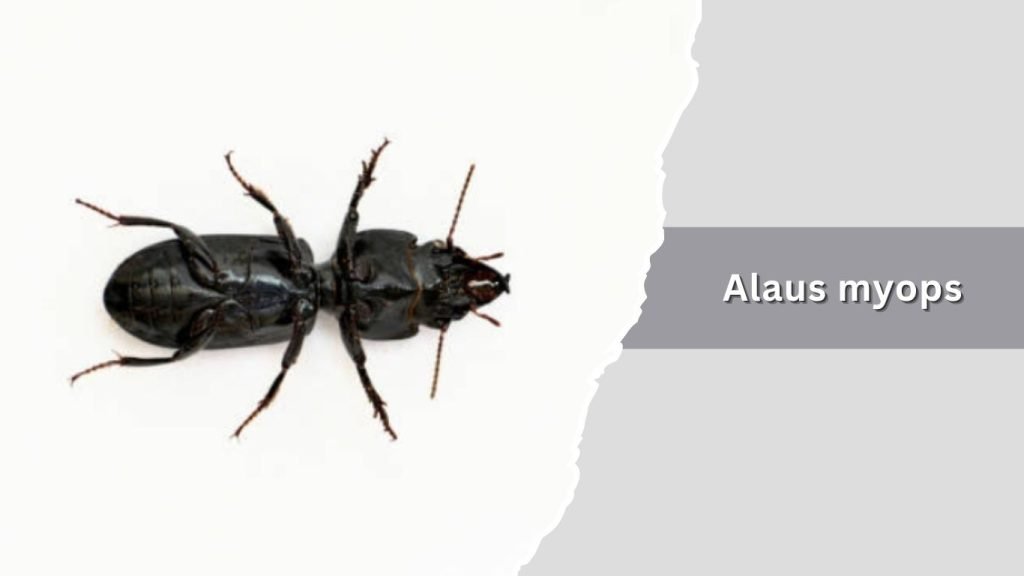
Alaus myops is a close relative of the more well-known eyed click beetles, but it is generally smaller and less commonly encountered. Like others in its genus, it features eye-like markings that serve as a defense mechanism. This species is an interesting example of mimicry and adaptation in forest ecosystems.
Identification
- Medium to large beetle, حوالي 20–35 mm long
- Dark brown to black body
- Smaller, less prominent “eye spots” compared to related species
- Elongated, slightly flattened body shape
- Subtle speckled or textured surface
Habitat and Distribution
Alaus myops is found mainly in North America, particularly in southern regions. It prefers wooded habitats, forests, and areas with decaying logs and tree stumps. It is less frequently seen than other click beetles but may appear near lights at night.
Behavior and Diet
Adults are mostly nocturnal and are attracted to artificial lights. They are harmless and do not feed heavily. The larvae live in decaying wood and are predatory, feeding on other insect larvae. This makes them beneficial for controlling wood-boring pests in natural environments.
Life Cycle
The life cycle follows complete metamorphosis: egg, larva, pupa, and adult. Eggs are laid in decaying wood. Larvae develop over several years, feeding and growing before pupating. Adults emerge during warm months and live for a short time, mainly to reproduce and continue the cycle.
15. Ctenicera pectinicornis
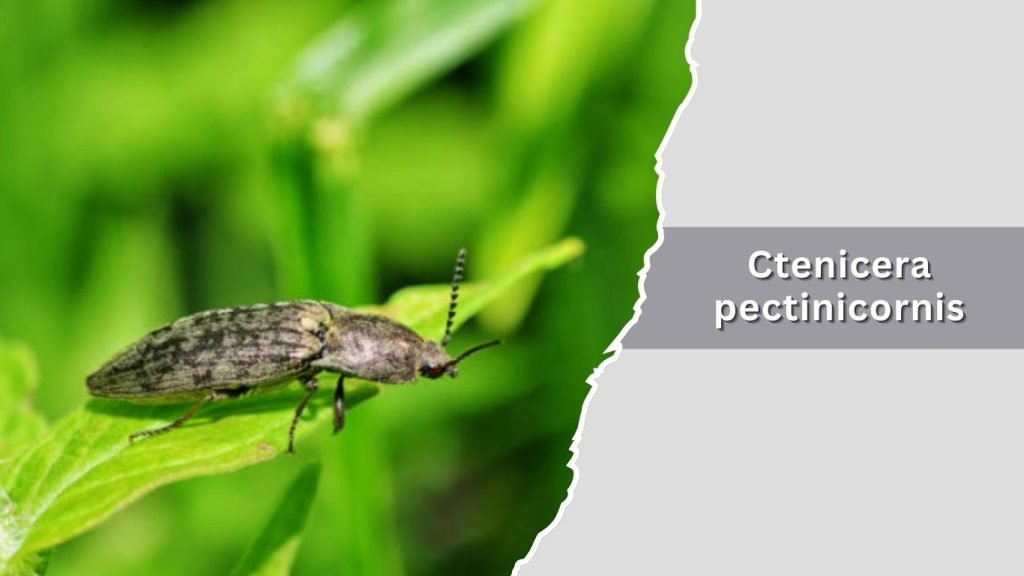
Ctenicera pectinicornis is a distinctive click beetle species known for its comb-like antennae, especially in males. It is less associated with agriculture compared to other species and is more commonly found in natural habitats. This beetle contributes to ecological balance, particularly through its larval activity in soil environments.
Identification
- Medium-sized beetle, typically 10–18 mm long
- Dark brown to black coloration
- Elongated and slightly flattened body
- Males have comb-like (pectinate) antennae
- Smooth wing covers with a subtle sheen
Habitat and Distribution
This species is widely distributed across Europe and parts of Asia. It is commonly found in grasslands, meadows, forest edges, and mountainous regions. Ctenicera pectinicornis prefers cooler climates and is often associated with natural, undisturbed habitats.
Behavior and Diet
Adults are active during spring and early summer and are often seen on vegetation. They are generally harmless and may feed lightly on plant material or nectar. The larvae live in soil and are believed to feed on small invertebrates and organic matter, contributing to soil health.
Life Cycle
The life cycle includes egg, larva, pupa, and adult stages. Eggs are laid in soil, where larvae develop over an extended period. After reaching maturity, they pupate underground. Adults emerge during warmer months, reproduce, and continue the life cycle, maintaining their role in the ecosystem.
FAQs
What are click beetles known for?
Click beetles are best known for their unique clicking mechanism, which allows them to flip into the air when they are on their backs. This ability helps them escape predators. The clicking sound comes from a spine-and-groove structure on their underside.
Are click beetles harmful to humans?
Click beetles are not harmful to humans. They do not bite, sting, or transmit diseases. Adult beetles are mostly harmless and feed very little. However, their larvae (wireworms) can damage crops, which makes them a concern in agriculture rather than for personal safety.
What do click beetle larvae eat?
Click beetle larvae, commonly called wireworms, usually live in soil and feed on plant roots, seeds, and underground stems. Some species are predatory and feed on other insect larvae. Their diet depends on the species, making some beneficial and others agricultural pests.
Where can click beetles be found?
Click beetles are found worldwide in a wide range of habitats, including forests, grasslands, agricultural fields, and gardens. They prefer areas with soil, decaying wood, or vegetation, where their larvae can develop and find food easily.
How long do click beetles live?
The life cycle of click beetles can last several years, mainly due to the long larval stage. Larvae may live in the soil for 2–5 years before pupating. Adult beetles typically live only a few weeks to a few months, focusing mainly on reproduction.
