
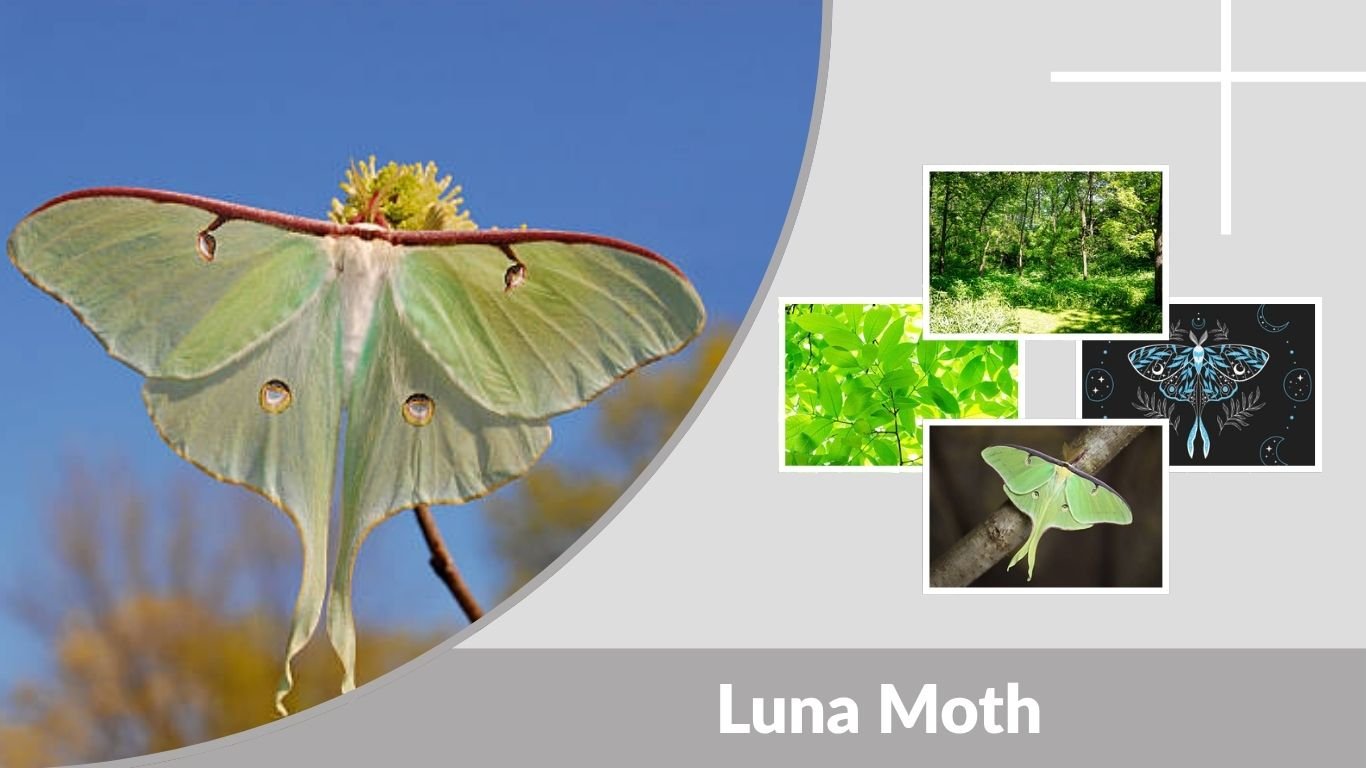
The luna moth is one of the most captivating insects in North America, known for its pale green wings and mystical appearance. Often associated with transformation and spiritual symbolism, this nocturnal moth has sparked curiosity across cultures. From its short lifespan to its unusual life cycle and unique physical traits, the luna moth stands out as both a biological wonder and a symbolic creature tied to renewal, intuition, and the quiet beauty of nature.
What Is a Luna Moth?
The luna moth, scientifically known as Actias luna, belongs to the Saturniidae family, commonly referred to as giant silk moths. These moths are widely recognized for their large size and striking appearance. Found mostly in North America, they are nocturnal and are often drawn to artificial lights at night. Their delicate, almost ethereal look has made them one of the most admired moth species.
Scientific Classification
- Scientific name: Actias luna
- Family: Saturniidae
- Type: Giant silk moth
- Common names: luna moth, lunar moth
Key Characteristics
- Large wingspan ranging from 3 to 4.5 inches
- Pale green wings with long tail-like extensions
- Distinctive eye spots for predator defense
- No functional mouth in adult stage
Luna Moth Appearance and Colors
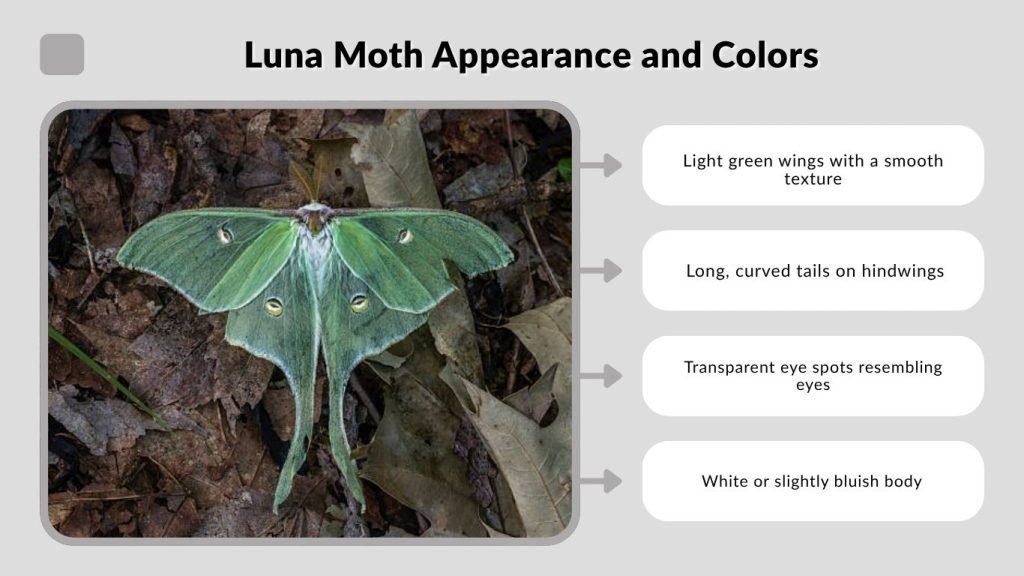
Luna moths are admired for their soft green coloration and elegant wing structure. Their appearance is not just beautiful but also functional, helping them blend into leafy environments and avoid predators. While green is the most common color, variations can occur, making them even more intriguing to insect enthusiasts.
Typical Features
- Light green wings with a smooth texture
- Long, curved tails on hindwings
- Transparent eye spots resembling eyes
- White or slightly bluish body
Rare Color Variations
- Pink-toned luna moths (rare sightings)
- Yellowish or pale white forms
- Slight bluish-green shades
- Brownish variations due to environmental factors
Luna Moth Life Cycle
The life cycle of the luna moth is a complete metamorphosis consisting of four stages: egg, larva, pupa, and adult. Each stage plays a vital role in the development and survival of the species. This transformation is one of the reasons the moth is often associated with change and renewal.
Egg Stage
The female luna moth lays small eggs on the leaves of host plants. These eggs typically hatch within one to two weeks, depending on environmental conditions such as temperature and humidity.
Caterpillar (Larva) Stage
Once hatched, the caterpillar begins feeding immediately on leaves. It grows rapidly, shedding its skin multiple times in a process called molting. The caterpillar is bright green and blends well with foliage, making it difficult for predators to spot.
Pupa (Cocoon) Stage
After reaching full size, the caterpillar spins a cocoon using silk and leaves. Inside this cocoon, it transforms into a pupa. This stage can last several weeks or even months if the moth overwinters.
Adult Stage
The adult luna moth emerges from the cocoon with fully developed wings. Its primary purpose is reproduction, as it does not eat and relies entirely on stored energy from its caterpillar stage.
How Long Do Luna Moths Live?
The lifespan of a luna moth is surprisingly short, especially in its adult form. After spending weeks developing through earlier stages, the adult moth lives only about a week. This brief life is focused entirely on mating and laying eggs, ensuring the continuation of the species without the need for feeding or long-term survival strategies.
What Do Luna Moths Eat?
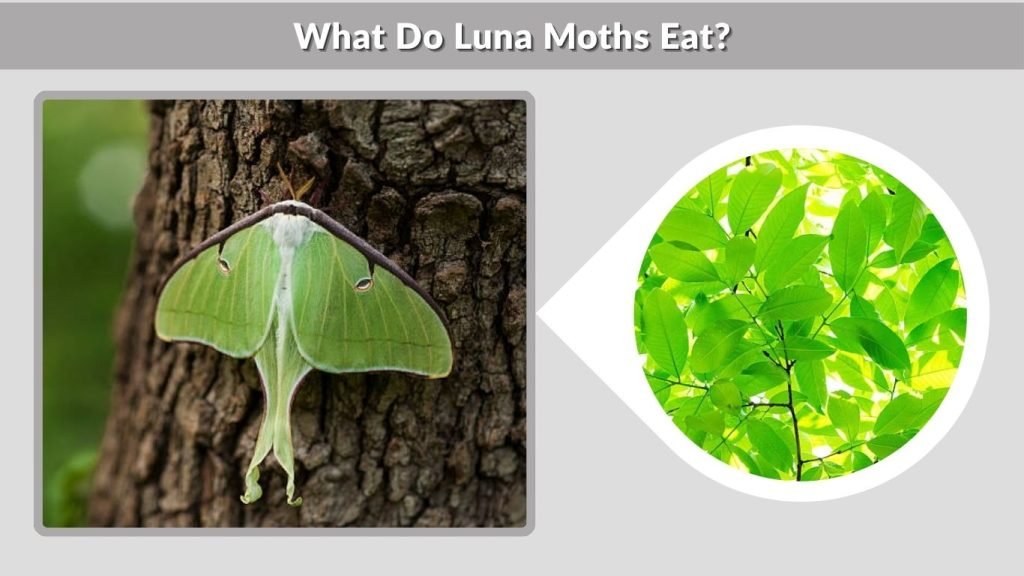
Understanding what luna moths eat depends on their life stage. Their feeding habits change dramatically as they transition from caterpillar to adult, highlighting one of the most unique aspects of their biology.
Caterpillar Diet
- Leaves of walnut and hickory trees
- Sweetgum and birch leaves
- Other hardwood host plants
Adult Feeding Behavior
- Do not eat at all
- Lack functional mouthparts
- Survive on stored energy
Luna Moth Habitat and Distribution
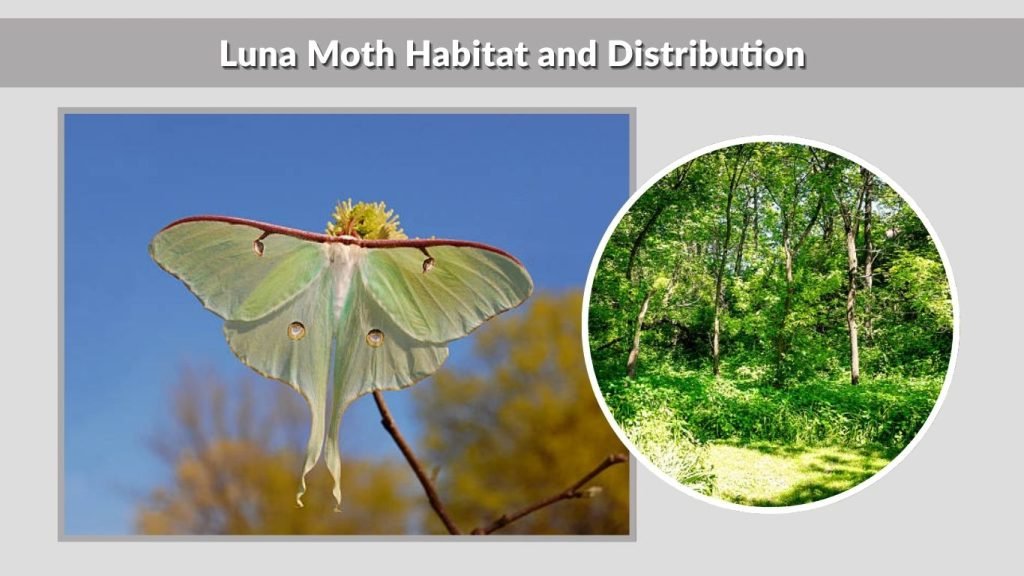
Luna moths are typically found in forested areas where host plants are abundant. They thrive in environments that provide both food sources for caterpillars and safe spaces for cocoon development. Their presence is often seasonal, with higher visibility during warmer months.
Where They Are Found
- Eastern North America
- Parts of Canada and the United States
- Deciduous forests and wooded areas
Preferred Environment
- Areas with dense tree coverage
- Regions with minimal disturbance
- Locations with suitable host plants for larvae
Male vs Female Luna Moth
Male and female luna moths have distinct differences that help them fulfill their roles in reproduction. These differences are subtle but noticeable, especially when observing their antennae and behavior.
Male Luna Moth
Males have large, feathery antennae that are highly sensitive to pheromones released by females. This allows them to locate a mate from a considerable distance, even in the dark.
Female Luna Moth
Females have smaller antennae and a slightly larger body, as they carry eggs. Their primary role is to lay eggs after mating, ensuring the next generation begins successfully.
Are Luna Moths Rare or Dangerous?
Luna moths often appear mysterious due to their short lifespan and nocturnal habits, which can make sightings feel rare. However, they are not considered endangered. Their population can fluctuate depending on habitat conditions, light pollution, and environmental changes, but they are still commonly found across suitable regions in North America.
Are Luna Moths Rare?
They are not truly rare, but because they are active at night and live only briefly as adults, people do not encounter them often. Their seasonal appearance also limits visibility, making sightings feel special and uncommon.
Are Luna Moths Poisonous?
Luna moths are completely harmless. They do not bite, sting, or produce toxins. Both adults and caterpillars are safe to observe, making them a favorite among nature enthusiasts and educators.
Luna Moth Symbolism and Meaning
The luna moth carries deep symbolic meaning across different cultures and spiritual traditions. Its connection to the moon and its transformative life cycle make it a powerful representation of change, intuition, and renewal. Many people view encounters with this moth as meaningful or even spiritual experiences.
Spiritual Meaning
- Represents transformation and personal growth
- Symbolizes renewal and new beginnings
- Connected to intuition and inner guidance
- Reflects the beauty of short-lived moments
Cultural Interpretations
- In some Asian traditions, it is linked to harmony and balance
- Associated with feminine energy and the moon
- Seen as a sign of spiritual awakening or guidance
Interesting Luna Moth Facts
Luna moths are full of fascinating traits that make them stand out among insects. Their unique biology and behavior continue to attract attention from scientists and nature lovers alike.
- Adult luna moths do not have mouths
- They rely entirely on stored energy
- Their tails help confuse predators like bats
- They are among the largest moths in North America
Luna Moth Images, Art, and Culture
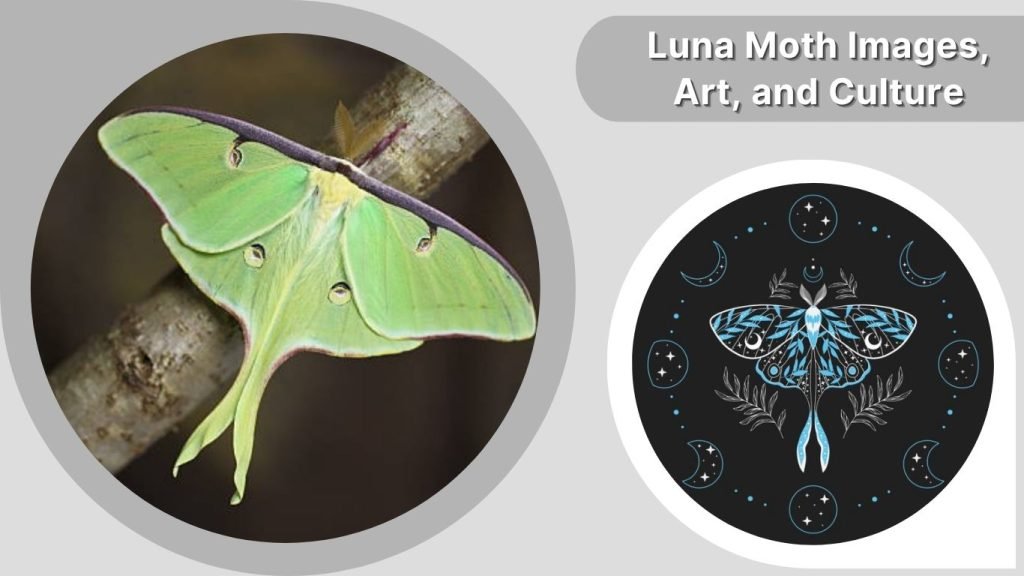
The luna moth has inspired artists, designers, and creators across various fields. Its delicate structure and soft coloration make it a popular subject in art, fashion, and digital media. From illustrations to costumes, its presence continues to grow in creative communities and even in modern games and pop culture references.
Can You Buy or Raise Luna Moths?
Raising luna moths can be an educational and rewarding experience, but it requires responsibility and awareness. While eggs and caterpillars are sometimes available, it is important to consider ethical and environmental factors before attempting to raise them.
Availability
- Eggs and caterpillars may be sold online
- Availability depends on season and location
Things to Consider
- Need for proper host plants
- Maintaining natural habitat conditions
- Avoiding harm to wild populations
FAQs
What does a luna moth eat?
Adult luna moths do not eat because they lack functional mouthparts. During their caterpillar stage, they feed on leaves from host plants like walnut, hickory, and sweetgum. This stored energy supports them throughout their short adult life.
How long does a luna moth live?
A luna moth typically lives about 7 to 10 days as an adult. Although its full life cycle takes several weeks, the adult phase is very brief and focused entirely on reproduction rather than survival.
Are luna moths dangerous to humans?
No, luna moths are completely harmless. They do not bite, sting, or produce venom. They are safe to observe and are often appreciated for their beauty and gentle nature.
Where can you find luna moths?
Luna moths are commonly found in North America, especially in forested areas with suitable host plants. They are most active at night and are often attracted to artificial lights.
Why is the luna moth considered symbolic?
The luna moth symbolizes transformation, renewal, and intuition. Its life cycle and connection to the moon give it deep spiritual meaning, often associated with personal growth and embracing change.
