
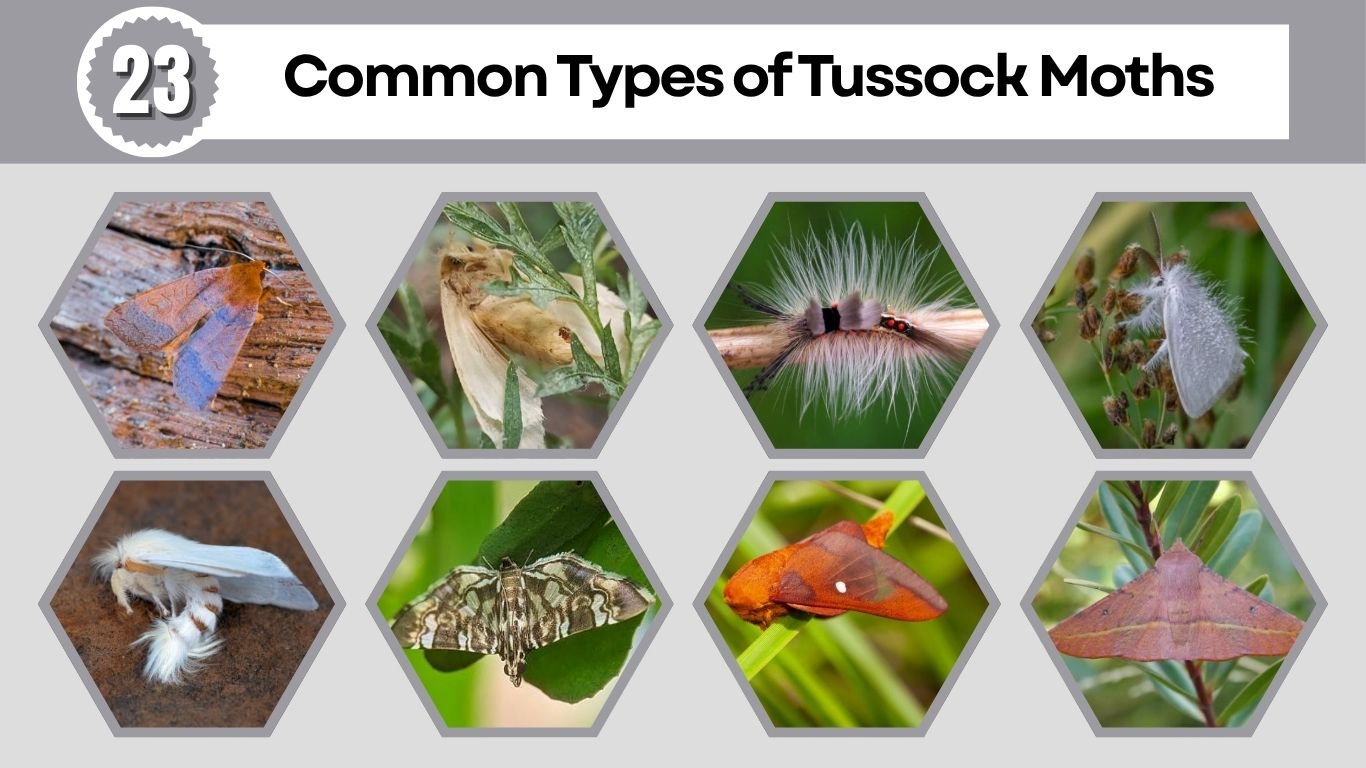
Tussock moths are a fascinating group of insects known for their hairy caterpillars and unique life cycles. Belonging to the family Erebidae, these moths are widely distributed across forests, gardens, and urban areas around the world. Their larvae are especially recognizable due to their colorful tufts of hair, which often serve as a defense against predators. While some species are harmless, others can cause irritation or even affect trees through heavy feeding. In this guide, you’ll explore 23 common types of tussock moths, each with distinct features, habitats, and behaviors.
1. White-marked Tussock Moth
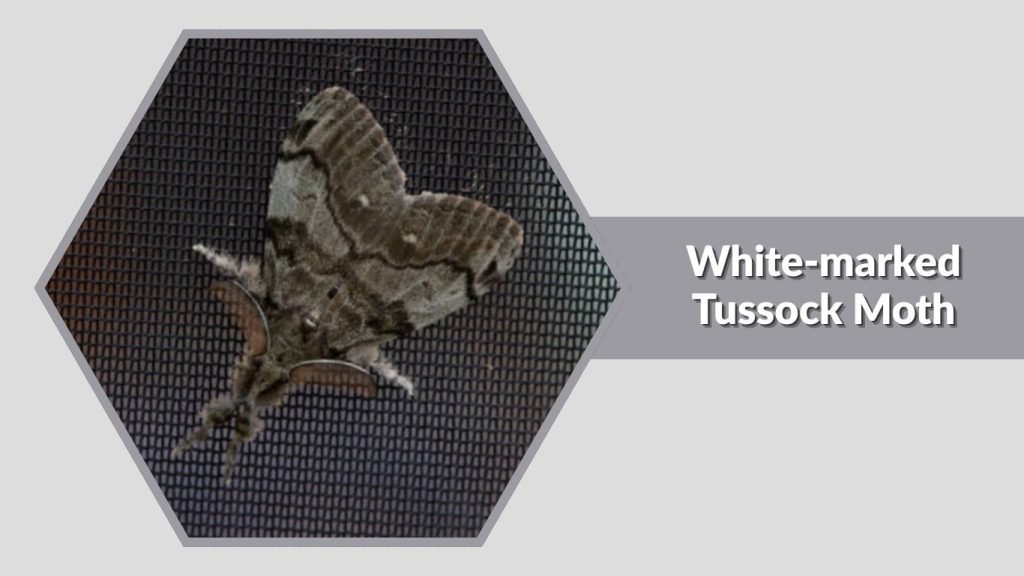
The White-marked Tussock Moth is one of the most recognizable tussock moths, known for its distinctive caterpillar and unique adult appearance. It is commonly found across North America and is often seen in gardens, forests, and urban areas. This species is notable for its tufted larvae and striking visual features.
Identification
- Adult males have grayish wings with wavy lines and a wingspan of about 25–35 mm
- Females are wingless, with a white or pale body and remain near the cocoon
- Caterpillars are highly distinctive with four white tufts (“tussocks”) on their back
- Bright red head and two long black hair “pencils” extending forward
- Additional tufts at the rear, often black or brown
- Overall hairy appearance, which can cause skin irritation if touched
Habitat
The White-marked Tussock Moth is commonly found in deciduous forests, woodlands, parks, and residential areas. It thrives in environments with a variety of trees and shrubs, including oak, maple, birch, and apple. This species adapts well to urban settings and is often seen in gardens and along roadsides. During the day, adults may rest on tree bark, walls, or nearby surfaces, while larvae are usually found feeding on leaves.
Behaviors
This moth is primarily nocturnal, with males flying at night in search of females. Females, being wingless, remain near their cocoon and release pheromones to attract males. The caterpillars are active feeders and may be seen crawling on leaves or branches during the day. Their bright coloration and hair tufts act as a warning to predators. When disturbed, larvae may raise their front and rear tufts as a defensive display.
Diet and Lifecycle
The lifecycle includes egg, larva, pupa, and adult stages. Females lay eggs on their own cocoon after mating. The caterpillars feed on a wide range of deciduous trees and shrubs, sometimes causing noticeable defoliation. After several growth stages, they spin a cocoon and pupate. Adults emerge later, with males flying to find females. There are typically one or two generations per year, depending on climate.
2. Rusty Tussock Moth
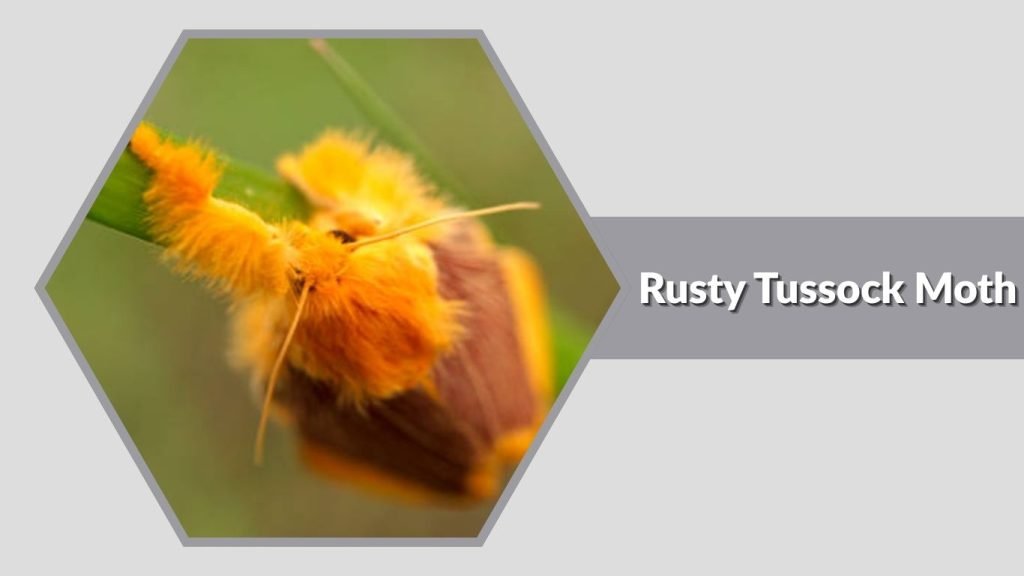
The Rusty Tussock Moth, also known as the Vapourer in some regions, is a small but distinctive tussock moth recognized for its tufted caterpillar and unusual adult characteristics. It is widely distributed across Europe, Asia, and North America, often found in a variety of habitats including gardens and woodlands.
Identification
- Adult males have rusty-brown wings with a wingspan of about 25–30 mm
- Females are wingless, with a grayish or brown body
- Caterpillars have four prominent yellowish or cream tussocks on their back
- Bright red or orange head with black markings
- Long black hair “pencils” at the front and rear
- Body covered in dense hairs, giving a fuzzy appearance
Habitat
The Rusty Tussock Moth is commonly found in woodlands, hedgerows, gardens, and urban areas. It prefers habitats with a variety of trees and shrubs such as oak, hawthorn, bramble, and fruit trees. This species is highly adaptable and can thrive in both natural and human-modified environments. Caterpillars are often seen feeding on leaves, while adults may rest on tree bark, fences, or walls during the day.
Behaviors
This moth is mostly active during late summer and autumn. Males are strong fliers and are often attracted to light at night, while females remain stationary near their cocoon and release pheromones to attract mates. The caterpillars are active feeders and may wander in search of food. Their bright colors and tufts serve as a warning to predators, and their hairs can cause mild irritation if touched.
Diet and Lifecycle
The lifecycle includes egg, larva, pupa, and adult stages. Females lay eggs on or near the cocoon after mating. Caterpillars feed on a wide range of plants, including trees, shrubs, and herbaceous vegetation. After several growth stages, they spin a cocoon and pupate. Adults emerge later, with males seeking out females for reproduction. There is typically one generation per year, though this may vary depending on climate.
3. Vapourer Moth
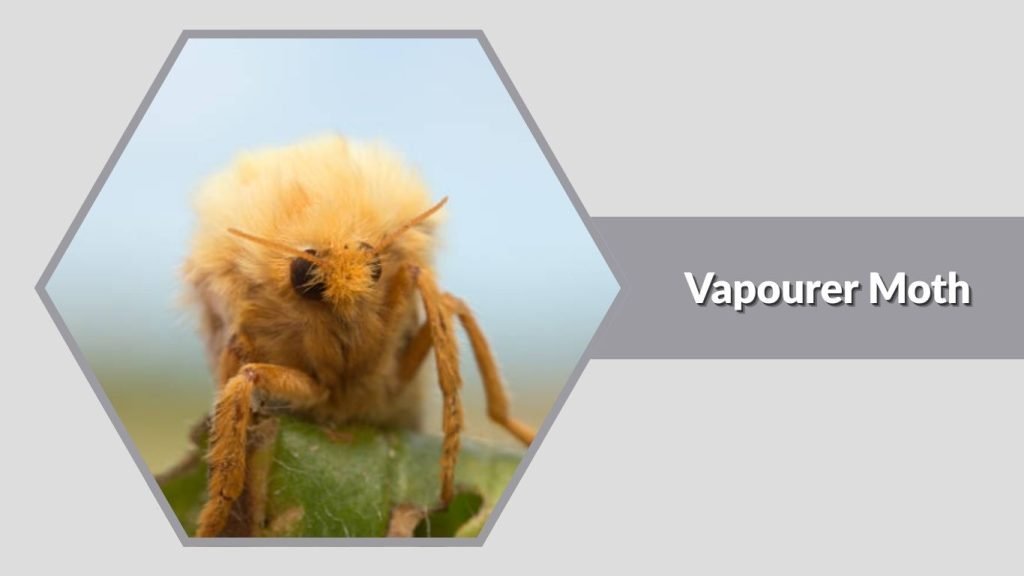
The Vapourer Moth is a well-known tussock moth recognized for its unique life cycle and striking caterpillar. It is widely distributed across Europe and parts of Asia and is commonly seen in gardens, hedgerows, and woodland areas. Its name comes from the fleeting appearance of the flying males.
Identification
- Adult males have brownish wings with a wingspan of about 25–30 mm
- Females are wingless, with a pale gray, rounded body
- Caterpillars have four pale yellow tussocks along the back
- Bright red or orange head with black markings
- Long black hair tufts at both ends of the body
- Dense hairs covering the body, giving a bristly look
Habitat
The Vapourer Moth is commonly found in woodlands, hedgerows, gardens, and urban areas. It thrives in places with a variety of plants, including shrubs and deciduous trees such as oak, hawthorn, and rose. This species adapts well to human environments and is often seen in parks and residential gardens. Caterpillars are usually found feeding on leaves, while adults rest on surfaces like tree bark or walls.
Behaviors
This moth is active mainly in late summer and early autumn. Males are active fliers during the day and can also be seen at dusk, searching for females. Females remain near their cocoons and release pheromones to attract males. Caterpillars are active feeders and may move around plants in search of food. Their bright colors and tufts help warn predators, while their hairs may cause irritation if touched.
Diet and Lifecycle
The lifecycle includes egg, larva, pupa, and adult stages. After mating, females lay eggs on their cocoon. The caterpillars feed on a wide range of plants, including trees, shrubs, and garden plants. They grow through several stages before spinning a cocoon to pupate. Adults emerge later, with males flying to find females. Typically, there is one generation per year, depending on environmental conditions.
4. Pale Tussock Moth
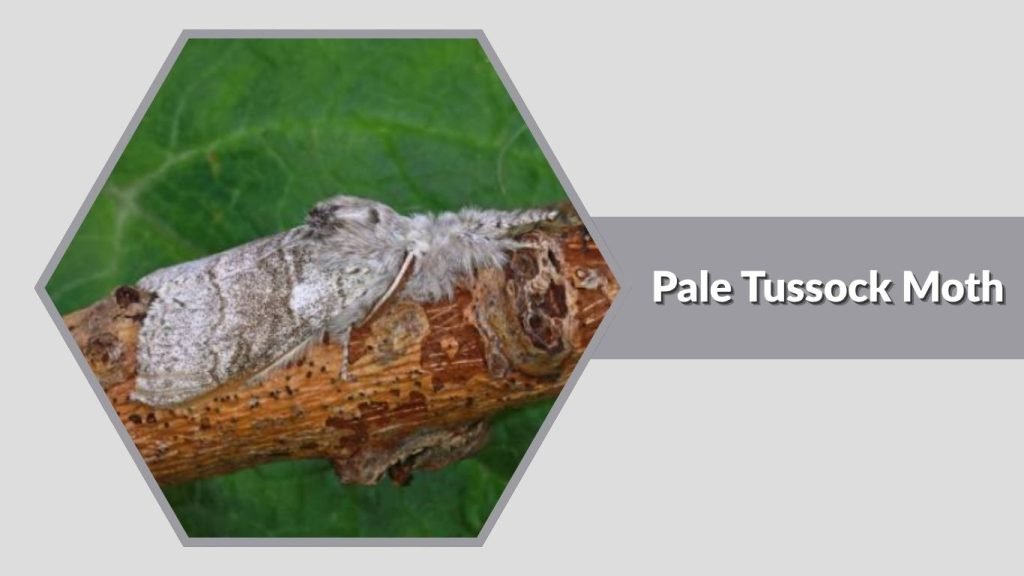
The Pale Tussock Moth is a distinctive species known for its fluffy appearance and striking caterpillar. It is commonly found across Europe and parts of Asia, often seen in woodlands, gardens, and urban areas. Both the adult moth and its larval stage are easily recognizable due to their unique features.
Identification
- Adult moths have pale gray or whitish wings with fine dark markings
- Wingspan typically ranges from 35–45 mm
- Body is thick and covered in soft, pale hairs
- Caterpillars have four pale yellow or cream tussocks on their back
- Bright orange or yellow tufts near the head and tail
- Dense hairs covering the body, which may cause irritation
Habitat
The Pale Tussock Moth is commonly found in deciduous woodlands, hedgerows, gardens, and parks. It prefers habitats with trees such as oak, beech, birch, and fruit trees, which provide food for its larvae. This species adapts well to suburban environments and is often seen in residential areas with vegetation. During the day, adults rest on tree trunks, leaves, or walls, while caterpillars are usually visible feeding on foliage.
Behaviors
This moth is mainly nocturnal, with adults becoming active at night and often attracted to artificial lights. Caterpillars are active during the day and are easily noticed due to their bright tufts and hairy bodies. These features act as a warning to predators. When threatened, larvae may raise their front and rear tufts as a defensive display. Adult moths are generally short-lived and focused on reproduction.
Diet and Lifecycle
The lifecycle includes egg, larva, pupa, and adult stages. Females lay eggs on leaves of host plants. Caterpillars feed on a variety of deciduous trees such as oak, birch, and beech. After several growth stages, they spin a cocoon and pupate, often on tree bark or nearby surfaces. Adults emerge later, typically in summer. There is usually one generation per year, depending on climate conditions.
5. Definite Tussock Moth
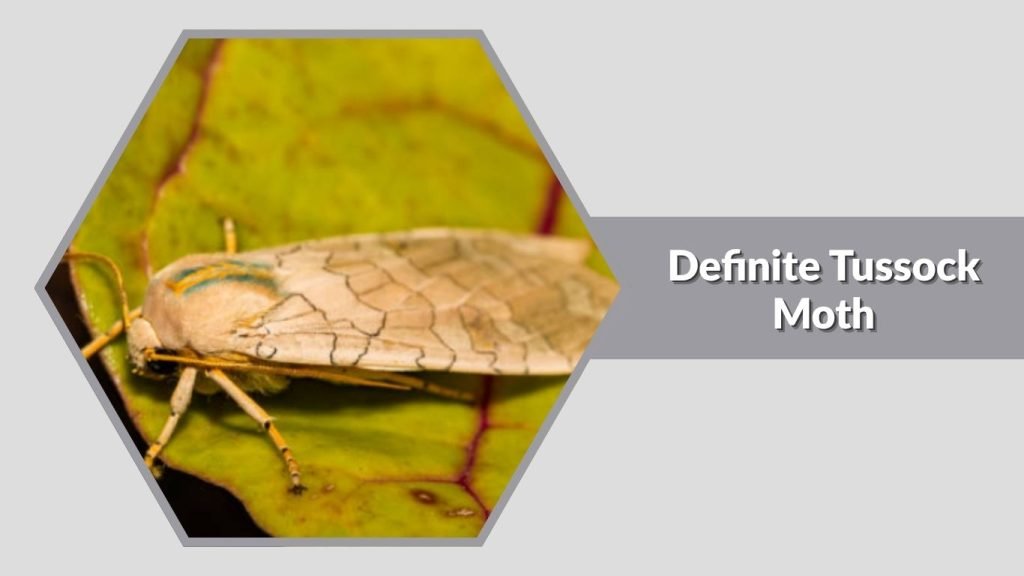
The Definite Tussock Moth is a small but distinctive species known for its clearly marked caterpillar and adaptable nature. It is commonly found across North America in a variety of habitats, including forests and suburban areas. Its name comes from the well-defined patterns seen on its larvae.
Identification
- Adult males have grayish-brown wings with subtle patterns
- Wingspan typically ranges from 25–35 mm
- Females are wingless, with a pale, rounded body
- Caterpillars have four light-colored tussocks on their back
- Bright red or orange head with contrasting black markings
- Long black hair tufts at the front and rear of the body
Habitat
The Definite Tussock Moth is commonly found in deciduous forests, woodlands, parks, and residential areas. It prefers environments with a variety of host plants such as oak, apple, maple, and other shrubs. This species adapts well to both natural and urban settings, often appearing in gardens and along roadsides. Caterpillars are typically found feeding on leaves, while adults rest on tree bark or nearby surfaces.
Behaviors
This moth is primarily nocturnal, with males flying at night in search of females. Females remain near their cocoon and release pheromones to attract males. Caterpillars are active feeders and may be seen during the day. Their bright coloration and hairy bodies serve as a warning to predators. When disturbed, they may raise their tufts as a defensive response.
Diet and Lifecycle
The lifecycle includes egg, larva, pupa, and adult stages. After mating, females lay eggs on or near the cocoon. Caterpillars feed on leaves of various deciduous trees and shrubs, growing through several stages. They then spin a cocoon and pupate. Adults emerge later, with males seeking females for reproduction. There is typically one generation per year, though this may vary depending on climate.
6. Hickory Tussock Moth
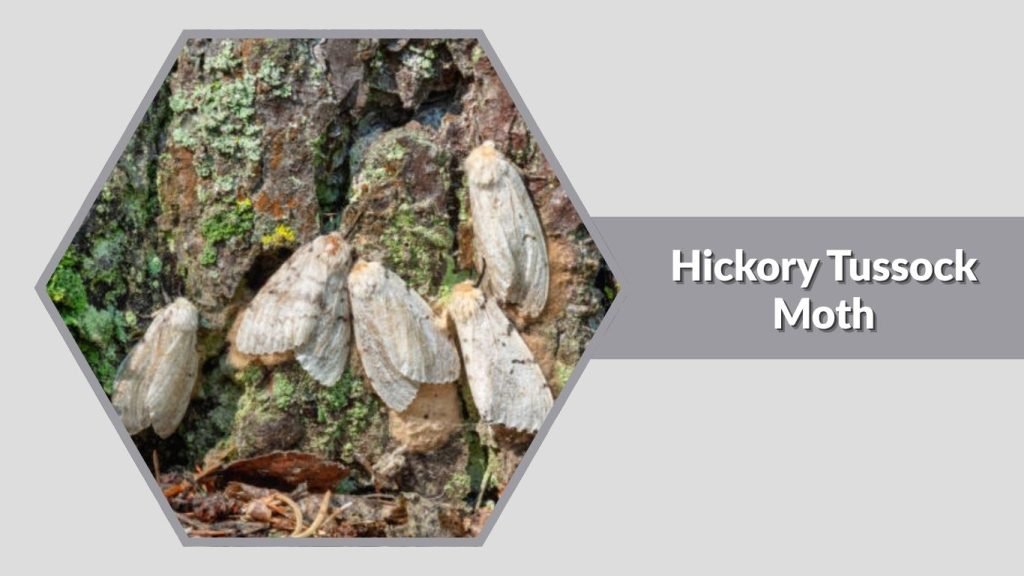
The Hickory Tussock Moth is a striking species best known for its bold black-and-white caterpillar. It is commonly found in North America, especially in wooded areas and suburban landscapes. Its hairy larvae are easily recognizable and often draw attention due to their contrasting colors.
Identification
- Adult moths have white wings with scattered black spots
- Wingspan typically ranges from 30–45 mm
- Body is white and fuzzy with black markings
- Caterpillars are covered in dense white hairs with a black stripe along the back
- Distinct black hair pencils at both ends of the body
- Hairy appearance may cause skin irritation if touched
Habitat
The Hickory Tussock Moth is commonly found in deciduous forests, woodlands, parks, and residential areas. It prefers habitats with trees such as hickory, walnut, oak, and ash, which serve as food sources for its larvae. This species adapts well to suburban environments and is often seen in gardens and along streets lined with trees. During the day, caterpillars are usually visible on leaves, while adults rest on tree bark or nearby surfaces.
Behaviors
This moth is primarily nocturnal, with adults becoming active at night and often attracted to light. Caterpillars are active during the day and are easily noticed due to their bold coloration. Their contrasting black-and-white pattern serves as a warning to predators. When disturbed, the larvae may curl up or remain still. Contact with their hairs can cause mild skin irritation in humans.
Diet and Lifecycle
The lifecycle includes egg, larva, pupa, and adult stages. Females lay eggs on the leaves of host trees. Caterpillars feed on foliage such as hickory, walnut, and oak, growing through several stages. After feeding, they spin cocoons and pupate, often in sheltered locations. Adults emerge later, usually in late summer. There is typically one generation per year, depending on environmental conditions.
7. Douglas-fir Tussock Moth
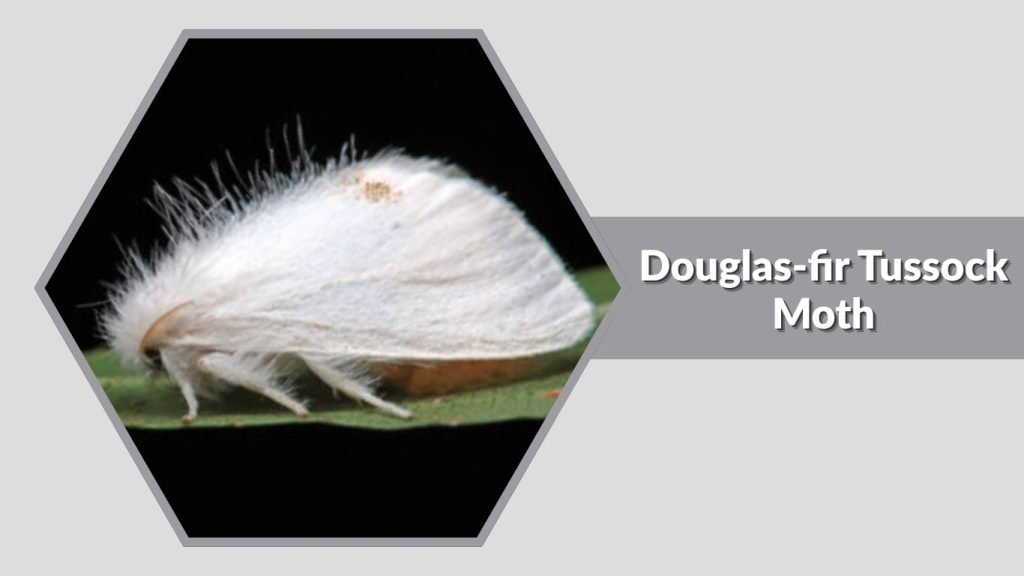
The Douglas-fir Tussock Moth is a well-known forest species, particularly in western North America. It is notable for its impact on coniferous forests, where large populations can cause significant defoliation. Its caterpillar is highly distinctive with bold colors and thick tufts.
Identification
- Adult males have grayish-brown wings with wavy patterns
- Wingspan typically ranges from 25–35 mm
- Females are wingless and remain near the cocoon
- Caterpillars have four dense white tussocks on their back
- Bright red head with orange or yellow markings
- Long black hair pencils extending from the front and rear
Habitat
The Douglas-fir Tussock Moth is commonly found in coniferous forests, especially those dominated by Douglas-fir, true firs, and spruce. It prefers mountainous and forested regions where these trees are abundant. This species is less common in urban areas and is mostly associated with natural forest ecosystems. Caterpillars are typically found feeding on needles, while adults rest on tree trunks or nearby surfaces.
Behaviors
This moth is primarily nocturnal, with males flying at night in search of females. Females remain near their cocoon and release pheromones to attract males. Caterpillars are active feeders and may be seen during the day. Their bright coloration and tufts serve as a warning to predators. In outbreak years, large numbers of larvae can strip trees of their needles, making this species important in forest ecology.
Diet and Lifecycle
The lifecycle includes egg, larva, pupa, and adult stages. Females lay eggs on tree bark or near their cocoon. Caterpillars feed mainly on the needles of Douglas-fir and other conifers. After several growth stages, they spin cocoons on branches or bark and pupate. Adults emerge later, with males seeking females for reproduction. There is typically one generation per year, though population cycles can vary.
8. Satin Moth
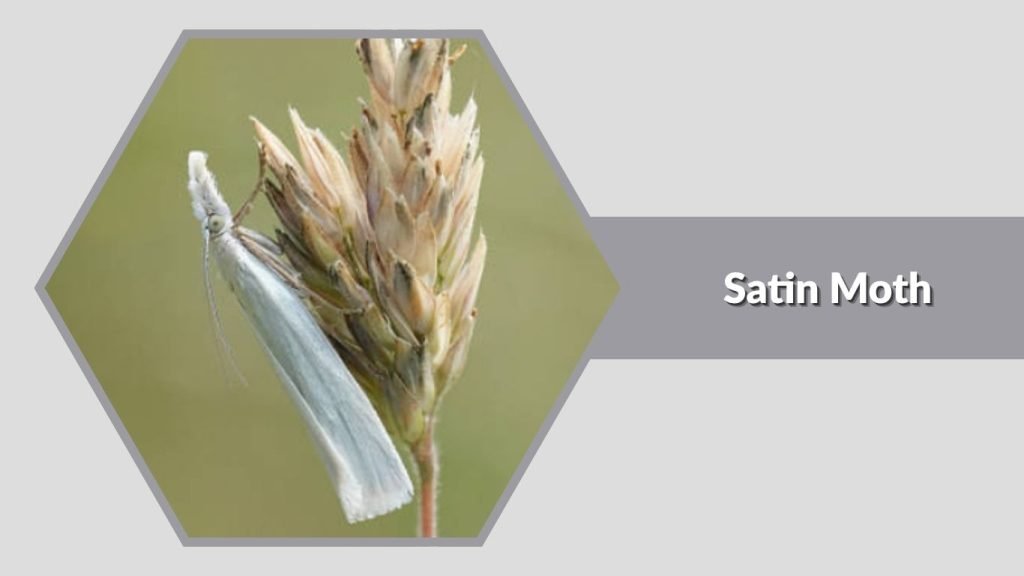
The Satin Moth is a smooth, white tussock moth known for its silky appearance and association with poplar and willow trees. It is found across Europe, Asia, and parts of North America. Its clean, pale look makes it stand out compared to many other tussock moths.
Identification
- Adult moths have pure white, satin-like wings
- Wingspan typically ranges from 30–45 mm
- Body is white and covered with fine, silky hairs
- Antennae are feathery, especially in males
- Caterpillars are dark with lighter markings and fine hairs
- Overall appearance is smooth and less tufted than other tussock species
Habitat
The Satin Moth is commonly found in woodlands, riverbanks, parks, and urban areas where poplar and willow trees grow. It prefers moist environments and is often associated with water-adjacent habitats. This species adapts well to suburban landscapes and can be seen resting on tree trunks, walls, or nearby surfaces during the day. Its presence is closely linked to the availability of its host trees.
Behaviors
This moth is primarily nocturnal and becomes active at night. It is attracted to artificial lights and may be seen around lamps and buildings. During the day, it rests quietly, relying on its pale coloration for camouflage. Caterpillars are active feeders and may be seen on leaves. In some cases, large populations can cause noticeable defoliation of host trees.
Diet and Lifecycle
The lifecycle includes egg, larva, pupa, and adult stages. Females lay eggs on the bark of host trees. Caterpillars feed mainly on poplar and willow leaves, growing through several stages. They may create silken shelters while feeding. After development, they pupate in cocoons attached to bark or hidden in crevices. Adults emerge later, typically in summer, and there is usually one generation per year.
9. Gypsy Moth
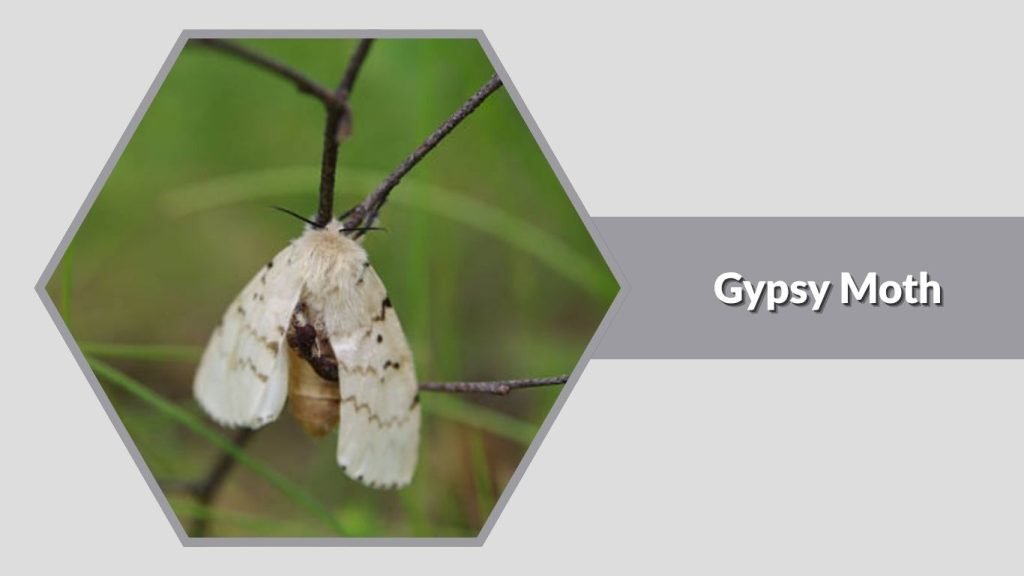
The Gypsy Moth is a well-known tussock moth recognized for its impact on forests and its widespread distribution. Native to Europe and Asia and introduced to North America, it is considered a major pest species due to the heavy feeding habits of its caterpillars.
Identification
- Adult males are brown with dark wavy markings and a wingspan of about 30–40 mm
- Adult females are larger, white with black markings, and have a wingspan of about 50–65 mm
- Females are poor fliers or mostly flightless in some regions
- Caterpillars are gray with pairs of blue and red spots along their back
- Body is covered with fine hairs
- Overall appearance is robust and hairy
Habitat
The Gypsy Moth is commonly found in forests, woodlands, parks, and suburban areas. It prefers habitats with deciduous trees such as oak, birch, and maple, which serve as primary food sources for its larvae. This species is highly adaptable and can thrive in both natural and urban environments. It is especially common in regions where large forested areas are present.
Behaviors
This moth is mainly nocturnal, with males actively flying at night in search of females. Females typically remain near where they emerge and release pheromones to attract males. Caterpillars are active feeders and can be seen during the day, especially in large numbers during outbreaks. They may disperse by “ballooning,” using silk threads to travel through the air to new areas.
Diet and Lifecycle
The lifecycle includes egg, larva, pupa, and adult stages. Females lay egg masses on tree bark, rocks, or man-made surfaces. Caterpillars hatch in spring and feed on leaves of many tree species, often causing heavy defoliation. After several growth stages, they pupate in sheltered locations. Adults emerge in summer, and there is typically one generation per year.
10. Nun Moth
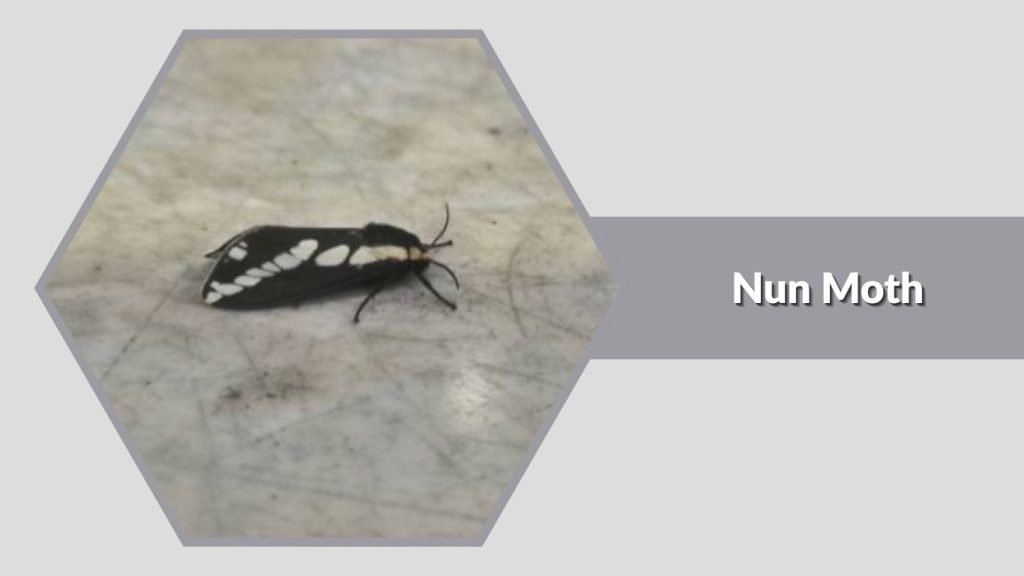
The Nun Moth is a forest-dwelling tussock moth known for its contrasting black-and-white wing pattern. It is native to Europe and Asia and is considered an important forest species, sometimes becoming a pest during population outbreaks. Its name comes from the resemblance of its wing pattern to traditional nun clothing.
Identification
- Adult moths have white wings with black zigzag or wavy markings
- Wingspan typically ranges from 40–55 mm
- Body is stout and covered with fine hairs
- Antennae are feathery, especially in males
- Caterpillars are dark with lighter stripes and fine hairs
- Overall appearance is bold and contrasting
Habitat
The Nun Moth is commonly found in coniferous and mixed forests, especially where pine and spruce trees are abundant. It prefers large forested areas but can also appear near woodland edges and plantations. This species is closely associated with tree-rich environments and is less common in urban areas. During the day, adults rest on tree trunks, blending with bark patterns.
Behaviors
This moth is primarily nocturnal and becomes active at night, often attracted to artificial lights. Males actively fly in search of females, while females may remain more stationary. Caterpillars are active feeders and may be seen during the day. In outbreak years, large numbers of larvae can cause significant defoliation in forests, making this species important in forestry management.
Diet and Lifecycle
The lifecycle includes egg, larva, pupa, and adult stages. Females lay eggs on tree bark. Caterpillars feed on needles of coniferous trees such as pine and spruce, though they may also feed on deciduous trees. After several growth stages, they pupate in sheltered locations on trees or nearby surfaces. Adults emerge later, usually in summer, with one generation per year.
11. Black Arches
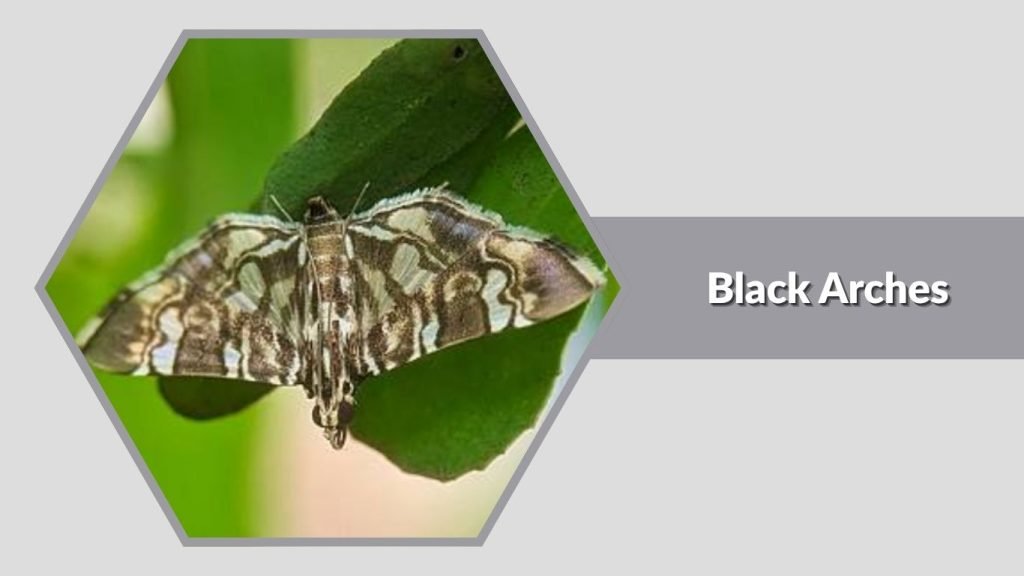
The Black Arches is a striking tussock moth known for its bold wing patterns and association with forest habitats. It is commonly found across Europe and Asia, particularly in areas with coniferous trees. This species is sometimes considered a forest pest due to the feeding habits of its caterpillars.
Identification
- Adult moths have white wings with bold black zigzag or arch-like patterns
- Wingspan typically ranges from 40–55 mm
- Body is stout and covered with fine hairs
- Antennae are feathery, especially in males
- Caterpillars are dark with lighter markings and hairy bodies
- Overall appearance is high-contrast and easily noticeable
Habitat
The Black Arches is commonly found in coniferous forests, especially those dominated by pine and spruce. It prefers dense woodland environments but may also be seen near forest edges and plantations. This species relies heavily on tree-rich habitats and is rarely found in urban areas. During the day, adults rest on tree trunks, where their patterned wings blend with bark.
Behaviors
This moth is primarily nocturnal and becomes active at night. It is often attracted to artificial lights. Males fly in search of females, while females may remain closer to their emergence site. Caterpillars are active feeders and may be seen during the day. In outbreak years, large populations can cause defoliation, making this species significant in forest ecosystems.
Diet and Lifecycle
The lifecycle includes egg, larva, pupa, and adult stages. Females lay eggs on tree bark. Caterpillars feed mainly on conifer needles such as pine and spruce, though they may also consume other foliage. After several growth stages, they pupate in sheltered areas on trees or nearby surfaces. Adults emerge in summer, and there is typically one generation per year.
12. White Satin Moth
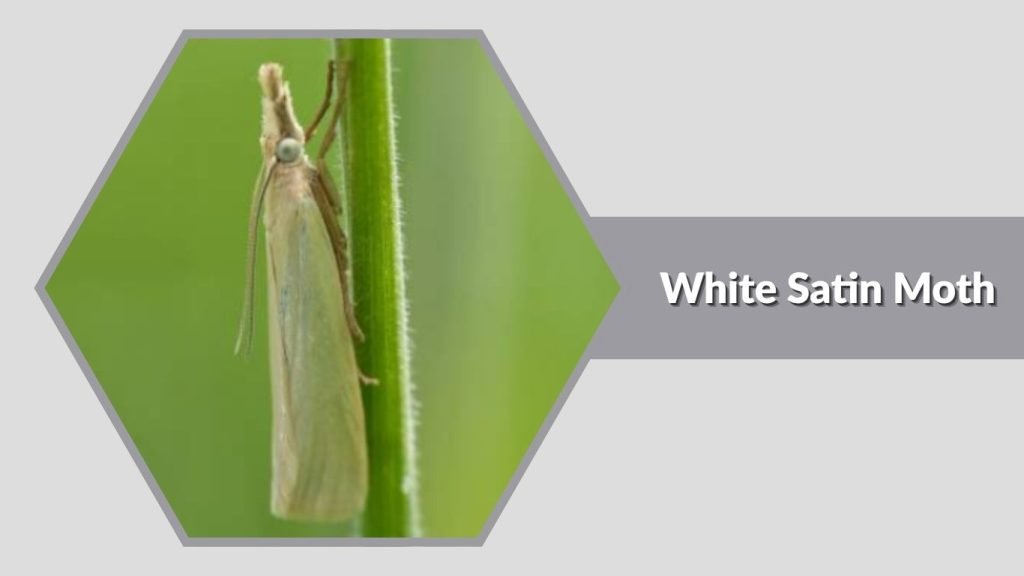
The White Satin Moth is a smooth, pale tussock moth admired for its silky white appearance. It is found across parts of Europe, Asia, and North America, often associated with trees like poplar and willow. Its clean, bright look makes it easy to recognize among other moth species.
Identification
- Adult moths have pure white, satin-like wings
- Wingspan typically ranges from 30–45 mm
- Body is white and covered with fine, silky hairs
- Antennae are feathery, especially in males
- Caterpillars are dark with lighter markings and fine hairs
- Overall appearance is soft, smooth, and lightly colored
Habitat
The White Satin Moth is commonly found in woodlands, riverbanks, parks, and urban areas where poplar and willow trees grow. It prefers moist environments and is often seen near water sources. This species adapts well to suburban landscapes and may rest on tree trunks, walls, or fences during the day. Its distribution is closely linked to the presence of its host trees.
Behaviors
This moth is primarily nocturnal and becomes active at night. It is attracted to artificial lights and may be seen around homes and streetlights. During the day, it rests quietly, relying on its pale coloration for camouflage. Caterpillars are active feeders and may be visible on leaves, especially in larger numbers.
Diet and Lifecycle
The lifecycle includes egg, larva, pupa, and adult stages. Females lay eggs on tree bark or leaves. Caterpillars feed mainly on poplar and willow leaves, growing through several stages. After feeding, they pupate in silken cocoons attached to bark or hidden in crevices. Adults emerge later, usually in summer, and there is typically one generation per year.
13. Yellow-tail Moth
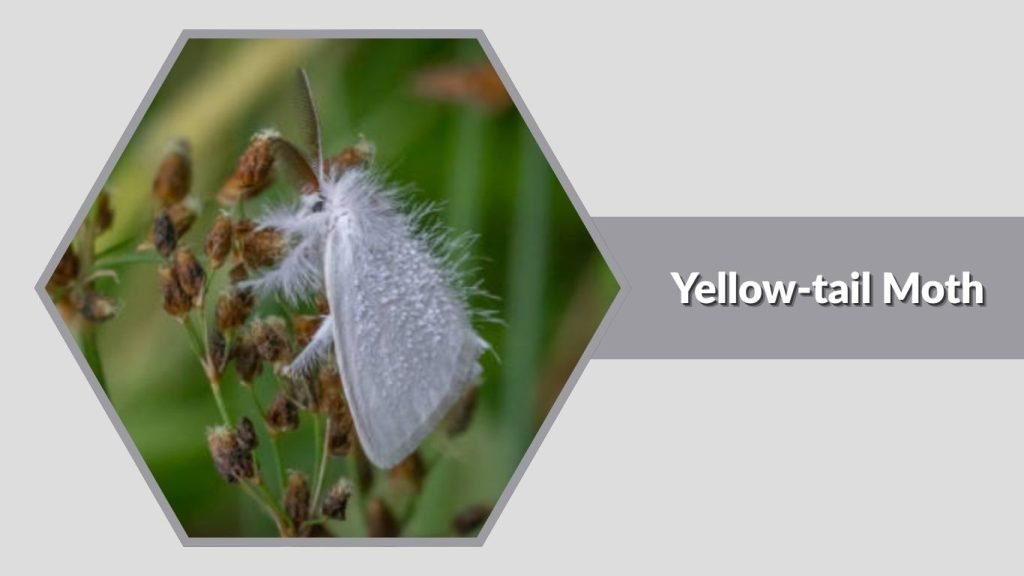
The Yellow-tail Moth is a well-known tussock moth recognized for the distinctive yellow tuft at the end of its abdomen. It is widely found across Europe and parts of Asia, often seen in coastal areas, gardens, and hedgerows. Its caterpillars are also notable for their dense hairs.
Identification
- Adult moths have bright white wings with a wingspan of about 35–45 mm
- Distinct yellow tuft at the tip of the abdomen
- Body is white and slightly fuzzy
- Antennae are feathery, especially in males
- Caterpillars are dark with brown and black markings
- Dense hairs on larvae can cause skin irritation
Habitat
The Yellow-tail Moth is commonly found in coastal regions, hedgerows, gardens, and open countryside. It prefers habitats with shrubs and low-growing plants such as hawthorn, blackthorn, and bramble. This species adapts well to both natural and suburban environments. During the day, adults rest on vegetation or nearby surfaces, while caterpillars are often seen feeding in groups on leaves.
Behaviors
This moth is mainly nocturnal and becomes active at night, often attracted to artificial lights. Caterpillars are social in early stages, feeding together and forming visible groups. Their hairy bodies act as a defense against predators. When disturbed, larvae may remain still or cluster together for protection.
Diet and Lifecycle
The lifecycle includes egg, larva, pupa, and adult stages. Females lay eggs on host plants, and the caterpillars feed on leaves of shrubs such as hawthorn and blackthorn. They grow through several stages, often overwintering as larvae. After feeding, they pupate in cocoons attached to plants or nearby surfaces. Adults emerge in summer, and there is typically one generation per year.
14. Brown-tail Moth
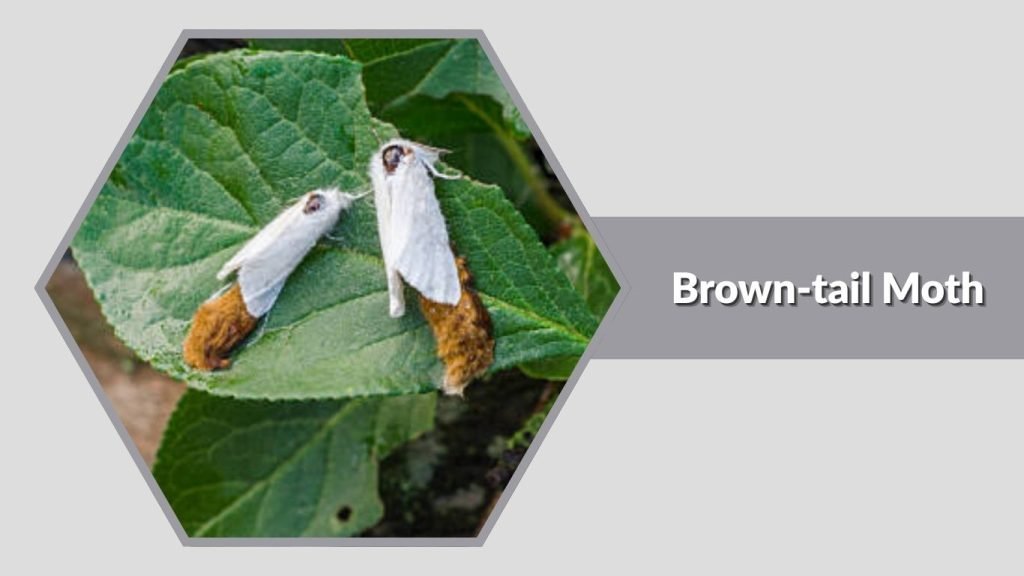
The Brown-tail Moth is a tussock moth known for its white wings and the distinctive brown tuft at the end of its abdomen. It is widely found in Europe and parts of North America and is often associated with coastal areas and shrub-rich habitats. Its caterpillars are also notable for their irritating hairs.
Identification
- Adult moths have white wings with a wingspan of about 30–40 mm
- Distinct brown tuft at the tip of the abdomen
- Body is white and slightly fuzzy
- Antennae are feathery, especially in males
- Caterpillars are dark with white side markings and covered in fine hairs
- Larval hairs can cause skin irritation or allergic reactions
Habitat
The Brown-tail Moth is commonly found in coastal regions, hedgerows, woodlands, and gardens. It prefers areas with shrubs such as hawthorn, blackthorn, and bramble, which provide food for its larvae. This species adapts well to both natural and suburban environments and is often seen in open countryside and near human settlements. During the day, adults rest on vegetation, while caterpillars are usually found feeding on leaves.
Behaviors
This moth is primarily nocturnal and becomes active at night, often attracted to artificial lights. Caterpillars are social during early stages, forming silken webs on host plants where they feed together. Their hairy bodies act as a defense mechanism against predators. When disturbed, larvae may remain still or retreat into their communal web.
Diet and Lifecycle
The lifecycle includes egg, larva, pupa, and adult stages. Females lay eggs on leaves, covering them with hairs from their abdomen. Caterpillars feed on leaves of shrubs and trees such as hawthorn and apple. They overwinter in silken nests and resume feeding in spring. After several growth stages, they pupate in cocoons. Adults emerge in summer, and there is typically one generation per year.
15. Pink-striped Oakworm Moth
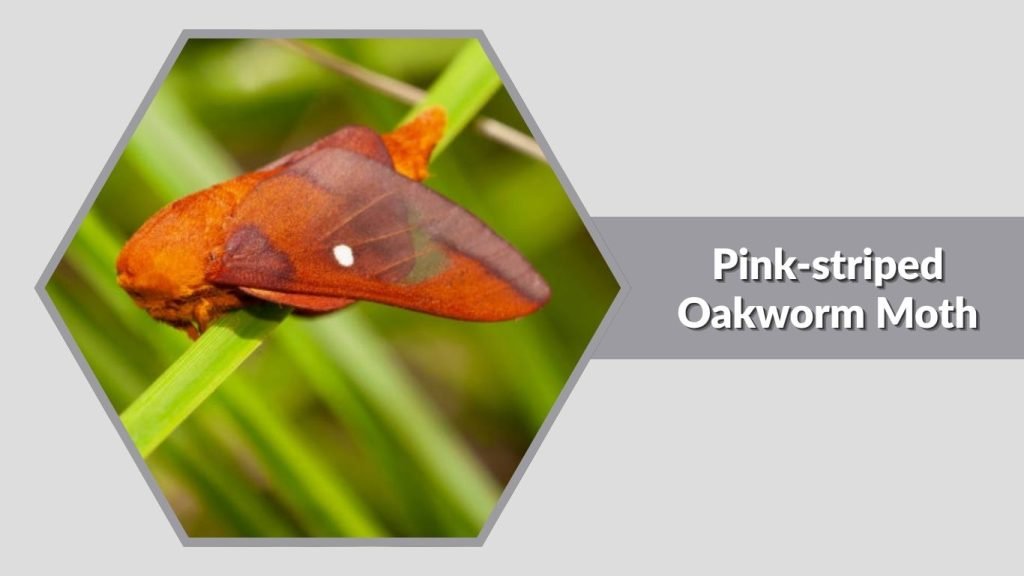
The Pink-striped Oakworm Moth is a colorful tussock moth known for its attractive caterpillar and association with oak trees. It is commonly found in North America, especially in forested areas and suburban landscapes. Its larval stage is often more noticeable than the adult moth.
Identification
- Adult moths have yellowish to orange wings with faint pinkish tones
- Wingspan typically ranges from 30–45 mm
- Body is stout and slightly fuzzy
- Antennae are feathery, especially in males
- Caterpillars are yellow with bright pink stripes running along the body
- Sparse hairs compared to other tussock moth caterpillars
Habitat
The Pink-striped Oakworm Moth is commonly found in deciduous forests, woodlands, parks, and residential areas with oak trees. It prefers habitats where oak is abundant, as this is the primary food source for its larvae. This species adapts well to suburban environments and is often seen in gardens and along tree-lined streets. During the day, adults rest on tree bark or nearby surfaces, while caterpillars feed openly on leaves.
Behaviors
This moth is primarily nocturnal, with adults becoming active at night and sometimes attracted to artificial lights. Caterpillars are active during the day and can often be seen feeding in groups. In some years, large populations may cause noticeable defoliation of oak trees. When disturbed, the larvae may curl slightly or remain still as a defense.
Diet and Lifecycle
The lifecycle includes egg, larva, pupa, and adult stages. Females lay eggs on oak leaves. Caterpillars feed mainly on oak foliage, growing through several stages. After feeding, they drop to the ground and pupate in the soil. Adults emerge later in the season, usually in summer. There is typically one generation per year, though this can vary depending on environmental conditions.
16. Fir Tussock Moth
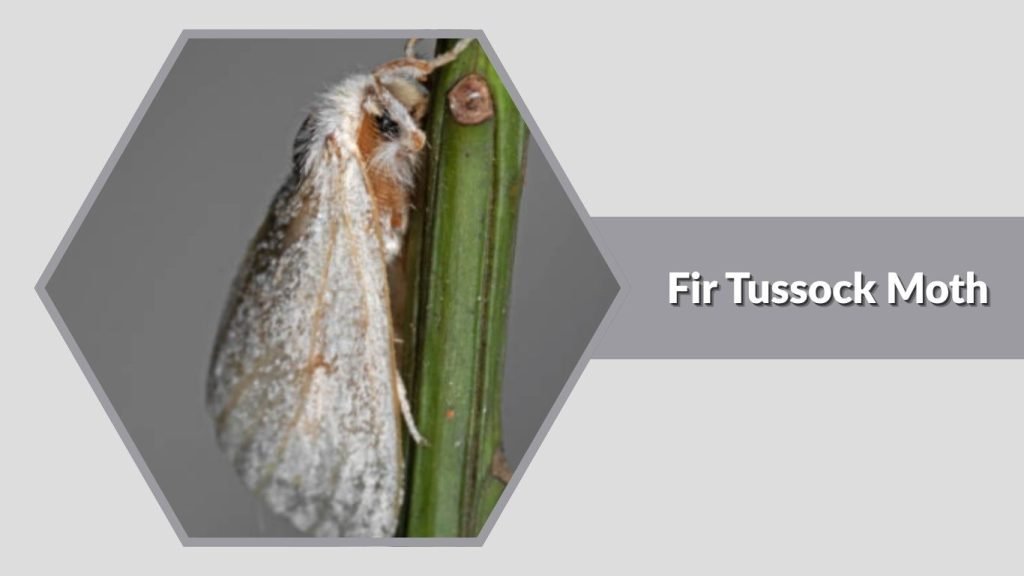
The Fir Tussock Moth is a forest-associated species known for its impact on coniferous trees. It is commonly found in North America, particularly in regions with fir and other evergreen trees. Its caterpillar is easily recognized by its colorful tufts and hairy body.
Identification
- Adult males have grayish-brown wings with subtle patterns
- Wingspan typically ranges from 25–35 mm
- Females are wingless and remain near the cocoon
- Caterpillars have four light-colored tussocks on their back
- Brightly colored head, often red or orange
- Long black hair tufts at both ends of the body
Habitat
The Fir Tussock Moth is commonly found in coniferous forests, especially where fir trees are abundant. It prefers mountainous and forested environments but may also occur in plantations. This species is closely tied to evergreen habitats and is rarely seen in urban areas. During the day, adults rest on tree bark, while caterpillars feed on needles.
Behaviors
This moth is primarily nocturnal, with males flying at night in search of females. Females remain near their cocoon and release pheromones to attract males. Caterpillars are active feeders and may be seen during the day. In outbreak years, large populations can defoliate trees, making this species important in forest ecology.
Diet and Lifecycle
The lifecycle includes egg, larva, pupa, and adult stages. Females lay eggs on tree bark or near their cocoon. Caterpillars feed mainly on fir needles and other conifers. After several growth stages, they spin cocoons on branches or bark and pupate. Adults emerge later, typically in summer. There is usually one generation per year, depending on environmental conditions.
17. Western Tussock Moth
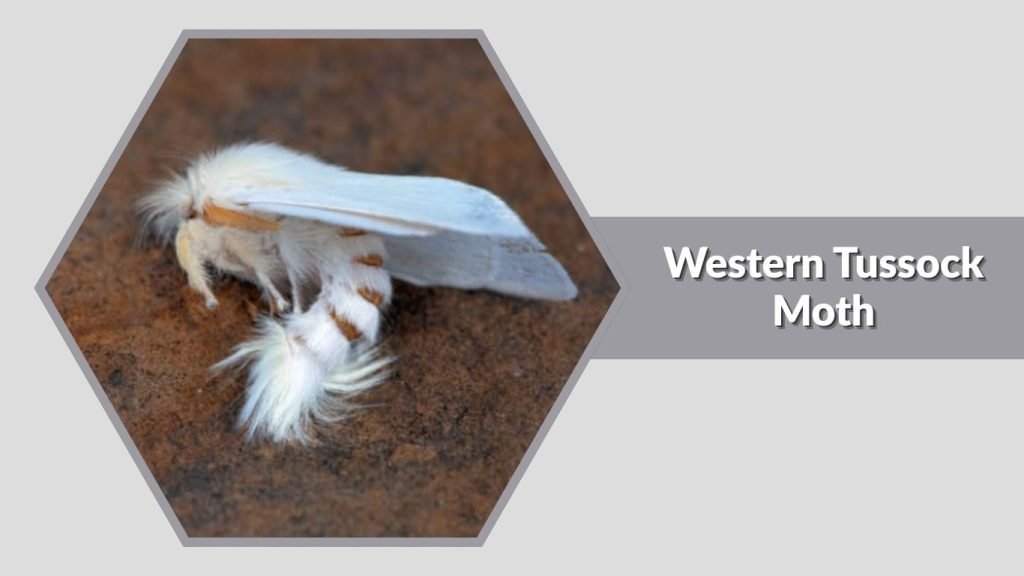
The Western Tussock Moth is a forest species commonly found in western regions of North America. It is known for its distinctive caterpillar with bright tufts and its association with coniferous trees. This moth plays a role in forest ecosystems and can occasionally reach high population levels.
Identification
- Adult males have gray to brown wings with faint markings
- Wingspan typically ranges from 25–35 mm
- Females are wingless and remain near their cocoon
- Caterpillars have four prominent white or yellow tussocks on their back
- Bright red or orange head with contrasting markings
- Long black hair tufts extending from both ends of the body
Habitat
The Western Tussock Moth is commonly found in coniferous forests, especially those with fir, spruce, and pine trees. It prefers mountainous and woodland environments where these trees are abundant. This species is rarely seen in urban areas and is closely tied to natural forest habitats. During the day, adults rest on tree bark, while caterpillars are usually found feeding on needles.
Behaviors
This moth is primarily nocturnal, with males flying at night in search of females. Females remain near their cocoon and release pheromones to attract mates. Caterpillars are active during the day and may be easily spotted due to their bright coloration. In outbreak years, large numbers of larvae can cause defoliation, making this species important in forest management.
Diet and Lifecycle
The lifecycle includes egg, larva, pupa, and adult stages. Females lay eggs on bark or near their cocoon. Caterpillars feed mainly on the needles of conifer trees such as fir and spruce. After several growth stages, they spin cocoons on branches or bark and pupate. Adults emerge later, usually in summer, and there is typically one generation per year.
18. Grey Dagger Tussock
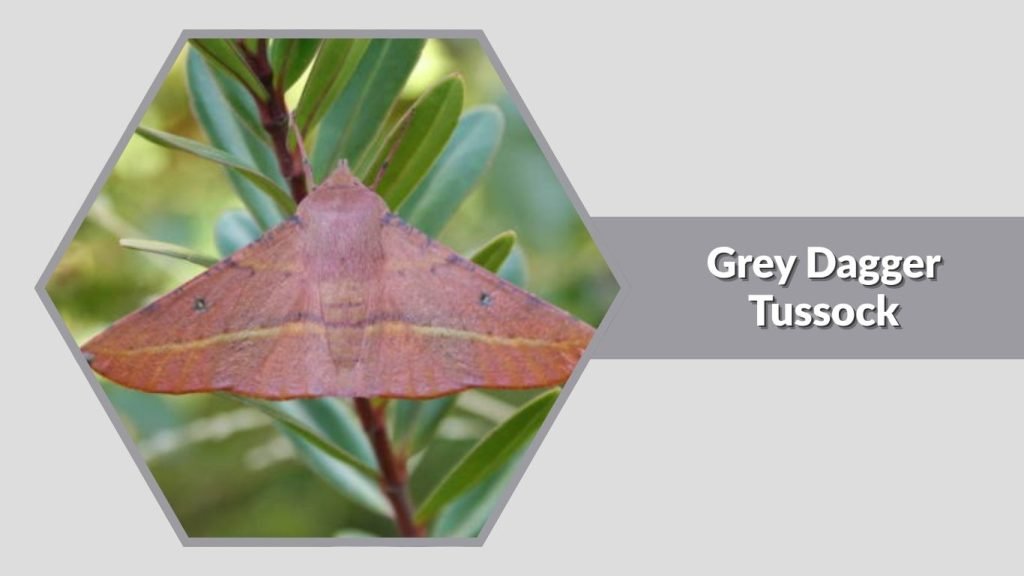
The Grey Dagger Tussock is a well-known tussock moth recognized for its striking caterpillar and association with deciduous trees. It is commonly found across Europe and parts of Asia, often seen in gardens, woodlands, and urban areas. Its larval stage is especially noticeable due to its bold markings.
Identification
- Adult moths have gray wings with darker dagger-like markings
- Wingspan typically ranges from 35–45 mm
- Body is gray and moderately hairy
- Antennae are feathery, especially in males
- Caterpillars are black with bright yellow stripes along the body
- Long black hair tufts and dense hairs covering the body
Habitat
The Grey Dagger Tussock is commonly found in deciduous woodlands, parks, gardens, and roadside vegetation. It prefers habitats with trees such as birch, oak, and hawthorn, which provide food for its larvae. This species adapts well to both natural and urban environments. During the day, adults rest on tree trunks or walls, while caterpillars are often visible feeding on leaves.
Behaviors
This moth is mainly nocturnal, becoming active at night and often attracted to artificial lights. Caterpillars are active during the day and are easily noticed due to their bright coloration. Their hairy bodies act as a defense against predators. When disturbed, larvae may remain still or curl slightly.
Diet and Lifecycle
The lifecycle includes egg, larva, pupa, and adult stages. Females lay eggs on leaves of host plants. Caterpillars feed on a variety of deciduous trees and shrubs, growing through several stages. After feeding, they pupate in cocoons attached to bark or hidden in sheltered areas. Adults emerge later, typically in summer, with one generation per year.
19. Spotted Tussock Moth
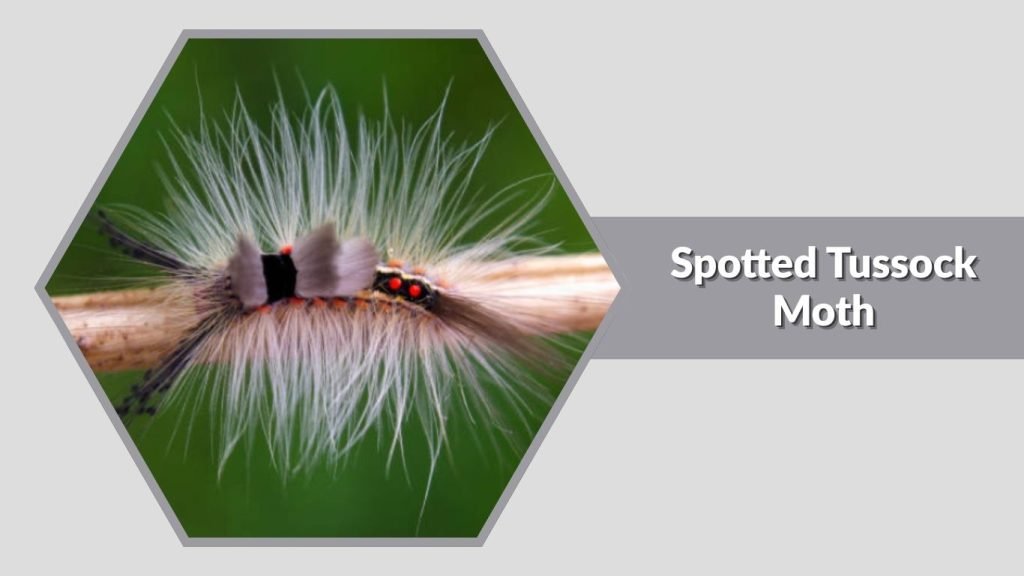
The Spotted Tussock Moth is a lesser-known tussock moth recognized for its patterned wings and hairy caterpillar. It is found in various regions with suitable vegetation and is often associated with forested or shrub-rich environments. Its subtle appearance helps it blend into its surroundings.
Identification
- Adult moths have light brown or gray wings with small dark spots
- Wingspan typically ranges from 30–40 mm
- Body is moderately stout and covered with fine hairs
- Antennae are feathery, especially in males
- Caterpillars have light-colored tussocks along their back
- Hairy body with contrasting darker markings
Habitat
The Spotted Tussock Moth is commonly found in woodlands, hedgerows, and areas with dense shrubs. It prefers habitats with a mix of trees and low vegetation that provide food for its larvae. This species may also appear in gardens and parks where suitable plants are available. During the day, adults rest on tree bark or leaves, blending in with their surroundings.
Behaviors
This moth is primarily nocturnal and becomes active at night. Males fly in search of females, while females tend to remain closer to their emergence site. Caterpillars are active feeders and may be seen during the day. Their hairy bodies act as a defense against predators, and they may remain still when disturbed.
Diet and Lifecycle
The lifecycle includes egg, larva, pupa, and adult stages. Females lay eggs on host plants. Caterpillars feed on leaves of various trees and shrubs, growing through several stages. After feeding, they spin cocoons and pupate in sheltered locations. Adults emerge later, typically in warmer months, and there is usually one generation per year depending on environmental conditions.
20. Orgyia leucostigma (White-marked Tussock)
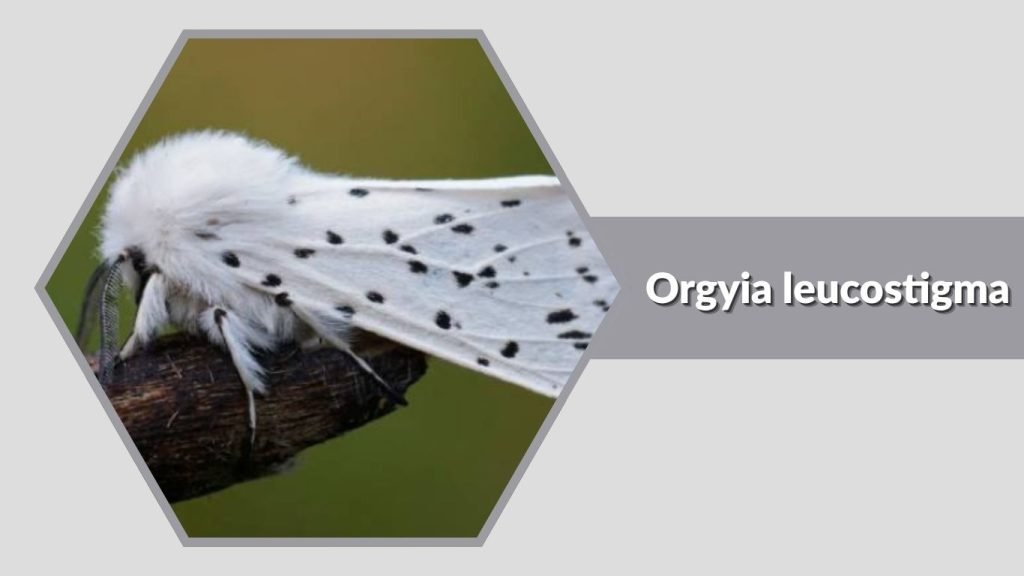
This is the scientific-name form of the White-marked Tussock Moth, a well-known species recognized for its distinctive caterpillar and unusual adult differences between males and females. It is widely found in North America and commonly seen in both natural and urban environments.
Identification
- Adult males have gray wings with wavy lines and a wingspan of about 25–35 mm
- Females are wingless, with a pale, rounded body
- Caterpillars have four white tussocks on their back
- Bright red head with long black hair pencils at both ends
- Dense hairs covering the body, which may cause irritation
- Overall appearance is highly distinctive and easy to recognize
Habitat
This species is commonly found in deciduous forests, parks, gardens, and residential areas. It thrives in habitats with trees such as oak, maple, birch, and fruit trees. Its adaptability allows it to live in both natural and human-altered environments. Caterpillars are often seen feeding on leaves, while adults rest on bark or nearby surfaces.
Behaviors
Males are nocturnal and fly in search of females, while females remain near their cocoon and release pheromones. Caterpillars are active during the day and use their bright coloration as a warning to predators. When disturbed, they may raise their hair tufts defensively.
Diet and Lifecycle
The lifecycle includes egg, larva, pupa, and adult stages. Eggs are laid on the female’s cocoon. Caterpillars feed on a wide variety of deciduous trees and shrubs. After several growth stages, they spin cocoons and pupate. Adults emerge later, with typically one or two generations per year depending on climate.
21. Orgyia antiqua (Vapourer)
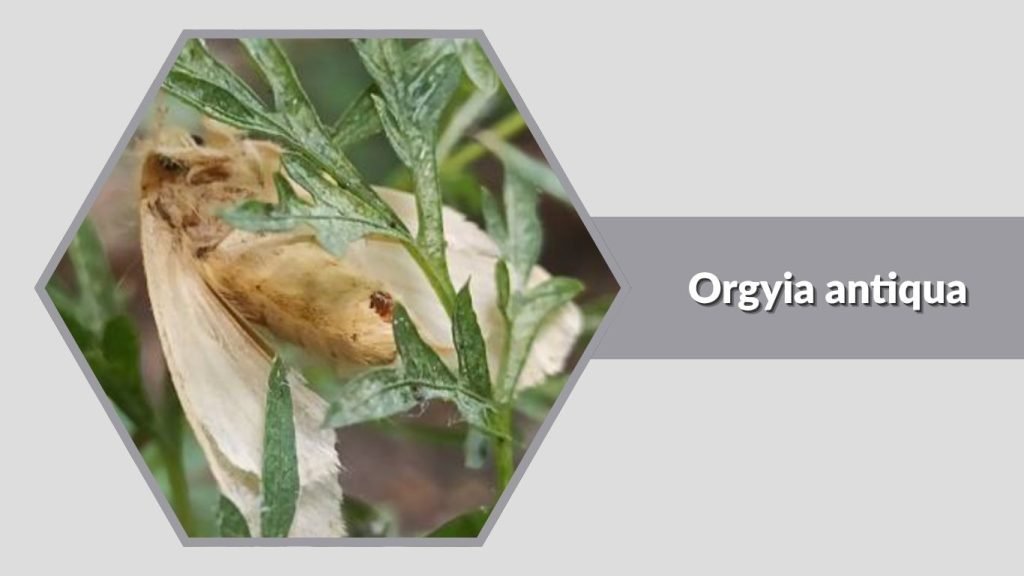
This is the scientific-name form of the Vapourer Moth, a well-known tussock moth recognized for its wingless females and distinctive caterpillars. It is widely distributed across Europe, Asia, and North America, commonly found in gardens and woodland areas.
Identification
- Adult males have brownish wings with a wingspan of about 25–30 mm
- Females are wingless, with a grayish, rounded body
- Caterpillars have four pale tussocks along the back
- Bright red or orange head with black markings
- Long black hair pencils at both ends of the body
- Dense hairs giving a bristly appearance
Habitat
This species is commonly found in woodlands, hedgerows, gardens, and urban environments. It prefers areas with a variety of shrubs and trees such as oak, hawthorn, and rose. Its adaptability allows it to thrive in both natural and suburban habitats. Caterpillars are often seen feeding on leaves, while adults rest on tree bark or nearby surfaces.
Behaviors
Males are active fliers, often seen during the day and at dusk searching for females. Females remain near their cocoon and release pheromones to attract mates. Caterpillars are active feeders and may move between plants. Their bright coloration and tufts act as a warning to predators.
Diet and Lifecycle
The lifecycle includes egg, larva, pupa, and adult stages. Females lay eggs on or near the cocoon. Caterpillars feed on a wide range of plants, including trees and shrubs. After several growth stages, they spin cocoons and pupate. Adults emerge later, usually with one generation per year depending on climate.
22. Orgyia detrita (Definite Tussock)
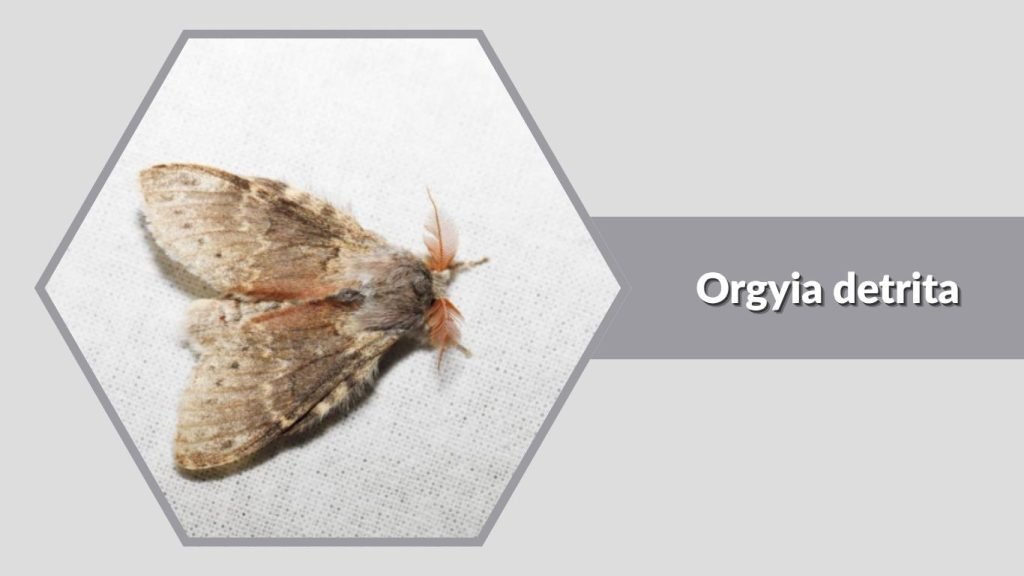
This is the scientific-name form of the Definite Tussock Moth, a small but recognizable species known for its tufted caterpillar and wide range of host plants. It is commonly found in North America, especially in wooded and suburban areas.
Identification
- Adult males have grayish-brown wings with subtle patterns
- Wingspan typically ranges from 25–35 mm
- Females are wingless, with a pale, rounded body
- Caterpillars have four light-colored tussocks on their back
- Bright red or orange head with black markings
- Long black hair tufts at both ends of the body
Habitat
This species is commonly found in deciduous forests, woodlands, parks, and residential areas. It prefers habitats with trees such as oak, apple, and other hardwood species. The moth adapts well to suburban environments and is often seen in gardens and along roadsides. Caterpillars are usually found feeding on leaves, while adults rest on bark or nearby surfaces.
Behaviors
Males are nocturnal and fly at night in search of females, while females remain near their cocoon and release pheromones. Caterpillars are active during the day and are often visible on leaves. Their hairy bodies act as a defense against predators and may cause irritation if touched.
Diet and Lifecycle
The lifecycle includes egg, larva, pupa, and adult stages. Females lay eggs on or near their cocoon. Caterpillars feed on leaves of various trees and shrubs, growing through several stages. After feeding, they spin cocoons and pupate. Adults emerge later, usually in warm months, with one generation per year depending on environmental conditions.
23. Orgyia leucostigma Form
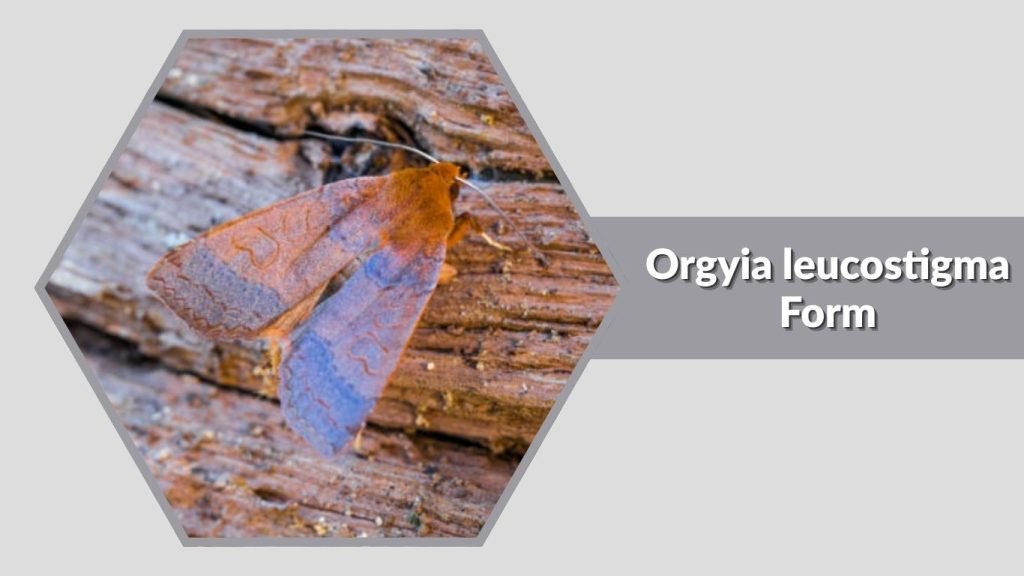
This refers to a variant or form of the White-marked Tussock Moth, showing slight differences in appearance while belonging to the same species group. It shares most characteristics with the typical White-marked Tussock but may vary in coloration or pattern intensity.
Identification
- Similar to White-marked Tussock Moth with grayish wings in males
- Wingspan typically ranges from 25–35 mm
- Females are wingless, with a pale, rounded body
- Caterpillars have four white tussocks along the back
- Red head and long black hair pencils at both ends
- Slight variation in color intensity or markings compared to the typical form
Habitat
This form is found in the same habitats as the White-marked Tussock Moth, including deciduous forests, gardens, parks, and suburban areas. It thrives in environments with a variety of trees such as oak, maple, and birch. Its adaptability allows it to survive in both natural and human-modified landscapes. Caterpillars are commonly seen feeding on leaves, while adults rest on tree bark or nearby surfaces.
Behaviors
Behavior is identical to the main species. Males are nocturnal and fly in search of females, while females remain near their cocoon and release pheromones. Caterpillars are active during the day and use their bright coloration as a warning to predators. Their hairs may cause mild irritation if touched.
Diet and Lifecycle
The lifecycle includes egg, larva, pupa, and adult stages. Eggs are laid on the female’s cocoon. Caterpillars feed on a wide range of deciduous trees and shrubs. After several growth stages, they spin cocoons and pupate. Adults emerge later, typically with one or two generations per year depending on environmental conditions.
FAQs
What are tussock moths known for?
Tussock moths are best known for their hairy caterpillars, which often have distinctive tufts or “tussocks” of hair on their backs. These caterpillars are usually brightly colored and may have defensive hairs that can irritate skin or deter predators.
Are tussock moth caterpillars dangerous?
Most tussock moth caterpillars are not dangerous, but their hairs can cause skin irritation, rashes, or allergic reactions in some people. It’s best to avoid touching them directly, especially species with dense or brightly colored hairs.
Where are tussock moths commonly found?
Tussock moths are found in forests, woodlands, gardens, and urban areas around the world. They prefer environments with plenty of trees and shrubs, which provide food for their larvae and shelter for adults.
What do tussock moth caterpillars eat?
Caterpillars feed mainly on the leaves of trees and shrubs such as oak, birch, maple, and conifers. Some species have a wide range of host plants, while others are more specialized. In large numbers, they can cause noticeable defoliation.
Why are some female tussock moths wingless?
In many tussock moth species, females are wingless to conserve energy. Instead of flying, they stay near their cocoon and release pheromones to attract males. This adaptation helps them focus energy on reproduction rather than movement.
