Hawk moths are among the most fascinating and powerful flying insects in the world, known for their speed, agility, and hummingbird-like hovering ability. Found across nearly every continent, these moths come in a wide variety of shapes, sizes, and colors. Some are active at night, while others can be seen during the day feeding on nectar from flowers. From the striking Elephant Hawk moth to the unique Clearwing species, each type has its own distinct features. In this guide, you’ll explore 35 common types of hawk moths found worldwide.
1. Elephant Hawk Moth
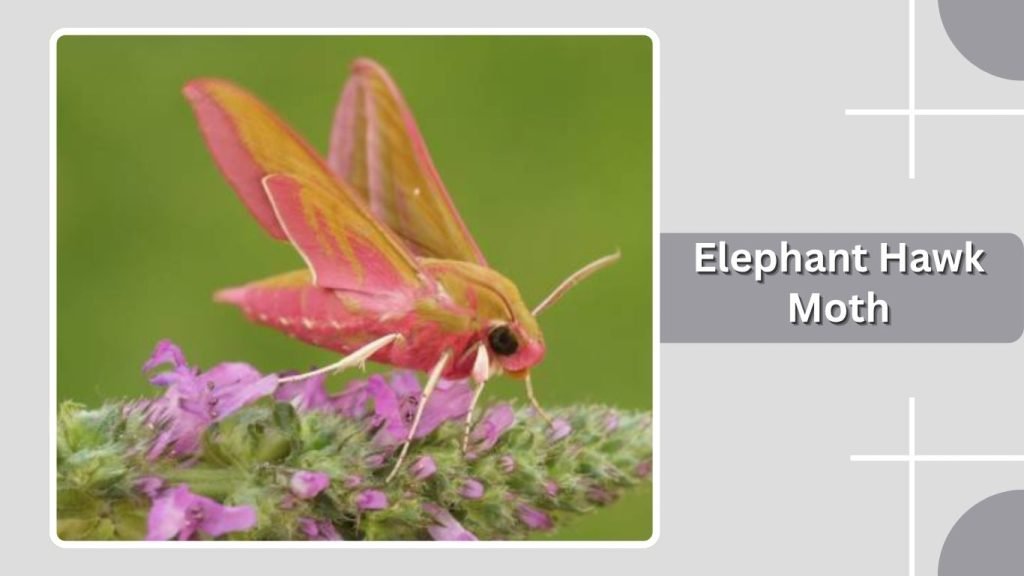
The Elephant Hawk moth is a striking and colorful hawk moth known for its pink and olive-green patterns. Native to Europe and parts of Asia, it gets its name from the caterpillar, which resembles an elephant’s trunk. This moth is admired for its beauty and active nighttime behavior.
Identification
- Wingspan typically ranges from 4.5–6 cm
- Bright pink and olive-green wing patterns
- Slender, streamlined body adapted for fast flight
- Long, pointed forewings with contrasting colors
- Caterpillar has a trunk-like appearance and eye spots
Habitat
Elephant Hawk moths are commonly found in gardens, woodlands, grasslands, and hedgerows. They prefer habitats with plenty of flowering plants and shrubs, which provide nectar sources for adults and food plants for caterpillars. Common host plants include willowherb and bedstraw. These moths can also be found in urban areas, especially where gardens and green spaces are available. During the day, they rest hidden among vegetation, blending in with their surroundings.
Behaviors
This moth is nocturnal and becomes active at dusk. It is known for its fast, hovering flight, similar to a hummingbird, allowing it to feed on nectar from flowers. It is often attracted to artificial lights at night. The caterpillar displays defensive behavior by retracting its head, enhancing its resemblance to a small snake or elephant trunk to scare predators.
Diet and Lifecycle
The lifecycle includes egg, larva, pupa, and adult stages. Caterpillars feed on plants such as willowherb and bedstraw, growing quickly while storing energy. Once mature, they pupate in the soil. Adult moths feed on nectar using a long proboscis, unlike many other moths. They live for several weeks, during which they focus on feeding and reproduction.
2. Small Elephant Hawk Moth
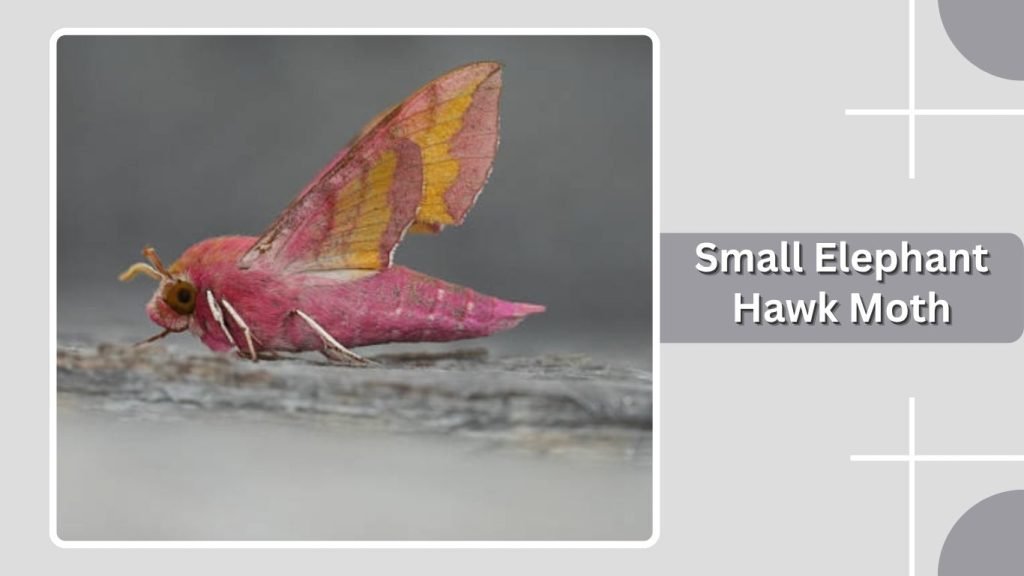
The Small Elephant Hawk moth is a smaller relative of the Elephant Hawk moth, known for its vibrant pink and green coloration. It is found across Europe and parts of Asia and is often seen in gardens and open habitats. Despite its smaller size, it is equally eye-catching and active at night.
Identification
- Wingspan typically ranges from 3.5–4.5 cm
- Bright pink and olive-green wing patterns, often more vivid than its larger relative
- Slender body with streamlined shape
- Shorter and more rounded wings compared to the Elephant Hawk moth
- Caterpillar also shows a trunk-like shape with subtle eye spots
Habitat
Small Elephant Hawk moths are commonly found in grasslands, heathlands, gardens, and woodland edges. They prefer open areas with plenty of low-growing plants. Common host plants include bedstraw and other small herbaceous plants. These moths can adapt well to human-altered environments, especially where gardens provide suitable vegetation. During the day, they rest close to the ground among plants, using their coloration for camouflage.
Behaviors
This moth is nocturnal and becomes active after sunset. It has a fast and agile flight, often hovering while feeding on nectar from flowers. It is sometimes attracted to artificial lights, making it visible in residential areas. The Small Elephant Hawk moth is active and energetic, frequently moving between flowers in search of nectar. Like its larger relative, its caterpillar uses defensive postures to avoid predators.
Diet and Lifecycle
The lifecycle includes egg, larva, pupa, and adult stages. Caterpillars feed on bedstraw and related plants, storing energy as they grow. After reaching full size, they pupate in the soil. Adult moths feed on nectar using a long proboscis and are active feeders throughout their lifespan. They typically live for several weeks, focusing on feeding and reproduction.
3. Hummingbird Hawk Moth
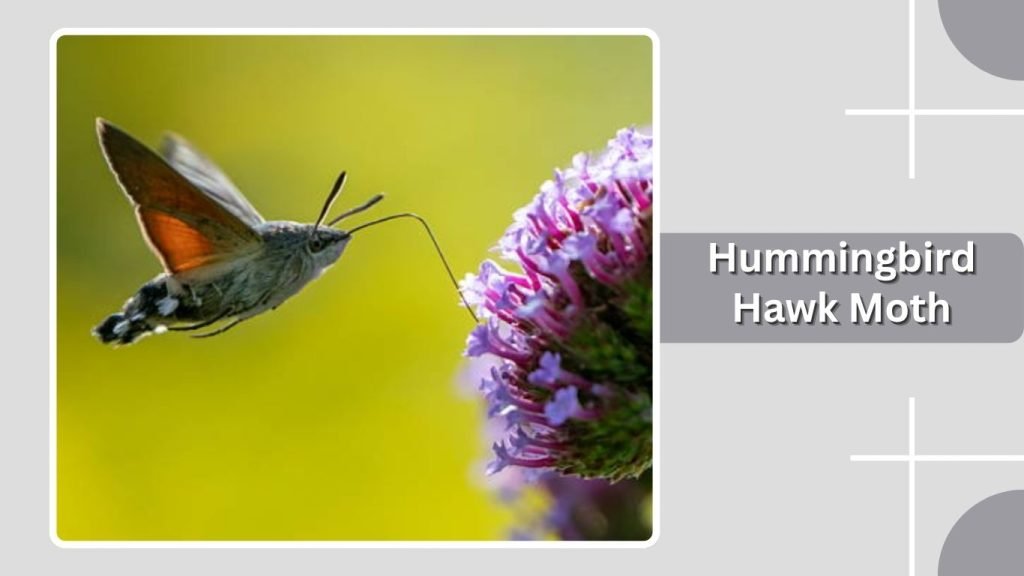
The Hummingbird Hawk moth is a fascinating species known for its bird-like behavior. It hovers in front of flowers while feeding, closely resembling a hummingbird. Found across Europe, Asia, and parts of Africa, it is one of the few moths that is active during the daytime.
Identification
- Wingspan typically ranges from 4–5 cm
- Grayish-brown forewings with orange hindwings
- Fast-beating wings that create a humming sound
- Long proboscis used for feeding on nectar
- Stout body with a fan-shaped tail
Habitat
Hummingbird Hawk moths are commonly found in gardens, meadows, woodland edges, and urban areas. They prefer habitats rich in flowering plants such as honeysuckle, lavender, and petunia. These moths are highly adaptable and can thrive in both natural and human-made environments. They are often seen in sunny areas where flowers are abundant, as they rely heavily on nectar sources.
Behaviors
Unlike many moths, this species is active during the day. It is famous for its ability to hover in front of flowers while feeding, much like a hummingbird. Its rapid wing movement allows it to remain stable in the air. It is not usually attracted to lights since it is diurnal. The moth is highly mobile and can travel long distances in search of food.
Diet and Lifecycle
The lifecycle includes egg, larva, pupa, and adult stages. Caterpillars feed on plants such as bedstraw and other herbaceous species. Once fully grown, they pupate in sheltered areas or on the ground. Adult moths actively feed on nectar using their long proboscis, which allows them to access deep flowers. They live for several weeks, during which they focus on feeding and reproduction.
4. Oleander Hawk Moth
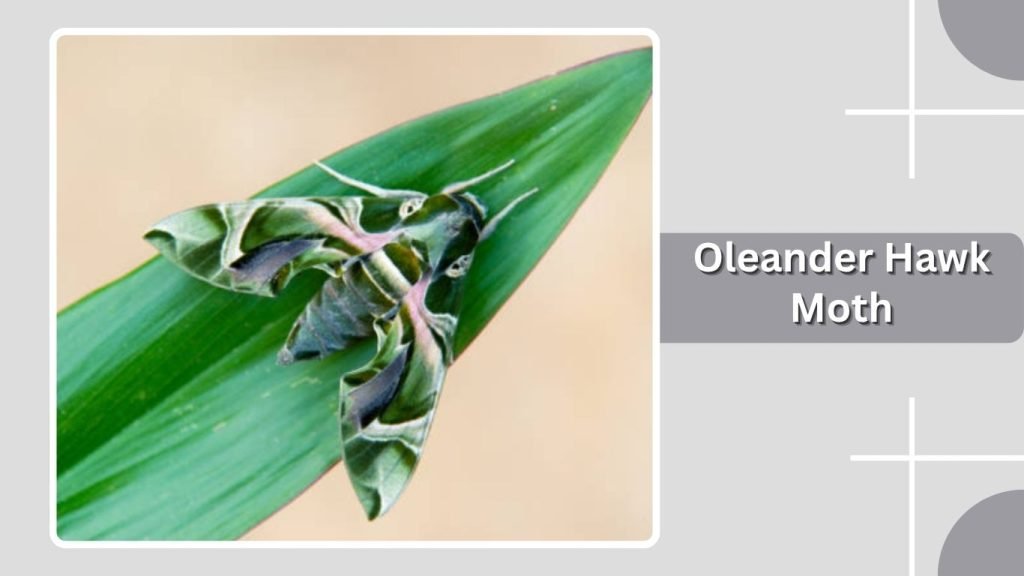
The Oleander Hawk moth is a large and beautifully patterned species known for its green and pink camouflage. Native to Africa, Asia, and parts of Europe, it is often associated with warm climates. This moth is admired for its striking appearance and strong flying ability.
Identification
- Wingspan typically ranges from 8–12 cm
- Green wings with pink, white, and black patterns
- Streamlined body built for fast flight
- Long, narrow forewings with intricate markings
- Large eyes and a strong, pointed abdomen
Habitat
Oleander Hawk moths are commonly found in gardens, coastal areas, woodlands, and urban environments in warm regions. They prefer habitats where oleander plants grow, as these are the primary host plants for their caterpillars. These moths are highly adaptable and can be found in both natural and cultivated landscapes. During the day, they rest on foliage where their green coloration helps them blend into leaves.
Behaviors
This moth is mostly nocturnal and becomes active at night, although it may sometimes be seen at dusk. It is a strong and fast flier, capable of traveling long distances. Oleander Hawk moths are often attracted to artificial lights. They hover while feeding on nectar, using their long proboscis to reach deep flowers. Their camouflage helps them avoid predators during rest.
Diet and Lifecycle
The lifecycle includes egg, larva, pupa, and adult stages. Caterpillars feed mainly on oleander plants and are known for their bright coloration. After growing, they pupate in the soil or among leaf litter. Adult moths feed on nectar from a variety of flowers. They live for several weeks, during which they focus on feeding and reproduction.
5. White-lined Sphinx Moth
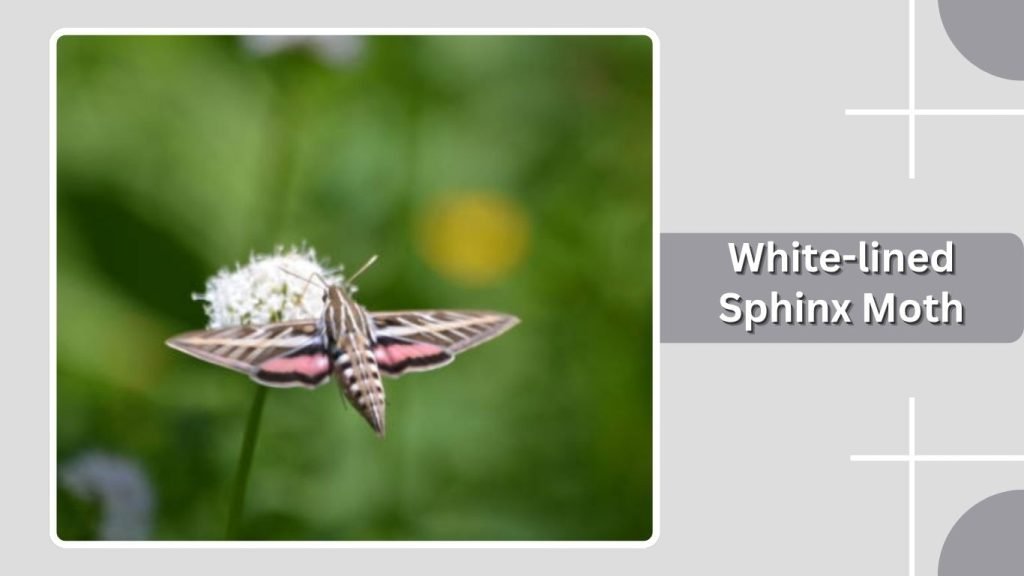
The White-lined Sphinx moth is a widespread and highly adaptable hawk moth found across North and Central America. It is often mistaken for a hummingbird due to its fast, hovering flight while feeding on flowers. This moth is known for its bold markings and active behavior.
Identification
- Wingspan typically ranges from 5–7 cm
- Brown forewings with distinct white stripes
- Pink and black bands visible on the hindwings
- Thick, streamlined body suited for rapid flight
- Long proboscis used for feeding on nectar
Habitat
White-lined Sphinx moths are found in a wide range of habitats, including deserts, gardens, grasslands, and urban areas. They are highly adaptable and can thrive in both dry and moist environments. Host plants for caterpillars include a variety of species such as evening primrose and grape. These moths are commonly seen in areas with abundant flowering plants, where they can easily find nectar.
Behaviors
This moth is active during both day and night, making it somewhat unusual among hawk moths. It is frequently seen hovering in front of flowers, much like a hummingbird. It is also attracted to artificial lights at night. The White-lined Sphinx moth is a strong and fast flier, capable of traveling long distances in search of food and suitable habitats.
Diet and Lifecycle
The lifecycle includes egg, larva, pupa, and adult stages. Caterpillars feed on a wide variety of plants, allowing them to adapt to different environments. After reaching full size, they pupate in the soil. Adult moths feed on nectar using their long proboscis and are active feeders throughout their lifespan. They live for several weeks, focusing on feeding and reproduction.
6. Rustic Sphinx Moth
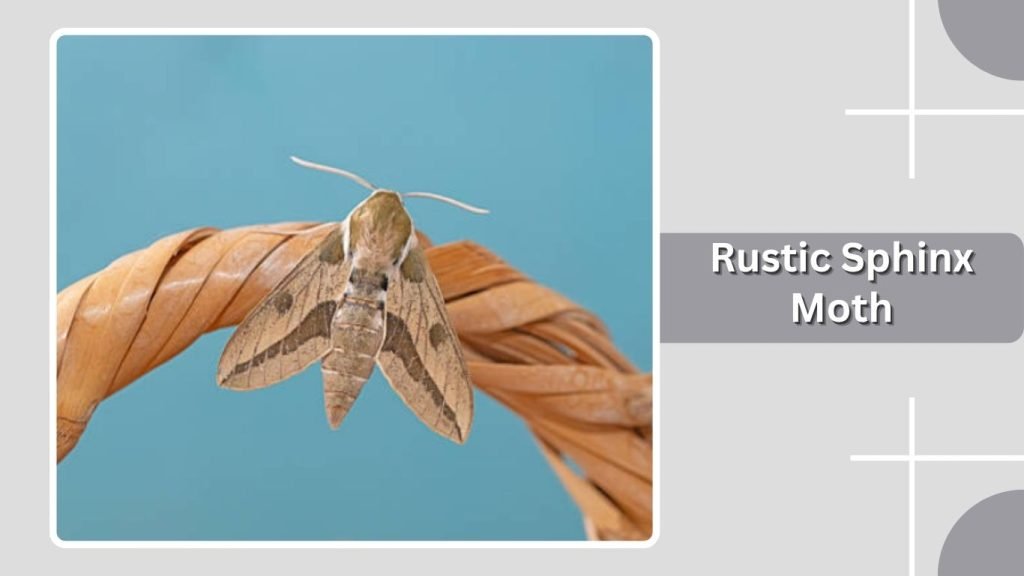
The Rustic Sphinx moth is a large and robust hawk moth known for its earthy coloration and strong flight. It is found in parts of North and South America and is well adapted to blending into natural surroundings. This moth is often overlooked due to its camouflage but is an important part of its ecosystem.
Identification
- Wingspan typically ranges from 8–10 cm
- Brown and gray mottled wings with subtle patterns
- Stout, streamlined body built for powerful flight
- Narrow forewings with a slightly pointed shape
- Long proboscis used for feeding on nectar
Habitat
Rustic Sphinx moths are commonly found in forests, woodlands, grasslands, and rural areas. They prefer habitats with a mix of shrubs and trees that support both adult feeding and caterpillar development. Host plants include various vines and shrubs depending on the region. During the day, they rest on tree bark or dry vegetation, where their brown coloration helps them blend in effectively. They can also be found near gardens and natural landscapes with flowering plants.
Behaviors
This moth is primarily nocturnal and becomes active after sunset. It is a strong flier and can cover considerable distances while searching for food or mates. Rustic Sphinx moths are often attracted to artificial lights at night. They hover while feeding on nectar, using their long proboscis to access deep flowers. Their camouflage provides protection from predators during the day.
Diet and Lifecycle
The lifecycle includes egg, larva, pupa, and adult stages. Caterpillars feed on host plants such as vines and shrubs, storing energy for development. Once fully grown, they pupate in the soil or leaf litter. Adult moths feed on nectar from a variety of flowers and are active feeders throughout their lifespan. They typically live for several weeks, focusing on feeding and reproduction.
7. Pandorus Sphinx Moth
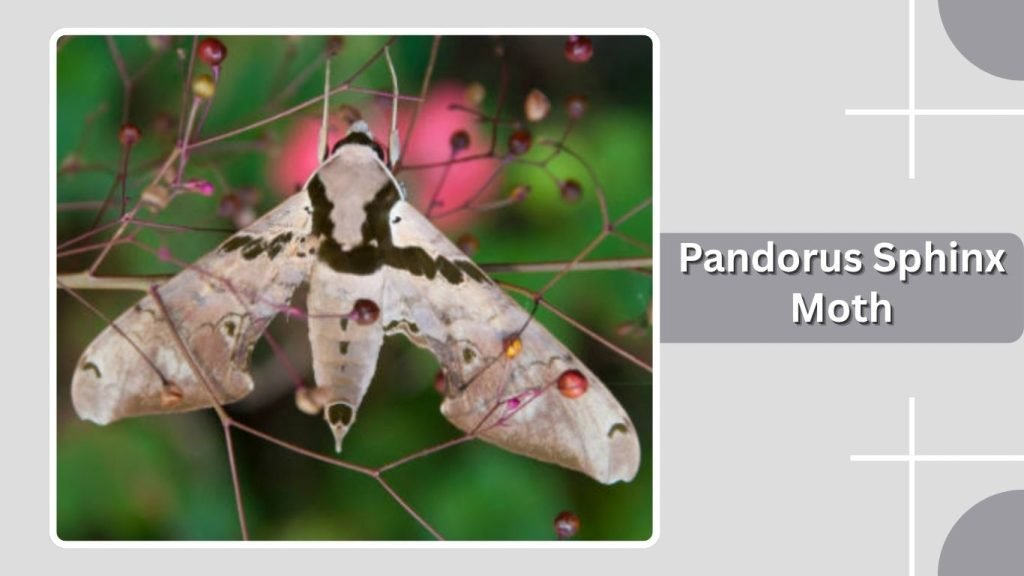
The Pandorus Sphinx moth is a large and colorful hawk moth known for its olive-green and tan patterns. Native to North America, it is often seen in gardens and vineyards. This moth is admired for its bold appearance and strong flying ability.
Identification
- Wingspan typically ranges from 7–10 cm
- Olive-green wings with tan and dark patches
- Hindwings show pink and blue markings
- Stout, streamlined body built for fast flight
- Long proboscis used for feeding on nectar
Habitat
Pandorus Sphinx moths are commonly found in forests, woodlands, gardens, and vineyards across North America. They prefer habitats where grapevines and Virginia creeper grow, as these are the primary host plants for their caterpillars. These moths are often seen resting on tree trunks or foliage during the day, blending into their surroundings. They can also be found in suburban areas where suitable plants are available.
Behaviors
This moth is nocturnal and becomes active at night. It is a strong and fast flier, capable of covering large distances. Pandorus Sphinx moths are often attracted to artificial lights. They hover while feeding on nectar from flowers, using their long proboscis. Their coloration helps them remain hidden from predators during the day.
Diet and Lifecycle
The lifecycle includes egg, larva, pupa, and adult stages. Caterpillars feed on grapevines and related plants, storing energy as they grow. Once mature, they pupate in the soil. Adult moths feed on nectar from various flowers and are active feeders. They live for several weeks, focusing on feeding and reproduction.
8. Achemon Sphinx Moth
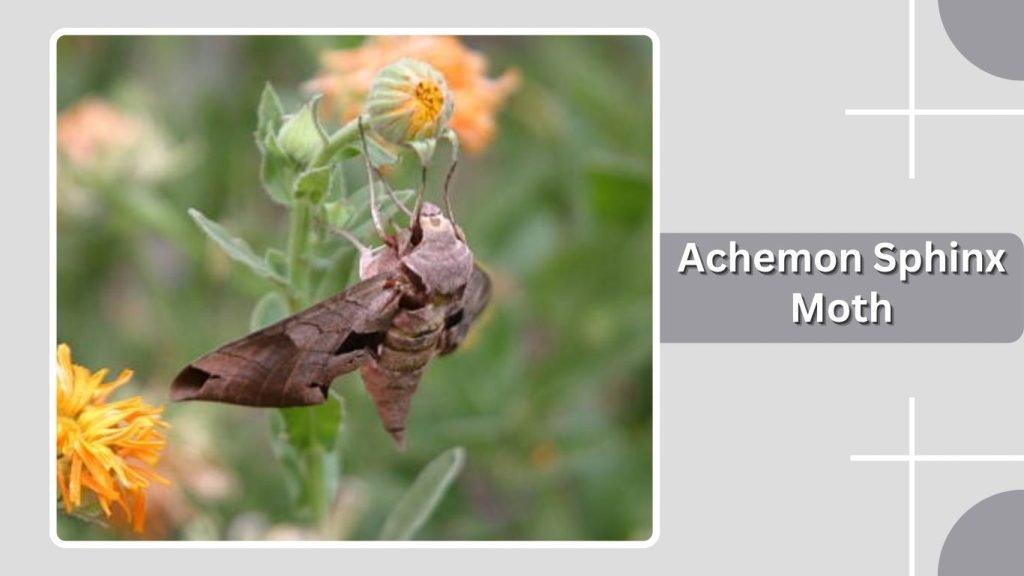
The Achemon Sphinx moth is a large and variable hawk moth known for its changing wing patterns and strong flight. Native to North America, it is often associated with grapevines and is admired for its adaptability and unique appearance.
Identification
- Wingspan typically ranges from 7–10 cm
- Brown to pinkish-gray wings with irregular patterns
- Hindwings may show pink patches with dark bands
- Stout, streamlined body built for fast flight
- Long proboscis used for feeding on nectar
Habitat
Achemon Sphinx moths are commonly found in forests, woodlands, gardens, and vineyards. They prefer habitats where grapevines and Virginia creeper are present, as these are the primary host plants for their caterpillars. These moths can adapt well to suburban and rural environments. During the day, they rest on tree trunks or foliage, where their wing patterns provide effective camouflage. They are often seen in areas with abundant flowering plants.
Behaviors
This moth is nocturnal and becomes active after sunset. It is a strong flier and can travel long distances in search of food and mates. Achemon Sphinx moths are often attracted to artificial lights. They hover while feeding on nectar, using their long proboscis to reach deep flowers. Their ability to blend into surroundings helps them avoid predators during rest.
Diet and Lifecycle
The lifecycle includes egg, larva, pupa, and adult stages. Caterpillars feed on grapevines and related plants, storing energy for development. Unlike many hornworms, the caterpillar lacks a prominent tail horn in later stages. Once fully grown, it pupates in the soil. Adult moths feed on nectar from a variety of flowers and live for several weeks, focusing on feeding and reproduction.
9. Tersa Sphinx Moth
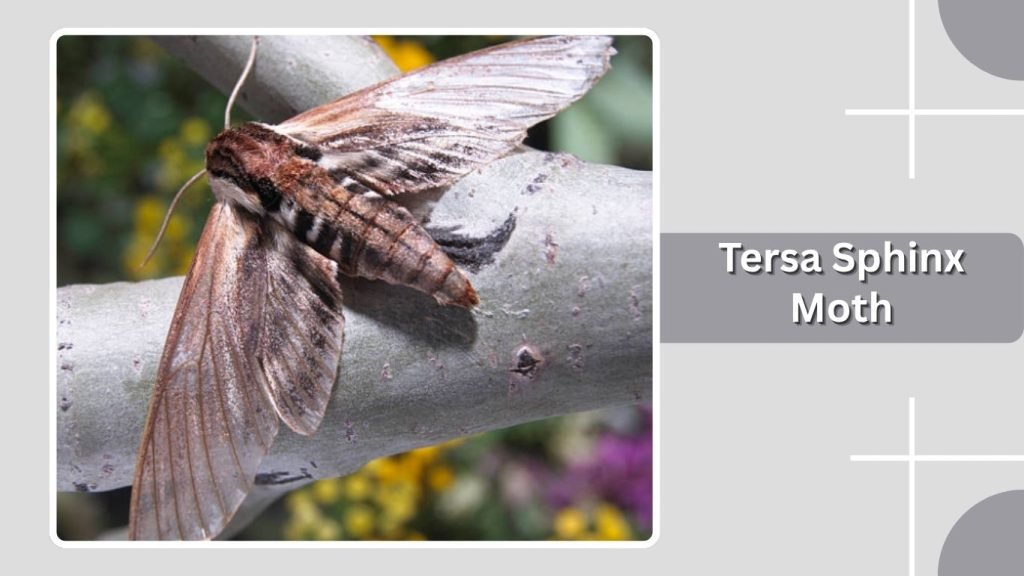
The Tersa Sphinx moth is a slender and elegant hawk moth known for its smooth appearance and fast flight. It is found in the Americas, especially in warmer regions, and is often seen in gardens and near flowering plants. This moth is admired for its streamlined shape and active behavior.
Identification
- Wingspan typically ranges from 5–8 cm
- Light brown to tan wings with subtle pale lines
- Long, narrow forewings giving a sleek appearance
- Slender, streamlined body adapted for fast flight
- Long proboscis used for feeding on nectar
Habitat
Tersa Sphinx moths are commonly found in gardens, forests, wetlands, and suburban areas across North and South America. They prefer warm climates and habitats with abundant flowering plants. Host plants for caterpillars include species like buttonweed and other herbaceous plants. These moths are often seen resting on walls, tree trunks, or vegetation during the day, blending in with their surroundings.
Behaviors
This moth is mostly nocturnal and becomes active at dusk and night. It is known for its fast, darting flight and ability to hover while feeding, similar to a hummingbird. Tersa Sphinx moths are often attracted to artificial lights. They move quickly between flowers, using their long proboscis to extract nectar. Their speed helps them avoid predators.
Diet and Lifecycle
The lifecycle includes egg, larva, pupa, and adult stages. Caterpillars feed on host plants such as buttonweed, storing energy as they grow. Once mature, they pupate in leaf litter or soil. Adult moths feed on nectar from a variety of flowers and remain active feeders throughout their lifespan. They live for several weeks, focusing on feeding and reproduction.
10. Carolina Sphinx Moth
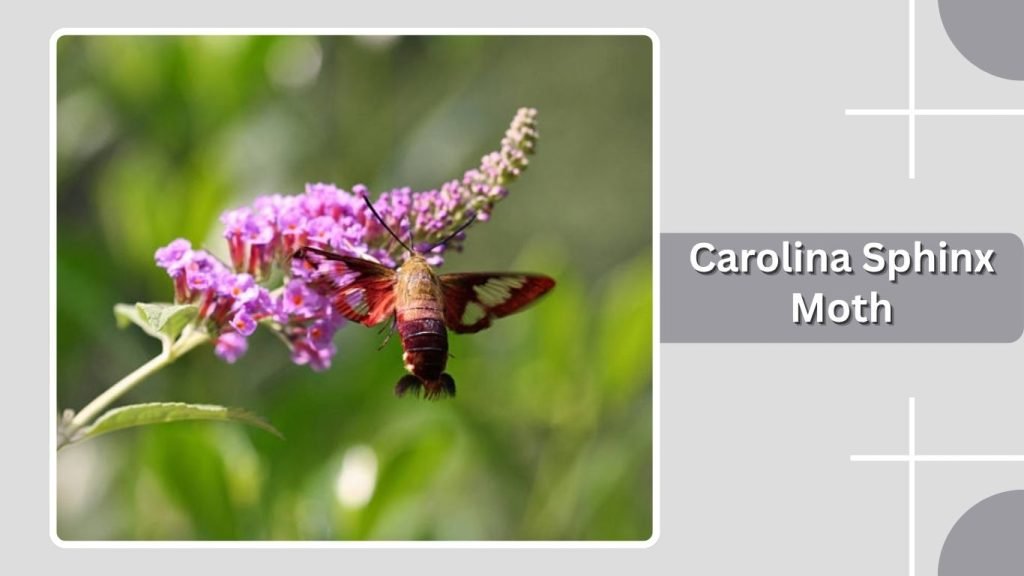
The Carolina Sphinx moth is a large and well-known hawk moth, often recognized as the adult form of the tobacco hornworm. It is widely found in the Americas and is known for its strong flight and close association with agricultural plants.
Identification
- Wingspan typically ranges from 8–12 cm
- Gray-brown wings with wavy patterns and markings
- Stout, streamlined body with a robust appearance
- Long, narrow forewings adapted for fast flight
- Long proboscis used for feeding on nectar
Habitat
Carolina Sphinx moths are commonly found in gardens, farms, forests, and open landscapes across North and South America. They prefer habitats where host plants such as tobacco, tomato, and other members of the nightshade family are available. These moths can adapt well to both natural and agricultural environments. During the day, they rest on tree trunks, walls, or vegetation, blending in with their surroundings due to their muted coloration.
Behaviors
This moth is nocturnal and becomes active at night. It is a strong and steady flier, capable of covering long distances. Carolina Sphinx moths are often attracted to artificial lights. They hover while feeding on nectar from flowers, using their long proboscis. Their fast flight and camouflage help them avoid predators.
Diet and Lifecycle
The lifecycle includes egg, larva, pupa, and adult stages. Caterpillars, known as tobacco hornworms, feed heavily on plants like tobacco and tomato, sometimes becoming agricultural pests. Once fully grown, they burrow into the soil to pupate. Adult moths feed on nectar from flowers and are active feeders. They live for several weeks, focusing on feeding and reproduction.
11. Tobacco Hornworm Moth
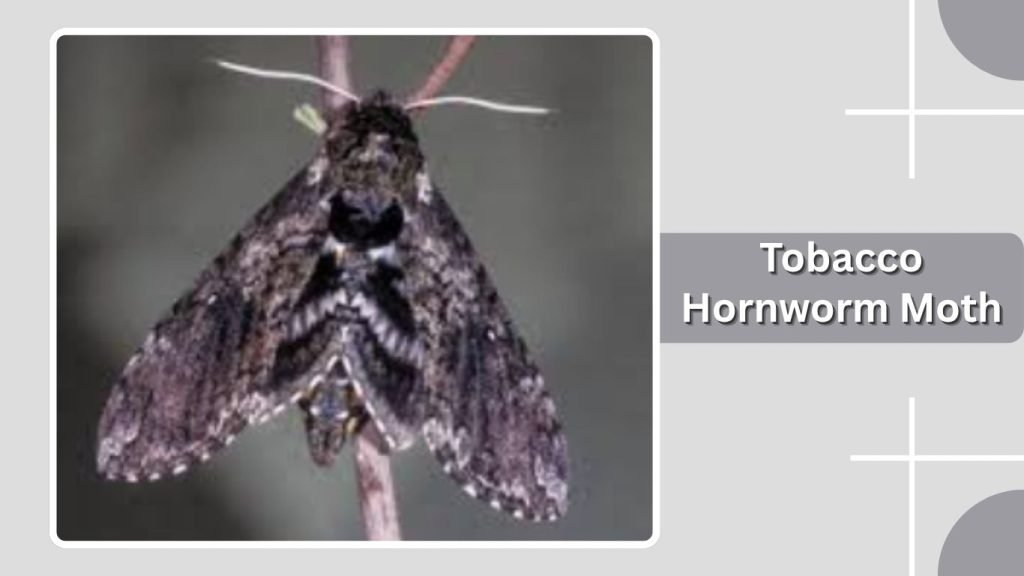
The Tobacco Hornworm moth is closely related to the Carolina Sphinx and is known as the adult stage of the tobacco hornworm caterpillar. It is widely found in the Americas and is commonly associated with agricultural crops, especially tobacco plants.
Identification
- Wingspan typically ranges from 8–12 cm
- Gray to brown wings with subtle wavy patterns
- Stout, streamlined body built for strong flight
- Narrow forewings with smooth edges
- Long proboscis used for feeding on nectar
Habitat
Tobacco Hornworm moths are commonly found in farms, gardens, and open landscapes across North and South America. They prefer habitats where host plants such as tobacco, tomato, and other nightshade species are abundant. These moths are highly adaptable and can thrive in both rural and suburban environments. During the day, they rest on walls, tree trunks, or vegetation, blending in with their surroundings.
Behaviors
This moth is nocturnal and becomes active at night. It is a strong flier and can travel long distances in search of food and suitable breeding areas. Tobacco Hornworm moths are often attracted to artificial lights. They hover while feeding on nectar, using their long proboscis to reach deep flowers. Their activity is focused on feeding and reproduction.
Diet and Lifecycle
The lifecycle includes egg, larva, pupa, and adult stages. Caterpillars feed heavily on tobacco, tomato, and related plants, often becoming pests in agricultural settings. After reaching full size, they burrow into the soil to pupate. Adult moths feed on nectar from various flowers and remain active feeders. They live for several weeks, focusing on feeding and reproduction.
12. Tomato Hornworm Moth
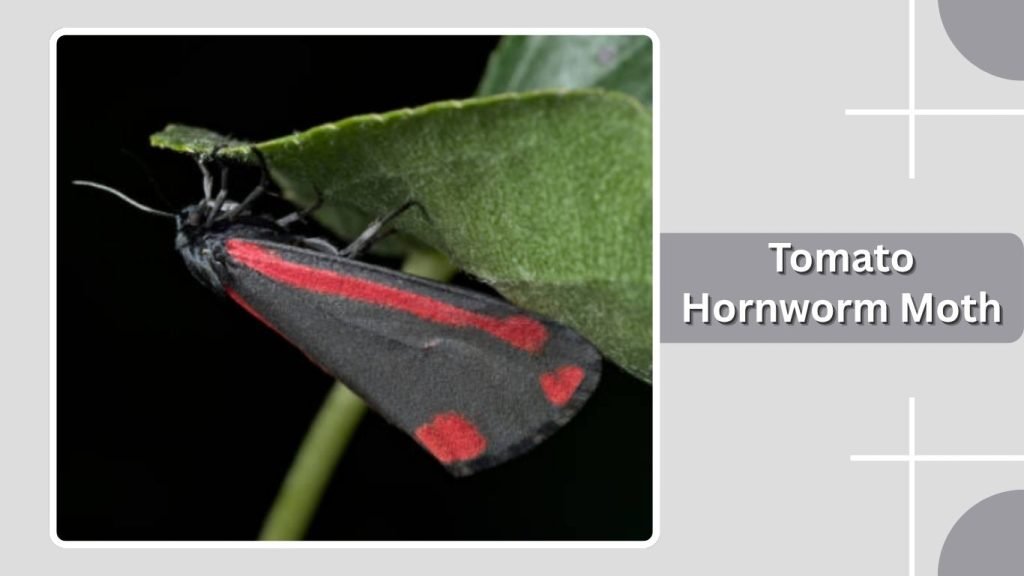
The Tomato Hornworm moth is the adult stage of the well-known tomato hornworm caterpillar. It is a large and powerful hawk moth found across the Americas. This species is commonly associated with tomato plants and is important in both agriculture and natural ecosystems.
Identification
- Wingspan typically ranges from 8–12 cm
- Gray-brown wings with subtle patterns and markings
- Stout, streamlined body with a robust build
- Narrow forewings adapted for strong flight
- Long proboscis used for feeding on nectar
Habitat
Tomato Hornworm moths are commonly found in gardens, farms, forests, and open areas across North and South America. They prefer habitats where host plants such as tomato, potato, and other nightshade species are present. These moths are highly adaptable and can thrive in both natural and cultivated environments. During the day, they rest on vegetation or nearby surfaces, blending in with their surroundings due to their muted coloration.
Behaviors
This moth is nocturnal and becomes active at night. It is a strong and steady flier, capable of traveling long distances. Tomato Hornworm moths are often attracted to artificial lights. They hover while feeding on nectar from flowers, using their long proboscis. Their activity is mainly focused on feeding and reproduction, and they are generally calm unless disturbed.
Diet and Lifecycle
The lifecycle includes egg, larva, pupa, and adult stages. Caterpillars feed heavily on tomato and related plants, sometimes causing damage to crops. After reaching full size, they burrow into the soil to pupate. Adult moths feed on nectar from a variety of flowers and remain active feeders. They live for several weeks, focusing on feeding and reproduction.
13. Privet Hawk Moth
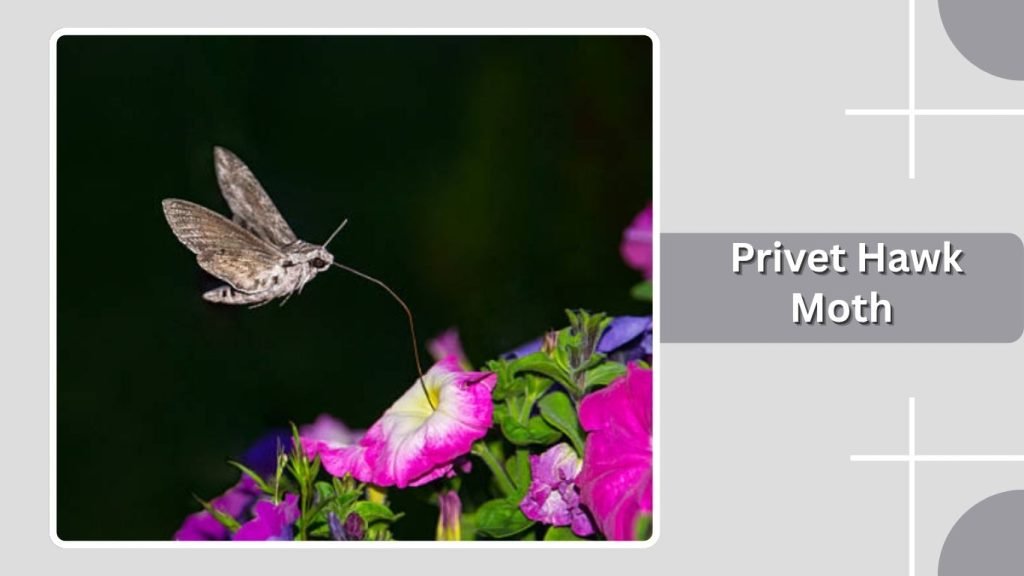
The Privet Hawk moth is one of the largest hawk moths found in Europe and parts of Asia. It is known for its striking pink and black banded body and strong flying ability. This moth is often associated with hedgerows and gardens where privet plants are common.
Identification
- Wingspan typically ranges from 9–12 cm
- Gray-brown forewings with fine, wavy patterns
- Bright pink and black bands on the abdomen and hindwings
- Large, robust body built for powerful flight
- Long proboscis used for feeding on nectar
Habitat
Privet Hawk moths are commonly found in gardens, woodlands, hedgerows, and suburban areas. They prefer habitats where privet shrubs, lilac, and ash trees are present, as these serve as host plants for their caterpillars. These moths are adaptable and can live in both rural and urban environments. During the day, they rest on tree trunks, fences, or vegetation, blending into their surroundings with their muted wing colors.
Behaviors
This moth is nocturnal and becomes active after sunset. It is a strong and fast flier, capable of covering large distances. Privet Hawk moths are often attracted to artificial lights. They hover while feeding on nectar from flowers, using their long proboscis. When disturbed, they may reveal their bright pink hindwings as a warning display to deter predators.
Diet and Lifecycle
The lifecycle includes egg, larva, pupa, and adult stages. Caterpillars feed on plants such as privet, lilac, and ash, storing energy for development. Once fully grown, they burrow into the soil to pupate. Adult moths feed on nectar from a variety of flowers and are active feeders. They live for several weeks, focusing on feeding and reproduction.
14. Poplar Hawk Moth
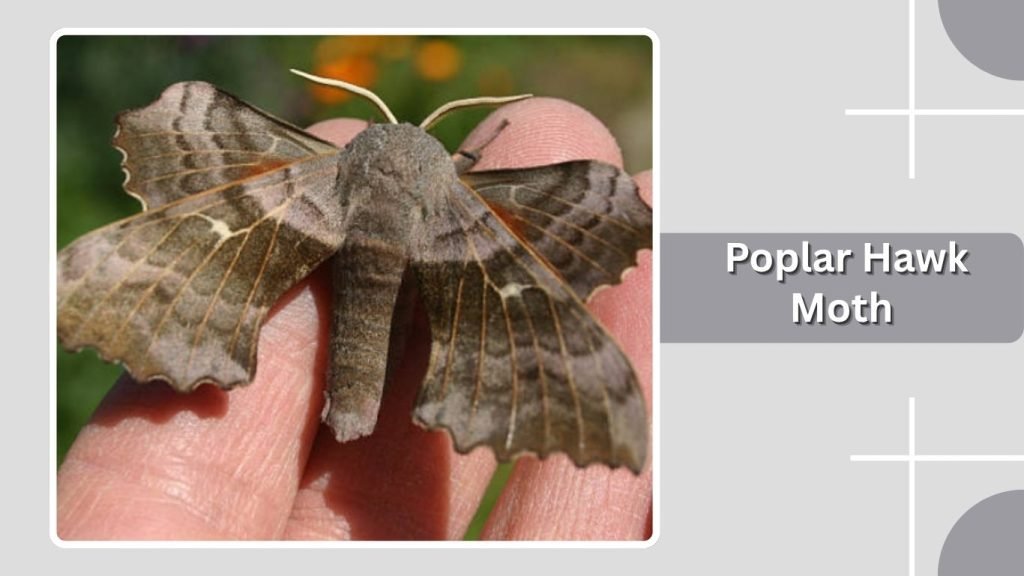
The Poplar Hawk moth is a large and uniquely shaped hawk moth commonly found in Europe and parts of Asia. It is known for its unusual resting posture and muted coloration, which helps it blend into tree bark. This moth is often seen in woodland areas and gardens.
Identification
- Wingspan typically ranges from 6–9 cm
- Gray-brown wings with subtle pinkish tones
- Wings held in a swept-back, triangular shape when at rest
- Stout, furry body with a smooth appearance
- Long proboscis used for feeding on nectar
Habitat
Poplar Hawk moths are commonly found in woodlands, parks, gardens, and hedgerows. They prefer habitats where poplar, willow, and aspen trees grow, as these are the main host plants for their caterpillars. These moths are adaptable and can live in both natural forests and urban green spaces. During the day, they rest on tree trunks or branches, where their coloration provides excellent camouflage.
Behaviors
This moth is nocturnal and becomes active at night. It is often attracted to artificial lights, making it visible near homes. The Poplar Hawk moth has a steady and controlled flight but is less likely to hover compared to some other hawk moths. When threatened, it may display its hindwings or adopt a defensive posture to deter predators.
Diet and Lifecycle
The lifecycle includes egg, larva, pupa, and adult stages. Caterpillars feed on leaves of poplar, willow, and related trees, storing energy for development. Once mature, they pupate in leaf litter or soil. Adult moths feed on nectar from flowers using their proboscis. They live for several weeks, focusing on feeding and reproduction.
15. Lime Hawk Moth
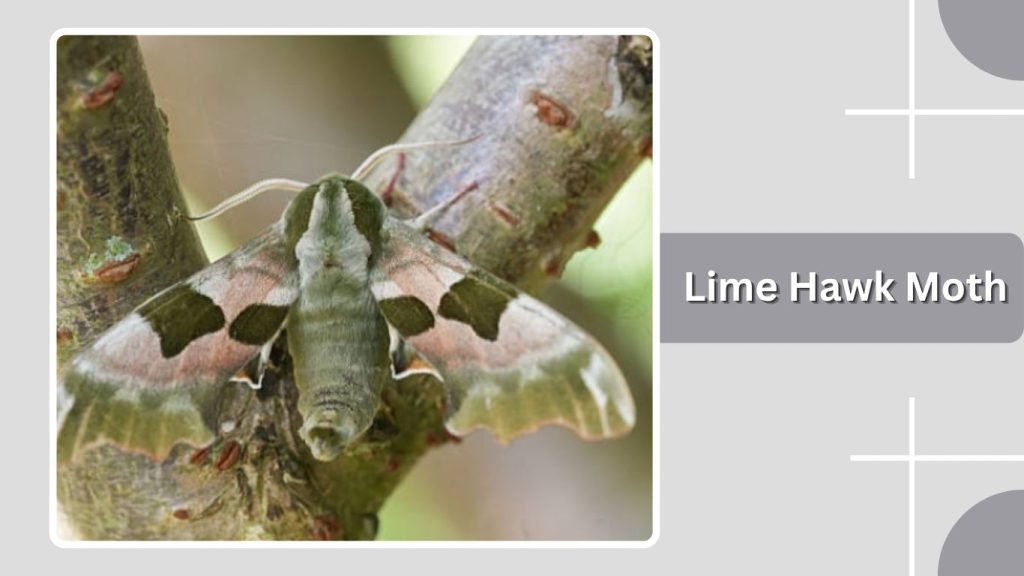
The Lime Hawk moth is a distinctive hawk moth known for its soft green coloration and subtle patterns. It is commonly found across Europe and parts of Asia, especially in areas where lime (linden) trees grow. This moth is admired for its gentle appearance and strong flying ability.
Identification
- Wingspan typically ranges from 7–9 cm
- Pale green wings with faint brown or pink markings
- Smooth, streamlined body with a slightly stout shape
- Subtle pattern variations between individuals
- Long proboscis used for feeding on nectar
Habitat
Lime Hawk moths are commonly found in woodlands, parks, gardens, and urban areas. They prefer habitats where lime (linden), elm, and birch trees are present, as these serve as host plants for their caterpillars. These moths are well adapted to both natural and city environments, especially in areas with plenty of trees. During the day, they rest on tree trunks or leaves, blending in with their surroundings due to their green coloration.
Behaviors
This moth is nocturnal and becomes active at night. It is often attracted to artificial lights, making it visible in residential areas. The Lime Hawk moth has a strong and steady flight but does not hover as frequently as some other hawk moths. Males are more active and use their sensitive antennae to locate females by detecting pheromones. Its calm behavior helps conserve energy.
Diet and Lifecycle
The lifecycle includes egg, larva, pupa, and adult stages. Caterpillars feed on leaves of lime, birch, and elm trees, storing energy for development. Once fully grown, they pupate in leaf litter or soil. Adult moths feed on nectar from flowers using their proboscis. They live for several weeks, focusing on feeding and reproduction.
16. Death’s-head Hawk Moth
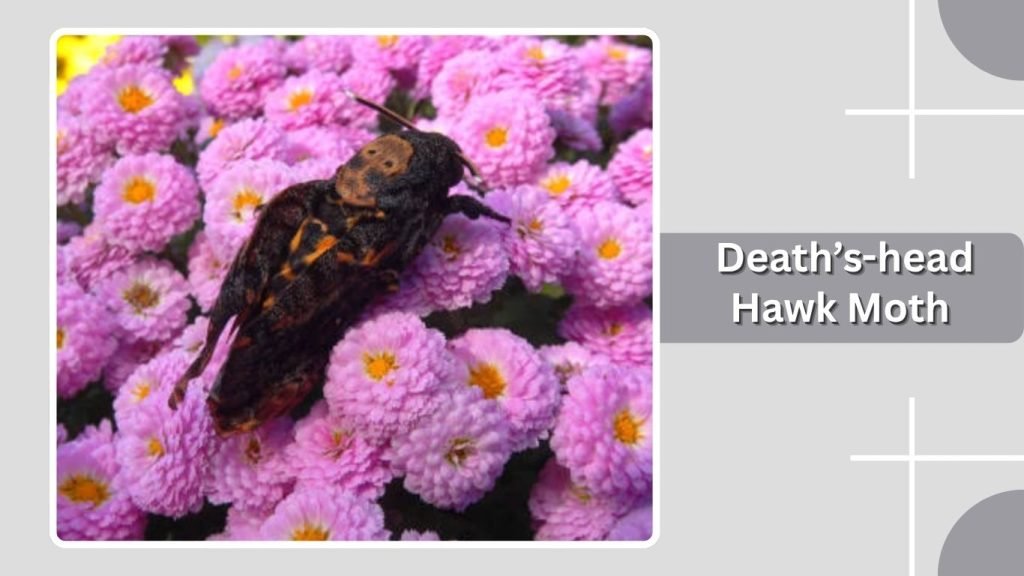
The Death’s-head Hawk moth is one of the most famous hawk moths, known for the skull-like marking on its thorax. Found in Africa, Europe, and Asia, it has a strong and mysterious appearance. This moth is also known for its unusual ability to produce a squeaking sound when disturbed.
Identification
- Wingspan typically ranges from 9–13 cm
- Dark brown forewings with lighter patterns
- Distinct skull-like marking on the thorax
- Yellow abdomen with black bands
- Strong, stout body built for powerful flight
Habitat
Death’s-head Hawk moths are commonly found in woodlands, gardens, farmland, and open landscapes. They prefer warm regions and are often associated with areas where host plants such as potato and other nightshade species grow. These moths can travel long distances and are sometimes seen outside their usual range. During the day, they rest in sheltered places like tree bark, walls, or dense vegetation.
Behaviors
This moth is mostly nocturnal and becomes active at night. It is a strong flier and capable of long-distance migration. One of its unique behaviors is producing a squeaking sound when disturbed. It is also known to enter beehives to feed on honey, using its thick skin for protection against bee stings. It may be attracted to artificial lights.
Diet and Lifecycle
The lifecycle includes egg, larva, pupa, and adult stages. Caterpillars feed on plants such as potato, tomato, and other nightshade species. Once mature, they pupate in the soil. Adult moths feed on nectar and sometimes honey. They live for several weeks, focusing on feeding and reproduction.
17. Convolvulus Hawk Moth
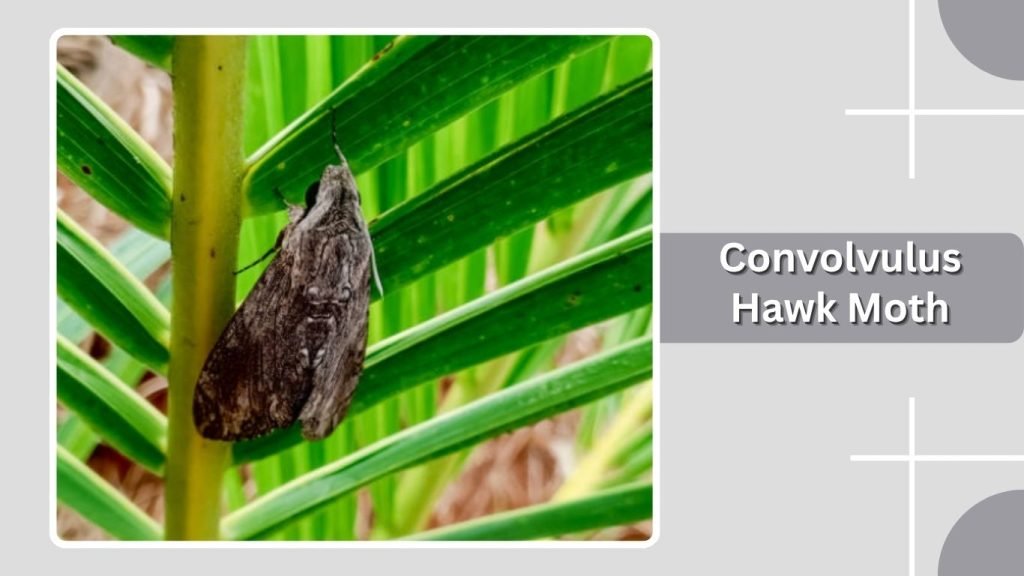
The Convolvulus Hawk moth is a large and powerful flying moth known for its long-distance migration. It is found across Europe, Asia, and Africa, and is often seen visiting flowers at night. This species is admired for its speed, strength, and wide distribution.
Identification
- Wingspan typically ranges from 8–12 cm
- Gray-brown wings with fine, wavy patterns
- Long, narrow forewings adapted for fast flight
- Stout, streamlined body with a pointed abdomen
- Very long proboscis used for feeding on deep flowers
Habitat
Convolvulus Hawk moths are commonly found in open landscapes, gardens, coastal areas, and farmland. They prefer habitats with flowering plants and host species such as bindweed, which caterpillars feed on. These moths are highly adaptable and can appear in a variety of environments, including urban areas. During the day, they rest on walls, tree trunks, or the ground, blending in with their surroundings due to their muted coloration.
Behaviors
This moth is nocturnal and becomes active at night. It is a strong and fast flier, capable of migrating over long distances. Convolvulus Hawk moths hover while feeding on nectar, using their long proboscis to reach deep into flowers. They are often attracted to artificial lights. Their powerful flight and endurance make them one of the most impressive hawk moths.
Diet and Lifecycle
The lifecycle includes egg, larva, pupa, and adult stages. Caterpillars feed mainly on bindweed and related plants, storing energy as they grow. Once fully developed, they pupate in the soil. Adult moths feed on nectar from a wide range of flowers and are active feeders. They live for several weeks, focusing on feeding and reproduction.
18. Silver-striped Hawk Moth
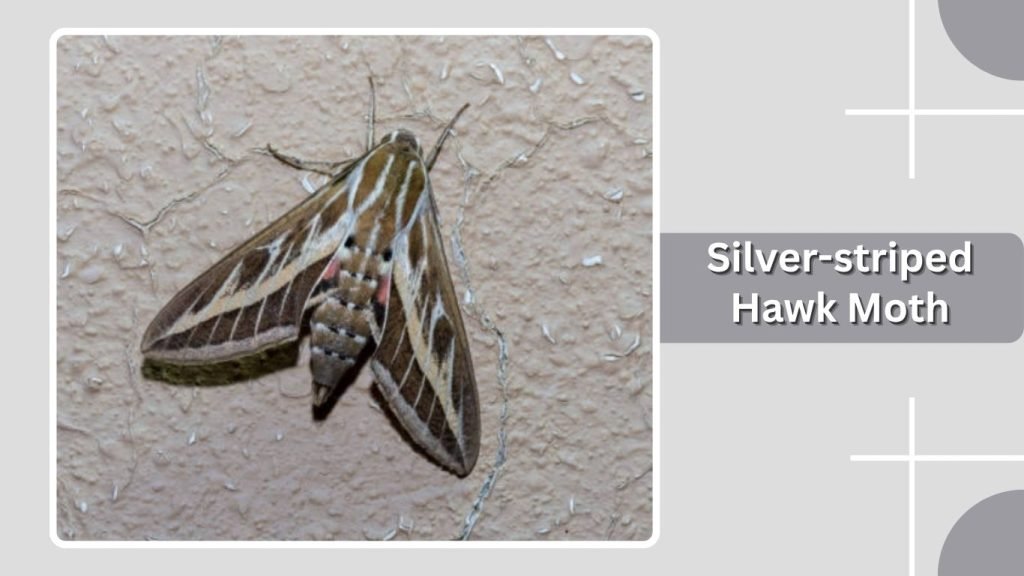
The Silver-striped Hawk moth is a fast-flying and widely distributed species known for its distinctive pale stripe along the wings. It is commonly found in Africa, Asia, and parts of Australia, thriving in warm climates and open habitats.
Identification
- Wingspan typically ranges from 6–8 cm
- Brown forewings with a bold silver or white stripe
- Hindwings often show pink or orange tones with dark borders
- Streamlined body built for fast, agile flight
- Long proboscis used for feeding on nectar
Habitat
Silver-striped Hawk moths are commonly found in grasslands, gardens, farmland, and open woodland areas. They prefer warm environments with plenty of flowering plants. Host plants for caterpillars include species like morning glory and other herbaceous plants. These moths are highly adaptable and can be found in both rural and urban settings. During the day, they rest on vegetation or the ground, blending in with their surroundings.
Behaviors
This moth is mostly nocturnal but may also be active at dusk. It is a strong and fast flier, capable of covering long distances. Silver-striped Hawk moths hover while feeding on nectar, using their long proboscis to access deep flowers. They are often attracted to artificial lights. Their speed and agility help them avoid predators and efficiently move between feeding sites.
Diet and Lifecycle
The lifecycle includes egg, larva, pupa, and adult stages. Caterpillars feed on host plants such as morning glory, storing energy for development. Once fully grown, they pupate in the soil. Adult moths feed on nectar from a variety of flowers and are active feeders. They live for several weeks, focusing on feeding and reproduction.
19. Striped Hawk Moth
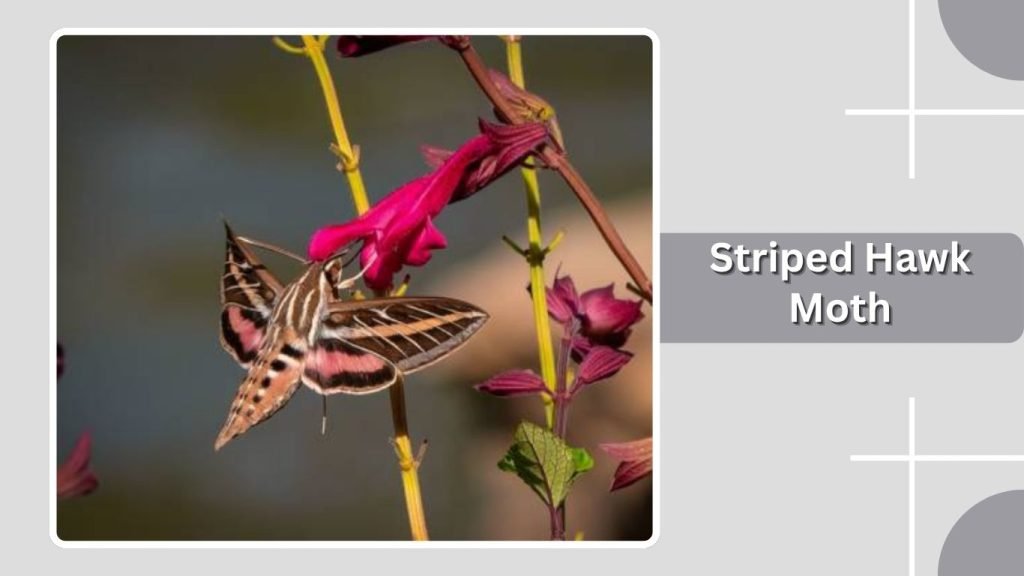
The Striped Hawk moth is a slender and fast-moving species known for its distinctive striped body and wings. It is widely found in Europe, Asia, and Africa, especially in warm regions. This moth is admired for its agility and ability to hover while feeding.
Identification
- Wingspan typically ranges from 6–8 cm
- Brown forewings with lighter streaks and subtle striping
- Abdomen marked with bold black and white stripes
- Slim, elongated body adapted for fast flight
- Long proboscis used for feeding on nectar
Habitat
Striped Hawk moths are commonly found in gardens, grasslands, open fields, and coastal areas. They prefer warm climates with plenty of flowering plants. Host plants for caterpillars include bedstraw and other herbaceous species. These moths are adaptable and can be found in both natural and human-modified environments. During the day, they rest on vegetation or the ground, blending into their surroundings.
Behaviors
This moth is mainly nocturnal but may also be active at dusk. It is a fast and agile flier, often hovering in front of flowers while feeding. Striped Hawk moths are sometimes attracted to artificial lights. Their hovering ability and quick movements help them efficiently collect nectar and avoid predators.
Diet and Lifecycle
The lifecycle includes egg, larva, pupa, and adult stages. Caterpillars feed on host plants such as bedstraw, storing energy for growth. Once fully developed, they pupate in the soil. Adult moths feed on nectar from various flowers and remain active feeders. They live for several weeks, focusing on feeding and reproduction.
20. Vine Hawk Moth
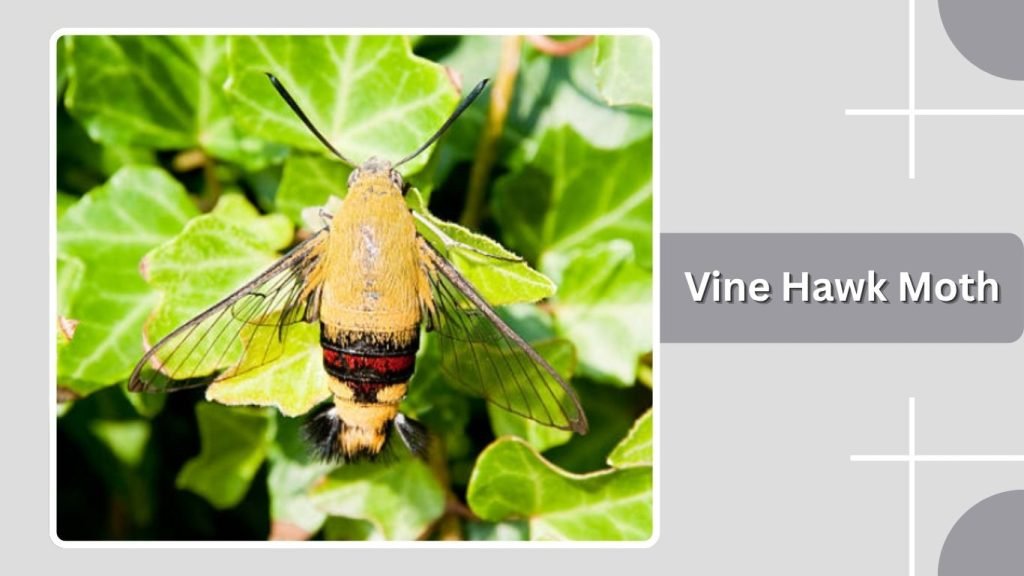
The Vine Hawk moth is a beautifully patterned hawk moth known for its pink and olive-green coloration. It is commonly found in Europe, Africa, and Asia, especially in warm regions. This moth is closely associated with grapevines and is admired for its striking appearance.
Identification
- Wingspan typically ranges from 6–8 cm
- Olive-green and pink wing patterns with soft blending colors
- Slender, streamlined body adapted for fast flight
- Long, pointed forewings with smooth edges
- Long proboscis used for feeding on nectar
Habitat
Vine Hawk moths are commonly found in gardens, vineyards, woodlands, and grasslands. They prefer habitats where grapevines and related plants grow, as these are the main host plants for their caterpillars. These moths can adapt to both natural and cultivated environments, including agricultural areas. During the day, they rest on leaves or vegetation, where their coloration helps them blend into their surroundings.
Behaviors
This moth is mostly nocturnal and becomes active at night, though it may sometimes be seen at dusk. It is a fast and agile flier, capable of hovering while feeding on flowers. Vine Hawk moths are often attracted to artificial lights. Their smooth and steady flight allows them to move efficiently between nectar sources.
Diet and Lifecycle
The lifecycle includes egg, larva, pupa, and adult stages. Caterpillars feed on grapevines and related plants, storing energy for development. Once fully grown, they pupate in the soil or leaf litter. Adult moths feed on nectar from a variety of flowers and are active feeders. They live for several weeks, focusing on feeding and reproduction.
21. Bedstraw Hawk Moth
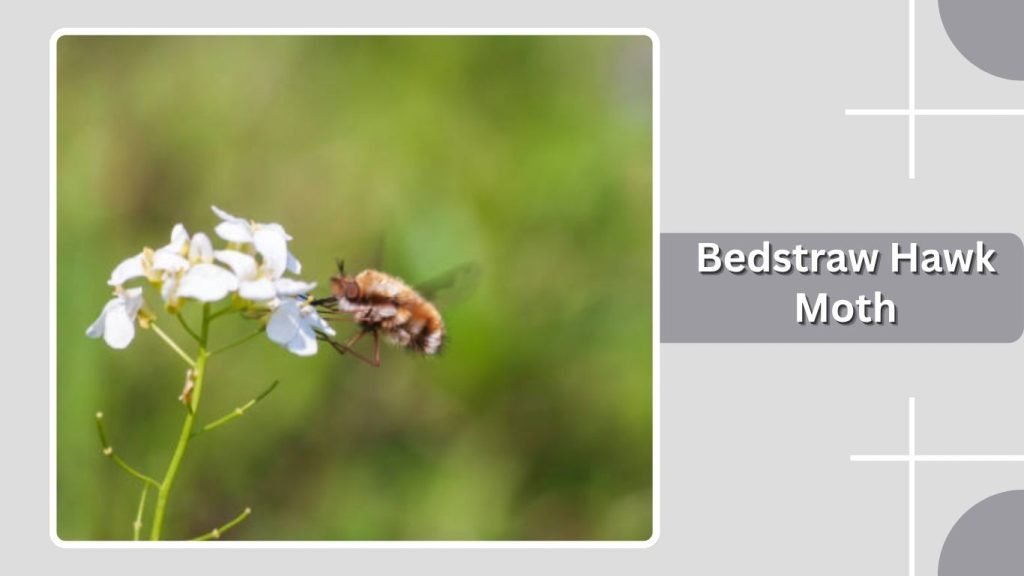
The Bedstraw Hawk moth is a colorful and fast-flying species commonly found across Europe, Asia, and North Africa. It is known for its striking patterns and strong hovering ability while feeding. This moth is closely associated with bedstraw plants, which serve as its primary host.
Identification
- Wingspan typically ranges from 6–8 cm
- Brown forewings with pale streaks and subtle patterns
- Bright orange or reddish hindwings with dark borders
- Slender, streamlined body adapted for fast flight
- Long proboscis used for feeding on nectar
Habitat
Bedstraw Hawk moths are commonly found in grasslands, gardens, coastal areas, and open woodlands. They prefer warm habitats with plenty of flowering plants and bedstraw species for their caterpillars. These moths are adaptable and can also be seen in urban environments where suitable vegetation exists. During the day, they rest on the ground or among low plants, blending in with their surroundings.
Behaviors
This moth is mainly nocturnal but can also be active at dusk. It is a strong and agile flier, often hovering while feeding on nectar from flowers. Bedstraw Hawk moths are sometimes attracted to artificial lights. Their quick movements and hovering ability help them efficiently gather nectar and avoid predators.
Diet and Lifecycle
The lifecycle includes egg, larva, pupa, and adult stages. Caterpillars feed primarily on bedstraw plants, storing energy for growth. Once fully developed, they pupate in the soil. Adult moths feed on nectar from a variety of flowers and remain active feeders. They live for several weeks, focusing on feeding and reproduction.
22. Spurge Hawk Moth
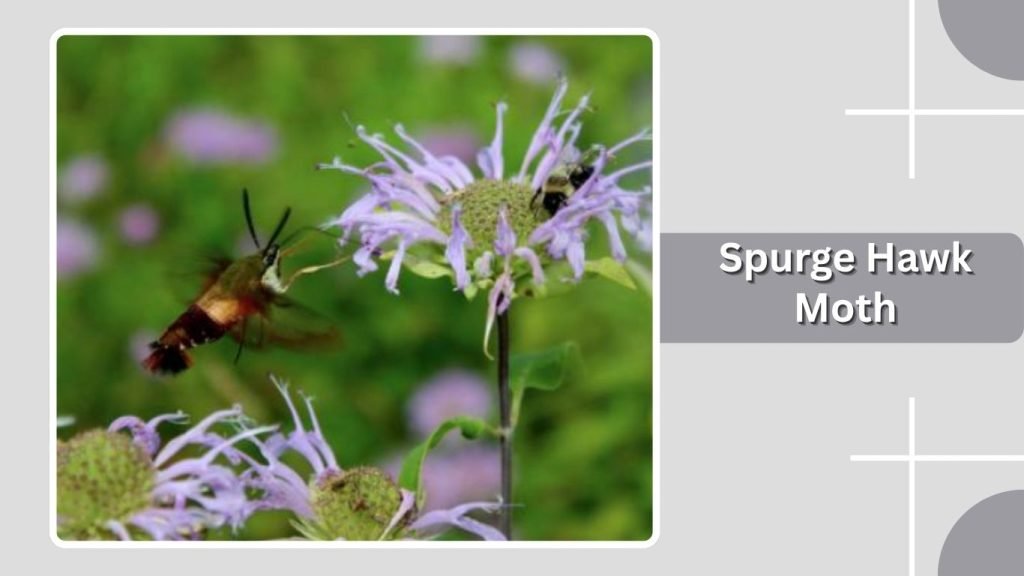
The Spurge Hawk moth is a brightly colored and distinctive species found across Europe, Asia, and parts of Africa. It is especially known for its striking caterpillar and its association with spurge plants. This moth is admired for both its bold appearance and adaptability.
Identification
- Wingspan typically ranges from 6–8 cm
- Gray forewings with fine, wavy patterns
- Bright red or pink hindwings with black markings
- Slender, streamlined body built for fast flight
- Long proboscis used for feeding on nectar
Habitat
Spurge Hawk moths are commonly found in dry grasslands, coastal dunes, rocky areas, and open countryside. They prefer habitats where spurge plants grow, as these are the main host plants for their caterpillars. These moths can also adapt to gardens and disturbed areas where suitable vegetation exists. During the day, they rest on the ground or among low plants, blending into their surroundings.
Behaviors
This moth is mostly nocturnal but may also be active at dusk. It is a fast and agile flier, capable of hovering while feeding on nectar from flowers. Spurge Hawk moths are sometimes attracted to artificial lights. Their bright hindwings can be flashed suddenly to startle predators, giving them a chance to escape.
Diet and Lifecycle
The lifecycle includes egg, larva, pupa, and adult stages. Caterpillars feed primarily on spurge plants and are known for their bold coloration. After growing and storing energy, they pupate in the soil. Adult moths feed on nectar from a variety of flowers and remain active feeders. They live for several weeks, focusing on feeding and reproduction.
23. Eyed Hawk Moth
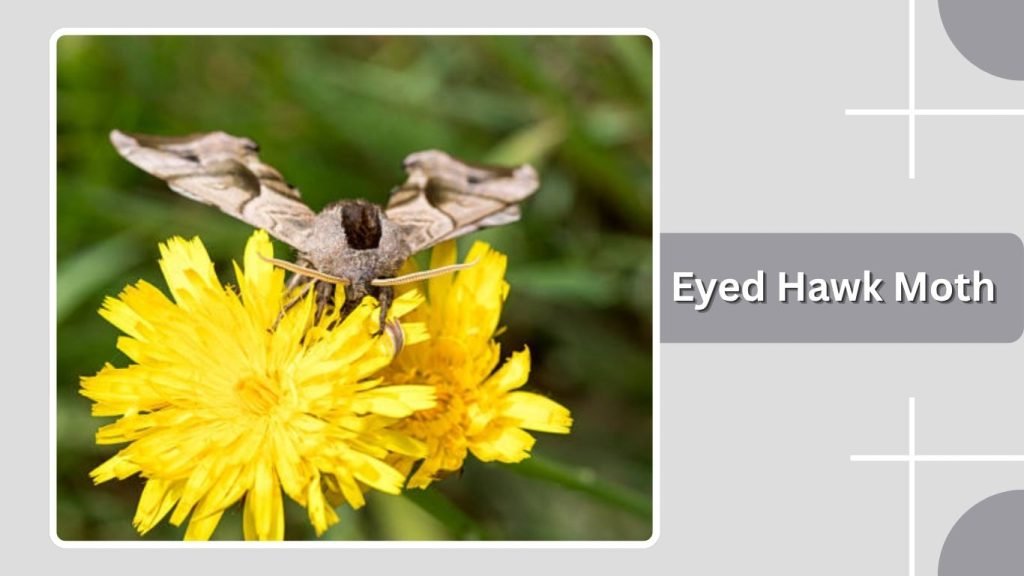
The Eyed Hawk moth is a distinctive species known for the large eye-like spots on its hindwings. Found across Europe and parts of Asia, it is admired for its defensive display and strong flying ability. This moth is commonly seen in wooded and suburban areas.
Identification
- Wingspan typically ranges from 6–8 cm
- Brown forewings with subtle patterns for camouflage
- Large blue and black eyespots on the hindwings
- Stout, streamlined body adapted for strong flight
- Long proboscis used for feeding on nectar
Habitat
Eyed Hawk moths are commonly found in woodlands, parks, gardens, and hedgerows. They prefer habitats where willow, poplar, and apple trees grow, as these serve as host plants for their caterpillars. These moths can adapt well to both natural and urban environments. During the day, they rest on tree trunks or branches, blending in with their surroundings due to their camouflaged forewings.
Behaviors
This moth is primarily nocturnal and becomes active at night. It is often attracted to artificial lights. When threatened, the Eyed Hawk moth suddenly reveals its large eyespots by flashing its hindwings, which can startle predators. It is a strong flier but does not hover as frequently as some other hawk moths.
Diet and Lifecycle
The lifecycle includes egg, larva, pupa, and adult stages. Caterpillars feed on host plants such as willow and apple, storing energy for development. Once fully grown, they pupate in the soil. Adult moths feed on nectar from various flowers and remain active feeders. They live for several weeks, focusing on feeding and reproduction.
24. Gaudy Sphinx Moth
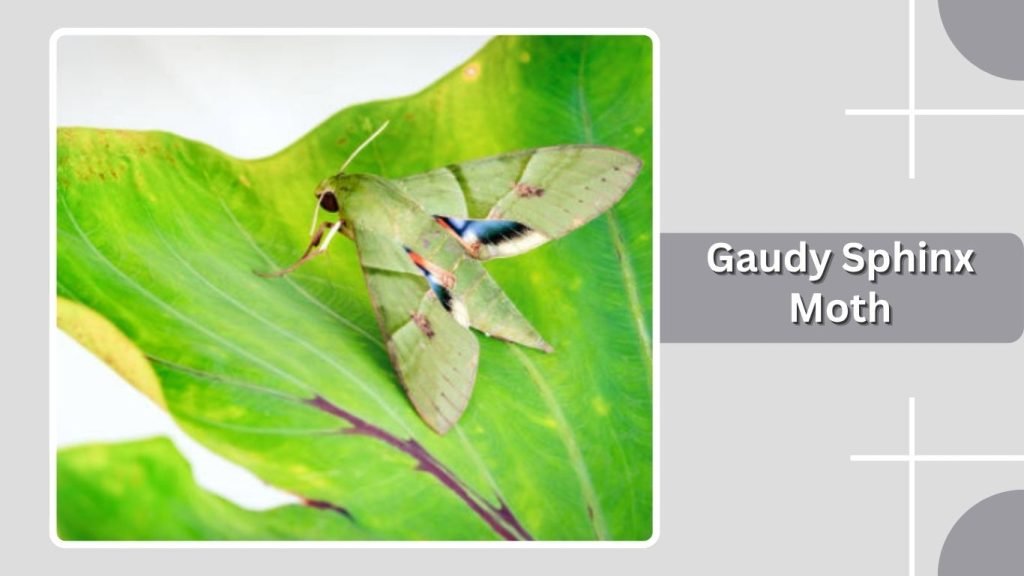
The Gaudy Sphinx moth is a striking and colorful hawk moth found in parts of North and Central America. It is known for its bold wing patterns and active flight. This moth is often seen around flowering plants where it feeds on nectar.
Identification
- Wingspan typically ranges from 5–7 cm
- Brown forewings with pale bands and markings
- Bright pink or orange patches on the hindwings
- Slender, streamlined body adapted for fast flight
- Long proboscis used for feeding on nectar
Habitat
Gaudy Sphinx moths are commonly found in forests, gardens, grasslands, and suburban areas. They prefer habitats with a variety of flowering plants and shrubs. Host plants for caterpillars include species like buttonweed and related plants. These moths are adaptable and can live in both natural and human-modified environments. During the day, they rest on vegetation, blending in with their surroundings.
Behaviors
This moth is mostly nocturnal but may also be active at dusk. It is a fast and agile flier, often hovering while feeding on nectar from flowers. Gaudy Sphinx moths are sometimes attracted to artificial lights. Their quick movements and hovering ability help them efficiently gather nectar and avoid predators.
Diet and Lifecycle
The lifecycle includes egg, larva, pupa, and adult stages. Caterpillars feed on host plants such as buttonweed, storing energy for growth. Once fully developed, they pupate in the soil. Adult moths feed on nectar from a variety of flowers and remain active feeders. They live for several weeks, focusing on feeding and reproduction.
25. Twin-spotted Sphinx Moth
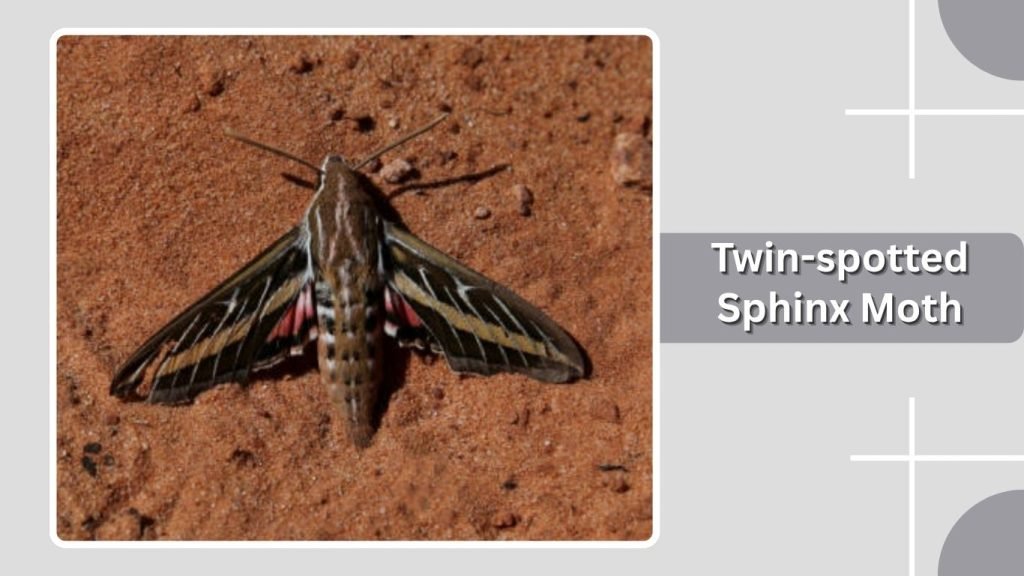
The Twin-spotted Sphinx moth is a large and attractive hawk moth known for the two distinct spots on its wings. It is commonly found in North America and is often seen around gardens and forest edges where flowering plants are abundant.
Identification
- Wingspan typically ranges from 7–10 cm
- Brown to gray wings with two noticeable dark spots
- Subtle wavy patterns across the forewings
- Stout, streamlined body built for strong flight
- Long proboscis used for feeding on nectar
Habitat
Twin-spotted Sphinx moths are commonly found in woodlands, gardens, orchards, and suburban areas. They prefer habitats where fruit trees and flowering plants are present, as these provide both nectar sources and host plants for caterpillars. Common host plants include grape, apple, and other shrubs. During the day, they rest on tree bark or foliage, blending in with their surroundings due to their muted coloration.
Behaviors
This moth is nocturnal and becomes active at night. It is a strong and steady flier, capable of traveling moderate distances. Twin-spotted Sphinx moths are often attracted to artificial lights. They hover while feeding on nectar from flowers, using their long proboscis. Their calm behavior and camouflage help them avoid predators during rest.
Diet and Lifecycle
The lifecycle includes egg, larva, pupa, and adult stages. Caterpillars feed on leaves of host plants such as grape and apple, storing energy for development. Once fully grown, they pupate in the soil. Adult moths feed on nectar from a variety of flowers and remain active feeders. They live for several weeks, focusing on feeding and reproduction.
26. Nessus Sphinx Moth
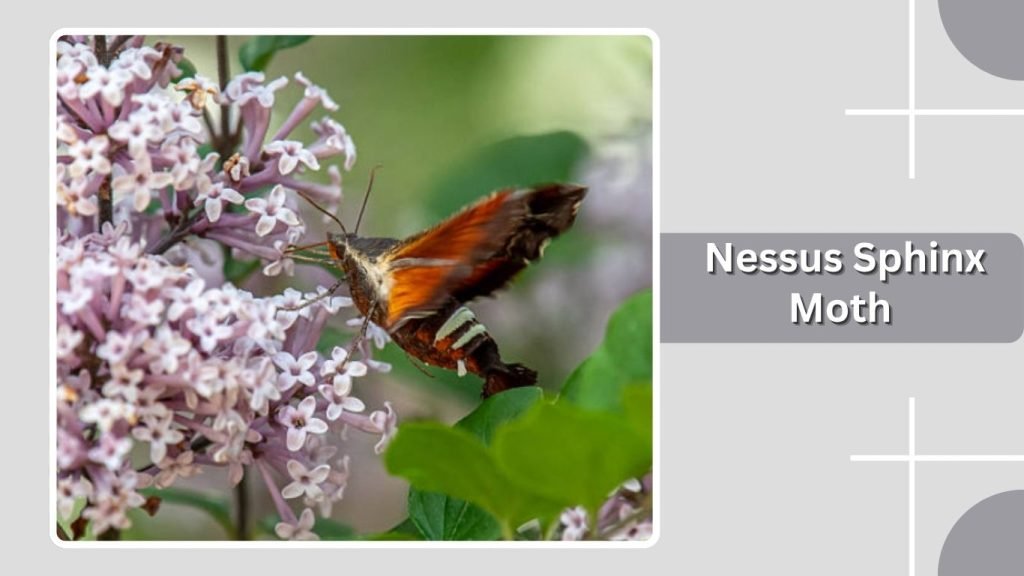
The Nessus Sphinx moth is a small and fast-moving hawk moth commonly found in North America. It is known for its dark coloration and quick, darting flight. This species is often seen feeding on flowers during the day and at dusk.
Identification
- Wingspan typically ranges from 4–6 cm
- Dark brown to black wings with subtle pale markings
- Distinct white or pale band across the abdomen
- Slender, streamlined body adapted for fast flight
- Long proboscis used for feeding on nectar
Habitat
Nessus Sphinx moths are commonly found in woodlands, gardens, vineyards, and suburban areas. They prefer habitats where grapevines and Virginia creeper grow, as these are the primary host plants for their caterpillars. These moths are adaptable and can thrive in both natural and human-modified environments. During rest, they blend into bark and foliage due to their dark coloration.
Behaviors
This moth is active during the day and at dusk, making it somewhat unusual among hawk moths. It is a fast and agile flier, often hovering while feeding on nectar from flowers. Nessus Sphinx moths are not strongly attracted to lights. Their quick movements and daytime activity help them avoid many nighttime predators.
Diet and Lifecycle
The lifecycle includes egg, larva, pupa, and adult stages. Caterpillars feed on grapevines and related plants, storing energy for development. Once fully grown, they pupate in the soil. Adult moths feed on nectar from various flowers and are active feeders. They live for several weeks, focusing on feeding and reproduction.
27. Waved Sphinx Moth
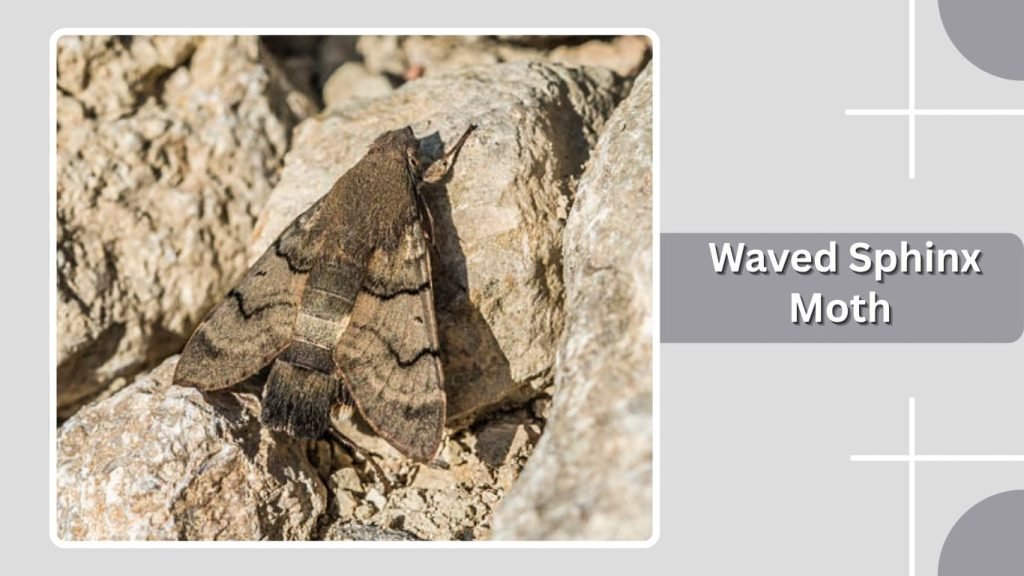
The Waved Sphinx moth is a large and subtly patterned hawk moth found in North America. It is known for its smooth, wavy wing markings and strong flight. This moth is often seen in wooded areas and gardens where flowering plants are abundant.
Identification
- Wingspan typically ranges from 9–12 cm
- Gray to brown wings with soft, wavy lines
- Stout, streamlined body built for powerful flight
- Narrow forewings with a slightly pointed shape
- Long proboscis used for feeding on nectar
Habitat
Waved Sphinx moths are commonly found in forests, woodlands, gardens, and suburban areas. They prefer habitats where host plants such as ash and privet grow. These moths are adaptable and can live in both natural and human-modified environments. During the day, they rest on tree trunks or branches, blending in with their surroundings due to their muted coloration.
Behaviors
This moth is nocturnal and becomes active at night. It is a strong and steady flier, capable of traveling moderate distances. Waved Sphinx moths are often attracted to artificial lights. They hover while feeding on nectar from flowers, using their long proboscis. Their calm behavior and camouflage help protect them from predators.
Diet and Lifecycle
The lifecycle includes egg, larva, pupa, and adult stages. Caterpillars feed on host plants such as ash and privet, storing energy for development. Once fully grown, they pupate in the soil. Adult moths feed on nectar from a variety of flowers and remain active feeders. They live for several weeks, focusing on feeding and reproduction.
28. Lettered Sphinx Moth
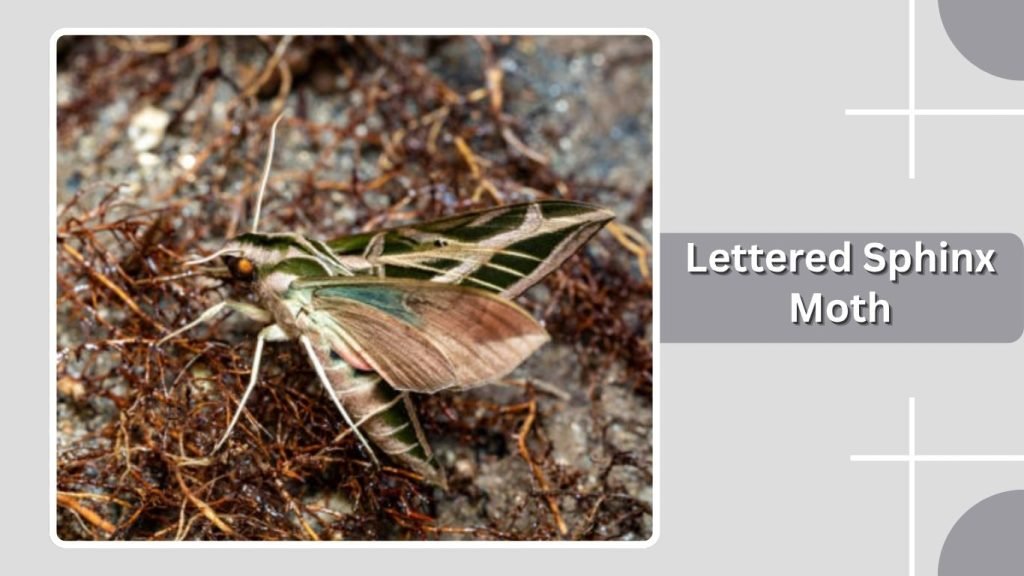
The Lettered Sphinx moth is a small and fast-moving hawk moth known for the pale markings on its wings that resemble letters. It is commonly found in North and Central America and is often seen visiting flowers during warm evenings.
Identification
- Wingspan typically ranges from 3–5 cm
- Brown forewings with pale markings that resemble letters or lines
- Hindwings are darker with subtle bands
- Slender, streamlined body adapted for quick flight
- Long proboscis used for feeding on nectar
Habitat
Lettered Sphinx moths are commonly found in gardens, grasslands, open woodlands, and suburban areas. They prefer habitats with abundant flowering plants and host species such as purslane and other low-growing plants. These moths are adaptable and can thrive in both natural and urban environments. During rest, they blend into dry vegetation or surfaces due to their muted coloration.
Behaviors
This moth is mostly active at dusk and during the night. It is a fast and agile flier, often hovering while feeding on nectar from flowers. Lettered Sphinx moths may be attracted to artificial lights. Their quick movements and small size help them avoid predators while efficiently feeding.
Diet and Lifecycle
The lifecycle includes egg, larva, pupa, and adult stages. Caterpillars feed on host plants such as purslane, storing energy for growth. Once fully developed, they pupate in the soil. Adult moths feed on nectar from various flowers and remain active feeders. They live for several weeks, focusing on feeding and reproduction.
29. Laurel Sphinx Moth
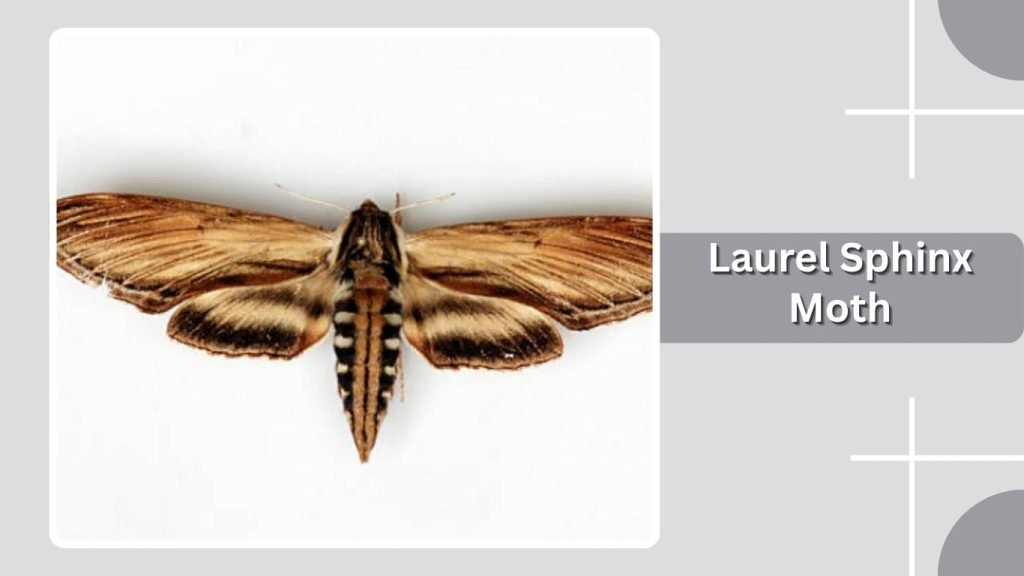
The Laurel Sphinx moth is a medium-sized hawk moth known for its smooth brown coloration and fast flight. It is commonly found in parts of North and Central America, especially in warm regions where host plants are abundant. This moth is often seen around gardens and wooded areas.
Identification
- Wingspan typically ranges from 6–9 cm
- Brown forewings with subtle darker shading
- Hindwings may show faint reddish or orange tones
- Slender, streamlined body adapted for quick flight
- Long proboscis used for feeding on nectar
Habitat
Laurel Sphinx moths are commonly found in forests, gardens, coastal areas, and suburban environments. They prefer habitats where laurel and related plants grow, which serve as host plants for their caterpillars. These moths are adaptable and can thrive in both natural and human-modified environments. During the day, they rest on tree bark or vegetation, blending in with their surroundings.
Behaviors
This moth is primarily nocturnal and becomes active at night. It is a fast and agile flier, often hovering while feeding on nectar from flowers. Laurel Sphinx moths are sometimes attracted to artificial lights. Their smooth flight and quick movements help them efficiently gather nectar and avoid predators.
Diet and Lifecycle
The lifecycle includes egg, larva, pupa, and adult stages. Caterpillars feed on host plants such as laurel and related species, storing energy for development. Once fully grown, they pupate in the soil. Adult moths feed on nectar from a variety of flowers and remain active feeders. They live for several weeks, focusing on feeding and reproduction.
30. Sphinx Moth
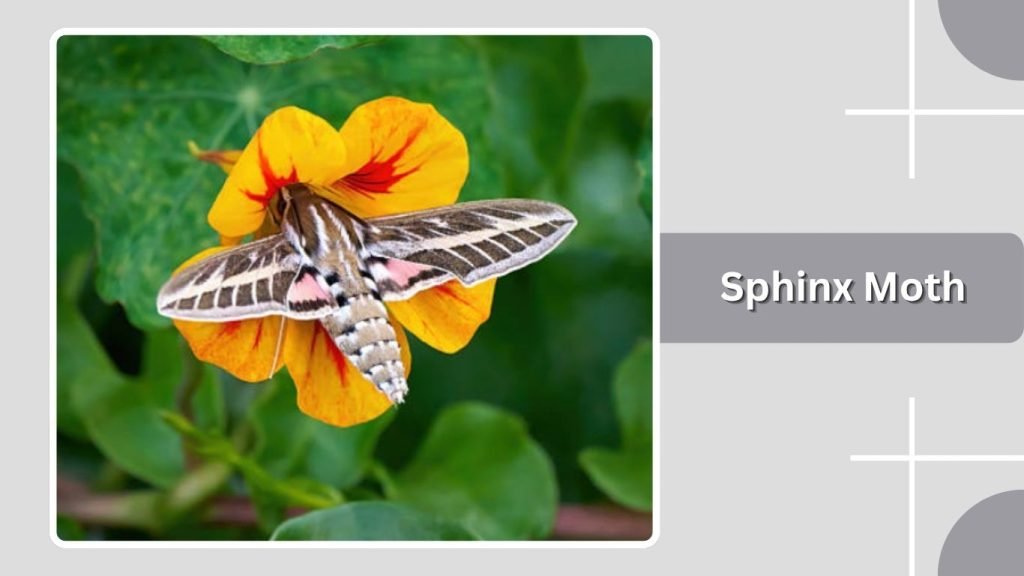
The Sphinx moth is a general name used for many members of the hawk moth family. These moths are known for their strong flight, streamlined bodies, and ability to hover while feeding. They are widely distributed across the world and are often seen around flowers at night.
Identification
- Wingspan typically ranges from 5–12 cm depending on species
- Long, narrow wings designed for fast flight
- Thick, streamlined body with a pointed abdomen
- Color varies from brown and gray to more vibrant patterns
- Long proboscis used for feeding on nectar
Habitat
Sphinx moths are found in a wide range of habitats, including forests, grasslands, deserts, gardens, and urban areas. They are highly adaptable and can thrive in many environments as long as flowering plants and host species are available. Caterpillars feed on a variety of plants depending on the species. During the day, these moths rest on tree bark, walls, or vegetation, using their coloration for camouflage.
Behaviors
Most Sphinx moths are nocturnal, though some species are active during the day or at dusk. They are strong, fast fliers and are well known for hovering in front of flowers like hummingbirds. Many species are attracted to artificial lights. Their speed and agility help them avoid predators and efficiently gather nectar.
Diet and Lifecycle
The lifecycle includes egg, larva, pupa, and adult stages. Caterpillars, often called hornworms, feed on a variety of host plants and store energy for development. Once fully grown, they pupate in soil or leaf litter. Adult moths feed on nectar using their long proboscis and are active feeders. They typically live for several weeks, focusing on feeding and reproduction.
31. Hornworm Moth
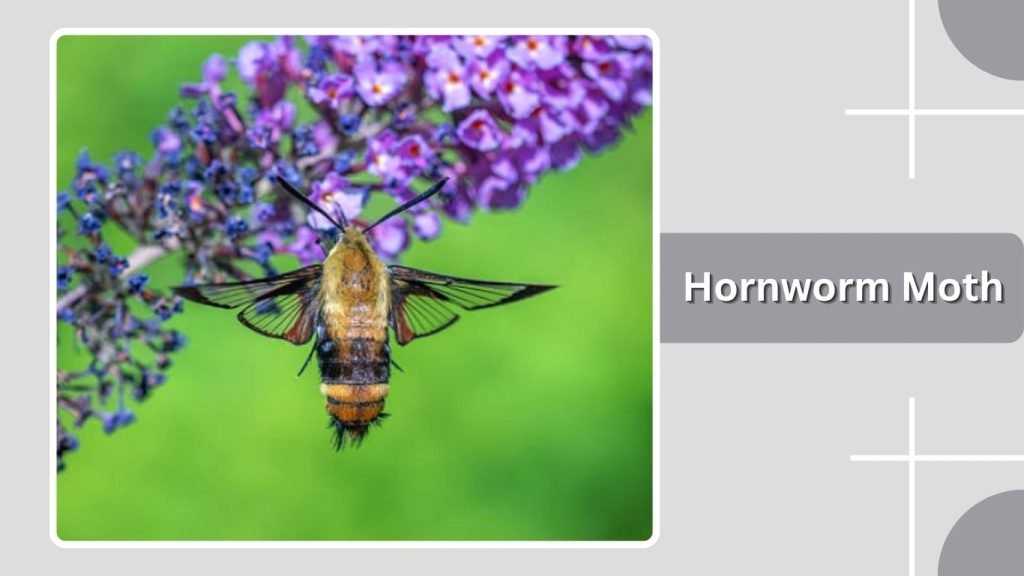
The Hornworm moth is a general name for the adult stage of hornworm caterpillars, which belong to the hawk moth family. These moths are known for their strong flight and close association with agricultural plants. They are commonly found in many parts of the world.
Identification
- Wingspan typically ranges from 7–12 cm depending on species
- Gray or brown wings with subtle patterns
- Stout, streamlined body built for powerful flight
- Narrow forewings with smooth edges
- Long proboscis used for feeding on nectar
Habitat
Hornworm moths are commonly found in gardens, farms, forests, and open landscapes. They prefer habitats where host plants such as tomato, tobacco, and other nightshade species are available. These moths are highly adaptable and can thrive in both natural and cultivated environments. During the day, they rest on vegetation, walls, or tree trunks, blending into their surroundings.
Behaviors
This moth is mostly nocturnal and becomes active at night. It is a strong and steady flier, capable of traveling moderate to long distances. Hornworm moths are often attracted to artificial lights. They hover while feeding on nectar from flowers, using their long proboscis. Their activity is mainly focused on feeding and reproduction.
Diet and Lifecycle
The lifecycle includes egg, larva, pupa, and adult stages. Caterpillars, known as hornworms, feed heavily on host plants and may become agricultural pests. Once fully grown, they burrow into the soil to pupate. Adult moths feed on nectar from a variety of flowers and remain active feeders. They live for several weeks, focusing on feeding and reproduction.
32. Clearwing Hummingbird Moth
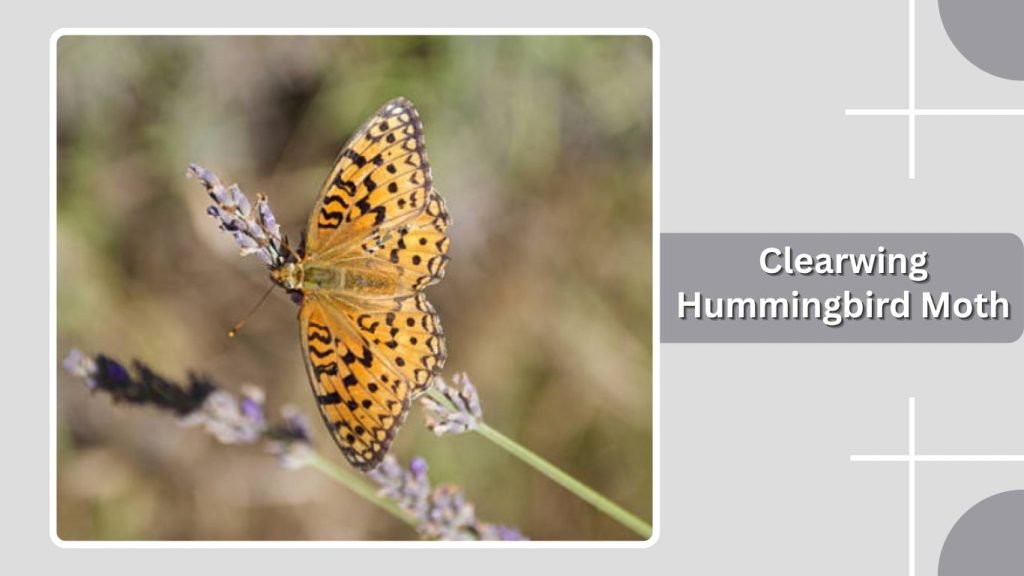
The Clearwing Hummingbird moth is a unique hawk moth known for its transparent wings and hummingbird-like behavior. It is commonly found in North America and is often mistaken for a small bird due to its hovering flight and daytime activity.
Identification
- Wingspan typically ranges from 4–6 cm
- Clear, transparent wings with dark borders
- Greenish to yellow body with a reddish tail tuft
- Slender, streamlined body adapted for hovering
- Long proboscis used for feeding on nectar
Habitat
Clearwing Hummingbird moths are commonly found in gardens, meadows, woodland edges, and suburban areas. They prefer habitats rich in flowering plants such as bee balm, phlox, and honeysuckle. These moths are highly adaptable and thrive in both natural and human-made environments. During rest, they may perch on leaves or stems but are more often seen actively flying during the day.
Behaviors
This moth is diurnal, meaning it is active during the day. It is well known for hovering in front of flowers like a hummingbird while feeding on nectar. Its fast wingbeats create a buzzing sound similar to a small bird. It is not usually attracted to artificial lights. Its quick movements and hovering ability help it efficiently gather nectar and avoid predators.
Diet and Lifecycle
The lifecycle includes egg, larva, pupa, and adult stages. Caterpillars feed on plants such as honeysuckle and snowberry, storing energy for development. Once fully grown, they pupate in leaf litter or soil. Adult moths actively feed on nectar using their long proboscis. They live for several weeks, focusing on feeding and reproduction.
33. Snowberry Clearwing Moth
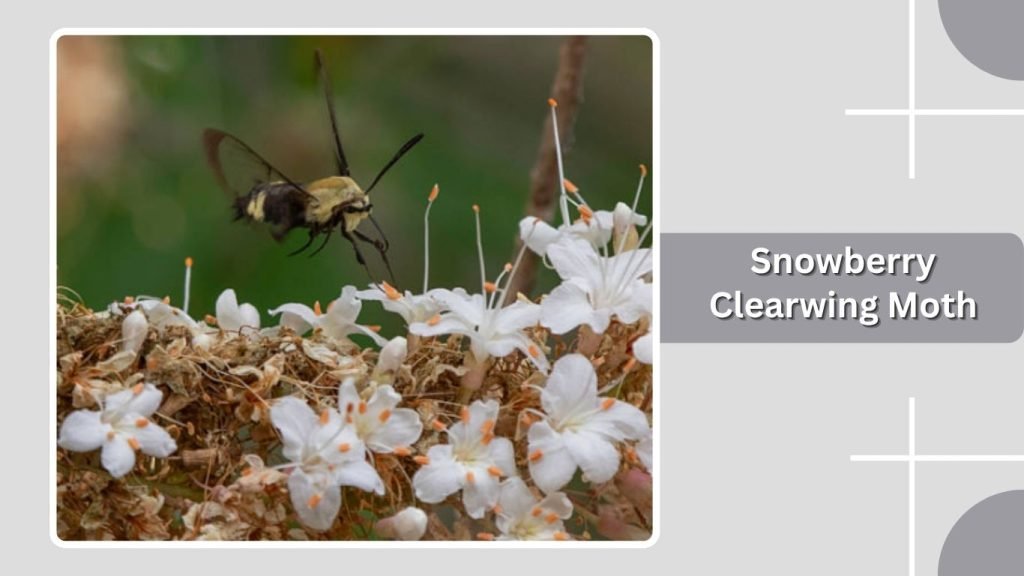
The Snowberry Clearwing moth is a day-flying hawk moth known for its clear wings and resemblance to a bumblebee. It is commonly found in North America and is often seen hovering around flowers in gardens and meadows.
Identification
- Wingspan typically ranges from 3–5 cm
- Clear wings with dark borders and visible veins
- Yellow and black body resembling a bumblebee
- Slender, fuzzy body with a thick thorax
- Long proboscis used for feeding on nectar
Habitat
Snowberry Clearwing moths are commonly found in gardens, meadows, forest edges, and suburban areas. They prefer habitats with flowering plants such as honeysuckle, snowberry, and viburnum. These moths are adaptable and can thrive in both natural and human-modified environments. They are often seen during the day visiting flowers in sunny locations.
Behaviors
This moth is diurnal and active during the day. It is known for hovering in front of flowers while feeding, much like a hummingbird or bee. Its buzzing flight and bee-like appearance help deter predators. Snowberry Clearwing moths are not typically attracted to artificial lights. Their quick and agile movements allow them to efficiently gather nectar.
Diet and Lifecycle
The lifecycle includes egg, larva, pupa, and adult stages. Caterpillars feed on plants such as snowberry and honeysuckle, storing energy for growth. Once fully developed, they pupate in leaf litter or soil. Adult moths actively feed on nectar from a variety of flowers. They live for several weeks, focusing on feeding and reproduction.
34. Fig Sphinx Moth
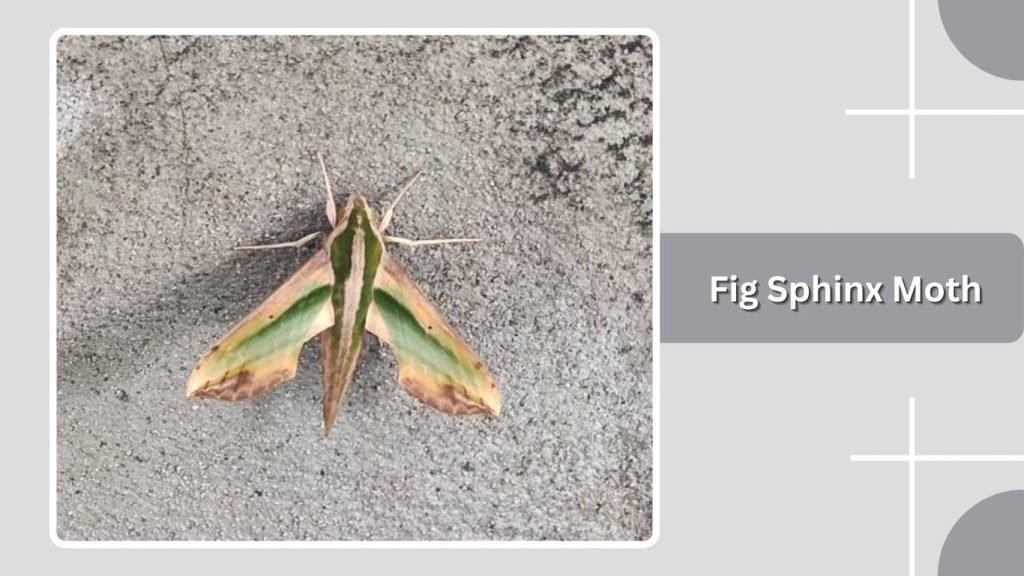
The Fig Sphinx moth is a large and powerful hawk moth commonly found in tropical and subtropical regions of the Americas. It is closely associated with fig trees and is known for its smooth brown coloration and strong flight.
Identification
- Wingspan typically ranges from 8–11 cm
- Brown to gray wings with subtle shading
- Long, narrow forewings with smooth edges
- Stout, streamlined body built for strong flight
- Long proboscis used for feeding on nectar
Habitat
Fig Sphinx moths are commonly found in forests, gardens, coastal areas, and urban environments where fig trees grow. They prefer warm climates with abundant vegetation. Host plants for caterpillars include fig species, which are essential for their development. These moths are adaptable and can live in both natural and cultivated areas. During the day, they rest on tree trunks or walls, blending into their surroundings.
Behaviors
This moth is nocturnal and becomes active at night. It is a strong and steady flier, capable of traveling moderate distances. Fig Sphinx moths are often attracted to artificial lights. They hover while feeding on nectar from flowers, using their long proboscis. Their calm behavior and camouflage help them avoid predators.
Diet and Lifecycle
The lifecycle includes egg, larva, pupa, and adult stages. Caterpillars feed primarily on fig leaves, storing energy for growth. Once fully developed, they pupate in the soil. Adult moths feed on nectar from a variety of flowers and remain active feeders. They live for several weeks, focusing on feeding and reproduction.
35. Azalea Sphinx Moth
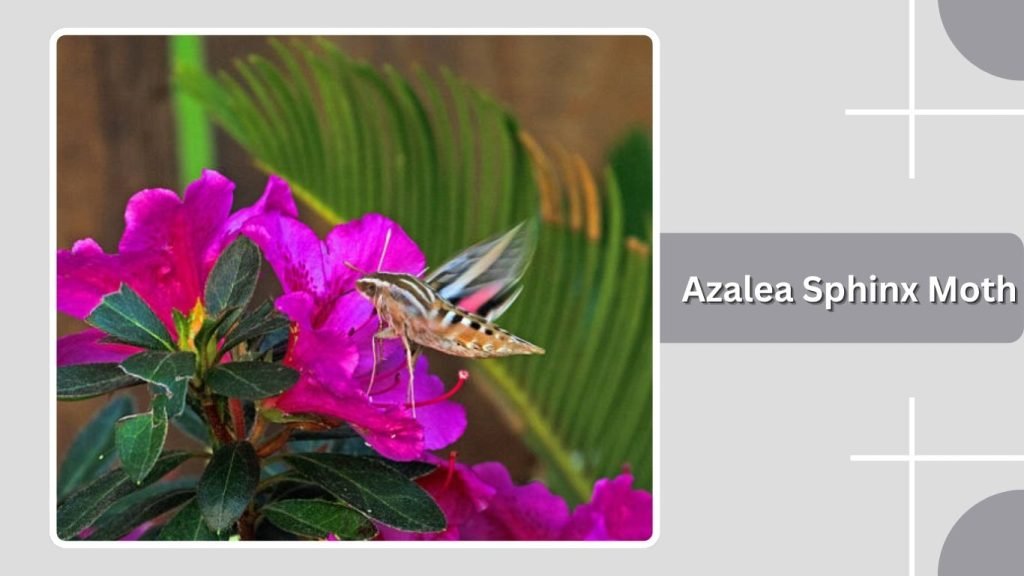
The Azalea Sphinx moth is a medium-sized hawk moth known for its association with azalea and related plants. It is found mainly in parts of North America and is admired for its subtle coloration and fast, agile flight.
Identification
- Wingspan typically ranges from 6–9 cm
- Brown to gray wings with soft, blended patterns
- Narrow forewings with smooth edges
- Slender, streamlined body adapted for quick flight
- Long proboscis used for feeding on nectar
Habitat
Azalea Sphinx moths are commonly found in forests, gardens, and suburban areas where azalea and related plants grow. They prefer habitats with abundant shrubs and flowering plants that provide both food and shelter. These moths are adaptable and can live in both natural and landscaped environments. During the day, they rest on vegetation or tree bark, blending in with their surroundings.
Behaviors
This moth is mostly nocturnal and becomes active at night. It is a fast and agile flier, often hovering while feeding on nectar from flowers. Azalea Sphinx moths are sometimes attracted to artificial lights. Their quick movements and ability to hover help them efficiently gather nectar and avoid predators.
Diet and Lifecycle
The lifecycle includes egg, larva, pupa, and adult stages. Caterpillars feed on azalea and related plants, storing energy for development. Once fully grown, they pupate in the soil or leaf litter. Adult moths feed on nectar from various flowers and remain active feeders. They live for several weeks, focusing on feeding and reproduction.
FAQs
What is a hawk moth?
A hawk moth is a member of the Sphingidae family, known for its strong flight, streamlined body, and ability to hover while feeding. These moths are often mistaken for hummingbirds due to their rapid wing movement and nectar-feeding behavior.
Are hawk moths active during the day or night?
Most hawk moths are nocturnal and become active at night. However, some species, like the Hummingbird Hawk moth and Clearwing moths, are active during the day or at dusk, making them easier to observe.
What do hawk moth caterpillars eat?
Hawk moth caterpillars, often called hornworms, feed on a variety of plants depending on the species. Common host plants include tomato, tobacco, grapevine, bedstraw, and various shrubs and trees.
Are hawk moths harmful to humans?
Hawk moths are harmless to humans. They do not bite or sting. However, some caterpillars can damage crops and are considered agricultural pests, especially species like tomato and tobacco hornworms.
Where are hawk moths found?
Hawk moths are found worldwide, from tropical regions to temperate climates. They live in a wide range of habitats, including forests, gardens, deserts, grasslands, and urban areas, as long as suitable host plants and nectar sources are available.