
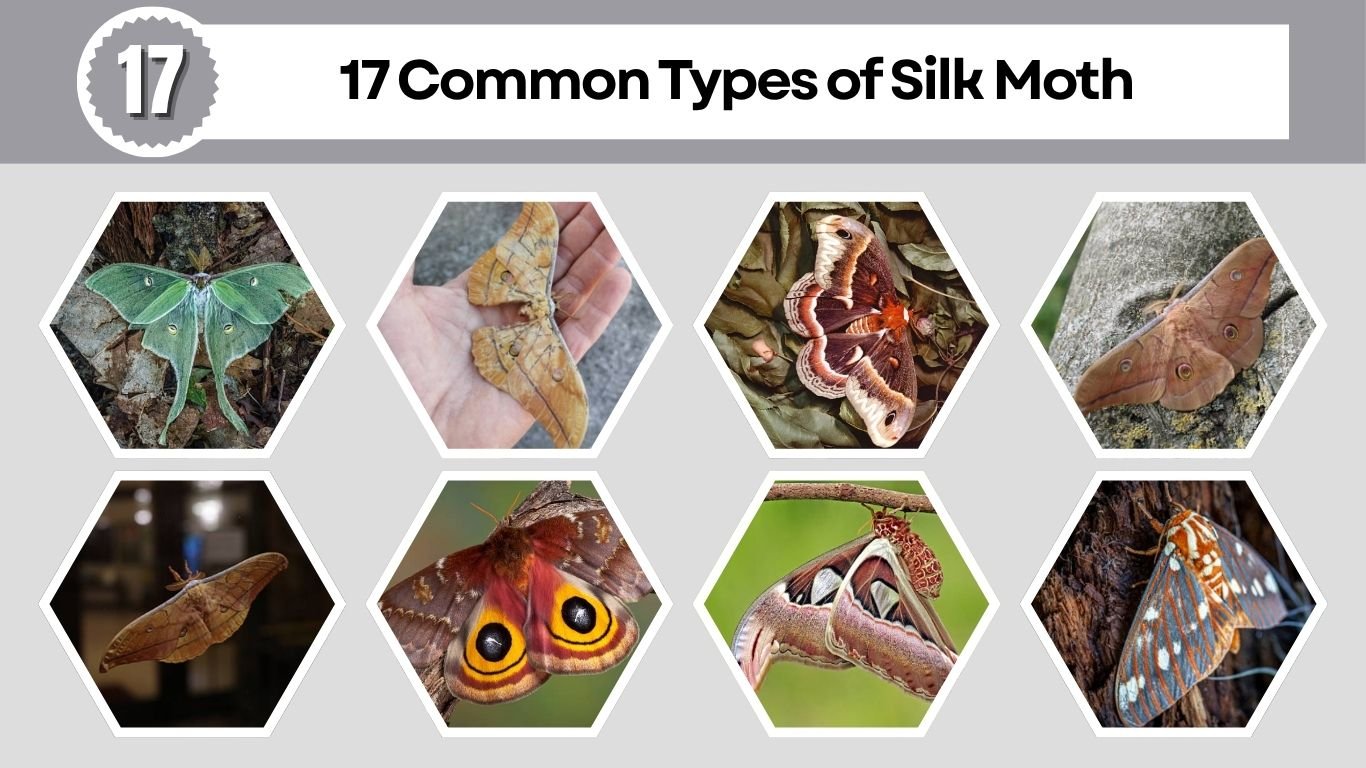
Silk moths are some of the most fascinating and beautiful insects in the world, known for their large wings, unique patterns, and role in silk production. Found across different regions, these moths vary in size, color, and behavior, making each type interesting to explore. From well-known species like the Atlas moth to smaller but colorful varieties like the Rosy Maple moth, each has distinct features shaped by its environment. In this guide, you’ll discover 17 common types of silk moths along with their key characteristics and lifecycle details.
1. Atlas Moth
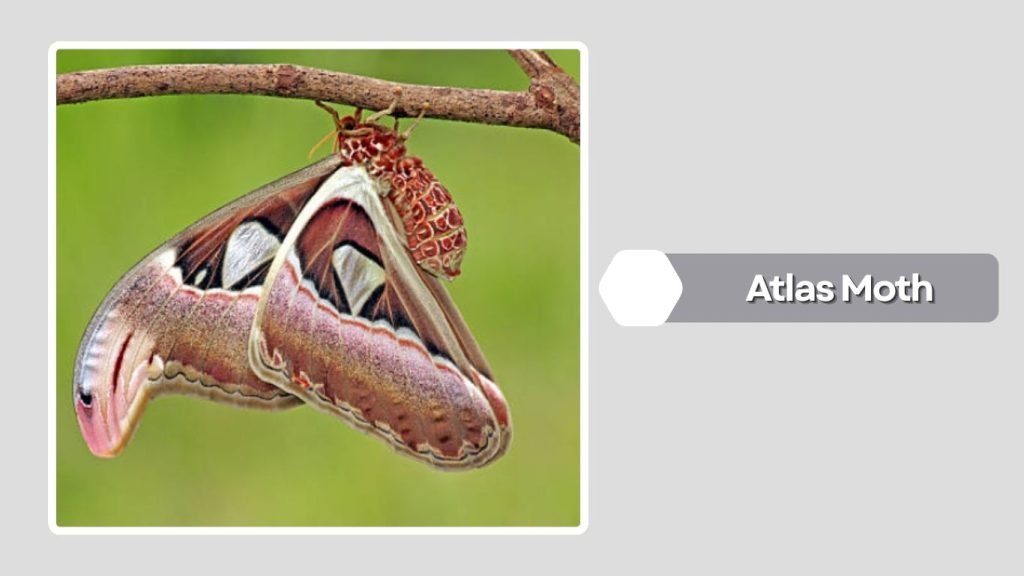
The Atlas moth is one of the largest silk moths in the world, famous for its enormous wingspan and striking patterns. Native to Asia, it belongs to the Saturniidae family and is widely admired for its beauty. Like other silk moths, it has a short adult lifespan and plays an important role in silk production and natural ecosystems.
Identification
- Wingspan can reach up to 24–30 cm, making it one of the largest moths
- Reddish-brown wings with intricate patterns and pale markings
- Wing tips resemble snake heads, used to deter predators
- Thick, furry body with relatively small head
- Transparent patches on wings that add to its unique appearance
Habitat
Atlas moths are commonly found in tropical and subtropical forests across Asia. They prefer warm, humid environments with dense vegetation, which provides suitable conditions for their larvae. They are also seen in plantations and gardens where host plants are available. During the day, they rest on tree trunks or leaves, blending into their surroundings.
Behaviors
This moth is nocturnal and becomes active at night. It is often attracted to artificial lights. Adult Atlas moths are not strong fliers and usually glide short distances. Their primary focus is reproduction, and males actively search for females using sensitive antennae to detect pheromones.
Diet and Lifecycle
The lifecycle includes egg, larva, pupa, and adult stages. Caterpillars feed heavily on leaves from host plants such as citrus and guava, storing energy for later stages. After forming large silk cocoons, they enter the pupal stage. Adult moths emerge without functional mouthparts, meaning they do not eat and survive only on stored energy for about one to two weeks.
2. Cecropia Moth
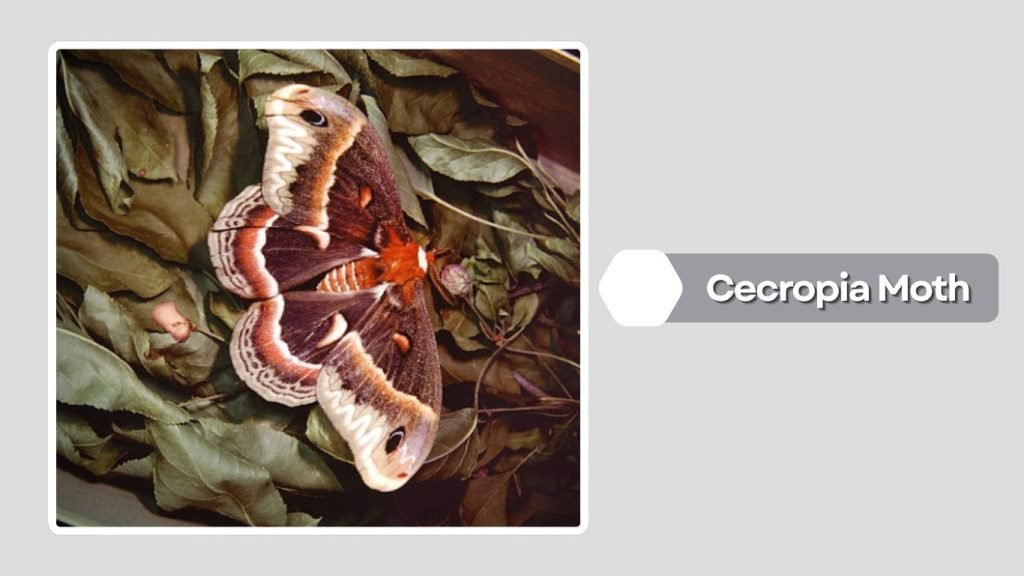
The Cecropia moth is the largest native moth in North America and a well-known member of the silk moth family. It is admired for its bold colors, large size, and distinctive wing patterns. This moth plays an important role in its ecosystem and is often considered one of the most beautiful moths in the world.
Identification
- Wingspan typically ranges from 13–18 cm
- Reddish-brown wings with bands of white, black, and orange
- Crescent-shaped white spots on each wing
- Large, thick body covered in reddish and white hairs
- Prominent feathery antennae, especially in males
Habitat
Cecropia moths are commonly found in forests, woodlands, and suburban areas across North America. They prefer environments with plenty of trees and shrubs, as these provide food sources for their caterpillars. Host plants include maple, cherry, birch, and willow trees. During the day, adults rest on tree trunks or branches, using their coloration as camouflage. They can also be found in parks and gardens where suitable vegetation is available.
Behaviors
This moth is nocturnal and becomes active at night. It is often attracted to lights, which makes it easier to spot near homes and buildings. Cecropia moths are relatively calm and slow fliers. Males are more active and use their highly sensitive antennae to detect female pheromones from long distances. Their primary goal during the adult stage is reproduction.
Diet and Lifecycle
The lifecycle includes egg, larva, pupa, and adult stages. Caterpillars are large and colorful, feeding on a variety of trees and shrubs. They store energy as they grow and eventually spin a tough silk cocoon, where they enter the pupal stage. Adult moths emerge without functional mouthparts, so they do not eat. Their lifespan is short, usually about one to two weeks, during which they focus on mating and laying eggs.
3. Luna Moth
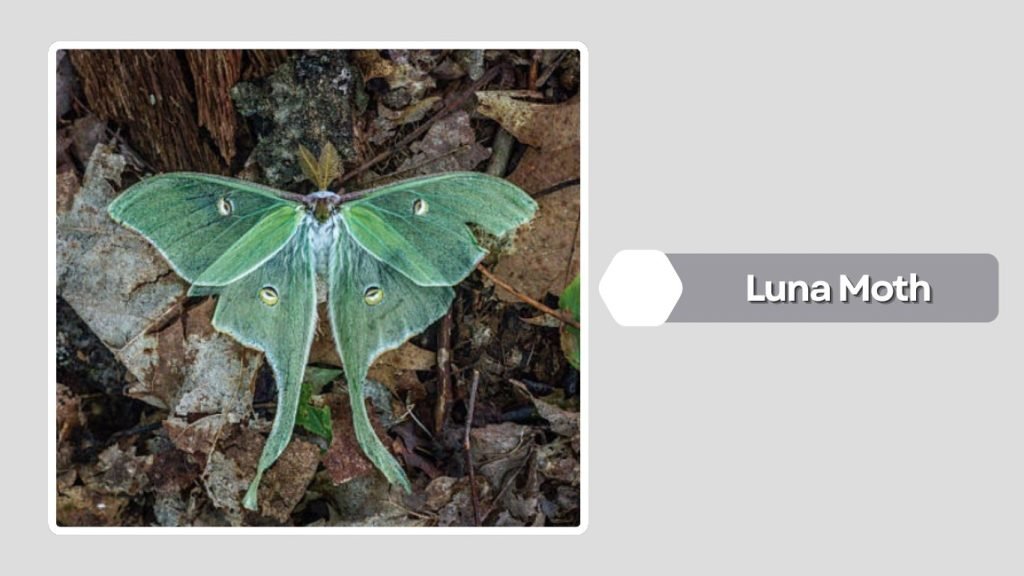
The Luna moth is one of the most recognizable silk moths, known for its pale green color and long, elegant tail-like extensions on its hindwings. Native to North America, it is admired for its delicate beauty and is often associated with nighttime forests and natural landscapes.
Identification
- Wingspan typically ranges from 8–12 cm
- Pale green wings with long, curved tail extensions
- Eyespots on each wing, used to confuse predators
- Light-colored body with a slightly furry texture
- Large, feathery antennae, especially in males
Habitat
Luna moths are commonly found in deciduous forests, woodlands, and suburban areas across North America. They prefer habitats with plenty of trees such as walnut, hickory, sweetgum, and birch, which serve as host plants for their caterpillars. These moths are often seen resting on leaves or tree trunks during the day, blending in with the surrounding foliage. They can also appear in gardens and parks where suitable vegetation is available. Their presence is usually more noticeable during warmer months when conditions support their lifecycle.
Behaviors
The Luna moth is nocturnal and becomes active at night. It is often attracted to artificial lights, making it visible near homes and buildings. Its flight is slow and graceful, giving it a floating appearance. Males are highly active and use their sensitive antennae to detect female pheromones from long distances. The long tails on their wings may help disrupt echolocation signals from bats, offering protection from predators. Their main focus during adulthood is reproduction.
Diet and Lifecycle
The lifecycle includes egg, larva, pupa, and adult stages. Caterpillars feed on leaves from host trees like walnut and hickory, storing energy for later stages. Once fully grown, they spin silk cocoons and enter the pupal stage. Adult Luna moths emerge without functional mouthparts, meaning they do not eat. They rely on stored energy from their larval stage and live for about one week, during which they mate and lay eggs.
4. Polyphemus Moth
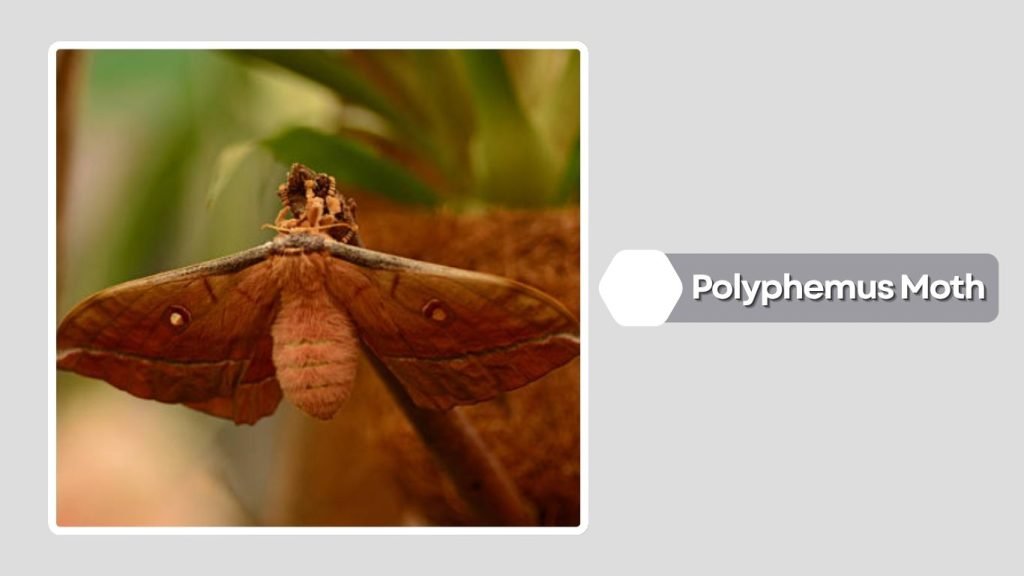
The Polyphemus moth is a large and eye-catching silk moth known for its prominent eyespots on the wings. Native to North America, it is named after the giant cyclops from Greek mythology due to these distinctive markings. It is one of the most common giant silk moths and is admired for its size and beauty.
Identification
- Wingspan typically ranges from 10–15 cm
- Light brown to tan wings with large, dark eyespots on the hindwings
- Eyespots have a blue and yellow center, resembling a single large eye
- Soft, furry body with a stout appearance
- Feathery antennae, more developed in males
Habitat
Polyphemus moths are found in forests, woodlands, orchards, and suburban areas across North America. They thrive in environments with a variety of deciduous trees, which serve as host plants for their caterpillars. Common host plants include oak, maple, birch, and willow. These moths are often seen resting on tree trunks or foliage during the day, where their wing coloration helps them blend into the surroundings. They can also adapt well to parks and residential gardens with suitable vegetation.
Behaviors
This moth is nocturnal and becomes active after sunset. It is frequently attracted to artificial lights, making it visible near homes. The Polyphemus moth has a slow, fluttering flight and does not travel far distances. Males are more active and use their highly sensitive antennae to locate females by detecting pheromones. When threatened, the moth may suddenly reveal its large eyespots to startle predators, giving it a chance to escape.
Diet and Lifecycle
The lifecycle includes egg, larva, pupa, and adult stages. Caterpillars are bright green and feed on a wide range of tree leaves, storing energy for development. Once fully grown, they spin a silk cocoon and enter the pupal stage. Adult moths emerge without functional mouthparts, meaning they do not feed. They rely entirely on stored energy from the larval stage. Their adult lifespan is short, usually about one week, during which they focus on mating and laying eggs.
5. Promethea Moth
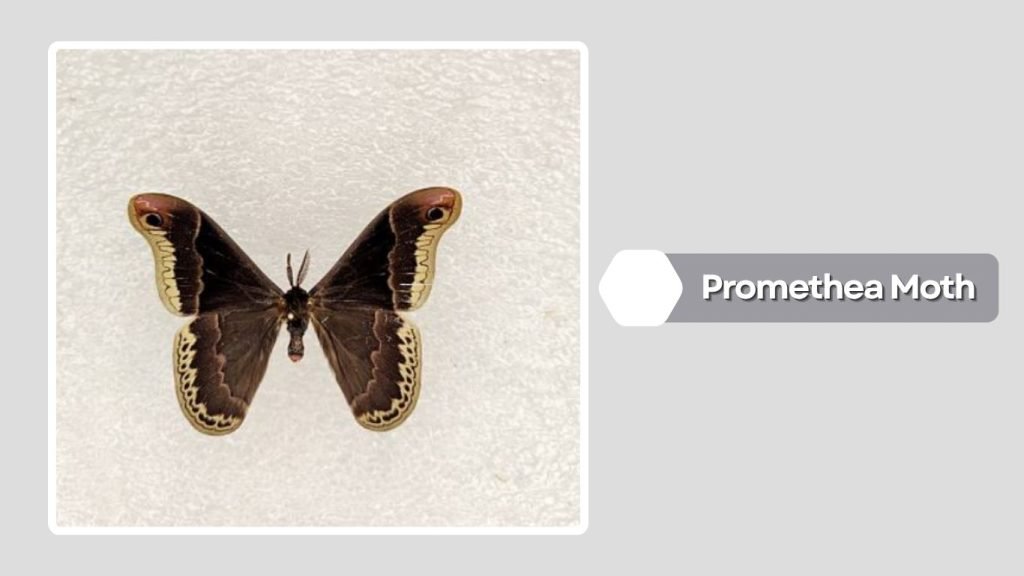
The Promethea moth is a beautiful silk moth native to North America, known for its slender shape and elegant appearance. It shows noticeable differences between males and females, making it an interesting species to observe. This moth is often found in wooded areas and is valued for its role in natural ecosystems.
Identification
- Wingspan typically ranges from 7–10 cm
- Males are dark brown to black with pale markings
- Females are reddish-brown with more noticeable patterns
- Wings are narrow and pointed compared to other silk moths
- Slender body with feathery antennae, especially in males
Habitat
Promethea moths are commonly found in forests, woodlands, and suburban areas across North America. They prefer habitats with a variety of trees and shrubs, which provide food for their caterpillars. Host plants include sassafras, spicebush, and sweetgum. These moths often rest on tree branches or leaves during the day, blending in with their surroundings. They can also be found in gardens and parks where suitable vegetation is present. Their distribution is closely tied to the availability of host plants and warm seasonal conditions.
Behaviors
Unlike many other silk moths, Promethea moths are primarily active during the daytime, especially males. They have a graceful, fluttering flight and are often seen moving through wooded areas. Males actively search for females by detecting pheromones, while females tend to remain more stationary. Their coloration helps them avoid predators by blending into their environment. Despite being less attracted to artificial lights, they can occasionally be seen resting in sheltered areas.
Diet and Lifecycle
The lifecycle includes egg, larva, pupa, and adult stages. Caterpillars feed on leaves from host plants such as sassafras and spicebush, storing energy for growth. Once fully developed, they spin silk cocoons, often attached to branches by a strong silk thread. Inside the cocoon, they enter the pupal stage. Adult moths emerge without functional mouthparts, meaning they do not feed. They rely entirely on stored energy and live for about one week, focusing on reproduction and laying eggs.
6. Io Moth
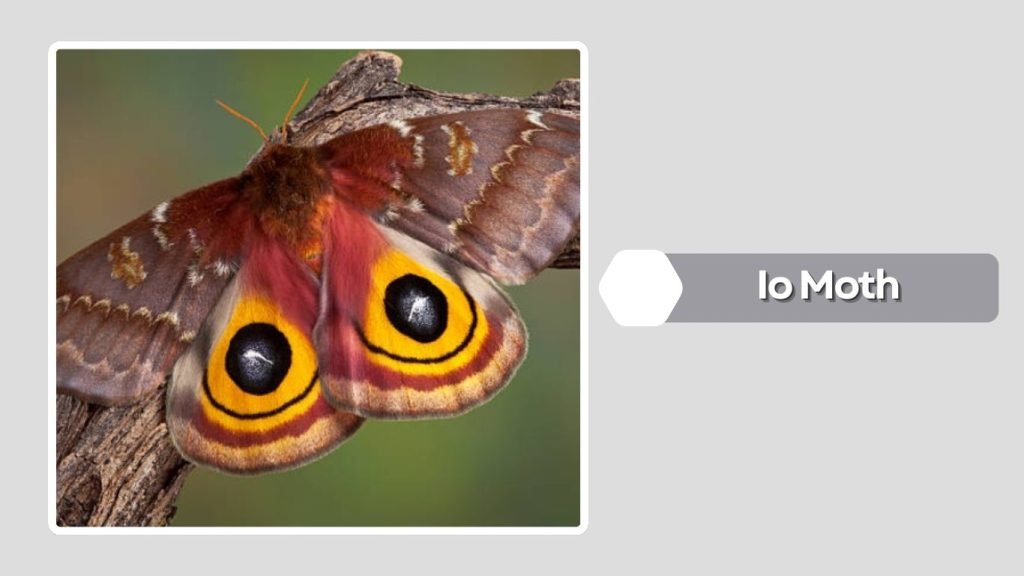
The Io moth is a striking silk moth known for its bright colors and bold eyespots. It is native to North America and is easily recognized by its dramatic wing patterns and defensive features. This moth is unique among silk moths due to its stinging caterpillar stage, making it both fascinating and memorable.
Identification
- Wingspan typically ranges from 5–8 cm
- Males have bright yellow wings, while females are more brownish
- Large, bold eyespots on the hindwings used to scare predators
- Slender, slightly hairy body
- Feathery antennae, more developed in males
Habitat
Io moths are commonly found in forests, fields, gardens, and suburban areas across North and Central America. They prefer environments with a wide range of host plants, which support their caterpillars. Common host plants include oak, willow, elm, and various shrubs. These moths are often seen resting on vegetation during the day, blending in with leaves and branches. They are adaptable and can thrive in both natural and human-altered environments, especially where plant diversity is high.
Behaviors
The Io moth is primarily nocturnal and becomes active at night, though it may sometimes be seen during the day. It is often attracted to artificial lights. When threatened, it suddenly reveals its large eyespots to startle predators. Males are more active and use their sensitive antennae to detect female pheromones. The caterpillars are well-known for their stinging spines, which provide strong protection against predators and can cause irritation if touched.
Diet and Lifecycle
The lifecycle includes egg, larva, pupa, and adult stages. Caterpillars feed on a wide variety of plants and are covered in venomous spines for defense. After feeding and growing, they spin silk cocoons and enter the pupal stage. Adult moths emerge without functional mouthparts, meaning they do not eat. They rely entirely on stored energy from their larval stage. Their adult lifespan is short, usually about one to two weeks, during which they focus on mating and laying eggs.
7. Rosy Maple Moth
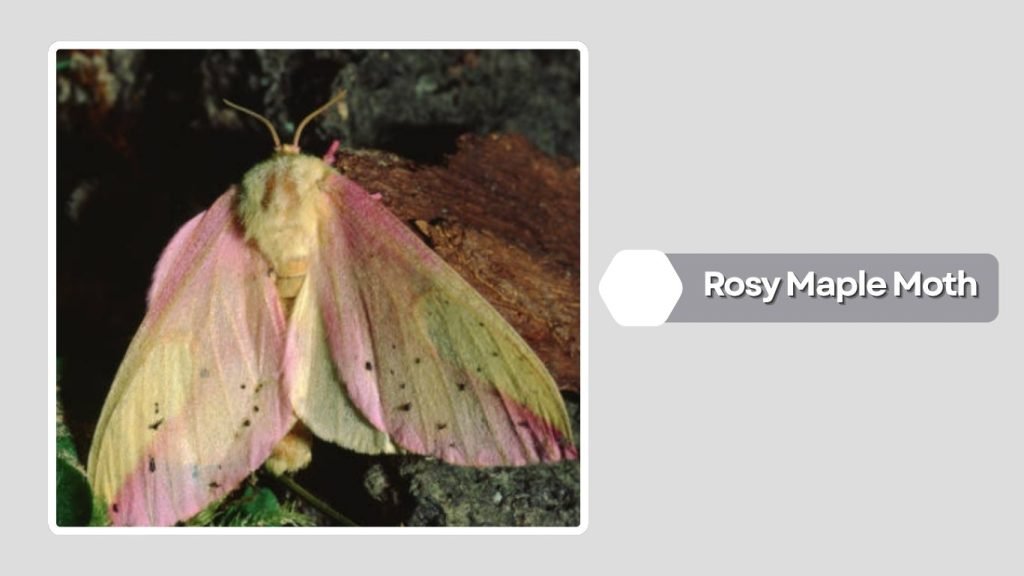
The Rosy Maple moth is a small but colorful silk moth known for its bright pink and yellow appearance. It is one of the most visually striking moths in North America and is often admired for its soft, vibrant colors. Despite its small size, it is a true member of the giant silk moth family.
Identification
- Wingspan typically ranges from 3–5 cm
- Bright pink and yellow wings with soft, fuzzy texture
- Color patterns vary from mostly yellow to heavily pink
- Small, stout body covered in fine hairs
- Feathery antennae, especially noticeable in males
Habitat
Rosy Maple moths are commonly found in deciduous forests, suburban areas, and gardens across North America. They prefer habitats where maple trees are abundant, as these are the primary food source for their caterpillars. They are often seen resting on leaves or tree trunks during the day, blending in surprisingly well despite their bright colors. These moths can also thrive in parks and residential areas where maple and oak trees are present.
Behaviors
This moth is nocturnal and becomes active at night. It is often attracted to artificial lights, making it visible near homes. The Rosy Maple moth has a weak, fluttering flight and does not travel far distances. Adults are relatively inactive and focus mainly on reproduction. Their bright coloration may help deter predators or serve as camouflage among colorful foliage.
Diet and Lifecycle
The lifecycle includes egg, larva, pupa, and adult stages. Caterpillars, known as green-striped mapleworms, feed mainly on maple and sometimes oak leaves. After feeding and growing, they enter the soil to pupate. Adult moths emerge without functional mouthparts, meaning they do not eat. They rely on stored energy from their larval stage and live for about one week, focusing on mating and laying eggs.
8. Imperial Moth
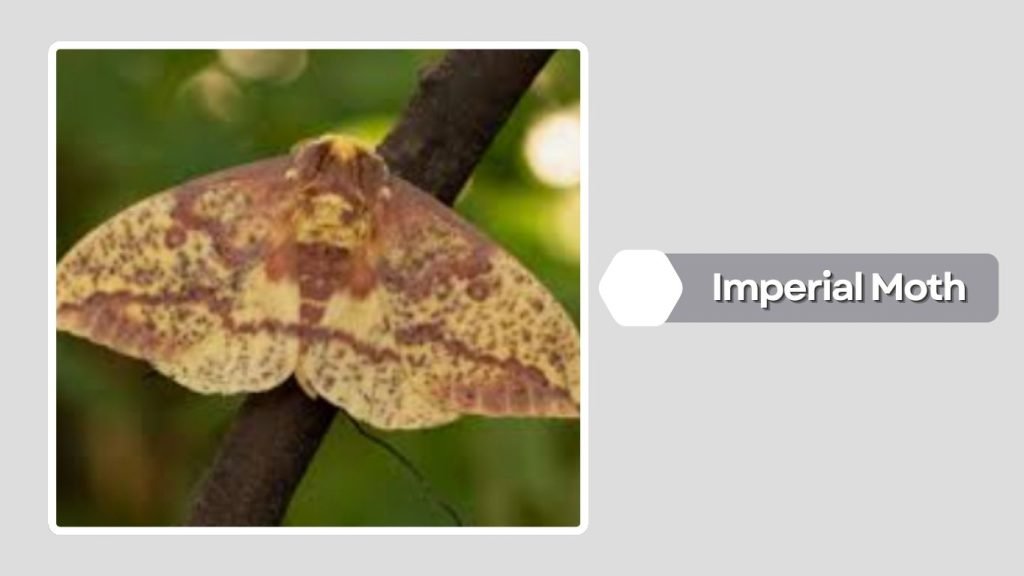
The Imperial moth is a large and colorful silk moth known for its variable patterns and impressive size. It is native to North America and is easily recognized by its yellow wings marked with brown spots. This moth is admired for its beauty and plays an important role in forest ecosystems.
Identification
- Wingspan typically ranges from 10–15 cm
- Yellow wings with brown or purplish spots and markings
- Color and pattern can vary greatly between individuals
- Stout, furry body with a robust appearance
- Feathery antennae, more developed in males
Habitat
Imperial moths are commonly found in forests, woodlands, and suburban areas across eastern North America. They prefer habitats with a variety of trees, especially pine, oak, maple, and sweetgum, which serve as host plants for their caterpillars. These moths are often seen resting on tree trunks or branches during the day, blending in with their surroundings. They can also be found in parks and gardens where suitable vegetation is present. Their distribution is closely tied to forested regions with abundant plant diversity.
Behaviors
This moth is nocturnal and becomes active at night. It is often attracted to artificial lights, making it visible near homes and buildings. The Imperial moth has a slow, fluttering flight and does not travel long distances. Males are more active and use their sensitive antennae to detect female pheromones. Their coloration helps them camouflage during the day, reducing the risk of predation.
Diet and Lifecycle
The lifecycle includes egg, larva, pupa, and adult stages. Caterpillars feed on a wide range of host plants, including both deciduous and coniferous trees. As they grow, they store energy for metamorphosis. Once fully developed, they burrow into the soil to pupate. Adult moths emerge without functional mouthparts, meaning they do not feed. They rely entirely on stored energy from the larval stage and live for about one to two weeks, focusing on reproduction.
9. Regal Moth
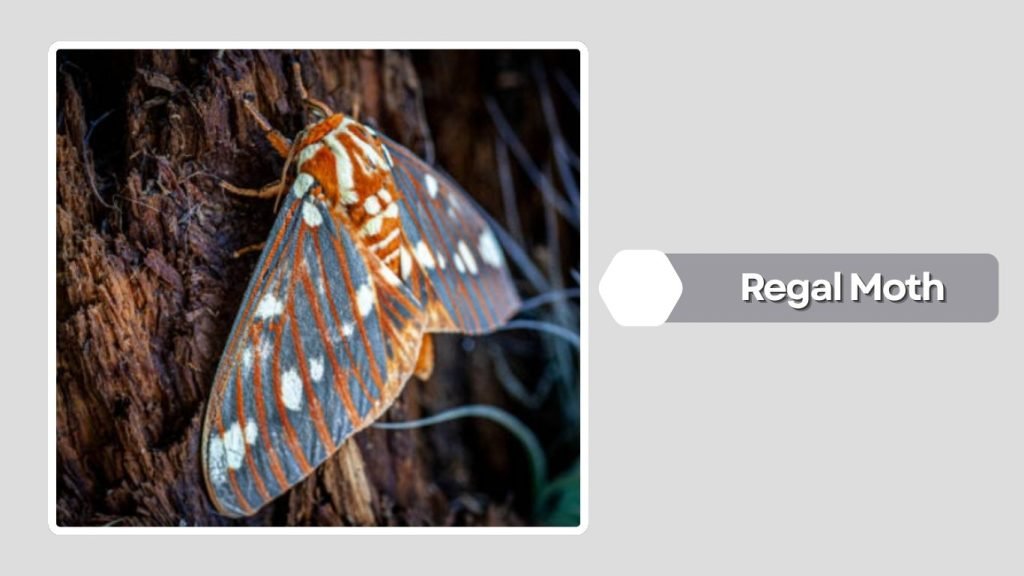
The Regal moth is a large and striking silk moth best known for its colorful caterpillar, often called the hickory horned devil. Native to North America, it is admired for both its impressive size and unique appearance. Despite its intimidating larval stage, the adult moth is completely harmless.
Identification
- Wingspan typically ranges from 9–14 cm
- Orange to reddish-brown wings with yellow and gray spots
- Broad wings with bold, contrasting patterns
- Thick, furry body with a stout build
- Feathery antennae, more developed in males
Habitat
Regal moths are commonly found in deciduous forests, woodlands, and suburban areas across eastern North America. They prefer habitats with trees such as hickory, walnut, sweetgum, and persimmon, which serve as host plants for their caterpillars. These moths are usually seen resting on tree trunks or foliage during the day, blending into their surroundings. They can also be found in parks and gardens where suitable trees are present. Their distribution depends largely on the availability of host plants and warm seasonal conditions.
Behaviors
This moth is nocturnal and becomes active at night. It is often attracted to artificial lights, making it visible near homes. The Regal moth has a slow, heavy flight and does not travel far distances. Males are more active and use their sensitive antennae to locate females by detecting pheromones. Although the caterpillar appears fierce, the adult moth is calm and focuses mainly on reproduction.
Diet and Lifecycle
The lifecycle includes egg, larva, pupa, and adult stages. Caterpillars, known as hickory horned devils, feed on leaves of host trees and grow to a large size. Once fully developed, they burrow into the soil to pupate. Adult moths emerge without functional mouthparts, meaning they do not eat. They rely entirely on stored energy from the larval stage and live for about one to two weeks, during which they mate and lay eggs.
10. Giant Leopard Moth
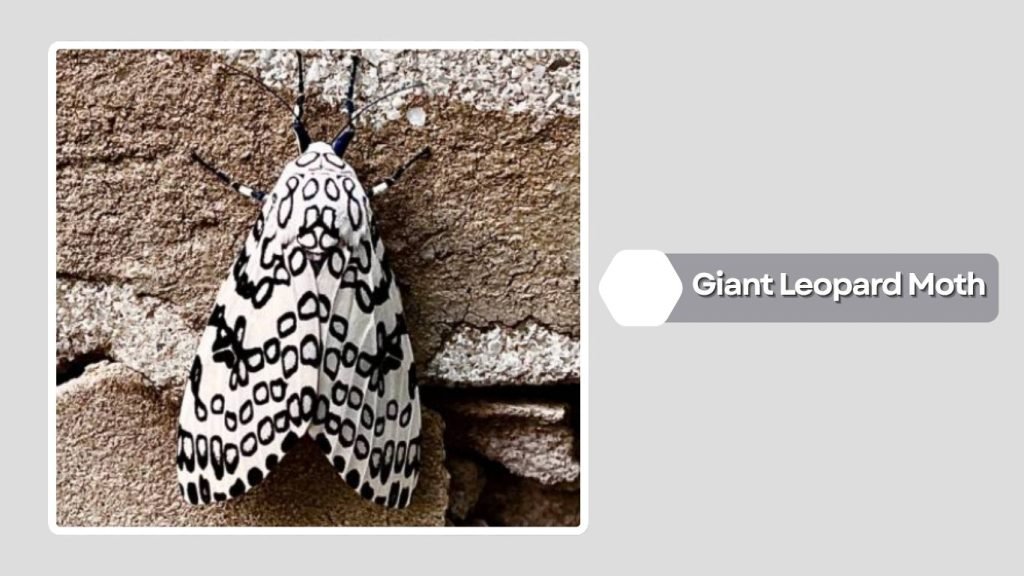
The Giant Leopard moth is a striking silk moth known for its bold black-and-white spotted pattern. Native to North America, it stands out due to its unique appearance, which resembles a leopard’s markings. It is admired for both its beauty and its interesting lifecycle.
Identification
- Wingspan typically ranges from 7–10 cm
- White wings covered with bold black spots
- Bright blue and orange markings visible on the abdomen
- Furry body with a thick, woolly appearance
- Feathery antennae, more prominent in males
Habitat
Giant Leopard moths are commonly found in forests, fields, gardens, and suburban areas across North America. They prefer habitats with a wide variety of plants, as their caterpillars feed on many different species. These moths are often seen resting on tree trunks, walls, or vegetation during the day. They can adapt well to human environments, especially where plant diversity is high. Their ability to thrive in both natural and urban settings makes them relatively widespread.
Behaviors
This moth is nocturnal and becomes active at night. It is often attracted to artificial lights, making it visible near homes and buildings. The Giant Leopard moth has a slow, fluttering flight and tends to stay within a limited area. When disturbed, it may reveal its bright abdominal colors as a warning display. Males are more active and use their sensitive antennae to locate females by detecting pheromones.
Diet and Lifecycle
The lifecycle includes egg, larva, pupa, and adult stages. Caterpillars, known as woolly bears, feed on a wide range of plants, including dandelion, violet, and plantain. They store energy as they grow and later form a cocoon for pupation. Adult moths emerge without functional mouthparts, meaning they do not feed. They rely on stored energy from their larval stage and live for about one to two weeks, focusing on reproduction.
11. Japanese Silk Moth
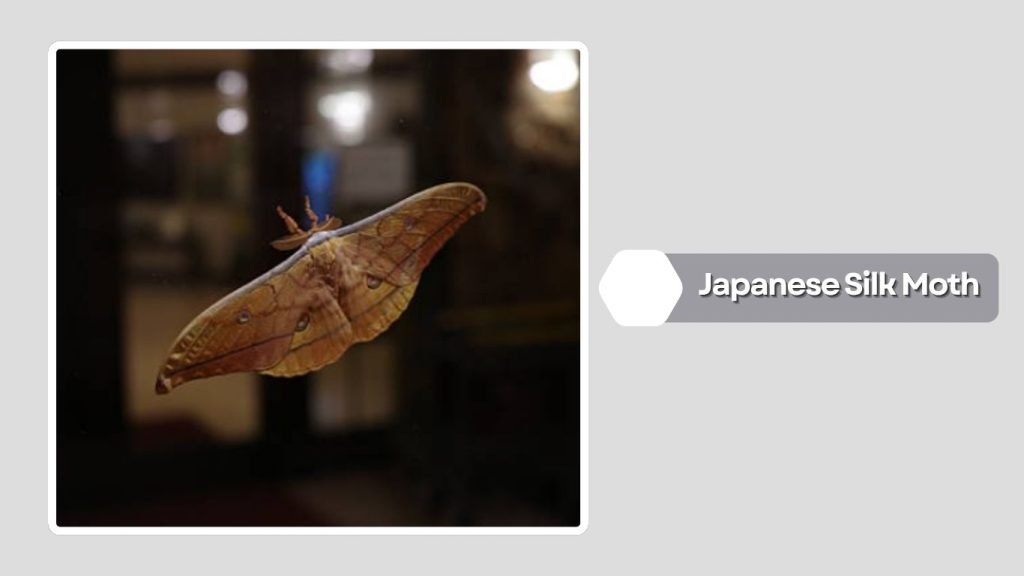
The Japanese Silk moth, also known as the Japanese oak silk moth, is a well-known species valued for its role in silk production. Native to East Asia, it is admired for its soft coloration and economic importance. This moth is widely associated with traditional silk farming practices.
Identification
- Wingspan typically ranges from 12–15 cm
- Pale yellow to light brown wings with subtle patterns
- Distinct eyespots on the wings
- Thick, furry body with a soft appearance
- Feathery antennae, especially prominent in males
Habitat
Japanese Silk moths are commonly found in forests, rural areas, and regions where silk farming is practiced in Japan and nearby countries. They prefer habitats with oak trees, as these are the primary host plants for their caterpillars. These moths are often raised in controlled environments for silk production but can also exist in the wild. During the day, they rest on tree trunks or leaves, blending into their surroundings. Their habitat is closely linked to areas where suitable host plants are abundant.
Behaviors
This moth is mostly nocturnal and becomes active during the night. It is sometimes attracted to artificial lights, especially in rural areas. Adult Japanese Silk moths are relatively inactive and focus mainly on reproduction. Males are more active and use their sensitive antennae to detect female pheromones. In farming conditions, their behavior is often managed by humans to support silk production.
Diet and Lifecycle
The lifecycle includes egg, larva, pupa, and adult stages. Caterpillars feed primarily on oak leaves and are important in silk production, as they spin cocoons made of strong silk fibers. Once fully grown, they form cocoons and enter the pupal stage. Adult moths emerge without functional mouthparts, meaning they do not feed. They rely on stored energy from their larval stage and live for about one to two weeks, focusing on mating and laying eggs.
12. Chinese Oak Silk Moth
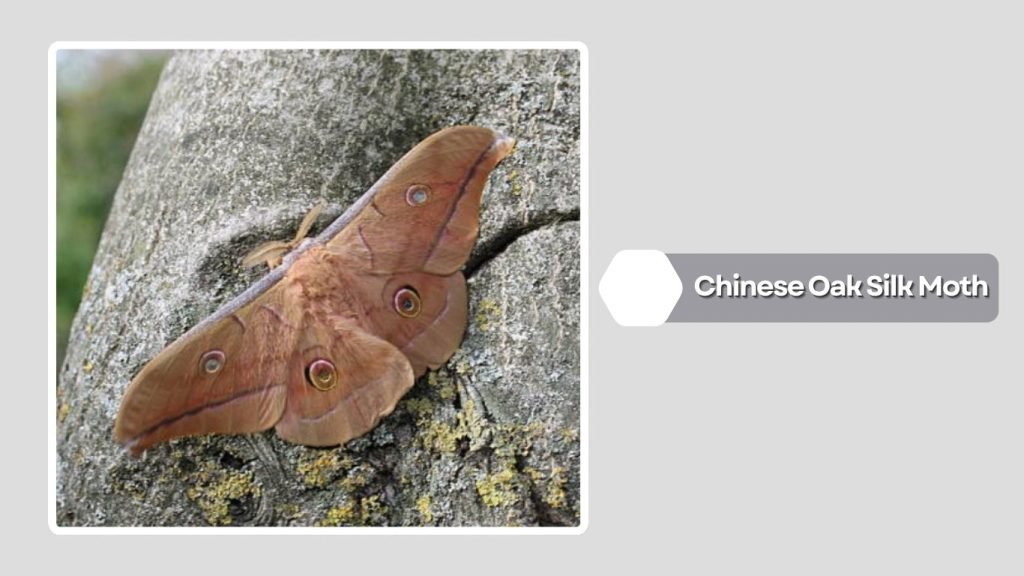
The Chinese Oak Silk moth is a well-known silk-producing species native to China and surrounding regions. It is valued for producing tussar silk and is both farmed and found in the wild. This moth is recognized for its earthy tones and strong adaptability to different environments.
Identification
- Wingspan typically ranges from 12–15 cm
- Brown to tan wings with subtle patterns and markings
- Distinct eyespots on the wings
- Thick, furry body with a sturdy appearance
- Feathery antennae, more developed in males
Habitat
Chinese Oak Silk moths are commonly found in forests, woodlands, and rural areas across China and neighboring countries. They prefer habitats with oak trees, which serve as the primary food source for their caterpillars. These moths can live both in natural environments and in controlled farming areas where silk is produced. During the day, they rest on tree trunks or foliage, blending into their surroundings. Their habitat is closely tied to regions where oak trees are abundant and climates are suitable for their development.
Behaviors
This moth is mostly nocturnal and becomes active at night. It may be attracted to artificial lights, especially in rural and farming areas. Adult moths are relatively inactive, focusing mainly on reproduction. Males are more active and use their sensitive antennae to detect female pheromones. In silk farming environments, their behavior is often influenced by human management to improve silk production.
Diet and Lifecycle
The lifecycle includes egg, larva, pupa, and adult stages. Caterpillars feed mainly on oak leaves and grow rapidly while storing energy. Once fully developed, they spin strong silk cocoons, which are harvested for tussar silk. After pupation, adult moths emerge without functional mouthparts, meaning they do not eat. They rely entirely on stored energy from the larval stage and live for about one to two weeks, focusing on mating and laying eggs.
13. Indian Tussar Silk Moth
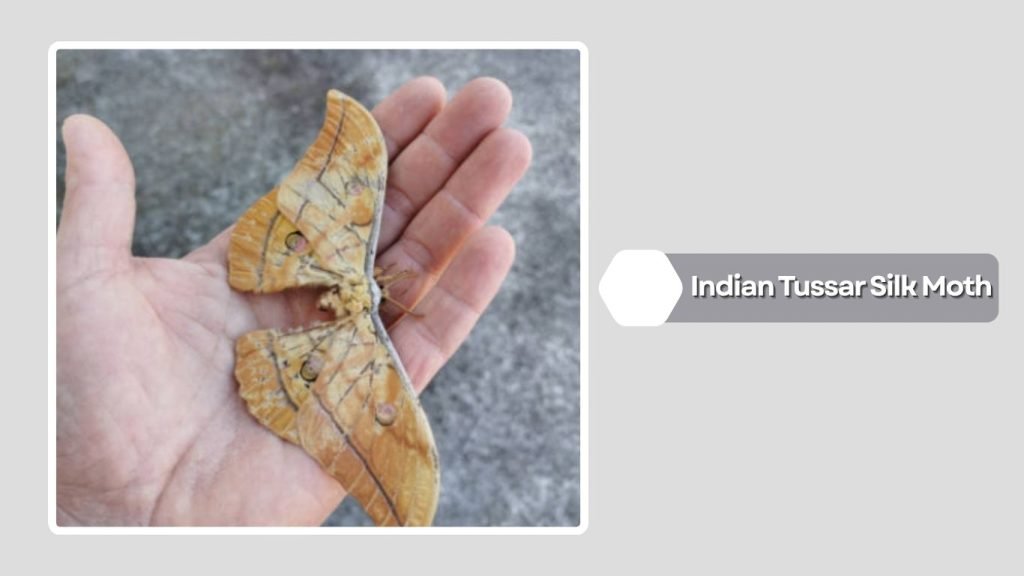
The Indian Tussar Silk moth is a well-known silk-producing species native to India. It is highly valued for producing tussar silk, which is coarser but more durable than traditional silk. This moth plays an important role in both the natural ecosystem and the rural silk industry.
Identification
- Wingspan typically ranges from 10–15 cm
- Golden brown to copper-colored wings with natural sheen
- Distinct eyespots on each wing
- Thick, furry body with a strong build
- Feathery antennae, especially prominent in males
Habitat
Indian Tussar Silk moths are commonly found in tropical forests, woodlands, and rural areas across India. They prefer habitats with host trees such as sal, arjun, and asan, which provide essential food for their caterpillars. These moths are often found in both wild environments and managed forest areas used for silk production. During the day, they rest on tree trunks or foliage, blending into their surroundings. Their habitat is closely linked to regions where host plants are abundant and climatic conditions support their lifecycle.
Behaviors
This moth is mostly nocturnal and becomes active at night. It may be attracted to artificial lights in rural areas. Adult moths are relatively inactive, conserving energy for reproduction. Males are more active and use their sensitive antennae to locate females by detecting pheromones. In silk farming regions, their behavior may be partially influenced by human management to improve silk yield.
Diet and Lifecycle
The lifecycle includes egg, larva, pupa, and adult stages. Caterpillars feed on leaves of host trees such as sal and arjun, storing energy for growth and development. Once fully grown, they spin strong silk cocoons, which are harvested for tussar silk production. After pupation, adult moths emerge without functional mouthparts, meaning they do not eat. They rely entirely on stored energy from the larval stage and live for about one to two weeks, focusing on reproduction.
14. Wild Silk Moth
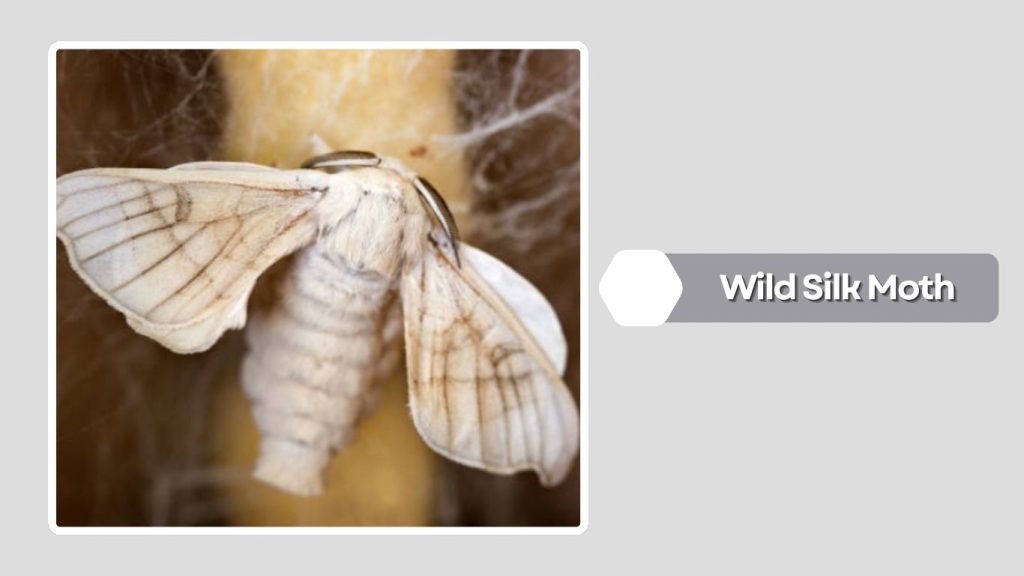
The Wild Silk moth refers to naturally occurring silk moth species that are not fully domesticated for silk production. These moths are found in forests and rural landscapes across different regions and are valued for their ecological role and naturally produced silk.
Identification
- Wingspan varies widely depending on species, typically 8–15 cm
- Wings usually brown, tan, or earthy in color with natural patterns
- Many species feature eyespots or subtle markings
- Thick, furry body adapted to outdoor environments
- Feathery antennae, more developed in males
Habitat
Wild Silk moths are commonly found in forests, woodlands, and natural landscapes across Asia, Africa, and other regions. They prefer areas with abundant vegetation and host plants for their caterpillars. Unlike domesticated species, they rely entirely on natural ecosystems for survival. These moths are often seen resting on tree trunks, leaves, or branches during the day. Their habitat depends on the availability of host plants and suitable climate conditions, making forests and undisturbed environments ideal for their lifecycle.
Behaviors
This moth is primarily nocturnal and becomes active at night. It may be attracted to artificial lights but generally remains within its natural habitat. Wild Silk moths have a slow, energy-efficient flight and do not travel long distances. Males are more active, using their sensitive antennae to detect female pheromones. Their natural coloration helps them avoid predators through camouflage, and some species may display defensive patterns when threatened.
Diet and Lifecycle
The lifecycle includes egg, larva, pupa, and adult stages. Caterpillars feed on a wide variety of host plants depending on the species, storing energy for development. Once fully grown, they spin silk cocoons in natural surroundings and enter the pupal stage. Adult moths emerge without functional mouthparts, meaning they do not feed. They rely entirely on stored energy from the larval stage and live for a short period, usually one to two weeks, focusing on mating and reproduction.
15. Oak Silk Moth
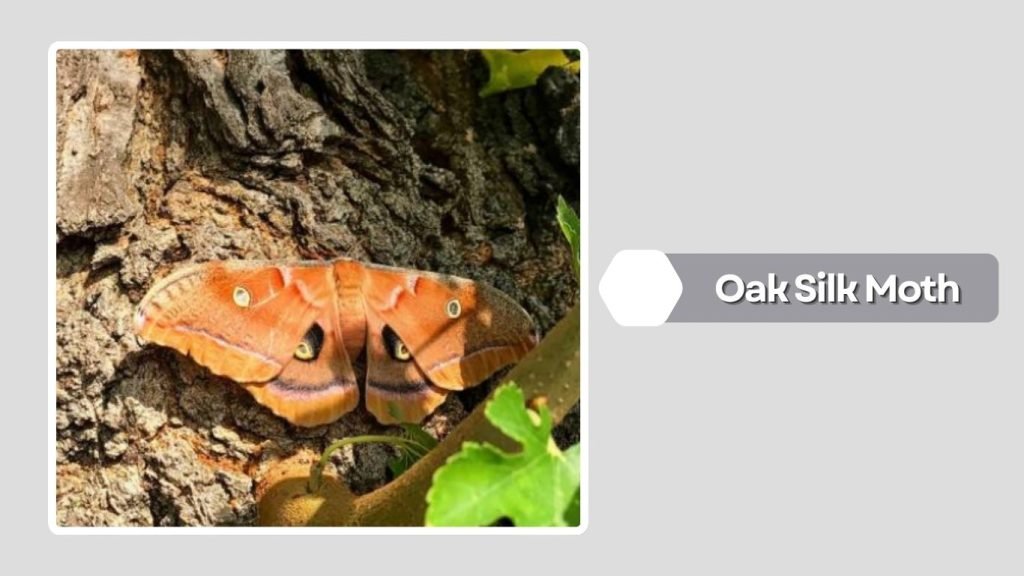
The Oak Silk moth is a well-known silk moth that is closely associated with oak trees, which serve as its primary host plant. It is valued for both its ecological importance and its role in producing natural silk. This moth is commonly found in forested regions where oak trees are abundant.
Identification
- Wingspan typically ranges from 10–15 cm
- Brown to tan wings with subtle patterns and markings
- Prominent eyespots on the wings
- Thick, furry body with a sturdy appearance
- Feathery antennae, more developed in males
Habitat
Oak Silk moths are commonly found in forests, woodlands, and rural areas where oak trees grow. They prefer environments with moderate to warm climates and abundant vegetation. These moths are often seen resting on tree trunks or leaves during the day, blending in with their surroundings. They can also be found near agricultural or semi-natural areas where oak trees are present. Their habitat is strongly tied to the availability of oak trees, which provide essential food for their caterpillars.
Behaviors
This moth is mostly nocturnal and becomes active at night. It may be attracted to artificial lights, especially in rural and forest-edge areas. Adult moths are relatively inactive, conserving energy for reproduction. Males are more active and use their sensitive antennae to locate females by detecting pheromones. Their natural coloration helps them remain hidden from predators during the day.
Diet and Lifecycle
The lifecycle includes egg, larva, pupa, and adult stages. Caterpillars feed primarily on oak leaves and grow while storing energy for later stages. Once fully developed, they spin silk cocoons and enter the pupal stage. Adult moths emerge without functional mouthparts, meaning they do not feed. They rely entirely on stored energy from the larval stage and live for about one to two weeks, focusing on mating and laying eggs.
16. Ailanthus Silk Moth
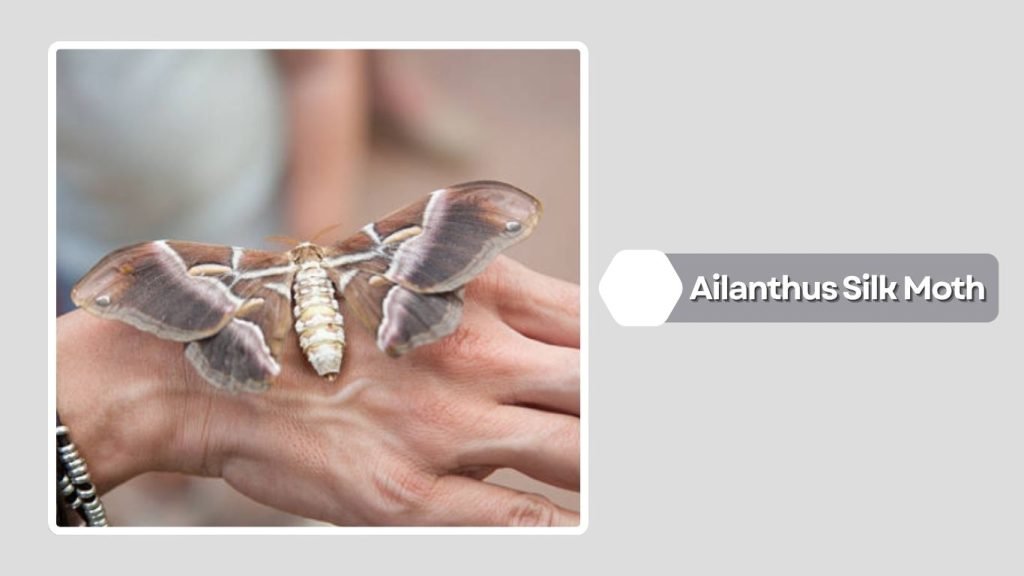
The Ailanthus Silk moth is a large and distinctive silk moth known for its adaptability and association with the tree-of-heaven (Ailanthus). Native to Asia but introduced to other regions, it is valued for both its resilience and its role in wild silk production.
Identification
- Wingspan typically ranges from 9–13 cm
- Brown to olive-colored wings with subtle, wavy patterns
- Distinct pale bands running across the wings
- Slender, slightly furry body
- Feathery antennae, more developed in males
Habitat
Ailanthus Silk moths are commonly found in forests, urban areas, and regions where the tree-of-heaven grows. They are highly adaptable and can thrive in both natural and human-altered environments. These moths prefer warm climates and areas with abundant host plants. They are often seen resting on tree trunks, walls, or vegetation during the day, blending in with their surroundings. Their ability to live in urban settings makes them more widespread than many other silk moth species.
Behaviors
This moth is primarily nocturnal and becomes active at night. It is often attracted to artificial lights, especially in cities and towns. The Ailanthus Silk moth has a steady, gliding flight and is capable of traveling moderate distances. Males are more active and use their sensitive antennae to detect female pheromones. Their adaptable nature allows them to survive in a wide range of conditions.
Diet and Lifecycle
The lifecycle includes egg, larva, pupa, and adult stages. Caterpillars feed mainly on the leaves of the tree-of-heaven, though they may also use other host plants. After feeding and growing, they spin silk cocoons and enter the pupal stage. Adult moths emerge without functional mouthparts, meaning they do not eat. They rely on stored energy from the larval stage and live for about one to two weeks, focusing on reproduction.
17. Eri Silk Moth
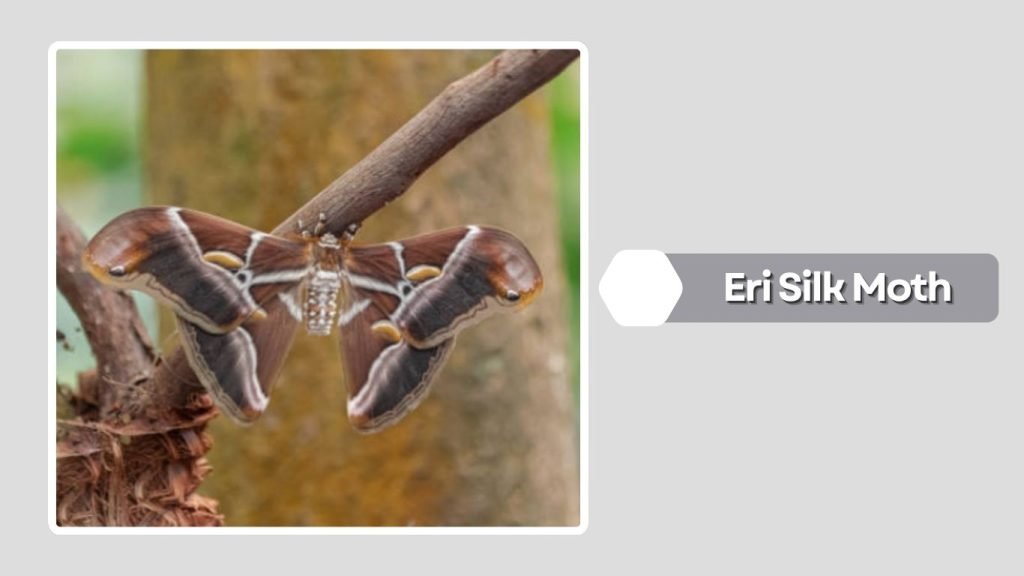
The Eri Silk moth is a well-known silk-producing species valued for its soft and durable eri silk. Native to parts of Asia, especially India, it is commonly associated with traditional silk farming. Unlike many other silk moths, it is often reared in semi-domesticated conditions.
Identification
- Wingspan typically ranges from 8–12 cm
- Pale brown to creamy white wings with simple patterns
- Less prominent markings compared to other silk moths
- Thick, soft, furry body
- Feathery antennae, more developed in males
Habitat
Eri Silk moths are commonly found in rural areas, forests, and regions where silk farming is practiced, especially in South and Southeast Asia. They prefer environments where host plants like castor and kesseru are available. These moths are often raised in controlled or semi-natural conditions but can also exist in the wild. During the day, they rest on leaves or nearby surfaces, blending into their surroundings. Their habitat is closely linked to areas where their host plants grow abundantly.
Behaviors
This moth is mostly nocturnal and becomes active at night. It may be attracted to artificial lights, especially in rural areas. Adult moths are relatively inactive and focus mainly on reproduction. Males are more active and use their sensitive antennae to locate females by detecting pheromones. In farming conditions, their behavior is often influenced by human care and management.
Diet and Lifecycle
The lifecycle includes egg, larva, pupa, and adult stages. Caterpillars feed mainly on castor leaves and grow rapidly while storing energy. Once fully developed, they spin open-ended cocoons, which are used to produce eri silk without killing the pupae. Adult moths emerge without functional mouthparts, meaning they do not feed. They rely entirely on stored energy from the larval stage and live for about one to two weeks, focusing on mating and laying eggs.
FAQs
What is a silk moth?
A silk moth is a type of moth from the Saturniidae family known for producing silk during its cocoon stage. These moths are usually large, colorful, and short-lived as adults. They play an important role in nature and are also valuable in silk production industries.
Do silk moths eat as adults?
No, most silk moths do not eat as adults. They emerge without functional mouthparts, meaning they cannot feed. Instead, they rely entirely on energy stored during their caterpillar stage and live only long enough to reproduce.
What do silk moth caterpillars eat?
Silk moth caterpillars feed on leaves from specific host plants, depending on the species. Common plants include oak, maple, citrus, and castor. They consume large amounts of food to store energy needed for metamorphosis and adult survival.
Are silk moths harmful to humans?
Silk moths are generally harmless to humans. They do not bite or sting. However, some caterpillars, like the Io moth, have stinging spines that can cause irritation if touched. Adult moths are completely safe and non-aggressive.
Where are silk moths commonly found?
Silk moths are found in many parts of the world, including North America, Asia, and Africa. They typically live in forests, woodlands, and rural areas where host plants are abundant. Some species are also raised in farms for silk production.
