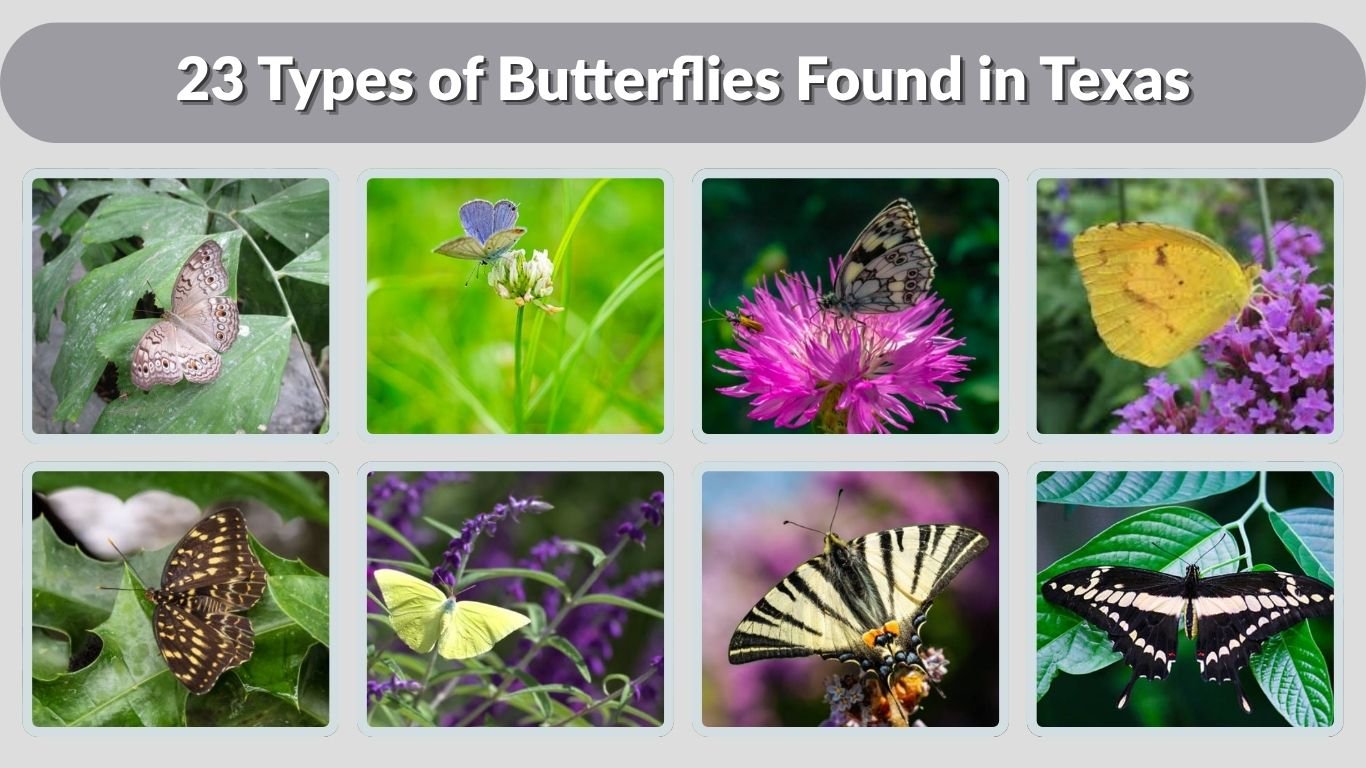
Texas is home to a rich diversity of butterflies, thanks to its wide range of climates and habitats. From open grasslands and deserts to forests and gardens, these environments support many unique and colorful species. Butterflies like the Monarch, Queen, and various Swallowtails are commonly seen across the state. This guide highlights 23 types of butterflies found in Texas, helping you identify them easily while learning about their appearance, habitats, and behaviors in nature.
1. Monarch
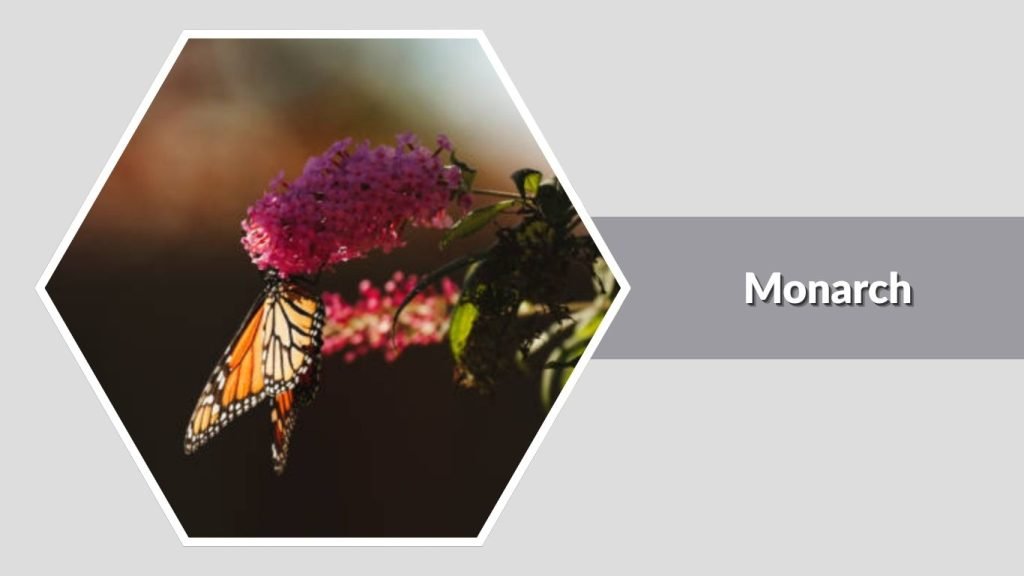
The Monarch is one of the most well-known butterflies found in Texas, famous for its striking orange and black wings and incredible long-distance migration. It is commonly seen across the state during its seasonal journeys, making it a favorite among butterfly watchers.
Identification
- Medium to large wingspan, about 8 to 10 centimeters
- Bright orange wings with bold black veins
- Black borders with white spots along the edges
- Body is black with small white dots
Color Pattern
The Monarch displays a vivid orange color contrasted with thick black veins, creating a stained-glass appearance. The black edges are lined with small white spots, making it highly recognizable. This bold coloration serves as a warning to predators due to its toxicity.
Habitat
Monarchs are found in open areas such as fields, meadows, roadsides, and gardens. In Texas, they are especially common during migration seasons. They rely on milkweed plants, which are essential for laying eggs and feeding caterpillars.
Behavior
Monarch butterflies are known for their remarkable migration, traveling thousands of kilometers between breeding and overwintering sites. They feed on nectar from various flowers and have a slow, graceful flight. Their presence in Texas often signals seasonal changes as they move across regions.
2. Queen
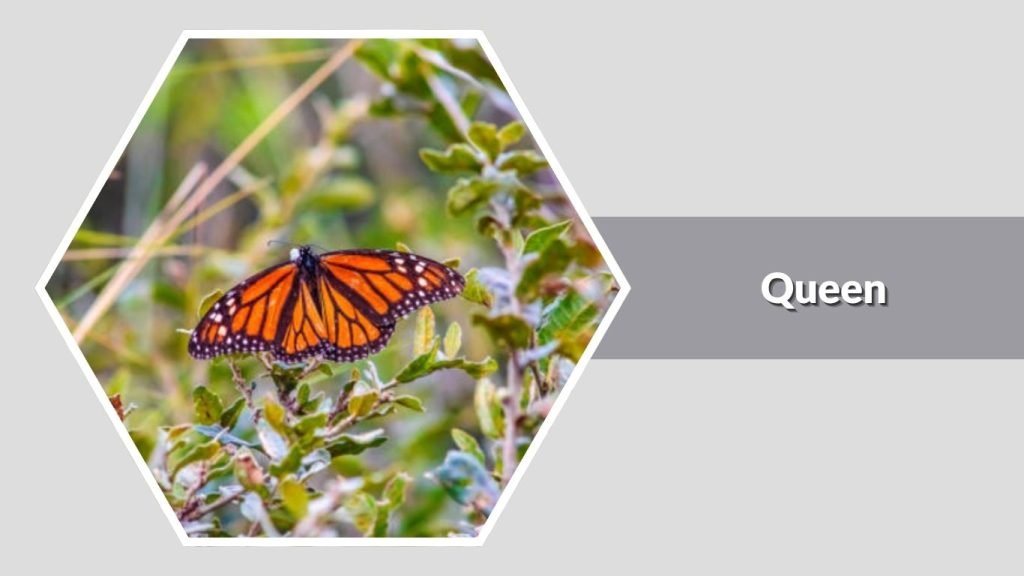
The Queen butterfly is a close relative of the Monarch and is commonly found throughout Texas, especially in warm, open regions. It shares a similar orange and black appearance but has its own unique features that make it distinguishable. The Queen is well adapted to the Texas climate and can often be seen year-round in southern parts of the state, particularly in areas with abundant sunlight and flowering plants.
Identification
- Medium wingspan, about 7 to 9 centimeters
- Upper wings are rich orange-brown with black veins
- White spots are scattered across the forewings and along the borders
- Wings appear slightly darker and less vivid than Monarch
Color Pattern
The Queen butterfly has a more subdued coloration compared to the Monarch. Its wings are a deeper orange-brown, with fine black veins that are less bold. One of its key features is the presence of numerous small white spots across both the forewings and hindwings. The underside is similar in pattern but slightly paler, allowing it to blend more easily when at rest. This coloration still acts as a warning to predators, as the Queen is also toxic due to the plants it consumes during its larval stage.
Habitat
In Texas, Queen butterflies are commonly found in open, sunny habitats such as grasslands, roadsides, gardens, and scrub areas. They prefer warm climates and are especially abundant in southern Texas, where temperatures remain mild for much of the year. Like Monarchs, they rely on milkweed species, but they also use other related plants such as milkvine as host plants for their caterpillars. Areas with a good supply of nectar-rich flowers are ideal, as adults frequently feed throughout the day.
Behavior
Queen butterflies are active during warm, sunny conditions and have a steady, gliding flight similar to Monarchs, though often slightly quicker. They are frequently seen visiting flowers for nectar and may gather in small groups where food sources are plentiful. Unlike Monarchs, Queens do not undertake long-distance migrations; instead, they tend to remain within suitable habitats year-round. Their toxicity provides strong protection from predators, and as a result, they move with a calm and unhurried flight. In Texas, they are an important part of the local ecosystem, contributing to pollination and serving as a model for mimicry among other butterfly species.
3. Viceroy
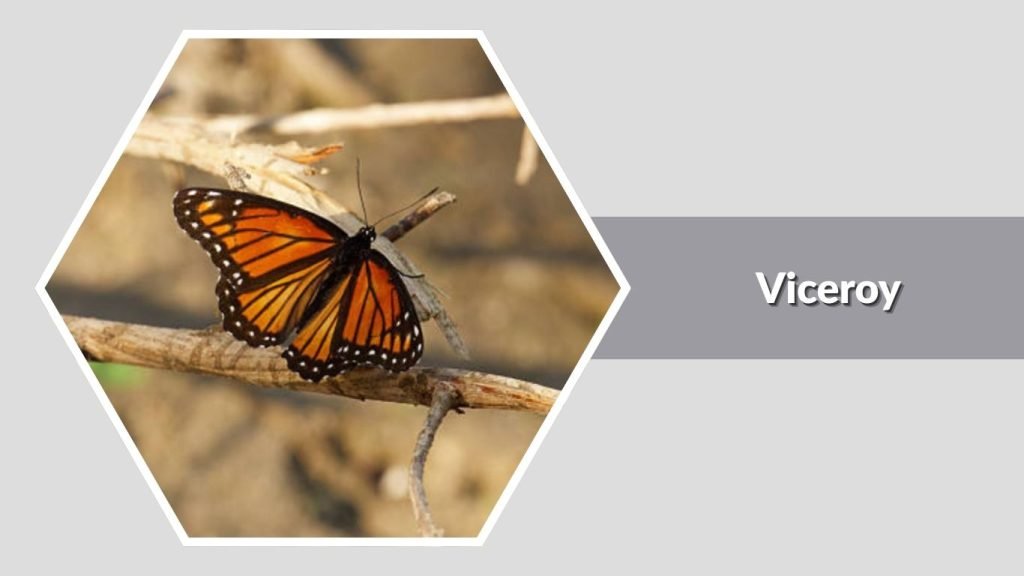
The Viceroy butterfly is a well-known species found across Texas, often mistaken for the Monarch due to its similar appearance. However, it has distinct features and belongs to a different mimicry system. The Viceroy is commonly seen in areas near water and is an important part of Texas butterfly diversity.
Identification
- Medium wingspan, about 6 to 8 centimeters
- Orange wings with black veins similar to Monarch
- Distinct black line running across the hindwings
- Black borders with small white spots
Color Pattern
The Viceroy closely resembles the Monarch but has a key difference—a bold black band crossing the hindwings. Its orange and black pattern is slightly darker and more intricate. This resemblance helps protect it from predators, as it mimics toxic butterflies despite having different defenses.
Habitat
In Texas, Viceroys are commonly found near wetlands, marshes, ponds, and streams. They prefer areas where willow and poplar trees grow, as these plants serve as host plants for their caterpillars. They are also seen in gardens and open landscapes near water sources.
Behavior
Viceroy butterflies are active during warm days and have a quick, agile flight. They often glide and flutter near their host plants. Unlike Monarchs, they do not migrate long distances. They feed on nectar, tree sap, and decaying organic matter, making them versatile feeders.
4. Gulf Fritillary
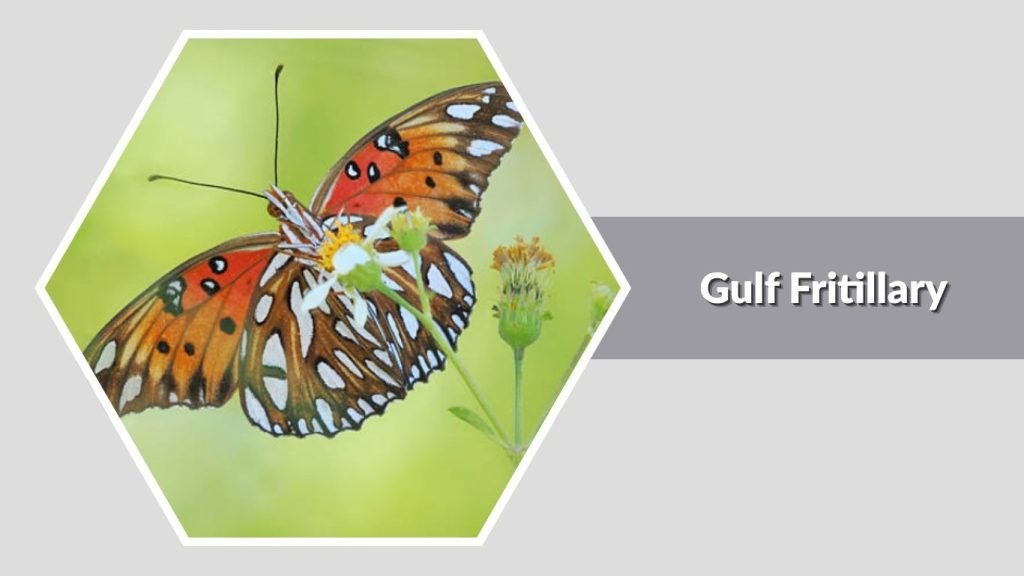
The Gulf Fritillary is a bright and energetic butterfly commonly found throughout Texas. Known for its vivid orange coloration and rapid flight, it is a frequent visitor to gardens and open fields, especially in warmer regions of the state.
Identification
- Medium wingspan, about 6 to 9 centimeters
- Bright orange wings with black spots on the upper side
- Forewings are elongated with slightly pointed tips
- Underside is brown with striking silvery-white spots
Color Pattern
The Gulf Fritillary has a brilliant orange upper side marked with small black spots. The underside contrasts strongly, displaying a rich brown color with shiny silver spots that reflect light. This combination makes it highly distinctive both in flight and at rest.
Habitat
This butterfly thrives in open habitats such as gardens, roadsides, grasslands, and coastal areas in Texas. It is especially common where passionflower plants grow, as these serve as host plants for its caterpillars. Warm climates support its continuous activity.
Behavior
Gulf Fritillaries are fast, active fliers and are often seen moving quickly from flower to flower. They feed on nectar from a variety of plants and are common in butterfly gardens. Their bright coloration signals toxicity, helping them avoid predators.
5. Variegated Fritillary
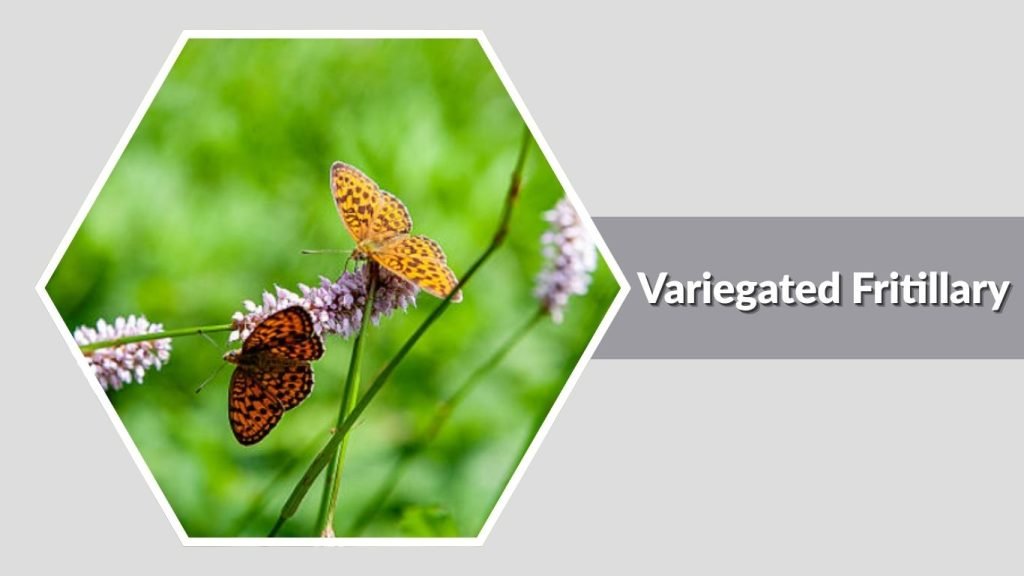
The Variegated Fritillary is a bold and fast-moving butterfly commonly found across Texas. It is known for its bright orange coloration and active behavior, often seen in open areas where flowers are abundant. This species is widespread and adaptable, making it a frequent sight in both natural and disturbed habitats.
Identification
- Medium wingspan, about 6 to 9 centimeters
- Orange wings with irregular black markings
- Forewings are slightly pointed
- Underside is brownish-orange with lighter spots
Color Pattern
The Variegated Fritillary has a rich orange base with scattered black markings that appear less uniform than other fritillaries. The underside is more muted, featuring a mix of brown and orange tones that provide effective camouflage when resting.
Habitat
In Texas, this butterfly thrives in open habitats such as fields, meadows, roadsides, and gardens. It prefers sunny areas with plenty of flowering plants. It is also commonly found in disturbed areas where host plants like passionflower are present.
Behavior
Variegated Fritillaries are very active and have a fast, erratic flight. They frequently visit flowers for nectar and rarely stay in one place for long. Their energetic movement makes them easy to spot but harder to observe closely.
6. Painted Lady
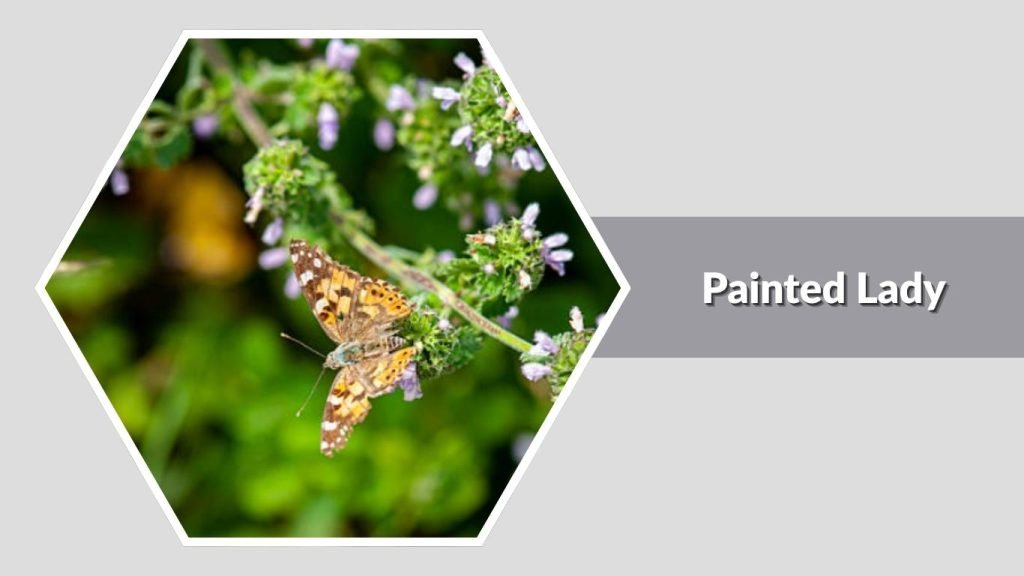
The Painted Lady is one of the most widespread butterflies in the world and is commonly found throughout Texas. Known for its beautiful patterns and long-distance migrations, it is a highly adaptable species that appears in a wide range of environments.
Identification
- Medium wingspan, about 5 to 7 centimeters
- Orange wings with black and white markings
- Forewings have black tips with white spots
- Underside is mottled with brown, grey, and small eyespots
Color Pattern
The Painted Lady displays a vibrant mix of orange, black, and white on the upper side. The underside is more subdued, with complex patterns and small eyespots that help deter predators and provide camouflage when resting.
Habitat
This butterfly is found in a variety of habitats across Texas, including gardens, meadows, deserts, and open fields. It thrives in both dry and moist environments, as long as nectar sources and host plants are available.
Behavior
Painted Ladies are strong fliers and are known for their impressive migrations, sometimes traveling long distances across regions. They feed on nectar from many types of flowers and are often seen basking in sunny spots during the day.
7. American Lady
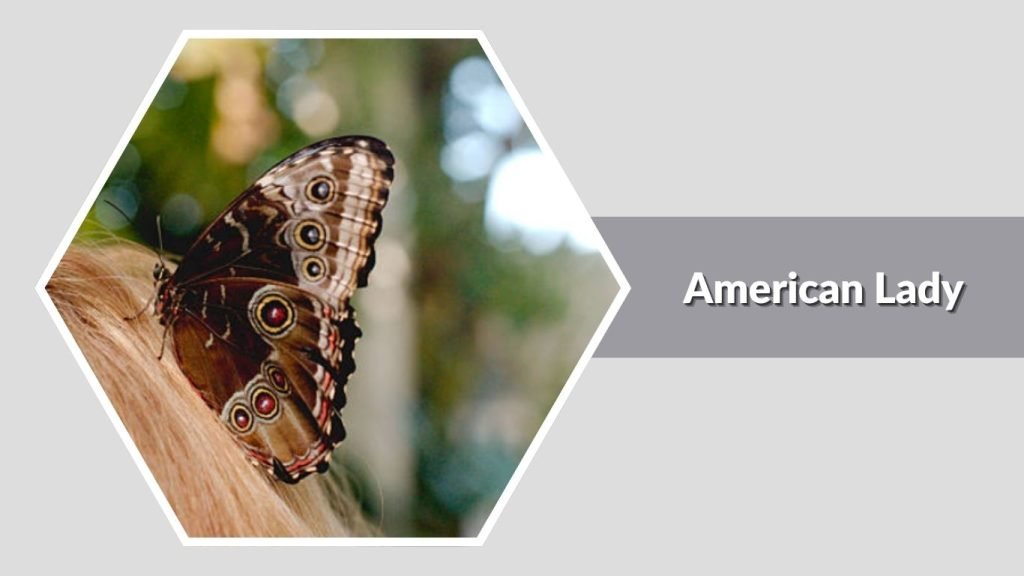
The American Lady is a colorful and adaptable butterfly commonly found across Texas. It closely resembles the Painted Lady but has distinct markings that help in identification. This species is often seen in open, sunny areas where flowers are plentiful.
Identification
- Medium wingspan, about 5 to 7 centimeters
- Orange wings with black patches and white spots
- Two large eyespots on the underside of the hindwings
- Forewings show a mix of orange, black, and white
Color Pattern
The American Lady features a warm orange base with bold black markings and small white spots near the forewing tips. The underside is more muted but includes two noticeable eyespots, which help confuse predators and provide protection.
Habitat
In Texas, this butterfly prefers open habitats such as fields, gardens, dunes, and meadows. It thrives in sunny areas with abundant flowering plants. Host plants like pussytoes are essential for its caterpillars.
Behavior
American Ladies are active during the day and have a quick, fluttering flight. They often bask in the sun and visit flowers for nectar. While not as strongly migratory as Painted Ladies, they may still move seasonally depending on climate conditions.
8. Red Admiral
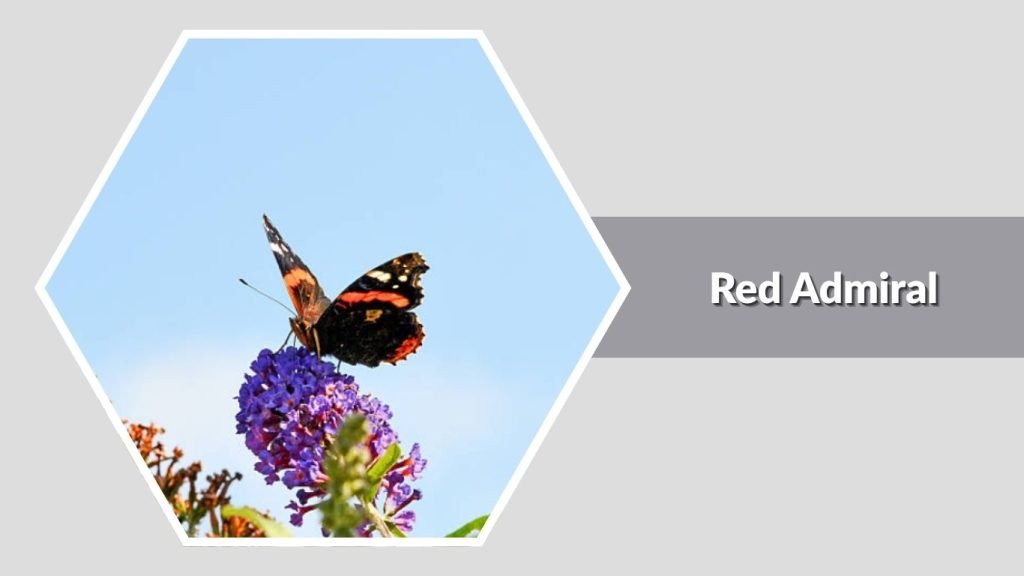
The Red Admiral is a striking butterfly found throughout Texas, known for its bold black wings marked with bright red-orange bands. It is highly adaptable and frequently seen in both natural and urban environments.
Identification
- Medium wingspan, about 6 to 7 centimeters
- Black wings with bright red-orange bands across the forewings
- White spots near the tips of the forewings
- Underside is mottled brown for camouflage
Color Pattern
The Red Admiral has a dramatic color contrast, with deep black wings highlighted by vivid red-orange bands. Small white spots near the wing tips add to its distinctive look. The underside is much duller, helping it blend into tree bark and surroundings.
Habitat
This butterfly thrives in gardens, parks, woodlands, and open countryside across Texas. It prefers areas with nectar-rich flowers and host plants like nettles, which are important for its caterpillars.
Behavior
Red Admirals are fast and agile fliers, often seen darting through their territory. They are known to be territorial and may return to the same resting spots. They feed on nectar, tree sap, and overripe fruit, making them versatile in their feeding habits.
9. Question Mark
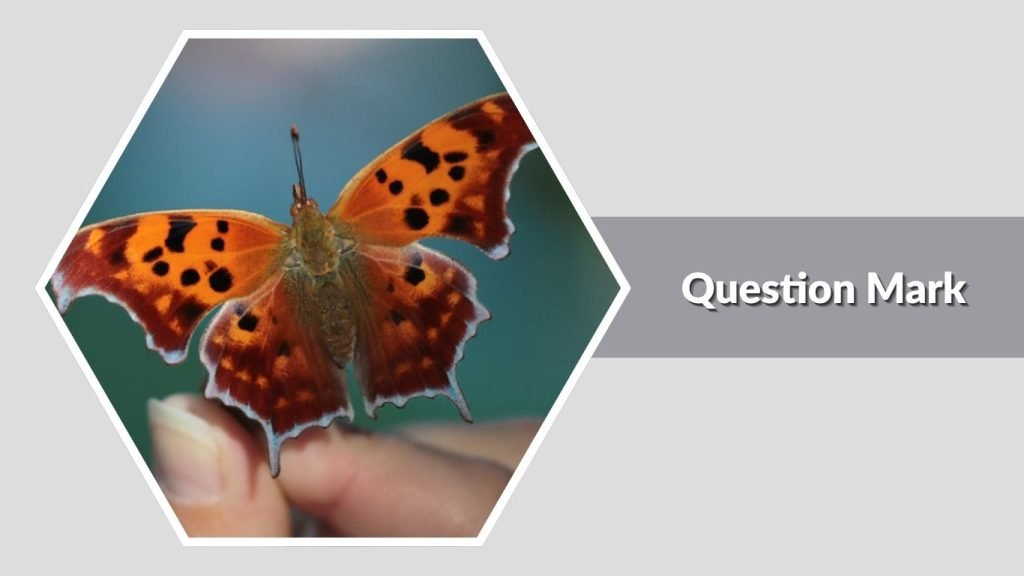
The Question Mark butterfly is a distinctive species found in Texas, known for its irregular wing shape and unique marking that resembles a question mark on the underside. It is a hardy butterfly that adapts well to different environments and is often seen in wooded areas.
Identification
- Medium wingspan, about 7 to 9 centimeters
- Bright orange wings with black spots and dark edges
- Wings have jagged, uneven margins
- Underside is brown with a small silver “question mark” marking
Color Pattern
The upper side of the Question Mark butterfly is vivid orange with scattered black spots and darker edges. The underside is dull brown, resembling a dry leaf, which provides excellent camouflage. The small silver marking is its most recognizable feature.
Habitat
In Texas, this butterfly is commonly found in woodlands, parks, gardens, and near streams. It prefers areas with trees and shrubs, especially where host plants like elm and hackberry are present.
Behavior
Question Mark butterflies are strong fliers and are often seen basking in sunny spots. They prefer feeding on tree sap, rotting fruit, and organic matter rather than flower nectar. They also hibernate during colder months.
10. Mourning Cloak
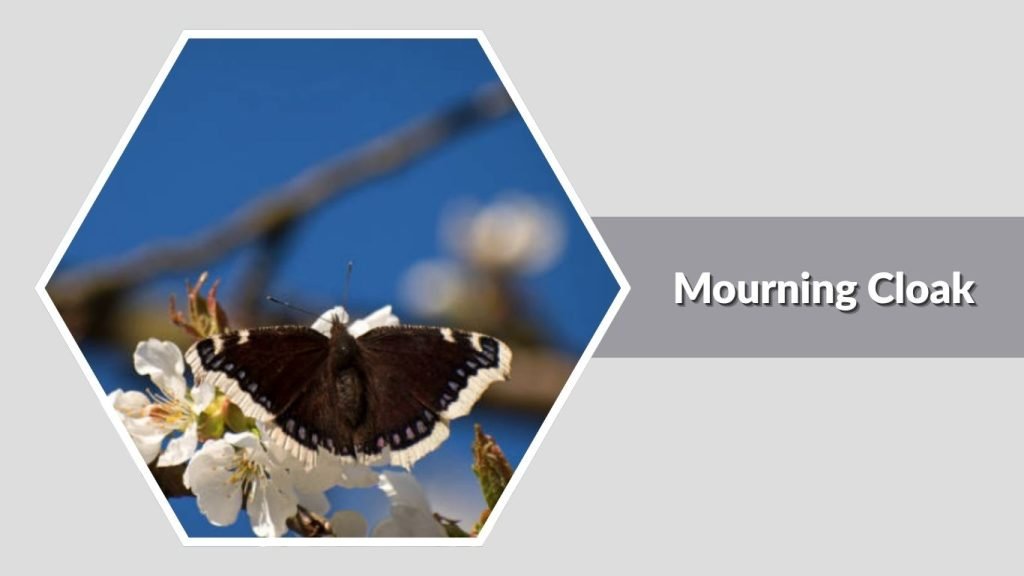
The Mourning Cloak is a unique and long-lived butterfly found in Texas, known for its dark, rich coloration and pale border along its wings. It is often one of the first butterflies seen in early spring.
Identification
- Medium to large wingspan, about 6 to 10 centimeters
- Dark maroon to nearly black wings
- Pale yellow or cream border along wing edges
- Row of small blue spots just inside the border
Color Pattern
The Mourning Cloak has a deep, velvety maroon or black color, contrasted by a light-colored edge and a line of bright blue spots. The underside is much darker and bark-like, allowing it to blend into tree trunks when resting.
Habitat
This butterfly is found in woodlands, parks, gardens, and along streams in Texas. It prefers areas with trees such as willow, elm, and poplar, which serve as host plants for its caterpillars.
Behavior
Mourning Cloaks are strong fliers and are often seen basking in sunlight. They feed on tree sap, rotting fruit, and other organic sources rather than nectar. They are also known for hibernating as adults, allowing them to appear early in the season.
11. Black Swallowtail
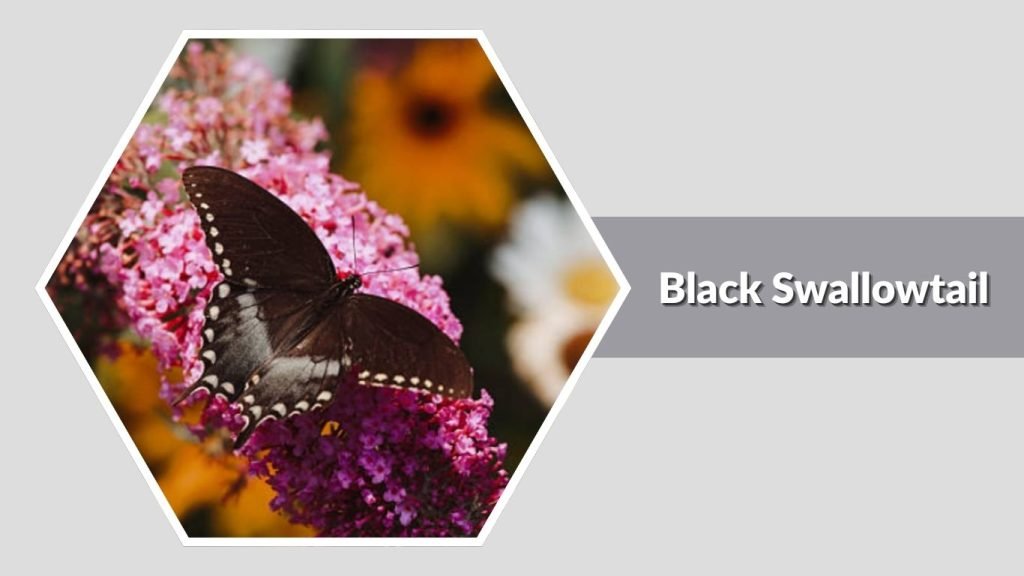
The Black Swallowtail is a striking butterfly commonly found across Texas, especially in gardens and open fields. It is known for its dark wings highlighted with bright yellow and blue markings, making it both elegant and easy to recognize.
Identification
- Medium to large wingspan, about 7 to 9 centimeters
- Black wings with rows of yellow spots
- Hindwings show blue shading and a red-orange eyespot
- Tails present on hindwings
Color Pattern
The Black Swallowtail features a bold contrast of black and yellow, with hints of blue on the hindwings. The red-orange eyespot near the tail helps distract predators. Females often have more blue coloration than males.
Habitat
In Texas, it is commonly found in gardens, meadows, roadsides, and farmland. It prefers areas where host plants like parsley, dill, and fennel grow, making it a frequent visitor to home gardens.
Behavior
Black Swallowtails are active during sunny days and have a smooth, gliding flight. They frequently visit flowers for nectar and are often seen around herbs. Males patrol territories while females search for host plants to lay eggs.
12. Giant Swallowtail
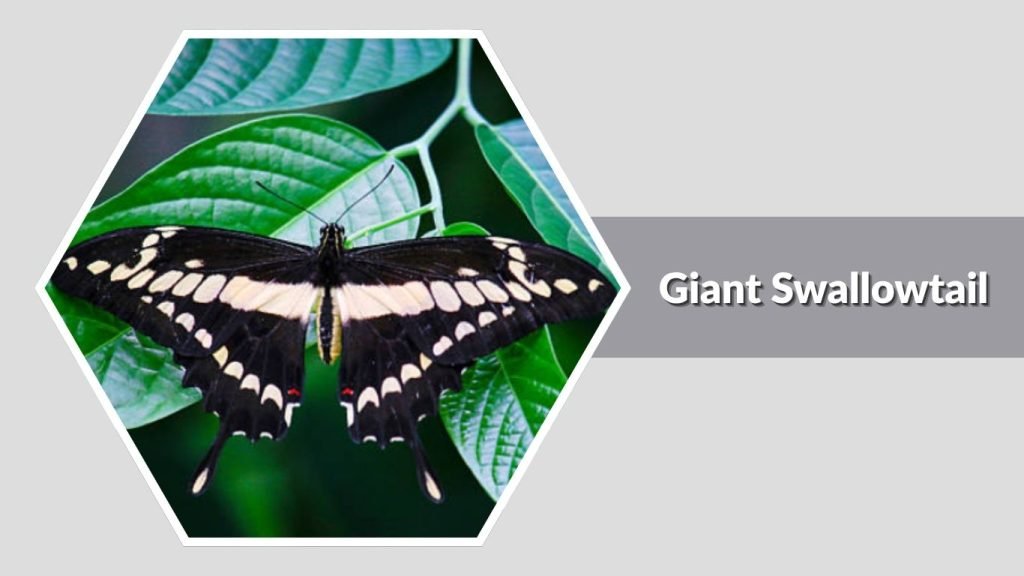
The Giant Swallowtail is the largest butterfly in Texas and one of the most impressive species in North America. Its bold black and yellow pattern and large size make it a standout in any habitat.
Identification
- Very large wingspan, about 10 to 16 centimeters
- Black wings with broad yellow bands
- Tails on hindwings are short but noticeable
- Body is dark with yellow markings
Color Pattern
The Giant Swallowtail has a dramatic black and yellow pattern, forming a bold contrast across its wings. The underside is lighter, with similar markings that help it blend into sunlight and shadows.
Habitat
This butterfly is found in forests, gardens, citrus groves, and urban areas across Texas. It is especially common where citrus plants grow, as these serve as host plants for its caterpillars.
Behavior
Giant Swallowtails are strong and steady fliers, often seen gliding high above the ground. They visit flowers for nectar and are active during warm days. Their large size and slow wingbeats make them easy to observe.
13. Pipevine Swallowtail
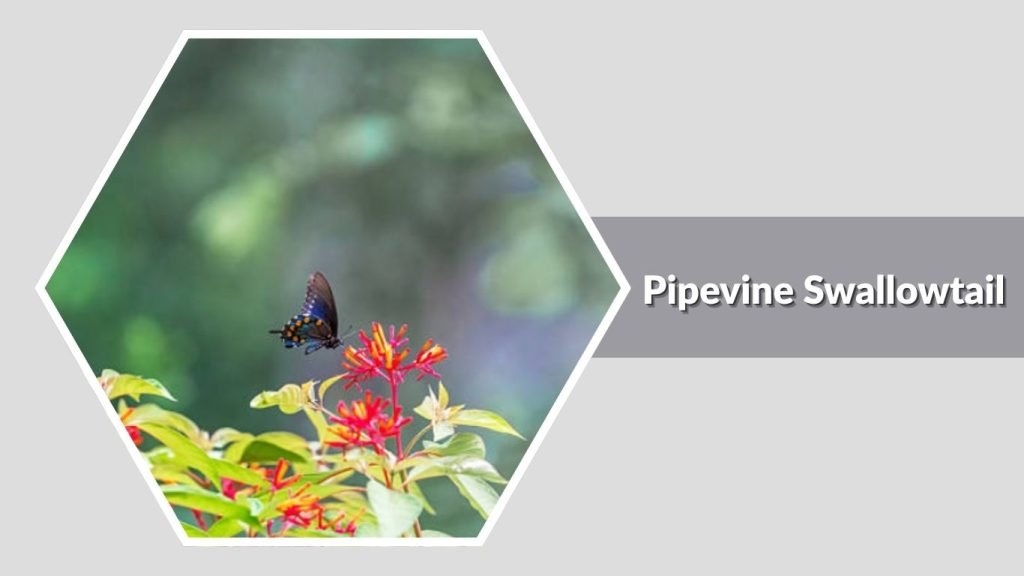
The Pipevine Swallowtail is a dark and elegant butterfly found in parts of Texas, especially in wooded and moist environments. It is known for its deep black wings with iridescent blue highlights, making it both beautiful and important in mimicry systems.
Identification
- Medium to large wingspan, about 7 to 10 centimeters
- Upper wings are black with blue or blue-green iridescence
- Hindwings have a row of pale or bluish spots
- Underside shows bright orange spots
Color Pattern
The Pipevine Swallowtail appears mostly black but reveals a shimmering blue tone in sunlight. The underside is more colorful, with vivid orange spots contrasting against the dark background, serving as a warning to predators.
Habitat
In Texas, it is commonly found in woodlands, gardens, and near streams. It prefers areas where pipevine plants grow, as these are essential for its caterpillars. It thrives in warm, humid environments.
Behavior
Pipevine Swallowtails have a smooth, gliding flight and are active during warm days. They feed on nectar from flowers and are often seen in gardens. Their toxicity makes them unappealing to predators, and many other butterflies mimic their appearance.
14. Spicebush Swallowtail
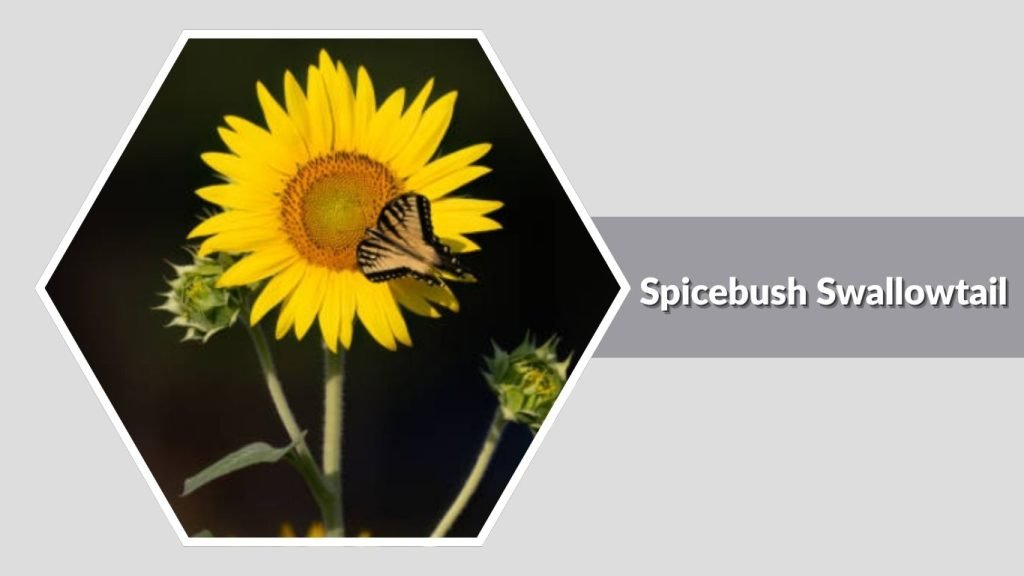
The Spicebush Swallowtail is a graceful butterfly found in eastern parts of Texas, especially in forested areas. It is admired for its dark wings with soft blue-green shading and its fascinating life cycle.
Identification
- Medium wingspan, about 7 to 9 centimeters
- Upper wings are black with blue-green shading on hindwings
- Hindwings have small orange spots
- Tails present on hindwings
Color Pattern
The Spicebush Swallowtail has a rich black base color with subtle blue-green highlights, especially visible in females. The underside is brighter, with orange spots that create a striking contrast and help deter predators.
Habitat
This butterfly prefers woodlands, forest edges, swamps, and shaded gardens in Texas. It is closely associated with spicebush and sassafras plants, which serve as host plants for its caterpillars.
Behavior
Spicebush Swallowtails are active during the day and have a smooth, gliding flight. They often visit flowers for nectar and are commonly seen in shaded environments. Their caterpillars mimic snake eyes, helping protect them from predators.
15. Eastern Tiger Swallowtail
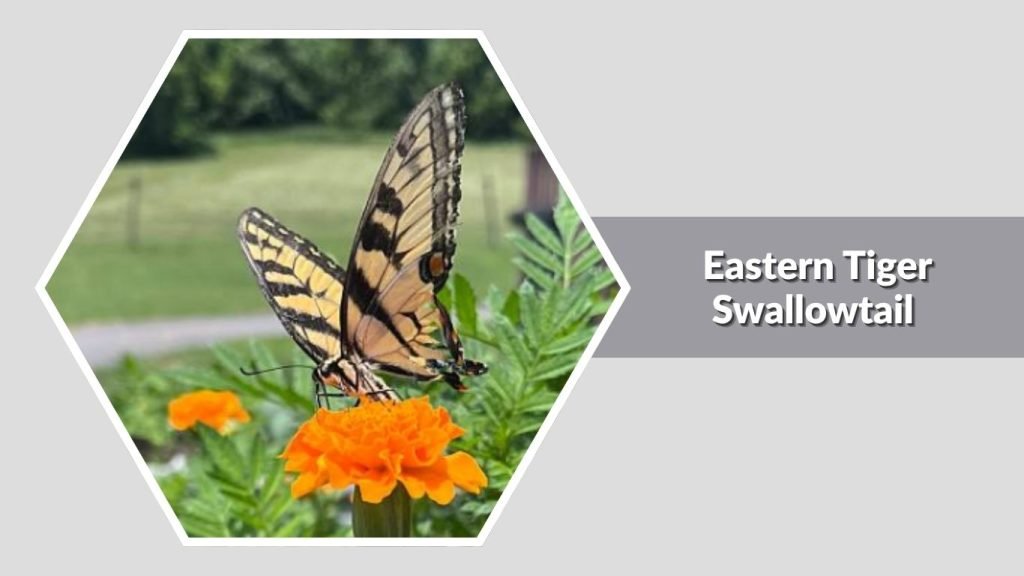
The Eastern Tiger Swallowtail is a large and colorful butterfly commonly found in Texas, especially in wooded areas and near water. It is known for its bright yellow wings with bold black stripes, making it one of the most recognizable butterflies in the region.
Identification
- Large wingspan, about 8 to 14 centimeters
- Yellow wings with black tiger-like stripes
- Hindwings have blue spots and a small orange eyespot
- Tails present on hindwings
Color Pattern
The Eastern Tiger Swallowtail features a bright yellow base with striking black stripes resembling a tiger pattern. The hindwings display blue shading and a small orange spot, adding to its vibrant appearance.
Habitat
In Texas, it is found in forests, woodlands, riverbanks, gardens, and parks. It prefers areas with plenty of trees such as willow, birch, and cherry, which serve as host plants for its caterpillars.
Behavior
These butterflies are strong fliers and are often seen gliding high above the ground. They feed on nectar from flowers and may also gather on moist soil to absorb minerals. They are active during warm, sunny days.
16. Zebra Swallowtail
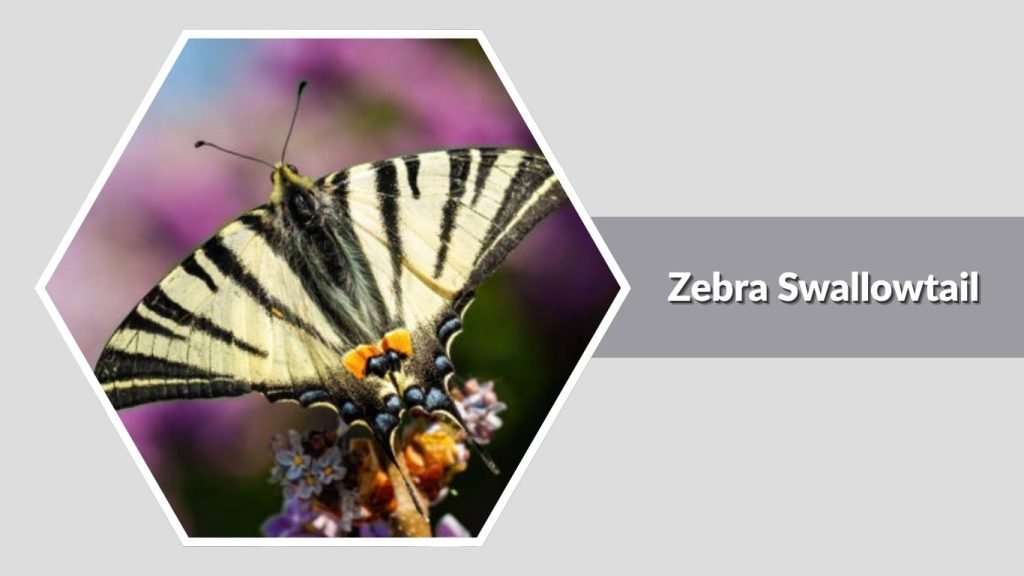
The Zebra Swallowtail is a unique and elegant butterfly found in parts of Texas, especially in the eastern regions. It is easily recognized by its bold black and white striped pattern and long tail extensions.
Identification
- Medium wingspan, about 6 to 10 centimeters
- White wings with bold black zebra-like stripes
- Long, narrow tails on hindwings
- Red spot near the base of the hindwings
Color Pattern
The Zebra Swallowtail has a striking black-and-white striped pattern that resembles a zebra. A small red spot near the hindwing base adds a splash of color, making it even more distinctive.
Habitat
This butterfly prefers woodlands, forest edges, and areas near rivers and streams in Texas. It is closely associated with pawpaw trees, which serve as host plants for its caterpillars.
Behavior
Zebra Swallowtails are active during warm weather and have a slow, graceful flight. They are often seen gliding through wooded areas or visiting flowers for nectar. They may also gather on damp ground to obtain minerals.
17. Cloudless Sulphur
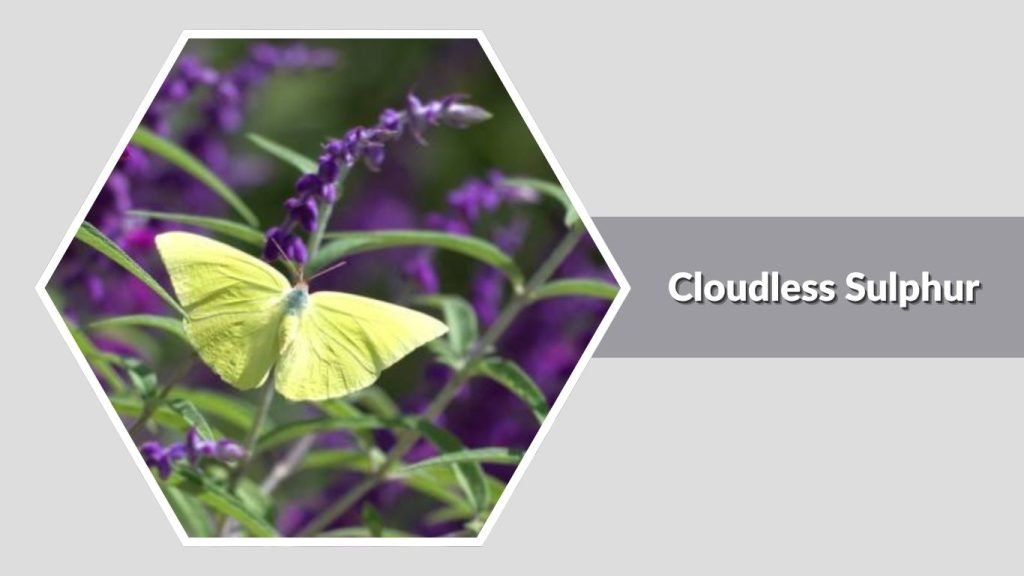
The Cloudless Sulphur is a bright yellow butterfly commonly found across Texas, especially in warm, sunny areas. It is known for its clean, unmarked wings and strong flight, often seen in large numbers during migration seasons.
Identification
- Medium to large wingspan, about 6 to 8 centimeters
- Wings are solid bright yellow with little to no markings
- Females may have faint spots or pale edges
- Body is slender and light-colored
Color Pattern
The Cloudless Sulphur has a simple yet striking appearance with its bright lemon-yellow wings. Unlike many butterflies, it lacks heavy markings, giving it a clean and smooth look. The underside is slightly paler, helping it blend in when resting.
Habitat
In Texas, it is found in gardens, open fields, roadsides, and coastal areas. It prefers warm climates and is often associated with cassia plants, which serve as host plants for its caterpillars.
Behavior
Cloudless Sulphurs are strong and fast fliers, often seen moving quickly across open spaces. They feed on nectar from various flowers and are known for seasonal movements, especially in late summer and fall.
18. Orange Sulphur
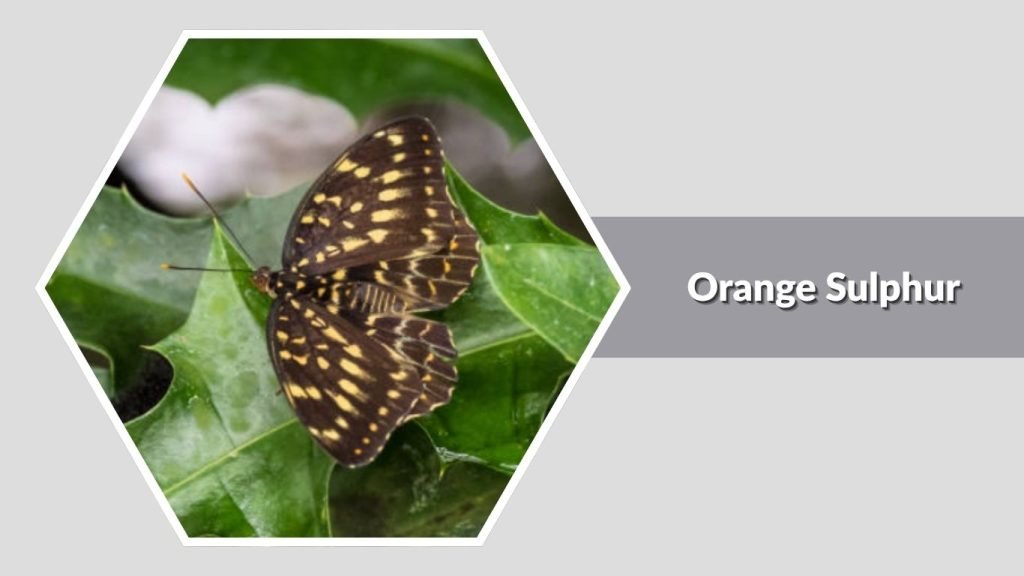
The Orange Sulphur is a common and widespread butterfly found throughout Texas. It is easily recognized by its bright orange coloration and is often seen fluttering over fields and agricultural areas.
Identification
- Medium wingspan, about 4 to 6 centimeters
- Bright orange wings with black borders
- Females may appear more yellow with dark edges
- Underside is lighter with small spots
Color Pattern
The Orange Sulphur features vibrant orange wings bordered with black, creating a bold contrast. Females often show variation, sometimes appearing more yellow. The underside is paler and helps provide camouflage when resting.
Habitat
This butterfly thrives in open habitats such as fields, meadows, roadsides, and farmland across Texas. It is especially common in areas where clover and alfalfa grow, as these plants are important for its larvae.
Behavior
Orange Sulphurs are active during sunny days and have a fast, fluttering flight. They are often seen in large numbers, especially in agricultural areas. They feed on nectar from various flowers and may gather on damp ground for minerals.
19. Sleepy Orange
The Sleepy Orange is a small and bright butterfly commonly found in Texas, especially in warm and sunny regions. It gets its name from the small dark spot on its wings that resembles a “sleepy eye.”
Identification
- Small to medium wingspan, about 3 to 5 centimeters
- Bright orange wings with thin dark borders
- Distinct small dark spot on the forewing
- Underside is pale yellow to orange
Color Pattern
The Sleepy Orange displays a warm orange color with a subtle dark marking on the forewing. The underside is lighter, often yellowish, which helps it blend into flowers and dry vegetation when resting.
Habitat
In Texas, it is commonly found in open areas such as fields, gardens, roadsides, and scrublands. It prefers warm climates and is often seen where host plants like senna grow.
Behavior
Sleepy Oranges are active during sunny days and have a light, fluttering flight. They frequently visit flowers for nectar and may appear in large numbers during certain seasons.
20. Checkered White
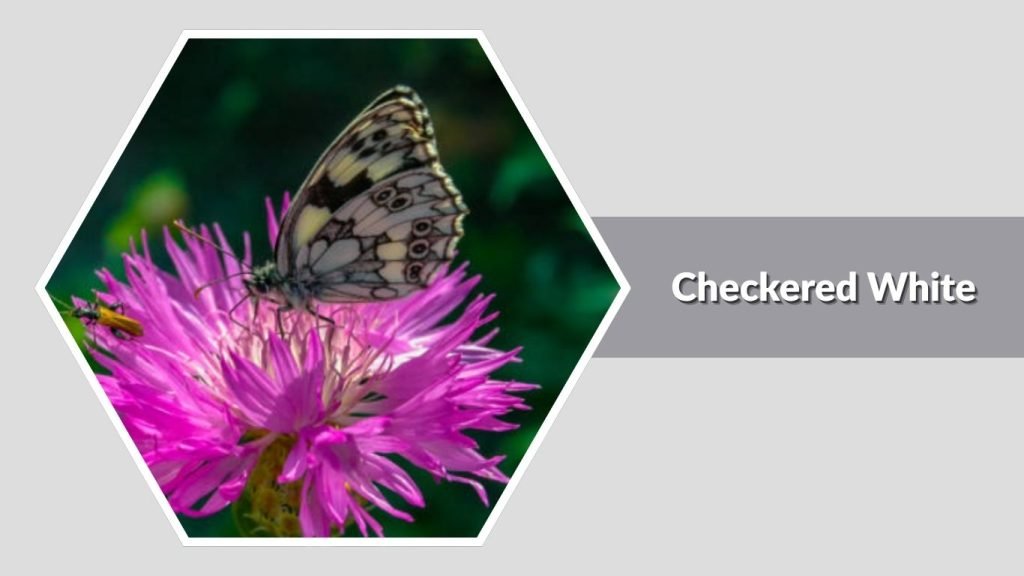
The Checkered White is a small and distinctive butterfly found across Texas, known for its black-and-white patterned wings. It is especially common in open and dry habitats.
Identification
- Small to medium wingspan, about 4 to 6 centimeters
- White wings with black checkered patterns
- Males have fewer markings than females
- Underside is pale with faint patterns
Color Pattern
The Checkered White features a contrasting black-and-white pattern, giving it a checkered appearance. Females tend to have darker and more pronounced markings, while males appear lighter.
Habitat
This butterfly thrives in open habitats such as fields, deserts, roadsides, and grasslands across Texas. It prefers dry and sunny environments with plenty of low vegetation.
Behavior
Checkered Whites are active during warm days and have a quick, fluttering flight. They feed on nectar from small flowers and are often seen flying low over open ground.
21. Gray Hairstreak
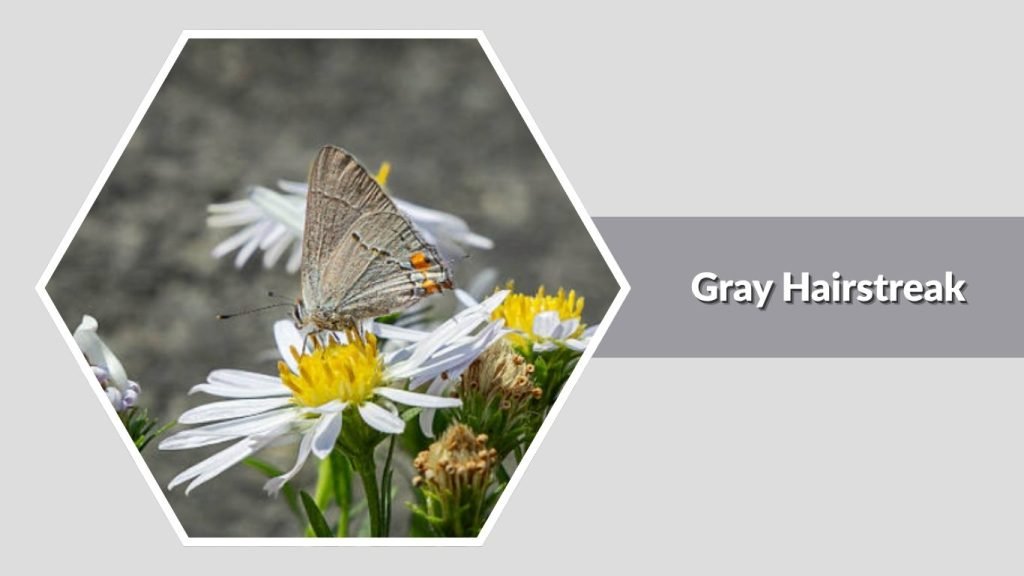
The Gray Hairstreak is a small and widespread butterfly found throughout Texas. It is easily recognized by its thin tail-like extensions and subtle grey coloration, often seen in open areas and gardens.
Identification
- Small wingspan, about 2.5 to 3.5 centimeters
- Wings are grey with fine black and white lines
- Thin tail-like projections on hindwings
- Small orange spot near the tail
Color Pattern
The Gray Hairstreak has a soft grey color with delicate black and white striping. A bright orange spot near the tail adds contrast and helps distract predators. The underside pattern provides excellent camouflage.
Habitat
In Texas, it is found in gardens, fields, roadsides, and open woodlands. It thrives in a variety of environments and is highly adaptable, often seen where flowering plants are abundant.
Behavior
Gray Hairstreaks are active during warm days and have a quick, fluttering flight. They often move rapidly between flowers and may rub their hindwings together to mimic antennae, confusing predators.
22. Eastern Tailed-Blue
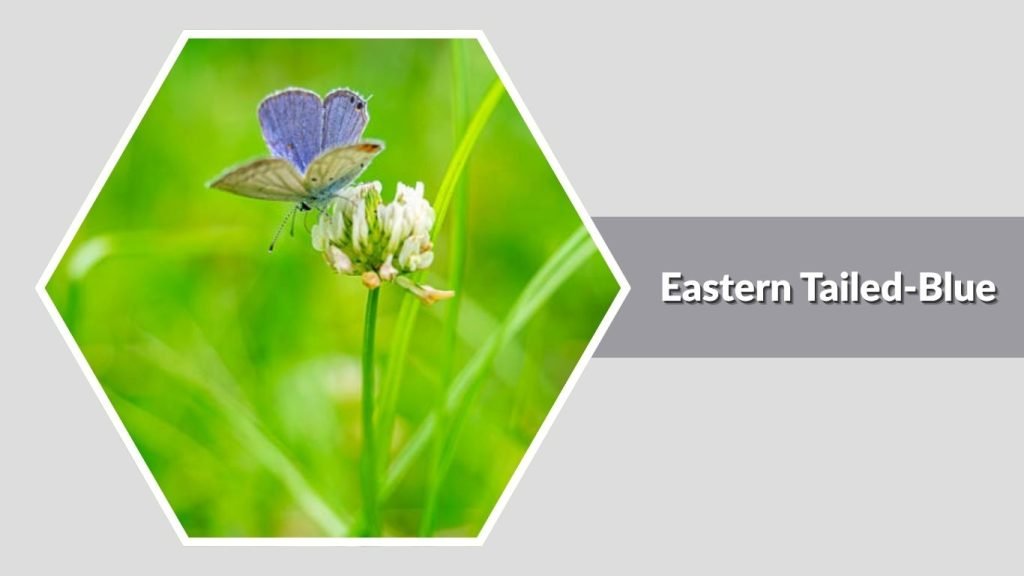
The Eastern Tailed-Blue is a tiny butterfly commonly found across Texas, especially in open grassy areas. It is known for its small size and delicate tail-like extensions.
Identification
- Very small wingspan, about 2 to 3 centimeters
- Males have light blue upper wings; females are more grey
- Thin tail-like projections on hindwings
- Underside is pale grey with small black spots and orange markings
Color Pattern
The Eastern Tailed-Blue displays soft blue tones in males and more muted colors in females. The underside has fine spotting and a touch of orange near the tails, helping it blend into its surroundings.
Habitat
This butterfly prefers grasslands, meadows, gardens, and roadsides in Texas. It thrives in sunny environments with low vegetation and host plants like clover and legumes.
Behavior
Eastern Tailed-Blues are active during warm days and fly close to the ground. They have a quick, fluttering flight and often rest with wings closed. They feed on nectar from small flowers and are commonly seen in groups.
23. Hackberry Emperor
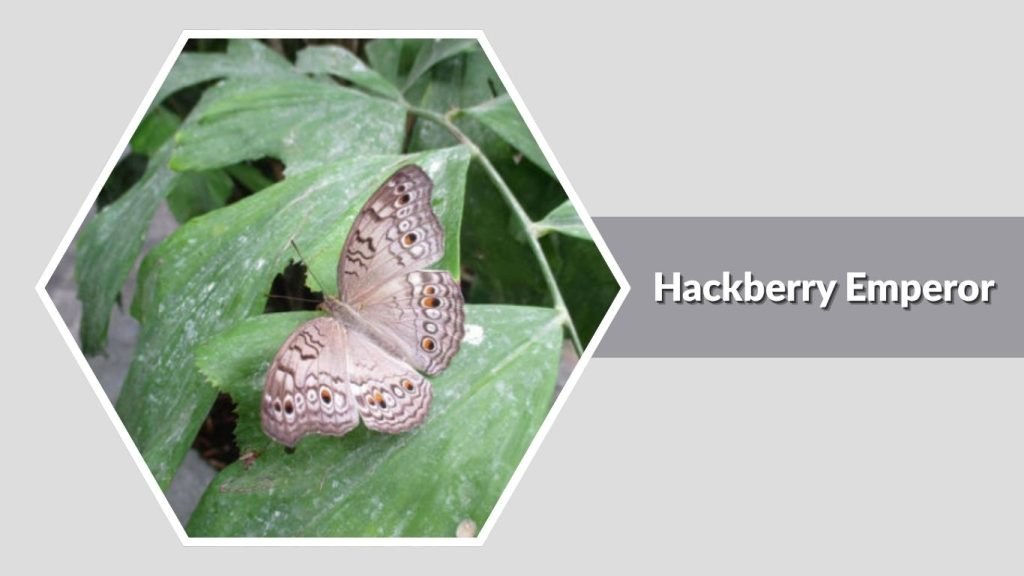
The Hackberry Emperor is a medium-sized butterfly commonly found in Texas, especially in wooded areas. It is known for its subtle brown coloration and its habit of perching on tree trunks, where it blends in easily with its surroundings.
Identification
- Medium wingspan, about 5 to 7 centimeters
- Wings are brown with darker spots and eye-like markings
- Forewings have small white spots near the tips
- Underside is lighter with fine patterns
Color Pattern
The Hackberry Emperor has a mostly brown appearance with darker markings and small eyespots that help deter predators. Its muted tones provide excellent camouflage against tree bark and forest backgrounds.
Habitat
In Texas, this butterfly is commonly found in woodlands, parks, and areas with hackberry trees, which are essential host plants for its caterpillars. It prefers shaded environments with plenty of trees.
Behavior
Hackberry Emperors are active during warm days and are often seen perched on tree trunks or the ground. Unlike many butterflies, they frequently feed on tree sap, rotting fruit, and moisture from soil rather than nectar.